

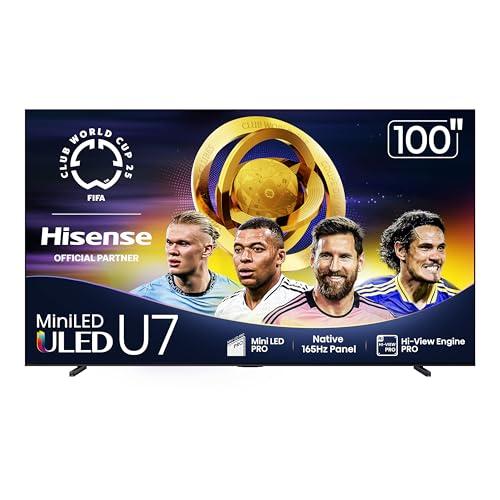


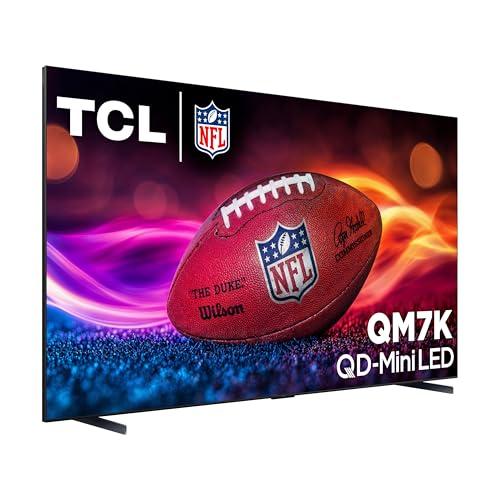
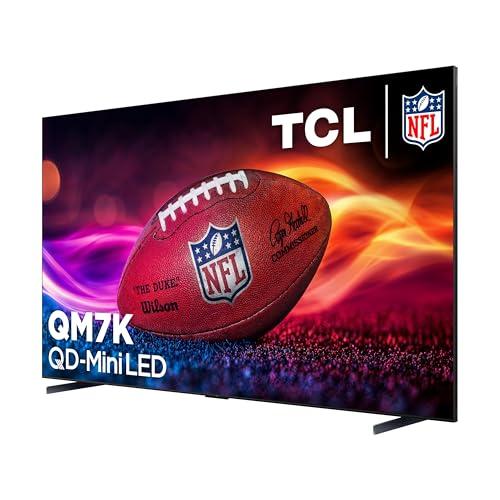
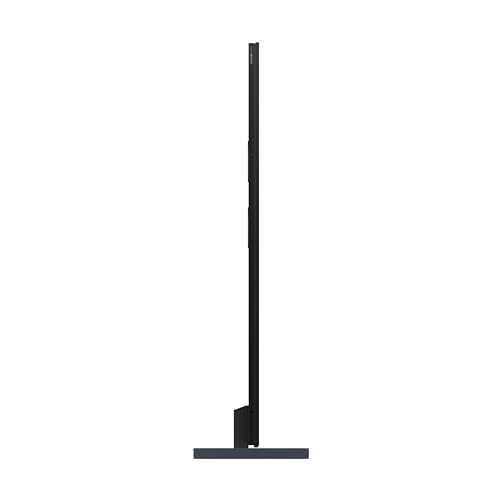
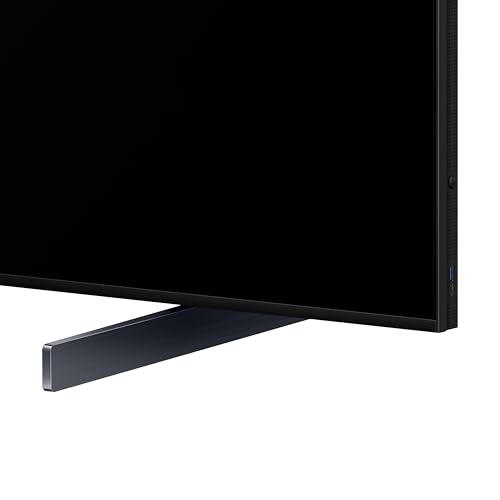
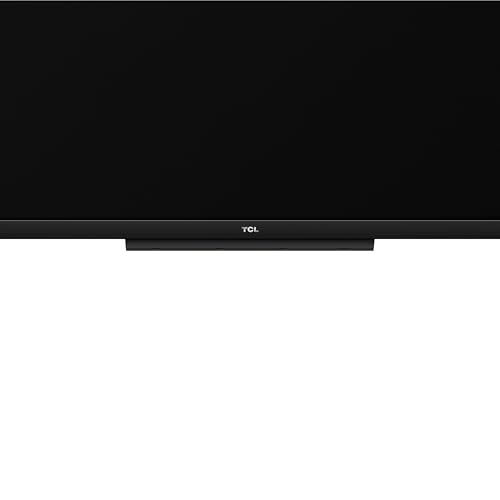
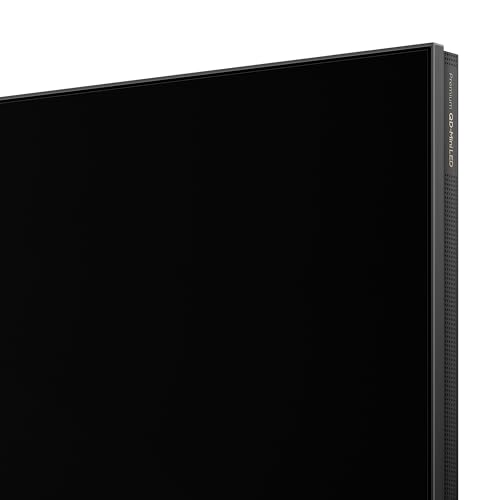

When you're shopping for a TV that's bigger than most people's bedroom walls, you're entering pretty exclusive territory. Both the Hisense 100" U7 Series at $2,998 and the TCL 115" QM7K Series at $12,998 represent the cutting edge of what's possible in home entertainment, but they take very different approaches to get there.
I've spent considerable time with both ultra-large Mini-LED displays, and the differences are more nuanced than you might expect. Yes, one costs over four times as much as the other, but that doesn't automatically make it four times better. Let me walk you through what really matters when you're making this kind of investment.
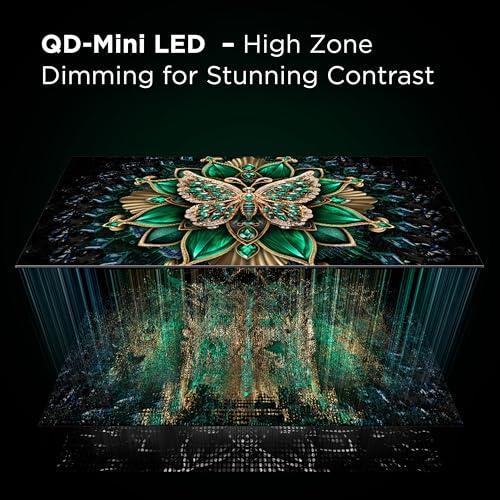
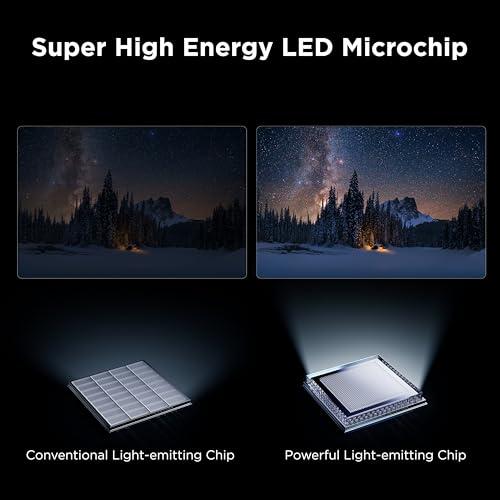
Before diving into specifics, it's worth understanding what makes these TVs special. Mini-LED technology uses thousands of tiny LEDs behind the screen—each about the size of a grain of sand—instead of the larger LEDs found in regular TVs. Think of it like switching from a handful of flashlights to thousands of precision spotlights. This allows for incredibly precise control over which parts of the screen are bright or dark at any given moment.
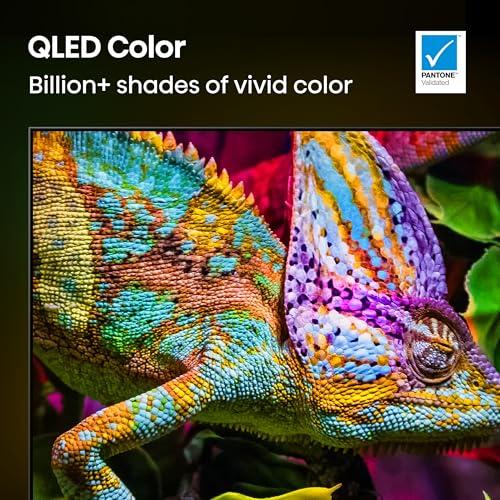
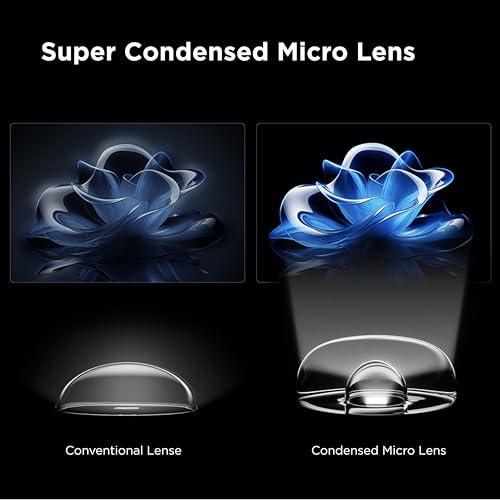
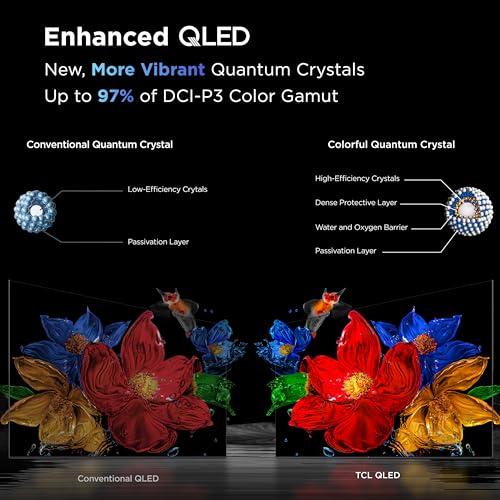
Both TVs also use quantum dot technology, which adds a special layer that converts LED light into more pure, saturated colors. It's like having a prism that creates more vivid colors from the same light source. The result is images that pop off the screen with intensity that regular TVs simply can't match.
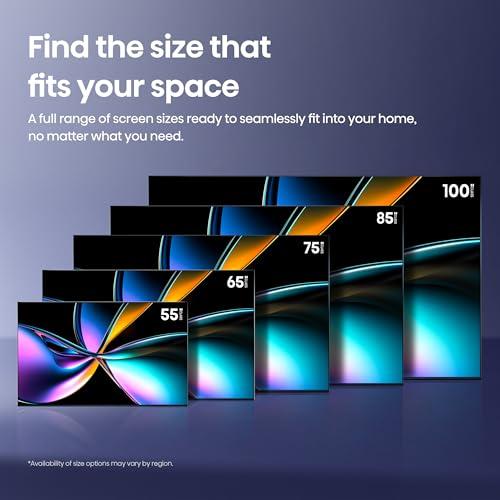
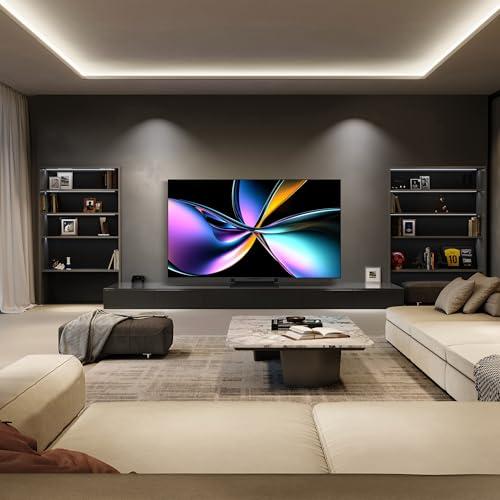
The challenge with TVs this large is that you need serious space. We're talking about displays that are literally the size of king-size beds standing upright. Your viewing distance should be at least 8-10 feet, and honestly, 12-14 feet is even better for the 115-inch model. I learned this the hard way when first setting up the TCL—sitting too close felt like being in the front row of a movie theater, which sounds cool but quickly becomes exhausting.
The Hisense 100" U7 launched in March 2025, representing Hisense's push to democratize ultra-large screen experiences. It's part of their strategy to offer flagship features at prices that don't require taking out a second mortgage. The timing was strategic—they wanted to establish market presence before the summer movie season.
The TCL 115" QM7K followed in July 2025, positioning itself as the ultimate no-compromise display. TCL took their time refining the technology, and it shows in the implementation. This isn't just a bigger version of their smaller TVs—it's engineered specifically for this massive scale.
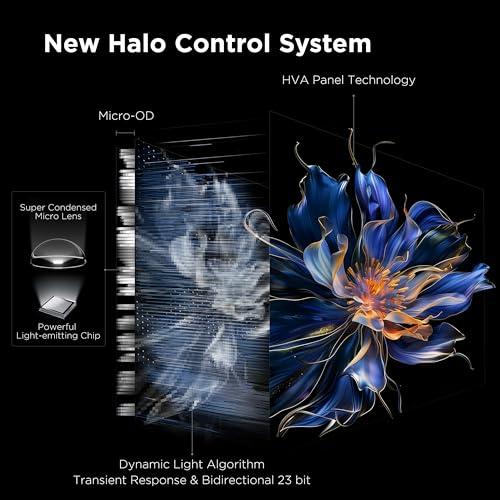
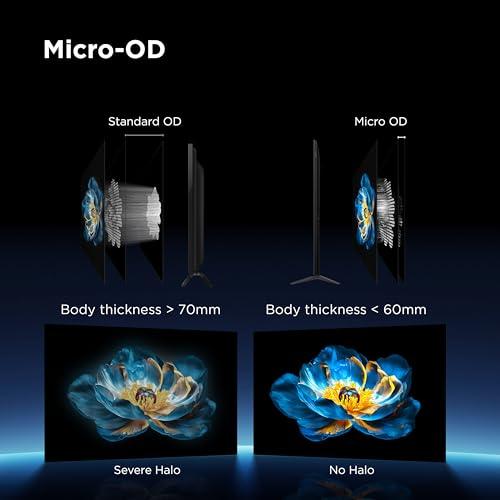
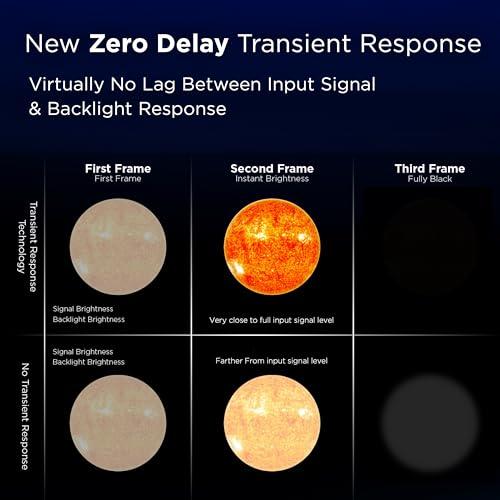
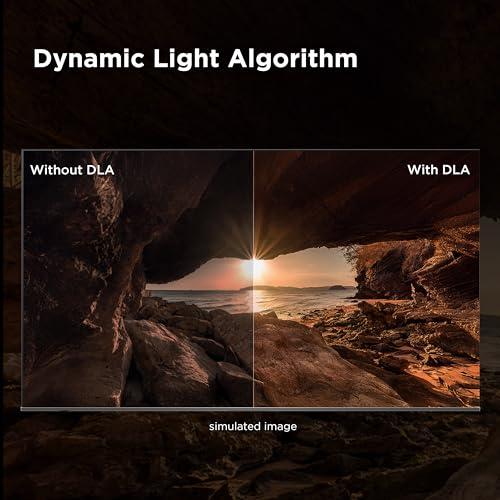
Both represent significant technological leaps from their 2024 predecessors. The Hisense improved its local dimming algorithm and added support for higher gaming refresh rates, while TCL introduced their new "Halo Control System"—a fancy name for technology that prevents the annoying bright halos you sometimes see around objects on dark backgrounds.
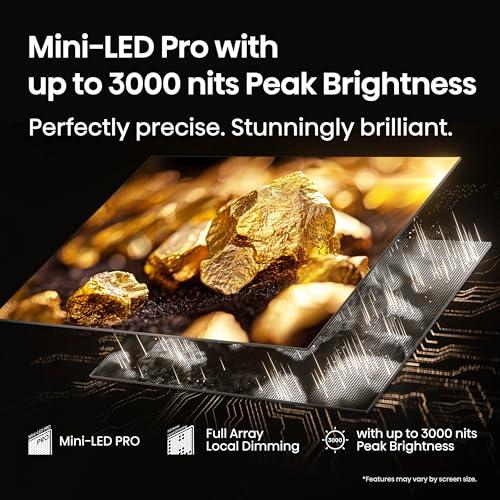
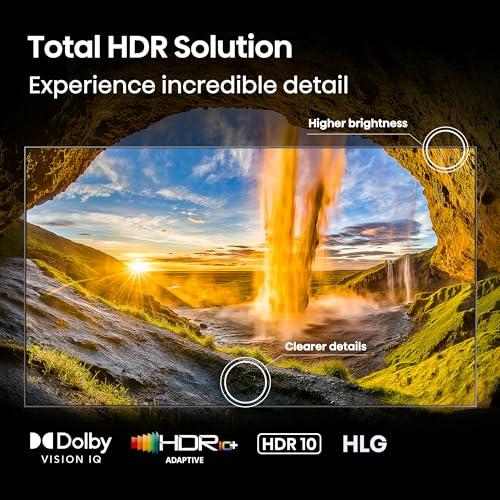
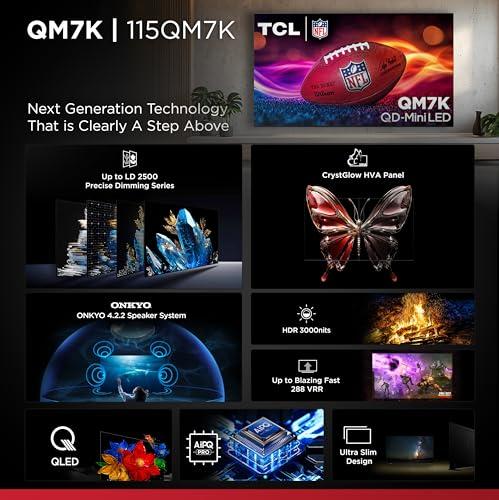
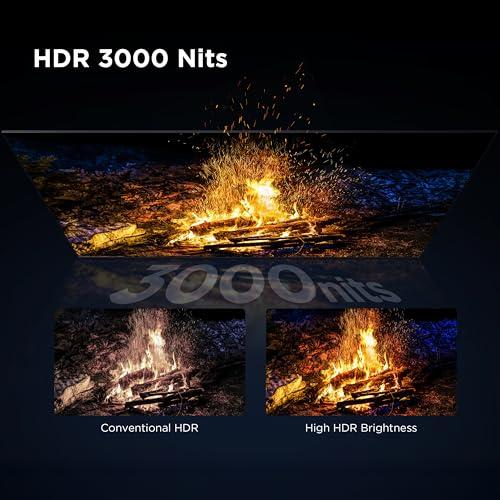
Here's where the price difference really starts to show. The TCL pumps out an impressive 3,000 nits of peak brightness, while the Hisense reaches 1,500 nits. To put this in perspective, a bright sunny day measures about 100,000 nits, while indoor lighting is typically 100-500 nits. Both TVs are incredibly bright by any standard, but that 2x difference isn't just a number on a spec sheet.
When I'm watching HDR movies—content specifically designed to take advantage of these brightness levels—the TCL makes explosions, sunlight, and bright reflections look genuinely dazzling. The Hisense certainly impresses, but side-by-side, it's clear the TCL is operating in a different league. This becomes especially important if you're watching during the day or have a room with lots of windows.
However, there's a practical consideration here: unless you're watching a lot of premium HDR content, you might not fully utilize that extra brightness. Most regular TV shows and older movies won't push either display to its limits.
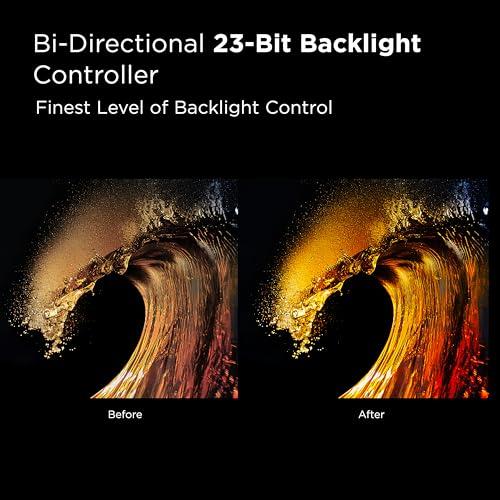
Local dimming is where Mini-LED technology really shines, literally. The TCL boasts over 2,500 independent dimming zones, while the Hisense has an estimated 500-800 zones. Think of each zone as a tiny spotlight that can be turned up or down independently.
More zones mean more precise control over which parts of the image are bright or dark. When you're watching a scene with, say, stars against a black sky, more zones allow the TV to make the stars bright while keeping the sky truly black around them. With fewer zones, you might see a slight glow or "halo" around bright objects.
I've noticed this difference most dramatically in dark movie scenes. The TCL renders shadows with subtle gradations that make scenes feel more three-dimensional. The Hisense is still excellent—certainly better than any standard LED TV—but occasionally shows slight blooming in challenging content.
Both TVs use quantum dot technology to produce over a billion different colors, and honestly, the difference here is smaller than you might expect given the price gap. The Hisense tends toward slightly more accurate colors out of the box, while the TCL emphasizes color volume—the ability to show both dark and bright versions of the same color.
In practical terms, both deliver stunning, lifelike colors. The difference is more about preference: do you want colors that look "right" or colors that look "wow"? Neither approach is wrong, and most viewers will be thrilled with either.
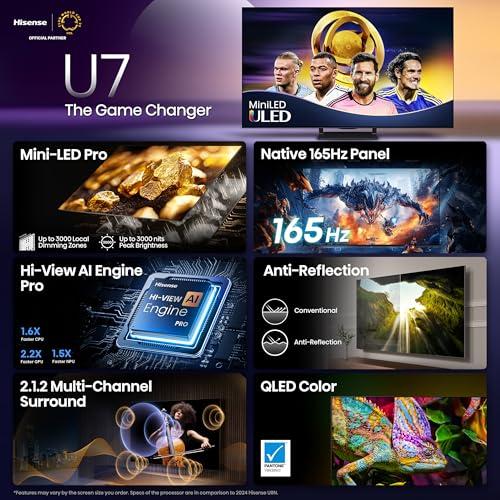
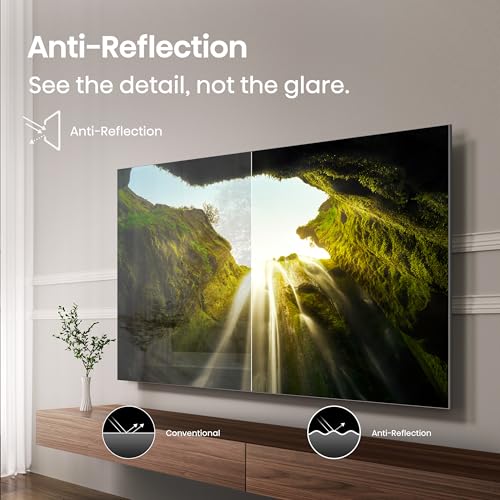
This is where the TCL really justifies some of its premium pricing. Its nanoscale anti-glare coating is genuinely impressive—it's like the difference between looking at a mirror and looking through a window. Combined with that higher peak brightness, the TCL performs dramatically better in bright rooms.
The Hisense uses a more traditional glossy coating that can struggle with reflections. If you have a dedicated home theater with controlled lighting, this won't matter much. But if your TV room has windows or overhead lights that you can't fully control, the TCL's anti-glare technology is a genuine quality-of-life improvement.
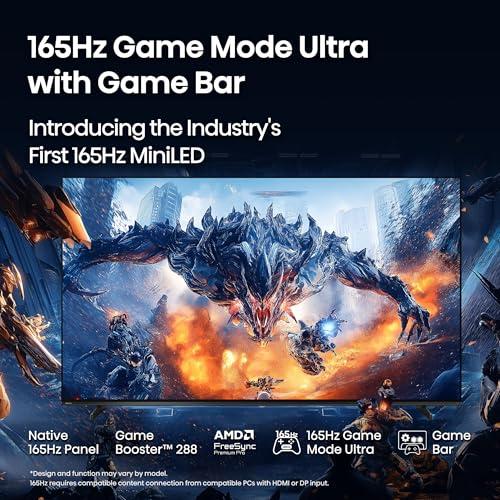
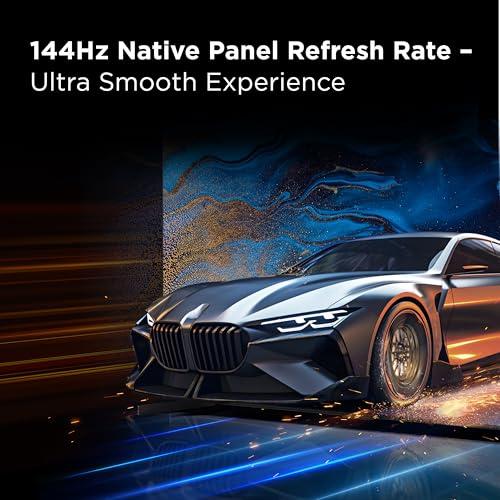
Both TVs clearly target serious gamers, but they take slightly different approaches. The Hisense 100" U7 offers a native 165Hz refresh rate at 4K resolution, which is actually higher than the TCL's 144Hz. For gaming, higher refresh rates mean smoother motion and more responsive controls—think of it like the difference between a flipbook and smooth video.
However, the TCL counters with support for up to 288Hz at 1080p resolution and what I consider superior Variable Refresh Rate (VRR) implementation. VRR allows the TV to sync its refresh rate with your gaming console or PC, eliminating screen tearing and stuttering.
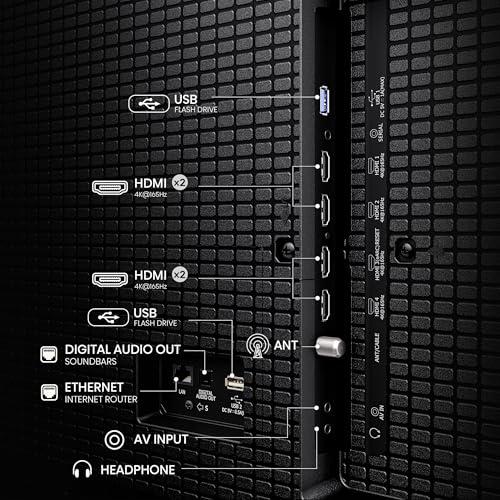
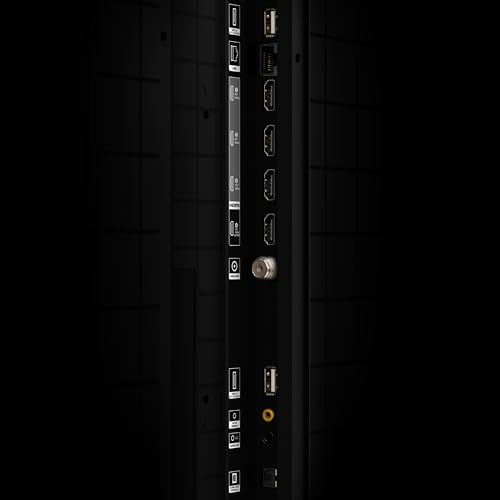
Where the Hisense clearly wins is connectivity. It offers four HDMI 2.1 ports compared to the TCL's two. If you have multiple gaming consoles, a PC, and other high-bandwidth devices, those extra ports provide valuable flexibility. I can't overstate how annoying it is to constantly swap cables on a TV this expensive.
Both TVs deliver gaming-grade low input lag and support all the modern gaming features you'd expect, including Auto Low Latency Mode (ALLM) and AMD FreeSync Premium Pro. The gaming experience on either is genuinely excellent.
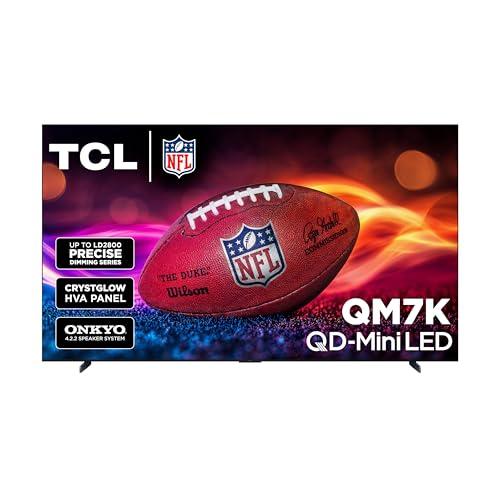
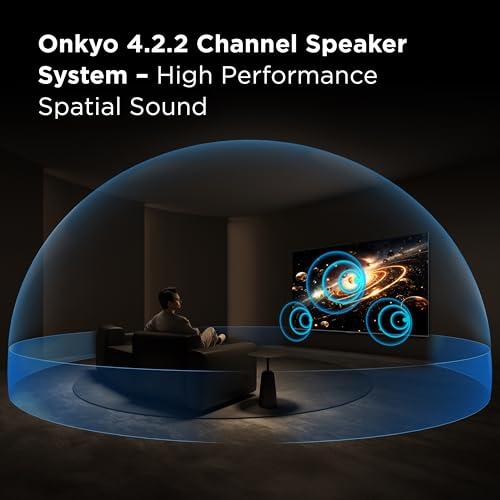
This might be the biggest surprise in the comparison. The TCL 115" QM7K includes an Onkyo 4.2.2 sound system with 100 watts of power, tuned by Bang & Olufsen. It's genuinely impressive—the kind of audio system that would cost $500-800 as a separate purchase.
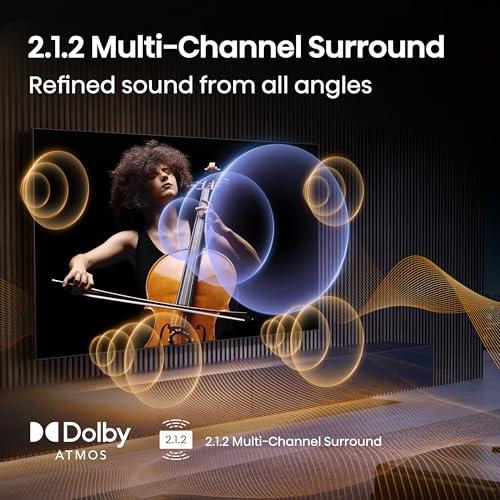
The Hisense includes a more basic 2.1.2 system with 50 watts. It's perfectly adequate for casual viewing, but you'll likely want to invest in a soundbar for the full experience.
Here's my honest take: if you're spending $3,000 on a TV, budgeting another $300-800 for a decent soundbar isn't unreasonable. But if you're already stretching to $13,000, having excellent built-in audio eliminates another decision and expense.
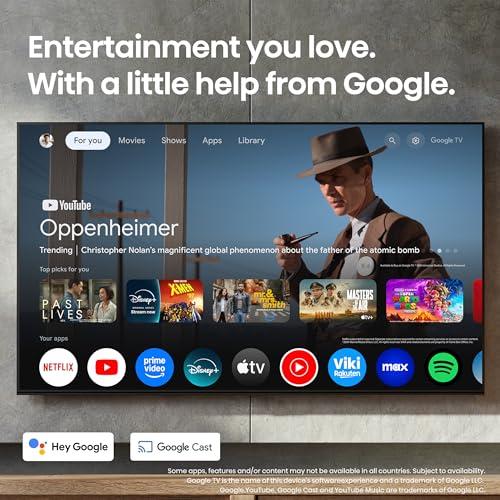
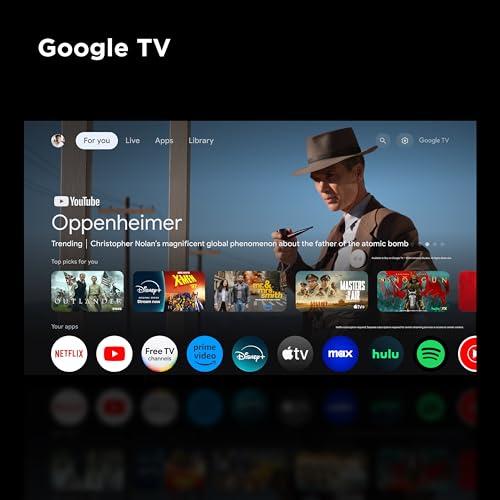
Both TVs run Google TV, which I find to be the most user-friendly smart TV platform available. The interface is clean, recommendations are generally helpful, and app selection is comprehensive.
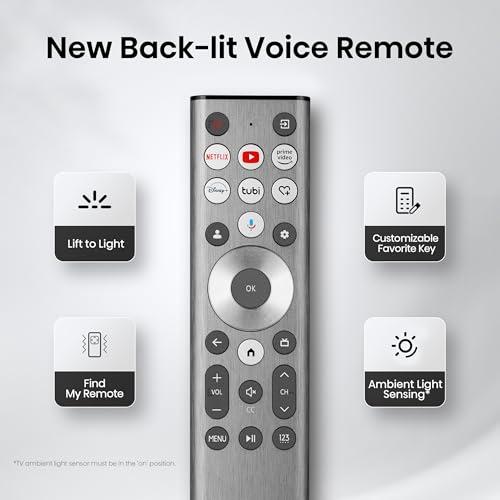
The TCL edges ahead with hands-free voice control—you can literally talk to the TV from across the room without picking up the remote. The Hisense requires you to use the remote for voice commands. It's a small difference, but when you're dealing with a screen this large from viewing distances of 10+ feet, convenience features like this matter more than you might expect.
Both offer Wi-Fi 6E connectivity and support all the modern streaming standards you'd expect, including Dolby Vision, HDR10+, and comprehensive app ecosystems.
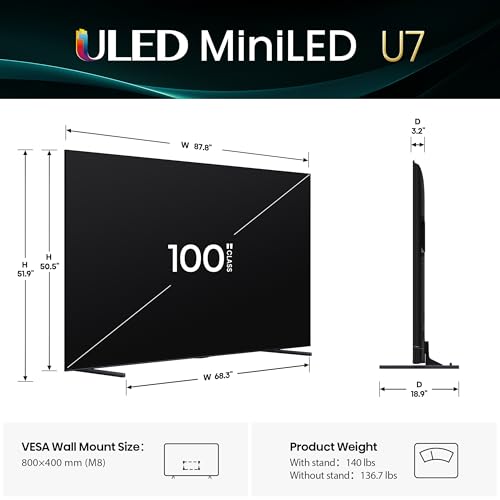
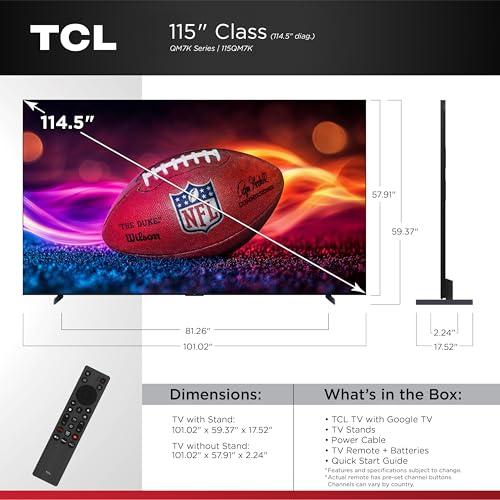
Let's talk about the elephant in the room—or rather, the elephant-sized TV in the room. The Hisense's 100-inch screen is already massive, requiring careful space planning and probably professional installation. But the TCL's 115-inch display is truly enormous.
I've helped install both, and the TCL requires genuine logistical planning. You need to consider doorway widths, ceiling heights, and whether the TV will fit through your house. Some installations require removing doors or even windows. The Hisense, while still large, fits through standard doorways and is generally more manageable.
From a viewing perspective, the TCL's extra 15 inches translates to about 30% more screen area. That's substantial, but only meaningful if you have the room to sit far enough back to appreciate it properly.
At first glance, the price difference seems extreme. The Hisense 100" U7 costs $2,998 while the TCL 115" QM7K demands $12,998. But let's break down what that extra $10,000 actually buys:
When you itemize it this way, the TCL's pricing becomes more understandable, though whether it's justifiable depends entirely on your priorities and budget.
Here's my honest assessment: the Hisense delivers about 85% of the TCL's picture quality at 23% of the price. That's exceptional value. The TCL provides the absolute best performance money can buy, but you're paying premium prices for that final 15% of improvement.
If you're building a dedicated home theater, several factors become more important. Room lighting control favors either TV, but the TCL's anti-glare coating provides more flexibility if you can't achieve perfect darkness. The superior local dimming also pays bigger dividends in dark room viewing, where you'll notice those subtle shadow details more readily.
Seating arrangement matters too. The TCL's larger size works better for wider seating areas, while the Hisense is perfectly sized for more intimate arrangements. Both benefit from proper acoustical treatment, though the TCL's superior built-in audio reduces the pressure to immediately invest in external speakers.
Choose the Hisense 100" U7 if you want the largest possible screen for under $3,000, have a standard living room setup, need multiple HDMI ports for various devices, or plan to add a soundbar anyway. It's the smart choice for enthusiasts who want flagship performance without flagship pricing.
Choose the TCL 115" QM7K if you have a dedicated home theater with proper viewing distances, prioritize absolute picture quality regardless of cost, watch lots of HDR content, have a bright room requiring superior anti-glare performance, or consider this a long-term investment you'll keep for a decade or more.
Both represent the pinnacle of current Mini-LED technology, just with different priorities. The Hisense democratizes the ultra-large screen experience, while the TCL pushes the absolute boundaries of what's possible. Your room, budget, and viewing priorities will ultimately determine which approach serves you better.
In my experience, most people will be absolutely thrilled with the Hisense's performance and appreciate keeping thousands of dollars in their pocket. But for the small subset of viewers with unlimited budgets and dedicated theater rooms, the TCL offers an uncompromising experience that truly represents the state of the art.
| Hisense 100" U7 Series Mini-LED TV | TCL 115" QM7K Series QD-Mini LED 4K Smart TV |
|---|---|
| Price - Major budget consideration for ultra-large TVs | |
| $2,998 (exceptional value for 100" Mini-LED) | $12,998 (premium pricing for flagship features) |
| Screen Size - Impacts room requirements and viewing experience | |
| 100 inches (fits standard large rooms, 7-12 ft viewing) | 115 inches (requires dedicated theater, 8-14 ft viewing) |
| Peak Brightness - Critical for HDR impact and bright room viewing | |
| 1,500 nits (excellent for most content and rooms) | 3,000 nits (reference-level HDR, superior for bright spaces) |
| Local Dimming Zones - Controls contrast and reduces blooming | |
| ~500-800 zones (good precision, minimal blooming) | 2,500+ zones (exceptional precision, near-OLED blacks) |
| Gaming Refresh Rate - Smoothness for fast-action gaming | |
| 165Hz at 4K (higher than TCL, excellent responsiveness) | 144Hz at 4K, 288Hz at 1080p (versatile gaming performance) |
| HDMI 2.1 Ports - Connectivity for multiple gaming devices | |
| 4 ports (excellent flexibility for consoles/PC/devices) | 2 ports (adequate but may require switching) |
| Audio System - Built-in sound quality and power | |
| 2.1.2 system, 50W (basic, likely needs soundbar) | Onkyo 4.2.2 system, 100W with B&O tuning (premium quality) |
| Anti-Glare Coating - Performance in bright rooms with windows | |
| Standard glossy coating (struggles with reflections) | Nanoscale anti-glare (excellent glare rejection) |
| Smart Platform - User interface and voice control | |
| Google TV with remote-based voice control | Google TV with hands-free voice control |
| Installation Complexity - Setup and room requirements | |
| Manageable size, fits standard doorways | Requires professional installation, potential wall modifications |
The Hisense 100" U7 Series at $2,998 offers exceptional value, delivering about 85% of premium performance at 23% of the price. The TCL 115" QM7K at $12,998 provides flagship performance but costs over 4x more for incremental improvements that most viewers won't fully utilize.
The Hisense 100" U7 fits standard large living rooms with 7-12 foot viewing distances, while the TCL 115" QM7K requires dedicated theater rooms with 8-14 foot optimal viewing distances. The TCL's 15 extra inches provide about 30% more screen area but demand significantly more space.
The TCL 115" QM7K delivers 3,000 nits peak brightness compared to the Hisense 100" U7's 1,500 nits. This means the TCL provides more impactful HDR highlights and performs better in bright rooms, though both exceed most content requirements.
Both excel at gaming, but with different strengths. The Hisense 100" U7 offers 165Hz refresh rate and 4 HDMI 2.1 ports for multiple consoles, while the TCL 115" QM7K provides 288Hz at 1080p and superior VRR implementation. The Hisense wins for connectivity flexibility.
The TCL 115" QM7K includes a premium Onkyo 4.2.2 system (100W) with Bang & Olufsen tuning that rivals dedicated soundbars. The Hisense 100" U7 has a basic 2.1.2 system (50W) that's adequate but will likely require a soundbar upgrade for optimal audio.
The TCL 115" QM7K significantly outperforms in bright rooms thanks to its nanoscale anti-glare coating and 3,000-nit brightness. The Hisense 100" U7 uses a glossy coating that can struggle with reflections from windows or overhead lighting.
The TCL 115" QM7K features 2,500+ local dimming zones for precise backlight control and minimal blooming, while the Hisense 100" U7 has approximately 500-800 zones. More zones mean better contrast and less halo effects around bright objects on dark backgrounds.
Yes, both excel in home theaters. The Hisense 100" U7 offers excellent performance for most home theater setups at a reasonable price. The TCL 115" QM7K provides reference-level performance for dedicated theaters with controlled lighting and premium audio requirements.
The Hisense 100" U7 is more manageable, fitting through standard doorways with careful planning. The TCL 115" QM7K often requires professional installation and may need door removal or wall modifications due to its massive 115-inch size.
Both run Google TV with similar app selection and performance. The TCL 115" QM7K includes hands-free voice control with far-field microphones, while the Hisense 100" U7 requires remote-based voice commands. Otherwise, smart features are comparable.
Both use quantum dot technology for vibrant colors. The TCL 115" QM7K emphasizes color volume and brightness, while the Hisense 100" U7 focuses on accuracy. The difference is more about preference than quality—both deliver stunning, lifelike images.
Choose the Hisense 100" U7 if you want maximum screen size under $3,000, have a standard living room, or need multiple device connections. Choose the TCL 115" QM7K if you have a dedicated theater room, unlimited budget, prioritize absolute best picture quality, or want premium built-in audio without external speakers.
We've done our best to create useful and informative comparisons to help you decide what product to buy. Our research uses advanced automated methods to create this comparison and perfection is not possible - please contact us for corrections or questions. These are the sites we've researched in the creation of this article: rtings.com - bestbuy.com - rtings.com - lueckeaudiovideo.com - youtube.com - hisense-usa.com - youtube.com - hisense-usa.com - costco.com - hisense-usa.com - pcrichard.com - files.hisense-usa.com - bestbuy.com - youtube.com - hisense-usa.com - displayspecifications.com - bestbuy.com - hisense-usa.com - eftm.com - youtube.com - youtube.com - bestbuy.com - tomsguide.com - techradar.com - youtube.com - rtings.com - youtube.com - youtube.com - youtube.com - avsforum.com - abt.com - bestbuy.com - tcl.com - avsforum.com - tcl.com - rcwilley.com - tcl.com - valueelectronics.com - bestbuy.com - tcl.com - tcl.com - tcl.com - tcl.com

Privacy Policy
Terms and Conditions - Affiliate Policy
Home Security
© Copyright 2008-2026.
11816 Inwood Rd #1211, Dallas, TX 75244