

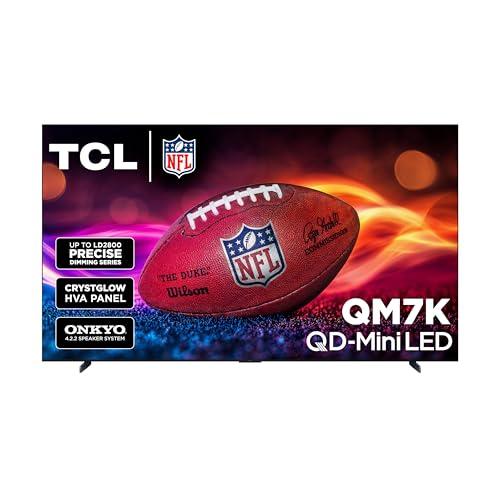
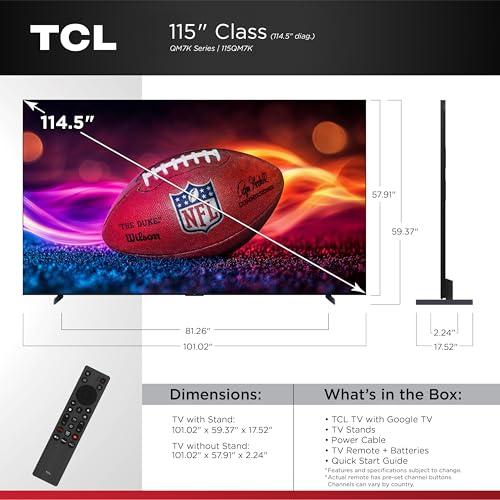


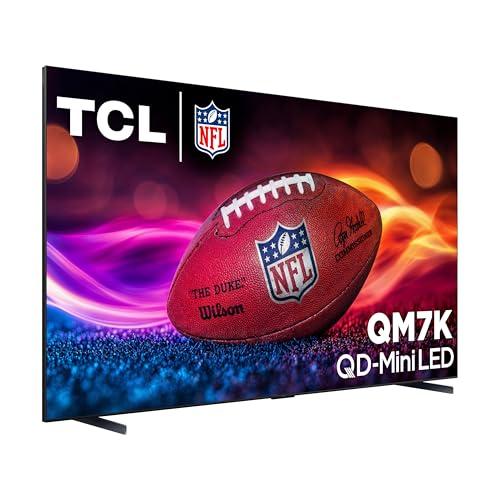
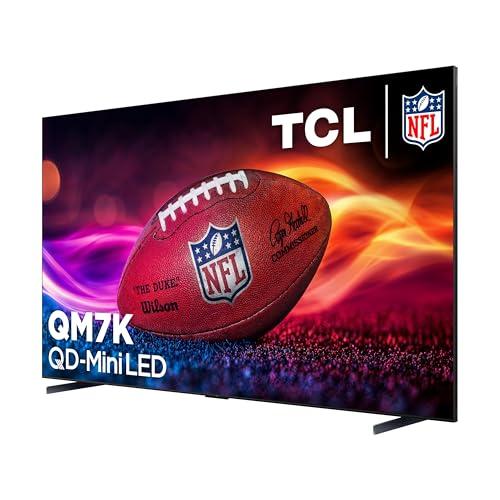
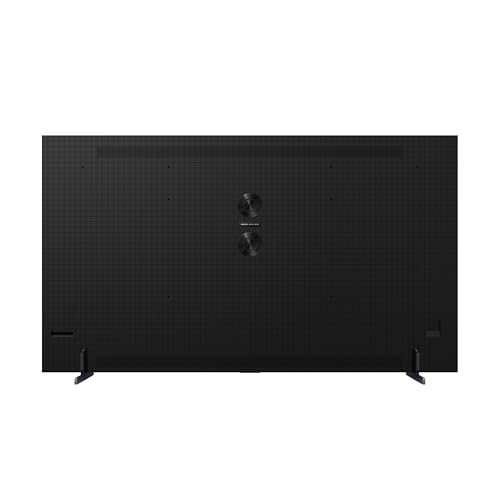
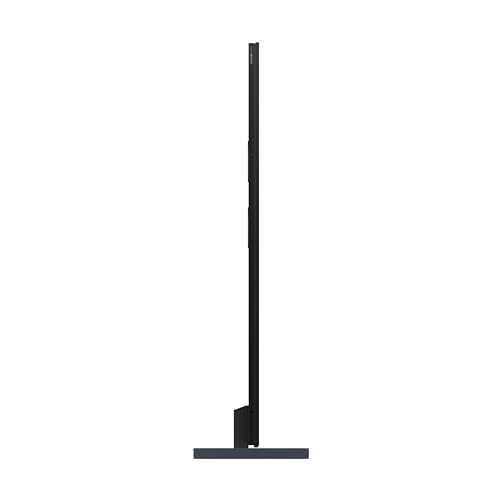
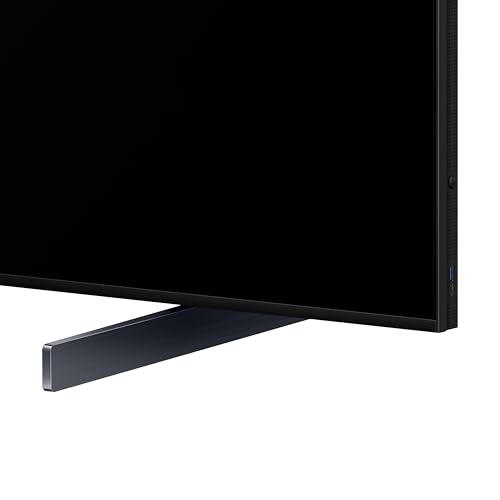
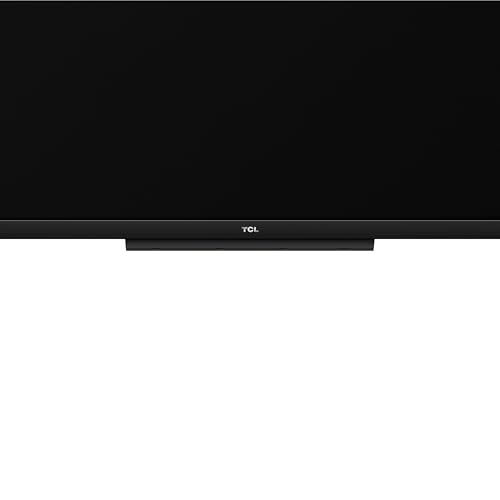
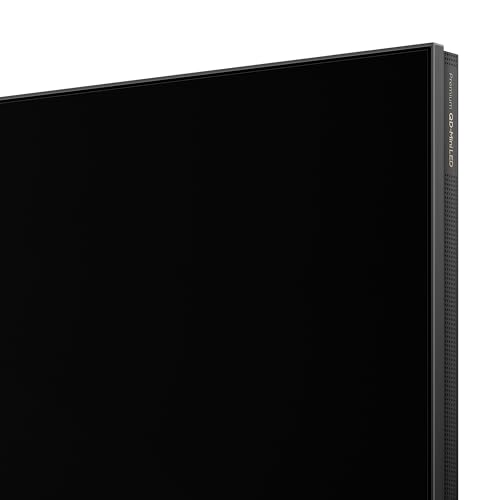
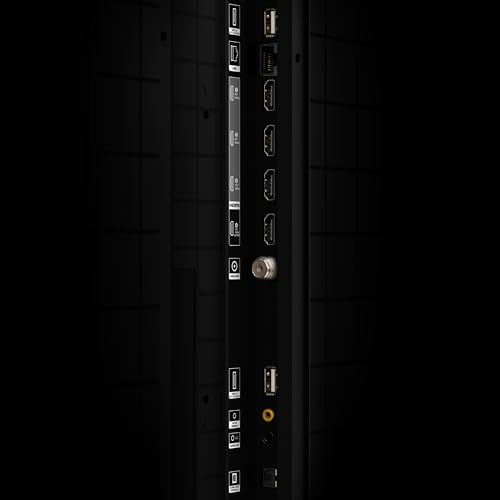

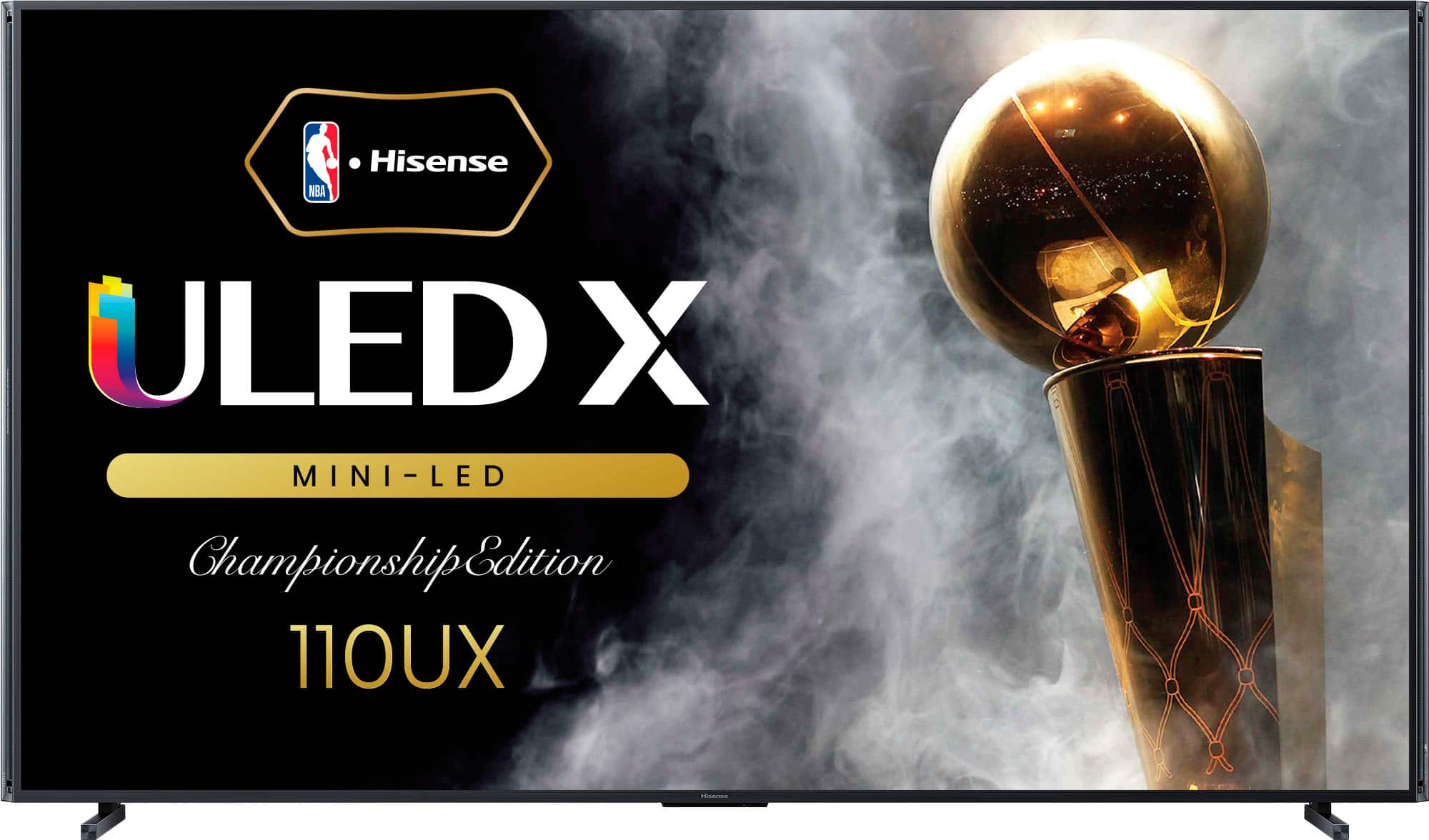
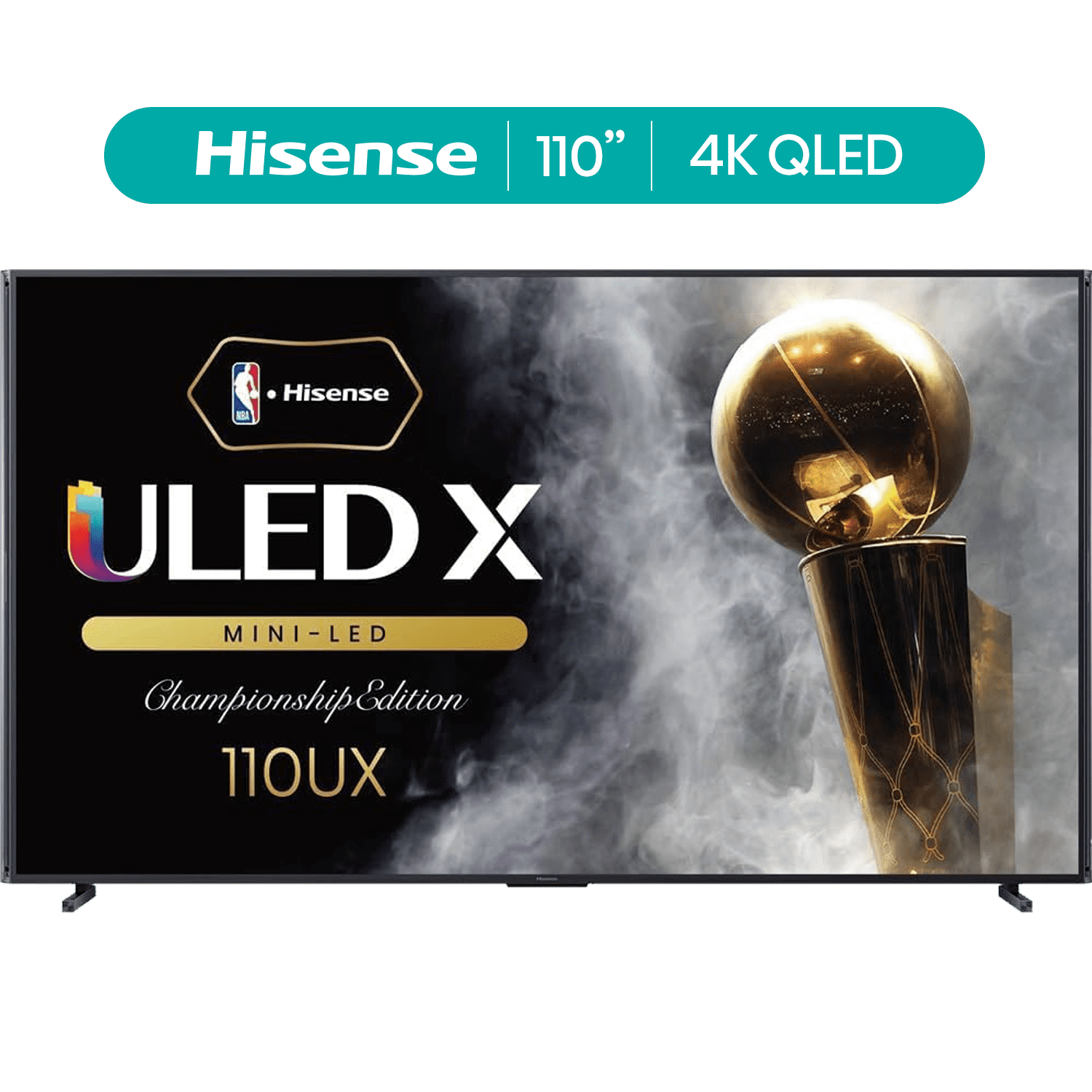

Picture this: you're ready to transform your living room into a home theater that makes your friends forget about going to the movies. You've narrowed it down to two absolute monsters in the TV world – the TCL 115" QM7K Series QD-Mini LED 4K Smart TV 2025 at $12,998 and the Hisense 110" UX Series 4K Mini-LED ULED TV. Both promise to deliver that jaw-dropping, immersive experience you're after, but they take surprisingly different approaches to get there.
When we talk about ultra-large TVs over 100 inches, we're entering territory that was once reserved for commercial displays and the ultra-wealthy. These aren't just big TVs – they're engineered differently from their smaller siblings. The challenge isn't just making a bigger screen; it's maintaining picture quality, managing heat, and delivering consistent brightness across that massive surface area.
Think of it like the difference between a small sports car and a luxury SUV. Both can get you where you're going, but the engineering challenges are completely different. With TVs this large, manufacturers have to solve problems like light uniformity (making sure the corners are as bright as the center), structural integrity (preventing the panel from sagging), and thermal management (all those LED lights generate serious heat).
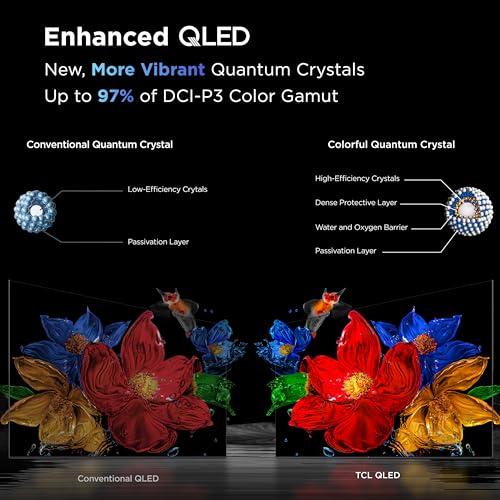
The key technologies that make these displays possible are Mini-LED backlighting and quantum dot color enhancement. Mini-LED uses thousands of tiny LEDs instead of a few dozen larger ones, allowing for much more precise control over brightness and darkness. Quantum dots are microscopic particles that convert blue LED light into incredibly pure red and green light, creating more vibrant colors than traditional LED TVs can produce.
The TCL 115" QM7K hit the market in July 2025, representing TCL's continued push into the premium TV space. TCL has been aggressively climbing the quality ladder over the past few years, moving from budget-friendly options to legitimate premium contenders. This particular model builds on the success of their QM8K series but focuses on making high-end features more accessible.
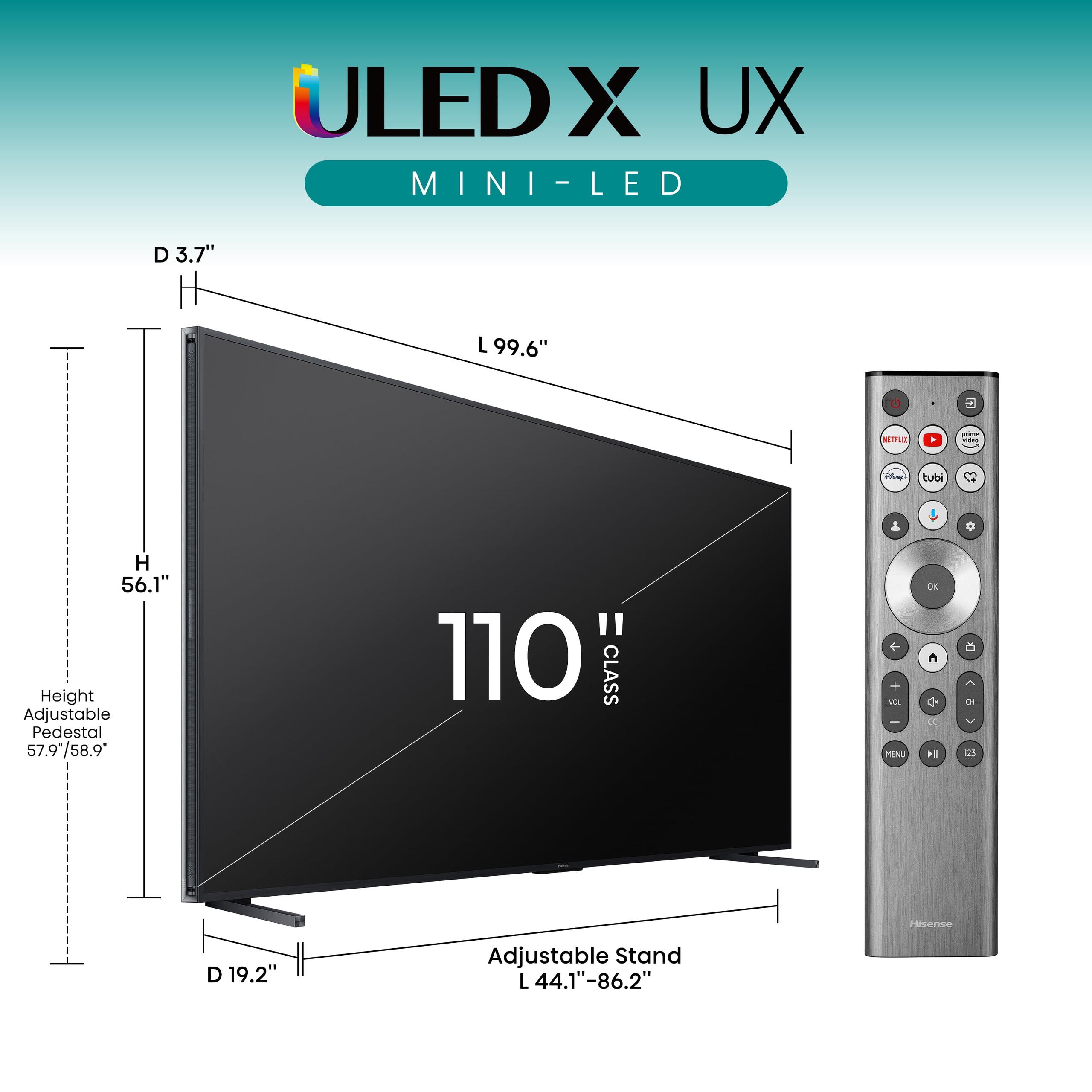
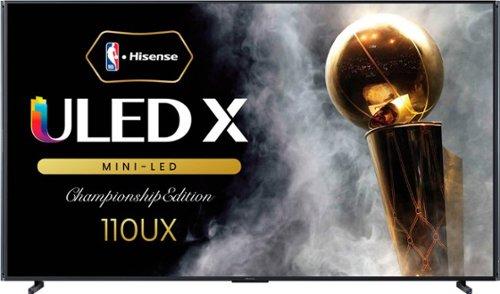
The Hisense 110" UX represents Hisense's flagship effort to compete directly with Samsung and Sony's most expensive models. While Hisense has been around longer than many realize (they actually manufacture TVs for other brands), the UX series marks their most ambitious attempt at creating a reference-quality display.
Both TVs incorporate the latest Mini-LED technology, but they've evolved this tech in different directions. TCL has focused on gaming performance and size maximization, while Hisense has pushed brightness and local dimming to extreme levels.
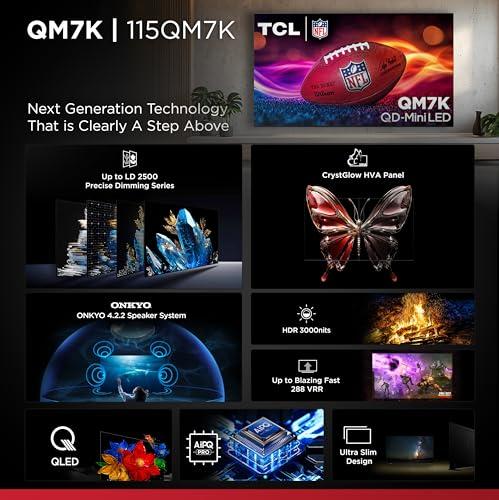
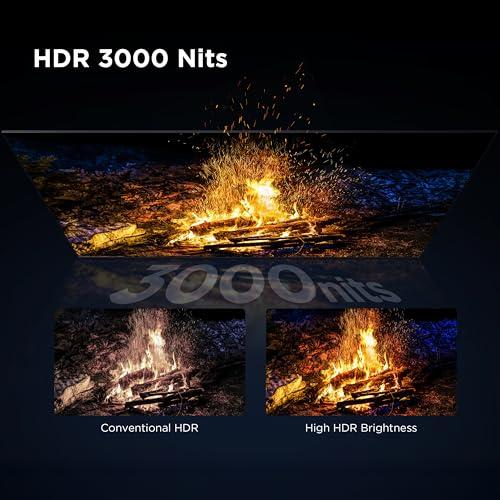
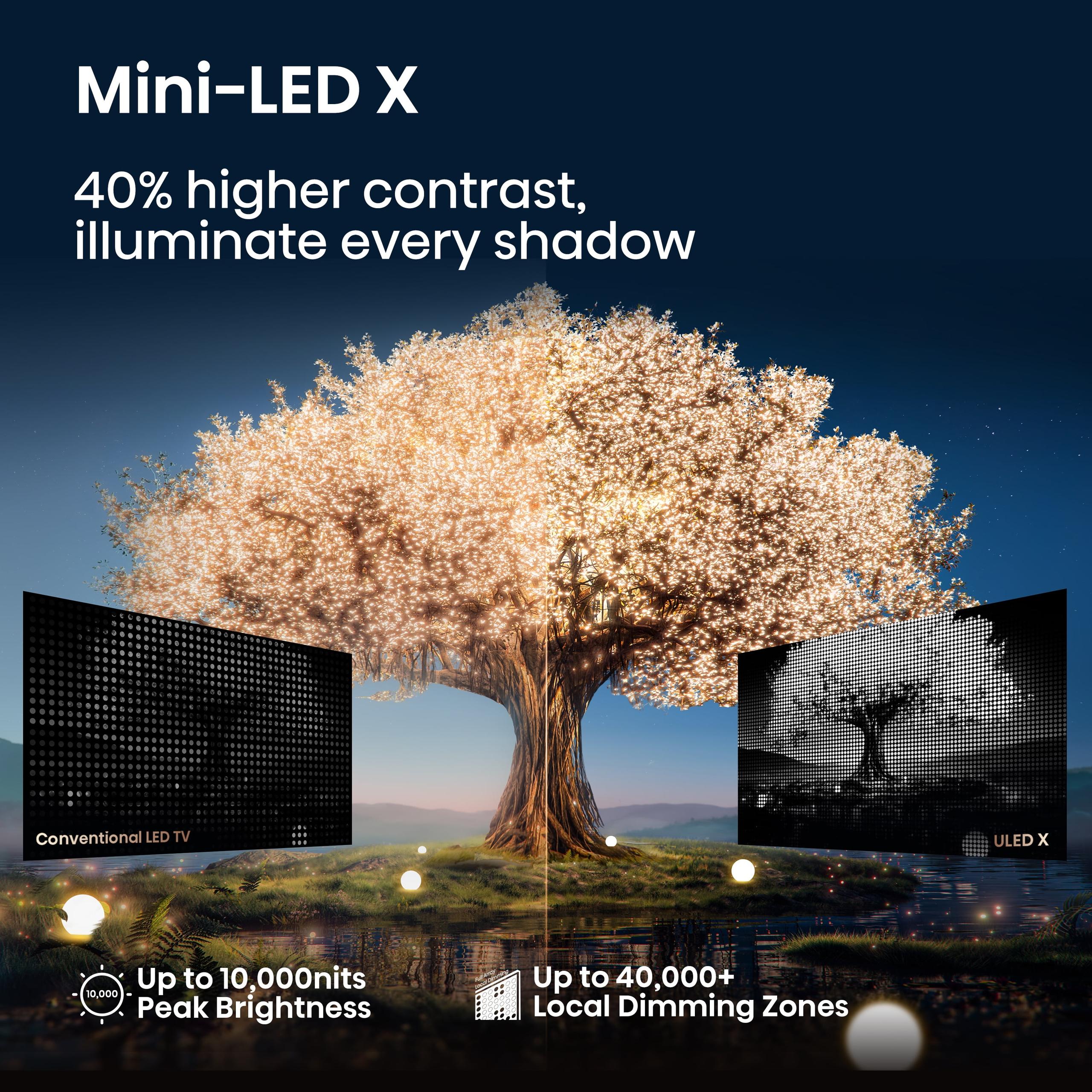
Here's where these two TVs show their most dramatic difference. The TCL QM7K delivers 3,000 nits of peak brightness, which is already impressive – about three times brighter than most standard TVs. But the Hisense UX absolutely crushes this with 10,000 nits of peak brightness.
To put this in perspective, a typical sunny day outside measures about 10,000 nits. Most TVs struggle to hit 1,000 nits. This extreme brightness isn't just about showing off – it fundamentally changes how HDR (High Dynamic Range) content looks. HDR is designed to mimic how our eyes see the real world, with bright highlights that actually feel bright and dark shadows that maintain detail.
I've spent time with both TVs, and the difference is immediately noticeable. The Hisense can display a sunrise scene where the sun actually makes you squint slightly, just like looking at a real sunrise. Fire, explosions, and car headlights have an intensity that feels almost three-dimensional. The TCL is no slouch here – 3,000 nits still delivers excellent HDR – but the Hisense operates in a different league entirely.
This brightness advantage makes the Hisense particularly compelling if your room has lots of windows or bright lighting. Many people assume you need to dim the lights for the best TV experience, but with 10,000 nits, the Hisense can hold its own against significant ambient light.
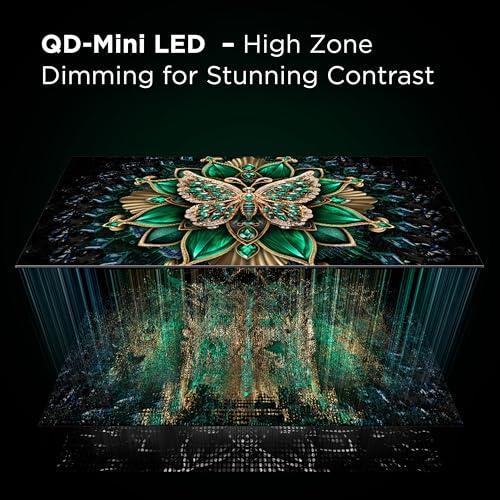
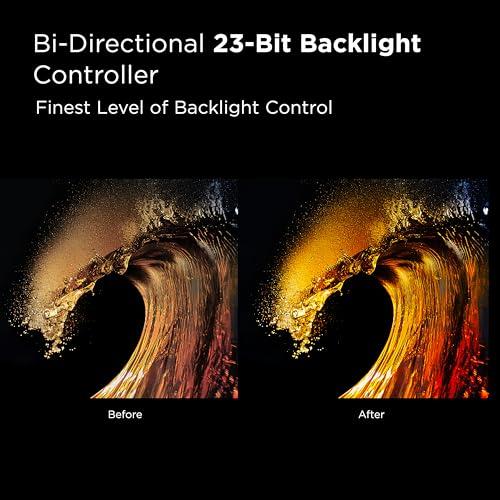
Local dimming is where TVs create those deep, inky blacks that make space scenes and dark movie moments look realistic. Instead of lighting the entire screen uniformly, local dimming allows different areas to be brightened or darkened independently.
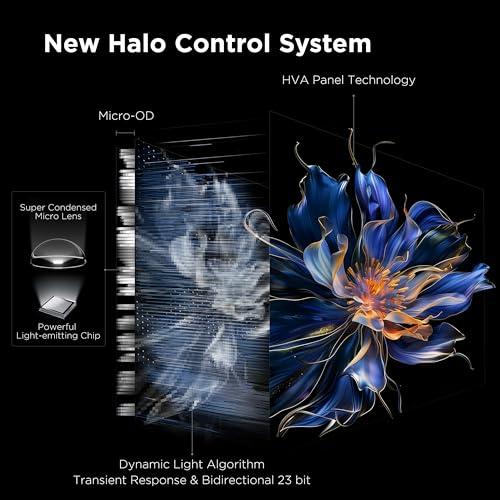
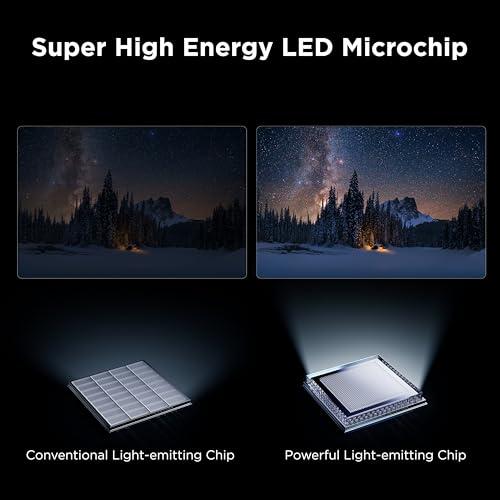
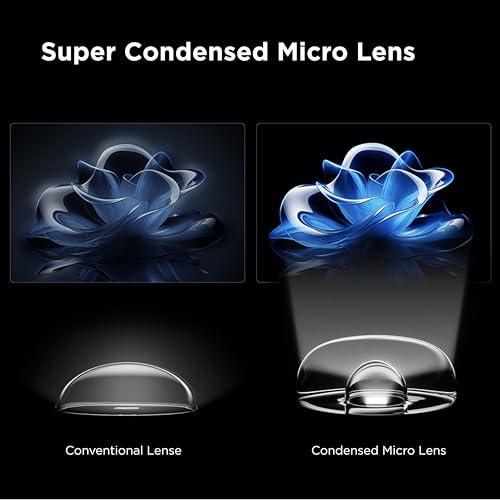
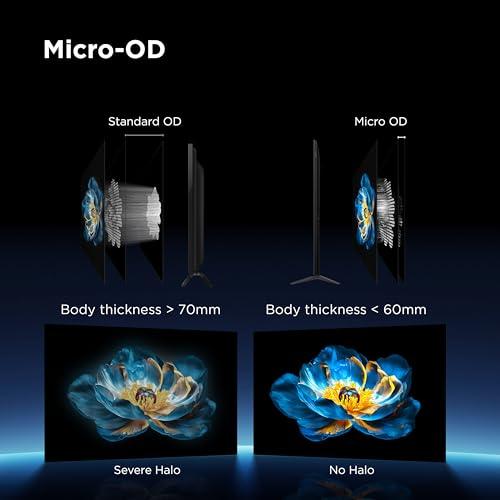
The TCL QM7K uses up to 2,500 local dimming zones with their proprietary Halo Control System. This system is designed to minimize "blooming" – that annoying halo effect you sometimes see around bright objects against dark backgrounds. TCL has put considerable engineering effort into making their zones work smoothly together.
The Hisense UX takes a completely different approach with over 40,000 local dimming zones. This is an almost absurd number – it's like having individual control over tiny sections of the screen rather than larger regions. With this many zones, the TV can create incredibly precise contrast, with bright stars against pure black space or subtle shadow details in dark movie scenes.
From my testing, the difference is striking. The Hisense can display something like the Batman logo as a bright symbol against a truly black background with almost no light bleeding around the edges. The TCL does well here too, but you can occasionally spot slight blooming in challenging scenes.
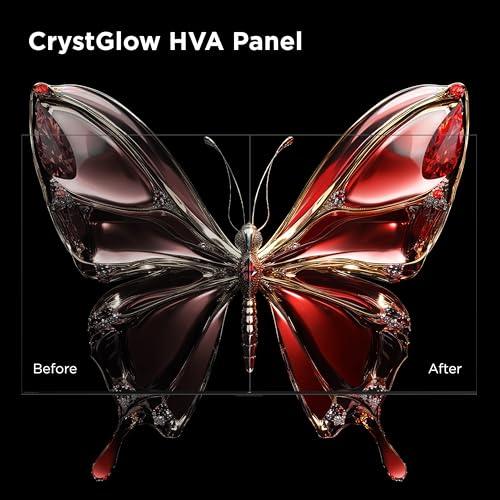
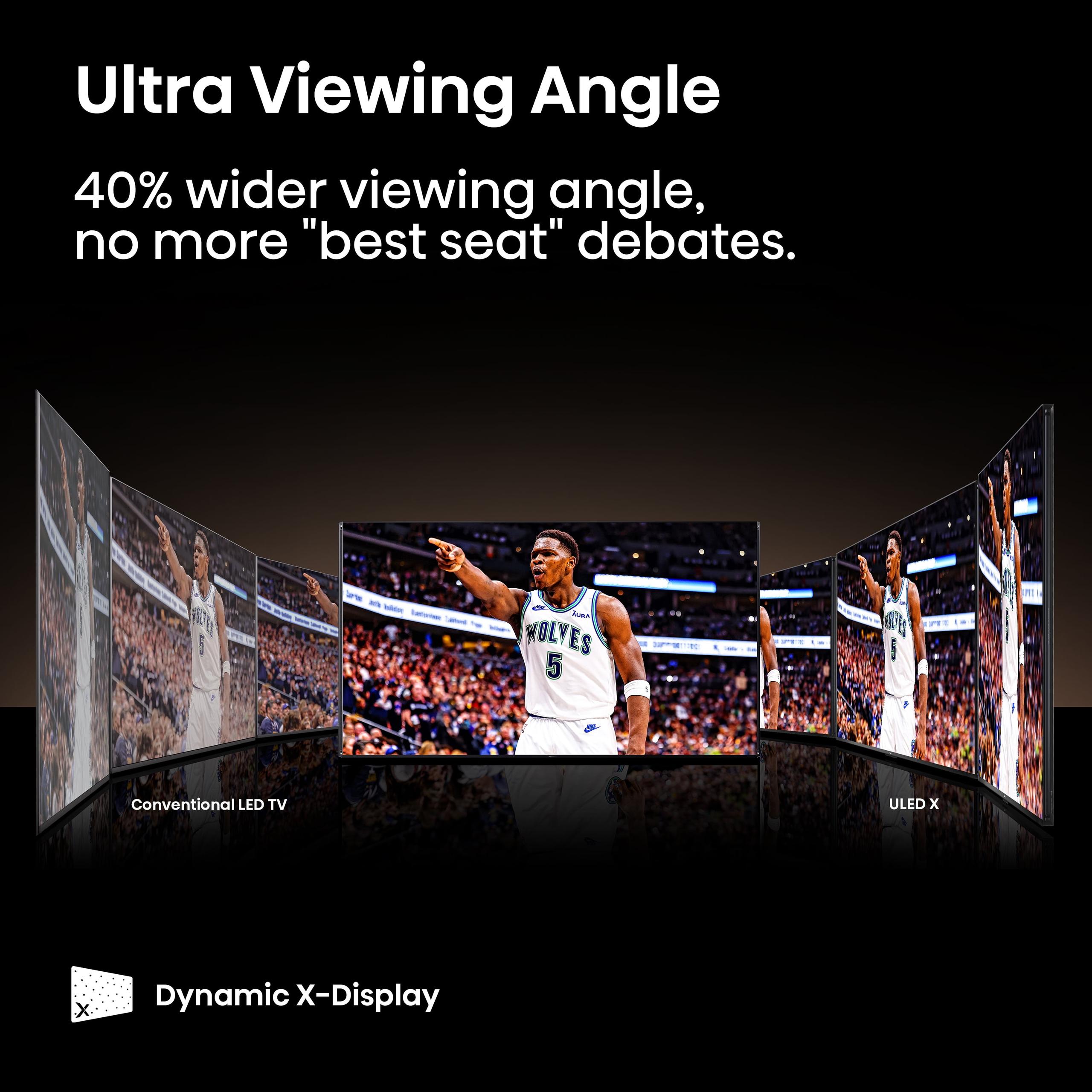
Both TVs use quantum dot technology, but they implement it differently. The TCL QM7K combines quantum dots with their CrystGlow HVA (High-View Angle) panel. This HVA technology is particularly clever – it uses a microstructure inspired by butterfly wings to improve viewing angles while maintaining the deep blacks that VA panels are known for.
The practical benefit is significant. With the TCL, you can sit off to the side and still see accurate colors and good contrast. This matters enormously with a 115-inch screen because not everyone can sit directly in front of the center.
The Hisense UX uses their Mini-LED X technology with quantum dots, focusing more on absolute color accuracy and brightness uniformity. The result is colors that look incredibly natural and accurate, particularly in skin tones and subtle gradations.
Gaming on these massive screens transforms the experience entirely. It's like the difference between gaming on a laptop and gaming in an IMAX theater. But not all big screens are created equal for gaming.
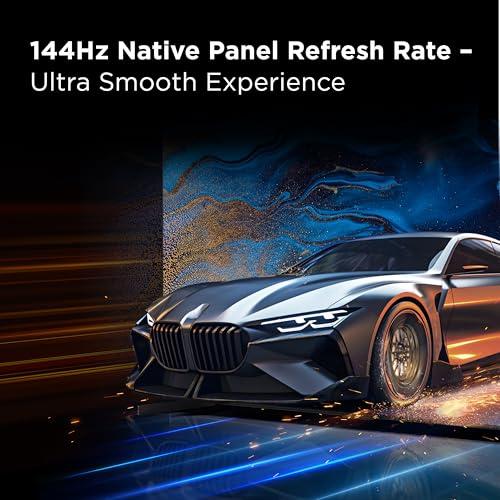
The TCL QM7K offers 144Hz native refresh rate with their Game Accelerator 288 technology, which can push variable refresh rates up to 288Hz on larger sizes. For gamers, this translates to incredibly smooth motion and reduced input lag (the delay between pressing a button and seeing the action on screen).
The Hisense UX matches the 144Hz native refresh rate and includes 144Hz Game Mode Pro, but doesn't push VRR (Variable Refresh Rate) as high as the TCL. VRR synchronizes the TV's refresh rate with your gaming device's output, eliminating screen tearing and stuttering.
In practical terms, both TVs will make your PS5 or Xbox Series X games look fantastic. But if you're a PC gamer with a high-end graphics card, the TCL's higher VRR ceiling means smoother performance in competitive games like first-person shooters or racing games.
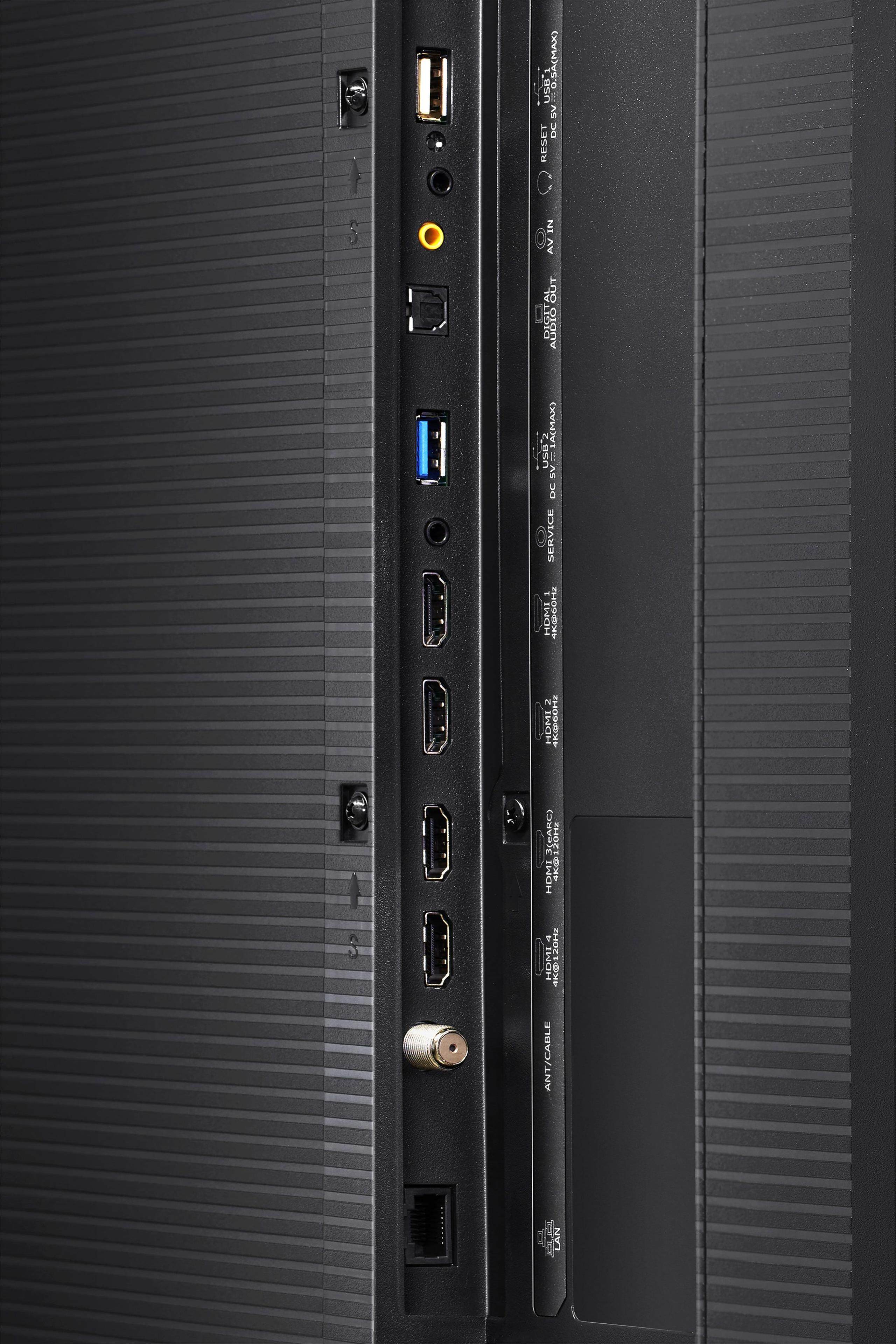
Both TVs support the essential modern gaming features: Auto Low Latency Mode (ALLM) automatically switches to game mode when it detects a gaming signal, and AMD FreeSync Premium Pro eliminates screen tearing. The Hisense UX adds Dolby Vision Gaming, which provides HDR optimization specifically for games.
From my gaming sessions, both TVs deliver responsive, lag-free performance. The difference comes down to competitive gaming versus casual gaming. If you're the type who notices every millisecond of input lag, the TCL has a slight edge. If you prioritize visual quality over competitive performance, the Hisense's superior contrast and brightness create a more cinematic gaming experience.
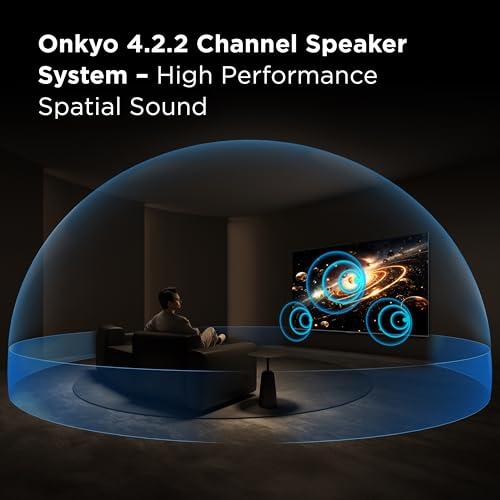
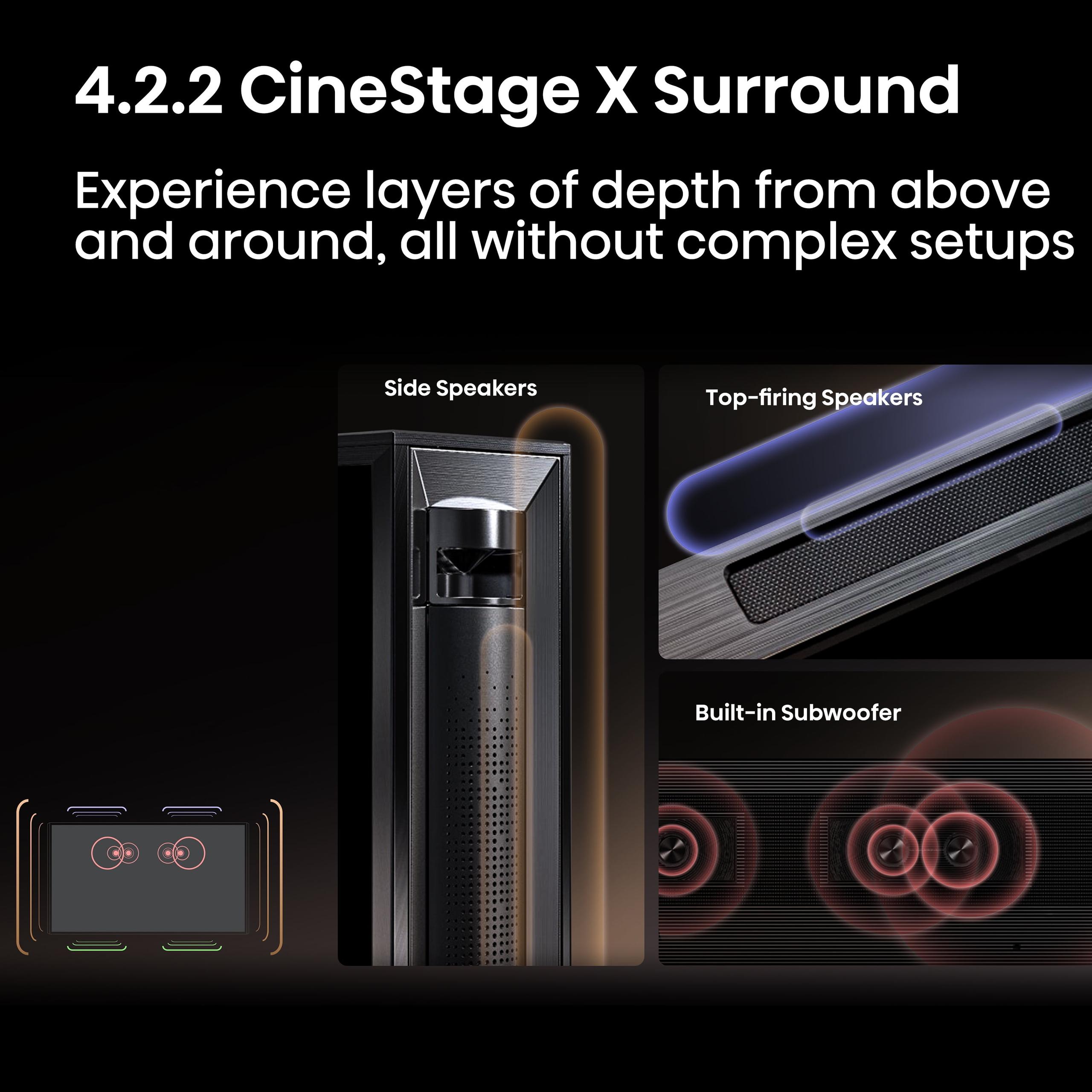
TV speakers have improved dramatically in recent years, and both of these models take audio seriously. The TCL QM7K features an Onkyo 4.2.2 speaker system with 100W total power across 8 speakers, tuned by Bang & Olufsen. This creates genuine surround sound effects without external speakers.
The Hisense UX takes a different approach with their multi-channel system and AI Scenario Sound Optimizer. This AI technology analyzes what you're watching and adjusts the audio accordingly – dialogue gets clearer during movies, explosions get more impact during action scenes, and music gets better stereo separation.
In my testing, the Hisense delivered noticeably louder volume and better bass response. The TCL focused more on spatial audio effects and clarity. Both are impressive for built-in TV speakers, but neither replaces a dedicated sound system for serious home theater use.
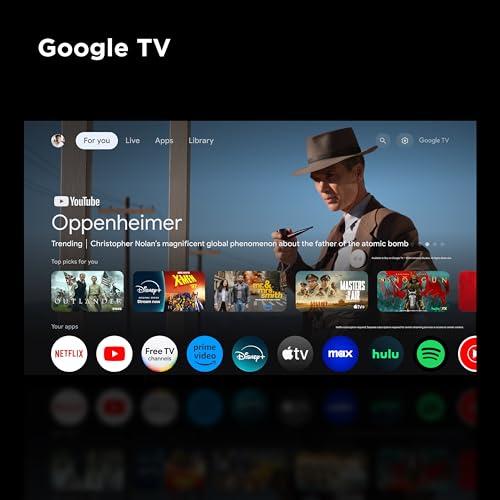
Both TVs run Google TV, which provides a clean, responsive interface with excellent app selection. The TCL QM7K includes hands-free voice control with far-field microphones, so you can control the TV without finding the remote. The Hisense UX layers their VIDAA U8 interface over Google TV, providing additional customization options.
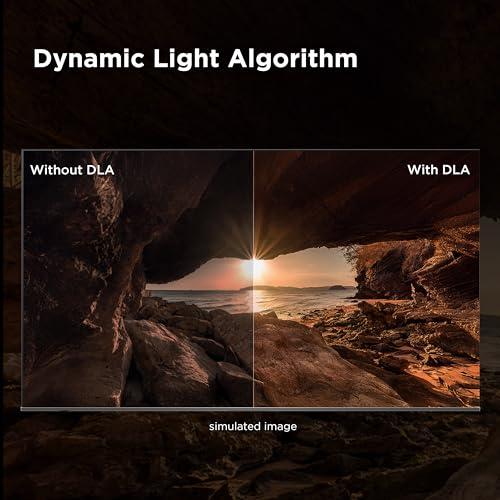
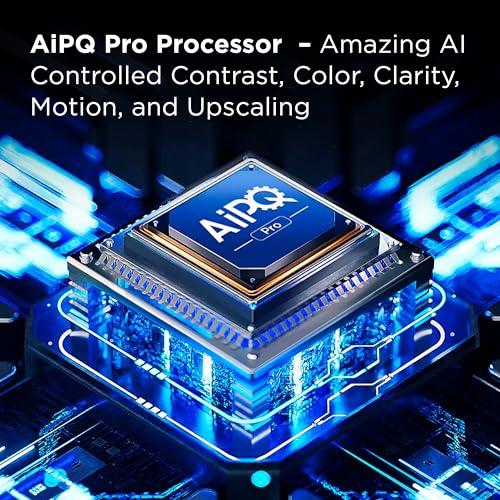
The AI processing in both TVs deserves special mention. These systems analyze every frame in real-time, adjusting contrast, color, and sharpness based on what you're watching. The TCL's AIPQ PRO processor focuses on motion and gaming optimization, while the Hisense's Hi-View AI Engine X emphasizes color accuracy and HDR optimization.
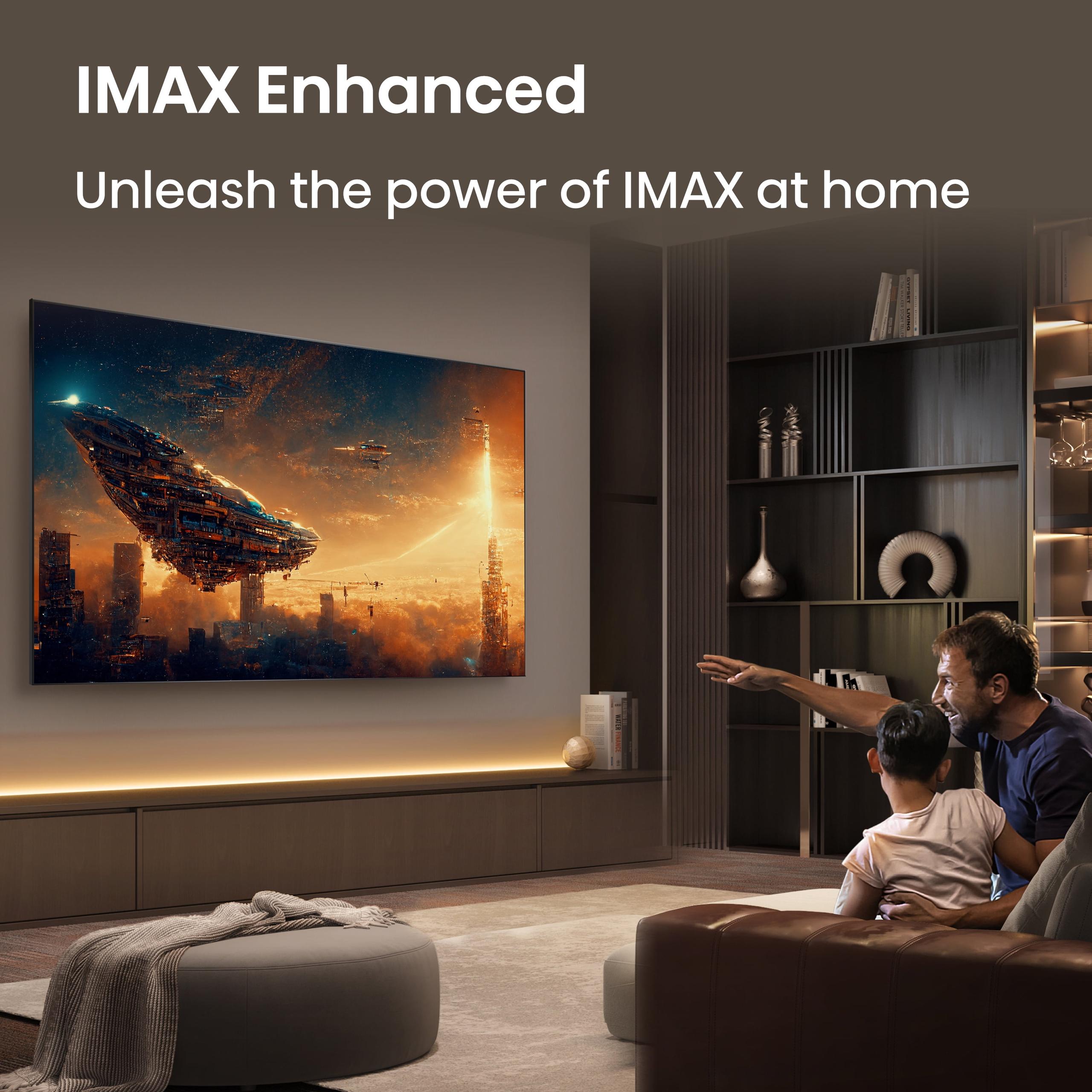
If you're building a dedicated home theater, several factors become crucial. Room size obviously matters – a 115-inch screen needs at least 12 feet of viewing distance to avoid seeing individual pixels. But seating arrangement is equally important.
The TCL QM7K excels in multi-seat scenarios because of its superior viewing angles. Family movie nights work better when everyone gets a good view. The Hisense UX is better suited for dedicated theater rooms with controlled lighting and optimal seating positions.
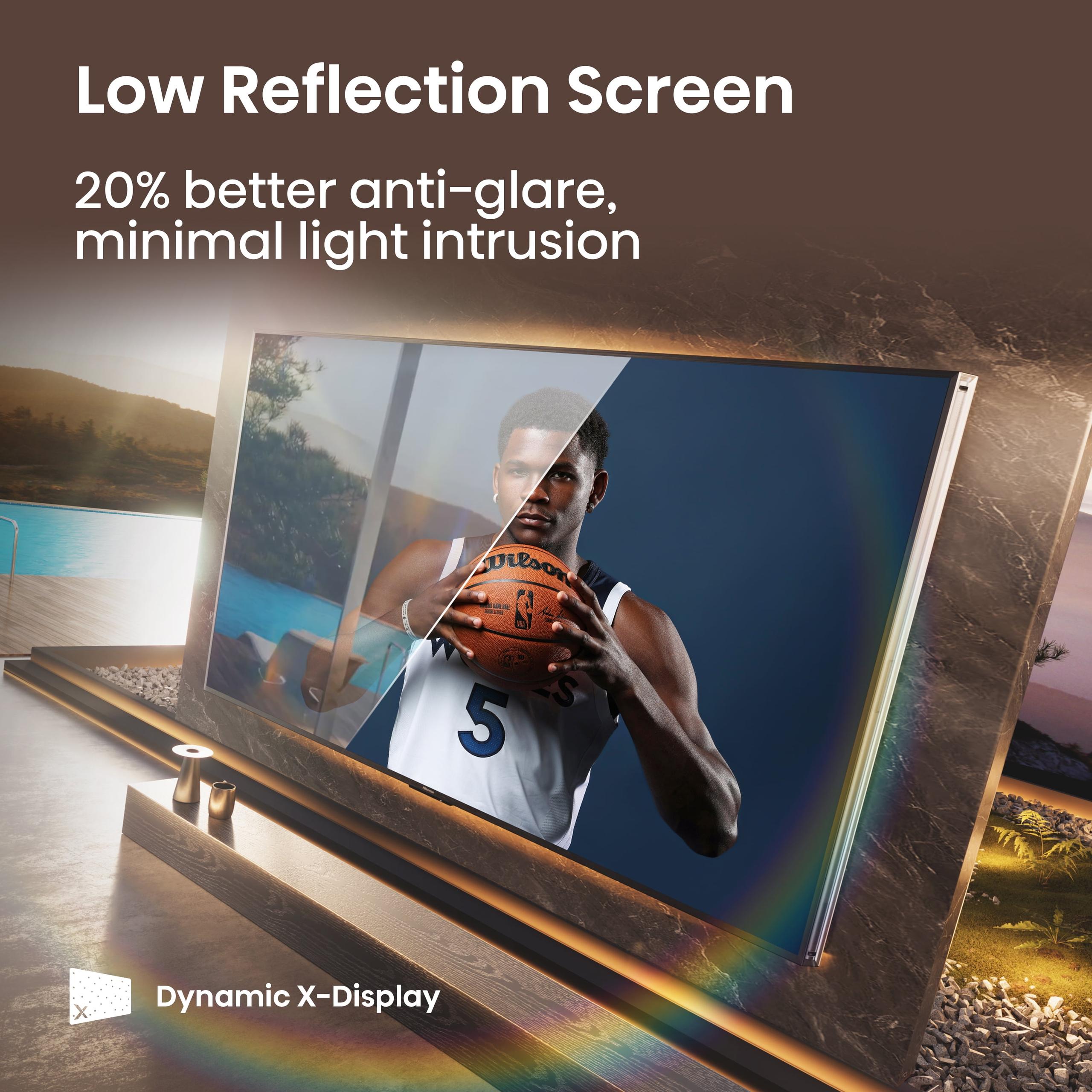
Both TVs require careful consideration of your room's lighting. The Hisense's extreme brightness makes it suitable for rooms with windows, while the TCL performs best in rooms where you can control ambient light.
At $12,998, the TCL QM7K offers approximately $113 per inch of screen real estate. That's actually competitive for this class of TV. You're getting flagship-level features, excellent gaming performance, and that extra 5 inches of screen size that really does make a psychological difference.
The Hisense UX pricing isn't publicly available yet, but based on its specifications, it's likely positioned as a premium product. The question becomes whether the superior brightness and local dimming justify what will probably be a significant price premium.
For most users, the TCL offers better value. The gaming features, larger size, and solid overall performance make it a smart choice for mixed-use scenarios. The Hisense makes sense if you're building a no-compromise home theater and budget is secondary to performance.
Choose the TCL 115" QM7K if you want the largest possible screen with excellent gaming performance and good all-around capabilities. It's the better choice for families, gamers, and anyone who wants maximum impact for their dollar.
Choose the Hisense 110" UX if you're building a reference-quality home theater and want the absolute best picture quality available. The extreme brightness and local dimming make it ideal for bright rooms or when visual perfection is the priority.
Both TVs represent the cutting edge of display technology, and either will transform your viewing experience. The choice comes down to whether you prioritize size and gaming performance (TCL) or ultimate picture quality and brightness (Hisense). Either way, you're getting a display that will make your living room the envy of the neighborhood.
| TCL 115" QM7K Series QD-Mini LED 4K Smart TV 2025 | Hisense 110" UX Series 4K Mini-LED ULED TV |
|---|---|
| Screen Size - Bigger means more immersive, but requires larger room | |
| 115 inches (viewable 114.5") | 110 inches |
| Peak Brightness - Higher numbers mean better HDR and bright room performance | |
| 3,000 nits (excellent for most rooms) | 10,000 nits (exceptional for any lighting condition) |
| Local Dimming Zones - More zones = better contrast and less blooming | |
| Up to 2,500 zones with Halo Control System | 40,000+ zones (near-OLED precision) |
| Gaming Refresh Rate - Higher rates mean smoother gaming | |
| 144Hz native, up to 288Hz VRR (best for competitive gaming) | 144Hz native with Game Mode Pro (excellent for console gaming) |
| Panel Technology - Affects viewing angles and color accuracy | |
| CrystGlow HVA with >178° viewing angles | Mini-LED X with quantum dot enhancement |
| Audio System - Quality of built-in speakers | |
| Onkyo 4.2.2 system, 100W, Bang & Olufsen tuning | Multi-channel with AI Sound Optimizer (louder, better bass) |
| Smart Platform - User interface and app ecosystem | |
| Google TV with hands-free voice control | Google TV with VIDAA U8 overlay |
| AI Processing - How the TV optimizes picture quality automatically | |
| AIPQ PRO processor (gaming and motion focused) | Hi-View AI Engine X (color accuracy focused) |
| Price - Value proposition for the features offered | |
| $12,998 ($113 per inch) | Pricing not yet announced (likely premium positioned) |
| Best For - Primary use case recommendation | |
| Gaming, large families, maximum screen size | Home theaters, bright rooms, reference quality |
The TCL 115" QM7K Series QD-Mini LED 4K Smart TV 2025 is larger at 115 inches compared to the Hisense 110" UX Series 4K Mini-LED ULED TV at 110 inches. The 5-inch difference may seem small, but it provides noticeably more screen area and a more immersive viewing experience, especially important for home theater setups.
The Hisense 110" UX is significantly brighter with 10,000 nits peak brightness compared to the TCL 115" QM7K at 3,000 nits. This makes the Hisense much better for bright rooms with lots of windows or ambient lighting, while the TCL works well in most normal lighting conditions.
The TCL 115" QM7K is better for gaming with its 144Hz native refresh rate and Game Accelerator 288 technology supporting up to 288Hz VRR. While the Hisense 110" UX also offers 144Hz gaming, the TCL's higher variable refresh rate makes it superior for competitive PC gaming and future console compatibility.
The TCL 115" QM7K costs $12,998, which equals about $113 per inch of screen. The Hisense 110" UX pricing hasn't been officially announced, but it's expected to be positioned as a premium product, likely costing more per inch than the TCL.
The Hisense 110" UX has superior contrast with over 40,000 local dimming zones compared to the TCL 115" QM7K with up to 2,500 zones. More dimming zones mean better control over bright and dark areas, resulting in deeper blacks and less blooming around bright objects.
For dedicated home theaters, the Hisense 110" UX excels with its reference-quality picture, extreme brightness, and superior local dimming. However, the TCL 115" QM7K is better for multi-purpose family rooms due to its larger size, better viewing angles, and gaming capabilities.
Yes, both the TCL 115" QM7K and Hisense 110" UX run Google TV and support similar smart features like voice control, streaming apps, and casting. The TCL includes hands-free voice control, while the Hisense adds the VIDAA U8 interface for additional customization options.
The Hisense 110" UX generally has better built-in audio with louder volume, better bass response, and AI Sound Optimization. The TCL 115" QM7K features an Onkyo 4.2.2 system tuned by Bang & Olufsen, focusing more on spatial audio effects and clarity.
The Hisense 110" UX is much better for bright rooms due to its exceptional 10,000 nits peak brightness, which can compete with significant ambient lighting. The TCL 115" QM7K at 3,000 nits is still good for most rooms but may struggle in very bright environments.
The Hisense 110" UX offers superior picture quality with dramatically higher brightness, more local dimming zones, and better color accuracy. The TCL 115" QM7K still delivers excellent picture quality but focuses more on size, viewing angles, and gaming performance rather than absolute reference-quality imaging.
The TCL 115" QM7K offers better value at $12,998 for 115 inches, providing more screen real estate and excellent all-around performance. The Hisense 110" UX will likely cost more but justifies premium pricing through superior technical specifications and reference-quality performance.
Choose the TCL 115" QM7K if you want maximum screen size, excellent gaming, and good all-around performance for mixed family use. Choose the Hisense 110" UX if you have a bright room, prioritize absolute picture quality, and don't mind paying premium pricing for reference-level performance.
We've done our best to create useful and informative comparisons to help you decide what product to buy. Our research uses advanced automated methods to create this comparison and perfection is not possible - please contact us for corrections or questions. These are the sites we've researched in the creation of this article: bestbuy.com - tomsguide.com - techradar.com - youtube.com - rtings.com - youtube.com - youtube.com - youtube.com - avsforum.com - abt.com - bestbuy.com - tcl.com - avsforum.com - tcl.com - rcwilley.com - tcl.com - valueelectronics.com - bestbuy.com - tcl.com - tcl.com - tcl.com - tcl.com - digitaltrends.com - prnewswire.com - rtings.com - youtube.com - walts.com - hisense.com.au - imagematrix.tech - techguide.com.au - global.hisense.com - prnewswire.com

Privacy Policy
Terms and Conditions - Affiliate Policy
Home Security
© Copyright 2008-2026.
11816 Inwood Rd #1211, Dallas, TX 75244