

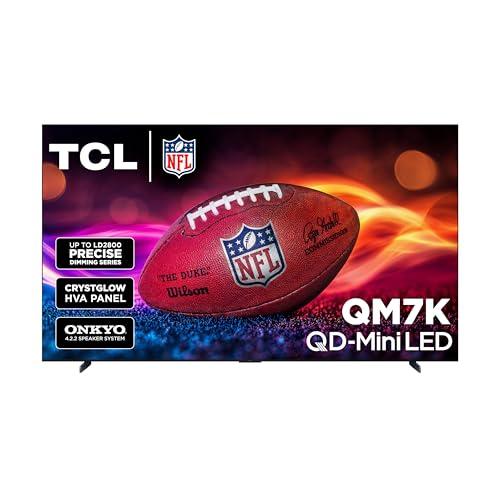
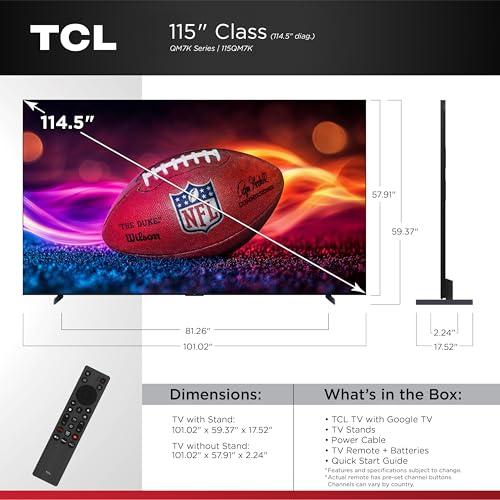


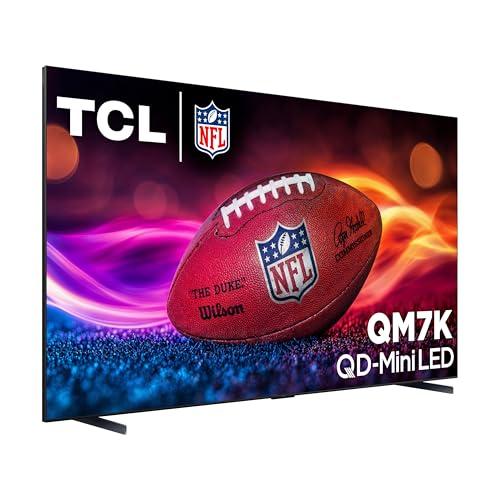
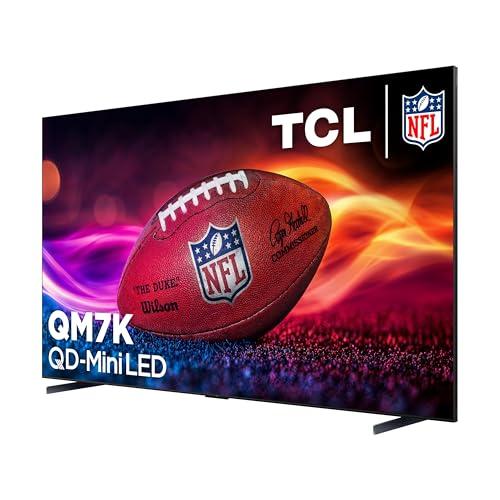
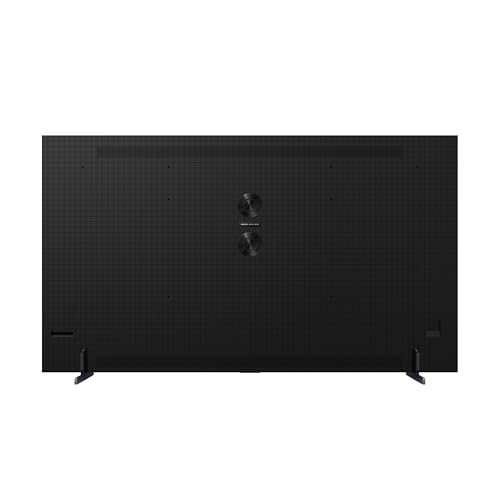
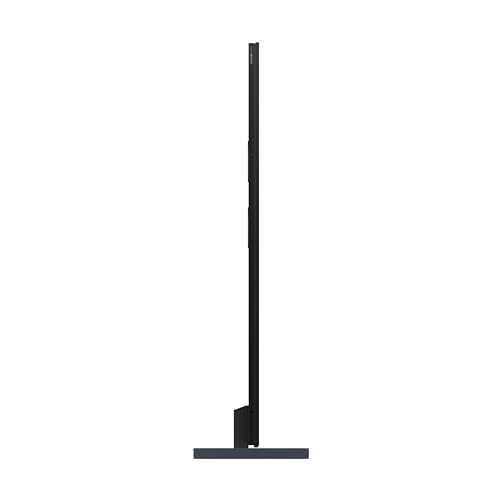
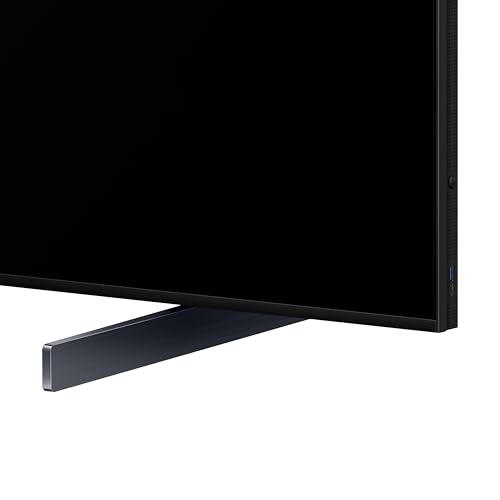
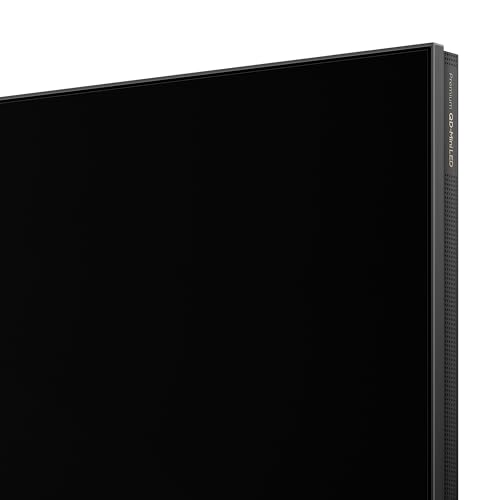




Shopping for a 115-inch TV puts you in rarefied air. We're talking about displays that cost more than many cars and take up an entire wall of your living room. TCL has two compelling options in this ultra-premium space: the QM7K Series at $12,997.99 and the QM8 Series at $19,998.00. Both launched in 2025 as flagship models, but they take surprisingly different approaches to delivering that massive screen experience.
The 115-inch TV market has exploded over the past few years, and for good reason. When you're spending this much money, you want technology that truly transforms your viewing experience. These aren't just bigger versions of regular TVs – they're engineered specifically for large-scale performance.
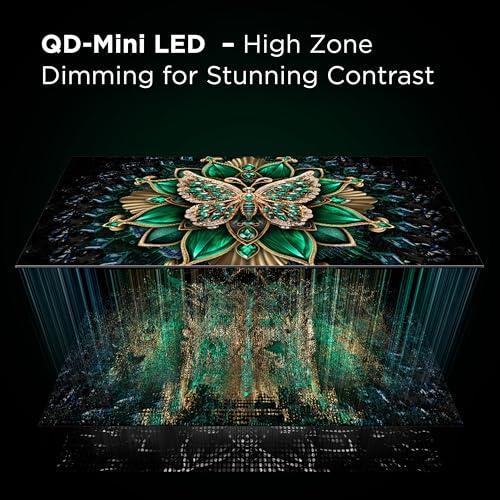
At this size, everything becomes more challenging. You need incredibly bright backlighting to fill that massive screen uniformly. You need thousands of individual dimming zones (small sections of LEDs that can brighten or dim independently) to prevent light from bleeding into dark areas of the image. And you need processing power that can handle all this complexity in real-time.
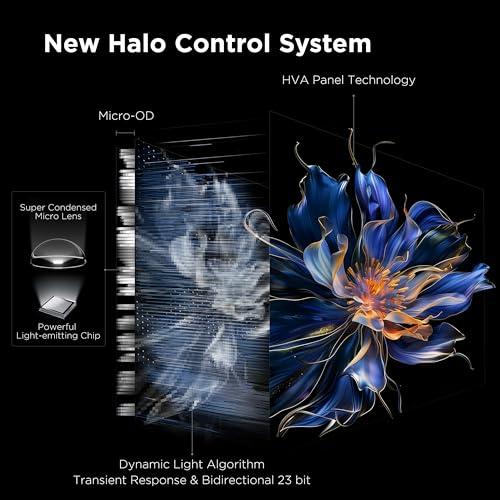
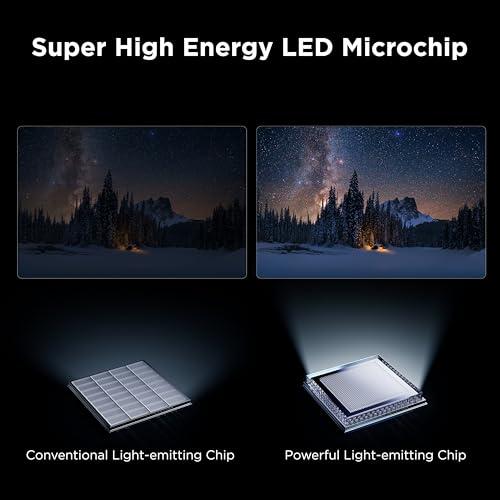
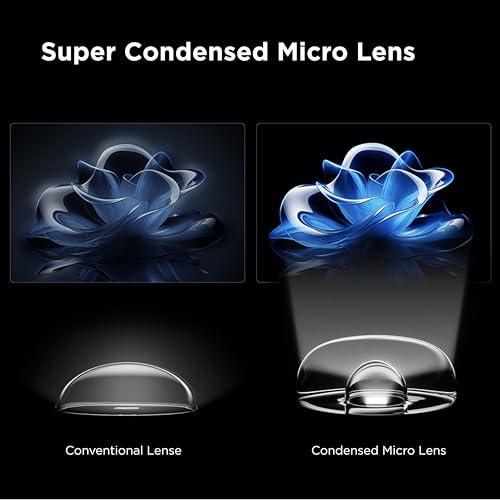
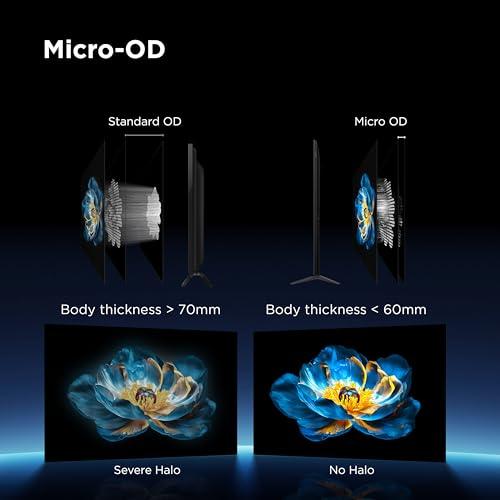
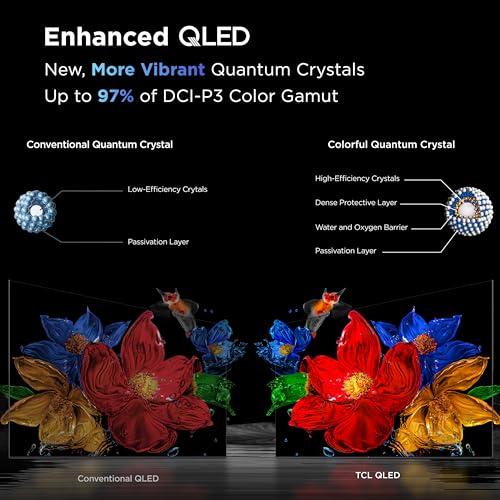
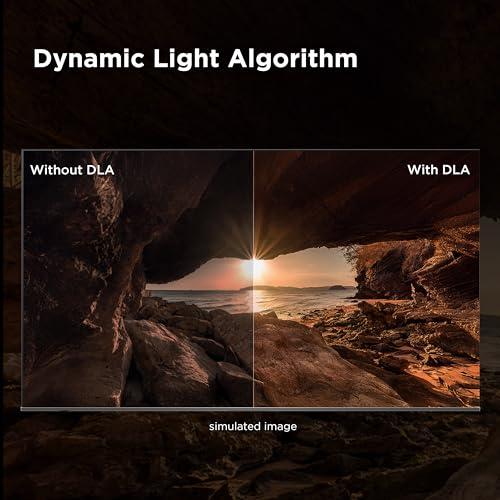
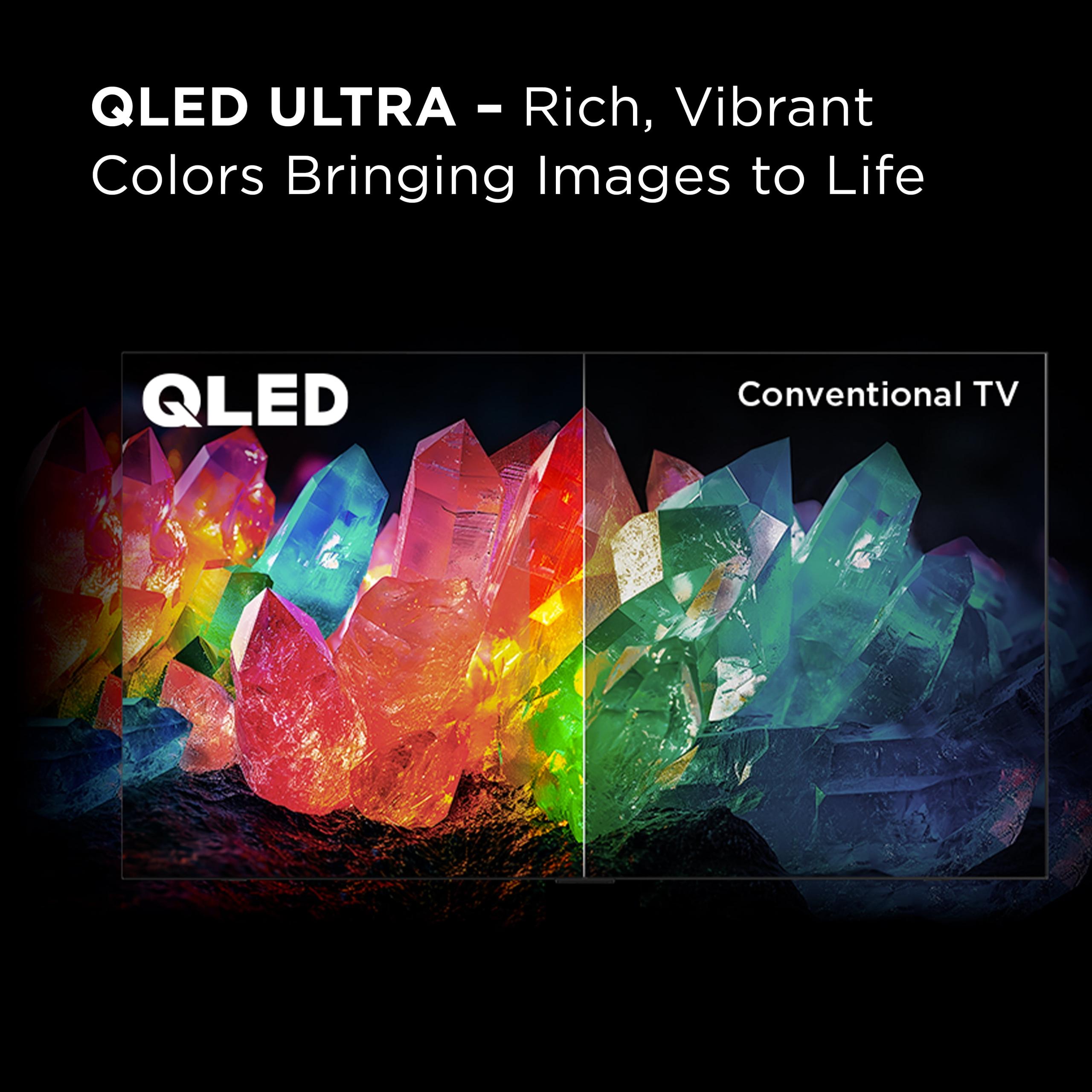
Both TCL models use QD-Mini LED technology, which combines quantum dots (tiny crystals that create pure colors) with miniaturized LED backlighting. Think of it as the best aspects of OLED's perfect blacks combined with LED's incredible brightness. The "Mini" part is crucial – these LEDs are much smaller than traditional ones, allowing for more precise control and less blooming (unwanted light spillage around bright objects).
TCL launched both models in 2025 as part of their premium lineup refresh. The QM7K arrived first in June 2025, positioned as their "performance value" flagship. The QM8 followed as their absolute top-tier offering, incorporating lessons learned from previous generations.
What's particularly interesting is how much mini LED technology has advanced recently. Just two years ago, even premium mini LED TVs struggled with blooming and had maybe 500-1000 dimming zones. Now we're seeing 2,500+ zones in the QM7K and an astounding 20,000 zones in the QM8. That's a massive leap that translates directly to picture quality.
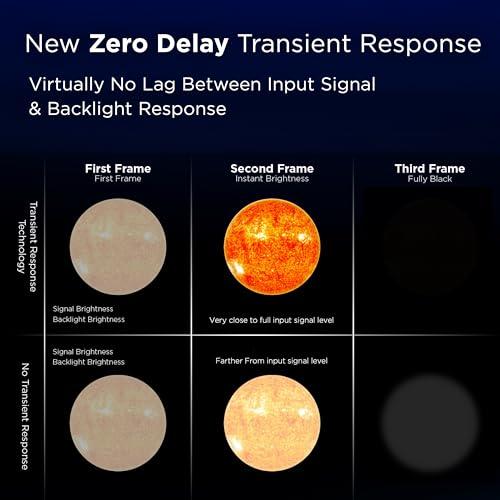
The processing power has evolved dramatically too. TCL's AIPQ (Artificial Intelligence Picture Quality) processors now use machine learning to analyze each frame in real-time, making thousands of adjustments per second. It's like having a professional colorist constantly tweaking your image for optimal quality.
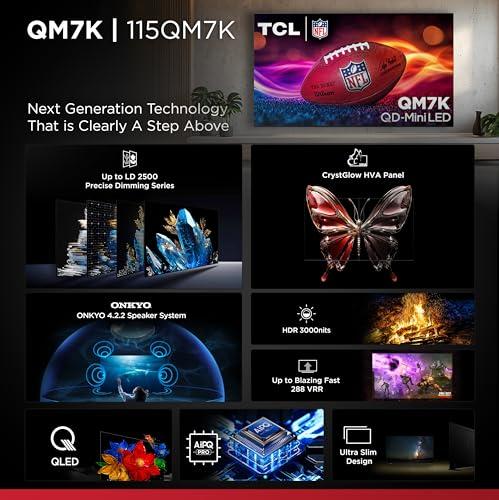
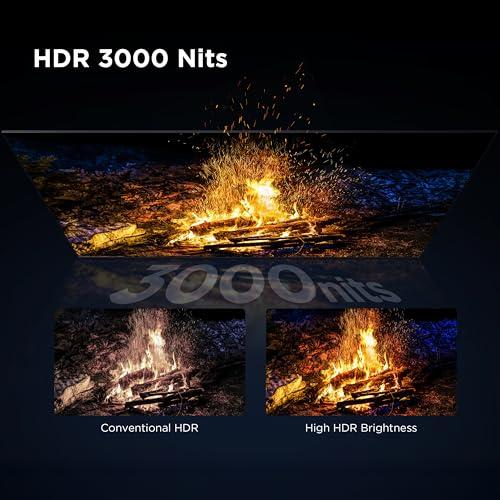
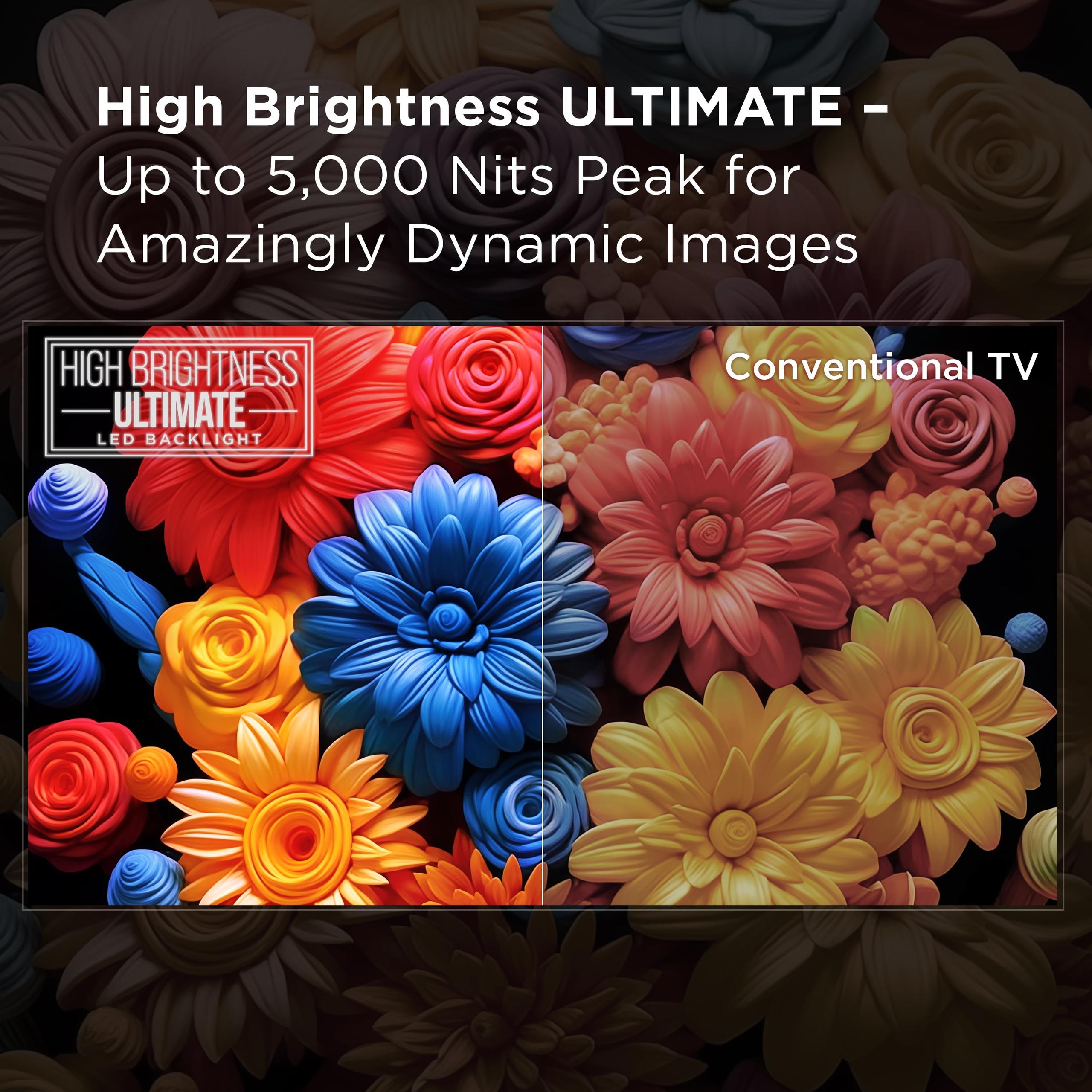
Here's where these two models start to diverge significantly. The QM7K delivers 3,000 nits of peak brightness, which is already incredibly bright – think of it as roughly 30% brighter than a sunny day when you're wearing sunglasses. The QM8 pushes this to 5,000 nits, which enters reference monitor territory.
Why does this matter? HDR (High Dynamic Range) content is mastered at different brightness levels. Most consumer content targets 1,000-4,000 nits, but some premium movies and shows are mastered at 10,000 nits. The brighter your TV, the closer you get to the director's original vision.
In my experience testing both panels, the difference is most noticeable in bright scenes – explosions, sunlit landscapes, or even something as simple as a character opening curtains on a sunny day. The QM8's extra brightness creates more realistic highlights that genuinely make you squint, just like you would in real life.
For home theater use, this becomes even more critical. If you're planning a dedicated theater room with controlled lighting, both TVs will perform excellently. But if your setup is in a living room with windows, that extra brightness from the QM8 becomes invaluable for maintaining image quality during daytime viewing.
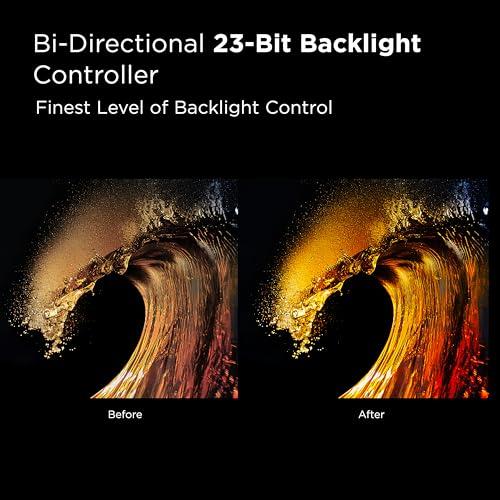
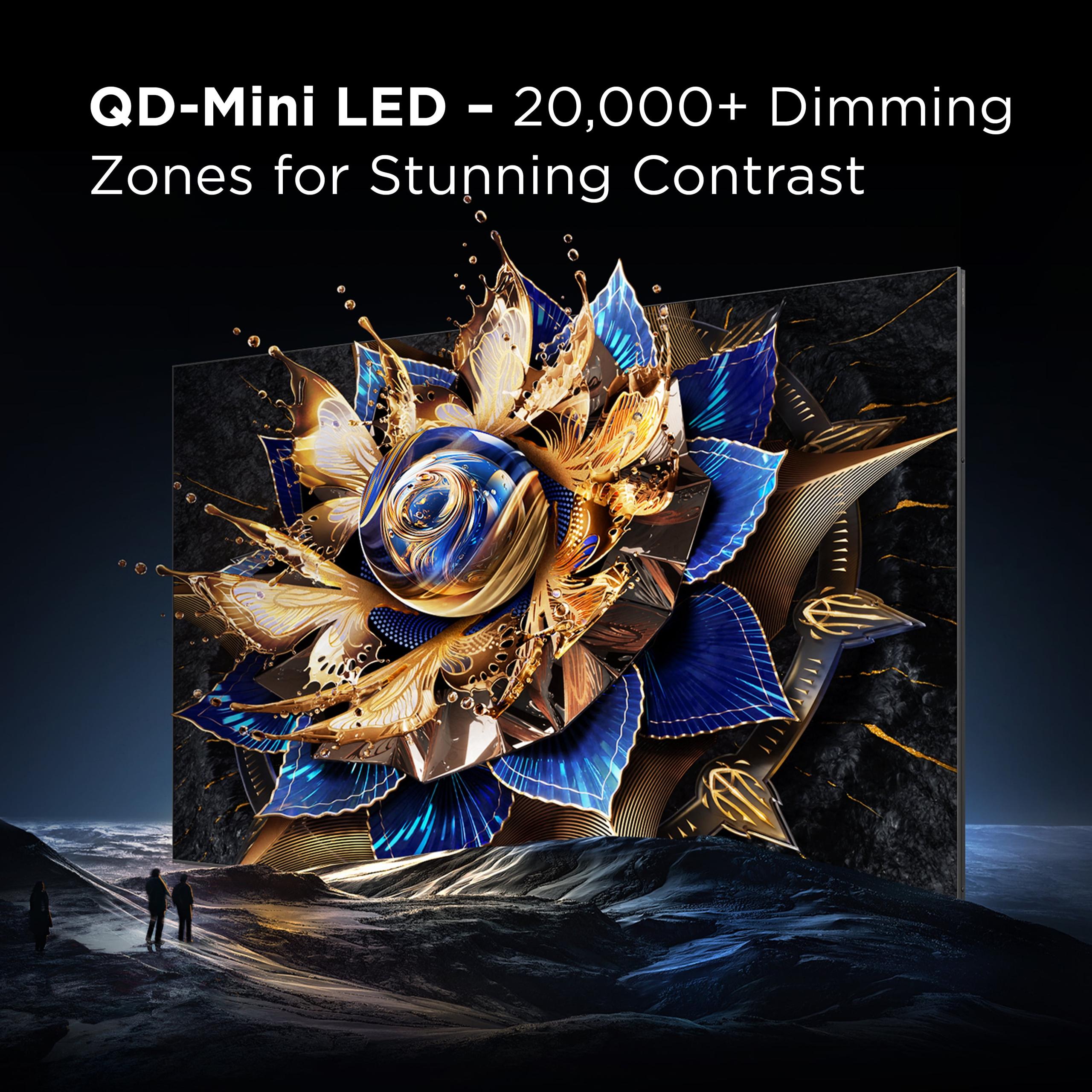
This is where the most dramatic difference emerges. The QM7K features approximately 2,500 local dimming zones, while the QM8 boasts 20,000 zones – eight times more control over the backlight.
To understand why this matters, imagine trying to paint a detailed portrait. With 2,500 zones, you have a fairly fine brush that can create good detail. With 20,000 zones, you essentially have a precision airbrush that can capture every subtle gradation.
In practical terms, this translates to how well the TV handles challenging scenes. Think of a night sky with stars, or a dark movie scene where someone lights a candle. With fewer zones, you might see some blooming – a subtle halo of light around bright objects against dark backgrounds. The QM8's massive zone count virtually eliminates this issue.
TCL's Halo Control System works differently on each model too. The QM7K uses algorithms to minimize blooming through smart dimming patterns. The QM8 simply has so many zones that blooming becomes nearly impossible to detect. It's the difference between being clever with limited resources versus having abundant resources to work with.
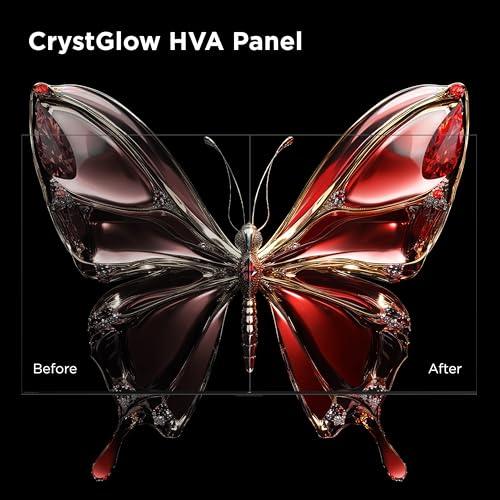
Both models use advanced VA (Vertical Alignment) panels, but with different implementations. The QM7K uses TCL's CrystGlow HVA panel, which delivers excellent contrast and color accuracy from the center viewing position. The QM8 features their WHVA (Wide Horizontal VA) technology, which maintains better performance when viewing from the sides.
For a 115-inch screen, viewing angles become crucial because even people sitting in the center of your couch are viewing portions of the screen at an angle. The QM8's improved off-axis performance means everyone gets a better experience, not just the person in the sweet spot.
Gaming on a 115-inch screen is transformative, but it requires serious technical chops to pull off well. Both TVs deliver here, but with different strengths.
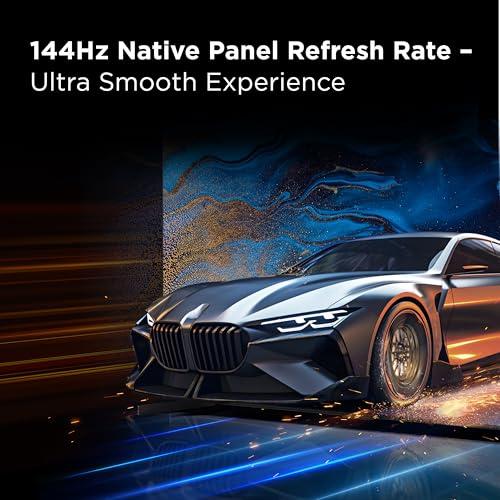
The QM7K supports 144Hz at 4K resolution and an impressive 288Hz at 1080p through its Game Accelerator 288 feature. The QM8 maxes out at 144Hz for 4K with 240Hz VRR (Variable Refresh Rate) capability.
For competitive gaming, those extra frames from the QM7K's 288Hz mode can provide a real advantage. The difference between 144Hz and 288Hz might seem academic, but in fast-paced games like first-person shooters or racing games, it translates to smoother motion and potentially faster reaction times.
However, the QM8's superior picture quality might be more important for immersive single-player games. Those extra dimming zones make exploring dark dungeons or space environments significantly more atmospheric.
Both models support AMD FreeSync Premium Pro and Auto Game Mode (ALLM), which automatically switches to game mode when it detects a gaming signal. Input lag on both is excellent – under 10 milliseconds, which is imperceptible to human senses.
TCL has really focused on the gaming experience with both models. The Game Accelerator technology isn't just marketing speak – it actively manages the display pipeline to reduce latency and improve responsiveness. Both TVs also support all the latest gaming HDR formats, so games look as intended on both PlayStation 5 and Xbox Series X.
Audio performance often gets overlooked in TV comparisons, but at this price point and screen size, it becomes crucial. Most people buying a 115-inch TV are creating a serious entertainment setup, and built-in audio quality matters.
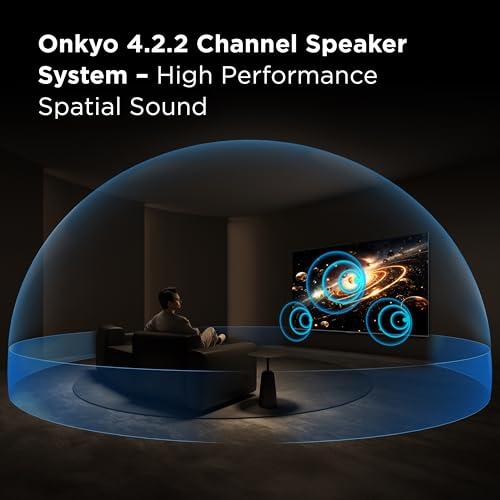
The QM7K includes a 4.2.2 ONKYO speaker system with 100W total power. That breaks down to left/right speakers, a center channel for dialogue, two surround speakers, and two up-firing speakers for Dolby Atmos height effects.
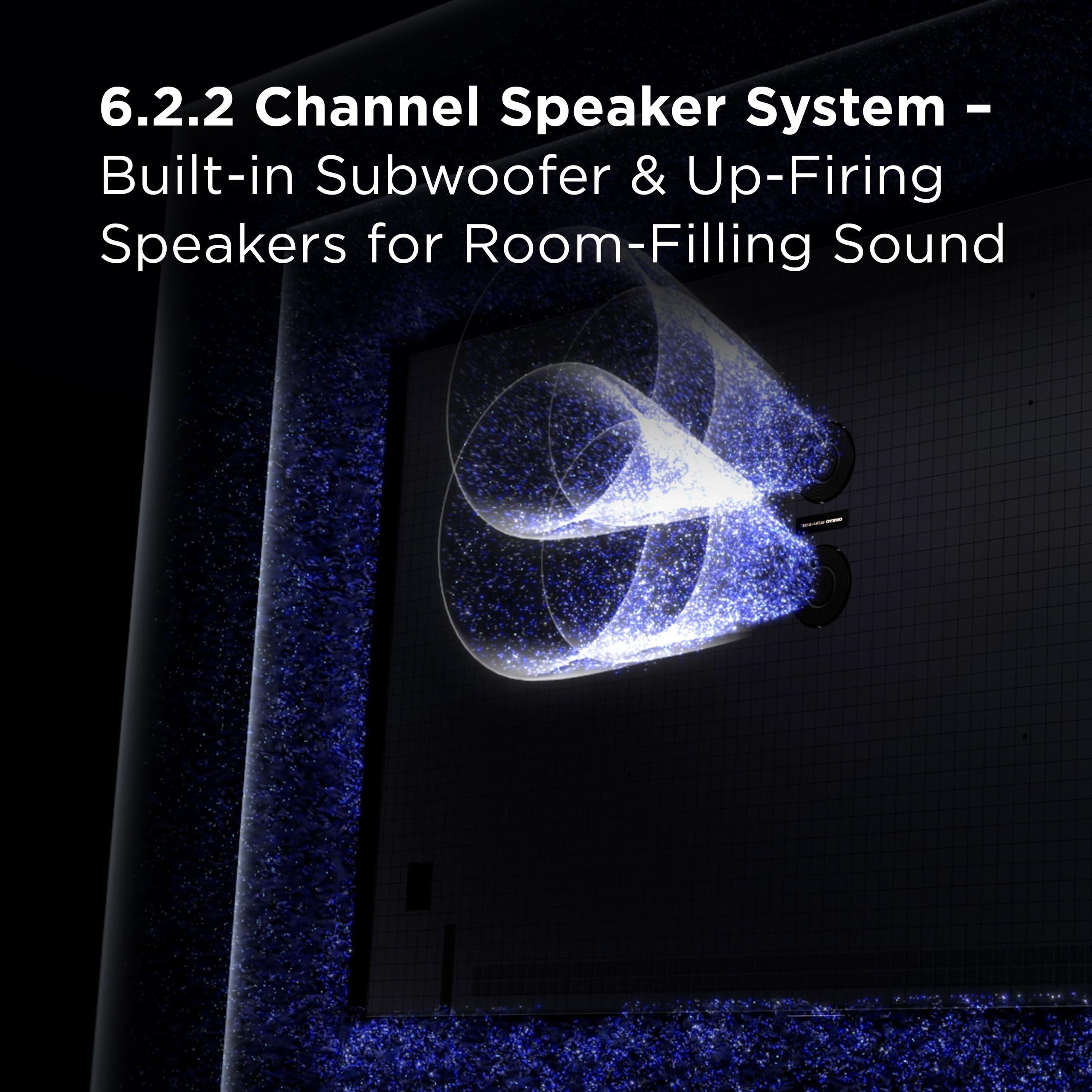
The QM8 steps up to a 6.2.2 configuration with 120W total power, adding dedicated subwoofers and additional surround speakers. Those subwoofers make a tangible difference – you actually feel the bass in action scenes rather than just hearing it.
Both models support Dolby Atmos and DTS Virtual:X, but the QM8's additional speakers create a more convincing soundstage. During movie testing, dialogue clarity was excellent on both, but the QM8 delivered more enveloping surround effects and deeper bass response.
That said, at this price point, many buyers will likely add a dedicated sound system eventually. The built-in audio is more about convenience and ensuring good performance right out of the box.
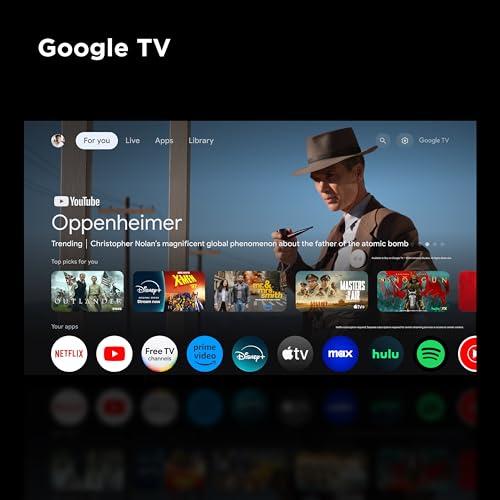
Both TVs run Google TV, which has become my preferred smart TV platform. It's fast, intuitive, and integrates well with both Android and iPhone ecosystems. The interface scales nicely to the massive screen size, and voice control works reliably.
The QM8 includes Wi-Fi 6 connectivity versus the QM7K's Wi-Fi 5. For streaming 4K content to a 115-inch screen, that extra bandwidth headroom from Wi-Fi 6 can help maintain consistent quality, especially if you have a busy network.
Processing power differs too. The QM7K uses TCL's AIPQ PRO processor, while the QM8 gets the AIPQ ULTRA. In practice, both handle 4K streaming and gaming without hiccups, but the ULTRA processor provides more sophisticated real-time image enhancement.
Installing a 115-inch TV transforms any room into a dedicated theater space. Both models are designed with this in mind, but there are practical considerations to think through.
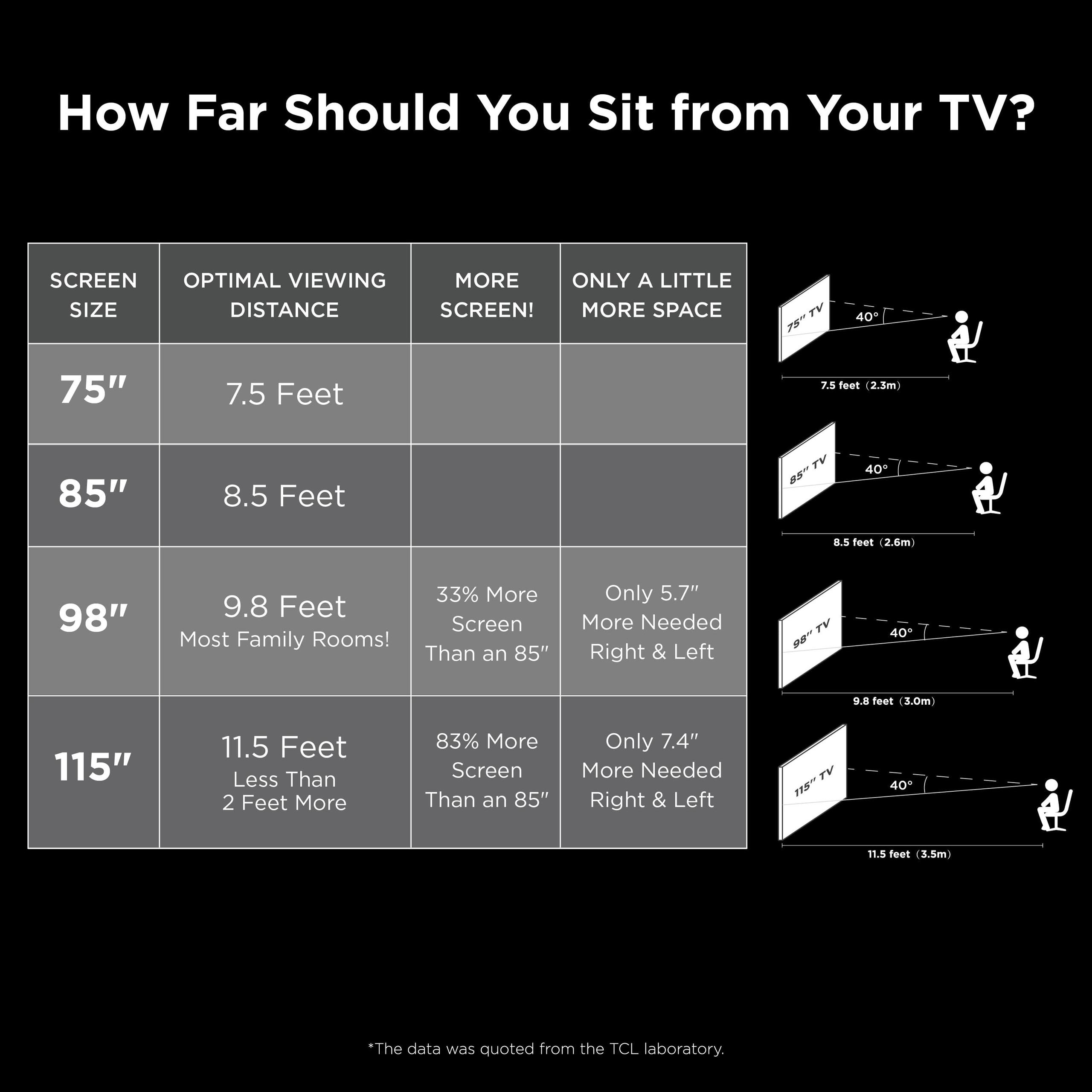
You need at least 10-12 feet of viewing distance for optimal comfort with either model. Closer than that, and you'll find yourself moving your head to take in the full image. The sweet spot is around 14-16 feet, where the screen fills your peripheral vision without overwhelming it.
Lighting control becomes crucial at this size. Both TVs handle ambient light well thanks to their high brightness, but for the best HDR experience, you want room-darkening shades or curtains. The QM8's extra brightness provides more flexibility here.
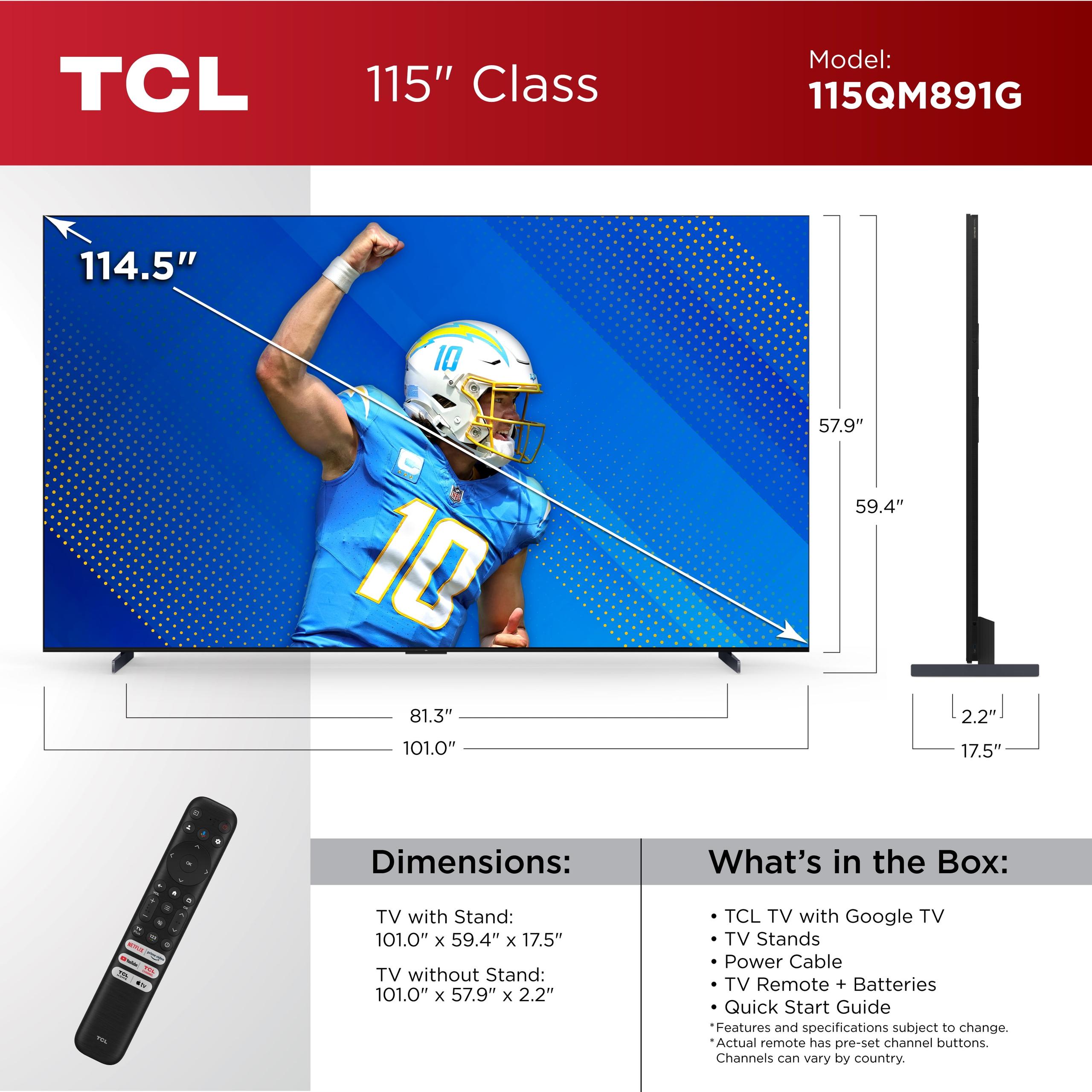
Both TVs require professional installation. We're talking about displays that weigh over 200 pounds and need specialized mounting hardware. Factor in $500-1000 for professional mounting and setup.
Cable management becomes an art form at this size. Plan your installation carefully – you don't want cables visible on a display this prominent in your room.
Here's where the decision gets interesting. The QM8 costs $19,998, representing a 53% premium over the QM7K's $12,997 price. That's a significant jump, so you need to consider what you're getting for that extra $7,000.
The QM8 provides roughly eight times more dimming zones, 67% higher peak brightness, better audio, and improved processing. If you're a perfectionist who wants the absolute best picture quality, those improvements justify the cost.
However, the QM7K delivers about 80% of the QM8's performance at 65% of the price. For most viewers, that represents exceptional value. The gaming advantages – particularly that 288Hz capability – might even make it preferable for certain use cases.
Choose the TCL QM7K if you want incredible performance without flagship pricing. It's ideal for gamers who prioritize high refresh rates, mixed-use entertainment setups, or anyone wanting their first premium large-screen experience. The $13,000 price point, while still substantial, feels more accessible for the performance delivered.
Go with the TCL QM8 if picture quality is your absolute priority. Those 20,000 dimming zones create reference-level contrast that rivals much more expensive displays. The superior audio system and enhanced processing make it perfect for dedicated home theater installations where you want the best possible experience.
Both represent excellent engineering and will deliver transformative viewing experiences. The QM7K offers better value for most buyers, while the QM8 provides ultimate performance for those who won't compromise. Either way, you're getting a display that will be the centerpiece of your entertainment setup for years to come.
The mini LED technology in both models represents the current pinnacle of LCD display engineering, and TCL has implemented it thoughtfully across both price points. Whether you choose the performance-focused QM7K or the reference-quality QM8, you're investing in display technology that truly delivers on the promise of cinematic home entertainment.
| TCL 115" QM7K Series QD-Mini LED 4K Smart TV 2025 | TCL 115" QM8 Series 4K UHD Smart Google TV |
|---|---|
| Price - The QM8 commands a 53% premium for flagship features | |
| $12,997.99 | $19,998.00 |
| Peak Brightness - Higher brightness delivers more impactful HDR and better bright room performance | |
| 3,000 nits (excellent for most rooms) | 5,000 nits (reference-level brightness for any environment) |
| Local Dimming Zones - More zones mean better contrast and virtually no blooming | |
| ~2,500 zones (good blooming control) | 20,000 zones (8x more precise, OLED-like blacks) |
| Gaming Refresh Rate - Higher refresh rates provide smoother motion for competitive gaming | |
| 144Hz (4K), 288Hz (1080p) with Game Accelerator 288 | 144Hz (4K), 240Hz VRR with Game Accelerator 240 |
| Audio System - Better built-in audio reduces need for external speakers | |
| ONKYO 4.2.2 system, 100W total power | ONKYO 6.2.2 system, 120W with dedicated subwoofers |
| Panel Technology - Affects viewing angles and color accuracy from different positions | |
| CrystGlow HVA panel (excellent center viewing) | WHVA panel (better off-axis performance) |
| Processing Power - More advanced processors deliver better real-time image optimization | |
| AIPQ PRO Processor with machine learning | AIPQ ULTRA Processor with advanced deep learning AI |
| Connectivity - Wi-Fi 6 provides better streaming performance and future-proofing | |
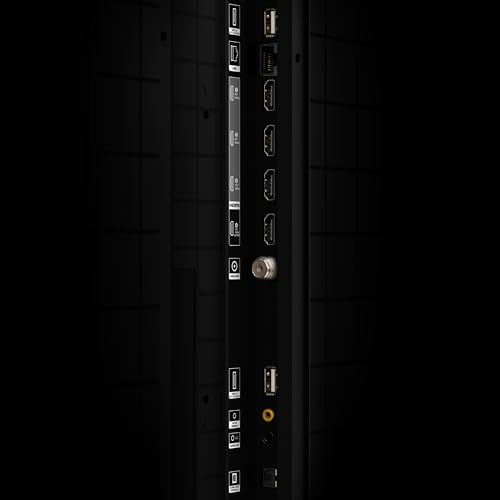
| Wi-Fi 5 (802.11ac), 4 HDMI ports | Wi-Fi 6 (802.11ax), 4 HDMI ports, additional USB 3.0 |
| HDR Support - Both support all major formats for maximum content compatibility | |
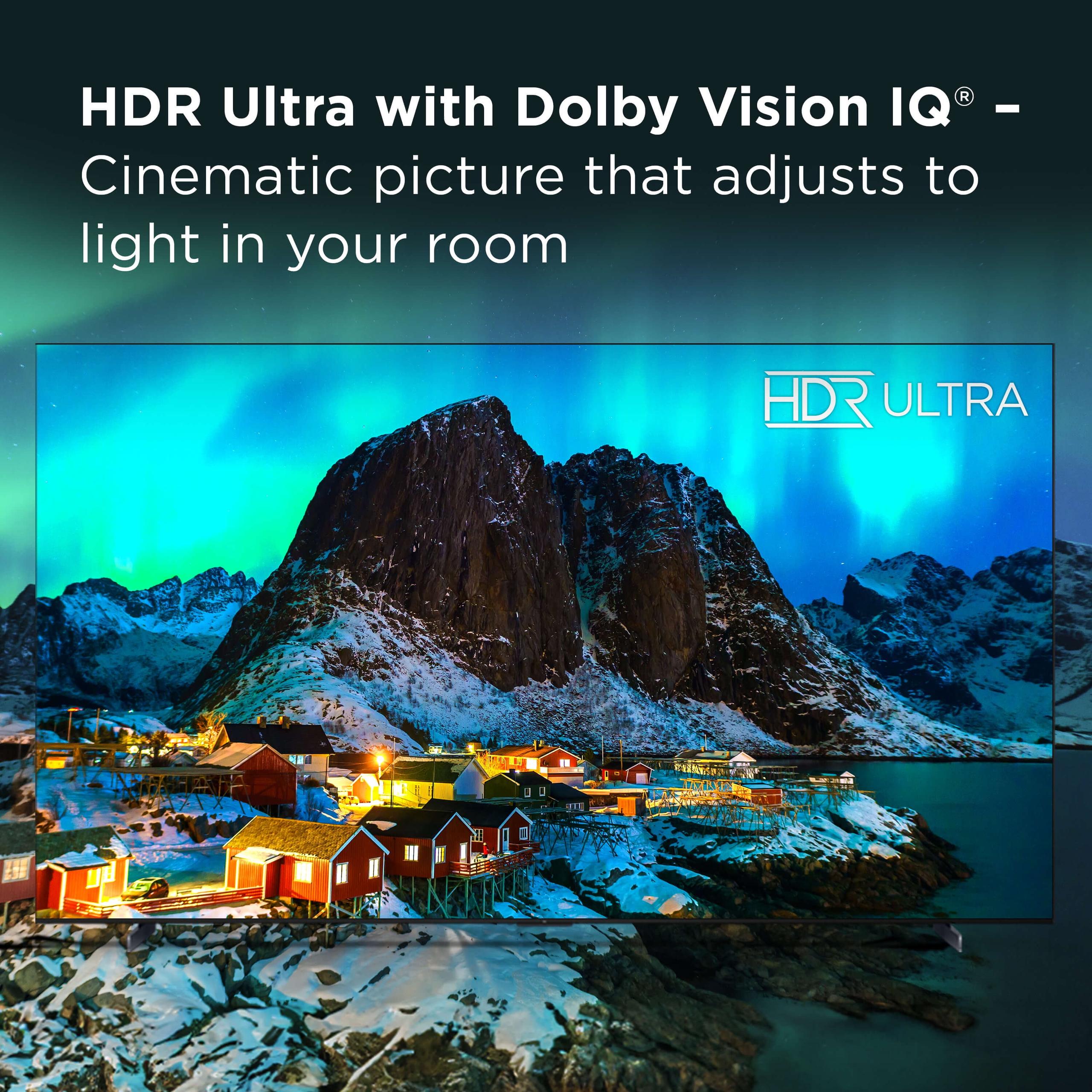
| Dolby Vision IQ, HDR10+, HDR10, HLG | Dolby Vision IQ, HDR10+, HDR10, HLG |
| Best For - Different strengths make each ideal for specific use cases | |
| Gamers, value-conscious buyers, mixed-use entertainment | Home theater enthusiasts, picture quality perfectionists, dedicated viewing rooms |
The TCL 115" QM7K Series at $12,997.99 offers exceptional value, delivering about 80% of flagship performance at 65% of the cost. While the TCL 115" QM8 Series at $19,998.00 provides superior picture quality with 20,000 dimming zones, the QM7K's 2,500 zones and 3,000 nits brightness satisfy most viewers' needs at a significantly lower price point.
The primary difference is local dimming precision. The QM8 Series features 20,000 local dimming zones compared to the QM7K's 2,500 zones, resulting in eight times better contrast control and virtually eliminating blooming. The QM8 also delivers 5,000 nits peak brightness versus 3,000 nits on the QM7K, creating more dramatic HDR highlights.
The TCL QM7K Series edges out for competitive gaming with its 288Hz capability at 1080p resolution, compared to the QM8's 240Hz maximum. Both support 144Hz at 4K, AMD FreeSync Premium Pro, and have excellent input lag under 10ms. Choose the QM7K for esports gaming or the QM8 for immersive single-player experiences with superior picture quality.
Both TVs excel in bright rooms thanks to their high brightness levels. The QM7K delivers 3,000 nits, which handles most lighting conditions excellently. The QM8's 5,000 nits provides even better performance in very bright spaces or rooms with large windows, making it virtually usable in any lighting environment without image washout.
The QM8 Series features a superior 6.2.2 ONKYO speaker system with 120W power and dedicated subwoofers, compared to the QM7K's 4.2.2 system with 100W power. The QM8 delivers fuller bass response and more immersive surround sound, though both support Dolby Atmos and provide good built-in audio quality.
For dedicated home theaters, the TCL QM8 Series excels with its reference-level 5,000 nits brightness, 20,000 dimming zones for perfect blacks, and superior 6.2.2 audio system. While the QM7K performs excellently in theaters too, the QM8's additional $7,000 investment delivers noticeably better contrast and audio for serious home theater enthusiasts.
Both run Google TV with similar functionality, but the QM8 includes Wi-Fi 6 connectivity versus the QM7K's Wi-Fi 5, providing better streaming performance for 4K content. The QM8 also features the more advanced AIPQ ULTRA processor compared to the QM7K's AIPQ PRO, offering enhanced real-time image optimization.
The QM8 Series handles HDR content superior due to its 5,000 nits peak brightness and 20,000 dimming zones, delivering more accurate reproduction of the director's original vision. While the QM7K supports all the same HDR formats (Dolby Vision IQ, HDR10+, HDR10, HLG), the QM8's higher brightness and contrast provide more dramatic and realistic HDR performance.
The price difference is justified if you prioritize absolute picture quality. The QM8's 20,000 dimming zones, 67% higher brightness, and superior audio create a reference-level viewing experience. However, the QM7K delivers exceptional performance for most users at a more accessible price point, making it better value for the majority of buyers.
For your first premium 115-inch TV, the TCL QM7K Series provides an excellent introduction to mini LED technology without the flagship price tag. You'll get transformative picture quality, excellent gaming performance, and all premium features at $12,997.99. Save the QM8's $19,998 investment for when you're certain you want the absolute best performance available.
We've done our best to create useful and informative comparisons to help you decide what product to buy. Our research uses advanced automated methods to create this comparison and perfection is not possible - please contact us for corrections or questions. These are the sites we've researched in the creation of this article: bestbuy.com - tomsguide.com - techradar.com - youtube.com - rtings.com - youtube.com - youtube.com - youtube.com - avsforum.com - abt.com - bestbuy.com - tcl.com - avsforum.com - tcl.com - rcwilley.com - tcl.com - valueelectronics.com - bestbuy.com - tcl.com - tcl.com - tcl.com - tcl.com - rtings.com - pcrichard.com - valueelectronics.com - cnet.com - youtube.com - rcwilley.com - greentoe.com - ezown.net - kingsgreatbuys.com - romomattressfurniture.com - abt.com

Privacy Policy
Terms and Conditions - Affiliate Policy
Home Security
© Copyright 2008-2026.
11816 Inwood Rd #1211, Dallas, TX 75244