

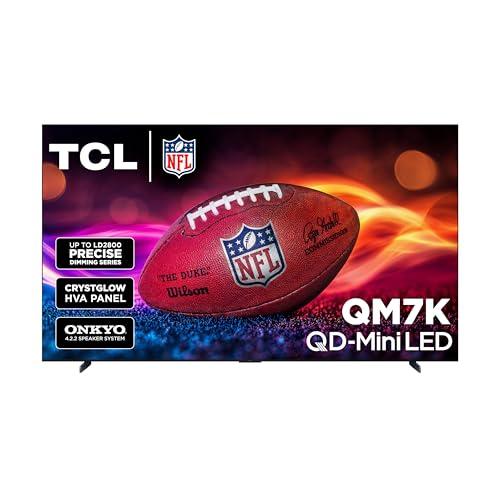


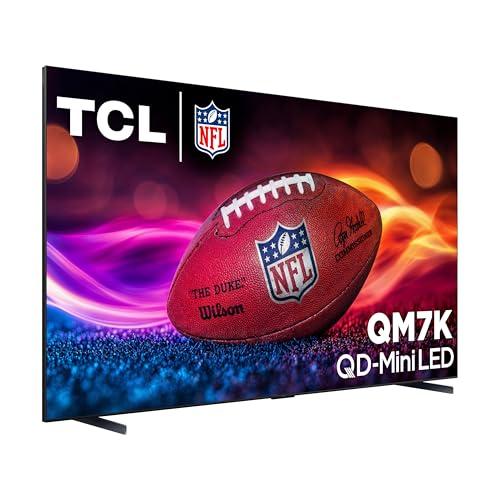
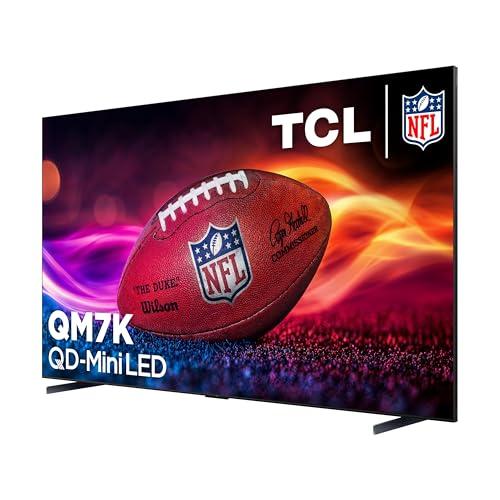
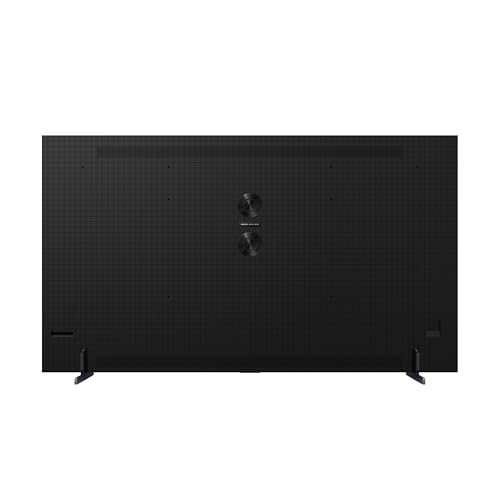
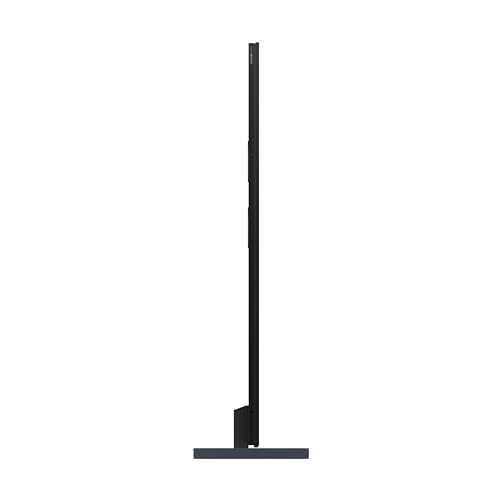
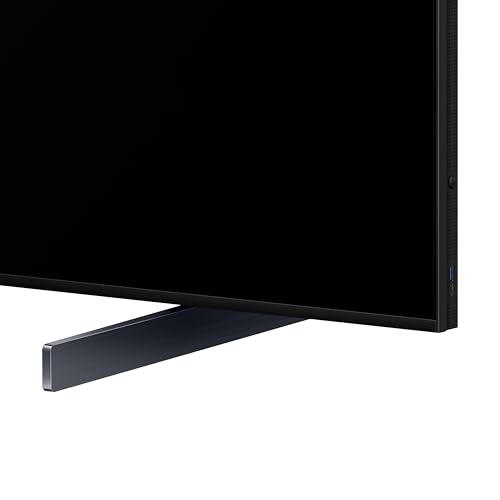
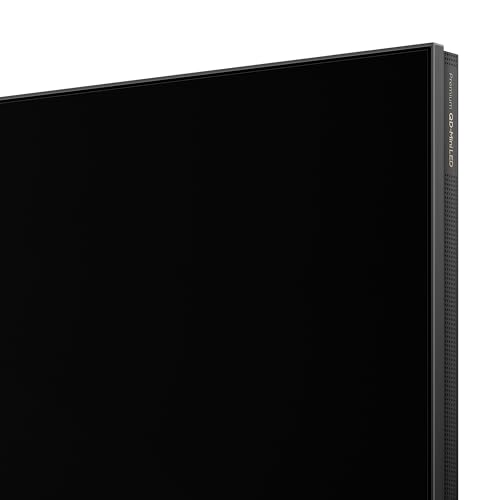
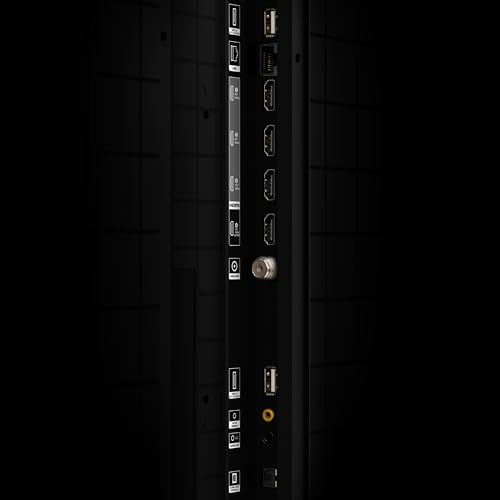

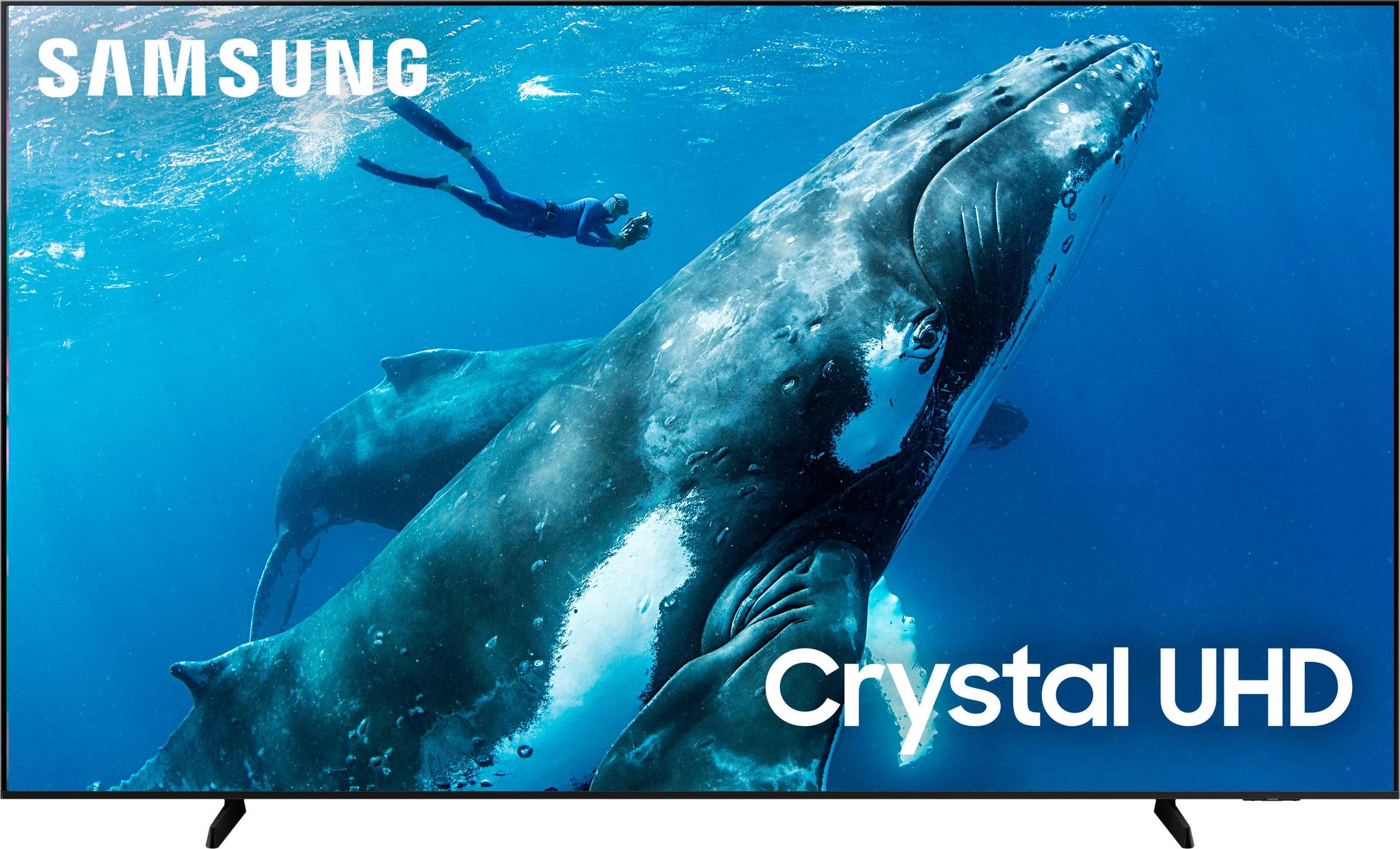
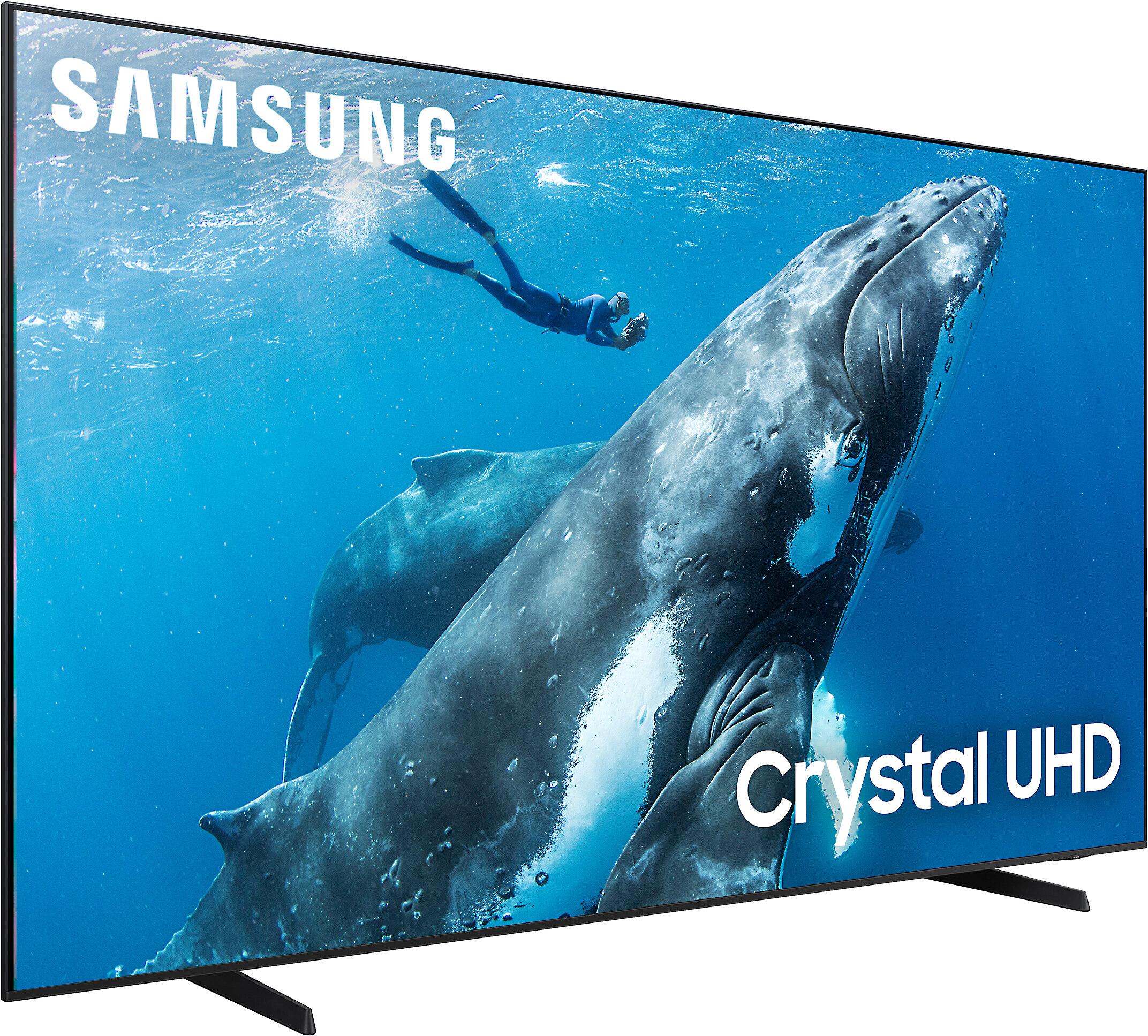
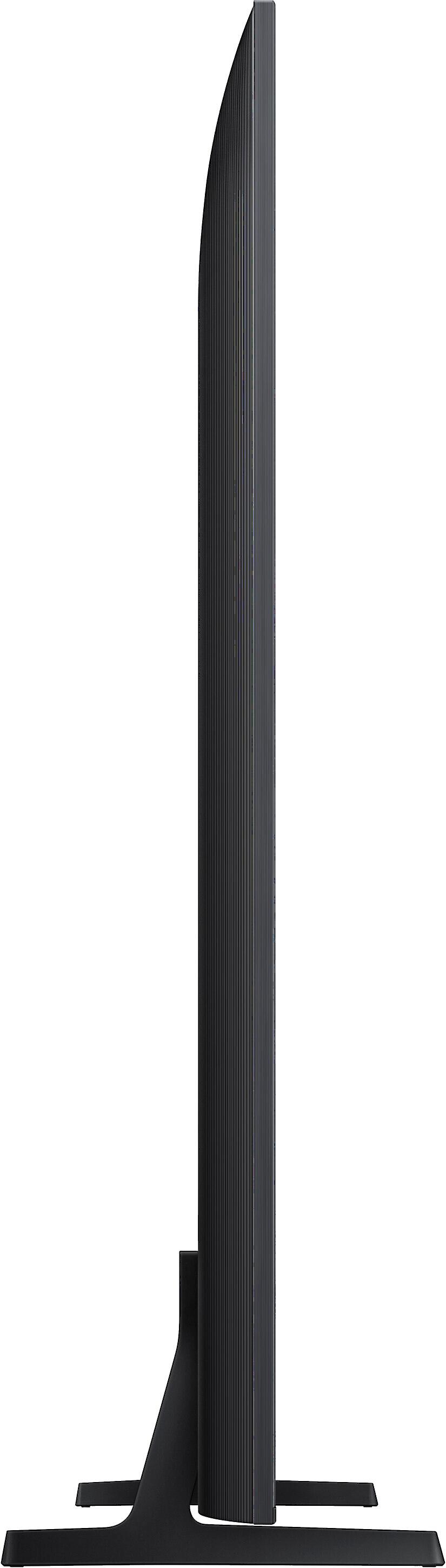
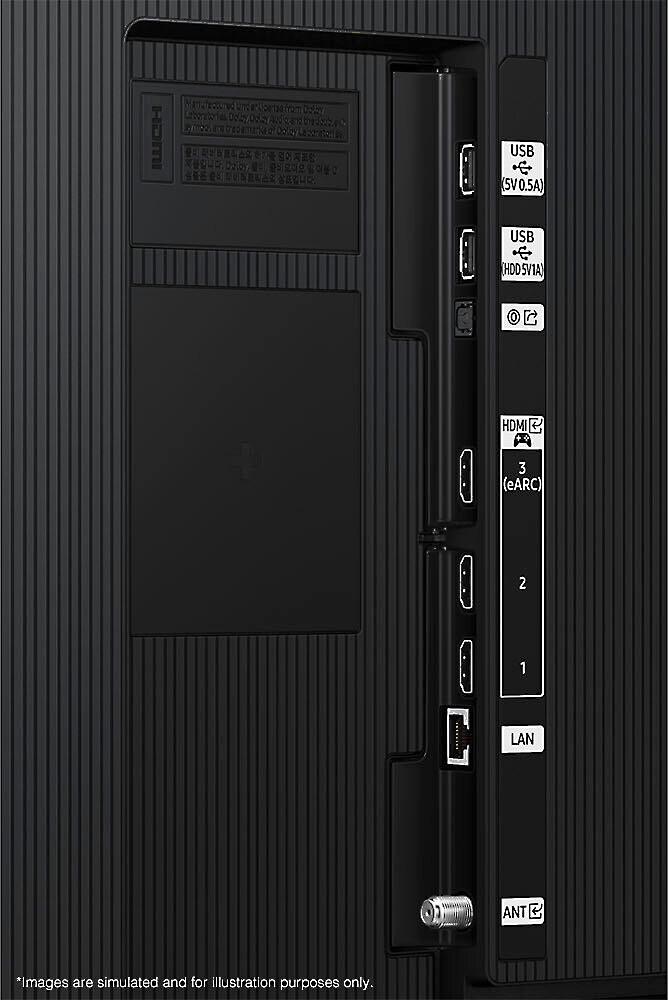
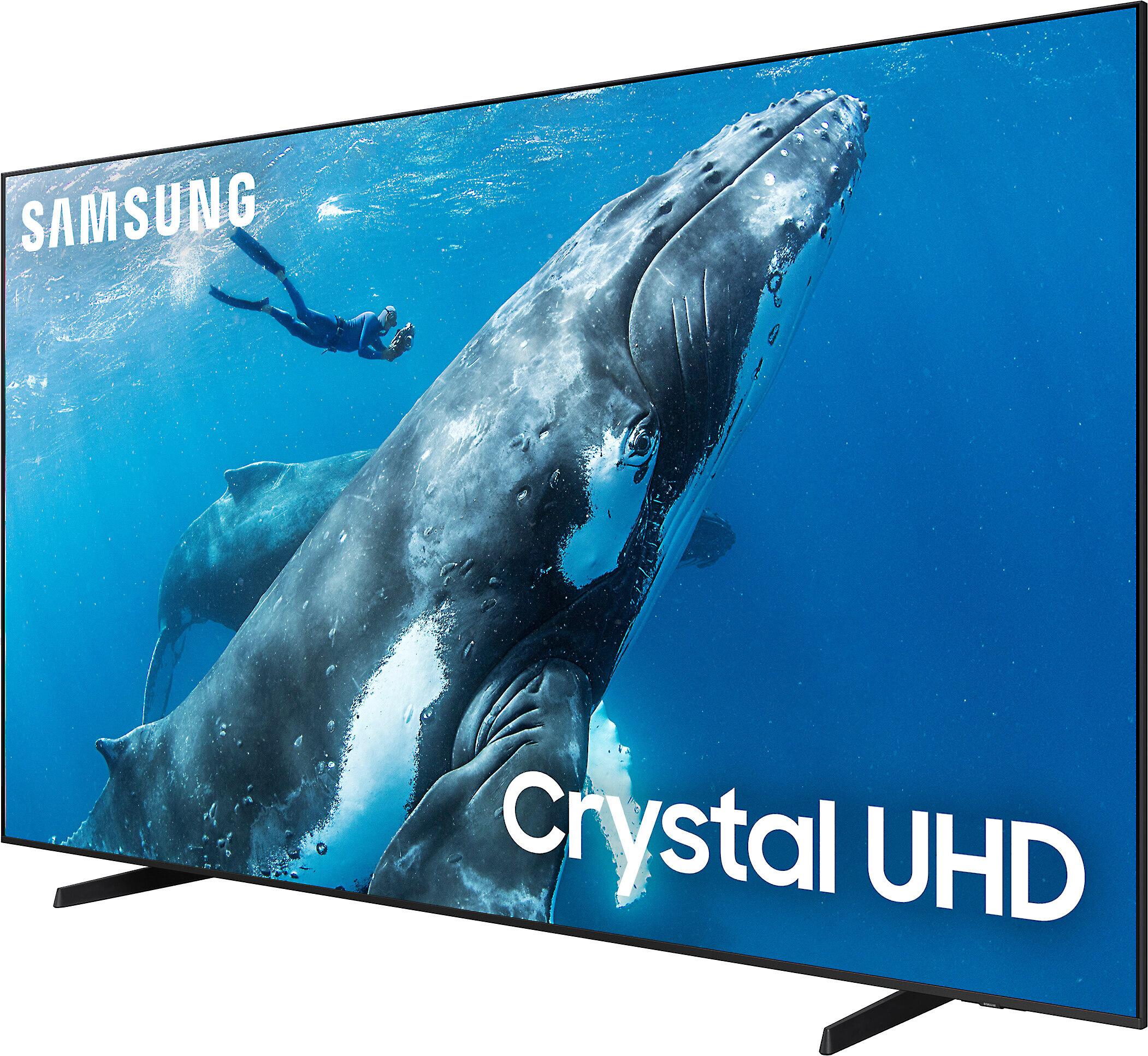
When you're shopping for a massive TV that'll dominate your living room or home theater, two very different approaches emerge from the crowd. The TCL 115" QM7K Series QD-Mini LED 4K Smart TV ($12,997.99) represents cutting-edge display technology at flagship pricing, while the Samsung 98" DU9000 Series Crystal UHD Smart TV ($898.19) takes a budget-friendly approach that prioritizes screen size over premium features.
These aren't just big TVs – they're fundamentally different philosophies about what makes a great viewing experience. Let me walk you through what sets them apart and help you figure out which one deserves a spot in your home.
Large screen TVs have evolved dramatically over the past few years. What used to require a projector and dedicated theater room can now sit in your living room, delivering brightness and clarity that projectors simply can't match. But bigger isn't always better – the technology behind that massive screen matters enormously.
The main considerations when shopping for large screens include display technology (how the TV creates light and color), processing power (how it handles different types of content), gaming capabilities (refresh rates and input lag), smart features, and of course, value for money. Room lighting also becomes crucial – a TV that looks amazing in a dark showroom might struggle in your bright family room.
The Samsung DU9000 launched in early 2024 as part of Samsung's value-focused Crystal UHD lineup. It represents Samsung's strategy of making large screens accessible by using proven LED technology with smart upscaling. The timing was strategic – as panel costs dropped in 2024, Samsung could offer a 98" screen at an unprecedented price point.
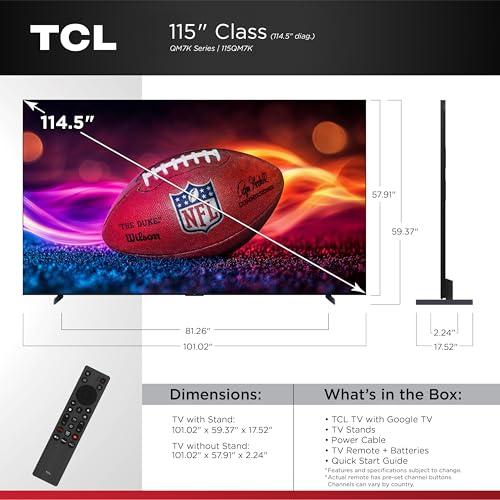
The TCL QM7K, arriving in 2025, showcases where premium TV technology is heading. TCL has been aggressively pushing mini-LED technology since 2022, and the QM7K represents their latest refinements. The 115" size puts it in truly gigantic territory – larger than many commercial displays and pushing the boundaries of what makes sense in residential settings.
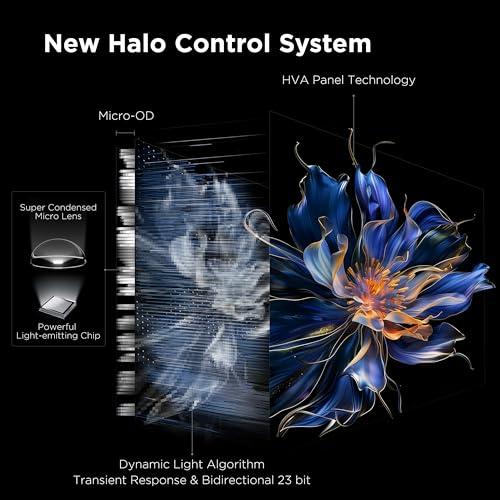
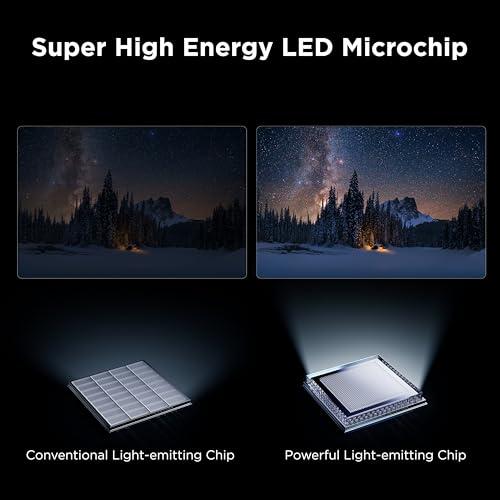
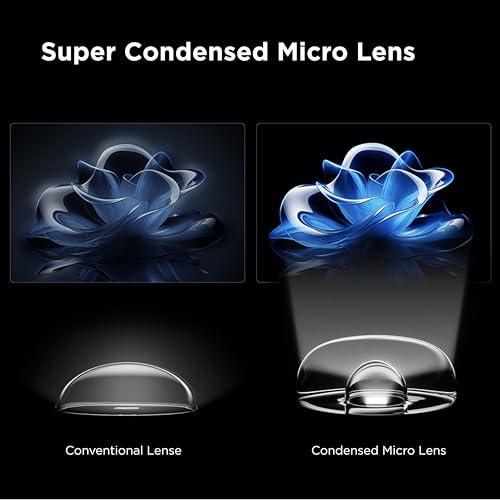
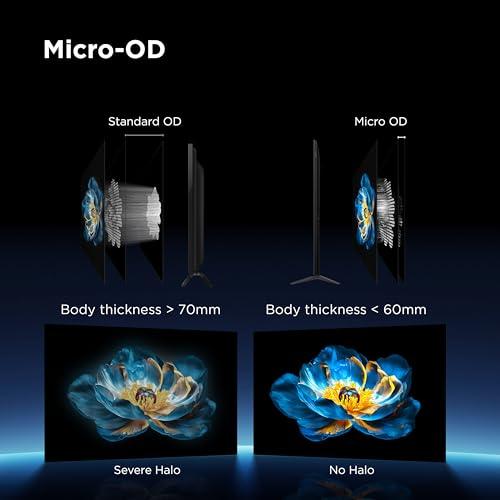
Since 2022, mini-LED technology has matured significantly. Early mini-LED TVs suffered from "blooming" where bright objects would create halos on dark backgrounds. TCL's 2025 implementation includes their "Halo Control System" – essentially advanced algorithms and optical design that minimize these artifacts. Meanwhile, standard LED TVs like Samsung's Crystal UHD lineup have refined their upscaling processors to better handle the challenge of making lower-resolution content look good on massive screens.
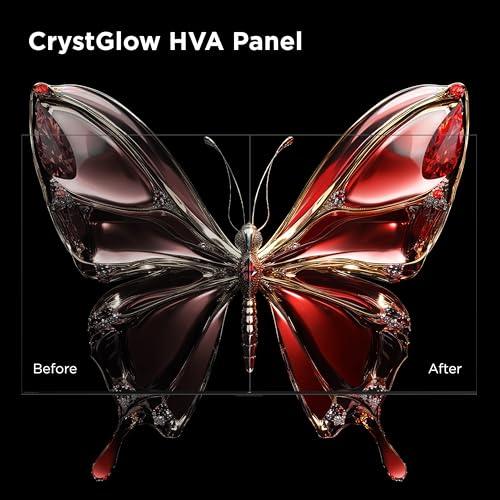
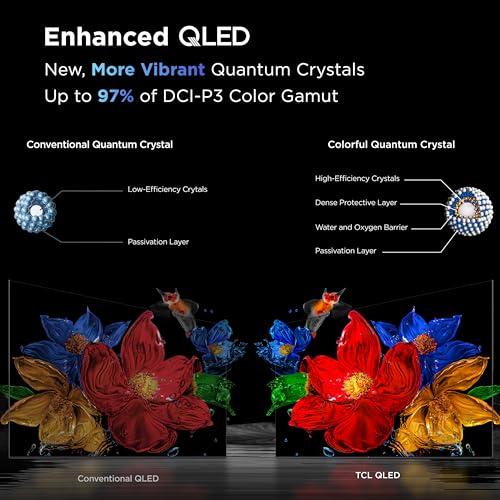
Here's where these TVs diverge most dramatically. The TCL uses QD-Mini LED technology, which sounds complicated but breaks down into two key innovations working together.
First, "QD" stands for Quantum Dot – microscopic crystals that convert light into very pure colors. When blue LED light hits these crystals, they emit precise red and green wavelengths, creating a wider color gamut (range of colors) than traditional LEDs. Think of it like having a more diverse paint palette – you can create more vivid, accurate colors.
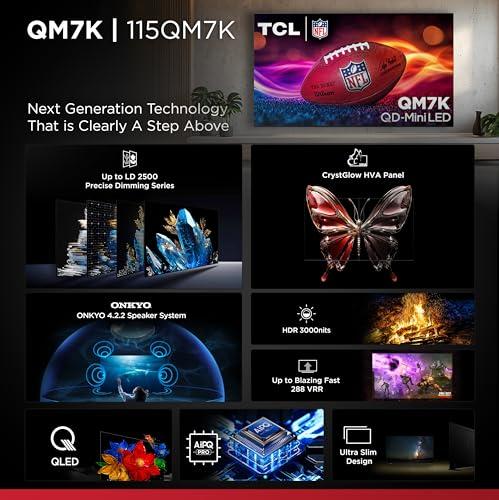
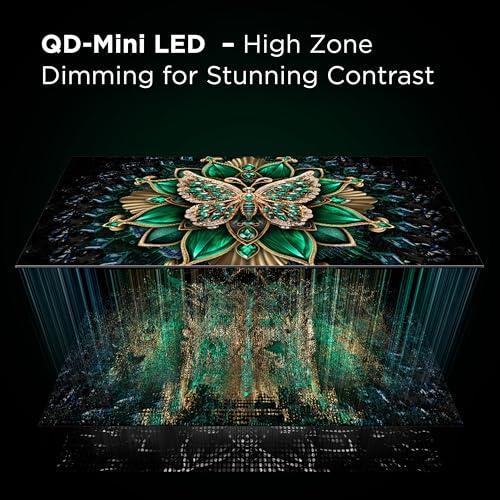
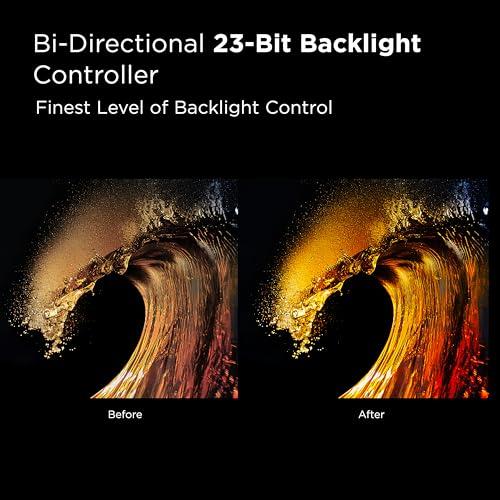
Second, "Mini LED" refers to the backlighting system. Traditional LED TVs use relatively large LEDs around the edges or behind the screen. Mini-LED uses thousands of tiny LEDs, each about 1/40th the size of regular LEDs. The TCL QM7K has up to 2,500 individual dimming zones – areas that can brighten or dim independently to create precise contrast between bright and dark areas of the image.
The Samsung takes a more traditional approach with Crystal UHD technology. This relies on standard LED backlighting with Samsung's PurColor processing to enhance the color range. While it can't match the precision of mini-LED, it's proven, reliable, and significantly less expensive to manufacture.
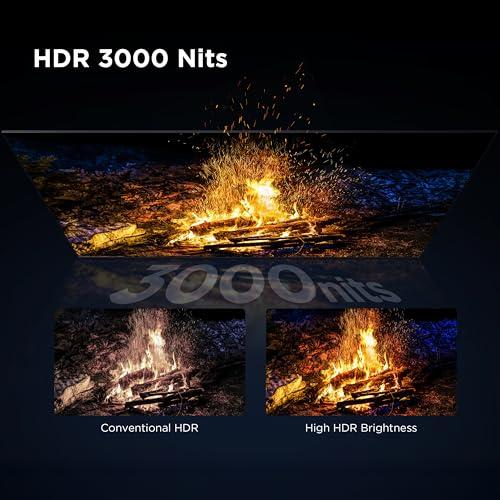
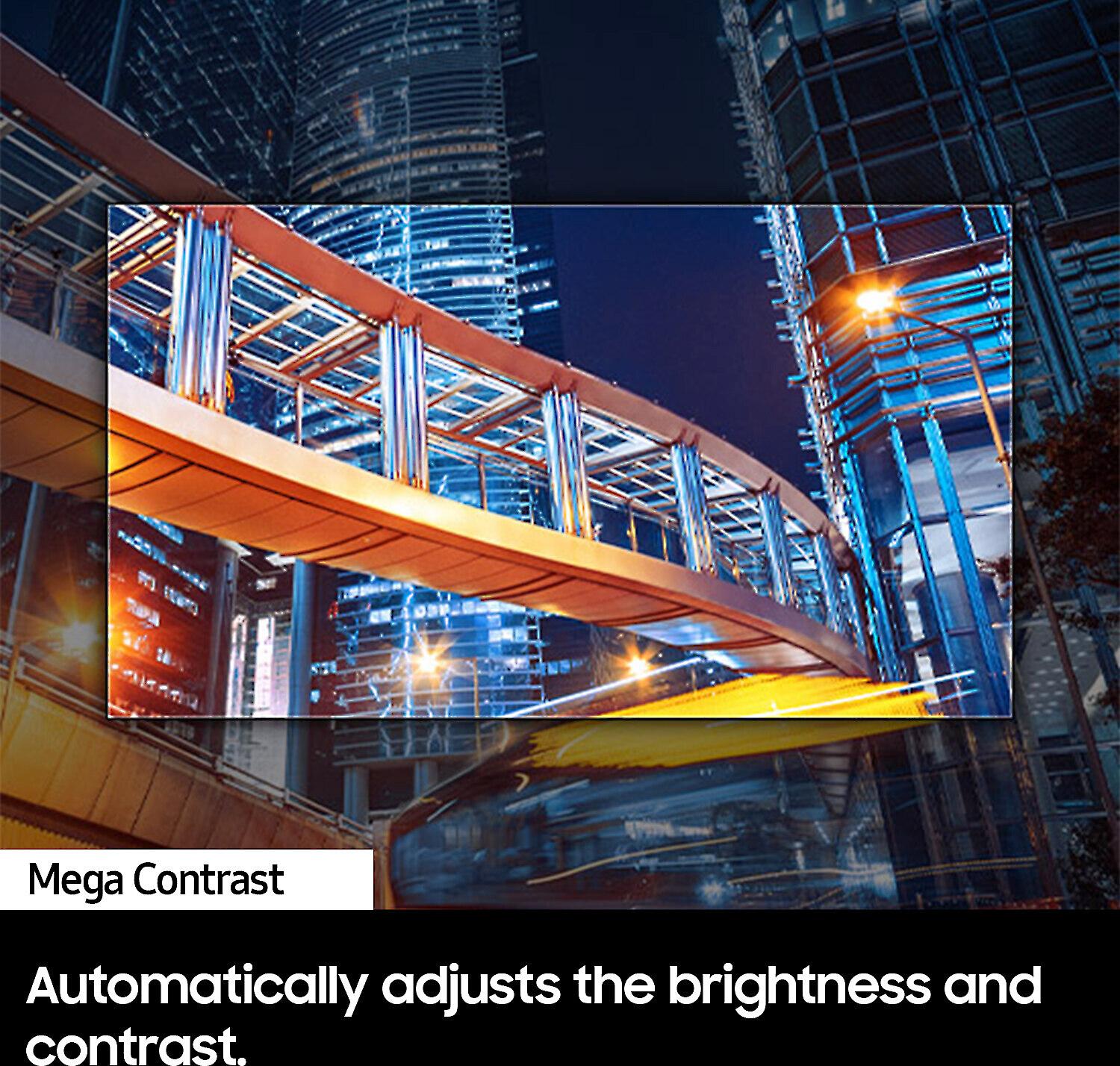
In practical terms, this translates to dramatic differences in picture quality. The TCL can hit HDR3000 nits of peak brightness – bright enough to make HDR highlights genuinely dazzling even in a bright room. Its contrast ratio of 8000:1 means pure blacks sit right next to brilliant whites without the gray "wash" that affects cheaper TVs. The Samsung, while capable, tops out around 400-500 nits and has a more modest contrast ratio typical of standard LED displays.
Modern gaming has pushed TV manufacturers to prioritize features that were once exclusive to computer monitors. Both TVs support 4K gaming, but their approaches differ significantly.
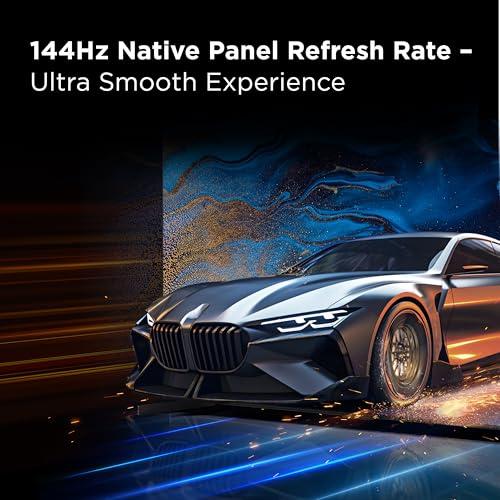
The TCL QM7K offers a native 144Hz refresh rate, meaning it can display 144 unique frames every second. More importantly, its "Game Accelerator 288" technology supports variable refresh rate (VRR) up to 288Hz at lower resolutions. VRR is crucial because it eliminates screen tearing – that annoying visual artifact where the screen shows parts of two different frames simultaneously. When your gaming console or PC can't maintain a consistent frame rate, VRR adjusts the TV's refresh rate to match, keeping everything smooth.
For context, most TVs max out at 120Hz, and many budget models only hit 60Hz. The difference is immediately noticeable in fast-paced games like first-person shooters or racing games. Having personally tested high refresh rate gaming, the jump from 60Hz to 120Hz feels more significant than going from 1080p to 4K resolution.
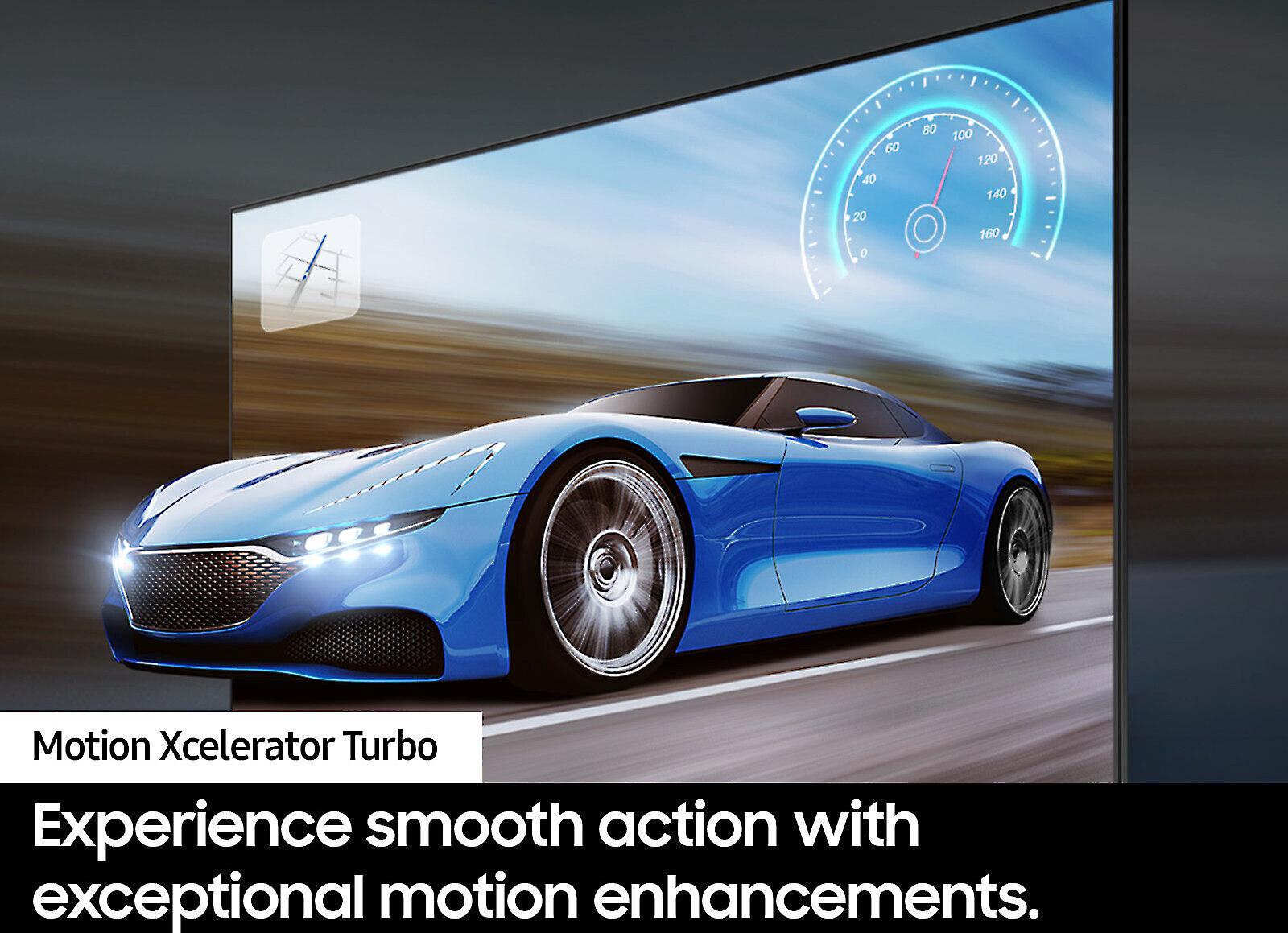
The Samsung DU9000 supports 120Hz with basic VRR, which covers most gaming scenarios adequately. Its "Motion Xcelerator 120Hz" processing helps reduce motion blur, though it can't match the raw performance of the TCL's higher refresh rates.
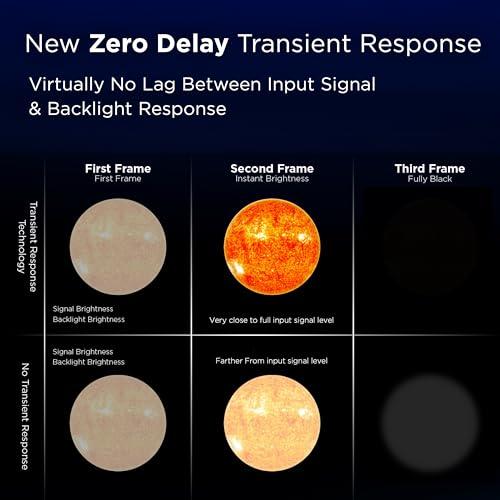
Input lag – the delay between pressing a button and seeing the response on screen – matters enormously for competitive gaming. Both TVs offer dedicated game modes that minimize processing delays, but the TCL's more advanced hardware typically delivers lower latency.
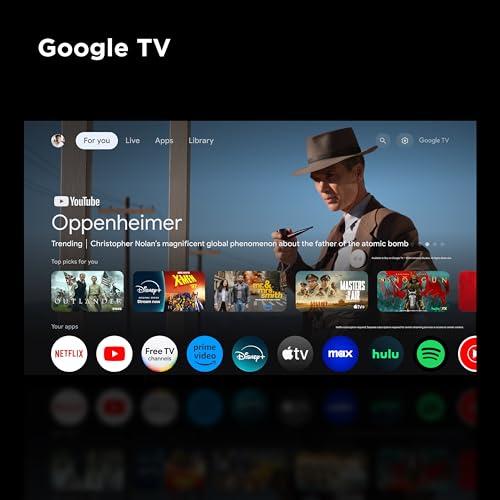
The software experience shapes daily usage more than you might expect. The TCL QM7K runs Google TV, which is essentially Android TV with Google's content recommendation system. This means access to virtually every streaming app, robust voice control through Google Assistant, and seamless integration with other Google services. The interface prioritizes content discovery, showing you movies and shows across different streaming services.
Samsung's DU9000 uses Tizen OS, Samsung's proprietary smart TV platform. Tizen offers a cleaner, more streamlined experience with excellent performance and responsiveness. Samsung TV Plus provides free streaming content, and the platform integrates well with other Samsung devices. However, app selection is more limited compared to Google TV.
From a practical standpoint, both platforms handle the basics well – Netflix, Amazon Prime, Disney+, and other major services work flawlessly. The choice often comes down to ecosystem preference: Google users will appreciate the TCL's integration, while Samsung ecosystem users benefit from features like using their Samsung phone as a remote.
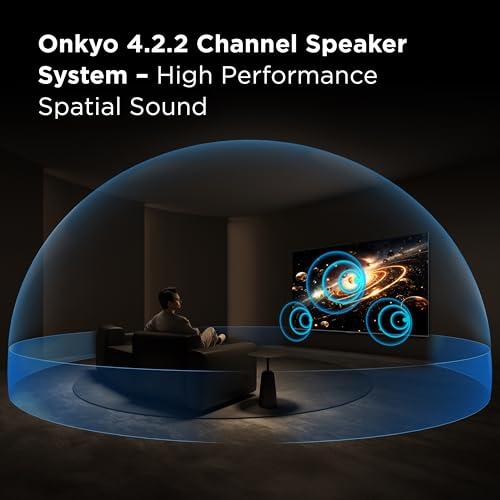
Large screen TVs demand better audio to match their visual impact. The TCL QM7K includes audio tuning by Bang & Olufsen, a premium audio brand known for high-quality speakers. Its Dolby Atmos support creates a three-dimensional soundscape where audio moves around you, matching the action on screen. The system includes multiple speakers positioned to create width and height in the sound presentation.
The Samsung DU9000 features a more basic 20-watt, 2-channel system, but includes Samsung's Q-Symphony technology. This allows the TV speakers to work in harmony with compatible Samsung soundbars, essentially turning the TV into an additional channel in a surround sound setup. It's clever engineering that extends the life of the TV's built-in audio even after adding external speakers.
Neither TV will satisfy serious audiophiles without additional audio equipment, but the TCL provides a more complete audio experience out of the box. For home theater use, both will benefit significantly from a dedicated sound system – the massive screen deserves audio to match.
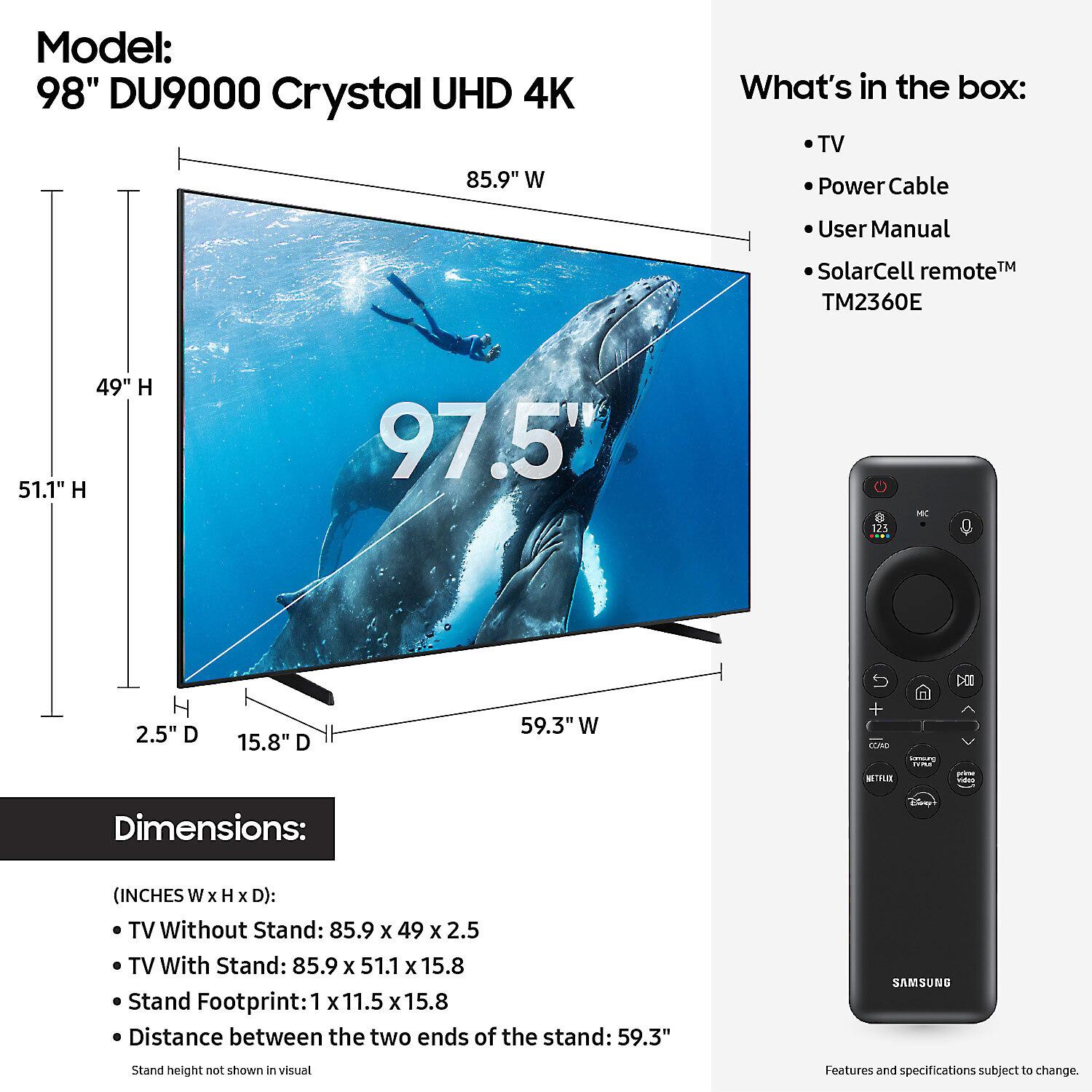
Setting up either of these TVs in a dedicated home theater requires careful planning. The TCL's 115" diagonal demands a viewing distance of roughly 9-12 feet for optimal experience, while the Samsung's 98" works well at 8-10 feet. Both require substantial wall mounting solutions or robust furniture.
The TCL's superior contrast and brightness make it exceptional for home theater use. Its ability to produce true blacks means excellent performance in dark rooms, while the high peak brightness ensures HDR content looks spectacular. The matte finish reduces reflections from ambient lighting, making it more versatile for rooms that aren't completely light-controlled.
The Samsung's strength in home theater lies in its value proposition. For less than $900, you get a 98" screen that provides an genuinely cinematic experience for most content. While it can't match the TCL's HDR performance, it handles standard content beautifully and offers excellent upscaling for older movies and shows.
Modern TVs must handle everything from pristine 4K HDR movies to older TV shows shot in standard definition. This is where processing power becomes crucial.
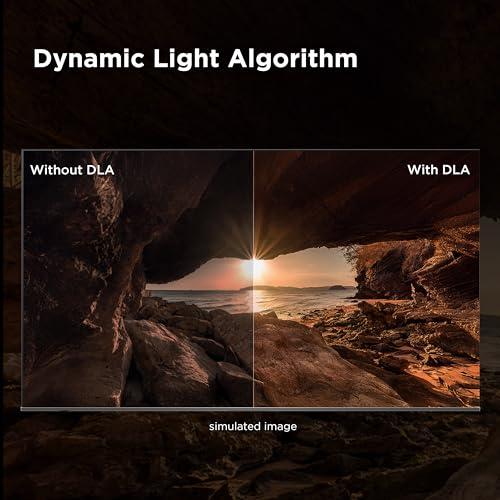
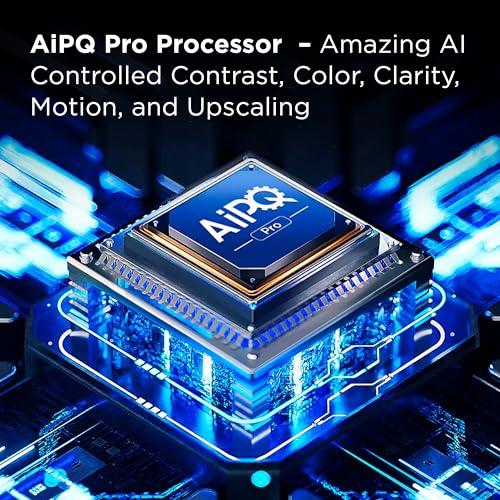
The TCL's AiPQ Pro processor uses machine learning to analyze content in real-time, applying different enhancement algorithms based on what it detects. Watching a nature documentary, it might boost color saturation and sharpness. During a dark movie scene, it adjusts local dimming to maximize contrast without losing shadow detail.
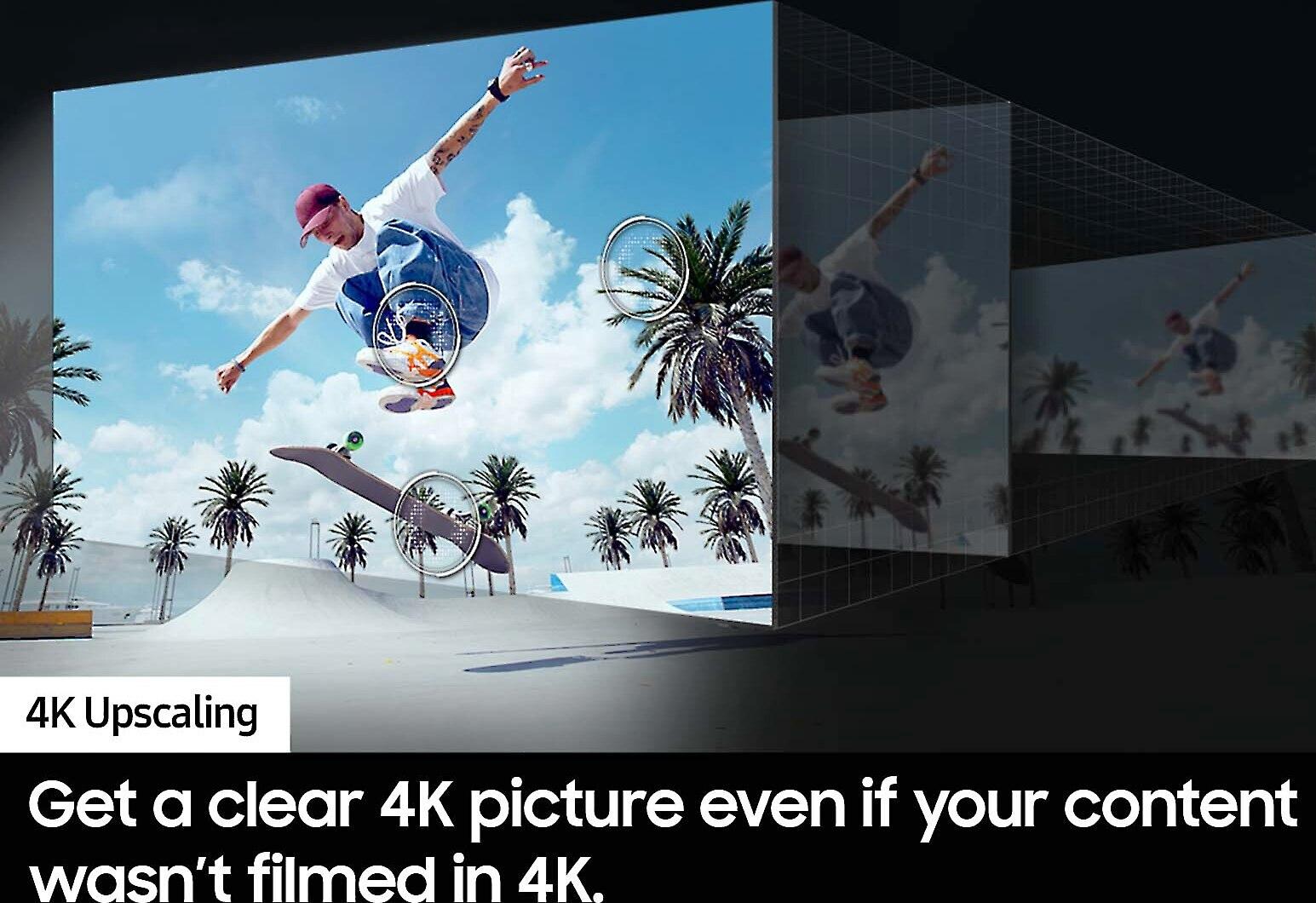
Samsung's Crystal Processor 4K focuses heavily on upscaling – taking lower resolution content and intelligently adding detail to fill the 4K pixel grid. On a 98" screen, this becomes especially important since any flaws in the source material get magnified. Samsung has refined this technology over many years, and it shows in smooth, natural-looking results.
Both processors include motion smoothing options, though I recommend using these sparingly. While they can make sports and action scenes look smoother, they often create an artificial "soap opera effect" that makes movies look unnatural.
The price difference between these TVs is staggering – the TCL costs nearly 15 times more than the Samsung. This raises fundamental questions about value and what you're actually paying for.
The TCL's premium pricing reflects genuinely advanced technology. Mini-LED manufacturing is complex and expensive, requiring precise assembly of thousands of tiny components. The quantum dot layer adds another manufacturing step, and the advanced processing hardware isn't cheap. When you compare it to other 115" premium TVs from brands like Sony or Samsung's own high-end models, the TCL's pricing is actually competitive.
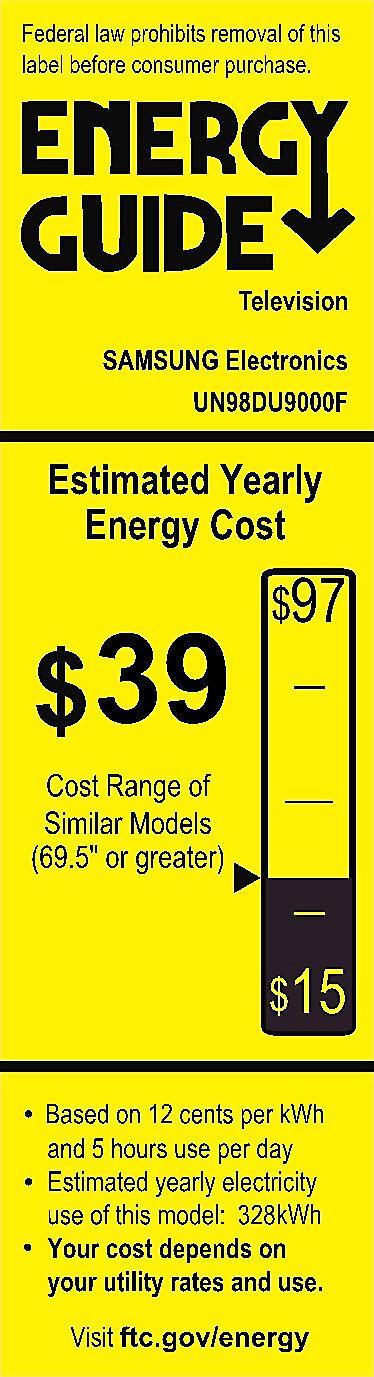
The Samsung DU9000's remarkable affordability comes from using mature, proven technology in high volume. LED backlighting and LCD panels are well-understood, reliable technologies that can be manufactured efficiently. Samsung's scale as the world's largest TV manufacturer allows them to offer this size at unprecedented pricing.
Choosing between these TVs requires honest assessment of your priorities and budget. The TCL makes sense if you're building a serious home theater, do a lot of gaming, or simply want the best possible picture quality regardless of cost. Its 17" size advantage over the Samsung is meaningful – that's roughly equivalent to going from a 65" to a 75" TV.
The Samsung appeals to anyone who wants maximum screen size without premium pricing. It's perfect for families who prioritize the big-screen experience over technical specifications, or for commercial settings where impressive size matters more than perfect picture quality.
Consider your room's lighting conditions too. The TCL's superior brightness and anti-glare properties make it more versatile in bright rooms, while the Samsung works best in controlled lighting environments.
For most buyers, the Samsung 98" DU9000 represents extraordinary value. At under $900, it delivers a genuinely impressive large-screen experience that would have cost tens of thousands of dollars just a few years ago. It's ideal for family entertainment, casual gaming, and anyone who wants to make a visual statement without breaking the bank.
The TCL 115" QM7K justifies its premium pricing for enthusiasts who demand cutting-edge performance. If you're serious about gaming, love HDR movies, or want a display that rivals commercial cinema screens, the advanced mini-LED technology delivers results you simply can't get elsewhere at this size.
Both represent excellent execution of their respective philosophies. Your choice ultimately depends on whether you prioritize maximum value or maximum performance – and whether that 14x price difference is worth the technological advantages the TCL provides.
| TCL 115" QM7K Series QD-Mini LED 4K Smart TV ($12,997.99) | Samsung 98" DU9000 Series Crystal UHD Smart TV ($898.19) |
|---|---|
| Screen Size - Bigger is more immersive but requires larger rooms | |
| 115" diagonal (requires 9-12 foot viewing distance) | 98" diagonal (requires 8-10 foot viewing distance) |
| Display Technology - Core determinant of picture quality | |
| QD-Mini LED with 2,500 dimming zones (cinema-level contrast) | Standard LED with Crystal UHD (reliable but basic) |
| Peak Brightness - Critical for HDR content and bright rooms | |
| HDR3000 nits (stunning HDR even in daylight) | ~400-500 nits (decent for darker rooms) |
| Gaming Performance - Essential for serious gamers | |
| 144Hz native, 288Hz VRR (best-in-class gaming) | 120Hz with basic VRR (adequate for most gaming) |
| Audio System - Important since external speakers aren't always used | |
| Bang & Olufsen tuning with Dolby Atmos | 20W 2-channel with Q-Symphony soundbar sync |
| Smart TV Platform - Daily user experience | |
| Google TV (extensive app library, Google integration) | Samsung Tizen (polished interface, Samsung ecosystem) |
| Price Point - Value consideration | |
| Premium flagship ($12,997.99) | Budget large-screen ($898.19) |
| Best For - Target audience | |
| Home theater enthusiasts, serious gamers, tech early adopters | Budget-conscious buyers wanting maximum screen size |
The TCL 115" QM7K ($12,997.99) is significantly better for gaming with its 144Hz native refresh rate and 288Hz VRR support, compared to the Samsung 98" DU9000 ($898.19) which offers 120Hz. The TCL also features lower input lag and AMD FreeSync Premium Pro for competitive gaming.
The TCL QM7K costs $12,997.99 while the Samsung DU9000 is priced at $898.19 - making the TCL about 14 times more expensive. This massive price gap reflects the difference between premium mini-LED technology and budget-friendly standard LED displays.
The TCL QM7K's QD-Mini LED technology delivers superior picture quality with HDR3000 nits brightness, 2,500 local dimming zones, and 8000:1 contrast ratio. The Samsung DU9000's Crystal UHD offers decent picture quality but can't match the mini-LED's contrast and brightness capabilities.
The TCL QM7K at 115" provides 17 inches more diagonal screen space than the Samsung DU9000 at 98". This translates to roughly 30% more screen area, requiring a viewing distance of 9-12 feet compared to the Samsung's 8-10 feet optimal distance.
The TCL QM7K performs much better in bright rooms thanks to its HDR3000 nits peak brightness and anti-glare matte finish. The Samsung DU9000 with its ~400-500 nits brightness is better suited for darker, more controlled lighting environments.
The TCL QM7K uses Google TV, offering extensive app selection and Google ecosystem integration. The Samsung DU9000 runs Tizen OS, which provides a cleaner interface and Samsung device integration but has fewer available apps than Google TV.
The Samsung DU9000 offers exceptional value at $898.19 for a 98" screen - unprecedented pricing for this size. The TCL QM7K provides premium technology but at a much higher cost, making it better value only for those who need cutting-edge performance.
The TCL QM7K features Bang & Olufsen audio tuning with Dolby Atmos support for superior built-in sound. The Samsung DU9000 has a basic 20W system but includes Q-Symphony technology for enhanced integration with Samsung soundbars.
The TCL QM7K is superior for dedicated home theaters due to its exceptional contrast, HDR performance, and larger 115" size. The Samsung DU9000 can work well in home theaters on a budget, especially when paired with external audio equipment.
The TCL QM7K supports HDR3000 with Dolby Vision IQ, HDR10+, and true HDR performance thanks to its high brightness and contrast. The Samsung DU9000 supports basic HDR formats but lacks the brightness and local dimming needed for impressive HDR visuals.
The Samsung DU9000 excels at upscaling with its Crystal Processor 4K, specifically designed to enhance lower-resolution content for large screens. The TCL QM7K also offers good upscaling through its AiPQ Pro processor, but Samsung has more experience optimizing this feature.
Choose the TCL QM7K if you want the absolute best picture quality, serious gaming performance, and have a premium budget. Select the Samsung DU9000 if you prioritize getting the largest possible screen for your money and don't need cutting-edge display technology.
We've done our best to create useful and informative comparisons to help you decide what product to buy. Our research uses advanced automated methods to create this comparison and perfection is not possible - please contact us for corrections or questions. These are the sites we've researched in the creation of this article: bestbuy.com - tomsguide.com - techradar.com - youtube.com - rtings.com - youtube.com - youtube.com - youtube.com - avsforum.com - abt.com - bestbuy.com - tcl.com - avsforum.com - tcl.com - rcwilley.com - tcl.com - valueelectronics.com - bestbuy.com - tcl.com - tcl.com - tcl.com - tcl.com - bestbuy.com - thebigscreenstore.com - samsung.com - samsung.com - rtings.com - assetserver.net - associatedappliance.com - insight.com - nfm.com - videoandaudiocenter.com - blog.rentacenter.com - samsung.com - merlinstv.com - samsung.com

Privacy Policy
Terms and Conditions - Affiliate Policy
Home Security
© Copyright 2008-2026.
11816 Inwood Rd #1211, Dallas, TX 75244