



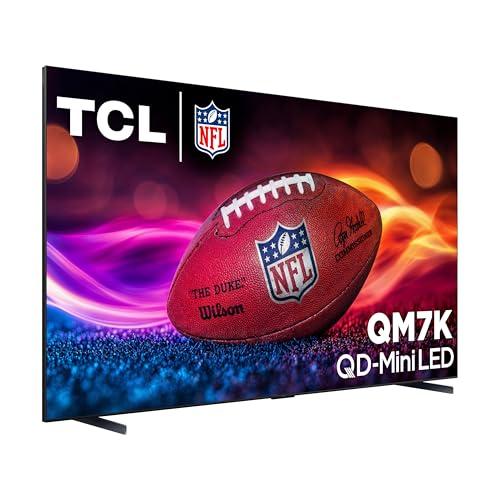
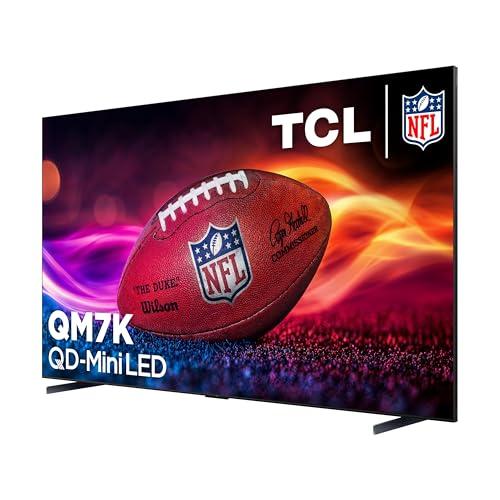
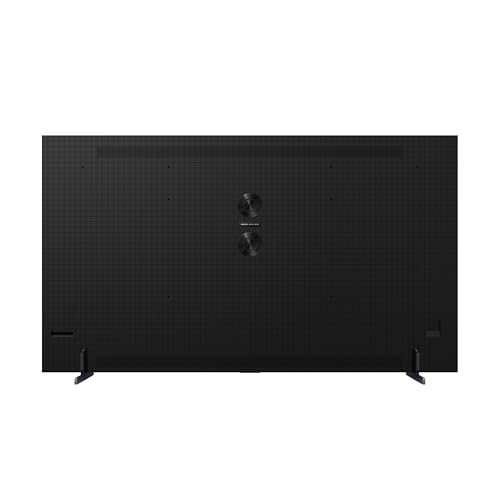
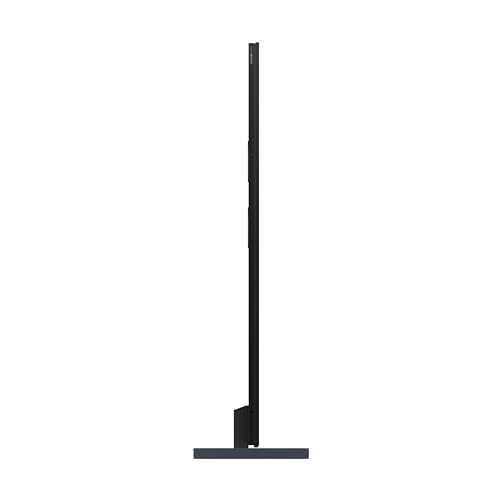
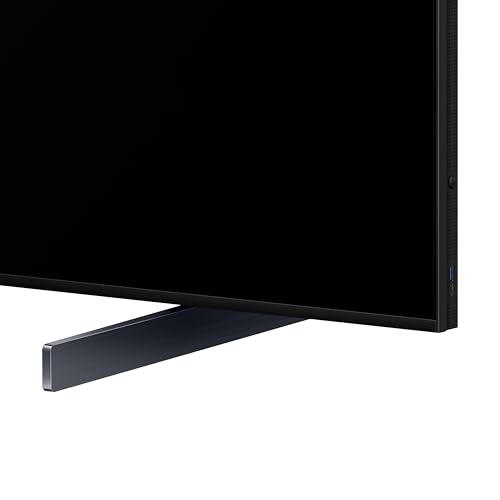
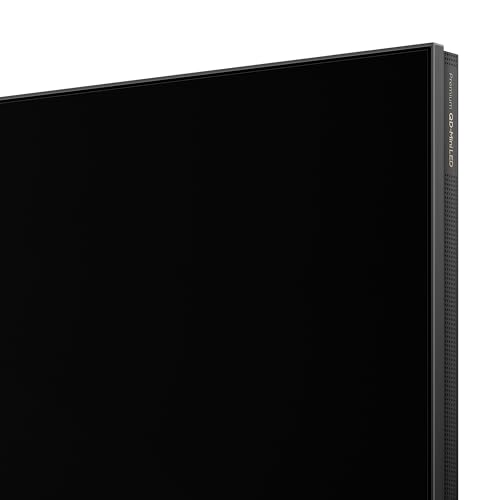

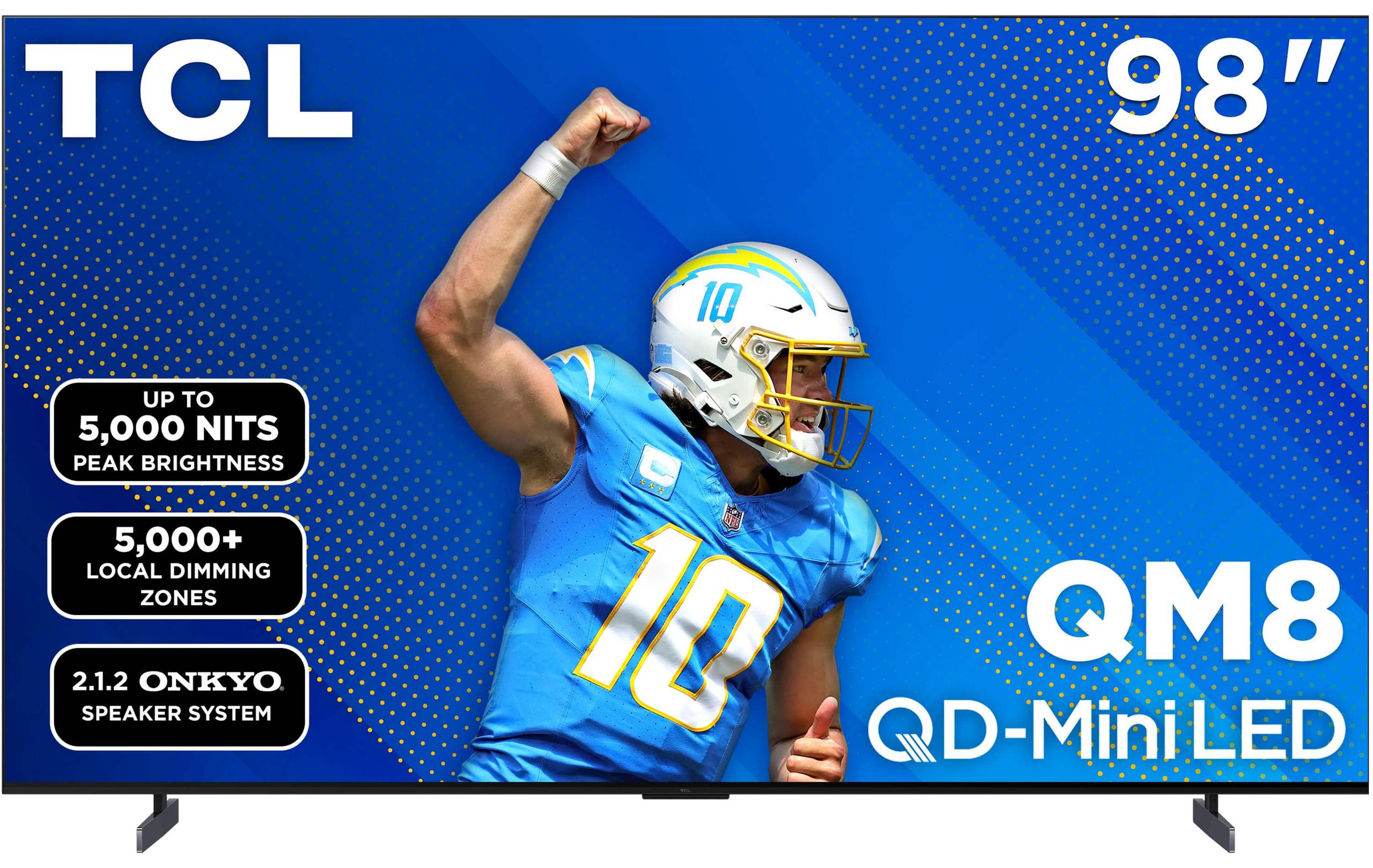
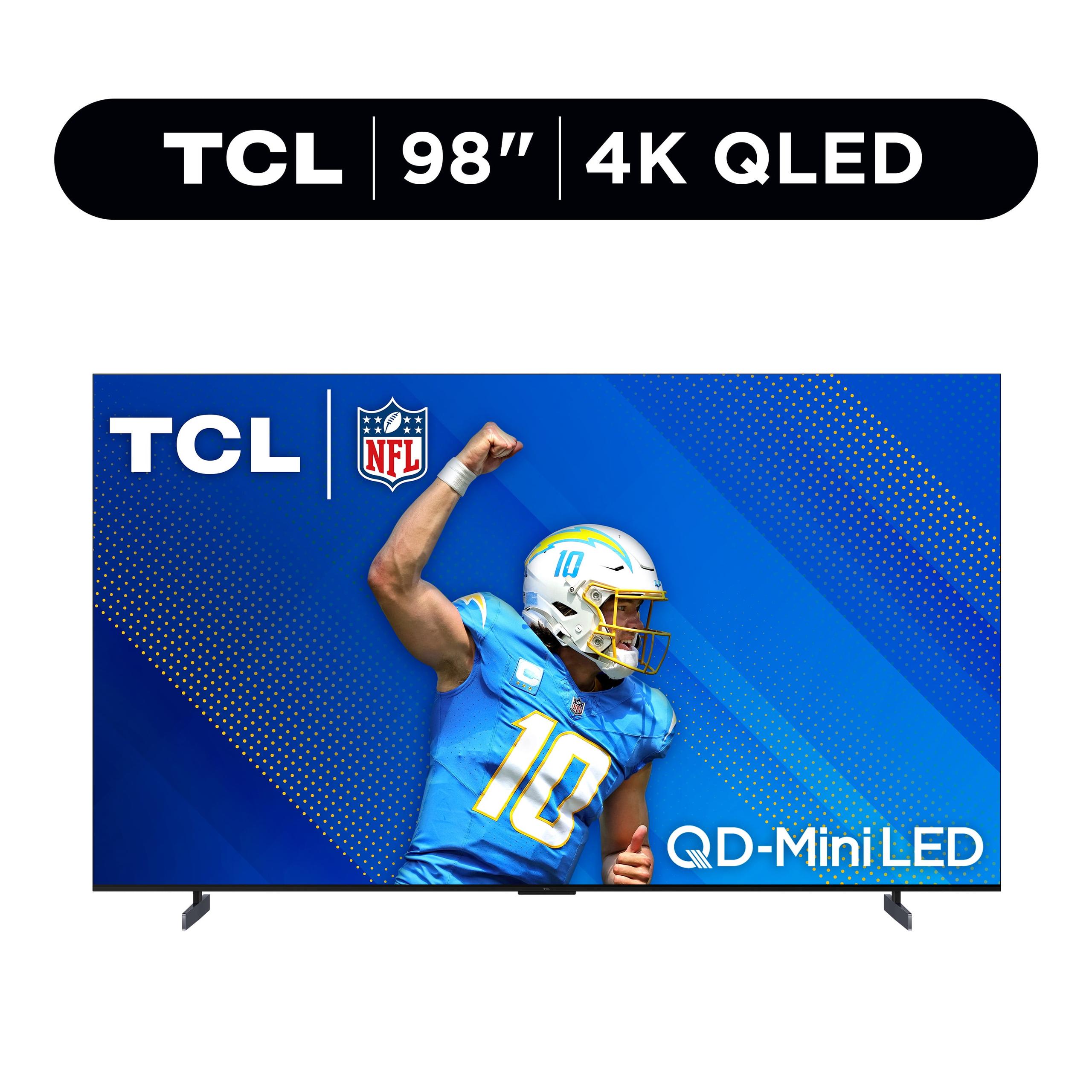





When you're shopping for a massive TV that'll transform your living room into a home theater, you're probably looking at screens that cost as much as a decent used car. That's the reality with premium large-screen TVs today, but the good news is that the technology has never been better. Two standout options from TCL are making waves: the enormous 115" QM7K Series at $12,997.99 and the slightly smaller but more advanced 98" QM8 Series at $3,999.99.
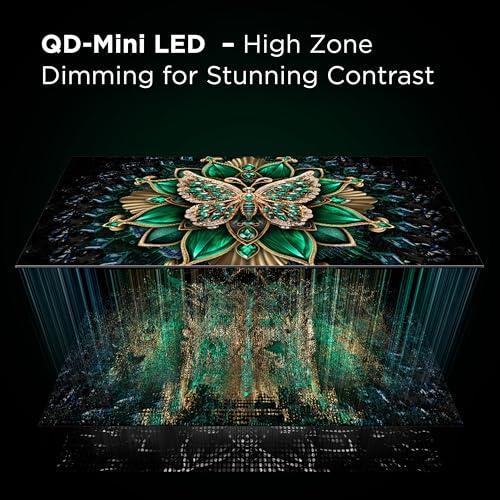
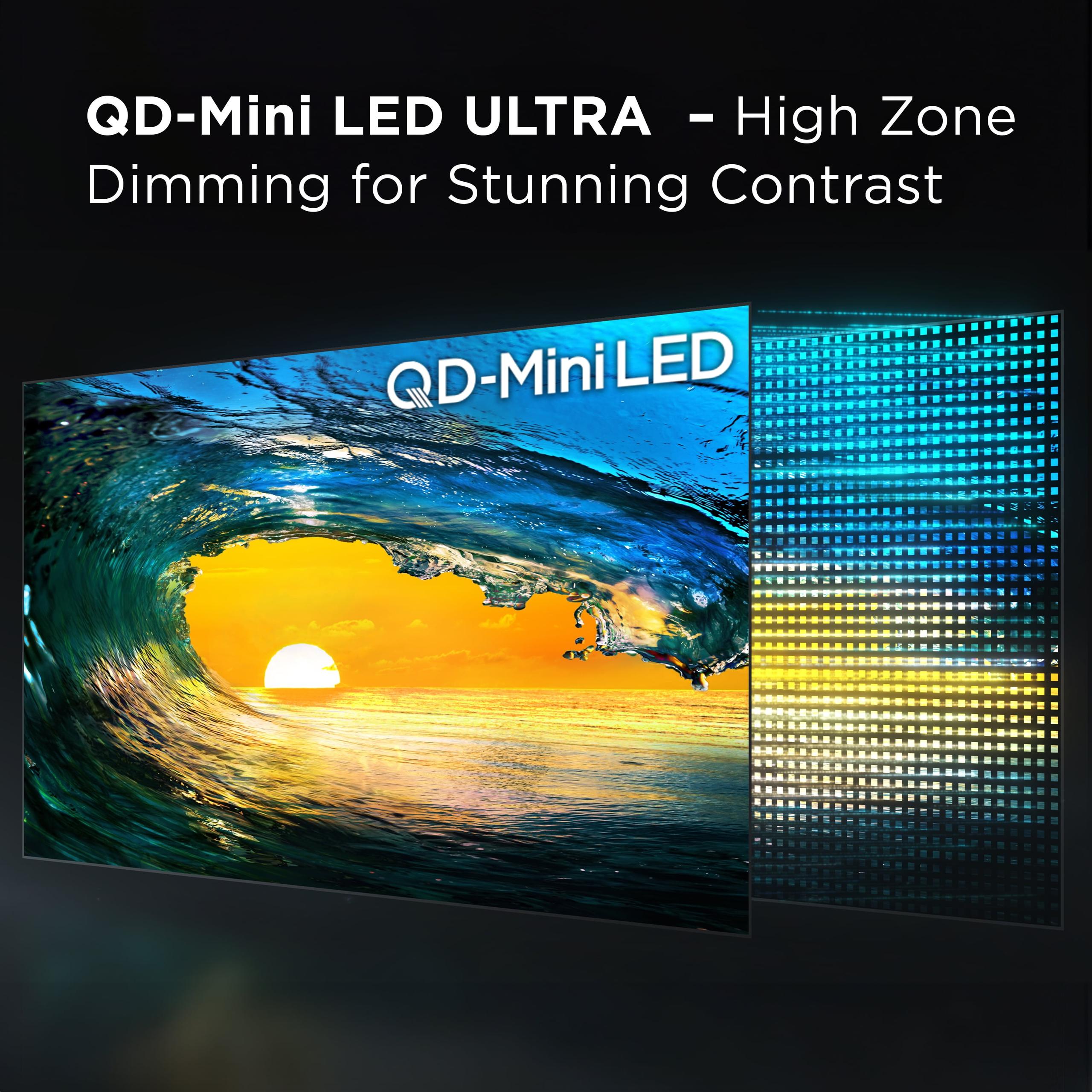
Both TVs use Mini-LED technology, which is like having thousands of tiny LED lights behind your screen that can turn on and off independently. This creates incredibly bright highlights and deep blacks that rival OLED TVs while being much brighter overall. But despite sharing this core technology, these two models take very different approaches to delivering that premium experience.
Before diving into the specifics, it's worth understanding what you're getting with either of these TVs. We're talking about displays that are genuinely enormous – the kind that make your friends do a double-take when they walk into your room. The 115" QM7K has a diagonal measurement larger than most people's beds, while even the "smaller" 98" QM8 dwarfs most living room furniture.
Both models represent TCL's push into the premium TV market, competing directly with Samsung's high-end QLEDs and Sony's flagship models. The company has been making serious inroads in picture quality over the past few years, and these 2025 models showcase their latest achievements in Mini-LED backlighting and quantum dot color technology.
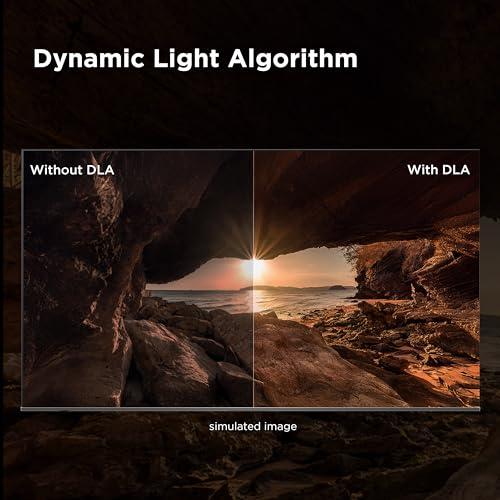
The key thing to understand about large premium TVs is that size and performance often exist in tension with each other. Making a bigger screen while maintaining the same level of brightness and local dimming (the ability to darken specific areas of the screen) becomes exponentially more expensive and technically challenging. That's exactly the trade-off we see between these two models.
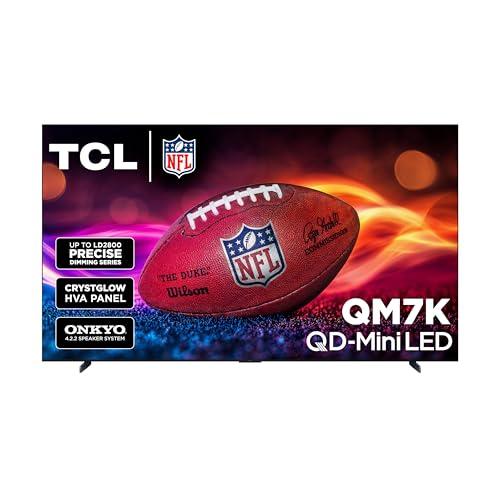
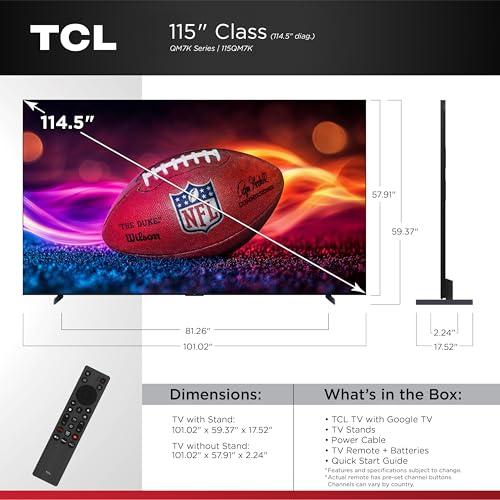
The TCL 115" QM7K launched in early 2025 as TCL's answer to the question "how big can a consumer TV actually get?" At nearly 10 feet diagonal, it's pushing the absolute limits of what makes sense in most homes. But TCL didn't just scale up an existing design – they had to solve real engineering challenges to make a screen this large work properly.
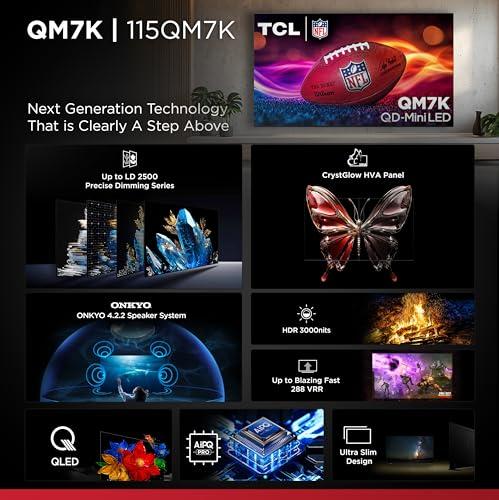
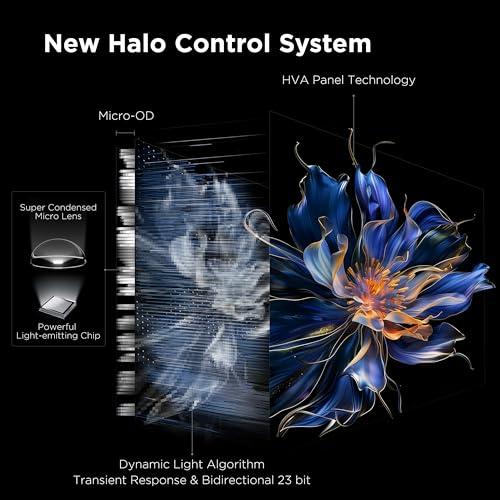
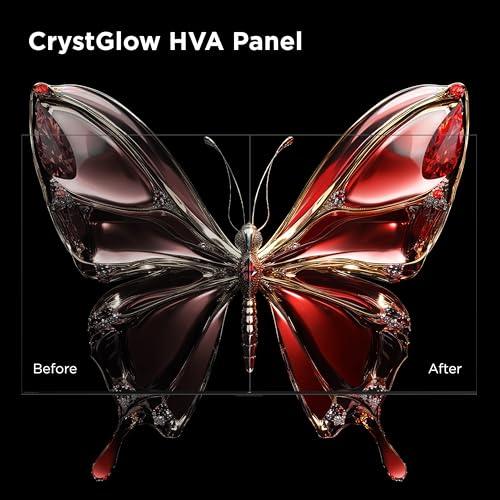
The QM7K uses what TCL calls an HVA (High-View Angle) panel, which is their take on improving the traditional VA panel technology that most large TVs use. VA panels naturally have excellent contrast but suffer from color shifting when you view them from the side. TCL's HVA technology uses a special crystal structure that helps maintain color accuracy at wider angles, though it's still not as good as their more advanced WHVA panels.
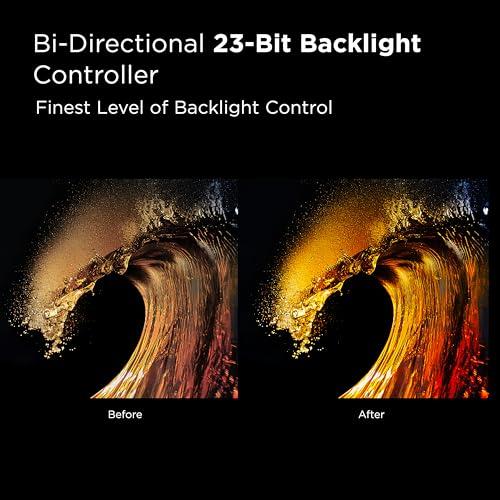
What's particularly impressive about the QM7K is its local dimming system. With 2,500 individual zones that can brighten or dim independently, it can create precise lighting effects across that massive screen. Each zone covers a relatively large area given the screen size, but the sheer number of zones means you still get excellent contrast control. When I think about watching something like "Dune" on a screen this size, with its dramatic desert landscapes and deep space scenes, the combination of size and precise backlighting would be genuinely cinematic.
The brightness capabilities are solid if not spectacular. The QM7K can hit about 2,600 nits in standard dynamic range (SDR) content, which is bright enough to look vibrant even in a well-lit room. However, in HDR (High Dynamic Range) mode, it peaks at around 1,000 nits. While that's still quite good, it's not enough to make those dramatic HDR highlights really pop the way they do on more expensive displays.
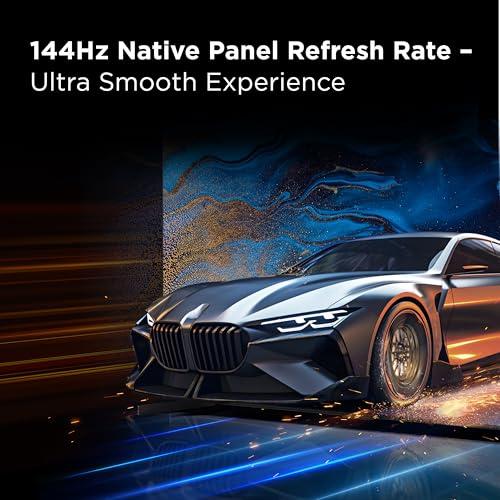
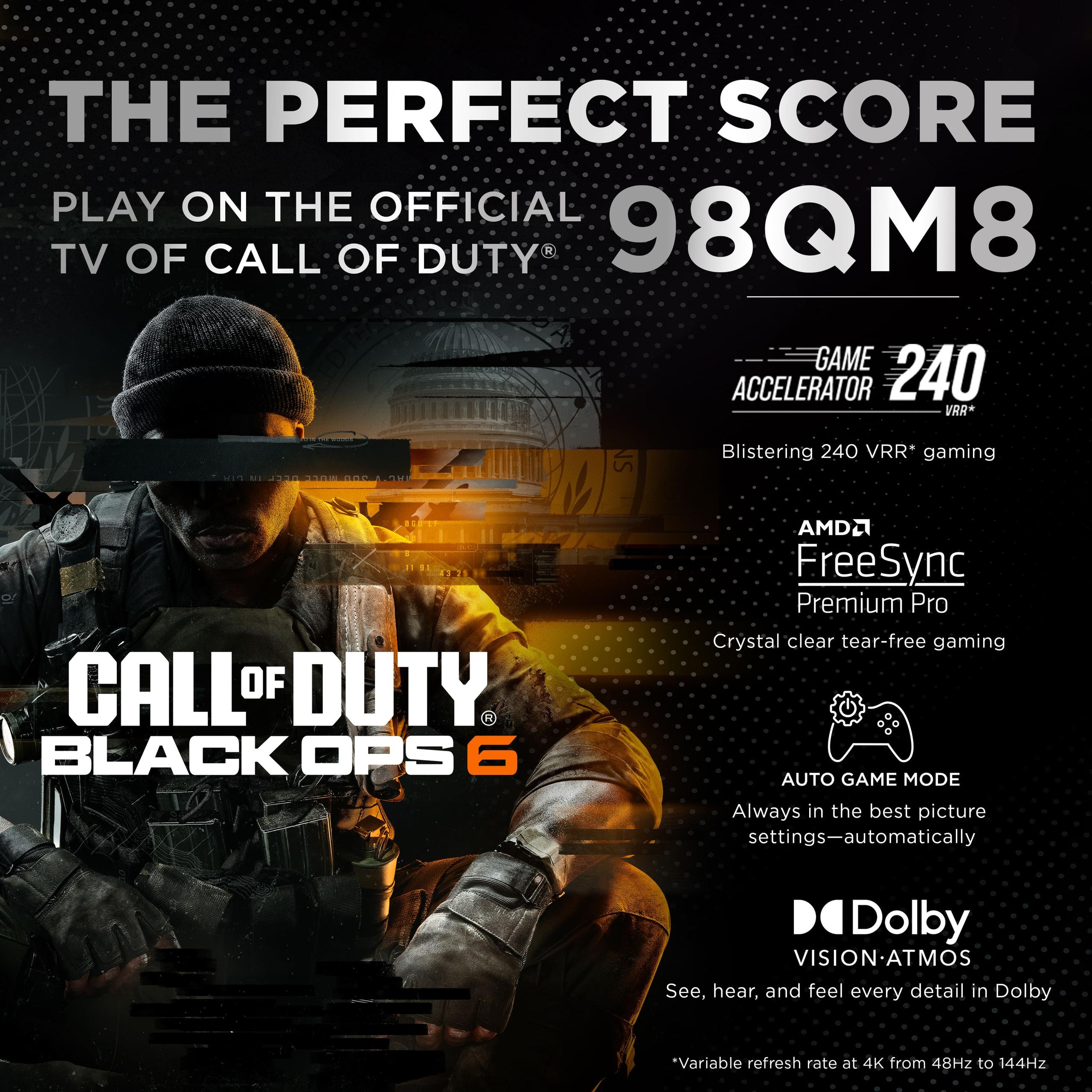
For gaming, the QM7K delivers everything you'd want from a modern TV. It supports 4K resolution at 144Hz refresh rate, which means incredibly smooth motion whether you're playing fast-paced shooters or racing games. Variable Refresh Rate (VRR) technology syncs the TV's refresh rate with your gaming console or PC, eliminating screen tearing. Auto Low Latency Mode (ALLM) automatically switches to game mode when it detects a gaming signal, reducing input lag to around 10 milliseconds – fast enough that you won't notice any delay between pressing a button and seeing the action on screen.
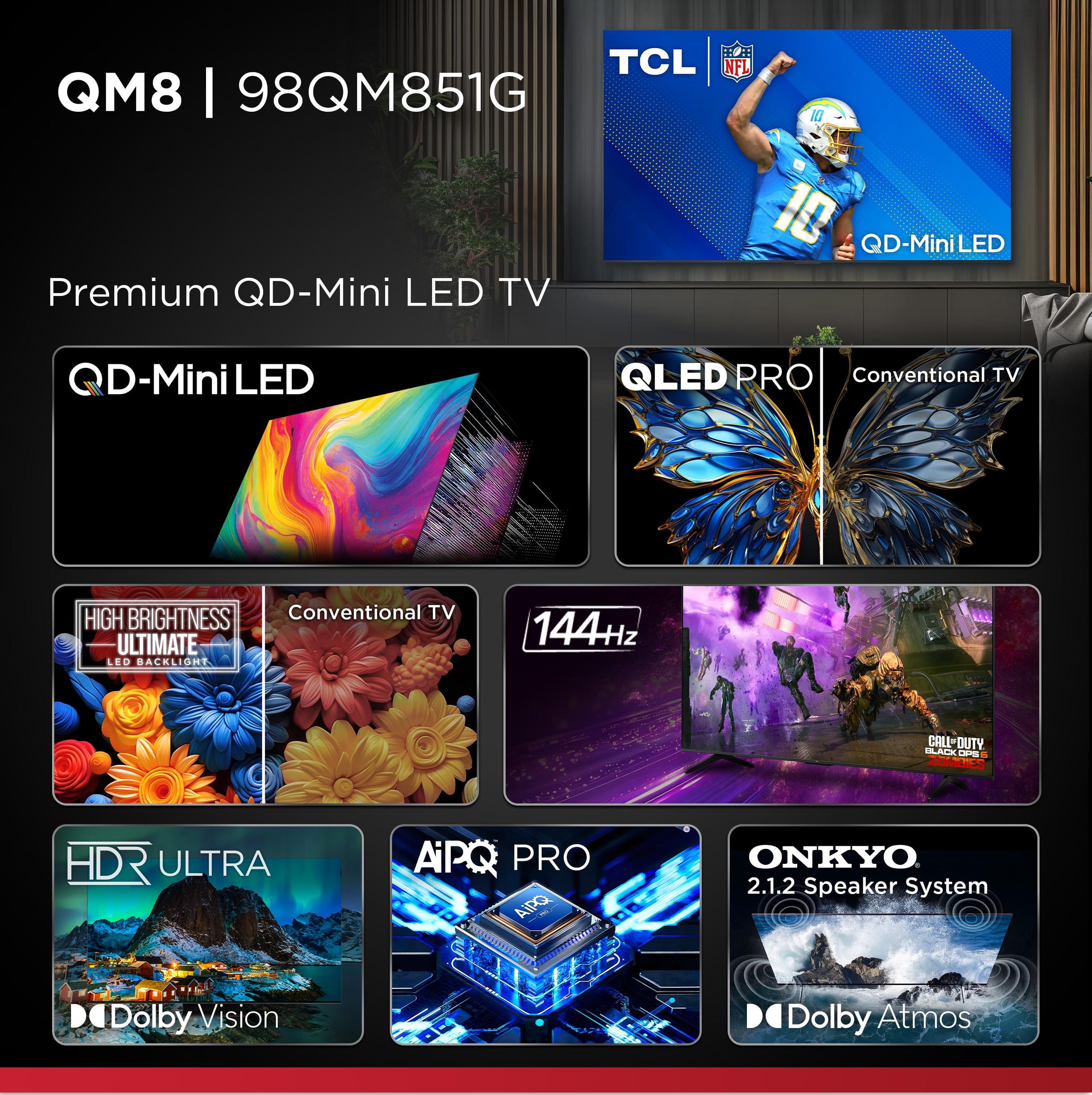
The 98" QM8 Series takes a different approach entirely. Rather than pushing size to the absolute limit, TCL focused on delivering flagship-level performance in a more manageable (though still enormous) package. Released as part of TCL's 2025 premium lineup, the QM8 represents what happens when the company applies their best technology without the constraints of an ultra-large screen.
The most significant advantage the QM8 has is its WHVA (Wide High-View Angle) panel technology. This is a more advanced version of the panel technology that addresses one of the biggest weaknesses of traditional VA panels: viewing angles. With WHVA, you can sit fairly far off to the side and still see accurate colors and good contrast. For a family TV where people might be sitting at different angles around the room, this makes a real difference in everyone's viewing experience.
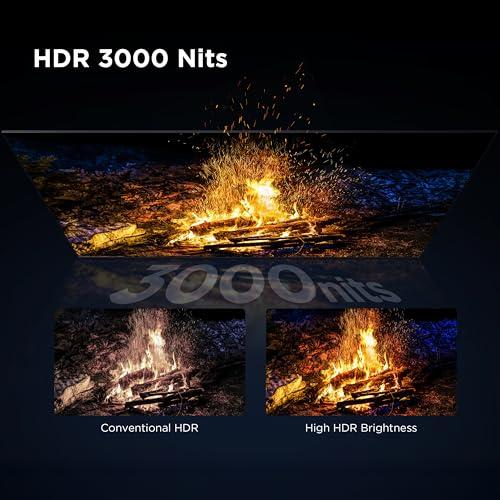
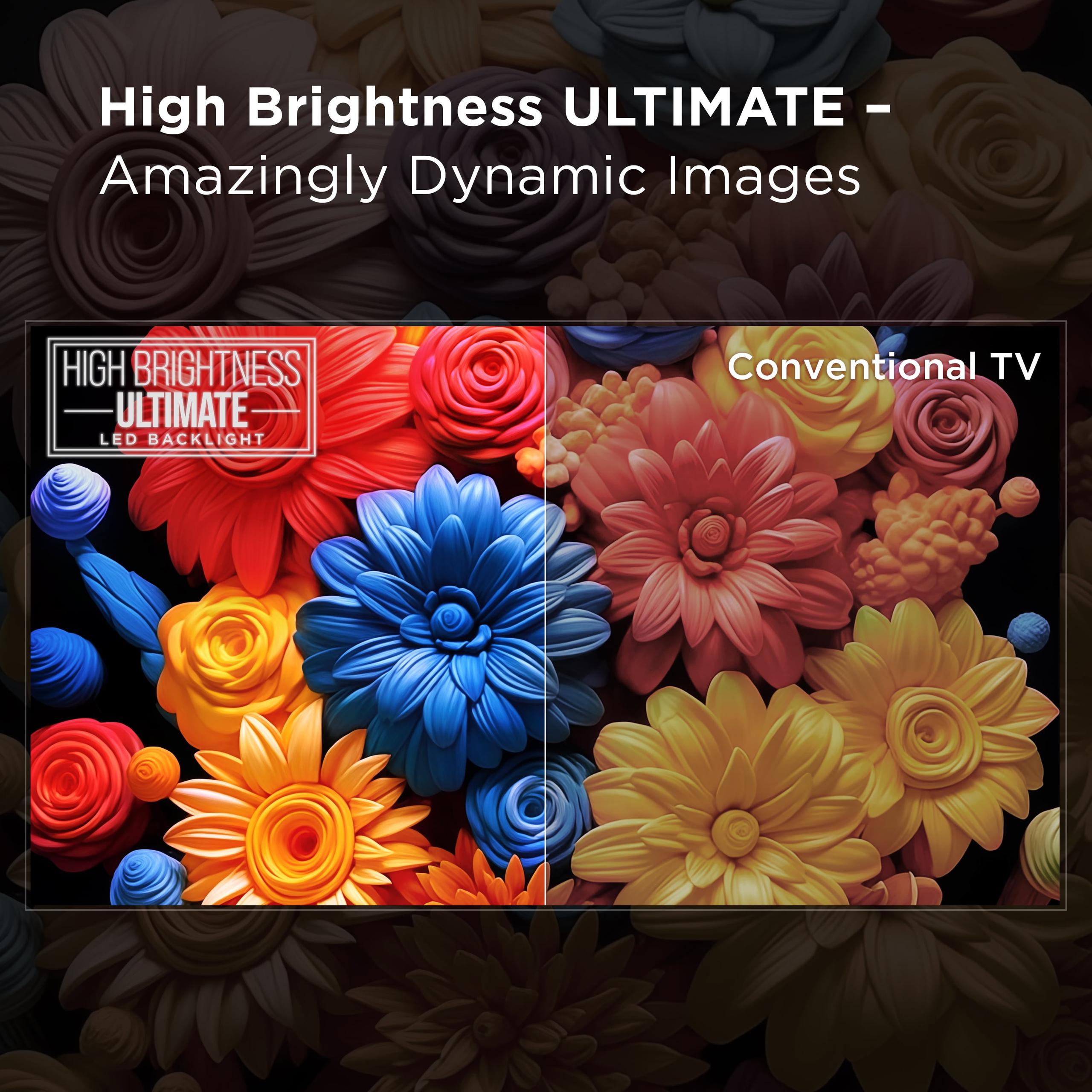
But the QM8's real party trick is its brightness capabilities. This TV can hit an absolutely stunning 5,000 nits in SDR mode and 3,000 nits in HDR. To put that in perspective, most OLED TVs peak at around 800-1,000 nits, and even many premium LED TVs don't exceed 2,000 nits. This extreme brightness means the TV can compete with significant ambient light – you could watch it in a room with large windows during the day and still see a vibrant, contrasty image.
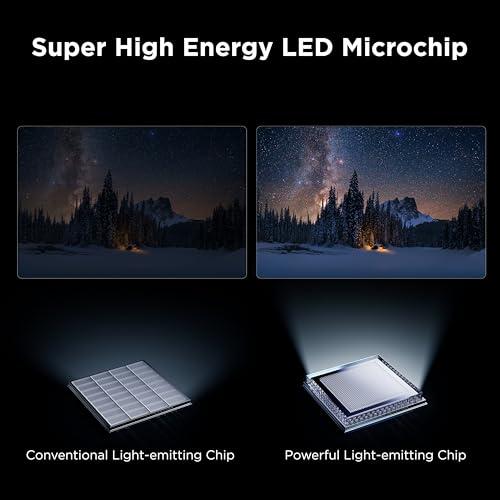
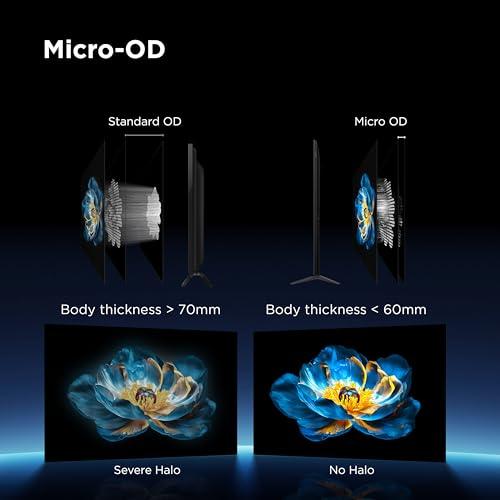
The local dimming is also more sophisticated, with 3,800 individual zones compared to the QM7K's 2,500. Even though the screen is smaller, you actually get finer control over backlighting, which translates to less blooming (unwanted light spill around bright objects) and more precise contrast control.
Having used similar high-brightness Mini-LED displays, I can tell you that the difference in HDR performance is genuinely dramatic. When watching content mastered for high brightness levels – think Marvel movies with their bright explosion effects or nature documentaries with brilliant sunlit scenes – the extra brightness headroom makes highlights look almost three-dimensional.
While both TVs deliver excellent picture quality, the QM8 has clear advantages in several key areas. The higher peak brightness isn't just about getting brighter – it's about having more headroom to display the full range of brightness levels that directors intended. Modern HDR content is mastered assuming displays can hit 1,000-4,000 nits for specular highlights (think reflections off metal or bright light sources), and the QM8 can actually reproduce those levels.
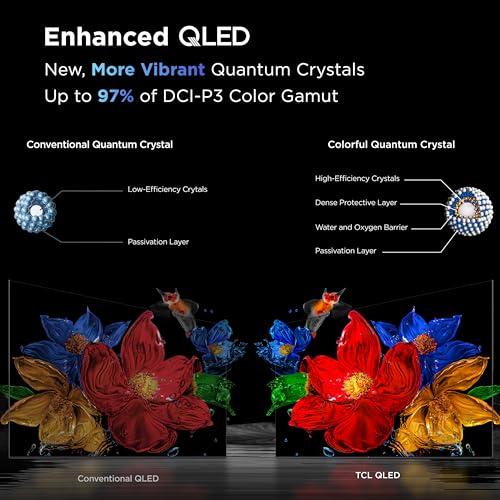
The color performance is excellent on both models thanks to their quantum dot technology, which uses microscopic particles to produce more pure colors than traditional LED backlights. However, the QM8's superior brightness means it can display bright, saturated colors more accurately. When you're watching animated content like Pixar movies or vibrant nature documentaries, this translates to colors that look more vivid and lifelike.
Both TVs support all the major HDR formats: Dolby Vision, HDR10+, HDR10, and HLG. Dolby Vision is particularly important because it provides scene-by-scene optimization instructions that help the TV display each moment exactly as the content creator intended.
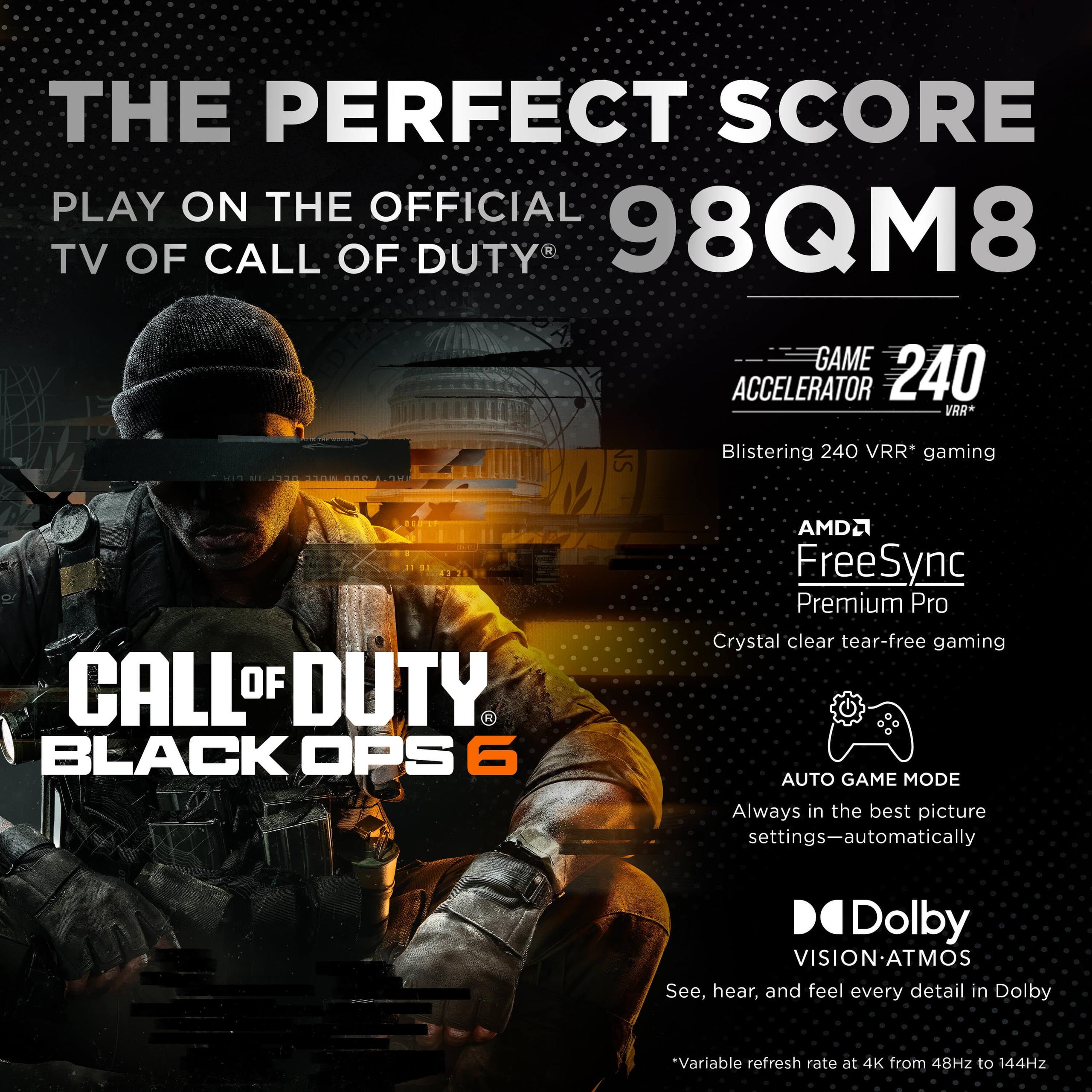
From a pure specifications standpoint, both TVs offer identical gaming features. The 4K/144Hz support means you can take full advantage of the latest gaming consoles and high-end PCs. VRR support works with both NVIDIA G-Sync and AMD FreeSync, so regardless of your graphics card, you'll get smooth, tear-free gaming.
The input lag on both models is excellent – around 10 milliseconds in game mode, which is competitive with dedicated gaming monitors. For reference, anything under 20ms is considered good for gaming, and under 15ms is excellent.
Where they differ is in the experience. The QM7K's massive 115" screen creates an incredibly immersive gaming experience, especially for racing games, flight simulators, or exploration games where you want to feel surrounded by the action. However, the QM8's superior contrast and brightness make games look more dramatic and detailed, particularly in dark scenes or bright outdoor environments.
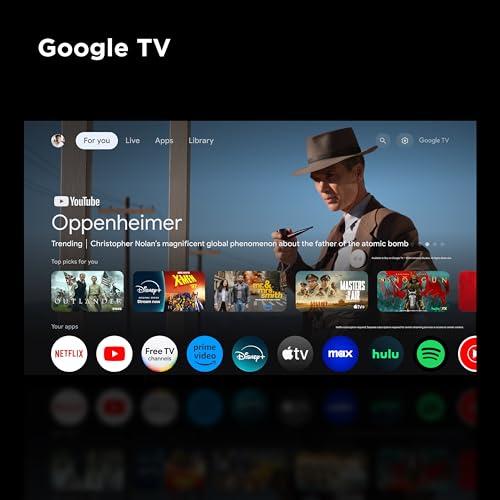
Both TVs run Google TV, which is currently one of the best smart TV platforms available. It's fast, intuitive, and integrates well with Google services while still supporting all major streaming apps. The voice control works reliably, and the interface is clean and easy to navigate.
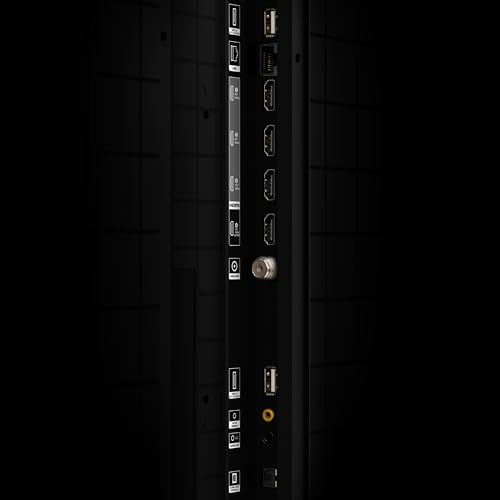
Connectivity is identical between the models, with multiple HDMI 2.1 ports that support the full 48Gbps bandwidth needed for 4K/144Hz gaming. Both have Wi-Fi 6 for fast wireless streaming and all the standard inputs you'd expect.
This is where things get really interesting. The QM8 at $3,999.99 represents exceptional value for a 98" Mini-LED TV with flagship performance. You're getting world-class brightness, excellent local dimming, and a premium panel technology at a price that, while certainly expensive, is competitive with other high-end large TVs.
The QM7K at $12,997.99, on the other hand, commands a significant premium primarily for those extra 17 inches of screen real estate. When you break it down by screen area, you're paying roughly 2.5 times more per square inch for the QM7K compared to the QM8.
But here's the thing about TV sizes: the difference between 98" and 115" is more significant than it might sound. That extra diagonal space translates to about 35% more total screen area. For someone building a dedicated home theater where the screen is the centerpiece, that difference could be worth the premium.
If you're building a dedicated home theater, both of these TVs deserve serious consideration, but for different reasons. The ideal viewing distance for 4K content is roughly 1.5-2 times the screen width, which means:
In a properly designed home theater with controlled lighting, either TV would be spectacular. The QM7K gives you that jaw-dropping scale that makes guests audibly gasp when you fire up a movie. There's something genuinely magical about watching Lawrence of Arabia or Blade Runner 2049 on a screen that large – it stops feeling like watching TV and starts feeling like being transported.
However, the QM8's superior brightness and contrast capabilities mean it's more versatile. If your theater room has any ambient light, or if you sometimes watch during the day, the QM8's extra brightness headroom becomes very valuable. Its better viewing angles also matter if you have a wider seating arrangement rather than a single optimal viewing position.
Choose the TCL 115" QM7K if:
Choose the TCL 98" QM8 if:
For most people, I'd recommend the QM8. The performance advantages are significant and measurable, while the size difference, though substantial, may not be as important in daily use as having a brighter, more contrasty picture. The price difference is also enormous – you could buy the QM8 and a high-end sound system for less than the cost of the QM7K alone.
However, if you're specifically building a showcase home theater and size is your primary concern, the QM7K delivers an experience that simply can't be replicated on smaller screens. There's something to be said for going all-out on your dream setup, and for enthusiasts who want the absolute largest screen possible, the QM7K represents the current pinnacle of consumer TV technology.
Both TVs represent impressive achievements in display technology, bringing cinema-quality experiences into the home in ways that weren't possible just a few years ago. Whichever you choose, you'll be getting a TV that delivers genuinely spectacular performance that should provide years of viewing enjoyment.
| TCL 115" QM7K Series QD-Mini LED 4K Smart TV 2025 | TCL 98" QM8 Series 4K UHD Smart Google TV |
|---|---|
| Price - Major investment difference for home theater | |
| $12,997.99 | $3,999.99 |
| Screen Size - Physical presence and viewing distance requirements | |
| 115" diagonal (requires 12-16 ft viewing distance) | 98" diagonal (optimal at 10-14 ft viewing distance) |
| Peak Brightness - Critical for HDR impact and bright room viewing | |
| 2,600 nits SDR / 1,000 nits HDR (good but limited HDR punch) | 5,000 nits SDR / 3,000 nits HDR (exceptional brightness for any lighting) |
| Local Dimming Zones - Controls contrast and blooming around bright objects | |
| 2,500 zones (decent control across large screen) | 3,800 zones (superior precision despite smaller size) |
| Panel Technology - Affects viewing angles and color accuracy | |
| HVA panel (improved angles but color shift off-axis) | WHVA panel (excellent wide-angle viewing with accurate colors) |
| Gaming Performance - Refresh rates and input lag for console/PC gaming | |
| 4K/144Hz, VRR, ALLM, ~10ms input lag | 4K/144Hz, VRR, ALLM, ~10ms input lag |
| Smart Platform - User interface and app ecosystem | |
| Google TV with voice control | Google TV with voice control |
| Installation Requirements - Delivery and mounting considerations | |
| Requires specialized delivery and potential wall reinforcement | Standard large TV delivery and installation |
| Value Proposition - Performance per dollar spent | |
| $1.67 per square inch (premium for maximum size) | $0.63 per square inch (flagship performance at competitive price) |
| Best For - Target user and room setup | |
| Dedicated theaters prioritizing maximum screen presence | Mixed-use rooms wanting best picture quality and brightness |
The TCL 98" QM8 at $3,999.99 offers significantly better value than the TCL 115" QM7K at $12,997.99. You get superior brightness (5,000 vs 2,600 nits), more local dimming zones (3,800 vs 2,500), and better viewing angles for about one-third the price. The QM8 delivers flagship performance while the QM7K primarily offers a size advantage.
The TCL 115" QM7K has a 115-inch diagonal screen, while the TCL 98" QM8 measures 98 inches diagonally. This 17-inch difference translates to about 35% more total screen area for the QM7K, but requires 12-16 feet viewing distance compared to the QM8's optimal 10-14 feet distance.
The TCL 98" QM8 is significantly brighter, reaching 5,000 nits in standard mode and 3,000 nits in HDR compared to the TCL 115" QM7K's 2,600 nits standard and 1,000 nits HDR. This makes the QM8 much better for rooms with windows or ambient lighting, while the QM7K works best in controlled lighting conditions.
Yes, both the TCL 115" QM7K and TCL 98" QM8 offer identical gaming specifications: 4K resolution at 144Hz refresh rate, Variable Refresh Rate (VRR), Auto Low Latency Mode (ALLM), and approximately 10ms input lag. The main difference is the immersive experience of the larger QM7K screen versus the superior contrast and brightness of the QM8.
The TCL 98" QM8 has superior viewing angles thanks to its WHVA (Wide High-View Angle) panel technology, which maintains color accuracy and contrast when viewed from the side. The TCL 115" QM7K uses HVA panel technology, which improves on standard VA panels but still shows some color shifting at extreme angles.
Both TVs excel in home theater setups but for different reasons. The TCL 115" QM7K provides maximum cinematic impact with its enormous screen size, ideal for dedicated theater rooms with controlled lighting. The TCL 98" QM8 offers superior picture quality with better brightness and contrast, making it more versatile for theaters that aren't completely dark.
The TCL 98" QM8 has 3,800 local dimming zones compared to the TCL 115" QM7K's 2,500 zones. Despite being smaller, the QM8 provides finer backlight control, resulting in less blooming around bright objects and more precise contrast. This translates to better black levels and more detailed shadow performance.
Yes, both the TCL 115" QM7K and TCL 98" QM8 run Google TV with identical smart features, voice control capabilities, app selection, and user interface. There's no difference in streaming capabilities, connectivity options, or smart home integration between the two models.
The TCL 98" QM8 is significantly better for HDR content due to its 3,000-nit HDR peak brightness compared to the TCL 115" QM7K's 1,000-nit HDR capability. This means brighter highlights, more dramatic contrast, and better reproduction of the director's intended HDR experience, especially in bright scenes like explosions or sunlit landscapes.
The TCL 115" QM7K requires specialized delivery, professional installation, and potentially wall reinforcement due to its massive size and weight. The TCL 98" QM8, while still large, can be handled with standard large TV delivery and installation procedures, making it more practical for most homes.
For a living room that serves multiple purposes, the TCL 98" QM8 is the better choice. Its superior brightness handles ambient light well, the wide viewing angles work better for family seating arrangements, and the lower price leaves budget for a sound system. The TCL 115" QM7K is best reserved for dedicated theater rooms where size is the top priority.
The TCL 115" QM7K costs $12,997.99 compared to the TCL 98" QM8 at $3,999.99, making it more than three times as expensive. This $9,000 price difference primarily pays for the larger screen size, as the QM8 actually offers superior performance in brightness, local dimming, and viewing angles.
We've done our best to create useful and informative comparisons to help you decide what product to buy. Our research uses advanced automated methods to create this comparison and perfection is not possible - please contact us for corrections or questions. These are the sites we've researched in the creation of this article: bestbuy.com - tomsguide.com - techradar.com - youtube.com - rtings.com - youtube.com - youtube.com - youtube.com - avsforum.com - abt.com - bestbuy.com - tcl.com - avsforum.com - tcl.com - rcwilley.com - tcl.com - valueelectronics.com - bestbuy.com - tcl.com - tcl.com - tcl.com - tcl.com - rtings.com - camelcamelcamel.com - youtube.com - techradar.com - avsforum.com - bestbuy.com - greentoe.com - tcl.com

Privacy Policy
Terms and Conditions - Affiliate Policy
Home Security
© Copyright 2008-2026.
11816 Inwood Rd #1211, Dallas, TX 75244