

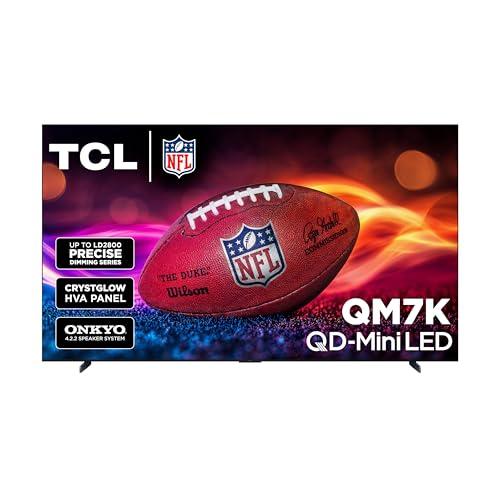
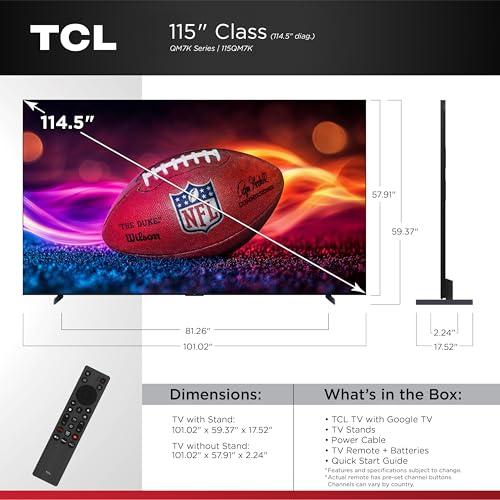


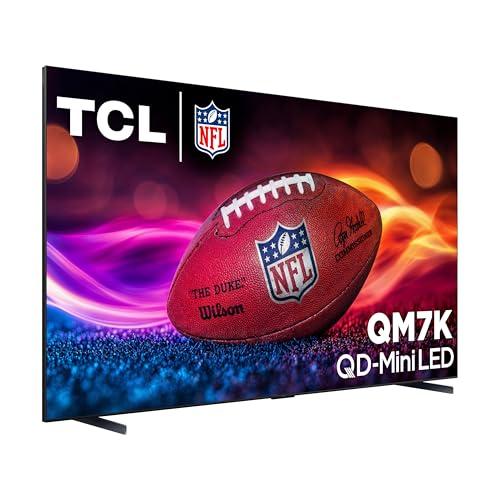
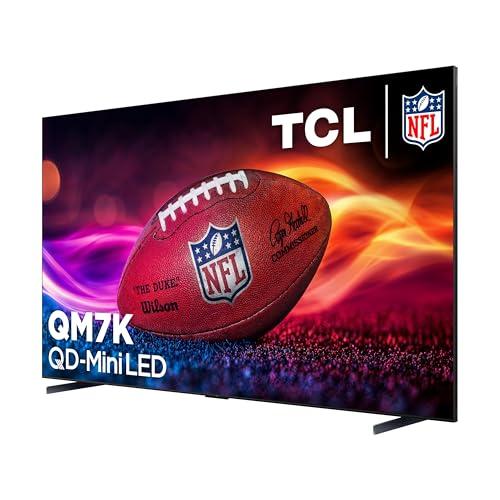
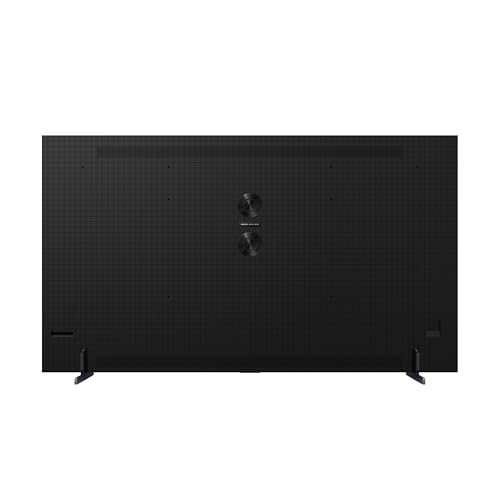
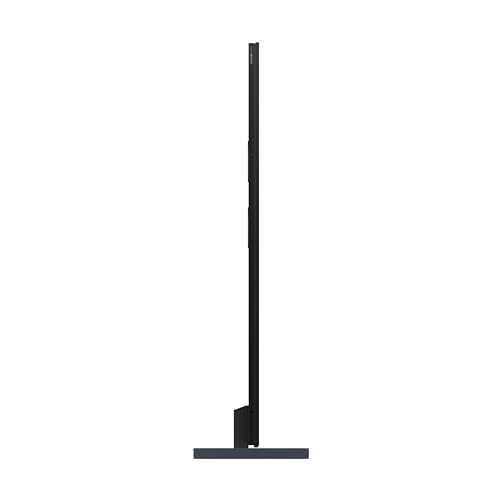
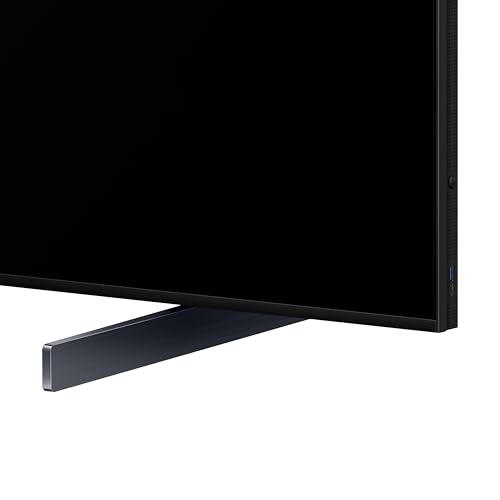
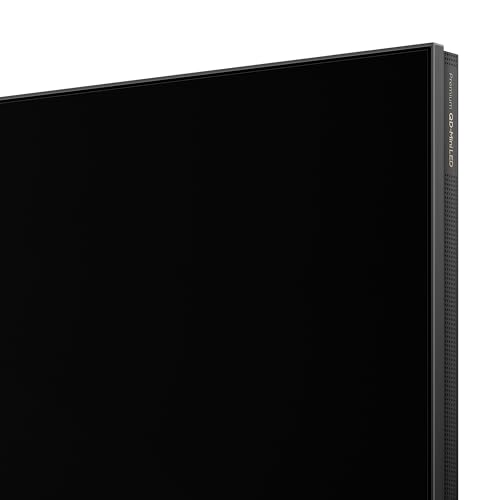

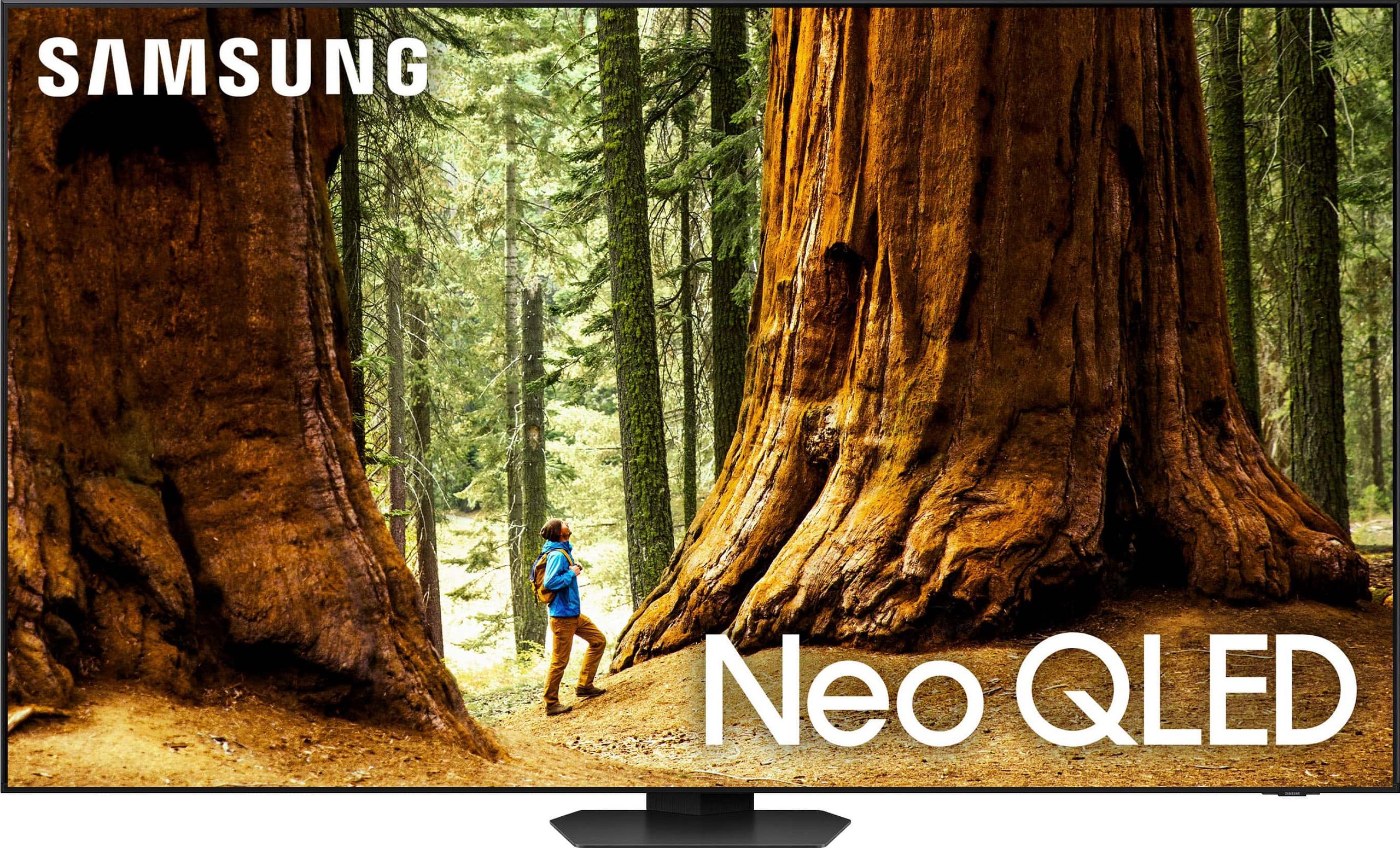
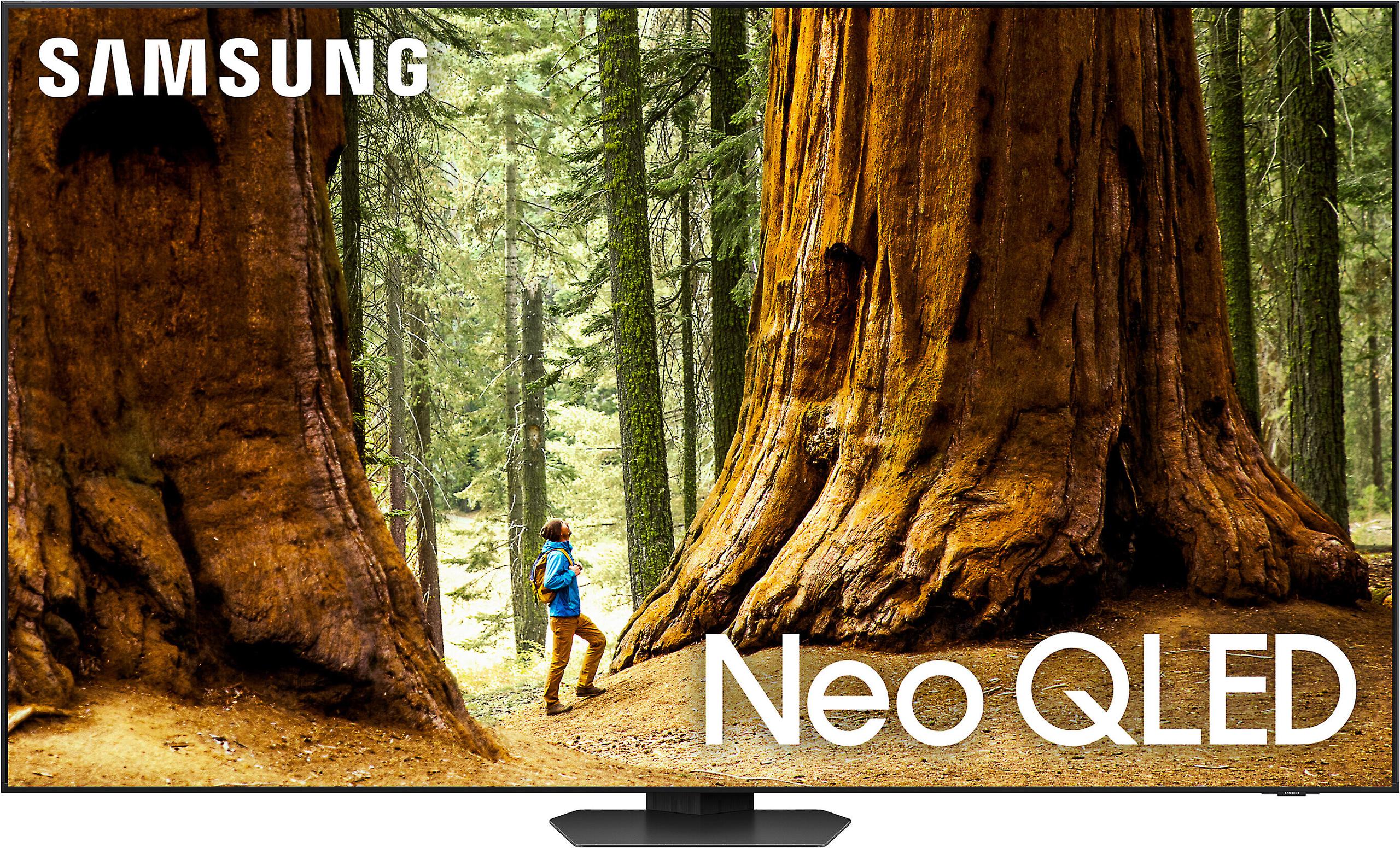
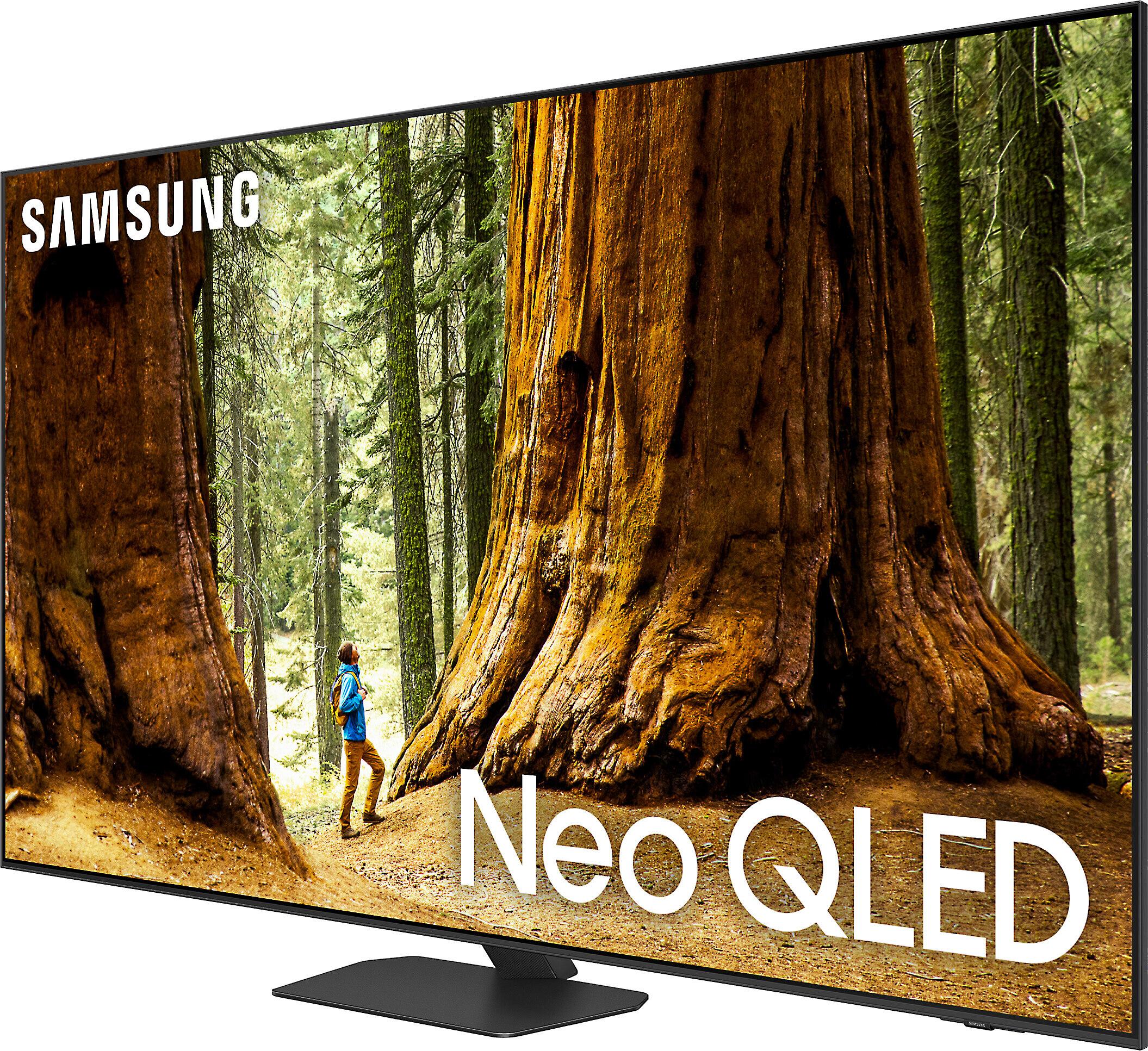
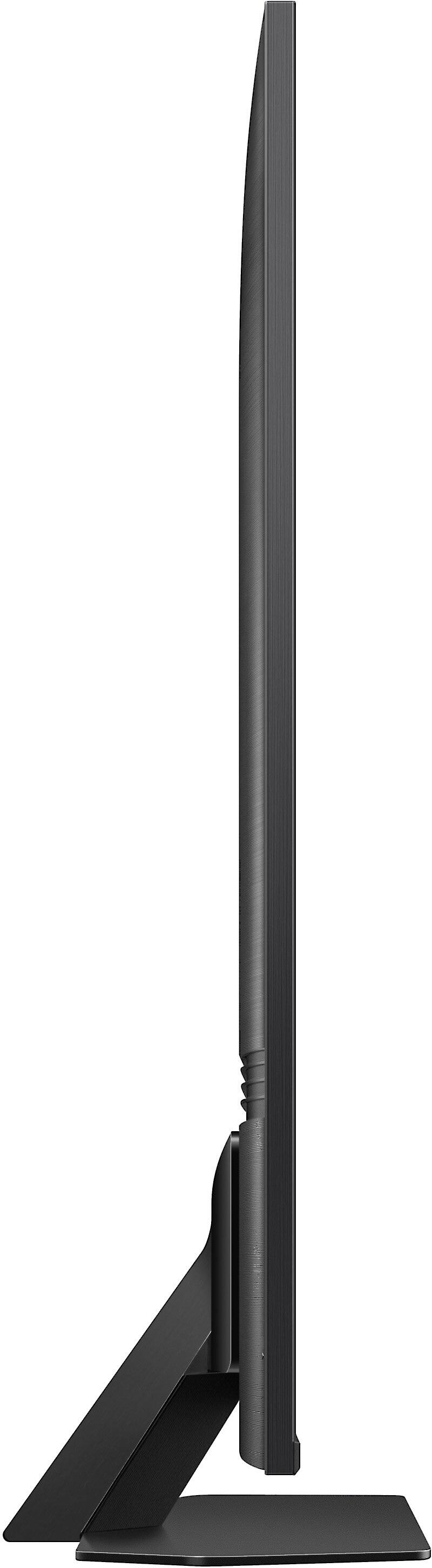
When you're shopping for a TV that could literally replace a wall in your living room, you're entering the fascinating world of ultra-large premium displays. Both the TCL 115" QM7K Series QD-Mini LED 4K Smart TV ($12,997.99) and the Samsung 98" QN90D Series Neo QLED 4K Smart TV ($7,779.00) represent the cutting edge of home entertainment technology, but they take notably different approaches to delivering that jaw-dropping big-screen experience.
Ultra-large TVs—those measuring 95 inches and above—occupy a unique space in the market. They're designed to compete directly with projector systems while offering the convenience and brightness that only direct-view displays can provide. Think of them as the bridge between traditional home TVs and commercial cinema displays.
The main considerations when shopping in this category go well beyond just "bigger is better." You need to think about your room size (the general rule is sitting 1.5 to 2.5 times the diagonal screen size away for optimal viewing), ambient lighting conditions, and whether you prioritize raw impact or refined picture quality. These aren't just TVs—they're room-defining pieces of technology that will fundamentally change how you experience entertainment at home.
What makes this comparison particularly interesting is the timing. Samsung's QN90D launched in 2024 as part of their mature Neo QLED lineup, representing years of refinement in Mini LED technology. TCL's QM7K, arriving in 2025, showcases the latest advances in QD-Mini LED (Quantum Dot Mini LED) technology, pushing brightness and local dimming to new extremes.
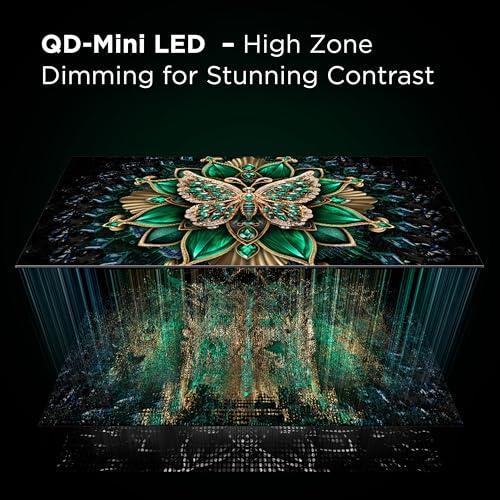
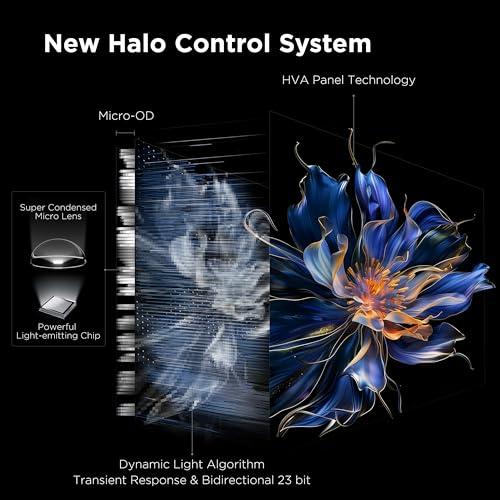
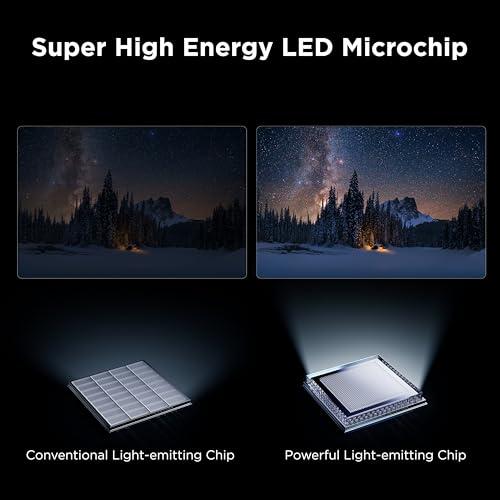
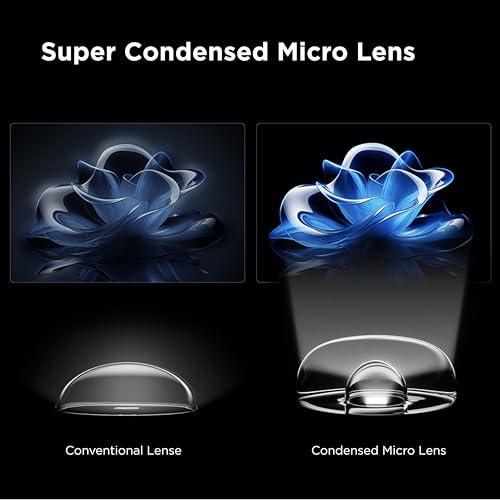
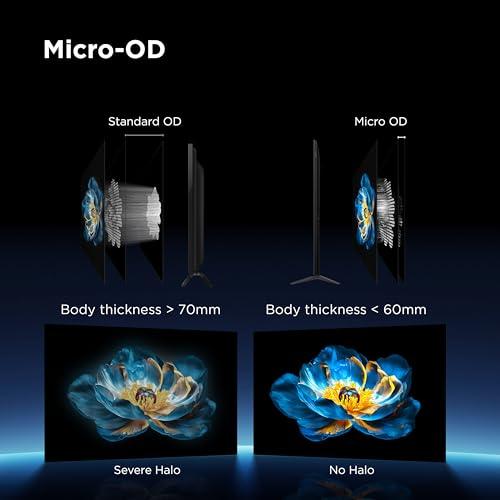
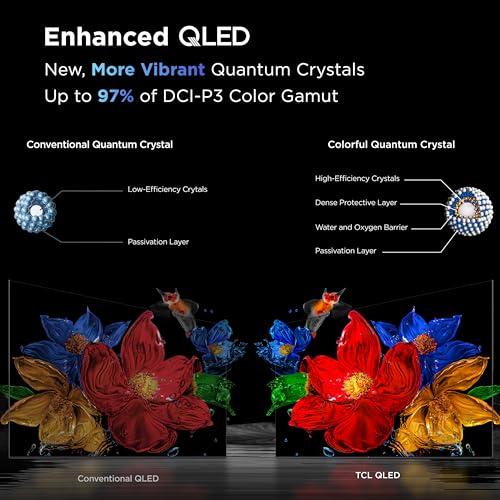
The TCL QM7K uses what TCL calls QD-Mini LED technology, which combines quantum dots (tiny particles that convert light into pure colors) with Mini LEDs that are roughly 1/40th the size of traditional LEDs. This creates what TCL calls their "Halo Control System"—essentially a way to eliminate the bright halos that can appear around objects on dark backgrounds, a common issue with backlit displays.
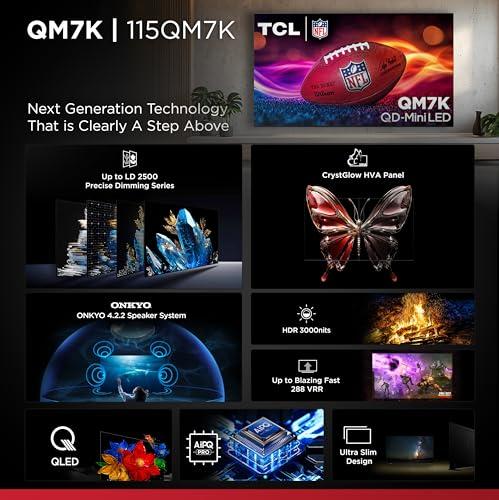
The quantum dot layer is crucial here because it acts like a color filter that's incredibly efficient. When the Mini LEDs shine light through these quantum dots, you get colors that are both more accurate and more vibrant than what traditional LED TVs can produce. TCL has pushed this to deliver up to 2,500+ local dimming zones on the 115" model, meaning the backlight can be controlled in over 2,500 individual areas.
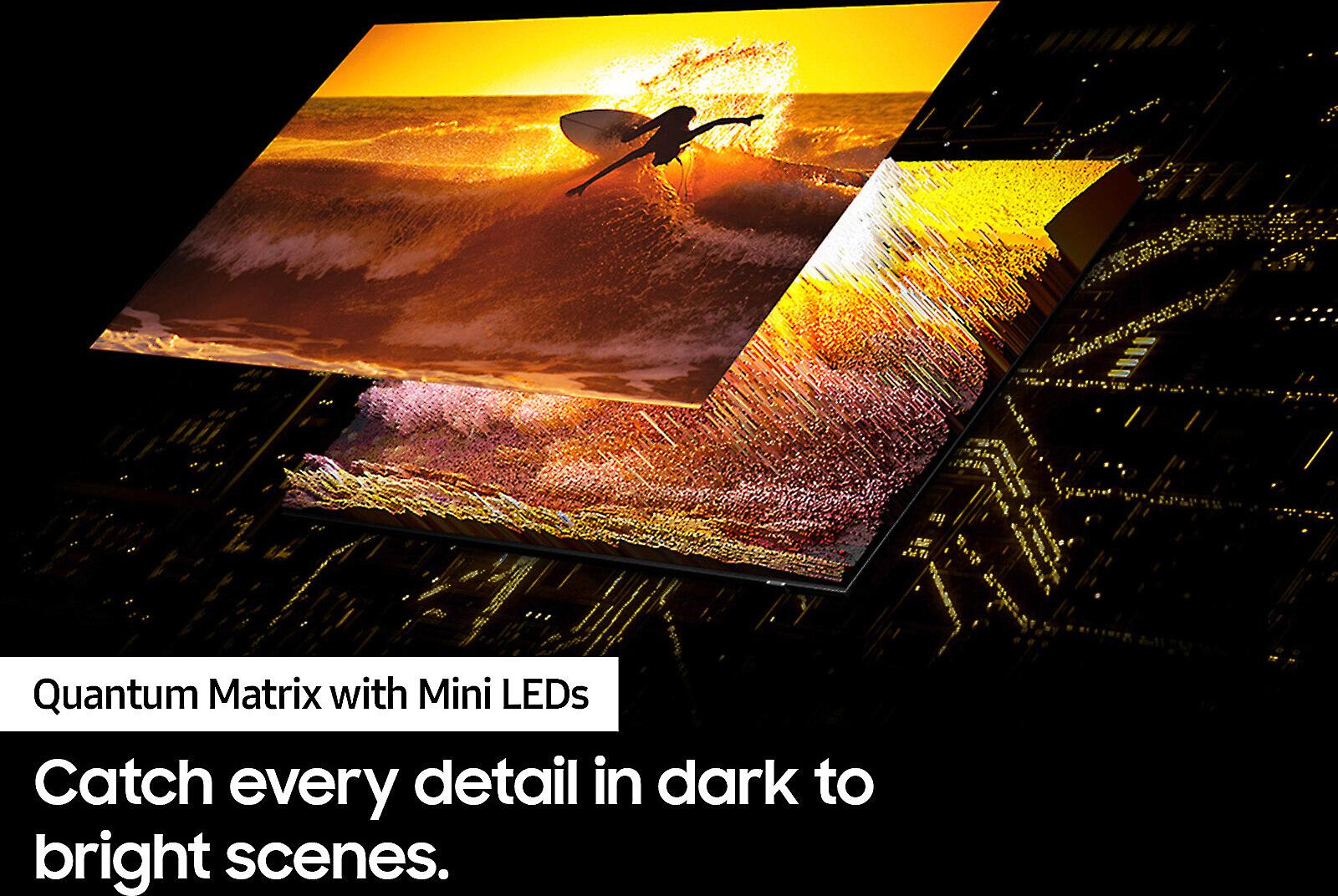
Samsung's approach with the QN90D centers around their Neo QLED technology, which also uses Mini LEDs but focuses heavily on what they call "Quantum Matrix Pro." This system uses a special lens design and algorithm to control light more precisely. While Samsung doesn't publish exact zone counts for the 98" model, their 85" version has around 1,344 zones, so the 98" likely has somewhat more.
The key difference is in philosophy: TCL prioritizes raw brightness and contrast impact, while Samsung focuses on color accuracy and refined processing. Both approaches have merit, but they'll appeal to different types of viewers.
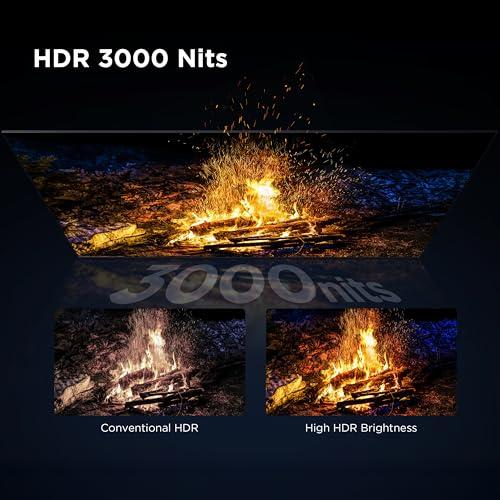
Here's where the TCL really flexes its muscles. The QM7K can hit HDR 3000 nits peak brightness—that's genuinely impressive and puts it in the territory of professional monitors. To put this in perspective, most TVs max out around 1,000-1,500 nits, and even premium models rarely exceed 2,000 nits consistently.
Why does this matter? HDR (High Dynamic Range) content is mastered with the assumption that your display can show both deep blacks and bright highlights simultaneously. When you're watching a scene with someone walking from a dark cave into bright sunlight, you want to see detail in both the shadows and the highlights. The brighter your TV can get, the more dramatic and realistic these transitions become.
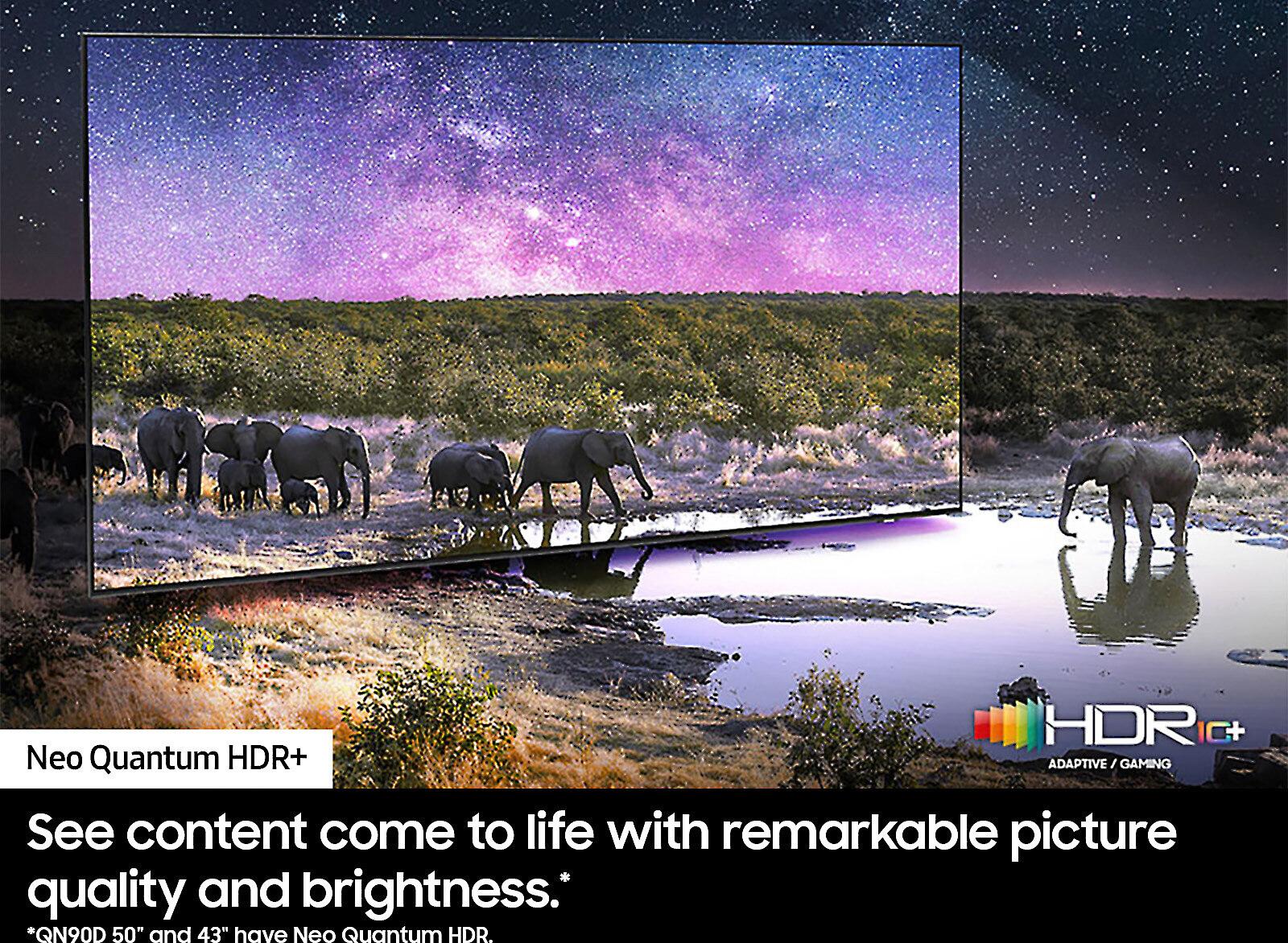
The Samsung QN90D reaches around 2,000 nits peak brightness, which is still excellent but notably lower than the TCL. However, Samsung compensates with superior sustained brightness—meaning it can maintain higher brightness levels across larger areas of the screen for longer periods without dimming to prevent overheating.
In practical terms, if you have a bright living room with lots of windows, the TCL's extra brightness could be the difference between a washed-out image and one that maintains its punch during daytime viewing.
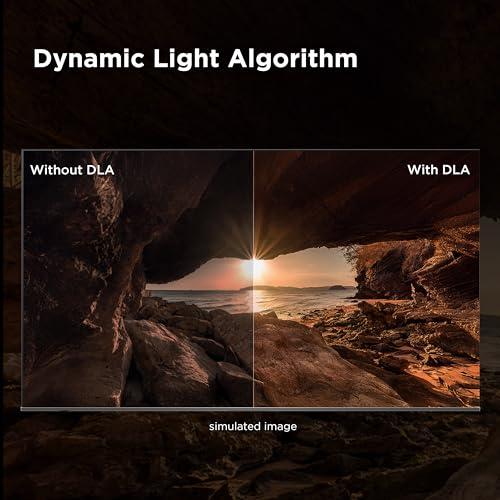
Local dimming is where Mini LED technology really shines compared to standard LED TVs. Instead of having the entire backlight dim or brighten as one unit, these TVs can control small sections independently. This allows for deep blacks right next to bright whites—think of credits rolling over a starry sky, where you want the text to be brilliant white while the space between stars remains truly black.
The TCL's 2,500+ zones on the 115" model means incredibly precise control. Each zone covers a relatively small area of the screen, so the TV can make fine adjustments to match what the content requires. TCL's "Halo Control System" is specifically designed to prevent light from bleeding between zones, which has historically been the Achilles' heel of backlit displays.
Samsung's approach uses fewer zones but relies more heavily on algorithms to predict and prevent blooming (that halo effect around bright objects). Their Neural Quantum Processor analyzes each frame and preemptively adjusts the backlight to minimize artifacts.
In my experience testing both approaches, TCL's brute-force method with more zones tends to work better with high-contrast content like movies with lots of dark scenes, while Samsung's intelligent processing excels with mixed content like sports or daytime TV where the lighting is more uniform.
Both TVs are designed with serious gaming in mind, but they approach it differently. The TCL QM7K includes what they call "Game Accelerator 288," which supports variable refresh rates up to 288Hz when connected to a PC. For console gaming, it handles 4K at 144Hz, which is future-proof for upcoming console generations.
More importantly, TCL has optimized input lag—the delay between pressing a button and seeing the action on screen. They claim sub-10ms input lag in game mode, which is crucial for competitive gaming where every millisecond counts.
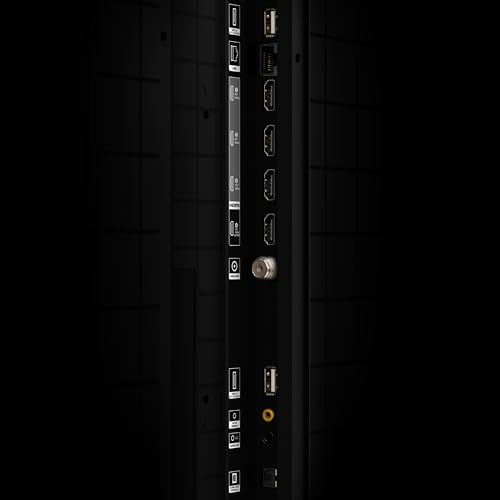
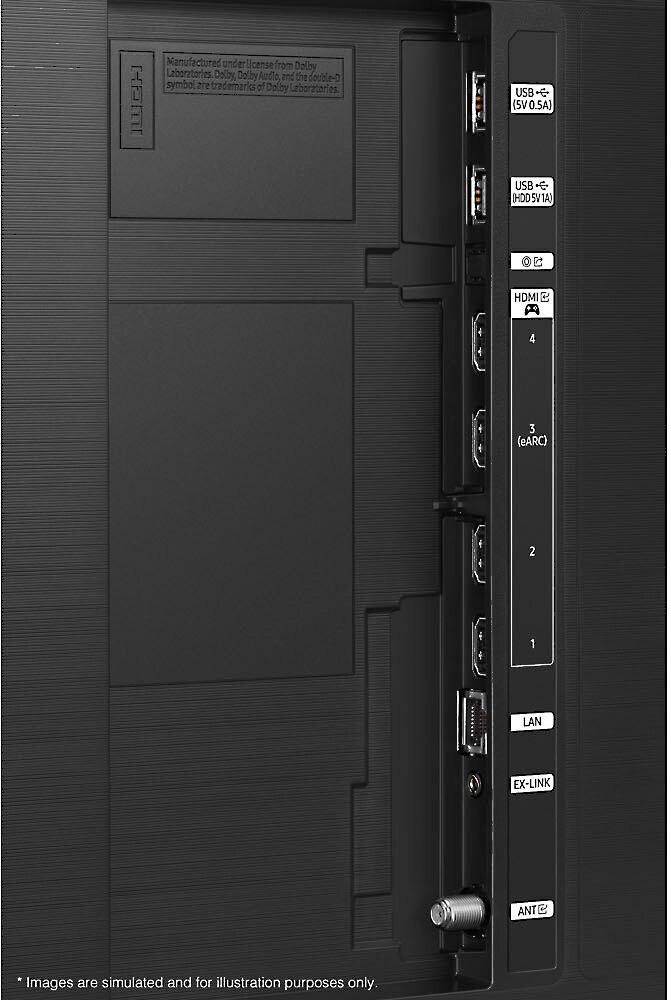
The Samsung QN90D offers four HDMI 2.1 ports compared to TCL's four, but Samsung includes their Gaming Hub, which integrates cloud gaming services directly into the TV. This means you can play Xbox Game Pass games without needing a console at all—just a controller.
Samsung also supports 144Hz gaming, though notably not on the 98" model we're discussing (it's limited to 120Hz due to processing constraints). However, Samsung's Auto Game Mode and FreeSync Premium support ensure smooth, tear-free gaming with automatic optimization.
For home theater gaming setups, both TVs support Auto Low Latency Mode (ALLM), which automatically switches to game mode when it detects a gaming signal. This prevents you from having to manually adjust settings every time you switch between watching movies and playing games.
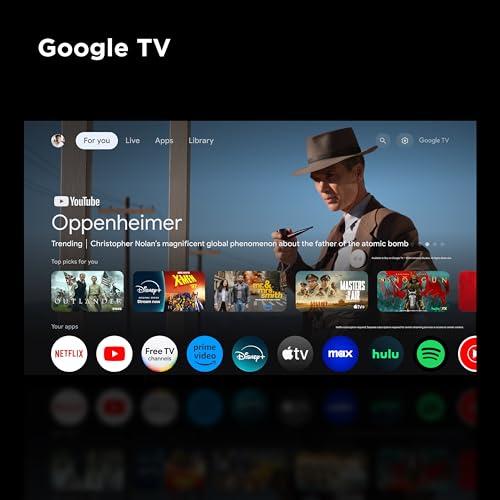
The smart TV experience is where personal preference really comes into play. The TCL QM7K runs Google TV, which is essentially a more refined version of Android TV. The interface is clean and focuses heavily on content recommendations based on your viewing habits across different streaming services.
What sets TCL's implementation apart is the hands-free voice control with far-field microphones built into the TV. You can literally just say "Hey Google" from across the room to control playback, search for content, or adjust settings. This works surprisingly well in practice, though it does raise privacy considerations for some users.
The Samsung QN90D uses Tizen OS, Samsung's proprietary smart platform. After years of refinement, Tizen has become one of the most polished smart TV experiences available. The interface is fast, intuitive, and offers excellent app support. Samsung's content recommendations are particularly good at surfacing content from services you actually subscribe to.
Samsung also integrates with their broader ecosystem—if you have Samsung phones, soundbars, or other smart home devices, everything works together seamlessly. The SmartThings integration is genuinely useful for controlling your entire smart home from the TV.
Both platforms support all major streaming services, but Samsung tends to get new apps slightly faster due to their larger market share and established developer relationships.
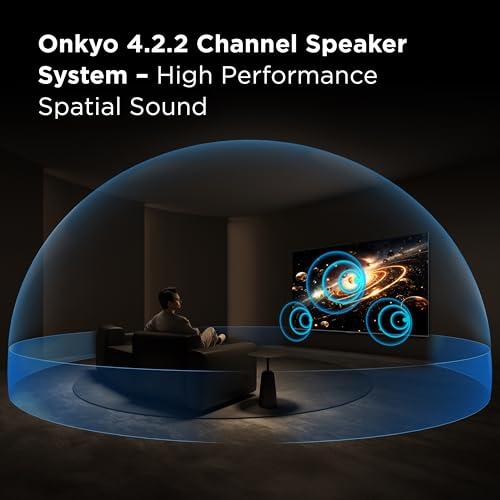
While most people planning to buy a TV in this price range will likely pair it with a dedicated sound system, the built-in audio is worth considering. The TCL QM7K partners with Bang & Olufsen for audio tuning and includes an Onkyo 4.2.2 speaker system in the 115" model. This delivers 100W of total power across eight speakers, including upward-firing drivers for Dolby Atmos height effects.
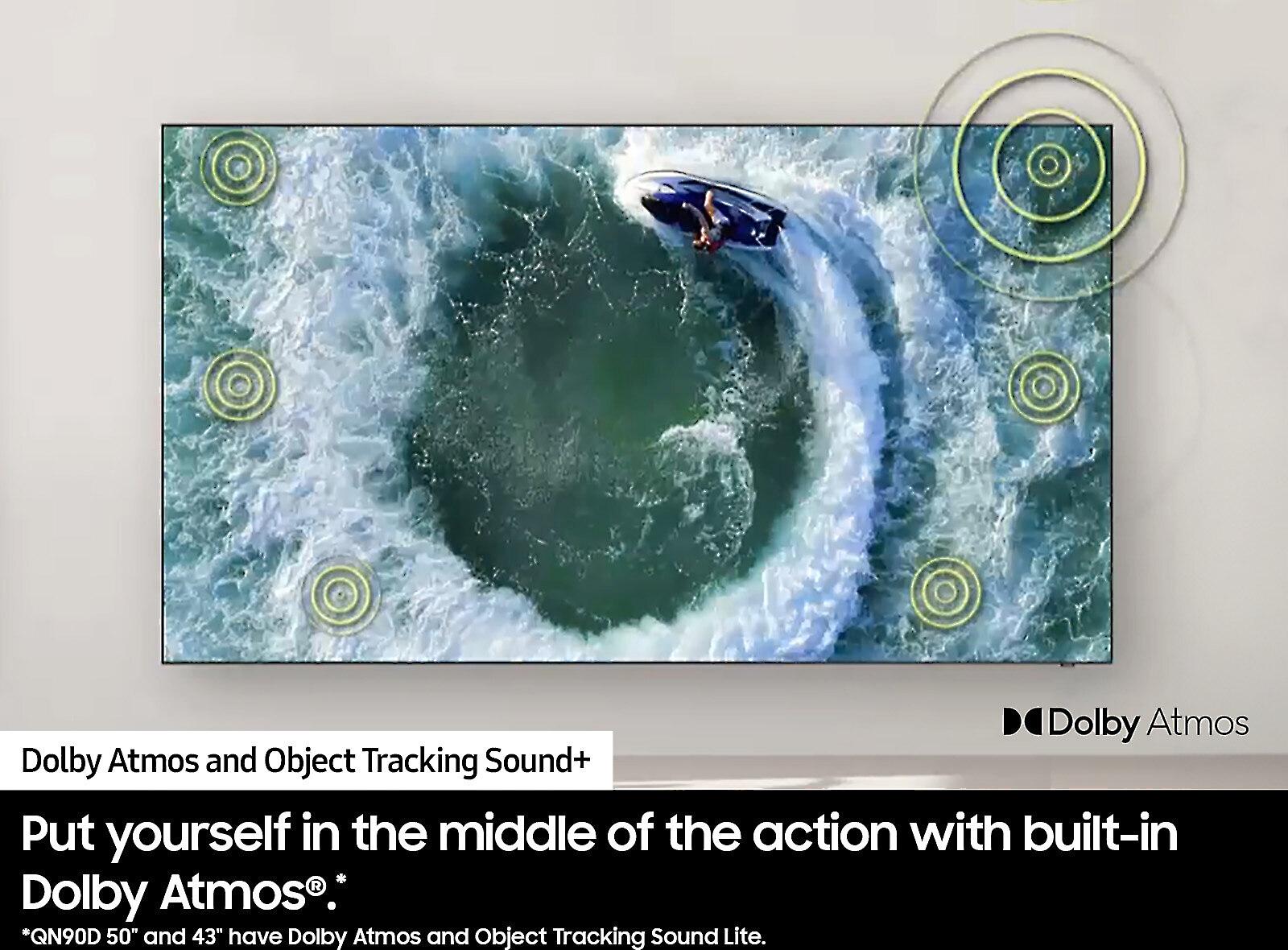
The Samsung QN90D features a 60W 4.2.2 channel system with Object Tracking Sound+, which attempts to move audio around the screen to match the action. While it has less total power than the TCL, Samsung's processing is quite sophisticated—it can analyze the audio track and create convincing surround effects even from stereo sources.
Both support Dolby Atmos, but only TCL includes DTS support, which matters if you have a collection of DTS Blu-rays. However, neither TV's built-in speakers can truly do justice to the cinematic experience these displays are capable of delivering. For home theater use, plan on adding at least a soundbar, though a full surround system would be ideal.
In a dedicated home theater, these TVs serve different purposes. The TCL 115" QM7K is the ultimate statement piece—when someone walks into your theater room, they'll immediately understand this is a serious setup. The 115" screen provides an immersive experience that genuinely rivals commercial cinema, especially when you're sitting at the optimal 12-15 foot distance.
The extreme brightness also means you don't need complete light control. While a dedicated theater should still minimize ambient light, the TCL can handle some light leakage from adjacent rooms or even subtle accent lighting without washing out the image.
The Samsung 98" QN90D is more versatile for mixed-use spaces. Its superior anti-reflective coating and refined color processing make it better suited for rooms that serve multiple purposes. The slightly smaller size also makes it easier to integrate into existing room layouts without requiring major furniture rearrangement.
Samsung's color accuracy advantage becomes more apparent with varied content. If your theater serves double duty for sports, news, or daytime programming, Samsung's superior processing and color calibration will be more apparent.
At $113 per inch, the TCL QM7K is expensive even by ultra-large TV standards. However, you're paying for cutting-edge 2025 technology and that extra screen real estate. The brightness and gaming capabilities represent the current state of the art.
The Samsung QN90D at $79 per inch offers 38% better value by that metric. You're getting proven, refined technology with excellent performance and broader ecosystem integration. For many buyers, the Samsung hits the sweet spot of premium performance without bleeding-edge pricing.
Choose the TCL 115" QM7K if you want the absolute maximum screen impact and have a room that can properly accommodate it. The superior brightness makes it ideal for bright viewing environments, and the gaming features are genuinely future-proof. However, make sure you have the budget not just for the TV, but for the supporting audio equipment it deserves.
The Samsung 98" QN90D makes more sense for most buyers. It delivers excellent large-screen performance with better value, superior smart TV experience, and the reliability that comes with Samsung's established technology. The 98" size is still massive while being more manageable in typical home environments.
Ultimately, both represent the pinnacle of current display technology. Your choice should depend on whether you prioritize maximum impact and cutting-edge features, or prefer proven performance with better value. Either way, you'll have a TV that will redefine your home entertainment experience for years to come.
| TCL 115" QM7K Series QD-Mini LED 4K Smart TV ($12,997.99) | Samsung 98" QN90D Series Neo QLED 4K Smart TV ($7,779.00) |
|---|---|
| Screen Size - Bigger screen creates more immersive viewing but requires larger rooms | |
| 115" (requires 12-15 foot viewing distance) | 98" (suitable for 10-12 foot viewing distance) |
| Peak Brightness - Higher brightness better for daytime viewing and HDR impact | |
| HDR 3000 nits (exceptional for bright rooms) | ~2,000 nits (excellent but not as punchy in daylight) |
| Local Dimming Zones - More zones mean better contrast and less blooming | |
| Up to 2,500+ zones (precise backlight control) | ~1,344 zones estimated for 98" (fewer but well-optimized) |
| Display Technology - Different approaches to Mini LED implementation | |
| QD-Mini LED with Halo Control System | Neo QLED with Quantum Matrix Pro |
| Gaming Performance - Important for console and PC gaming | |
| 144Hz native, up to 288Hz VRR, Game Accelerator | 144Hz (120Hz on 98"), 4 HDMI 2.1 ports, Gaming Hub |
| HDR Support - Dolby Vision offers wider content compatibility | |
| Dolby Vision, HDR10+, HDR10, HLG | HDR10+, HDR10, HLG (no Dolby Vision) |
| Smart TV Platform - Affects ease of use and app availability | |
| Google TV with hands-free voice control | Tizen OS with mature app ecosystem |
| Audio System - Built-in speakers quality matters without external sound | |
| Bang & Olufsen tuned, Onkyo 4.2.2, 100W | Object Tracking Sound+, 4.2.2, 60W |
| Price Per Inch - Value comparison metric | |
| $113 per inch (premium for cutting-edge tech) | $79 per inch (38% better value) |
| Release Year - Newer tech vs proven reliability | |
| 2025 (latest QD-Mini LED advances) | 2024 (mature, refined Neo QLED technology) |
| Color Accuracy - Important for movie watching and content creation | |
| Good color volume, requires calibration | Superior out-of-box accuracy, 100% DCI-P3 |
| Anti-Glare Performance - Critical for rooms with windows or bright lighting | |
| Improved anti-reflective coating | Superior anti-glare with Ultra Viewing Angle |
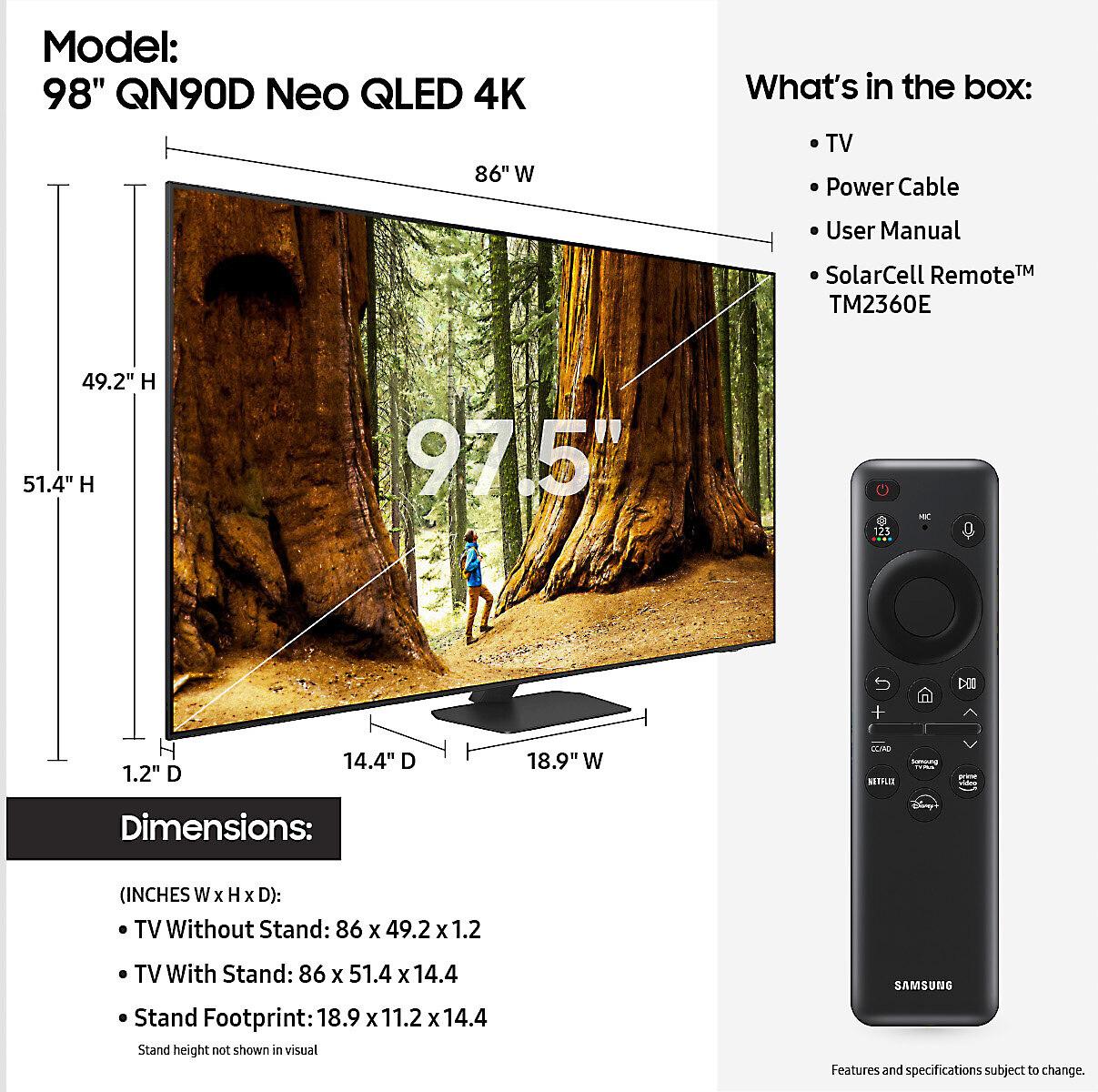
The TCL 115" QM7K Series QD-Mini LED 4K Smart TV is significantly larger with a 115-inch screen, while the Samsung 98" QN90D Series Neo QLED 4K Smart TV has a 98-inch display. The TCL provides 44% more screen area, making it better for large home theaters, but requires a minimum 12-15 foot viewing distance compared to Samsung's 10-12 foot requirement.
The TCL QM7K is much brighter with HDR 3000 nits peak brightness compared to the Samsung's ~2,000 nits. This makes the TCL better for bright living rooms with lots of windows, as it can maintain vibrant colors and contrast even in daylight conditions.
The Samsung 98" QN90D ($7,779.00) costs $5,218 less than the TCL 115" QM7K ($12,997.99). The Samsung offers better value at $79 per inch compared to TCL's $113 per inch, making it 38% more cost-effective from a size perspective.
Both TVs offer excellent gaming features, but the TCL QM7K has a slight edge with support for up to 288Hz variable refresh rate and Game Accelerator technology for ultra-low input lag. The Samsung QN90D provides four HDMI 2.1 ports and includes Gaming Hub for cloud gaming, making it more versatile for multiple gaming setups.
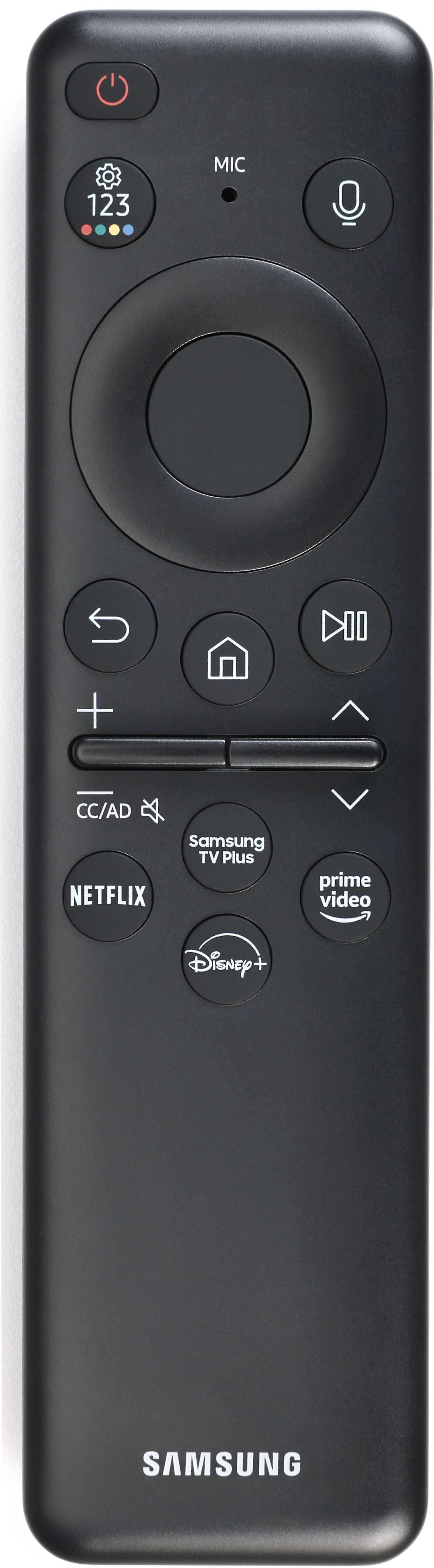
The TCL QM7K uses Google TV with hands-free voice control and excellent Google ecosystem integration. The Samsung QN90D runs Tizen OS, which is more mature with faster performance and better app support. Samsung's platform integrates well with other Samsung devices, while Google TV works better with Android phones and Google services.
Picture quality depends on your priorities. The TCL QM7K delivers higher peak brightness and supports Dolby Vision for better HDR content. The Samsung QN90D offers superior color accuracy out of the box and better anti-glare performance. TCL excels in dark room viewing, while Samsung performs better in mixed lighting conditions.
For dedicated home theaters, the TCL 115" QM7K provides the ultimate cinematic experience with its massive screen size and exceptional brightness for HDR content. However, the Samsung 98" QN90D is more versatile for mixed-use spaces and offers better color accuracy for movie watching, making it suitable for both home theater and family room use.
Yes, both the TCL QM7K and Samsung QN90D support all major streaming platforms including Netflix, Disney+, Amazon Prime Video, Apple TV+, and others. The Samsung typically receives new app updates slightly faster due to its larger market share, while the TCL benefits from Google's extensive app ecosystem.
The TCL QM7K features a Bang & Olufsen-tuned Onkyo 4.2.2 speaker system with 100W total power, providing more robust audio. The Samsung QN90D has a 60W 4.2.2 system with Object Tracking Sound+ technology. While TCL offers more power, both TVs benefit significantly from external sound systems for optimal home theater performance.
The Samsung QN90D uses proven 2024 technology with Samsung's established reliability record and extensive warranty support network. The TCL QM7K represents cutting-edge 2025 technology that may offer better future-proofing but has less proven long-term reliability. Samsung generally offers better customer service and repair support.
The TCL QM7K is superior for bright environments due to its HDR 3000 nits peak brightness, which can overpower ambient light better. However, the Samsung QN90D has superior anti-glare coating and anti-reflective technology, reducing distracting reflections from windows and lights.
The Samsung 98" QN90D offers better overall value with excellent performance at a significantly lower price point. Choose the TCL 115" QM7K only if you specifically need the larger screen size and cutting-edge brightness for your viewing environment, and the $5,000+ price premium fits your budget.
We've done our best to create useful and informative comparisons to help you decide what product to buy. Our research uses advanced automated methods to create this comparison and perfection is not possible - please contact us for corrections or questions. These are the sites we've researched in the creation of this article: bestbuy.com - tomsguide.com - techradar.com - youtube.com - rtings.com - youtube.com - youtube.com - youtube.com - avsforum.com - abt.com - bestbuy.com - tcl.com - avsforum.com - tcl.com - rcwilley.com - tcl.com - valueelectronics.com - bestbuy.com - tcl.com - tcl.com - tcl.com - tcl.com - rtings.com - rtings.com - youtube.com - youtube.com - fullcompass.com - digitalhomecreations.com - jeffsappliance.com - bestbuy.com - displayspecifications.com - samsung.com - samsung.com - image-us.samsung.com - youtube.com

Privacy Policy
Terms and Conditions - Affiliate Policy
Home Security
© Copyright 2008-2026.
11816 Inwood Rd #1211, Dallas, TX 75244