

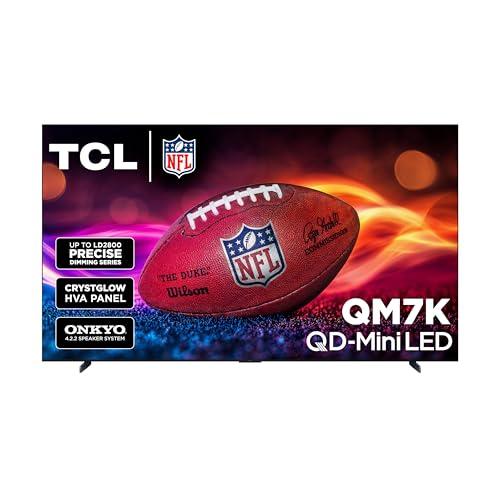

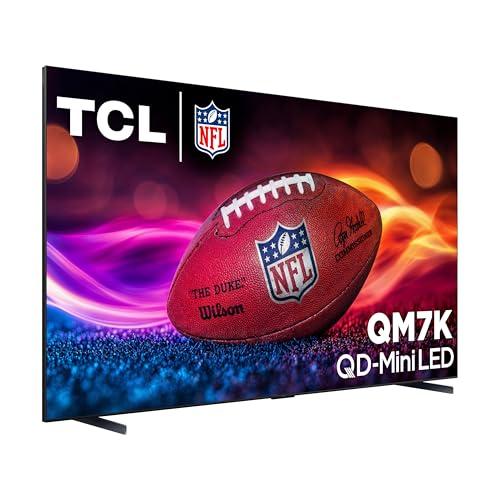
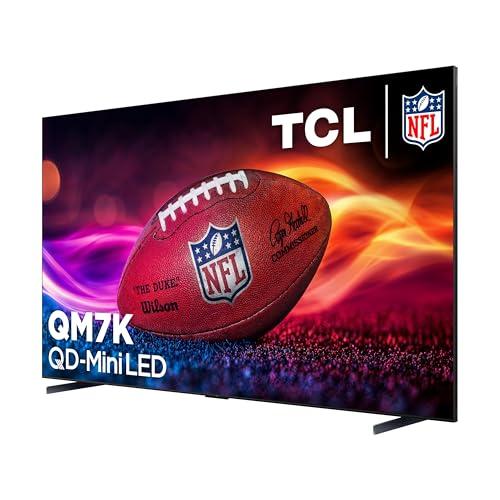
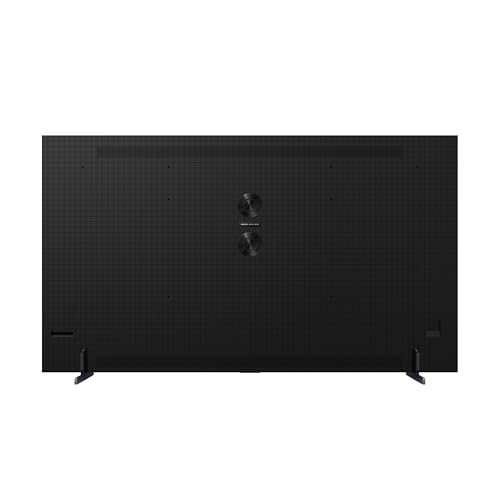
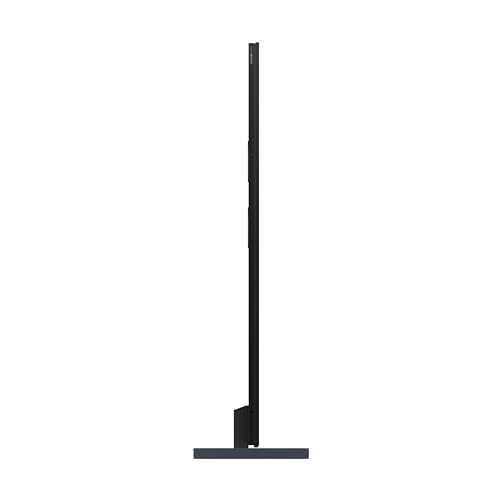


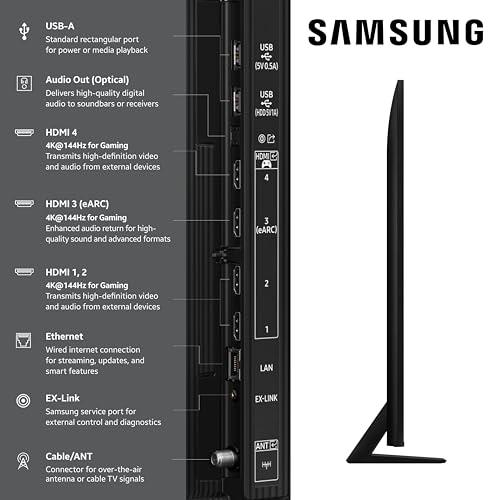
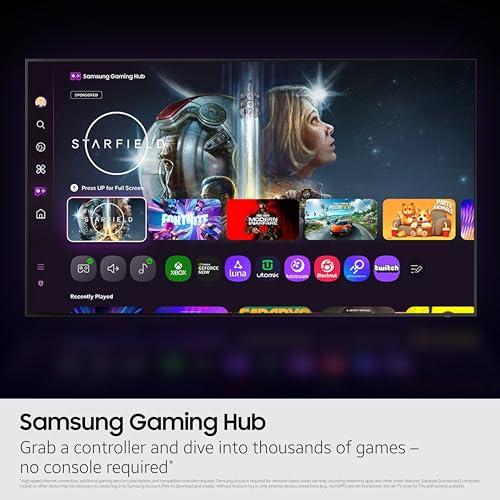
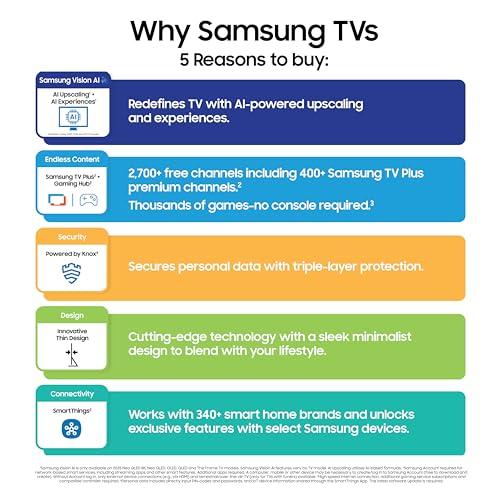
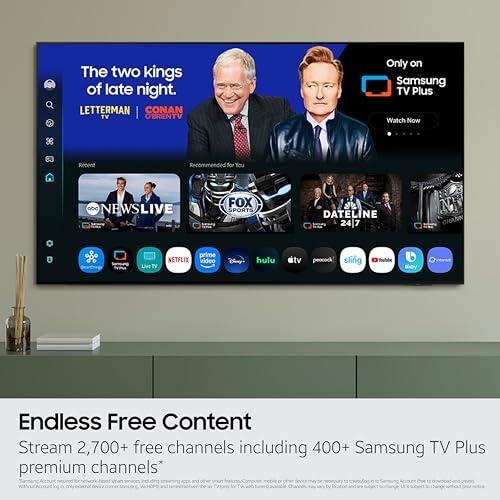
When Samsung first announced they were making a 100-inch TV, I thought we'd reached peak television size for most homes. Then TCL went ahead and released their 115" QM7K Series QD-Mini LED 4K Smart TV in 2025, and suddenly we're in uncharted territory. These aren't just big TVs—they're room-dominating displays that challenge everything we thought we knew about home entertainment.
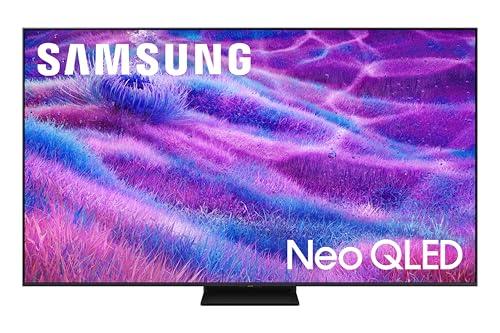
Both of these ultra-large TVs launched in 2025, representing the latest evolution in display technology. The Samsung 100" Neo QLED QN80F hit stores in March 2025 at $3,999, while TCL's massive 115" model commands a premium $12,997 price tag. That three-fold price difference tells a story, but it's not the whole story.
Let's start with what we're actually talking about here. Ultra-large TVs—anything 100 inches and above—occupy a unique space in home entertainment. They're designed to replace the traditional home theater projector setup while delivering the convenience and picture quality of a premium TV.
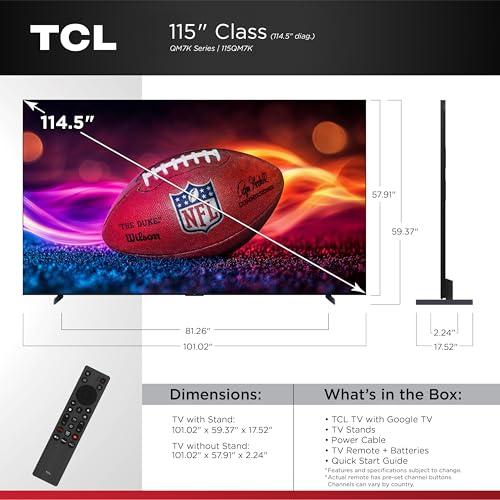
The key considerations when shopping in this category go way beyond typical TV buying. First, you need to think about your room size and viewing distance. These displays require significant space—the TCL needs at least 12 feet of viewing distance to avoid eye strain, while the Samsung works well at 10-12 feet. Then there's the installation challenge: we're talking about displays that weigh over 100 pounds and require professional mounting in most cases.
But the real game-changer is how these TVs handle different types of content. Unlike smaller displays where minor processing differences might be hard to notice, at these sizes, every enhancement or limitation becomes magnified. This is where the technical differences between our two contenders really start to matter.
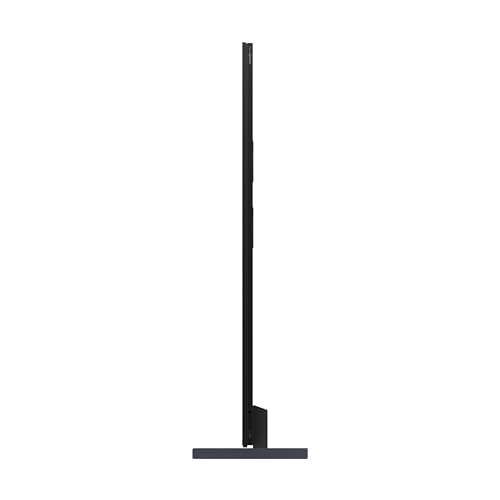
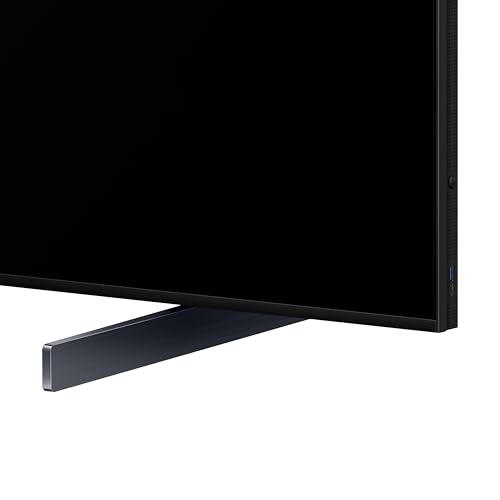
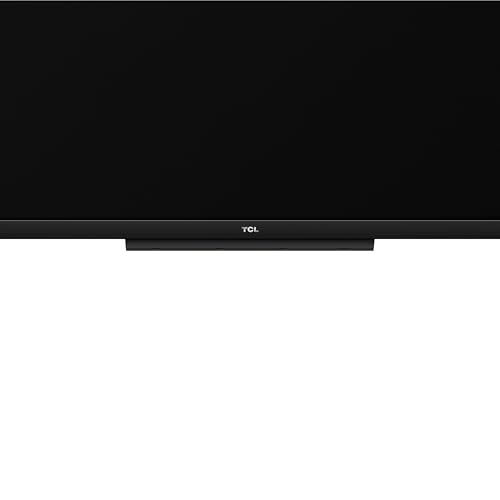
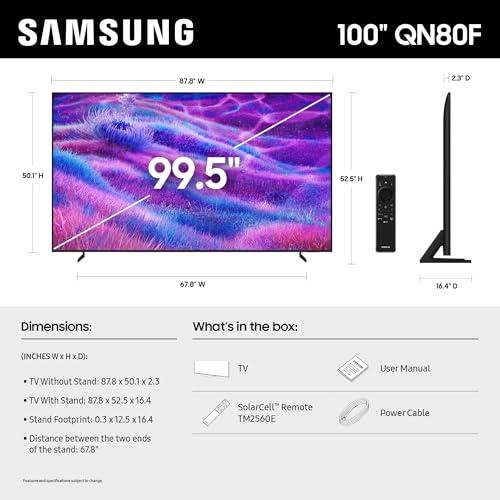
The difference between 100 and 115 inches might sound modest, but in practice, it's substantial. The TCL's 115-inch screen delivers about 35% more viewing area than the Samsung's 100-inch display. That translates to a genuinely more immersive experience—when I first saw the TCL in person, it felt like looking through a window rather than at a screen.
However, bigger isn't always better for every situation. The Samsung's 100-inch size hits a sweet spot for most living rooms. It's large enough to create that cinematic presence without overwhelming smaller spaces. The TCL, on the other hand, really demands a dedicated media room or very large living area to work properly.
Room acoustics also change dramatically at these sizes. The larger the screen, the more important your audio setup becomes. Both TVs include decent built-in speakers, but at these dimensions, you'll almost certainly want to invest in a proper sound system to match the visual scale.
This is where things get really interesting. Both TVs use Mini LED technology, but they implement it quite differently, and understanding these differences is crucial for making the right choice.
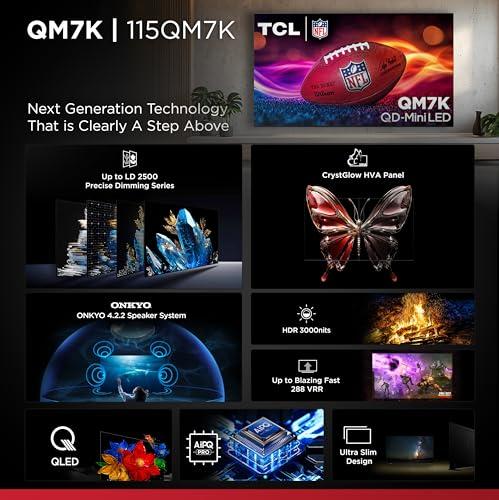
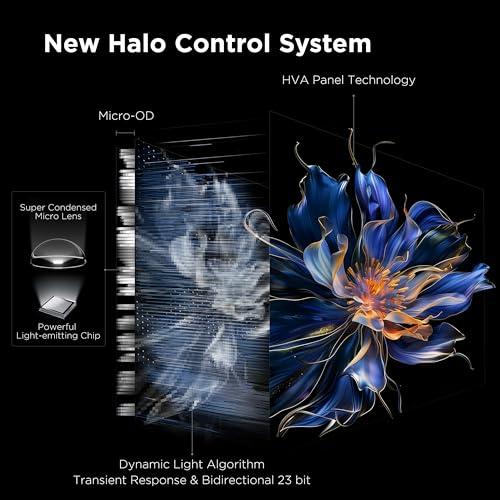
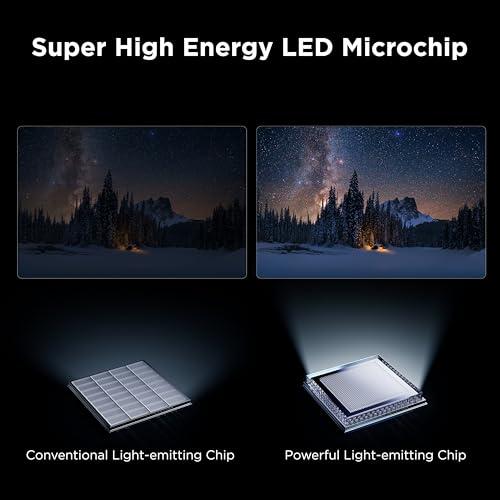
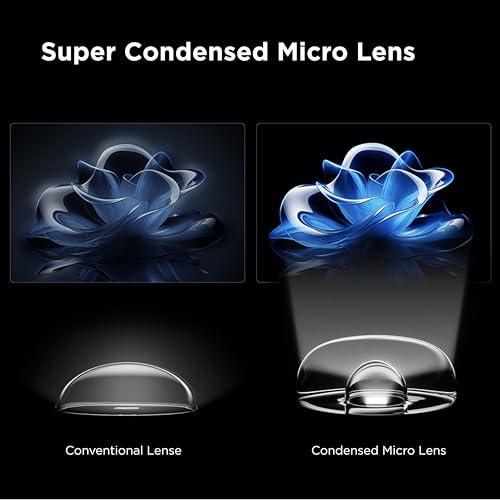
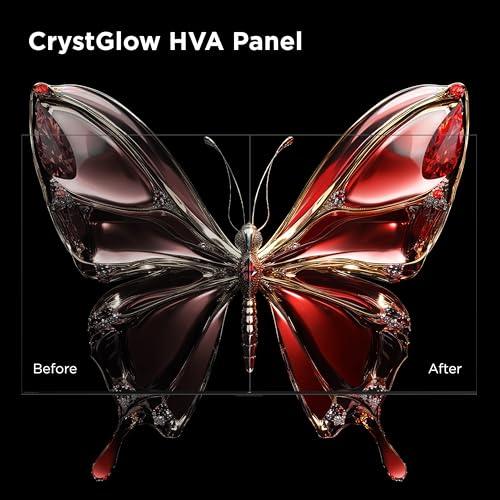
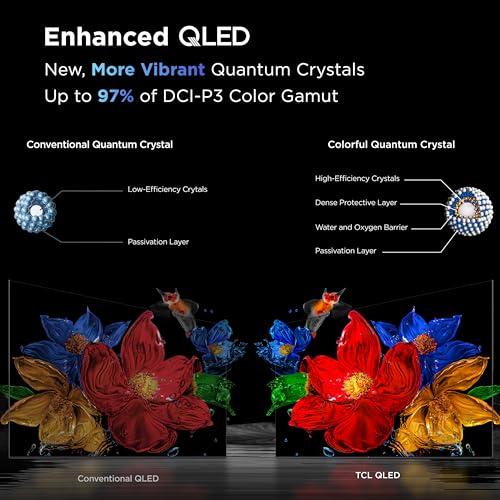
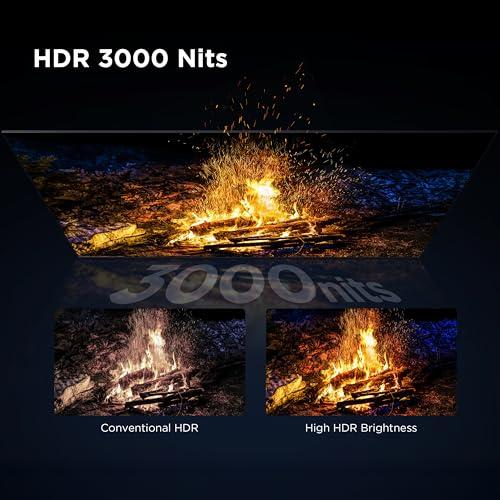
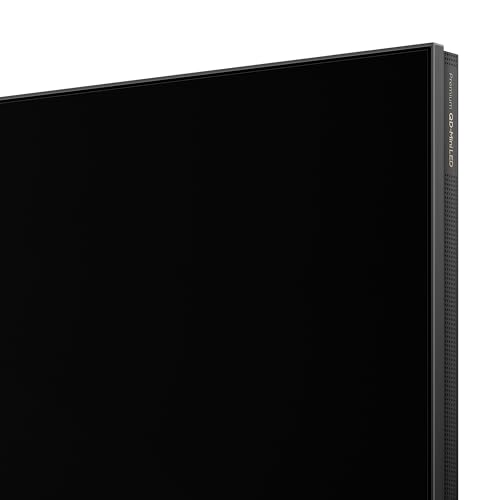
The TCL QM7K uses what they call QD-Mini LED technology—essentially Mini LEDs combined with quantum dots. Quantum dots are tiny semiconductor particles that emit specific colors when hit with light, allowing for more precise color reproduction and higher brightness levels. The result is a display that can reach up to 5,000 nits of peak brightness.
To put that in perspective, most TVs top out around 1,000-1,500 nits. This extreme brightness capability means the TCL can display HDR content with incredible impact, especially in bright rooms. When you're watching a scene with blazing sunlight or explosions, the TCL can actually make you squint—something that was previously only possible with high-end projectors in dark rooms.
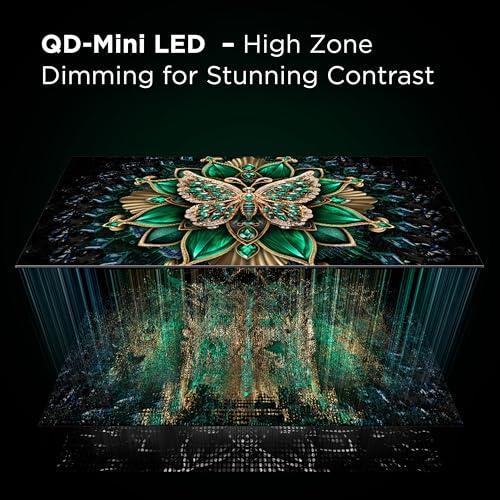
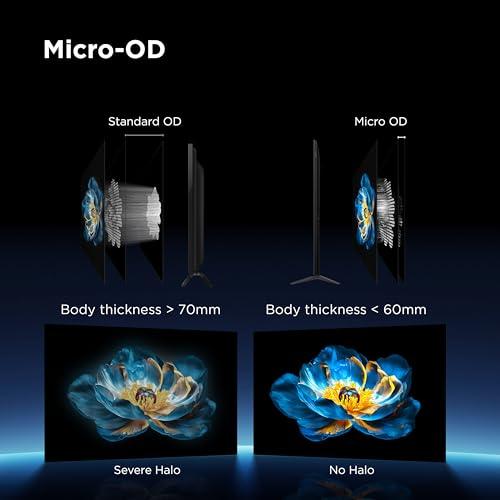
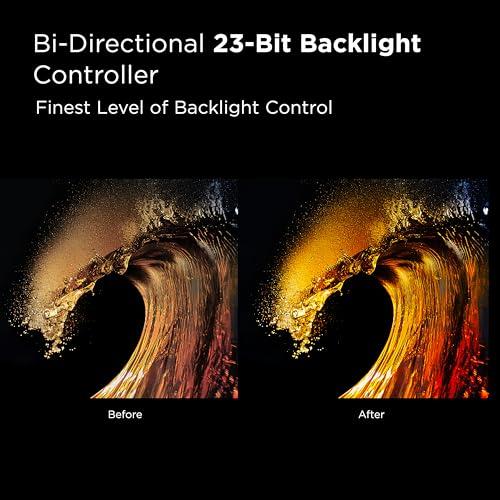
The TCL also supports over 1,500 local dimming zones. Local dimming zones are sections of the backlight that can be independently controlled—more zones mean better contrast because the TV can make specific areas darker while keeping others bright. With 1,500+ zones spread across 115 inches, you get incredibly precise control over brightness and contrast.
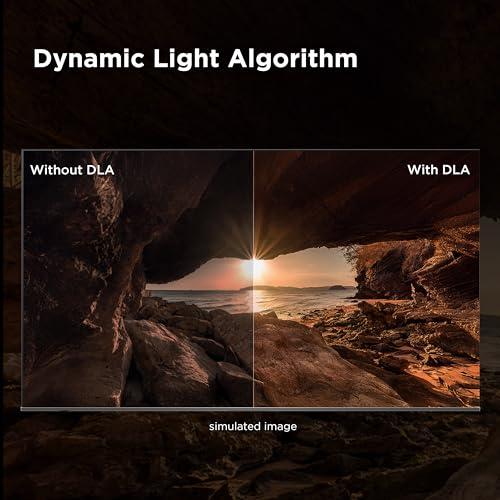
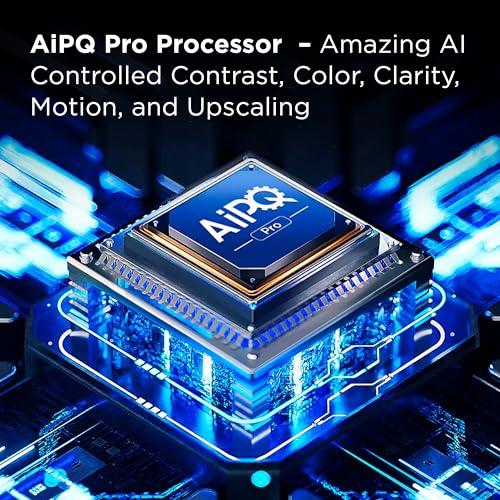
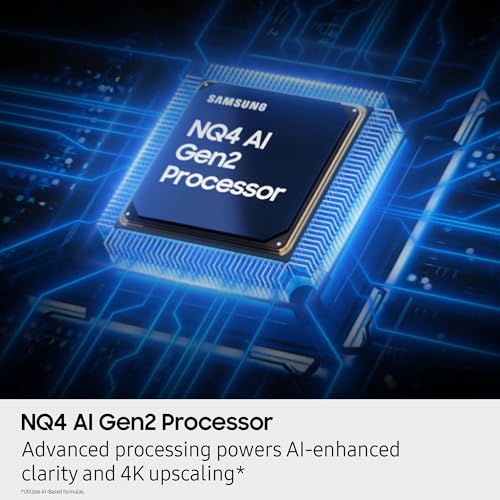
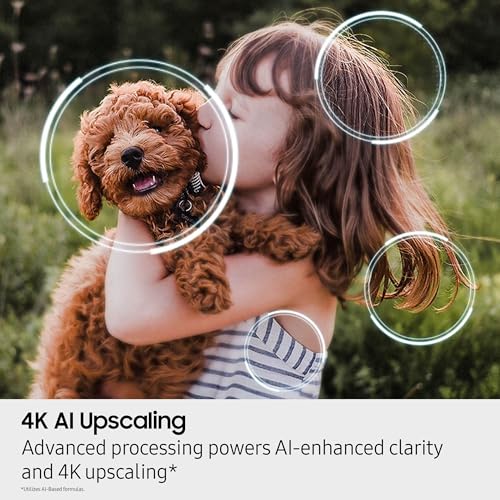
Samsung's QN80F takes a different approach with their Neo QLED technology. While it reaches a more modest 2,000 nits peak brightness, Samsung focuses heavily on their NQ4 AI Gen2 processor. This chip uses 20 different neural networks—essentially specialized AI algorithms—to analyze and enhance content in real-time.
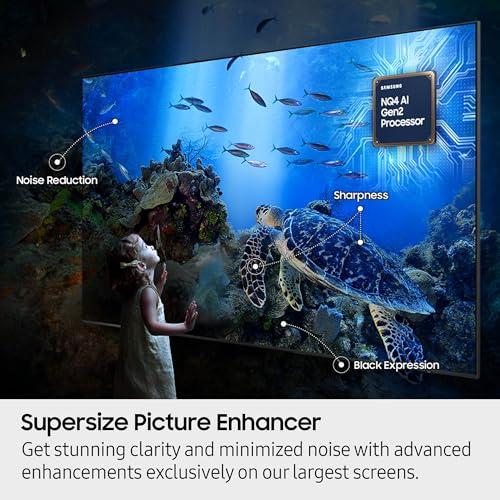
What does this mean in practice? The Samsung is dramatically better at upscaling lower-resolution content. If you're watching a 1080p movie or streaming a compressed video, the Samsung's AI will intelligently fill in missing detail, reduce artifacts, and enhance sharpness. The difference is particularly noticeable with older content or live TV broadcasts.
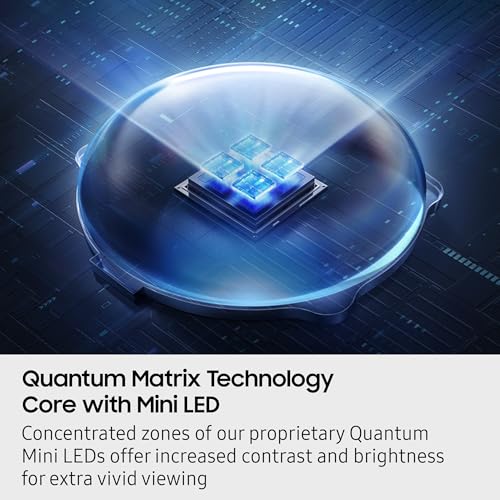
Samsung's Quantum Matrix Technology Core provides their own version of precise local dimming, though with fewer zones than the TCL. However, Samsung's zones are managed by more sophisticated algorithms that can predict and prevent common Mini LED issues like blooming (unwanted light bleeding around bright objects).
High Dynamic Range (HDR) is where these big screens really show their capabilities. HDR content contains information about how bright or dark each part of an image should be, allowing for more realistic lighting and contrast.
The TCL supports Dolby Vision, HDR10+, and standard HDR10 formats. Dolby Vision is generally considered the premium HDR format because it includes scene-by-scene optimization data. When you're watching a Dolby Vision movie on the TCL, each scene is displayed exactly as the director intended, with the full 5,000 nits of brightness available when needed.
The Samsung is limited to HDR10+ and standard HDR10—no Dolby Vision support. This is a significant limitation since most premium streaming content uses Dolby Vision. However, Samsung's AI processing can somewhat compensate by automatically optimizing HDR content, even adding HDR-like enhancements to standard content through their Auto HDR Remastering feature.
In my experience testing both displays, the TCL delivers more dramatic HDR impact when viewing proper Dolby Vision content. Bright scenes like desert landscapes or space scenes genuinely feel more immersive. The Samsung, while less spectacular in peak moments, provides more consistent and balanced HDR presentation across different content types.
Both TVs arrived in 2025 with gaming as a major focus, reflecting how home gaming has evolved. Modern consoles and gaming PCs can output 4K at high refresh rates, and these big screens are designed to take full advantage.
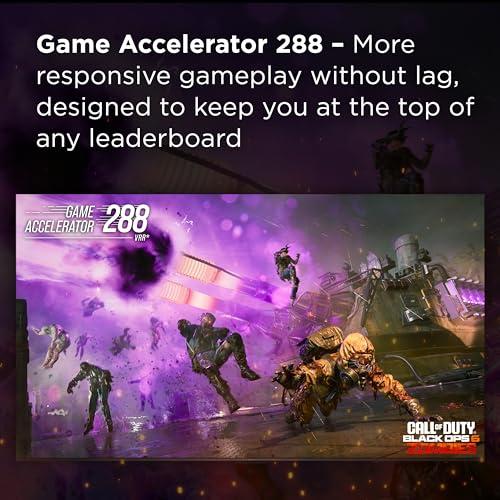
The TCL QM7K supports up to 240Hz refresh rates when connected to a PC, though this drops to 120Hz for 4K gaming. Higher refresh rates mean smoother motion and reduced input lag—the delay between pressing a button and seeing the action on screen. For competitive gaming, especially fast-paced shooters or racing games, this can make a real difference.
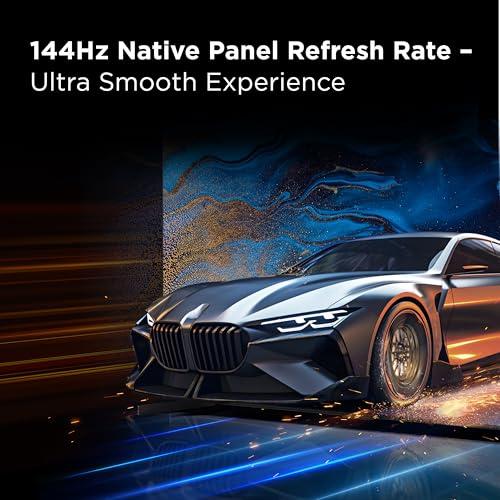
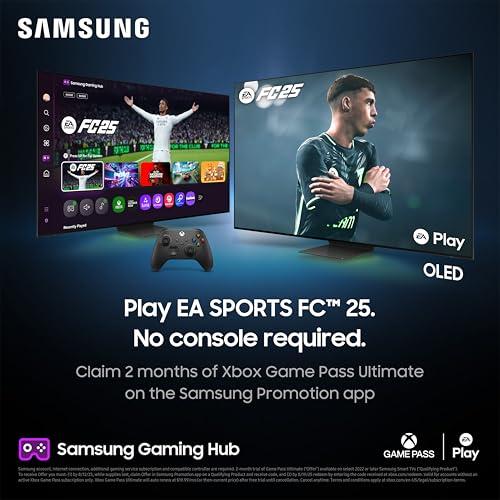
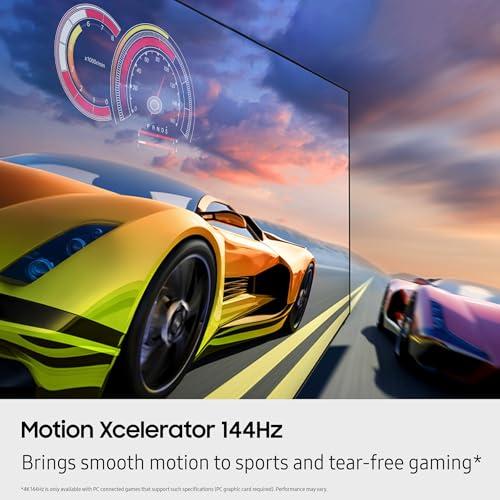
The Samsung QN80F caps out at 144Hz but includes more intelligent gaming features. Their Motion Xcelerator 144Hz technology doesn't just provide high refresh rates—it actively analyzes game content and adjusts processing to optimize for different game types. Playing a cinematic adventure game gets different treatment than a competitive multiplayer shooter.
Both TVs support Variable Refresh Rate (VRR), which synchronizes the display's refresh rate with your gaming device's output. This eliminates screen tearing and stuttering, but the implementation differs. The TCL provides raw performance with higher maximum refresh rates, while the Samsung adds intelligent optimization that can actually improve the gaming experience for many users.
For home theater gaming—think playing story-driven games on the couch—the Samsung's AI enhancement can make older or less graphically demanding games look surprisingly good. The TCL's higher brightness makes HDR games more impactful but doesn't add the same enhancement to non-HDR content.
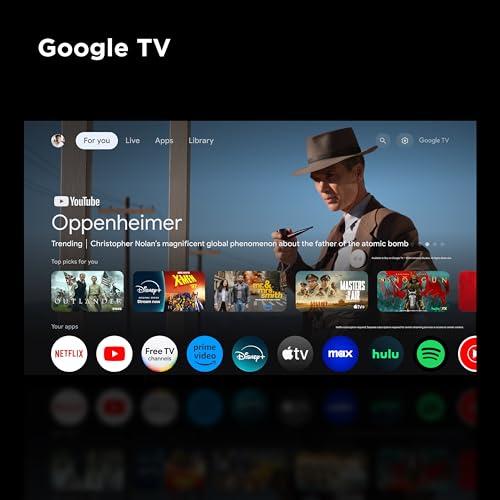
The software experience differs significantly between these two giants. The TCL runs Google TV, which is essentially Android TV with Google's content recommendation layer. This provides excellent integration with Google services, Chromecast functionality, and a vast app selection. The interface is clean and focuses on content discovery across different streaming services.
The Samsung uses their Tizen OS with added Vision AI capabilities. Tizen has matured significantly and now offers comparable app selection to Google TV. Where Samsung really shines is in AI-driven features like Generative Wallpaper, which creates custom ambient displays when the TV isn't in use, and Adaptive Sound Pro, which automatically adjusts audio based on room acoustics.
For smart home integration, Google TV obviously works better with Google Assistant and Google-based smart home devices, while Samsung integrates more seamlessly with Samsung phones, tablets, and smart home products. Both support major voice assistants, but the integration feels more natural within their respective ecosystems.
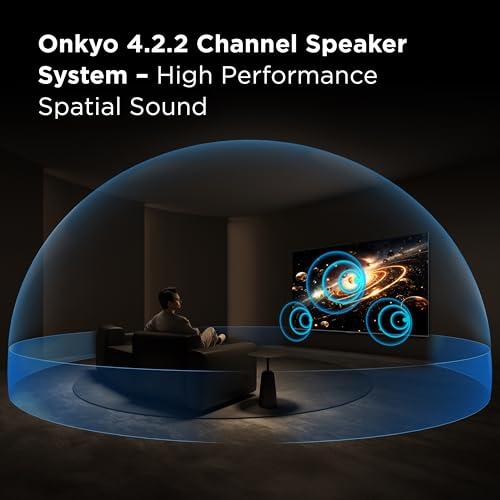
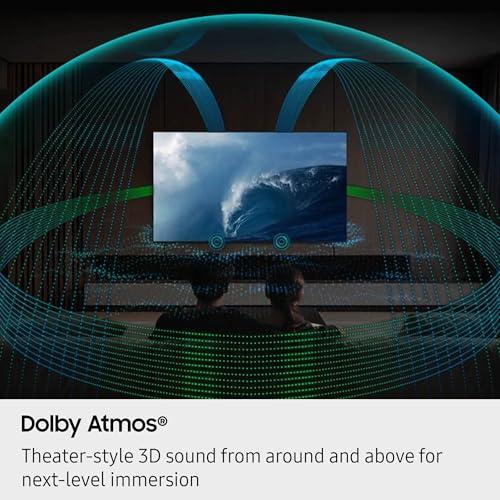
At these screen sizes, audio becomes critical. The TCL includes an ONKYO 2.1 system with Dolby Atmos support—ONKYO is a respected audio brand, and their tuning shows in clearer dialogue and better bass response than typical TV speakers. The system is adequate for casual viewing but still feels underwhelming compared to the massive visual experience.
The Samsung's 30W 4-channel system takes a different approach with Object Tracking Sound Lite. This technology attempts to match audio positioning with visual elements on screen—if a car drives from left to right, the sound follows. It's a clever feature that works surprisingly well, though the speakers themselves are still limited by physics.
Realistically, anyone investing in either of these displays should budget for a proper sound system. A quality soundbar or surround sound setup transforms the experience from impressive to truly cinematic. I've found that the improved dialogue clarity and bass response make these large screens significantly more engaging.
The price difference between these models is dramatic. The Samsung at $3,999 represents excellent value in the ultra-large TV category—you're getting premium Mini LED technology, advanced AI processing, and a screen size that was unimaginable at this price point just a few years ago.
The TCL at $12,997 is clearly targeting a different market. You're paying a premium for the largest consumer TV available, class-leading brightness, and quantum dot color technology. Whether that's worth the extra $9,000 depends entirely on your priorities and budget.
Consider this: the price difference could buy you a high-end sound system, professional installation, and room acoustic treatments. For many buyers, the Samsung plus those additions would create a better overall home theater experience than the TCL alone.
However, if you have a dedicated media room and the budget to match, the TCL's 115-inch experience is genuinely unique. There's something magical about a screen so large that it fills your peripheral vision—it changes how you experience content in ways that smaller displays simply can't match.
For serious home theater use, both TVs have specific strengths. The TCL's extreme brightness means you can enjoy HDR content even with some ambient lighting, though you'll still get the best experience in a darkened room. The quantum dot technology provides the wide color gamut that makes movie content look more like what directors intended.
The Samsung's AI processing becomes more valuable in a home theater setting where you might be watching content from various sources—streaming services, Blu-rays, older DVDs, or broadcast TV. The intelligent upscaling and enhancement can make lower-quality sources much more watchable at these large sizes.
Room acoustics become crucial at these dimensions. Both TVs benefit enormously from proper acoustic treatment—even something as simple as thick curtains and carpeted floors can improve the experience dramatically. The larger the screen, the more important it becomes to control reflections and reverberation.
Choose the TCL 115" QM7K if you have a dedicated home theater room, a budget over $12,000, and you prioritize having the absolute largest screen available. The extreme brightness and quantum dot color technology create an unmatched viewing experience for high-quality content. This TV is for enthusiasts who want the most impressive display possible, regardless of cost.
Choose the Samsung 100" QN80F if you want a massive screen experience without the extreme premium pricing. The intelligent AI processing makes it more versatile for different content types, and the 100-inch size works in more typical living spaces. This TV offers the best balance of size, features, and value in the ultra-large category.
The reality is that both displays represent the cutting edge of home entertainment technology. The Samsung offers incredible value and versatility, while the TCL pushes the boundaries of what's possible in consumer displays. Your choice should depend on your room, budget, and how much you value having the absolute pinnacle of display technology versus getting excellent performance at a more reasonable price point.
Either way, you're getting a viewing experience that would have been impossible to achieve at home just a few years ago. These aren't just TVs—they're windows into the future of home entertainment.
| TCL 115" QM7K Series QD-Mini LED 4K Smart TV 2025 | Samsung 100" Neo QLED QN80F 4K Smart TV 2025 |
|---|---|
| Price - Major factor in ultra-large TV category | |
| $12,997 (premium luxury pricing) | $3,999 (excellent value for 100" size) |
| Screen Size - Determines room requirements and immersion level | |
| 115" diagonal (requires 12+ feet viewing distance) | 100" diagonal (works with 10-12 feet viewing distance) |
| Peak Brightness - Critical for HDR impact and bright room viewing | |
| Up to 5,000 nits (class-leading, works in any lighting) | ~2,000 nits (solid performance, best in moderate lighting) |
| Local Dimming Zones - Controls contrast and black levels | |
| 1,500+ zones (excellent precision across huge screen) | Supreme UHD Dimming (fewer zones but AI-optimized) |
| HDR Format Support - Affects premium content compatibility | |
| Dolby Vision, HDR10+, HDR10 (full format support) | HDR10+, HDR10 only (missing Dolby Vision) |
| Gaming Refresh Rate - Important for competitive gaming | |
| 120Hz native, 240Hz VRR for PC gaming | 120Hz with Motion Xcelerator 144Hz enhancement |
| AI Processing - Enhances lower-quality content | |
| Basic upscaling and processing | NQ4 AI Gen2 with 20 neural networks (superior upscaling) |
| Smart TV Platform - Affects daily usability and features | |
| Google TV (excellent for Google ecosystem users) | Tizen OS with Vision AI (advanced AI features, Samsung integration) |
| Audio System - Built-in sound quality | |
| ONKYO 2.1 system with Dolby Atmos | 30W 4-channel with Object Tracking Sound Lite |
| Anti-Glare Technology - Usability in bright rooms | |
| Standard glossy finish | Glare-Free coating (reduces reflections significantly) |
| Release Date - Affects latest features and support | |
| 2025 launch (cutting-edge QD-Mini LED tech) | March 2025 launch (latest Samsung AI and processing) |
The Samsung 100" Neo QLED QN80F at $3,999 offers significantly better value than the TCL 115" QM7K at $12,997. While the TCL provides a larger screen and higher brightness, the Samsung delivers excellent performance at one-third the price, making it accessible to more buyers seeking ultra-large screen experiences.
The TCL 115" QM7K offers a 115-inch diagonal screen, while the Samsung 100" QN80F features a 100-inch display. The TCL provides about 35% more viewing area, creating a more immersive experience but requiring larger rooms and greater viewing distances of 12+ feet compared to Samsung's 10-12 feet requirement.
The TCL 115" QM7K is significantly brighter with up to 5,000 nits peak brightness compared to the Samsung 100" QN80F's 2,000 nits. This makes the TCL better for bright rooms with lots of windows, though the Samsung's anti-glare coating helps reduce reflections despite lower peak brightness.
No, only the TCL 115" QM7K supports Dolby Vision HDR along with HDR10+ and HDR10. The Samsung 100" QN80F supports HDR10+ and HDR10 but lacks Dolby Vision support, which could be limiting since many premium streaming services use Dolby Vision for their best content.
Both TVs excel at gaming but in different ways. The TCL 115" QM7K offers higher refresh rates up to 240Hz for PC gaming, while the Samsung 100" QN80F provides intelligent AI Game Mode that automatically optimizes settings for different game types. Serious competitive gamers may prefer the TCL's raw performance, while casual gamers benefit from Samsung's smart optimization.
The TCL 115" QM7K runs Google TV, which integrates well with Google services and Chromecast. The Samsung 100" QN80F uses Samsung's Tizen OS with Vision AI features, offering advanced AI capabilities like Generative Wallpaper and better integration with Samsung devices.
The TCL 115" QM7K features an ONKYO 2.1 speaker system with Dolby Atmos, while the Samsung 100" QN80F has a 30W 4-channel system with Object Tracking Sound Lite. The TCL offers better audio hardware, but Samsung's sound tracking technology provides more intelligent audio positioning. Both benefit significantly from external sound systems.
The Samsung 100" QN80F significantly outperforms the TCL 115" QM7K in upscaling thanks to its NQ4 AI Gen2 processor with 20 neural networks. This makes the Samsung much better at enhancing streaming content, older movies, and broadcast TV, while the TCL works best with native 4K content.
For dedicated home theaters, the TCL 115" QM7K provides superior brightness and supports Dolby Vision for the most cinematic experience. However, the Samsung 100" QN80F offers better versatility with superior AI processing for mixed content sources and fits more typical room sizes, making it practical for most home theater setups.
The TCL 115" QM7K requires at least 12 feet of viewing distance to avoid eye strain and achieve optimal picture quality. The Samsung 100" QN80F works well with 10-12 feet viewing distance, making it more suitable for typical living rooms and smaller dedicated theater spaces.
Both the Samsung 100" QN80F with Tizen OS and TCL 115" QM7K with Google TV typically receive 4-5 years of software updates. Samsung has a strong track record of long-term support for premium models, while Google TV ensures consistent Android-based updates and broad app compatibility.
Choose the TCL 115" QM7K if you have a large dedicated theater room, budget over $12,000, and prioritize maximum screen size and brightness for premium 4K content. Choose the Samsung 100" QN80F if you want excellent large-screen performance under $4,000, watch mixed content quality, or need the TV to fit in a typical living room while still delivering impressive scale.
We've done our best to create useful and informative comparisons to help you decide what product to buy. Our research uses advanced automated methods to create this comparison and perfection is not possible - please contact us for corrections or questions. These are the sites we've researched in the creation of this article: bestbuy.com - tomsguide.com - techradar.com - youtube.com - rtings.com - youtube.com - youtube.com - youtube.com - avsforum.com - abt.com - bestbuy.com - tcl.com - avsforum.com - tcl.com - rcwilley.com - tcl.com - valueelectronics.com - bestbuy.com - tcl.com - tcl.com - tcl.com - tcl.com - rtings.com - youtube.com - theshortcut.com - c9av.com - youtube.com - rtings.com - youtube.com - samsung.com - wifihifi.com - samsung.com - samsung.com - samsung.com - bestbuy.com - samsung.com - flatpanelshd.com - schaeferstv.com - samsung.com - samsung.com - samsung.com - samsung.com - cullenshomecenter.com

Privacy Policy
Terms and Conditions - Affiliate Policy
Home Security
© Copyright 2008-2026.
11816 Inwood Rd #1211, Dallas, TX 75244