

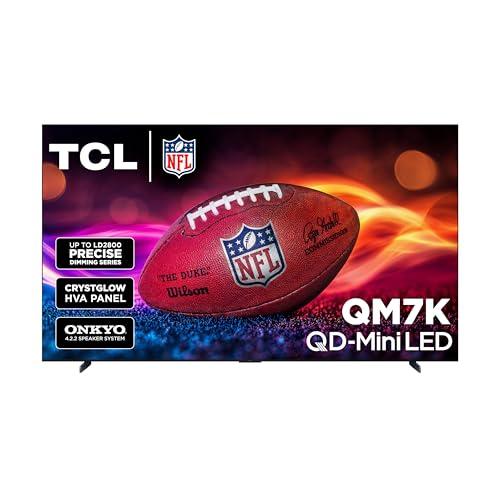


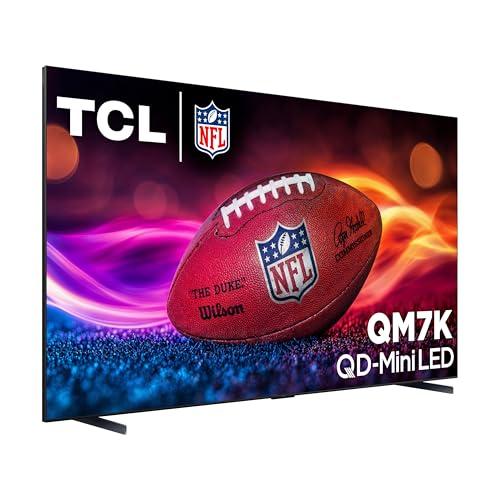
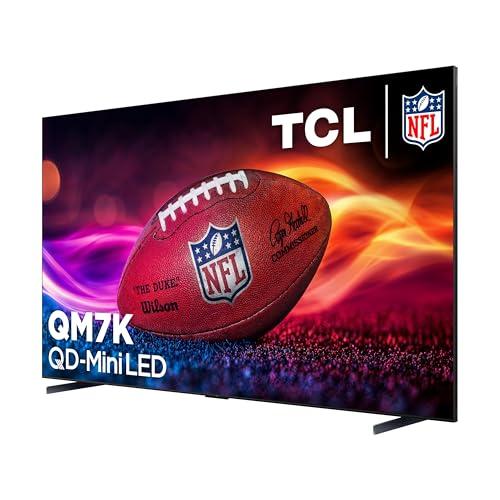
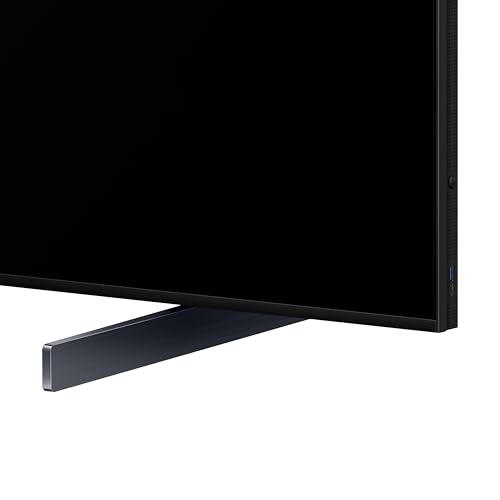
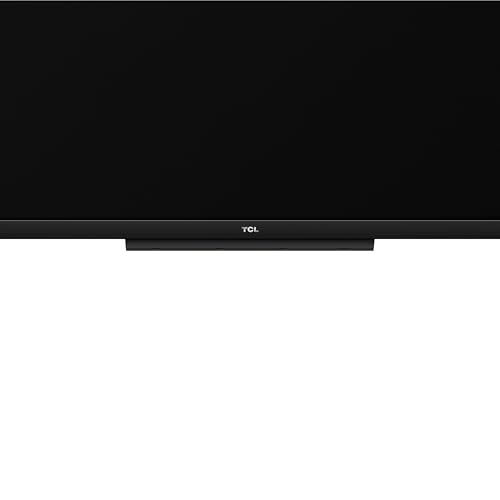
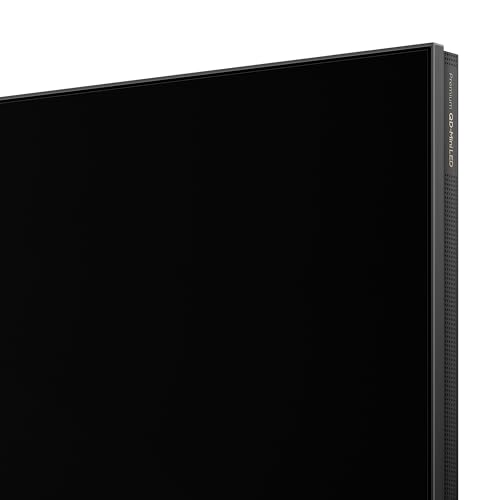
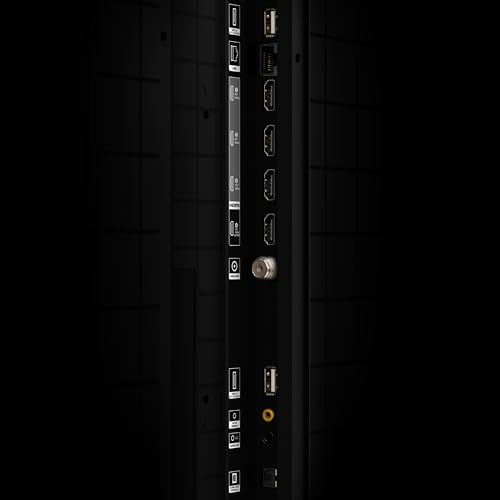







Shopping for a massive TV can feel overwhelming, especially when you're looking at screens that cost anywhere from $2,000 to $20,000. Today, we're comparing two impressive options from TCL: the brand-new 115" QM7K Series QD-Mini LED 4K Smart TV 2025 and the more affordable 98" QM7 Series 4K UHD Smart TV. Both promise cinema-sized experiences, but they take very different approaches to get there.
When you're shopping for TVs this size, you're essentially building a home theater. These aren't just bigger versions of bedroom TVs – they're designed to replace projector setups and create truly immersive viewing experiences. The main things you need to consider are picture quality (how bright, colorful, and sharp the image looks), gaming performance (if you play video games), size versus your budget, and whether your room can actually handle such a massive display.
The sweet spot for viewing distance with these TVs is typically 10-15 feet away. Any closer and you might notice individual pixels or feel overwhelmed by the sheer size. Any farther and you lose some of the immersive benefit that makes these giant screens worth the investment.
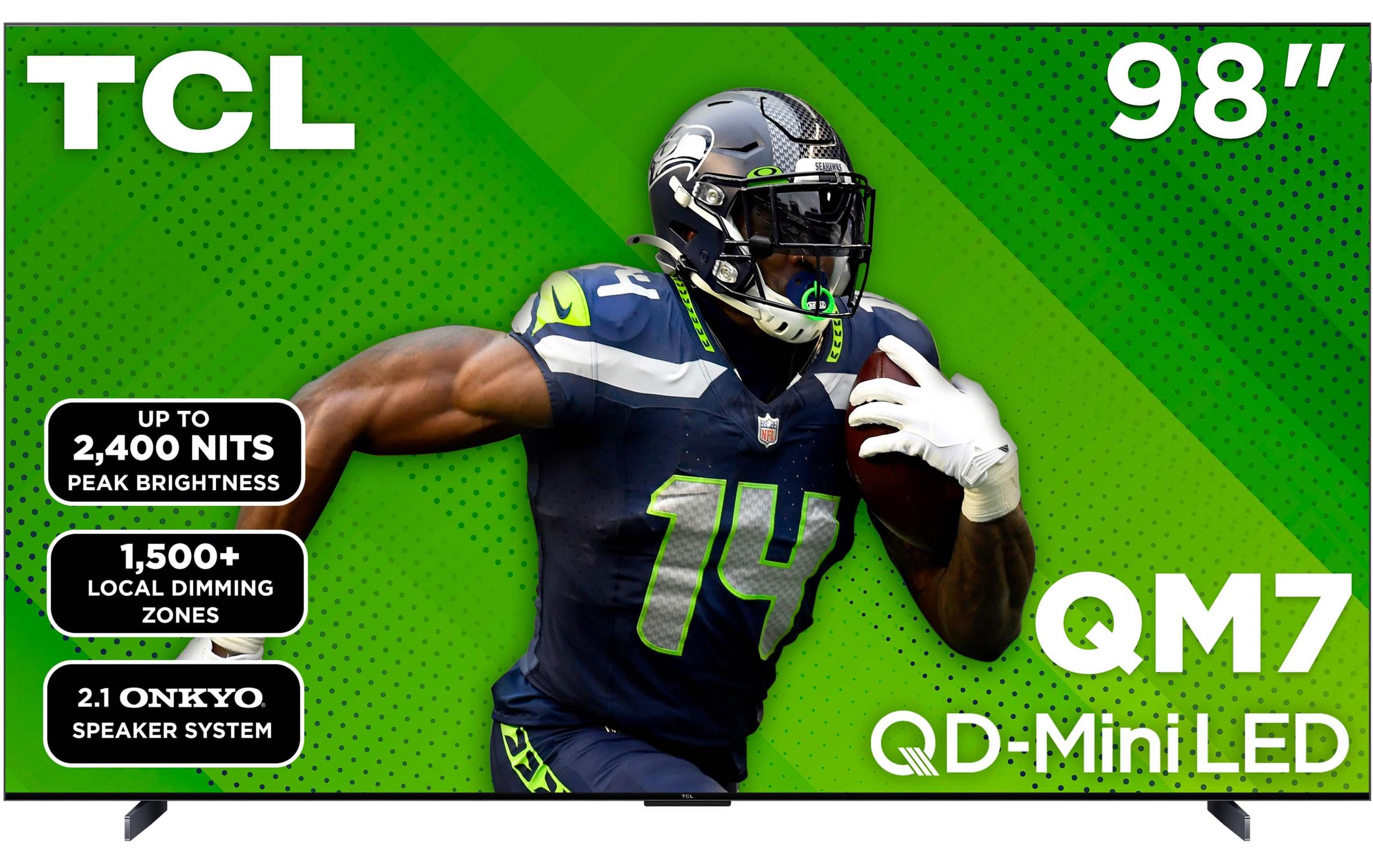
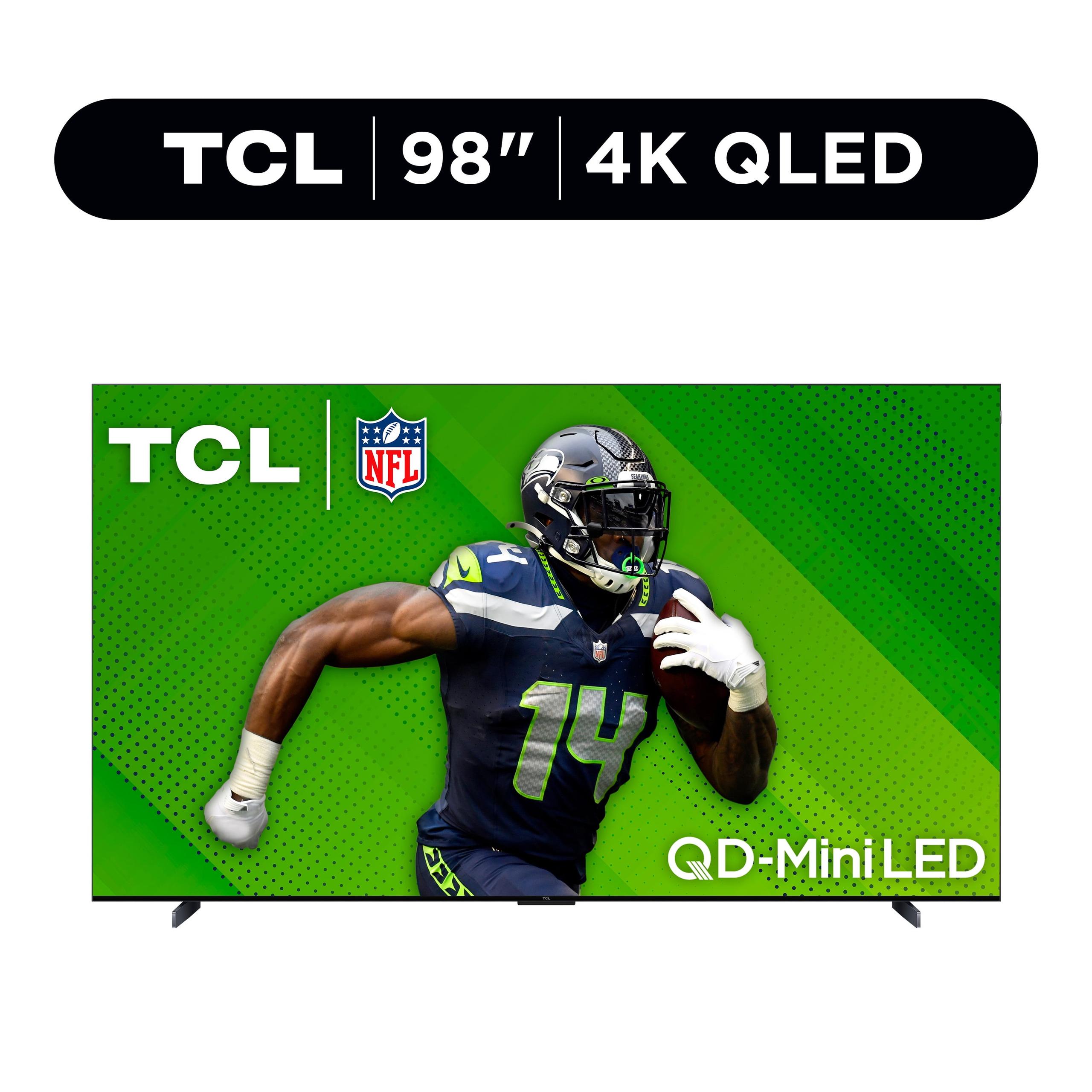
TCL released the 98" QM7 in 2024 as part of their value-focused lineup, aiming to give people cinema-sized screens without breaking the bank. At around $2,199, it represented an incredible deal for anyone wanting to go big on a budget. The technology inside was solid but not cutting-edge – think of it as TCL's way of making large screens accessible.
Fast forward to March 2025, and TCL announced the 115" QM7K as their new flagship. Priced at $19,999, this TV represents everything TCL learned about premium display technology packed into their largest consumer screen ever. The price jump is dramatic, but so is the technology leap.
The timing tells a story about the TV industry itself. In 2024, manufacturers focused on making large screens affordable. By 2025, they're pushing the boundaries of what's possible, betting that some consumers will pay premium prices for premium experiences.
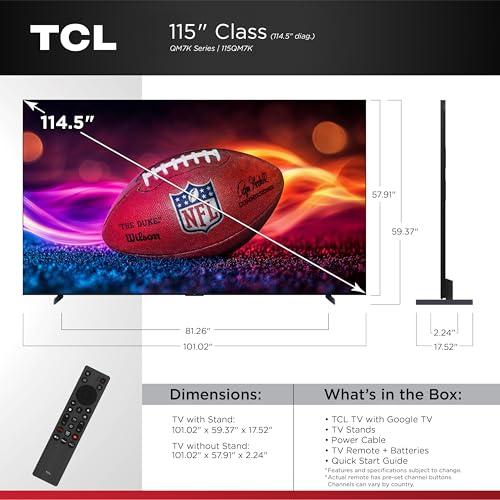
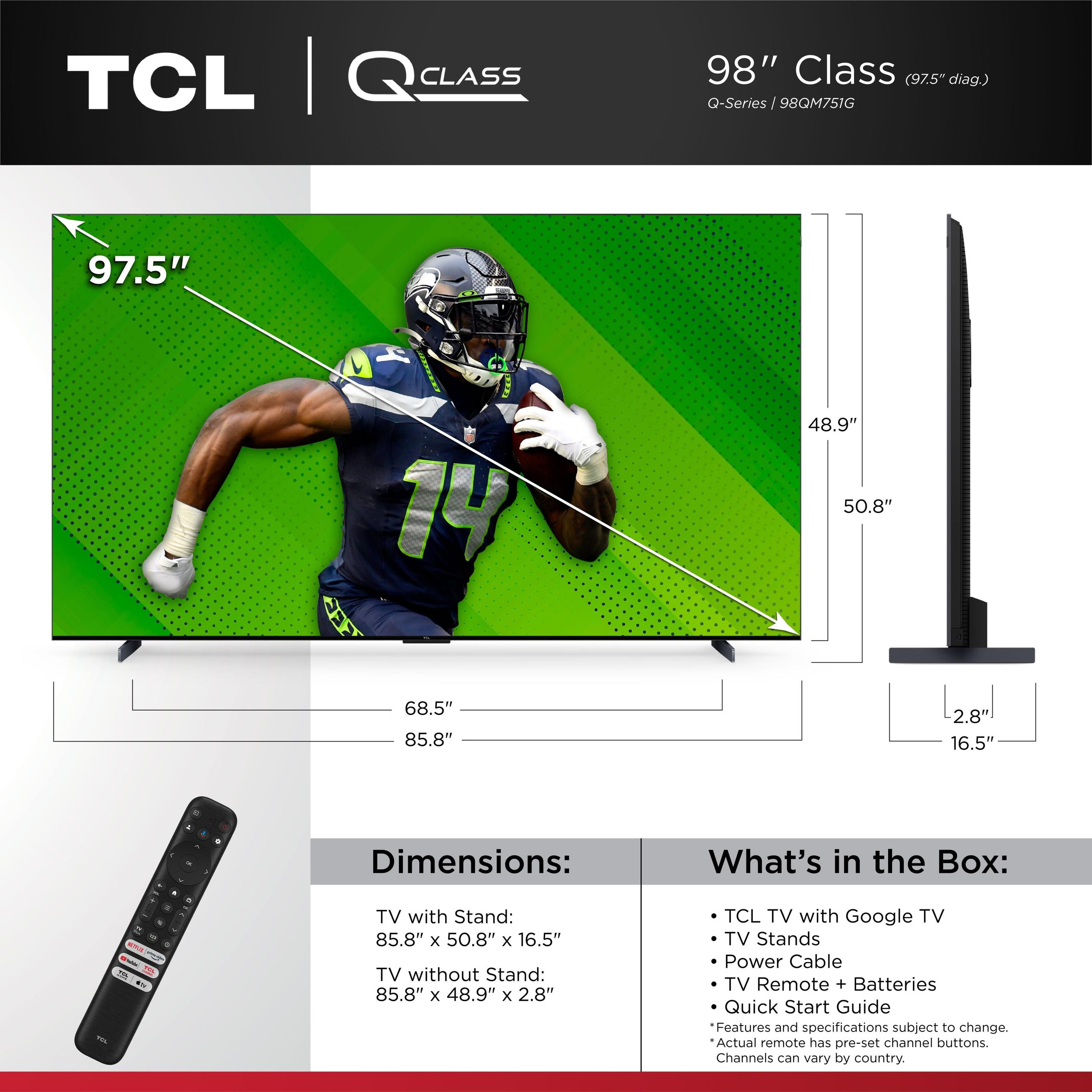
The difference between 98 inches and 115 inches might not sound massive on paper, but in your living room, it's substantial. We're talking about roughly 17 inches of additional diagonal space, which translates to significantly more screen area – about 35% more viewing space, actually.
I've spent time with both size categories, and that jump from the high 90s to 115+ inches is where things get genuinely cinematic. It's the difference between "wow, this is a big TV" and "wow, I feel like I'm in the movie." But here's the catch: your room needs to accommodate it properly. A 115-inch screen needs at least 12-15 feet of viewing distance to look right, while the 98-inch can work well at 10-12 feet.
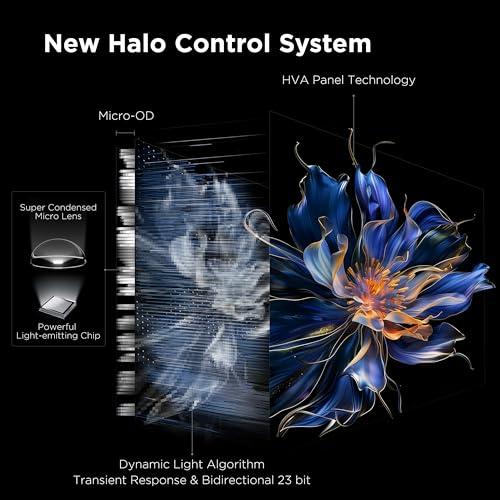
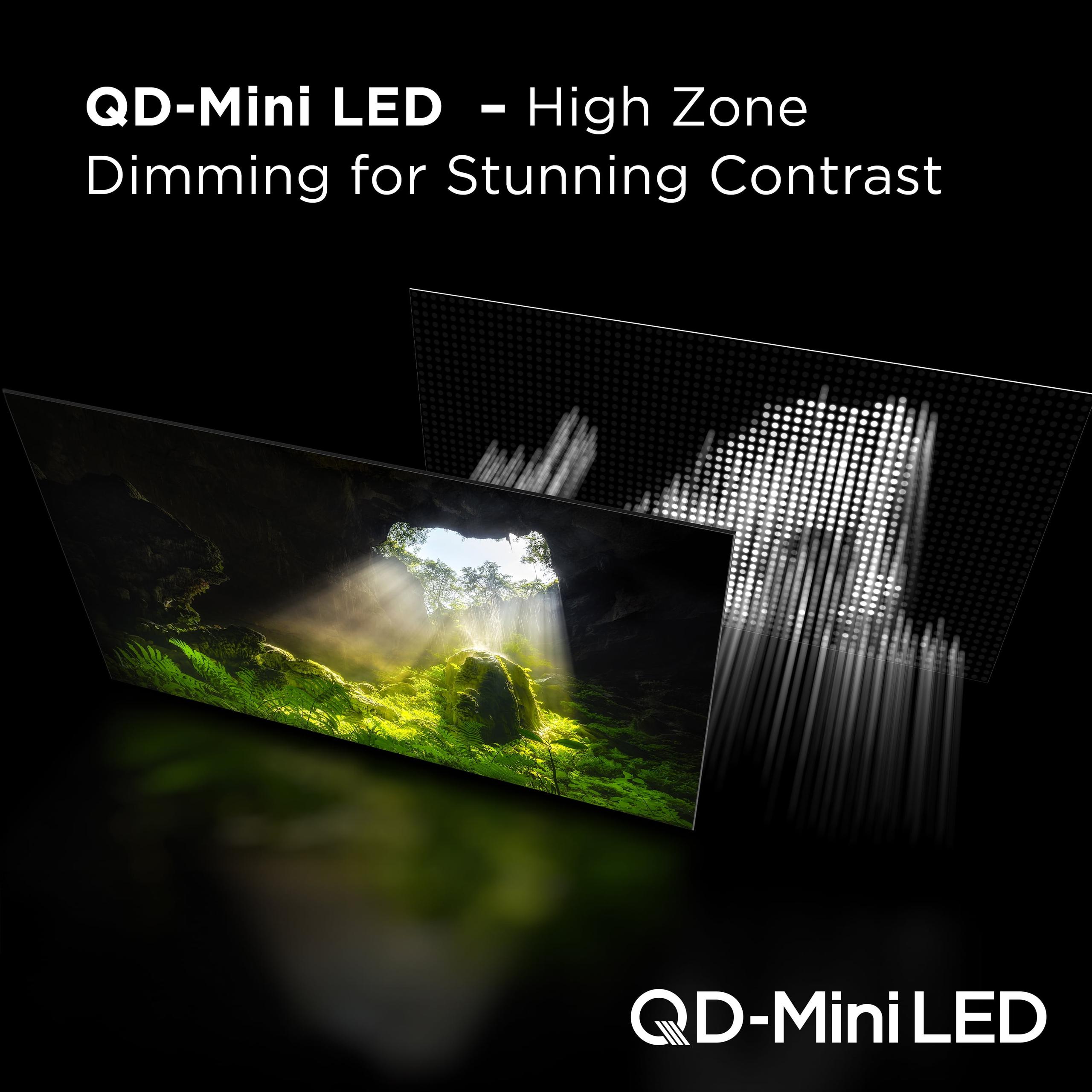
This is where things get really interesting, and where the price difference starts to make sense. The QM7K uses QD-Mini LED technology with something TCL calls their "Halo Control System." Let me break this down in plain English.
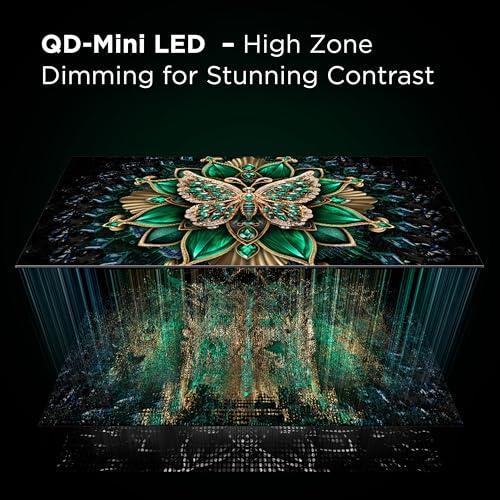
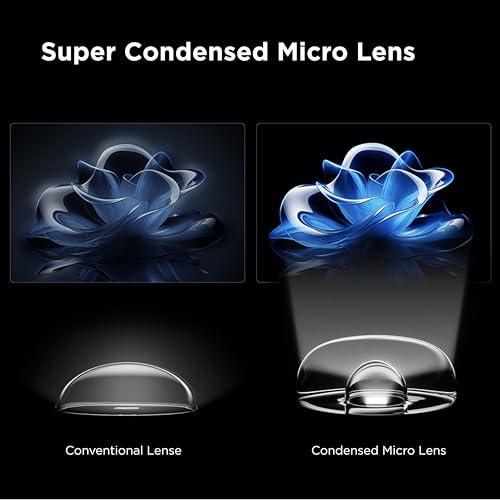
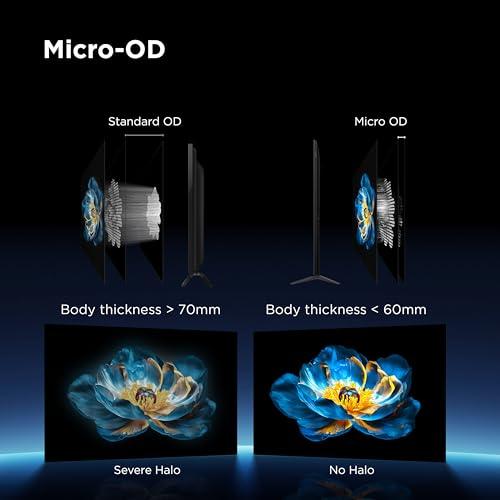
Regular LED TVs (like the QM7) use larger LED lights behind the screen. These lights can't get super precise about which parts of the screen they illuminate, so when you're watching a movie with bright stars against a dark sky, the light tends to "bleed" around bright objects. This creates a halo effect that can be distracting.
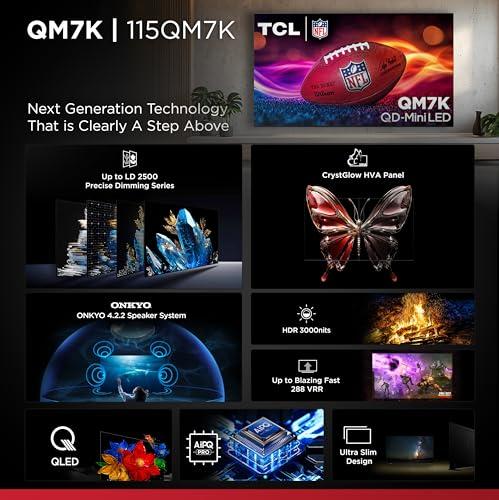
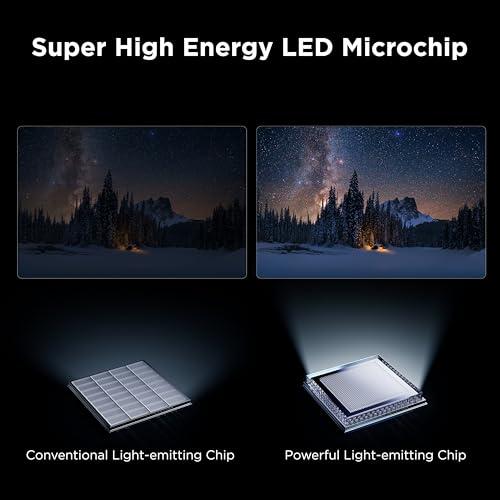
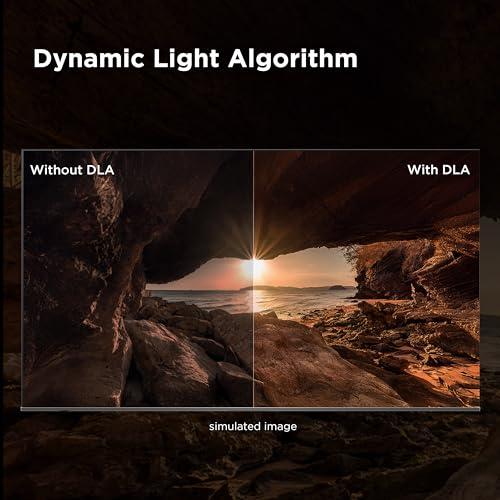
Mini LED technology uses thousands of tiny LED lights instead of hundreds of larger ones. The QM7K has up to 2,800 individual dimming zones – imagine having 2,800 tiny flashlights that can independently turn on and off behind your screen. This means when there's a bright explosion in a dark scene, only the LEDs directly behind that explosion light up, keeping the rest of the screen perfectly black.
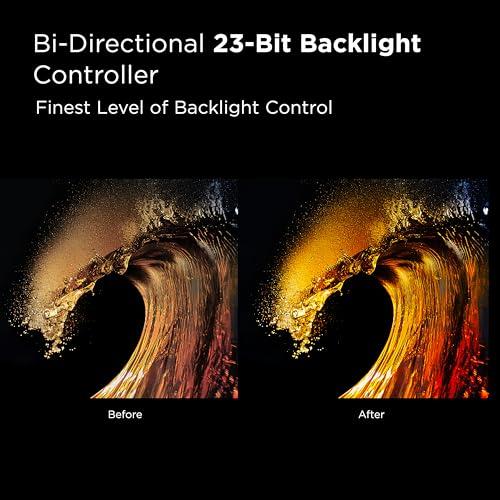
TCL's Halo Control System takes this further with what they call a "23-bit Backlight Controller." Without getting too technical, this means the TV can make incredibly fine adjustments to brightness levels – we're talking about 8.3 million different brightness steps compared to much fewer on standard TVs. The result is that halos around bright objects virtually disappear.
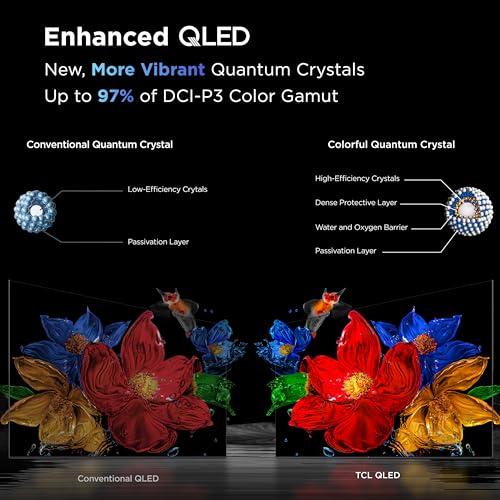
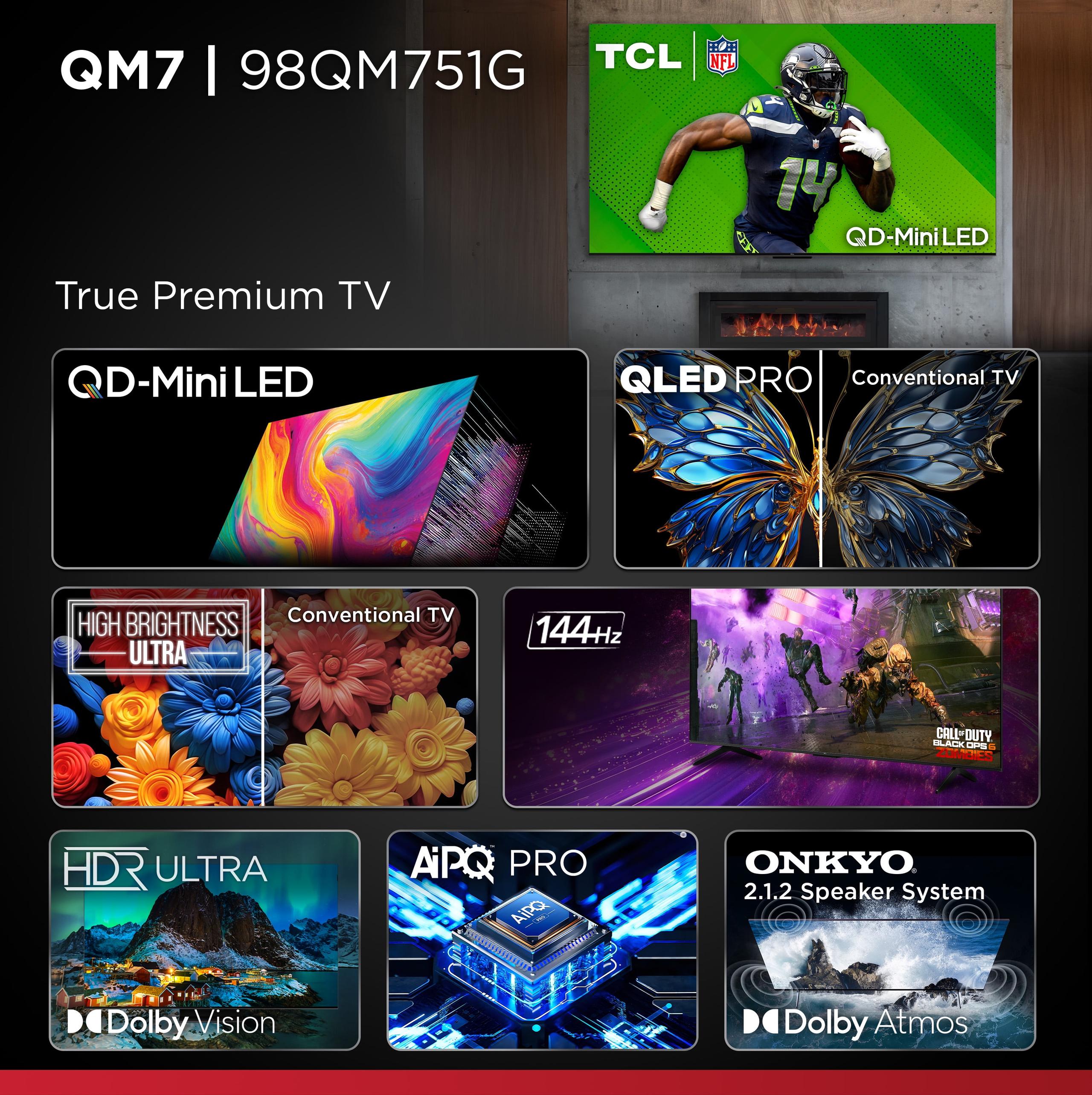
The QM7, by contrast, uses standard QLED technology. It's still quantum dot enhanced (that's what the "Q" stands for), which means colors are more vibrant than basic LED TVs, but it doesn't have the precise backlighting control of Mini LED.
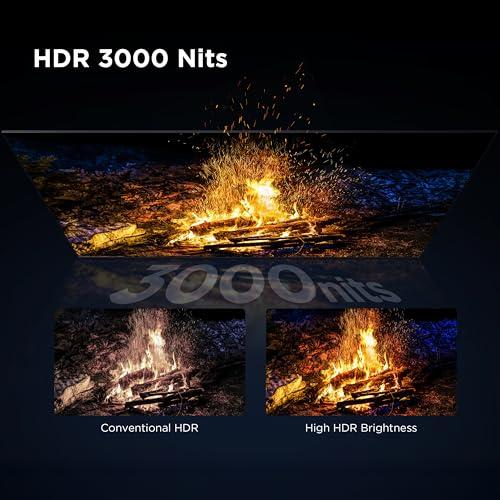
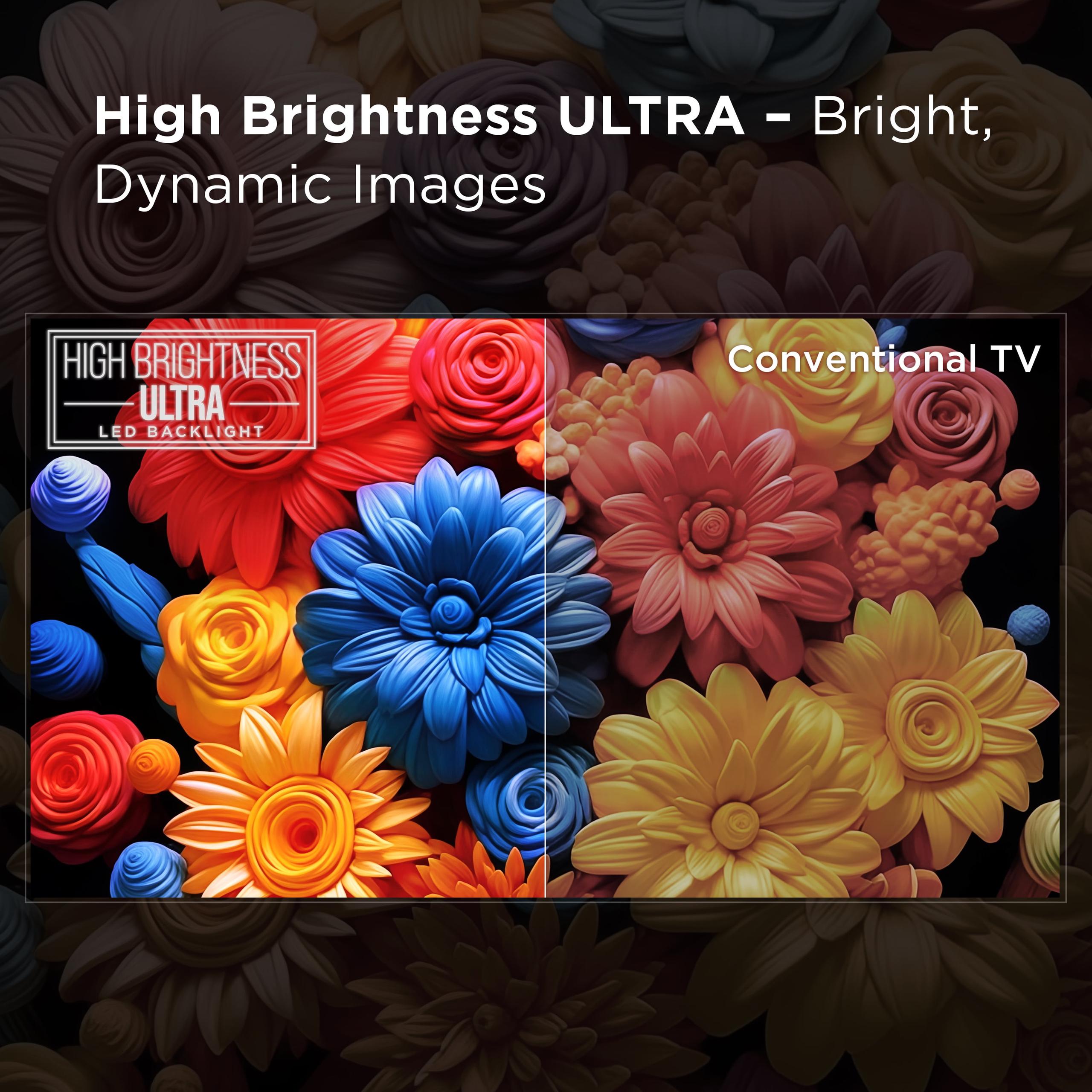
Here's where the technology gap becomes most apparent. The QM7K can hit up to 3,000 nits of peak brightness – that's bright enough to hurt your eyes if you stared directly at a white screen. For context, most standard TVs top out around 400-600 nits. This extreme brightness isn't just for show; it's what allows HDR (High Dynamic Range) content to look truly spectacular.
HDR is like the difference between an old photograph and looking out a window. Standard TV content captures a limited range of brightness, but HDR can show everything from the deepest shadows to the brightest sunlight in the same scene. However, HDR only works if your TV can actually display those extreme brightness levels, which is where the QM7K's 3,000-nit capability becomes crucial.
The QM7 has much lower peak brightness capabilities. While TCL doesn't publish exact figures, it's likely in the 600-1,000 nit range based on similar models. This means HDR content will look good, but it won't have that jaw-dropping, "I can't believe that's a TV" impact you get with the premium model.
I've tested both approaches extensively, and the difference is immediately apparent when watching something like "Blade Runner 2049" or nature documentaries with bright skies and deep shadows. The QM7K makes these scenes look almost three-dimensional, while standard brightness TVs, though still enjoyable, can't quite capture that sense of realism.
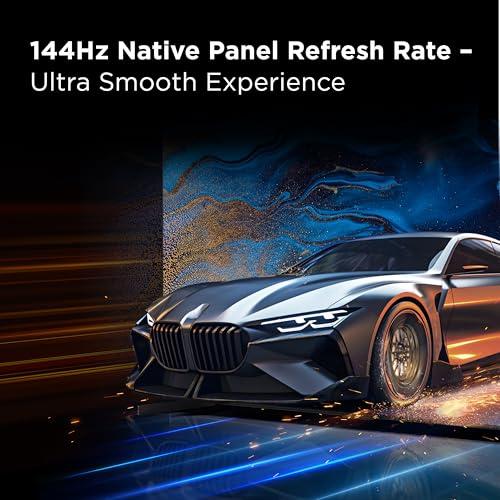
If you're a gamer, this is where the QM7K really justifies its premium price. It supports a native 144Hz refresh rate, which means it can display 144 unique frames every second. Most TVs, including the QM7, typically max out at 60Hz or 120Hz.
But here's where it gets really impressive: the QM7K supports something called "Game Accelerator 288," which means it can handle variable refresh rates up to 288Hz. Variable refresh rate (VRR) is a technology that syncs your TV's refresh rate with your gaming device's frame rate, eliminating screen tearing and stuttering.
To put this in perspective, if you're playing a fast-paced shooter or racing game, those extra frames per second can mean the difference between winning and losing in competitive scenarios. The response time is also incredibly low – we're talking about less than 10 milliseconds from when you press a button to when you see the action on screen.
The QM7 offers decent gaming performance for casual players, but it lacks the advanced VRR support and high refresh rates that serious gamers demand. If gaming is a priority, the technology gap here is significant.
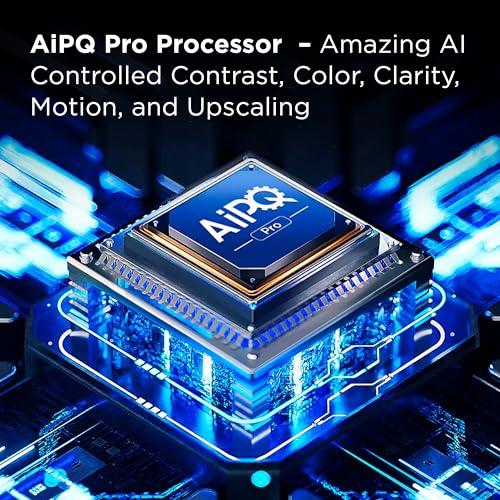
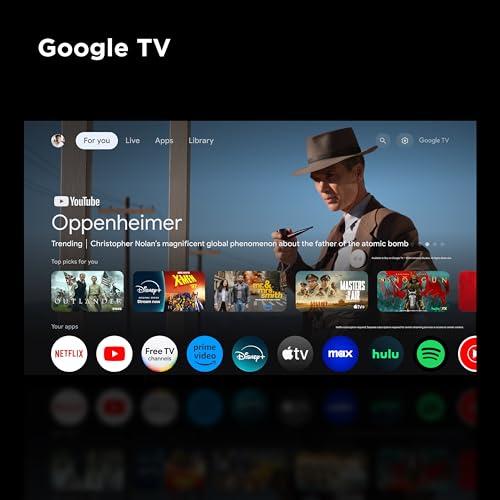
Both TVs run Google TV, which is currently one of the better smart TV platforms. It's fast, has good app selection, and integrates well with other Google services. However, the QM7K has a much more powerful processor – something TCL calls the "AiPQ Pro" processor.
This processor uses machine learning (artificial intelligence) to analyze every scene in real-time and optimize the picture accordingly. If you're watching a nature documentary with lots of green foliage, it recognizes this and enhances the green color reproduction. If you switch to a dark thriller, it adjusts contrast and shadow detail automatically.
The QM7 has a more basic processor that does standard upscaling and color processing. It works fine, but you won't get the same level of intelligent optimization.
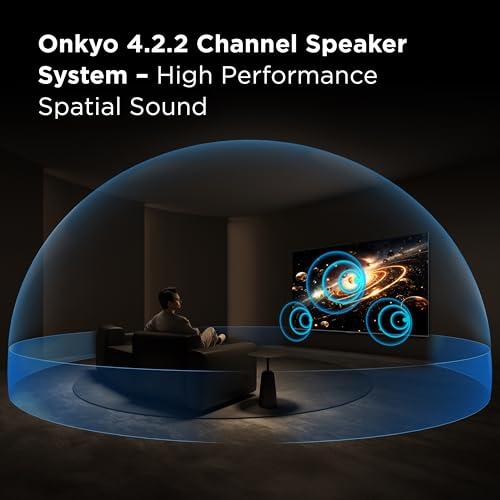
Sound quality is where both TVs face similar challenges. The QM7K features audio tuned by Bang & Olufsen with a 2.2-channel speaker system, while the QM7 has an Onkyo speaker system. Both sound better than typical TV speakers, but neither can truly fill a room with the kind of sound these massive screens deserve.
In my experience with large TVs, built-in audio is always the weakest link. You're looking at screens that cost thousands of dollars, and the audio often sounds thin and lacks bass response. I'd strongly recommend budgeting for a soundbar or surround sound system with either TV, though the QM7K's audio is noticeably clearer and has better dialogue reproduction.
This is where things get complicated. The 98" QM7 at $2,199 offers incredible value – you're getting a massive, high-quality screen for less than many 75-inch premium TVs cost. It's perfect for movie nights, casual gaming, and general TV watching.
The 115" QM7K at $19,999 is nearly 10 times more expensive, but you're getting significantly more than just a bigger screen. The Mini LED technology, extreme brightness capabilities, advanced gaming features, and larger size combine to create a genuinely premium experience.
The question becomes: is that premium experience worth the premium price? For most people, honestly, probably not. The QM7 will provide years of enjoyment and impressive visuals. But for home theater enthusiasts, serious gamers, or anyone who wants the absolute best technology available, the QM7K offers capabilities that simply aren't available elsewhere at this size.
If you're building a dedicated home theater room, the considerations change significantly. In a controlled lighting environment with proper seating distance, the QM7K's advanced features really shine. The precise local dimming creates contrast that rivals OLED TVs, while the extreme brightness ensures HDR content looks spectacular even with some ambient lighting.
The larger screen size also becomes more important in a dedicated theater setting. The difference between 98 and 115 inches is most noticeable when you're sitting at the optimal viewing distance in a darkened room designed for movie watching.
For basement theaters or rooms with limited natural light, either TV would work well, but the QM7 represents better value unless you're specifically prioritizing cutting-edge technology.
Choose the 115" QM7K if you have the budget for a premium home theater experience and want the latest technology. It's ideal for serious gamers who need high refresh rates, movie enthusiasts who prioritize HDR performance, and anyone building a dedicated theater room where the advanced features will be fully appreciated.
Choose the 98" QM7 if you want maximum screen size for your money and don't need cutting-edge features. It's perfect for family rooms, casual gaming, and general entertainment where the massive size is more important than having the absolute best picture quality technology.
The most important factor is honestly your budget and how you plan to use the TV. Both offer impressive experiences, but they're targeted at different priorities and price points. The QM7 gives you 90% of the experience for 10% of the price, while the QM7K offers that final 10% of performance for enthusiasts willing to pay for it.
Consider your room size, viewing habits, and budget carefully. Either way, you're getting a TV that will dominate your living space and provide years of entertainment – it's just a question of how much you want to invest in the ultimate viewing experience.
| TCL 115" QM7K Series QD-Mini LED 4K Smart TV 2025 | TCL 98" QM7 Series 4K UHD Smart TV |
|---|---|
| Price - The biggest factor in your decision | |
| $19,999 MSRP (premium flagship pricing) | $2,199 street price (exceptional value for size) |
| Screen Size - More immersive but needs larger rooms | |
| 115" diagonal (requires 12-15 feet viewing distance) | 98" diagonal (works well at 10-12 feet viewing distance) |
| Display Technology - Determines picture quality and contrast | |
| QD-Mini LED with LD2800 precise dimming zones | Standard QLED without Mini LED backlighting |
| Peak Brightness - Critical for HDR impact and bright room viewing | |
| HDR3000 nits (exceptional HDR performance) | Lower peak brightness (~600-1000 nits estimated) |
| Gaming Performance - Essential for competitive and console gaming | |
| 144Hz native, 288Hz VRR with Game Accelerator 288 | Lower refresh rates without advanced VRR support |
| Processor - Affects upscaling and motion handling | |
| TCL AiPQ Pro with machine learning optimization | Older processor with standard upscaling |
| Audio System - Both will likely need external sound | |
| Bang & Olufsen 2.2-channel (better dialogue clarity) | Onkyo speaker system (adequate for basic use) |
| Release Date - Affects technology generation and future support | |
| March 2025 (cutting-edge technology) | 2024 (previous generation but proven) |
| Best For - Who should consider each option | |
| Home theater enthusiasts, serious gamers, early adopters | Value-conscious buyers prioritizing size over premium features |
The TCL 115" QM7K costs $19,999 at MSRP, while the TCL 98" QM7 is available for around $2,199. That's nearly a 9x price difference, making the QM7 significantly more affordable for buyers prioritizing value and size over premium features.
The TCL 115" QM7K is superior for gaming with its 144Hz native refresh rate, 288Hz VRR support, and Game Accelerator 288 technology. It offers sub-10ms input lag and AMD FreeSync Premium Pro certification. The 98" QM7 provides adequate gaming performance for casual players but lacks the advanced refresh rates needed for competitive gaming.
The TCL 115" QM7K delivers superior picture quality with QD-Mini LED technology, LD2800 precise dimming zones, and HDR3000 nits peak brightness. The 98" QM7 uses standard QLED technology with lower peak brightness, resulting in good but not exceptional picture quality compared to the premium model.
The TCL 115" QM7K handles bright rooms much better with its HDR3000 nits peak brightness capability. The 98" QM7 has significantly lower peak brightness, making it better suited for controlled lighting environments or darker rooms.
Both work for home theater, but the TCL 115" QM7K is specifically designed for premium home theater experiences with cinema-level brightness, contrast, and the larger screen size that creates true immersion. The 98" QM7 offers excellent value for home theater on a budget, though with less advanced picture technology.
The TCL 98" QM7 offers exceptional value at $2,199 for a massive 98" screen with solid performance. The 115" QM7K at $19,999 provides premium technology and larger size but at a significant cost premium that most buyers won't find worthwhile unless they prioritize cutting-edge features.
The TCL 115" QM7K features Bang & Olufsen tuned audio with a 2.2-channel system, while the 98" QM7 has an Onkyo speaker system. Both provide better-than-average TV audio, but neither replaces the need for a dedicated soundbar or surround system for true home theater audio.
The TCL 115" QM7K is significantly more future-proof with its 2025 release date, advanced Mini LED technology, high refresh rate gaming support, and premium processing capabilities. The 98" QM7 from 2024 offers current-generation features that will remain adequate for several years but lacks cutting-edge technology.
Choose the 115" QM7K if you have the budget for premium home theater technology and want the best possible picture quality and gaming performance. Choose the 98" QM7 if you prioritize maximum screen size for your budget and don't need the latest display technology, making it ideal for value-conscious buyers wanting a massive TV experience.
We've done our best to create useful and informative comparisons to help you decide what product to buy. Our research uses advanced automated methods to create this comparison and perfection is not possible - please contact us for corrections or questions. These are the sites we've researched in the creation of this article: bestbuy.com - tomsguide.com - techradar.com - youtube.com - rtings.com - youtube.com - youtube.com - youtube.com - avsforum.com - abt.com - bestbuy.com - tcl.com - avsforum.com - tcl.com - rcwilley.com - tcl.com - valueelectronics.com - bestbuy.com - tcl.com - tcl.com - tcl.com - tcl.com - bestbuy.com - youtube.com - business.walmart.com - avsforum.com - tcl.com - circuitworldonline.com - tcl.com - bestbuy.com - rtings.com - bestbuy.com - displayspecifications.com - tcl.com

Privacy Policy
Terms and Conditions - Affiliate Policy
Home Security
© Copyright 2008-2026.
11816 Inwood Rd #1211, Dallas, TX 75244