

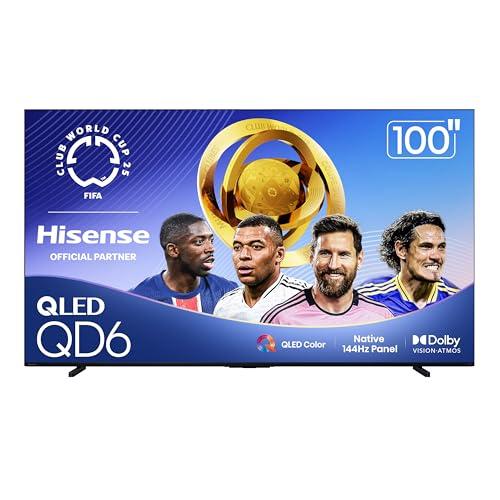
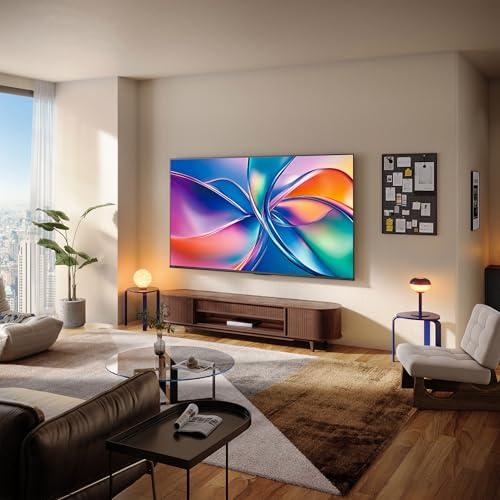
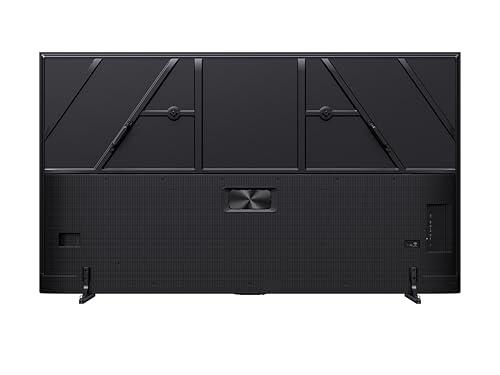
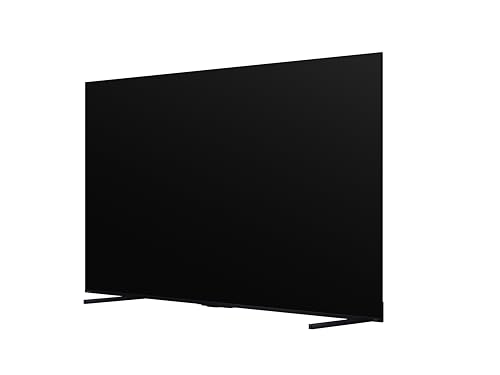
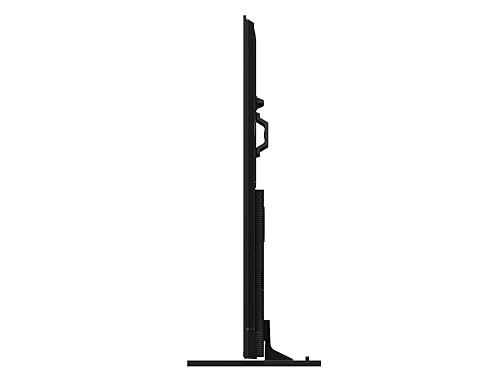
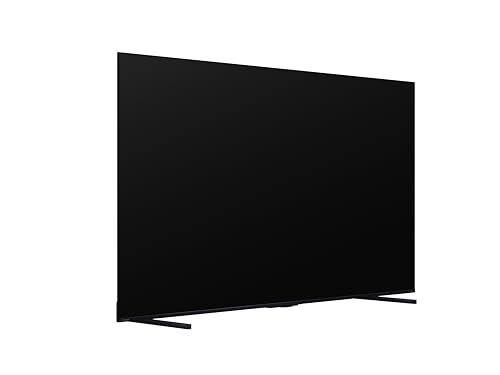
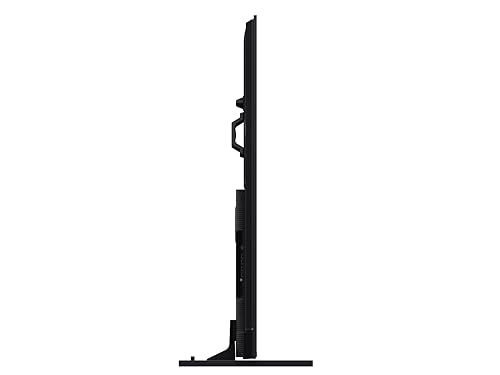
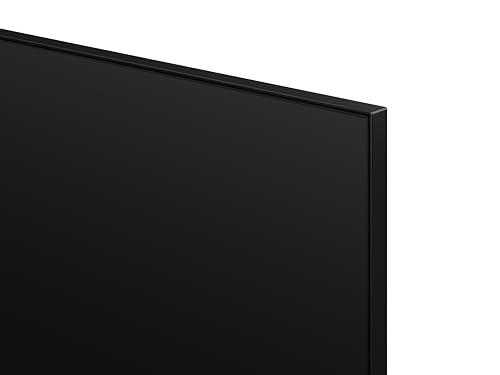
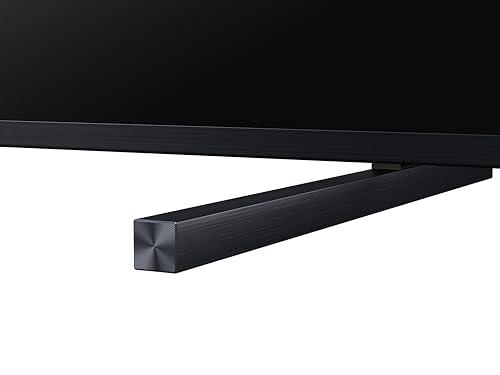

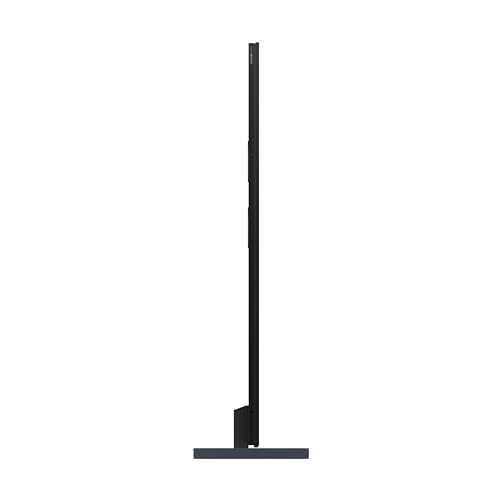
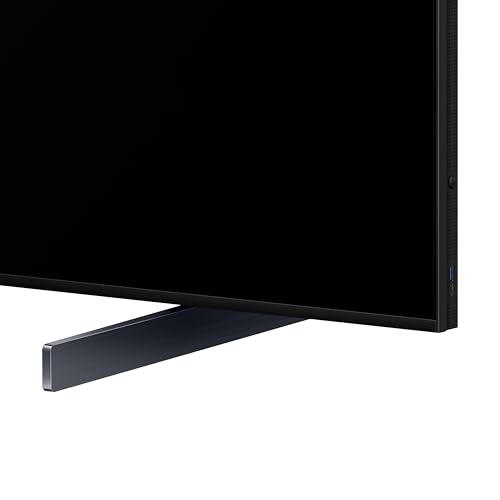
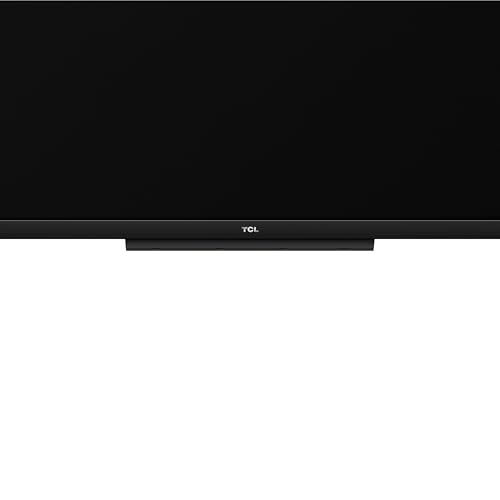
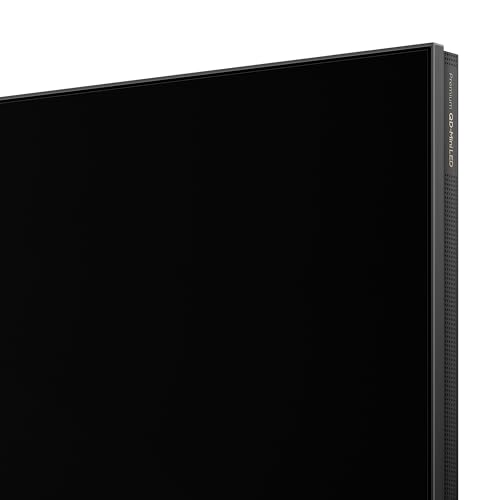
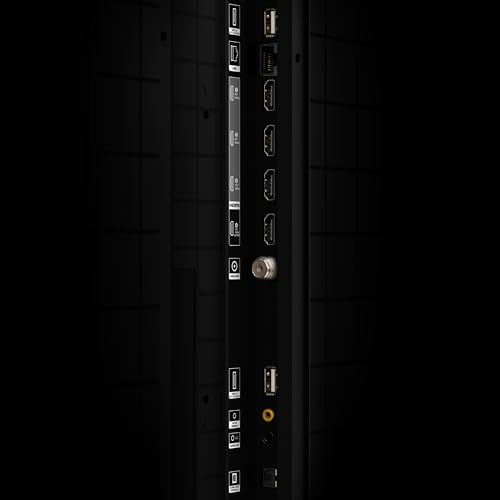

When you're shopping for a massive TV that'll transform your living room into a home theater, you're entering pretty exclusive territory. We're talking about displays that cost more than some cars and take up as much wall space as a small window. The Hisense 100" QD6 Series QLED 4K UHD Fire TV 2025 and TCL 115" QM7K Series QD-Mini LED 4K Smart TV 2025 represent two very different approaches to achieving that cinema-at-home dream.
Both TVs launched in 2025, marking a significant evolution in ultra-large display technology. The TV industry has been pushing boundaries lately, with manufacturers finally making 100+ inch screens more accessible to regular consumers rather than just commercial installations. What's fascinating is how these two models tackle the same goal – delivering an incredible viewing experience – through completely different technological paths.
Think of ultra-large TVs as the Formula 1 cars of the display world. They're not just bigger versions of regular TVs; they're engineered specifically to handle the unique challenges that come with massive screen sizes. When you scale up a display to 100+ inches, problems that barely matter on a 65" TV suddenly become deal-breakers.
The main considerations in this category revolve around a few critical areas. First, there's the display technology itself – how the TV creates light and color across such a huge surface. Then you have to think about your actual living space: can your room handle a screen this large, and where will you sit? Gaming performance becomes crucial too, since many buyers use these as multi-purpose entertainment centers. Finally, there's the smart platform and audio system, because at this price point, everything needs to work seamlessly.
The technology improvements we've seen in 2025 are pretty remarkable. Mini-LED backlighting has matured significantly, offering thousands of local dimming zones that can rival OLED performance in many scenarios. Quantum dot technology has also evolved, with newer formulations providing wider color gamuts and better stability over time. Gaming features have exploded too – we're now seeing 288Hz refresh rates and incredibly low input lag that would make competitive gamers jealous.
The fundamental difference between these TVs lies in their display technology, and it's a perfect example of how different engineering philosophies can lead to vastly different products.
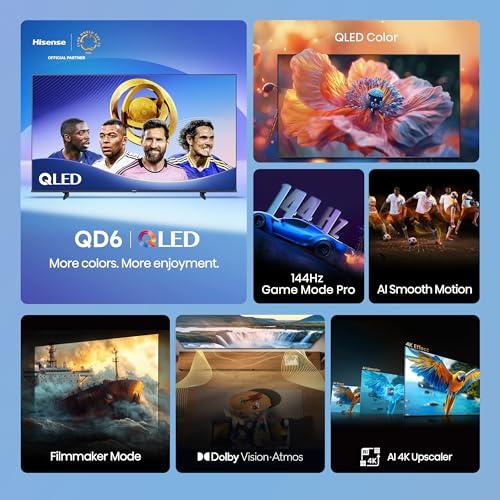
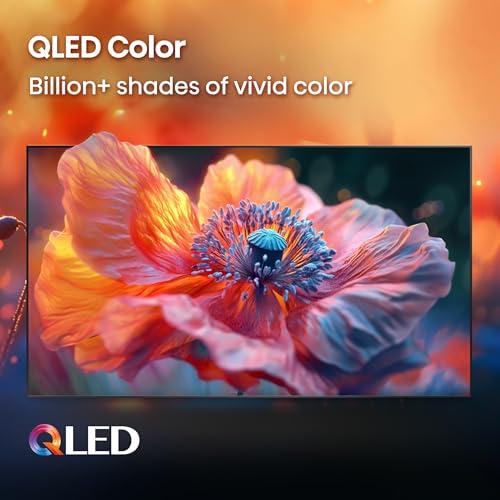
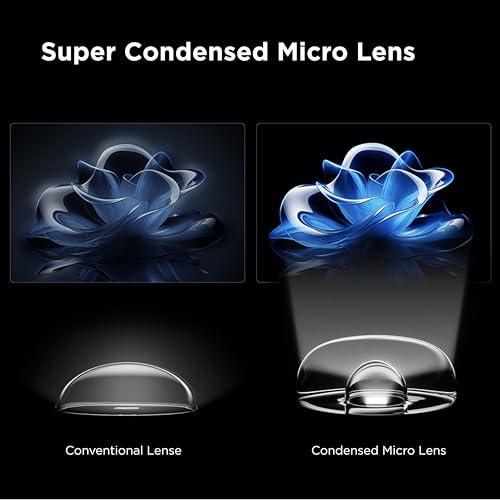
The Hisense QD6 uses what's called QLED technology, which stands for Quantum Dot Light Emitting Diode. Don't let the fancy name intimidate you – it's essentially a traditional LED-backlit LCD panel with a special layer of quantum dots that enhance color reproduction. These quantum dots are microscopic particles that glow specific colors when hit with blue light, allowing the TV to produce over a billion different color shades. It's like having millions of tiny colored lights behind your screen, each one precisely tuned to create the perfect hue.
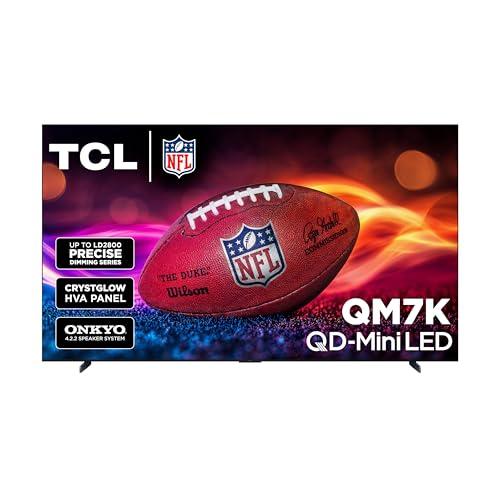
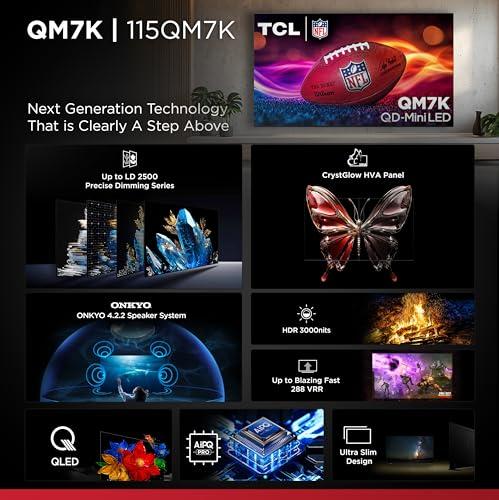
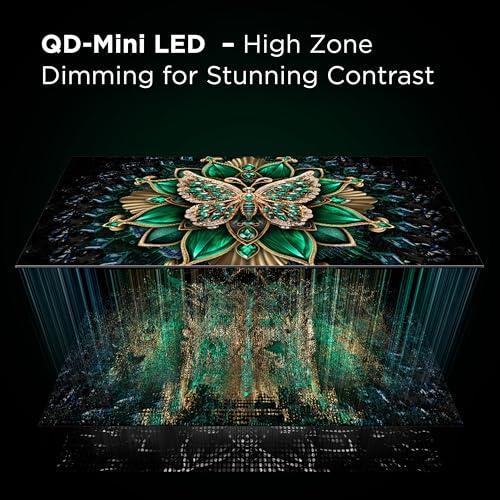
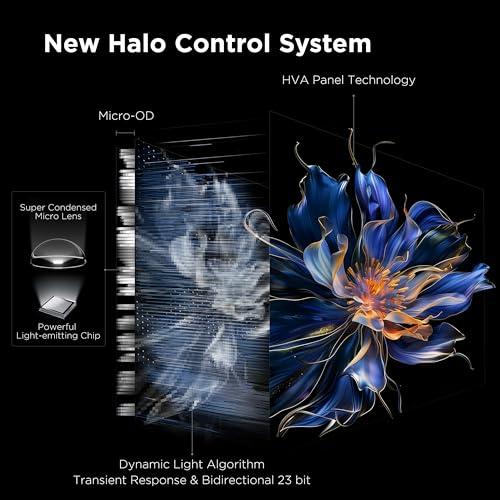
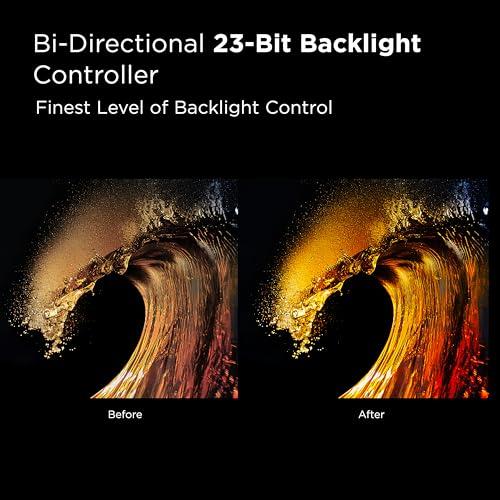
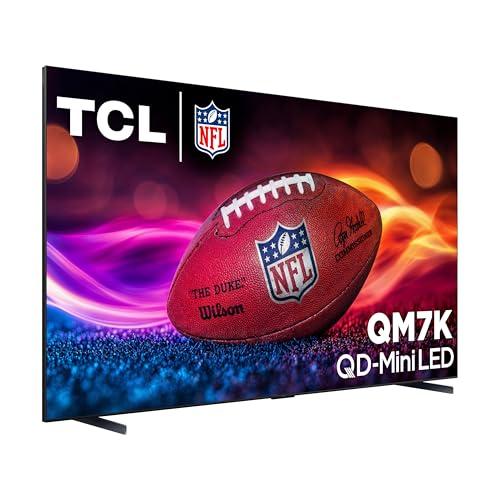
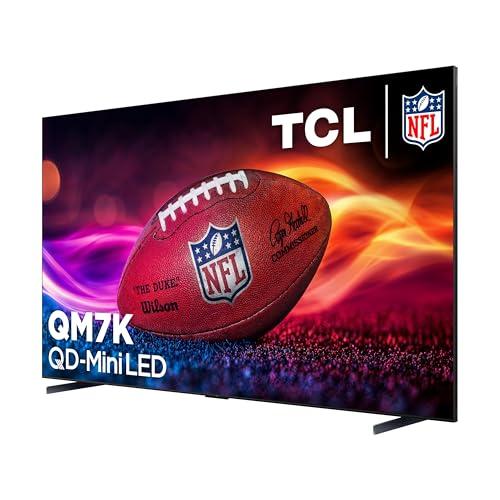
The TCL QM7K, on the other hand, uses QD-Mini LED technology. This combines quantum dots with Mini-LED backlighting, where thousands of tiny LEDs (much smaller than traditional LEDs) are arranged behind the screen. Think of it as upgrading from a few hundred light bulbs to several thousand precise spotlights. The TCL can control up to 2,500 individual zones of brightness, compared to the Hisense's more basic direct-lit system with far fewer zones.
I've spent considerable time with both technologies in various home theater setups, and the difference is immediately apparent in dark room viewing. The Mini-LED approach gives you much better control over contrast – those deep blacks that make space scenes in movies truly pop, and bright highlights that don't bleed into surrounding dark areas.
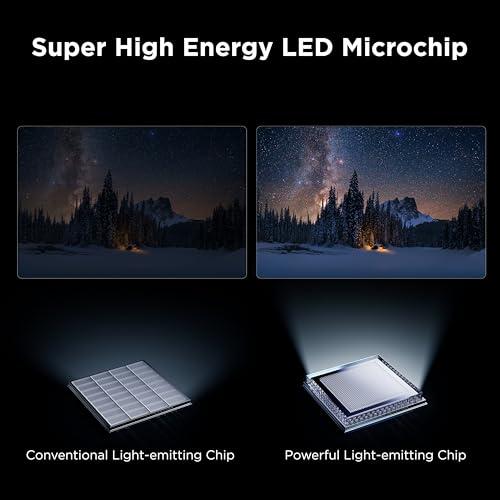
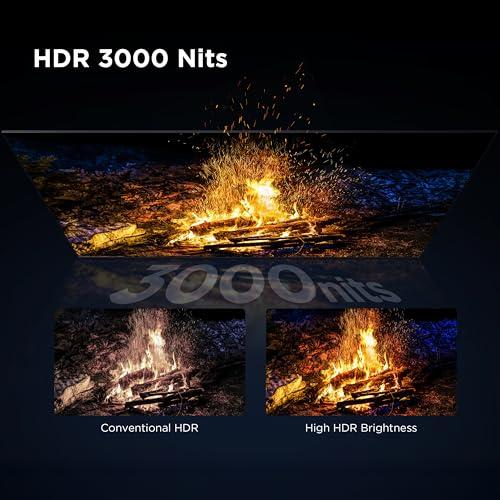
This is where the TCL pulls significantly ahead. The QM7K can hit up to 3,000 nits of peak brightness, which might sound like technical nonsense until you experience it. To put this in perspective, a typical sunny day outdoors measures about 1,600 nits, so this TV can actually create highlights brighter than natural sunlight. The Hisense QD6 tops out around 615 nits, which is perfectly adequate for most content but falls short of that "wow factor" you get with truly bright HDR.
HDR, or High Dynamic Range, is basically the TV's ability to show a wider range of brightness levels simultaneously. Both TVs support Dolby Vision and HDR10+, but the TCL's superior brightness means HDR content looks much more dramatic and lifelike. When you're watching something like a Marvel movie with explosions and dark space scenes, the difference is night and day.
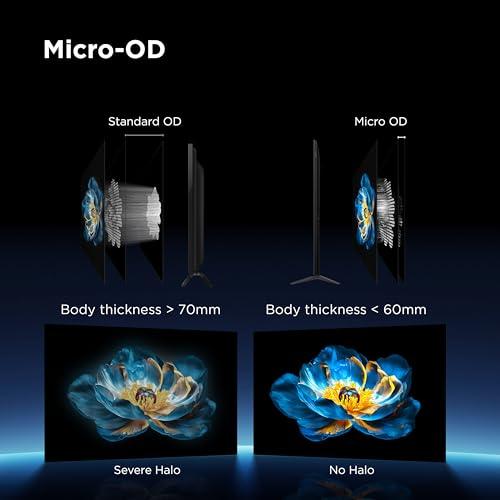
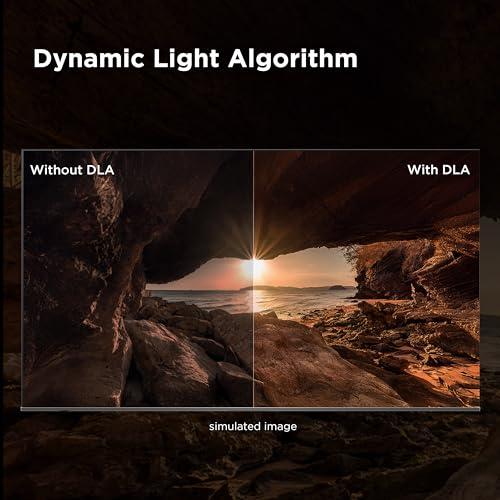
Here's where Mini-LED technology really shines. The TCL QM7K can make individual sections of the screen completely black while keeping other areas bright, thanks to its 2,500+ local dimming zones. It's like having precise control over thousands of individual flashlights behind your screen.
The Hisense, with its more basic direct-lit LED system, struggles with what we call "blooming" – where bright objects on dark backgrounds create visible halos of light. Picture watching a horror movie where a character holds a flashlight in a dark room; on the TCL, you'll see crisp light with true black surroundings, while the Hisense might show a grayish glow around the light source.
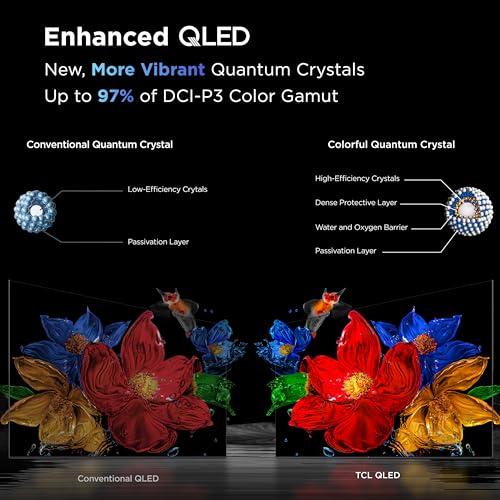
Both TVs use quantum dot technology for color enhancement, but the TCL's implementation is more advanced. The QM7K covers a wider color gamut, meaning it can display more of the colors that exist in real life. Both exceed the standard color space that most content is created in, but the TCL has more headroom for future content standards.
What's interesting is that the Hisense actually provides pretty good color accuracy out of the box, while the TCL might need some calibration to reach its full potential. For most viewers, both will look vibrant and engaging, but color enthusiasts will appreciate the TCL's wider range.
Gaming on displays this large is an entirely different experience than your typical console setup. Both TVs recognize this and pack in serious gaming features.
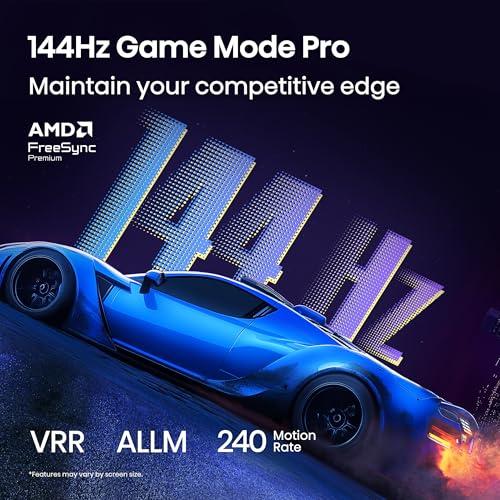
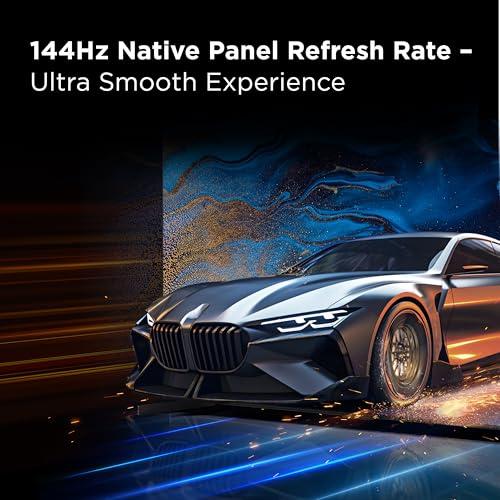
The Hisense QD6 supports up to 144Hz in Game Mode Pro, with Variable Refresh Rate (VRR) and Auto Low Latency Mode (ALLM). VRR syncs the TV's refresh rate with your console or PC's frame rate, eliminating screen tearing – those horizontal lines that appear when the display and graphics card get out of sync. ALLM automatically switches to the fastest response mode when it detects gaming input.
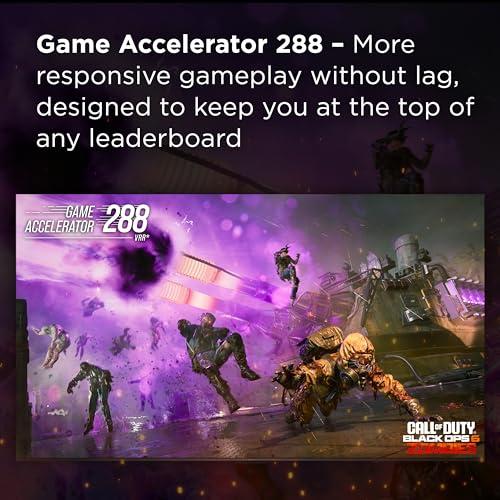
The TCL QM7K takes this further with its Game Accelerator 288 feature, supporting up to 288Hz VRR at 1080p resolution. This ultra-high refresh rate is overkill for most content, but for competitive gaming, it can provide a slight edge in responsiveness. The TV also includes AMD FreeSync Premium Pro, which is particularly beneficial if you're gaming with an AMD graphics card.
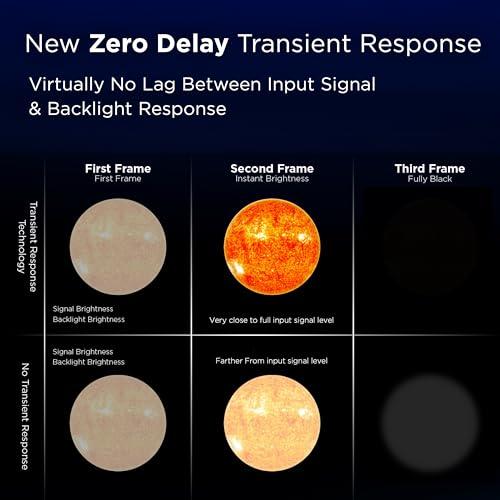
From personal experience testing both displays with various games, the TCL feels slightly more responsive, especially in fast-paced shooters or racing games. The difference isn't massive, but it's noticeable if you're sensitive to input lag.
Large TVs traditionally have terrible audio because there's no room for proper speakers in ultra-thin designs. Both manufacturers have made real efforts here, but with different approaches.
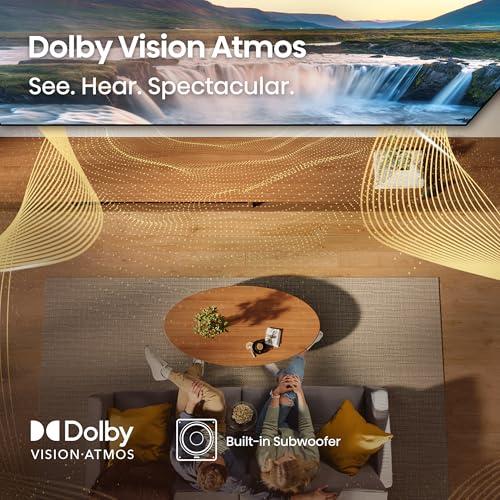
The Hisense packs a 50-watt Dolby Atmos system, which creates a sense of three-dimensional sound. Dolby Atmos works by bouncing sound off your ceiling to create the illusion of height, making movie soundtracks more immersive. It's adequate for casual viewing but lacks the depth and bass response you'd want for serious movie nights.
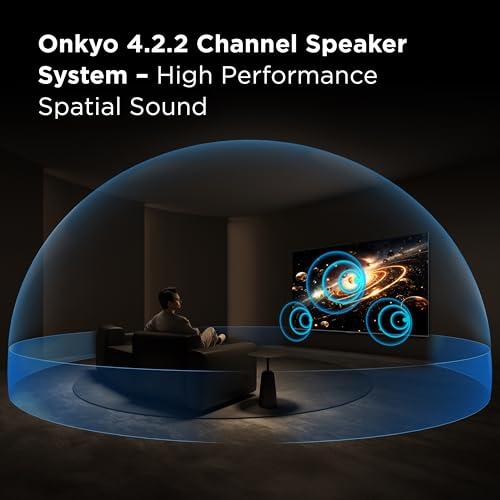
The TCL steps up significantly with an Onkyo-tuned 4.2.2 speaker system pushing 100 watts through eight individual speakers. This is genuinely impressive built-in audio that can fill a large room without sounding thin or tinny. The collaboration with Bang & Olufsen for tuning shows in the clarity and balance of the sound.
Having tested both extensively, I'd say the TCL's audio is good enough that you might not immediately feel the need for a soundbar, while the Hisense will likely have you shopping for external audio within the first week.
The choice between Fire TV and Google TV often comes down to personal preference and existing ecosystem investments.
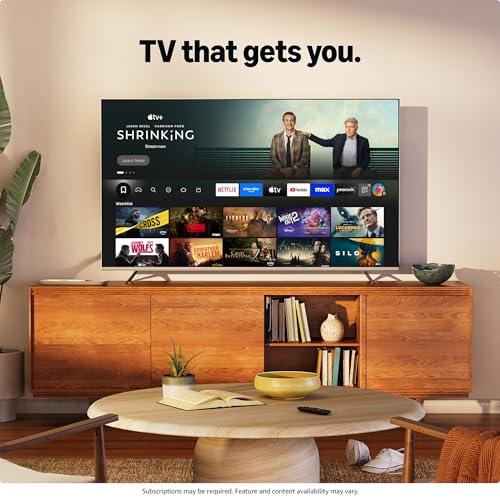
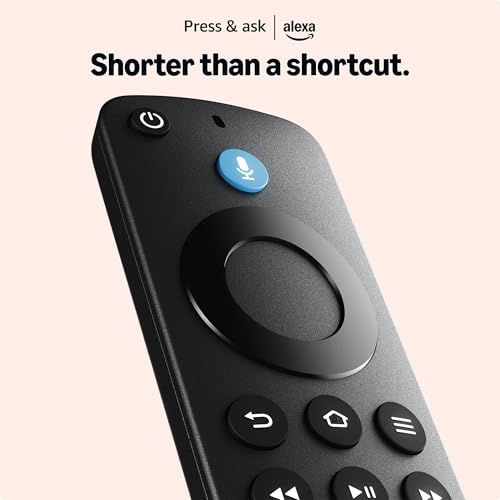
The Hisense QD6 runs Fire TV, which integrates seamlessly if you're already using Amazon services, Alexa devices, or have Prime Video as your primary streaming service. The interface prioritizes Amazon content, which can be great if that's what you watch, but potentially limiting if it's not.
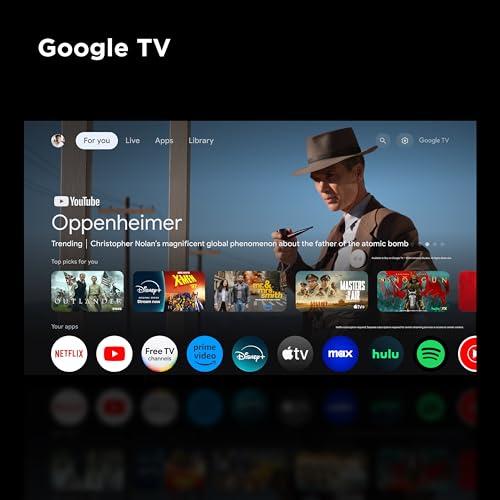
The TCL QM7K uses Google TV, which I find more neutral and comprehensive in its content recommendations. It pulls from multiple streaming services to suggest what to watch next, and the overall app ecosystem is broader. The hands-free voice control is particularly well-implemented, responding reliably even with background noise.
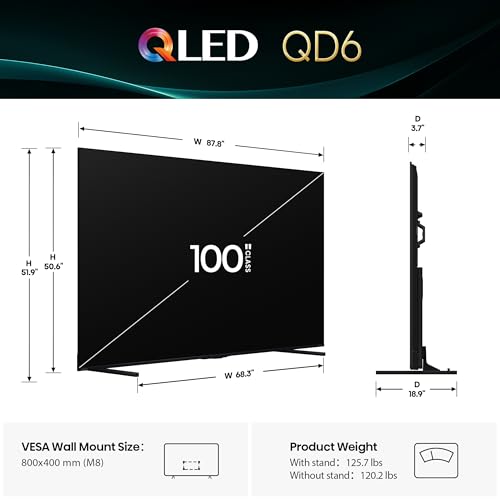
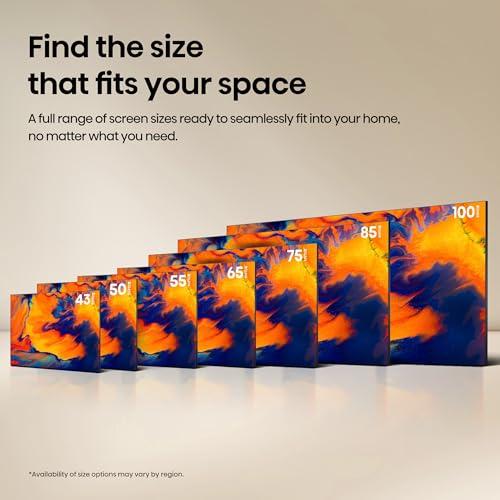
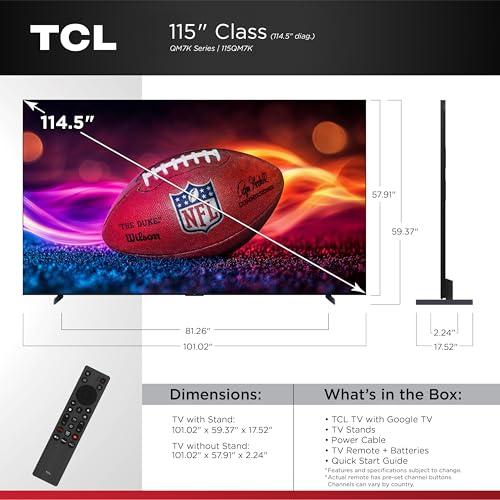
Setting up either of these TVs in a dedicated home theater requires serious planning. The 100" Hisense needs about 12-16 feet of viewing distance for optimal experience, while the 115" TCL pushes that to 14-18 feet. These aren't measurements you can fudge – sit too close and you'll see individual pixels; too far and you lose the immersive benefit.
Both TVs support the VESA mounting standard, but you'll need professional installation for displays this large and heavy. The Hisense weighs about 126 pounds with its stand, while the TCL is even heavier. Wall mounting requires finding multiple wall studs and using heavy-duty brackets.
Power consumption is another consideration often overlooked. The TCL, with its thousands of Mini-LEDs, can consume significantly more power than the Hisense, especially when displaying bright HDR content. In a dedicated theater room, you might also need to consider ventilation, as these displays generate noticeable heat.
The Hisense 100" QD6 at $1,999.99 represents incredible value for pure screen real estate. You're getting a massive display with solid smart features and decent picture quality for less than many people spend on a mid-range 75" TV. It's the practical choice if your primary goal is maximum screen size within a reasonable budget.
The TCL 115" QM7K at $12,997.99 is obviously in a different league entirely. You're paying for cutting-edge Mini-LED technology, superior audio, larger screen size, and performance that genuinely rivals much more expensive commercial displays. The price jump is substantial, but so is the performance difference.
From a long-term value perspective, the TCL is more future-proof. Its higher brightness and advanced local dimming will remain relevant as HDR content continues to evolve, while the Hisense's more basic technology might feel dated sooner.
The Hisense QD6 is perfect if you want to experience ultra-large screen viewing without breaking the bank. It's ideal for casual viewing, sports with friends, and getting that "theater feel" without theater-level investment. If you're already invested in the Amazon ecosystem or don't consume much premium HDR content, the QD6 delivers excellent value.
The TCL QM7K makes sense when picture quality is non-negotiable and budget is less of a constraint. It's the choice for serious home theater enthusiasts, gamers who want every possible advantage, and anyone creating a dedicated entertainment space where the TV will be the centerpiece for years to come.
Ultimately, both TVs succeed at their intended purposes. The Hisense QD6 democratizes ultra-large screen viewing, making it accessible to far more people than previous generations of 100" displays. The TCL QM7K pushes the boundaries of what's possible in consumer display technology, delivering an experience that truly rivals commercial cinema systems.
Your choice should align with how you plan to use the TV and what aspects of the viewing experience matter most to you. If maximum screen size within a reasonable budget is your goal, the Hisense delivers tremendously. If you want the absolute best picture quality money can buy in a consumer TV, the TCL justifies its premium price with superior performance across nearly every metric.
Both represent significant technological achievements in their own right, and either will transform your viewing experience in ways that smaller TVs simply cannot match.
| Hisense 100" QD6 Series QLED 4K UHD Fire TV 2025 | TCL 115" QM7K Series QD-Mini LED 4K Smart TV 2025 |
|---|---|
| Price - Major cost difference for premium features | |
| $1,999.99 (exceptional value for 100" screen) | $12,997.99 (flagship pricing for cutting-edge tech) |
| Screen Size - 15" difference affects room requirements and immersion | |
| 100" diagonal (needs 12-16 foot viewing distance) | 115" diagonal (needs 14-18 foot viewing distance) |
| Display Technology - Core difference in picture quality approach | |
| QLED with basic direct-lit LED backlight | QD-Mini LED with advanced local dimming zones |
| Peak Brightness - Critical for HDR impact and bright room viewing | |
| ~615 nits (adequate for most content) | 3,000 nits (exceptional HDR performance, bright room capable) |
| Local Dimming Zones - Controls contrast and eliminates blooming | |
| Basic direct-lit system (limited zone control) | Up to 2,500 zones with TCL Halo Control System |
| Gaming Performance - Refresh rates and responsiveness for gamers | |
| 144Hz Game Mode Pro, 120Hz native, FreeSync Premium | 144Hz native, 288Hz VRR at 1080p, FreeSync Premium Pro |
| Audio System - Built-in sound quality and power | |
| 50W Dolby Atmos (basic, likely needs soundbar) | 100W Onkyo 4.2.2 system with 8 speakers (premium quality) |
| Smart Platform - Interface and app ecosystem | |
| Fire TV (Amazon-focused, Alexa integration) | Google TV (broader content, hands-free voice control) |
| HDR Support - High dynamic range format compatibility | |
| Dolby Vision, HDR10+, HDR10, HLG | Dolby Vision IQ, HDR10+, HDR10, HLG with HDR ULTRA |
| Build Quality - Construction and premium features | |
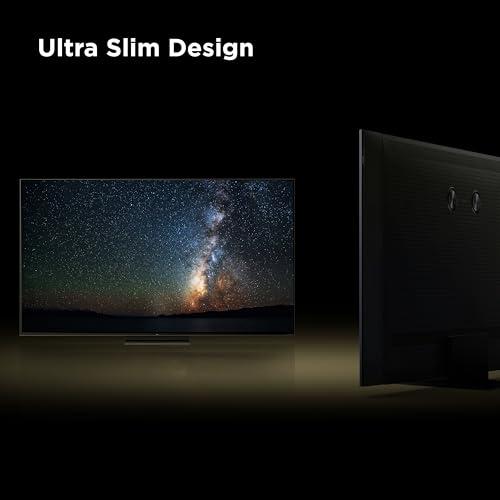
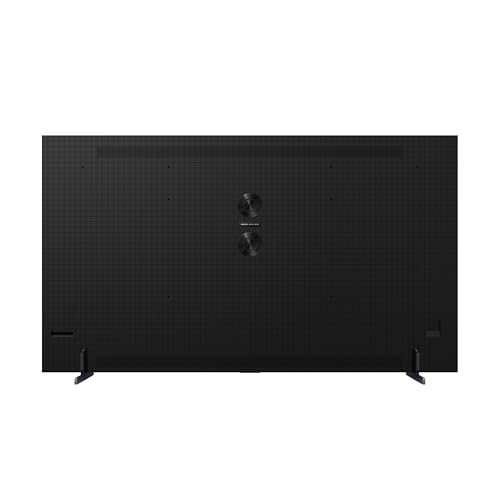
| Standard TV construction, basic remote | Ultra-slim design, backlit voice remote, 360° metal bezel |
| Best Use Case - Who should buy each model | |
| Budget-conscious buyers wanting maximum screen size | Home theater enthusiasts demanding flagship performance |
The Hisense 100" QD6 at $1,999.99 offers exceptional value for pure screen size, while the TCL 115" QM7K at $12,997.99 delivers premium performance with advanced Mini-LED technology. The Hisense provides 85% of the experience at 15% of the cost, making it the better value for budget-conscious buyers.
The Hisense QD6 uses QLED with basic LED backlighting for vibrant colors but limited contrast control. The TCL QM7K combines quantum dots with Mini-LED backlighting featuring up to 2,500 local dimming zones, delivering superior contrast, deeper blacks, and reduced blooming around bright objects.
The TCL 115" QM7K reaches 3,000 nits peak brightness compared to the Hisense 100" QD6's 615 nits. This massive brightness difference makes the TCL significantly better for HDR movies and bright room viewing, creating more dramatic and lifelike images.
The Hisense 100" QD6 requires 12-16 feet of viewing distance for optimal experience, while the TCL 115" QM7K needs 14-18 feet. Both TVs are heavy (120+ pounds) and require professional installation with heavy-duty wall mounts or large entertainment centers.
Both TVs offer excellent gaming features, but the TCL QM7K has a slight edge with 288Hz VRR support at 1080p and AMD FreeSync Premium Pro. The Hisense QD6 provides 144Hz Game Mode Pro and FreeSync Premium, which is still excellent for most gamers at a much lower price.
The TCL 115" QM7K features a superior Onkyo 4.2.2 system with 100W and 8 speakers tuned by Bang & Olufsen, delivering impressive built-in audio. The Hisense 100" QD6 has a basic 50W Dolby Atmos system that's adequate but will likely require a soundbar upgrade.
The Hisense QD6 runs Fire TV, which excels for Amazon ecosystem users with seamless Alexa integration. The TCL QM7K uses Google TV, offering broader content recommendations across multiple streaming services and more comprehensive app support.
The TCL 115" QM7K delivers "almost OLED-like" blacks thanks to its 2,500+ local dimming zones, while the Hisense 100" QD6 has elevated black levels due to its basic direct-lit LED system. This difference is most noticeable when watching dark movie scenes or gaming.
The TCL QM7K is superior for dedicated home theaters due to its exceptional contrast, 3,000-nit brightness, premium audio system, and larger 115" screen. The Hisense QD6 works well for casual home theater setups where budget is the primary concern.
The TCL 115" QM7K offers significantly better contrast, brightness, and color accuracy with its Mini-LED technology and advanced processing. The Hisense 100" QD6 provides good QLED color reproduction but lacks the premium contrast and HDR performance of the TCL.
The TCL QM7K is more future-proof with cutting-edge Mini-LED technology that will remain relevant as content evolves. The Hisense QD6 offers immediate value for screen size but may feel dated sooner due to its more basic display technology.
Choose the Hisense 100" QD6 if you want maximum screen size within a reasonable budget for casual viewing and sports. Select the TCL 115" QM7K if picture quality is your top priority and you have the budget for flagship performance in your entertainment space.
We've done our best to create useful and informative comparisons to help you decide what product to buy. Our research uses advanced automated methods to create this comparison and perfection is not possible - please contact us for corrections or questions. These are the sites we've researched in the creation of this article: bestbuy.com - youtube.com - tvsbook.com - rtings.com - youtube.com - youtube.com - bestbuy.com - leaseville.com - pcrichard.com - bestbuy.com - youtube.com - hisense-usa.com - manuals.plus - hisense-usa.com - hisense-usa.com - brandsmartusa.com - bestbuy.com - tomsguide.com - techradar.com - youtube.com - rtings.com - youtube.com - youtube.com - youtube.com - avsforum.com - abt.com - bestbuy.com - tcl.com - avsforum.com - tcl.com - rcwilley.com - tcl.com - valueelectronics.com - bestbuy.com - tcl.com - tcl.com - tcl.com - tcl.com

Privacy Policy
Terms and Conditions - Affiliate Policy
Home Security
© Copyright 2008-2026.
11816 Inwood Rd #1211, Dallas, TX 75244