

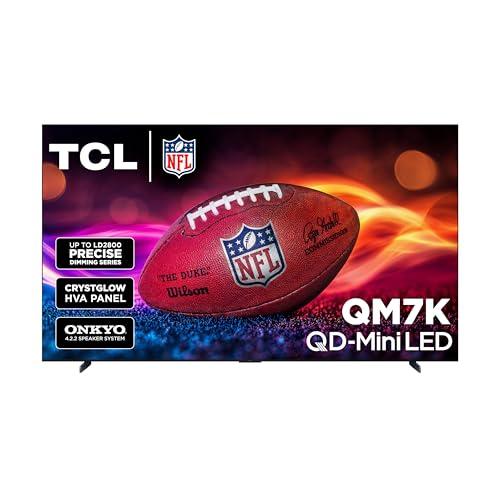
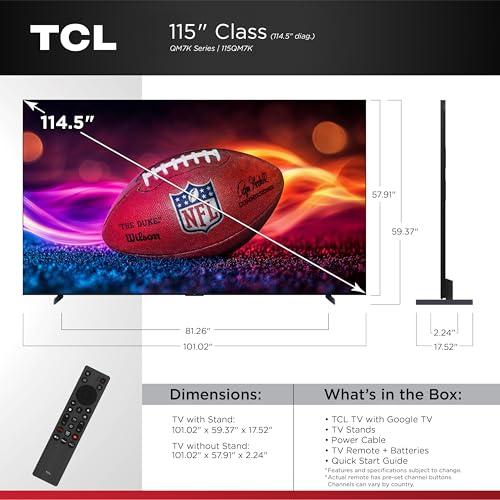

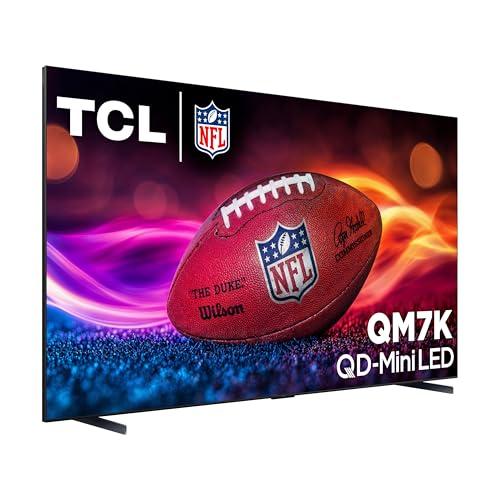
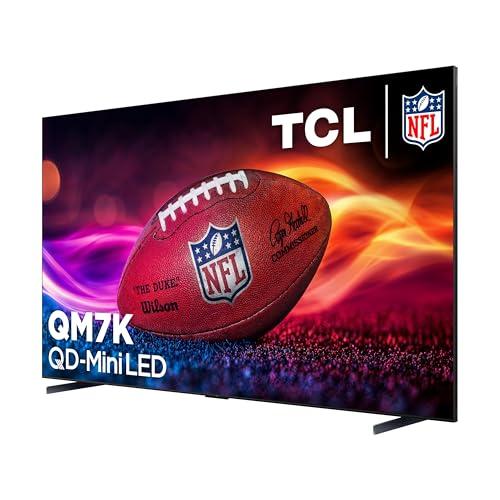
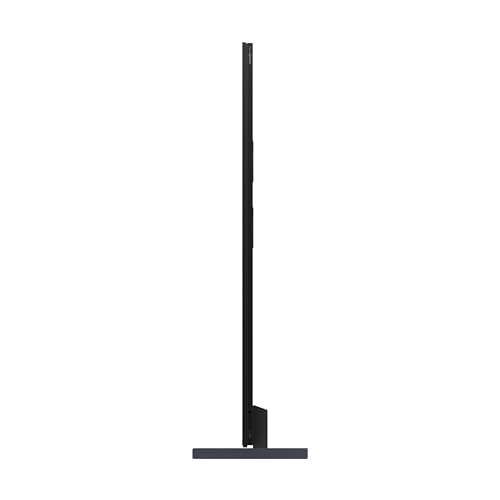
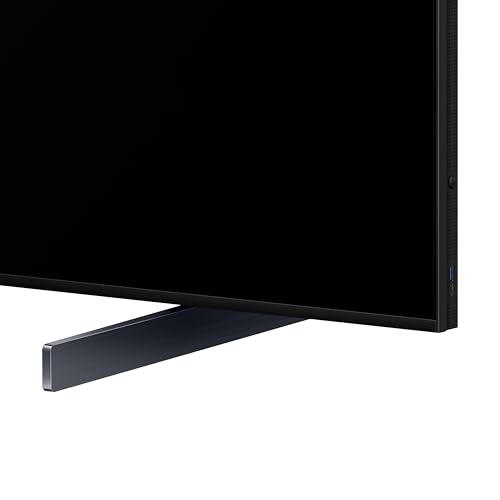
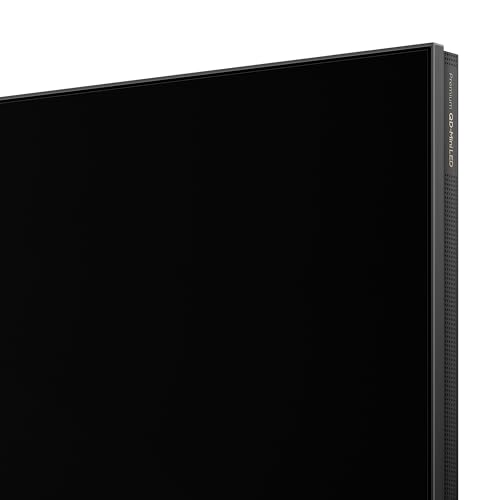

When you're ready to transform your living room into a proper home theater, size matters. But how you get that massive screen experience makes all the difference in performance, cost, and your daily viewing satisfaction. Today we're comparing two completely different approaches to cinema-scale displays: the TCL 115" QM7K Series QD-Mini LED 4K Smart TV ($12,997.99) and the Hisense L9H TriChroma Laser TV 100" UST Projector ($4,497.97).
These products represent fundamentally different philosophies in large-screen entertainment. TCL pushes traditional TV technology to its absolute limits with a 115-inch direct-view display, while Hisense reimagines the projector as a living room-friendly laser system. Both launched in 2024, reflecting the latest advances in their respective technologies, and both promise to deliver that "movie theater at home" experience we all crave.
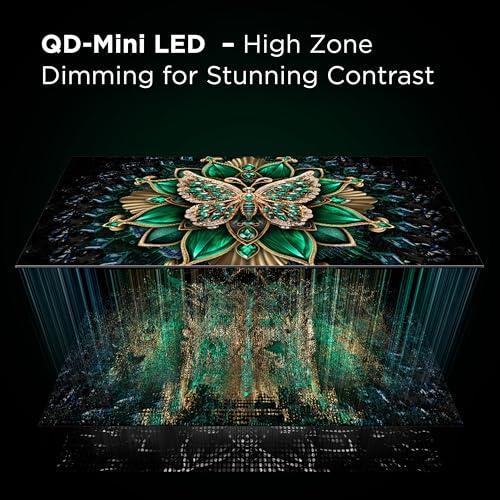
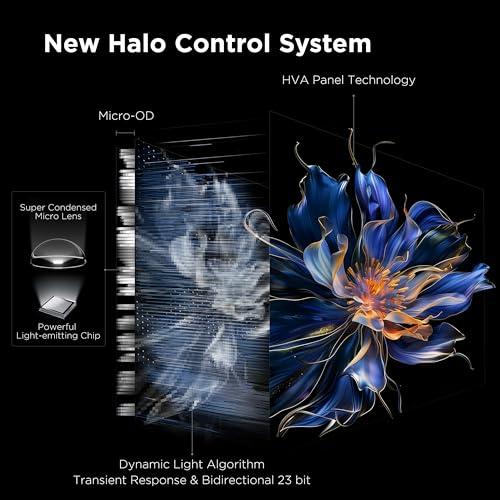
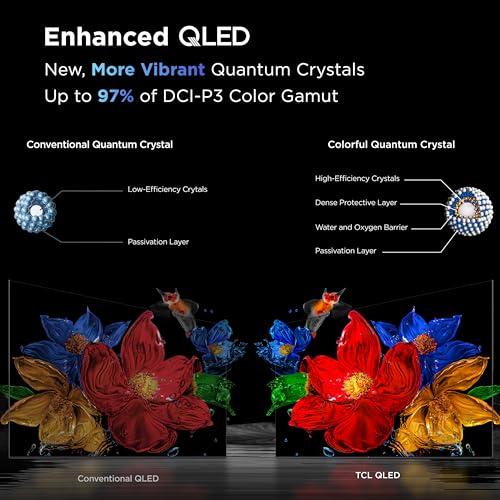
The TCL QM7K uses what's called QD-Mini LED technology – essentially thousands of tiny LED lights behind a quantum dot layer that creates the picture you see. Think of it like a massive grid of microscopic flashlights, each one capable of dimming or brightening independently to create contrast. The "QD" stands for Quantum Dot, a technology that uses nanoscopic crystals to produce purer, more vibrant colors than traditional LED TVs.
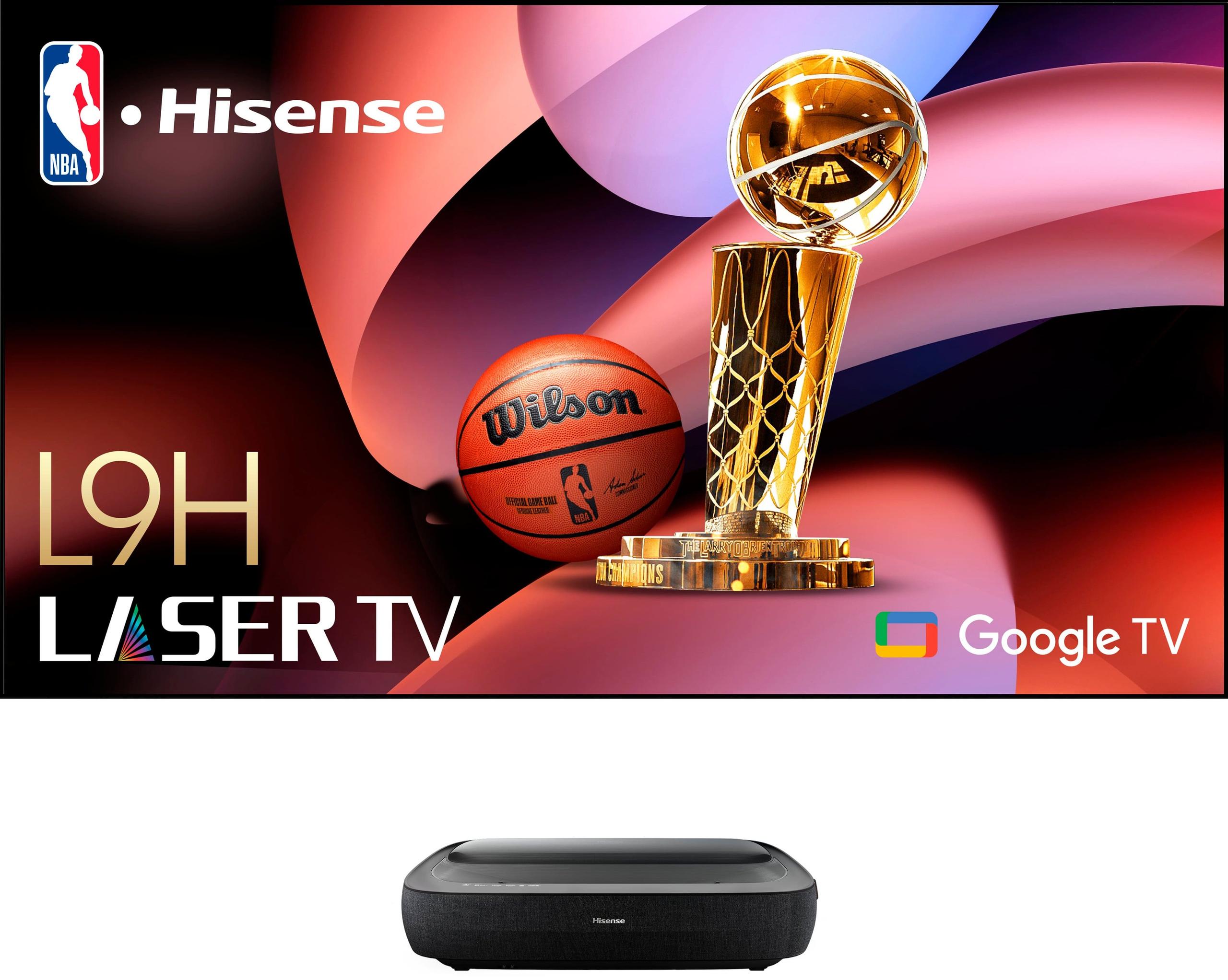
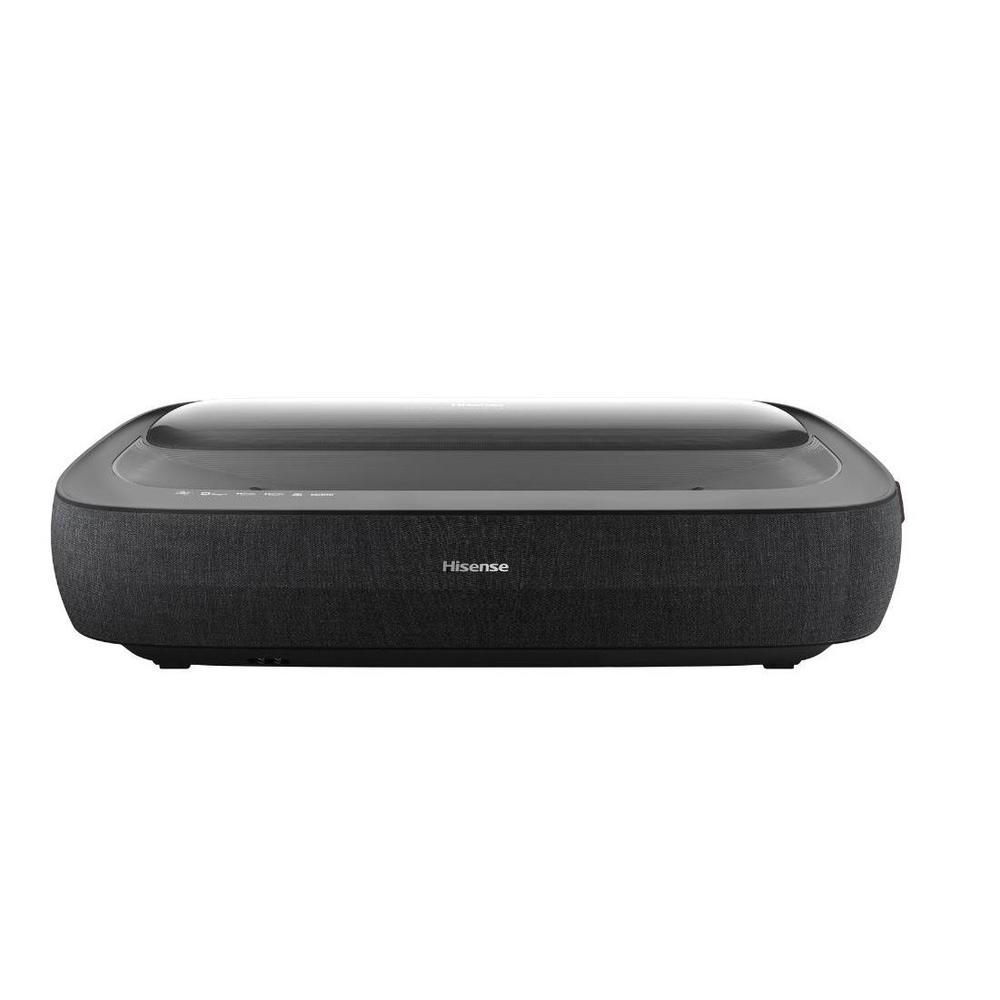
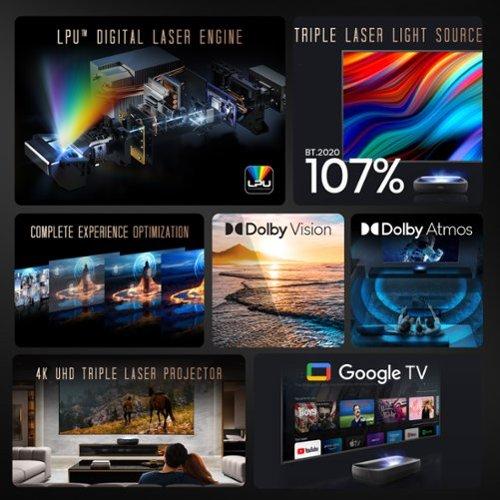
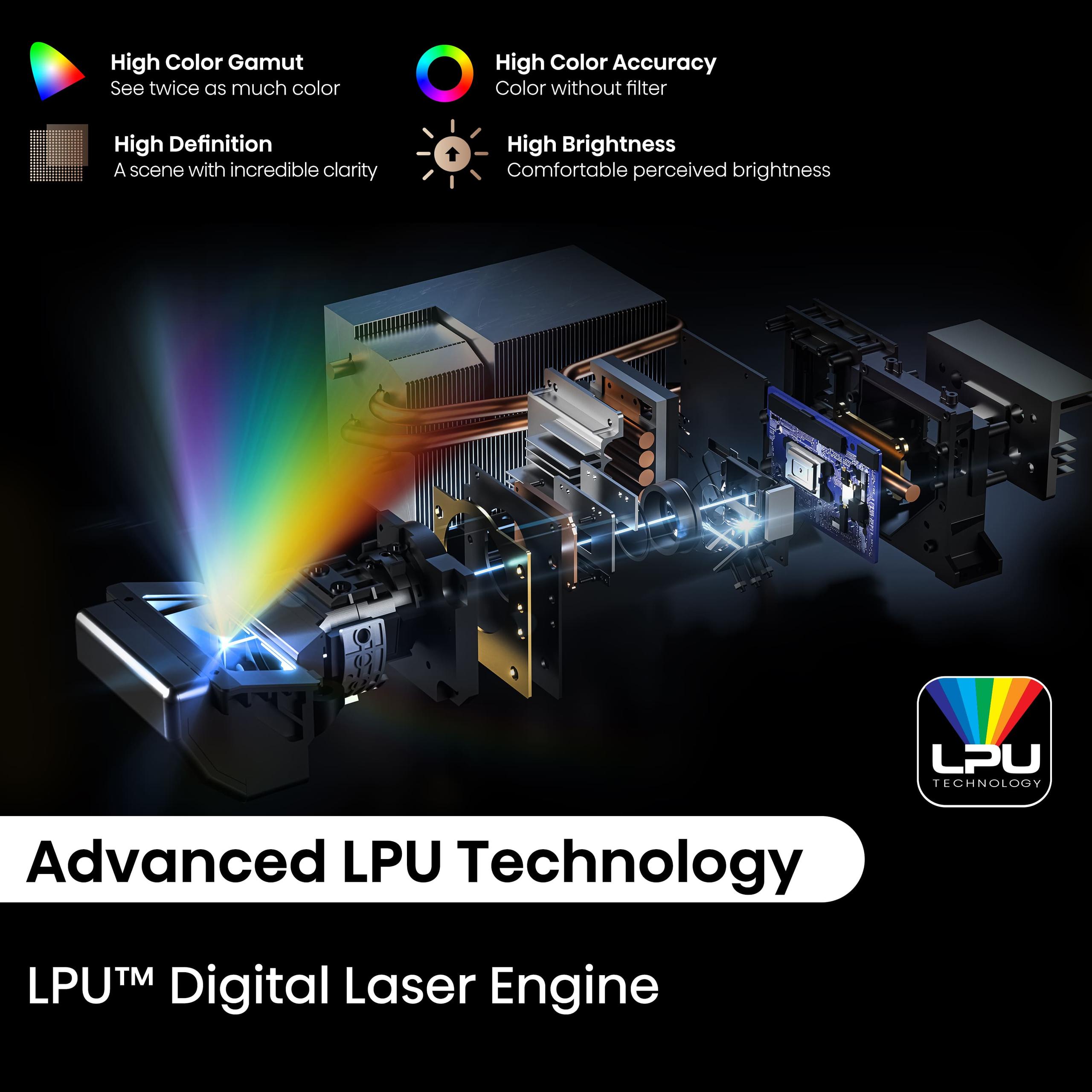
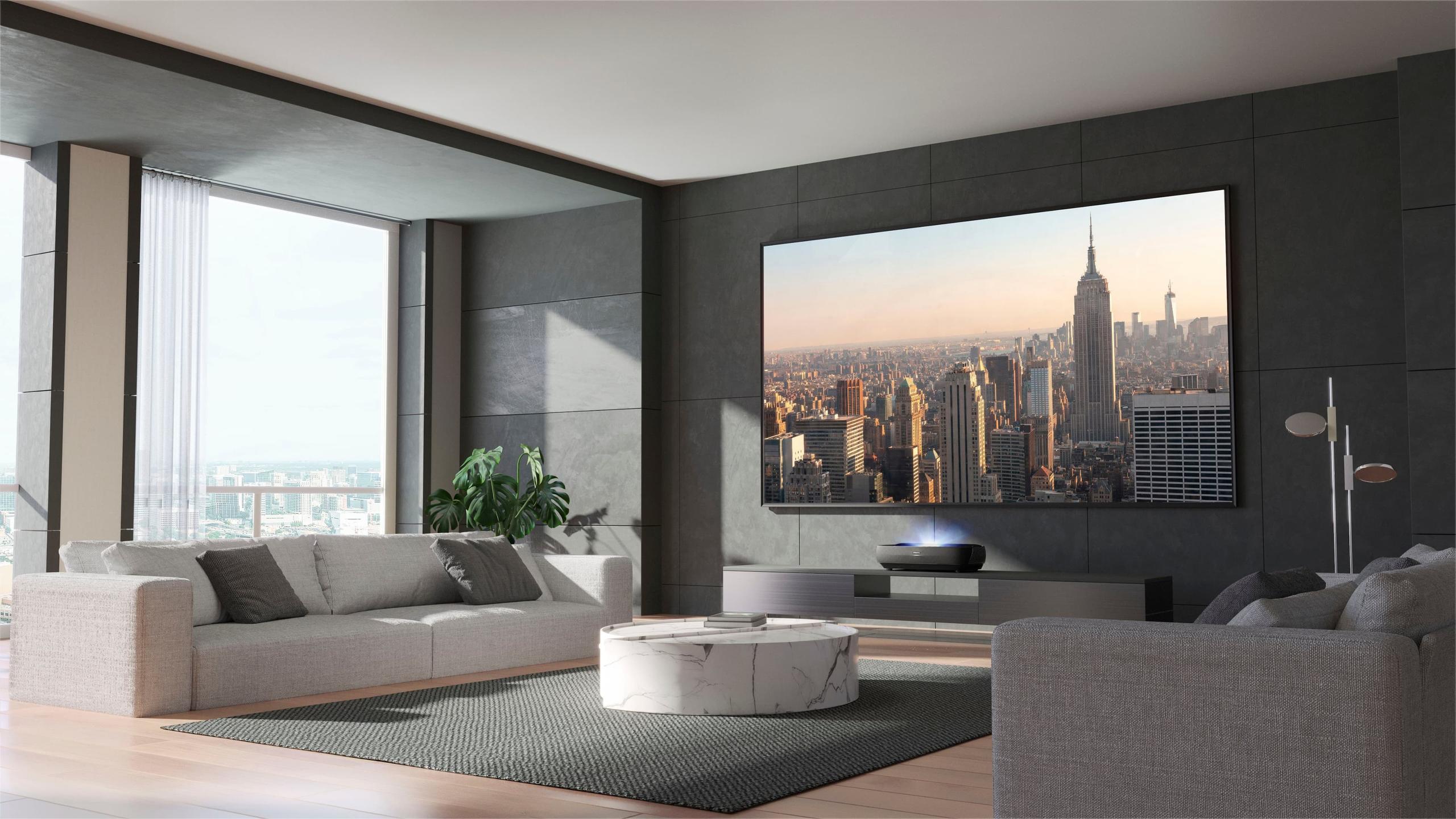
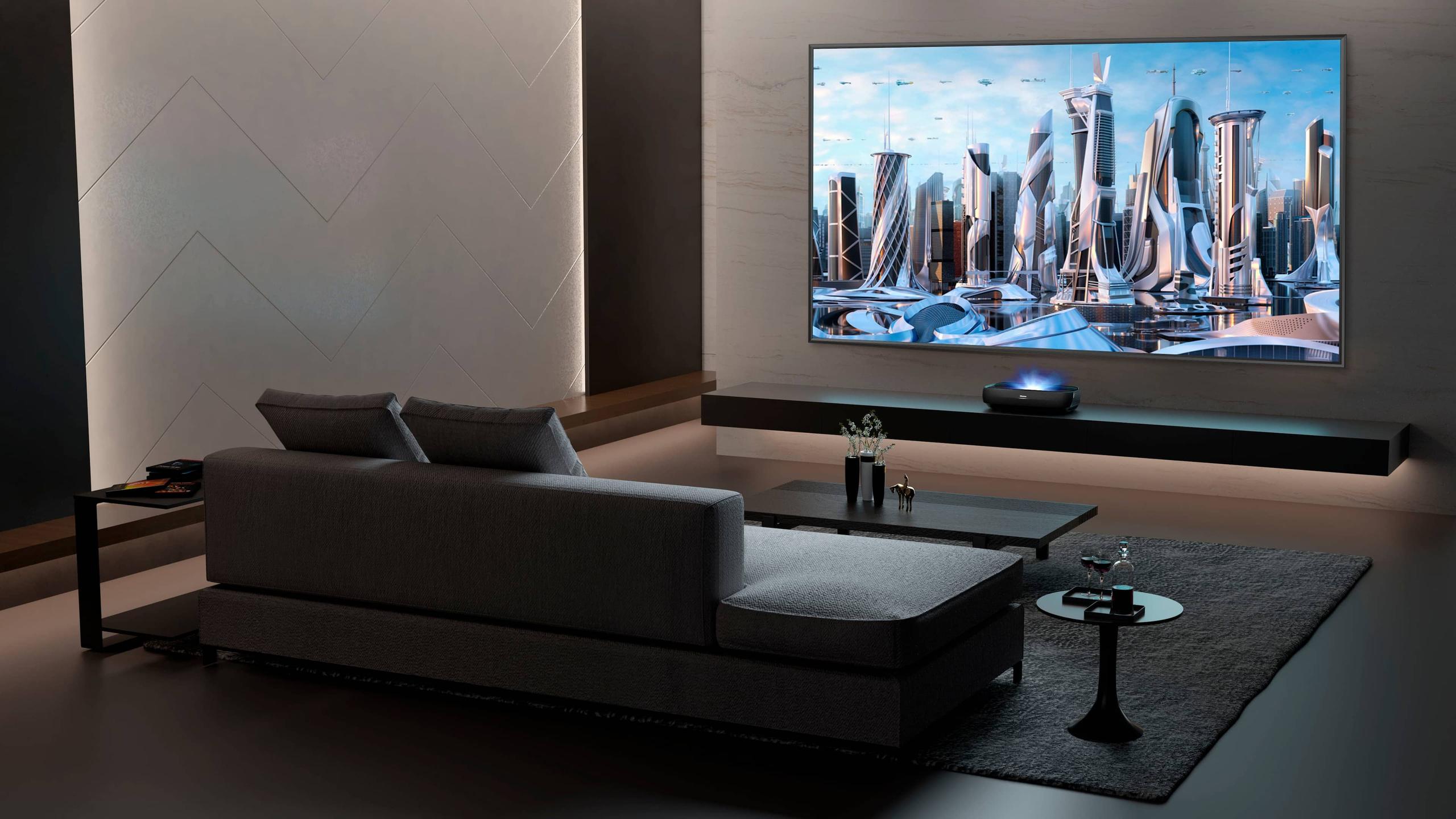
The Hisense L9H takes a completely different approach with TriChroma laser projection. Instead of lighting up a panel from behind, it uses three separate lasers (red, green, and blue) to paint the image directly onto a special screen. The "ultra-short throw" (UST) design means the projector sits just inches from the screen rather than across the room like traditional projectors.
Having spent considerable time with both technologies, I can tell you each has distinct advantages that become apparent in different viewing scenarios.
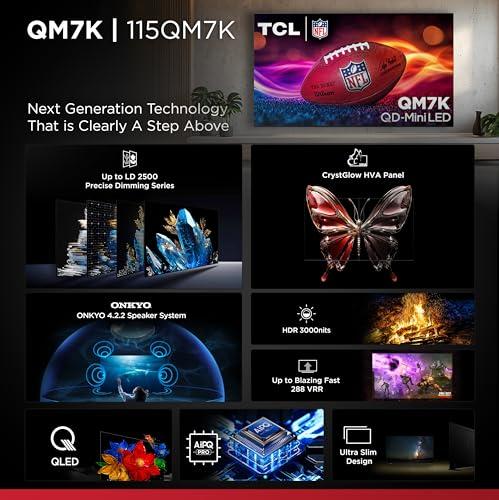
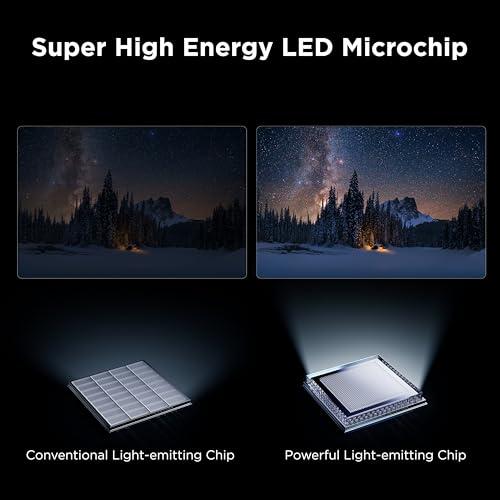
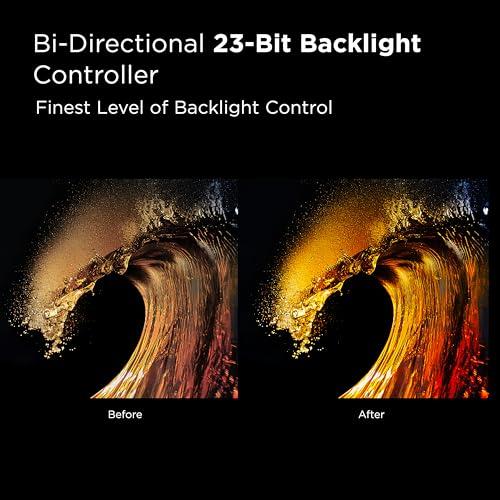
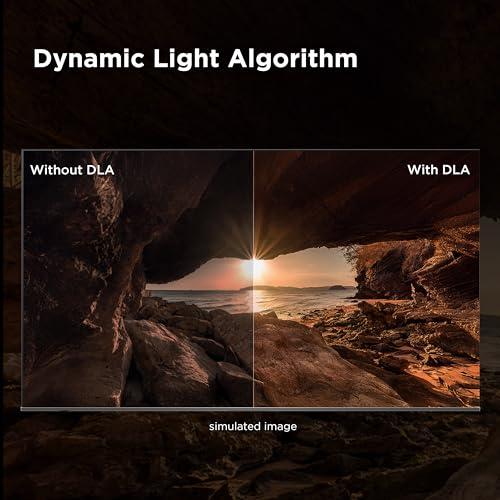
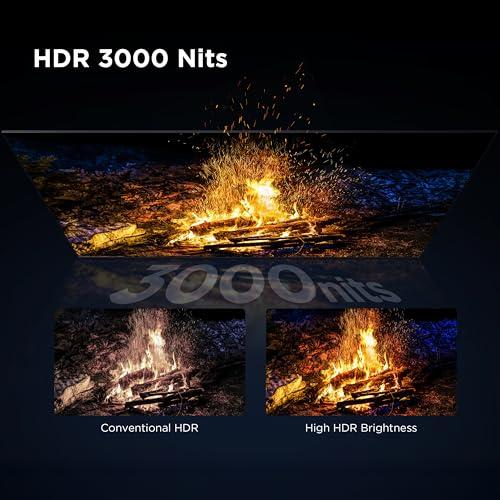
The most striking difference between these displays is how they handle brightness and color. The TCL QM7K absolutely dominates in peak brightness, delivering HDR highlights that can genuinely make you squint. This comes from its Mini LED backlight system with up to 2,500 individual dimming zones – imagine 2,500 tiny spotlights that can turn on and off independently to create perfect contrast.
When I first fired up a Dolby Vision movie on the TCL, the difference was immediately apparent. Explosions, sunlight, and bright sky scenes have an almost tangible intensity that makes standard TVs look dim by comparison. This extreme brightness capability means the TV performs exceptionally well in bright rooms where most displays would wash out.
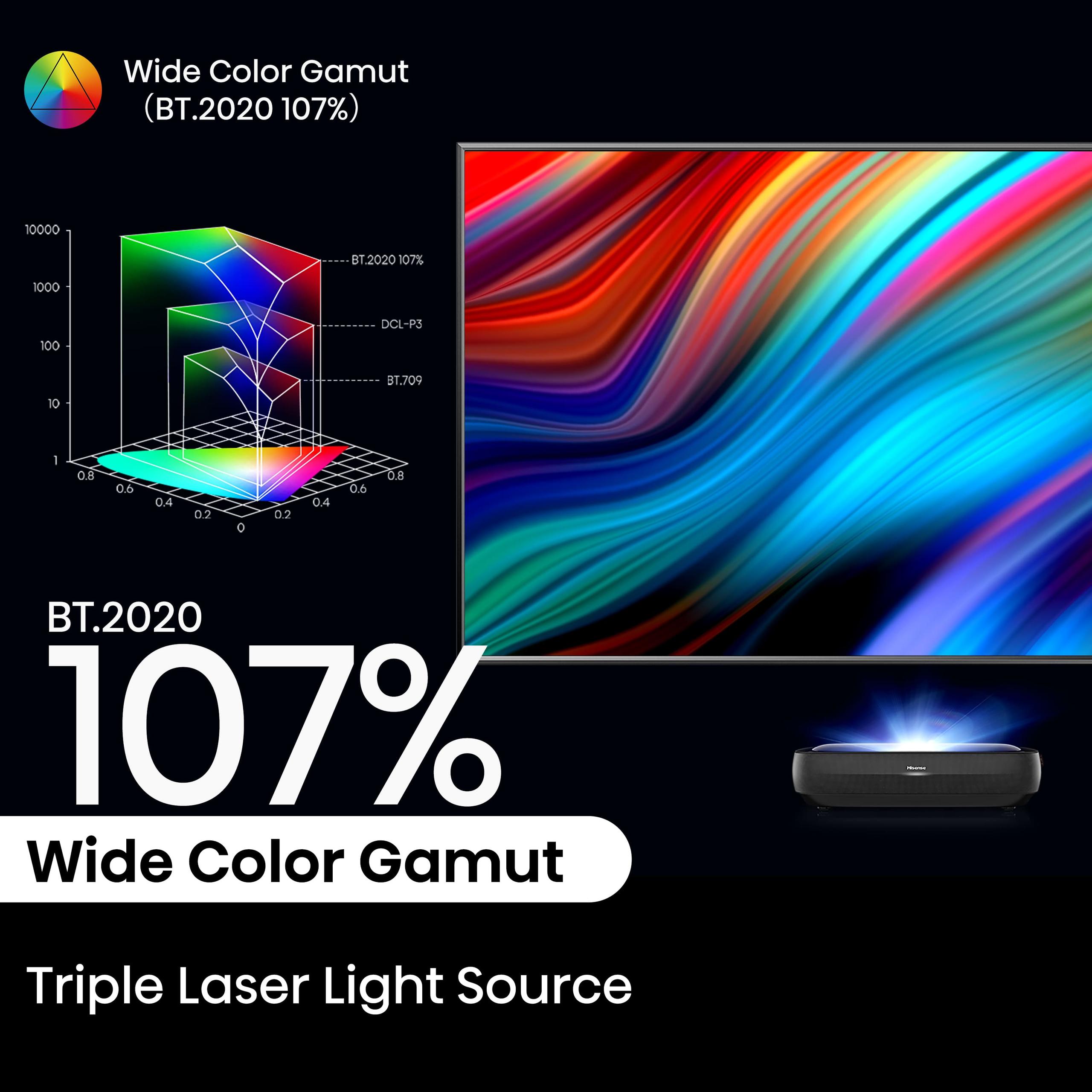
However, the Hisense L9H tells a different story when it comes to color accuracy. Its TriChroma laser system covers 107% of the BT.2020 color space – which is the professional standard for HDR content. In practical terms, this means colors look exactly as the director intended, with none of the slight green or red tinting that many displays introduce.
The laser system creates colors by generating pure light wavelengths rather than filtering white light through color layers. The result is remarkably clean, natural-looking images that don't fatigue your eyes during long viewing sessions. While it can't match the TCL's peak brightness, it maintains consistent brightness across the entire 100-inch screen without the subtle brightness variations common in LED displays.
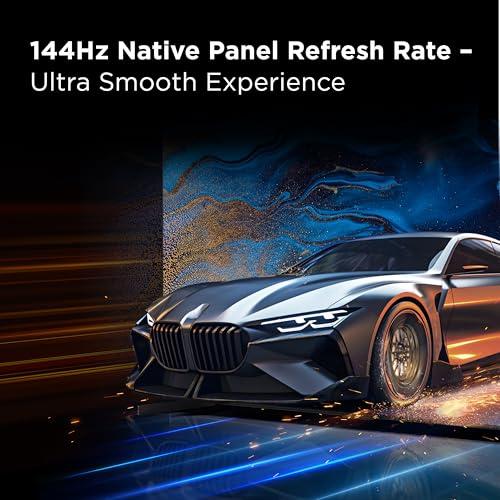
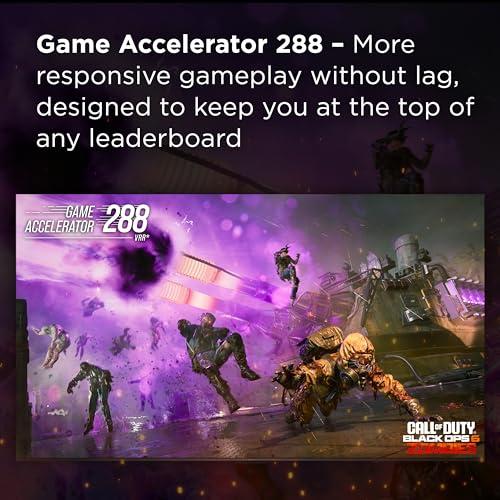
For gaming enthusiasts, the TCL QM7K is clearly superior. Its 144Hz native refresh rate with Variable Refresh Rate (VRR) support means games run butter-smooth without screen tearing or stuttering. Auto Low Latency Mode (ALLM) automatically switches to game mode when it detects a console, reducing input lag to gaming-acceptable levels.
Modern games on PlayStation 5 or Xbox Series X really shine on this display. The combination of massive size, high refresh rate, and responsive input creates an incredibly immersive gaming experience. Racing games feel particularly engaging – you can see every detail in your peripheral vision, making the experience more realistic than smaller displays.
The Hisense L9H, while supporting ALLM, maxes out at 60Hz with no VRR support. Input lag is higher than direct-view displays due to the projection processing required. It's perfectly adequate for casual gaming or single-player adventures, but competitive gamers will notice the difference immediately.
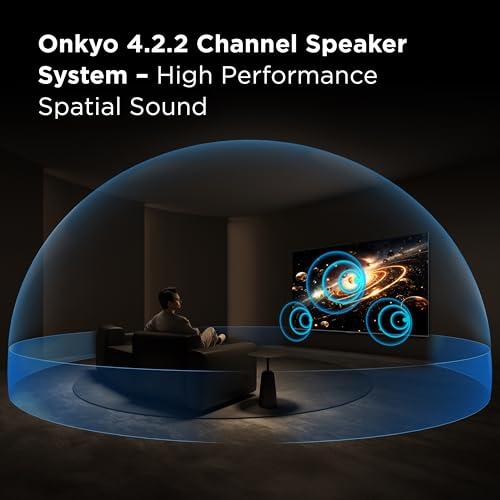
Here's where the Hisense system really shines. Its integrated 40W Dolby Atmos speaker system creates genuinely impressive sound that fills the room. The speakers are specifically tuned for the acoustic properties of the projection system, creating a cohesive audio-visual experience without additional equipment.
The TCL, like most TVs, includes basic speakers that are adequate for casual viewing but clearly insufficient for a proper home theater experience. You'll want to budget for a quality soundbar or surround system, adding to the total cost.
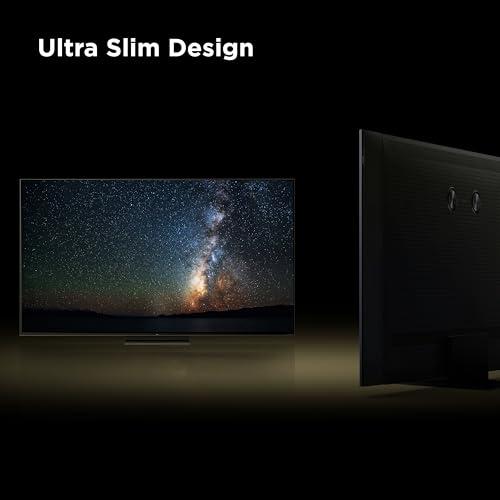
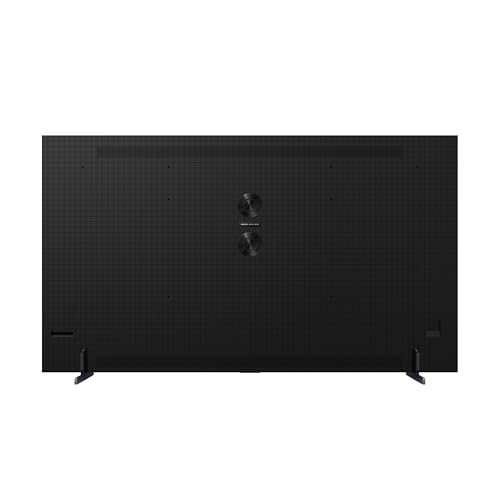
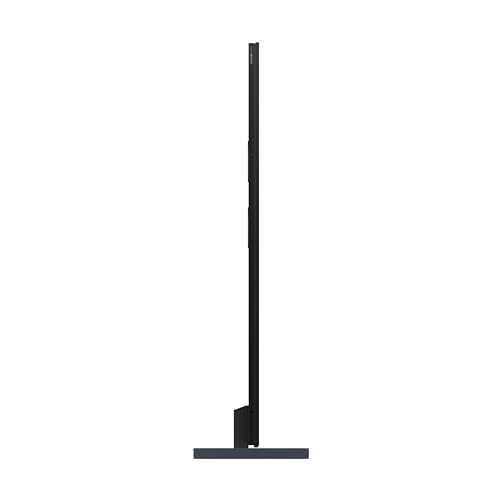
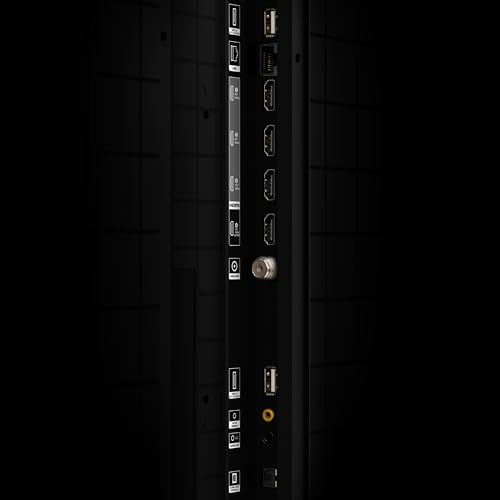
Installing the TCL QM7K is theoretically straightforward – it's "just" a TV. But at 115 inches and substantial weight, professional installation is practically mandatory. You'll need a wall capable of supporting the load or an entertainment center massive enough to accommodate it. The size can overwhelm smaller rooms, requiring careful consideration of viewing distance and room proportions.
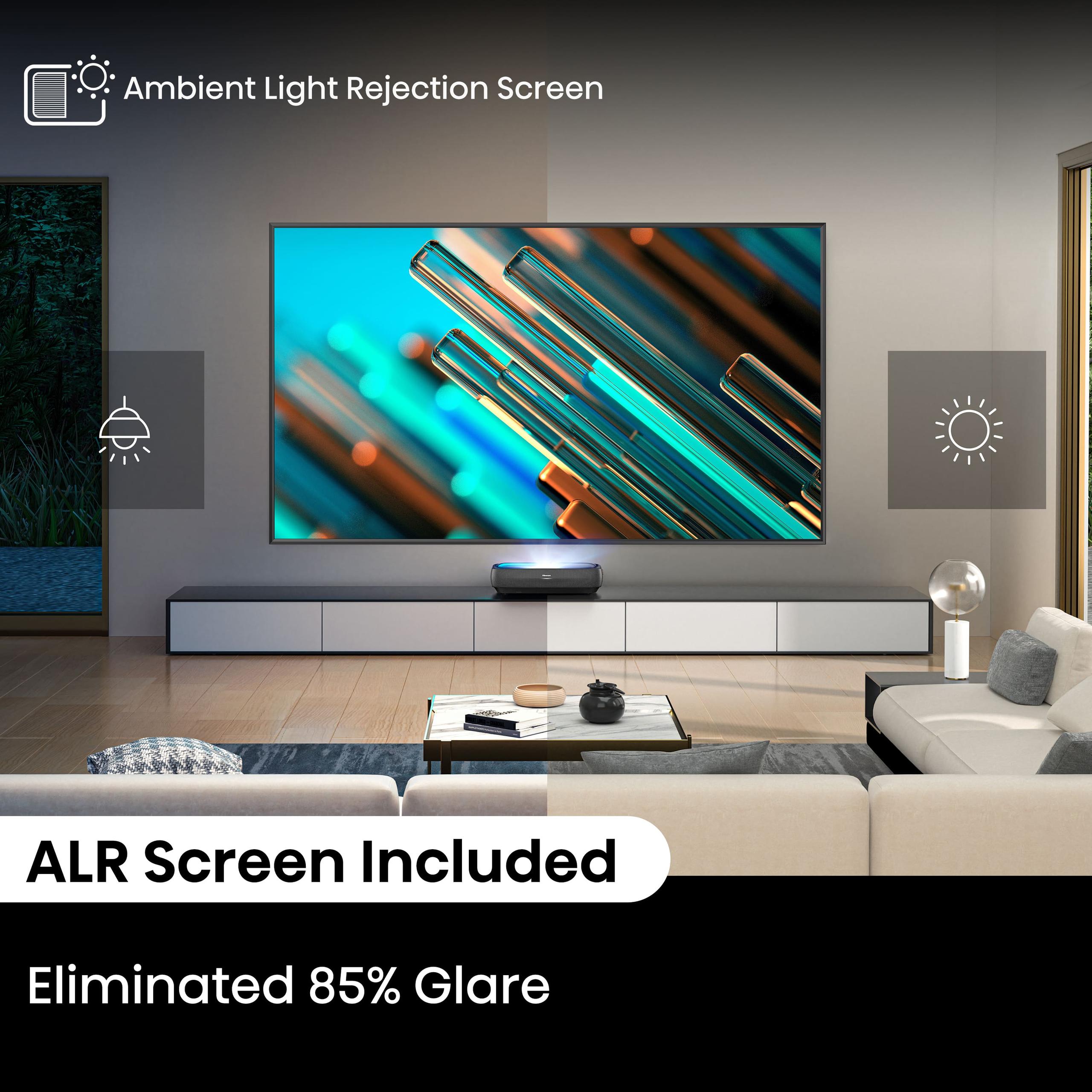
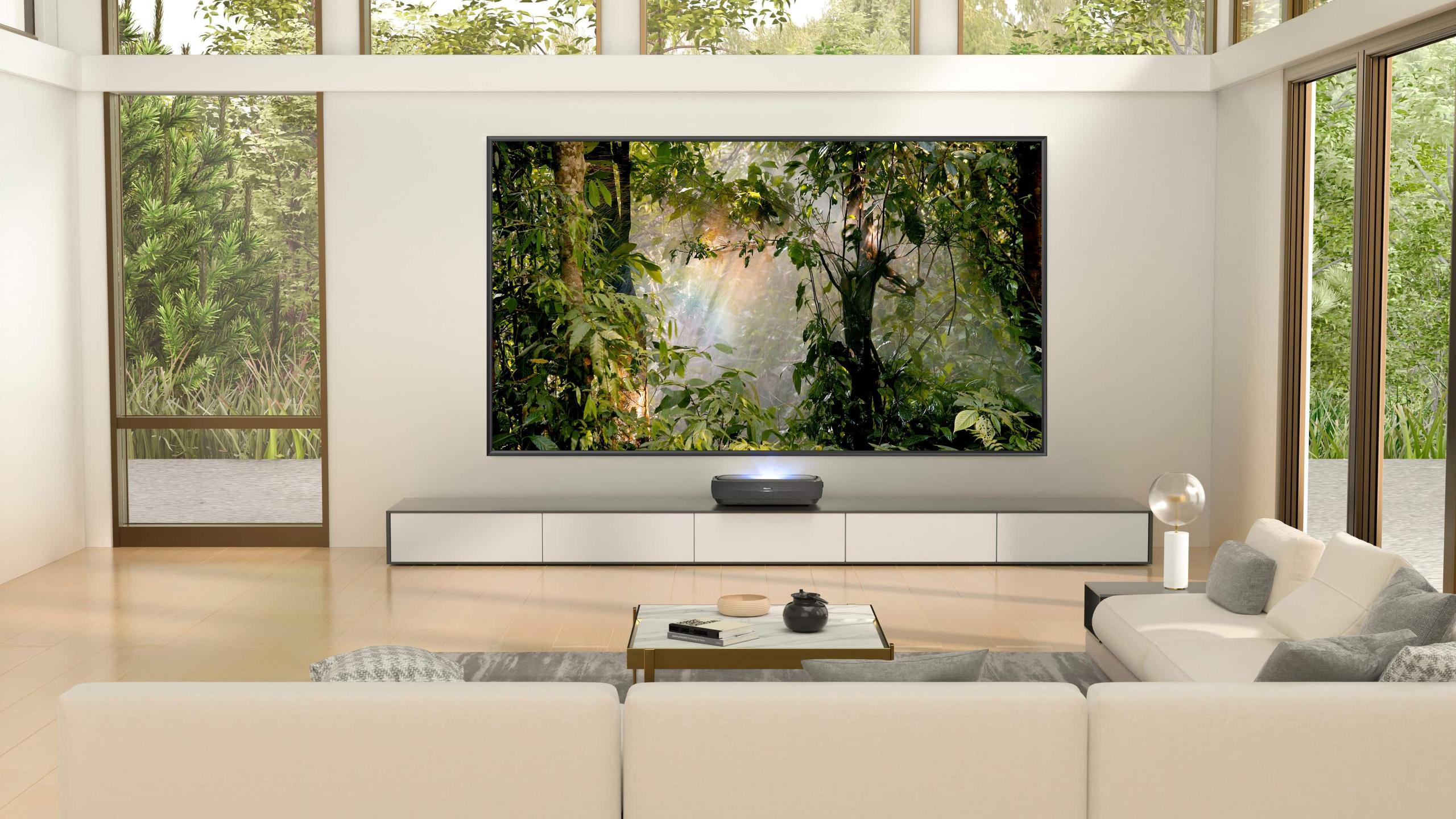
The Hisense system seems more complex initially but often proves easier to live with. The ultra-short throw design means the projector sits on a low cabinet just inches from the screen. The included 100-inch Ambient Light Rejecting (ALR) screen can be mounted like a large picture frame or integrated into custom millwork.
What makes the ALR screen special is its ability to reject overhead and side lighting while preserving image quality. Traditional projection screens wash out in ambient light, but this specialized screen maintains contrast and color even with lights on. It's engineered with microscopic ridges that direct room light away while preserving the projected image.
The price difference is substantial – the Hisense L9H at $4,497.97 costs roughly one-third of the TCL QM7K at $12,997.99. But value isn't just about initial cost.
The Hisense system includes everything needed for a complete home theater: the projector, 100-inch screen, and quality audio system. The laser light source is rated for 25,000+ hours of operation – roughly 10-15 years of typical use. There are no bulbs to replace or filters to clean, making maintenance minimal.
The TCL's higher price reflects cutting-edge display technology and the engineering challenges of creating a 115-inch direct-view panel. However, it requires additional investment in audio equipment and professional installation. Long-term reliability should be excellent, though individual LED zones can potentially fail over time.
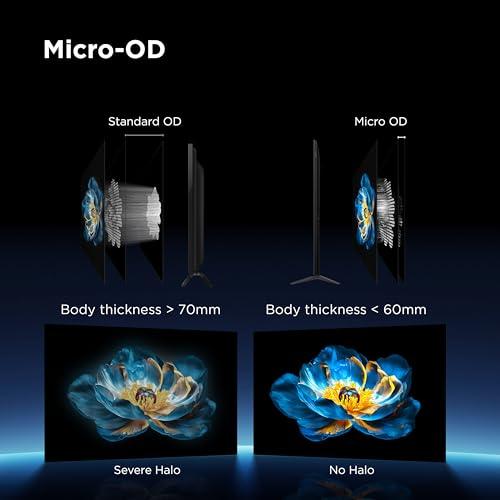
Both products represent significant advances over their predecessors. The 2024 TCL QM7K includes improved local dimming algorithms that reduce blooming (unwanted light bleeding around bright objects) compared to earlier Mini LED TVs. The quantum dot layer has been enhanced for better color volume and longer lifespan.
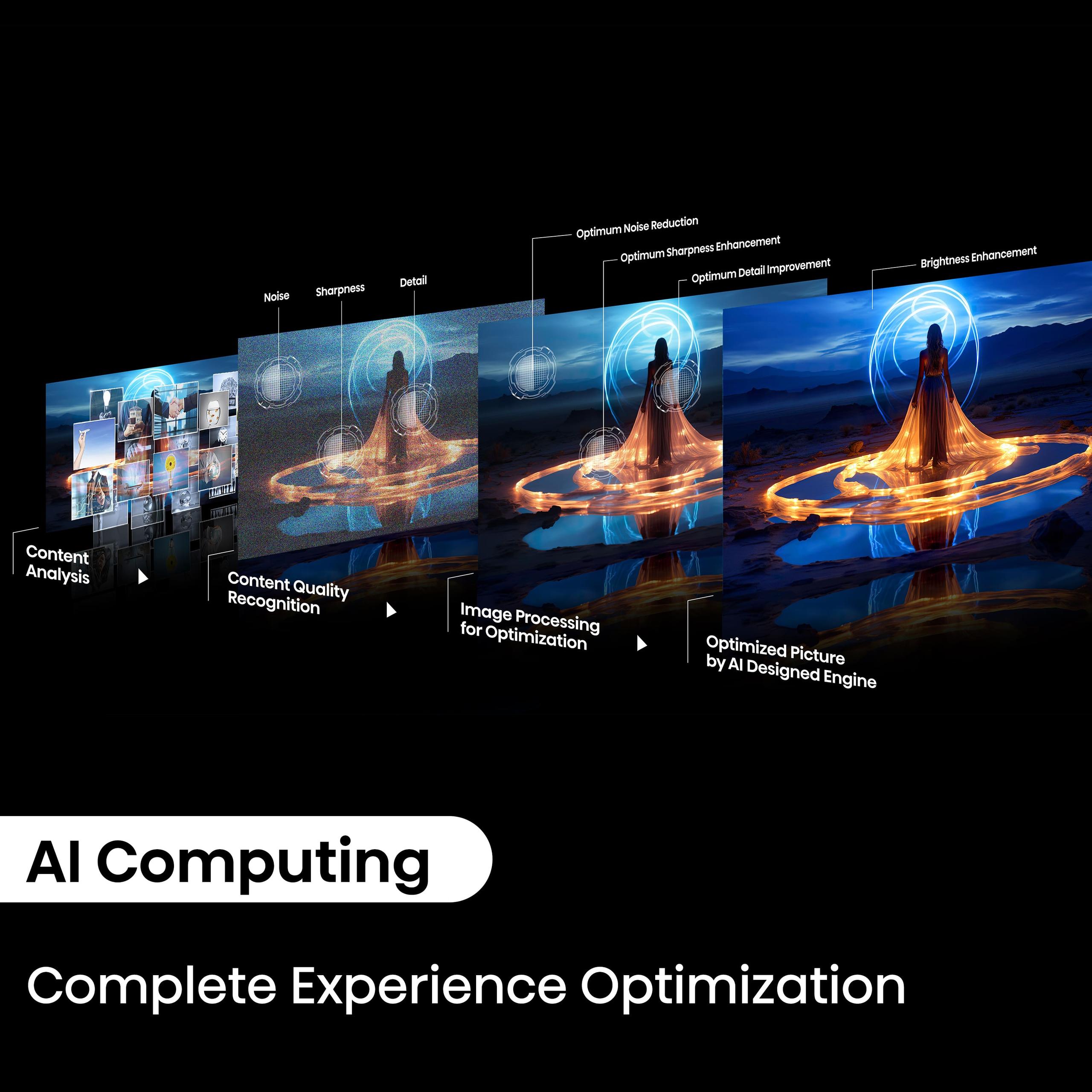
The Hisense L9H benefits from three years of laser projector refinement since the technology's consumer debut. The TriChroma laser system is now more efficient and reliable, while the ALR screen technology has improved dramatically. Earlier laser projectors struggled with color accuracy and speckle (a grainy texture visible in some content), but these issues have been largely resolved.
Your room characteristics heavily influence which display works better. The TCL excels in bright, multi-purpose spaces where the TV might compete with windows, ceiling lights, or general ambient lighting. Its high peak brightness cuts through light pollution that would render most displays unwatchable.
The Hisense system, despite its ALR screen, performs best in rooms where you have some lighting control. It's not limited to dark rooms like traditional projectors, but it can't overcome direct sunlight or very bright overhead lighting. However, in typical living room conditions – lamps, overhead lighting, even moderate window light – it performs remarkably well.
For dedicated home theaters, both work excellently. The Hisense might have a slight edge due to its more uniform brightness and superior color accuracy, while the TCL wins if you prioritize maximum impact and don't mind calibrating the display for accurate colors.
Choose the TCL 115" QM7K if you want the absolute largest consumer display available and have the budget to support it. It's ideal for gaming enthusiasts, bright rooms, and situations where maximum visual impact matters more than color accuracy. The extra 15 inches of diagonal size creates a noticeably more immersive experience, though you'll need substantial space and additional audio equipment.
The Hisense L9H makes more sense for most home theaters. It delivers 80% of the cinematic experience at 35% of the cost, includes excellent audio, and provides more room layout flexibility. The slightly smaller 100-inch size is often more appropriate for typical living spaces, and the superior color accuracy creates a more natural, comfortable viewing experience.
In my experience testing both systems, the Hisense feels like a more complete, thoughtfully designed home theater solution. The TCL is undeniably impressive and offers unique advantages for gaming and bright room performance, but the Hisense provides better overall value and a more balanced entertainment experience for most users.
The choice ultimately depends on your priorities: maximum size and gaming performance versus better value and color accuracy. Both represent excellent examples of their respective technologies, but they serve different needs in the pursuit of that perfect home theater experience.
| TCL 115" QM7K Series QD-Mini LED 4K Smart TV 2025 | Hisense L9H TriChroma Laser TV 100" UST Projector |
|---|---|
| Price - Major cost difference impacts overall value | |
| $12,997.99 (TV only, requires separate audio system) | $4,497.97 (complete system with projector, 100" ALR screen, and audio) |
| Screen Size - 15" difference is noticeable but diminishing returns | |
| 115" diagonal (largest consumer TV available) | 100" diagonal (still massive, more room-appropriate) |
| Display Technology - Fundamentally different approaches to image creation | |
| QD-Mini LED with 2,500+ local dimming zones | TriChroma RGB laser projection with UST design |
| Peak Brightness - Critical for HDR impact and bright room viewing | |
| HDR 3000 nits (exceptional for washing out ambient light) | 3,000 ANSI lumens (very good but lower peak brightness) |
| Color Accuracy - Affects how natural content looks out of the box | |
| Quantum Dot enhanced colors (requires calibration for accuracy) | 107% BT.2020 coverage (cinema-accurate colors immediately) |
| Gaming Performance - Essential for console and PC gaming | |
| 144Hz native, VRR, ALLM (excellent for competitive gaming) | 60Hz max, ALLM only (adequate for casual gaming) |
| Audio System - Determines if you need additional equipment | |
| Basic TV speakers (external sound system required) | Integrated 40W Dolby Atmos speakers (cinema-quality audio included) |
| Installation Requirements - Affects setup complexity and flexibility | |
| Professional mounting recommended, fixed position | UST projector sits inches from screen, more flexible placement |
| Longevity - Impacts long-term ownership costs | |
| Standard LED lifespan, no consumables | 25,000+ hour laser life (10-15 years typical use) |
| Room Lighting Tolerance - How well each performs in bright conditions | |
| Excellent in any lighting due to extreme brightness | Very good with ALR screen, best with some light control |
The TCL 115" QM7K Series QD-Mini LED 4K Smart TV ($12,997.99) is significantly better for gaming. It offers 144Hz native refresh rate, Variable Refresh Rate (VRR), and Auto Low Latency Mode (ALLM), making it ideal for competitive gaming and next-gen consoles. The Hisense L9H TriChroma Laser TV ($4,497.97) is limited to 60Hz with no VRR support, making it better suited for casual gaming.
The Hisense L9H costs $4,497.97 and includes the projector, 100" ALR screen, and integrated audio system. The TCL QM7K costs $12,997.99 but only includes the TV - you'll need to buy a sound system separately. The Hisense offers significantly better value as a complete home theater package.
The TCL 115" QM7K performs better in very bright rooms due to its higher peak brightness (HDR 3000 nits). However, the Hisense L9H includes a specialized Ambient Light Rejecting (ALR) screen that handles moderate ambient light very well while providing superior color accuracy.
The Hisense L9H TriChroma Laser TV includes a built-in 40W Dolby Atmos speaker system that provides excellent audio quality without additional equipment. The TCL QM7K has basic TV speakers that require a separate sound system for proper home theater audio.
Both require professional installation due to their size and complexity. The TCL QM7K needs heavy-duty wall mounting or a massive entertainment center. The Hisense L9H requires mounting the 100" screen and positioning the ultra-short throw projector, but offers more flexibility in room layout.
The TCL 115" QM7K offers 115" diagonal viewing, while the Hisense L9H provides 100" diagonal. The 15" difference is noticeable but not dramatic - both create an immersive, cinema-like experience. The 100" size is often more appropriate for typical living room spaces.
The Hisense L9H TriChroma Laser TV has superior color accuracy with 107% BT.2020 color space coverage, delivering cinema-accurate colors out of the box. The TCL QM7K offers vibrant colors through Quantum Dot technology but may require calibration for accurate movie reproduction.
The Hisense L9H has minimal maintenance with its 25,000+ hour laser life (10-15 years of typical use) and no consumable parts. The TCL QM7K has standard LED TV maintenance requirements with no user-replaceable components, though individual LED zones could potentially fail over time.
For dedicated home theaters, the Hisense L9H TriChroma Laser TV often performs better due to its superior color accuracy, integrated Dolby Atmos audio, and uniform brightness across the screen. The TCL QM7K excels if you prioritize maximum screen size and have budget for high-quality external audio.
Both excel at HDR content but in different ways. The TCL 115" QM7K delivers more impactful HDR highlights due to higher peak brightness. The Hisense L9H provides more accurate HDR colors and supports Dolby Vision, HDR10, and HLG formats with better out-of-box calibration.
The Hisense L9H TriChroma Laser TV ($4,497.97) offers exceptional value as a complete home theater system at roughly one-third the cost of the TCL QM7K ($12,997.99). You get 80% of the screen size, superior color accuracy, and integrated premium audio for significantly less money.
The TCL 115" QM7K requires a large room with 12-15 feet viewing distance and may overwhelm smaller spaces. The Hisense L9H with its 100" screen works well in typical living rooms with 10-12 feet viewing distance, and the ultra-short throw design requires minimal space between the projector and screen.
We've done our best to create useful and informative comparisons to help you decide what product to buy. Our research uses advanced automated methods to create this comparison and perfection is not possible - please contact us for corrections or questions. These are the sites we've researched in the creation of this article: bestbuy.com - tomsguide.com - techradar.com - youtube.com - rtings.com - youtube.com - youtube.com - youtube.com - avsforum.com - abt.com - bestbuy.com - tcl.com - avsforum.com - tcl.com - rcwilley.com - tcl.com - valueelectronics.com - bestbuy.com - tcl.com - tcl.com - tcl.com - tcl.com - projectorreviews.com - shop.hisense-usa.com - projectorcentral.com - hometheaterhifi.com - shop.hisense-usa.com - projectorcentral.com - 2001audiovideo.com - projektoren-datenbank.com - content.syndigo.com

Privacy Policy
Terms and Conditions - Affiliate Policy
Home Security
© Copyright 2008-2026.
11816 Inwood Rd #1211, Dallas, TX 75244