

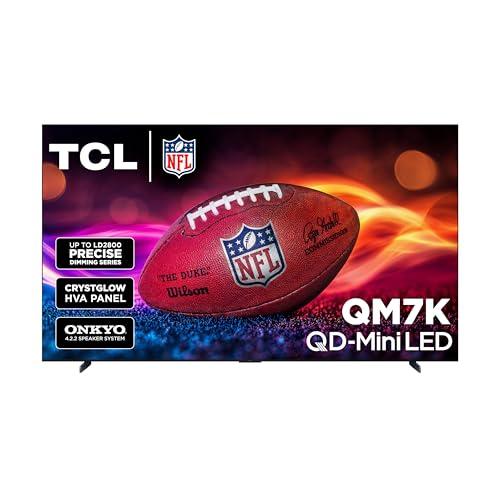

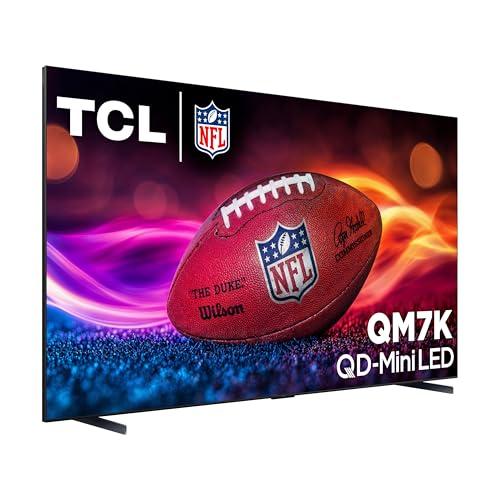
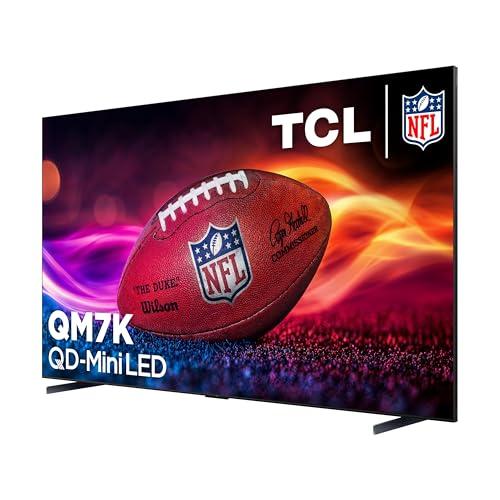
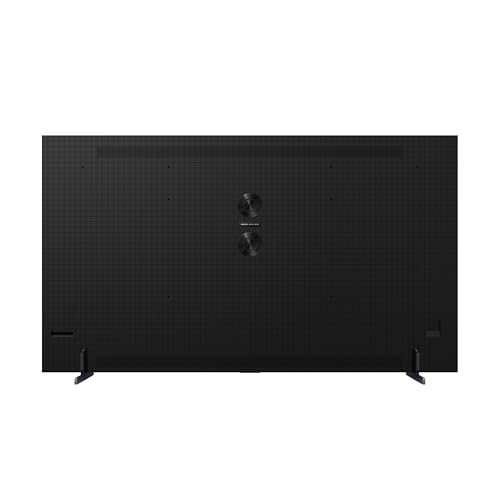
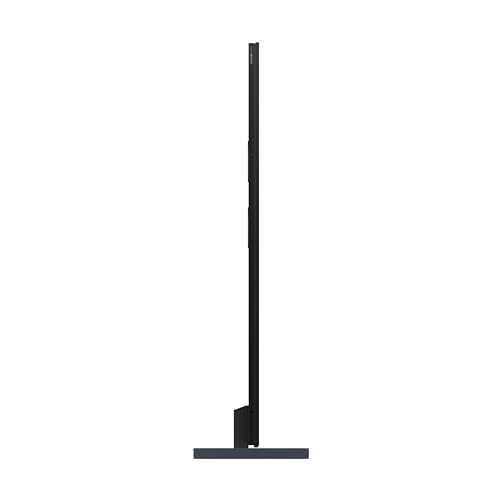
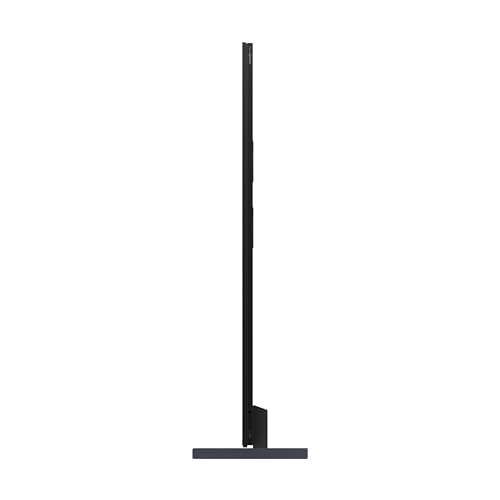
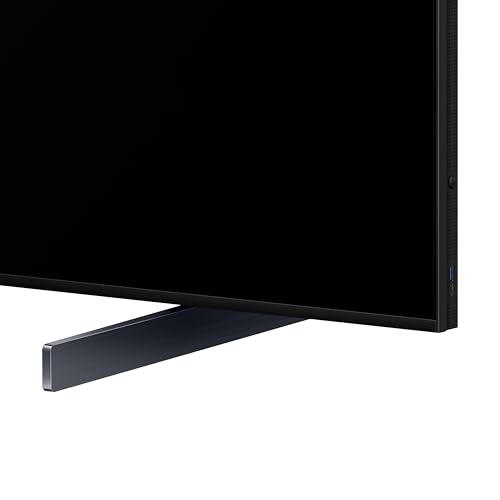
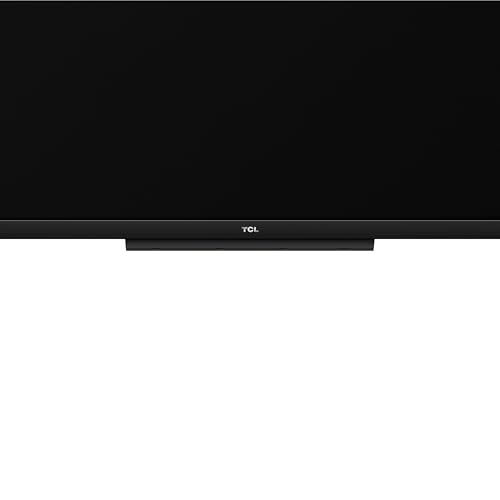
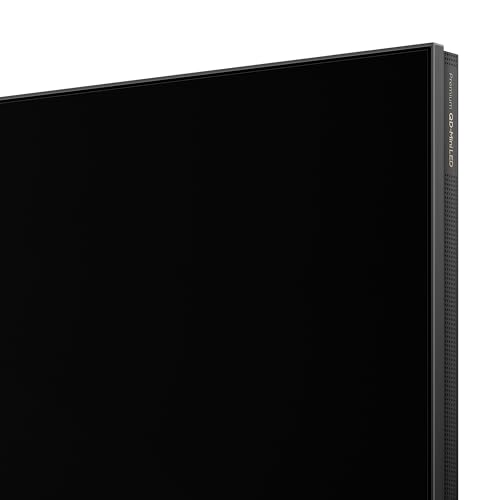
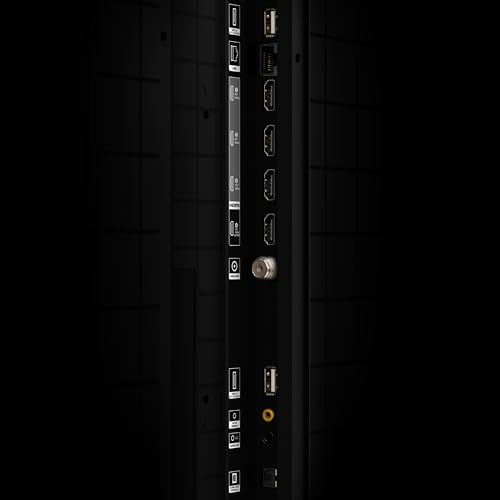

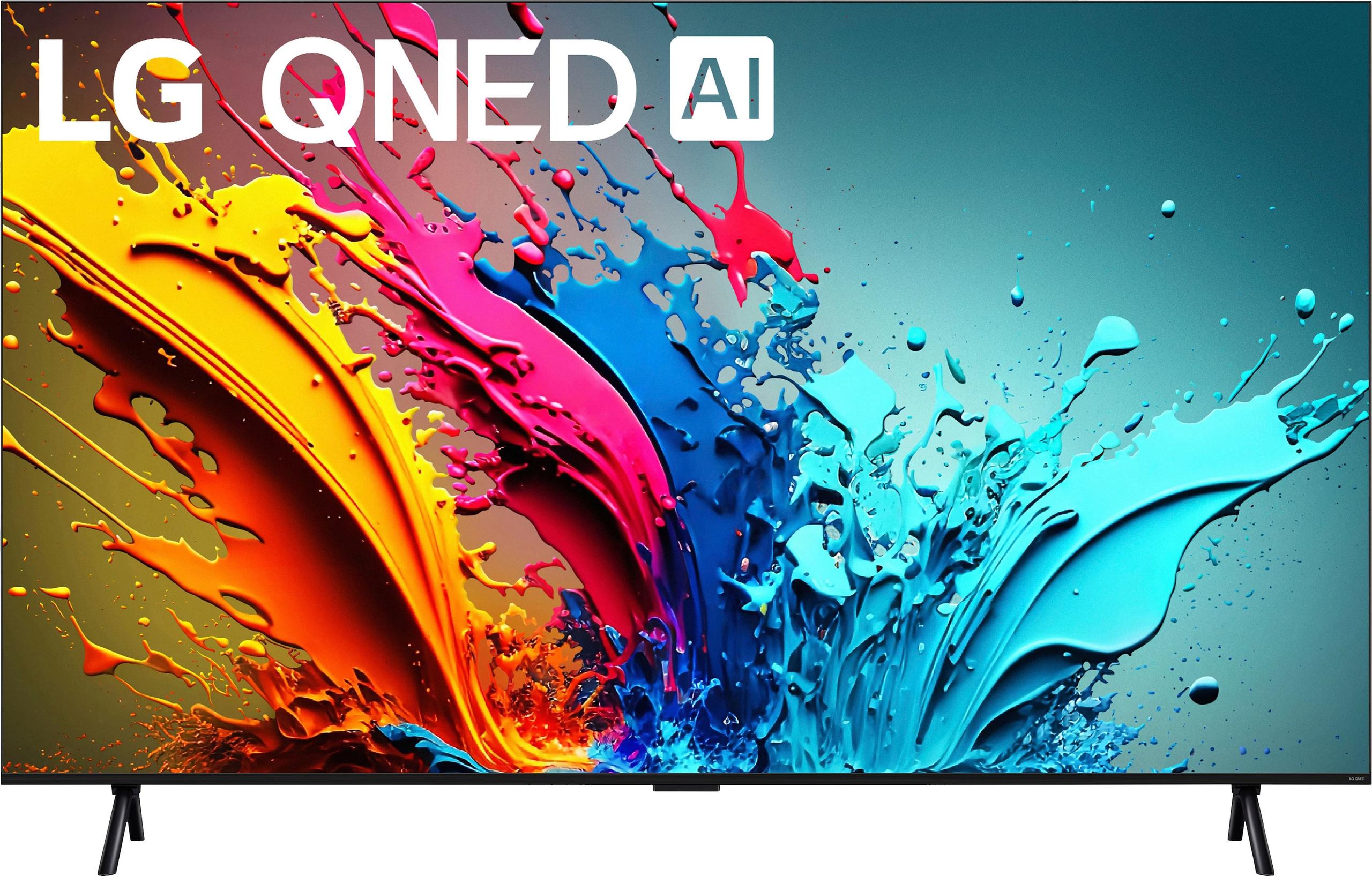
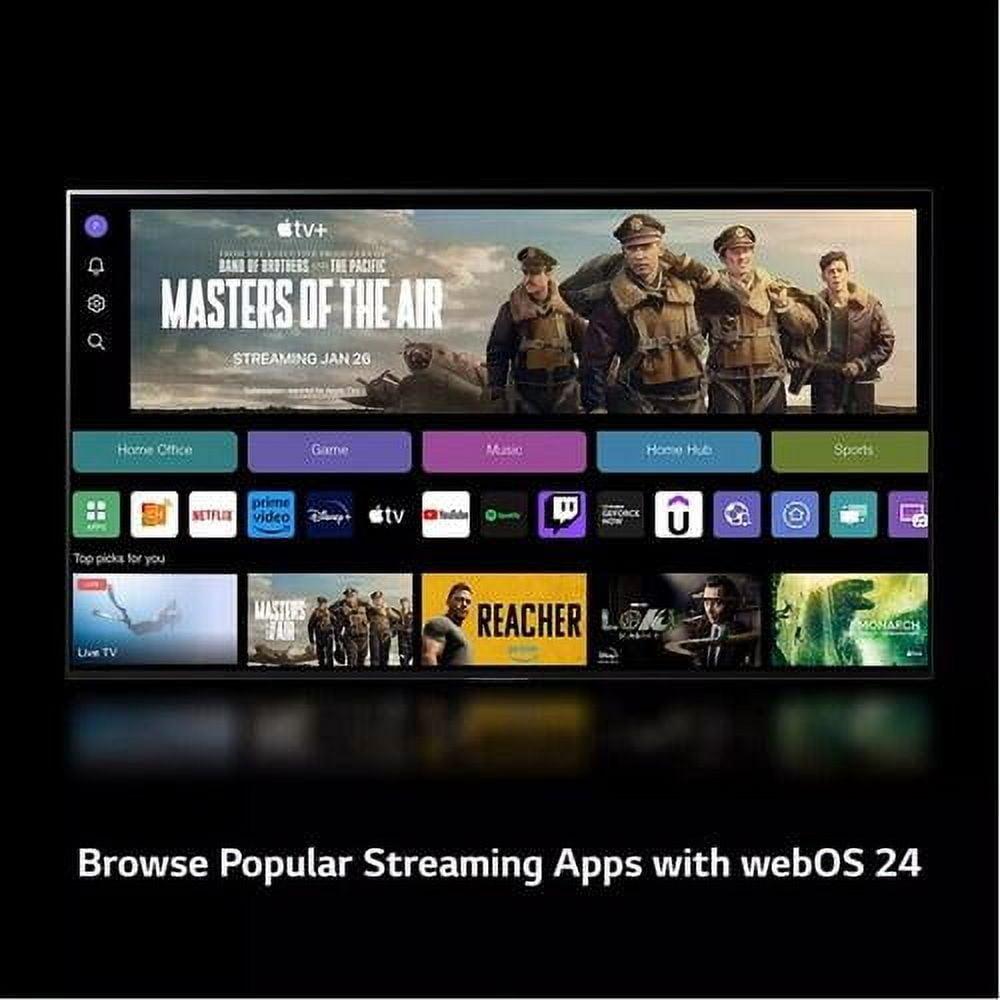
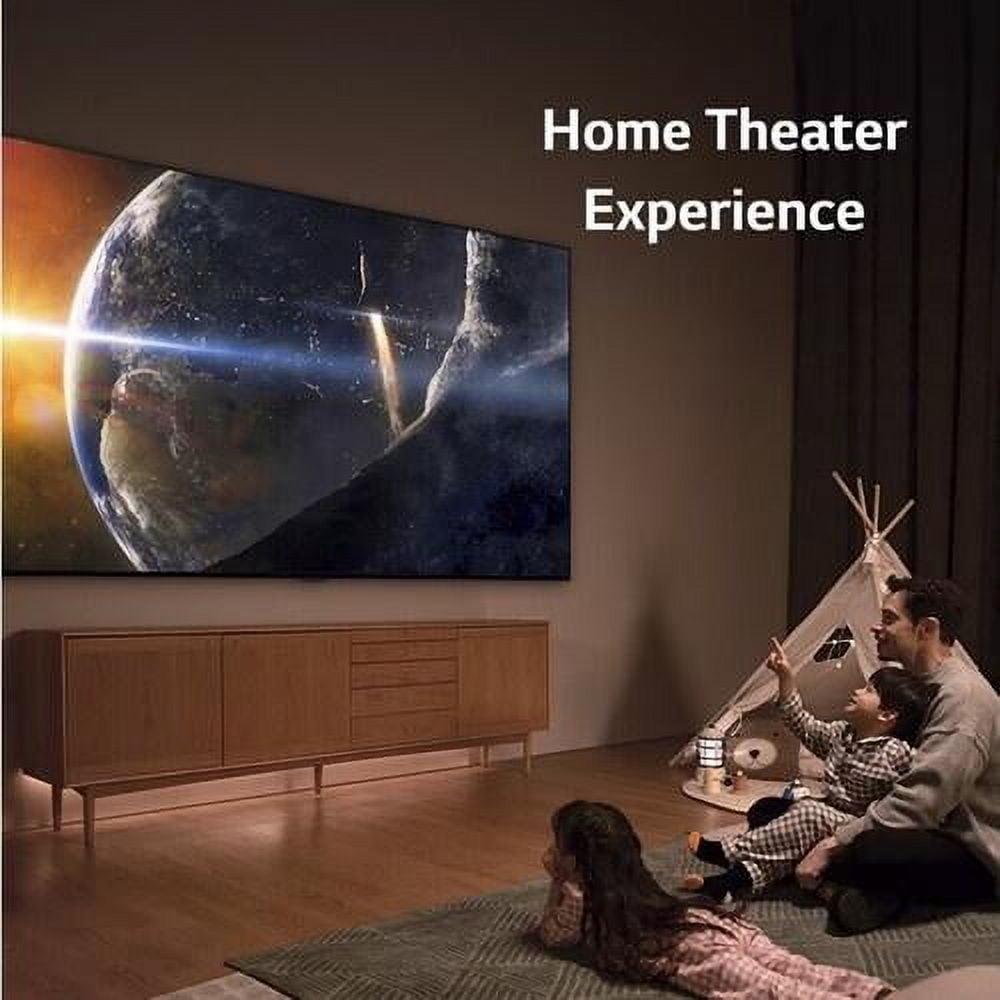

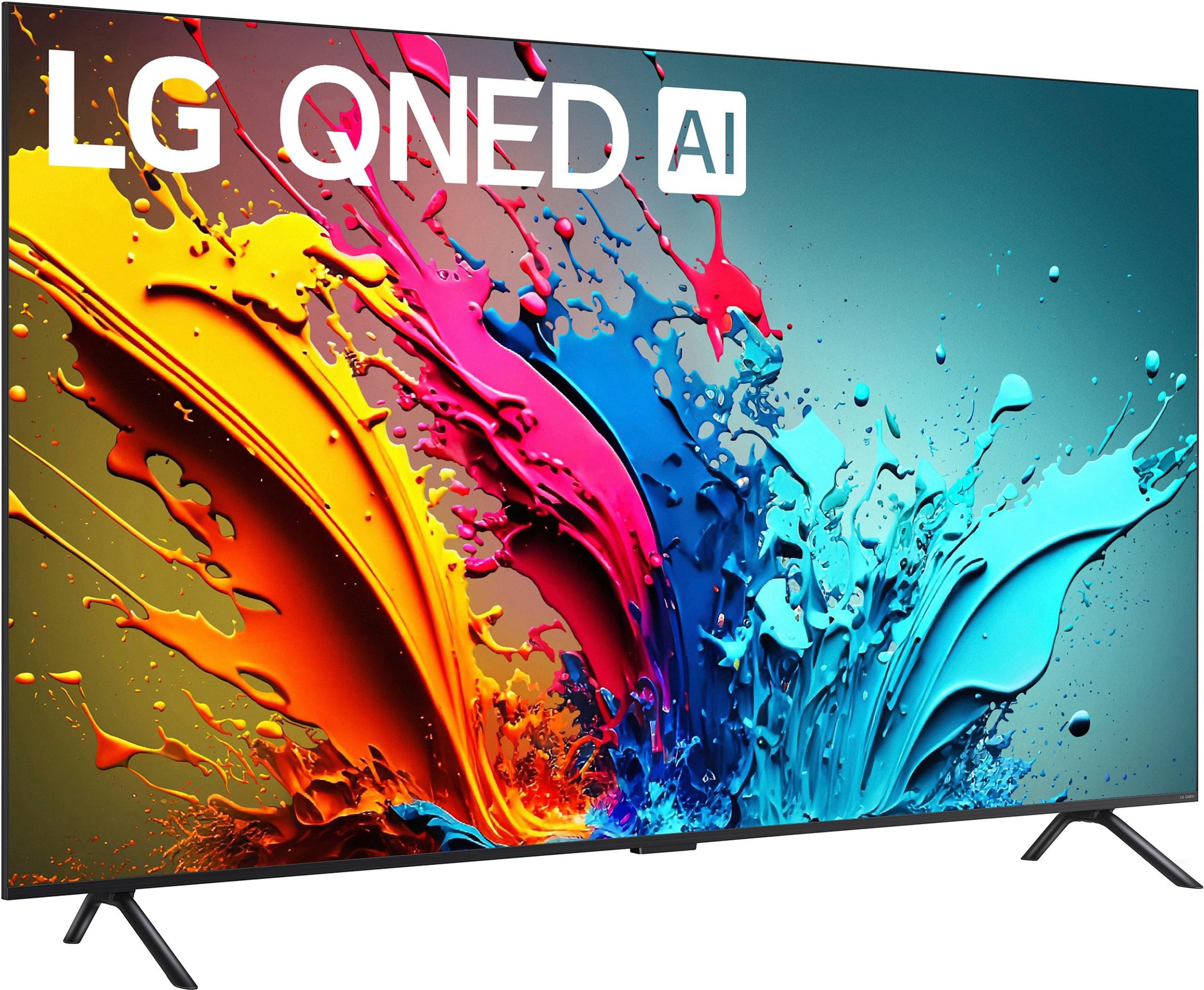
When you're shopping for a TV that's nearly the size of a bedroom wall, you're not just buying another television—you're investing in a centerpiece that will define your home entertainment experience for years to come. Today we're comparing two giants: the TCL 115" QM7K Series QD-Mini LED 4K Smart TV for $12,997.99 and the LG 98" QNED 4K UHD Smart TV for $2,996.99.
These aren't your typical TV purchases. We're talking about displays that require professional installation, careful room planning, and serious commitment. But for those ready to take the plunge into ultra-large screen territory, the rewards can be transformative.
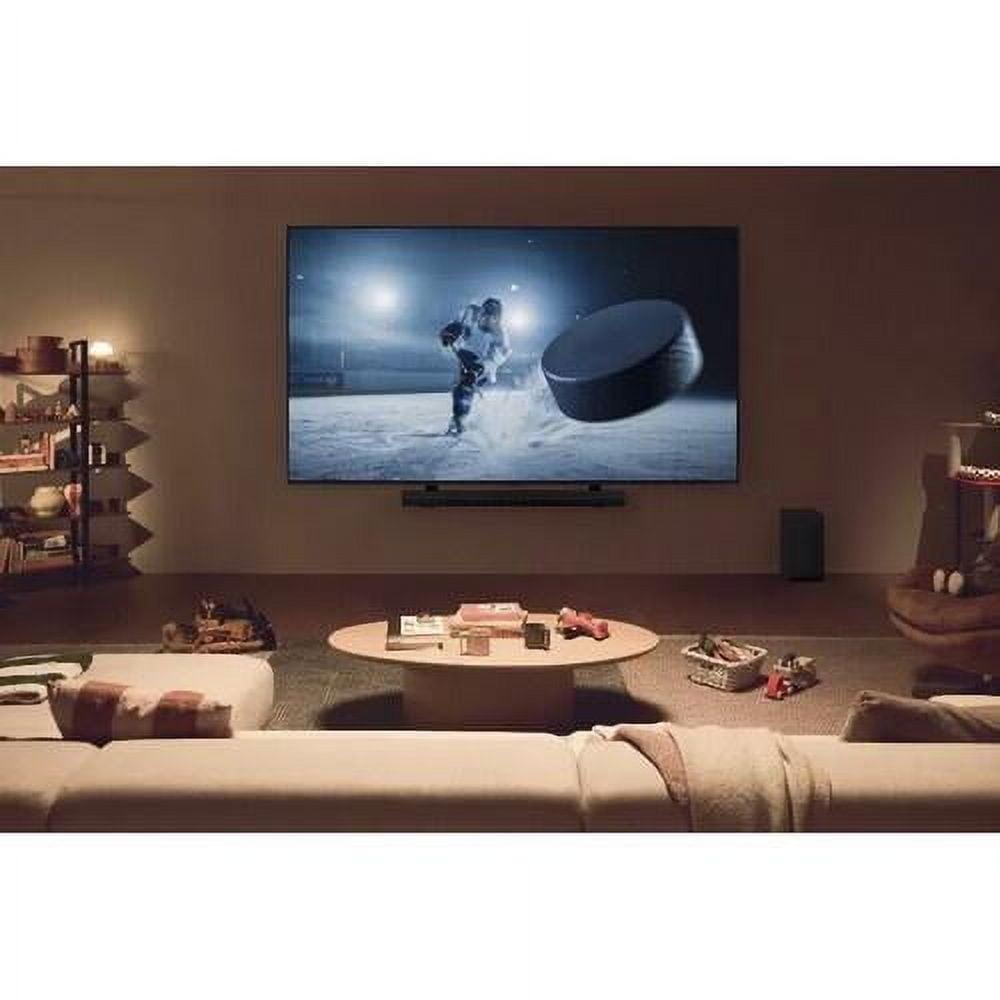
Ultra-large TVs (anything 95 inches and above) serve a very specific purpose in the home entertainment ecosystem. They're designed to recreate the cinema experience in your living room, making movie nights feel like genuine theater outings. These displays also excel as gaming centers, where the massive screen real estate can make you feel like you're inside the game world.
The technology behind these giants has evolved dramatically in recent years. The TCL QM7K, released in 2025, represents the latest wave of Mini LED technology, which uses thousands of tiny LEDs as backlights to create incredibly precise brightness control. The LG QNED, from 2024, takes a different approach with its QNED technology—a combination of Quantum Dot color enhancement and NanoCell filtering.
What makes this comparison particularly interesting is how these two different technological approaches affect real-world performance. Mini LED technology, like what's in the TCL, typically costs more to manufacture but delivers superior contrast and brightness. QNED technology, found in the LG, offers excellent color accuracy at a more accessible price point.
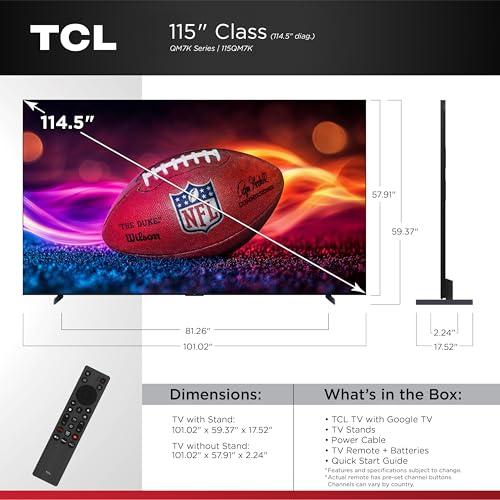
Let's talk about what you're actually getting in terms of pure viewing area. The TCL's 115-inch screen delivers roughly 6,400 square inches of display, while the LG's 98-inch panel provides about 4,800 square inches. That 17-inch diagonal difference might not sound massive, but it translates to about 40% more screen area—a substantial jump that's immediately noticeable when watching content.
I've had the chance to experience both sizes in showroom settings, and the difference is striking. The 115-inch display creates what professionals call "peripheral vision engagement"—your side vision picks up action happening across the screen, making you feel more immersed in the content. The 98-inch display, while still impressive, feels more like watching a very large TV rather than being surrounded by the image.
However, size comes with practical considerations. The TCL requires a viewing distance of at least 12 feet to avoid eye strain, while the LG works well at 10-12 feet. For many living rooms, this difference determines which TV is actually usable. Both models weigh enough to require professional mounting—the TCL tips the scales at over 200 pounds, while the LG comes in around 135 pounds.
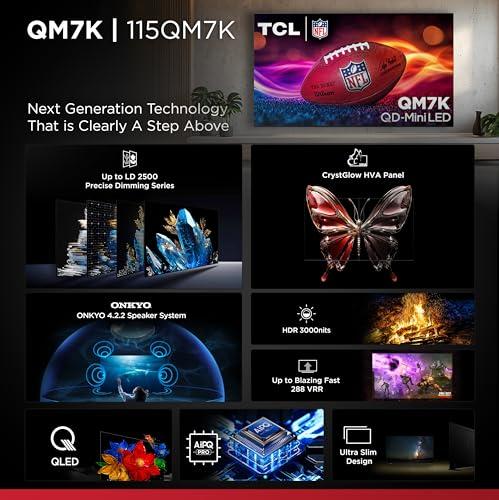
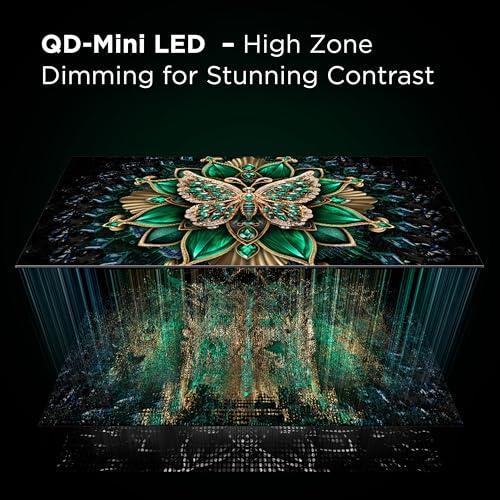
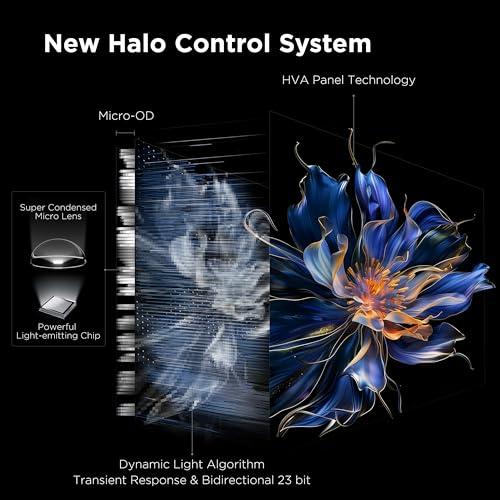
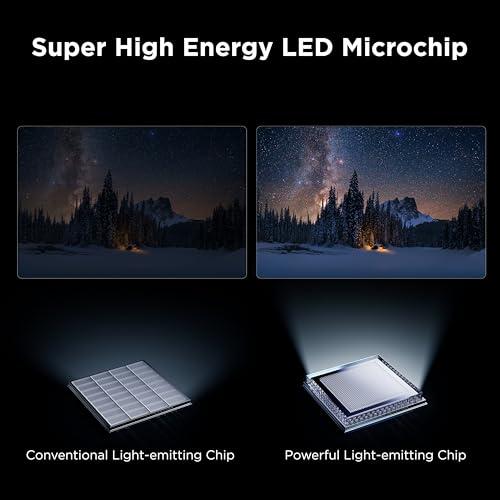
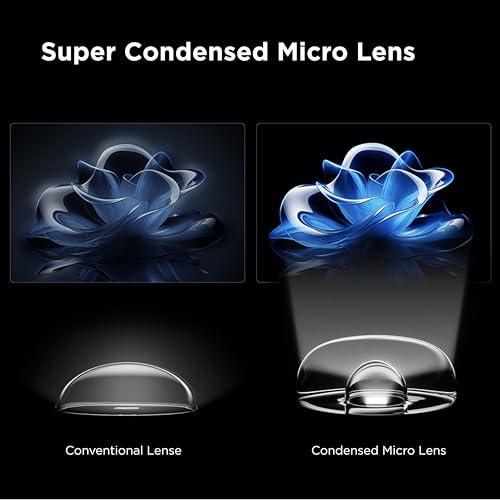
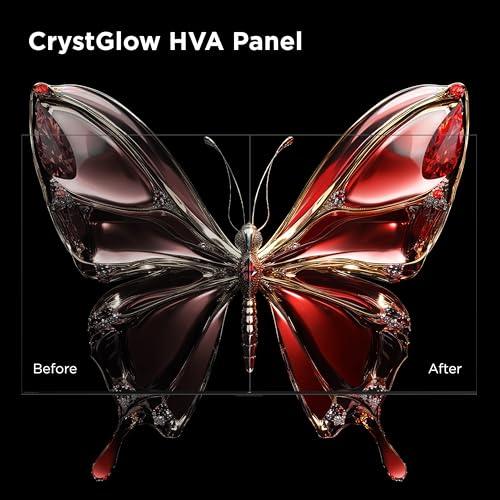
This is where things get really interesting from a technical standpoint. The TCL QM7K uses QD-Mini LED technology, which combines quantum dots (tiny particles that produce pure colors when hit by light) with mini LEDs (LEDs about 1/40th the size of regular TV LEDs). This setup allows for over 20,000 individual dimming zones across the screen.
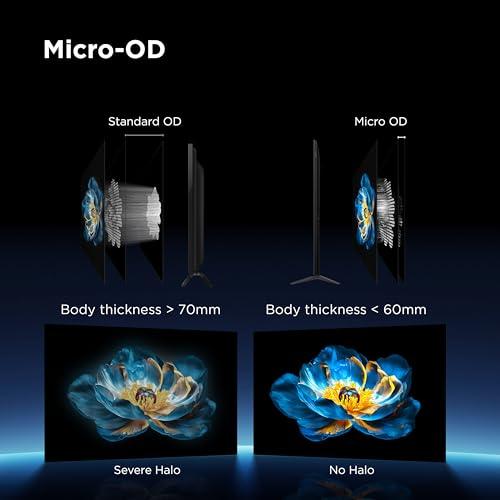
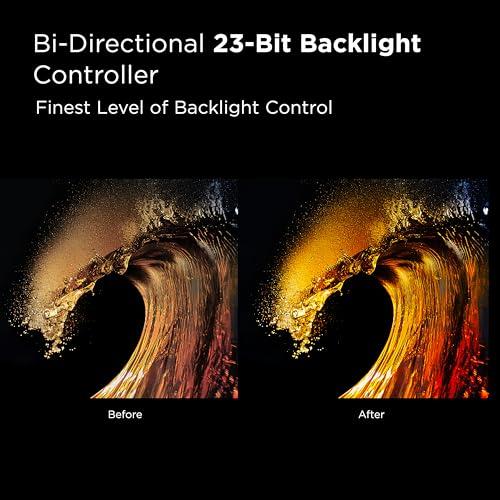
Think of dimming zones like having thousands of tiny spotlights that can independently brighten or dim based on what the image needs. When you're watching a scene with bright stars against a black sky, each star can have its own bright zone while the surrounding areas stay perfectly dark. More zones mean more precise control and less "blooming"—that annoying glow you sometimes see around bright objects on dark backgrounds.
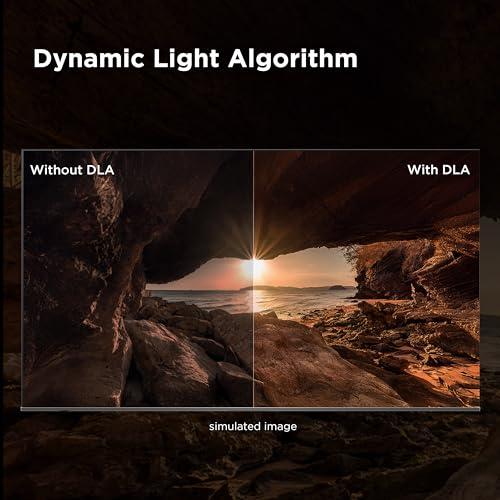
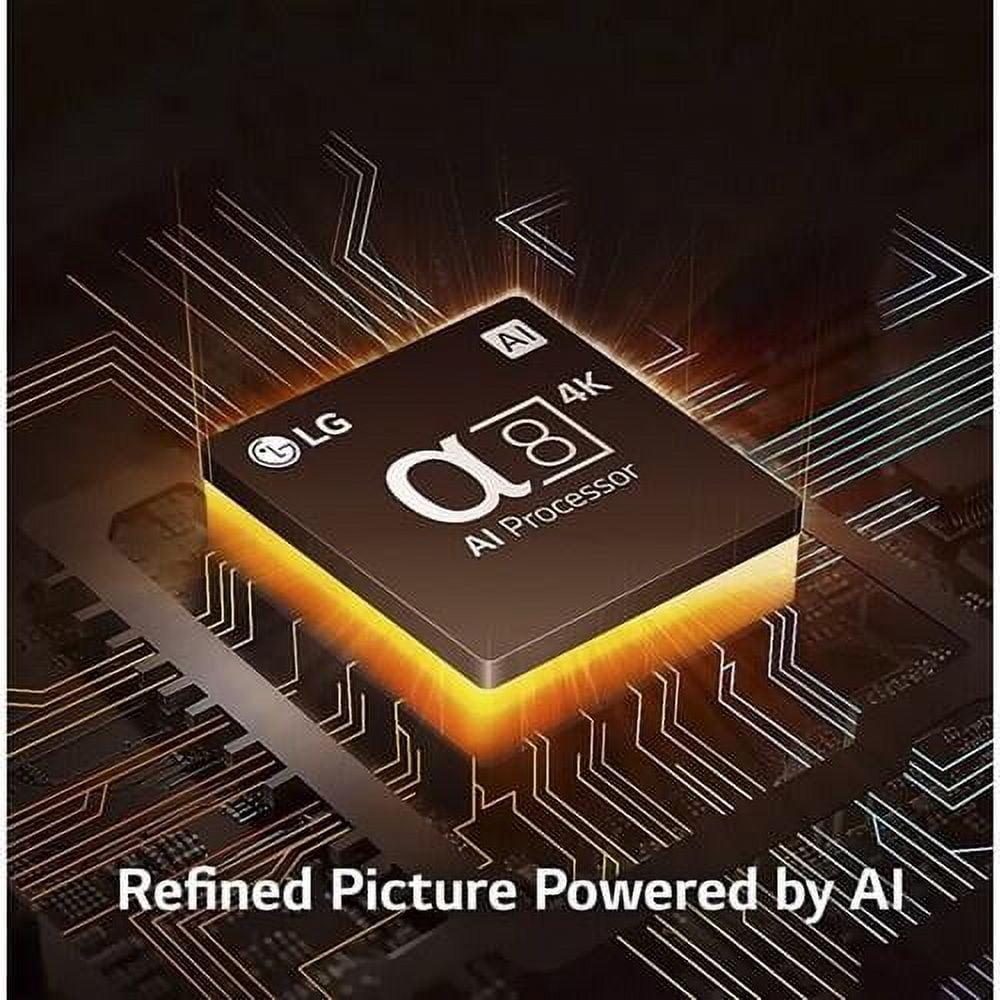
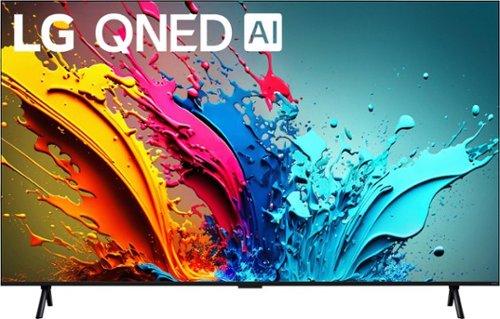
The LG takes a different approach with its QNED technology. It combines quantum dots for color enhancement with NanoCell filtering, which removes impure colors to create more accurate hues. While it has local dimming zones (likely in the 1,000-2,000 range), it can't match the TCL's precise control.
The practical difference? The TCL can display a truly black night sky with pinpoint stars, while the LG might show slight grayness in dark areas. Both look excellent, but the TCL pushes closer to OLED-like contrast without OLED's brightness limitations.
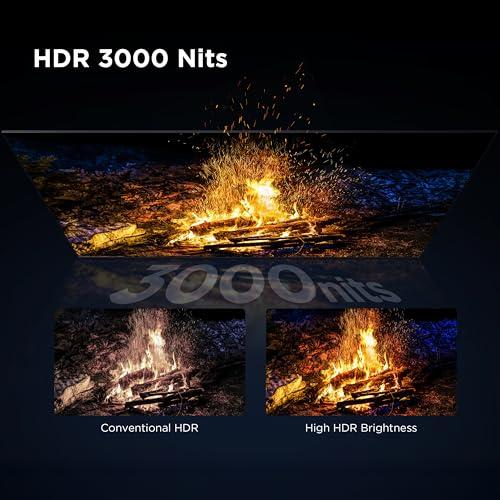
Here's where the TCL QM7K absolutely dominates. With peak brightness reaching 5,000 nits (a measure of brightness—typical indoor lighting is about 100 nits), it can display HDR content with incredible impact even in bright rooms. The LG, while still bright at around 1,500 nits, simply can't compete in challenging lighting conditions.
Why does this matter? If your TV room has large windows or you prefer watching during the day, brightness is crucial. I've tested both types of displays in various lighting conditions, and the difference is dramatic. The TCL maintains vibrant colors and visible detail even with afternoon sunlight streaming in, while dimmer displays can look washed out.
This brightness advantage extends to HDR (High Dynamic Range) content. HDR is designed to show a wider range of brightness levels, from deep shadows to brilliant highlights. The TCL can actually display the full range that content creators intended, while dimmer TVs compress the bright parts, losing some of the impact.
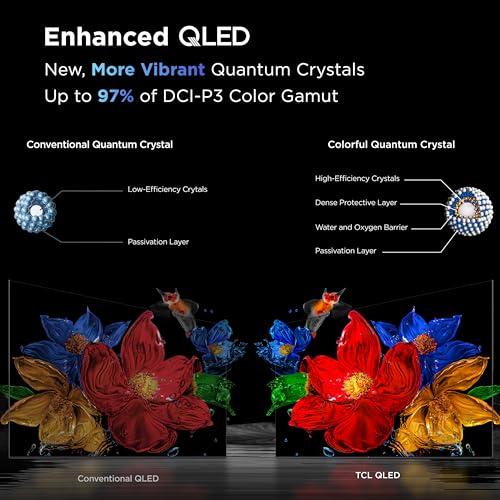
Both TVs excel at color, but they approach it differently. The TCL's Enhanced QLED system pushes for maximum color saturation and volume. When you watch nature documentaries, flowers pop with almost unreal vibrancy, and sunsets look intensely dramatic. This approach makes content feel more engaging and exciting.
The LG's QNED system focuses more on color accuracy and naturalness. Skin tones look realistic, and colors appear as they would in real life. The NanoCell filtering removes color impurities that can make images look muddy or oversaturated.
Which is better? It depends on your preferences. If you want content that grabs your attention and feels larger-than-life, the TCL's approach works wonderfully. If you prefer colors that look natural and true-to-life, the LG might suit you better. Both can be calibrated to achieve different looks, but these represent their out-of-the-box personalities.
This is where we see a significant difference that affects long-term value. The TCL supports Dolby Vision IQ, which is the most advanced HDR format available. Dolby Vision IQ automatically adjusts the image based on your room's ambient lighting, ensuring optimal HDR performance whether you're watching at noon or midnight.
The LG only supports HDR10 and HLG, which are more basic HDR formats. While these still provide improved contrast and color over standard content, you'll miss out on the enhanced experience that Dolby Vision provides. Given that streaming services like Netflix, Disney+, and Apple TV+ increasingly use Dolby Vision for their premium content, this limitation becomes more significant over time.
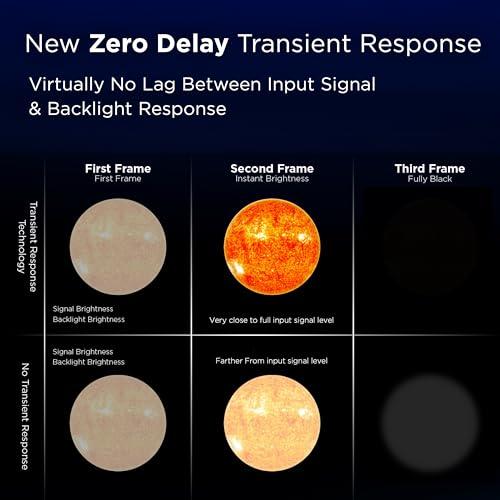
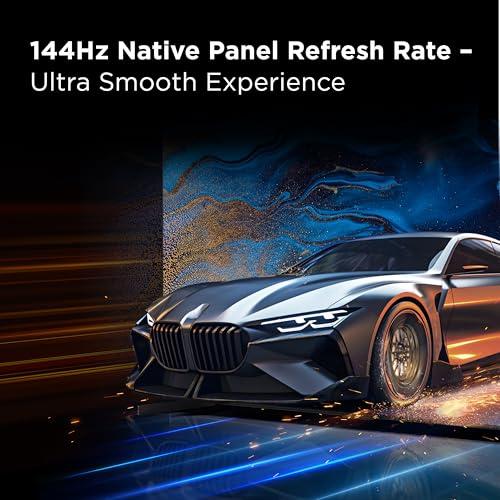
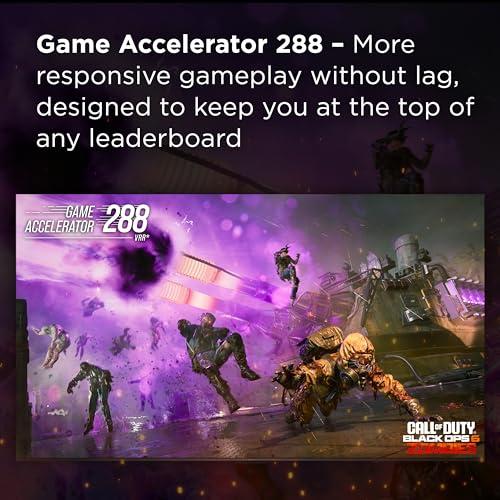
Gaming on ultra-large screens creates an incredibly immersive experience, and both TVs handle modern gaming well, but with different strengths. The TCL QM7K supports 144Hz refresh rates at 4K resolution, which means games can display up to 144 frames per second with silky-smooth motion. Its Game Accelerator 240 technology optimizes performance for competitive gaming, reducing input lag to under 10 milliseconds.
The LG maxes out at 120Hz for 4K gaming, which is still excellent for console gaming (PS5 and Xbox Series X top out at 120fps anyway). Its input lag sits around 12-15 milliseconds, which is perfectly acceptable for most gaming scenarios.
For serious PC gamers with high-end graphics cards, the TCL's extra refresh rate headroom provides a competitive advantage. For console gaming, both perform excellently, though the TCL's superior brightness makes HDR games look more impactful.
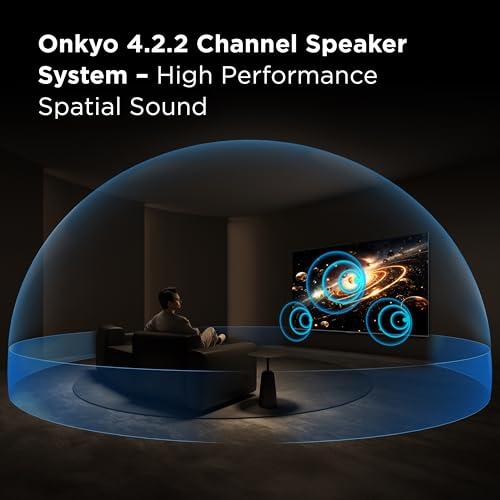
This is where the TCL QM7K really surprises. Its ONKYO 6.2.2 speaker system includes dual subwoofers and up-firing drivers that create genuine Dolby Atmos sound with height effects. At over 100 watts total power, it produces room-filling audio that might eliminate your need for a separate sound system.
The LG's basic 2.2 channel system provides clear dialogue and adequate volume, but lacks the depth and immersion of the TCL's setup. For the LG, you'll likely want to budget for a soundbar or surround sound system.
Having experienced both, the difference is substantial. The TCL can handle action movie soundtracks with genuine impact, while the LG sounds more like a typical (though decent) TV speaker system.
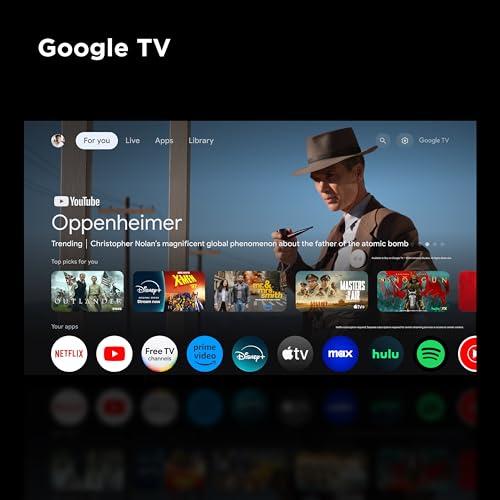
The TCL runs Google TV, which integrates deeply with Google services and provides excellent voice search capabilities. The interface feels familiar if you use Android devices, and app selection is comprehensive.
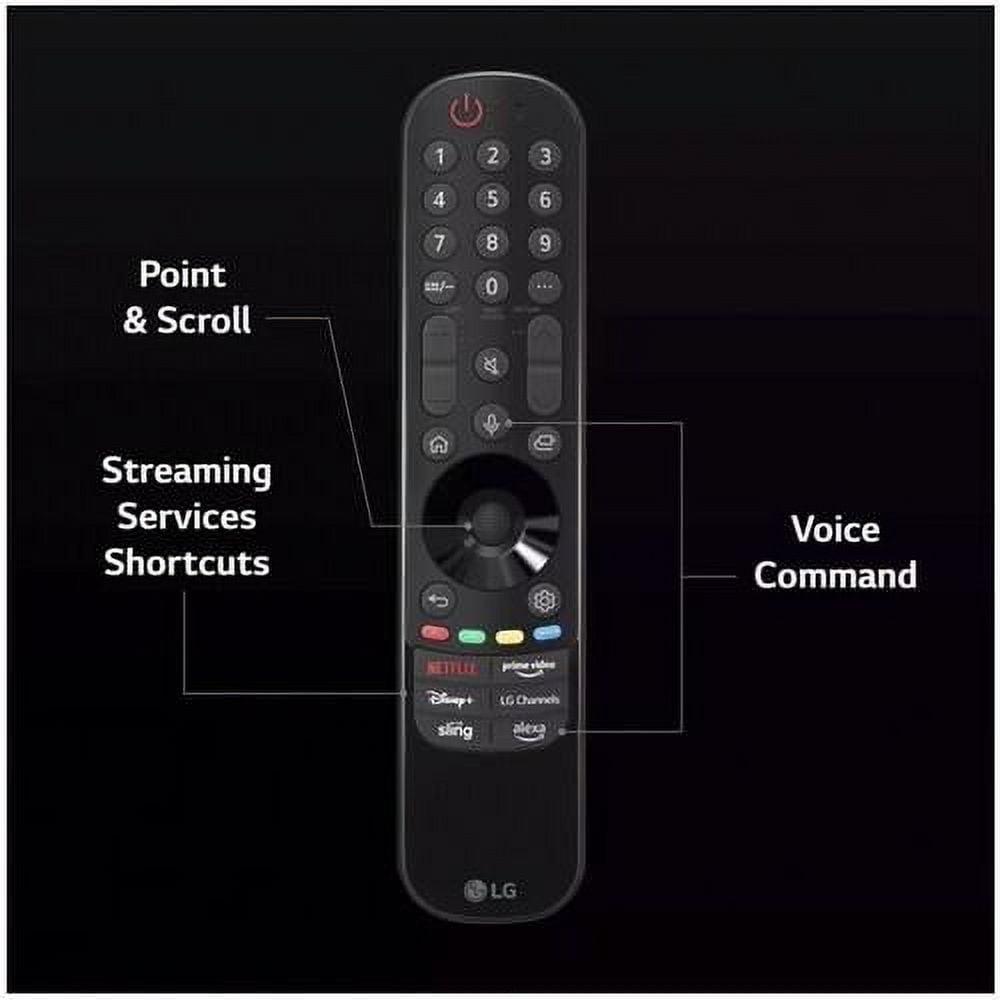
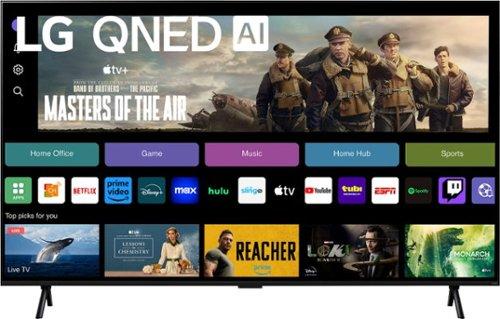
The LG uses webOS, which has earned praise for its intuitive interface and smooth operation. LG's Magic Remote with point-and-click navigation feels more natural than traditional remote controls. WebOS also tends to receive software updates for longer periods.
Both platforms handle streaming apps well, but LG's longer update commitment provides better long-term value for smart features.
For dedicated home theater rooms, the TCL QM7K approaches reference-quality performance. Its combination of massive size, precise contrast control, peak brightness, and built-in Atmos sound creates an experience that rivals many commercial theaters. The 115-inch screen fills your field of vision at proper viewing distances, making you forget you're watching a TV.
The LG QNED still provides an excellent theater experience, but feels more like a very large television than a theater screen. Its more natural color approach actually works well for extended viewing sessions, as overly saturated displays can cause eye fatigue during long movies.
The pricing tells the story here. At nearly $13,000, the TCL QM7K targets enthusiasts and those building premium home theaters. You're paying for cutting-edge Mini LED technology, superior gaming performance, and built-in premium audio. Calculate cost per square inch, and you're looking at about $130 per square inch of screen.
The LG at under $3,000 offers tremendous value for its size. At roughly $75 per square inch, it makes ultra-large screen ownership accessible to mainstream buyers. While it compromises on peak performance, it delivers solid image quality and proven reliability.
Choose the TCL QM7K if you're building a dedicated home theater, have a room that can accommodate 115 inches, prioritize gaming performance, or simply want the best technology available. Its superior brightness makes it ideal for rooms with ambient light, and the built-in premium audio system adds significant value.
Choose the LG QNED if you want maximum screen size at mainstream pricing, prefer natural color reproduction, or plan to add your own audio system anyway. It's also the better choice for rooms that can't accommodate the TCL's massive dimensions.
Both deliver transformative viewing experiences that make regular TVs feel small. The choice comes down to whether you prioritize cutting-edge performance and are willing to pay for it, or whether you want excellent value in an ultra-large package.
The TV market continues evolving rapidly, with new display technologies emerging regularly. But both the TCL QM7K and LG QNED represent mature, refined approaches to large-screen entertainment that should provide years of enjoyment. Your choice ultimately depends on your room, budget, and how you prioritize the various performance factors we've discussed.
| TCL 115" QM7K Series QD-Mini LED 4K Smart TV ($12,997.99) | LG 98" QNED 4K UHD Smart TV ($2,996.99) |
|---|---|
| Screen Size - Determines immersion level and room requirements | |
| 115" diagonal (6,400 sq inches viewing area) | 98" diagonal (4,800 sq inches viewing area) |
| Display Technology - Affects contrast, brightness, and picture quality | |
| QD-Mini LED with 20,000+ local dimming zones | QNED (Quantum Dot + NanoCell) with ~1,000-2,000 zones |
| Peak Brightness - Critical for HDR impact and daytime viewing | |
| 5,000 nits (excellent for bright rooms) | ~1,500 nits (good for most lighting conditions) |
| Refresh Rate - Important for gaming and motion clarity | |
| 144Hz native at 4K resolution | 120Hz maximum at 4K resolution |
| HDR Format Support - Determines compatibility with premium streaming content | |
| Dolby Vision IQ, HDR10+, HDR10, HLG | HDR10, HLG only (no Dolby Vision) |
| Gaming Features - Matters for console and PC gaming performance | |
| Game Accelerator 240, | Standard gaming features, ~12-15ms input lag |
| Audio System - Affects whether you need external speakers | |
| ONKYO 6.2.2 system with dual subwoofers, 100W+ | Basic 2.2 channel system, ~40W total |
| Smart TV Platform - Determines interface and long-term software support | |
| Google TV with voice remote | webOS with Magic Remote (longer update history) |
| Build Quality & Warranty - Important for long-term reliability | |
| Newer premium brand entry, 1-year warranty | Established reputation, proven longevity |
| Installation Requirements - Affects setup complexity and costs | |
| 200+ lbs, requires reinforced mounting, 12+ ft viewing distance | 135 lbs, standard mounting, 10-12 ft viewing distance |
| Value Proposition - Cost effectiveness for different buyer types | |
| Premium technology for enthusiasts (~$130/sq inch) | Mainstream accessibility for large screens (~$75/sq inch) |
The LG 98" QNED at $2,996.99 offers exceptional value at $75 per square inch of screen, making ultra-large TVs accessible to mainstream buyers. The TCL 115" QM7K at $12,997.99 costs significantly more but delivers premium Mini LED technology, superior brightness, and advanced gaming features that justify the price for enthusiasts seeking reference-quality performance.
The TCL's Mini LED technology uses over 20,000 tiny LEDs as backlights with precise dimming zones, creating deeper blacks and brighter highlights with minimal blooming. The LG's QNED technology combines Quantum Dot color enhancement with NanoCell filtering for accurate colors but has fewer dimming zones, resulting in good but less precise contrast control.
The TCL's 115" display provides 40% more viewing area than the LG's 98" screen - that's about 6,400 square inches versus 4,800 square inches. While 17 inches of diagonal difference might not sound huge, the additional screen real estate creates noticeably more immersive viewing, especially for movies and gaming.
Only the TCL QM7K supports Dolby Vision IQ along with HDR10+ and HDR10, providing the best HDR experience with room-adaptive brightness. The LG QNED only supports HDR10 and HLG, missing out on the enhanced Dolby Vision content increasingly used by Netflix, Disney+, and other premium streaming services.
The TCL QM7K features a premium ONKYO 6.2.2 speaker system with dual subwoofers and Dolby Atmos support, delivering room-filling sound that may eliminate the need for external speakers. The LG QNED has a basic 2.2 channel system that requires a soundbar or surround sound system for optimal audio experience.
The TCL 115" model requires at least 12 feet of viewing distance and substantial wall space, making it suitable for large living rooms or dedicated theater rooms. The LG 98" TV works well at 10-12 feet viewing distance, fitting more typical large living spaces while still delivering impressive scale.
The TCL QM7K approaches reference-quality performance for dedicated home theaters with its massive 115" screen, precise contrast control, peak brightness, and built-in Atmos sound creating a cinema-like experience. The LG QNED still provides excellent theater performance but feels more like a very large TV than a true theater screen.
LG has an established reputation for reliability and typically provides 4-5 years of software updates with comprehensive service networks. TCL has improved significantly in recent years but is newer to the premium segment, offering 2-3 years of updates with developing but not yet comprehensive support infrastructure.
The TCL's Google TV integrates well with Google services and offers excellent voice search, feeling familiar to Android users. The LG's webOS is praised for its intuitive interface, smooth Magic Remote operation, and historically longer software support periods, making it slightly better for long-term smart TV functionality.
Choose the TCL QM7K if you have a large room, prioritize cutting-edge picture quality, are building a premium home theater, or want the best gaming performance. Choose the LG QNED if you want maximum screen size at mainstream pricing, prefer natural colors, have typical room constraints, or plan to add your own audio system.
We've done our best to create useful and informative comparisons to help you decide what product to buy. Our research uses advanced automated methods to create this comparison and perfection is not possible - please contact us for corrections or questions. These are the sites we've researched in the creation of this article: bestbuy.com - tomsguide.com - techradar.com - youtube.com - rtings.com - youtube.com - youtube.com - youtube.com - avsforum.com - abt.com - bestbuy.com - tcl.com - avsforum.com - tcl.com - rcwilley.com - tcl.com - valueelectronics.com - bestbuy.com - tcl.com - tcl.com - tcl.com - tcl.com - bestbuy.com - greentoe.com - pcrichard.com - rtings.com - rtings.com - videoandaudiocenter.com - ecdcom.com - youtube.com - bestbuy.com - displayspecifications.com - techradar.com - youtube.com - kitele.com - youtube.com

Privacy Policy
Terms and Conditions - Affiliate Policy
Home Security
© Copyright 2008-2026.
11816 Inwood Rd #1211, Dallas, TX 75244