



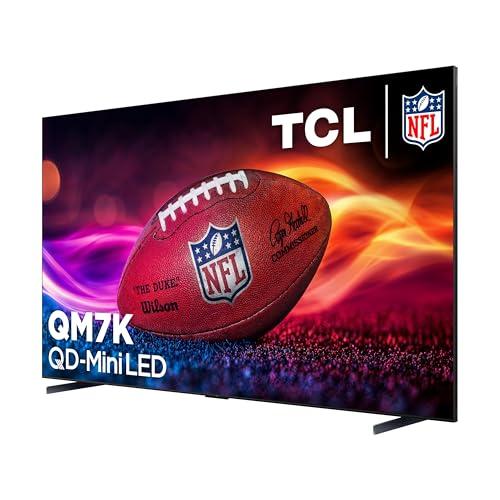
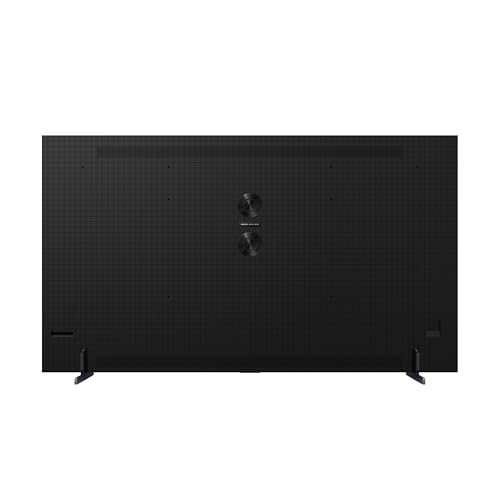
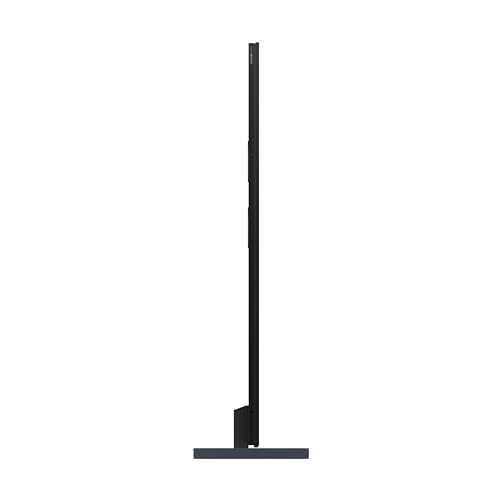
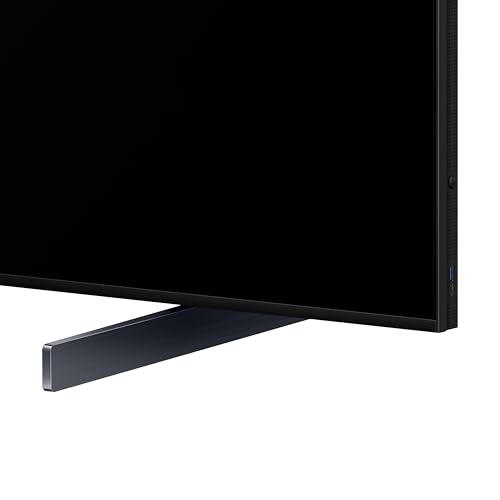
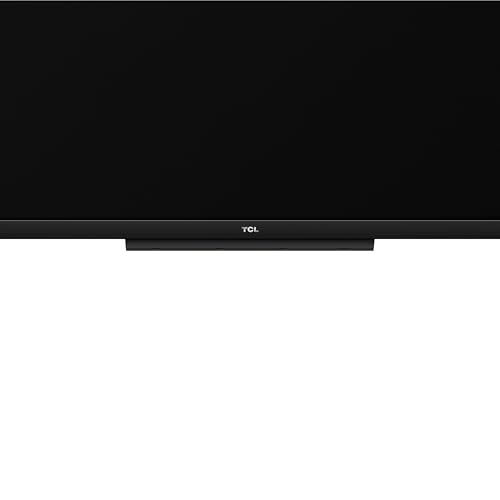

If you're shopping for a TV that's going to dominate your living room or home theater, you've probably found yourself looking at screens that are absolutely massive by traditional standards. The ultra-large TV market—anything 95 inches and bigger—has exploded in recent years, and for good reason. These displays can transform your entertainment experience in ways that smaller TVs simply can't match.
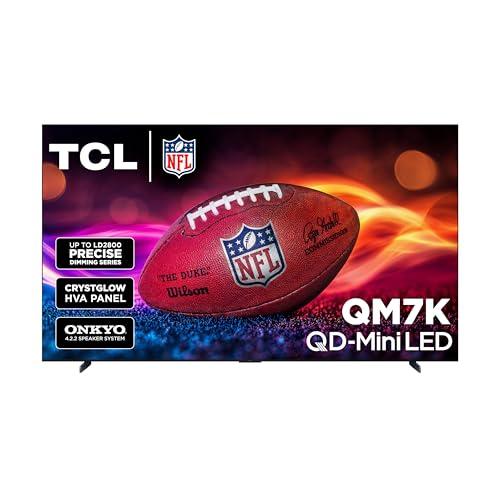
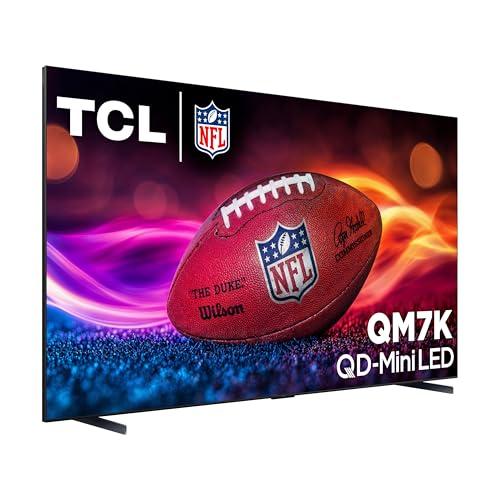
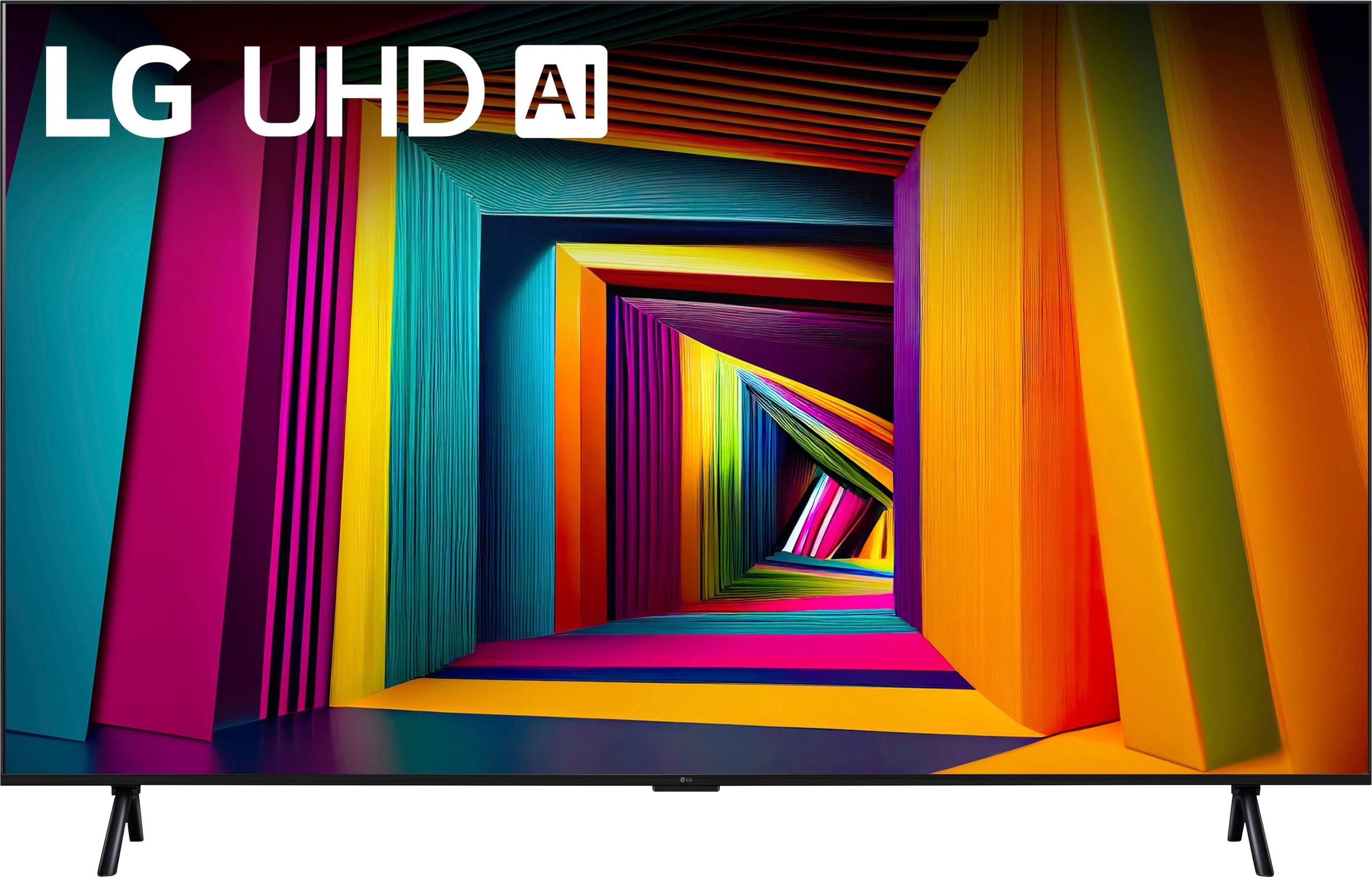
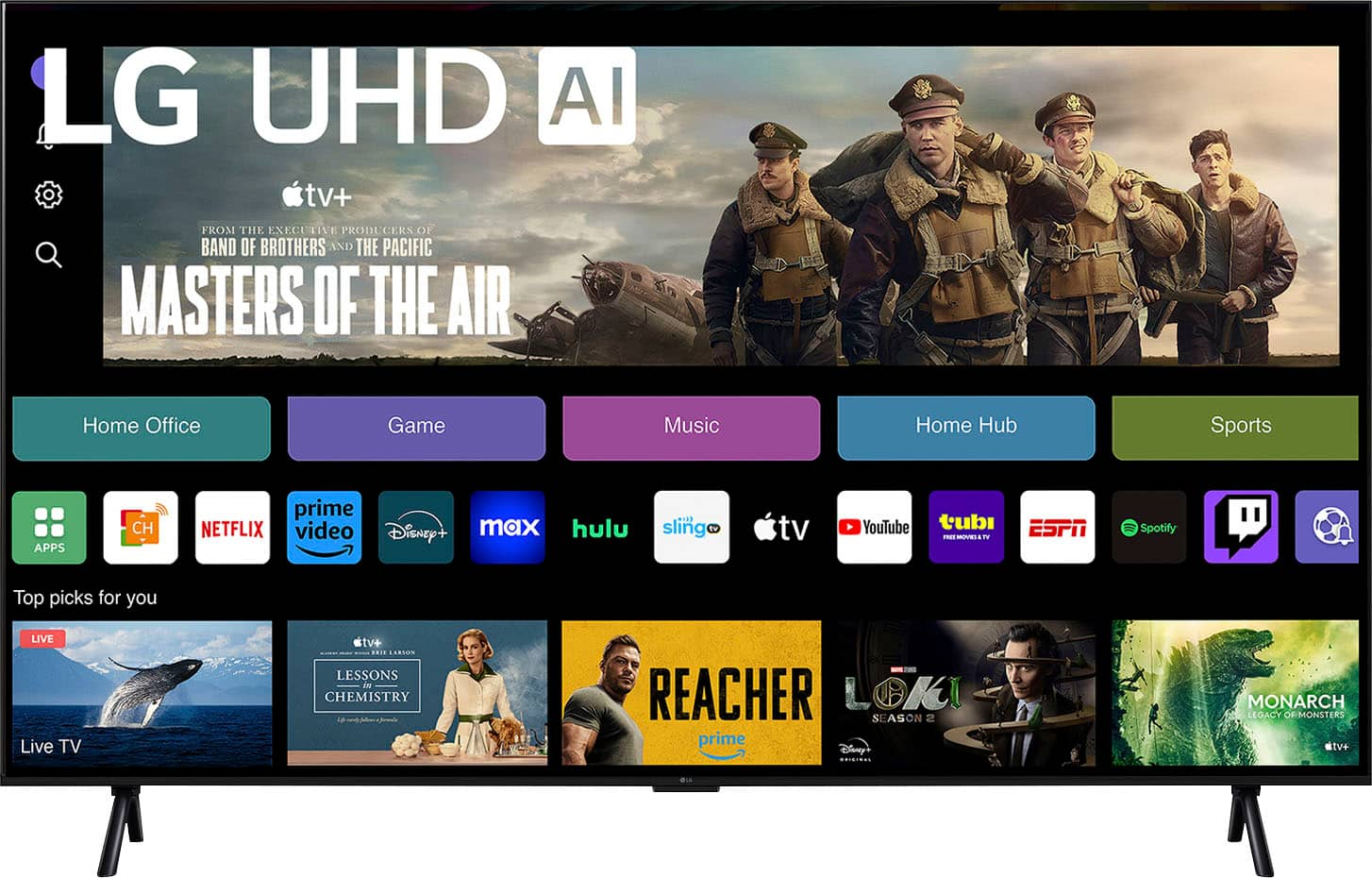
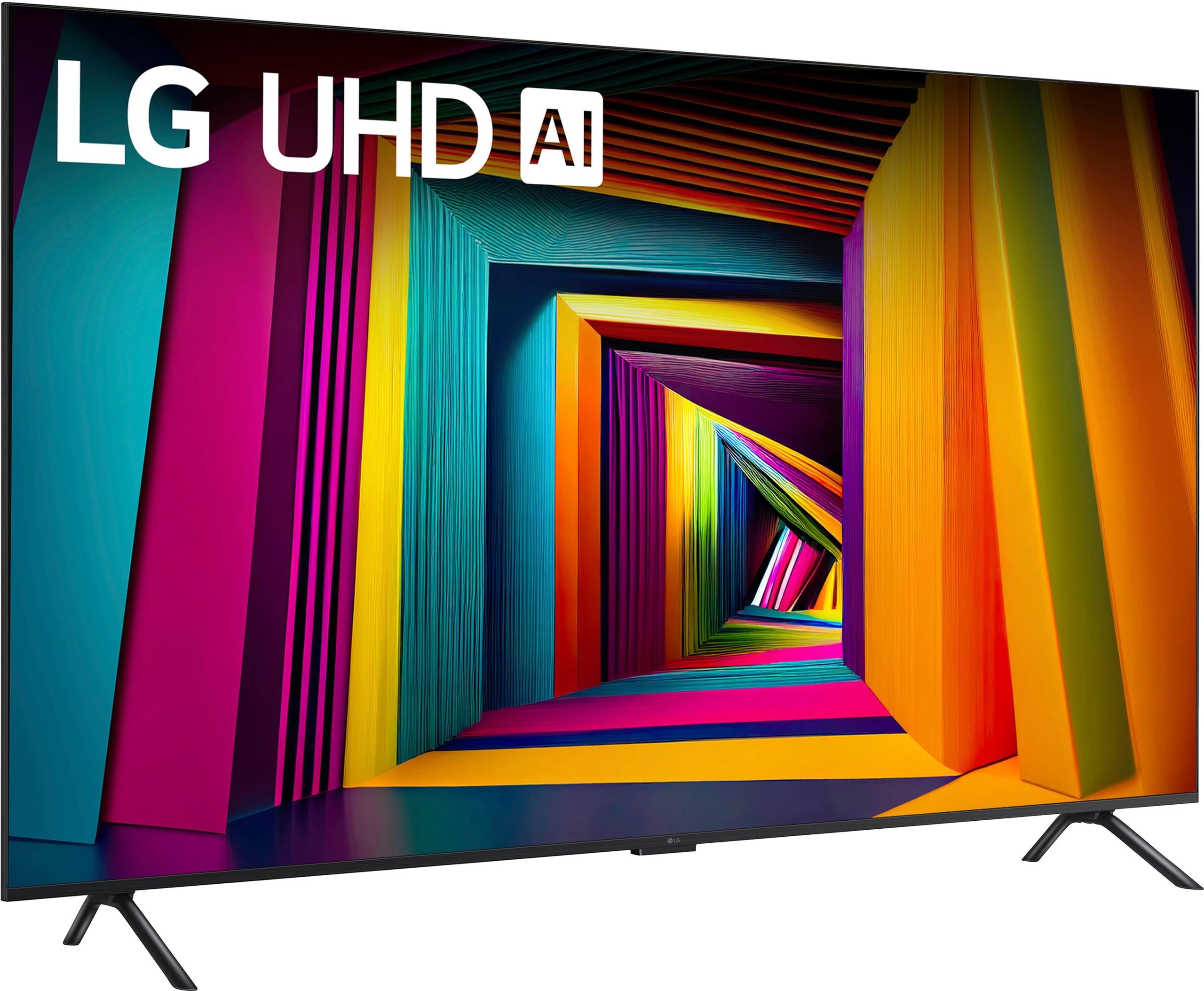
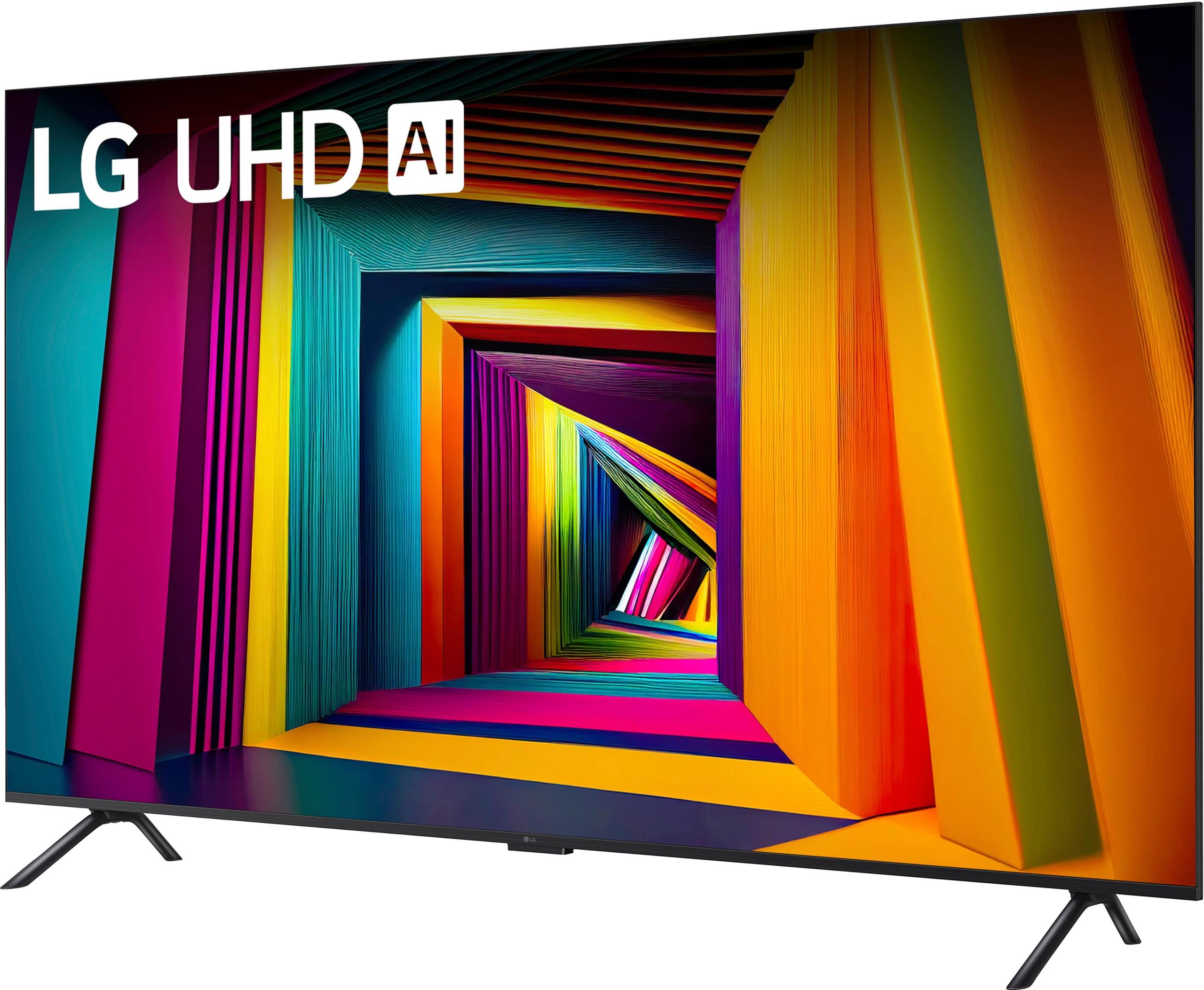
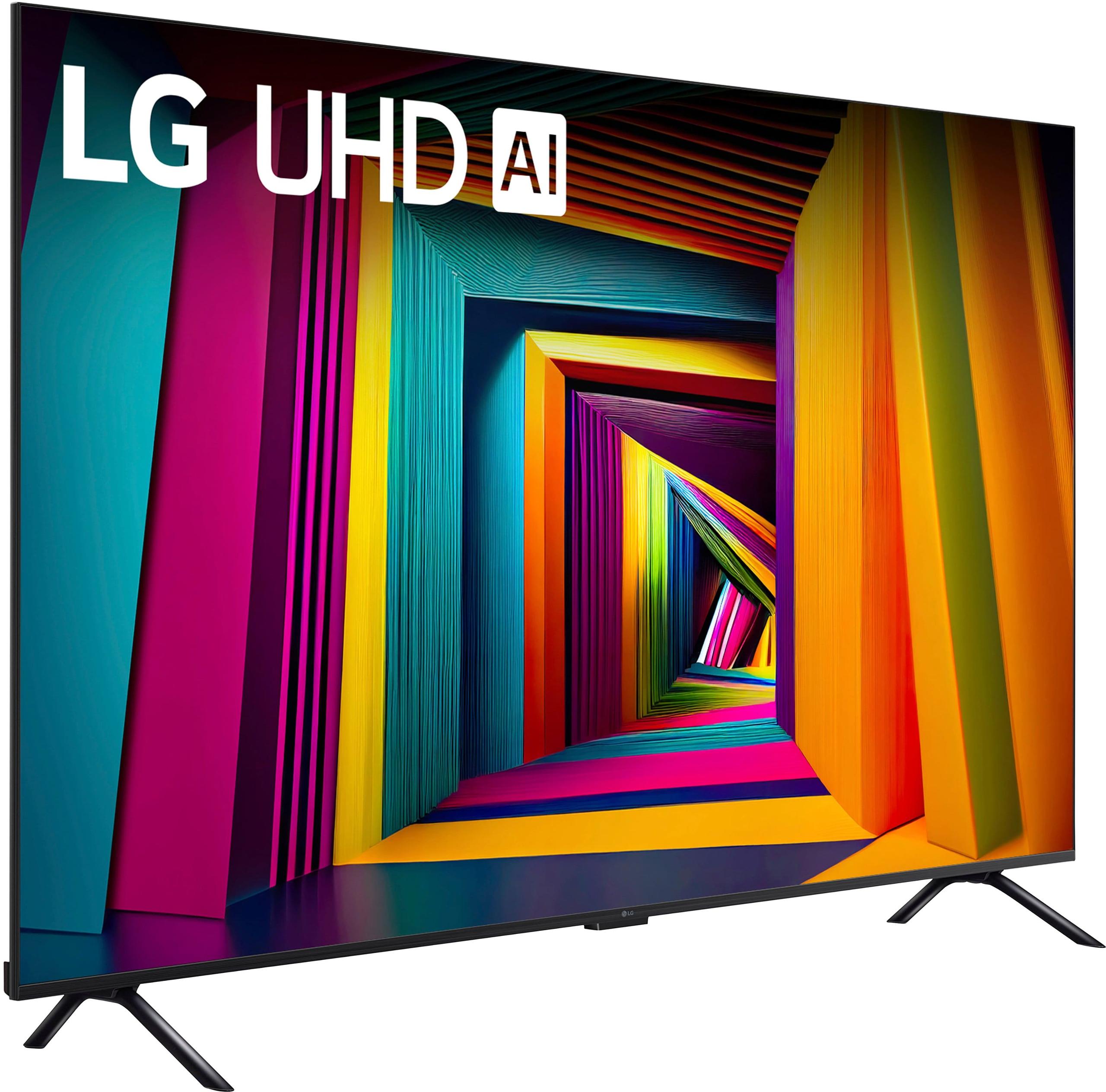
Today, we're comparing two very different approaches to the ultra-large screen experience: the TCL 115" QM7K Series QD-Mini LED 4K Smart TV 2025 at $12,997.99 and the LG 98" Class UT90 Series 4K UHD Smart TV 2024 at $2,497.00. Yes, you read those prices correctly—we're looking at a premium flagship versus a value-oriented giant.
When you're considering TVs this large, the usual rules change. Picture quality becomes even more critical because flaws are magnified across that enormous screen. Gaming performance takes on new importance as these displays become the centerpiece of entertainment systems. And perhaps most importantly, the relationship between size, performance, and price becomes the defining factor in your decision.
The ultra-large TV category has evolved dramatically over the past few years. What used to be the exclusive domain of projection systems is now accessible through direct-view displays. The key considerations when evaluating these massive screens include display technology (how the TV creates its picture), brightness capabilities (crucial for fighting ambient light), contrast performance (the difference between the darkest and brightest parts of an image), gaming features, and of course, value.
The TCL QM7K represents the cutting edge of what's possible in 2025, launching in March with Mini LED technology that uses thousands of tiny LEDs behind the screen for precise lighting control. Meanwhile, the LG UT90 launched in October 2024 as a more traditional LED display that focuses on delivering massive screen size at an accessible price point.
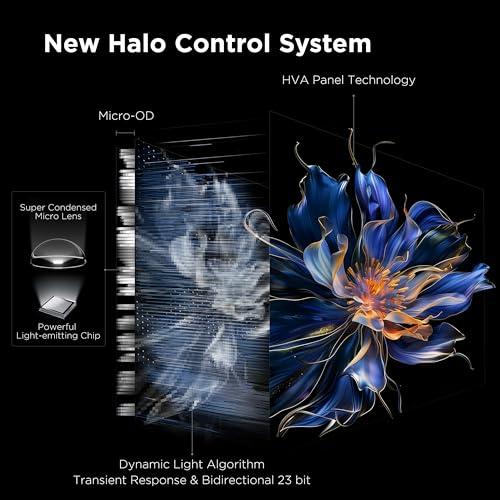
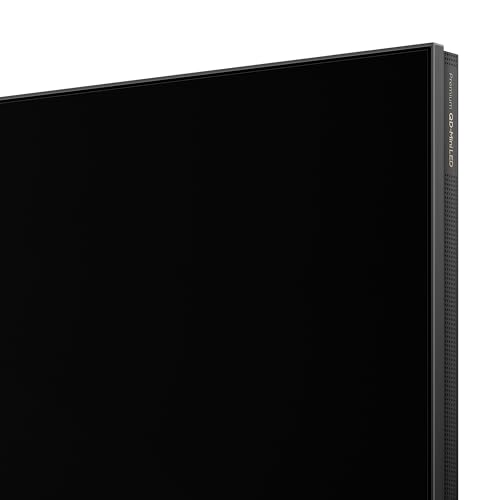
The most fundamental difference between these TVs lies in how they create their pictures. The TCL QM7K uses QD-Mini LED technology, which combines quantum dots (microscopic particles that produce pure colors) with Mini LED backlighting. This isn't just marketing speak—it represents a genuine technological leap.
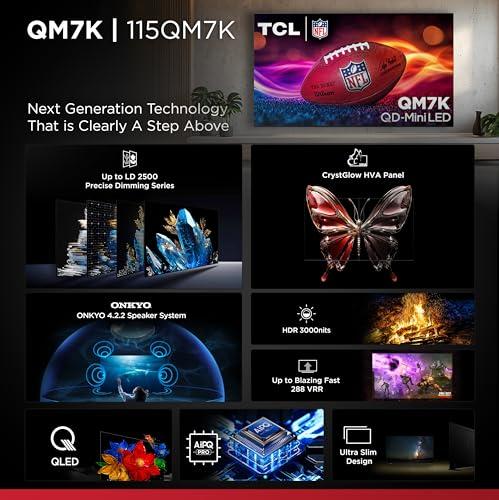
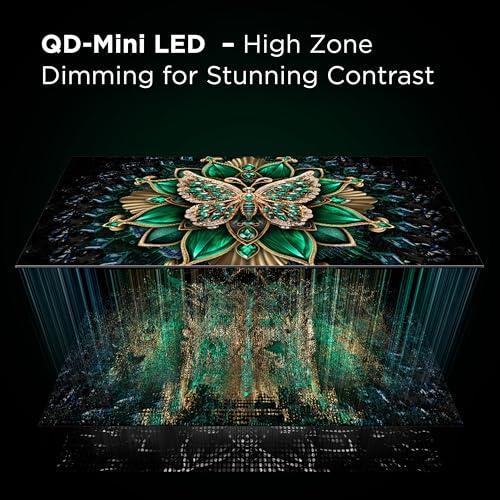
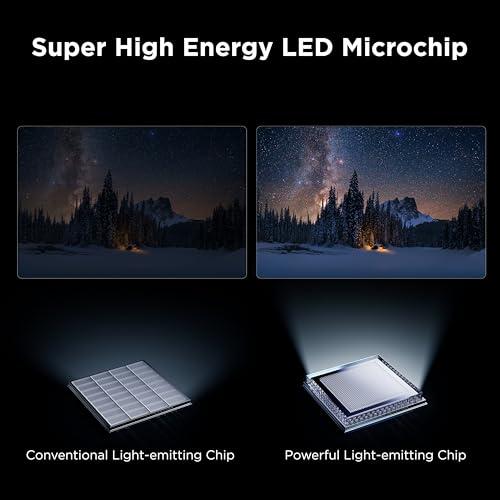
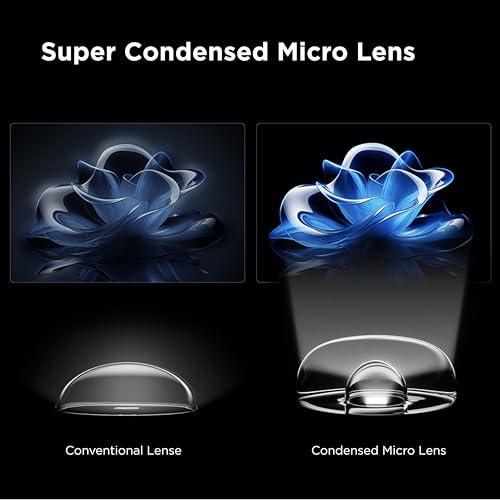
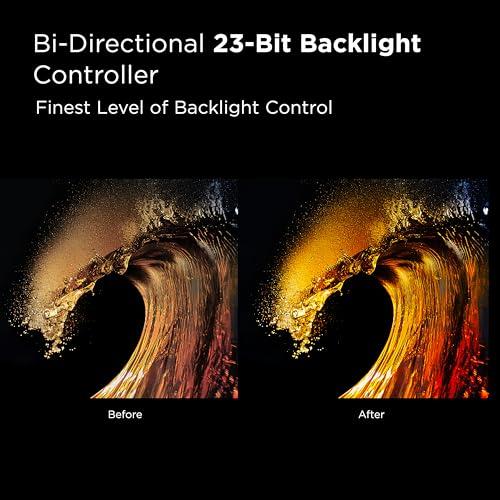
Traditional LED TVs like the LG UT90 use larger LEDs arranged around the edges or behind the entire screen. While this works fine for smaller displays, the precision becomes problematic on screens this large. The TCL's Mini LED approach uses LEDs that are literally miniaturized—sometimes smaller than a grain of rice—allowing for up to 2,500 local dimming zones. Think of each zone as an independent light that can brighten or dim based on what's happening in that specific part of the screen.
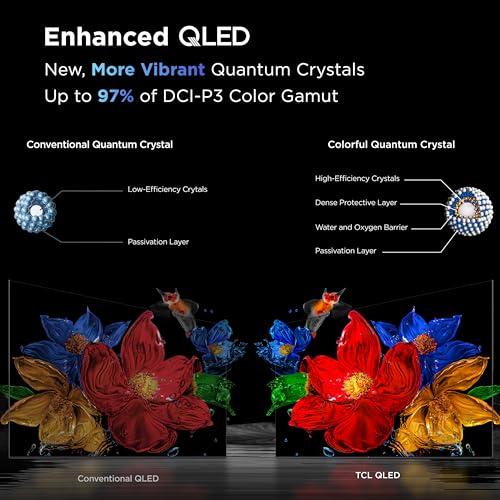
The quantum dot layer in the TCL adds another layer of sophistication. These microscopic particles absorb light and re-emit it at specific wavelengths, creating colors that are both more accurate and more vibrant than traditional phosphor coatings. In practical terms, this means reds that actually look red instead of orange-ish, and blues that don't have that artificial neon quality.
LG's approach with the UT90 is more conventional but still effective. It uses traditional LED backlighting combined with their α8 AI Processor to upscale content and optimize picture settings automatically. While it lacks the precision of Mini LED technology, LG's processing has always been strong, and the AI component can make lower-resolution content look surprisingly good on this massive screen.
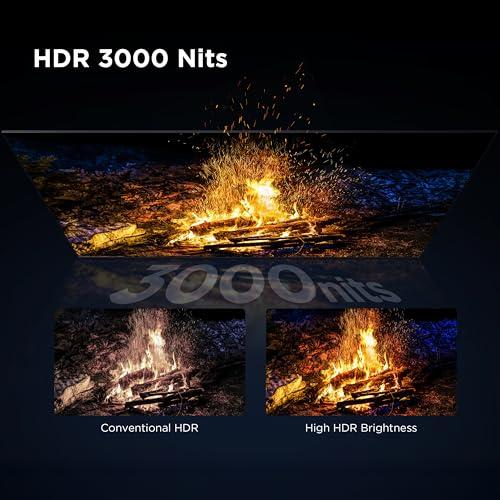
The picture quality gap between these displays is substantial, and it's where that $10,000 price difference becomes most apparent. The TCL QM7K delivers HDR3000 peak brightness—that's 3,000 nits, which is bright enough to make HDR content pop even in a sun-drenched living room. For context, most traditional TVs struggle to exceed 400-600 nits.
This extreme brightness capability isn't just about being bright for brightness's sake. HDR (High Dynamic Range) content is mastered at much higher brightness levels than standard content, and without sufficient peak brightness, you're literally not seeing what the content creators intended. When I'm watching something like "Dune" on a bright display, the desert scenes have that searing quality that makes you squint—exactly as intended.
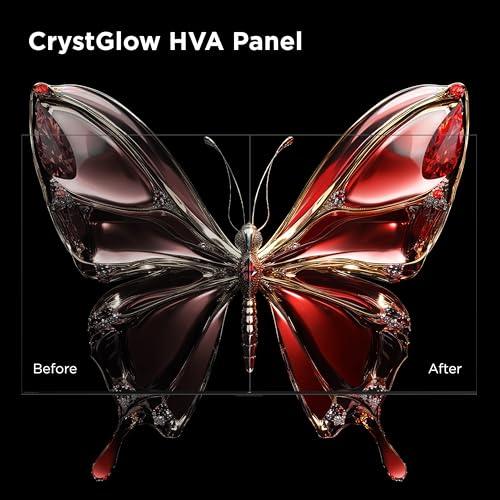
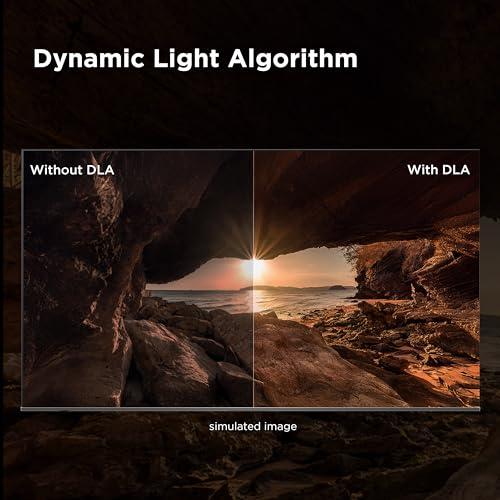
The contrast story is equally impressive on the TCL. With 2,500 local dimming zones, it can achieve deep blacks right next to brilliant highlights. The CrystGlow HVA panel technology delivers a 7,000:1 native contrast ratio, which approaches OLED performance without the burn-in concerns that can affect OLED displays over time.
The LG UT90, by comparison, uses standard LED technology with basic local dimming. While LG doesn't publish specific brightness figures for this model, based on similar TVs in their lineup, expect around 400-600 nits peak brightness. That's adequate for darker viewing environments but will wash out in bright rooms.
The color performance difference is equally stark. The TCL covers over 98% of the DCI-P3 color space—the standard used in movie theaters—while the LG covers a more typical consumer TV range. In practical terms, this means the TCL can display colors that simply don't exist on the LG, particularly in the red and green spectrums.
Gaming on screens this large transforms the experience entirely, and both TVs recognize this with dedicated gaming features. However, the TCL QM7K takes gaming seriously in ways that set it apart from virtually any other TV on the market.
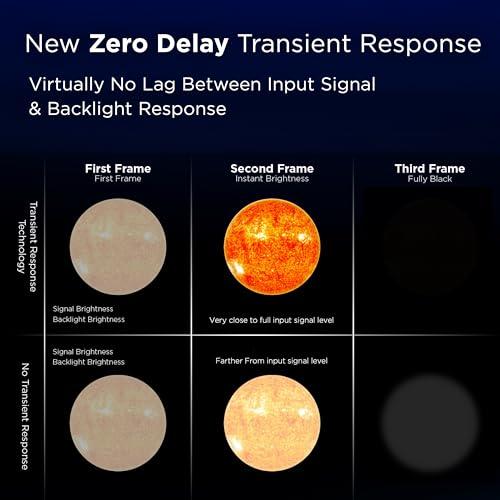
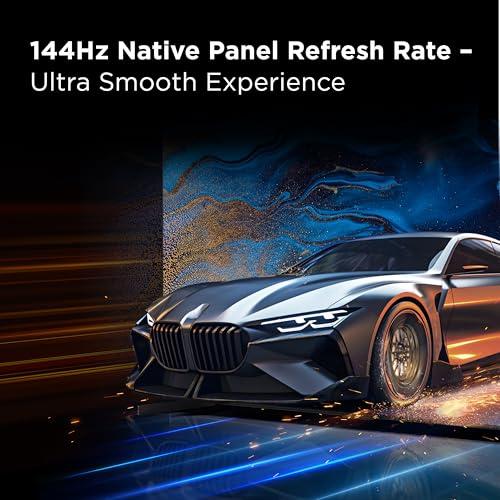
The QM7K features Game Accelerator 288, which enables refresh rates up to 288Hz. For context, most gaming monitors top out at 240Hz, and most TVs are limited to 120Hz. This ultra-high refresh rate creates motion that's so smooth it can feel almost unsettling when you first experience it. Combined with zero-delay transient response technology, input lag—the delay between pressing a button and seeing the action on screen—becomes virtually imperceptible.
AMD FreeSync Premium Pro support means the TV can dynamically adjust its refresh rate to match your graphics card's output, eliminating screen tearing and stuttering. The Game Master 2.0 system provides real-time adjustments to picture settings based on the game genre, and a dedicated game bar gives you quick access to performance metrics without leaving your game.
The LG UT90 offers more basic gaming features with its 120Hz refresh rate and Game Optimizer. While 120Hz is perfectly adequate for console gaming, PC gamers with high-end graphics cards will notice the difference immediately. The UT90's gaming features feel more like an afterthought compared to the TCL's comprehensive gaming focus.
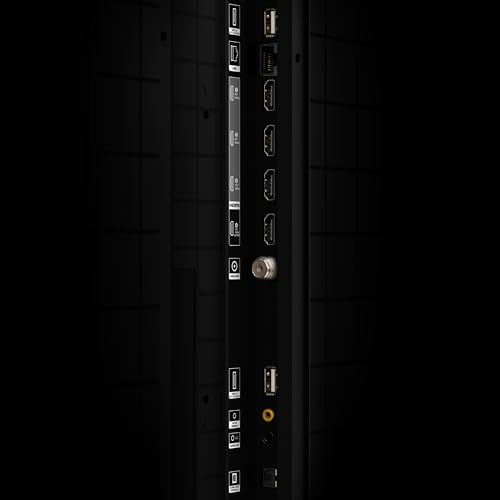
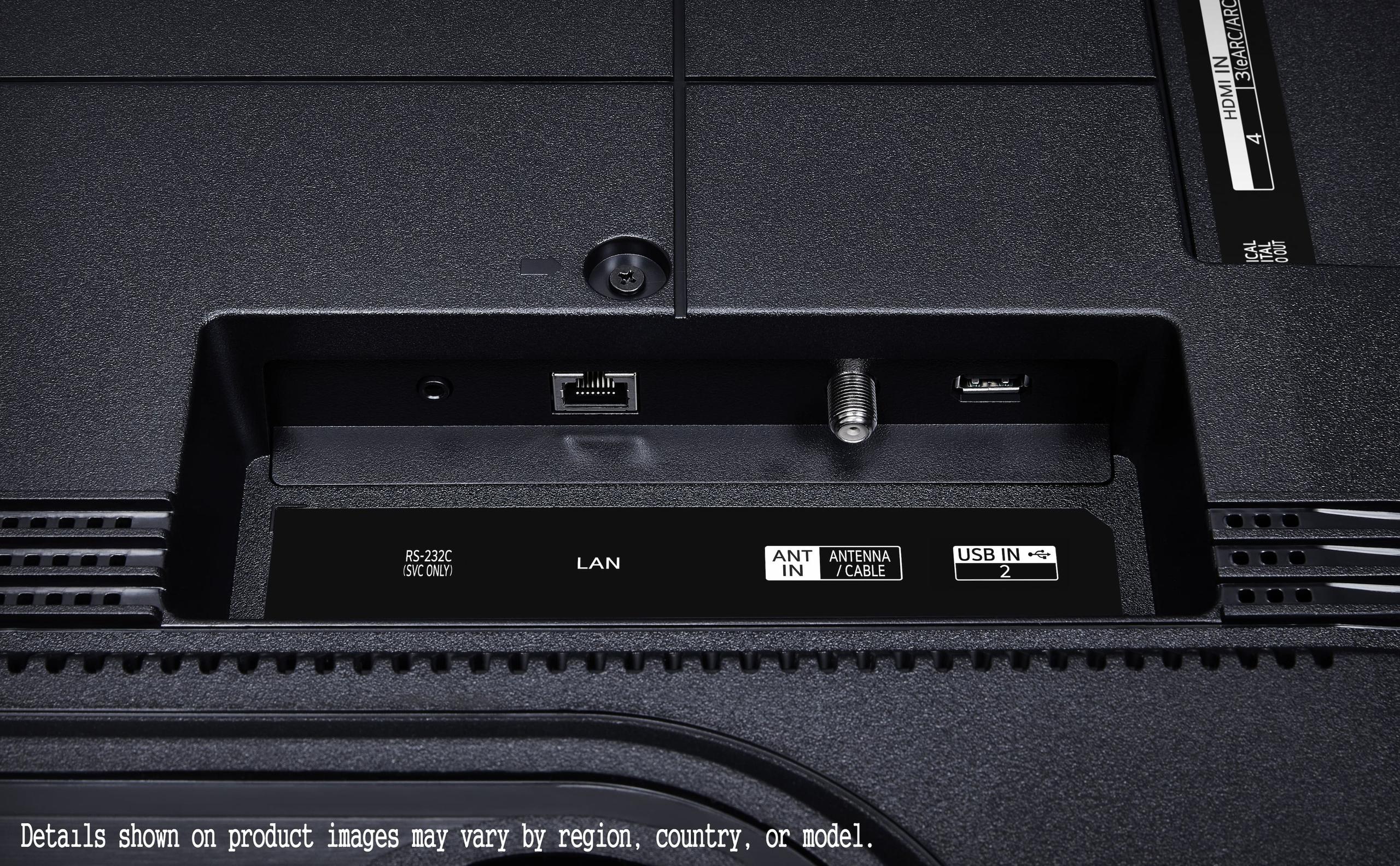
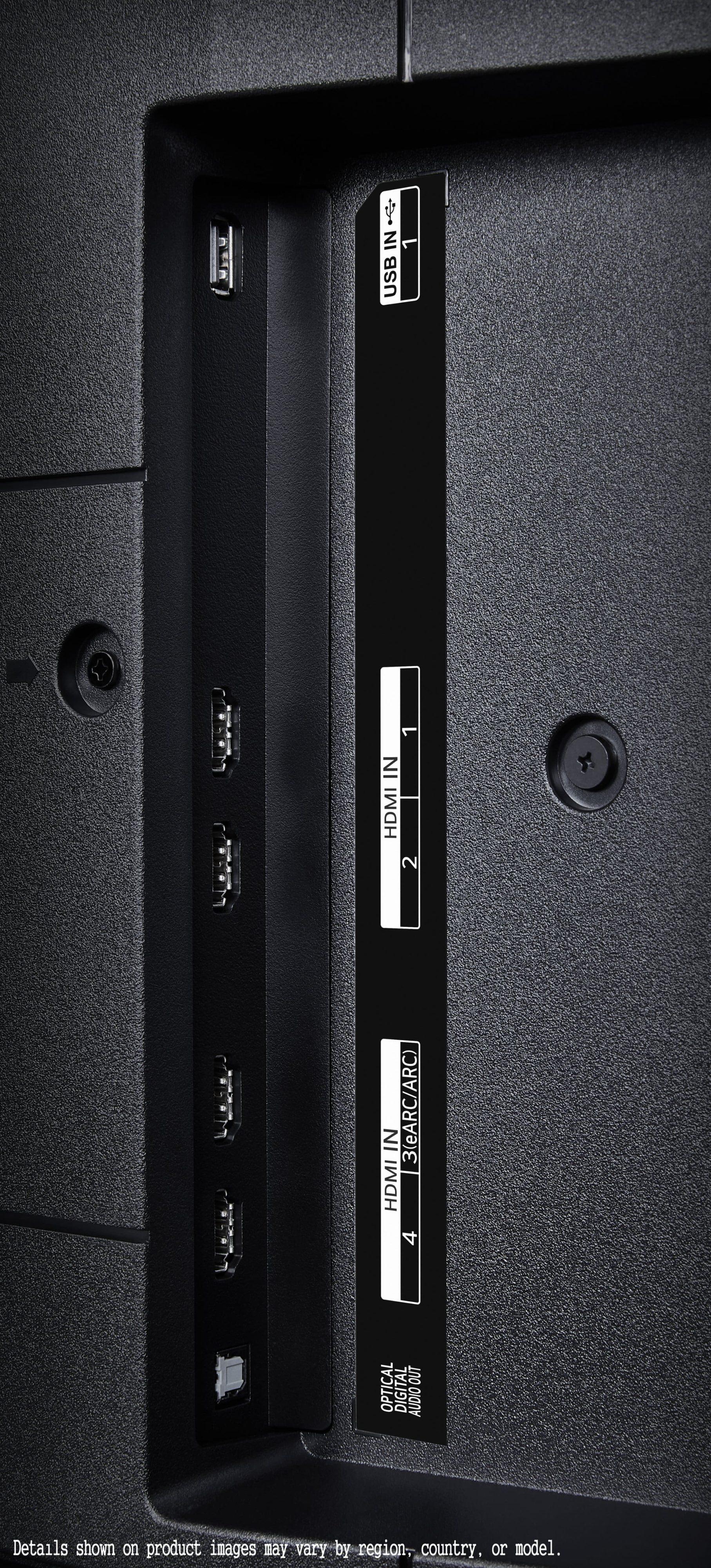
From a home theater perspective, both TVs support HDMI 2.1, which is essential for getting the best performance from modern gaming consoles like the PlayStation 5 and Xbox Series X. However, the TCL's additional bandwidth and processing power make it more future-proof as gaming technology continues to evolve.
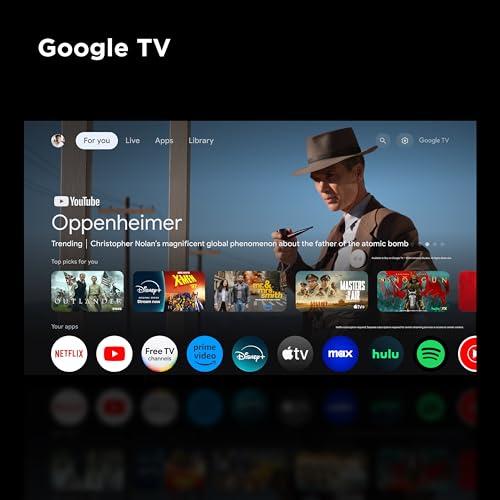
Both TVs run different smart platforms, and this choice can significantly impact your daily experience. The TCL QM7K uses Google TV, which is essentially Android TV with a more refined interface. Google TV excels at content discovery, surfacing recommendations from across your various streaming services. It includes Chromecast built-in, so you can easily cast content from your phone or tablet.
The voice control integration is comprehensive, supporting Google Assistant, Amazon Alexa, and Apple HomeKit. This means the TV can integrate into virtually any smart home ecosystem. In practice, I find Google TV's search functionality particularly useful on large displays—you can quickly find content without hunting through multiple apps.
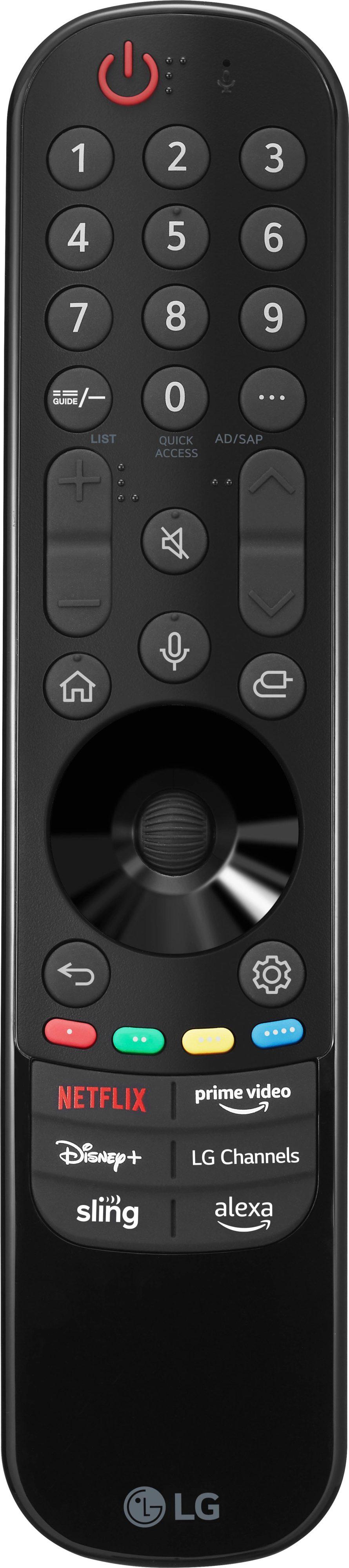
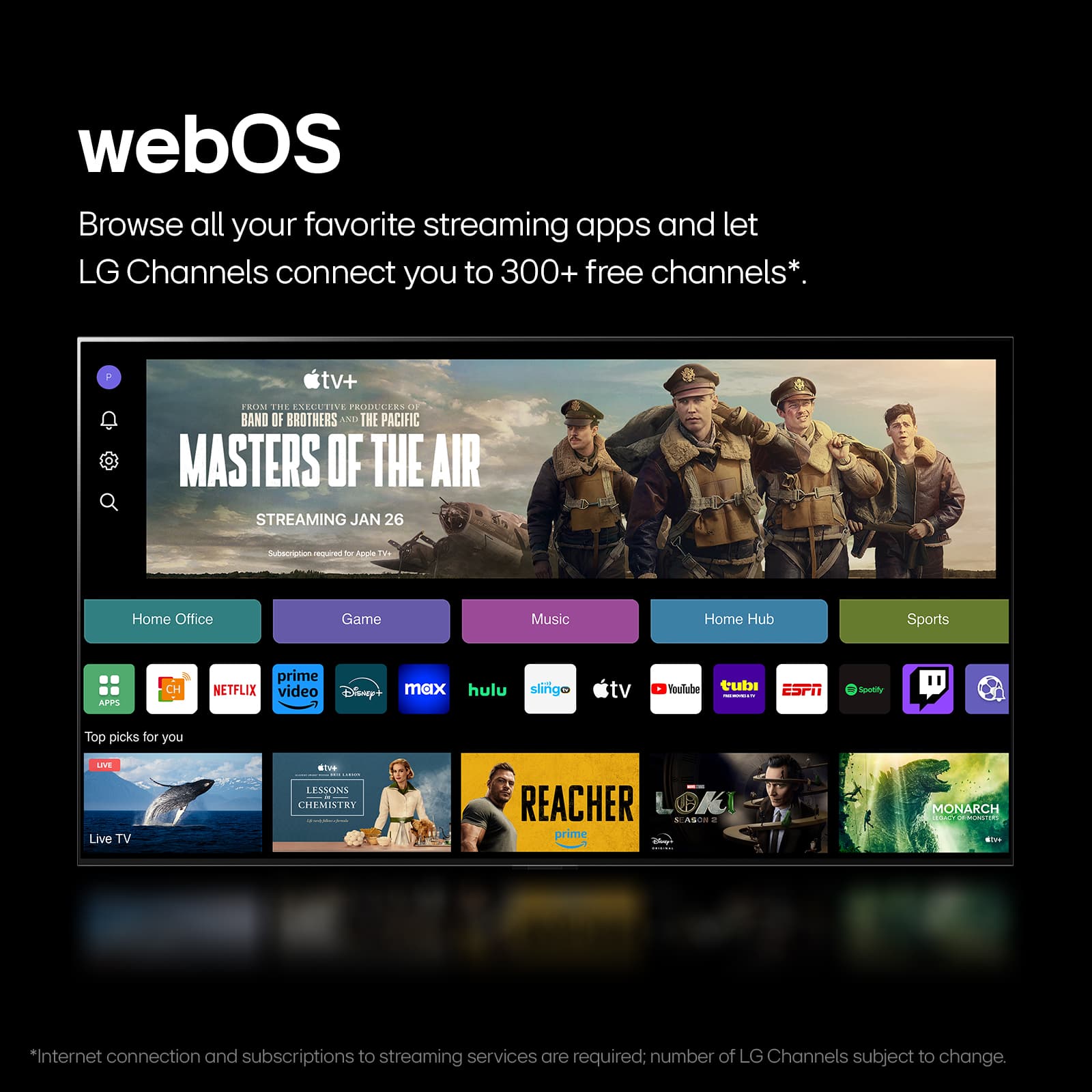
The LG UT90 runs webOS 24, LG's proprietary smart platform. WebOS has always been praised for its intuitive interface, and the Magic Remote with point-and-click functionality feels natural on large screens. However, the app ecosystem isn't quite as robust as Google TV, and voice integration is limited to LG's ThinQ system.
Both platforms handle the basics well—Netflix, Disney+, Prime Video, and other major streaming services work flawlessly. The real difference comes in advanced features and ecosystem integration, where Google TV's broader compatibility gives it an edge.
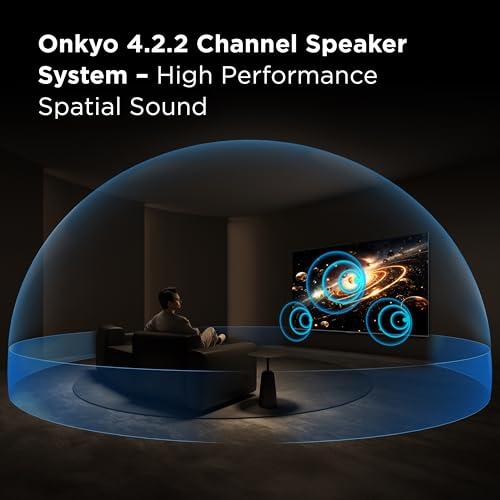
TV audio becomes increasingly important as screen size grows, and this is where the TCL QM7K demonstrates its premium positioning. The Bang & Olufsen tuned audio system delivers 100W of power through an advanced speaker configuration that includes Dolby Atmos support. Dolby Atmos creates three-dimensional sound by bouncing audio off your ceiling, creating the illusion that sounds are coming from above and around you.
The difference is immediately noticeable when watching movies. Helicopter sounds actually seem to move overhead, rain feels like it's falling around you, and dialogue remains clear even during complex action sequences. While it's still not a replacement for a dedicated sound system in a serious home theater, it's impressive enough that many users won't feel compelled to immediately add a soundbar.
The LG UT90 includes standard TV audio with virtual surround processing. It's adequate for casual viewing but lacks the sophistication and power of the TCL's system. The absence of Dolby Atmos is particularly noticeable on a screen this large, where the visual scale demands equally impressive audio.
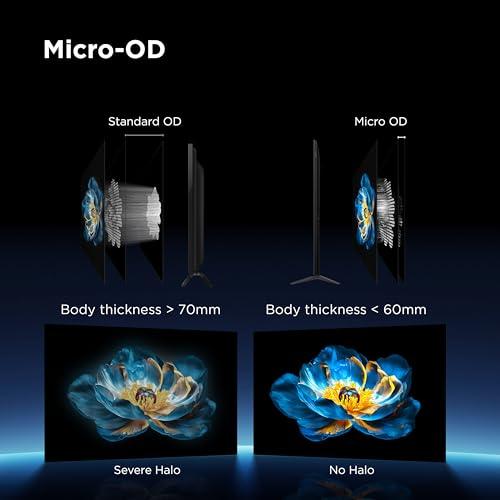
In a dedicated home theater environment, both TVs bring unique advantages and challenges. The TCL QM7K excels in controlled lighting situations where its superior contrast can shine. The Mini LED technology virtually eliminates the blooming effect that can plague other LED displays, where bright objects create halos of light in dark scenes.
The 115-inch size requires significant viewing distance—ideally 9-12 feet minimum—but rewards you with an truly cinematic experience. The combination of size, brightness, and contrast makes it a legitimate projector replacement, offering convenience and performance that traditional projection systems struggle to match.
The LG UT90 at 98 inches still delivers impressive scale while being more manageable in smaller rooms. Its lower brightness actually works in its favor in very dark environments, where the TCL's capabilities might be overkill. For theater enthusiasts on a budget, the UT90 provides that crucial large-screen experience without the premium features that drive costs up.
Both TVs support all major HDR formats, though the TCL includes Dolby Vision IQ, which automatically adjusts the picture based on ambient lighting conditions. This feature becomes particularly valuable in multi-purpose rooms where lighting varies throughout the day.
The price difference between these TVs—over $10,000—demands careful consideration of what that premium actually delivers. The TCL QM7K at nearly $13,000 represents cutting-edge display technology. You're paying for Mini LED precision, quantum dot color accuracy, extreme brightness capabilities, advanced gaming features, and premium audio.
For serious home theater enthusiasts, competitive gamers, or those who simply want the absolute best picture quality available, the TCL's price can be justified. The technology gap is real and significant, delivering performance that's genuinely superior across virtually every metric.
The LG UT90 at $2,497 takes a different approach to value. It prioritizes screen size above all else, delivering a massive display at a price that makes it accessible to a much broader audience. The picture quality is certainly adequate—good enough that most viewers will be thoroughly satisfied, especially coming from smaller displays.
Choosing between these TVs ultimately comes down to priorities and budget. If you're building a dedicated home theater and budget isn't a primary constraint, the TCL QM7K delivers an experience that justifies its premium pricing. The combination of cutting-edge display technology, exceptional gaming capabilities, and premium audio creates a flagship experience that will remain impressive for years to come.
However, if your goal is maximum screen impact at a reasonable price, the LG UT90 makes compelling sense. The 98-inch screen delivers that wow factor that no smaller display can match, and the picture quality is certainly good enough for the vast majority of content and viewing situations.
Consider your viewing environment carefully. Bright living rooms strongly favor the TCL's superior brightness, while darker spaces can make better use of the LG's more modest capabilities. Gaming enthusiasts will find the TCL's advanced features worth the premium, while casual gamers will be perfectly satisfied with the LG's basic gaming support.
The reality is that both TVs will transform your entertainment experience compared to traditional-sized displays. The question is whether the additional performance and features of the TCL QM7K justify spending five times more than the LG UT90. For most buyers, the honest answer is probably no—but for those who want the absolute best and can afford it, the TCL represents the current pinnacle of large-screen display technology.
| TCL 115" QM7K Series QD-Mini LED 4K Smart TV 2025 | LG 98" Class UT90 Series 4K UHD Smart TV 2024 |
|---|---|
| Price - The biggest deciding factor between these ultra-large displays | |
| $12,997.99 | $2,497.00 |
| Screen Size - Both deliver massive scale, but TCL provides 30% more screen area | |
| 115 inches (massive cinematic presence) | 98 inches (still huge, more room-friendly) |
| Display Technology - Core difference in picture quality approach | |
| QD-Mini LED with 2,500 local dimming zones | Traditional LED with basic local dimming |
| Peak Brightness - Critical for HDR performance and bright room viewing | |
| 3,000 nits (excellent for any lighting condition) | ~400-600 nits estimated (best in darker rooms) |
| Contrast Ratio - Determines black level quality and overall image depth | |
| 7,000:1 native (near-OLED performance) | Standard LED contrast (visible blooming in dark scenes) |
| Gaming Performance - Refresh rate capabilities for smooth motion | |
| 144Hz native, up to 288Hz with Game Accelerator | 120Hz standard |
| Gaming Features - Advanced capabilities for serious gamers | |
| AMD FreeSync Premium Pro, Game Master 2.0, zero-delay response | Basic Game Optimizer |
| HDR Support - High dynamic range format compatibility | |
| Dolby Vision IQ, HDR10+, HDR10, HLG | HDR10, HLG (no Dolby Vision) |
| Color Gamut - Range of colors the TV can display | |
| >98% DCI-P3 with quantum dot technology | Standard LED color range |
| Smart Platform - Operating system and app ecosystem | |
| Google TV with comprehensive voice assistant support | webOS 24 with Magic Remote |
| Audio System - Built-in speaker quality and features | |
| Bang & Olufsen 100W system with Dolby Atmos | Standard TV speakers with virtual surround |
| Best For - Ideal buyer profile | |
| Premium home theaters, serious gamers, tech enthusiasts with large budgets | Size-focused buyers, family entertainment, budget-conscious users wanting maximum screen |
The LG 98" UT90 at $2,497 offers exceptional value for buyers prioritizing screen size over premium features. The TCL 115" QM7K at $12,998 delivers cutting-edge technology but costs five times more. For most buyers, the LG provides better bang for your buck unless you specifically need the TCL's advanced Mini LED technology and gaming features.
The TCL 115" QM7K delivers significantly superior picture quality with its QD-Mini LED technology, 3,000 nits peak brightness, and 2,500 local dimming zones. The LG UT90 uses traditional LED technology with lower brightness and basic local dimming. The TCL excels in contrast, color accuracy, and HDR performance, though the LG still provides good picture quality for its price range.
The TCL QM7K is exceptional for gaming with 144Hz native refresh rate (up to 288Hz), AMD FreeSync Premium Pro, and dedicated gaming features. The LG UT90 offers basic gaming capabilities with 120Hz refresh rate and standard game optimization. Serious gamers will prefer the TCL, while casual console gamers will find the LG adequate.
The TCL 115" QM7K is far superior for bright rooms thanks to its 3,000 nits peak brightness and anti-reflective coating. The LG UT90 with its estimated 400-600 nits brightness will struggle with glare and washed-out colors in bright environments. If your TV room has lots of windows or ambient light, the TCL is worth the premium.
The TCL QM7K runs Google TV with Chromecast built-in and supports Google Assistant, Alexa, and Apple HomeKit. The LG UT90 uses webOS 24 with LG's Magic Remote and ThinQ integration. Both platforms handle major streaming apps well, but Google TV offers broader smart home compatibility and better content discovery.
The TCL 115" QM7K features a premium Bang & Olufsen tuned system with 100W output and Dolby Atmos support for immersive surround sound. The LG UT90 has standard TV speakers with virtual surround processing but lacks Dolby Atmos. The TCL's audio system is significantly more capable, though both TVs benefit from external sound systems in dedicated home theaters.
The TCL 115" QM7K has an extremely high price that limits its market to enthusiasts and requires significant installation space. The LG UT90 has limited brightness for bright rooms, lacks advanced gaming features, and missing Dolby Vision support. Choose based on whether budget or performance is your priority.
For dedicated home theaters, the TCL QM7K excels with superior contrast, brightness control, and Dolby Atmos audio. Its Mini LED technology eliminates blooming effects common in dark movie scenes. The LG UT90 can work well in darker theater environments where its lower brightness isn't a limitation, offering good performance at a much lower cost.
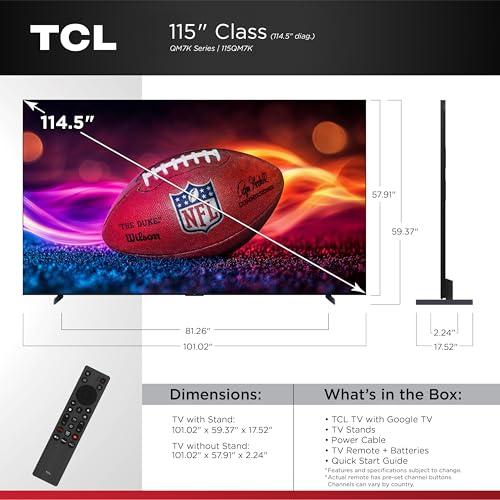
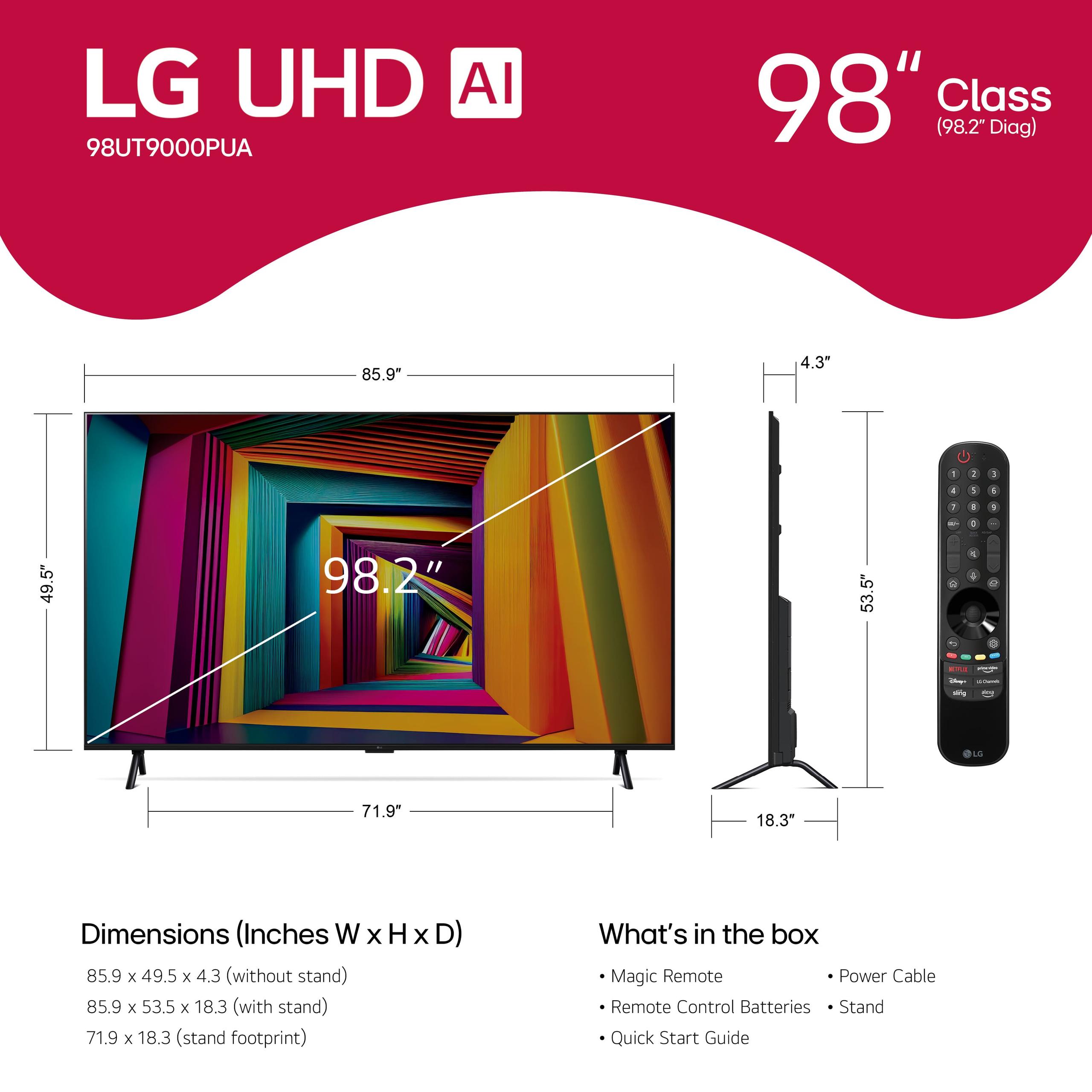
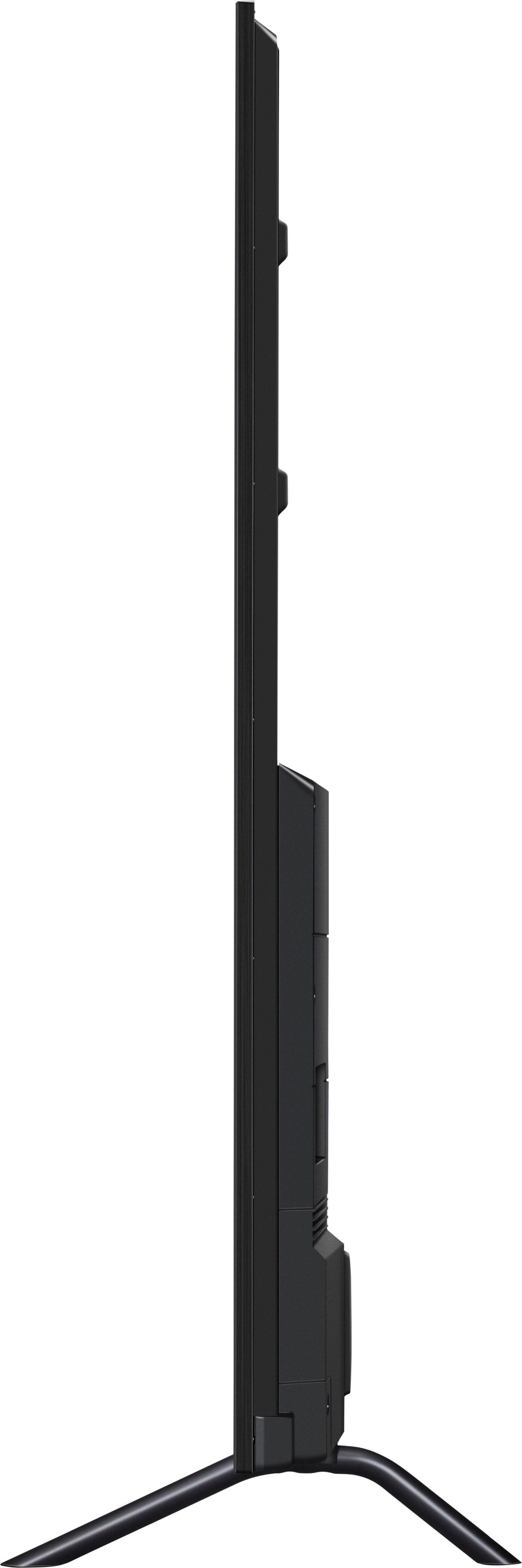
The TCL 115" QM7K measures approximately 101" wide and requires 9-12 feet minimum viewing distance. The LG UT90 is about 86" wide and needs 8-10 feet viewing distance. Both require wall mounting or very large entertainment centers. Consider your room size carefully before choosing either of these massive displays.
Choose the TCL 115" QM7K if you want the absolute best picture quality, have a dedicated home theater, are a serious gamer, and budget exceeds $10,000. Choose the LG 98" UT90 if you prioritize maximum screen size under $3,000, have moderate picture quality needs, and want great value for family entertainment. Most buyers will find the LG offers better value, while enthusiasts will appreciate the TCL's premium performance.
We've done our best to create useful and informative comparisons to help you decide what product to buy. Our research uses advanced automated methods to create this comparison and perfection is not possible - please contact us for corrections or questions. These are the sites we've researched in the creation of this article: bestbuy.com - tomsguide.com - techradar.com - youtube.com - rtings.com - youtube.com - youtube.com - youtube.com - avsforum.com - abt.com - bestbuy.com - tcl.com - avsforum.com - tcl.com - rcwilley.com - tcl.com - valueelectronics.com - bestbuy.com - tcl.com - tcl.com - tcl.com - tcl.com - rtings.com - shopjetson.com - abt.com - rtings.com - rtings.com - pcrichard.com - lg.com - rcwilley.com - lg.com - elechid.com - lg.com

Privacy Policy
Terms and Conditions - Affiliate Policy
Home Security
© Copyright 2008-2026.
11816 Inwood Rd #1211, Dallas, TX 75244