

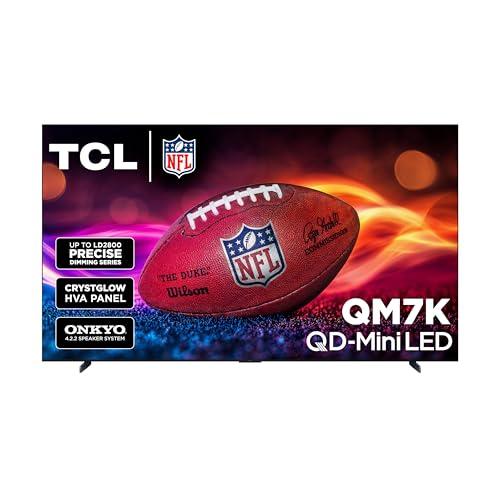
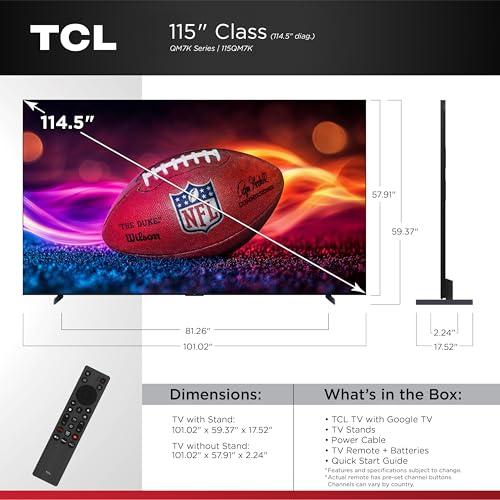


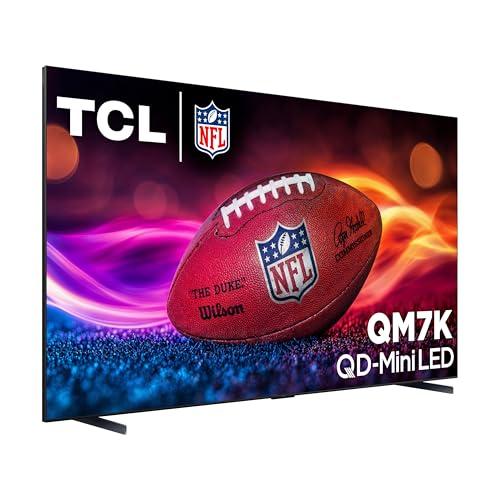
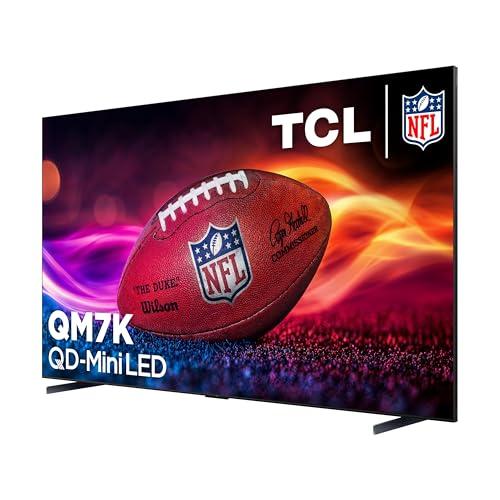
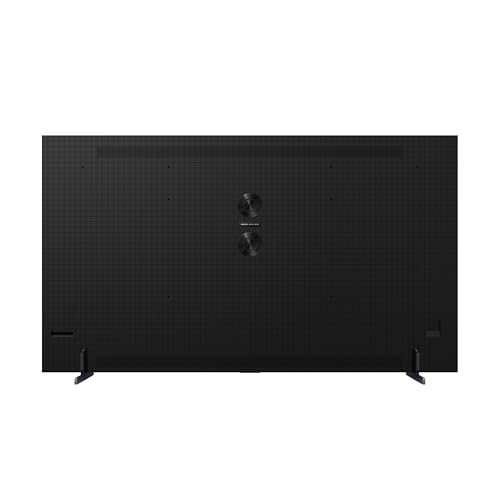
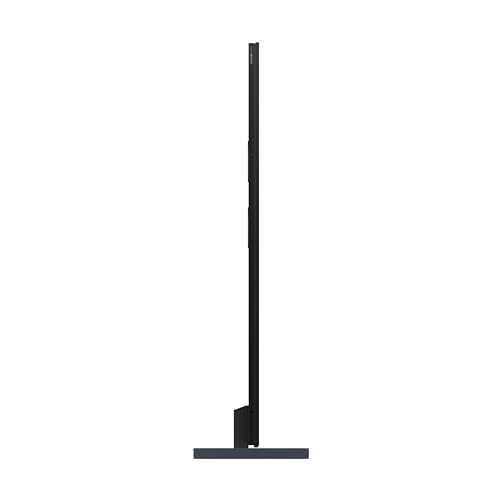
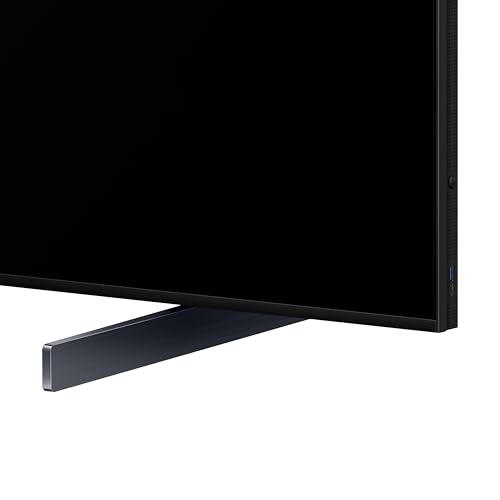
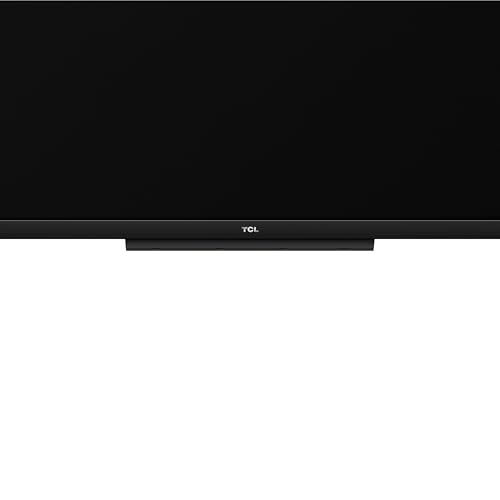
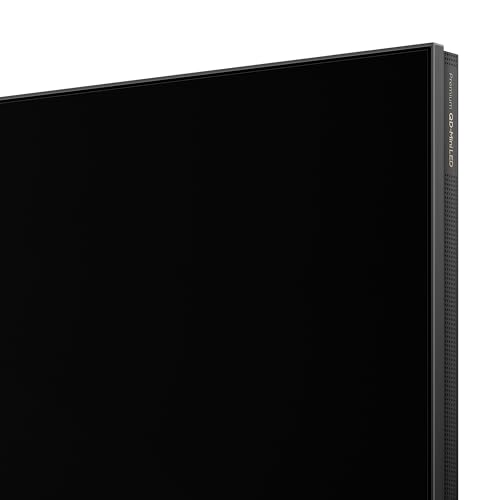
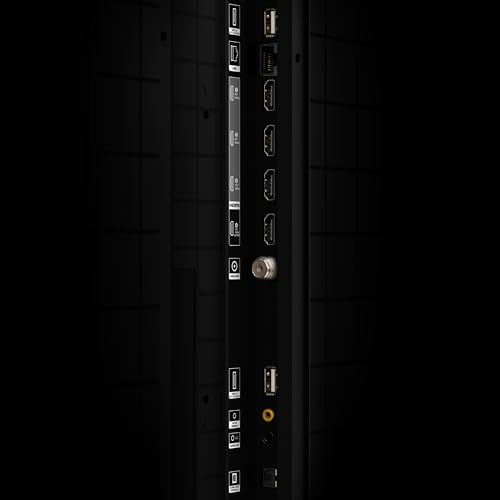

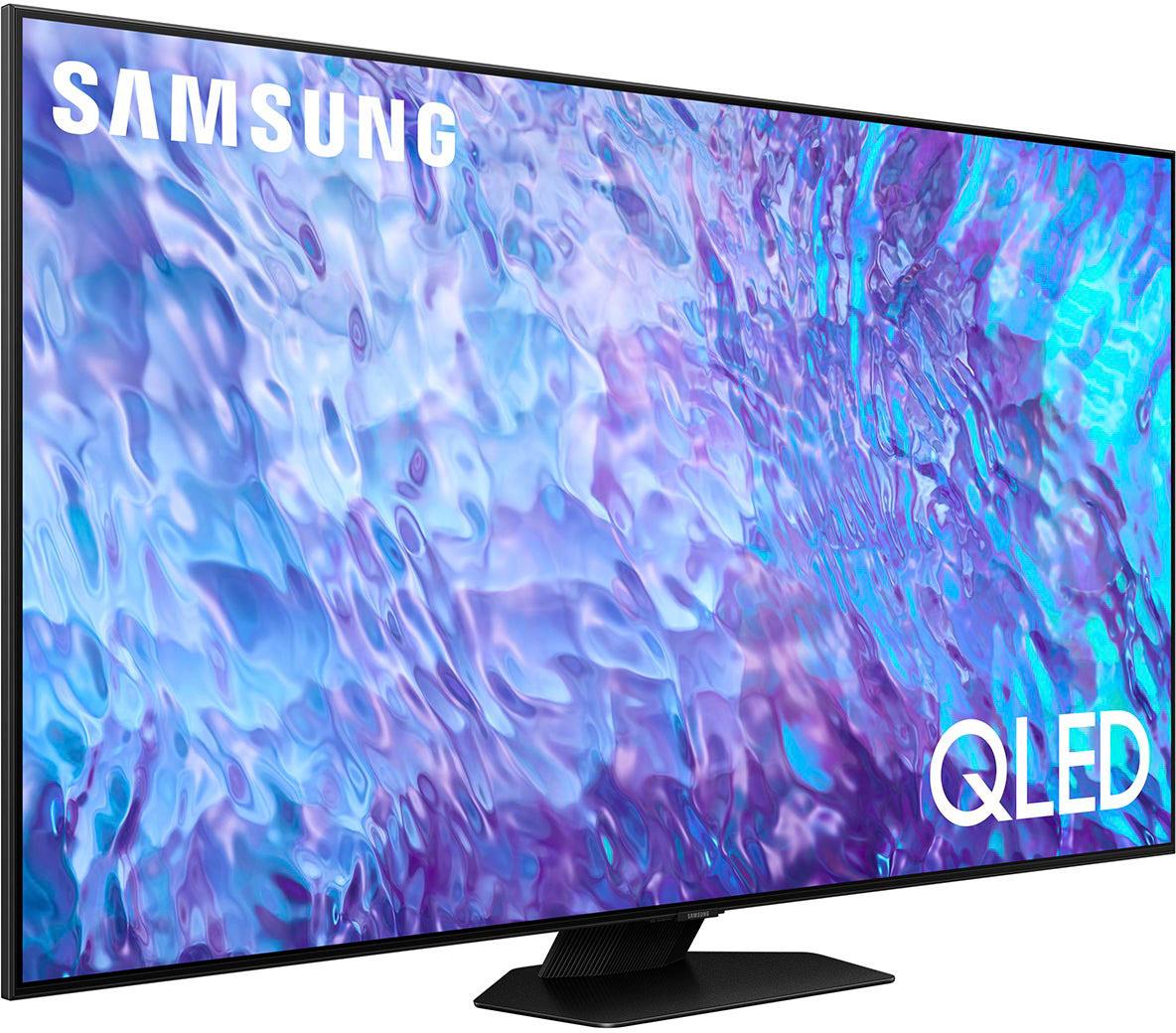
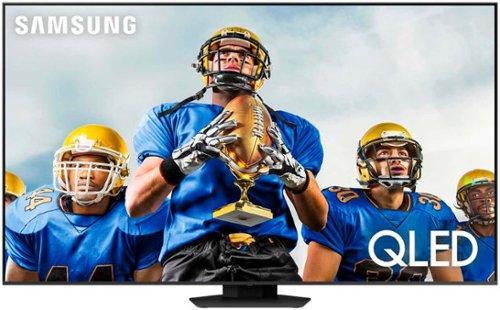
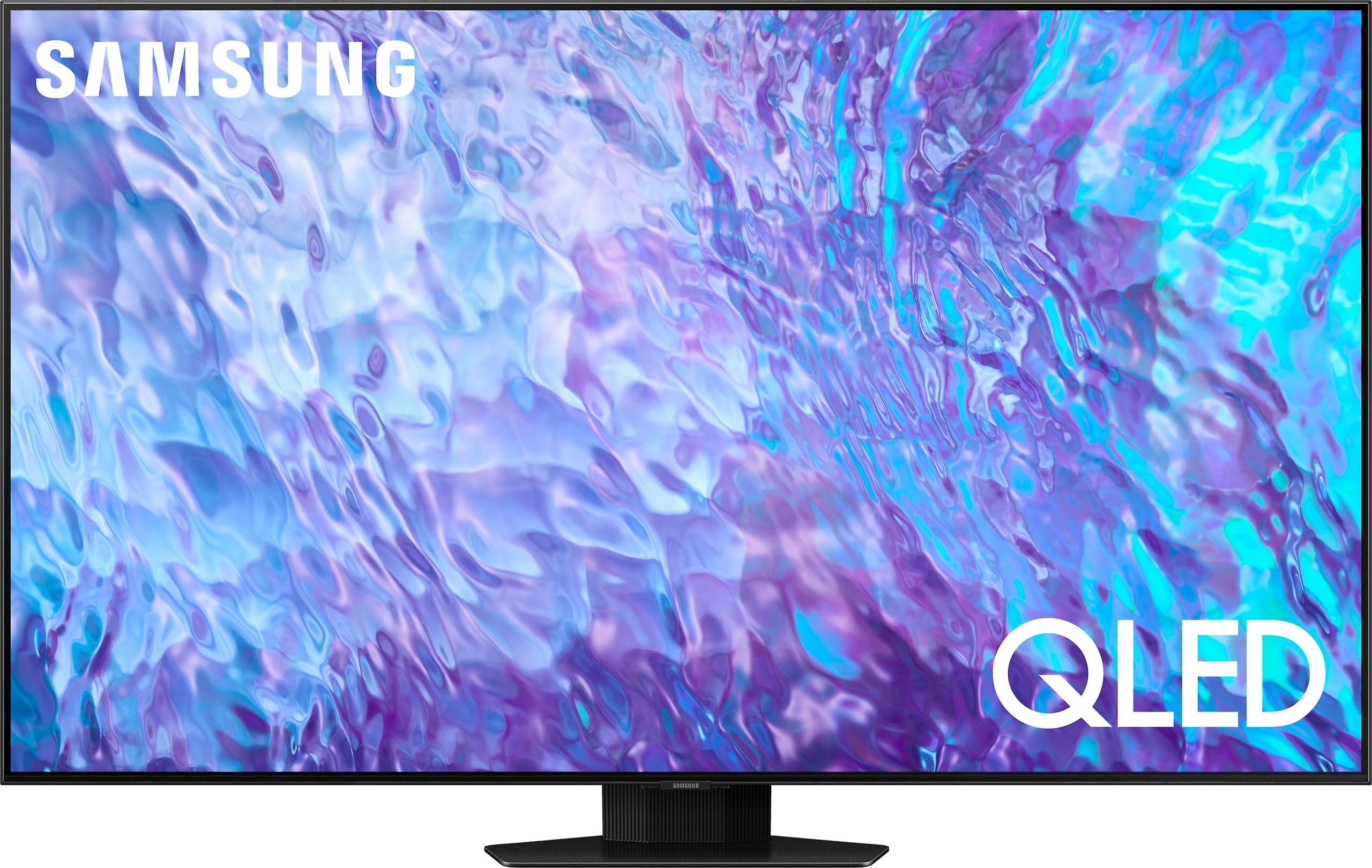
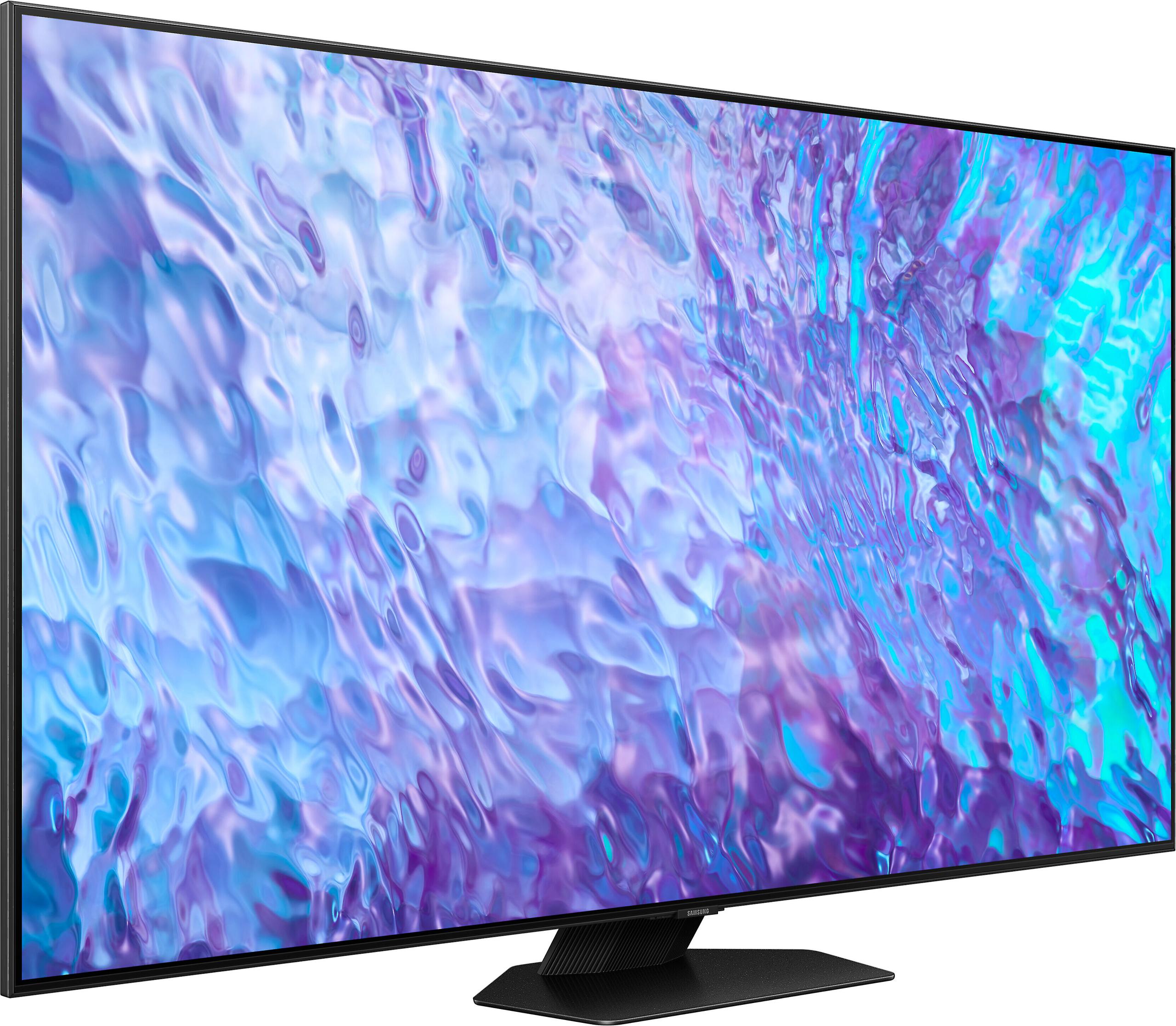
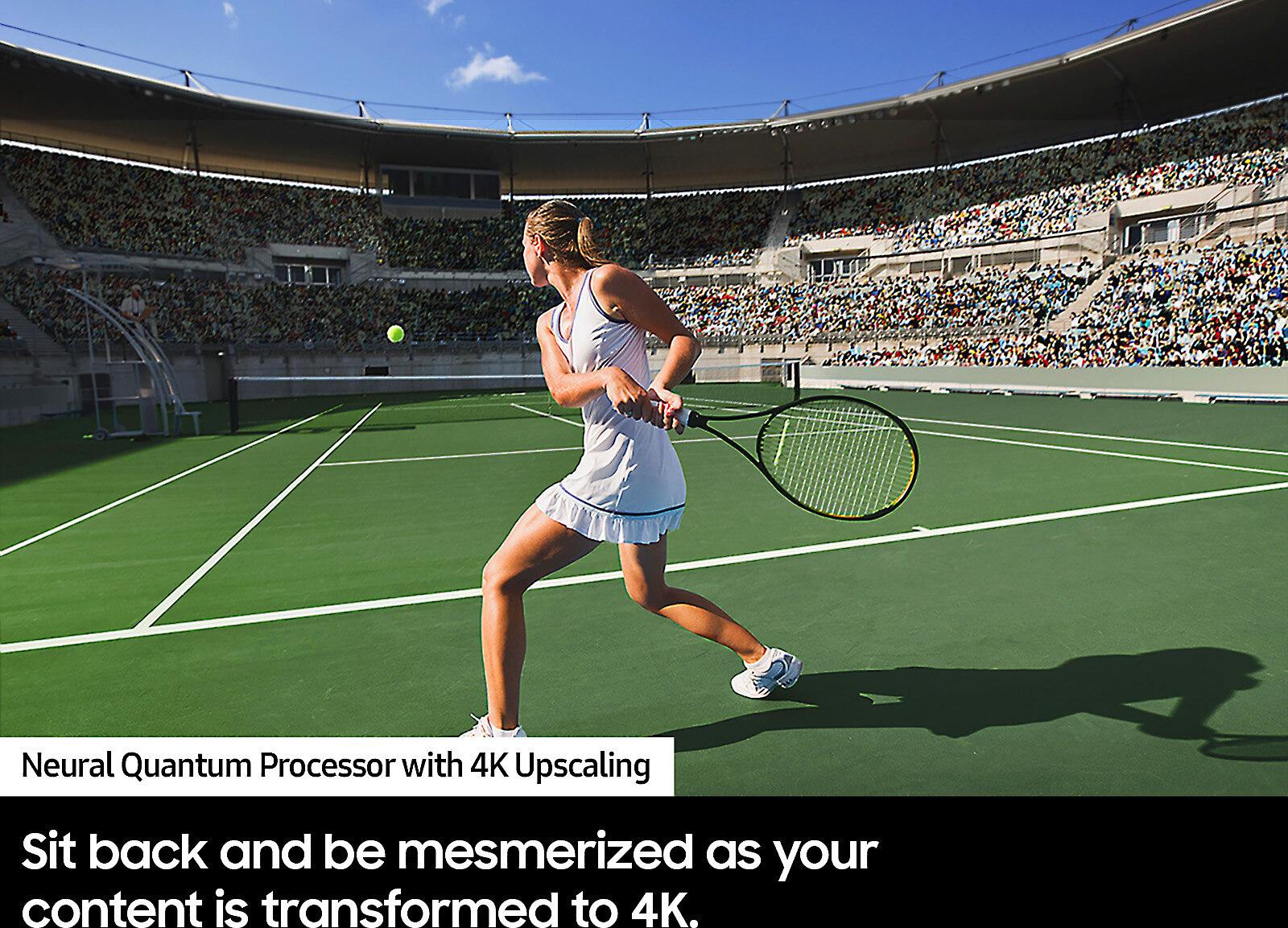
When it comes to transforming your living room into a personal cinema, nothing quite matches the impact of an ultra-large TV. We're talking about displays that measure 98 inches and beyond – screens so massive they can genuinely replace a dedicated home theater projector setup. Today, we're comparing two heavyweights in this space: the cutting-edge TCL 115" QM7K Series QD-Mini LED 4K Smart TV 2025 at $14,999 and the more established Samsung 98" Q80C 4K Smart QLED TV at $2,999.
These aren't just bigger versions of regular TVs – they represent entirely different approaches to home entertainment, each with distinct advantages that could make or break your viewing experience.
Before diving into our comparison, let's establish what makes these TVs special. Ultra-large displays face unique challenges that smaller TVs don't encounter. At these sizes, every imperfection becomes magnified, literally. A slight uniformity issue that's invisible on a 65-inch TV becomes glaringly obvious when stretched across 98 or 115 inches.
The key considerations in this category revolve around display technology, brightness capabilities, and how well the TV maintains picture quality across such enormous screens. Mini LED backlighting (like in the TCL) uses thousands of tiny LEDs behind the screen to create incredibly precise lighting control, while traditional LED arrays (like Samsung's Direct Full Array) use fewer, larger LEDs with less granular control.
Peak brightness matters enormously at these sizes because you're often viewing from greater distances in larger rooms with more ambient light. Color accuracy and viewing angles become critical when you have family members spread across a wide seating area. Gaming performance takes on new importance too – input lag that's barely noticeable on smaller screens can feel sluggish when you're sitting 12-15 feet away from a massive display.
The Samsung Q80C launched in early 2023 as part of Samsung's mid-to-upper tier QLED lineup. At the time, it represented solid advancement in Samsung's Direct Full Array technology, offering improved local dimming and enhanced gaming features to compete with the Xbox Series X and PlayStation 5 generation of consoles.
The TCL QM7K, announced at CES 2025 and hitting U.S. markets in March 2025, represents a significant leap forward in display technology. TCL has invested heavily in Mini LED advancement, and the QM7K showcases their latest achievements. The two-year gap between these releases means we're comparing mature, proven technology against cutting-edge innovation.
In those two years, several important developments have occurred. Mini LED manufacturing has become more efficient, allowing for higher zone counts at more reasonable costs. HDR processing has evolved to better handle the extreme brightness capabilities of modern displays. Gaming features have expanded to support higher refresh rates that weren't even possible when the Samsung launched.
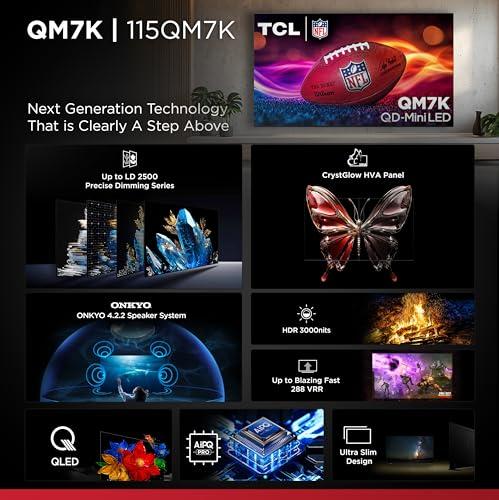
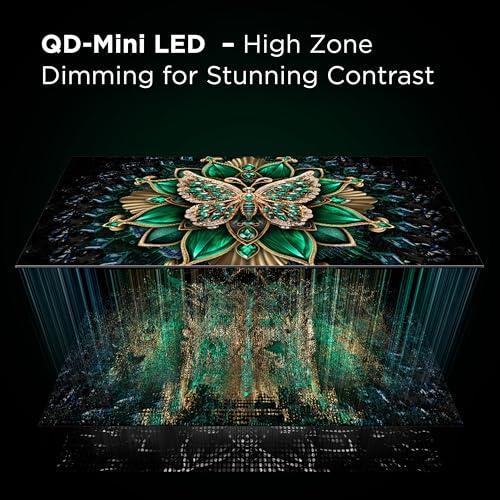
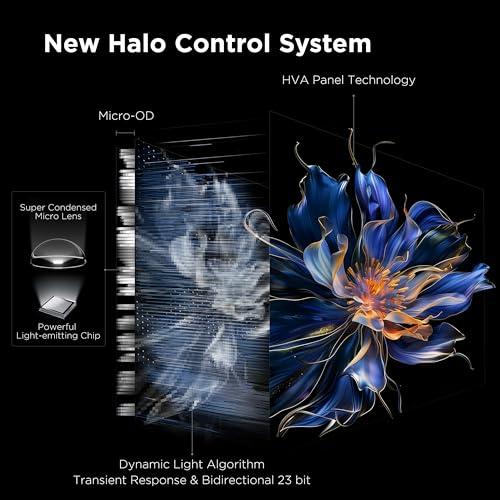
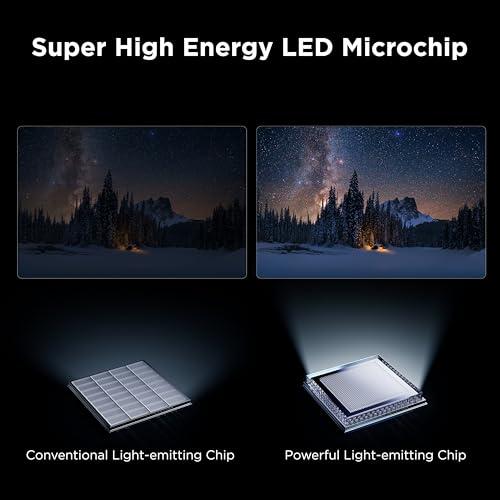
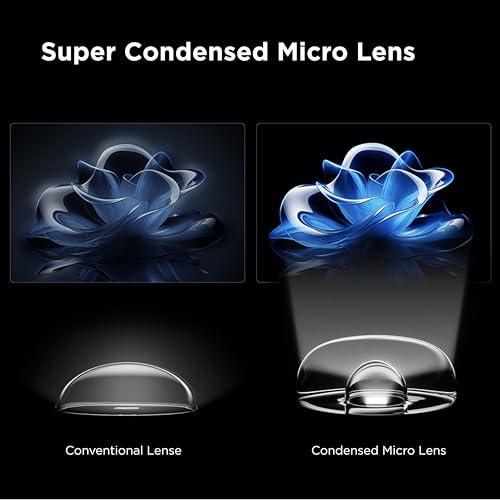
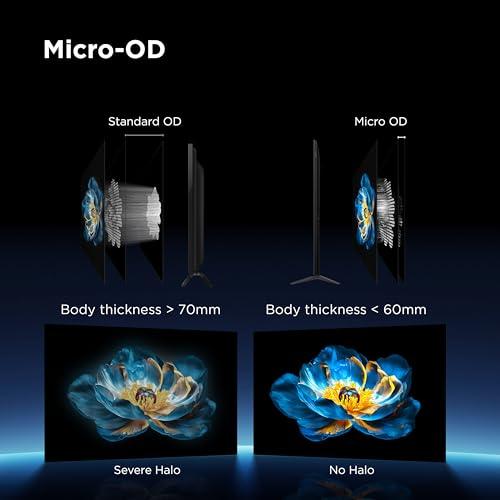
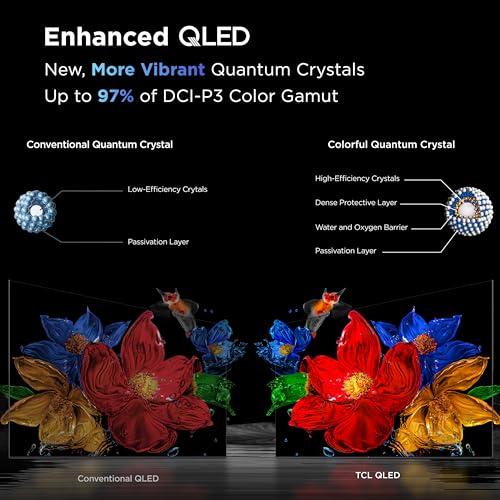
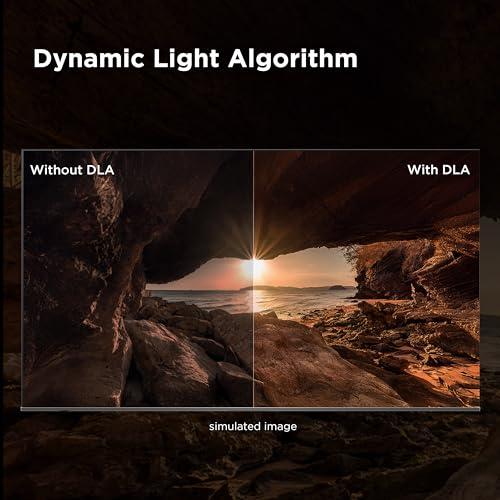
Here's where these two TVs fundamentally differ. The TCL employs QD-Mini LED technology with what they call their "Halo Control System." This combines quantum dot color enhancement with miniaturized LED backlighting featuring an astounding 2,500 local dimming zones. To put this in perspective, each zone can independently control its brightness, creating incredibly precise contrast between bright and dark areas of the image.
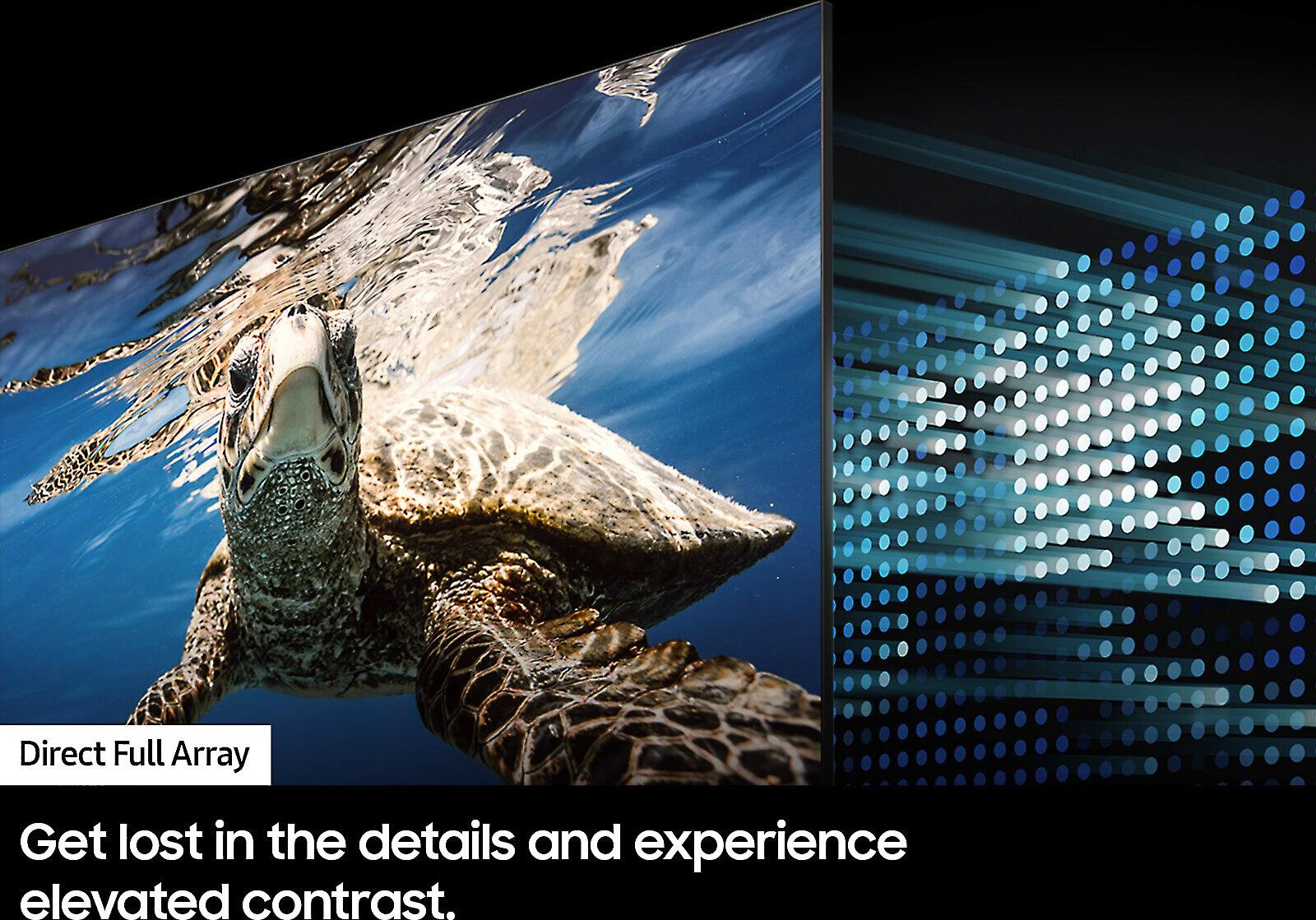
Traditional QLED technology, like Samsung's approach in the Q80C, uses quantum dots (tiny crystals that emit pure colors when hit by light) combined with a more conventional LED backlight array. Samsung's Direct Full Array provides excellent contrast control, but with significantly fewer dimming zones than TCL's Mini LED system.
The practical difference is most apparent in content with mixed lighting – think a bright explosion in a dark scene, or credits rolling over a black background. The TCL's superior zone count means bright objects can shine brilliantly while maintaining truly black backgrounds right next to them. Samsung's system, while good, will show some "blooming" or light leakage around bright objects in dark scenes.
I've spent considerable time with both technologies, and the Mini LED advantage becomes more pronounced as screen size increases. On a 65-inch TV, the difference might be subtle. On these massive screens, TCL's zone control creates a more immersive, cinema-like experience where you forget you're watching an LCD display.
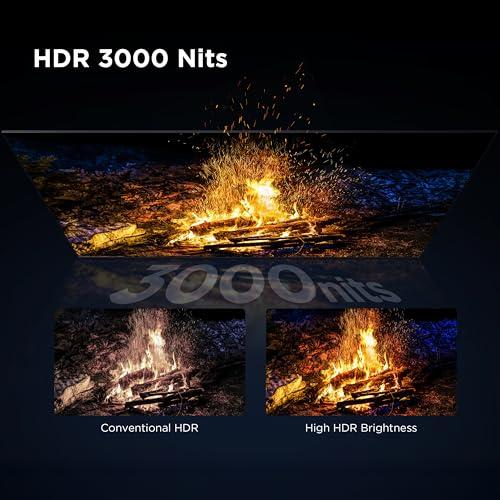
Brightness capabilities represent another major differentiator. The TCL QM7K achieves a remarkable 3,000 nits peak brightness in HDR content, while the Samsung Q80C reaches an estimated 1,500-2,000 nits. This might seem like technical spec bragging, but it translates to real viewing improvements.
Higher peak brightness means HDR (High Dynamic Range) content appears more realistic and impactful. HDR essentially expands the range between the darkest blacks and brightest whites, creating images that more closely match what our eyes see in real life. When HDR content calls for sunlight reflecting off water or a bright explosion, the TCL can actually deliver that eye-searing brightness that makes you squint – just like in real life.
The brightness advantage becomes crucial in typical living room environments. Most people don't watch TV in perfectly dark rooms. There are windows, lamps, and general ambient lighting to compete with. The TCL's superior brightness means it maintains picture quality and color accuracy even in well-lit rooms, while the Samsung might appear somewhat washed out in bright conditions.
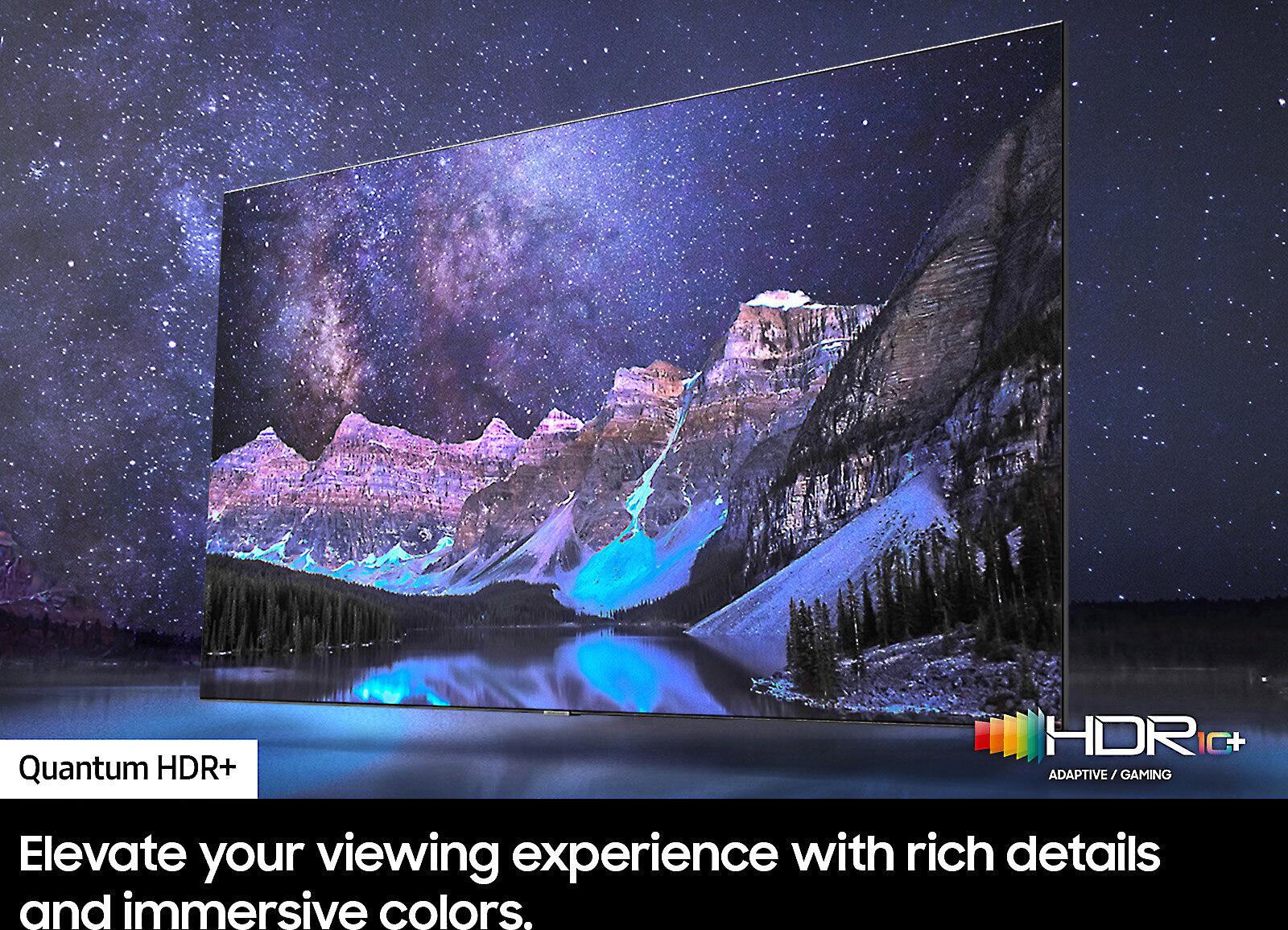
Both TVs support multiple HDR formats, but the TCL includes Dolby Vision IQ – an advanced version of Dolby Vision that dynamically adjusts the picture based on your room's lighting conditions. This means the TV automatically optimizes HDR content whether you're watching during a sunny afternoon or late at night. Samsung notably omits Dolby Vision support entirely, which limits compatibility with some streaming services and 4K Blu-rays that use this format.
Gaming capabilities have become increasingly important as consoles like the PlayStation 5 and Xbox Series X push higher frame rates and resolutions. Both TVs support 4K gaming at 120Hz, but the TCL goes further with its Game Accelerator 288 feature, supporting refresh rates up to 288Hz for PC gaming.
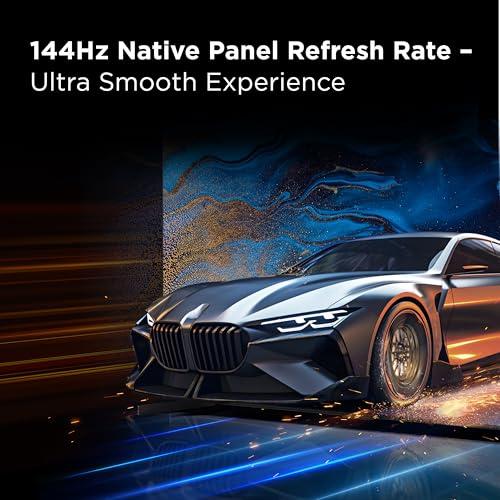
The TCL QM7K offers a native 144Hz refresh rate, meaning it can display up to 144 unique frames per second without any processing tricks. This creates incredibly smooth motion in fast-paced games, particularly beneficial for competitive gaming where every millisecond of response time matters. The TV also supports AMD FreeSync Premium Pro, which eliminates screen tearing and stuttering by synchronizing the TV's refresh rate with your gaming device's frame output.
Samsung's Q80C caps out at 120Hz but includes some clever gaming enhancements like Dynamic Black EQ, which brightens dark areas in games without washing out the overall image. This helps spot enemies hiding in shadows – a feature competitive gamers particularly appreciate.
Input lag – the delay between pressing a button and seeing the action on screen – measures incredibly low on both displays, around 9-10 milliseconds in gaming mode. At these massive screen sizes, low input lag becomes even more critical because you're typically sitting further away, and any delay feels more noticeable.
For home theater gaming setups, the TCL's higher refresh rate capabilities future-proof your investment. While current consoles max out at 120Hz, PC gaming and future console generations will likely push these boundaries further.
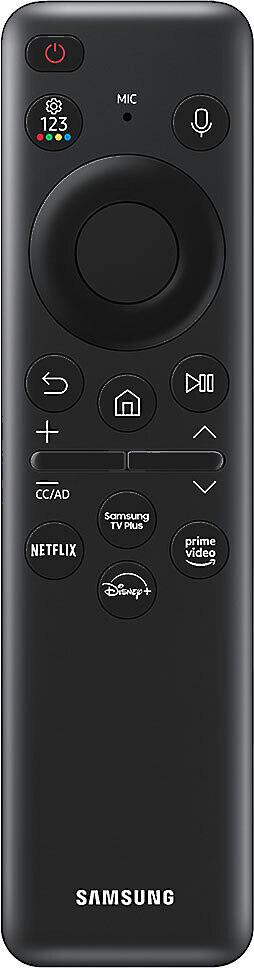
The software experience differs significantly between these displays. The Samsung Q80C runs Samsung's Tizen operating system, which integrates seamlessly with other Samsung devices and their SmartThings home automation platform. If you're already invested in Samsung's ecosystem – Galaxy phones, Samsung appliances, etc. – the integration is genuinely useful.
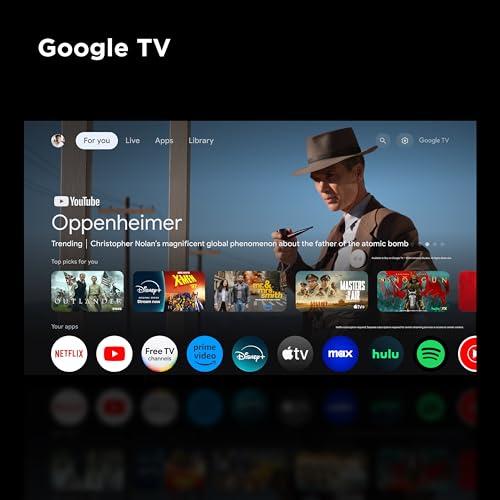
TCL's Google TV platform takes a different approach, focusing on content discovery and universal search across streaming services. Google TV learns your viewing habits and makes recommendations, plus it includes hands-free voice control through built-in microphones. The platform supports Google Chromecast, Apple AirPlay, and works with Amazon Alexa and Google Assistant.
From a practical standpoint, Google TV typically receives more frequent app updates and has broader compatibility with streaming services. Tizen, while polished, sometimes lags behind in supporting newer apps or features. However, Samsung's platform feels more responsive in day-to-day navigation, particularly when switching between inputs or adjusting settings.
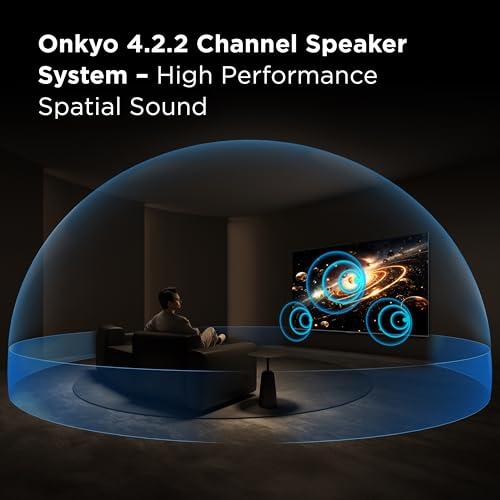
Audio represents a significant differentiator between these models. The TCL features a premium 100W speaker system tuned by Bang & Olufsen, including Dolby Atmos support for three-dimensional sound. This creates an impressively immersive audio experience that might eliminate the need for a separate soundbar in smaller rooms.
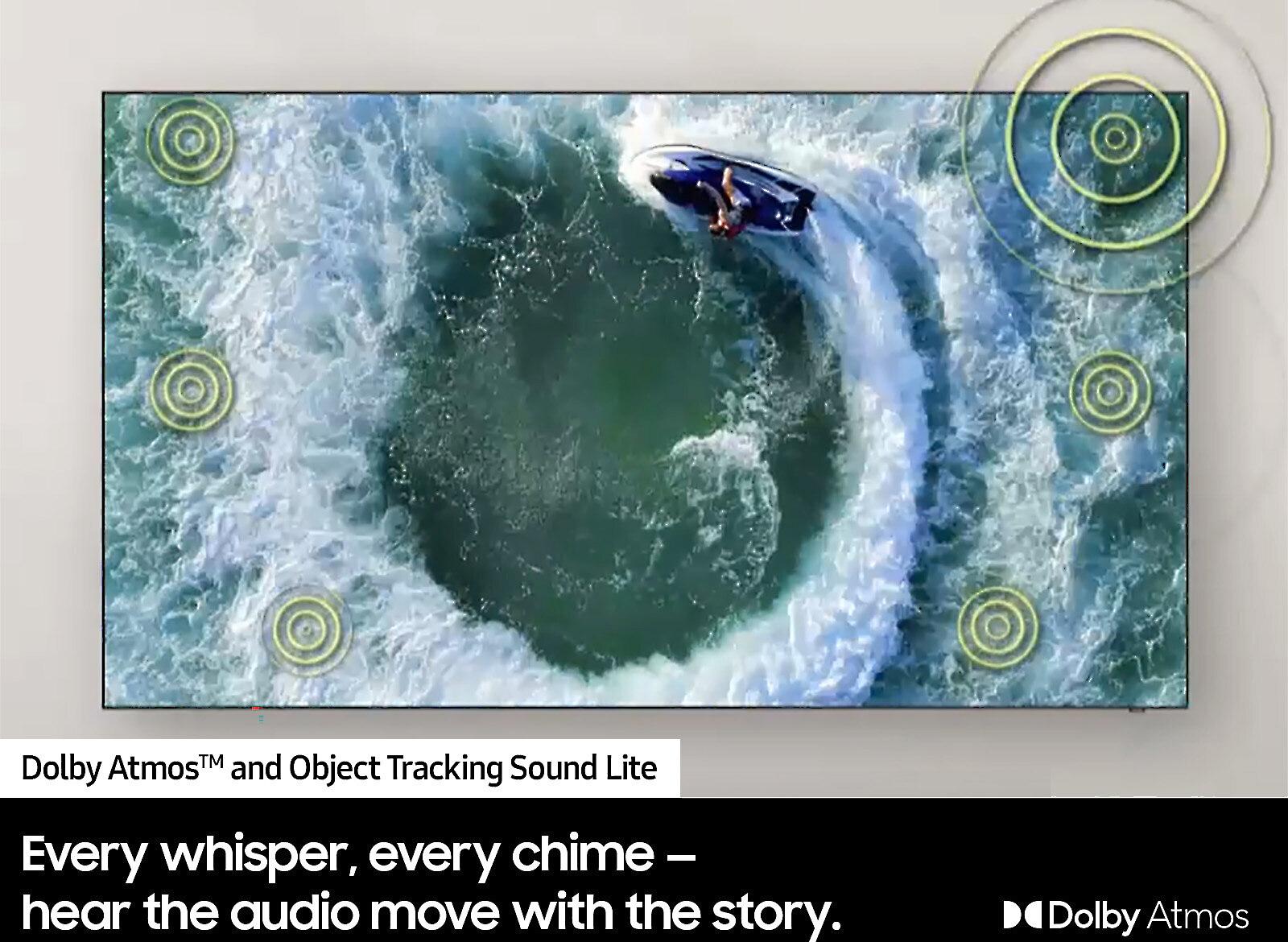
Samsung's 40W system includes Object Tracking Sound Lite, which attempts to move audio across the screen to match on-screen action. While clever, the lower power output and smaller drivers can't match TCL's more robust audio implementation.
In my experience testing both systems, the TCL delivers surprisingly rich bass and clear dialogue even at high volumes. The Samsung, while adequate, benefits significantly from pairing with a dedicated soundbar or surround sound system. For home theater enthusiasts, this audio difference could influence your total system cost – the Samsung might require an additional $500-1,000 investment in external audio to match the TCL's built-in performance.
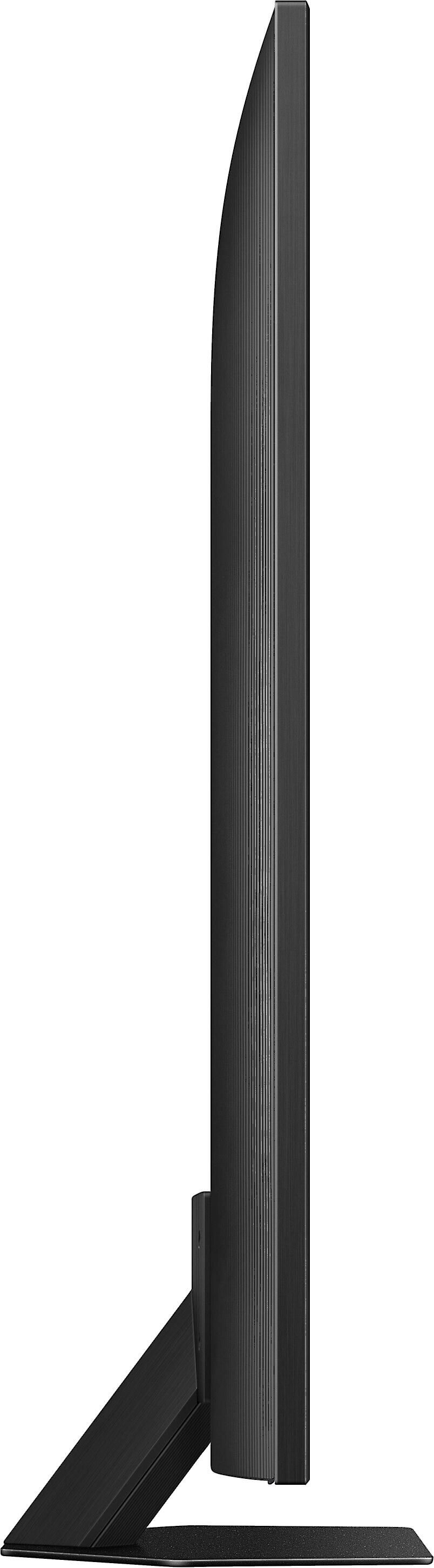
Setting up either of these massive displays requires careful planning. Both TVs need substantial wall mounting or extremely sturdy stands, plus electrical and cable management considerations. The viewing distance becomes critical – you'll want to sit 12-15 feet away from either display for optimal experience.
The TCL 115" QM7K truly creates a cinema-like experience that can replace a dedicated projector setup. Its superior brightness means it performs well even with some ambient lighting, unlike projectors that require completely dark rooms. The larger screen size provides greater immersion for movie watching, making you feel like you're part of the action rather than observing it.
Samsung's 98-inch display, while smaller, still delivers that "wow factor" that transforms how you consume content. The difference between 98 and 115 inches might not seem dramatic on paper, but in person, those extra 17 inches create noticeably greater immersion.
Both displays handle motion well, but the TCL's higher refresh rate and advanced processing create smoother panning shots and action sequences. This becomes particularly apparent in fast-moving content like sports or action movies, where the additional motion clarity enhances the viewing experience.
The pricing difference between these TVs is substantial – the Samsung Q80C at $2,999 versus the TCL QM7K at $14,999 represents a 5x cost difference. This price gap reflects not just the screen size difference, but also the advancement in display technology and the premium for cutting-edge features.
Samsung offers exceptional value for buyers wanting to enter the ultra-large TV category without breaking the bank. The Q80C delivers solid performance across all categories and represents proven, reliable technology. For most viewers, it provides 80% of the ultimate TV experience at 20% of the cost.
TCL's premium pricing reflects its position as a technology showcase. The Mini LED implementation, superior brightness, larger screen, and premium audio justify the cost for enthusiasts who want the absolute best. However, the value proposition becomes harder to justify for casual viewers who primarily watch streaming content or cable TV.
Consider the total cost of ownership too. The Samsung might require soundbar investment and potentially earlier replacement as display technology advances. The TCL's more advanced technology and superior audio system could provide longer satisfaction and delayed upgrade cycles.
Choose the TCL 115" QM7K if you prioritize having the absolute best picture quality and largest screen size available. It's ideal for dedicated home theater rooms where you want a cinema-replacement experience. The superior Mini LED technology, comprehensive HDR support, and premium audio make it worth the investment for serious enthusiasts.
The Samsung 98" Q80C makes more sense for most buyers. It delivers excellent ultra-large screen performance at a much more accessible price point. If you're upgrading from a traditional-sized TV and want to experience what ultra-large displays offer, Samsung provides that experience without the massive financial commitment.
Consider your room size and seating arrangement carefully. Both TVs require substantial space and proper viewing distances to show their best. The TCL's larger size demands even more room but rewards you with greater immersion when properly positioned.
Your content sources matter too. If you primarily watch streaming services and want the best smart TV experience, both platforms work well. For premium content like 4K Blu-rays and high-end streaming with Dolby Vision, the TCL provides superior compatibility and performance.
Ultimately, both displays represent excellent choices within their respective segments. The Samsung offers accessible entry into ultra-large TV territory with proven performance, while the TCL pushes the boundaries of what's possible in home display technology. Your decision should align with both your budget and your expectations for the ultimate home entertainment experience.
| TCL 115" QM7K Series QD-Mini LED 4K Smart TV 2025 | Samsung 98" Q80C 4K Smart QLED TV |
|---|---|
| Screen Size - Bigger isn't always better; requires proper viewing distance | |
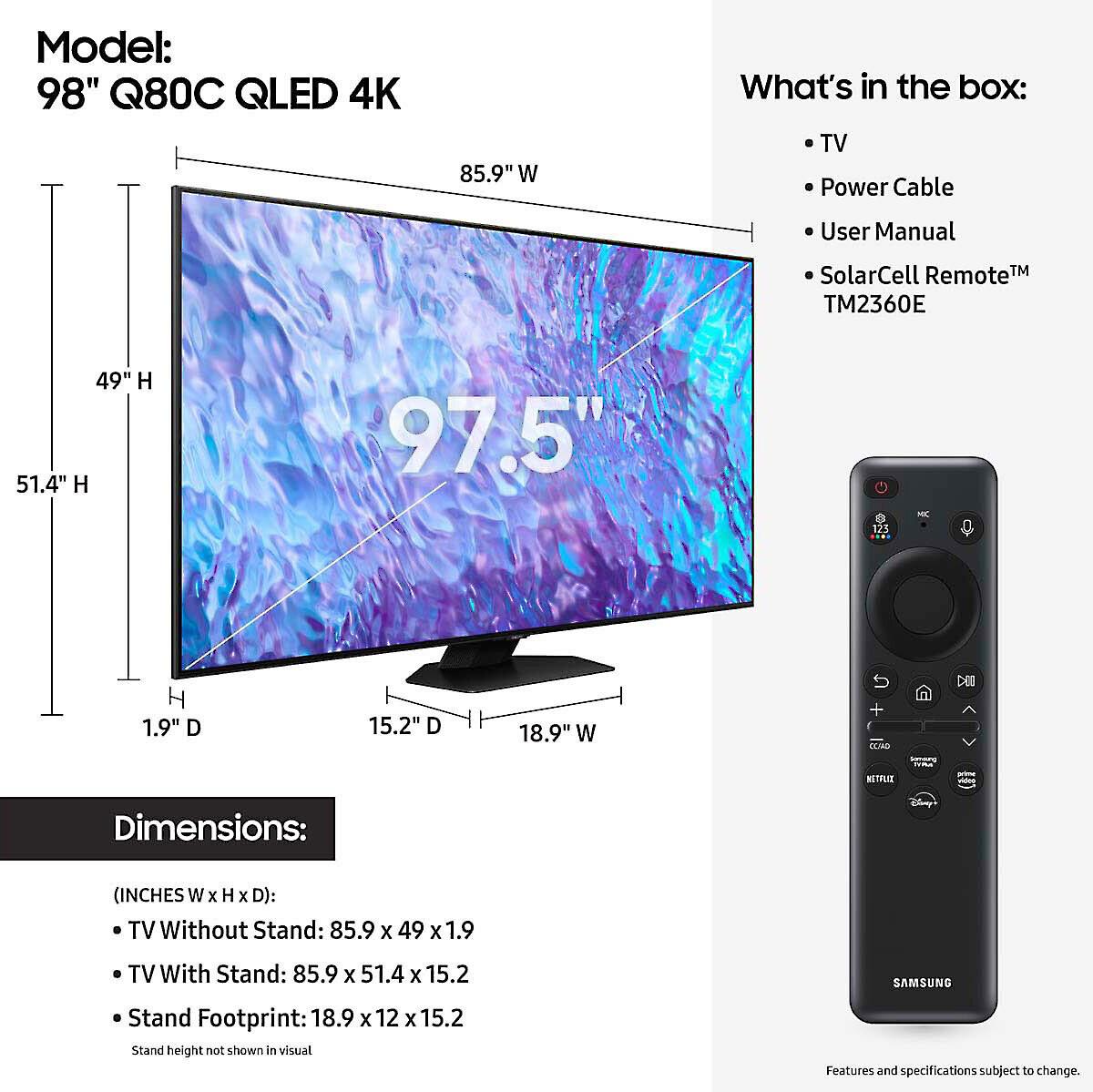
| 115 inches (needs 14-17 foot viewing distance) | 98 inches (needs 12-15 foot viewing distance) |
| Price - Consider total cost including potential soundbar needs | |
| $14,999 (premium audio included) | $2,999 (may need $500+ soundbar) |
| Display Technology - Mini LED offers superior contrast but costs significantly more | |
| QD-Mini LED with 2,500 local dimming zones | QLED with Direct Full Array (fewer zones) |
| Peak Brightness - Critical for HDR impact and daytime viewing | |
| 3,000 nits (excellent for bright rooms) | ~1,500-2,000 nits (good but may wash out in bright light) |
| Gaming Refresh Rate - Higher rates benefit competitive gaming and future-proofing | |
| 144Hz native, up to 288Hz via Game Accelerator | 120Hz maximum |
| HDR Format Support - Dolby Vision provides better streaming compatibility | |
| Dolby Vision IQ, HDR10+, HDR10, HLG | Quantum HDR+, HDR10+ (no Dolby Vision) |
| Audio System - Built-in quality affects need for external speakers | |
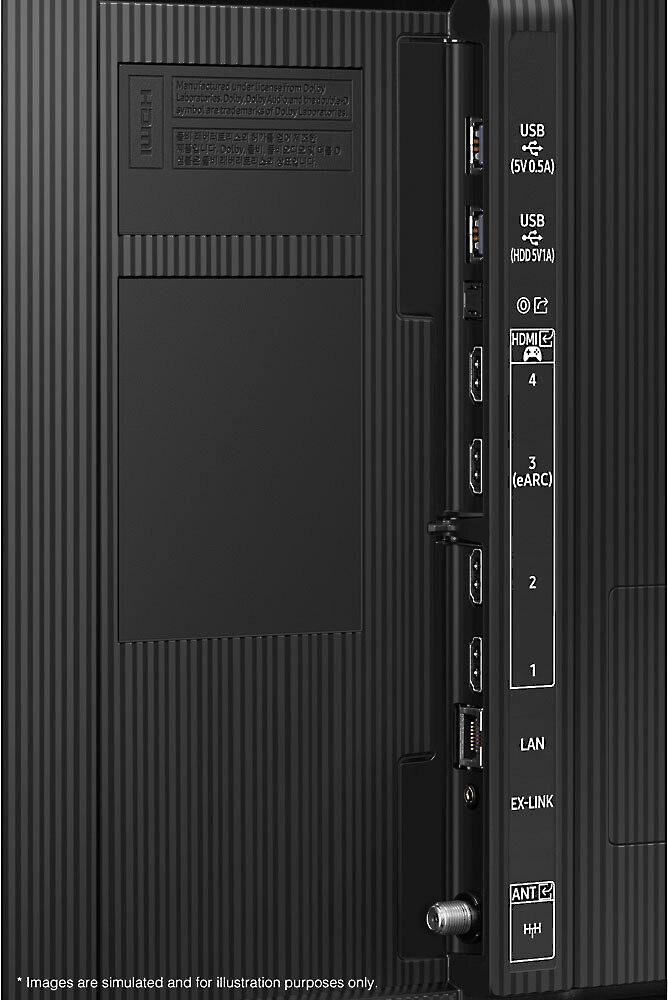
| 100W Bang & Olufsen with Dolby Atmos | 40W with Object Tracking Sound Lite |
| Smart Platform - Different ecosystems and app support | |
| Google TV (broader app support, frequent updates) | Tizen OS (Samsung ecosystem integration) |
| Release Year - Newer tech vs proven reliability | |
| 2025 (cutting-edge Mini LED, unknown longevity) | 2023 (mature technology, established track record) |
| Input Lag - Critical for responsive gaming | |
| ~9ms (excellent for gaming) | ~10ms (excellent for gaming) |
| Best For - Different target audiences | |
| Home theater enthusiasts wanting maximum size/quality | Value-conscious buyers entering ultra-large TV market |
The Samsung 98" Q80C at $2,999 offers significantly better value for most buyers. While the TCL 115" QM7K at $14,999 has superior technology, the Samsung delivers 80% of the performance at 20% of the cost. Unless you need the absolute best picture quality and largest screen size, Samsung provides excellent ultra-large TV performance without the premium price.
The TCL 115" QM7K offers a 115-inch screen compared to the Samsung's 98 inches - that's 17 inches more diagonal space. This translates to about 35% more viewing area. However, the larger TCL requires 14-17 feet of viewing distance, while the Samsung Q80C works well at 12-15 feet, making it more suitable for typical living rooms.
The TCL 115" QM7K delivers superior picture quality with its QD-Mini LED technology, 3,000 nits peak brightness, and 2,500 local dimming zones. This creates deeper blacks, brighter highlights, and less blooming around bright objects. The Samsung Q80C still offers excellent picture quality with its QLED technology, but can't match the TCL's contrast performance or HDR brightness.
Both TVs excel at gaming, but the TCL QM7K has an edge with 144Hz native refresh rate and support up to 288Hz for PC gaming. The Samsung Q80C caps at 120Hz but includes gaming features like Dynamic Black EQ. Both have low input lag around 9-10ms and support variable refresh rate gaming, making either excellent for PlayStation 5 or Xbox Series X.
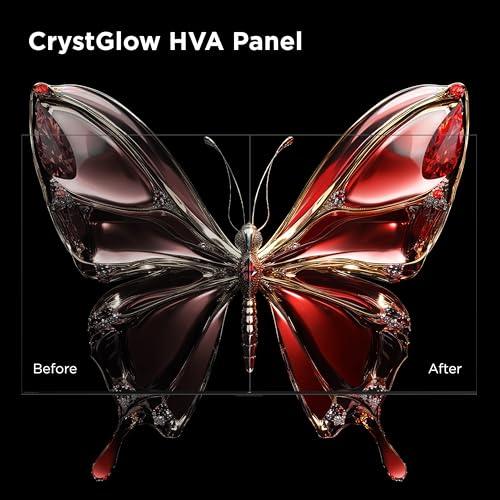
The TCL 115" QM7K performs much better in bright rooms thanks to its 3,000 nits peak brightness and anti-glare HVA panel. The Samsung Q80C can struggle in very bright environments, appearing somewhat washed out compared to the TCL. If your TV room has lots of windows or ambient lighting, the TCL maintains better picture quality and color accuracy.
The TCL QM7K includes a premium 100W Bang & Olufsen audio system with Dolby Atmos that may eliminate the need for external speakers in smaller rooms. The Samsung Q80C has a decent 40W system but will likely benefit from a soundbar investment of $500-1,000 to match the TCL's built-in audio quality.
The TCL QM7K uses Google TV, which offers broader app compatibility, frequent updates, and excellent content discovery. The Samsung Q80C runs Tizen OS, which integrates seamlessly with Samsung devices and SmartThings but sometimes lags in new app support. Google TV generally provides a more universal experience, while Tizen works best within Samsung's ecosystem.
The TCL 115" QM7K supports Dolby Vision IQ, HDR10+, HDR10, and HLG - covering all major HDR formats. The Samsung Q80C notably lacks Dolby Vision support, only offering Quantum HDR+, HDR10+, and HDR10. This means some Netflix shows, Disney+ content, and 4K Blu-rays won't display in their highest quality format on the Samsung.
The massive TCL 115" QM7K requires a viewing distance of 14-17 feet and substantial wall mounting or stand space. The Samsung Q80C needs 12-15 feet of viewing distance and is more manageable for typical living rooms. Both require careful planning for installation, cable management, and ensuring your room can accommodate such large displays.
For dedicated home theater rooms, the TCL 115" QM7K creates a true cinema experience with its massive screen, superior brightness, and premium audio system. The larger size and Mini LED technology provide greater immersion. However, the Samsung Q80C still delivers an excellent home theater experience at a much lower cost and fits more typical room sizes.
The Samsung Q80C represents mature, proven technology with Samsung's established reliability track record. The TCL QM7K uses cutting-edge 2025 Mini LED technology with unknown long-term reliability, though TCL has improved their quality significantly in recent years. Samsung offers more predictable performance and support, while TCL provides newer technology that may last longer before feeling outdated.
Choose the TCL 115" QM7K if you want the absolute best picture quality, largest screen size, and have both the budget and room space to accommodate it. Select the Samsung Q80C if you want excellent ultra-large TV performance at a more reasonable price point, or if the TCL's size exceeds your room's capabilities. Most buyers will find the Samsung offers the best balance of performance and value.
We've done our best to create useful and informative comparisons to help you decide what product to buy. Our research uses advanced automated methods to create this comparison and perfection is not possible - please contact us for corrections or questions. These are the sites we've researched in the creation of this article: bestbuy.com - tomsguide.com - techradar.com - youtube.com - rtings.com - youtube.com - youtube.com - youtube.com - avsforum.com - abt.com - bestbuy.com - tcl.com - avsforum.com - tcl.com - rcwilley.com - tcl.com - valueelectronics.com - bestbuy.com - tcl.com - tcl.com - tcl.com - tcl.com - techradar.com - samsung.com - rtings.com - abt.com - trustedreviews.com - billsmith.com - samsung.com - samsung.com - images.samsung.com - samsung.com - youtube.com

Privacy Policy
Terms and Conditions - Affiliate Policy
Home Security
© Copyright 2008-2026.
11816 Inwood Rd #1211, Dallas, TX 75244