

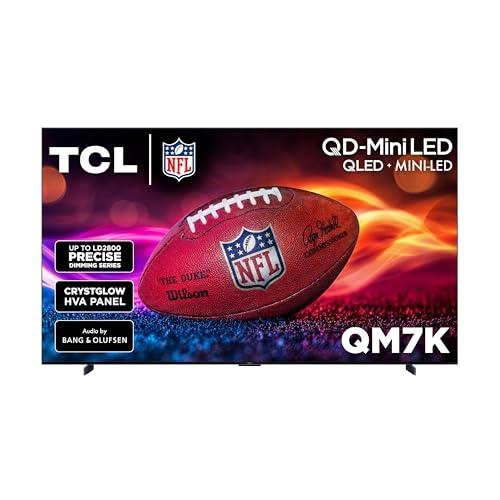
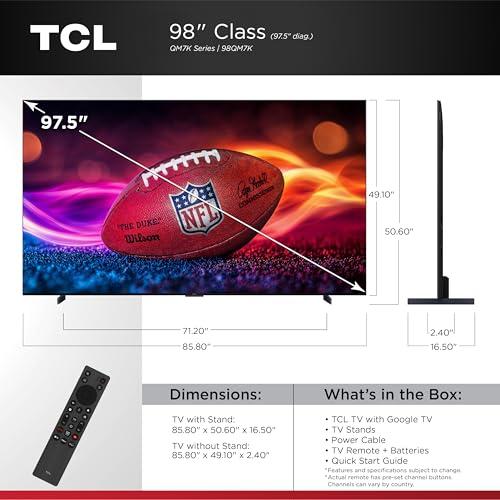

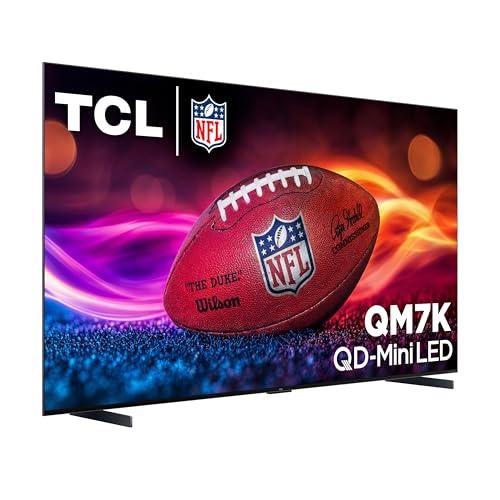
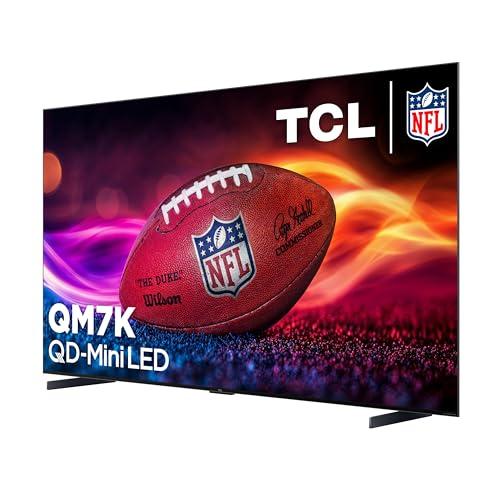


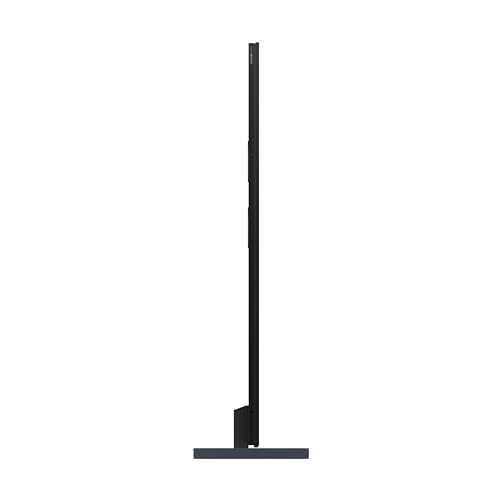
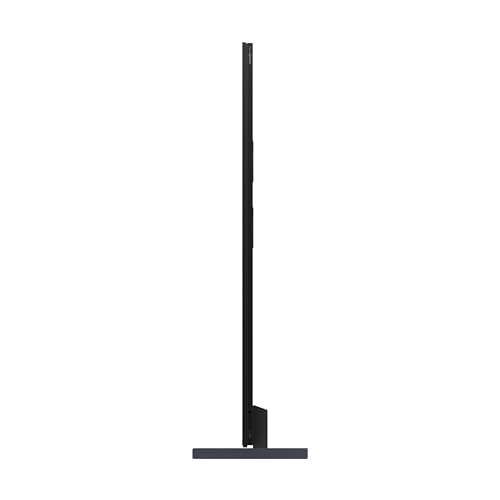
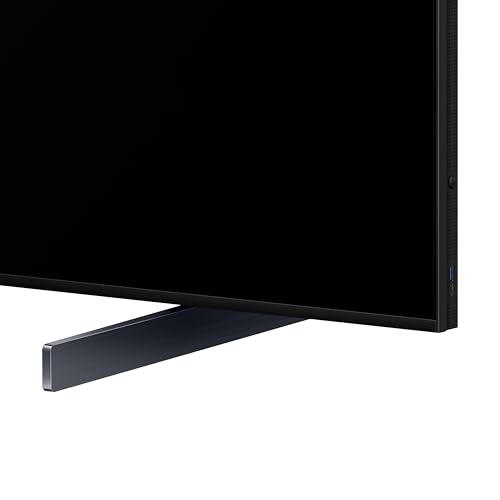
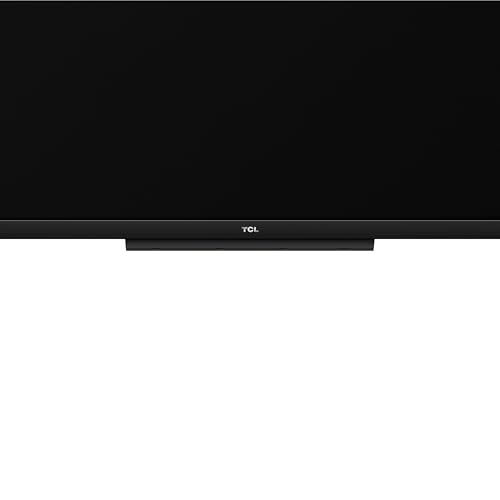
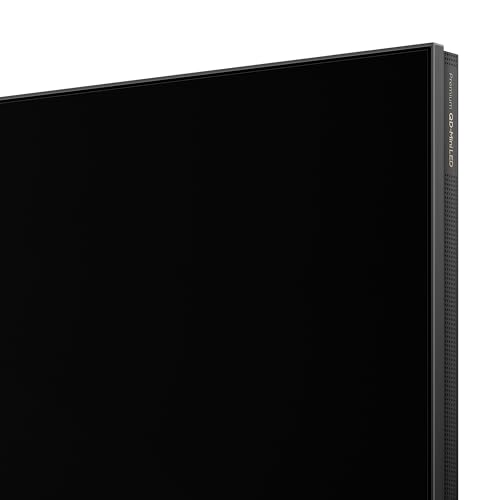

Shopping for an ultra-large TV in 2024? You've probably stumbled across TCL's QM7K series and wondered if that massive price jump to the biggest size makes any sense. The TCL 98" QM7K and 115" QM7K represent two very different approaches to the same core technology - one focused on incredible value, the other on pure screen real estate regardless of cost.
Both TVs launched in 2024 as part of TCL's push into premium Mini LED territory, but they tell completely different stories about who they're designed for. After diving deep into reviews, specifications, and real-world performance data, the choice between these two becomes surprisingly clear once you understand what you're actually paying for.
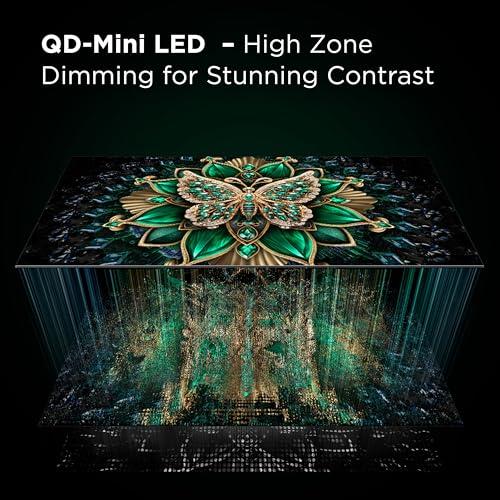
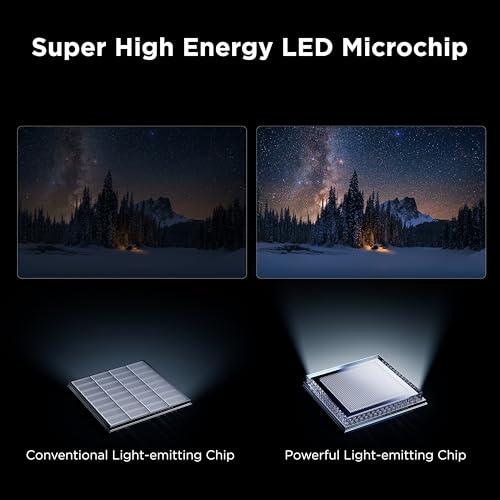
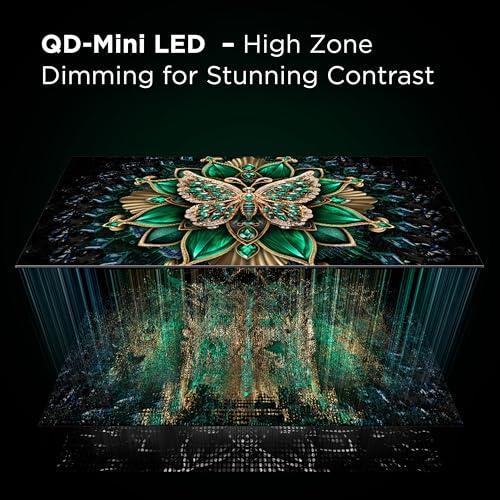
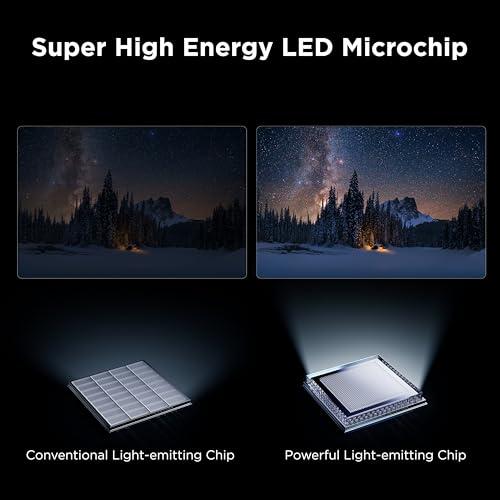
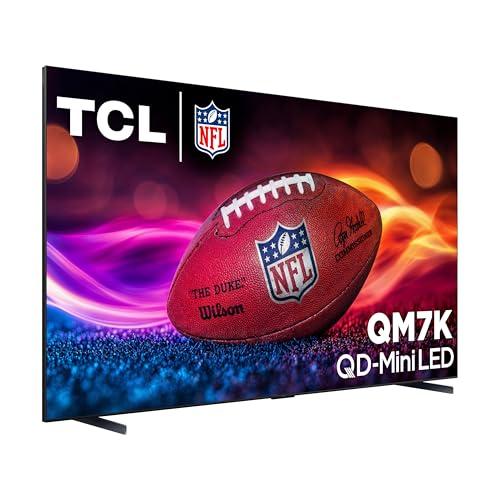
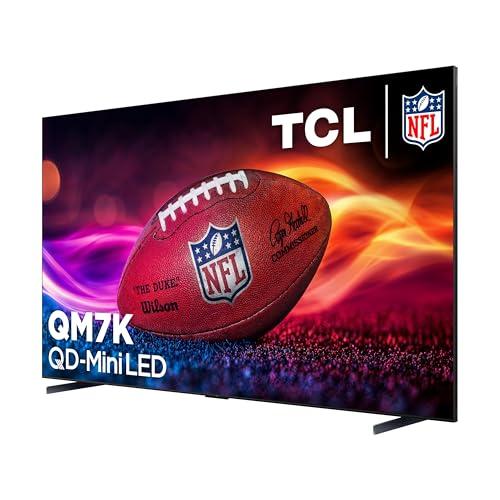
Before we dive into the comparison, let's talk about what makes both these TVs special. Mini LED represents a major leap forward from traditional LED TVs. Instead of using large LED lights that illuminate big sections of the screen, Mini LED uses thousands of tiny LEDs - each about the size of a grain of sand - arranged in precise zones behind the display.
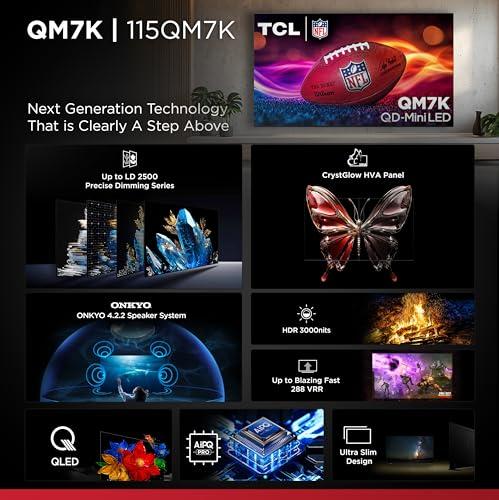
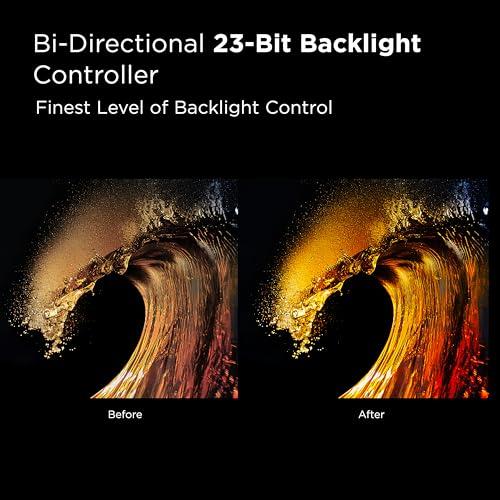
Think of it like the difference between lighting a room with one ceiling light versus having hundreds of tiny, individually controllable spotlights. The TCL 98" QM7K and 115" QM7K both pack up to 2,500 of these local dimming zones, meaning they can brighten or dim specific areas of the screen independently. When you're watching a movie with bright stars against a dark sky, the TV can make those stars blazingly bright while keeping the surrounding space truly black.
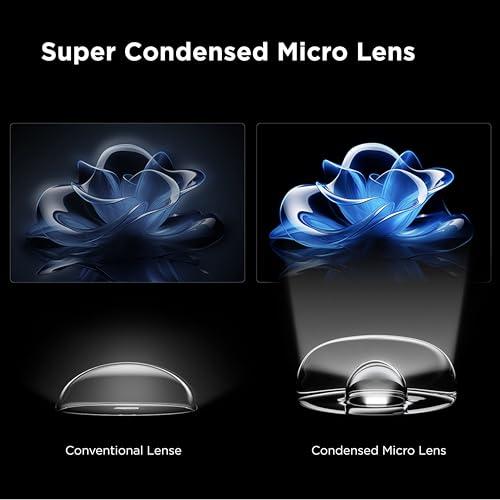
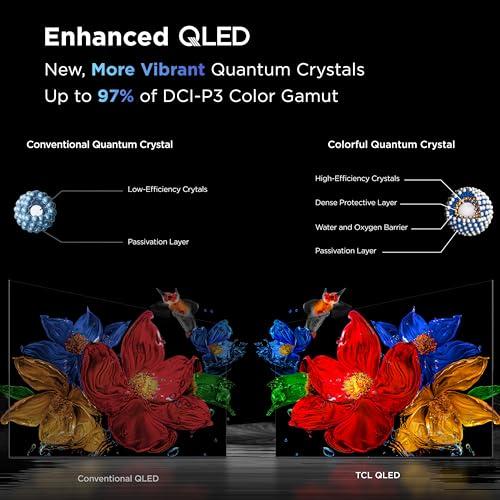
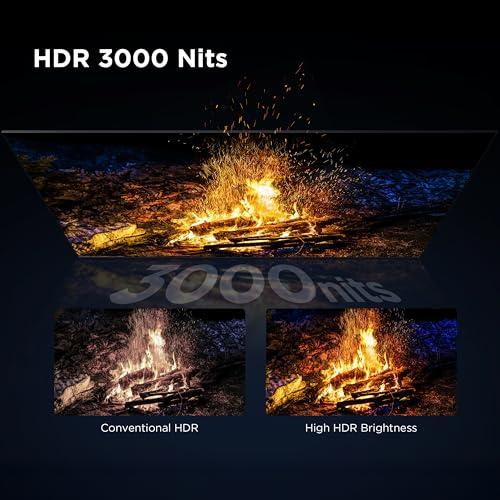
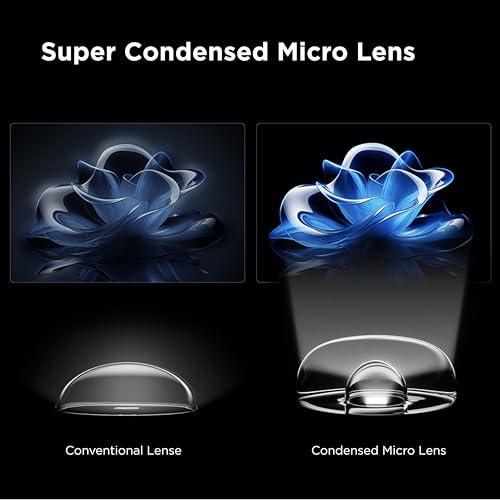
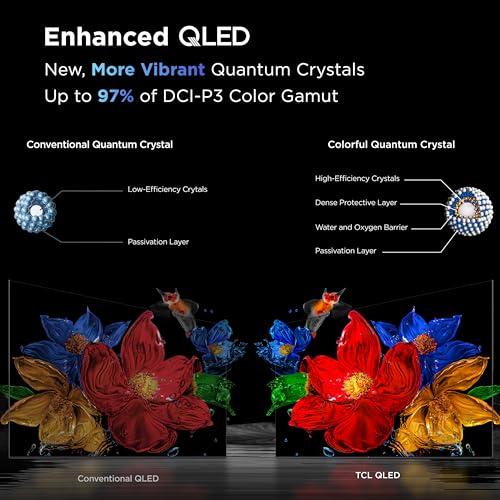
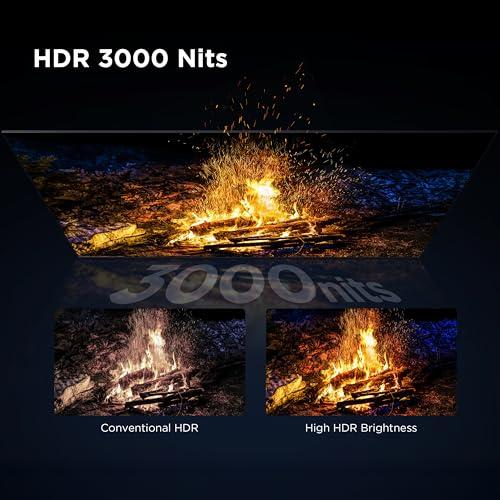
Both models also use Quantum Dot technology (the "Q" in QM7K), which adds a special layer of microscopic crystals that convert backlight into more pure, saturated colors. Combined with Mini LED backlighting, this creates displays that can rival OLED TVs in contrast while getting much brighter - up to 3,000 nits, which is about three times brighter than most standard TVs.
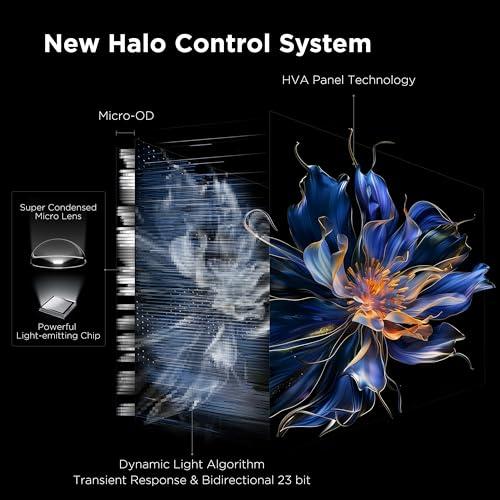
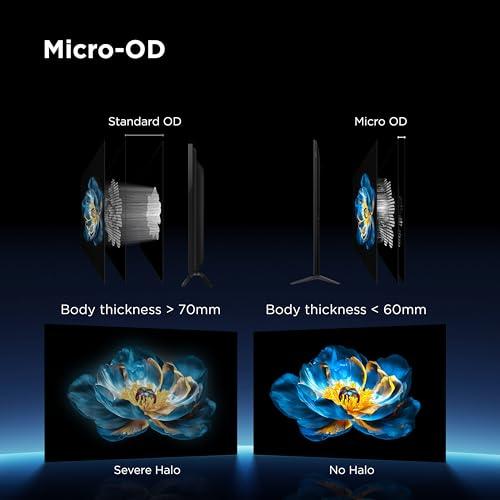
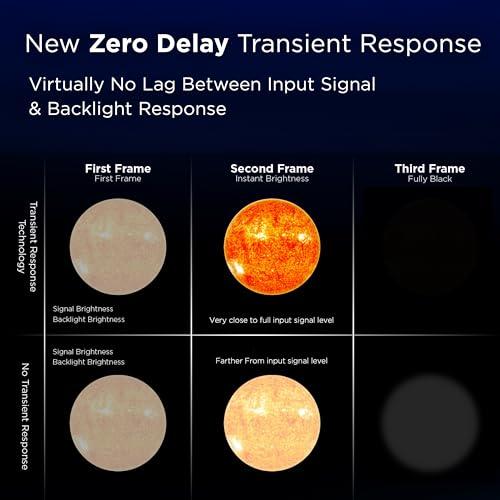
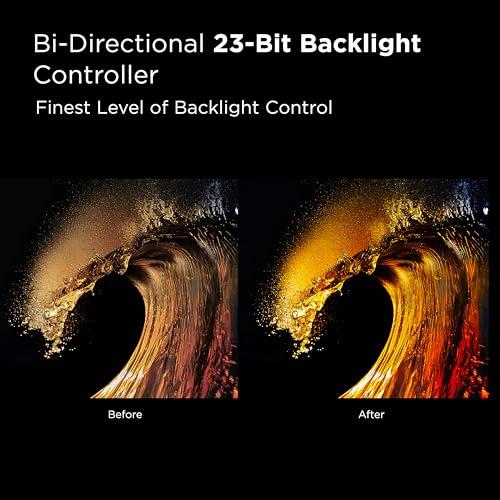
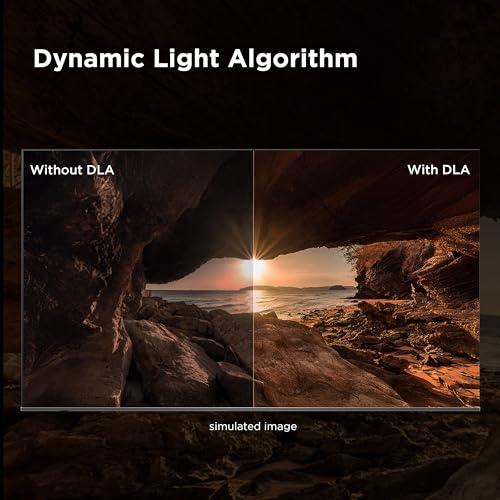
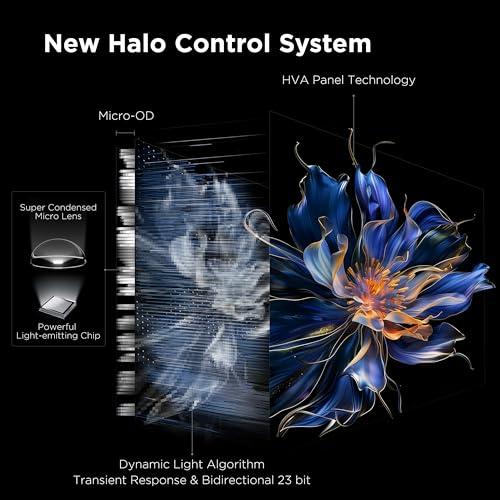
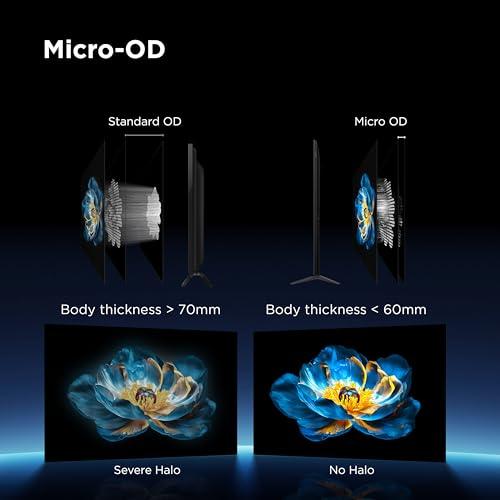
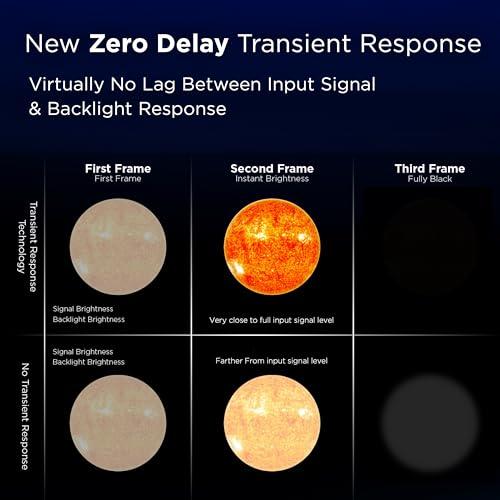
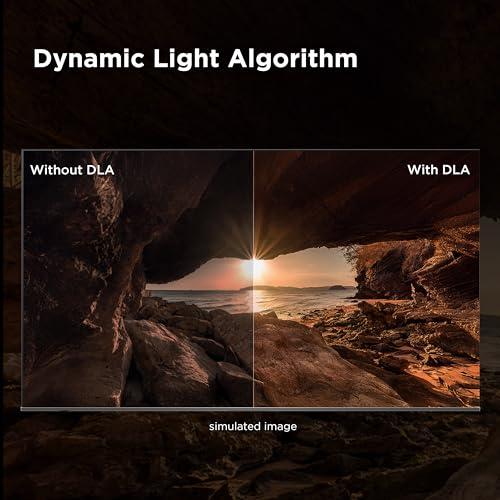
TCL's secret weapon here is their "Halo Control System," a collection of technologies designed to eliminate the blooming effect that plagued earlier Mini LED TVs. Blooming happens when bright objects on dark backgrounds create unwanted halos of light - think subtitles on a black screen that seem to glow. TCL's system uses advanced light control, faster response times, and smarter algorithms to virtually eliminate this issue.
Here's where things get interesting. Both the TCL 98" QM7K and 115" QM7K use identical display technology. Same Mini LED backlight system, same quantum dot layer, same 2,500 local dimming zones, same peak brightness, same processor. You're getting the exact same picture quality regardless of which size you choose.
The 98-inch model positions itself as the "sensible" choice in the ultra-large TV category - if you can call any 98-inch TV sensible. At the time of writing, it typically sells for around $2,800, down significantly from its original retail price. That puts it in premium territory but not completely unreachable for serious home theater enthusiasts.
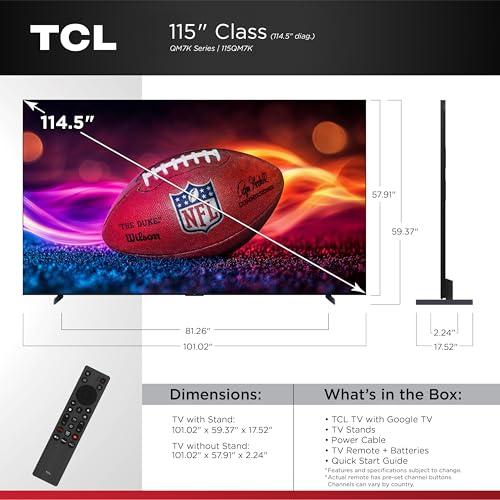
The 115-inch model, however, plays in a completely different league. Pricing typically hovers around $10,000, representing one of the most expensive consumer TVs you can buy. That's nearly $7,200 more for an additional 17 inches of diagonal screen space - no performance improvements, no extra features, just more real estate.
Based on extensive review analysis, both TVs deliver genuinely impressive picture quality that puts them in the top tier of LED displays. The Mini LED backlighting creates contrast ratios that approach OLED territory while maintaining the brightness advantages that make them suitable for any room environment.
HDR Performance: This is where both models truly shine. With 3,000-nit peak brightness and support for all major HDR formats (Dolby Vision IQ, HDR10+, HDR10, and HLG), these TVs can display HDR content with proper impact. When you're watching a sunset scene in a nature documentary or explosions in an action movie, the highlights pop with realistic intensity while maintaining detail in shadows.
Color Accuracy: The enhanced quantum dot technology covers nearly the entire DCI-P3 color gamut - the standard used in movie theaters. Colors appear vibrant and accurate, though some professional reviewers note that out-of-the-box color accuracy isn't perfect. Most users will be thrilled with the default settings, but videophiles might want professional calibration to squeeze out the last bit of accuracy.
Black Levels and Contrast: This is where Mini LED technology shows its strength. The 2,500 local dimming zones allow these TVs to achieve black levels that rival OLED displays. In dark room viewing, you'll see deep, inky blacks that make bright elements truly pop. The advanced Halo Control System does an excellent job minimizing blooming, though it's not completely eliminated - a physics limitation of any backlit display.
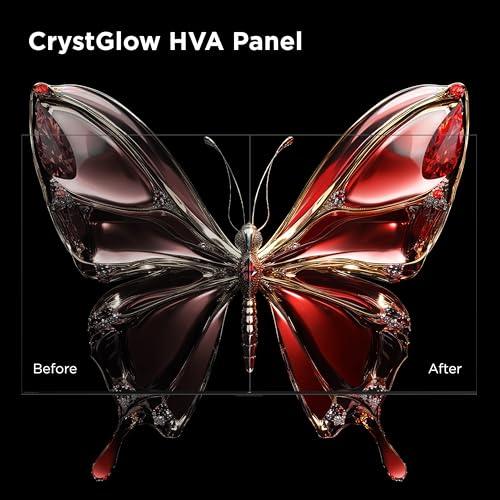
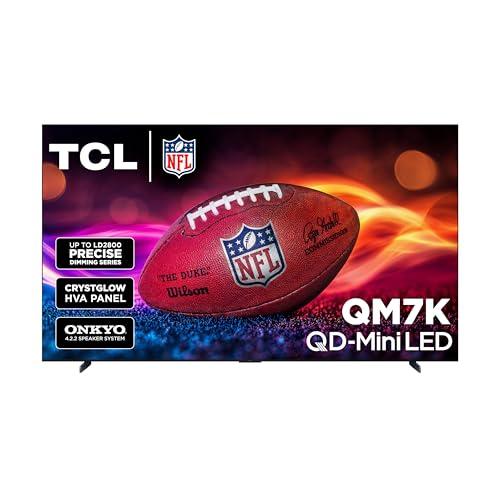
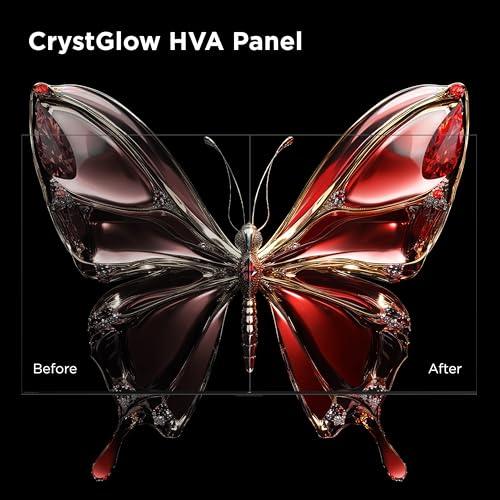
Viewing Angles: Both models use VA (Vertical Alignment) panels with TCL's CrystGlow technology, which maintains color and contrast better than traditional VA panels when viewed from the side. You can sit somewhat off-center without significant picture degradation, though the sweet spot remains directly in front of the screen.
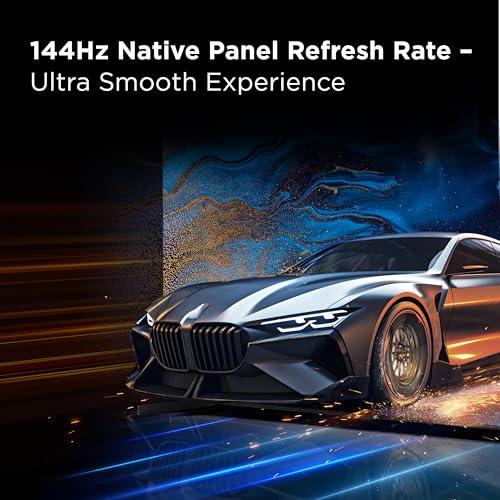
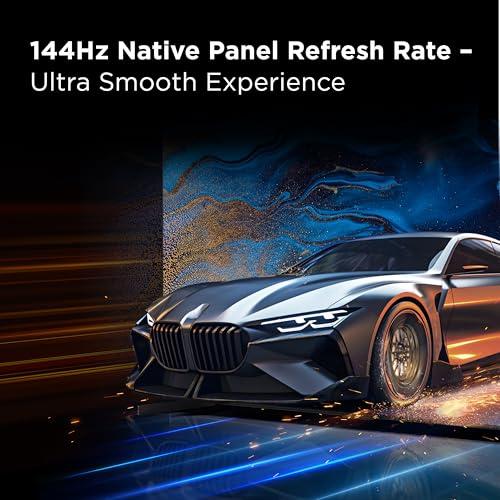
For gamers, both the TCL 98" QM7K and 115" QM7K deliver flagship-level performance. The 144Hz native refresh rate provides smooth motion for fast-paced games, while support for Variable Refresh Rate (VRR) up to 288Hz eliminates screen tearing and stuttering.
Input Lag: Reviews consistently show excellent input lag performance, typically measuring under 10 milliseconds in game mode. This makes both TVs highly responsive for competitive gaming, whether you're playing first-person shooters or racing games.
HDMI 2.1 Support: Both models include HDMI 2.1 ports that can handle 4K gaming at 120Hz from PlayStation 5, Xbox Series X, or high-end gaming PCs. Auto Low Latency Mode (ALLM) automatically switches to game mode when it detects a gaming signal, optimizing settings for responsiveness.
Gaming Features: AMD FreeSync Premium Pro support ensures tear-free gaming with compatible graphics cards, while the massive screen sizes create incredibly immersive gaming experiences - assuming you have the room space to sit at proper viewing distances.
This is where the decision gets practical. Screen size isn't just about "more is better" - it's about matching the display to your room and viewing distance.
98-Inch Optimization: The TCL 98" QM7K works best at viewing distances of 10-12 feet. This makes it suitable for larger living rooms or dedicated media rooms. The screen is large enough to create that cinematic experience without overwhelming smaller spaces.
115-Inch Reality Check: The 115" QM7K demands 12-15 feet of viewing distance to be comfortable. Sit too close, and you'll be constantly moving your head to follow action across the screen. This size really only makes sense in dedicated home theater rooms with proper seating arrangements.
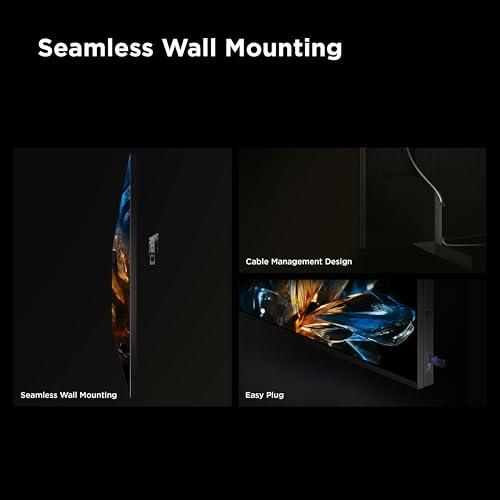
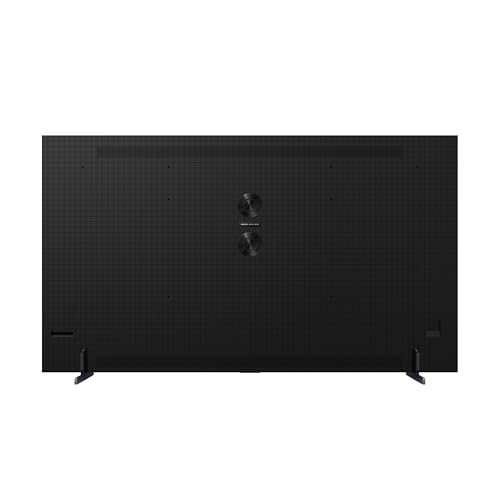
From a practical standpoint, the 98-inch model fits through standard doorways and can be wall-mounted with heavy-duty but standard mounting hardware. The 115-inch model requires professional installation, special mounting considerations, and careful planning just to get it into your house.
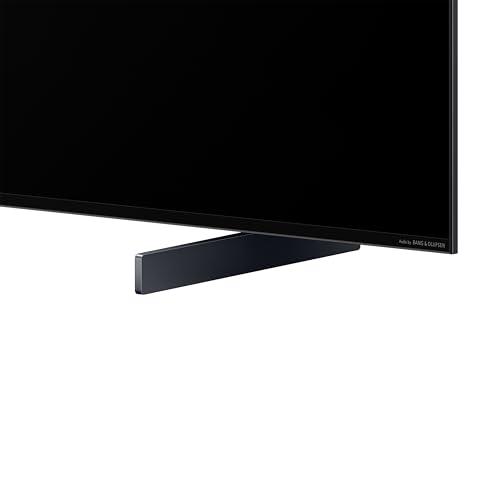
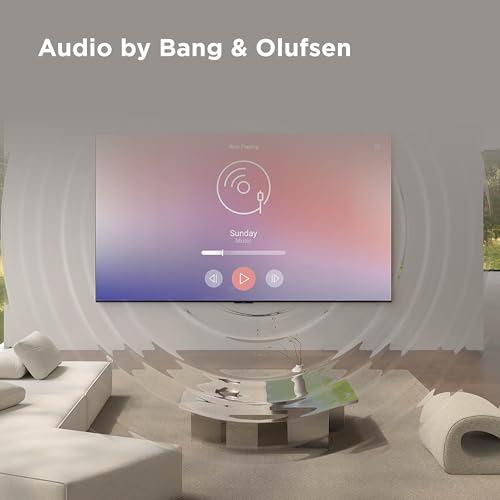
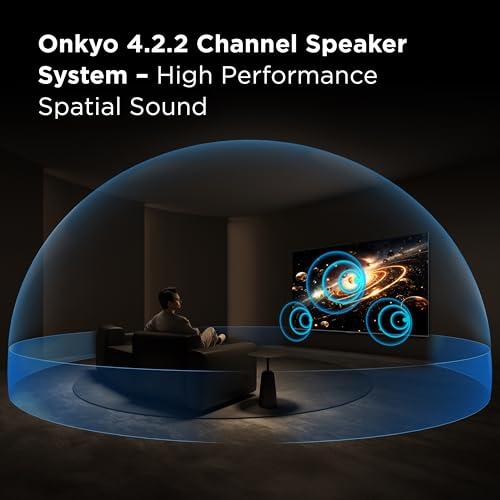
Both TVs feature audio tuned by Bang & Olufsen, which elevates them above typical TV speakers. The 115" QM7K gets a slight advantage with an upgraded Onkyo 4.2.2 speaker system, but both models share the same fundamental limitation - they're still built-in TV speakers trying to fill large rooms.
For casual viewing, the audio is perfectly adequate with clear dialogue and decent dynamic range. For serious movie watching or gaming, you'll want to budget for a soundbar or full surround sound system. The good news is that both TVs support all modern audio formats and can pass through uncompressed audio to external sound systems.
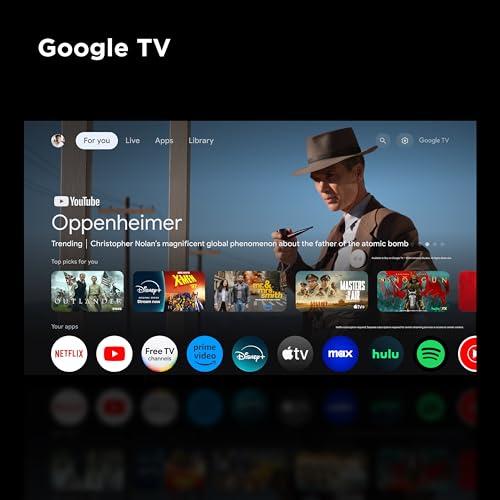
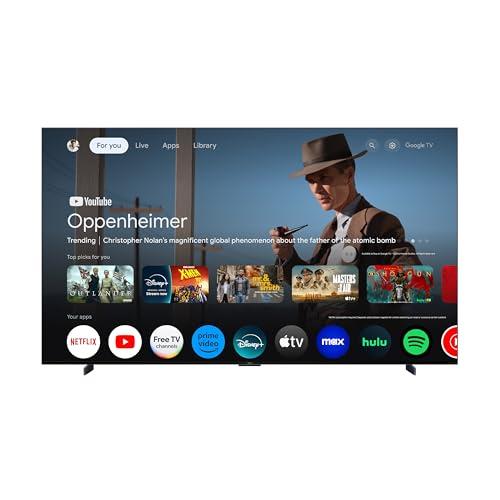
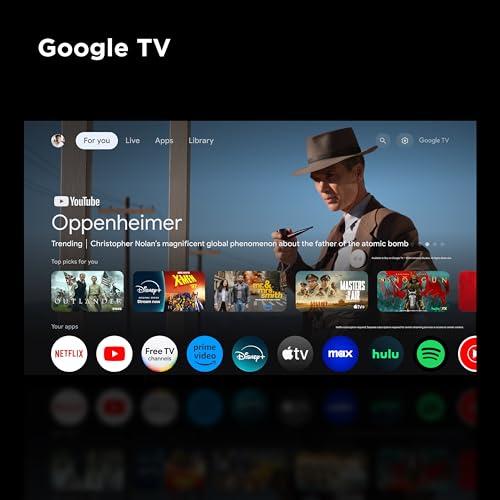
Both models run Google TV, which provides a clean, user-friendly interface with access to all major streaming services. The platform is responsive and regularly updated, though some users report occasional slowdowns and find the interface somewhat cluttered with promoted content.
Voice control works well through the built-in microphone array, and integration with smart home systems is solid. The Google TV platform also handles content recommendations reasonably well, learning your preferences over time.
Here's where the comparison becomes decisive. At the time of writing, you're looking at roughly a $7,000 price difference between these two models for identical technology in different size packages.
98-Inch Value Proposition: The TCL 98" QM7K delivers flagship Mini LED performance at a price point that, while still premium, doesn't completely break the bank. You're getting cutting-edge display technology in a size that works for most dedicated viewing setups.
115-Inch Premium: The 115" QM7K charges an enormous premium purely for size. That extra $7,000 could buy you a high-end sound system, professional room treatment, comfortable theater seating, or even a second smaller TV for another room.
The math is brutal: you're paying about three times more per diagonal inch for the larger model. Unless size is absolutely your only consideration, the value proposition becomes very difficult to justify.
For dedicated home theater use, both TVs can serve as projector replacements, but with different implications.
98-Inch Theater Use: Works well in most dedicated media rooms. The brightness advantage over projectors means you don't need complete light control, and the image quality remains excellent even with some ambient light.
115-Inch Theater Use: This is where the larger model finds its natural habitat. In a properly designed home theater with appropriate viewing distance and light control, the 115-inch screen creates a truly immersive experience that rivals commercial cinema.
However, remember that the total investment for a 115-inch setup extends beyond just the TV cost. Professional installation, structural mounting considerations, and room modifications can add thousands more to the project.
Choose the TCL 98" QM7K if:
Choose the 115" QM7K if:
After evaluating all aspects of these displays, the TCL 98" QM7K emerges as the clear winner for most buyers. It delivers identical picture quality and features at roughly 30% of the cost per diagonal inch compared to its larger sibling.
The 115" QM7K serves a very specific market - buyers who want the absolute largest screen available and have both the budget and room space to accommodate it. It's an impressive piece of technology, but the value proposition only works if size trumps all other considerations.
For the vast majority of home theater enthusiasts, the 98-inch model provides the perfect balance of impressive scale, flagship performance, and reasonable cost. That $7,000 savings can fund substantial improvements to your entire viewing setup, from professional installation to high-end audio to comfortable seating.
Both TVs represent excellent examples of modern Mini LED technology, but only one offers a compelling value proposition for most buyers. Unless you're building the ultimate home theater and money isn't an object, the 98-inch model delivers nearly the same experience for dramatically less investment.
| TCL 98" QM7K QD-Mini LED 4K TV | TCL 115" QM7K Series QD-Mini LED 4K Smart TV 2025 |
|---|---|
| Screen Size - Determines optimal viewing distance and room requirements | |
| 98" diagonal (10-12 ft viewing distance) | 115" diagonal (12-15 ft viewing distance) |
| Display Technology - Core picture quality foundation | |
| QD-Mini LED with 2,500 local dimming zones | QD-Mini LED with 2,500 local dimming zones (identical) |
| Peak Brightness - Critical for HDR impact and bright room viewing | |
| HDR 3000 nits (excellent for any lighting) | HDR 3000 nits (identical performance) |
| Panel Type - Affects contrast, viewing angles, and reflections | |
| CrystGlow HVA Panel with anti-reflective coating | CrystGlow HVA Panel with anti-reflective coating (same) |
| Gaming Performance - Refresh rates and input lag for consoles | |
| 144Hz native, 288Hz VRR, <10ms input lag | 144Hz native, 288Hz VRR, <10ms input lag (identical) |
| Audio System - Built-in sound quality and power | |
| Bang & Olufsen tuned system | Upgraded Onkyo 4.2.2 system with 100W |
| Smart Platform - Interface speed and app selection | |
| Google TV (same performance on both models) | Google TV (same performance on both models) |
| Installation Requirements - Complexity and professional needs | |
| Heavy-duty mounting, fits standard doorways | Professional installation required, specialized mounting |
| HDMI Connectivity - Number of next-gen console connections | |
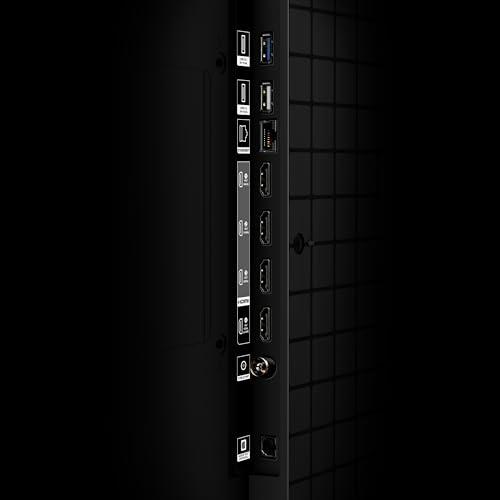
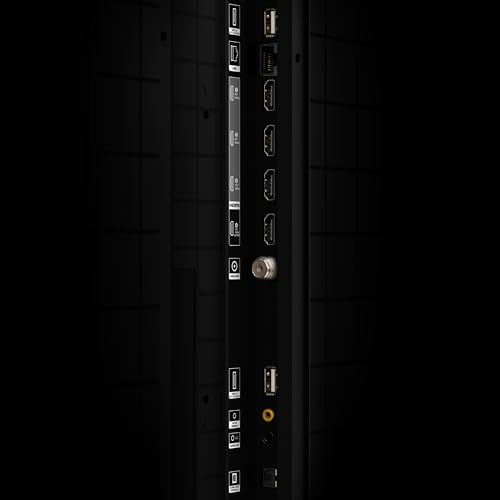
| 4 HDMI ports (2x HDMI 2.1 for gaming) | 4 HDMI ports (2x HDMI 2.1 for gaming) |
| HDR Format Support - Compatibility with streaming and disc content | |
| Dolby Vision IQ, HDR10+, HDR10, HLG | Dolby Vision IQ, HDR10+, HDR10, HLG (identical) |
| Value Proposition - Performance per dollar spent | |
| Flagship Mini LED tech at accessible premium pricing | Same tech with massive size premium ($7K+ difference) |
The primary difference between the TCL 98" QM7K and TCL 115" QM7K is screen size - 17 inches of additional diagonal space. Both TVs use identical Mini LED technology, processors, and features. The larger model costs significantly more purely for the extra screen real estate.
Yes, both the TCL 98" QM7K and TCL 115" QM7K deliver identical picture quality. They share the same QD-Mini LED backlight with 2,500 local dimming zones, 3,000-nit peak brightness, CrystGlow HVA panel, and TCL's AiPQ ULTRA processor. You get the same contrast, colors, and HDR performance regardless of size.
Both the TCL 98" QM7K and TCL 115" QM7K offer identical gaming performance with 144Hz refresh rates, 288Hz VRR support, and sub-10ms input lag. The choice depends on your room size and seating distance rather than gaming capabilities - both excel with PS5, Xbox Series X, and PC gaming.
The TCL 98" QM7K works best at 10-12 feet viewing distance, making it suitable for most large living rooms. The TCL 115" QM7K requires 12-15 feet for comfortable viewing, limiting it to dedicated home theater rooms or very large spaces.
Yes, both the TCL 98" QM7K and TCL 115" QM7K excel in bright rooms thanks to their 3,000-nit peak brightness and anti-reflective CrystGlow panels. The high brightness overpowers ambient light better than most TVs, making them excellent for daytime viewing and rooms with windows.
The TCL 98" QM7K provides significantly better value, delivering identical flagship Mini LED technology for substantially less money. The TCL 115" QM7K charges a massive premium purely for size, making it cost-effective only if maximum screen size is your absolute priority.
Yes, both the TCL 98" QM7K and TCL 115" QM7K fully support modern gaming consoles with HDMI 2.1 ports, 4K@120Hz capability, VRR, and Auto Low Latency Mode. They work perfectly with PlayStation 5, Xbox Series X/S, and Nintendo Switch.
For most home theaters, the TCL 98" QM7K provides the ideal balance of size and value. The TCL 115" QM7K only makes sense in very large, dedicated theater rooms with proper viewing distances of 12-15 feet and unlimited budgets.
The TCL 98" QM7K features Bang & Olufsen tuned audio, while the TCL 115" QM7K includes an upgraded Onkyo 4.2.2 speaker system. Both offer decent built-in sound, but serious home theater users should plan for external audio systems regardless of size.
The TCL 98" QM7K can be wall-mounted with heavy-duty but standard mounting hardware. The TCL 115" QM7K requires professional installation, specialized mounting systems, and careful structural considerations due to its massive size and weight.
Yes, both the TCL 98" QM7K and TCL 115" QM7K run identical Google TV platforms with the same interface, app selection, and performance. Voice control, streaming capabilities, and smart home integration are identical across both sizes.
Choose the TCL 98" QM7K if your seating distance is 10-14 feet and you want flagship performance at a more reasonable price. Pick the TCL 115" QM7K only if you have a dedicated theater room with 12+ foot viewing distance and size matters more than value.
We've done our best to create useful and informative comparisons to help you decide what product to buy. Our research uses advanced automated methods to create this comparison and perfection is not possible - please contact us for corrections or questions. These are the sites we've researched in the creation of this article: bestbuy.com - tcl.com - youtube.com - rtings.com - tcl.com - youtube.com - youtube.com - tcl.com - tomsguide.com - manuals.plus - youtube.com - tcl.com - whathifi.com - bestbuy.com - queencityonline.com - electronicexpress.com - tcl.com - valueelectronics.com - tcl.com - bestbuy.com - bestbuy.com - youtube.com - woodruffappliance.com - karlsonline.com - tcl.com - techradar.com - avsforum.com - abt.com - bestbuy.com - avsforum.com - rcwilley.com - tcl.com - valueelectronics.com - bestbuy.com - tcl.com - tcl.com

Privacy Policy
Terms and Conditions - Affiliate Policy
Home Security
© Copyright 2008-2026.
11816 Inwood Rd #1211, Dallas, TX 75244