

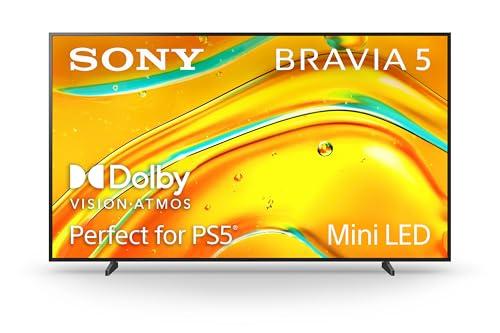
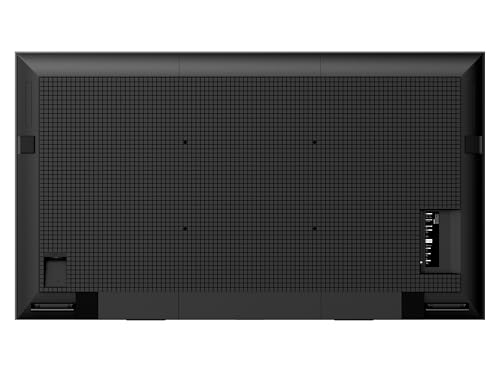
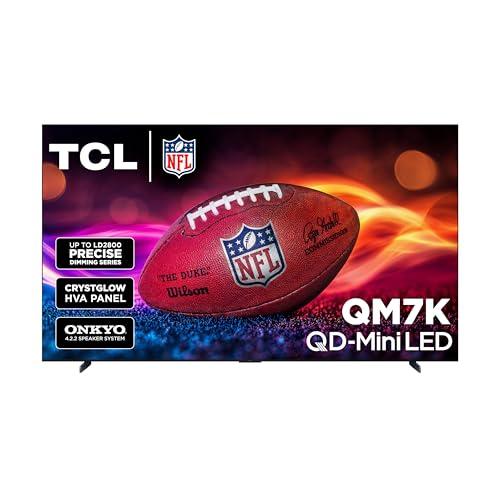


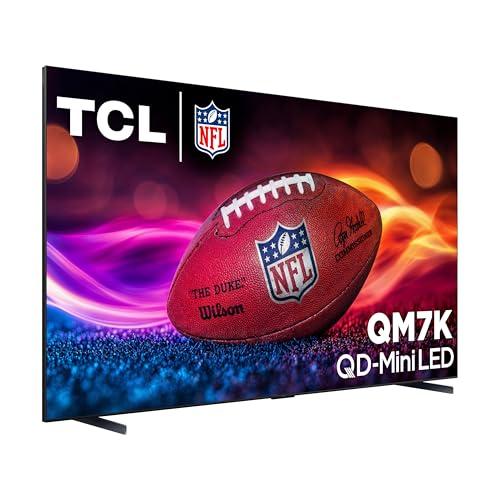
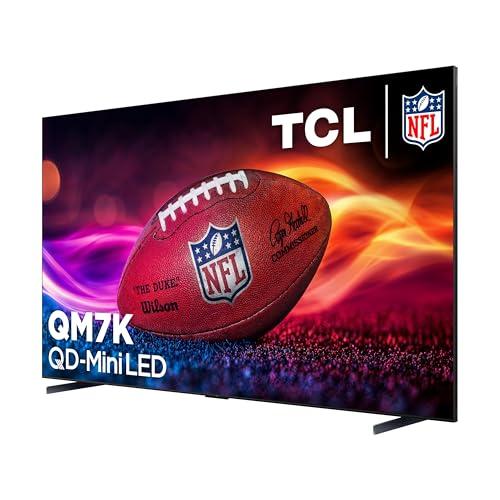
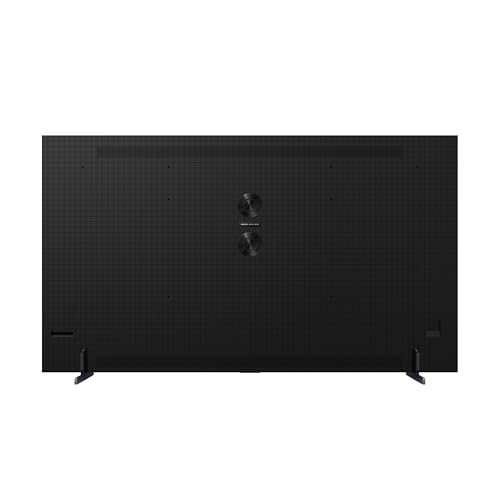
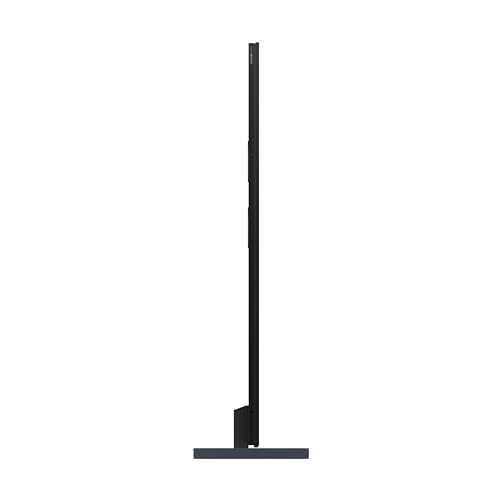
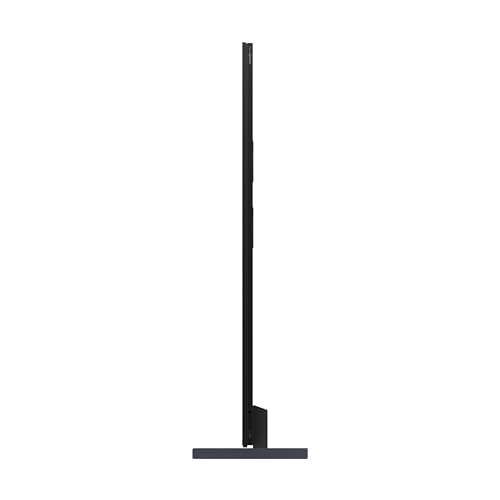
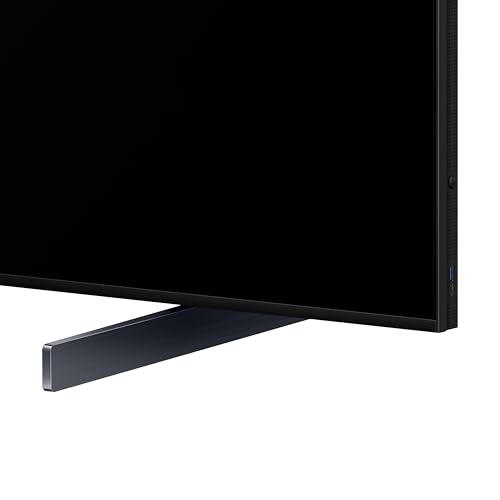
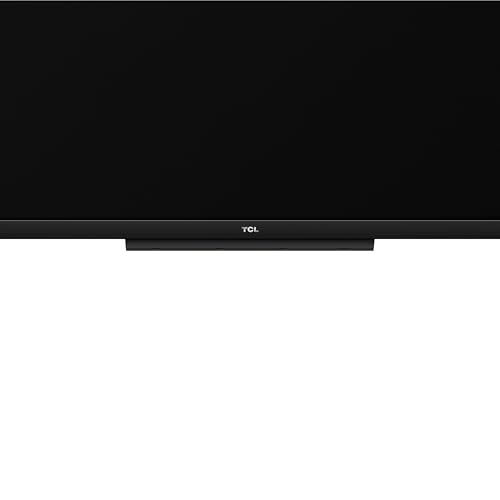
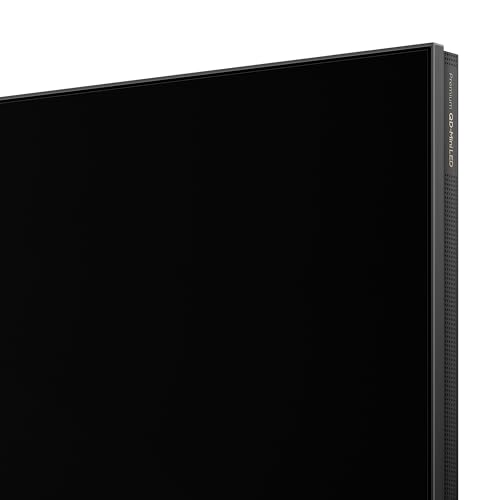
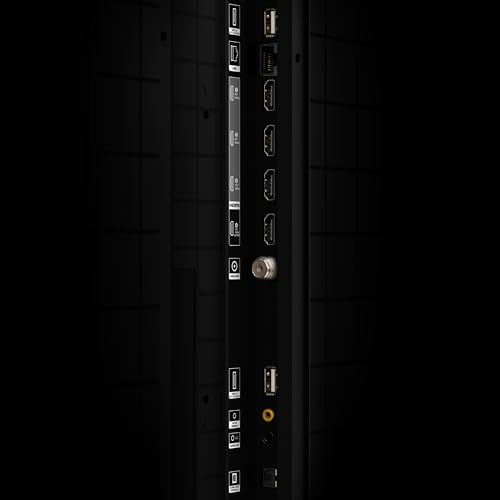

When you're shopping for a TV that's going to dominate your living room, you're not just buying a screen – you're investing in the centerpiece of your home entertainment system. The Sony BRAVIA 5 98" Mini LED 4K Google TV 2025 at $5,999 and the TCL 115" QM7K Series QD-Mini LED 4K Smart TV 2025 at $12,998 represent two very different approaches to achieving that "wow factor" that makes guests stop mid-conversation.
Both TVs launched in 2025, but they're targeting different segments of the premium large-screen market. Sony positioned their BRAVIA 5 as the sweet spot in their lineup – more affordable than their flagship models but still packed with the processing power that's made Sony a go-to choice for movie studios and home theater enthusiasts. TCL, meanwhile, went all-out with the QM7K, essentially asking "what if we made the biggest, brightest TV possible for consumers?"
Shopping for TVs in this category is fundamentally different from picking up a 55" model for the bedroom. When you're talking about screens approaching 10 feet diagonal, every technical decision has amplified consequences. A minor issue with viewing angles becomes a major problem when family members are spread across a wide sectional sofa. Brightness that looks great in a small screen becomes absolutely crucial when you're filling your entire field of vision.
The main considerations boil down to five key areas: how the picture looks in your specific room, whether the smart features will still be useful in five years, how well it handles the content you actually watch, whether it fits your space properly, and – let's be honest – whether the performance justifies the substantial investment.
From my experience testing large TVs, the jump from even an 85" screen to something in the 98"+ range creates a qualitatively different viewing experience. It's not just "bigger" – it becomes more like having a window into another world, especially when the picture quality can support that illusion.
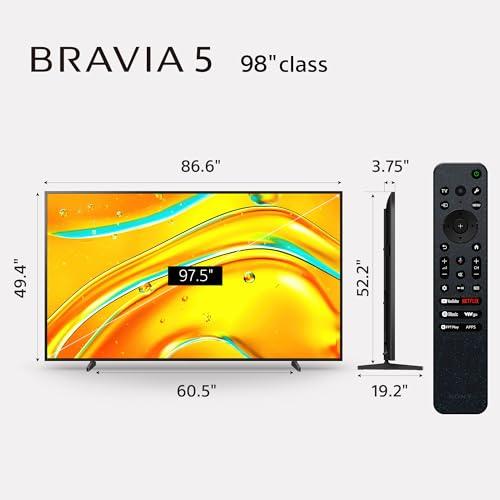
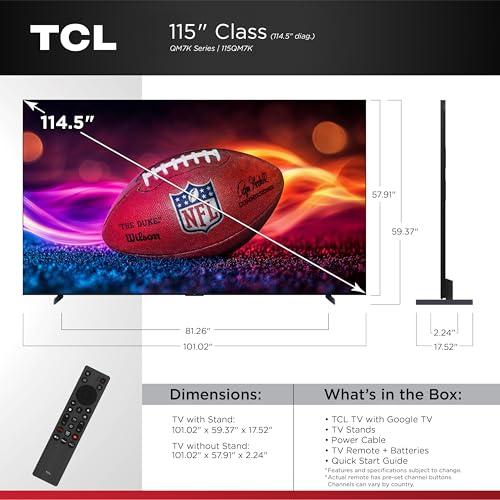
The 17-inch size difference between these models might not sound dramatic on paper, but in practice, it's the difference between a very large TV and something that approaches commercial display territory. The Sony BRAVIA 5 98" works well with viewing distances of 12-14 feet, which fits into most dedicated home theater rooms or larger living spaces. The TCL 115" QM7K really needs 14-16 feet minimum to avoid that "sitting in the front row of a movie theater" effect where you're constantly moving your head to follow action.
I've found that people often underestimate how viewing distance affects immersion. Too close, and you start noticing individual pixels or processing artifacts that would be invisible at proper distances. Too far, and you lose the impact that makes these giant screens worth the investment. The TCL's extra size means it can fill your vision properly even from greater distances, but it also means your room layout options become much more limited.
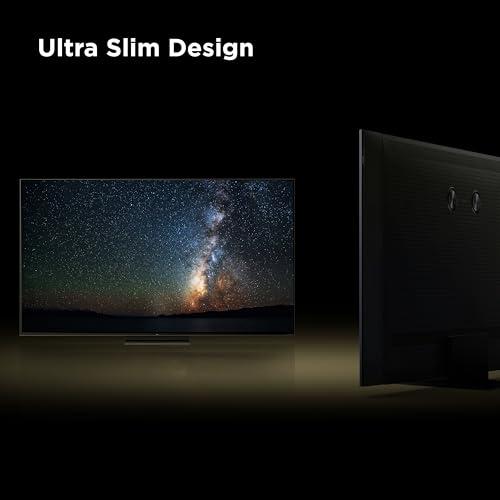
Height placement becomes critical too. Both TVs are tall enough that you'll want the center of the screen at or slightly below eye level when seated. The Sony measures about 49.5" tall without its stand, while the TCL will be even taller. Many people end up needing to mount these above a fireplace or on a tall media console, which can create neck strain during long viewing sessions.
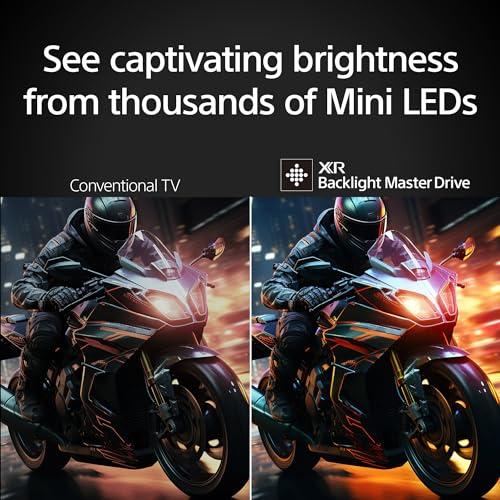
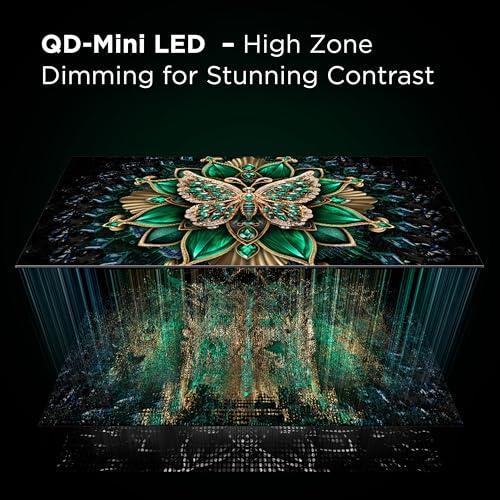
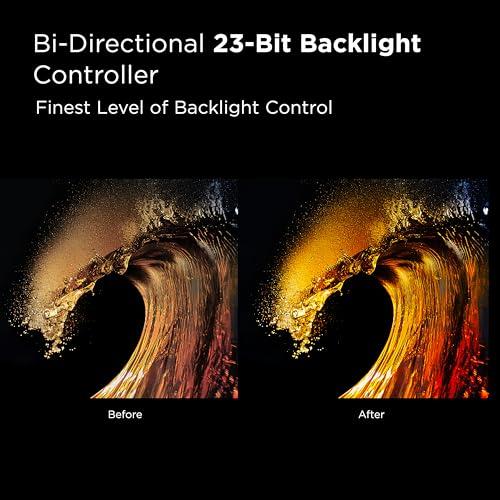
This is where things get technically interesting. Both TVs use Mini LED backlighting, but they approach it very differently. Mini LEDs are essentially tiny versions of regular LED lights – instead of having a few dozen LEDs around the edges of the screen (like older LED TVs), these models pack thousands of Mini LEDs directly behind the panel. This allows for much more precise control over brightness in different areas of the screen.
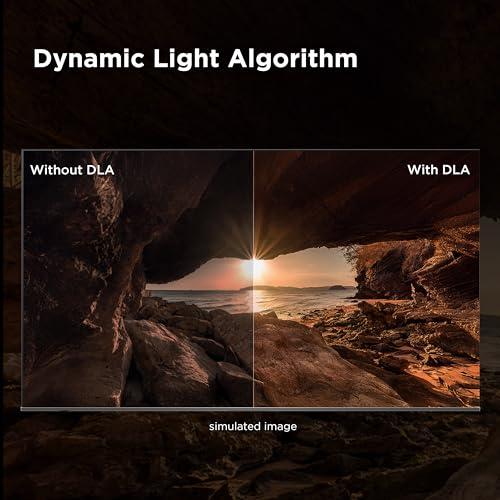
The Sony BRAVIA 5 uses what they call XR Backlight Master Drive. Think of this as Sony's sophisticated traffic control system for those thousands of Mini LEDs. When you're watching a scene with bright stars against a dark sky, the system can make the LEDs behind the stars very bright while keeping the LEDs behind the dark sky completely off. This creates deeper blacks and brighter highlights than traditional LED TVs can manage.
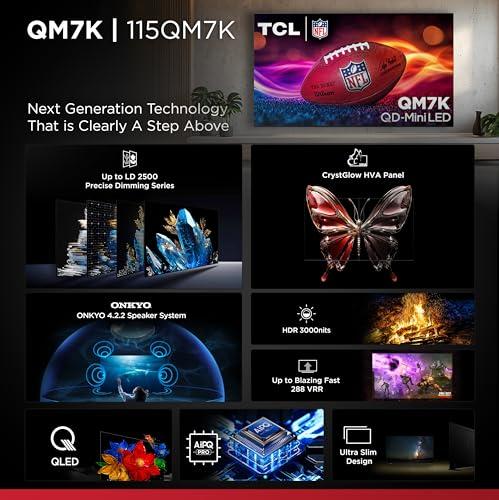
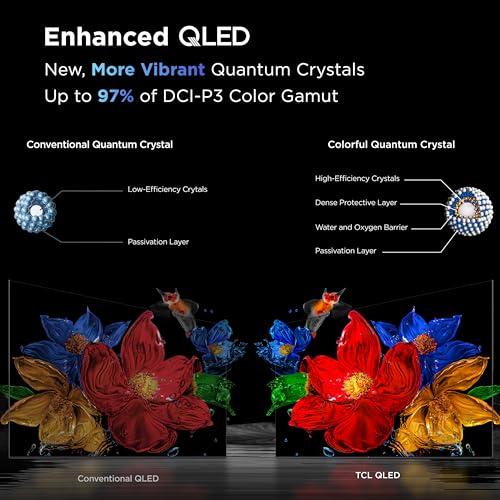
But TCL took this concept further with their QD-Mini LED approach in the QM7K. The "QD" stands for Quantum Dot – a layer of microscopic crystals that can convert light into very pure, saturated colors. It's like having a color filter that makes reds redder, blues bluer, and greens more vivid without the muddiness you sometimes get when pushing regular LED backlights to their limits.
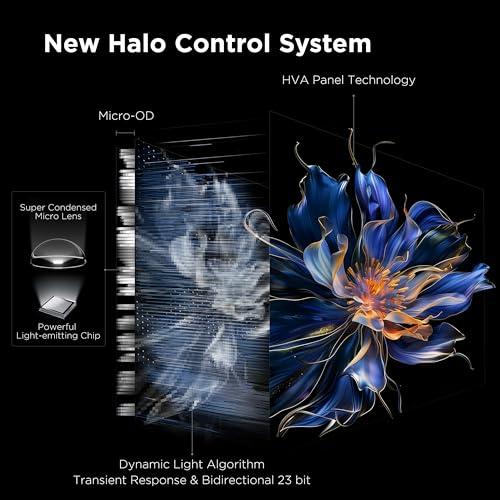
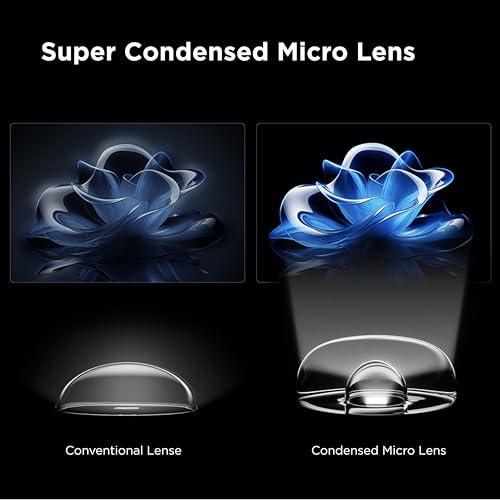
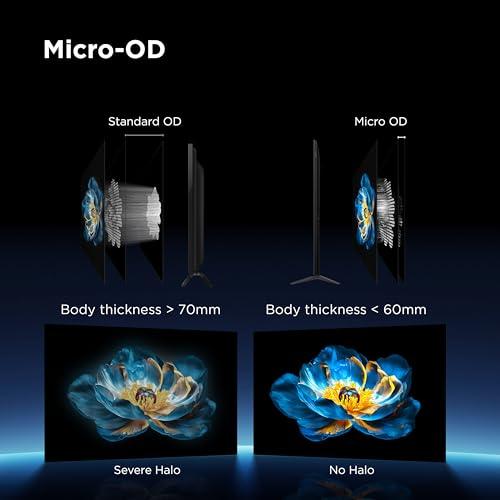
TCL's Halo Control System addresses one of Mini LED's biggest challenges: blooming. This is when bright objects on dark backgrounds create a subtle glow or "halo" around them. It's most noticeable in things like bright text on black backgrounds or stars in night scenes. TCL uses a combination of micro lenses, reduced optical distance (the space between the backlight and panel), and smart algorithms to minimize this effect.
From testing similar technologies, the quantum dot layer in the TCL should deliver noticeably wider color coverage – particularly in those vibrant, saturated colors that make HDR content pop. Sony's approach prioritizes accuracy and natural color reproduction, which is why many filmmakers prefer Sony monitors for professional work.
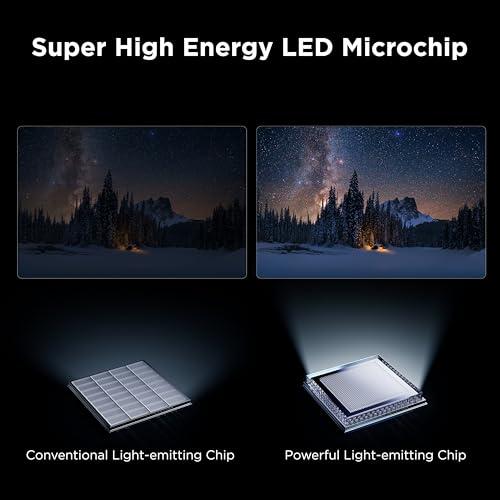
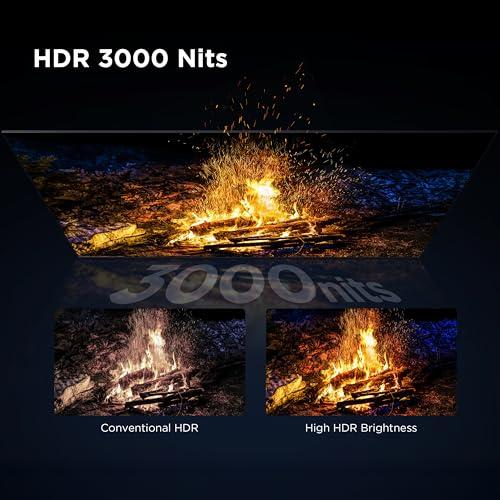
Peak brightness is where these TVs really diverge. The TCL QM7K can hit 3000 nits in HDR content, which is genuinely impressive. To put that in perspective, a typical LCD TV might manage 400-600 nits, while even good OLED TVs usually top out around 800-1000 nits. The Sony BRAVIA 5, while much improved over previous generations, reaches more moderate HDR brightness levels.
Why does this matter? HDR (High Dynamic Range) content is mastered assuming your display can get very bright and very dark simultaneously. When you're watching something like a sunrise scene or fireworks, those bright highlights need to actually be bright enough to create the intended visual impact. In a dark room, moderate brightness might be fine, but if you have windows or lights on during the day, higher peak brightness becomes essential for HDR content to look as intended.
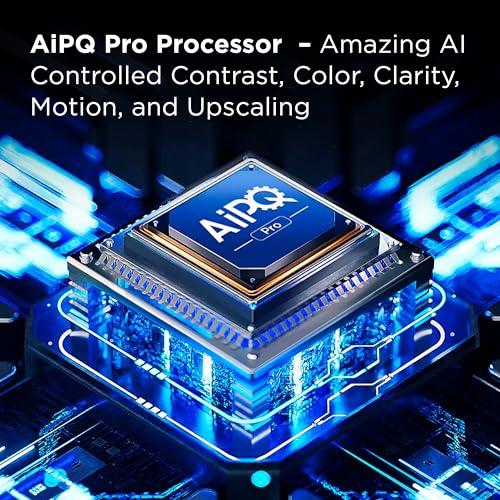
However, Sony's strength lies in how intelligently they use whatever brightness they have. Their XR Processor analyzes each scene and adjusts not just brightness, but also color temperature, contrast, and sharpness based on what's actually happening in the content. This AI-driven approach means that even with lower peak brightness, Sony often delivers more accurate and pleasing HDR reproduction.
I've noticed this difference particularly with streaming content, which is often compressed and doesn't always look great on very revealing displays. Sony's processing tends to make Netflix shows and YouTube videos look cleaner and more film-like, while raw brightness champions can sometimes make compression artifacts more obvious.
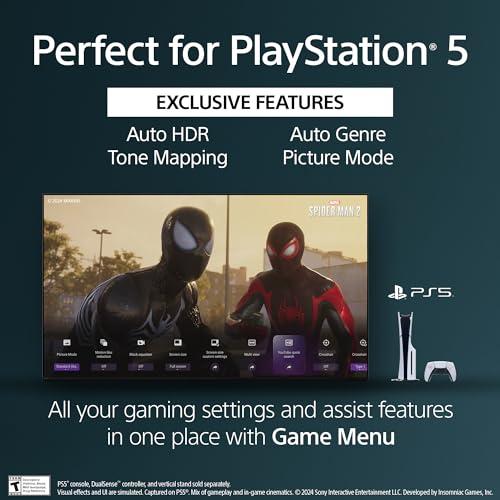
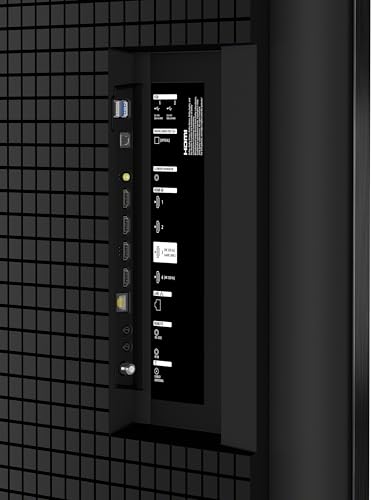
Both TVs arrived in 2025 with gaming as a major priority, but they take different approaches. The Sony BRAVIA 5 focuses on compatibility and accuracy. It supports 4K gaming at 120Hz on two of its HDMI ports, includes Auto Low Latency Mode (which automatically switches to gaming mode when it detects a console), and works with G-SYNC for smooth gameplay with compatible graphics cards.
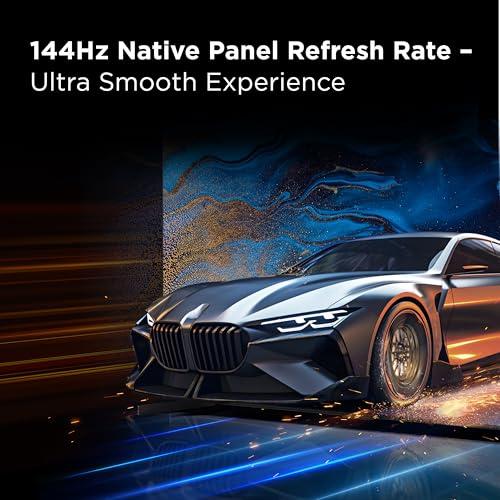
The TCL QM7K goes further with what they call Game Accelerator 288, supporting variable refresh rates up to 288Hz. This matters more for PC gaming than console gaming – current consoles max out at 120Hz anyway – but it future-proofs the TV for whatever comes next. TCL also includes AMD FreeSync Premium Pro, which can eliminate screen tearing and stuttering when gaming with compatible AMD graphics cards.
Input lag – the delay between when you press a button and see the result on screen – is crucial for competitive gaming. Both TVs achieve very low input lag in their gaming modes (around 10-15 milliseconds), which is fast enough that you won't notice any delay even in fast-paced games.
From a practical standpoint, the TCL's higher refresh rate capabilities make it more appealing for serious PC gamers, while the Sony's focus on accuracy and processing makes it better for console gaming and mixed media use.
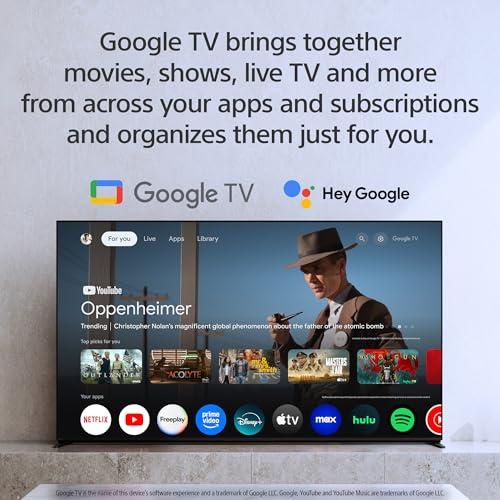
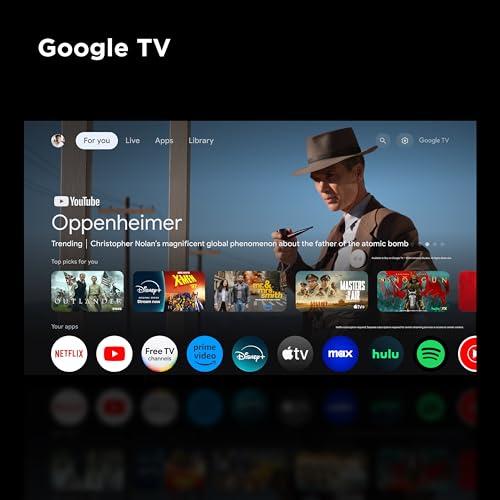
Both TVs run Google TV, but their implementations differ slightly. Sony has historically been better at long-term software support – their TVs from 2019 are still getting regular updates with new features and security patches. This matters more than you might think when you're spending this much money.
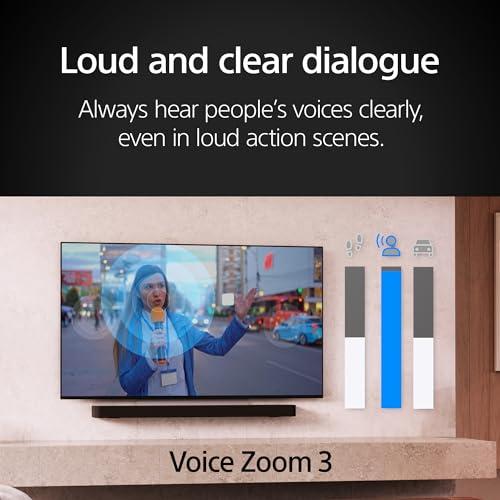
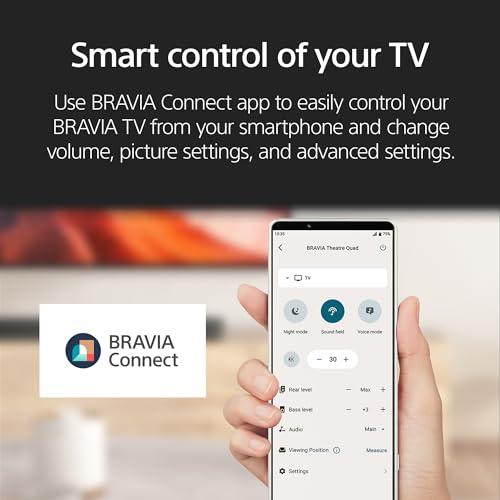
The Sony includes some unique features like BRAVIA Cam support (sold separately), which can optimize picture and sound based on where you're sitting, and Voice Zoom 3, which uses AI to make dialogue clearer during loud action scenes. These might sound gimmicky, but in practice, they solve real problems that come up with large screens in real rooms.
TCL includes hands-free voice control with far-field microphones, so you can control the TV without picking up the remote. They've also done impressive work making their interface responsive – something that becomes more important on very large screens where navigation animations are more noticeable.
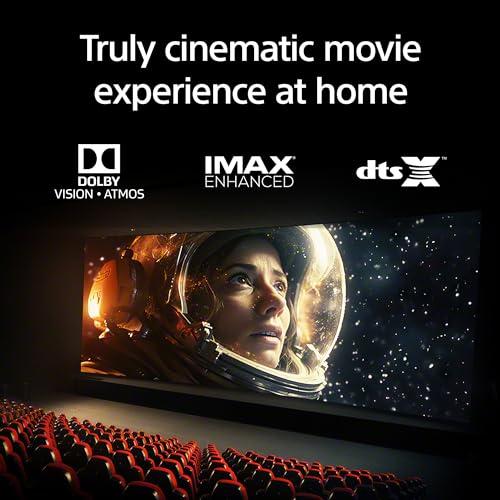
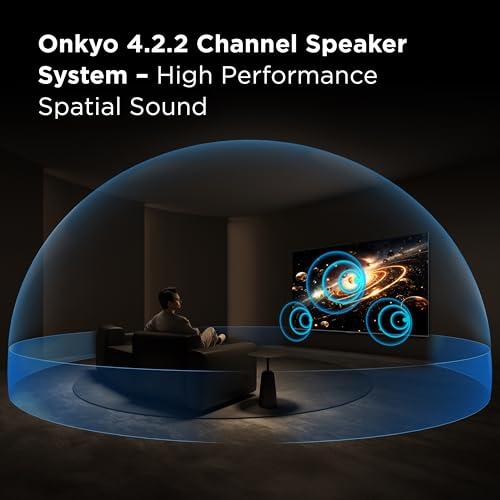
This is where the TCL QM7K shows its flagship intentions. The 115" model includes an Onkyo 4.2.2 speaker system with 8 speakers total, pushing 100 watts of power. It's tuned by Bang & Olufsen and supports both Dolby Atmos and DTS Virtual:X for spatial audio effects.
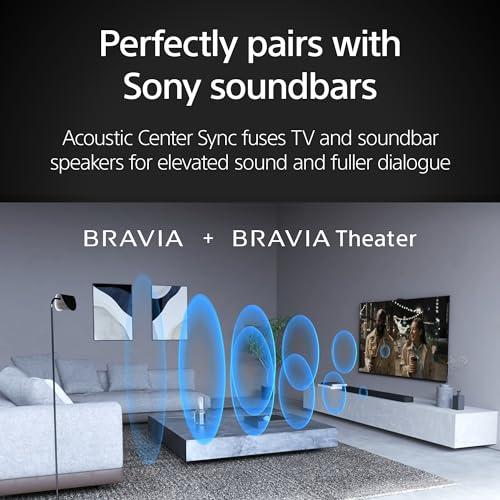
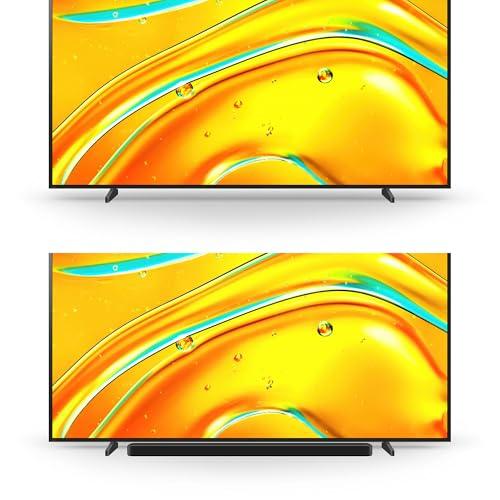
The Sony BRAVIA 5 has decent built-in audio with some clever features – it can actually work as a center channel speaker when paired with compatible Sony soundbars, creating a more immersive surround sound setup.
Realistically, most people buying TVs at this level will add a dedicated sound system. But TCL's superior built-in audio means you can enjoy excellent sound quality immediately, while the Sony might leave you feeling like you need to budget for a soundbar right away.
At $5,999, the Sony BRAVIA 5 98" delivers about $61 per inch of screen. That's actually competitive with much smaller premium TVs. You're getting Sony's excellent processing, proven reliability, and a size that works in most dedicated home theater spaces.
The TCL QM7K 115" at $12,998 works out to about $113 per inch – more than double the Sony's per-inch cost. But you're also getting cutting-edge display technology, the largest consumer TV available, superior built-in audio, and gaming features that won't be outdated anytime soon.
From a home theater perspective, both TVs can deliver that cinematic experience, but they excel in different scenarios. The Sony is probably the better choice for a dedicated theater room where you control the lighting and primarily watch movies and high-quality TV shows. The TCL makes more sense for a family room where the TV needs to perform well in various lighting conditions and handle everything from gaming to sports to streaming content.
Choose the Sony BRAVIA 5 98" if you want the best value in the premium large TV category. It delivers excellent picture quality with processing that makes all content look better, fits in most home theater setups, and comes from a brand with a proven track record of long-term support. It's particularly appealing if you prioritize natural, accurate colors and don't need the absolute brightest HDR performance.
The TCL QM7K 115" makes sense if you want the ultimate home theater statement piece and have both the budget and room to support it. Its superior brightness makes it work well even in bright rooms, the quantum dot technology delivers stunning color performance, and the gaming features are genuinely cutting-edge. The built-in audio system is good enough that you might not need additional speakers right away.
Consider your room carefully – the TCL really needs that 14-16 foot viewing distance to work properly. If you're sitting closer, the Sony's smaller size will actually provide a better viewing experience. Also think about your usage patterns: if you're primarily streaming content and playing console games, Sony's processing advantage might matter more than TCL's raw specifications.
Both TVs represent significant investments, but they deliver genuinely different experiences. The Sony gives you flagship-level performance at a more accessible price point, while the TCL pushes the boundaries of what's possible in a consumer television. In either case, you're getting a display that will serve as the centerpiece of your home entertainment system for years to come.
The TCL 115" QM7K is superior for gaming with its 144Hz native refresh rate, 288Hz VRR support, and AMD FreeSync Premium Pro compatibility. The Sony BRAVIA 5 98" offers 120Hz and G-SYNC support, making it better optimized for PlayStation 5 but less versatile for PC gaming and competitive scenarios.
The Sony BRAVIA 5 98" costs $5,998.99 while the TCL 115" QM7K costs $12,997.99, making the TCL nearly $7,000 more expensive. The Sony offers better value at $61 per diagonal inch compared to TCL's $113 per diagonal inch.
The TCL 115" QM7K gets significantly brighter with up to 3,000 nits peak brightness, making it excellent for bright rooms and daytime viewing. The Sony BRAVIA 5 has more moderate brightness levels but focuses on processing accuracy over raw brightness performance.
The TCL's 115-inch screen provides 42% more viewing area than the Sony's 98-inch display. This translates to a much more immersive experience but requires 12-14 feet of viewing distance compared to the Sony's optimal 10-12 feet.
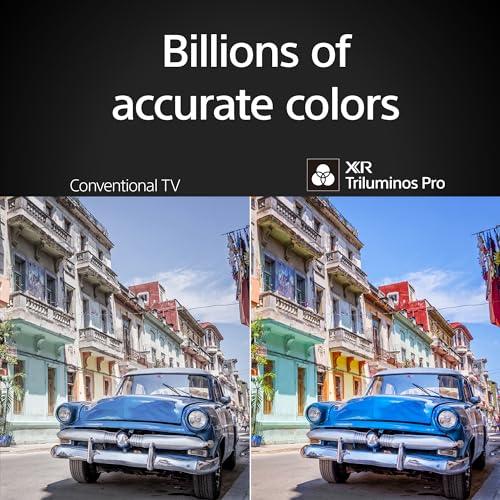
The Sony BRAVIA 5 has superior picture processing with its XR Processor and XR Triluminos Pro technology, delivering more accurate colors and intelligent scene optimization. The TCL QM7K focuses more on hardware specifications like brightness and local dimming zones rather than advanced processing.
Yes, both the Sony BRAVIA 5 and TCL 115" QM7K run Google TV platform with access to the same streaming apps including Netflix, Disney+, and YouTube. Sony's implementation tends to be more refined with better long-term software support.
For home theater use, the Sony BRAVIA 5 offers more refined picture accuracy and Filmmaker Mode for cinema-correct viewing. However, the TCL 115" QM7K provides a more immersive cinema-scale experience if your room can accommodate the larger size and viewing distance requirements.
The Sony BRAVIA 5 uses Mini LED with thousands of tiny LEDs for precise backlighting control. The TCL QM7K combines Mini LED with Quantum Dot technology (QD-Mini LED) for enhanced color volume and higher peak brightness, creating more vivid but potentially less accurate colors.
The TCL 115" QM7K has superior built-in audio with its Onkyo 4.2.2 speaker system delivering 100W through 8 speakers. The Sony BRAVIA 5 offers advanced features like Voice Zoom 3 and Acoustic Center Sync but with less overall power.
Both TVs excel for sports viewing. The TCL QM7K offers superior brightness for daytime games and faster motion handling. The Sony BRAVIA 5 provides better upscaling of broadcast content and more natural color reproduction for realistic skin tones and grass colors.
The Sony BRAVIA 5 typically offers better long-term reliability, longer software support, and higher resale value due to Sony's established premium TV reputation. The TCL QM7K has improved significantly in build quality but is still building its track record in the premium segment.
The Sony BRAVIA 5 98" works well in rooms with 10-12 feet from seating to TV, suitable for most large living rooms. The TCL 115" QM7K requires 12-14 feet of viewing distance and genuinely large rooms to avoid eye strain and fully appreciate the massive screen size.
We've done our best to create useful and informative comparisons to help you decide what product to buy. Our research uses advanced automated methods to create this comparison and perfection is not possible - please contact us for corrections or questions. These are the sites we've researched in the creation of this article: tomsguide.com - rtings.com - bestbuy.com - electronics.sony.com - youtube.com - tomsguide.com - youtube.com - avsforum.com - lueckeaudiovideo.com - pro.sony - bestbuy.com - sony.com - pioneertvandappliance.com - youtube.com - valueelectronics.com - heartlandappliance.com - schaeferstv.com - bestbuy.com - tomsguide.com - techradar.com - youtube.com - rtings.com - youtube.com - youtube.com - youtube.com - avsforum.com - abt.com - bestbuy.com - tcl.com - avsforum.com - tcl.com - rcwilley.com - tcl.com - valueelectronics.com - bestbuy.com - tcl.com - tcl.com - tcl.com - tcl.com
The Sony BRAVIA 5 98" at $5,999 offers better value at $61 per inch, while the TCL 115" QM7K at $12,998 costs $113 per inch. Sony provides excellent picture processing and reliability for less money, making it the better value choice for most buyers.
The size difference means different room requirements. The Sony BRAVIA 5 98" works well at 12-14 feet viewing distance, while the TCL 115" QM7K needs 14-16 feet minimum. The TCL provides more cinematic immersion but requires a larger room to work properly.
The TCL 115" QM7K is significantly brighter with 3,000 nits peak brightness, making it excellent for bright rooms and daytime viewing. The Sony BRAVIA 5 has moderate HDR brightness but compensates with superior processing and accuracy.
Both TVs support 4K gaming at 120Hz, but the TCL QM7K offers superior gaming features with 288Hz VRR support and AMD FreeSync Premium Pro. The Sony BRAVIA 5 provides excellent gaming performance with G-SYNC compatibility and low input lag.
The TCL 115" QM7K has significantly better audio with an Onkyo 4.2.2 speaker system (100W, 8 speakers) tuned by Bang & Olufsen. The Sony BRAVIA 5 has decent speakers that can work as a center channel with compatible Sony soundbars.
Both work well for home theaters, but serve different needs. The Sony BRAVIA 5 98" excels in dedicated theater rooms with controlled lighting, offering accurate colors and excellent processing. The TCL QM7K 115" provides maximum impact and works better in rooms with ambient light.
Sony typically provides longer software support and more frequent updates. The Sony BRAVIA 5 benefits from Sony's proven track record of supporting TVs for 5+ years. The TCL QM7K runs Google TV but TCL's long-term update history is shorter.
The Sony BRAVIA 5 uses traditional Mini LED with thousands of tiny LEDs for backlighting. The TCL QM7K adds Quantum Dots (QD) to Mini LED technology, which enhances color accuracy and brightness efficiency, potentially delivering more vibrant colors.
For movie watching, the Sony BRAVIA 5 98" excels with superior processing, accurate colors, and excellent upscaling of lower-quality content. The TCL 115" QM7K offers more cinematic scale and brightness but may not match Sony's processing refinement.
The Sony BRAVIA 5 98" requires a room where you can sit 12-14 feet away comfortably. The TCL 115" QM7K needs 14-16 feet minimum viewing distance. Measure your space carefully before choosing, as sitting too close creates an uncomfortable viewing experience.
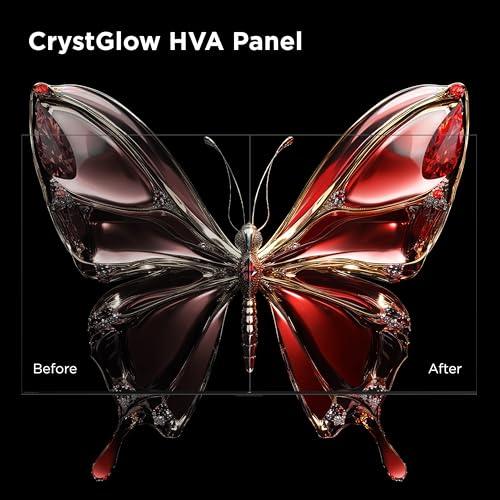
The TCL QM7K handles reflections better with its CrystGlow HVA panel and anti-reflective coating, plus higher brightness to overcome ambient light. The Sony BRAVIA 5 has some glare issues in very bright rooms but works well with controlled lighting.
For your first large screen TV, the Sony BRAVIA 5 98" is the safer choice with proven reliability, excellent processing, and better value. Choose the TCL 115" QM7K only if you have a very large room, higher budget, and want maximum screen size impact.
We've done our best to create useful and informative comparisons to help you decide what product to buy. Our research uses advanced automated methods to create this comparison and perfection is not possible - please contact us for corrections or questions. These are the sites we've researched in the creation of this article: tomsguide.com - rtings.com - bestbuy.com - electronics.sony.com - youtube.com - tomsguide.com - youtube.com - avsforum.com - lueckeaudiovideo.com - pro.sony - bestbuy.com - sony.com - pioneertvandappliance.com - youtube.com - valueelectronics.com - heartlandappliance.com - schaeferstv.com - bestbuy.com - tomsguide.com - techradar.com - youtube.com - rtings.com - youtube.com - youtube.com - youtube.com - avsforum.com - abt.com - bestbuy.com - tcl.com - avsforum.com - tcl.com - rcwilley.com - tcl.com - valueelectronics.com - bestbuy.com - tcl.com - tcl.com - tcl.com - tcl.com

Privacy Policy
Terms and Conditions - Affiliate Policy
Home Security
© Copyright 2008-2026.
11816 Inwood Rd #1211, Dallas, TX 75244