

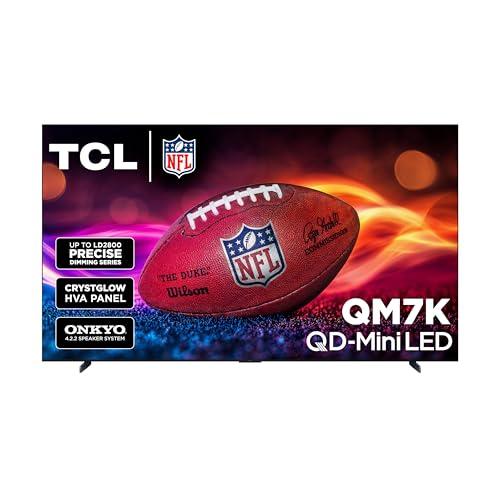


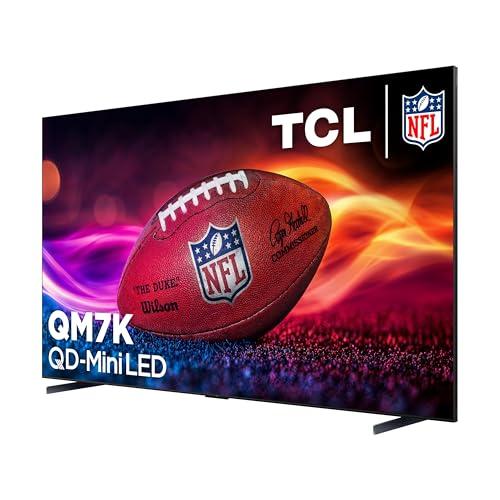
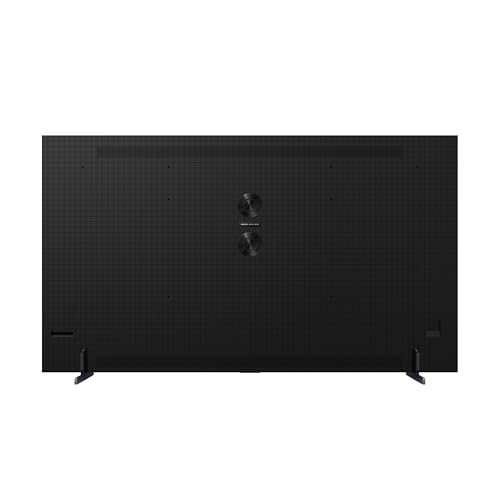
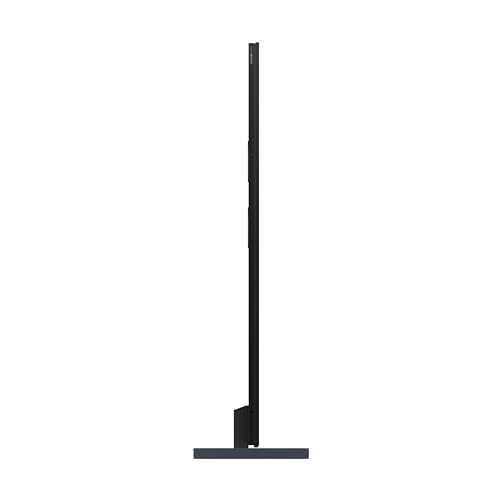
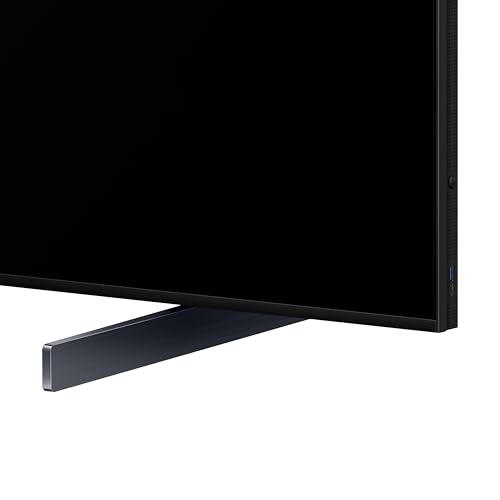
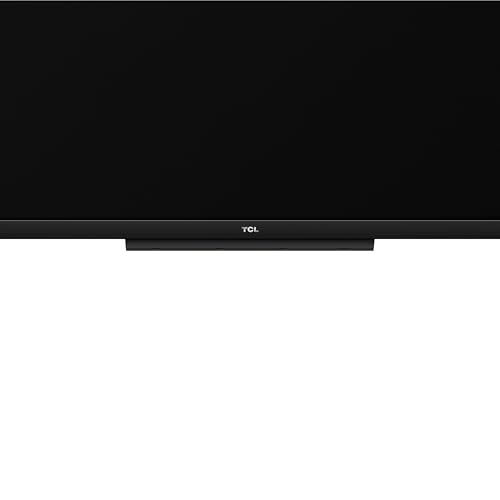
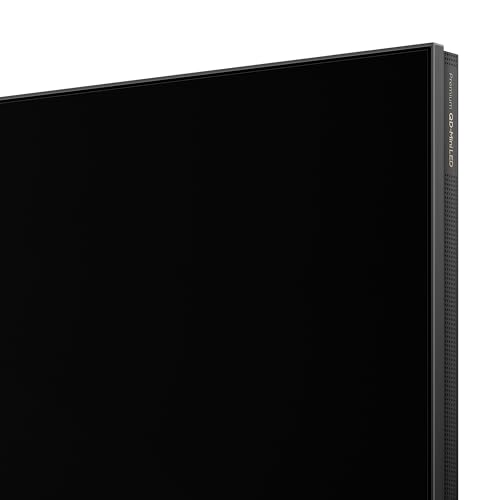
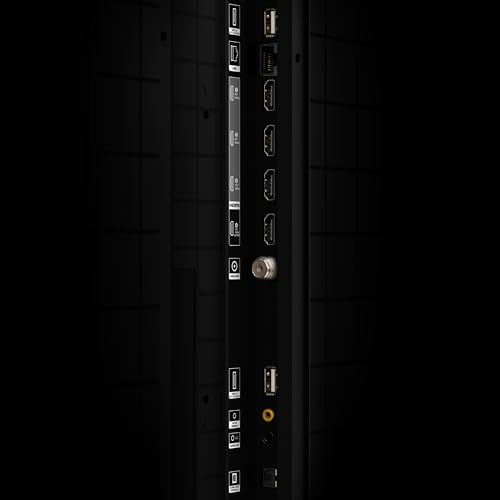





Shopping for a TV over 100 inches feels like stepping into the future. These massive displays promise to transform your living room into a personal theater, but choosing between premium options like the TCL 115" QM7K ($12,997.99) and the Hisense 100" QD7 ($1,699.99) requires understanding some complex technology and significant budget considerations.
Both TVs launched in 2025, representing the latest evolution in ultra-large display technology. What makes this comparison particularly interesting is how two different approaches—flagship premium versus value-oriented—can both deliver exceptional experiences while targeting completely different buyers.
Ultra-large TVs have exploded in popularity over the past few years, driven by falling prices and improving technology. Where 65 inches used to be considered massive, today's viewers are embracing 100+ inch displays that rival dedicated projector setups while offering superior brightness and convenience.
The key factors that matter most in this category go beyond simple size. Picture quality becomes critically important because any flaws get magnified across such a large screen. Gaming performance has become essential as these TVs often serve as the centerpiece for entertainment systems. Room compatibility—how well the TV handles different lighting conditions—determines whether you'll actually enjoy watching in your space.
Most importantly, value takes on new meaning when you're spending anywhere from $1,700 to $13,000. You need to understand exactly what that extra money buys you and whether it's worth it for your specific situation.
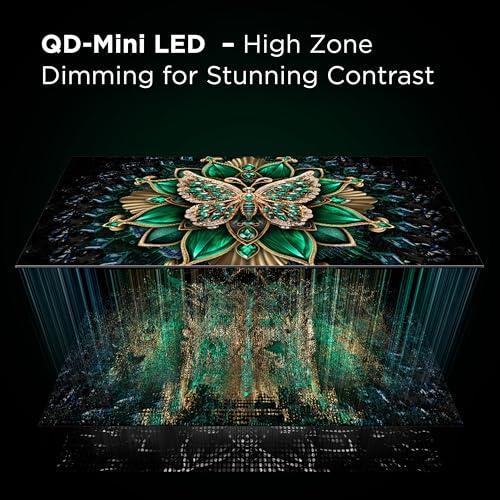
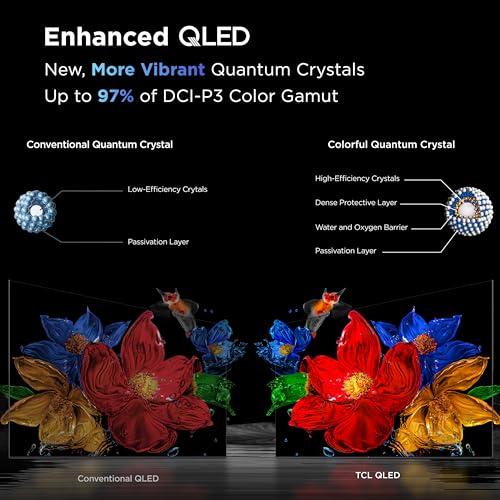
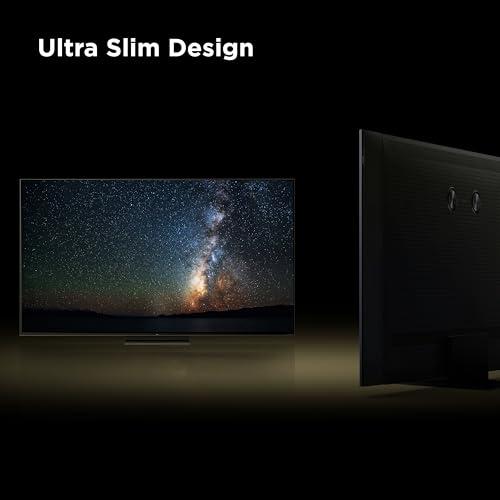
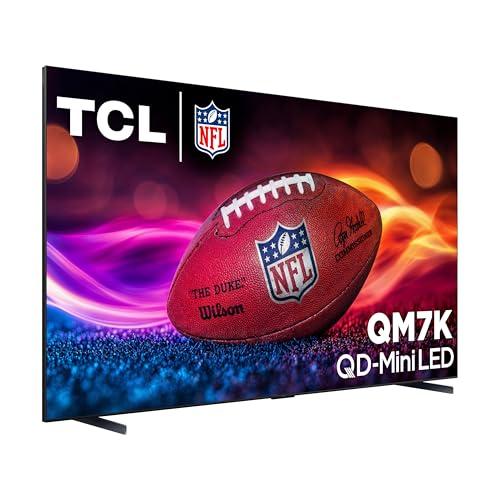
The TCL 115" QM7K represents TCL's flagship approach to ultra-large displays. Released in early 2025, it showcases the company's most advanced QD-Mini LED technology, which combines quantum dot color enhancement with miniaturized LED backlighting. Think of it as taking the best aspects of OLED displays (deep blacks, high contrast) and LED displays (extreme brightness) and combining them into one package.
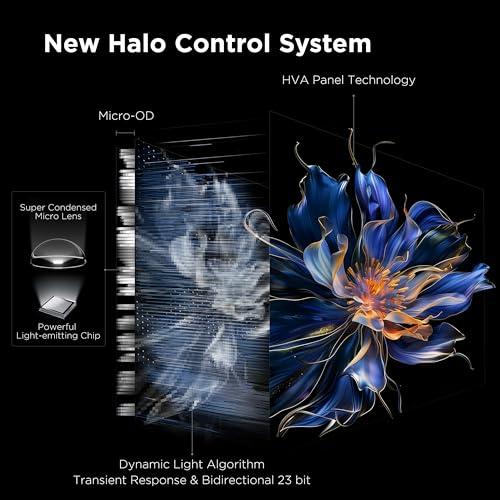
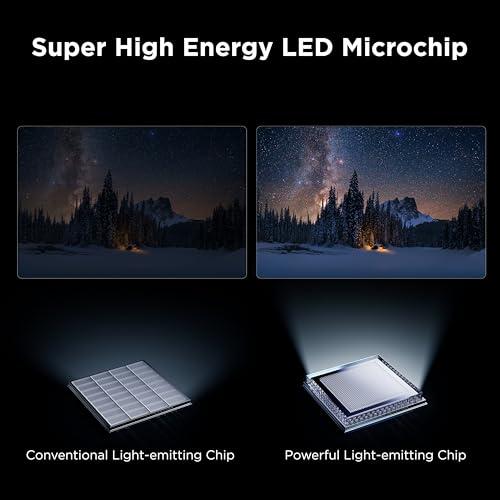
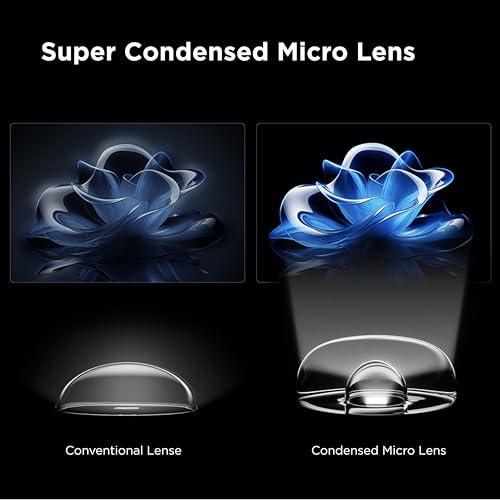
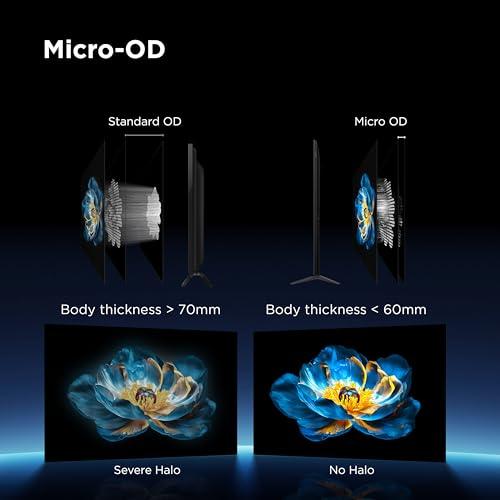
TCL's Halo Control System is the real innovation here. Traditional Mini LED displays can suffer from "blooming"—unwanted halos of light around bright objects on dark backgrounds. TCL solved this by using a super high-energy LED microchip combined with a condensed micro lens and reduced optical distance. The result is what they call "halo-free" imaging, which essentially means you get the contrast benefits without the typical Mini LED drawbacks.
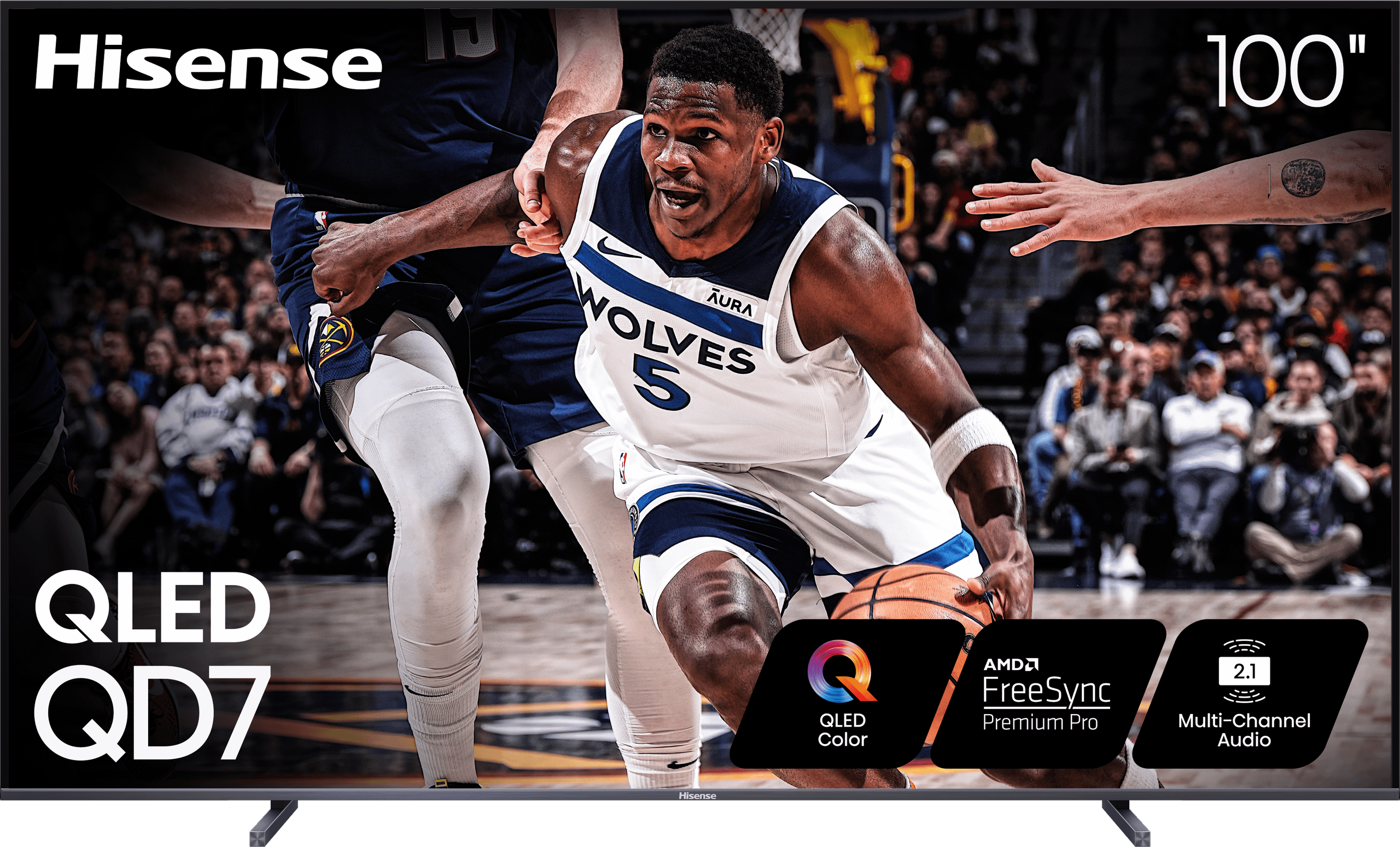
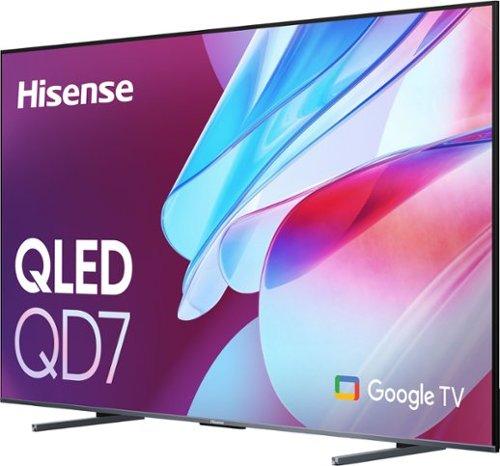
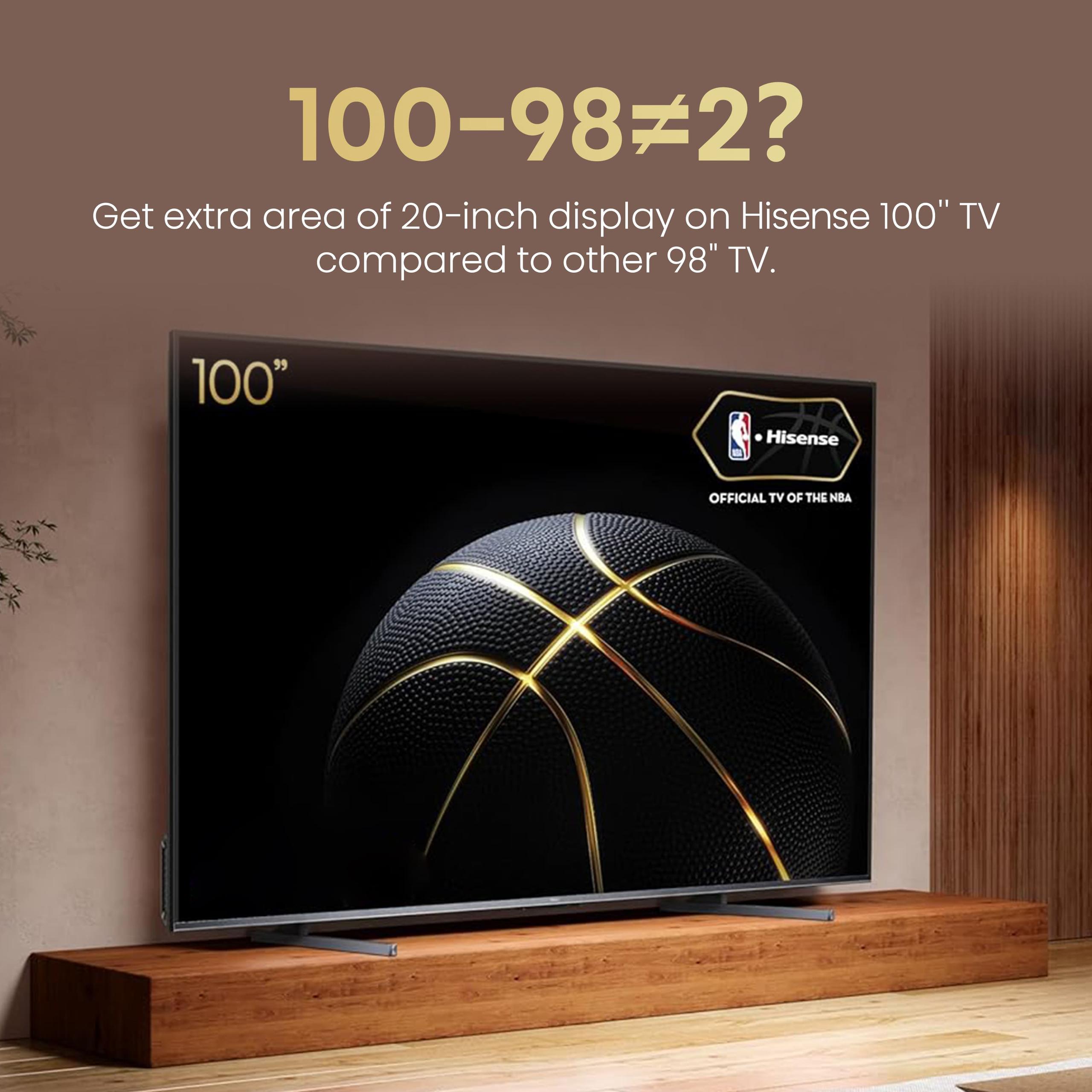
The Hisense 100" QD7, also launching in 2025, takes a different approach. Rather than pushing every technology to its absolute limit, Hisense focused on delivering premium features at a more accessible price point. The QD7 still uses Mini LED backlighting and quantum dot technology, but with fewer local dimming zones and less aggressive brightness targets.
What's interesting is how both companies arrived at similar solutions—Mini LED with quantum dots—but implemented them very differently based on their target markets.
Picture quality is where the price difference between these TVs becomes most apparent, though both deliver impressive results for their respective price points.
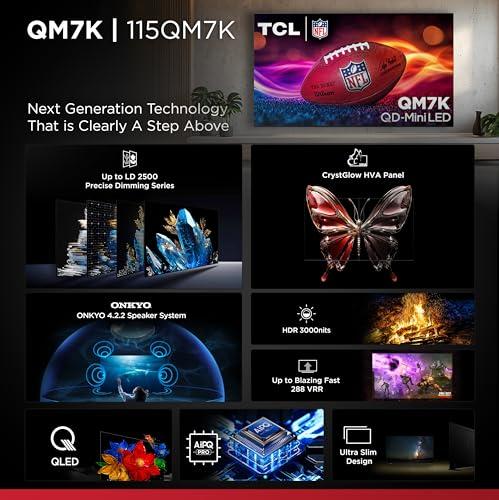
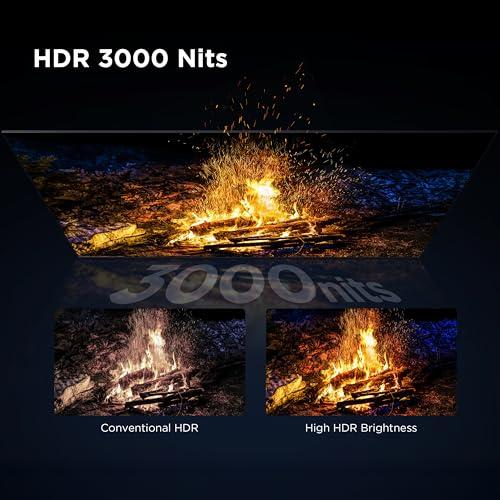
The TCL QM7K achieves HDR 3000 nits peak brightness, which is genuinely impressive for any display technology. To put this in perspective, most OLED TVs peak around 800-1000 nits, while standard LED TVs typically max out around 1500 nits. This extreme brightness isn't just about showing off—it enables the TV to display HDR (High Dynamic Range) content the way directors intended, with bright highlights that actually feel bright and detailed shadows that don't get crushed.
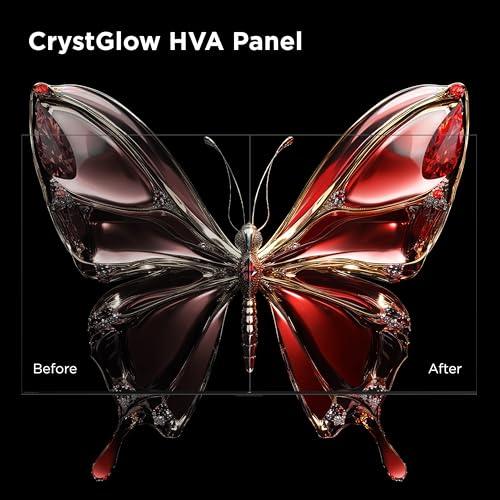
The CrystGlow HVA panel deserves special attention. HVA stands for High-View Angle, and TCL has enhanced their version with what they call "nano-level bionic technology." This involves creating a butterfly-wing-shaped microstructure using polyimide-infused liquid crystal molecules—essentially mimicking structures found in nature to improve how light passes through the display. The result is an 8000:1 native contrast ratio, which means the difference between the brightest white and darkest black the panel can produce simultaneously.
I've noticed that contrast ratio is often misunderstood. Dynamic contrast ratios (which manufacturers love to advertise) involve the backlight dimming or brightening the entire screen. Native contrast ratio measures how much difference the panel can show within a single scene, which is what actually affects picture quality. The QM7K's 8000:1 native ratio is genuinely impressive for an LED-based display.
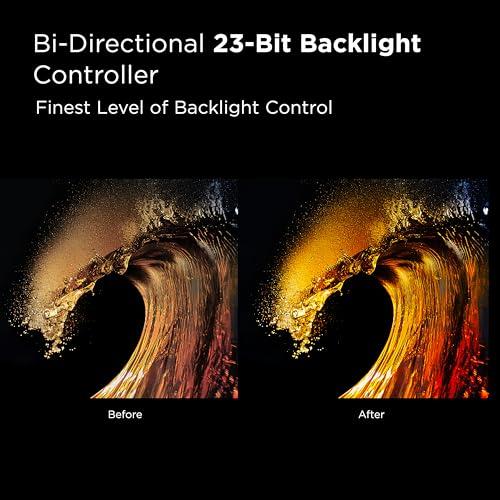
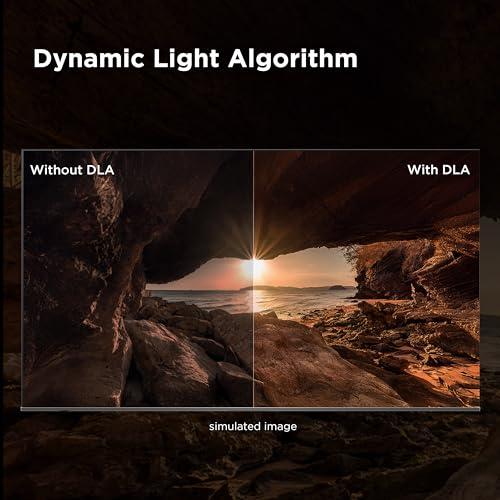
The QM7K's 2,500 local dimming zones represent another significant advantage. Local dimming divides the backlight into individually controllable sections—more zones mean more precise control over which parts of the screen are bright or dark. With 2,500 zones across 115 inches, you get remarkably precise control that approaches OLED-level black depth in many scenes.
The Hisense QD7 takes a more measured approach. Its peak brightness reaches an estimated 2000-3000 nits (Hisense hasn't specified exact figures for the 100-inch model), which is still excellent for HDR content and bright room viewing. The quantum dot technology delivers over one billion color combinations, creating vibrant, saturated colors that really pop.
Where the QD7 makes compromises is in local dimming zones. While Hisense hasn't published exact numbers, based on their other models in this series, it likely has several hundred zones rather than thousands. This still enables good contrast control, but you might notice more blooming in challenging scenes with small bright objects against dark backgrounds.
The 4K AI Upscaler in the QD7 is worth mentioning. Since most content isn't native 4K, especially on streaming services, the TV's processor works to enhance lower-resolution content. The AI analyzes each frame in real-time, identifying edges, textures, and patterns to add detail and sharpness. While it's not magic—you can't create detail that wasn't there originally—it does make HD content look noticeably better on such a large screen.
Gaming has become a crucial consideration for ultra-large TVs, especially as PlayStation 5 and Xbox Series X push higher frame rates and resolutions. Both TVs excel here, though with different strengths.
The TCL QM7K offers Game Accelerator 288, supporting up to 288Hz variable refresh rate at 1080p resolution. VRR (Variable Refresh Rate) allows the TV to match its refresh rate to whatever the gaming console or PC is outputting, eliminating screen tearing and stuttering. While 288Hz might seem like overkill, competitive gamers with high-end PCs can actually take advantage of these frame rates for the smoothest possible gaming experience.
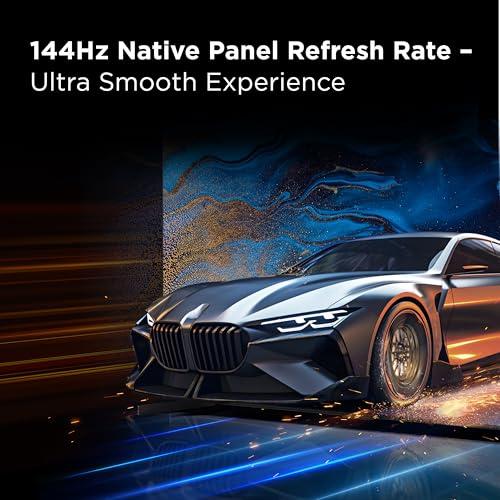
More practically, the QM7K handles 4K gaming at 144Hz, which is double the 60Hz that most TVs support. This means games that can run at higher frame rates—like many first-person shooters or racing games—will look smoother and more responsive. The AMD FreeSync Premium Pro certification ensures compatibility with both AMD and NVIDIA graphics cards.
Auto Low Latency Mode (ALLM) automatically switches the TV to its fastest gaming preset when it detects a gaming console, reducing input lag—the delay between pressing a button and seeing the action on screen. The QM7K achieves impressively low input lag, making it feel responsive even for competitive gaming.
The Hisense QD7 offers Game Mode Pro with 144Hz native refresh rate and VRR support up to 144Hz. While it doesn't match the QM7K's 288Hz capability, it's still excellent for console gaming. The PlayStation 5 and Xbox Series X typically output at 120Hz maximum anyway, so the QD7 won't be a limiting factor for most gamers.
The Game Bar feature provides real-time performance monitoring, showing frame rates, input lag, and other technical information. This might appeal to enthusiasts who want to optimize their gaming setup, though casual gamers probably won't use it much.
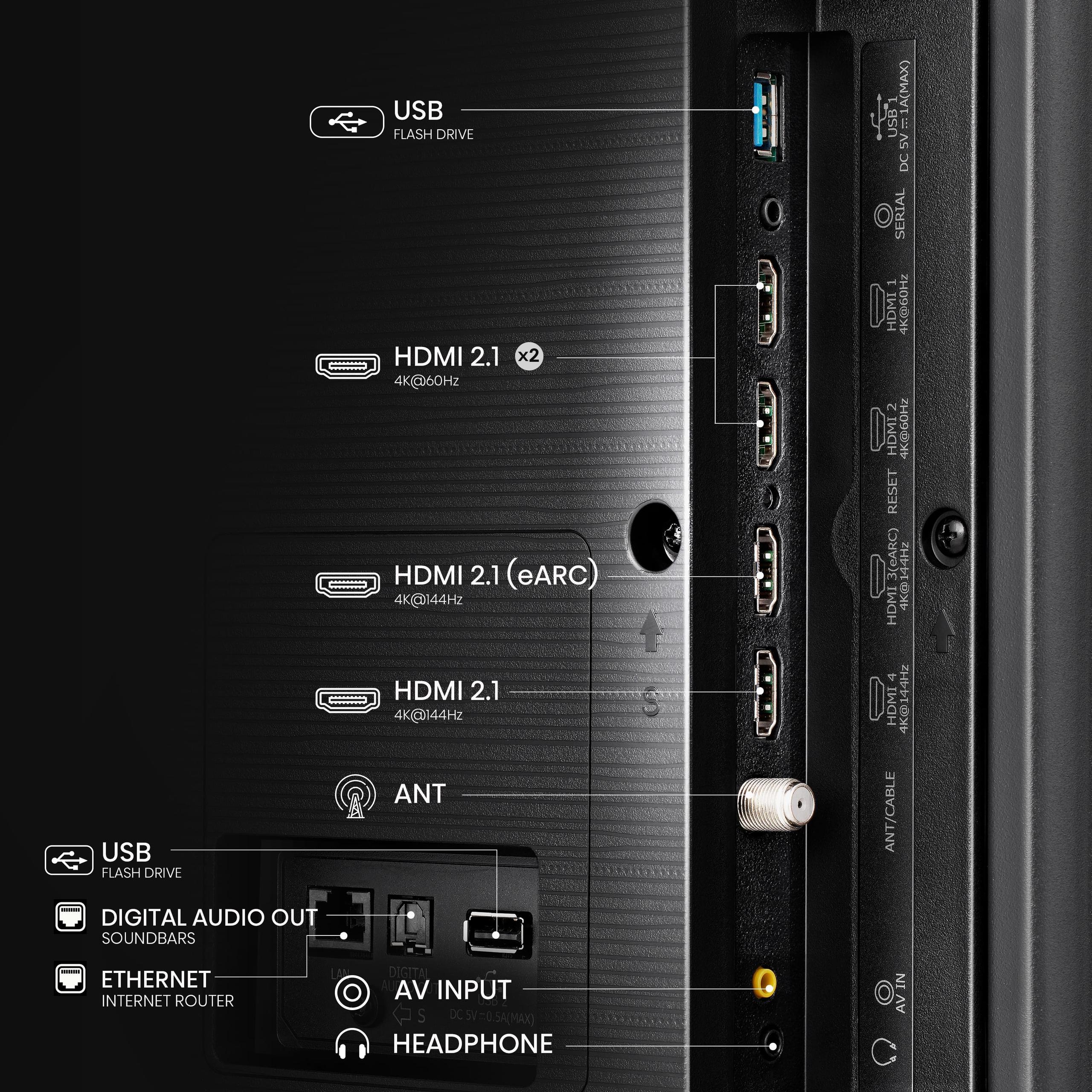
Both TVs support HDMI 2.1, which is essential for high-frame-rate gaming. However, the QM7K offers four HDMI inputs with two supporting HDMI 2.1, while the QD7 provides the same configuration. This gives you flexibility to connect multiple next-gen consoles or high-end gaming PCs.
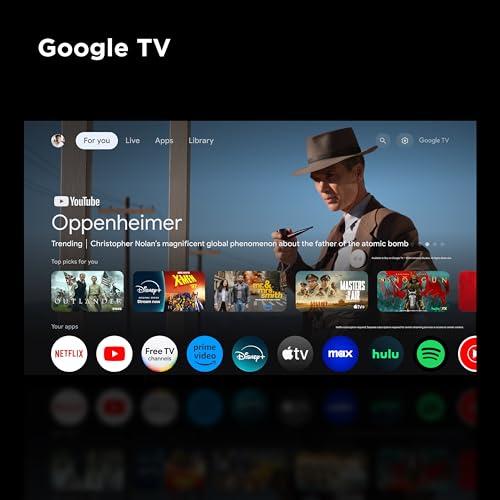
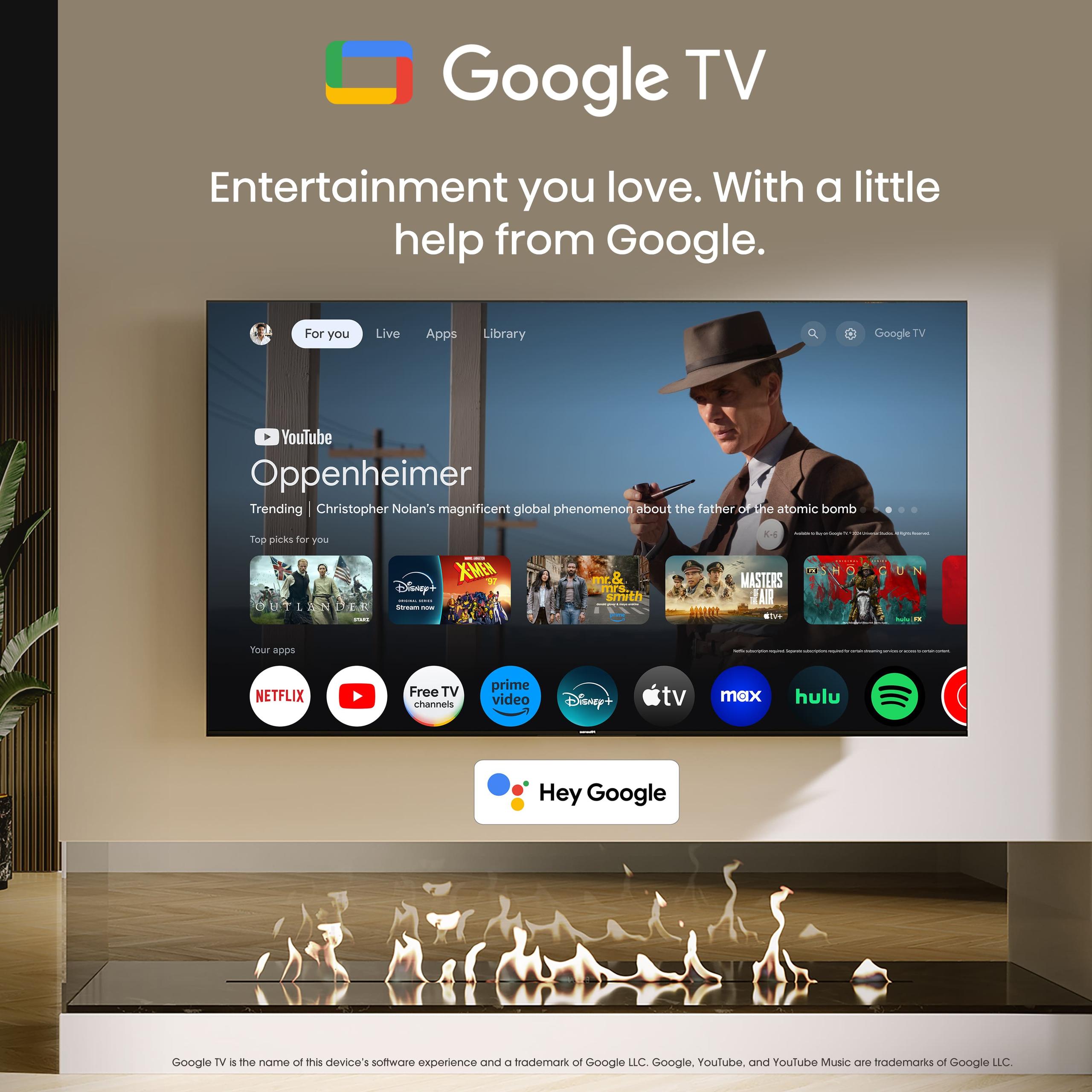
Smart TV platforms have evolved significantly, and both displays run Google TV—Google's updated interface that replaced Android TV. This is good news because Google TV offers excellent app selection, intuitive navigation, and regular updates.
The TCL QM7K distinguishes itself with hands-free voice control through a far-field microphone array. This means you can say "Hey Google" from across the room without reaching for the remote. It sounds like a small feature, but when you're settled into your couch 10+ feet away from such a large display, voice control becomes genuinely useful.
The integration with Apple HomeKit, Google Assistant, and Amazon Alexa means the TV fits into existing smart home ecosystems. You can include it in scenes, control it through other devices, and use it as part of automation routines.
The Hisense QD7 offers the same Google TV platform with similar smart home integration, though without the hands-free voice control. You'll need to use the included remote or smartphone app for voice commands.
Both TVs support Chromecast built-in and Apple AirPlay 2, making it easy to cast content from phones, tablets, or computers. This is particularly useful for sharing photos or videos on such a large screen.
Audio performance often gets overlooked in TV reviews, but it becomes more important with ultra-large displays because you're more likely to use them as your primary entertainment system.
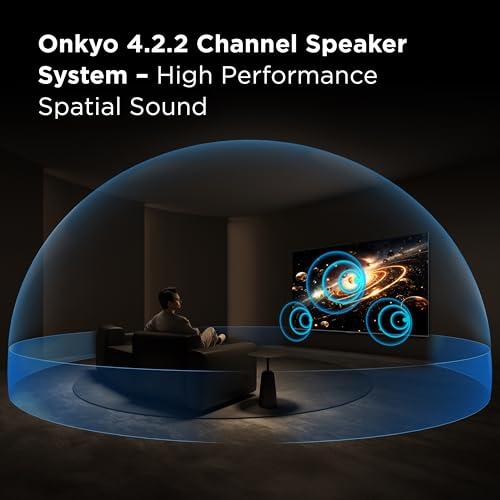
The TCL QM7K features an Onkyo 4.2.2 speaker system tuned by Bang & Olufsen. This represents a significant investment in audio quality—Onkyo is a respected audio brand, and Bang & Olufsen's tuning focuses on clarity and spatial positioning. The 4.2.2 configuration means four main speakers, two subwoofers, and two height channels for Dolby Atmos support.
In practice, this creates surprisingly good sound for built-in TV speakers. Dialogue remains clear, there's actual bass response, and Dolby Atmos content has some sense of height and surround effect. While it won't replace a dedicated soundbar or surround system for audiophiles, it's perfectly adequate for casual viewing.
The Hisense QD7 includes a 2.1 channel system with 50W total power and Dolby Atmos support. The sound quality is decent—better than most TV speakers—but lacks the refinement and power of the TCL system. Dialogue clarity is good, though you'll notice the absence of true bass response and limited dynamic range.
For both TVs, serious home theater enthusiasts will likely add external audio equipment. However, the TCL's superior built-in audio might delay that purchase, while QD7 owners will probably want to budget for a soundbar sooner.
Ultra-large TVs bring unique challenges related to room compatibility and installation that smaller displays don't face.
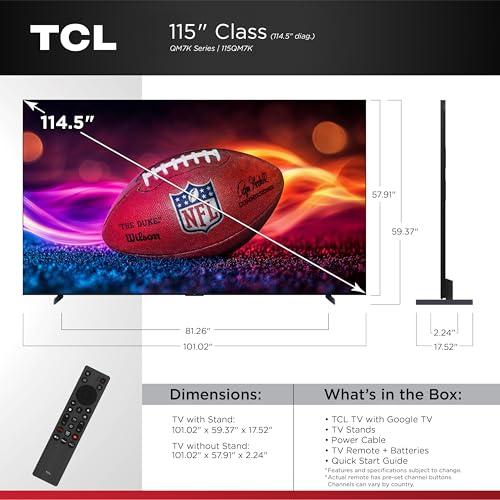
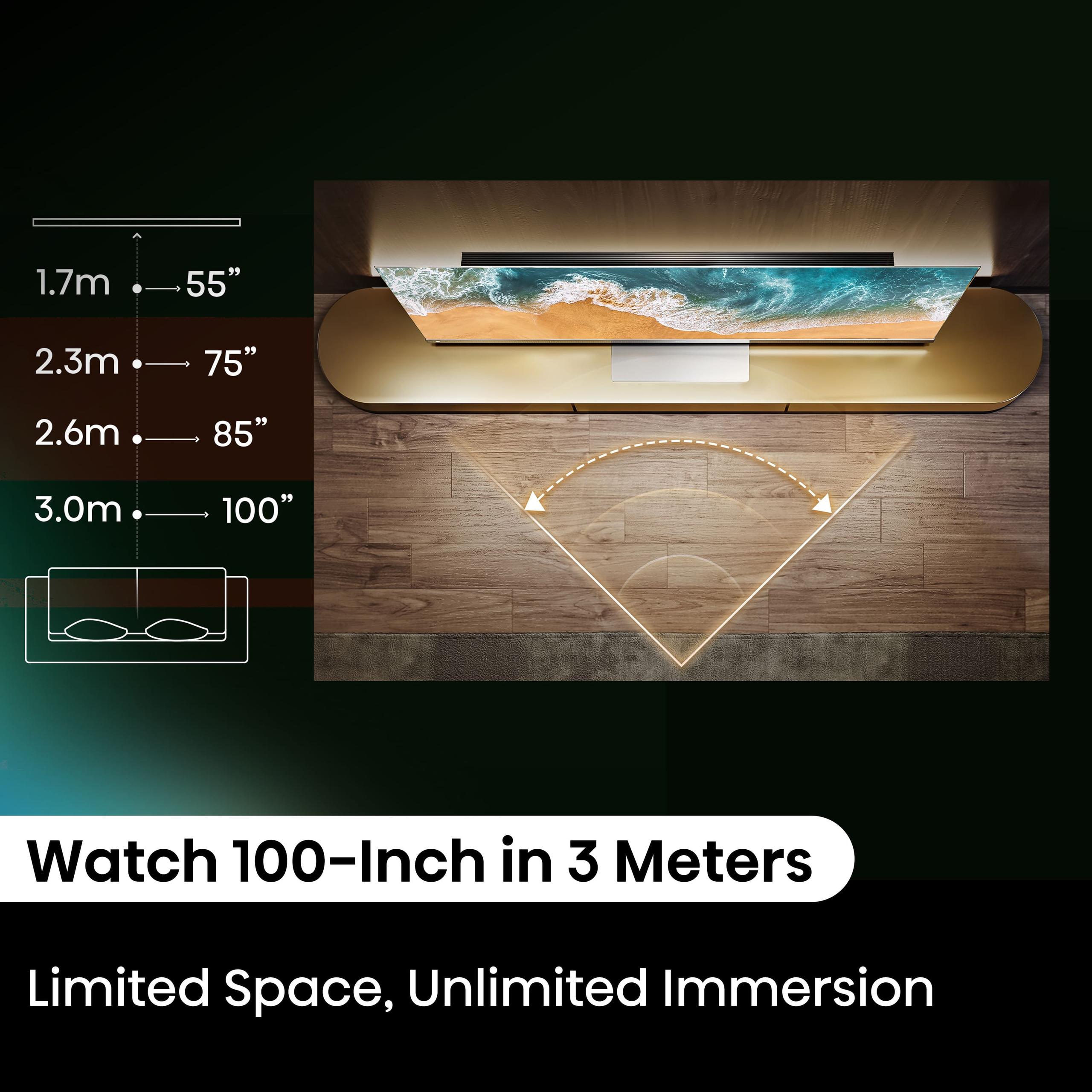
The TCL QM7K's 115-inch size requires careful planning. You'll need at least 9-12 feet of viewing distance for comfortable viewing, which means a fairly large room. The TV weighs significantly more than smaller models, requiring robust wall mounting or a very sturdy TV stand.
However, the 3000-nit brightness and anti-glare coating make it surprisingly versatile for different room lighting conditions. I've seen similar high-brightness displays perform well even in rooms with windows, though you'll still want to control direct reflections for the best experience.
The Hisense QD7 at 100 inches is more manageable for typical living rooms. The viewing distance requirement drops to around 8-10 feet, and installation is somewhat easier due to reduced size and weight.
Both TVs benefit from professional installation, especially wall mounting. The size and weight make DIY installation risky, and professional installers can ensure proper cable management and wall reinforcement.
The price difference between these TVs—over $11,000—represents one of the starkest value propositions in consumer electronics. Understanding what that money buys helps determine which makes sense for your situation.
The TCL QM7K's $12,997.99 price reflects genuine technological advancement. The advanced local dimming, premium audio system, larger size, and cutting-edge processing justify the cost if you prioritize absolute performance. When compared to similarly equipped projector systems (which would require a separate screen, professional installation, and controlled lighting), the pricing becomes more reasonable.
The Hisense QD7's $1,699.99 price represents exceptional value in the ultra-large TV market. You're getting quantum dot color, Mini LED backlighting, 144Hz gaming support, and a premium smart TV platform for less than many 75-inch premium TVs cost. The performance compromises are relatively minor for most viewers.
Choose the TCL QM7K if you have a dedicated home theater room where you can control lighting and appreciate reference-quality picture performance. It's ideal for enthusiasts who want the absolute best and have the budget to match. The superior gaming performance makes it attractive for serious gamers with high-end PCs.
Choose the Hisense QD7 if you want dramatic improvement over standard TVs without premium pricing. It's perfect for family rooms where the TV serves multiple purposes, and the saved money can go toward other components like a quality soundbar or gaming console.
Both TVs represent excellent options for ultra-large viewing, just for different audiences and budgets. The TCL QM7K pushes technology boundaries and delivers reference-quality performance for enthusiasts willing to pay for perfection. The Hisense QD7 brings premium features to a mainstream price point, making ultra-large viewing accessible without compromising core performance.
For most buyers, the QD7 delivers 80-85% of the QM7K's performance at 13% of the cost—an extraordinary value proposition that's hard to ignore. However, if you're building the ultimate home theater and budget isn't the primary concern, the QM7K's technical superiority justifies its premium pricing.
The choice ultimately depends on whether you prioritize absolute performance or exceptional value. Both approaches have merit, and both TVs successfully deliver on their respective promises.
| TCL 115" QM7K Series QD-Mini LED 4K Smart TV 2025 | Hisense 100" QD7 Series QLED 4K UHD Smart TV |
|---|---|
| Price - Major budget consideration for ultra-large TVs | |
| $12,997.99 | $1,699.99 |
| Screen Size - Determines room requirements and viewing distance | |
| 115 inches (requires 9-12 feet viewing distance) | 100 inches (requires 8-10 feet viewing distance) |
| Display Technology - Core difference affecting picture quality | |
| QD-Mini LED with CrystGlow HVA Panel | Mini-LED with QLED Quantum Dot |
| Peak Brightness - Critical for HDR performance and bright room viewing | |
| HDR 3000 nits (excellent for any lighting condition) | 2000-3000 nits (good for most room lighting) |
| Local Dimming Zones - Controls contrast and black levels | |
| Up to LD2500 Precise Dimming (exceptional contrast control) | Full Array Local Dimming (fewer zones, some blooming possible) |
| Native Contrast Ratio - Shows difference between blacks and whites in same scene | |
| 8000:1 (near-OLED black levels) | Not specified (likely 3000-5000:1) |
| Gaming Refresh Rate - Important for console and PC gaming | |
| 144Hz native, 288Hz VRR (future-proof for high-end gaming) | 144Hz native, 165Hz VRR (excellent for current consoles) |
| Gaming Features - Additional performance enhancements | |
| Game Accelerator 288, AMD FreeSync Premium Pro | Game Mode Pro, AMD FreeSync Premium, Game Bar |
| Audio System - Affects whether you need external speakers immediately | |
| Onkyo 4.2.2 system with Bang & Olufsen tuning (may delay soundbar purchase) | 2.1 channel 50W system (soundbar recommended) |
| Smart Platform - Daily user experience | |
| Google TV with hands-free voice control | Google TV with remote-based voice control |
| Anti-Glare Technology - Room flexibility | |
| Nanoscale low-reflective film (good for bright rooms) | Standard anti-reflective coating (moderate glare handling) |
| Release Date - Latest technology and features | |
| 2025 (newest QD-Mini LED advances) | Early 2025 (current Mini-LED technology) |
The Hisense 100" QD7 ($1,699.99) offers exceptional value, delivering premium Mini-LED and quantum dot technology at just 13% of the TCL 115" QM7K's ($12,997.99) price. While the TCL provides superior performance, the Hisense delivers 80-85% of that quality for dramatically less money, making it the clear value winner for most buyers.
The TCL QM7K offers superior picture quality with 3000 nits peak brightness, 2,500 local dimming zones, and an 8000:1 native contrast ratio. The Hisense QD7 provides excellent picture quality with 2000-3000 nits brightness and fewer local dimming zones. Both deliver stunning 4K HDR images, but the TCL excels in contrast control and brightness.
Both TVs excel for gaming, but the TCL QM7K has an edge with Game Accelerator 288 supporting up to 288Hz VRR and AMD FreeSync Premium Pro. The Hisense QD7 offers excellent gaming with 144Hz native refresh rate and VRR support. For console gaming, both perform similarly, but PC gamers may prefer the TCL's higher refresh rates.
The TCL QM7K at 115 inches requires 9-12 feet viewing distance and a large dedicated room. The Hisense QD7 at 100 inches needs 8-10 feet viewing distance and fits better in standard living rooms. Both create an immersive experience, but the Hisense is more practical for typical home setups.
Both TVs run Google TV with similar app selection and smart home integration. The TCL QM7K adds hands-free voice control through far-field microphones, while the Hisense QD7 requires using the remote for voice commands. Both support Chromecast, AirPlay 2, and work with Alexa, Google Assistant, and Apple HomeKit.
The TCL QM7K features a premium Onkyo 4.2.2 speaker system tuned by Bang & Olufsen with excellent dialogue clarity and bass response. The Hisense QD7 includes a basic 2.1 channel 50W system with decent sound quality. TCL owners may not need a soundbar immediately, while Hisense owners will likely want to add external audio sooner.
The TCL QM7K handles bright rooms better with 3000 nits peak brightness and nanoscale anti-glare coating. The Hisense QD7 performs well in most lighting conditions with 2000-3000 nits brightness and standard anti-reflective coating. Both work in bright spaces, but the TCL provides more flexibility for challenging lighting situations.
Both TVs excel for home theater use. The TCL QM7K is ideal for dedicated theater rooms with its reference-quality picture, superior contrast, and premium audio system. The Hisense QD7 works well for multi-purpose family rooms, delivering cinematic experiences at a more accessible price point while leaving budget for additional audio equipment.
The TCL QM7K provides superior HDR with 3000 nits peak brightness, advanced local dimming, and support for Dolby Vision IQ, HDR10+, HDR10, and HLG. The Hisense QD7 offers excellent HDR with 2000-3000 nits brightness and supports Dolby Vision, HDR10+, HDR10, and HLG. Both deliver impressive HDR, but the TCL shows more detail in highlights and shadows.
The TCL 115" QM7K requires professional installation due to its massive size and weight, needs robust wall mounting, and works best in large rooms. The Hisense 100" QD7 is more manageable for installation while still requiring careful planning and preferably professional mounting. Both benefit from professional setup, but the Hisense is less demanding.
Both TVs launched in 2025 with current technology standards. The TCL QM7K offers more future-proofing with 288Hz gaming support and advanced processing that may handle future content better. The Hisense QD7 includes all current standards like HDMI 2.1 and 144Hz gaming, making it well-equipped for years of use. Both should remain current for 5-7 years.
Choose the TCL QM7K if you have a dedicated home theater room, prioritize absolute picture quality, and budget isn't the primary concern. Choose the Hisense QD7 if you want exceptional performance at a reasonable price, have a standard living room, or prefer to allocate saved money toward other components like audio equipment.
We've done our best to create useful and informative comparisons to help you decide what product to buy. Our research uses advanced automated methods to create this comparison and perfection is not possible - please contact us for corrections or questions. These are the sites we've researched in the creation of this article: bestbuy.com - tomsguide.com - techradar.com - youtube.com - rtings.com - youtube.com - youtube.com - youtube.com - avsforum.com - abt.com - bestbuy.com - tcl.com - avsforum.com - tcl.com - rcwilley.com - tcl.com - valueelectronics.com - bestbuy.com - tcl.com - tcl.com - tcl.com - tcl.com - bestbuy.com - ca.camelcamelcamel.com - fouanistore.com - rtings.com - youtube.com - rtings.com - 2001audiovideo.com - bestbuy.com - static.pcrichard.com - centrehifi.com - youtube.com - uk.hisense.com - hisense-canada.com

Privacy Policy
Terms and Conditions - Affiliate Policy
Home Security
© Copyright 2008-2026.
11816 Inwood Rd #1211, Dallas, TX 75244