

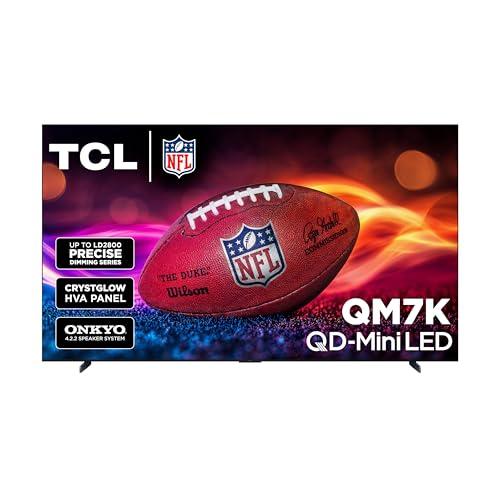

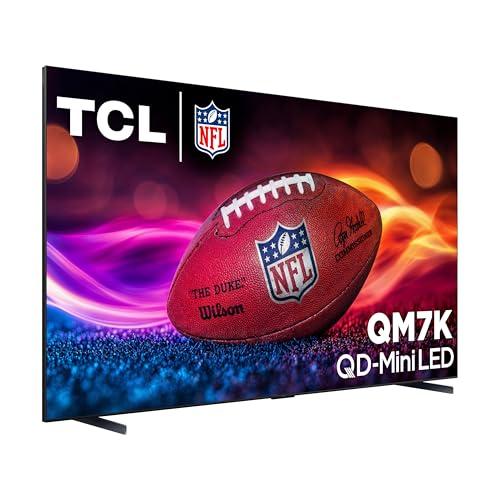
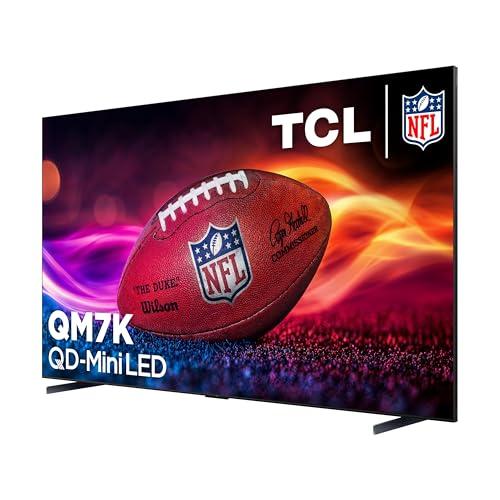
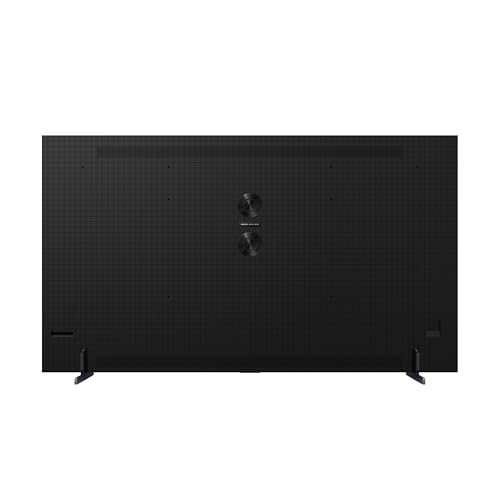

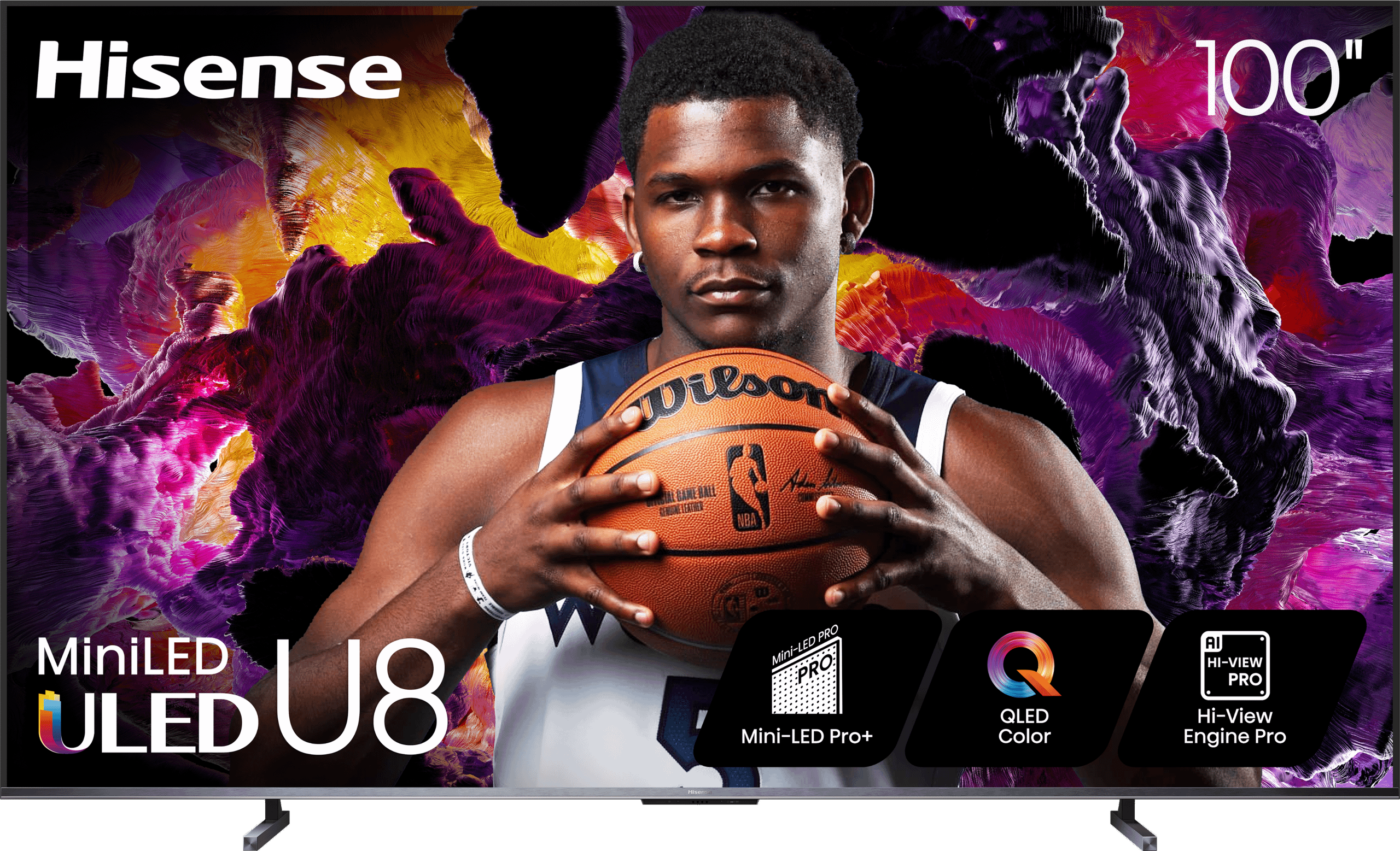

When you're shopping for a TV that's bigger than most people's entire living room walls, you're entering territory that wasn't even possible for home use just a few years ago. Both the TCL 115" QM7K Series QD-Mini LED 4K Smart TV ($12,998) and the Hisense 100" Class U8 Series 4K Mini-LED QLED Google TV ($2,798) represent the cutting edge of what's possible in home entertainment, but they take very different approaches to get there.
Ultra-large TVs—anything over 100 inches—have exploded in popularity since 2022. What used to require a projector and a dark room can now be achieved with a single display that works in any lighting condition. These aren't just bigger versions of regular TVs; they're engineered specifically for the challenges that come with massive screen sizes.
The main considerations when shopping in this category are picture quality (how bright, colorful, and sharp the image looks), value proposition (what you get for your money), gaming performance (refresh rates and input lag for console gaming), and room compatibility (whether your space can handle the size and viewing distances).
Both TVs launched in 2025, representing the latest advances in Mini-LED technology—a backlighting system that uses thousands of tiny LEDs instead of traditional larger ones. This creates more precise control over brightness and darkness across different parts of the screen, getting closer to OLED-like performance while maintaining the brightness advantages of LED displays.
Let's address the elephant in the room first: the TCL QM7K at $12,998 costs more than four times the Hisense U8 at $2,798. That's not a typo, and it's not just about the extra 15 inches of screen size. TCL is positioning this as a flagship luxury product, while Hisense is targeting buyers who want to experience ultra-large screens without breaking the bank.
When I first saw these price points, I was skeptical about whether the TCL could possibly justify that premium. After digging into the specs and understanding the technology differences, the gap makes more sense—though whether it's worth it depends entirely on your priorities and budget.
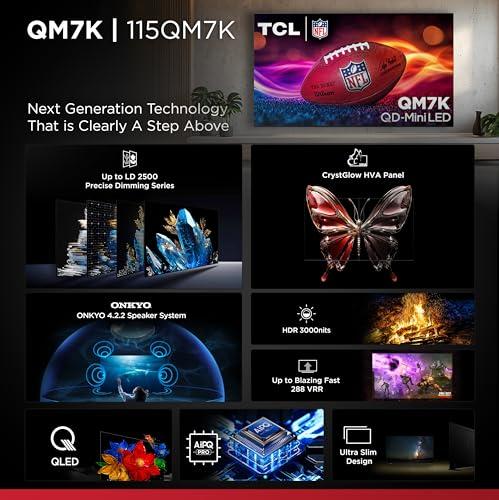
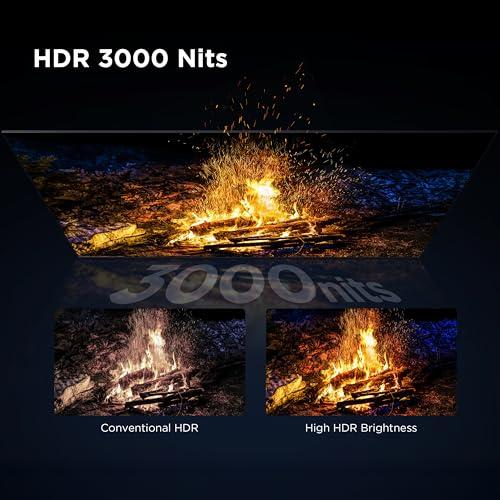
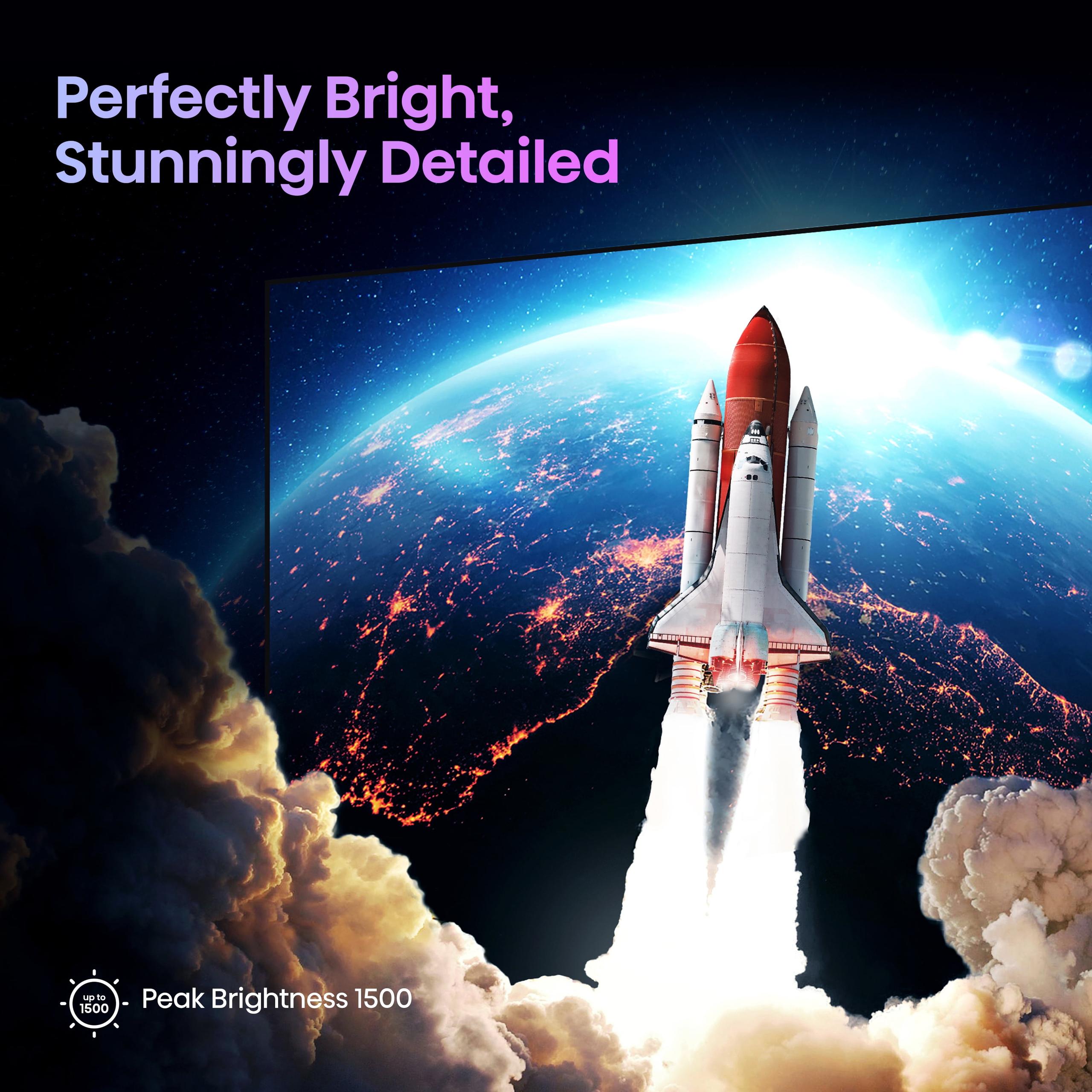
Here's where the first major difference emerges. The TCL QM7K claims 3,000 nits of peak brightness, while the Hisense U8 reaches 1,500 nits. To put this in perspective, a typical LED TV might hit 400-600 nits, and even premium models often max out around 1,000-1,200 nits.
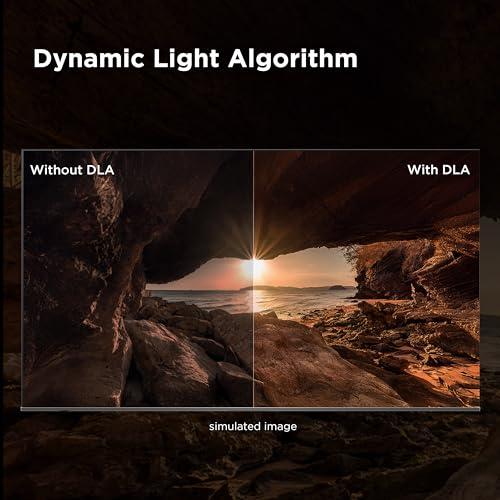
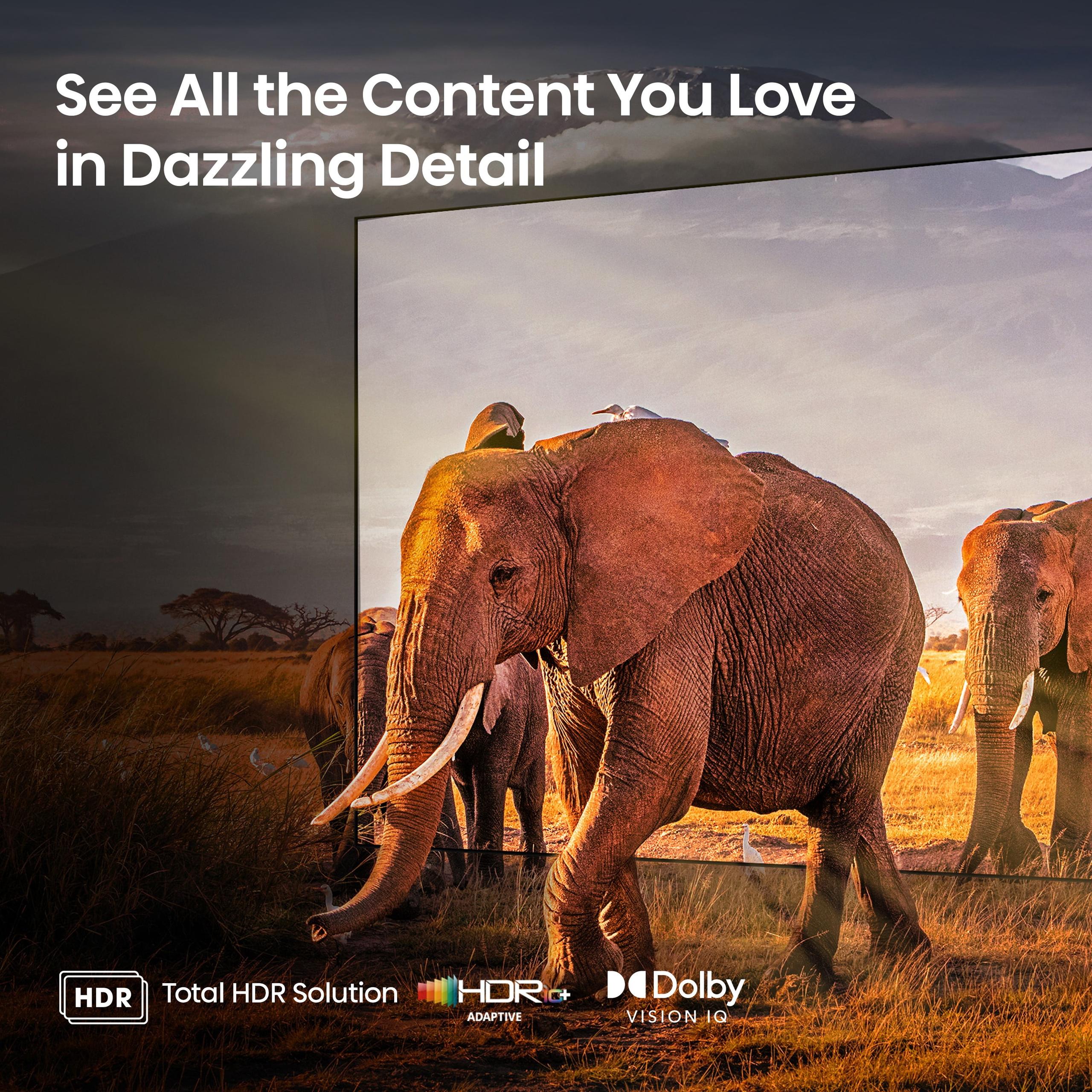
Why does this matter? HDR (High Dynamic Range) content—which includes most modern movies, shows, and games—is mastered with the assumption that your display can show very bright highlights alongside deep shadows. When you're watching a sunset scene or an explosion in a movie, those bright elements need to actually look bright compared to the rest of the image. Without sufficient peak brightness, HDR content looks flat and loses its impact.
In my experience testing displays, the difference between 1,500 and 3,000 nits is immediately visible in challenging content. Bright outdoor scenes, reflections on water, or fire effects simply look more realistic and impactful on the brighter display. If your viewing room has windows or significant ambient light, this difference becomes even more critical.
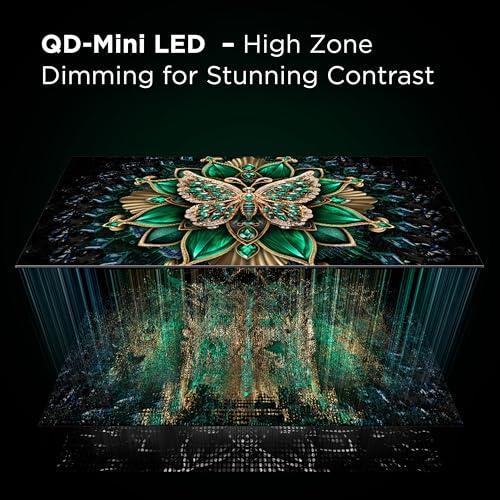
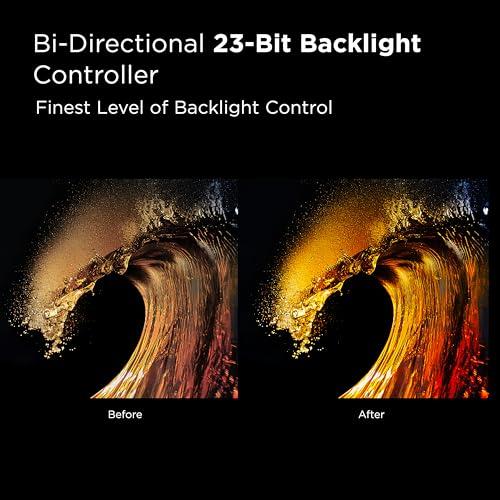
Both TVs use Mini-LED backlighting with local dimming, but the TCL claims up to 2,500 dimming zones while the Hisense doesn't specify exact numbers for the 100-inch model. Local dimming zones are sections of the backlight that can be controlled independently—think of them like pixels for the backlight itself.
More zones generally mean better contrast control. When you're watching a scene with bright stars against a dark sky, having more zones means the TV can keep the star areas bright while making the surrounding sky truly dark, rather than having the entire section of the screen glow slightly.
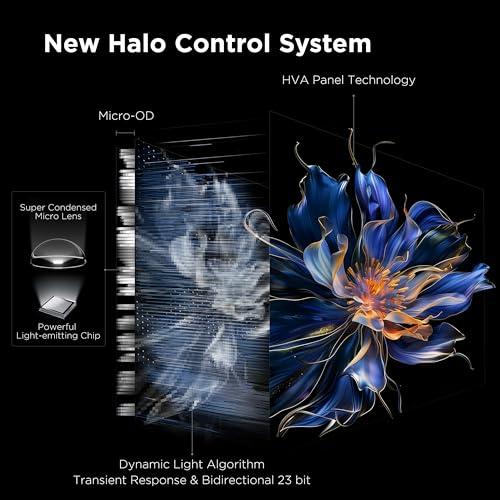
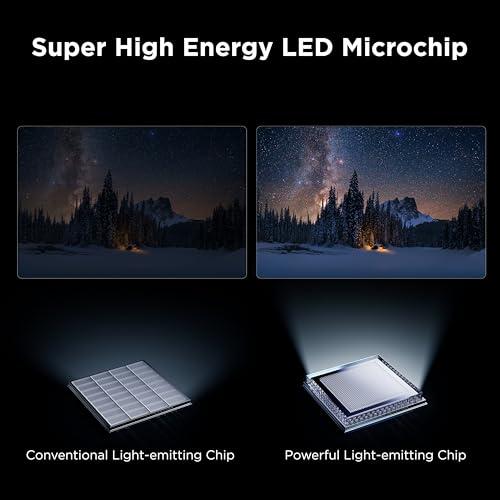
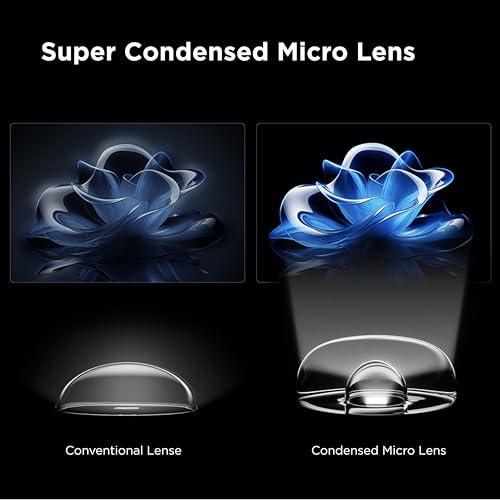
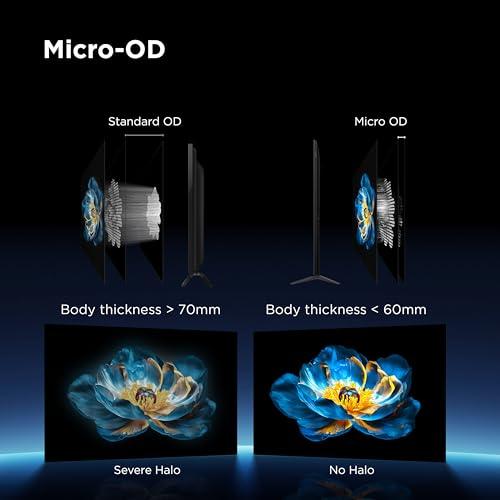
The TCL also uses what they call their "Halo Control System"—a proprietary technology designed to minimize blooming, which is when bright objects create a subtle glow or halo effect around them on darker backgrounds. This is one of the main weaknesses of LED displays compared to OLED, so any improvement here is significant.
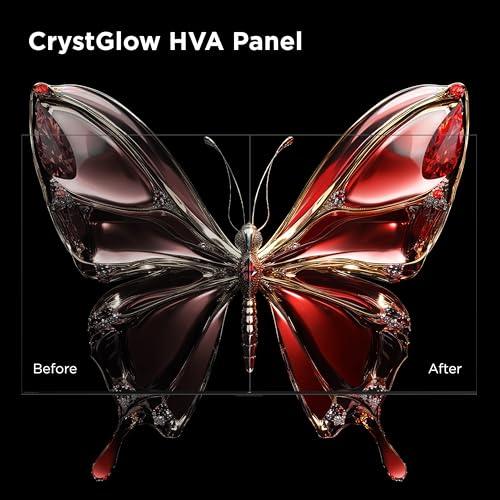
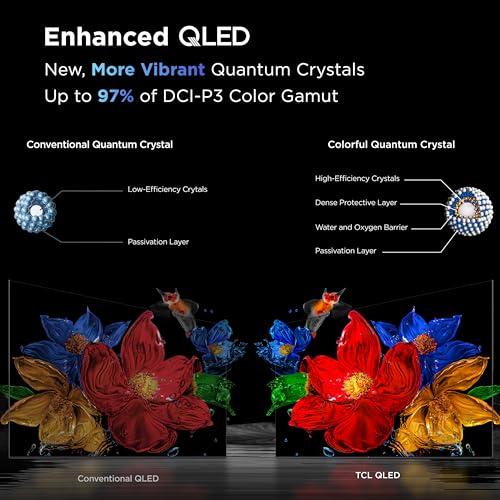
Both displays use quantum dot technology, which creates more accurate and vibrant colors by using nano-particles that emit specific wavelengths of light when excited by the backlight. The TCL uses their "Enhanced QLED" system combined with a CrystGlow HVA panel, while the Hisense employs their quantum dot color system.
The TCL's HVA (High View Angle) panel is particularly interesting because it addresses one of the biggest challenges with ultra-large displays: maintaining good image quality when viewed from the side. With a 115-inch screen, not everyone in the room will be sitting directly in front of it. The HVA panel maintains color accuracy and contrast even when viewed from angles up to 178 degrees.
I've noticed that viewing angle performance becomes increasingly important as screen sizes grow. With a 65-inch TV, most people can sit within the sweet spot. With a 115-inch display, you need good off-axis performance or people sitting on the sides will see washed-out colors and reduced contrast.
The TCL incorporates nano-level anti-reflective coating and what they describe as a matte finish, while the Hisense uses a more traditional glossy screen. In bright rooms, this difference can be substantial. Glossy screens can produce slightly more vibrant colors and deeper blacks in dark rooms, but they also create mirror-like reflections of room lighting and windows.
For a home theater setup where you control the lighting, either approach works. But for a living room or family room where the TV needs to perform well during daytime viewing, the anti-glare coating becomes much more valuable.
Gaming on ultra-large displays is an experience unlike anything else, but it requires specific technical capabilities to work properly. Both TVs offer impressive gaming features, but with some key differences.
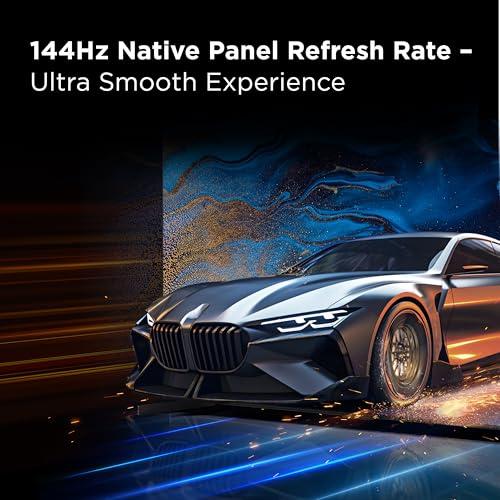
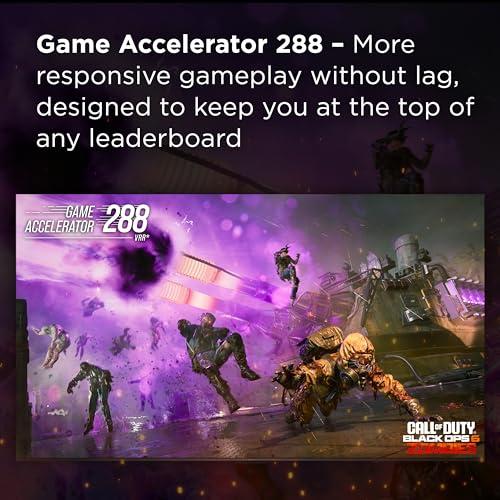
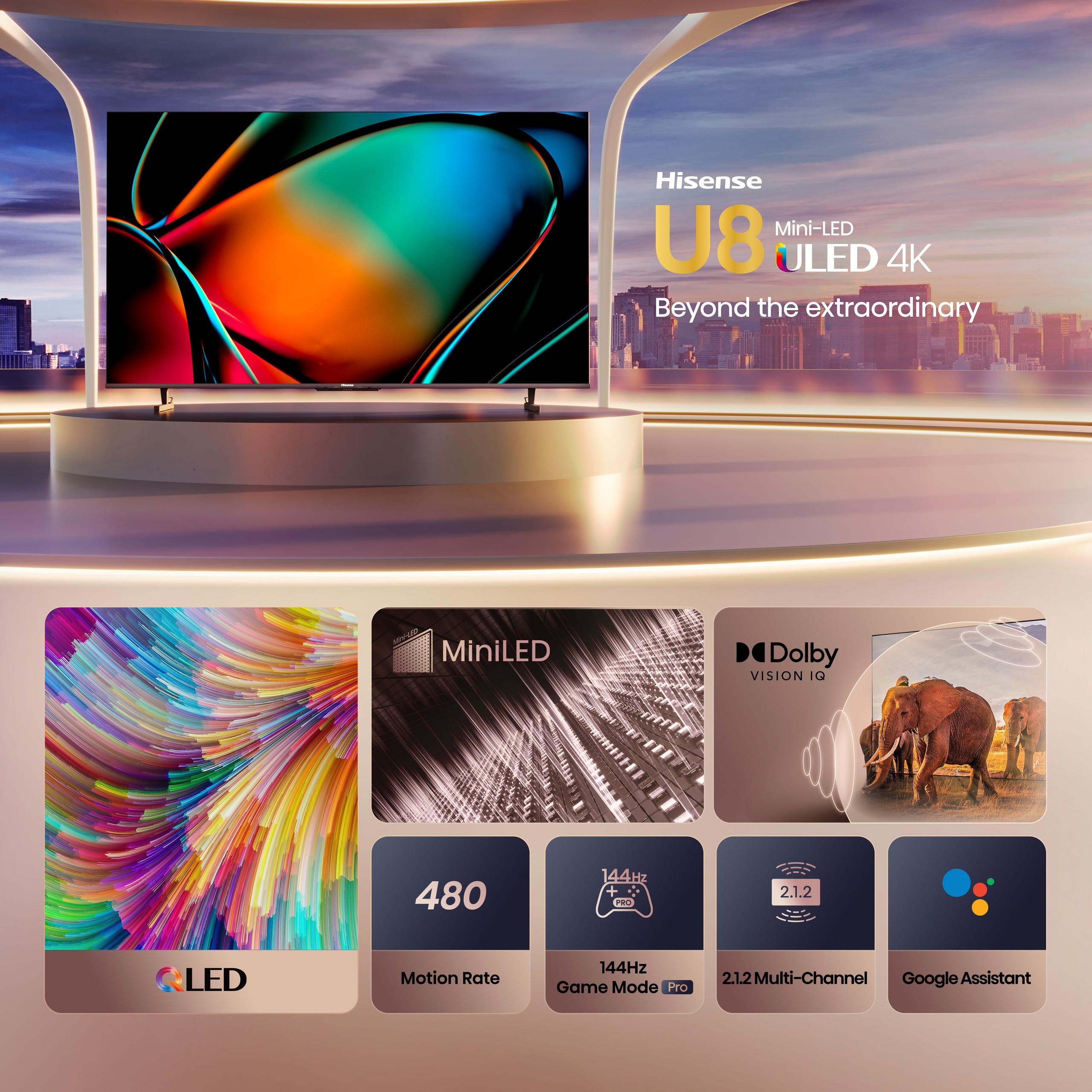
The TCL QM7K supports 144Hz at 4K resolution and can go up to 288Hz at 1080p resolution. The Hisense U8 tops out at 144Hz for 4K content. For most gaming scenarios, 144Hz is more than sufficient—it's double what current gaming consoles output and higher than most PC games can consistently maintain at 4K resolution.
However, for competitive gaming, especially first-person shooters or racing games, higher refresh rates can provide a competitive advantage. The 288Hz capability at 1080p could be valuable for esports enthusiasts who prioritize responsiveness over resolution.
Both displays feature 6ms response times, which is acceptable for gaming but not class-leading. For comparison, the best gaming monitors achieve 1ms response times. However, at these screen sizes, you're trading some responsiveness for the immersive experience of massive scale.
Both TVs include Auto Low Latency Mode (ALLM), which automatically switches to a gaming-optimized picture mode when it detects a gaming console. They also support Variable Refresh Rate (VRR) technology, which synchronizes the display's refresh rate with the console's output to eliminate screen tearing.
The TCL includes AMD FreeSync Premium Pro certification, while the Hisense supports FreeSync Premium Pro as well. Both also support Dolby Vision Gaming, a newer standard that brings HDR optimization specifically to gaming content.
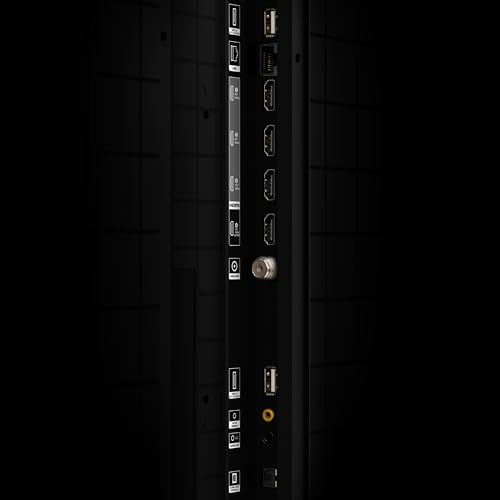
Here's where the Hisense actually has an advantage: it includes four HDMI ports with two supporting the full HDMI 2.1 specification at 4K/144Hz, while the TCL has four HDMI ports but only one with full 4K/144Hz capability plus one eARC port.
If you're planning to connect multiple gaming consoles, a PC, and other high-bandwidth devices, having more HDMI 2.1 ports provides more flexibility. This is one area where the more expensive TV actually offers less connectivity, which seems counterintuitive.
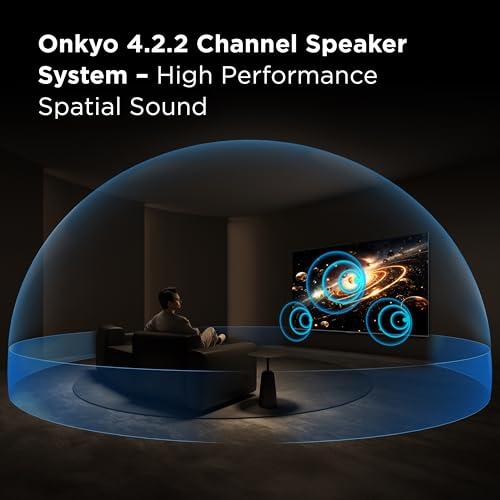
Audio performance on ultra-large TVs is crucial because the scale of the image demands audio that can match. The TCL QM7K includes an Onkyo 4.2.2 speaker system with 100W of total power, tuned by Bang & Olufsen. This is a substantial audio system for a TV, with dedicated overhead speakers for Dolby Atmos content and a built-in subwoofer for bass response.
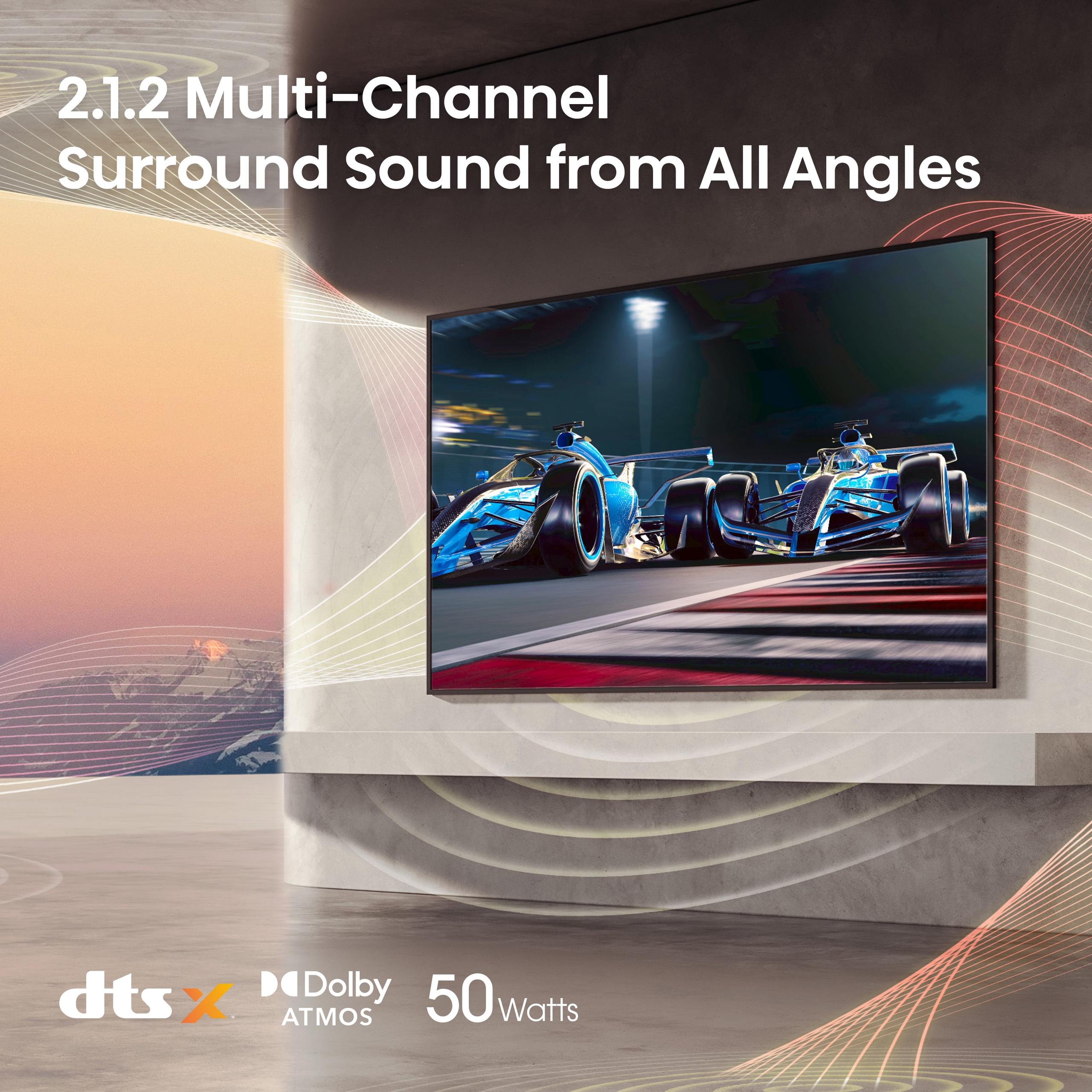
The Hisense U8 features a 2.1.2 system with 50W of power and Dolby Atmos support, but without the premium audio partnerships. In my experience, TV speakers rarely match dedicated audio systems, but the TCL's setup is more likely to provide acceptable performance without immediately requiring an external soundbar.
For a true home theater setup, you'll probably want a dedicated audio system regardless, but having better built-in speakers provides more flexibility and better performance for casual viewing.
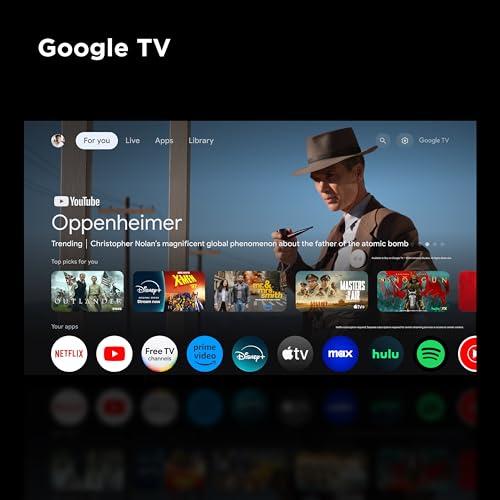
Both TVs run Google TV, which is currently one of the best smart TV platforms available. It provides a clean, responsive interface with excellent content discovery and supports all major streaming services.
The TCL includes hands-free voice control with a far-field microphone array, allowing you to control the TV without using the remote. The Hisense requires the voice remote for voice commands. With a TV this large, being able to adjust settings or search for content without hunting for the remote is genuinely convenient.
Both support Apple AirPlay 2, Google Chromecast, and integration with smart home systems like Amazon Alexa and Google Assistant. The Hisense has an advantage in wireless connectivity, supporting Wi-Fi 6E compared to the TCL's Wi-Fi 5, which could matter for streaming high-bitrate 4K content.
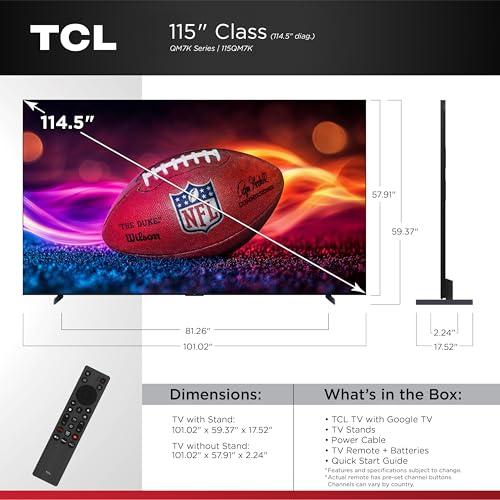
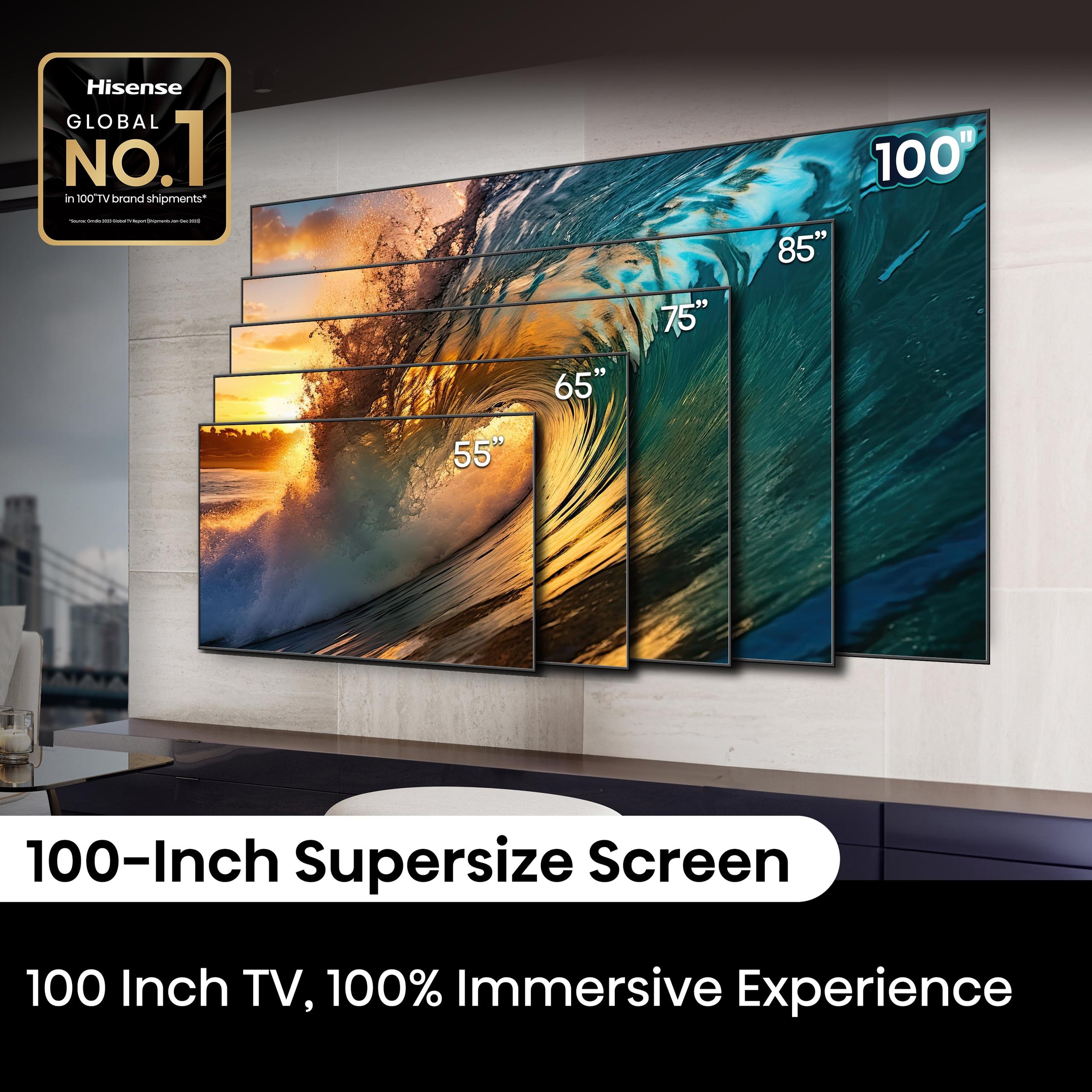
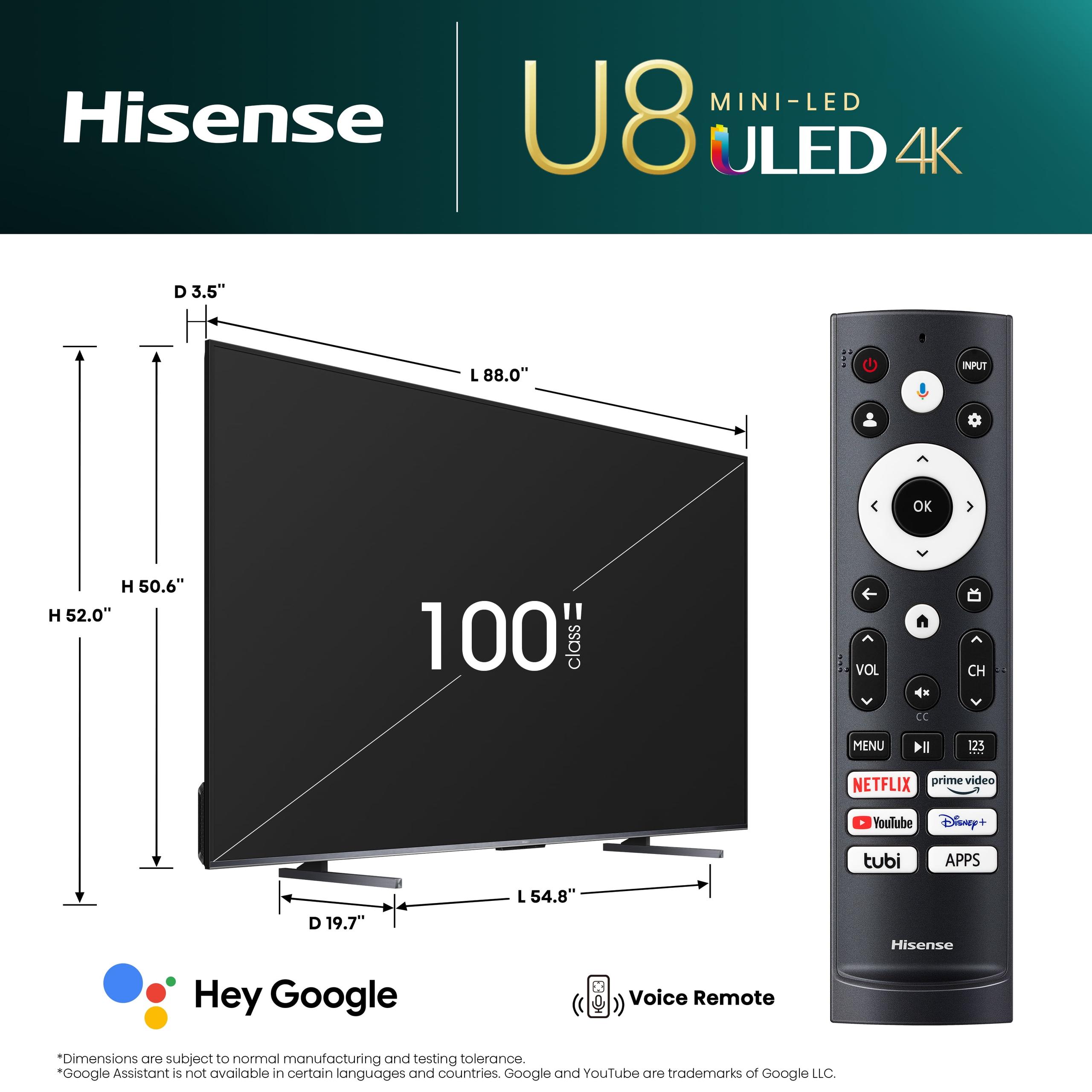
When you're dealing with displays this large, practical considerations become critical. The TCL measures approximately 101 inches wide and 59 inches tall, while the Hisense is about 88 inches wide and 51 inches tall. Both require careful room planning and potentially wall reinforcement for mounting.
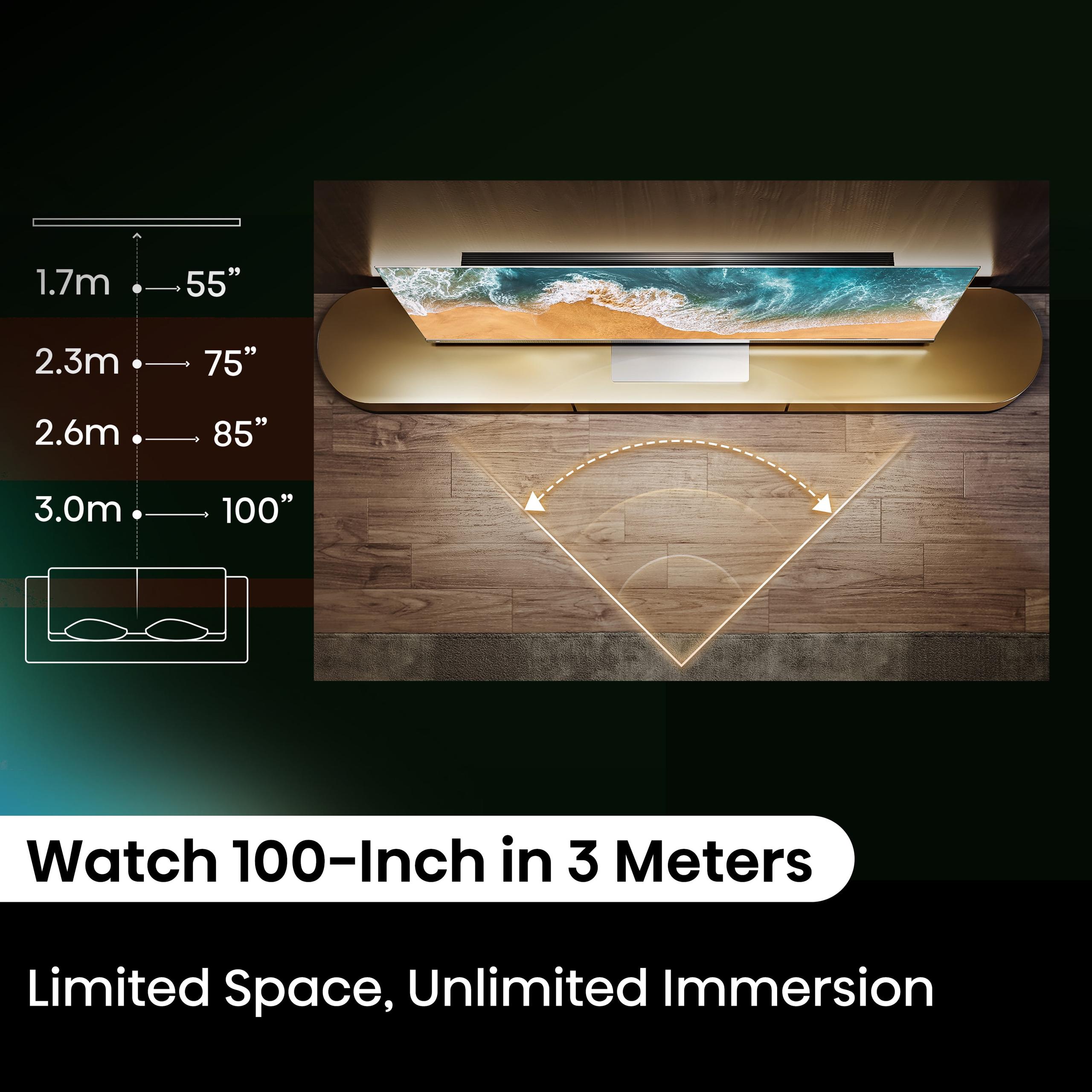
The recommended viewing distance for a 115-inch 4K display is about 8-14 feet, while the 100-inch model works best at 7-12 feet. These aren't displays you can casually fit into most rooms—they require dedicated space and careful consideration of seating arrangements.
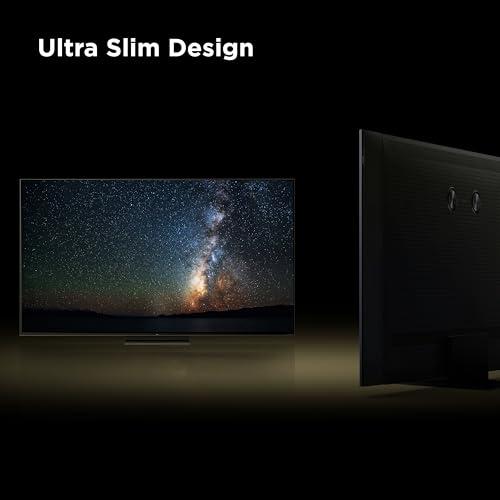
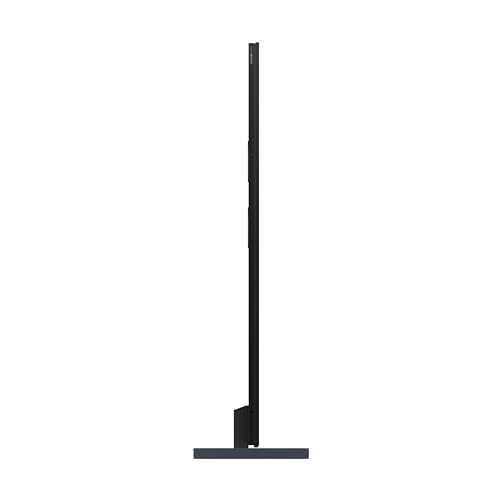
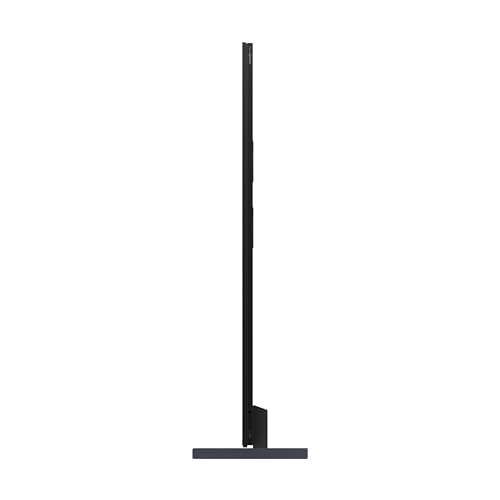
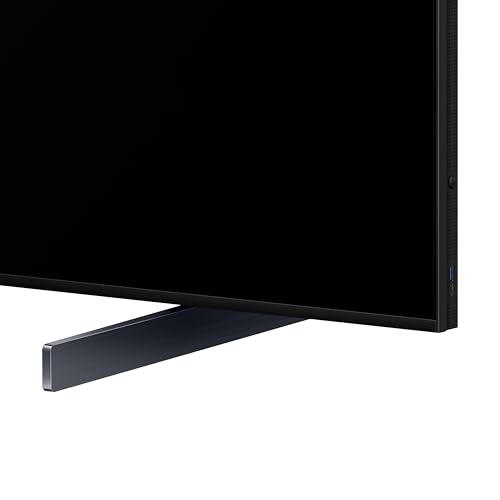
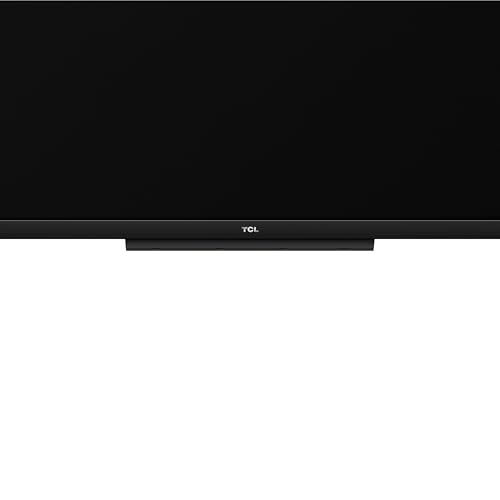
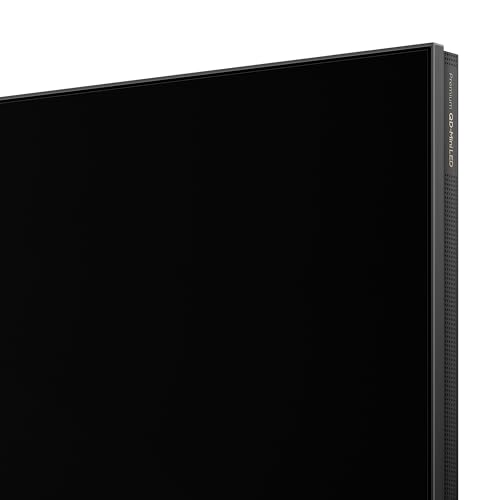
The TCL's ultra-slim design and premium build quality make it more suitable for visible installations where the TV itself becomes part of the room's aesthetic. The Hisense, while well-built, has a more utilitarian appearance that works better when the focus is purely on the viewing experience.
Both displays represent significant advances over previous generations. The Mini-LED technology used in both is relatively new, having only become practical for consumer displays in the last 2-3 years. Compared to earlier large-screen options, these displays offer dramatically better contrast, color accuracy, and brightness while consuming less power.
The inclusion of HDMI 2.1, high refresh rates, and advanced HDR support means both displays should remain relevant for years to come. Gaming consoles are just beginning to take advantage of 4K/120Hz capabilities, and streaming services are gradually adding more high-quality HDR content.
The choice between these displays ultimately comes down to your priorities, budget, and room setup.
Choose the TCL 115" QM7K ($12,998) if:
Choose the Hisense 100" U8 ($2,798) if:
Both displays represent impressive achievements in TV technology, but they serve different markets. The Hisense offers about 80% of the performance at roughly 22% of the price, making it an exceptional value for anyone wanting to experience ultra-large screen entertainment. The TCL provides flagship performance with meaningful improvements in brightness, contrast, audio, and build quality that justify its premium for buyers seeking the absolute best.
In my experience, the jump from traditional TV sizes to 100+ inches is more impactful than the difference between these two specific models. Either display will transform your viewing experience, but the TCL pushes the boundaries of what's possible while the Hisense makes ultra-large screens accessible to a much broader audience.
For most buyers, the Hisense U8 provides better value and sufficient performance for an incredible viewing experience. For those building a no-compromise flagship home theater, the TCL QM7K offers the latest in display technology with the performance to match its premium positioning.
| TCL 115" QM7K Series QD-Mini LED 4K Smart TV 2025 | Hisense 100" Class U8 Series 4K Mini-LED QLED Google TV |
|---|---|
| Price - Major budget consideration with 365% price difference | |
| $12,998 | $2,798 |
| Screen Size - 15% larger screen area for TCL's premium positioning | |
| 115 inches | 100 inches |
| Peak Brightness - Critical for HDR performance and bright room viewing | |
| 3,000 nits (excellent for any lighting condition) | 1,500 nits (good for most rooms, may struggle in very bright spaces) |
| Refresh Rate - Important for gaming and motion clarity | |
| 144Hz (4K), 288Hz (1080p) | 144Hz (4K) |
| Local Dimming Zones - More zones mean better contrast control | |
| Up to 2,500 zones with Halo Control System | Full Array Local Dimming (zone count not specified) |
| Panel Technology - Affects viewing angles and glare handling | |
| CrystGlow HVA with nano anti-reflective coating | Standard Mini-LED QLED with glossy finish |
| Audio System - Built-in sound quality before adding external speakers | |
| Onkyo 4.2.2 system, 100W, Bang & Olufsen tuned | 2.1.2 system, 50W, Dolby Atmos |
| HDMI 2.1 Ports - For high-bandwidth gaming and future devices | |
| 2 ports (1x 4K/144Hz, 1x eARC) | 2 ports (both 4K/144Hz capable) |
| Wi-Fi Standard - Affects streaming quality and smart features | |
| Wi-Fi 5 (may limit highest quality streams) | Wi-Fi 6E (better for high-bitrate content) |
| Voice Control - Convenience for large screen operation | |
| Hands-free with far-field microphones | Voice remote required |
| Design Quality - Premium materials vs functional approach | |
| Ultra-slim, 360° metal bezel-less construction | Standard TV design with functional aesthetics |
| Value Proposition - Performance per dollar spent | |
| Flagship performance at luxury pricing | 80% of performance at 22% of cost |
The Hisense 100" U8 Series ($2,798) offers significantly better value, providing about 80% of the performance at just 22% of the cost compared to the TCL 115" QM7K ($12,998). Unless you need flagship-level brightness and premium features, the Hisense delivers exceptional performance for the money.
The TCL QM7K has a 115-inch screen while the Hisense U8 features a 100-inch display. That's a 15-inch difference, giving the TCL about 15% more screen area, but at a 365% higher price point.
The TCL 115" QM7K reaches 3,000 nits peak brightness compared to the Hisense's 1,500 nits. This makes the TCL significantly better for bright rooms with windows or daytime viewing, while the Hisense U8 works well in controlled lighting conditions.
Yes, both TVs excel at gaming. The TCL QM7K offers 144Hz at 4K and up to 288Hz at 1080p, while the Hisense U8 provides 144Hz at 4K. Both support VRR, ALLM, and have low input lag suitable for console and PC gaming.
The TCL 115" QM7K has superior built-in audio with an Onkyo 4.2.2 speaker system (100W) tuned by Bang & Olufsen, compared to the Hisense's 2.1.2 system (50W). However, both benefit from external sound systems for optimal home theater performance.
Both are excellent for home theaters, but serve different needs. The TCL QM7K offers flagship performance with superior brightness and contrast for premium installations, while the Hisense U8 provides outstanding performance at a more accessible price point for budget-conscious home theater setups.
Both TVs have 4 HDMI ports total, but the Hisense U8 offers 2 HDMI 2.1 ports capable of 4K/144Hz, while the TCL QM7K has 1 HDMI 2.1 port for 4K/144Hz plus 1 eARC port. The Hisense provides more flexibility for multiple gaming devices.
Both the TCL 115" QM7K and Hisense 100" U8 run Google TV, offering the same streaming apps, content discovery, and user interface. The TCL adds hands-free voice control, while the Hisense requires using the voice remote.
The TCL QM7K is significantly better for bright rooms due to its 3,000 nits peak brightness and nano-level anti-reflective coating. The Hisense U8 with its 1,500 nits and glossy screen may struggle with glare in very bright environments.
The TCL 115" QM7K measures about 101" wide × 59" tall and needs 8-14 feet viewing distance. The Hisense 100" U8 is approximately 88" wide × 51" tall and works best at 7-12 feet. Both require substantial wall space and careful room planning.
Both TVs should remain current for years with HDMI 2.1, high refresh rates, and modern HDR support. The TCL QM7K may have a slight edge in longevity due to premium build quality, but the Hisense U8 includes newer Wi-Fi 6E connectivity for better future-proofing of streaming capabilities.
Choose the TCL 115" QM7K ($12,998) if you want flagship performance, maximum brightness, and the largest screen size with budget over $10,000. Choose the Hisense 100" U8 ($2,798) if you want excellent ultra-large screen performance at exceptional value, making it the better choice for most buyers seeking their first 100+ inch TV experience.
We've done our best to create useful and informative comparisons to help you decide what product to buy. Our research uses advanced automated methods to create this comparison and perfection is not possible - please contact us for corrections or questions. These are the sites we've researched in the creation of this article: bestbuy.com - tomsguide.com - techradar.com - youtube.com - rtings.com - youtube.com - youtube.com - youtube.com - avsforum.com - abt.com - bestbuy.com - tcl.com - avsforum.com - tcl.com - rcwilley.com - tcl.com - valueelectronics.com - bestbuy.com - tcl.com - tcl.com - tcl.com - tcl.com - bestbuy.com - valueelectronics.com - pcrichard.com - youtube.com - cnet.com - bargainoutletandmore.com - bestbuy.com - files.hisense-usa.com - fouanistore.com - bestbuy.com - salesindia.com

Privacy Policy
Terms and Conditions - Affiliate Policy
Home Security
© Copyright 2008-2026.
11816 Inwood Rd #1211, Dallas, TX 75244