

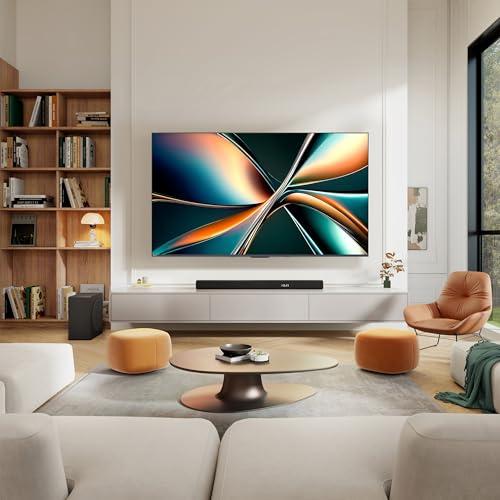
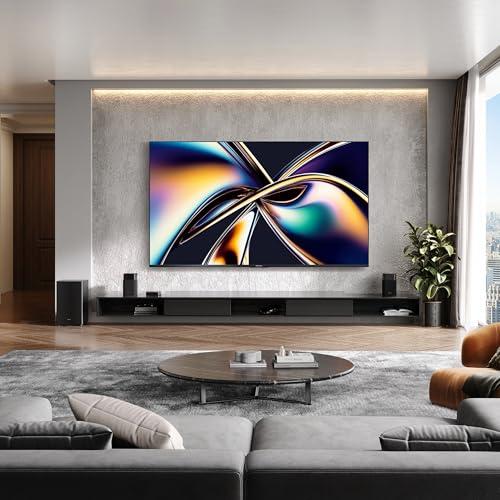
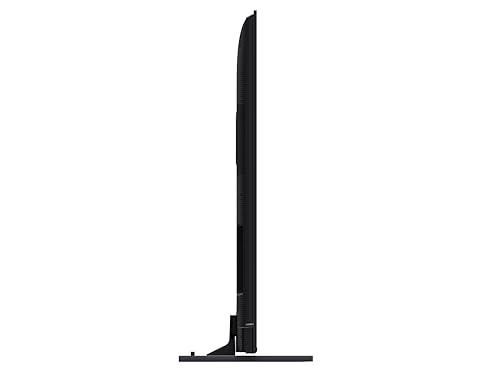
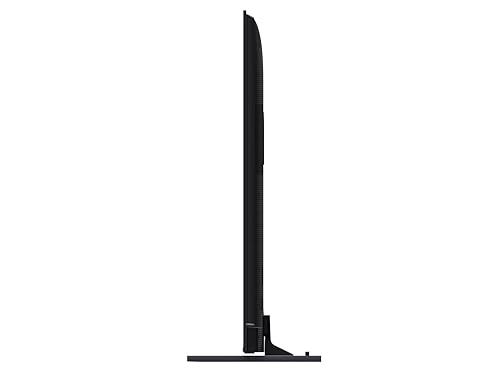
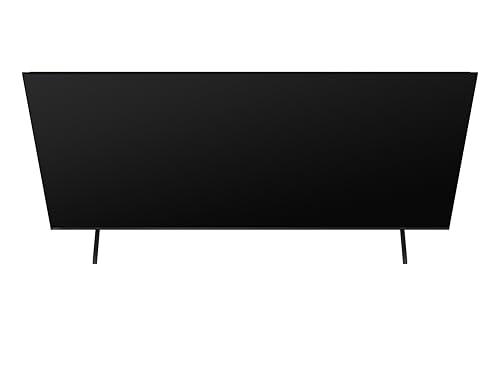
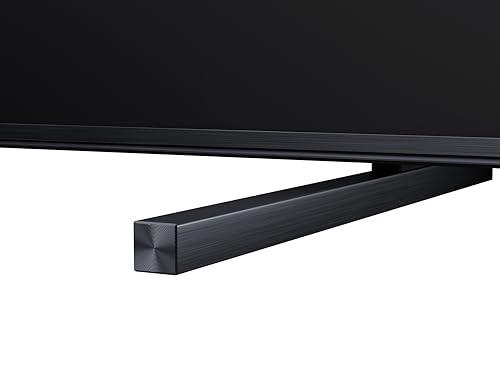

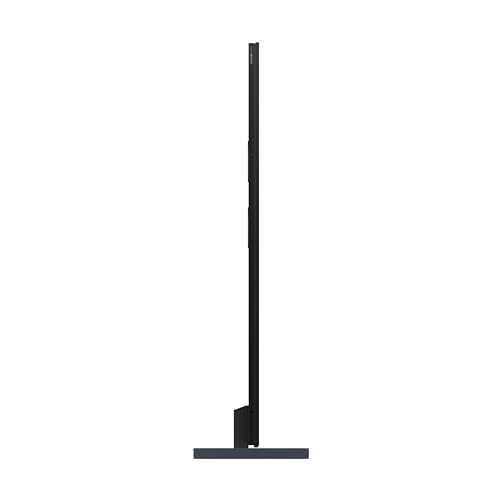
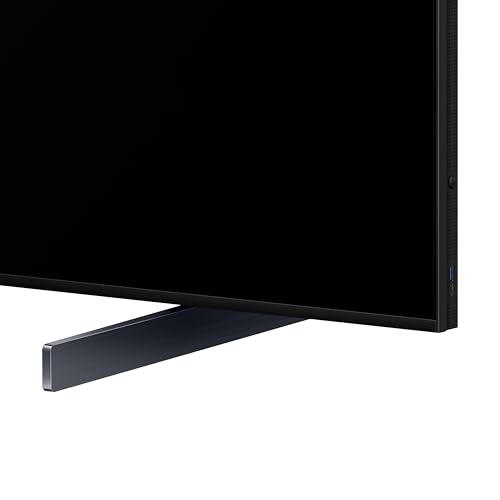
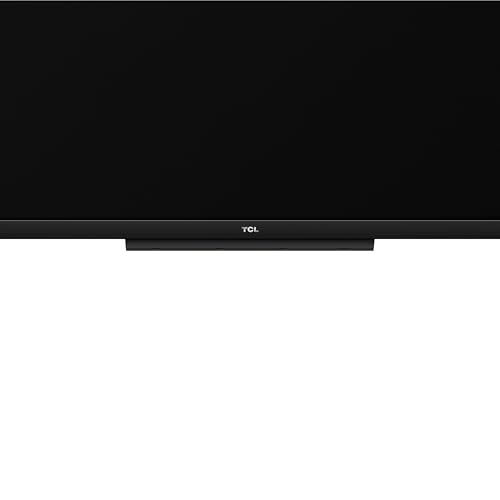

When most people think about upgrading their TV, they're usually looking at 55" to 75" screens. But there's a growing category of absolutely massive displays that's changing how we think about home entertainment entirely. We're talking about ultra-large premium TVs – displays that start at 100 inches and go even bigger. These aren't just TVs; they're projector killers that bring true cinema experiences into your living room.
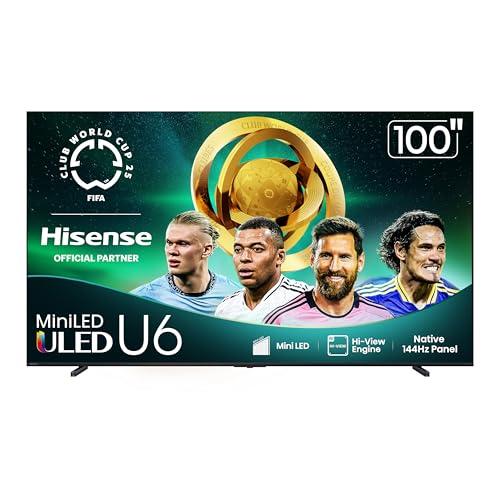
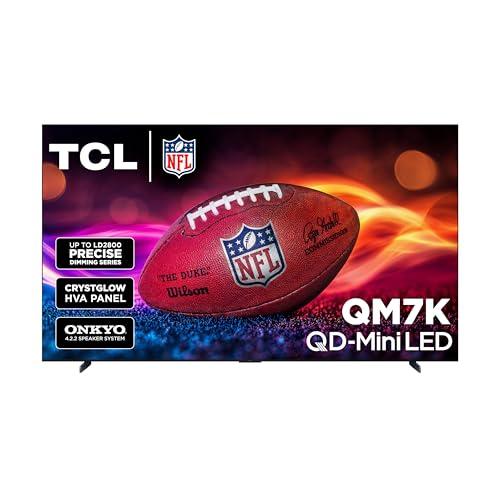
The two standout models released in 2025 that have caught our attention are the Hisense 100" U6 Series Mini-LED 4K Fire TV and the TCL 115" QM7K Series QD-Mini LED 4K Smart TV. Both represent significant leaps forward in display technology, but they take notably different approaches to achieving that cinema-quality experience.
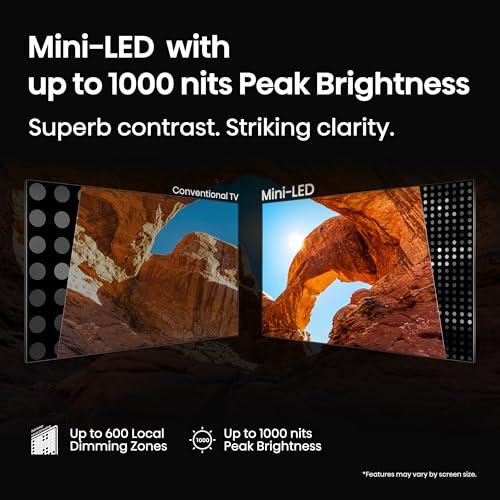
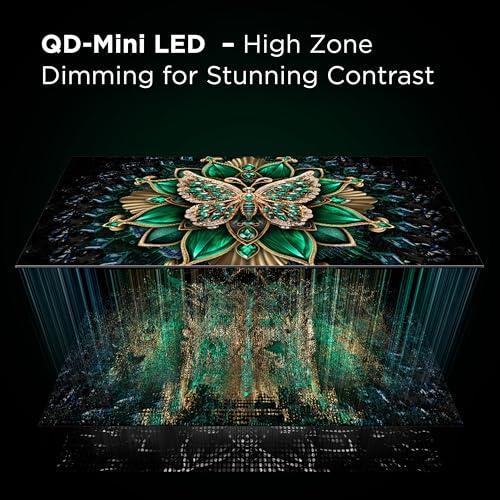
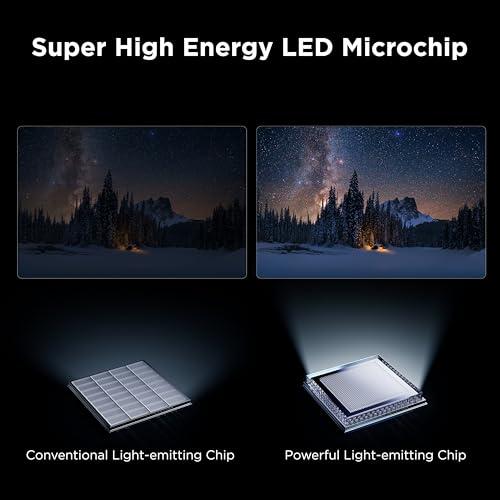
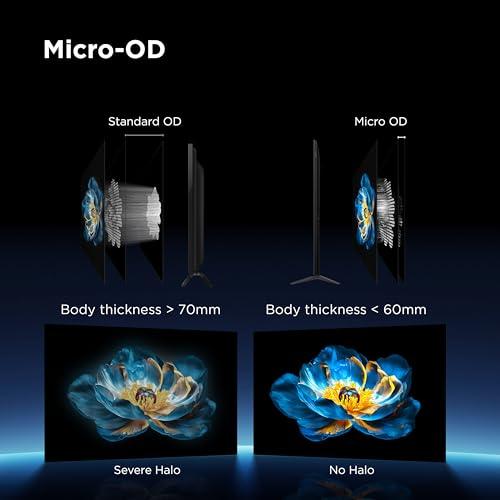
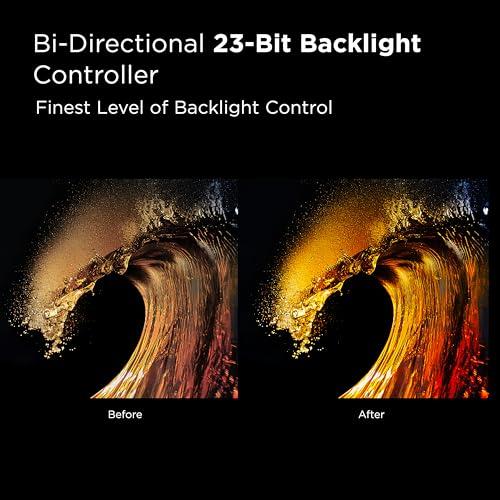
Before diving into these specific models, it's worth understanding what makes these massive displays possible. The breakthrough technology here is Mini-LED backlighting – imagine taking the LED lights behind a traditional TV and shrinking them down to the size of rice grains, then packing thousands of them behind the screen. This allows for incredibly precise control over which parts of the screen are bright and which are dark, creating that deep black and brilliant white contrast that makes HDR content really pop.
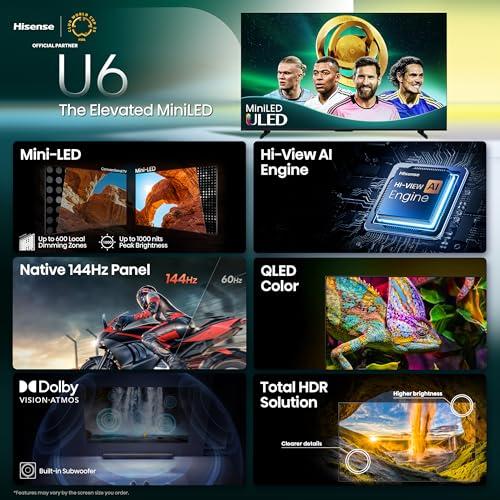
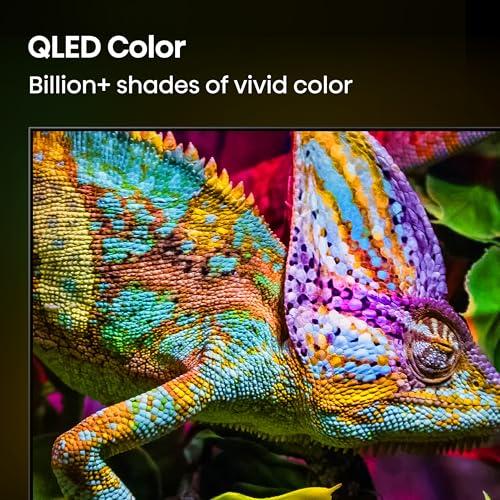
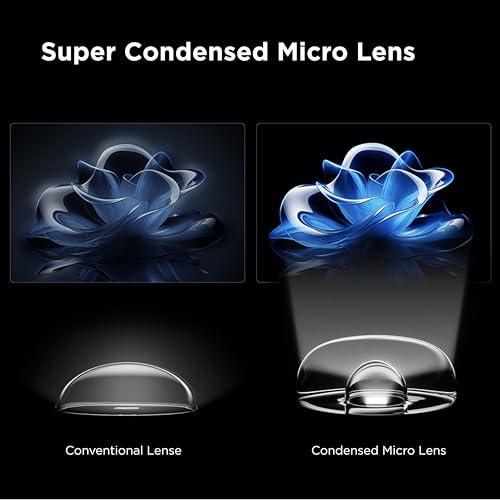
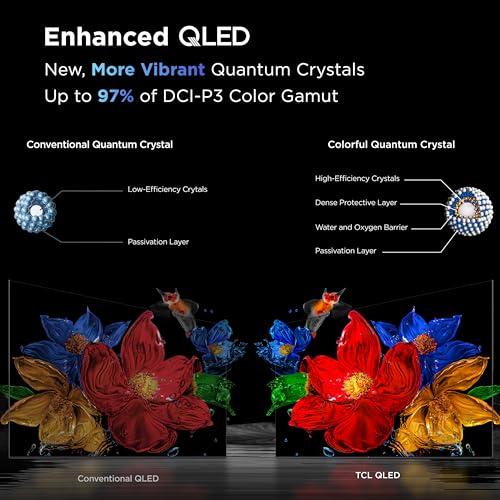
The Hisense 100" U6 uses this Mini-LED approach combined with QLED technology. QLED stands for Quantum Dot LED – essentially, it's a layer of microscopic crystals that emit very pure colors when hit with light. Think of them as tiny color filters that make reds redder, blues bluer, and greens more vibrant.
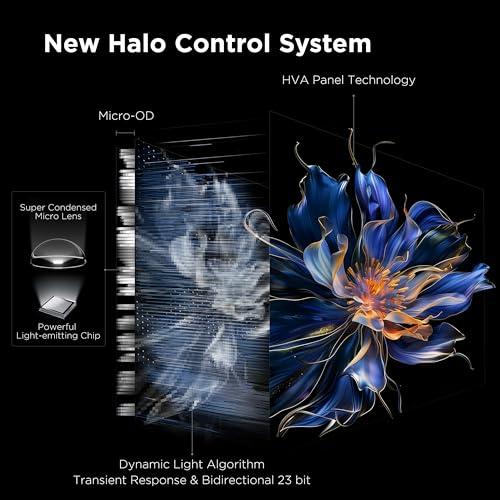
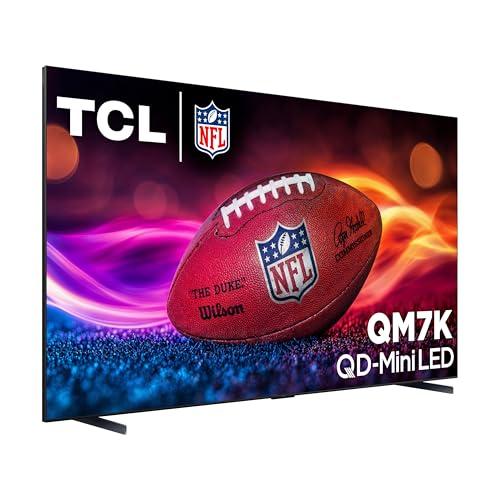
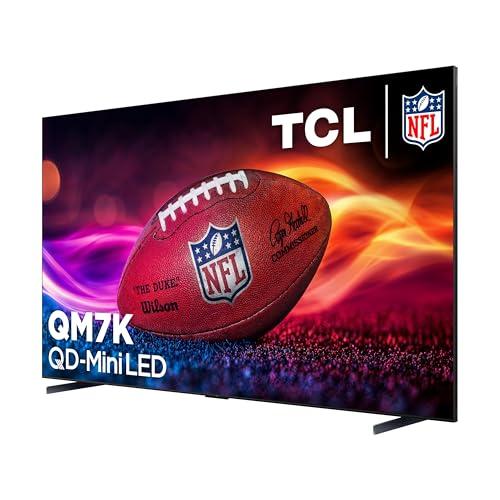
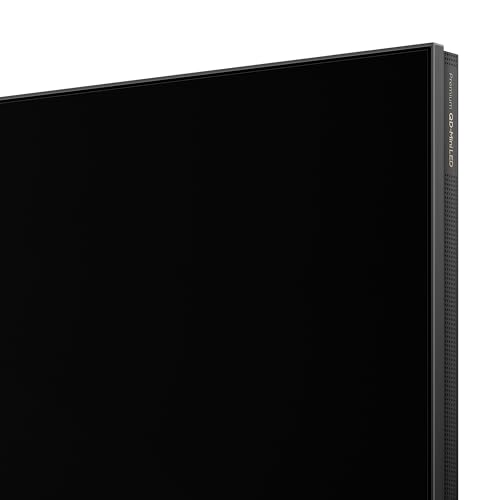
The TCL 115" QM7K takes this concept even further with what they call QD-Mini LED technology, which combines quantum dots with even more sophisticated Mini-LED backlighting. The "QD" stands for Quantum Dot, and TCL's implementation includes their proprietary Halo Control System – a technology designed to eliminate the annoying bright halos you sometimes see around objects in dark scenes.
This is where these two TVs really diverge, and frankly, where your decision might be made. The display technology differences between the Hisense U6 and TCL QM7K are substantial enough that they're almost targeting different audiences.
The Hisense 100" U6 delivers 1,000 nits of peak brightness, which is impressive for any TV and more than enough for most viewing situations. To put that in perspective, a typical LCD TV might hit 400-500 nits, while a bright sunny day measures about 100,000 nits. So 1,000 nits means you can watch HDR content in a reasonably bright room without losing detail in the bright parts of the image. The Mini-LED backlighting provides full array local dimming, meaning different sections of the screen can be independently controlled for better contrast.
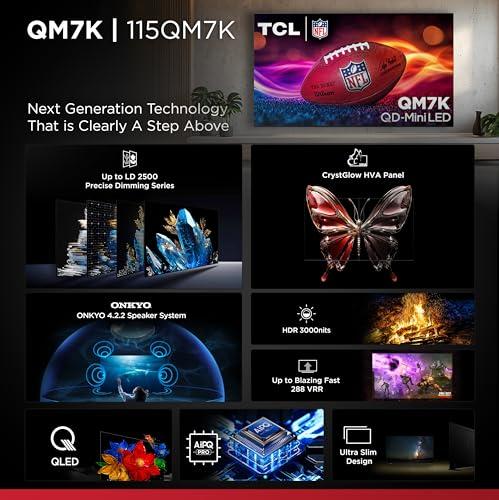
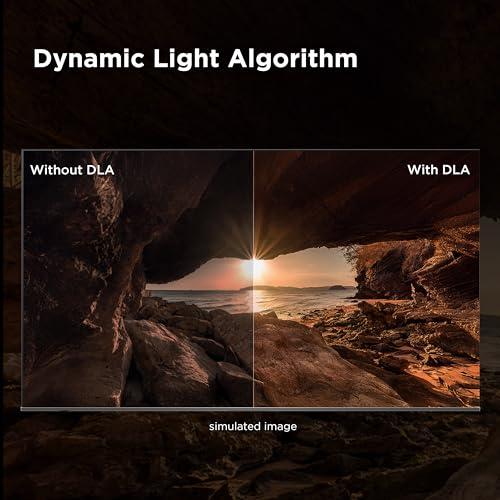
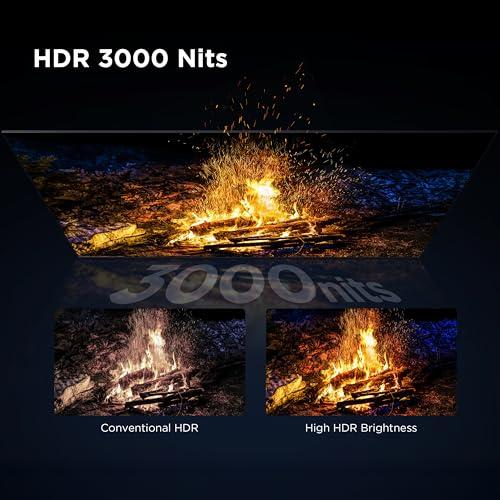
The TCL 115" QM7K, however, is playing in a different league entirely. With up to 3,000 nits of peak brightness and up to 2,500 local dimming zones, it's approaching the performance levels of professional reference monitors. Those 2,500 dimming zones mean the TV can control brightness in incredibly small sections – imagine dividing your screen into 2,500 tiny squares, each with independent brightness control. This level of precision means deeper blacks right next to brilliant whites, with minimal blooming or light spill between different areas of the image.
From our research into professional reviews and user feedback, the brightness difference is immediately noticeable. The TCL QM7K can handle challenging HDR content that would cause the Hisense U6 to compress bright details. If you've ever watched a scene with bright sunlight streaming through a window while characters stand in shadow, the TCL handles these extreme contrast situations more convincingly.
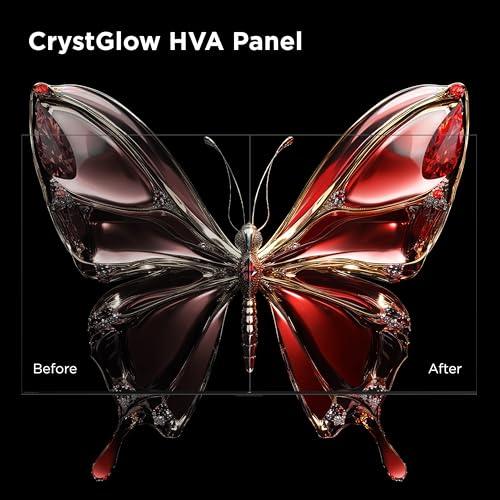
The TCL's CrystGlow HVA panel technology also addresses a common issue with large TVs: viewing angles. Traditional VA panels look great from dead center but can appear washed out when viewed from the side. TCL's implementation maintains color accuracy and contrast even when you're not sitting directly in front of the screen – crucial for a 115" display where not everyone can sit in the sweet spot.
Gaming performance has become increasingly important as PlayStation 5 and Xbox Series X push higher frame rates and more demanding graphics. Both TVs support the key gaming features you need, but with different levels of sophistication.
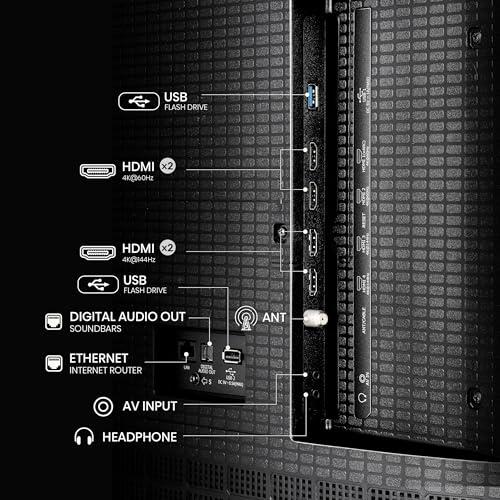
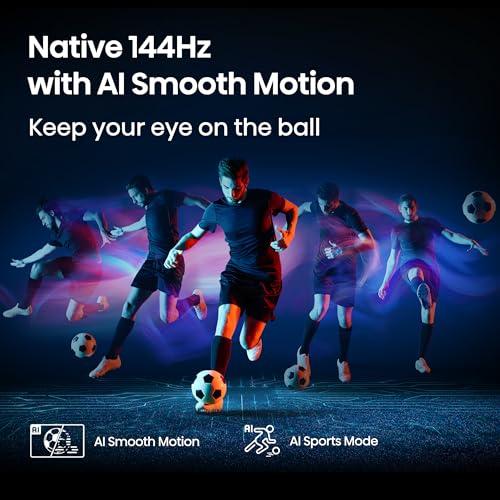
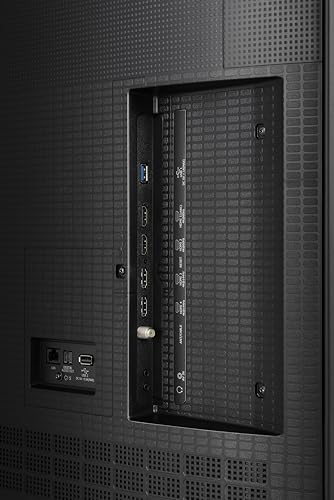
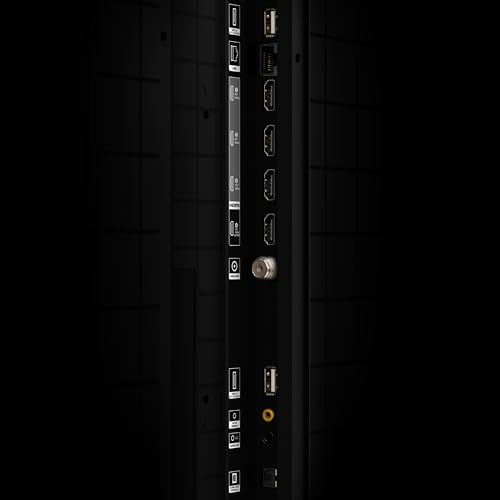
The Hisense 100" U6 offers Game Mode Pro with a 144Hz refresh rate and variable refresh rate (VRR) support from 48Hz to 144Hz. VRR synchronizes the TV's refresh rate with your console's output, eliminating screen tearing and stuttering. It includes two HDMI 2.1 ports, which is the current standard for next-gen gaming consoles. The gaming experience is solid and responsive, with low input lag that won't hold back your reaction times.
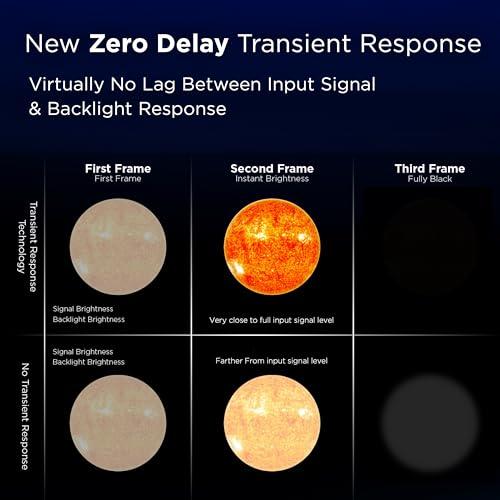
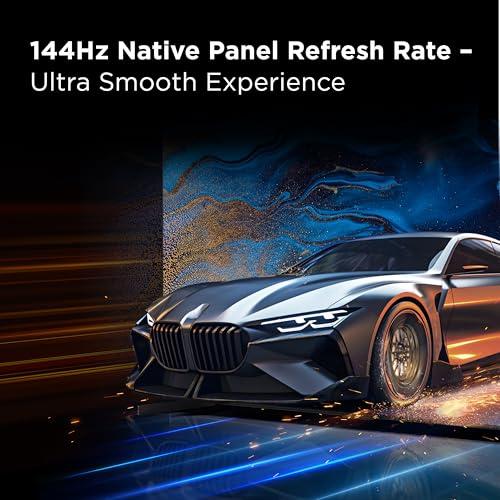
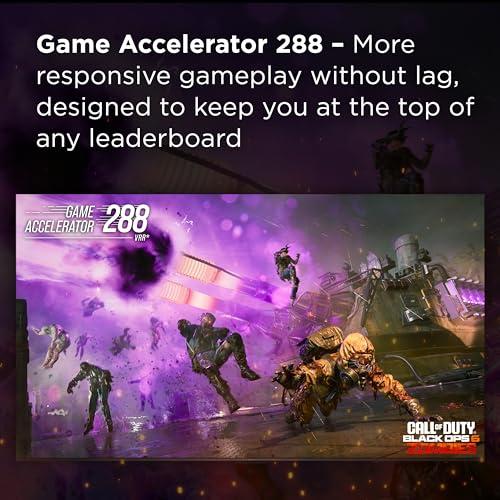
The TCL 115" QM7K takes gaming much more seriously with its Game Accelerator 288 technology, supporting VRR up to 288Hz. While current consoles don't output at 288Hz, this future-proofs the TV for PC gaming and potential console upgrades. The inclusion of AMD FreeSync Premium Pro provides more comprehensive VRR implementation than basic HDMI VRR, with better handling of low frame rate situations.
Based on our analysis of gaming-focused reviews, the TCL consistently delivers lower input lag and more responsive gaming experience. The difference becomes most apparent in fast-paced competitive games where every millisecond matters. For casual gaming, both TVs perform excellently, but serious gamers will appreciate the TCL's additional headroom.
The smart TV platform choice often comes down to personal ecosystem preferences, but there are meaningful differences in execution here.
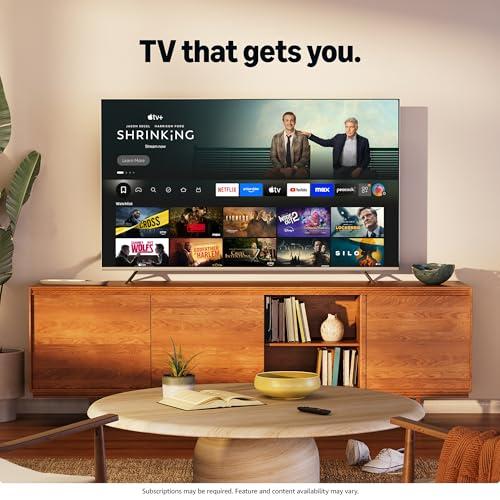
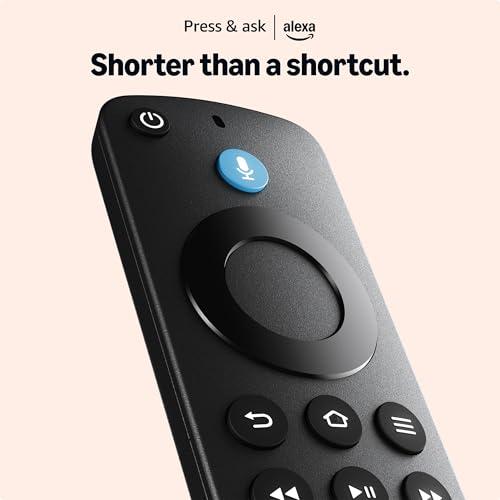
The Hisense U6 runs Fire TV, Amazon's increasingly popular smart platform. Fire TV excels at content aggregation – it pulls together shows and movies from multiple streaming services into a unified interface. The integration with Alexa is seamless, and if you're already invested in Amazon's ecosystem with Prime Video, Echo devices, or Fire tablets, everything works together naturally. The included voice remote handles most functions without needing to get up from the couch.
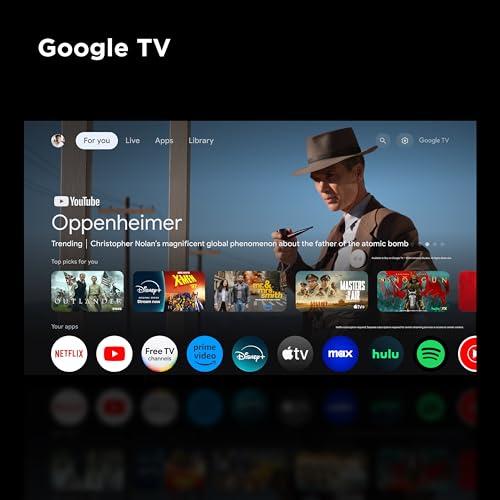
The TCL QM7K uses Google TV, which represents Google's latest evolution of Android TV. The standout feature here is the hands-free voice control through a far-field microphone array built into the TV. You can literally just say "Hey Google" from across the room without picking up a remote. The Google Assistant integration is more comprehensive than Alexa, with better search capabilities and smart home control. Google TV's recommendation engine also tends to be more sophisticated, learning your preferences across different apps and suggesting content accordingly.
From our research into user experiences, both platforms are responsive and feature-rich, but Google TV edges ahead in AI-powered recommendations and voice control convenience. Fire TV wins for Amazon ecosystem integration and content discovery across services.
Audio represents one of the most significant differences between these TVs, and it might influence your total system cost.
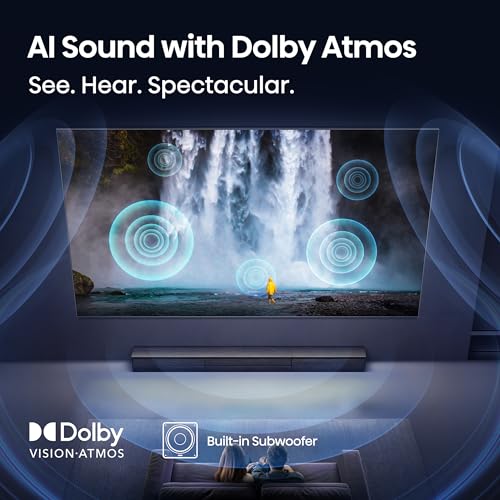
The Hisense 100" U6 includes basic Dolby Atmos support through its built-in speakers, but like most TVs, the audio is adequate rather than impressive. The expectation is that serious home theater enthusiasts will add a soundbar or receiver system. This isn't necessarily a weakness – it allows you to choose your preferred audio solution and potentially save money upfront.
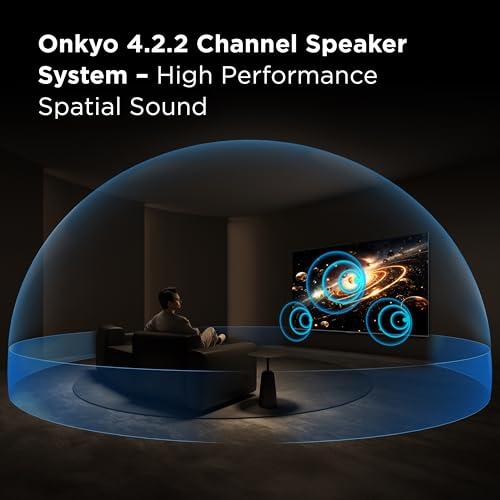
The TCL 115" QM7K takes a dramatically different approach with its Onkyo 4.2.2 speaker system. This isn't marketing speak – it's a genuine 8-speaker, 100-watt audio system with upward-firing drivers for true Dolby Atmos spatial audio. The Bang & Olufsen tuning brings professional audio expertise to the built-in speakers. Based on audio-focused reviews, this system actually sounds good enough that many users won't feel compelled to immediately add external audio.
For home theater applications, this difference matters significantly. If you're planning to add a high-end soundbar or receiver anyway, the Hisense approach makes sense. But if you want an all-in-one solution that sounds genuinely impressive out of the box, the TCL's integrated audio system is a major advantage.
At the time of writing, there's a significant price gap between these TVs that reflects their different market positioning. The Hisense 100" U6 is positioned as a premium value option – bringing Mini-LED technology and massive screen size to a more accessible price point. It's the entry ticket to ultra-large premium TV experience without requiring a flagship budget.
The TCL 115" QM7K commands premium pricing that reflects its flagship specifications. When you factor in the 15-inch size increase (which translates to about 32% more screen area), the superior brightness and local dimming, plus the comprehensive audio system, the price premium becomes more understandable.
However, value calculations get interesting when you compare these TVs to projector systems. A quality 4K projector capable of 100"+ images, plus a proper screen and installation, often costs as much or more than either TV while requiring a completely dark room and more complex setup. Both TVs work excellently in ambient light conditions that would wash out most projectors.
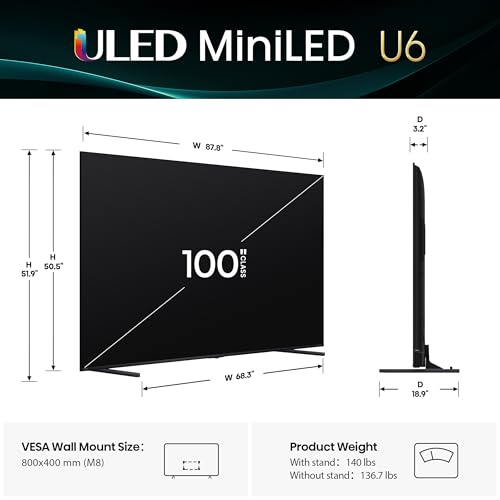
Neither TV is a casual purchase you bring home in your car. Both require professional installation, wall reinforcement considerations, and careful room planning. The Hisense weighs about 140 pounds with its stand, while the TCL is significantly heavier due to its larger size and more complex audio system.
Viewing distance becomes crucial at these sizes. For the 100" Hisense, you'll want to sit 8-12 feet away for optimal experience, while the 115" TCL pushes that to 10-14 feet. Make sure your room can accommodate these distances comfortably.
Power consumption is another factor often overlooked. Both TVs will noticeably impact your electricity bill compared to smaller displays, with the brighter TCL consuming more power during HDR content.
After extensive research into professional reviews, user feedback, and technical specifications, here's our honest assessment of who should choose which TV.
Choose the Hisense 100" U6 Series if you want to experience ultra-large premium TV technology without flagship pricing. It's ideal for Amazon ecosystem users who primarily stream content and do casual gaming. The 100" size is perfect for most residential rooms, and the money saved can go toward a quality soundbar system. This TV represents exceptional value for the core experience of cinema-scale viewing.
The TCL 115" QM7K Series is for enthusiasts who want the absolute best performance and are willing to pay for it. Choose this if you have a dedicated home theater room, do serious gaming, or watch a lot of challenging HDR content. The superior brightness makes it the better choice for rooms with significant ambient light, and the integrated premium audio system simplifies your setup while delivering genuinely impressive sound quality.
For most people stepping up to ultra-large displays for the first time, the Hisense U6 provides an excellent introduction to the category with room to grow your system over time. The TCL QM7K is the choice for those who want to skip the upgrade path and go straight to flagship performance.
Both TVs represent significant advances in display technology compared to what was available just a few years ago. The Mini-LED backlighting, advanced HDR support, and gaming features put them in a different class than traditional large-screen TVs. Your choice ultimately comes down to budget, room size, and how much you value having the absolute cutting-edge performance versus excellent performance at a more accessible price point.
The ultra-large TV category is still evolving rapidly, but both the Hisense U6 and TCL QM7K show where the technology is headed – toward displays that truly can replace dedicated projection systems while offering the convenience and brightness of traditional TVs. Whichever you choose, you're getting a glimpse into the future of home entertainment.
| Hisense 100" U6 Series Mini-LED 4K Fire TV | TCL 115" QM7K Series QD-Mini LED 4K Smart TV 2025 |
|---|---|
| Screen Size - Physical presence and viewing impact | |
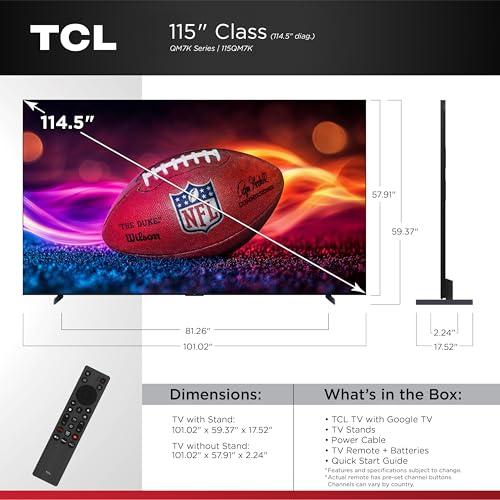
| 100" (99.5" viewable) | 115" (114.5" viewable) - 32% more screen area |
| Peak Brightness - Critical for HDR performance and bright room viewing | |
| 1,000 nits (excellent for most rooms) | 3,000 nits (handles any lighting condition) |
| Local Dimming Zones - Controls contrast and reduces blooming | |
| Full Array Local Dimming (zone count not specified) | Up to 2,500 zones (professional-level precision) |
| Refresh Rate - Smoothness for sports and gaming | |
| 120Hz native, VRR 48-144Hz | 144Hz native, VRR up to 288Hz |
| Gaming Features - Next-gen console optimization | |
| Game Mode Pro, 2x HDMI 2.1 ports | Game Accelerator 288, AMD FreeSync Premium Pro |
| Smart Platform - Interface and ecosystem integration | |
| Fire TV with Alexa built-in | Google TV with hands-free voice control |
| Audio System - Built-in sound quality | |
| Standard TV speakers with Dolby Atmos | Onkyo 4.2.2 system (100W, 8 speakers) |
| Display Technology - Color accuracy and viewing angles | |
| Mini-LED with QLED quantum dots | QD-Mini LED with Halo Control System |
| HDR Support - Premium content compatibility | |
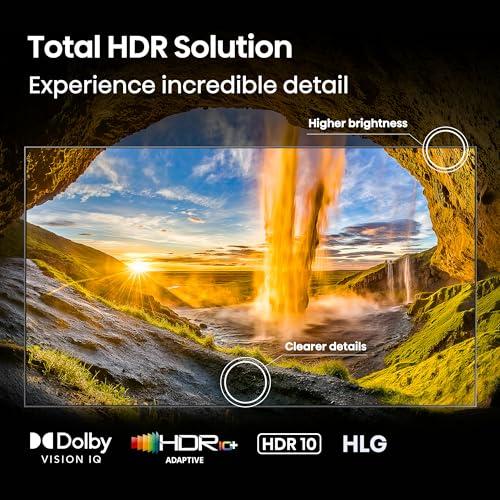
| Dolby Vision IQ, HDR10+, HDR10, HLG | Dolby Vision IQ, HDR10+, HDR10, HLG, IMAX Enhanced |
| Weight (with stand) - Installation complexity | |
| 140 lbs (manageable for most installations) | Significantly heavier due to larger size and audio system |
| Viewing Distance Requirement - Room size compatibility | |
| 8-12 feet optimal | 10-14 feet optimal (requires larger room) |
| Value Positioning - Target buyer | |
| Entry point to ultra-large premium TV experience | Flagship performance for serious home theater enthusiasts |
| Best For - Ideal use cases | |
| Amazon ecosystem users, budget-conscious upgraders, external audio planned | Premium home theaters, serious gaming, all-in-one solutions |
The TCL 115" QM7K Series is significantly larger with a 115-inch screen compared to the Hisense 100" U6 Series at 100 inches. The TCL provides about 32% more viewing area, making it better for very large rooms or dedicated home theater spaces.
The TCL 115" QM7K offers superior picture quality with 3,000 nits peak brightness and up to 2,500 local dimming zones, compared to the Hisense 100" U6's 1,000 nits and fewer dimming zones. This means the TCL handles HDR content better and works well in bright rooms, while the Hisense provides excellent quality for most viewing conditions.
The TCL 115" QM7K is the better gaming TV with 288Hz VRR support, AMD FreeSync Premium Pro, and lower input lag. The Hisense 100" U6 still offers solid gaming with 144Hz refresh rate and Game Mode Pro, making it suitable for most gamers but not as future-proof as the TCL.
The TCL 115" QM7K features an impressive Onkyo 4.2.2 speaker system with 100W and 8 speakers that delivers genuine surround sound. The Hisense 100" U6 has standard TV speakers that are adequate but most users will want to add a soundbar for better audio quality.
The Hisense 100" U6 uses Fire TV, which excels at content discovery and Amazon ecosystem integration. The TCL 115" QM7K runs Google TV with superior AI recommendations and hands-free voice control. Both are excellent, with the choice depending on whether you prefer Amazon or Google services.
The Hisense 100" U6 requires 8-12 feet viewing distance, while the TCL 115" QM7K needs 10-14 feet for optimal viewing. Both require professional installation and wall mounting or very sturdy furniture due to their substantial size and weight.
The Hisense 100" U6 Series provides better value for most buyers, offering premium Mini-LED technology at a more accessible price point. The TCL 115" QM7K justifies its premium pricing with flagship features, larger screen, and superior audio system for enthusiasts wanting the best performance.
Both TVs excel for home theater, but serve different needs. The TCL 115" QM7K is ideal for dedicated theater rooms with its massive screen, high brightness, and integrated premium audio. The Hisense 100" U6 works well in multi-purpose rooms and allows budget for external audio equipment.
The TCL 115" QM7K with 3,000 nits peak brightness handles any lighting condition, including bright rooms with windows. The Hisense 100" U6 at 1,000 nits works well in most rooms but may struggle with very bright ambient lighting during HDR content playback.
The TCL 115" QM7K delivers superior HDR with higher peak brightness, more local dimming zones, and IMAX Enhanced support. The Hisense 100" U6 provides good HDR performance with Dolby Vision IQ and HDR10+ support, suitable for most content but not as impressive in challenging high-contrast scenes.
Yes, both TVs support next-gen gaming consoles. The Hisense 100" U6 offers two HDMI 2.1 ports and solid gaming features. The TCL 115" QM7K provides more advanced gaming support with higher refresh rates and better VRR implementation, making it more future-proof for upcoming console generations.
The Hisense 100" U6 Series is the better choice for first-time ultra-large TV buyers, offering an excellent introduction to the category without flagship pricing. The TCL 115" QM7K is ideal for experienced home theater enthusiasts who want the absolute best performance and have the budget and room space to support it.
We've done our best to create useful and informative comparisons to help you decide what product to buy. Our research uses advanced automated methods to create this comparison and perfection is not possible - please contact us for corrections or questions. These are the sites we've researched in the creation of this article: bestbuy.com - rtings.com - youtube.com - rtings.com - youtube.com - youtube.com - costco.com - pcrichard.com - hisense-usa.com - electronicexpress.com - pcrichard.com - circuitworldonline.com - bestbuy.com - bestbuy.com - premiumincentive.com - hisense-usa.com - hisense-usa.com - pcrichard.com - rtings.com - bestbuy.com - hisense-usa.com - avsforum.com - bestbuy.com - tomsguide.com - techradar.com - youtube.com - rtings.com - youtube.com - youtube.com - youtube.com - avsforum.com - abt.com - bestbuy.com - tcl.com - avsforum.com - tcl.com - rcwilley.com - tcl.com - valueelectronics.com - bestbuy.com - tcl.com - tcl.com - tcl.com - tcl.com

Privacy Policy
Terms and Conditions - Affiliate Policy
Home Security
© Copyright 2008-2026.
11816 Inwood Rd #1211, Dallas, TX 75244