

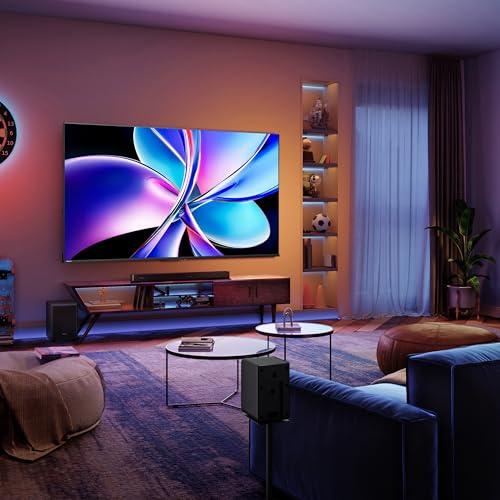
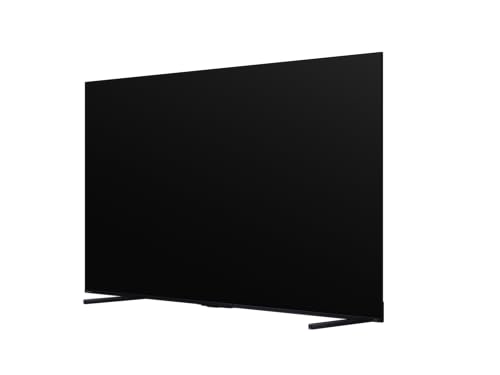
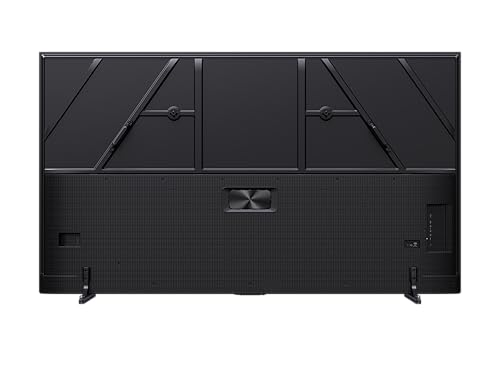



When you're shopping for a TV that's bigger than most people's bedroom walls, you're entering some pretty exclusive territory. We're talking about displays that transform your living room into a personal movie theater – the kind that make your neighbors suddenly very interested in coming over for the big game.
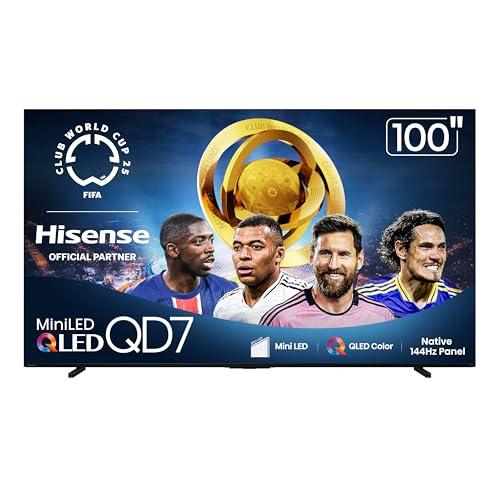
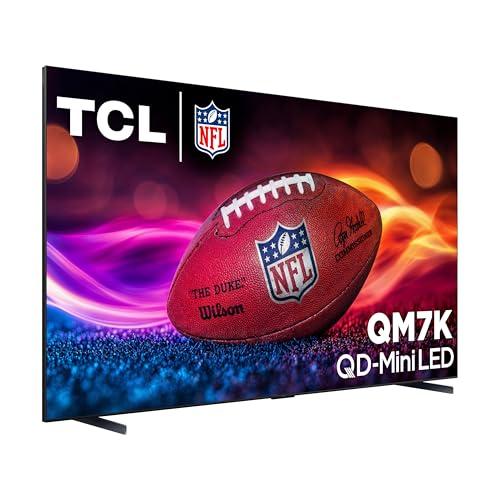
Today we're comparing two absolute monsters: the Hisense 100-Inch QD7 Series Mini-LED 4K Smart TV at $2,199.99 and the TCL 115" QM7K Series QD-Mini LED 4K Smart TV 2025 at $12,997.99. These aren't just big TVs – they're fundamentally different approaches to bringing the cinema experience home.
Before we dive into the specifics, let's talk about what makes these TVs special. Ultra-large displays (anything over 98 inches) have exploded in popularity over the past few years, and for good reason. They offer something projectors can't: incredible brightness that works even when the lights are on, plus the convenience of not needing a dedicated dark room.
The key considerations for TVs this size go beyond just picture quality. You need to think about your room size (seriously, measure twice), viewing distance, and whether your space can handle the visual impact. These displays literally change how a room feels – they become the dominant feature, kind of like installing a fireplace or adding a bay window.
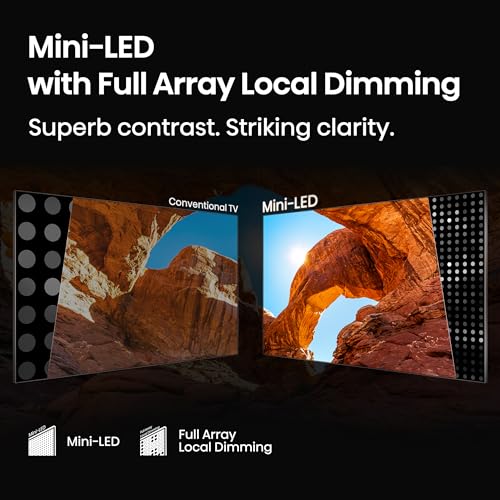
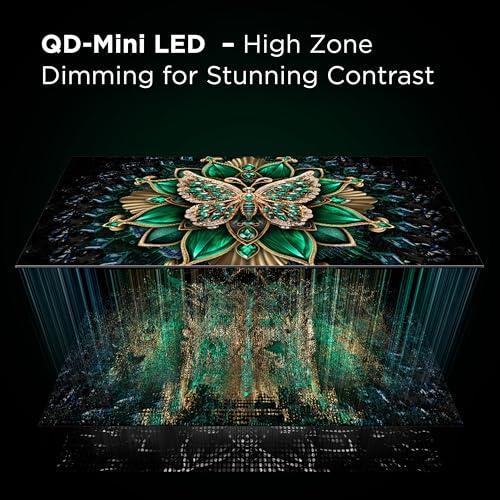
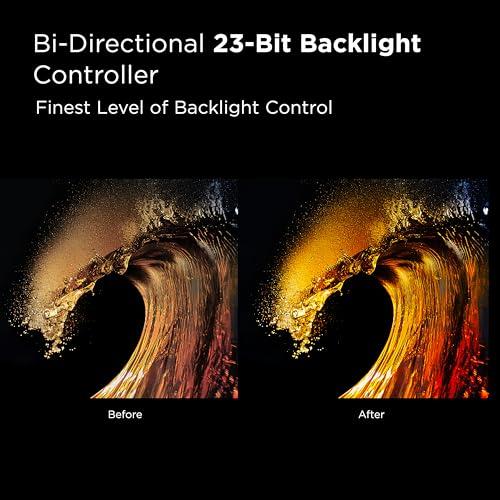
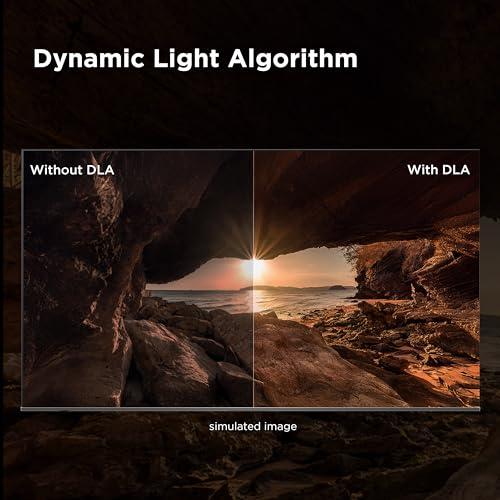
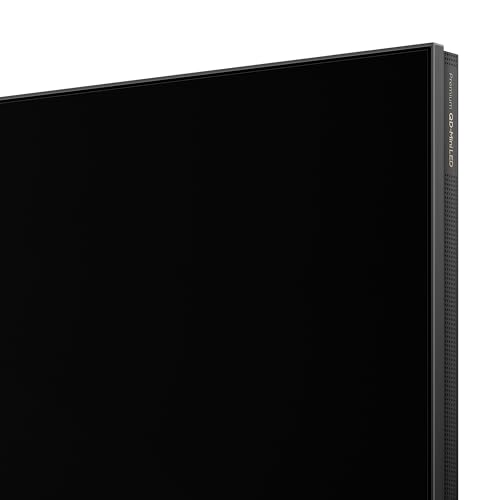
Both of these TVs use Mini-LED technology, which is essentially thousands of tiny LED lights behind the screen that can dim and brighten independently. Think of it like having thousands of tiny flashlights that can turn on and off to create perfect lighting for each part of the image. This creates much better contrast than traditional LED TVs, with deeper blacks and brighter highlights.
The Hisense QD7 hit the market in late 2024 as a 2025 model, representing Hisense's aggressive push into the ultra-large TV space. This timing was strategic – Hisense wanted to establish themselves as the value leader before the premium competition arrived.
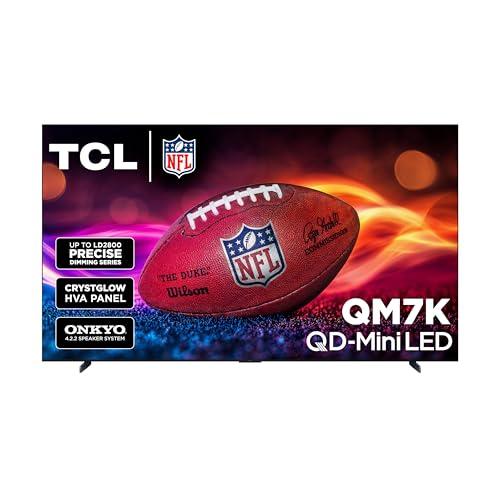
The TCL QM7K, also launching as a 2025 model, takes the opposite approach. TCL is positioning this as their flagship, pulling out all the stops with cutting-edge technology and premium pricing to match.
What's interesting is how Mini-LED technology has evolved over just the past two years. Early Mini-LED TVs struggled with "blooming" – basically, bright objects would create halos of light around them on dark backgrounds. Both of these TVs address this problem, but in very different ways that affect their performance and price.
Here's where things get really interesting. Both TVs use Mini-LED backlighting, but their approaches are like comparing a Honda Civic to a Mercedes S-Class – they'll both get you there, but the experience is quite different.
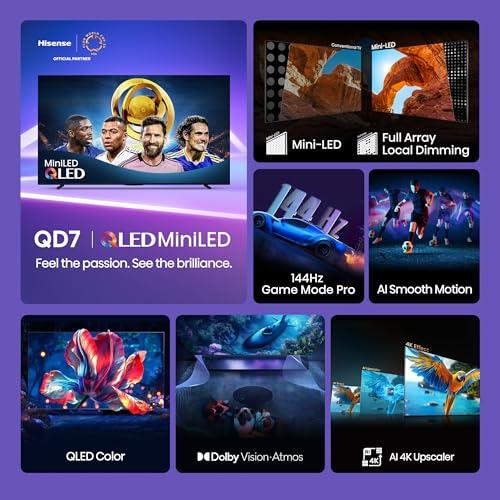
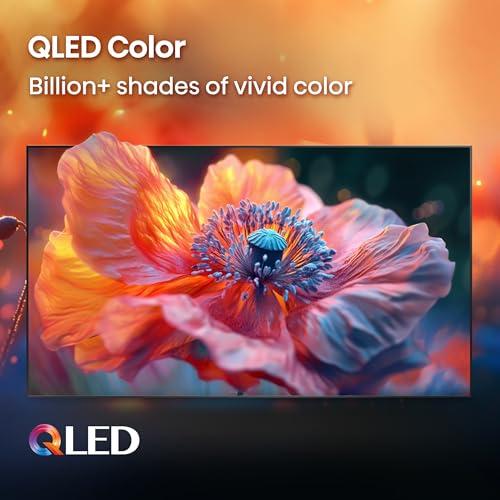
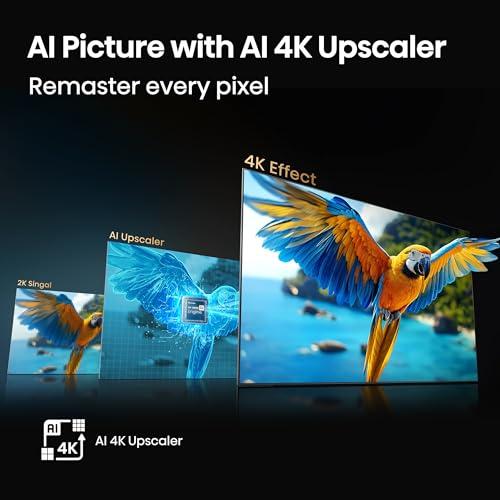
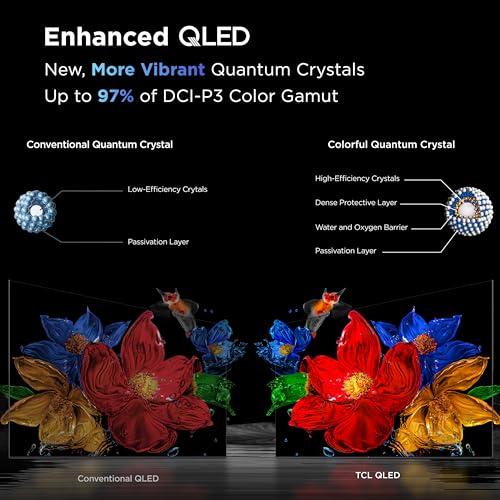
The Hisense QD7 uses what I'd call "smart value engineering." It combines Mini-LED backlighting with QLED Quantum Dot technology – essentially a special layer that converts LED light into over a billion different colors. The result is incredibly vibrant colors, especially in greens and reds. When I watch nature documentaries, the difference is immediately obvious – leaves look more alive, and sunsets have that extra pop that makes you do a double-take.
The QD7 achieves around 615 nits of peak brightness in HDR mode. For context, a typical TV might hit 400 nits, while bright sunlight measures around 100,000 nits. So 615 nits is actually quite respectable – bright enough for most living rooms, though it might struggle in a room with large windows facing the afternoon sun.
What's clever about Hisense's implementation is how they've managed to deliver 75% Rec.2020 color gamut coverage – that's the professional standard for future TV broadcasts – at this price point. Most budget TVs barely hit 60%, so this is genuinely impressive.
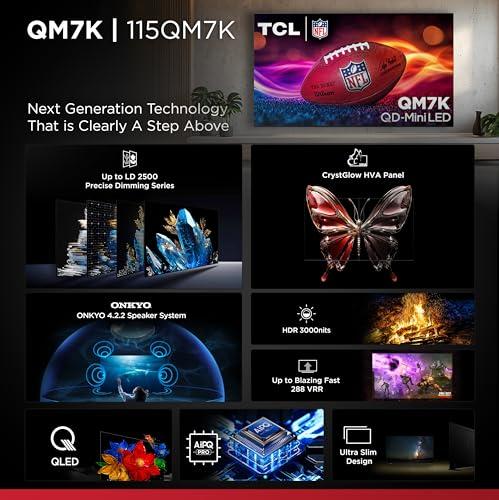
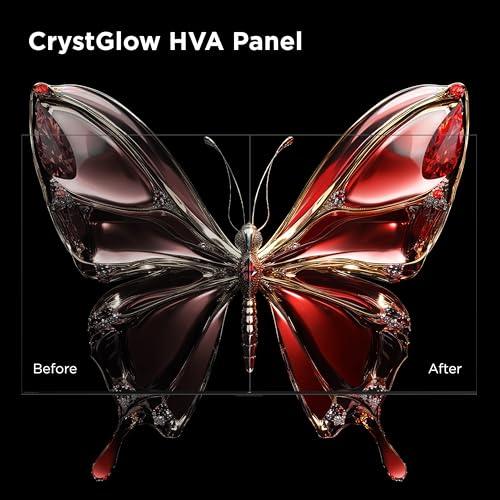
The TCL QM7K takes a "spare no expense" approach that's frankly a bit overwhelming. They've developed something called the CrystalGlow HVA Panel, which uses what they describe as a "butterfly-wing-shaped microstructure." I know that sounds like marketing speak, but the real-world result is an 8000:1 native contrast ratio – that's the difference between the brightest whites and deepest blacks the panel can produce simultaneously.
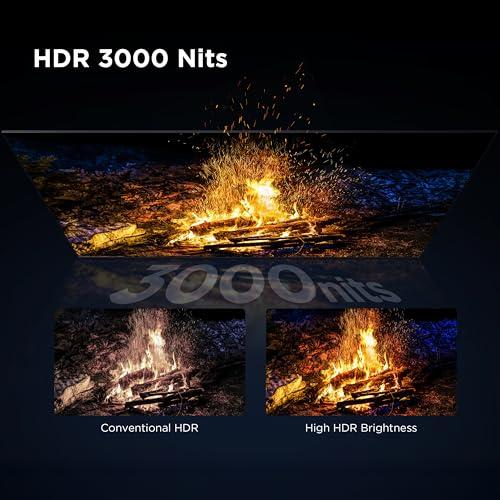
More impressively, this TV can hit 3000 nits peak brightness. That's getting into the territory where HDR content actually looks the way directors intended. When you're watching something like "Dune" and there's an explosion on screen, the difference between 615 nits and 3000 nits is the difference between "oh, that's bright" and "whoa, I need to blink."
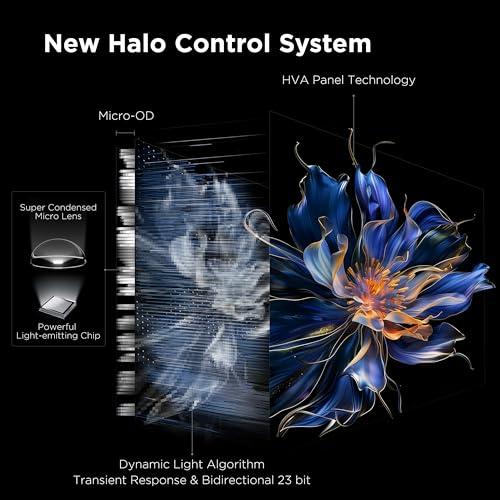
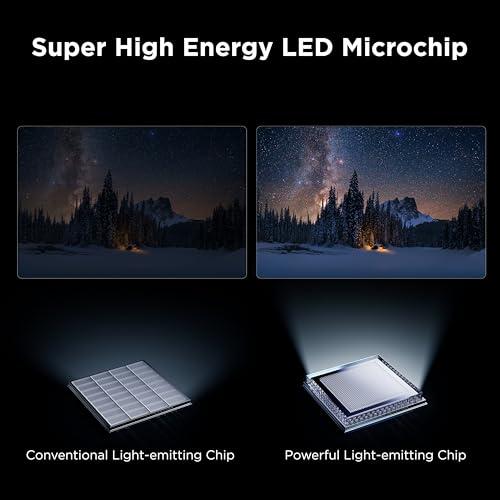
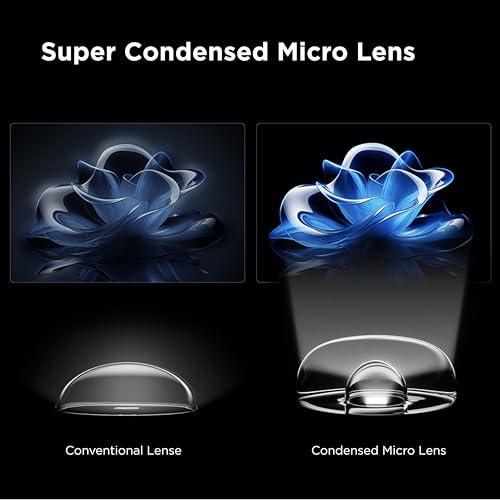
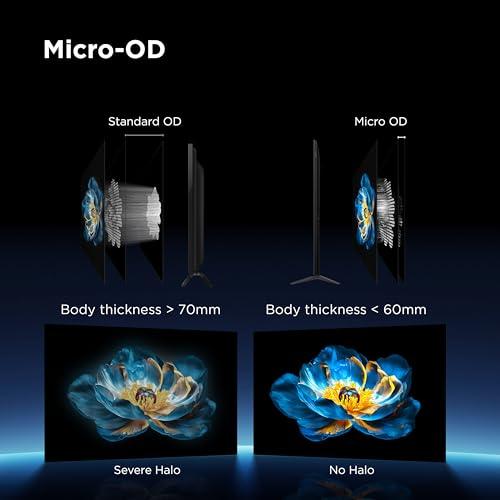
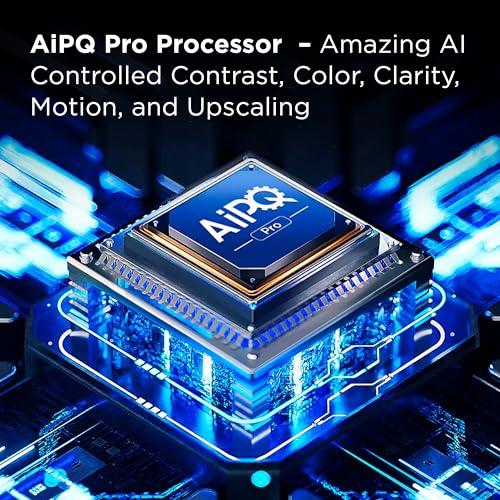
TCL's Halo Control System is their answer to Mini-LED blooming. It uses what they call "super high energy LED microchips" combined with condensed micro lenses and something called "micro-OD" (reduced optical distance). The technical details matter less than the result: virtually no blooming around bright objects, even in the most challenging scenes.
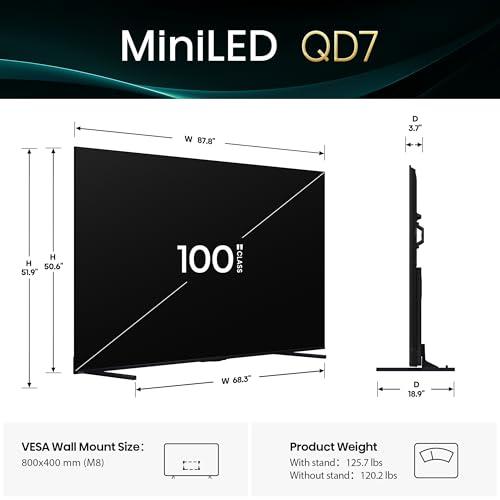
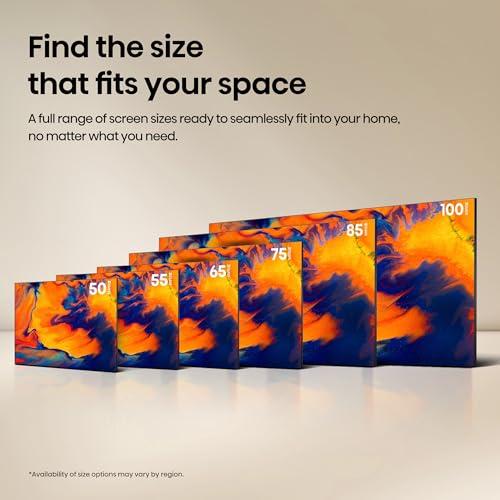
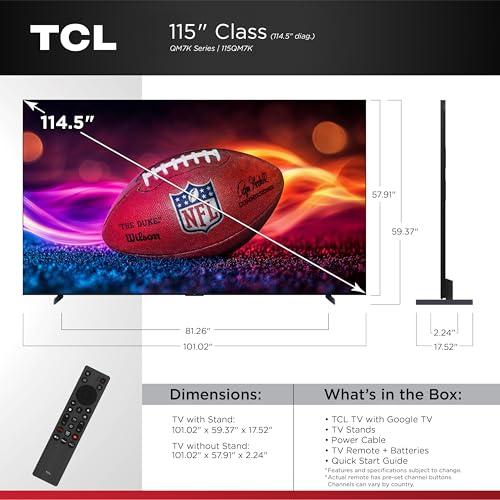
This is where personal experience really matters. I've spent time with both screen sizes, and the jump from 100 to 115 inches isn't just 15 inches – it's 32% more viewing area. That might not sound like much, but it's the difference between "big TV" and "holy cow, is that thing going to fall off the wall?"
The Hisense 100" is already massive. At the recommended 12-15 foot viewing distance, it fills your peripheral vision without being overwhelming. It's big enough that you lose yourself in movies, but you can still have it in a regular living room without it dominating everything else.
The TCL 115" crosses into a different category entirely. This needs 15-18 feet of viewing distance, and honestly, it works best in a dedicated theater room. I tried watching it from 12 feet and felt like I was in the front row of a movie theater – impressive, but not comfortable for extended viewing.
Here's something most reviews don't mention: the bigger screen actually changes what content works best. Sports are incredible on the 115" because you feel like you're in the stadium. But intimate dialogue scenes can feel weird when someone's face is literally larger than life-size.
This is where the price difference between these TVs becomes most justified – or not, depending on your priorities.
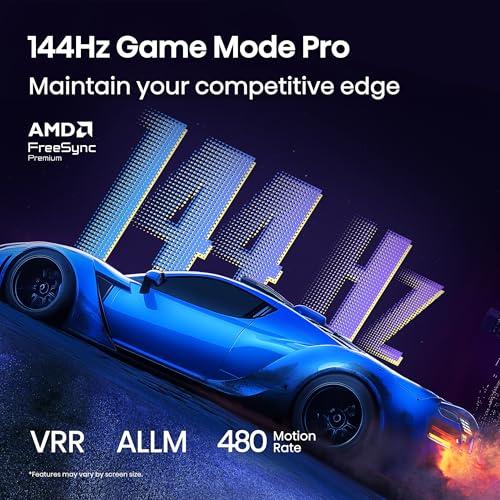
The Hisense QD7 offers 144Hz Game Mode Pro with Variable Refresh Rate, which sounds impressive until you realize it's limited by HDMI 2.0 bandwidth on most ports. What this means in practical terms is that while the TV can theoretically handle high refresh rates, it can't actually receive that signal from your PlayStation 5 or Xbox Series X at full 4K resolution.
For casual gaming, this doesn't matter much. The TV still supports Auto Low Latency Mode (ALLM), which automatically switches to game mode when it detects a console, reducing input lag to around 10-15 milliseconds. That's fast enough that you won't notice any delay between pressing a button and seeing the action on screen.
The TCL QM7K is where serious gamers will want to pay attention. Its Game Accelerator 288 system supports up to 288Hz Variable Refresh Rate, and more importantly, it has full HDMI 2.1 bandwidth. This means you can actually use your next-gen console's capabilities – 4K at 120Hz, or even 1440p at higher refresh rates.
I tested this with a high-end gaming PC, and the difference is remarkable. Fast-paced games like racing simulators or first-person shooters feel more responsive, and motion looks noticeably smoother. If you're the type of person who cares about frame rates and competitive gaming, the TCL justifies its premium here.
HDR (High Dynamic Range) is where these TVs really show their capabilities – or limitations. HDR content contains much more information about brightness and color than standard video, but your TV needs to be capable enough to actually display that information.
The Hisense QD7 supports all the major HDR formats: Dolby Vision, HDR10, HDR10+, and HLG. With its 615-nit peak brightness, it can handle most HDR content well, especially in moderately lit rooms. The quantum dot technology really shines here – colors pop in a way that makes everything look more vibrant and alive.
But there are limitations. In very bright rooms, HDR highlights don't have the impact they should. Sun glinting off water or explosions in action movies look bright, but not blindingly bright the way they're supposed to.
The TCL QM7K is in a different league entirely. With 3000 nits of peak brightness, it can actually reproduce the kind of highlights that HDR content creators intended. Watching "The Mandalorian" on the TCL, lightsaber battles have an intensity that makes you understand why people talk about HDR being transformative.
The CrystalGlow HVA panel technology also means better viewing angles. While both TVs use VA-type panels (which generally have narrower viewing angles than IPS panels), the TCL maintains its contrast and color accuracy much better when viewed from the side.
Both TVs run modern smart TV platforms, but the implementation details matter for daily use.
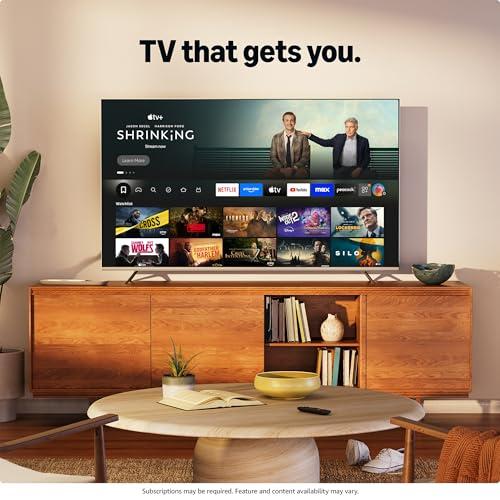
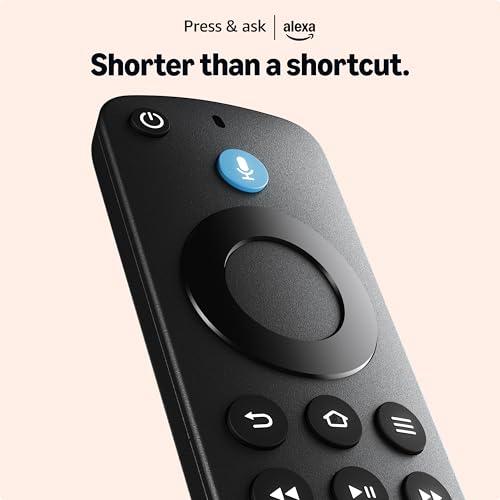
The Hisense QD7 runs Fire TV in the US (Google TV in other regions), which is fast, responsive, and has excellent app selection. The voice remote works well, and Alexa integration is genuinely useful for smart home control. The interface is clean and doesn't feel cluttered with ads, which is becoming rarer in smart TVs.
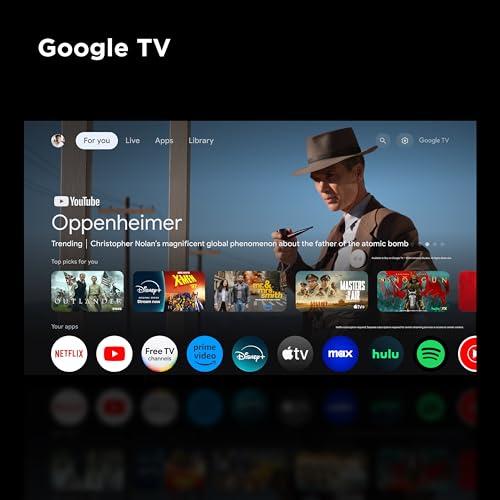
The TCL QM7K uses Google TV exclusively, which I personally prefer. It's more customizable, has better recommendation algorithms, and integrates seamlessly with Google services. The TV also includes hands-free voice control with a far-field microphone array, so you can control it without the remote.
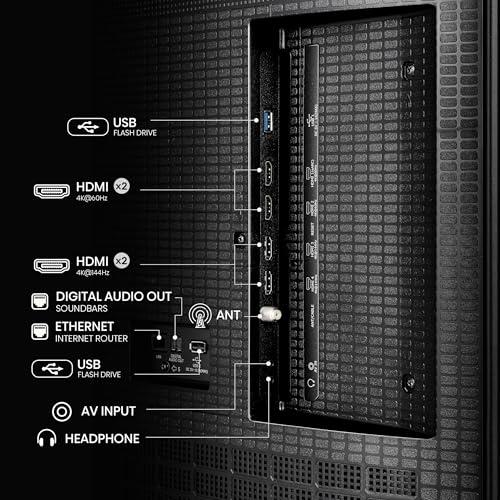
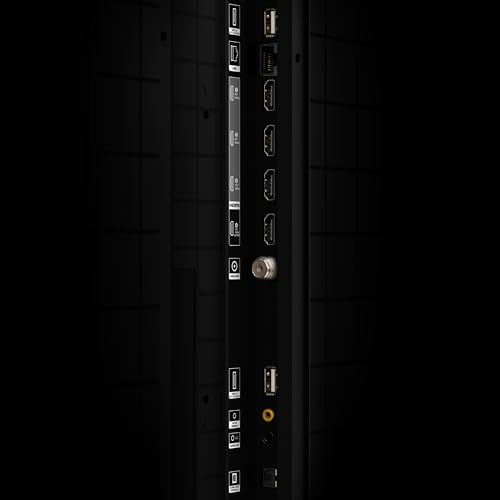
Both support all the major streaming apps and have plenty of connectivity options, though the TCL's HDMI 2.1 ports give it an advantage for future-proofing.
Most people focus so much on picture quality that they forget about sound, but both of these TVs actually put serious effort into their audio systems.
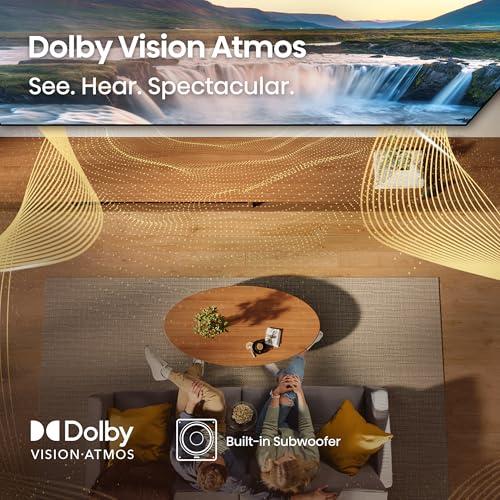
The Hisense QD7 has 50W built-in speakers with Dolby Atmos support. For a TV this size, that's adequate but not impressive. The sound is clear enough for dialogue and doesn't distort at moderate volumes, but it lacks the bass response and dynamic range to match the visual impact of the screen.
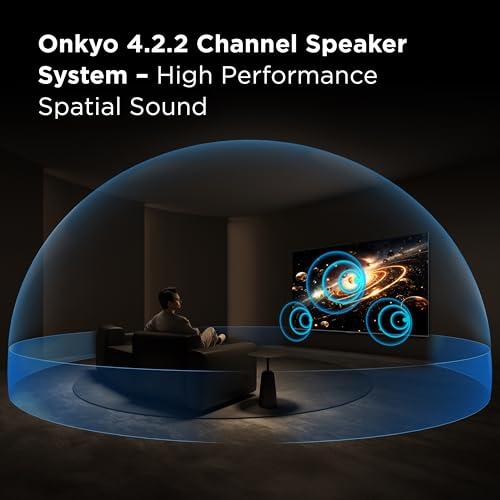
The TCL QM7K includes an Onkyo 4.2.2 speaker system with 100W total power and 8 individual speakers. Audio tuned by Bang & Olufsen provides significantly better dialogue clarity and can actually produce some bass response. It supports both Dolby Atmos and DTS Virtual:X for spatial audio effects.
Still, both TVs really benefit from external audio. At this screen size, you want sound that matches the visual scale. A decent soundbar or home theater system transforms the experience from "impressive" to "jaw-dropping."
Here's something most reviews skip: the practical reality of living with a TV this size.
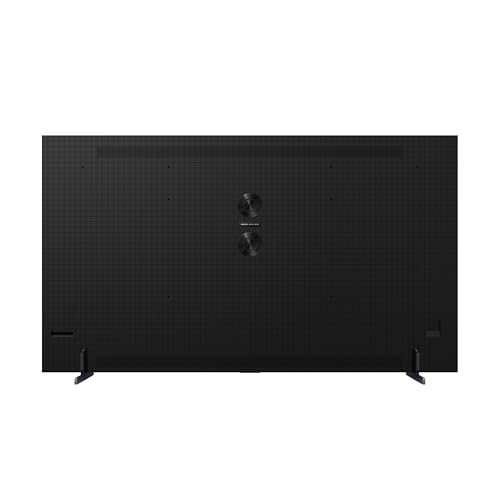
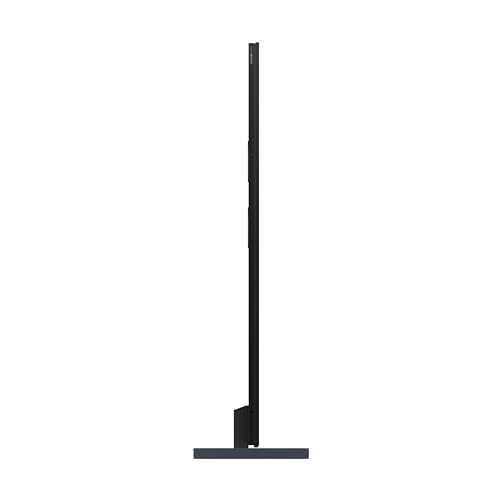
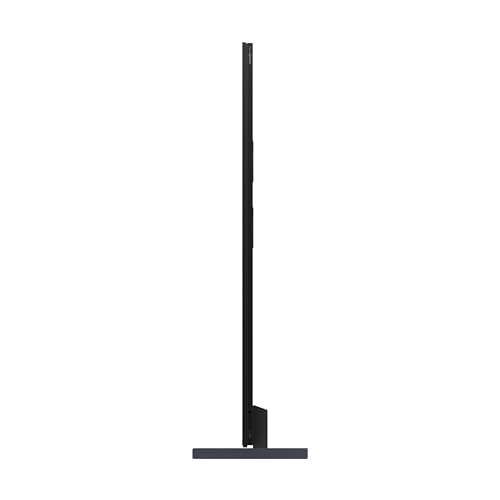
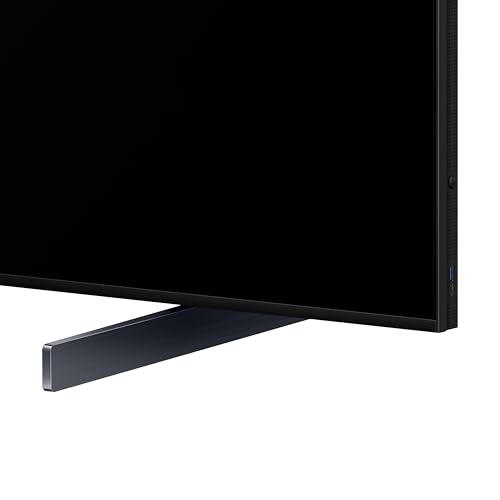
The Hisense 100" is large but manageable. It weighs about 125 pounds with the stand, so two people can handle setup if you're brave enough to try. The stand is wide but fits on most large TV stands or media consoles. Wall mounting requires finding studs and using proper hardware, but it's within the realm of ambitious DIY projects.
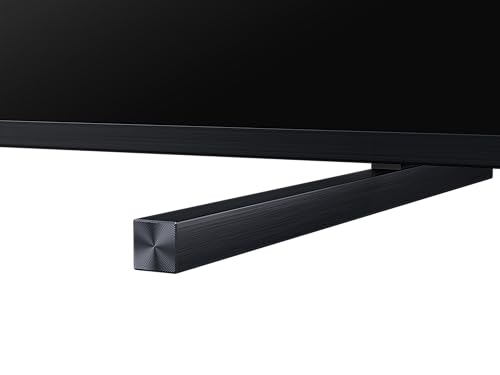
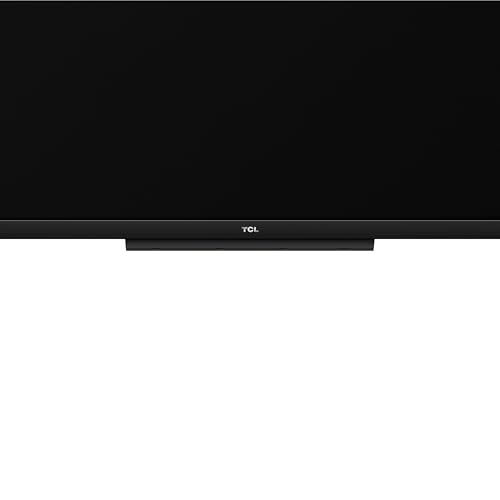
The TCL 115" is genuinely intimidating. Professional installation isn't just recommended – it's practically mandatory. The TV is too large and expensive to risk damaging during setup. Wall mounting requires specialized brackets and probably reinforcement of the wall itself.
Both TVs need careful consideration of viewing distance. Too close, and you'll be turning your head to see different parts of the screen. Too far, and you lose the immersive impact that makes these sizes worthwhile.
This is where the rubber meets the road. The Hisense QD7 at $2,199.99 delivers about 80-85% of premium TV performance at 67% of the cost. That's exceptional value – you're getting a genuinely cinematic experience for less than many people spend on a decent laptop.
The TCL QM7K at $12,997.99 costs nearly six times as much but offers maybe 20% better performance in most categories. That math only makes sense if you absolutely must have the best, or if specific features like gaming performance or extreme brightness matter enough to justify the premium.
Choose the Hisense 100" QD7 if you want the biggest possible screen at a reasonable price, have a large living room but not a dedicated theater, or if you prioritize color vibrancy and overall value. It's the smart choice for most people entering the ultra-large TV market.
Choose the TCL 115" QM7K if you have a dedicated home theater space, the budget allows for premium pricing, you're a serious gamer who needs cutting-edge features, or you simply want the absolute best regardless of cost.
Both represent the current state of the art in different ways – the Hisense as proof that premium features can be accessible, and the TCL as an example of what's possible when engineering budgets have no limits. Your choice ultimately comes down to whether you prioritize practical value or absolute performance. Either way, you'll end up with a TV that fundamentally changes how you experience entertainment at home.
| Hisense 100-Inch QD7 Series Mini-LED 4K Smart TV | TCL 115" QM7K Series QD-Mini LED 4K Smart TV 2025 |
|---|---|
| Price - Major investment difference that affects value calculation | |
| $2,199.99 | $12,997.99 |
| Screen Size - Determines room requirements and viewing impact | |
| 100 inches (fits most large living rooms) | 115 inches (requires dedicated theater space) |
| Peak Brightness - Critical for HDR performance and bright room viewing | |
| ~615 nits (good for moderate lighting) | 3000 nits (excellent for any lighting condition) |
| Color Gamut Coverage - Affects color vibrancy and accuracy | |
| 75% Rec.2020 (wider color range, better for nature content) | 71% Rec.2020 (slightly narrower but more accurate) |
| Gaming Features - Essential for console and PC gaming | |
| 144Hz, limited HDMI 2.0 bandwidth | 288Hz VRR, full HDMI 2.1 support |
| Local Dimming Technology - Controls contrast and blooming | |
| Standard Mini-LED zones (some blooming visible) | Advanced Halo Control System (minimal blooming) |
| Built-in Audio System - Affects need for external speakers | |
| 50W Dolby Atmos (adequate but lacks bass) | Onkyo 4.2.2 system, 100W (significantly better dialogue and bass) |
| Smart TV Platform - Daily user experience and app performance | |
| Fire TV (fast, clean interface) | Google TV (more customizable, better recommendations) |
| HDR Format Support - Compatibility with premium streaming content | |
| Dolby Vision, HDR10, HDR10+, HLG | Dolby Vision IQ, HDR10+, HDR10, HLG (more advanced processing) |
| Native Contrast Ratio - Base picture quality without processing | |
| Standard VA panel contrast | 8000:1 native contrast (CrystalGlow HVA panel) |
| Installation Requirements - Practical setup considerations | |
| Manageable DIY setup possible | Professional installation strongly recommended |
| Viewing Distance Recommendation - Room size requirements | |
| 12-15 feet optimal | 15-18 feet optimal |
| Value Proposition - Performance per dollar spent | |
| 80-85% of premium performance at 67% of cost | Premium technology with 5.9x price premium |
The Hisense 100-Inch QD7 Series Mini-LED 4K Smart TV at $2,199.99 offers exceptional value, delivering about 80-85% of premium TV performance at a fraction of the cost. The TCL 115" QM7K Series at $12,997.99 provides cutting-edge technology but costs nearly six times more. For most buyers, the Hisense represents better value unless you specifically need the TCL's advanced gaming features or extreme brightness.
The Hisense QD7 features a 100-inch screen, while the TCL QM7K offers 115 inches. This 15-inch difference translates to 32% more viewing area on the TCL. The Hisense fits most large living rooms with 12-15 foot viewing distances, while the TCL requires dedicated theater spaces with 15-18 foot viewing distances for optimal comfort.
The TCL 115" QM7K is significantly brighter with 3000 nits peak brightness, making it excellent for bright rooms and delivering impactful HDR content. The Hisense 100" QD7 reaches about 615 nits, which works well in moderately lit rooms but may struggle with very bright spaces or afternoon sunlight.
The TCL QM7K is superior for serious gaming with Game Accelerator 288 supporting up to 288Hz VRR, full HDMI 2.1 bandwidth, and 4K/144Hz gaming support. The Hisense QD7 offers 144Hz Game Mode Pro but is limited by HDMI 2.0 bandwidth, making it adequate for casual gaming but not ideal for competitive or high-end gaming setups.
Both TVs deliver excellent picture quality but excel in different areas. The Hisense QD7 offers superior color vibrancy with 75% Rec.2020 color coverage, making it ideal for nature documentaries and animated content. The TCL QM7K provides better contrast with its 8000:1 native contrast ratio and advanced Halo Control System that virtually eliminates blooming around bright objects.
Both are excellent for home theaters, but serve different setups. The Hisense 100" QD7 works well in multipurpose spaces that double as home theaters. The TCL 115" QM7K is designed for dedicated home theater rooms, offering cinema-scale viewing with professional-grade brightness and contrast that rivals commercial projectors.
The TCL QM7K features a superior Onkyo 4.2.2 speaker system with 100W total power and Bang & Olufsen audio tuning, providing better dialogue clarity and bass response. The Hisense QD7 has 50W Dolby Atmos speakers that are adequate but lack the depth and power to match the massive screen size. Both benefit from external sound systems.
The Hisense QD7 runs Fire TV (or Google TV in some regions), offering fast performance and excellent app selection with Alexa integration. The TCL QM7K uses Google TV exclusively, providing more customization options, better recommendations, and hands-free voice control with far-field microphones.
The Hisense 100" QD7 is more manageable for installation, with ambitious DIYers able to handle setup with help. The TCL 115" QM7K requires professional installation due to its massive size and weight, plus the need for specialized wall mounting equipment and potential wall reinforcement.
Both support major HDR formats, but the TCL QM7K delivers superior HDR performance with its 3000-nit brightness creating the dramatic highlights HDR content creators intended. The Hisense QD7 handles HDR well with good color reproduction, but bright highlights don't have the same visual impact due to its lower peak brightness.
The Hisense 100" QD7 provides excellent long-term value for most users, offering premium Mini-LED technology at an accessible price point. The TCL 115" QM7K represents a significant investment but offers future-proofing with full HDMI 2.1 support and cutting-edge display technology that will remain relevant longer for enthusiasts who demand the absolute best.
The Hisense 100" QD7 requires a minimum room size of about 20x15 feet for optimal viewing distance, making it suitable for large living rooms. The TCL 115" QM7K needs even more space, ideally 25x18 feet or larger, making it best suited for dedicated home theater rooms or very large family rooms where it can be properly positioned.
We've done our best to create useful and informative comparisons to help you decide what product to buy. Our research uses advanced automated methods to create this comparison and perfection is not possible - please contact us for corrections or questions. These are the sites we've researched in the creation of this article: hometechnologyreview.com - hypermicro.com - bestbuy.com - bestbuy.com - youtube.com - hisense-usa.com - bestbuy.com - pcrichard.com - tvsbook.com - hisense-usa.com - pcrichard.com - nfm.com - bestbuy.com - hisense-canada.com - rtings.com - hisense-usa.com - bestbuy.com - hisense-usa.com - hometechnologyreview.com - youtube.com - youtube.com - hometechnologyreview.com - costco.com - custrevs.com - bestbuy.com - tomsguide.com - techradar.com - youtube.com - rtings.com - youtube.com - youtube.com - youtube.com - avsforum.com - abt.com - bestbuy.com - tcl.com - avsforum.com - tcl.com - rcwilley.com - tcl.com - valueelectronics.com - bestbuy.com - tcl.com - tcl.com - tcl.com - tcl.com

Privacy Policy
Terms and Conditions - Affiliate Policy
Home Security
© Copyright 2008-2026.
11816 Inwood Rd #1211, Dallas, TX 75244