



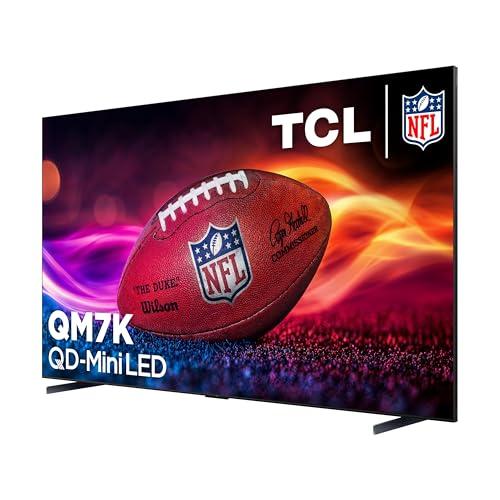
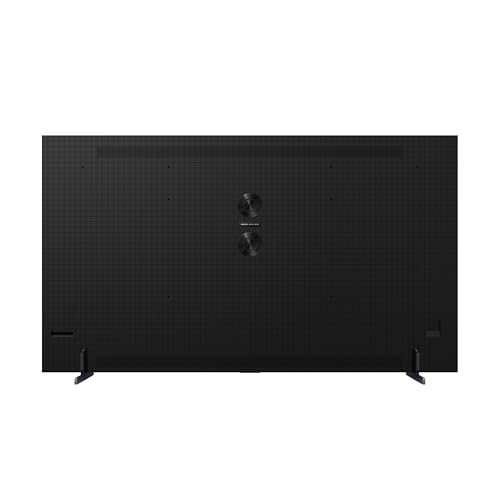
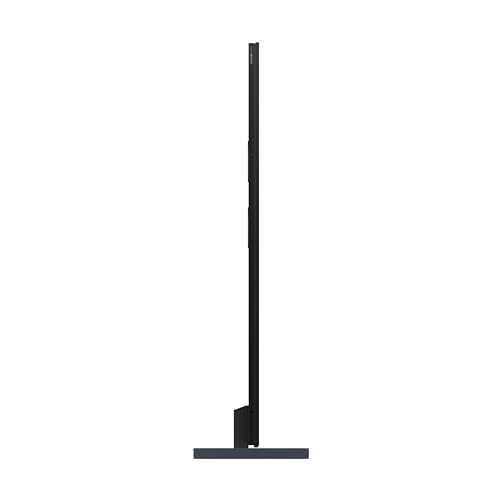

When you're shopping for a TV that's nearly 10 feet wide, you're entering a whole different world of home entertainment. These ultra-large displays—anything 95 inches and above—aren't just bigger versions of regular TVs. They're designed to transform your living room into something approaching a commercial cinema experience, and the technology that makes this possible has evolved dramatically in recent years.
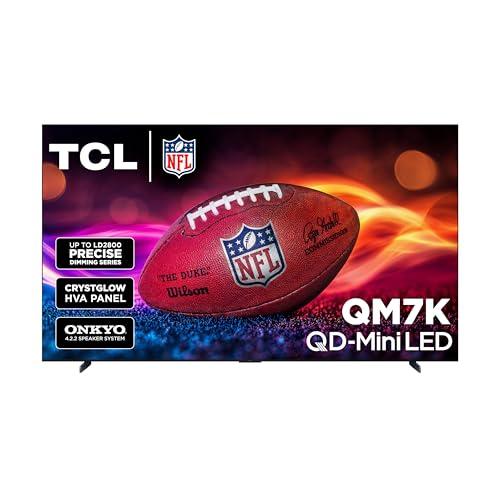
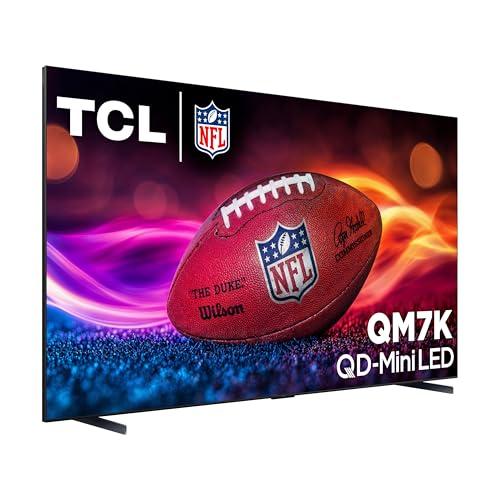
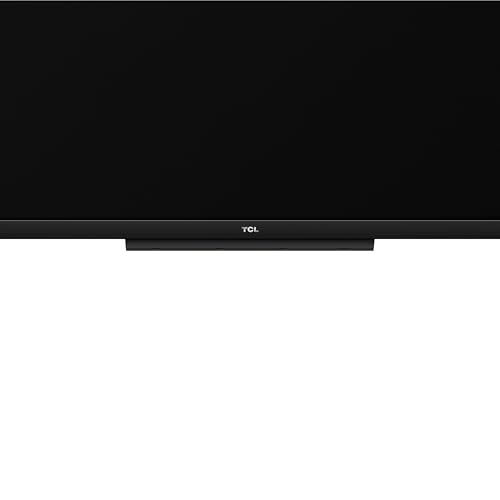
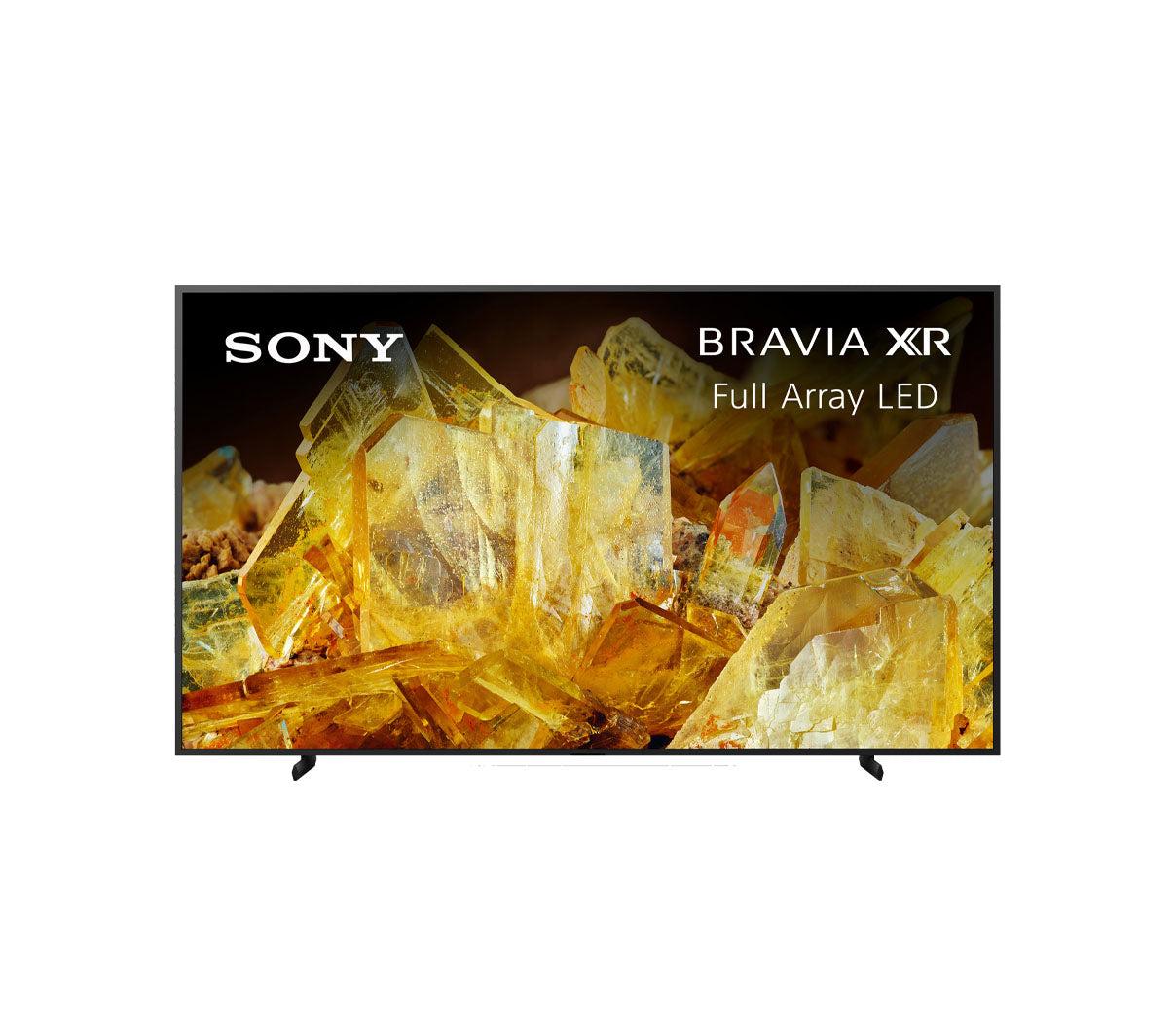
The two models we're comparing today represent very different approaches to achieving that cinematic experience. The TCL 115" QM7K Series QD-Mini LED 4K Smart TV launched in 2025 at $12,997.99, showcasing the absolute latest in display technology. Meanwhile, the Sony BRAVIA XR X90L 98" 4K UHD LED Google TV hit the market in 2023 for $4,059.45, representing a more traditional but proven approach to large-screen entertainment.
Before diving into the specifics, it's worth understanding what makes these massive displays tick. Traditional TVs use a single backlight behind the entire screen, but as screens get larger, this creates problems with uniformity and contrast. Both TVs we're discussing use "local dimming"—essentially dividing the backlight into hundreds or thousands of zones that can be controlled independently. Think of it like having thousands of tiny flashlights behind your screen instead of one big one.
The key considerations when choosing an ultra-large TV include viewing distance (you'll want to sit 8-12 feet away from these monsters), how the TV handles different lighting conditions in your room, and whether the display can make lower-quality content look good when stretched across such a massive canvas.
The biggest difference between these two TVs lies in their fundamental display technology, and this is where the TCL QM7K shows its 2025 pedigree most clearly.
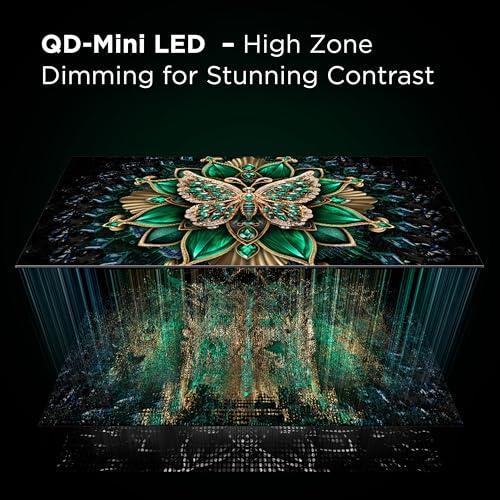
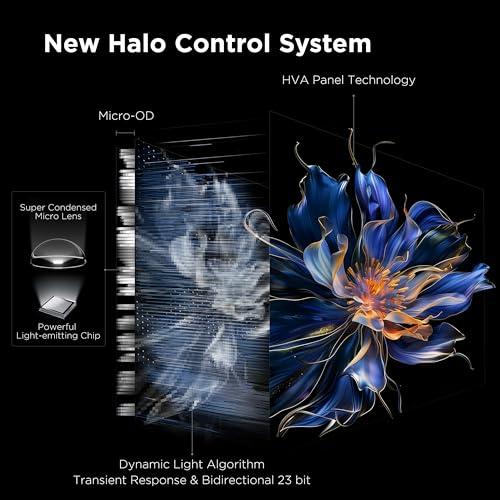
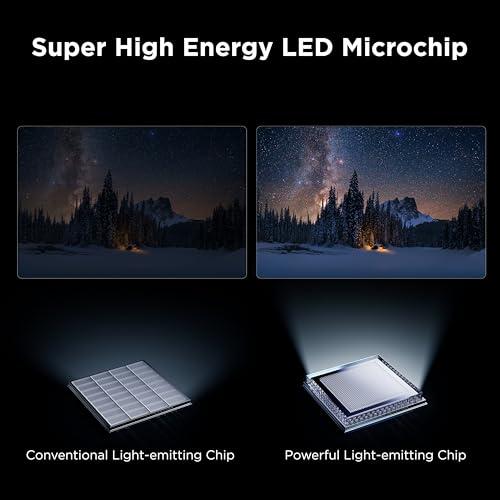
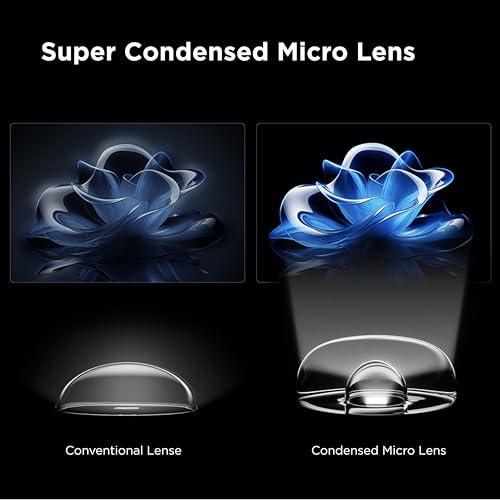
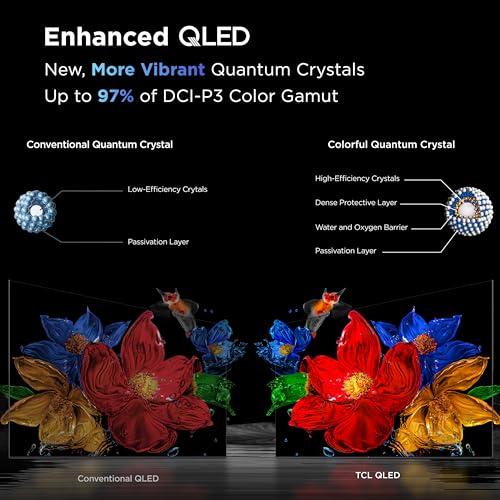
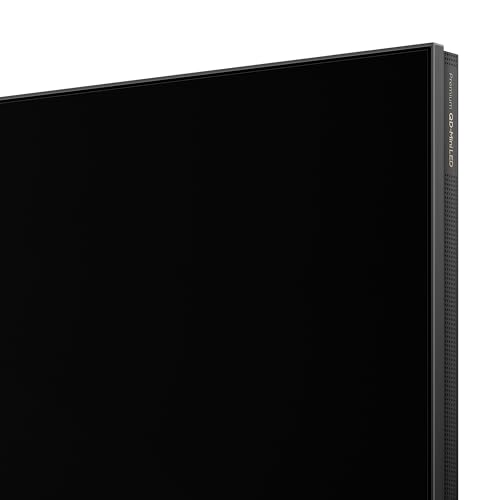
TCL's QD-Mini LED technology represents the cutting edge of LCD display tech. Instead of using regular-sized LEDs for backlighting, it employs thousands of tiny LEDs—each about the size of a grain of sand. The "QD" stands for Quantum Dot, which is essentially a layer of microscopic crystals that help produce more accurate and vibrant colors.
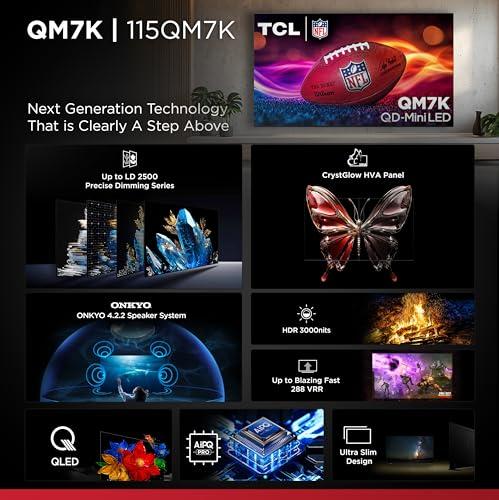
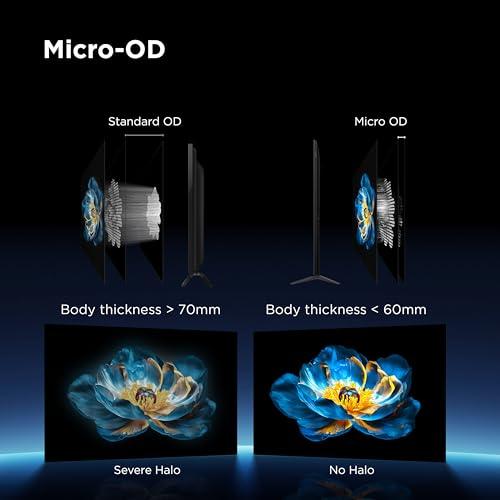
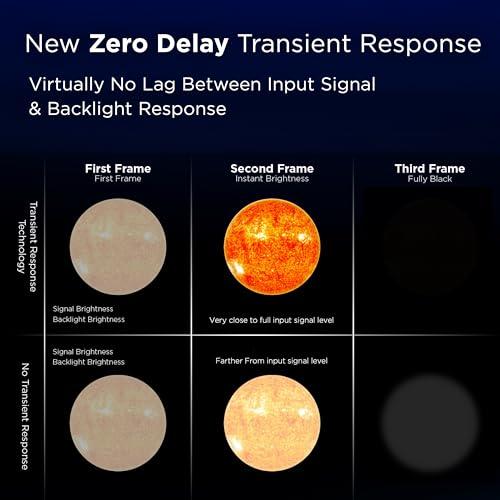
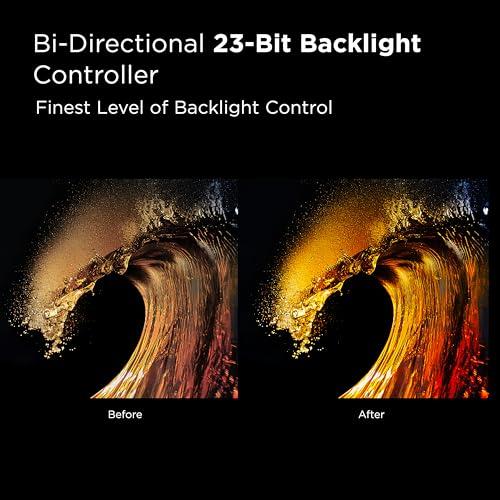
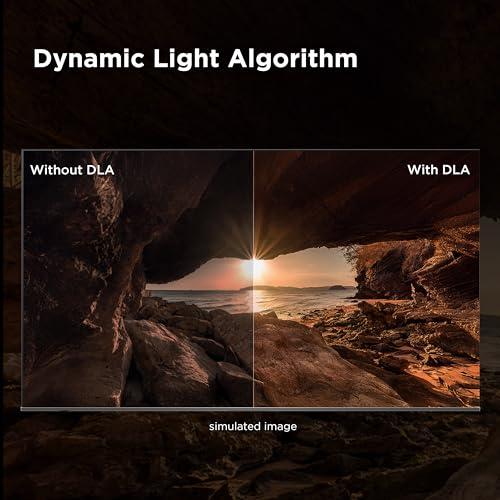
What makes this particularly impressive is the LD2500 system—that's up to 2,500 individual dimming zones across the 115-inch screen. Each zone can be controlled independently, meaning when you're watching a movie with a bright explosion against a dark night sky, the TV can make that explosion blazingly bright while keeping the surrounding darkness truly black. This virtually eliminates "blooming," where bright objects create unwanted halos of light around them.
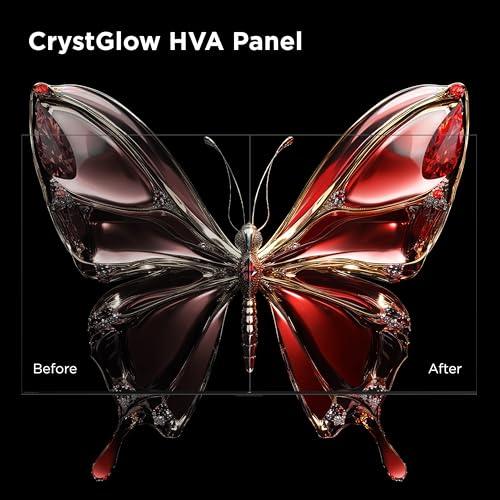
The CrystGlow HVA panel technology deserves special mention here. HVA stands for High-View Angle, and TCL claims this panel achieves an 8000:1 native contrast ratio. To put that in perspective, that means the brightest whites are 8,000 times brighter than the darkest blacks the panel can produce. That's getting close to OLED territory, which is remarkable for an LCD display.
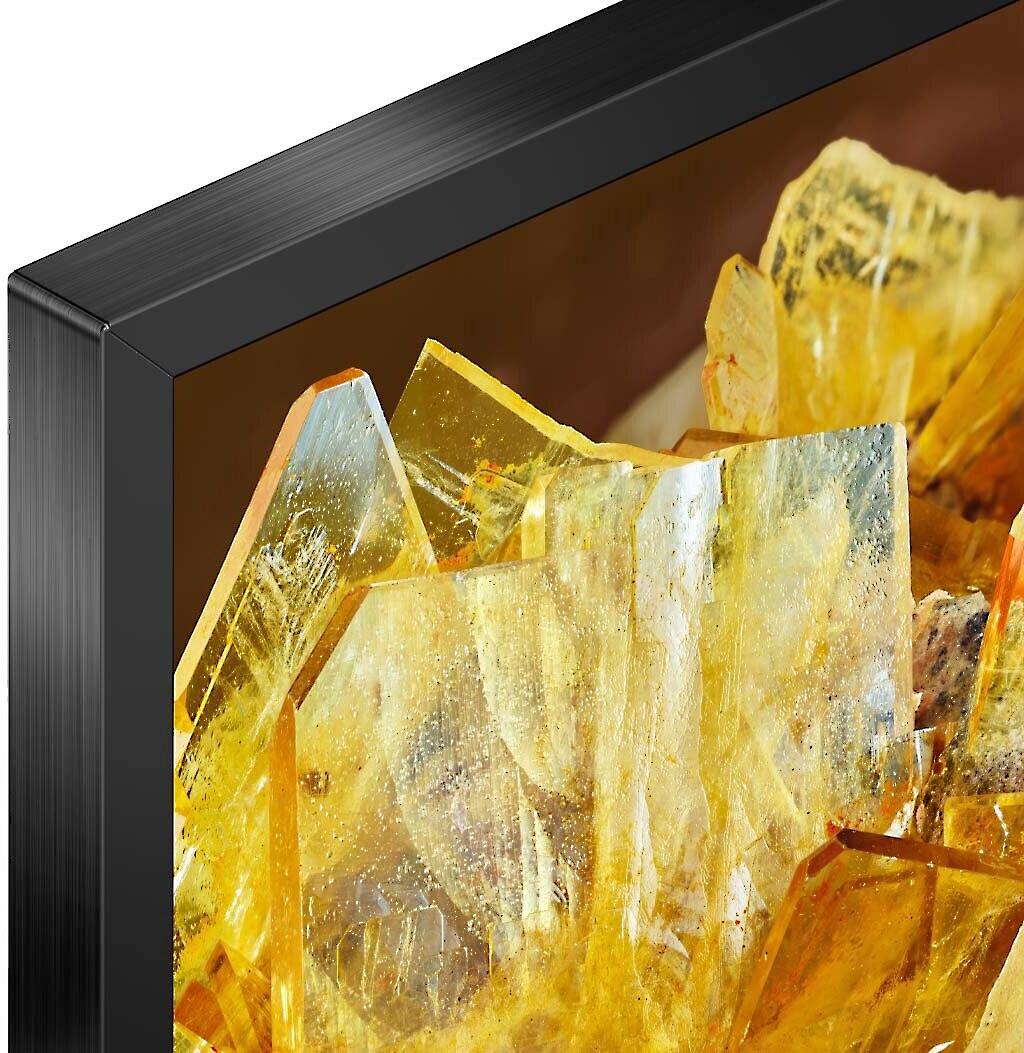
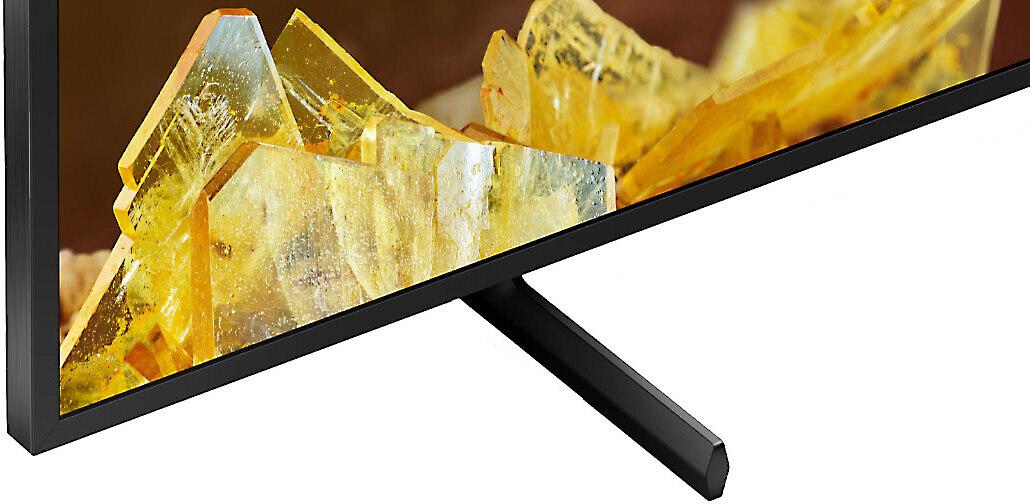
The Sony X90L, being a 2023 model, uses more traditional Full Array LED technology. While it doesn't have the thousands of tiny LEDs that TCL employs, Sony's approach focuses on sophisticated processing rather than sheer hardware specs.
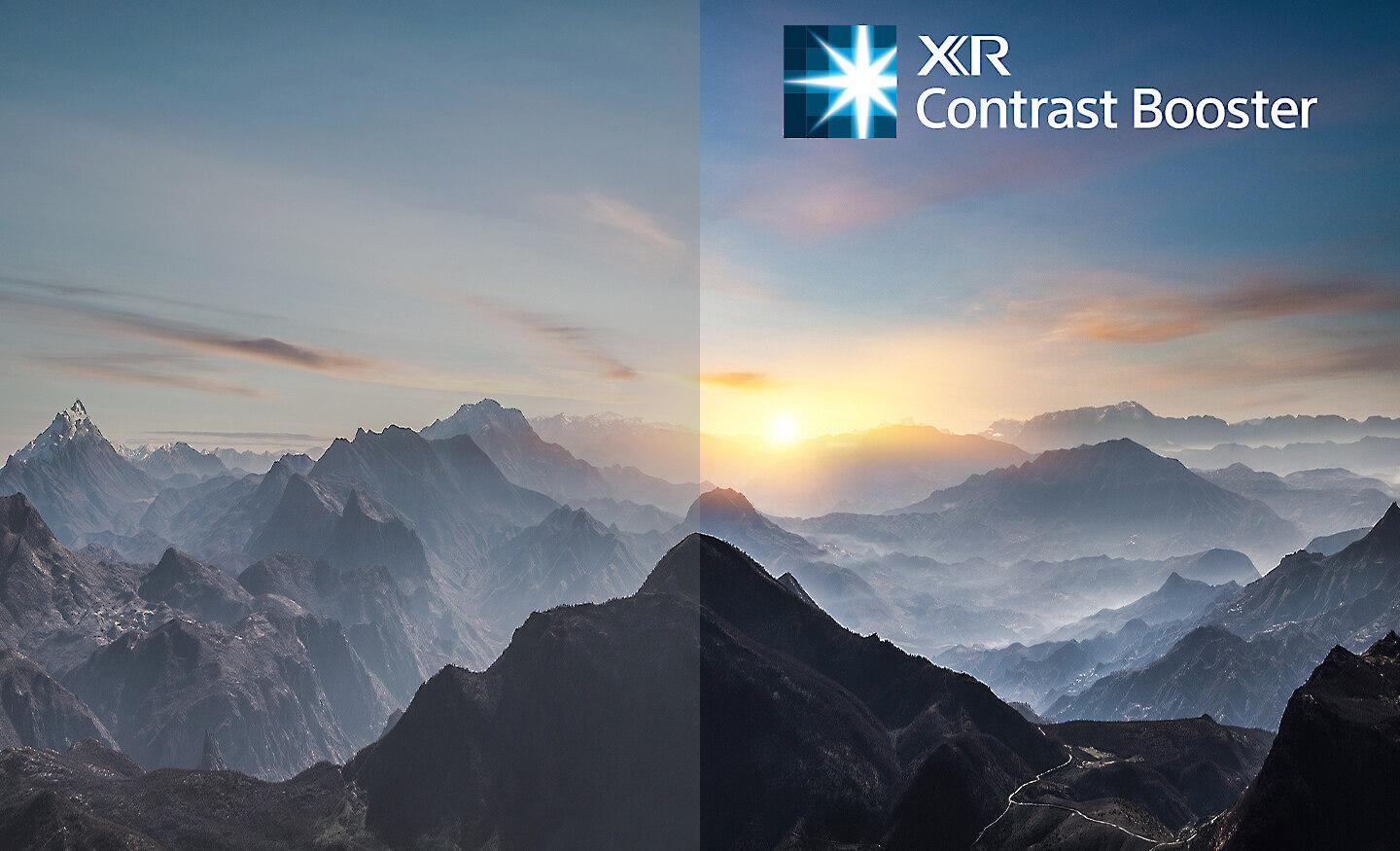
Sony's Cognitive Processor XR is designed to mimic how the human brain processes visual information. Instead of just analyzing colors and contrast in isolation, it looks at how different elements on screen relate to each other. For instance, when processing a person's face in a scene, it doesn't just adjust skin tones—it considers how those tones should look in relation to the lighting, background, and other elements in the frame.
This processing power really shows when you're watching older content or lower-resolution material. I've noticed that Sony TVs consistently do a better job of making 1080p content watchable on large screens, and the X90L continues this tradition.
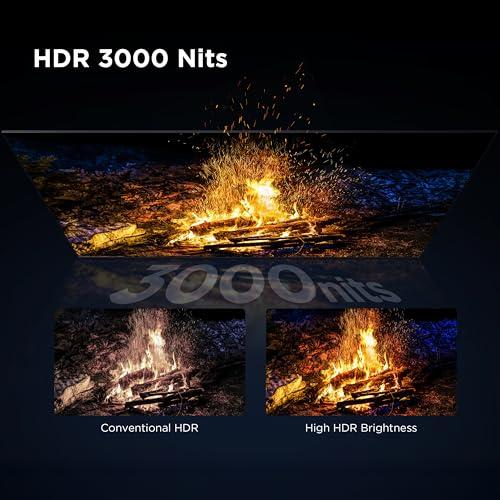
Here's where the technology gap between 2023 and 2025 becomes most apparent. The TCL QM7K can hit HDR peak brightness levels of 3,000 nits—that's absolutely stunning in real-world use. For context, a typical sunny day measures about 100,000 nits, while most TVs struggle to hit even 1,000 nits.
This extreme brightness capability means the TCL can create incredibly realistic HDR (High Dynamic Range) images. HDR content is mastered to show a much wider range of brightness levels than standard content, from the deepest shadows to the brightest highlights. When a TV can actually reproduce those extreme brightness levels, the difference is immediately obvious—sunsets look like they're actually glowing, and reflections off water or metal surfaces have that eye-catching pop you see in real life.
The Sony X90L, while not reaching the same peak brightness levels, still delivers solid HDR performance. What Sony lacks in raw brightness, it makes up for with intelligent tone mapping—essentially, the TV's processor figures out how to make HDR content look its best given the display's limitations.
For home theater use, the TCL's superior brightness is particularly valuable if your room has any ambient light. Even with blinds closed, most rooms have some light leakage, and brighter displays simply look better in these conditions.
Gaming capabilities have become increasingly important for large TVs, and this is another area where the 2025 TCL QM7K shows its technological advancement.
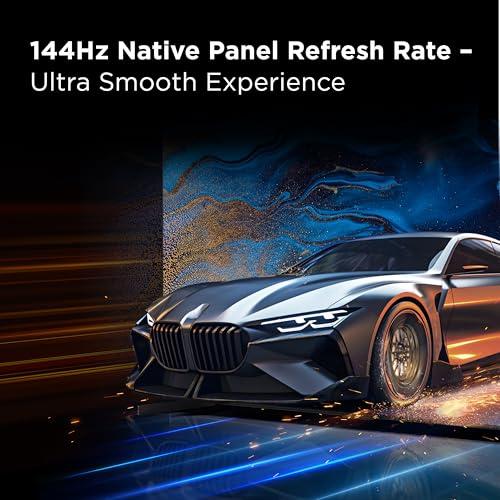
The QM7K supports a native 144Hz refresh rate, which is impressive for any TV, let alone one this large. More remarkably, it features "Game Accelerator 288," allowing for up to 288Hz variable refresh rate (VRR) gaming. VRR synchronizes the TV's refresh rate with your gaming device's frame rate, eliminating screen tearing and stuttering.
For PC gamers with high-end graphics cards, this is genuinely exciting. Being able to push 1440p or even 4K gaming at extremely high frame rates on a 115-inch screen creates an almost wraparound gaming experience. The TV also supports AMD FreeSync Premium Pro, which further reduces input lag and improves responsiveness.
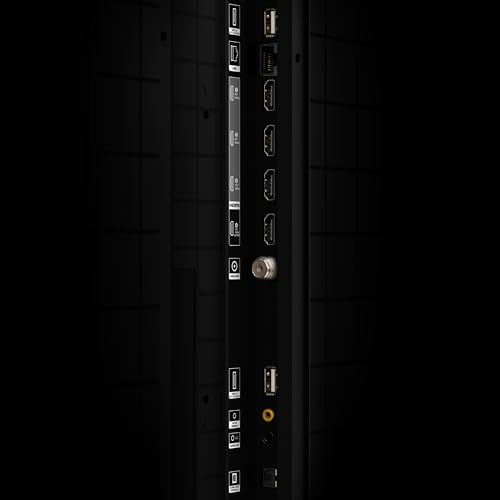
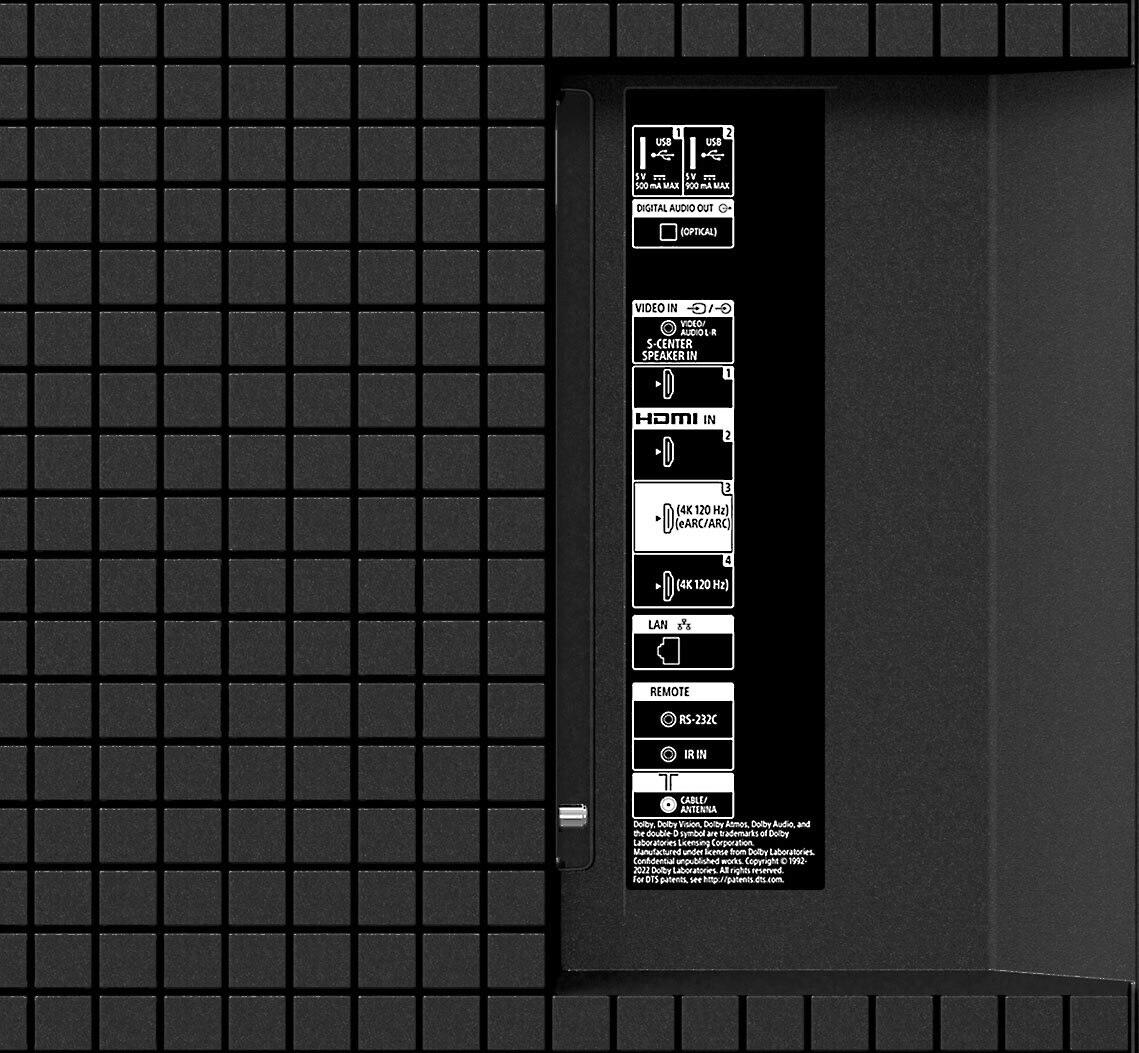
The Sony X90L offers solid gaming performance with its 120Hz refresh rate and full HDMI 2.1 support, including VRR and Auto Low Latency Mode (ALLM). This is perfectly adequate for current-generation PlayStation 5 and Xbox Series X gaming, both of which typically target 60-120 fps depending on the game and quality settings.
Where Sony excels is in its consistent performance and reliability. The gaming features work as advertised, and the TV's processing ensures that even older games look good when upscaled to this massive size.
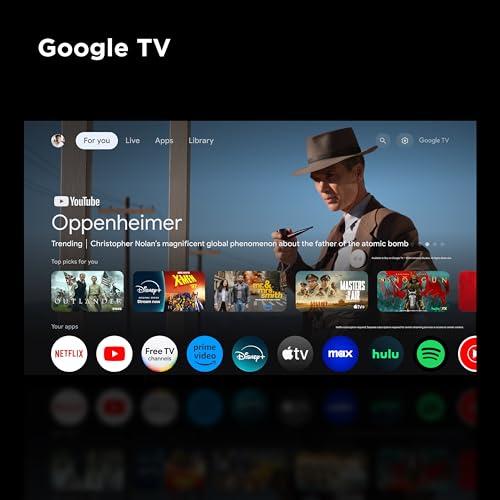
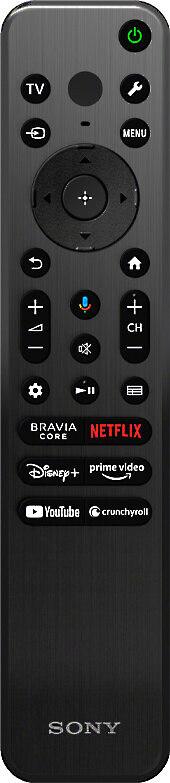
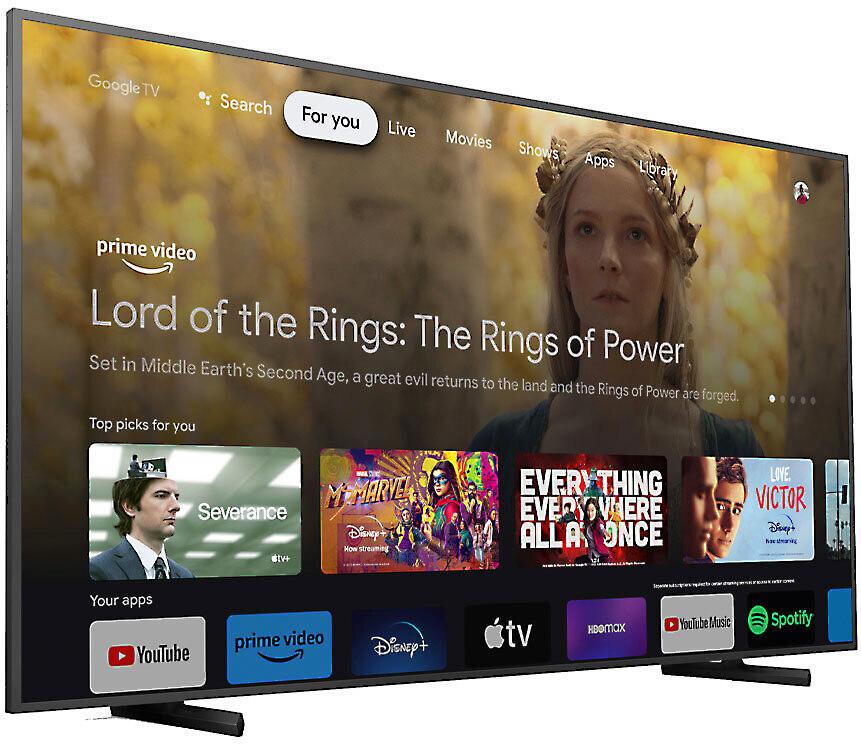
Both TVs run Google TV, so the smart TV experience is largely similar—easy access to Netflix, Disney+, Amazon Prime Video, and other streaming services, with Google Assistant voice control and Chromecast built-in.
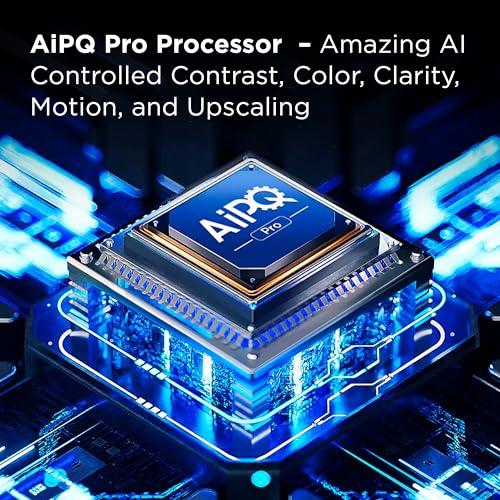
However, the underlying processing makes a significant difference in day-to-day use. The TCL's AIPQ PRO Processor uses artificial intelligence to analyze each scene in real-time, adjusting contrast, color, and sharpness based on what's being displayed. For instance, it can detect faces in a scene and optimize skin tones specifically, or recognize a landscape and enhance natural colors.
Sony's Cognitive Processor XR takes a different approach, focusing on creating a more natural, film-like image. It's particularly effective with content from streaming services, where compression artifacts can be noticeable on large screens. Sony's processing is subtle but effective at cleaning up these issues.
Audio often gets overlooked when discussing TV picture quality, but with screens this large, sound becomes crucial for maintaining immersion.
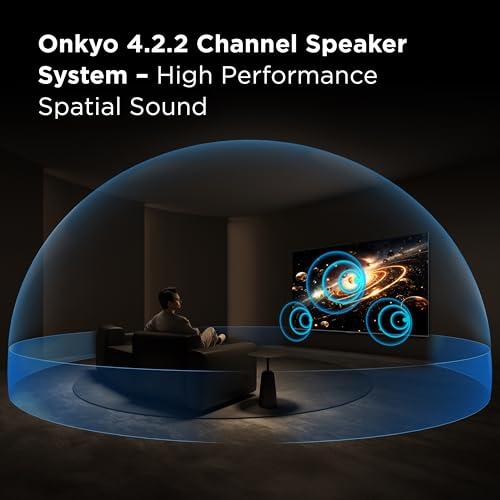
The TCL QM7K includes an Onkyo 4.2.2 speaker system with 100 watts of total power, tuned by Bang & Olufsen. This is genuinely impressive for built-in TV audio. The 4.2.2 configuration means you get four main speakers, two subwoofers, and two height speakers for Dolby Atmos effects. While it won't replace a dedicated sound system, it's surprisingly capable for a TV.
The Sony X90L takes a different approach with its acoustic positioning technology. Rather than just making the audio loud, Sony focuses on making dialogue clear and positioning sound effects to match what's happening on screen. The result is more natural-sounding audio, though without the immersive surround effects of the TCL's system.
For dedicated home theater setups, both TVs work well with external sound systems, but the TCL's superior built-in audio gives it more flexibility for different room configurations.
The price difference between these two TVs is substantial—the TCL QM7K costs more than three times as much as the Sony X90L. This price gap reflects not just the size difference (115" vs 98") but also the generational leap in technology.
The TCL represents the absolute cutting edge of TV technology. If you're building a dedicated home theater room with controlled lighting, the superior contrast and brightness will create a genuinely cinematic experience. The advanced gaming features also make it somewhat future-proof—it can handle whatever gaming technology emerges over the next few years.
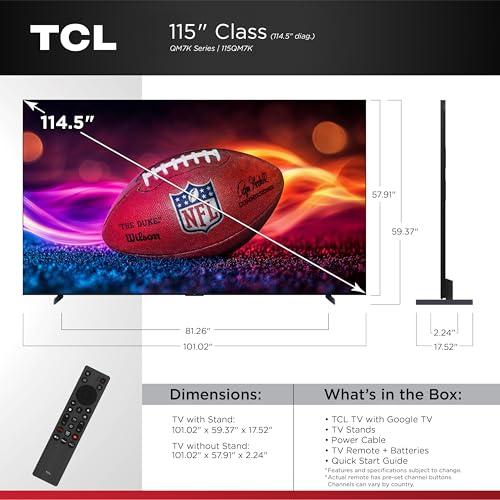
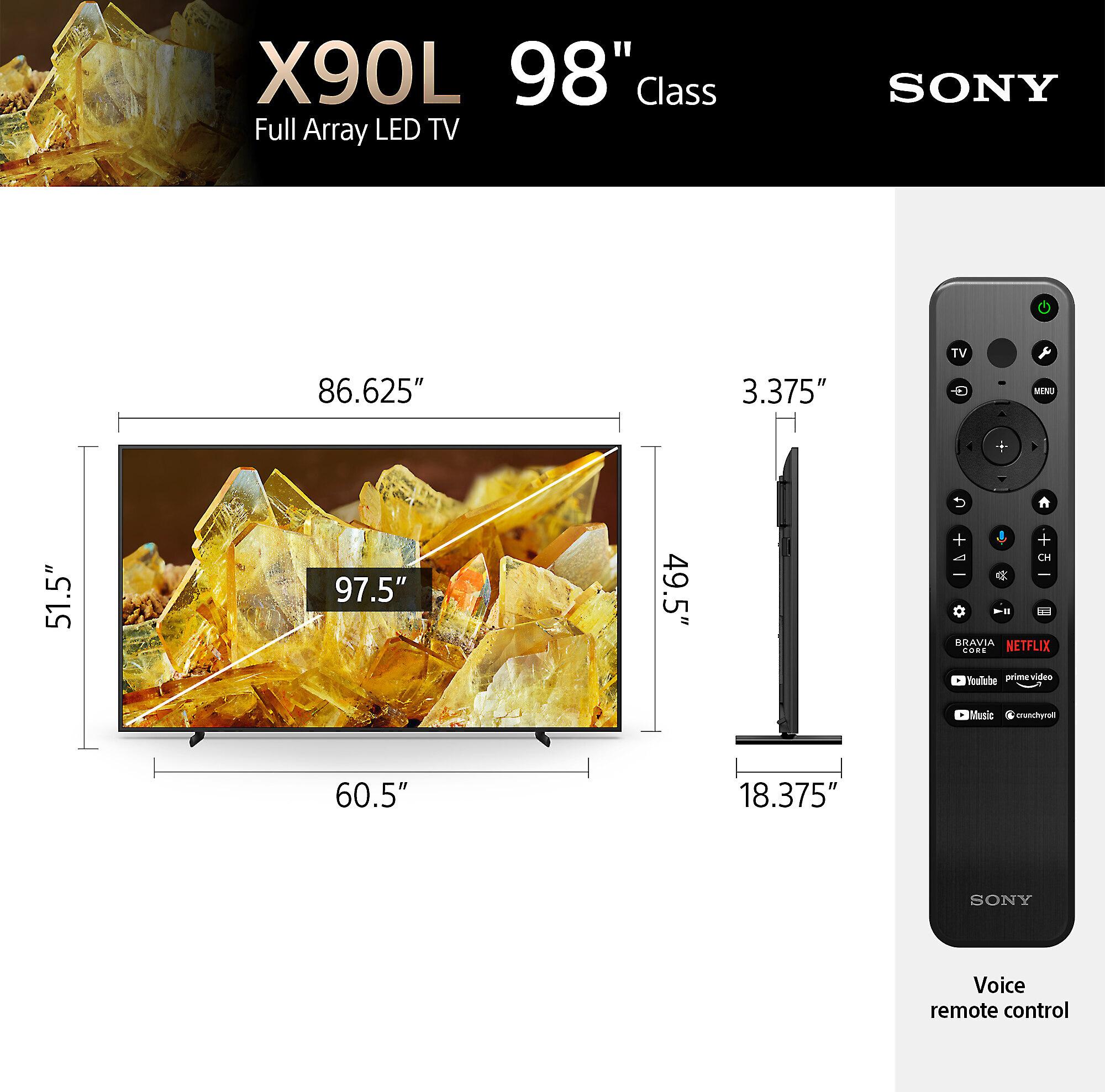
The 115-inch size is also genuinely impressive in person. That extra 17 inches diagonal translates to significantly more screen area—about 30% more viewing space than the 98-inch Sony.
The Sony X90L represents mature, proven technology at a much more accessible price point. For most viewers, the picture quality is excellent, and Sony's reputation for reliability and longevity adds value that's hard to quantify.
The 98-inch size, while smaller than the TCL, is still massive and likely adequate for most home theater applications. The money saved could go toward a premium sound system, room treatments, or simply other home improvements.
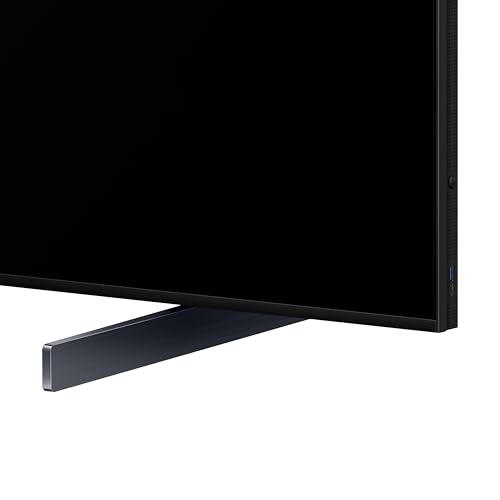
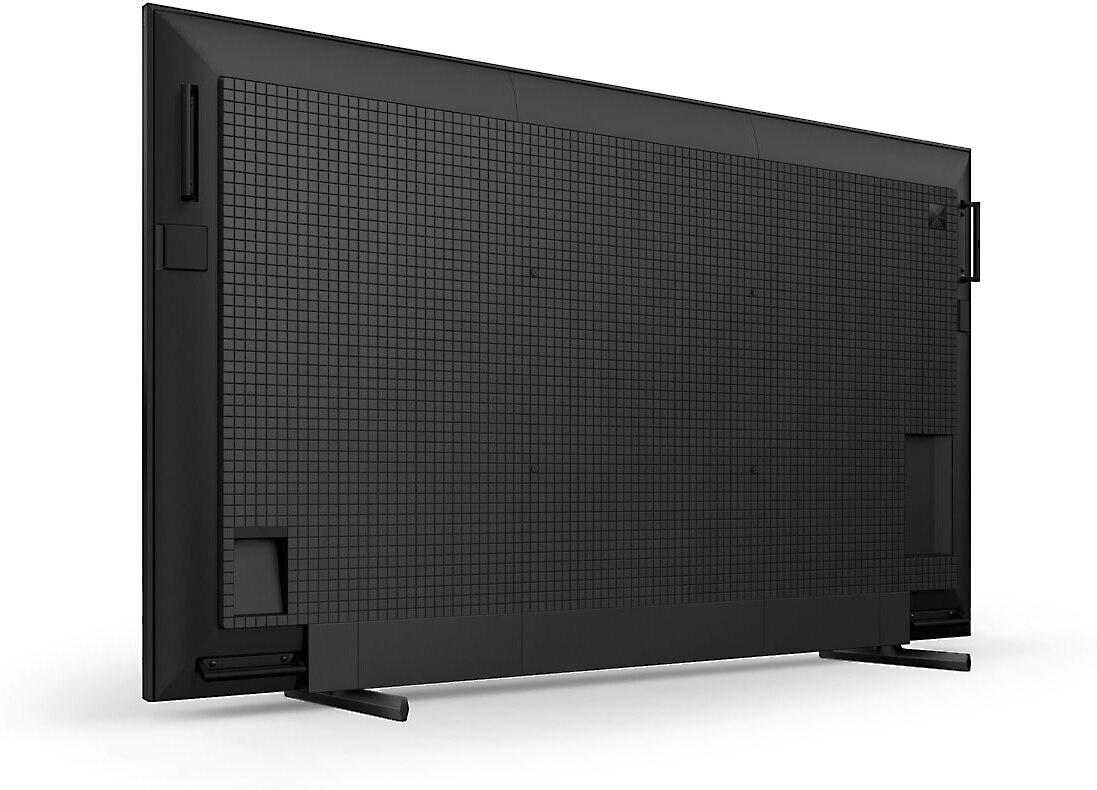
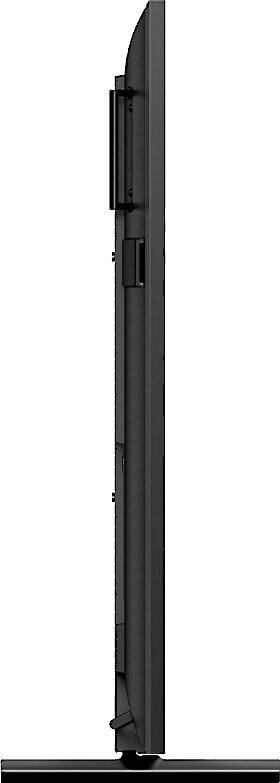
Installing either of these TVs is a significant undertaking. The TCL QM7K weighs considerably more due to its larger size and Mini LED backlight system, requiring professional installation in most cases. The 115-inch size also limits placement options—you'll need a very large wall or entertainment center.
The Sony X90L, while still enormous, is somewhat more manageable. Sony's multi-position stand offers some flexibility in placement, and the TV's dimensions are more likely to fit in existing room layouts.
For home theater use, both TVs benefit from controlled lighting. The TCL's superior brightness gives it an advantage in rooms with some ambient light, while the Sony works beautifully in darker environments where its processing can shine.
Choosing between these two ultra-large TVs ultimately comes down to your priorities, budget, and intended use.
Choose the TCL 115" QM7K if you want the absolute latest technology, have a budget that allows for the premium pricing, prioritize gaming performance, or have a very bright room that demands maximum brightness. It's also the clear choice if you want the largest possible screen size and are building a dedicated home theater space.
The Sony 98" X90L makes more sense if you're looking for excellent picture quality at a more reasonable price point, prefer proven reliability over cutting-edge features, or are working with a smaller budget. Sony's superior processing also makes it a better choice if you watch a lot of varied content sources, particularly older movies or shows that benefit from upscaling.
Both represent excellent choices within their respective market segments. The TCL pushes the boundaries of what's possible with current display technology, while the Sony offers outstanding performance and value in a more traditional package. Your choice will depend largely on whether you prioritize having the absolute latest technology or getting the best value for your investment in large-screen entertainment.
| TCL 115" QM7K Series QD-Mini LED 4K Smart TV 2025 | Sony BRAVIA XR X90L 98" 4K UHD LED Google TV |
|---|---|
| Price - Significant cost difference reflects different market positioning | |
| $12,997.99 (premium flagship pricing) | $4,059.45 (excellent value for ultra-large size) |
| Screen Size - Larger diagonal provides more immersive experience | |
| 115 inches (about 30% more viewing area) | 98 inches (still massive, easier to fit in rooms) |
| Display Technology - Core difference affecting picture quality | |
| QD-Mini LED with LD2500 dimming zones (cutting-edge contrast) | Full Array LED (proven technology, good performance) |
| Peak Brightness - Critical for HDR and bright room viewing | |
| 3,000 nits (exceptional for any lighting condition) | Not specified (estimated 1,000-1,500 nits, adequate for most rooms) |
| Contrast Ratio - Determines how deep blacks and bright whites can be | |
| 8000:1 native (approaching OLED-like blacks) | Lower due to Full Array LED limitations |
| Refresh Rate - Important for gaming and smooth motion | |
| 144Hz native with 288Hz VRR (future-proof gaming) | 120Hz with VRR (perfect for current consoles) |
| Gaming Features - Advanced capabilities for serious gamers | |
| Game Accelerator 288, AMD FreeSync Premium Pro | HDMI 2.1, VRR, ALLM (solid but standard features) |
| Audio System - Built-in sound quality affects overall experience | |
| Onkyo 4.2.2 system (100W) with Bang & Olufsen tuning | Acoustic positioning tweeters (good dialogue clarity) |
| Smart TV Platform - Both offer similar functionality | |
| Google TV with AIPQ PRO AI processing | Google TV with Cognitive Processor XR |
| Release Year - Affects technology advancement and price | |
| 2025 (latest Mini LED innovations) | 2023 (mature, proven technology) |
| Best For - Target buyer profiles | |
| Cutting-edge tech enthusiasts, serious gamers, dedicated home theaters | Value-conscious buyers wanting premium size, mixed content viewers |
The Sony BRAVIA XR X90L 98" at $4,059.45 offers exceptional value for an ultra-large TV, providing excellent picture quality at a much lower cost. The TCL 115" QM7K Series QD-Mini LED 4K Smart TV 2025 at $12,997.99 delivers cutting-edge technology but costs three times more. For most buyers, the Sony provides better bang for your buck.
The TCL 115" QM7K has superior picture quality with its QD-Mini LED technology, 3,000 nits peak brightness, and 2,500 local dimming zones. The Sony X90L still delivers excellent picture quality with its Cognitive Processor XR and Full Array LED, but can't match the TCL's contrast and brightness performance.
The TCL 115" QM7K is significantly better for bright rooms due to its 3,000 nits peak brightness and anti-glare coating. The Sony BRAVIA XR X90L performs adequately in bright rooms but may struggle with reflections and doesn't achieve the same brightness levels as the TCL.
The TCL QM7K has superior built-in audio with its Onkyo 4.2.2 speaker system (100W) tuned by Bang & Olufsen, including Dolby Atmos support. The Sony X90L offers decent built-in sound with acoustic positioning technology, but the TCL provides a more immersive audio experience without external speakers.
For dedicated home theaters, the TCL 115" QM7K is the premium choice with its larger screen, superior contrast, and immersive audio system. However, the Sony BRAVIA XR X90L still delivers an excellent home theater experience at a much lower cost, making it the better value option for most home theater setups.
Both the TCL QM7K and Sony X90L run Google TV with access to all major streaming apps, Google Assistant voice control, and Chromecast built-in. The main difference is in processing power, with the TCL featuring AIPQ PRO AI enhancement and Sony offering its renowned Cognitive Processor XR for upscaling.
The Sony X90L 98" is somewhat easier to install due to its smaller size and lighter weight, plus it includes a multi-position stand for flexibility. The TCL 115" QM7K typically requires professional installation due to its massive size and weight, and you'll need to ensure your space can accommodate the larger dimensions.
The key difference is display technology: the TCL QM7K uses advanced QD-Mini LED with thousands of tiny LEDs for superior contrast and brightness, while the Sony X90L uses traditional Full Array LED backlighting. This gives the TCL better HDR performance and deeper blacks, but at a much higher cost.
Choose the TCL 115" QM7K if you want the absolute best picture quality, have a large budget, prioritize gaming, or are building a premium home theater. Choose the Sony BRAVIA XR X90L 98" if you want excellent performance at a more reasonable price, prefer proven reliability, or are looking for the best value in ultra-large TVs.
We've done our best to create useful and informative comparisons to help you decide what product to buy. Our research uses advanced automated methods to create this comparison and perfection is not possible - please contact us for corrections or questions. These are the sites we've researched in the creation of this article: bestbuy.com - tomsguide.com - techradar.com - youtube.com - rtings.com - youtube.com - youtube.com - youtube.com - avsforum.com - abt.com - bestbuy.com - tcl.com - avsforum.com - tcl.com - rcwilley.com - tcl.com - valueelectronics.com - bestbuy.com - tcl.com - tcl.com - tcl.com - tcl.com - avsforum.com - valueelectronics.com - youtube.com - bestbuy.com - electronics.sony.com - stewartappliance.com - rcwilley.com - rtings.com - abt.com - pcrichard.com - videoandaudiocenter.com - avsforum.com

Privacy Policy
Terms and Conditions - Affiliate Policy
Home Security
© Copyright 2008-2026.
11816 Inwood Rd #1211, Dallas, TX 75244