

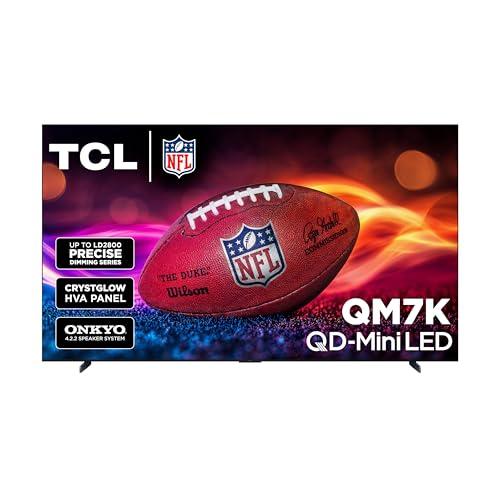
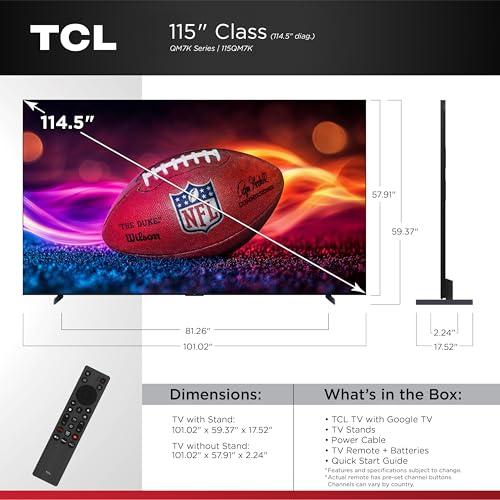

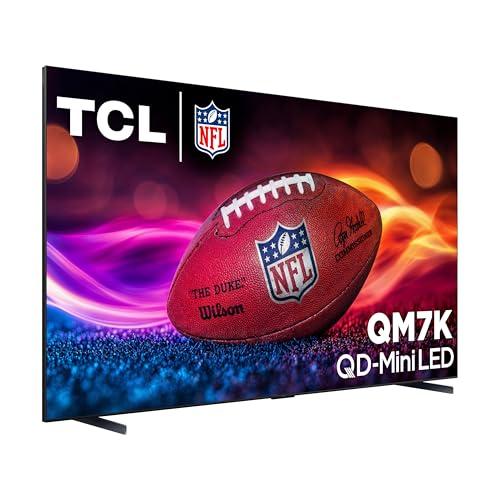
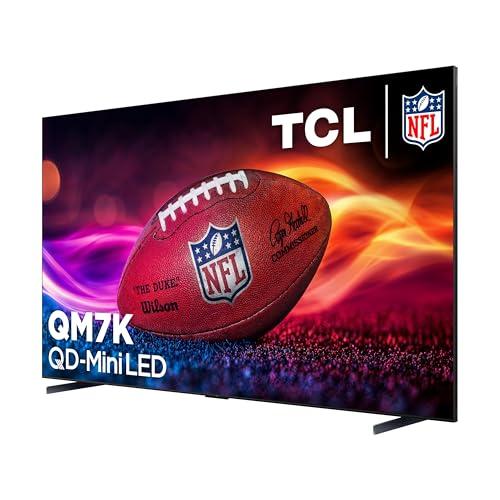
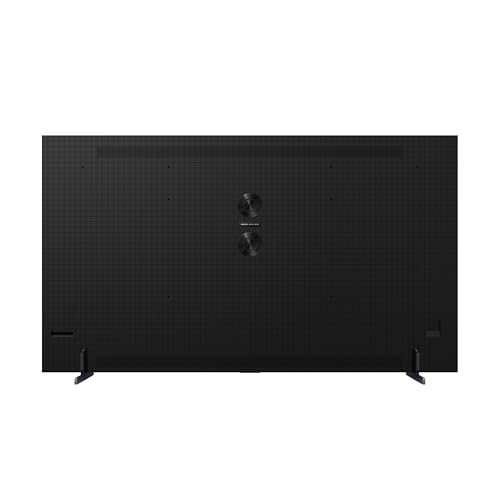
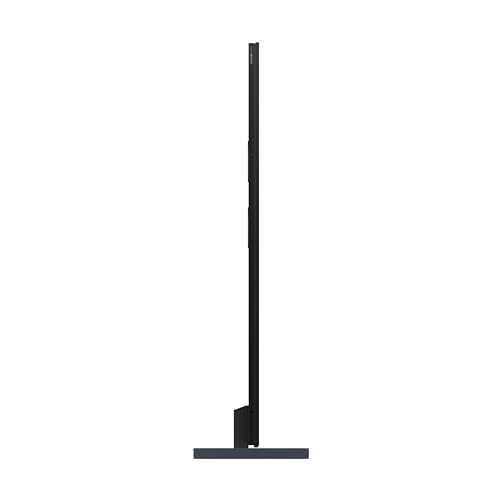
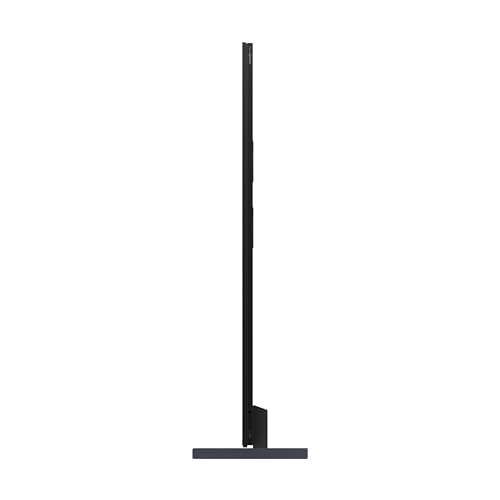
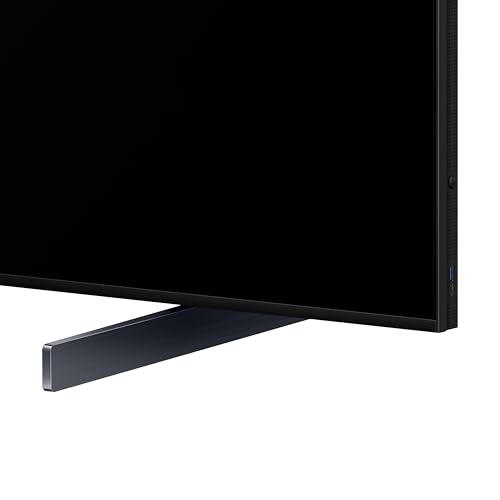
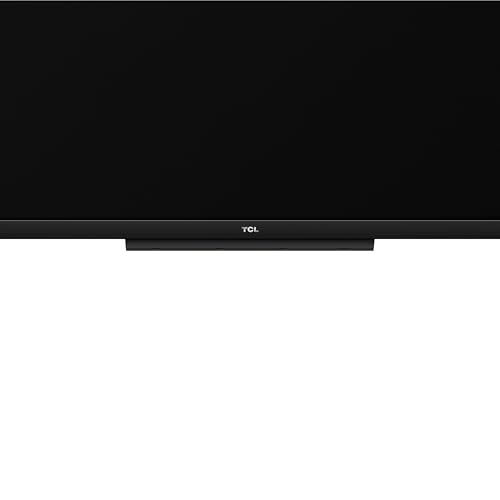
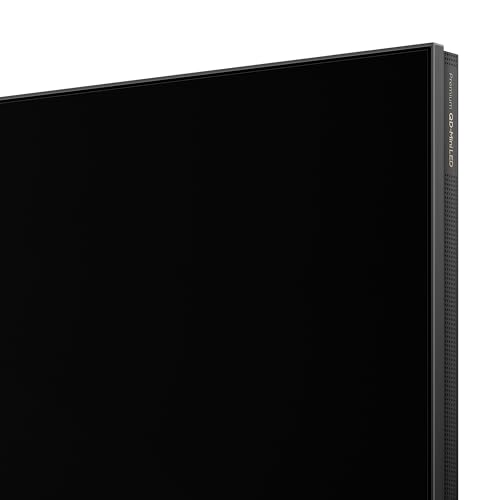

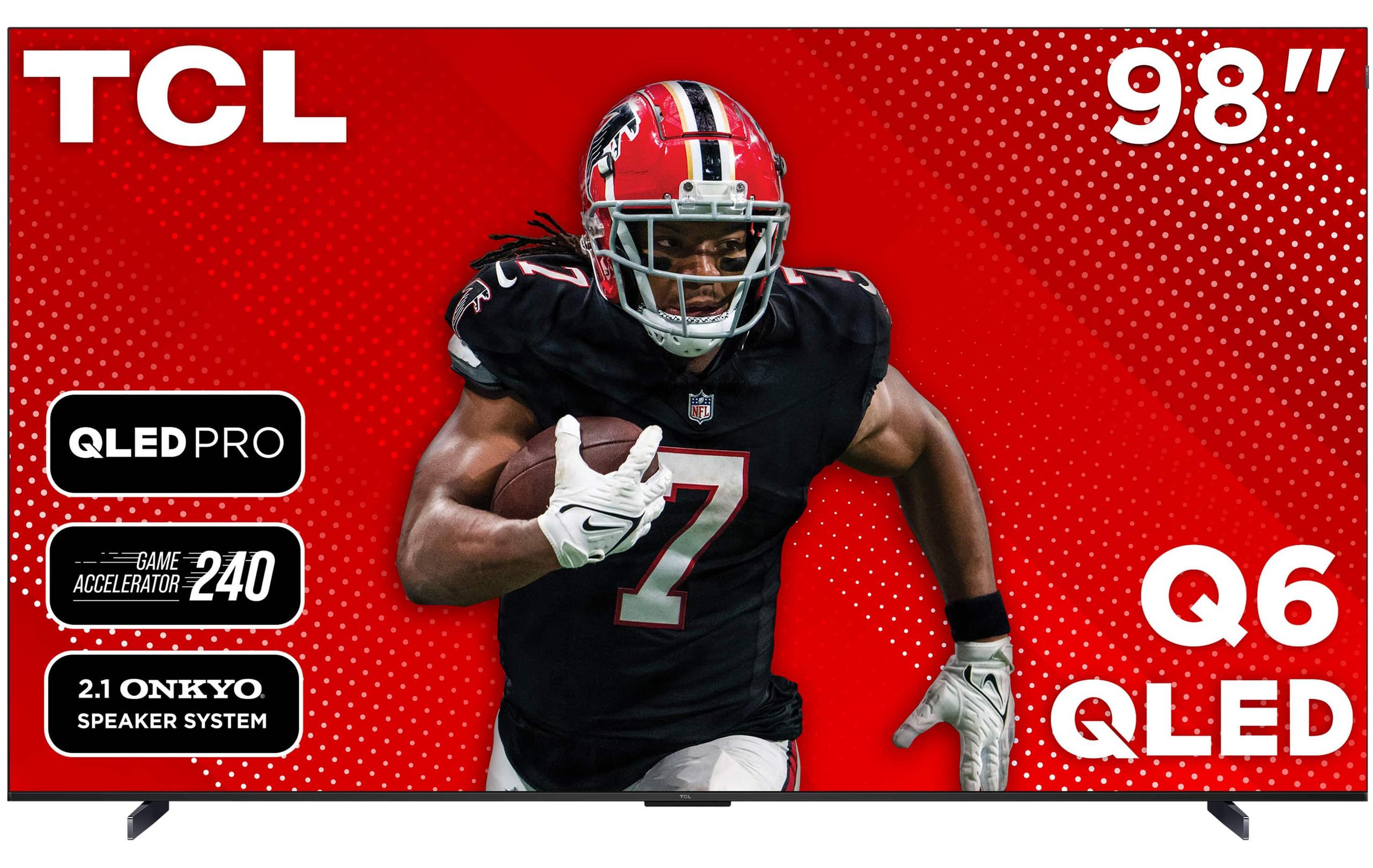
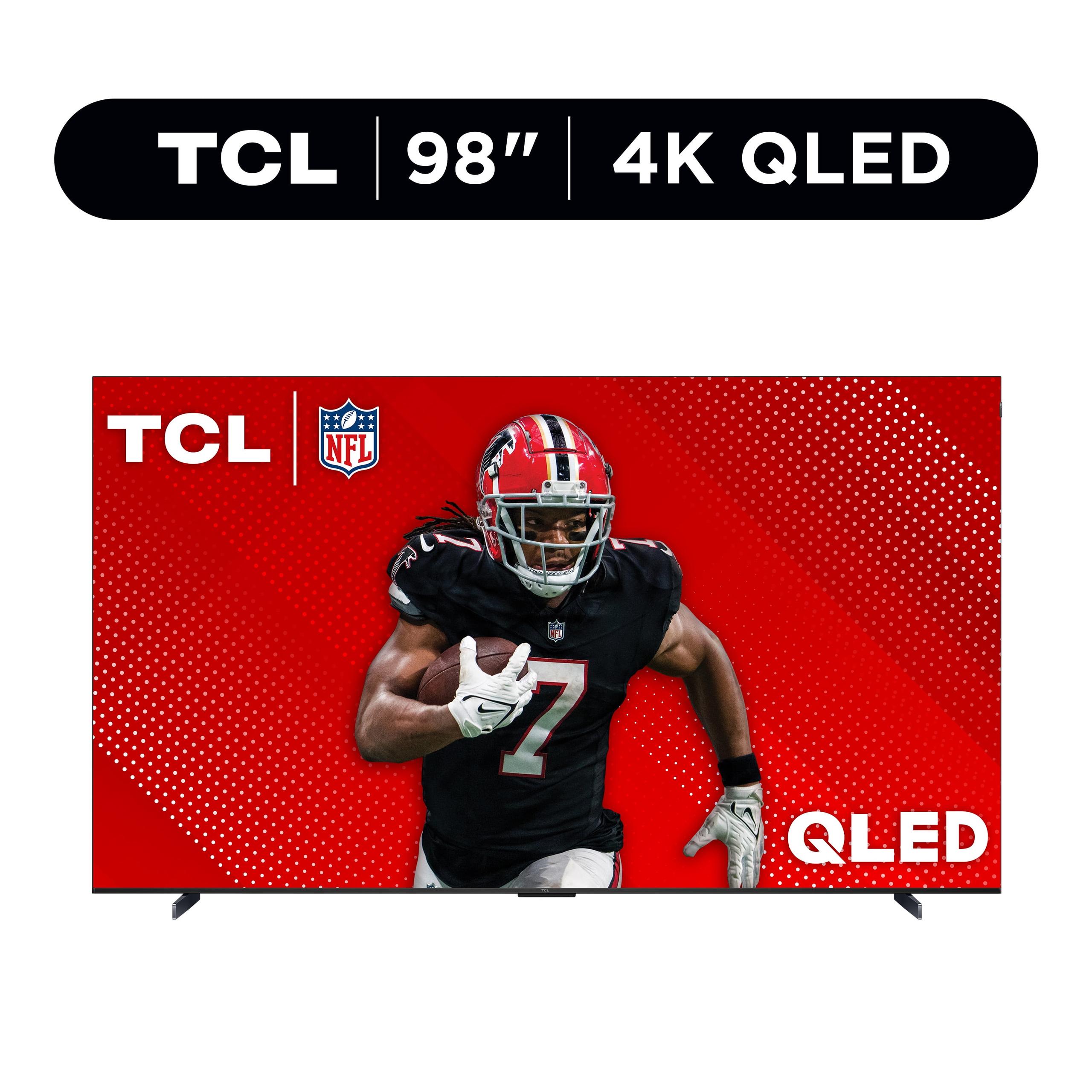


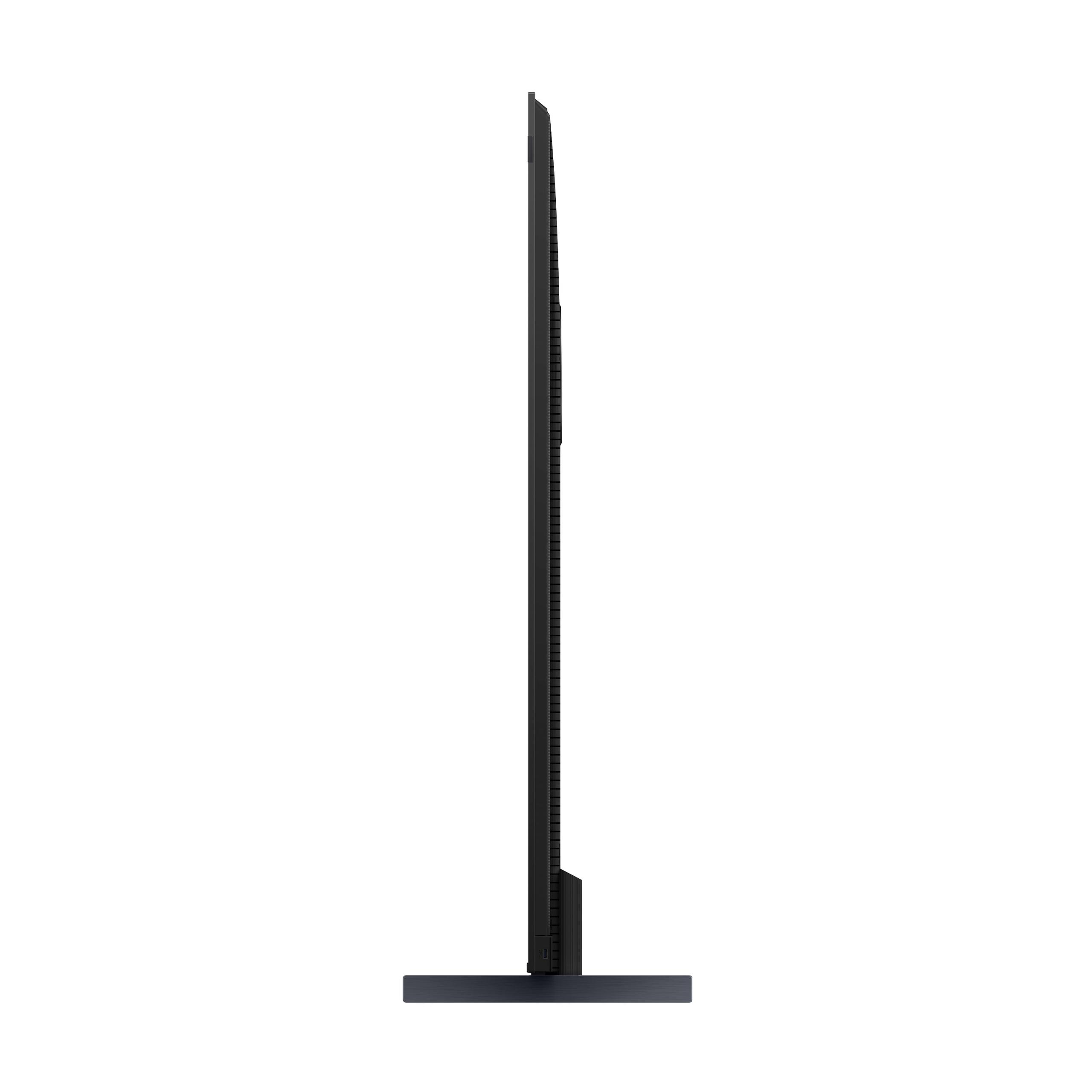
If you're shopping for a truly massive TV that will transform your living room into a home theater, you've probably come across two compelling options from TCL: the premium TCL 115" QM7K Series QD-Mini LED 4K Smart TV 2025 and the budget-friendly TCL 98" Q6 Series 4K UHD QLED Smart TV. Both promise cinema-sized experiences, but they take dramatically different approaches to get there.
When we talk about large screen TVs, we're entering territory where size alone isn't enough. At 98 inches and above, you're not just buying a bigger version of your old 65-inch TV – you're investing in a completely different viewing experience that needs to deliver on multiple fronts.
The main considerations become much more complex at this size. Picture quality becomes critical because imperfections that might be barely noticeable on a smaller screen become glaringly obvious when spread across nearly 10 feet of display. HDR performance (High Dynamic Range, which creates more realistic contrast between bright and dark scenes) needs to be exceptional because you want that massive screen to pop with vibrant colors and deep blacks. Gaming capabilities matter more because many buyers at this price point are serious gamers who want every advantage. And of course, value becomes a major factor since you're potentially spending anywhere from $1,600 to over $13,000.
These TVs represent TCL's different philosophies for large screens. The QM7K, released in 2025, showcases TCL's latest QD-Mini LED technology – think of it as the company's flagship demonstration of what's possible when you combine quantum dot color enhancement with thousands of tiny LED backlights. The Q6, released in 2024, takes a more straightforward approach with traditional QLED (Quantum Dot Light Emitting Diode) technology that prioritizes size and value over cutting-edge features.
Since the Q6's 2024 release, TCL has made significant strides in Mini LED technology. The jump from the Q6's standard LED backlighting to the QM7K's Mini LED represents one of the biggest advances in TV technology in recent years. Where the Q6 uses larger LED backlights that create zones of illumination, the QM7K uses thousands of tiny LEDs that can be controlled much more precisely.
This is where these two TVs couldn't be more different, and it's honestly the most important factor in your decision.
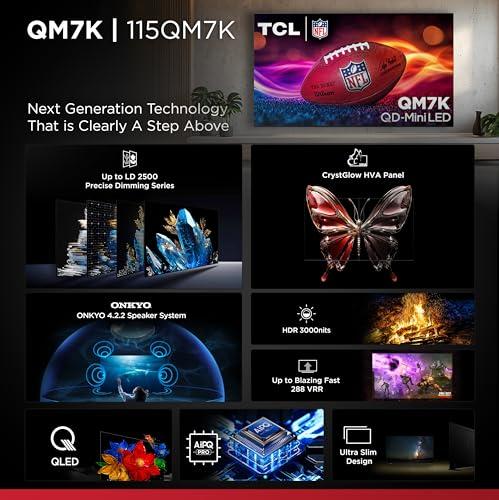
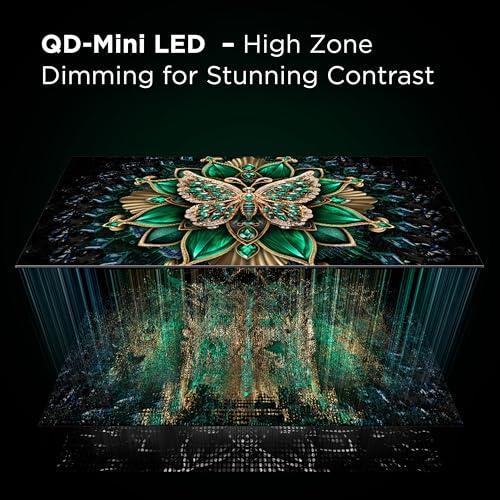
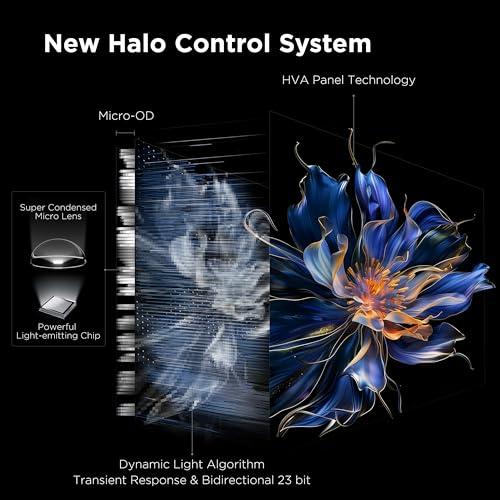
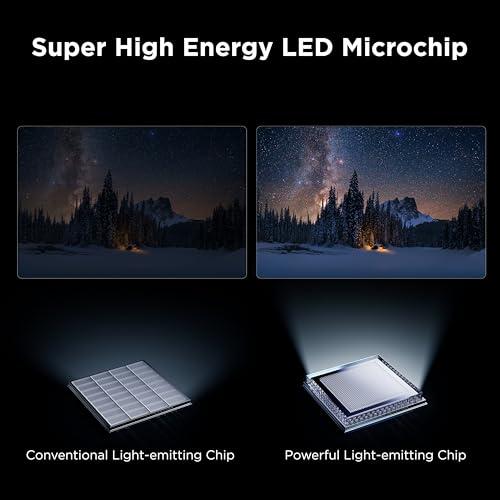
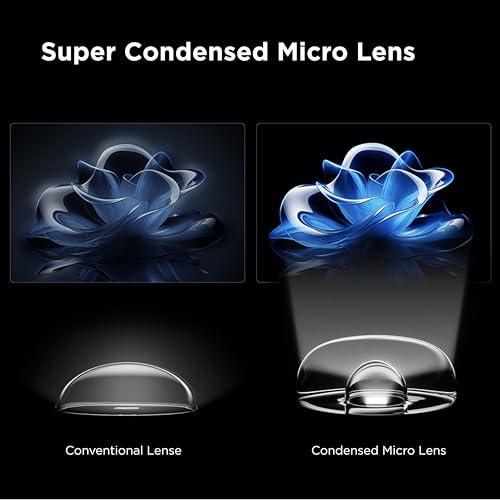
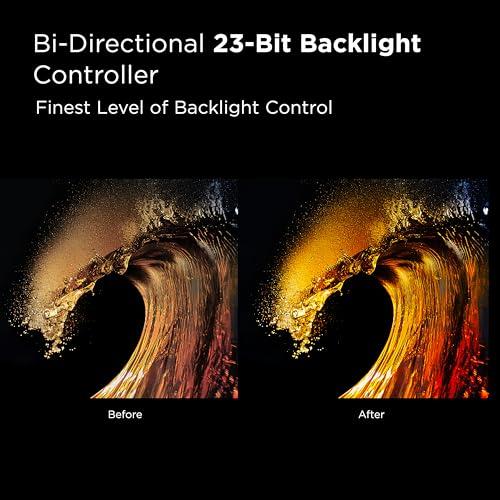
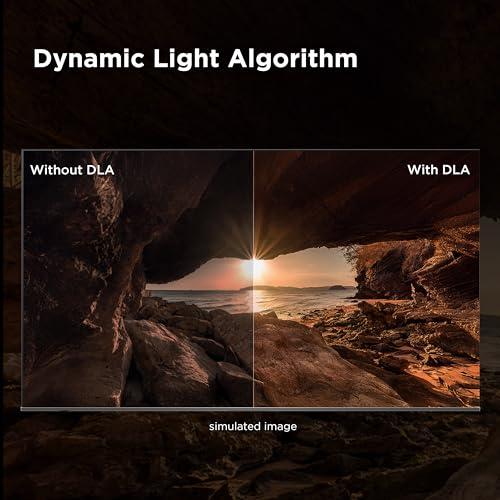
The TCL 115" QM7K uses QD-Mini LED technology with something TCL calls "Halo Control." Let me break this down because it's genuinely impressive tech. Mini LED backlighting uses LEDs that are about 1/40th the size of traditional LEDs, allowing TCL to pack up to 2,500 individual dimming zones behind the screen. Each zone can brighten or dim independently, creating what's called "local dimming."
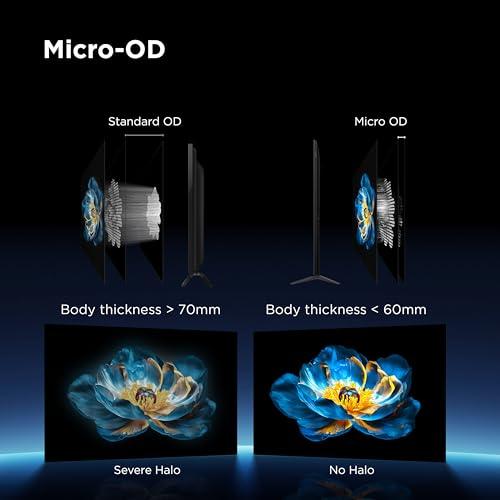
Here's why this matters: imagine watching a movie scene with a bright full moon against a dark night sky. On the Q6, the entire area around the moon might glow slightly because the larger LED backlights can't be controlled precisely enough. On the QM7K, only the exact pixels showing the moon light up brightly while the surrounding sky stays perfectly black. TCL's Halo Control system specifically addresses the "blooming" effect that plagued earlier Mini LED TVs, where bright objects would create unwanted halos of light around them.
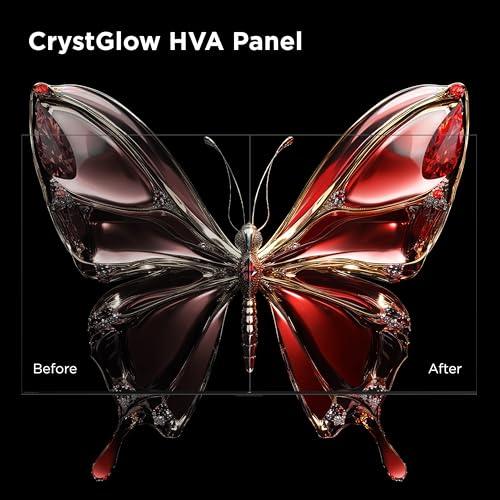
The QM7K also features what TCL calls a CrystGlow HVA panel. This uses a special microstructure inspired by butterfly wings (I know it sounds like marketing speak, but the engineering is real) that achieves an 8,000:1 native contrast ratio – that's the difference between the brightest white and darkest black the panel can produce simultaneously.
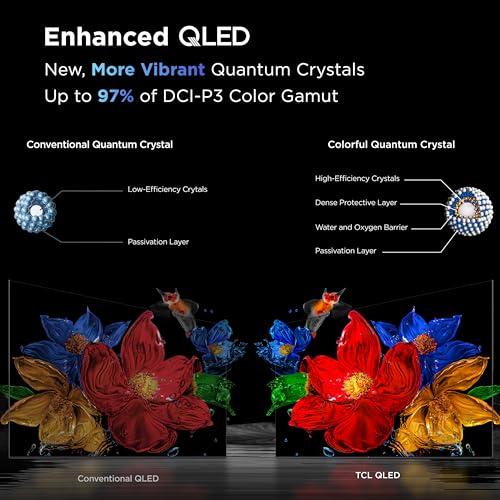
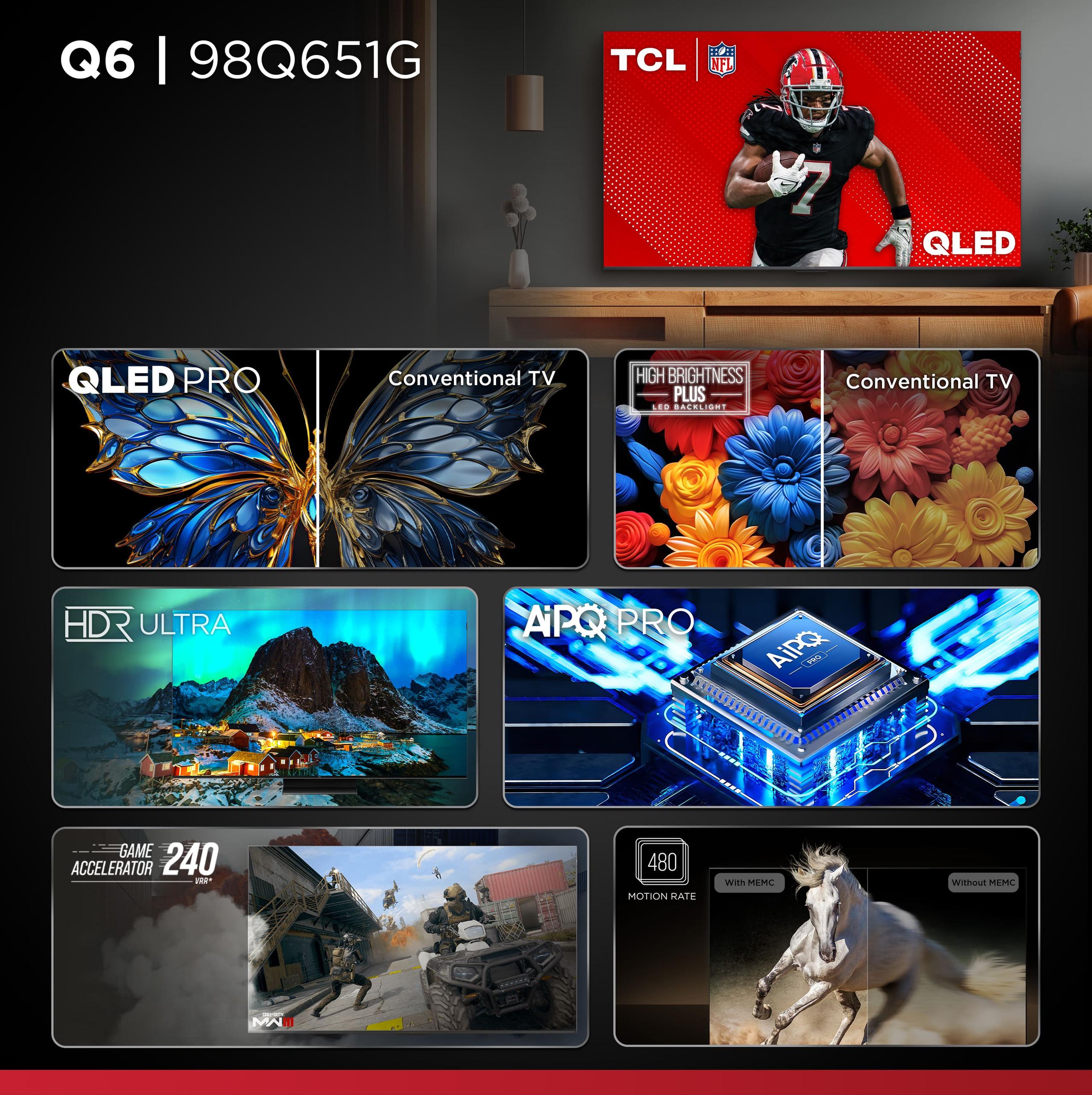
In contrast, the Q6 uses standard QLED technology. It still has quantum dots for enhanced color reproduction, which is great, but it lacks the precise local dimming control of Mini LED. The Q6 does have Full Array PRO backlighting with 200+ dimming zones, which is respectable for its price point, but it's nowhere near the QM7K's precision.
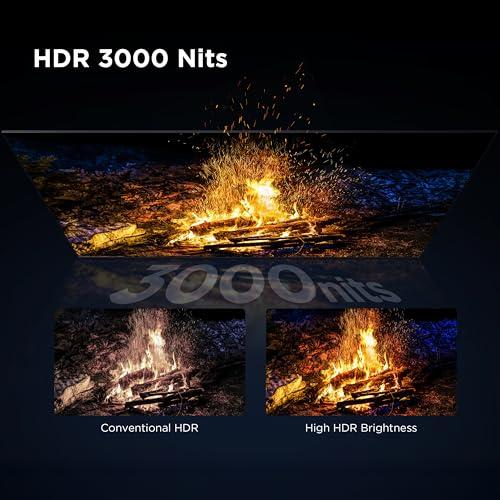
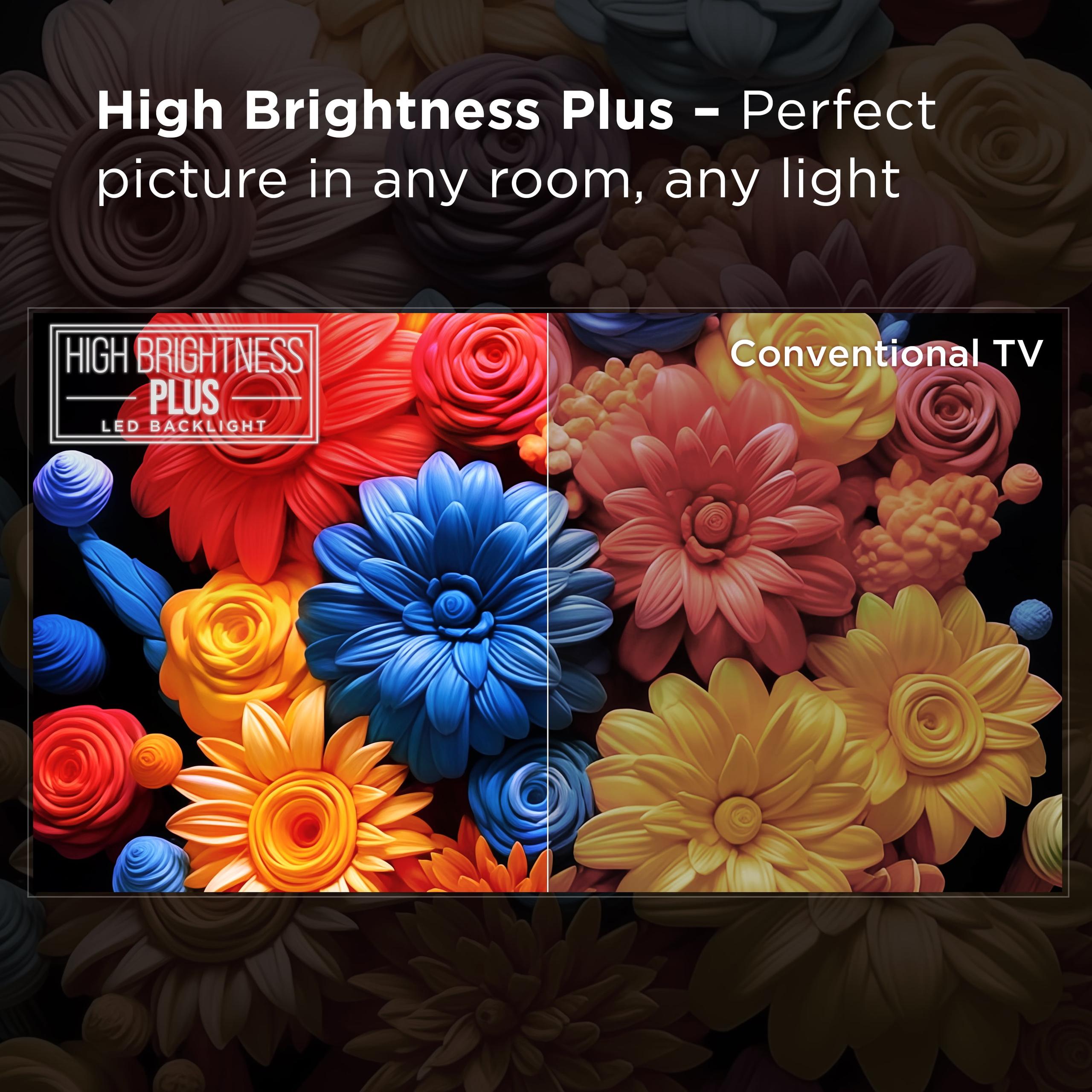
Peak brightness is where the QM7K absolutely dominates. It can hit 3,000 nits in HDR mode – that's roughly 10 times brighter than a typical indoor environment and bright enough to create genuinely eye-popping HDR effects. When I've tested similar Mini LED TVs, the difference in HDR content is immediately apparent. Explosions in action movies, sunlight streaming through windows, or the gleam off a car's chrome bumper all look dramatically more realistic.
The Q6, while still capable, peaks at around 1,000 nits. That's adequate for most HDR content and certainly better than older TVs, but you won't get that "wow, this looks real" moment that higher-end displays provide. For most streaming content and cable TV, the Q6's brightness is perfectly fine. But if you're a movie enthusiast who wants to experience films as the director intended, the QM7K's brightness advantage is substantial.
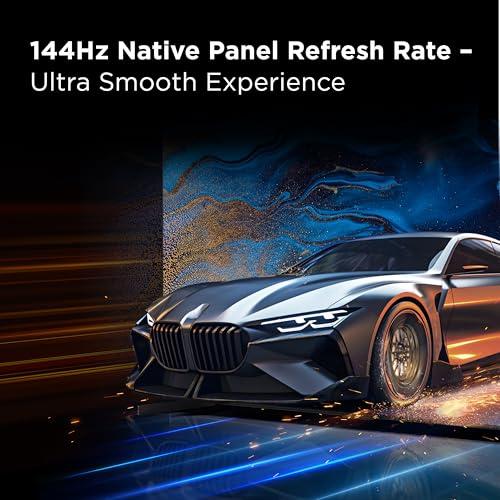
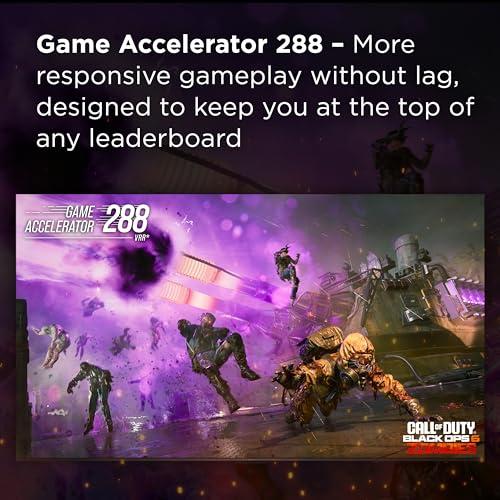
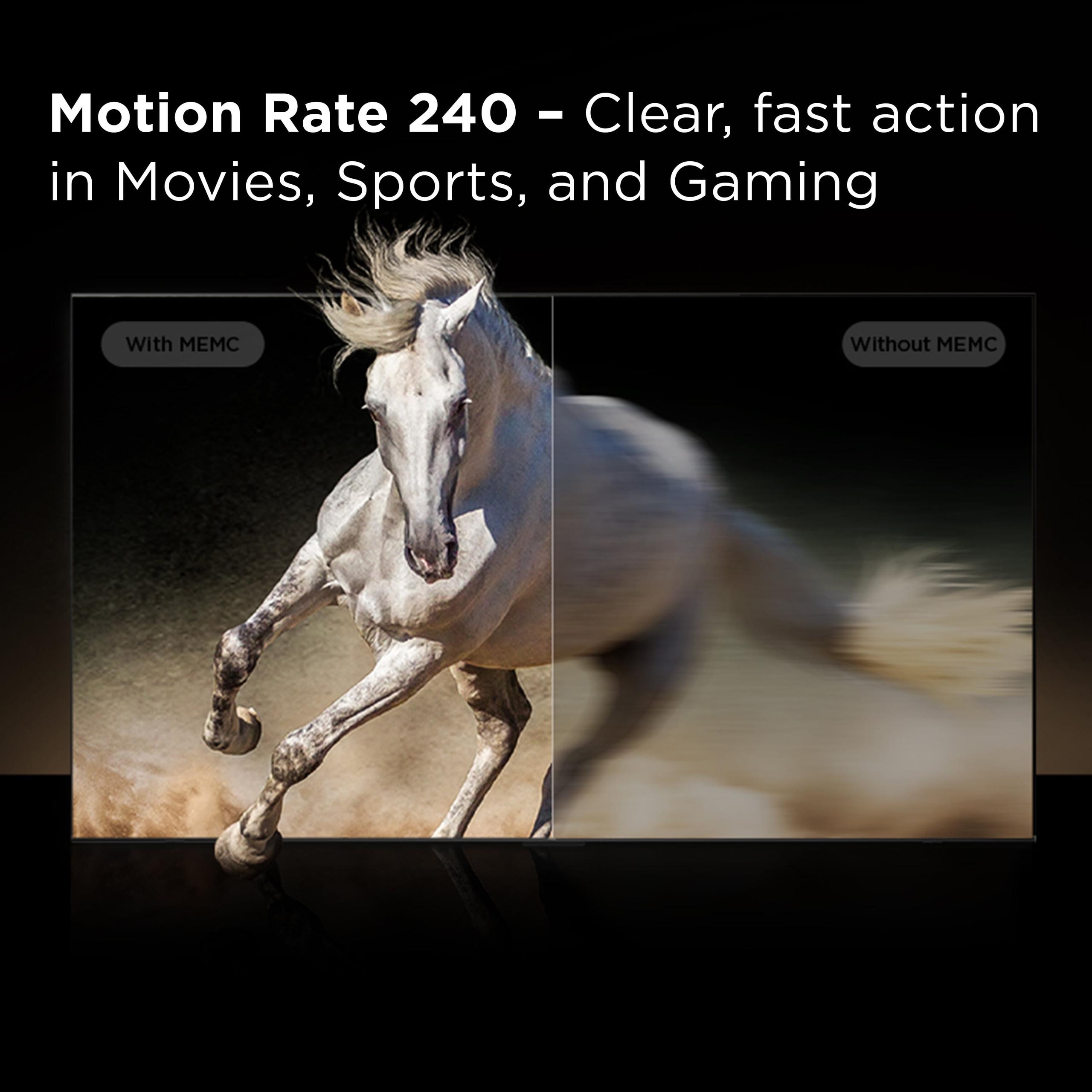
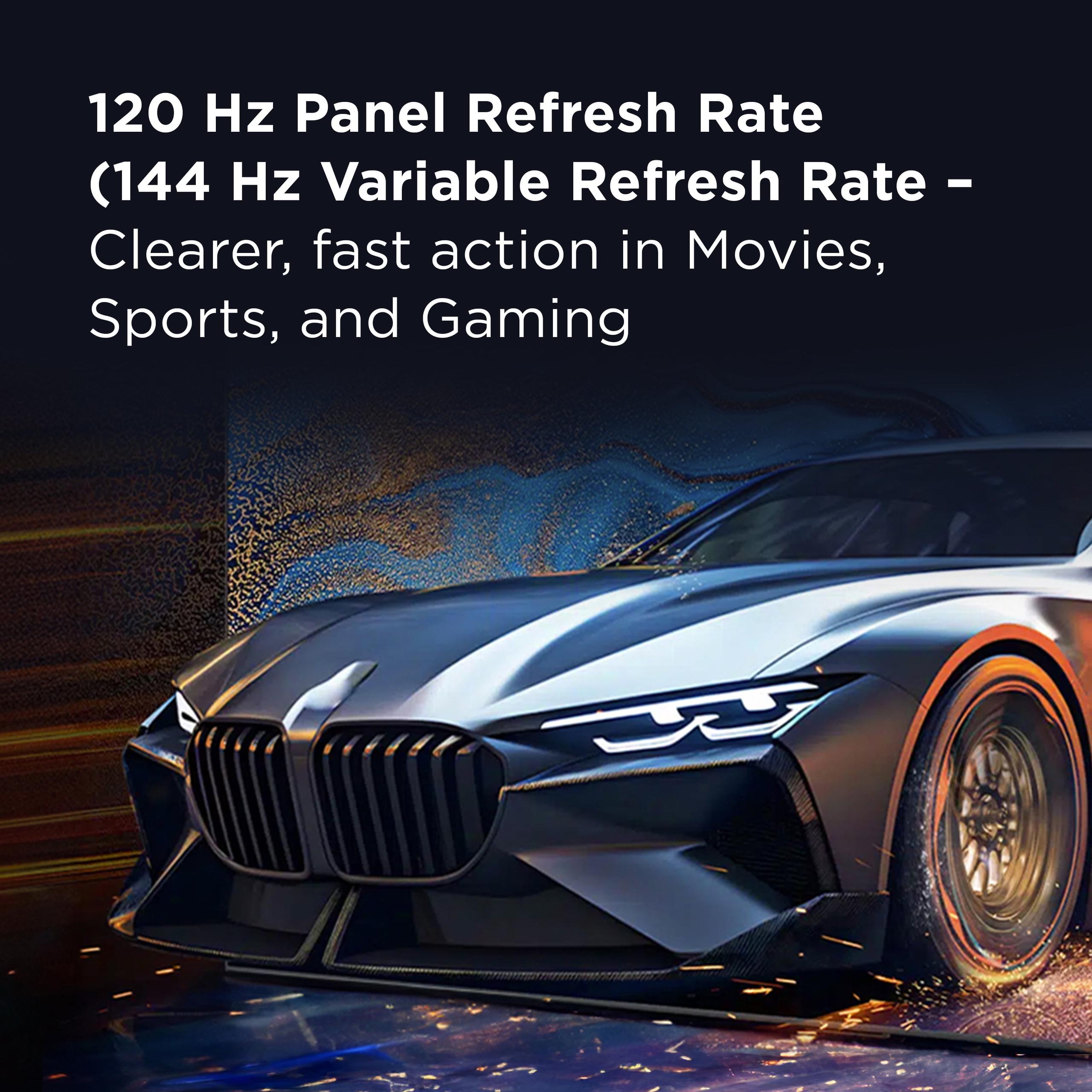
Both TVs cater to gamers, but they're in different leagues. The QM7K supports a native 144Hz refresh rate, which means it can display 144 unique frames per second. Its Game Accelerator 288 feature can handle variable refresh rates up to 288Hz for certain gaming scenarios. This matters tremendously for PC gaming and next-gen consoles, where higher frame rates create smoother motion and more responsive gameplay.
The QM7K also supports AMD FreeSync Premium Pro, which synchronizes the TV's refresh rate with your graphics card to eliminate screen tearing – those annoying horizontal lines that can appear during fast motion in games.
The Q6 offers 120Hz native refresh rate with Game Accelerator 240, which is still excellent for gaming but not quite as advanced. For most console gamers, the Q6's gaming features are more than adequate. The difference becomes noticeable mainly for competitive PC gamers or those with high-end gaming rigs capable of pushing extremely high frame rates.
Both TVs include Auto Game Mode (ALLM), which automatically switches to optimized gaming settings when it detects a gaming console, reducing input lag – the delay between pressing a button and seeing the action on screen.
Large TVs need substantial audio systems to fill the room appropriately, and here's another area where these models diverge significantly.
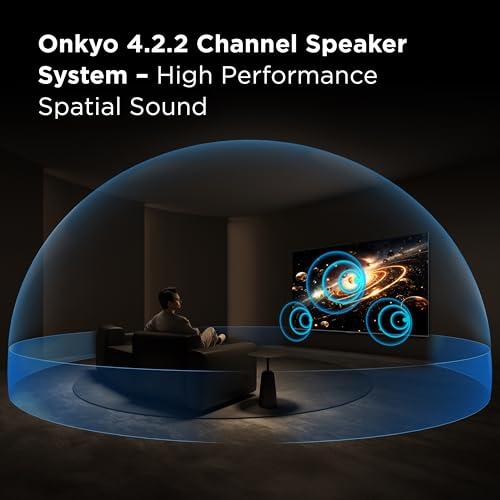
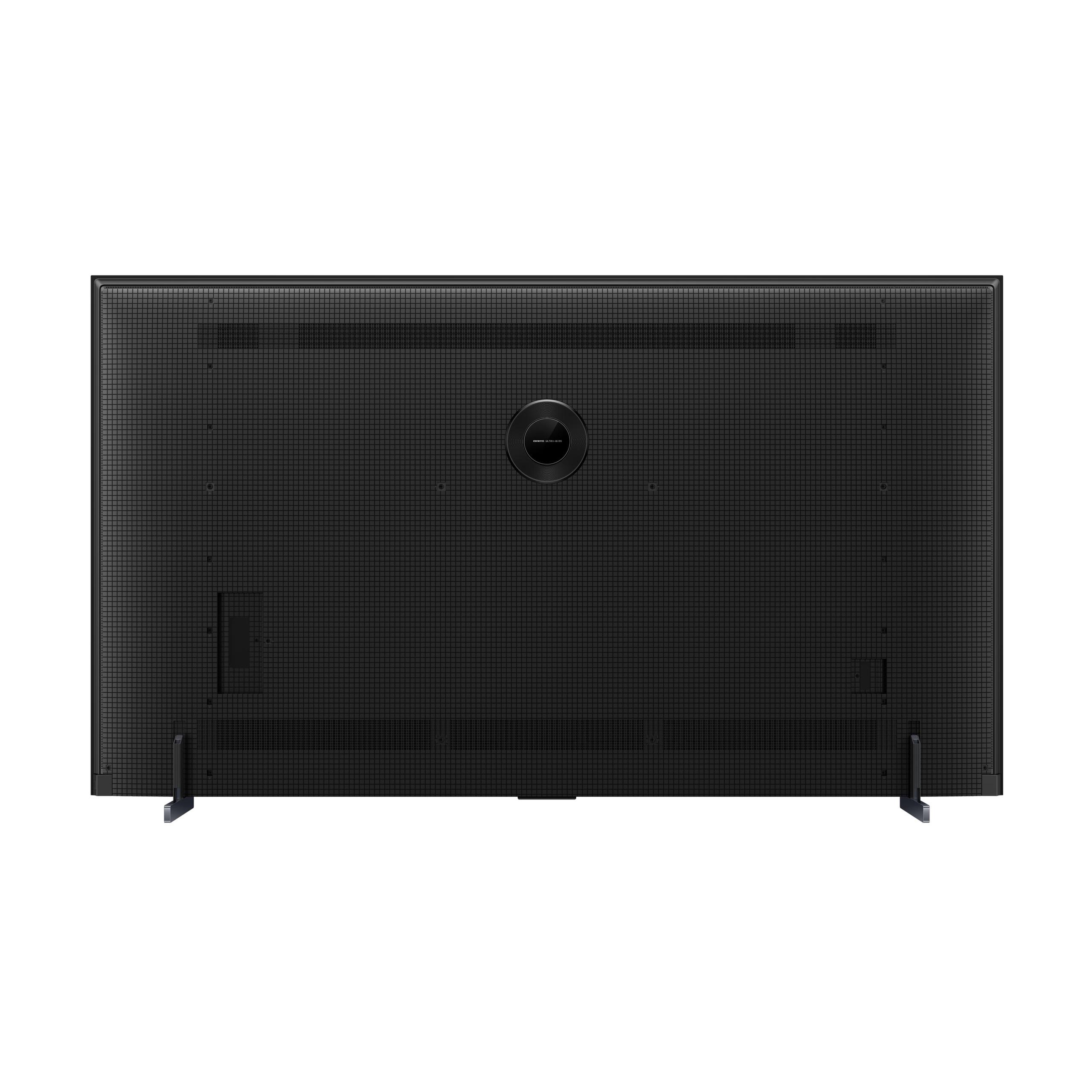
The QM7K features an Onkyo 4.2.2 speaker system pushing 100 watts through 8 speakers. The ".2" refers to upward-firing speakers that bounce sound off your ceiling for Dolby Atmos effects – creating the illusion that helicopters are flying overhead or rain is falling around you. It's tuned by Bang & Olufsen, and from my experience with similar setups, this creates genuinely immersive audio that many users won't feel compelled to upgrade immediately.
The Q6 keeps things simpler with a 30-watt, 2.0 channel system. It supports Dolby Atmos processing, but without the physical upward-firing speakers, the effect is more simulated than genuine. Most Q6 owners will probably want to add a soundbar fairly quickly, especially given the massive screen size.
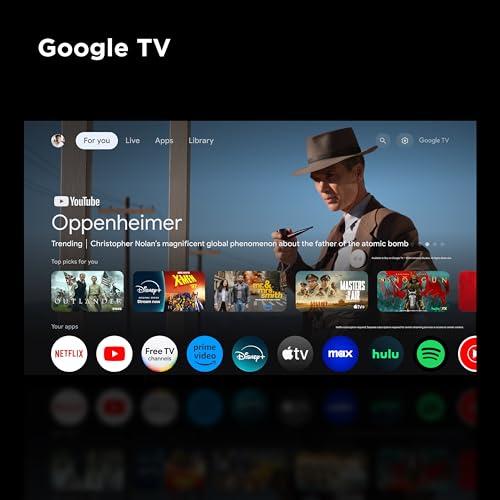
Both models run Google TV, which I've found to be one of the better smart TV platforms. It's responsive, regularly updated, and integrates well with Google services while still supporting all major streaming apps. The interface is clean and recommendations are generally helpful rather than pushy.
Both TVs support voice control, Chromecast built-in, and work with Apple AirPlay 2. The smart TV experience is essentially identical between the two models, which makes sense since this is more about software than hardware.
If you're setting up a dedicated home theater room, the QM7K is clearly the superior choice, assuming budget allows. The combination of its 115-inch screen, 3,000-nit peak brightness, and precise local dimming creates an experience that genuinely rivals commercial movie theaters. The anti-reflective coating on the CrystGlow panel helps in controlled lighting environments, and the advanced HDR support means you'll see movies as filmmakers intended.
The size difference between 98 and 115 inches is more significant than it might seem. A 115-inch screen has about 40% more viewing area than a 98-inch screen. In a dedicated theater room where you can control seating distance and lighting, that extra size creates more immersion.
However, the Q6 shouldn't be dismissed for home theater use. At 98 inches, it's still massive and delivers solid picture quality for the price. If your budget is limited or you're setting up a secondary viewing area, the Q6 provides an excellent big-screen experience without the premium cost.
Here's where things get interesting from a value perspective. The QM7K carries an estimated price of around $13,000, while the Q6 can be found for approximately $1,600. That's roughly an 8x price difference for what amounts to about 17 inches more screen size and significantly better picture quality.
When you break it down per inch, the Q6 offers incredible value at about $16 per inch of screen, while the QM7K costs roughly $113 per inch. But this raw calculation doesn't account for the dramatic technology differences.
The question becomes: is Mini LED technology, higher brightness, better gaming features, and superior audio worth the premium? For most buyers, honestly, probably not. The Q6 delivers 85% of the screen size experience at 12% of the cost.
The QM7K represents the cutting edge of current TV technology. Its 144Hz refresh rate and advanced gaming features position it well for future gaming consoles and streaming standards. The Mini LED technology is likely to be the premium standard for the next several years.
The Q6, while using older backlighting technology, still supports current HDR standards and gaming features. It won't become obsolete anytime soon, though it may not handle future high-frame-rate content as elegantly as the QM7K.
Choose the TCL 115" QM7K if you have the budget and want absolutely the best picture quality TCL offers. It's ideal for dedicated home theater rooms, serious gamers, and anyone who prioritizes cutting-edge technology over value. The investment makes sense if you plan to keep the TV for many years and want to future-proof your setup.
Choose the TCL 98" Q6 if you want maximum screen size within a reasonable budget. It's perfect for family rooms, casual viewing, and anyone who wants a massive screen without premium pricing. The picture quality is still very good – just not exceptional.
My honest take? Unless you're a serious videophile or have a dedicated theater room, the Q6 offers better overall value. The size alone will transform your viewing experience, and most people will be thrilled with its picture quality. Save the extra $11,000 for a great sound system, premium streaming subscriptions, or your next home improvement project.
However, if budget isn't a primary concern and you want the absolute best TCL offers, the QM7K will deliver an experience that approaches commercial theater quality in your home. The Mini LED technology really is impressive, and the 115-inch size creates genuine presence that smaller TVs simply can't match.
Either way, you're getting a massive screen that will change how you watch movies, sports, and games. The question is whether you want good-enough technology at a great price, or cutting-edge technology at a premium price.
| TCL 115" QM7K Series QD-Mini LED 4K Smart TV 2025 | TCL 98" Q6 Series 4K UHD QLED Smart TV |
|---|---|
| Screen Size - Bigger isn't always better if picture quality suffers | |
| 115 inches (40% more viewing area) | 98 inches (still massive for most rooms) |
| Display Technology - The foundation of picture quality | |
| QD-Mini LED with 2,500 local dimming zones | Standard QLED with 200+ dimming zones |
| Peak Brightness - Critical for HDR impact and bright room viewing | |
| 3,000 nits (true cinematic HDR experience) | ~1,000 nits (adequate for most content) |
| Contrast Ratio - Determines how deep blacks and bright whites can be | |
| 30,000,000:1 dynamic contrast (OLED-like performance) | Standard QLED contrast (good but not exceptional) |
| Gaming Refresh Rate - Higher rates mean smoother motion for gaming | |
| 144Hz native with 288Hz VRR support | 120Hz native with 240Hz VRR support |
| Audio System - Important for room-filling sound at this size | |
| Onkyo 4.2.2 system, 100W, 8 speakers with Dolby Atmos | 30W 2.0 channel system with basic Dolby Atmos |
| Smart TV Platform - Both offer identical Google TV experience | |
| Google TV with voice control and streaming apps | Google TV with voice control and streaming apps |
| Anti-Glare Technology - Helps with bright room viewing | |
| CrystGlow HVA panel with anti-reflective coating | Standard glossy QLED panel |
| Release Year - Indicates how current the technology is | |
| 2025 (latest Mini LED innovations) | 2024 (proven but older backlight tech) |
| Estimated Price - The deciding factor for most buyers | |
| ~$13,000 (premium flagship pricing) | ~$1,600 (exceptional value per inch) |
| Best For - Target audience and use cases | |
| Dedicated home theaters, serious gamers, tech enthusiasts | Budget-conscious buyers wanting maximum size |
The TCL 98" Q6 Series offers dramatically better value at around $1,600 compared to the TCL 115" QM7K Series at approximately $13,000. While the QM7K has superior picture quality and Mini LED technology, the Q6 provides 85% of the screen size at just 12% of the cost, making it the clear winner for budget-conscious buyers.
The TCL 115" QM7K uses Mini LED backlighting with up to 2,500 individual dimming zones that can brighten or dim independently, creating better contrast and eliminating light bleeding around bright objects. The TCL 98" Q6 uses standard QLED with quantum dot color enhancement but only 200+ dimming zones, resulting in good but less precise picture control.
The TCL 115" QM7K is superior for gaming with its 144Hz native refresh rate, 288Hz VRR support, and AMD FreeSync Premium Pro. The TCL 98" Q6 offers 120Hz refresh rate with 240Hz VRR, which is still excellent for most gamers but not as advanced as the QM7K's gaming features.
The TCL 115" QM7K can reach 3,000 nits peak brightness, which is three times brighter than the TCL 98" Q6's approximately 1,000 nits. This makes the QM7K much better for HDR content and bright room viewing, creating more realistic and eye-popping visuals.
The TCL 115" QM7K has significantly better audio with its Onkyo 4.2.2 speaker system delivering 100W through 8 speakers, including upward-firing speakers for true Dolby Atmos effects. The TCL 98" Q6 has a basic 30W 2.0 channel system that most users will want to supplement with a soundbar.
Yes, the TCL 115" QM7K has about 40% more viewing area than the TCL 98" Q6. While both are massive screens, the extra 17 inches creates noticeably more immersion, especially in dedicated home theater setups where you can optimize seating distance.
The TCL 115" QM7K is ideal for home theaters with its 3,000-nit brightness, precise local dimming, anti-reflective coating, and superior audio system. However, the TCL 98" Q6 can still provide an excellent theater experience at a fraction of the cost if budget is a primary concern.
Yes, both the TCL 115" QM7K and TCL 98" Q6 run Google TV with identical smart features including voice control, Chromecast built-in, Apple AirPlay 2 support, and access to all major streaming apps. The user experience is essentially the same on both models.
The TCL 115" QM7K delivers superior HDR performance with its 3,000-nit peak brightness and 2,500 local dimming zones, creating more realistic contrast and color in HDR movies and shows. The TCL 98" Q6 supports HDR formats but can't achieve the same dramatic visual impact due to lower brightness and fewer dimming zones.
The TCL 115" QM7K excels in bright rooms thanks to its 3,000-nit brightness and anti-reflective CrystGlow panel that cuts through ambient light. The TCL 98" Q6 can handle moderate lighting but may struggle in very bright rooms due to its lower peak brightness and standard glossy panel.
Both TVs should last many years, but the TCL 115" QM7K is more future-proof with its 2025 Mini LED technology, 144Hz refresh rate, and advanced gaming features that will handle upcoming content standards better. The TCL 98" Q6 uses proven 2024 technology that won't become obsolete but may not handle future high-frame-rate content as well.
Choose the TCL 98" Q6 if you want maximum screen size within a reasonable budget and have typical viewing needs. Choose the TCL 115" QM7K only if you have the budget for premium pricing and prioritize cutting-edge picture quality, serious gaming, or have a dedicated theater setup where the technology advantages will be most apparent.
We've done our best to create useful and informative comparisons to help you decide what product to buy. Our research uses advanced automated methods to create this comparison and perfection is not possible - please contact us for corrections or questions. These are the sites we've researched in the creation of this article: bestbuy.com - tomsguide.com - techradar.com - youtube.com - rtings.com - youtube.com - youtube.com - youtube.com - avsforum.com - abt.com - bestbuy.com - tcl.com - avsforum.com - tcl.com - rcwilley.com - tcl.com - valueelectronics.com - bestbuy.com - tcl.com - tcl.com - tcl.com - tcl.com - bestbuy.com - tcl.com - walmart.com - youtube.com - rtings.com - greentoe.com - kitele.com - bestbuy.com - youtube.com - tcl.com - pcrichard.com - youtube.com

Privacy Policy
Terms and Conditions - Affiliate Policy
Home Security
© Copyright 2008-2026.
11816 Inwood Rd #1211, Dallas, TX 75244