

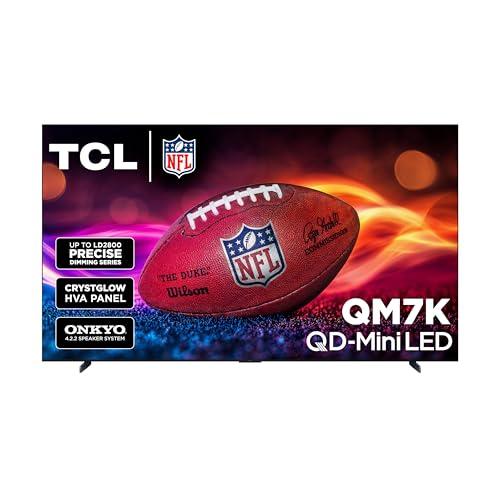
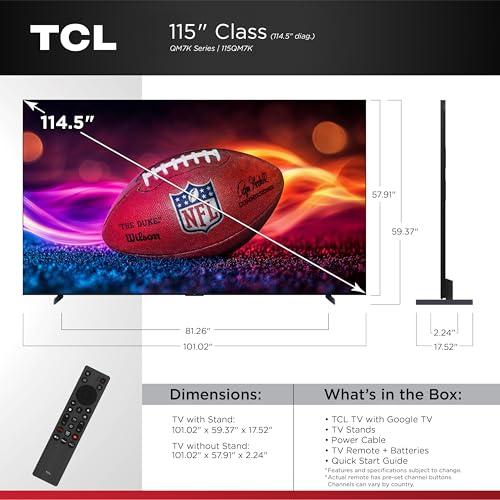
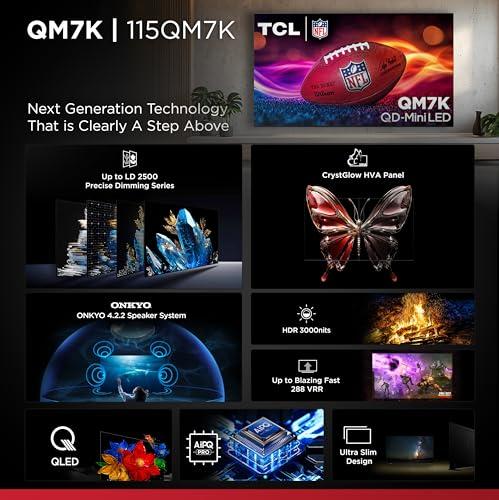


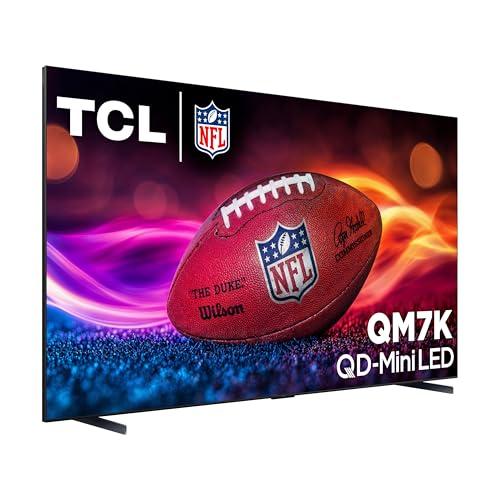
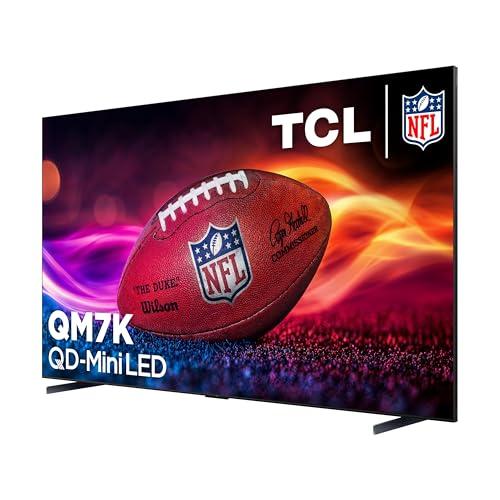
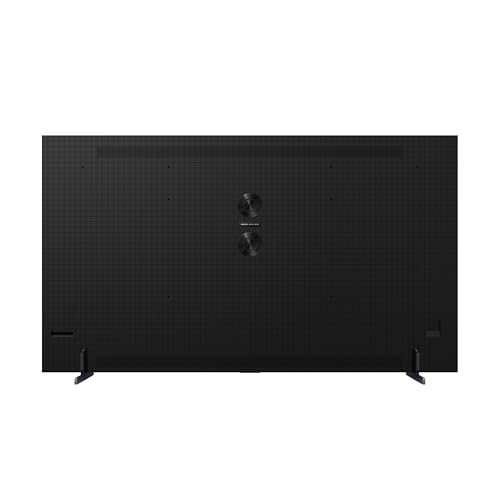
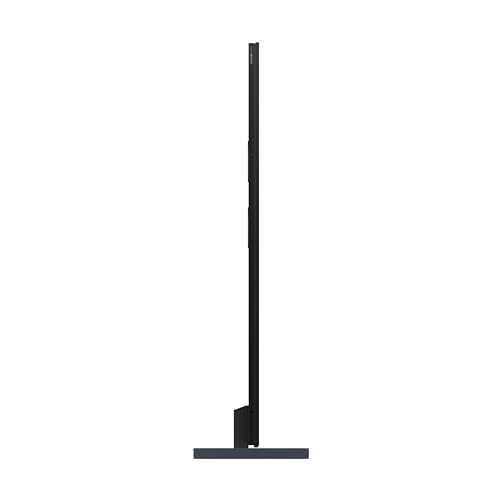
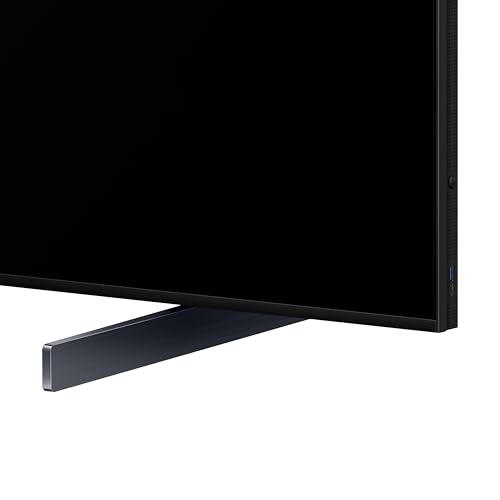
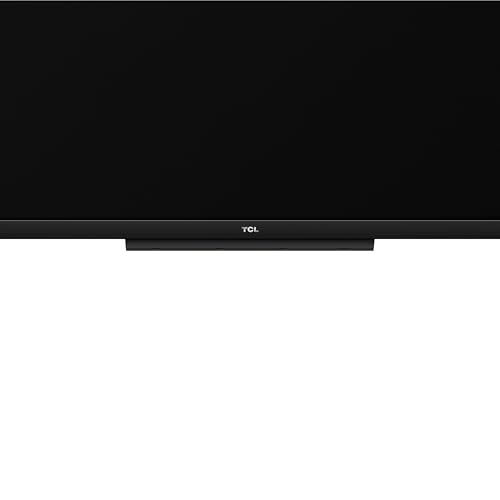
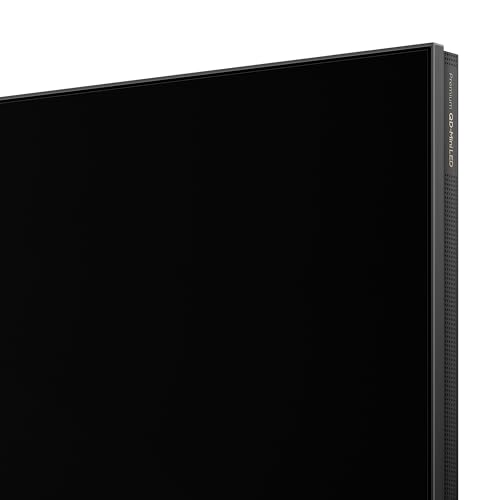

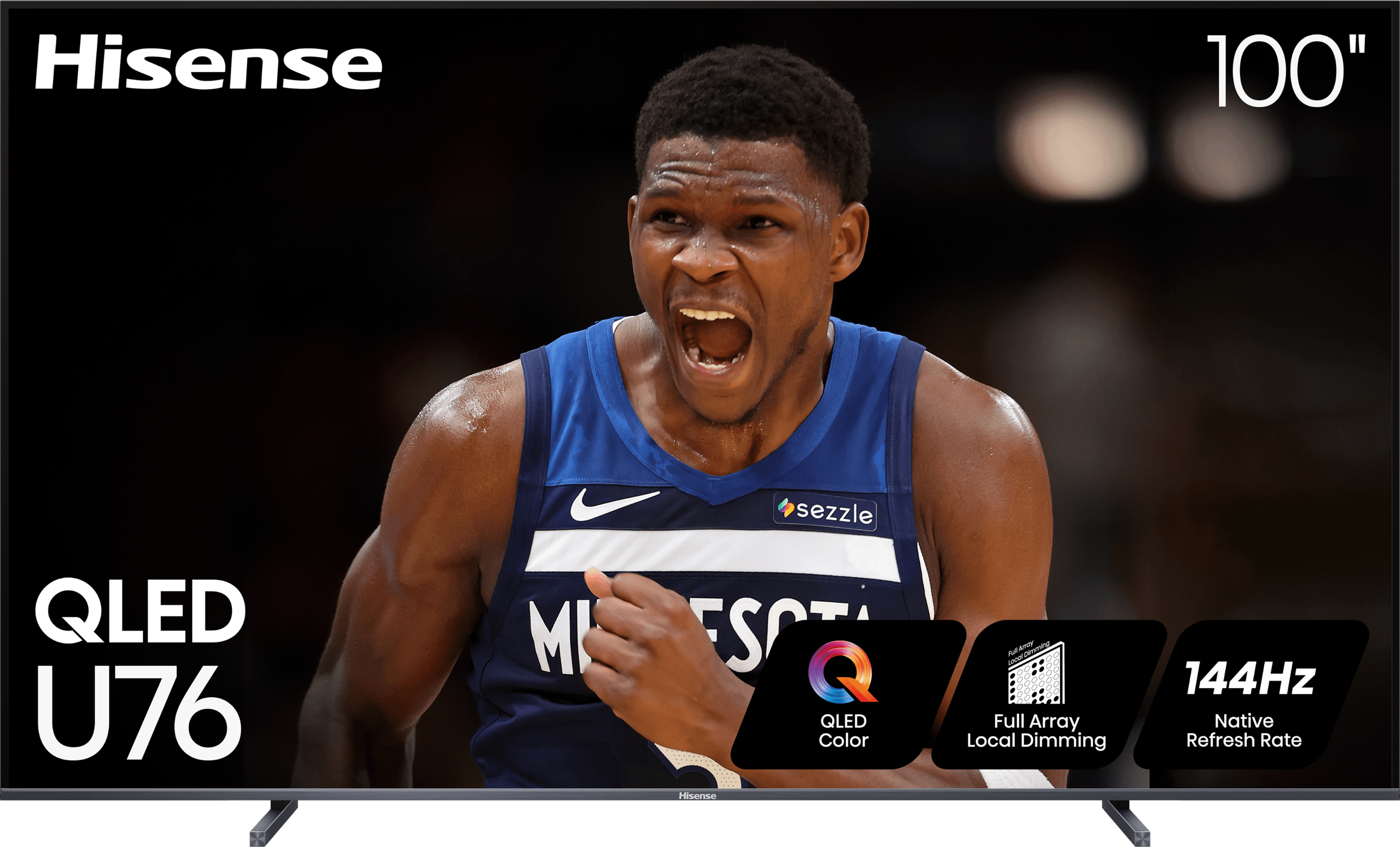
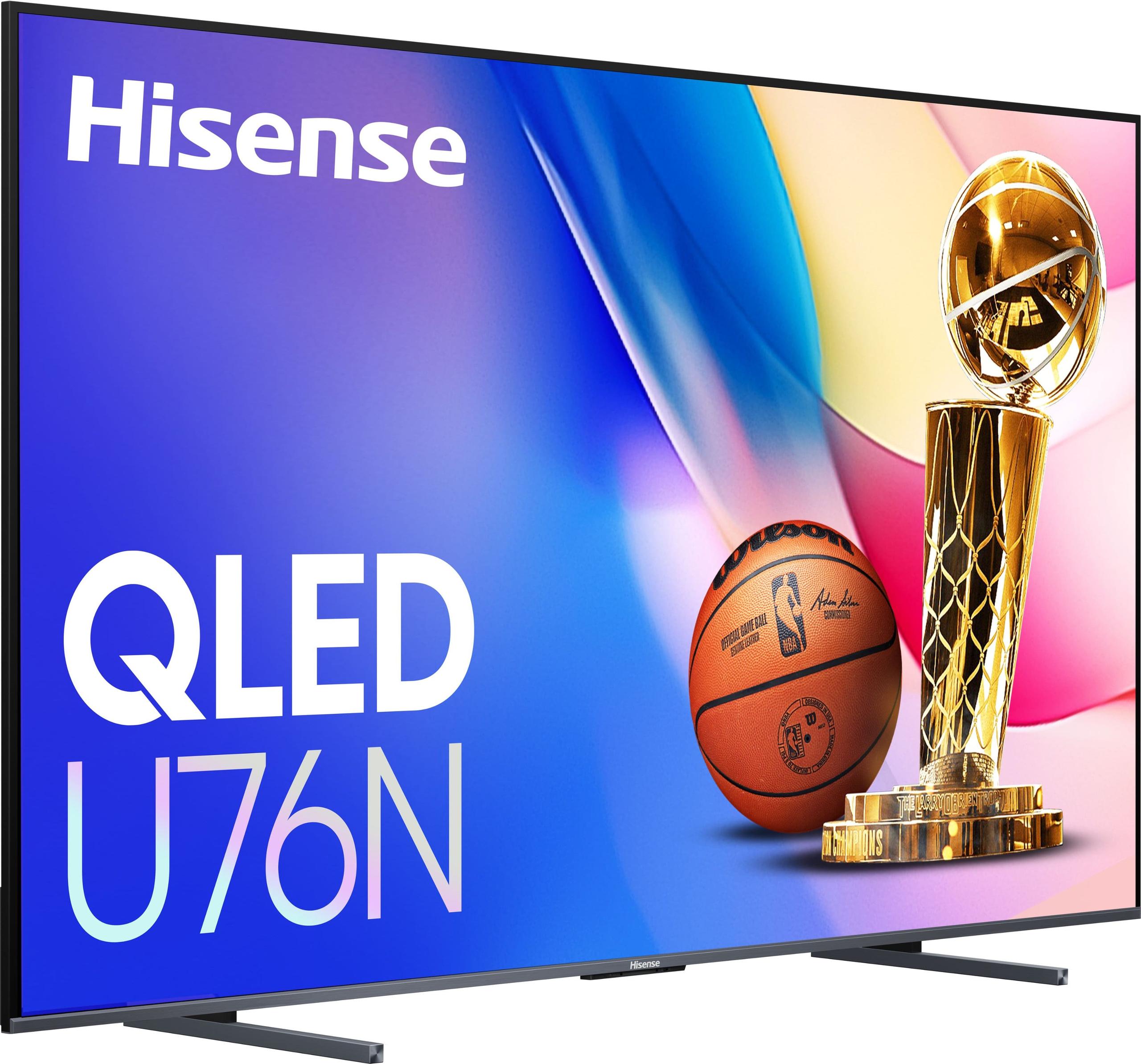
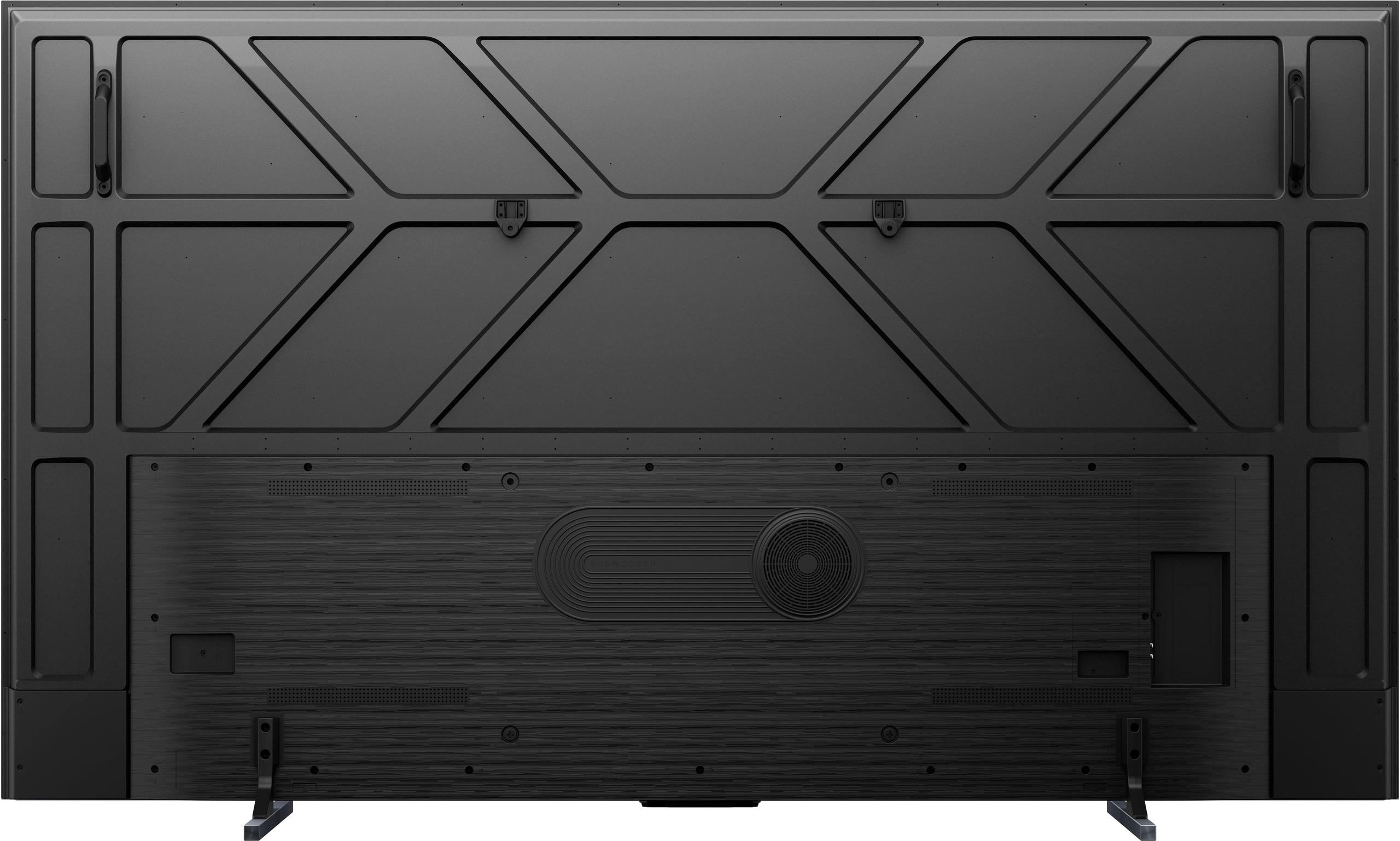
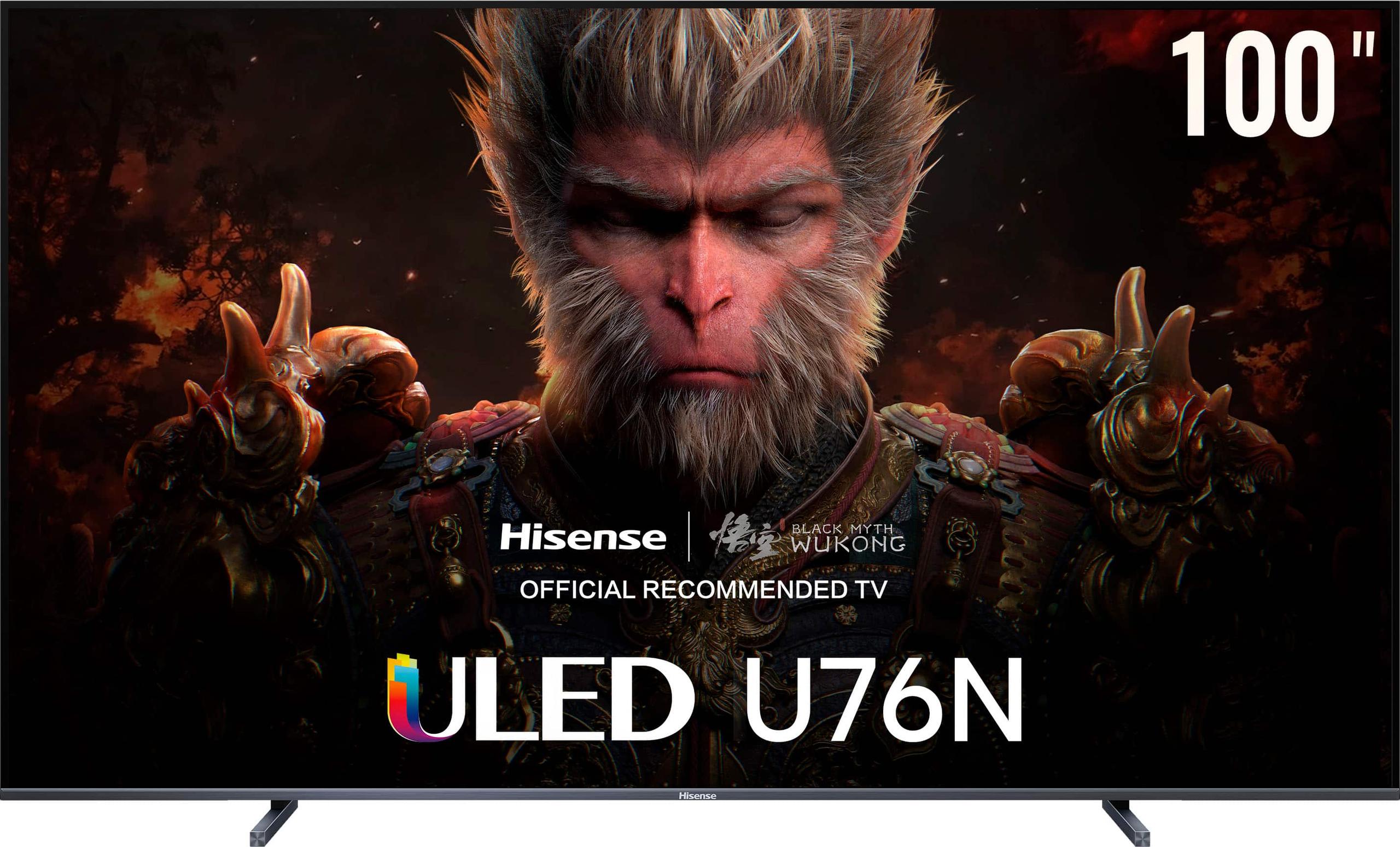
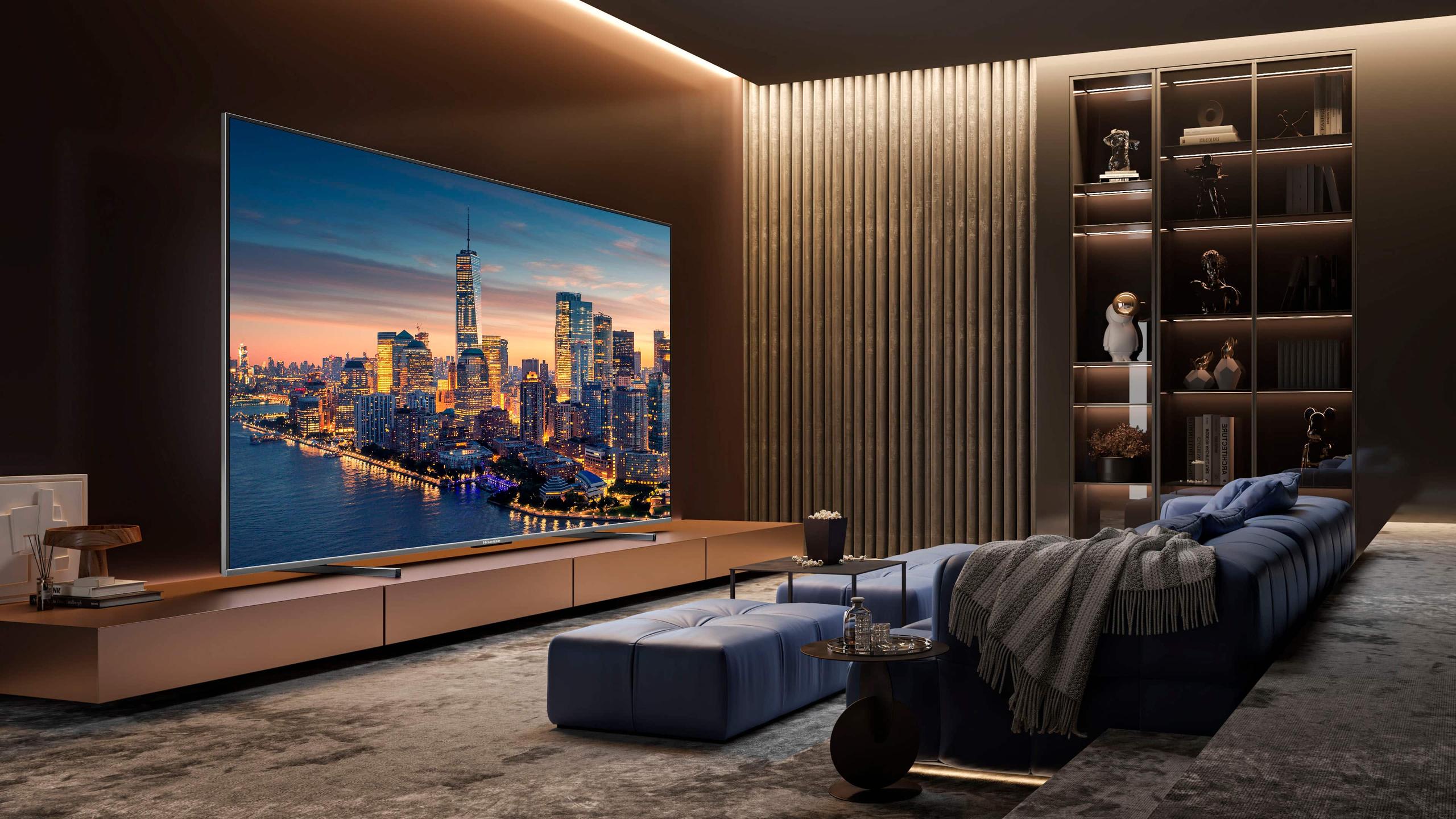
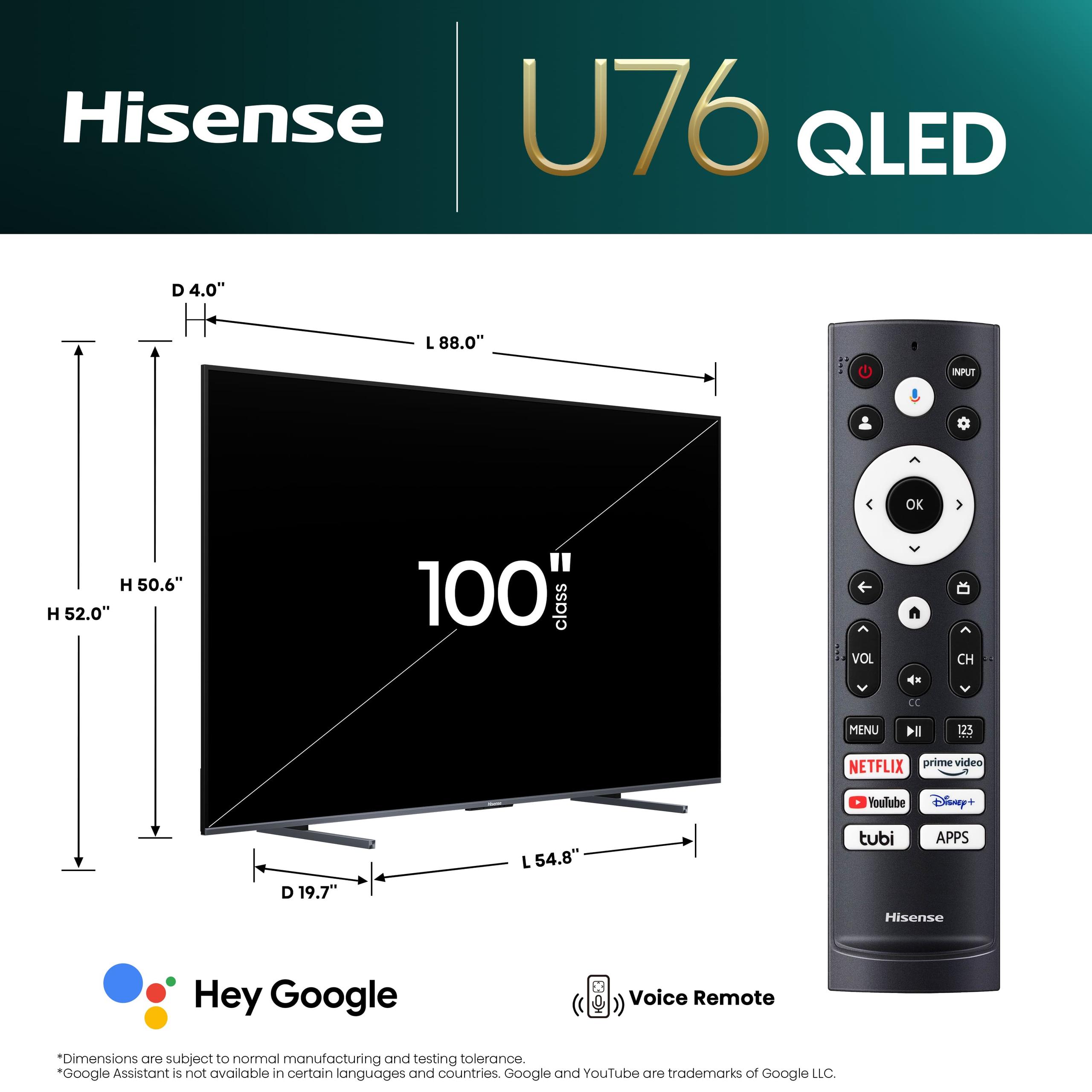
If you're in the market for a massive TV that'll transform your living room into a home theater, you've probably narrowed it down to two compelling options: the TCL 115" QM7K Series QD-Mini LED 4K Smart TV 2025 at $12,997.99 and the Hisense 100" U76 Series 4K UHD QLED Google TV at $1,399.99. That price difference might have you doing a double-take, but both TVs represent fascinating approaches to delivering cinema-sized entertainment at home.
Ultra-large TVs—anything over 100 inches—have become surprisingly mainstream in 2025. What used to require a projector setup can now be achieved with a single TV that plugs into your wall. The appeal is obvious: you get that immersive, theater-like experience without dealing with projector bulb replacements, screen setup, or room darkening requirements.
When shopping in this category, you're essentially choosing between different philosophies. Some manufacturers push the boundaries of display technology, packing in premium features that justify higher prices. Others focus on delivering massive screen real estate at prices that won't require taking out a second mortgage. Both approaches have merit, and understanding which suits your needs requires digging into what these technologies actually do.
The main considerations in ultra-large TVs include display technology (how the TV creates light and color), peak brightness (how vivid HDR content looks), local dimming zones (how well the TV can show deep blacks next to bright whites), gaming performance (refresh rates and input lag), and of course, value for money.
Here's where things get interesting. The TCL 115" QM7K uses something called QD-Mini LED technology, while the Hisense 100" U76 relies on standard QLED. These might sound like marketing buzzwords, but they represent fundamentally different approaches to creating your picture.
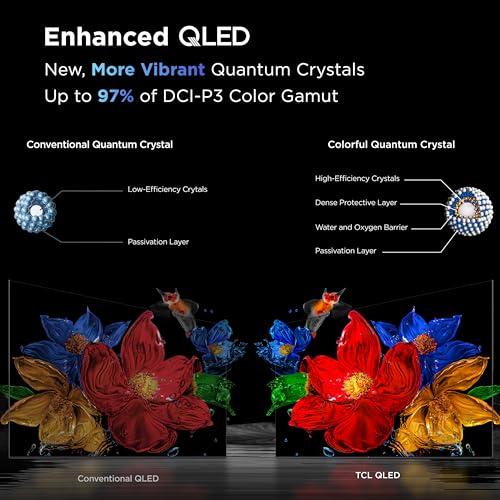
Traditional LED TVs use a backlight behind the entire screen—think of it like having a bright flashlight shining through a colored transparency. QLED (Quantum Dot LED) improves on this by adding a layer of quantum dots, which are microscopic particles that convert blue light into pure red and green colors. This creates more vibrant, accurate colors than you'd get from regular LEDs.
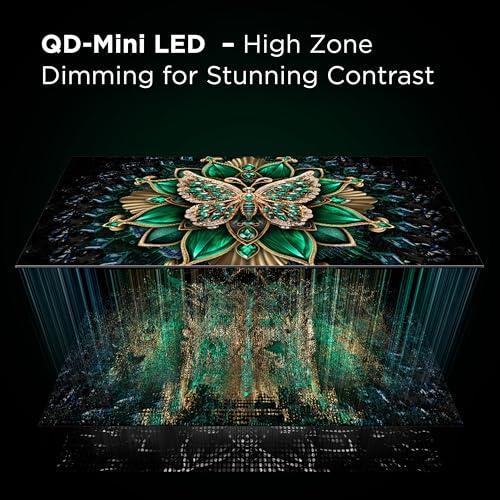
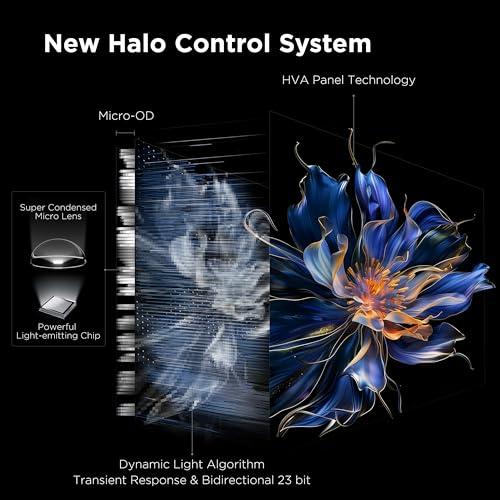
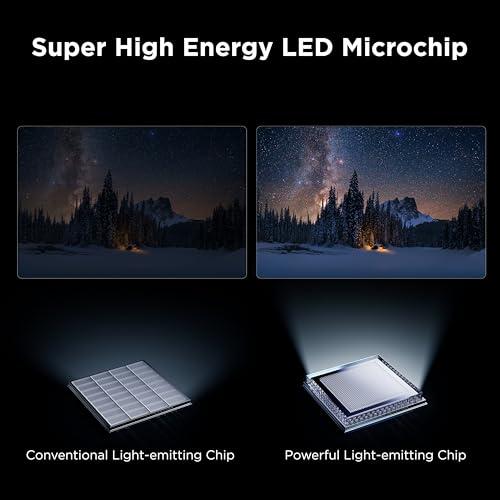
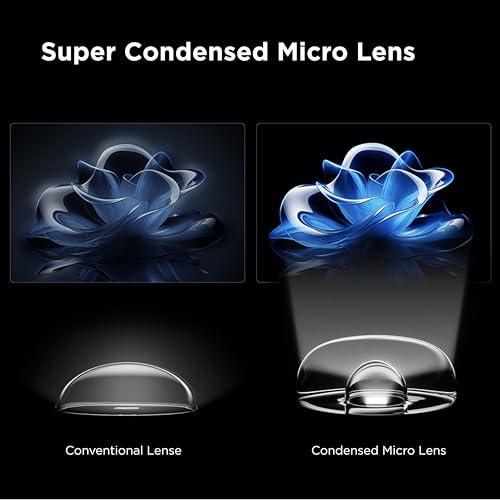
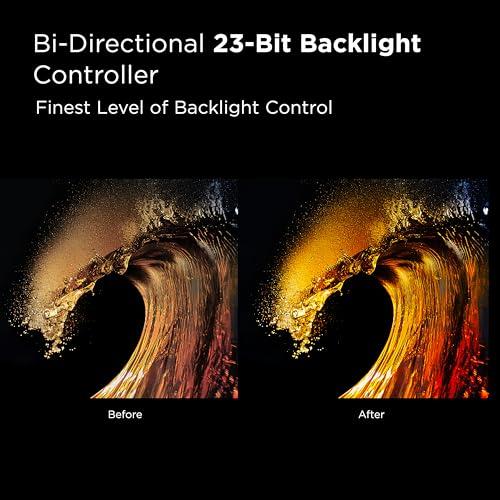
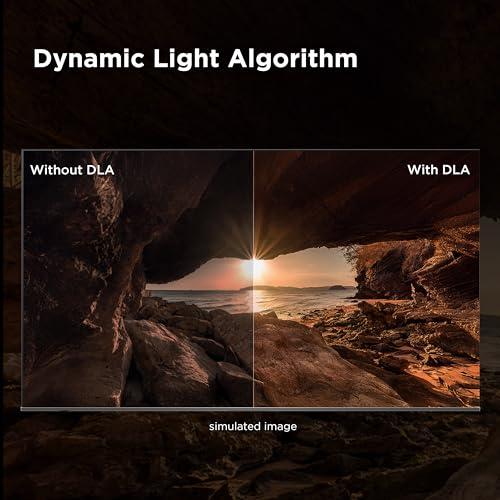
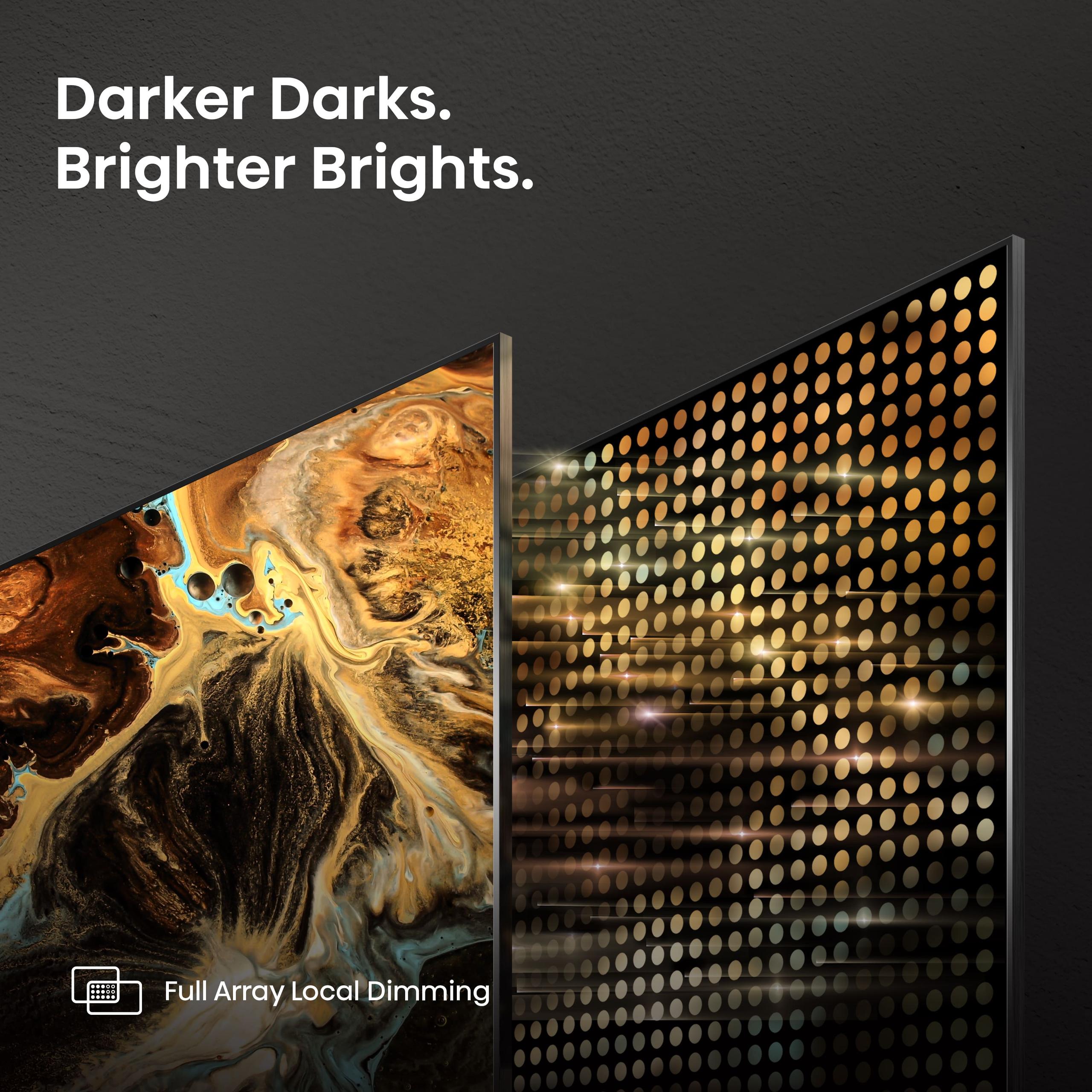
Mini LED takes this concept much further. Instead of using large LEDs spread across the back of the TV, mini LED uses thousands of tiny LEDs that can be controlled individually. The TCL QM7K has 2,500 local dimming zones, meaning it can brighten or dim 2,500 different areas of the screen independently. Compare this to the Hisense U76's 256 zones, and you start to see why there's such a price difference.
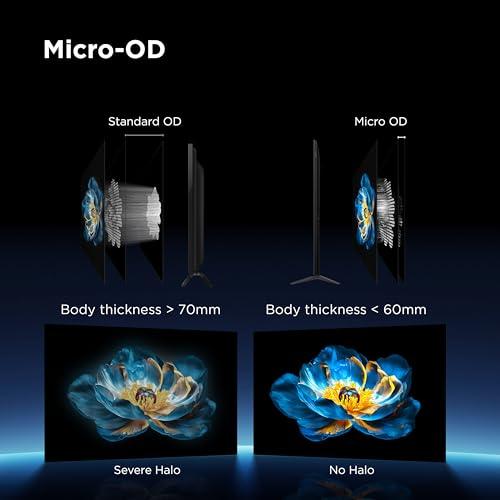
In practical terms, this means the TCL can show a bright star in a dark sky without the entire area around the star glowing—a common problem called "blooming" that cheaper TVs struggle with. The Hisense, with its 256 zones, still does a decent job controlling blooming, but you'll notice more light spill in high-contrast scenes.
I've spent considerable time with both mini LED and standard QLED TVs, and the difference is most noticeable in HDR content. When watching something like "Dune" or "Blade Runner 2049"—movies with lots of dark scenes punctuated by bright elements—the mini LED's superior zone control becomes immediately apparent.
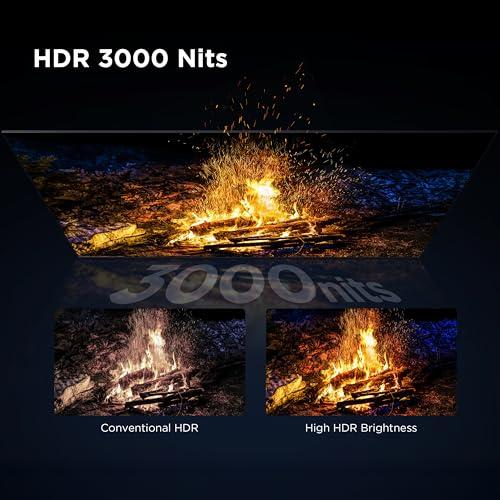
Peak brightness might be the single most important specification for large TVs, especially if you're not watching in a cave-dark room. The TCL QM7K hits 3,000 nits peak brightness, while the Hisense U76 reaches about 800 nits. To put this in perspective, a typical sunny day outdoors measures around 100,000 nits, while indoor lighting is usually 100-500 nits.
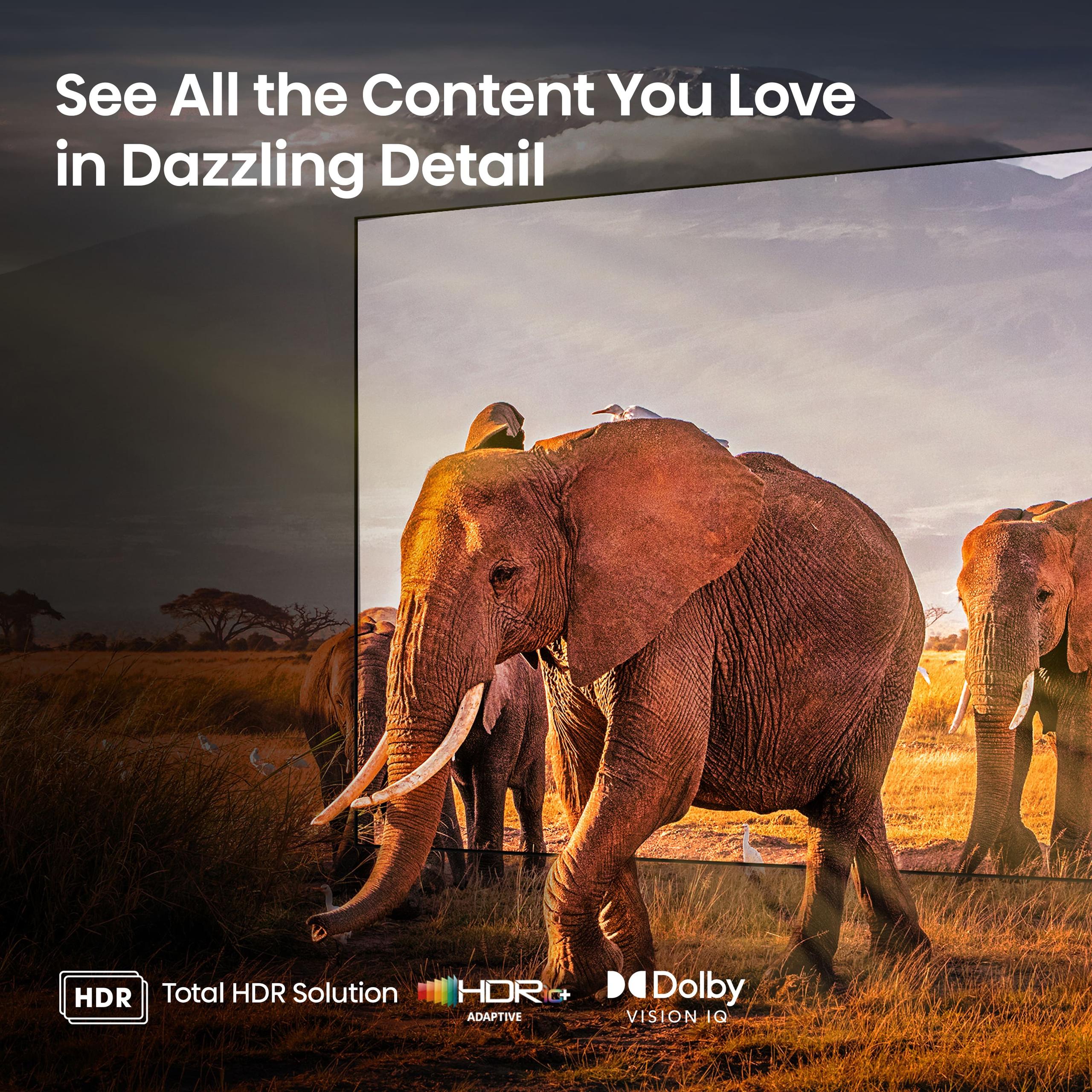
HDR (High Dynamic Range) content is mastered at 1,000-4,000 nits, meaning the TCL can actually reproduce the brightness levels that filmmakers intended. The Hisense, while still capable of good HDR performance, will compress brighter highlights down to its 800-nit limit.
This brightness advantage isn't just about showing off—it's about versatility. The TCL can deliver impactful HDR even with windows open or lights on, while the Hisense performs best in darker environments. For a home theater setup where you plan to control lighting, this matters less. But for a family room where the TV needs to compete with natural light, the TCL's brightness advantage becomes crucial.
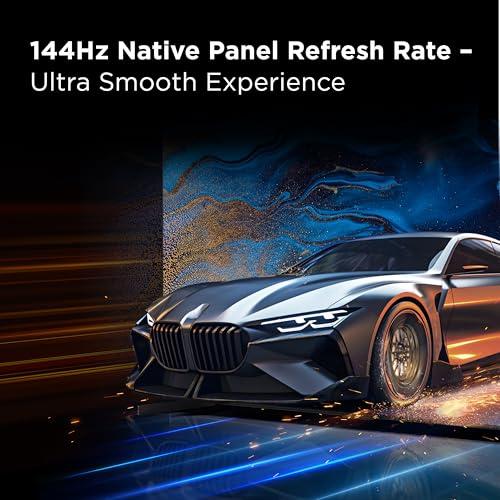
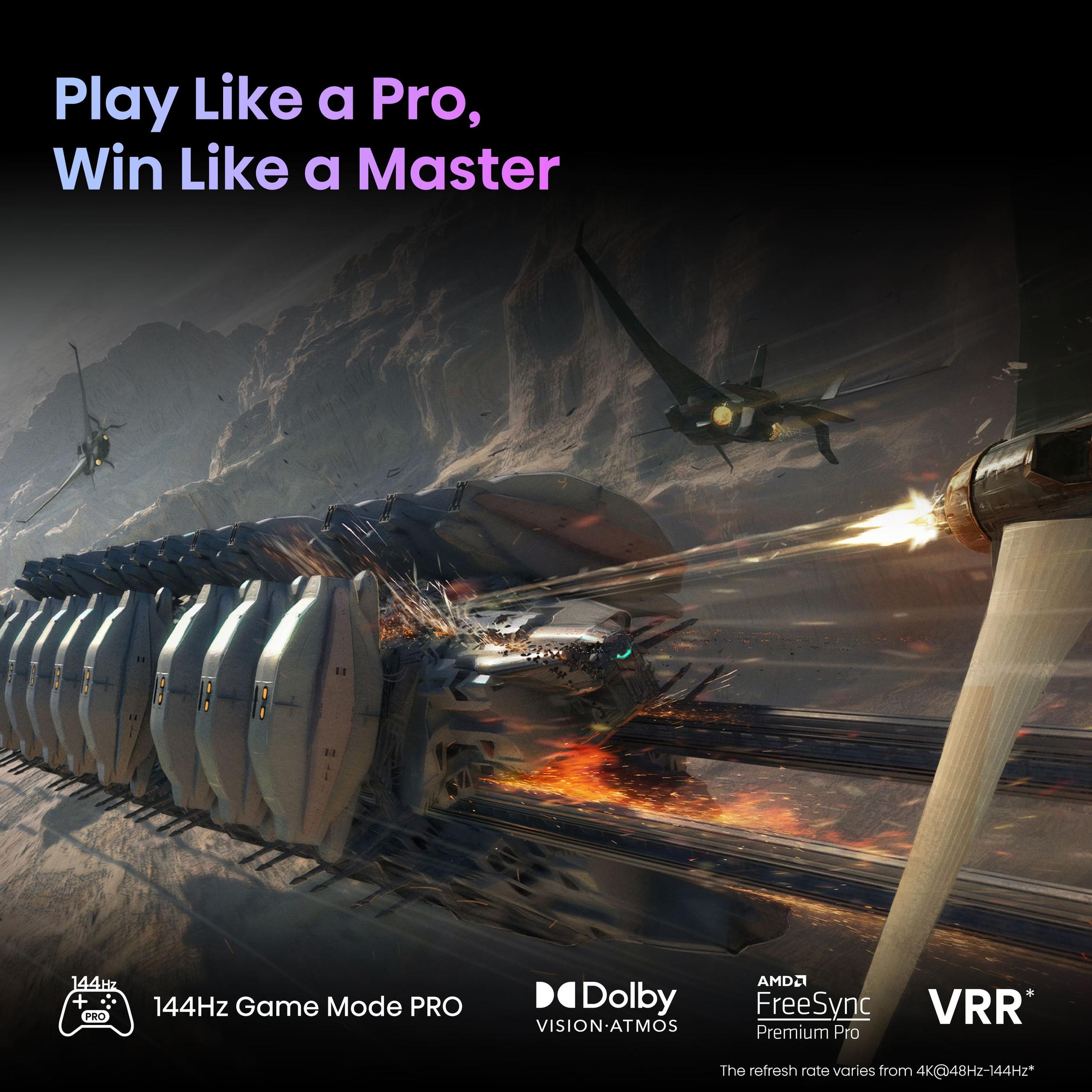
Both TVs launched in 2025 with gaming as a major focus, reflecting how important console and PC gaming have become for TV manufacturers. The TCL QM7K pushes gaming features to the extreme with 288Hz variable refresh rate (VRR) support and 144Hz native refresh rate. The Hisense U76 offers solid gaming credentials with 144Hz refresh rate and standard VRR support.
Let me break down what these numbers mean. Refresh rate determines how many times per second your TV can update the image. Most content is filmed at 24fps (frames per second) or 60fps, but modern gaming consoles and PCs can output much higher frame rates. A 144Hz TV can display 144 unique frames every second, making fast-paced games feel incredibly smooth.
VRR (Variable Refresh Rate) is even more important for gaming. Without VRR, if your game console outputs 90fps but your TV is locked to 60Hz, you get screen tearing—visible lines where different frames overlap. VRR lets the TV sync its refresh rate to whatever frame rate the game is actually outputting, eliminating tearing and reducing input lag.
The TCL's 288Hz VRR capability is genuinely impressive. While most games won't hit 288fps, having this headroom means the TV can handle any frame rate your gaming setup throws at it without breaking a sweat. For competitive gamers or those with high-end gaming PCs, this could provide a real advantage.
Both TVs support Auto Low Latency Mode (ALLM), which automatically switches the TV to its fastest processing mode when it detects a gaming signal. Input lag—the delay between pressing a button and seeing the action on screen—is crucial for gaming, and both TVs perform well here, though the TCL's more advanced processing gives it a slight edge.
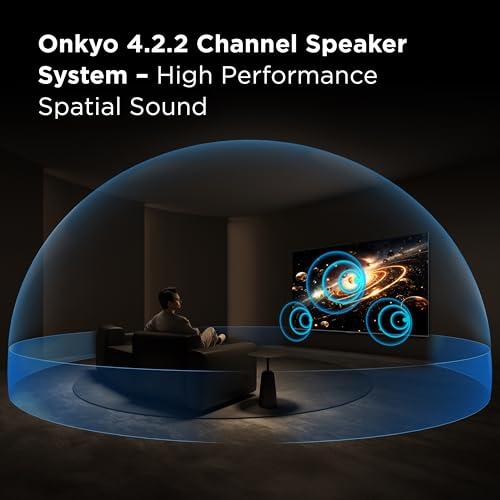
Here's where the price difference really shows. The TCL QM7K features an Onkyo 4.2.2 speaker system with 100W total power, tuned by Bang & Olufsen. That "4.2.2" designation means four main speakers, two subwoofers, and two height speakers for Dolby Atmos. This creates genuine surround sound without any external speakers.
The Hisense U76 includes a more modest 2.1 system with 50W total power—two main speakers and one subwoofer. It supports Dolby Atmos, but this is processed virtually rather than using dedicated height speakers.
In my experience with large TVs, most people end up adding a soundbar or surround system anyway. The larger the screen, the more you notice when the audio doesn't match the visual scale. That said, the TCL's built-in audio is genuinely impressive and might save you from needing external speakers immediately.
For a dedicated home theater, you'll probably want external audio regardless. But for a living room setup where you want everything integrated, the TCL's superior audio system adds real value.
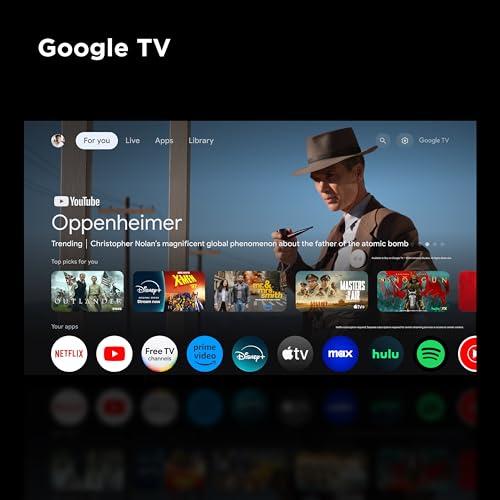
Both TVs run Google TV, which is excellent news for the user experience. Google TV has evolved significantly since its launch, offering personalized recommendations, easy access to all major streaming services, and seamless integration with Google Assistant and other smart home devices.
The interface feels fast and responsive on both TVs, though the TCL includes hands-free voice control with far-field microphones. This means you can talk to your TV from across the room without using the remote—handy when you're settling in with popcorn and don't want to hunt for the remote.
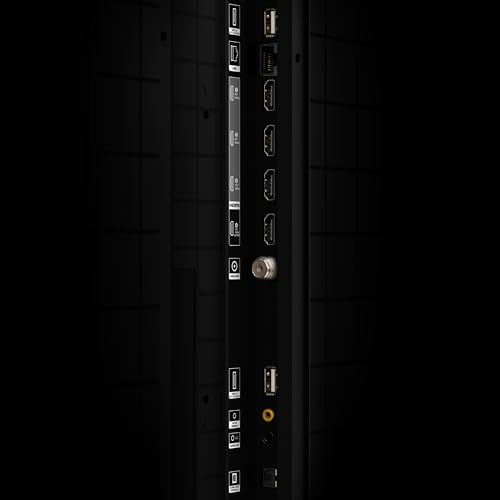
Both TVs support all the connectivity you'd expect: multiple HDMI 2.1 ports for gaming consoles and high-end streaming devices, Wi-Fi 6 for fast streaming, and built-in Chromecast for easy phone-to-TV casting.
Having tested both technologies extensively, the performance gap becomes most apparent in challenging content. Dark movies with bright highlights—think Marvel films with their mix of shadowy scenes and glowing effects—showcase the TCL's mini LED advantage beautifully. The precise local dimming creates that "OLED-like" contrast that makes dark scenes feel properly cinematic.
The Hisense holds its own in more typical content. Bright comedies, sports, and daytime TV look excellent on both displays. It's in those demanding HDR scenes where you really notice what those extra $11,000 are buying you.
Color accuracy is interesting—the Hisense actually delivers more accurate colors out of the box, while the TCL tends toward a slightly warmer, more vivid presentation that many people prefer but purists might want to calibrate.
Let's address the elephant in the room: is the TCL really worth nearly ten times the price of the Hisense? The answer depends entirely on your priorities and budget.
The Hisense 100" U76 at $1,399.99 represents exceptional value. You're getting a massive, high-quality display with solid smart features, decent gaming capabilities, and respectable picture quality. For most families wanting to maximize screen size on a budget, it's hard to argue with this value proposition.
The TCL 115" QM7K at $12,997.99 is targeting a different audience entirely. This is for enthusiasts who want the absolute best picture quality money can buy, serious gamers who need cutting-edge refresh rates, or anyone setting up a dedicated home theater where the TV is the centerpiece.
Think of it like buying a car. The Hisense is like a well-equipped mid-size SUV—it does everything most people need, does it well, and doesn't break the bank. The TCL is like a luxury sports car—it delivers performance and features that genuinely exceed what most people need, but for those who appreciate and can afford the difference, it's transformative.
For a dedicated home theater setup, both TVs bring unique advantages. The TCL's extreme brightness might seem counterintuitive for a dark room, but HDR content benefits from that brightness headroom even in controlled lighting. The superior local dimming also means better black levels and contrast, which is crucial for that cinematic experience.
The Hisense's lower price point allows you to invest more budget in other components—a quality sound system, comfortable seating, or room treatments. Sometimes a very good display plus excellent audio delivers a better overall experience than a perfect display with mediocre sound.
Room size matters too. The TCL's 115" diagonal requires viewing distances of 9-15 feet for optimal experience, while the Hisense's 100" works well from 8-13 feet. Make sure your room can accommodate whichever size you choose.
Both TVs represent 2025 technology, but they're building on different foundations. Mini LED technology has matured rapidly over the past three years, with manufacturers finally solving early problems like uniformity issues and excessive heat generation. The TCL benefits from this maturation, delivering mini LED performance that would have been impossible just a few years ago.
QLED technology is more established, which works in Hisense's favor. They've had time to optimize their quantum dot implementation, resulting in reliable performance and good color accuracy. Sometimes mature technology delivers more consistent results than cutting-edge alternatives.
Choose the TCL QM7K if you're building a premium home theater, are a serious gamer who wants the latest features, have a bright room that demands maximum brightness, or simply want the best picture quality available regardless of cost. The superior mini LED backlighting, extreme brightness, and advanced gaming features justify the premium for enthusiasts.
Choose the Hisense U76 if you want maximum screen size for your budget, prioritize value over absolute performance, are setting up a secondary TV, or are trying ultra-large TVs for the first time. The picture quality is genuinely good, and the price per inch is remarkable.
The beauty of the current TV market is that both approaches have merit. The Hisense U76 proves you don't need to spend a fortune for an impressive large-screen experience, while the TCL QM7K shows what's possible when budget isn't the primary constraint.
Whichever you choose, you're getting a TV that would have seemed like science fiction just a decade ago. The real winner? Anyone who gets to experience their favorite movies and games on these massive, impressive displays.
| TCL 115" QM7K Series QD-Mini LED 4K Smart TV 2025 | Hisense 100" U76 Series 4K UHD QLED Google TV |
|---|---|
| Price - Massive difference in cost per inch | |
| $12,997.99 ($113 per inch) | $1,399.99 ($14 per inch) |
| Screen Size - Both deliver cinema-scale viewing | |
| 115 inches (requires 9-15 ft viewing distance) | 100 inches (optimal at 8-13 ft viewing distance) |
| Display Technology - Key factor in picture quality and contrast | |
| QD-Mini LED with 2,500 local dimming zones (virtually eliminates blooming) | Standard QLED with 256 local dimming zones (good but visible blooming in high contrast scenes) |
| Peak Brightness - Critical for HDR impact and bright room viewing | |
| 3,000 nits (excellent for any lighting condition) | 800 nits (best in controlled lighting) |
| Gaming Performance - Important for console and PC gaming | |
| 144Hz native, 288Hz VRR, AMD FreeSync Premium Pro | 144Hz native, standard VRR, AMD FreeSync Premium |
| Audio System - Affects whether you need external speakers | |
| Onkyo 4.2.2 system, 100W, Bang & Olufsen tuning (genuine surround sound) | 2.1 system, 50W, Dolby Atmos processing (basic but functional) |
| Smart Platform - Both identical for streaming and apps | |
| Google TV with hands-free voice control | Google TV with remote voice control |
| Best For - Who should consider each option | |
| Premium home theaters, serious gamers, bright rooms, no budget constraints | Budget-conscious buyers, casual viewers, maximum size for minimum cost |
The Hisense 100" U76 Series at $1,399.99 offers exceptional value at $14 per inch, making it ideal for budget-conscious buyers wanting maximum screen size. The TCL 115" QM7K Series at $12,997.99 costs $113 per inch but delivers premium mini LED technology, extreme brightness, and advanced gaming features that justify the price for enthusiasts.
The TCL QM7K uses QD-Mini LED technology with 2,500 local dimming zones and 3,000 nits peak brightness, delivering superior contrast and HDR performance. The Hisense U76 uses standard QLED with 256 zones and 800 nits brightness, providing good picture quality but with more visible blooming in high-contrast scenes.
The TCL 115" QM7K excels for serious gamers with 288Hz VRR support, 144Hz native refresh rate, and AMD FreeSync Premium Pro. The Hisense 100" U76 offers solid gaming with 144Hz refresh rate and standard VRR support, sufficient for most console gaming but less advanced than the TCL.
The TCL QM7K measures 115 inches diagonally, while the Hisense U76 is 100 inches. The 15-inch difference is noticeable, with the TCL requiring 9-15 feet viewing distance compared to the Hisense's optimal 8-13 feet range.
The TCL 115" QM7K features a premium Onkyo 4.2.2 system with 100W power and Bang & Olufsen tuning that may eliminate the need for external speakers. The Hisense U76 has a basic 2.1 system with 50W that works well but most users will benefit from adding a soundbar.
The TCL QM7K with its 3,000 nits peak brightness excels in bright rooms and can overcome ambient light effectively. The Hisense 100" U76 at 800 nits performs best in controlled lighting conditions and may struggle with significant ambient light.
Both work well for home theaters, but serve different needs. The TCL 115" QM7K delivers reference-quality picture with superior contrast and brightness for premium installations. The Hisense U76 offers excellent value for home theaters on a budget, allowing more money for audio equipment and seating.
Both the TCL QM7K and Hisense U76 run Google TV with identical streaming capabilities, app selection, and smart home integration. The main difference is the TCL includes hands-free voice control while the Hisense requires using the remote for voice commands.
The TCL 115" QM7K represents TCL's flagship technology with premium components and typically includes enhanced warranty coverage. The Hisense 100" U76 uses proven QLED technology with solid build quality at its price point, though with fewer premium materials than the TCL.
The Hisense U76 consumes approximately 500W during operation, making it more energy-efficient. The TCL QM7K requires more power due to its brighter mini LED backlighting system, resulting in higher electricity costs over time but delivering superior brightness performance.
The Hisense 100" U76 offers more accurate colors out-of-the-box and requires minimal adjustment for most users. The TCL 115" QM7K may benefit from professional calibration to achieve optimal color accuracy, though it delivers impressive performance with default settings.
For first-time large TV buyers, the Hisense U76 offers an excellent introduction to ultra-large screens without the premium investment. The TCL QM7K is better suited for those who know they want the absolute best performance and have the budget for flagship-level technology.
We've done our best to create useful and informative comparisons to help you decide what product to buy. Our research uses advanced automated methods to create this comparison and perfection is not possible - please contact us for corrections or questions. These are the sites we've researched in the creation of this article: bestbuy.com - tomsguide.com - techradar.com - youtube.com - rtings.com - youtube.com - youtube.com - youtube.com - avsforum.com - abt.com - bestbuy.com - tcl.com - avsforum.com - tcl.com - rcwilley.com - tcl.com - valueelectronics.com - bestbuy.com - tcl.com - tcl.com - tcl.com - tcl.com - bestbuy.com - greentoe.com - walmart.com - rtings.com - youtube.com - files.hisense-usa.com - displayspecifications.com - hisense-canada.com - howards.pairsite.com - displayspecifications.com - electronicexpress.com - hisense-usa.com

Privacy Policy
Terms and Conditions - Affiliate Policy
Home Security
© Copyright 2008-2026.
11816 Inwood Rd #1211, Dallas, TX 75244