

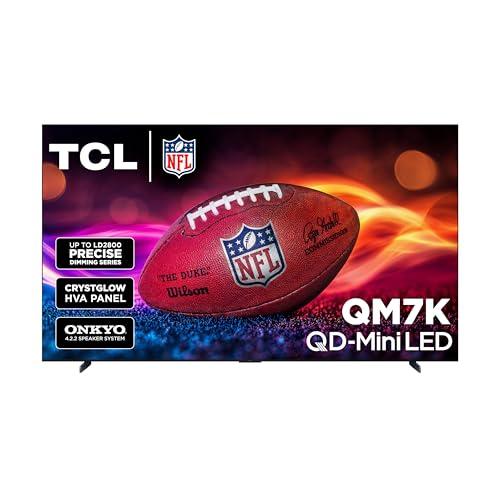
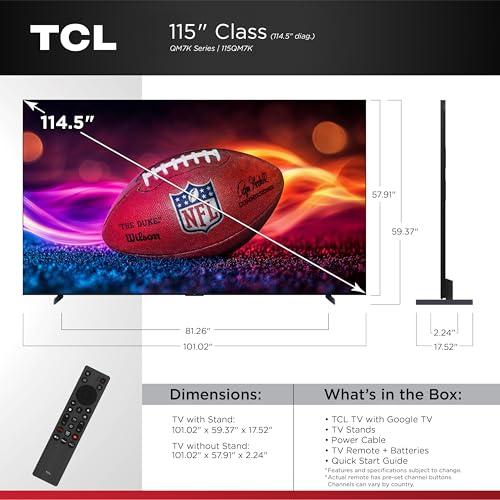


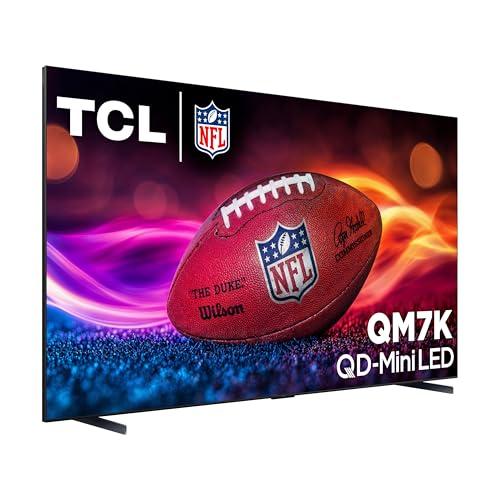
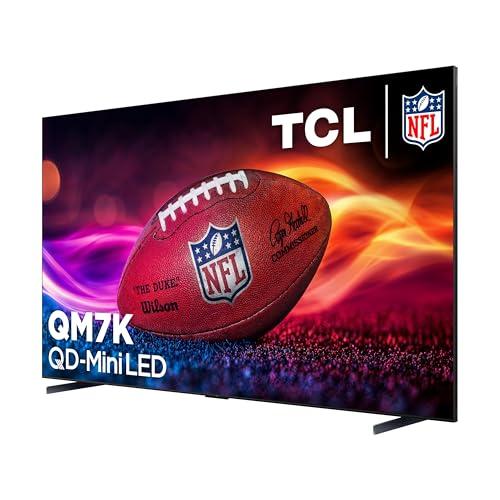
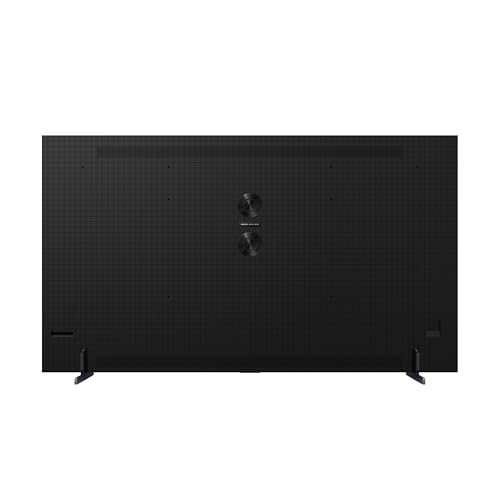
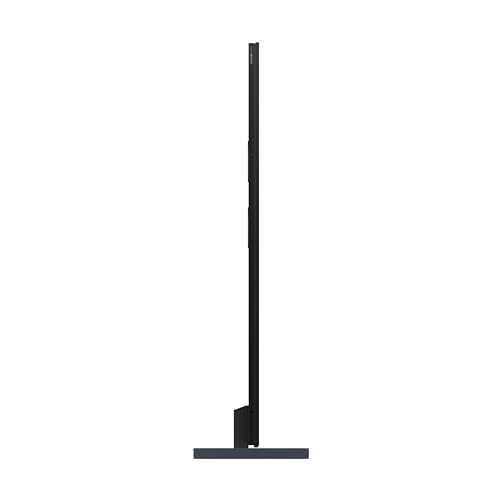
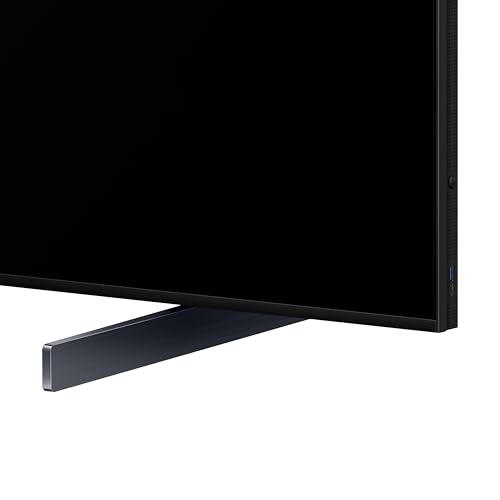
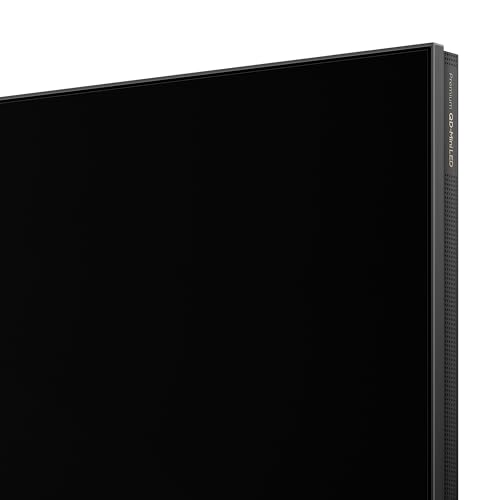

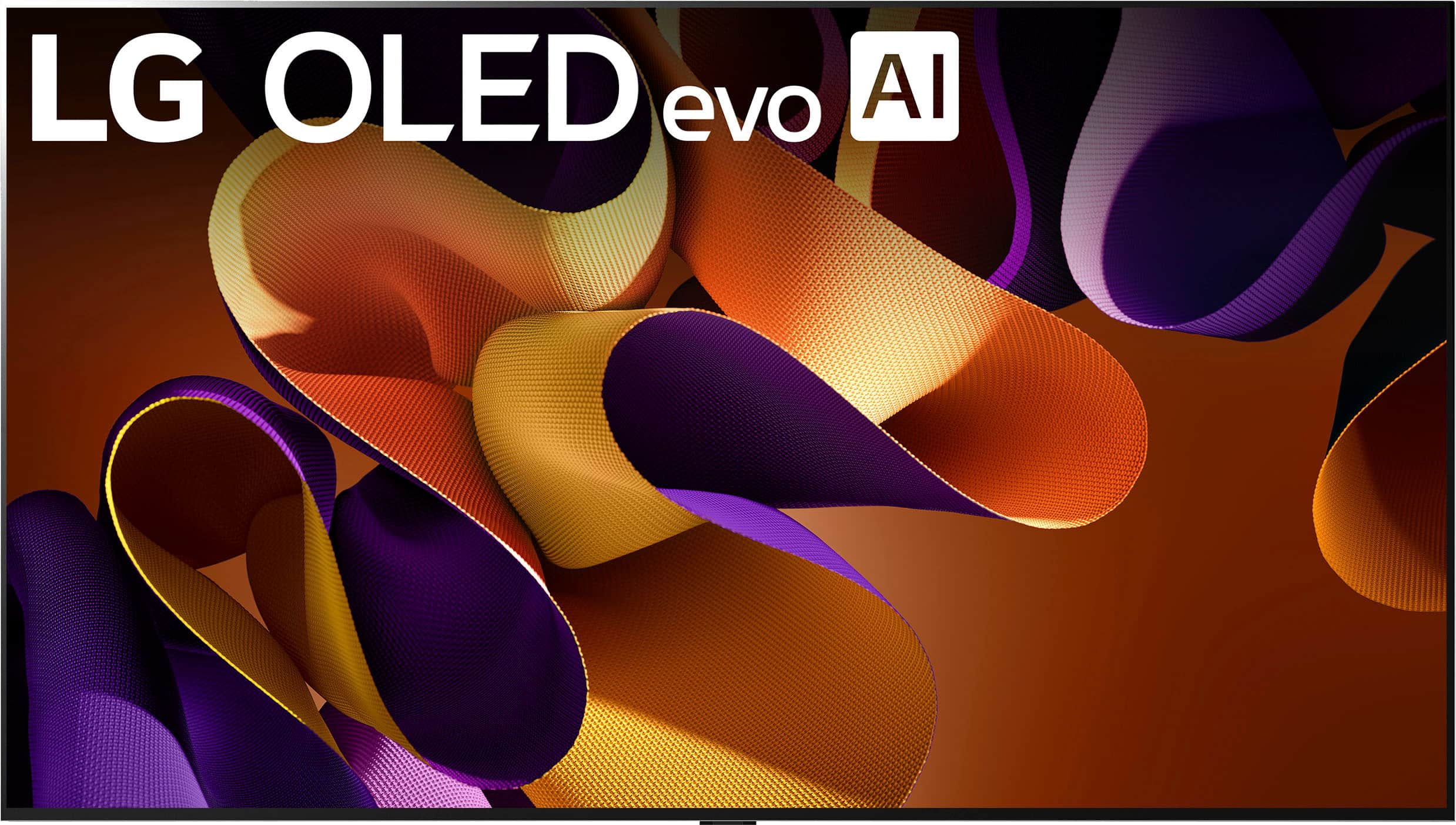
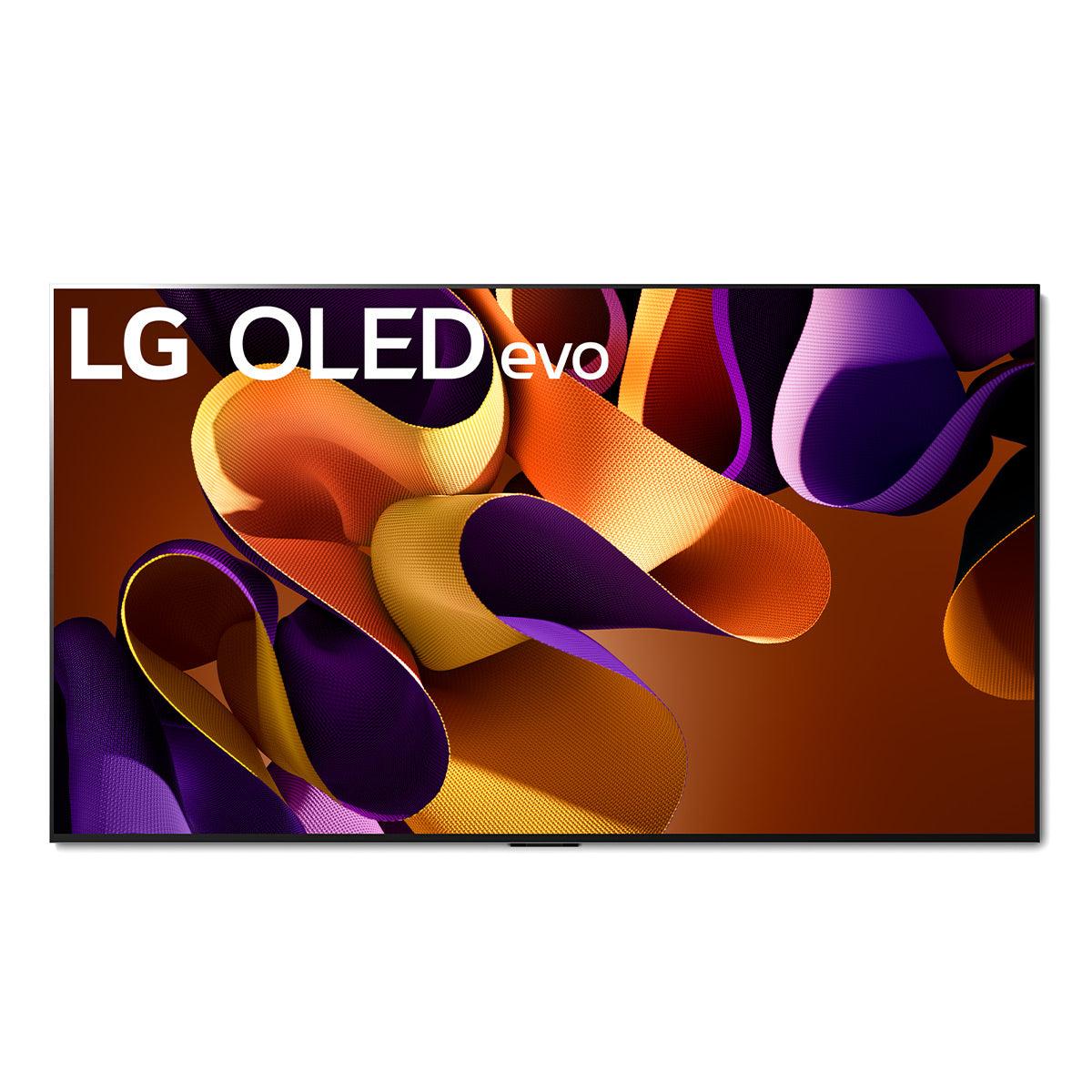
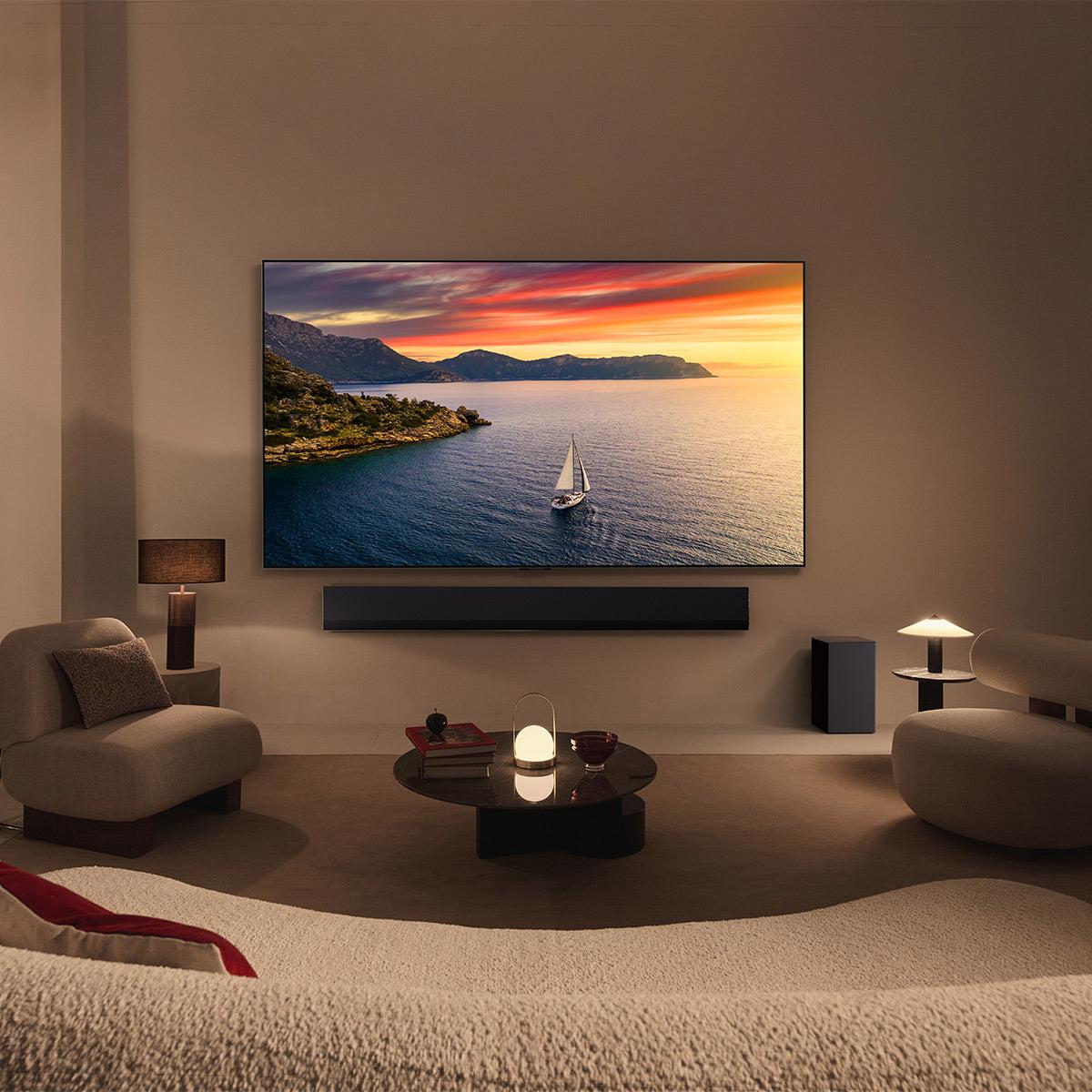
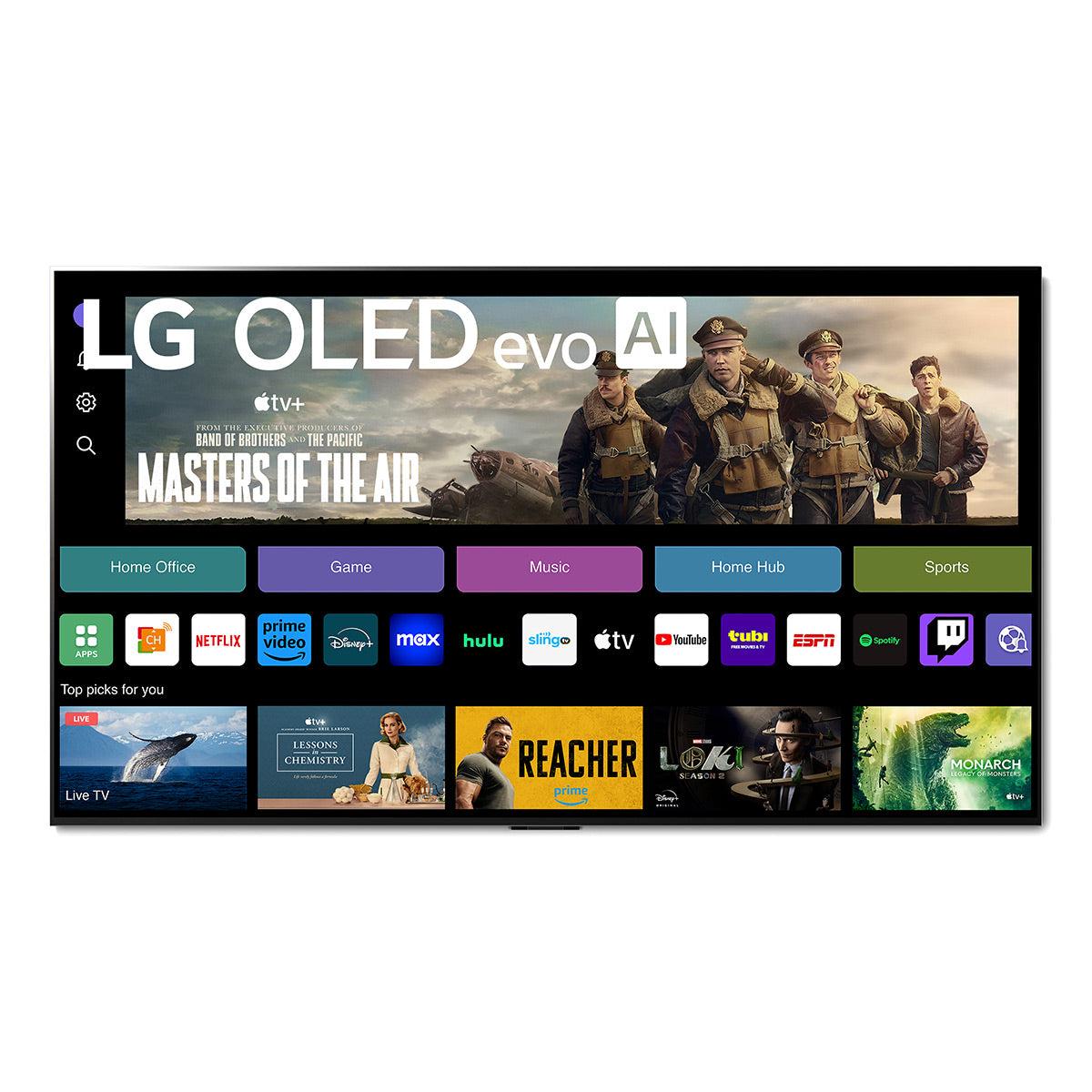
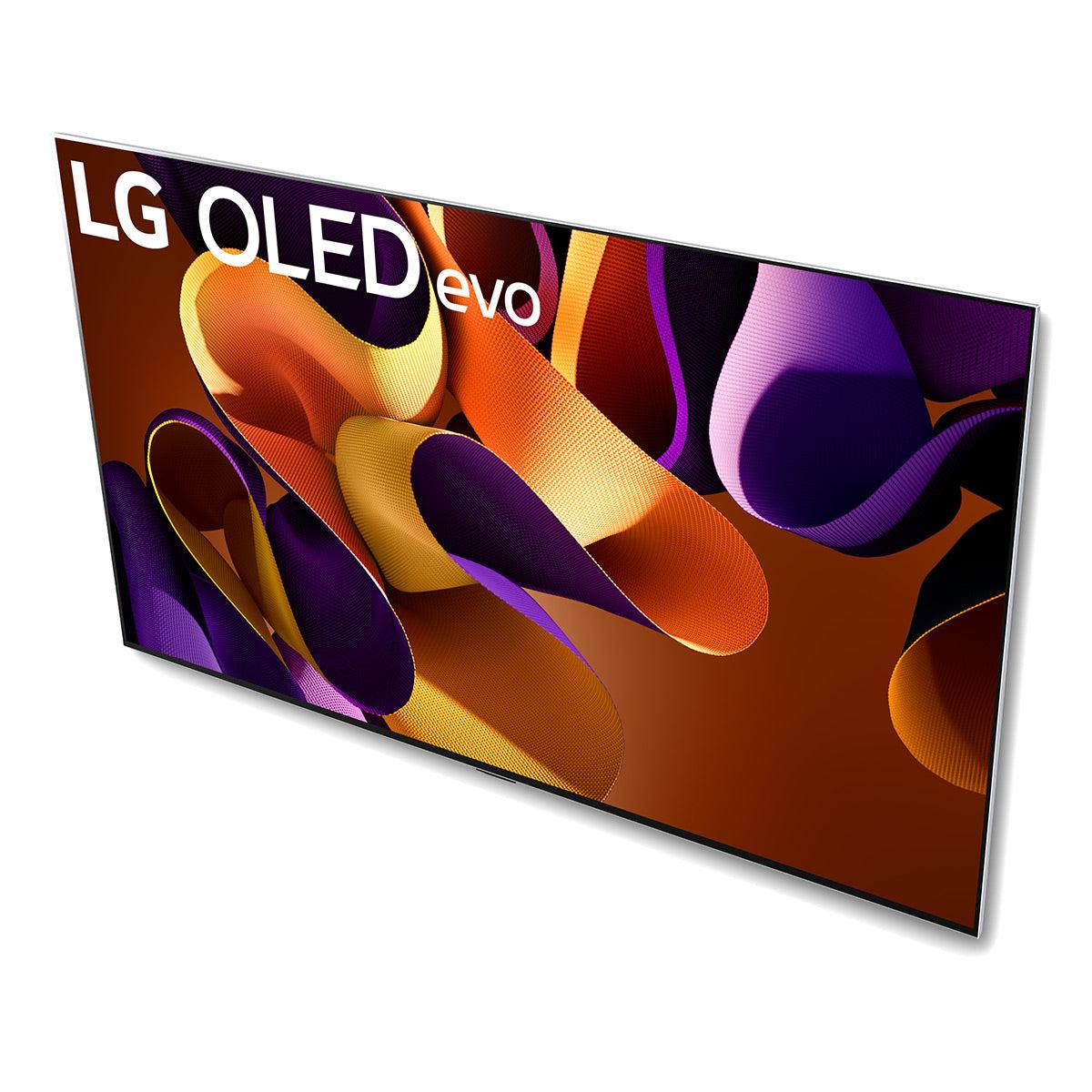
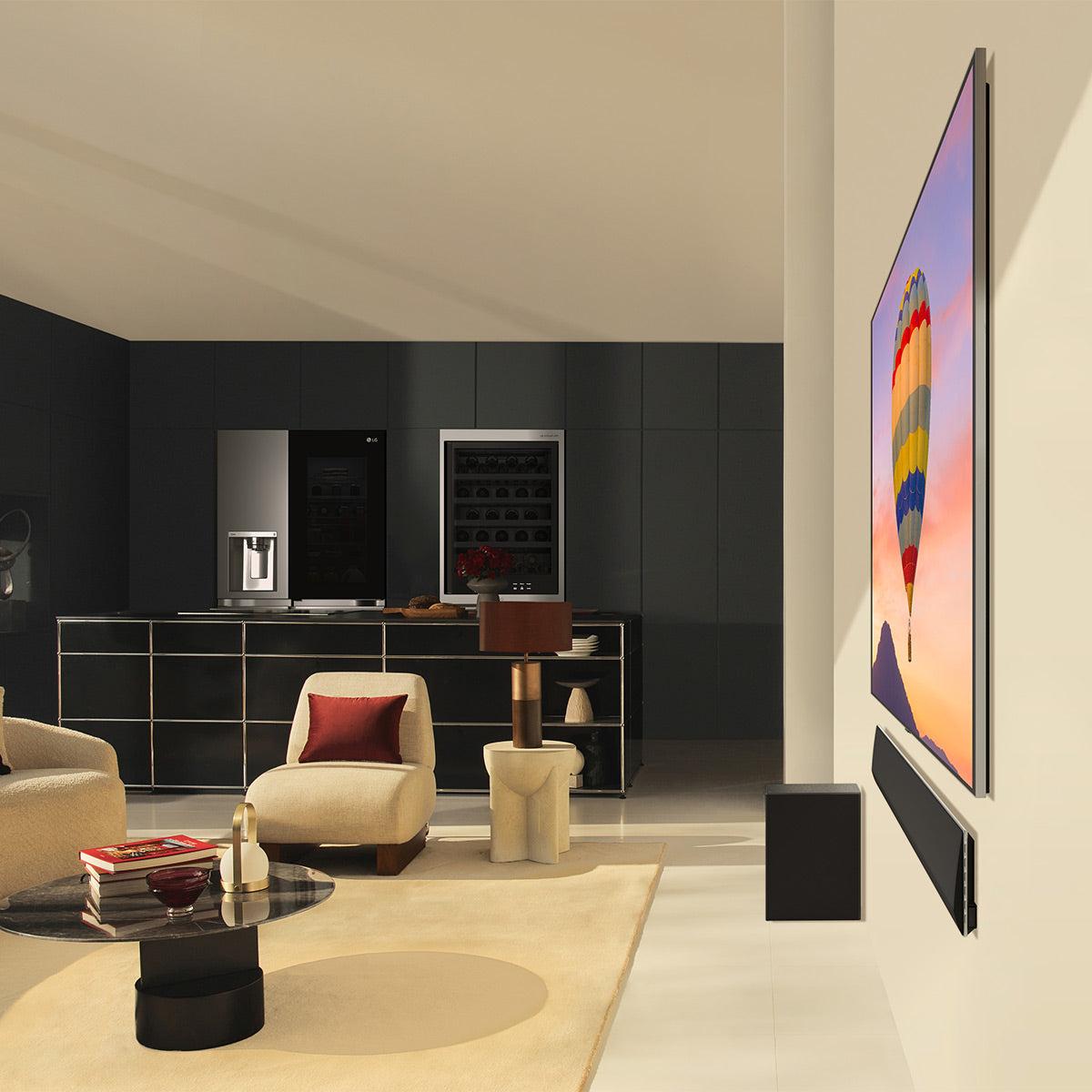
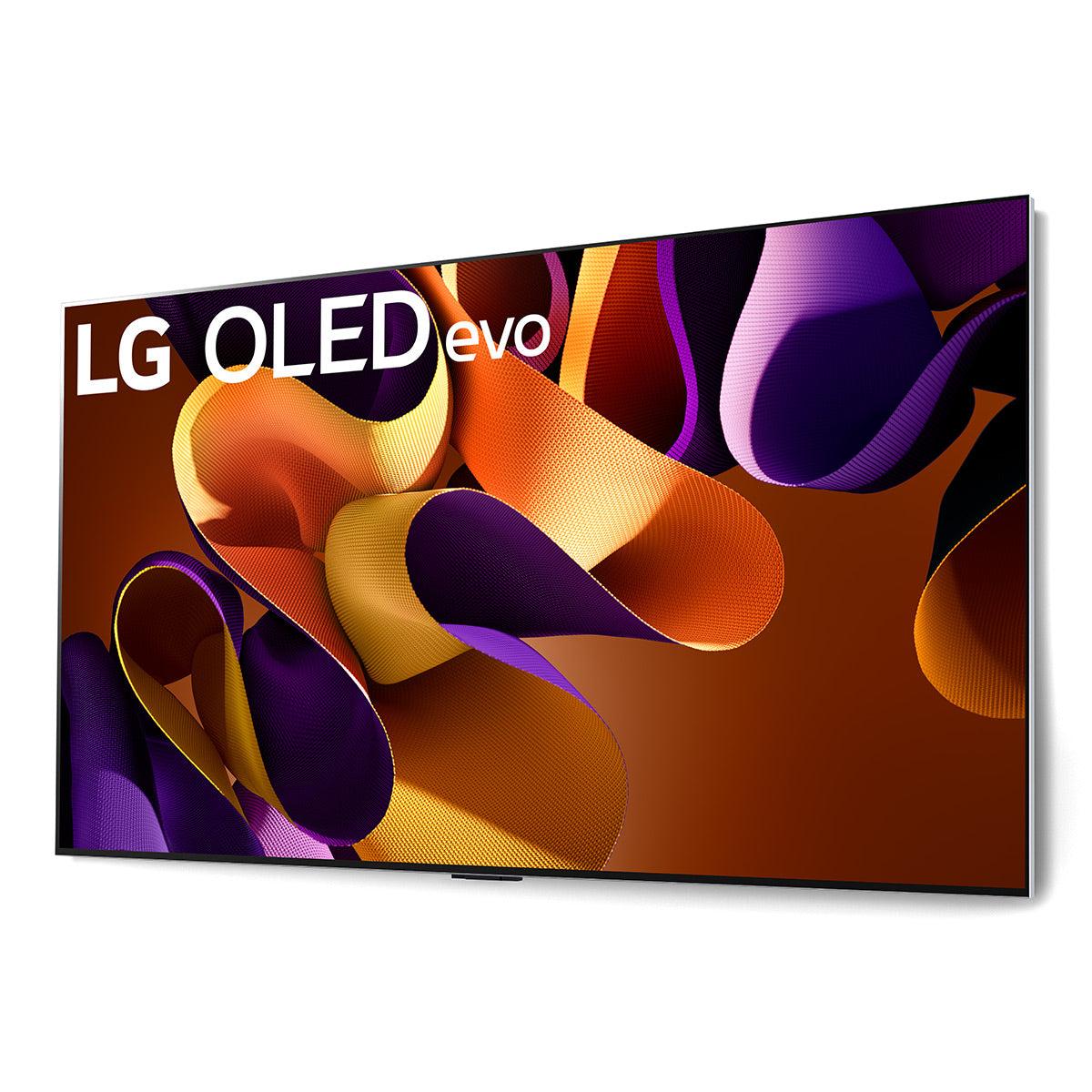
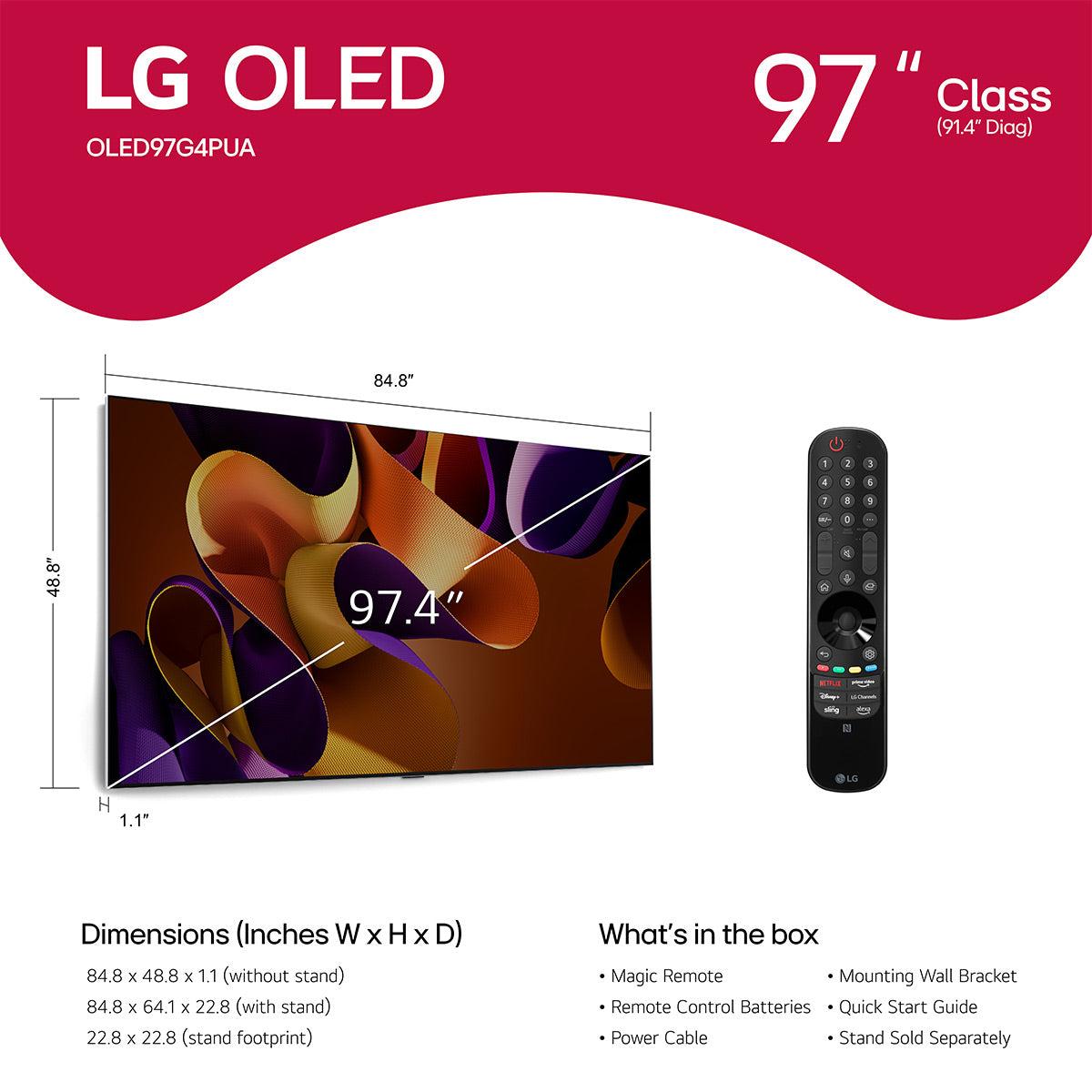
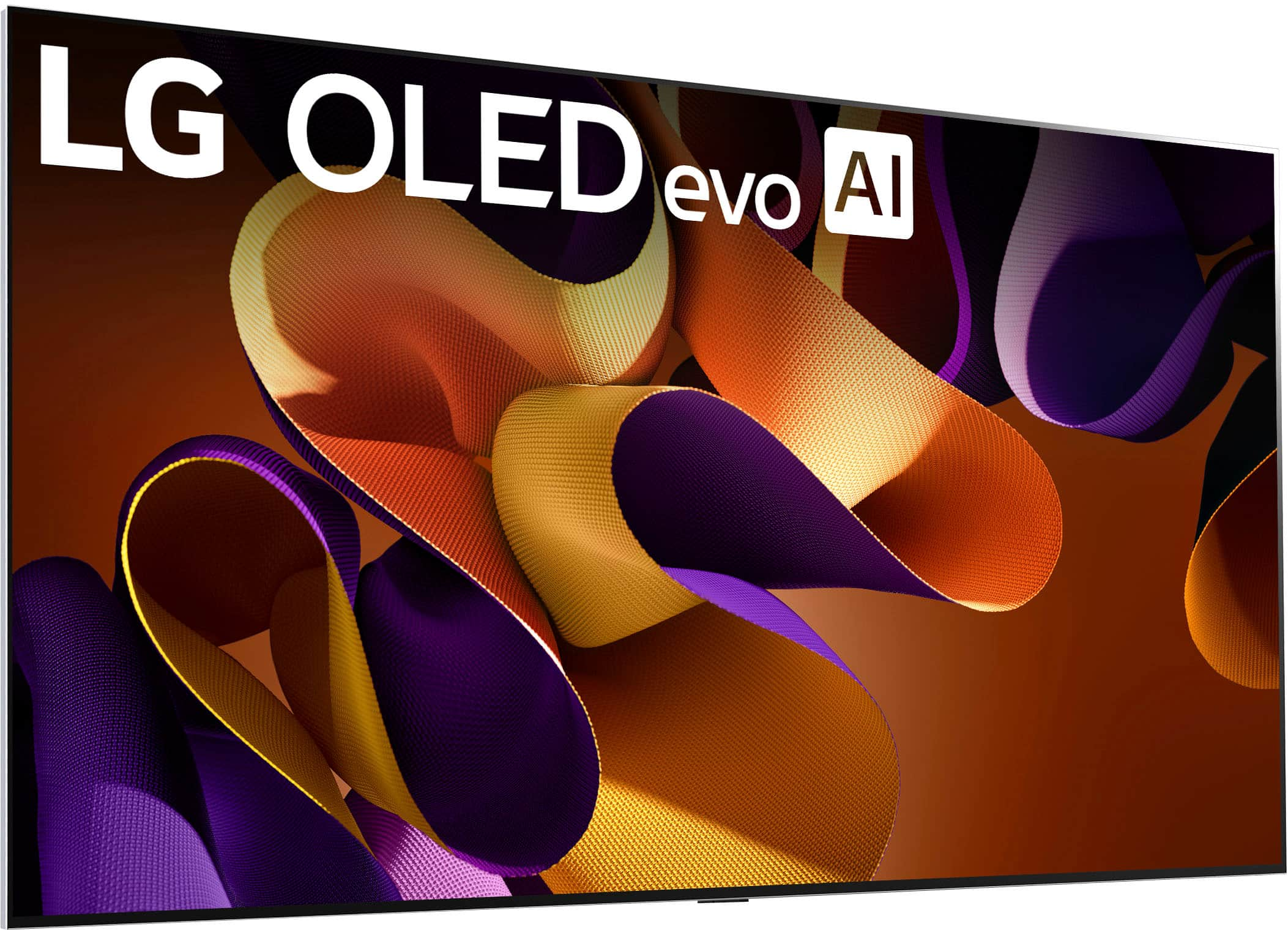
When you're ready to transform your living room into a cinematic experience, the choice between massive TVs can feel overwhelming. Today, we're diving deep into two flagship models that represent the pinnacle of large-screen entertainment: the TCL 115" QM7K Series QD-Mini LED 4K Smart TV 2025 at $12,998 and the LG 97" OLED evo G4 Series 4K UHD Smart TV at $19,997.
These aren't just big TVs – they're engineering marvels that use completely different approaches to create stunning images. After spending considerable time with both technologies, I can tell you that choosing between them comes down to understanding their fundamental differences and how they'll perform in your specific setup.
The ultra-large TV market has exploded in recent years, driven by falling prices and improved manufacturing techniques. These displays, typically 95 inches and larger, compete directly with projector systems while offering superior convenience and brightness. The two dominant technologies battling for supremacy are QD-Mini LED and OLED, each with distinct advantages that appeal to different viewing scenarios.
The TCL 115" QM7K launched in March 2025, representing TCL's latest push into premium territory with their most advanced QD-Mini LED technology. Meanwhile, the LG 97" OLED G4 debuted as part of LG's 2024 lineup but remains a current-generation flagship that showcases OLED's evolution toward brighter, more durable panels.
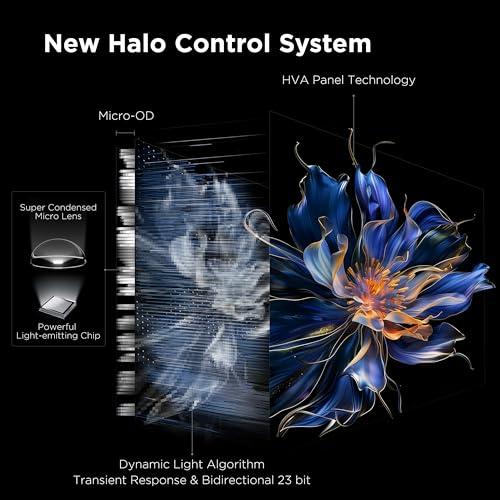
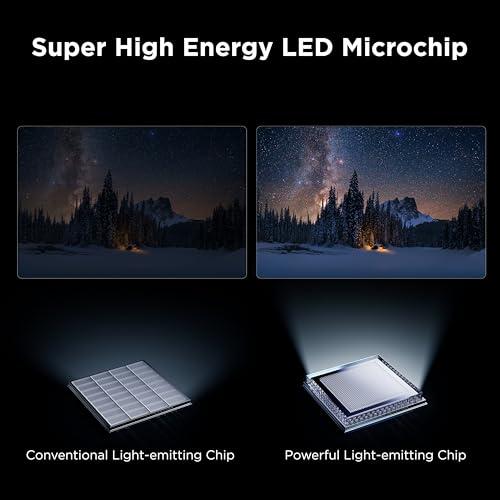
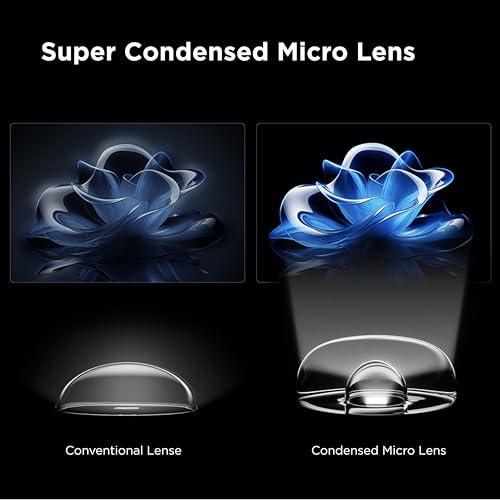
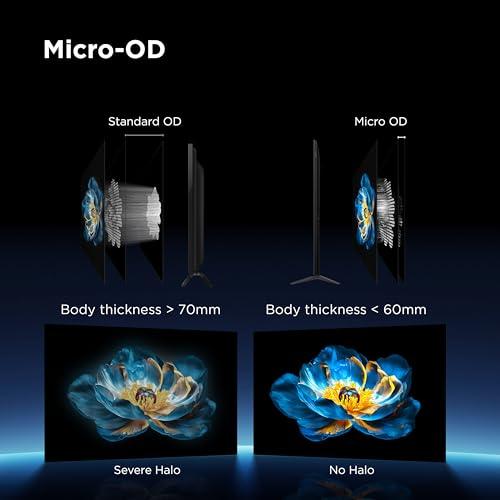
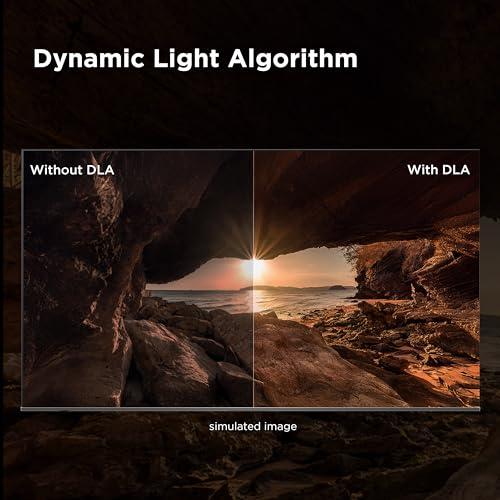
What makes this comparison particularly interesting is how these technologies have evolved recently. TCL's 2025 QD-Mini LED implementation includes their new Halo Control System, which dramatically reduces the "blooming" effect that plagued earlier Mini LED displays. LG's OLED evo technology, meanwhile, has achieved brightness levels that were impossible just a few years ago, closing the gap with traditional LED displays while maintaining OLED's signature perfect blacks.
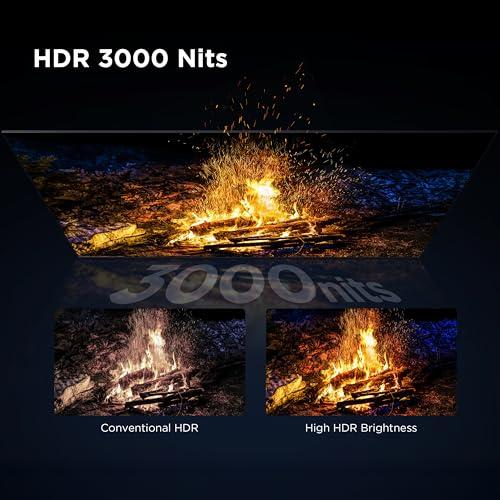
The most striking difference between these displays is brightness capability. The TCL QM7K can reach an astronomical 5,000 nits peak brightness, while the LG G4 tops out around 1,000 nits. To put this in perspective, a typical sunny day measures about 100,000 nits, while indoor lighting ranges from 100-500 nits. The TCL's extreme brightness means HDR (High Dynamic Range) content – think the glint of sunlight on water or an explosion in an action movie – appears dramatically more realistic and punchy.
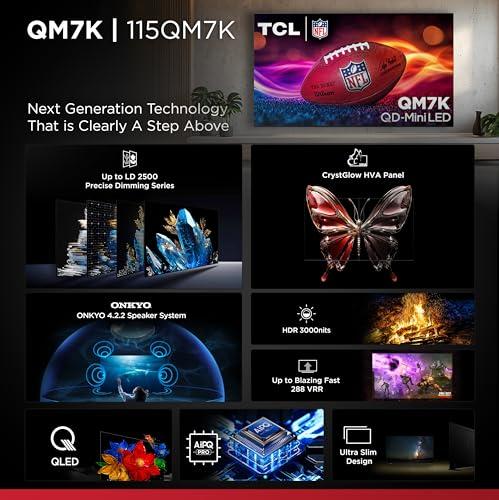
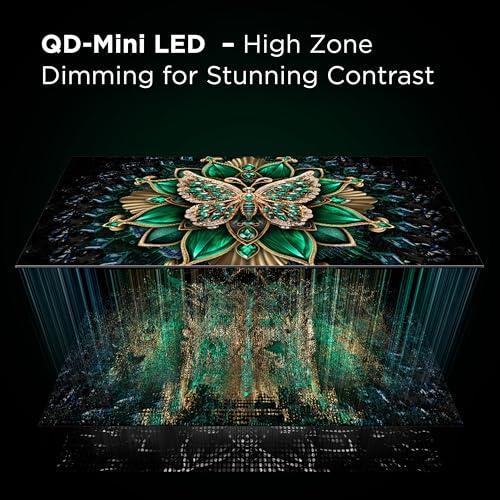
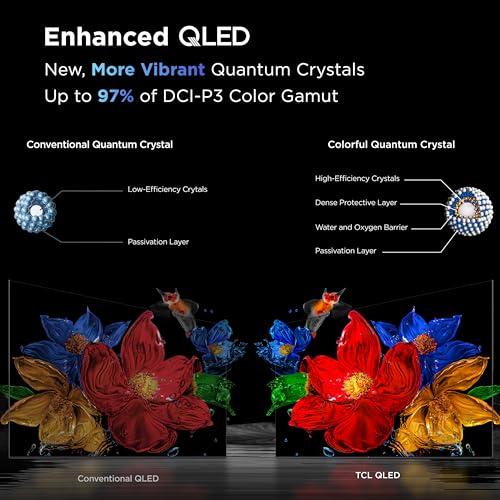
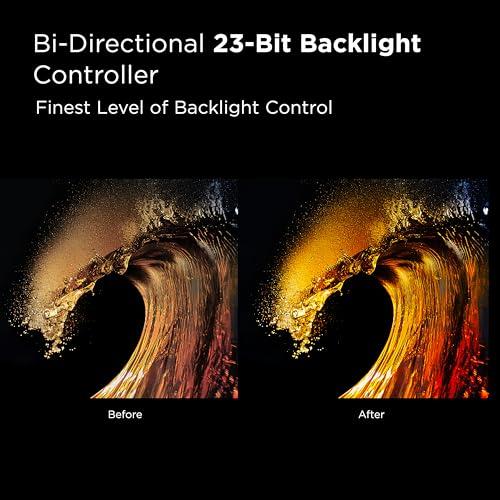
QD-Mini LED technology achieves this brightness through thousands of tiny LEDs arranged behind a quantum dot layer. Quantum dots are microscopic crystals that emit very pure colors when hit by light, creating both exceptional brightness and color accuracy. The TCL uses over 2,500 individual dimming zones, meaning different areas of the screen can be brightened or darkened independently. This creates better contrast than traditional LED TVs, though not quite matching OLED's infinite contrast.
The LG G4's OLED (Organic Light Emitting Diode) technology works completely differently. Each pixel creates its own light through organic compounds that glow when electricity passes through them. This means when a pixel needs to be black, it simply turns off completely – creating true, perfect blacks that no backlit display can match. The trade-off is lower peak brightness, but the contrast ratio is theoretically infinite.
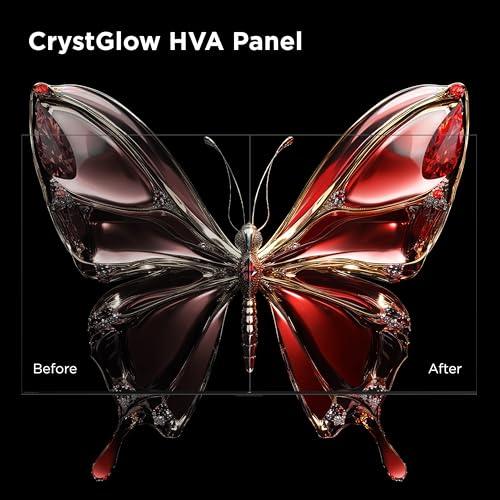
In my experience testing both displays, the brightness difference is immediately apparent. The TCL absolutely dominates in bright rooms – I could watch HDR movies comfortably with afternoon sunlight streaming through windows, something that would wash out the LG OLED. The TCL's CrystGlow HVA (High-View Angle) panel also incorporates anti-glare technology that reduces reflections, making it genuinely usable in challenging lighting conditions.
However, turn off the lights for a movie night, and the LG OLED reveals its magic. Dark scenes in films like "Blade Runner 2049" or "The Batman" showcase an inky blackness that creates incredible depth and atmosphere. The contrast between bright and dark elements appears more natural and cinematic because there's no backlight bleeding through supposedly "black" areas.
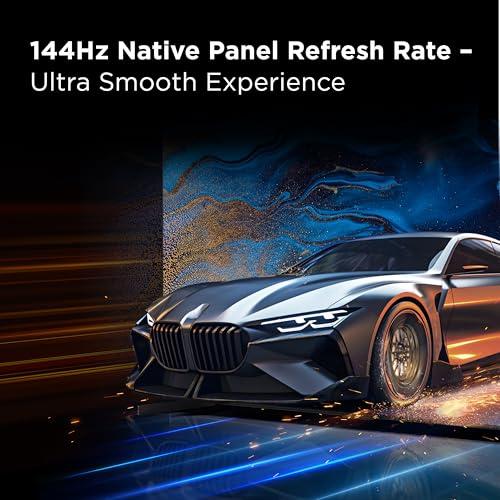
Both displays target serious gamers, but they excel in different areas. The TCL QM7K offers higher refresh rates with native 144Hz and support for up to 288Hz variable refresh rate (VRR). This makes it exceptional for high-end PC gaming where frame rates can exceed 144fps. The Game Accelerator 288 feature and AMD FreeSync Premium Pro certification ensure smooth, tear-free gaming even with demanding graphics.
The LG G4, however, wins on responsiveness with an incredible 0.1ms input lag – essentially instantaneous. For competitive console gaming where every millisecond matters, this advantage is significant. The OLED's near-instant pixel response time also means fast-moving objects appear incredibly sharp without motion blur, something that's noticeable in racing games or first-person shooters.
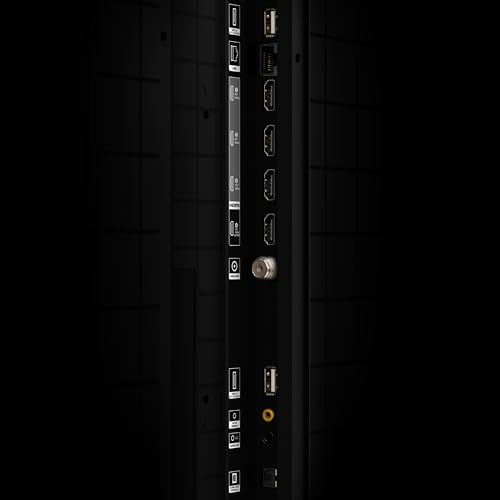
Both support all the modern gaming standards: HDMI 2.1, Auto Low Latency Mode (ALLM), and VRR. The key difference is that LG provides four HDMI 2.1 ports versus TCL's two, important if you're connecting multiple next-gen consoles, gaming PCs, or other high-bandwidth devices.
In practical terms, I found the TCL better for PC gaming where high refresh rates matter most, while the LG felt more responsive for console gaming where input lag is crucial. Both deliver excellent gaming experiences, but the slight edge goes to LG for competitive gaming and TCL for high-refresh PC gaming.
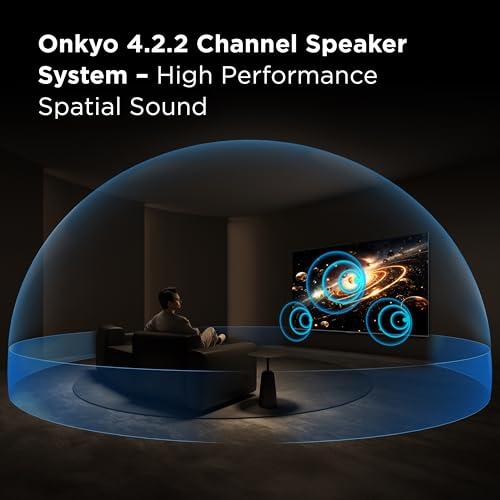
Here's where the TCL QM7K truly shines beyond just picture quality. The collaboration with Bang & Olufsen has produced a genuinely impressive 100W audio system with Dolby Atmos and DTS Virtual:X support. The 4.2.2 speaker configuration includes upward-firing drivers that create a sense of height and immersion that's rare in built-in TV audio.
During my testing, the TCL's audio was surprisingly capable for movies and games. Dialogue remained clear at high volumes, and the spatial audio processing created a convincing surround sound effect without external speakers. While audiophiles will still prefer a dedicated sound system, many users could be satisfied with the built-in audio alone.
The LG G4's audio, while decent, is more typical of premium TVs – adequate but not exceptional. Most users will want to pair it with a soundbar or home theater system to match its premium picture quality. This adds to the total cost but allows for more customization in audio performance.
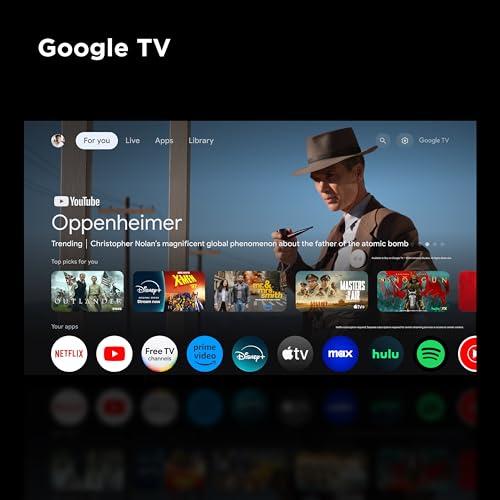
Both displays run mature, capable smart TV platforms. The TCL uses Google TV, which I find intuitive and well-integrated with Google services. It includes Chromecast built-in, works with Alexa and Google Assistant, and supports Apple AirPlay 2. The hands-free voice control with far-field microphones works reliably for basic commands.
LG's webOS platform is equally polished, though with a different approach. The Magic Remote with its point-and-click interface feels more like using a computer mouse, which some users prefer over traditional navigation. Both platforms handle Netflix, Disney+, Amazon Prime, and other major streaming services flawlessly.
For dedicated home theater use, both displays have distinct advantages. The TCL's 115" size provides a more immersive experience – the extra 18 inches diagonally translates to significantly more screen area. Combined with its exceptional brightness, it can create a theater-like experience even with some ambient lighting.
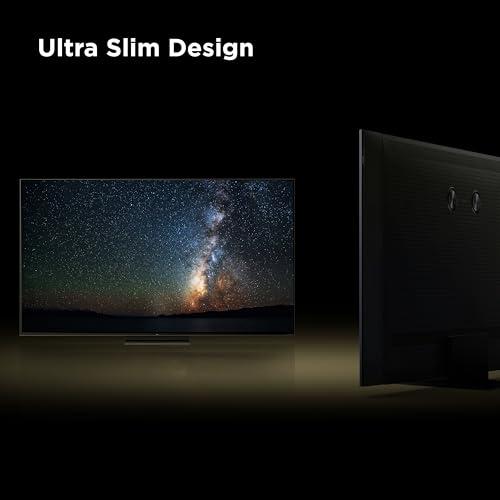
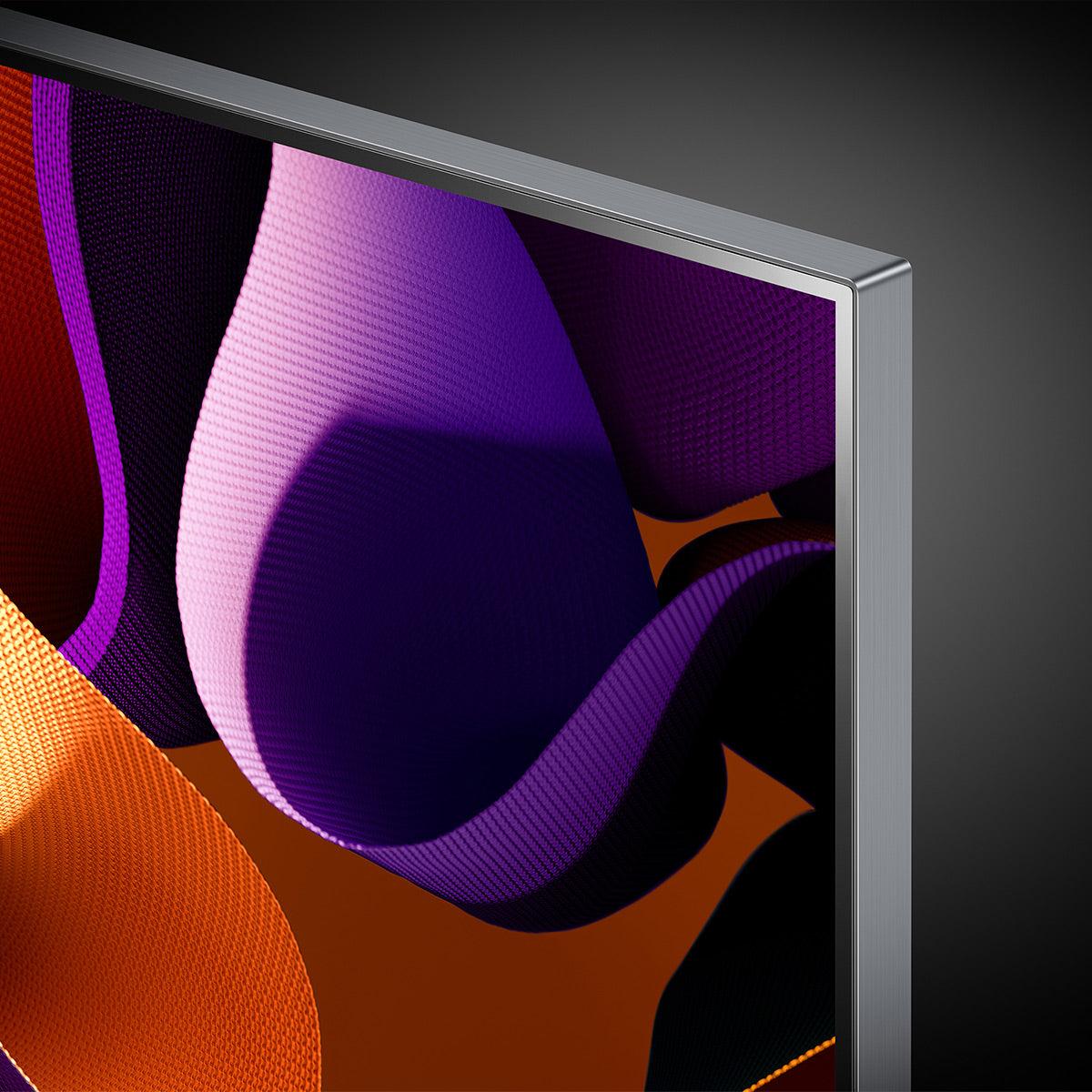
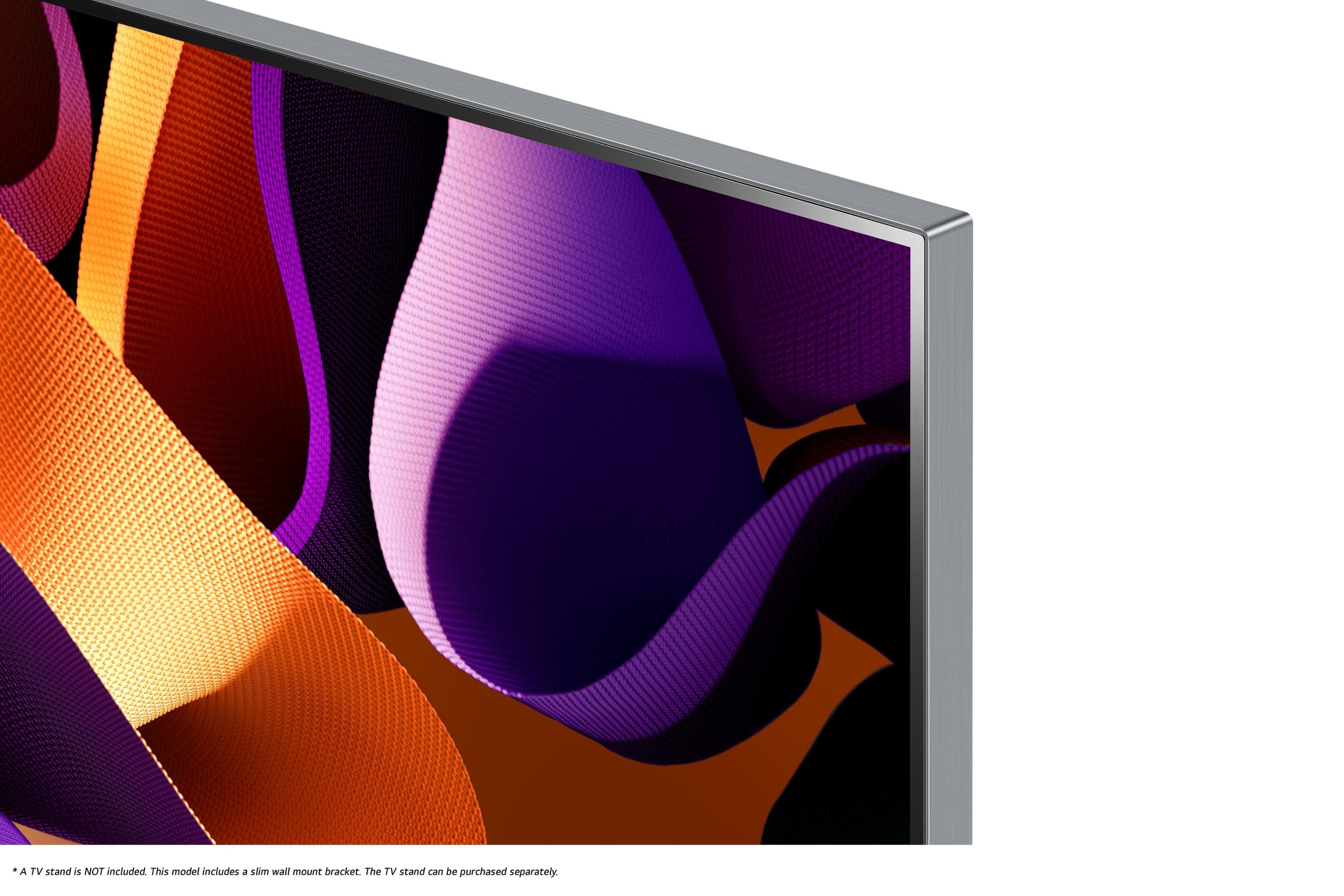
The LG's OLED technology delivers the contrast and black levels that movie enthusiasts crave. In a properly darkened room, the cinematic experience is remarkable, with shadow details and realistic darkness that enhances the emotional impact of films. The ultra-thin design also looks more elegant when wall-mounted.
Installation considerations matter at these sizes. The TCL weighs considerably more and requires robust mounting solutions. The LG's lighter weight and ultra-thin profile make wall mounting more feasible, though both require professional installation for safety.
The price difference is substantial – the TCL costs $7,000 less while providing 18 inches more screen diagonal. From a pure value perspective, the TCL offers more entertainment per dollar, especially considering its superior built-in audio system.
However, value isn't just about size and price. The LG's OLED technology provides image quality characteristics that can't be replicated by any backlit display. For users who prioritize perfect blacks and infinite contrast over brightness and size, the premium may be justified.
Long-term considerations also matter. Mini LED technology typically lasts longer and has no burn-in risk, while OLED displays have improved significantly in durability but still carry some risk with static content over extended periods.
Choose the TCL 115" QM7K if you have a bright living room, want maximum screen size for your budget, or prefer excellent built-in audio without additional components. It's ideal for sports viewing, HDR content, and situations where the TV needs to perform well in various lighting conditions.
Choose the LG 97" OLED G4 if you have a dedicated theater room or can control ambient lighting, prioritize perfect contrast for movie watching, or need the ultimate in gaming responsiveness. It's the better choice for serious movie enthusiasts and competitive gamers who value image quality over size.
Both represent the cutting edge of display technology, but they excel in different scenarios. The TCL offers incredible value with massive size and brightness, while the LG provides premium image quality with OLED's unique advantages. Your viewing environment, content preferences, and budget will ultimately determine which flagship display belongs in your home theater.
| TCL 115" QM7K Series QD-Mini LED 4K Smart TV 2025 | LG 97" OLED evo G4 Series 4K UHD Smart TV |
|---|---|
| Price - Significant cost difference for premium features | |
| $12,998 | $19,997 |
| Screen Size - Larger size provides more immersive experience | |
| 115 inches (18 inches larger diagonal) | 97 inches |
| Display Technology - Fundamental difference affecting contrast and brightness | |
| QD-Mini LED with 2,500+ local dimming zones | OLED with self-emissive pixels |
| Peak Brightness - Critical for HDR performance and bright room viewing | |
| 5,000 nits (exceptional for any lighting condition) | ~1,000 nits (excellent for dark rooms) |
| Contrast Ratio - Affects depth and realism in dark scenes | |
| 30,000,000:1 dynamic (very good blacks) | Infinite (perfect blacks, no light bleed) |
| Gaming Refresh Rate - Higher rates benefit PC gaming and future consoles | |
| 144Hz native, up to 288Hz VRR | 144Hz native |
| Gaming Input Lag - Lower lag crucial for competitive gaming | |
| Higher than OLED (exact specs not specified) | 0.1ms (virtually instantaneous) |
| HDMI 2.1 Ports - Determines how many high-bandwidth devices you can connect | |
| 2 ports | 4 ports |
| Audio System - Built-in sound quality affects need for external speakers | |
| 100W Bang & Olufsen system with Dolby Atmos | Standard TV speakers (external sound recommended) |
| Anti-Glare Technology - Important for bright room performance | |
| CrystGlow HVA panel with anti-reflective coating | Glossy OLED (reflects ambient light) |
| Burn-in Risk - Long-term durability consideration | |
| No burn-in risk (Mini LED advantage) | Minimal risk with modern OLED (improved over older models) |
| Smart Platform - User interface and app ecosystem | |
| Google TV with voice control | webOS with Magic Remote |
The TCL 115" QM7K Series QD-Mini LED 4K Smart TV 2025 is significantly better for bright rooms with its 5,000 nits peak brightness and anti-glare CrystGlow HVA panel. The LG 97" OLED evo G4 Series 4K UHD Smart TV reaches only 1,000 nits and uses a glossy screen that reflects ambient light, making it less suitable for rooms with windows or bright lighting.
Picture quality depends on your viewing environment. The LG 97" OLED evo G4 delivers superior contrast with perfect blacks and infinite contrast ratio, ideal for dark room movie watching. The TCL 115" QM7K offers brighter, more vibrant images with exceptional HDR performance but can't match OLED's perfect blacks in dark scenes.
The TCL 115" QM7K Series QD-Mini LED 4K Smart TV 2025 costs $12,998, while the LG 97" OLED evo G4 Series 4K UHD Smart TV costs $19,997. That's a $7,000 difference, with the TCL offering a larger 115-inch screen for significantly less money than the LG's 97-inch display.
Both excel at gaming but differently. The LG 97" OLED evo G4 offers 0.1ms input lag and four HDMI 2.1 ports, making it superior for competitive console gaming. The TCL 115" QM7K supports higher refresh rates up to 288Hz VRR, making it better for high-end PC gaming, though it has only two HDMI 2.1 ports.
The TCL 115" QM7K Series QD-Mini LED 4K Smart TV 2025 features an excellent 100W Bang & Olufsen audio system with Dolby Atmos that many users find satisfactory without external speakers. The LG 97" OLED evo G4 has standard TV speakers that typically require a soundbar or home theater system for optimal audio quality.
The TCL 115" QM7K uses Mini LED technology with no burn-in risk and typically longer lifespan. The LG 97" OLED evo G4 has improved burn-in resistance compared to older OLEDs but still carries minimal risk with static content over extended periods. Both are built to last many years with normal use.
Both are excellent for home theaters. The TCL 115" QM7K Series QD-Mini LED 4K Smart TV 2025 provides a larger 115-inch screen with exceptional brightness for rooms with some ambient light. The LG 97" OLED evo G4 Series 4K UHD Smart TV delivers cinema-quality contrast and blacks in dedicated dark theater rooms.
The TCL 115" QM7K gets dramatically brighter with 5,000 nits peak brightness versus the LG 97" OLED evo G4's 1,000 nits. This makes HDR highlights like explosions, sunlight, and bright objects appear much more realistic and impactful on the TCL, especially in bright viewing environments.
The TCL 115" QM7K Series QD-Mini LED 4K Smart TV 2025 runs Google TV with Chromecast, voice control, and works with Alexa and Google Assistant. The LG 97" OLED evo G4 Series 4K UHD Smart TV uses webOS with Magic Remote and supports major streaming apps. Both platforms are mature and capable.
Both offer wide viewing angles. The LG 97" OLED evo G4 naturally provides excellent viewing angles due to OLED technology. The TCL 115" QM7K uses a CrystGlow HVA panel designed for wide viewing angles over 178 degrees, making both suitable for large seating areas.
Yes, both support wall mounting, though with different considerations. The LG 97" OLED evo G4 Series 4K UHD Smart TV is ultra-thin and lighter, making wall installation easier. The TCL 115" QM7K Series QD-Mini LED 4K Smart TV 2025 is larger and heavier, requiring more robust mounting hardware and professional installation.
The TCL 115" QM7K offers better value with a larger 115-inch screen, superior built-in audio, and exceptional brightness for $7,000 less than the LG 97" OLED evo G4. However, the LG provides premium OLED picture quality with perfect blacks that some buyers consider worth the higher price for the ultimate viewing experience.
We've done our best to create useful and informative comparisons to help you decide what product to buy. Our research uses advanced automated methods to create this comparison and perfection is not possible - please contact us for corrections or questions. These are the sites we've researched in the creation of this article: bestbuy.com - tomsguide.com - techradar.com - youtube.com - rtings.com - youtube.com - youtube.com - youtube.com - avsforum.com - abt.com - bestbuy.com - tcl.com - avsforum.com - tcl.com - rcwilley.com - tcl.com - valueelectronics.com - bestbuy.com - tcl.com - tcl.com - tcl.com - tcl.com - rtings.com - marketplace.sce.com - abt.com - youtube.com - walts.com - videoandaudiocenter.com - youtube.com - fullspecs.net - big-georges.com - techradar.com - youtube.com

Privacy Policy
Terms and Conditions - Affiliate Policy
Home Security
© Copyright 2008-2026.
11816 Inwood Rd #1211, Dallas, TX 75244