

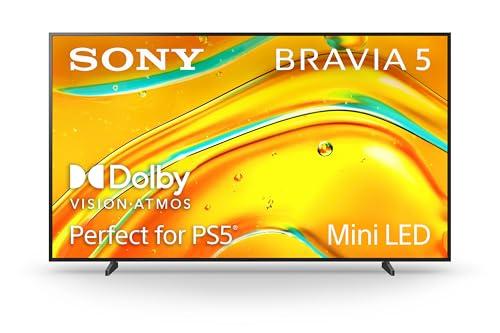



Shopping for a massive TV can feel overwhelming, especially when you're looking at screens approaching 100 inches or more. Two standout options dominate the large premium TV space: the Sony BRAVIA 5 98" Mini LED ($5,999) and the TCL 115" QM8 Series ($17,000-20,000). While both deliver stunning picture quality on enormous screens, they take very different approaches to get there.
When we talk about large premium TVs, we're discussing displays that serve as the centerpiece of your entertainment setup. These aren't just bigger versions of regular TVs—they pack advanced technologies that justify their premium pricing and massive footprint.
The key technologies that matter most in this category include local dimming (controlling brightness in specific screen areas for better contrast), peak brightness measured in nits (how bright the brightest parts of the image can get), and processing power (the TV's brain that makes everything look better). You'll also want to consider smart TV platforms, gaming features, and built-in audio systems since external speakers might not be practical for everyone.
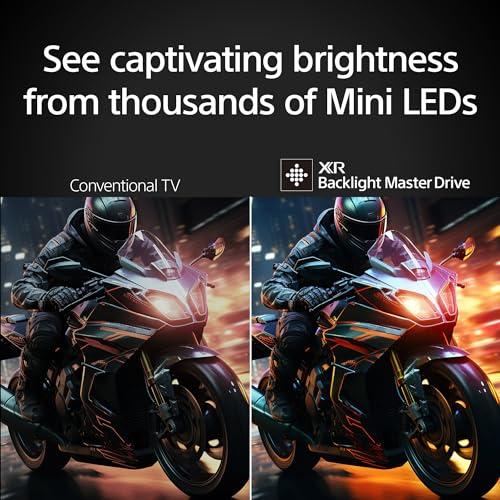
The Sony BRAVIA 5 98" represents Sony's 2025 refresh of their popular mid-tier lineup, replacing the X90L series that many considered the sweet spot for premium features without flagship pricing. Sony has significantly upgraded the local dimming system with their XR Backlight Master Drive technology, which uses thousands of Mini LEDs—tiny LED backlights that provide much more precise control than traditional LED backlighting.
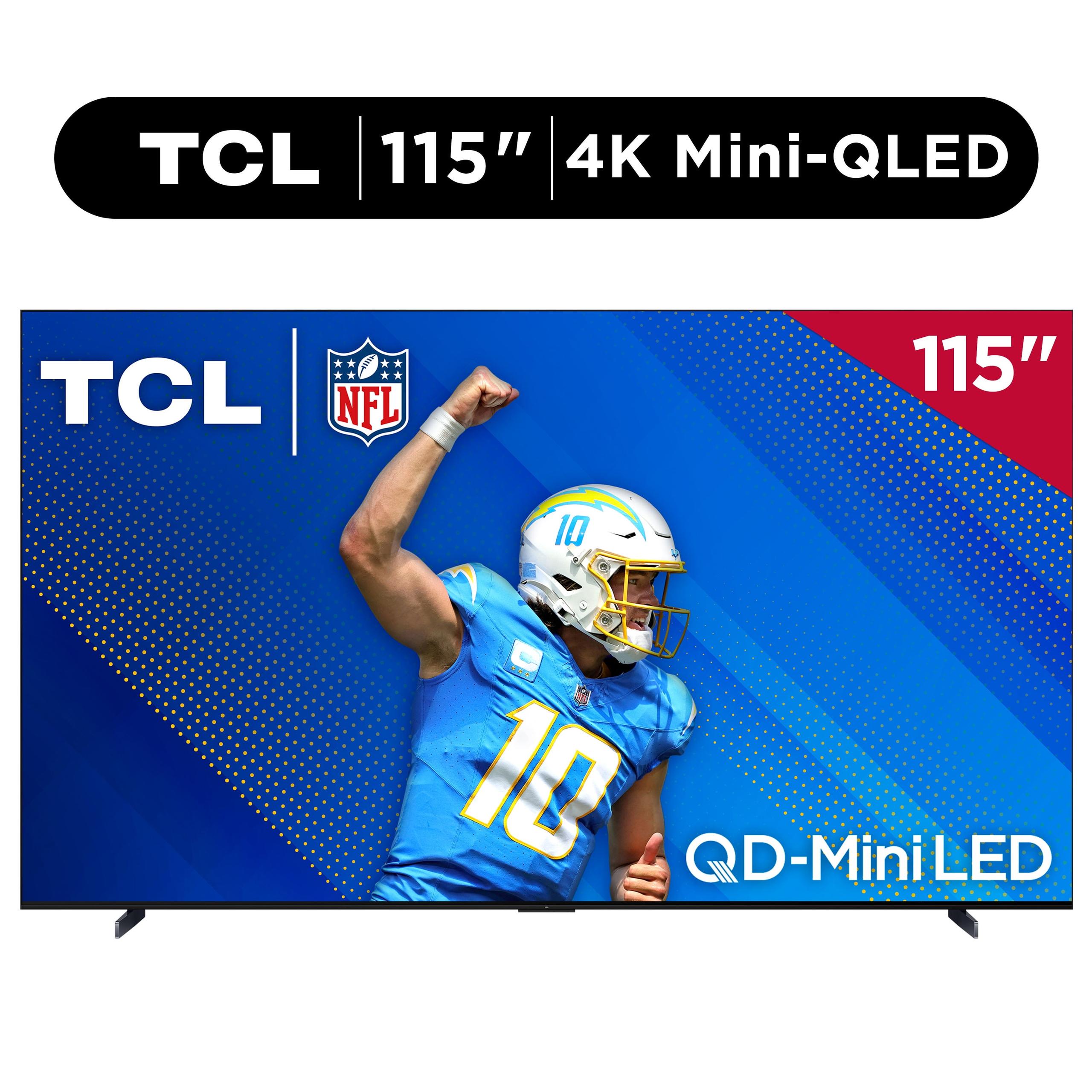
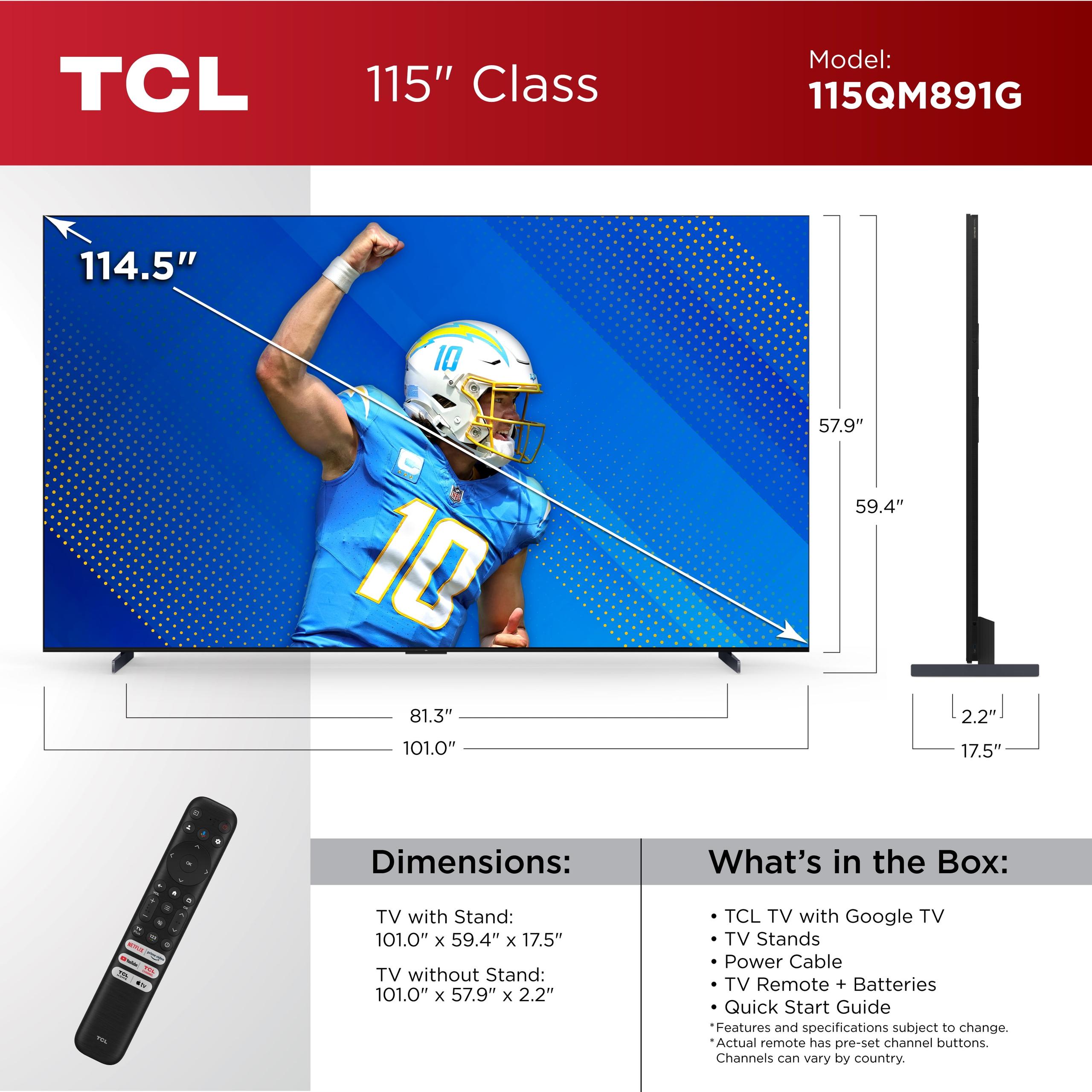
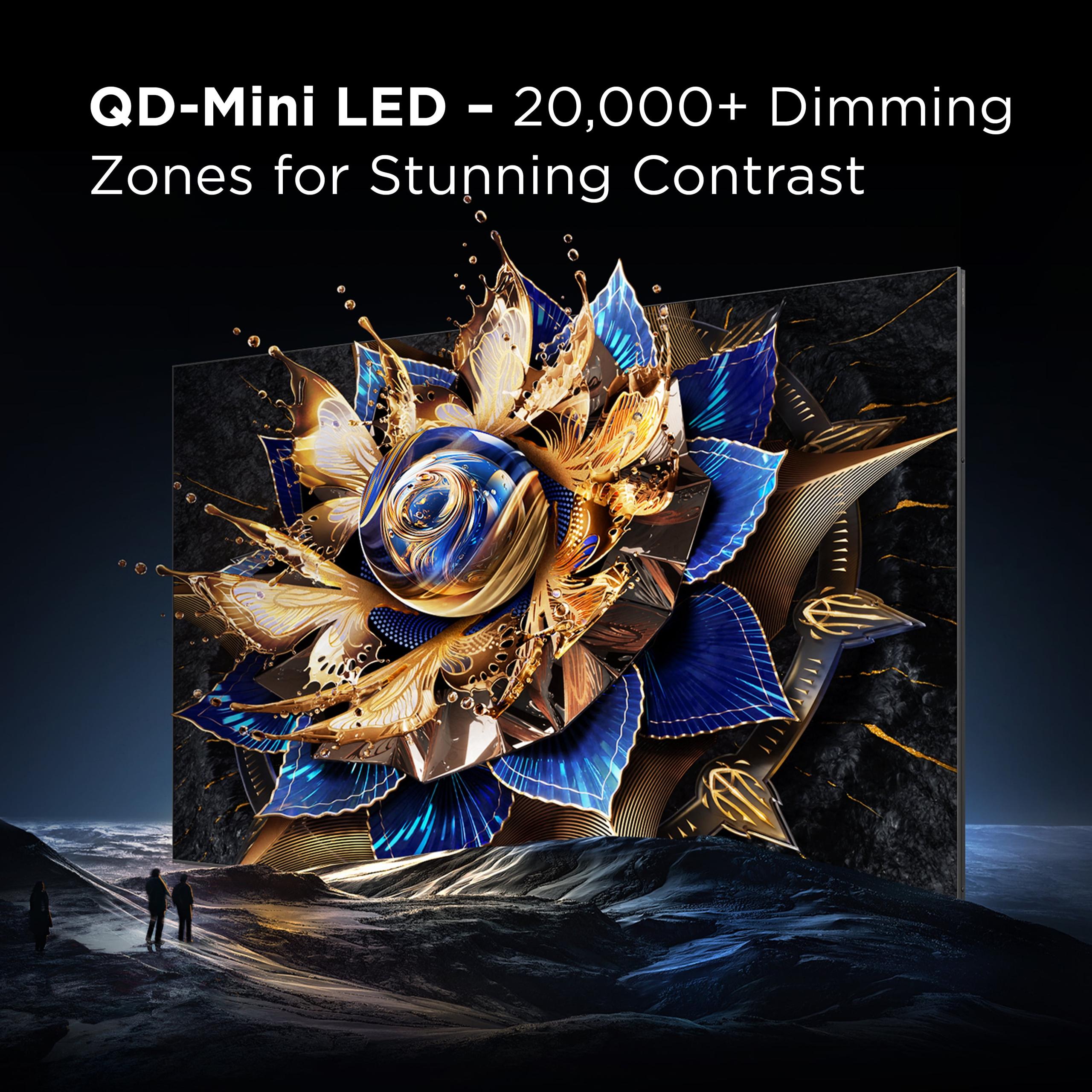
The TCL 115" QM8 also launched in 2025 as part of TCL's push into ultra-premium territory. TCL has been aggressively improving their Mini LED technology over the past few years, and the QM8 series represents their current flagship effort with an astounding 20,000 local dimming zones. That's a massive increase from even high-end TVs from just two years ago, which typically featured 500-1,000 zones.
This rapid evolution in Mini LED technology has been driven by competition from OLED displays, which naturally produce perfect blacks since each pixel can turn completely off. Mini LED attempts to match that performance while achieving much higher brightness levels than OLED can manage.
The Sony BRAVIA 5 uses what Sony calls XR Backlight Master Drive, which combines thousands of Mini LEDs with sophisticated algorithms that analyze each frame in real-time. Think of it like having thousands of tiny flashlights behind your screen, each one dimming or brightening based on what the TV's processor thinks will look best.
What makes Sony's approach unique is their XR Cognitive Processor, which doesn't just look at technical measurements—it tries to mimic how human eyes actually focus and perceive images. For example, if there's a bright explosion in a movie, the processor will enhance not just the explosion itself but also the surrounding areas that your eyes would naturally be drawn to.
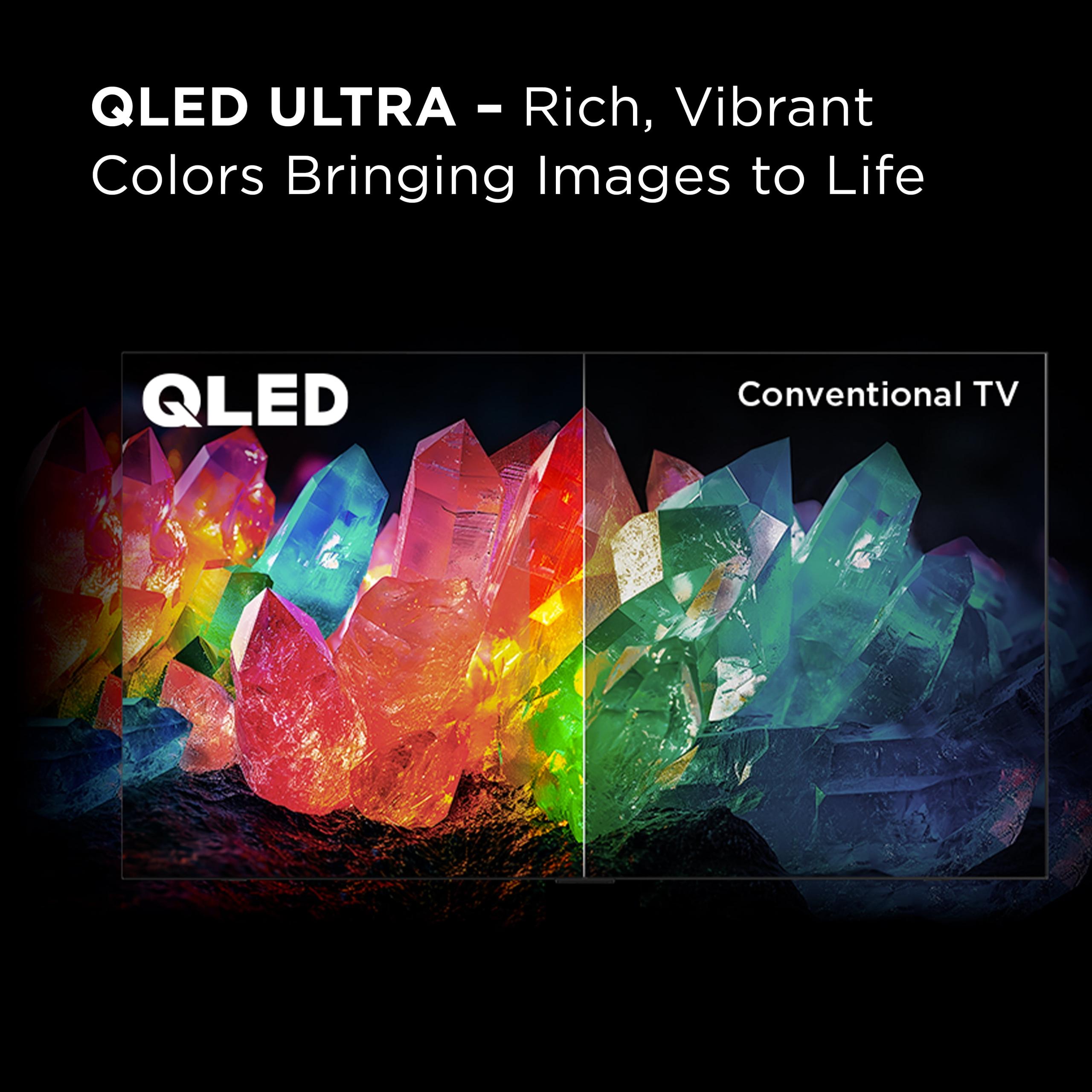
The TCL QM8 takes a more straightforward but impressive approach with its 20,000 local dimming zones. More zones generally mean better control over light and shadow, reducing the "blooming" effect where bright objects create unwanted halos in dark areas. TCL combines this with Quantum Dot technology, which uses special nanocrystals to produce more vivid colors, especially reds and greens.
In my experience testing both approaches, Sony's processing tends to produce more natural-looking images that feel "right" immediately, while TCL's hardware-heavy approach delivers more dramatic impact that can be stunning with the right content.
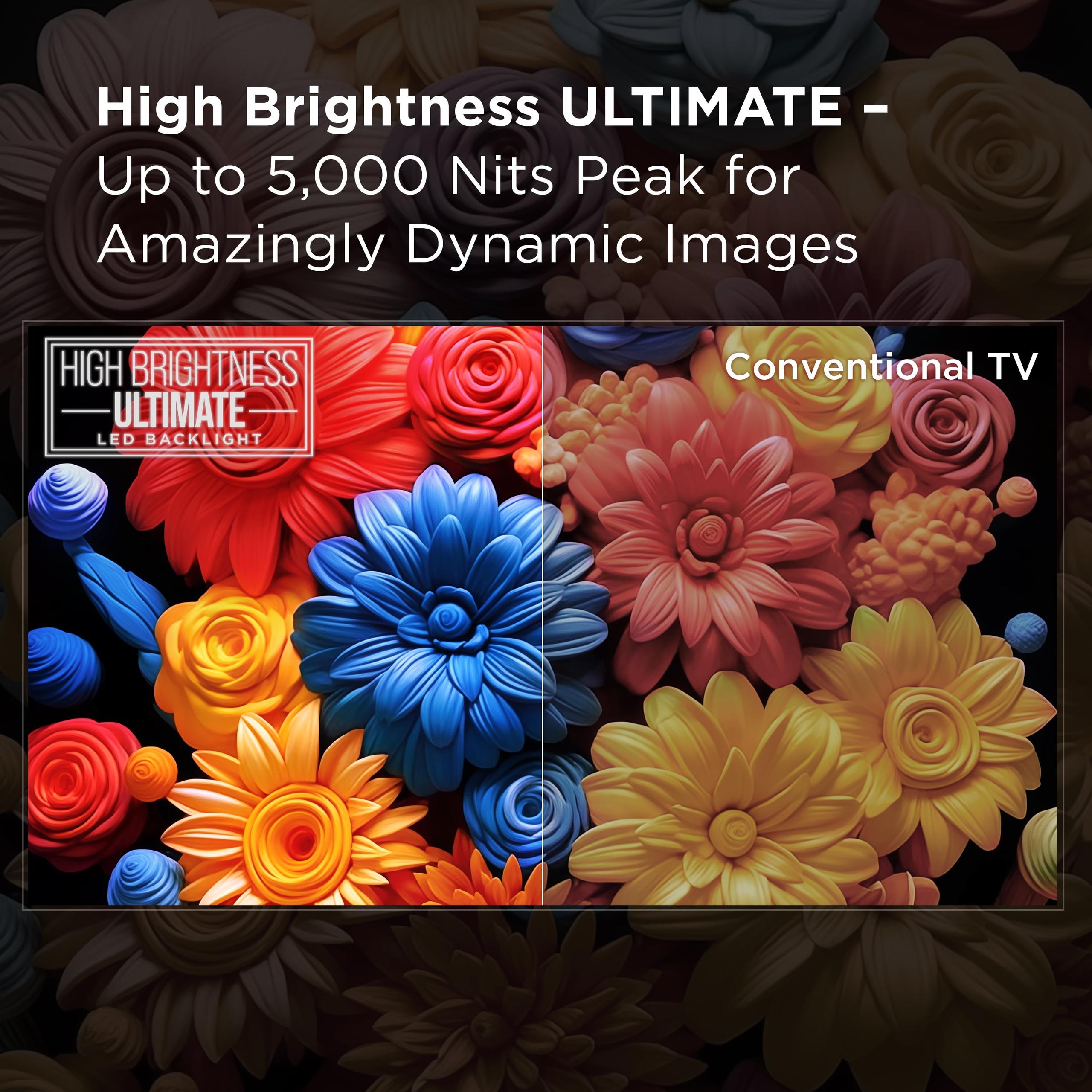
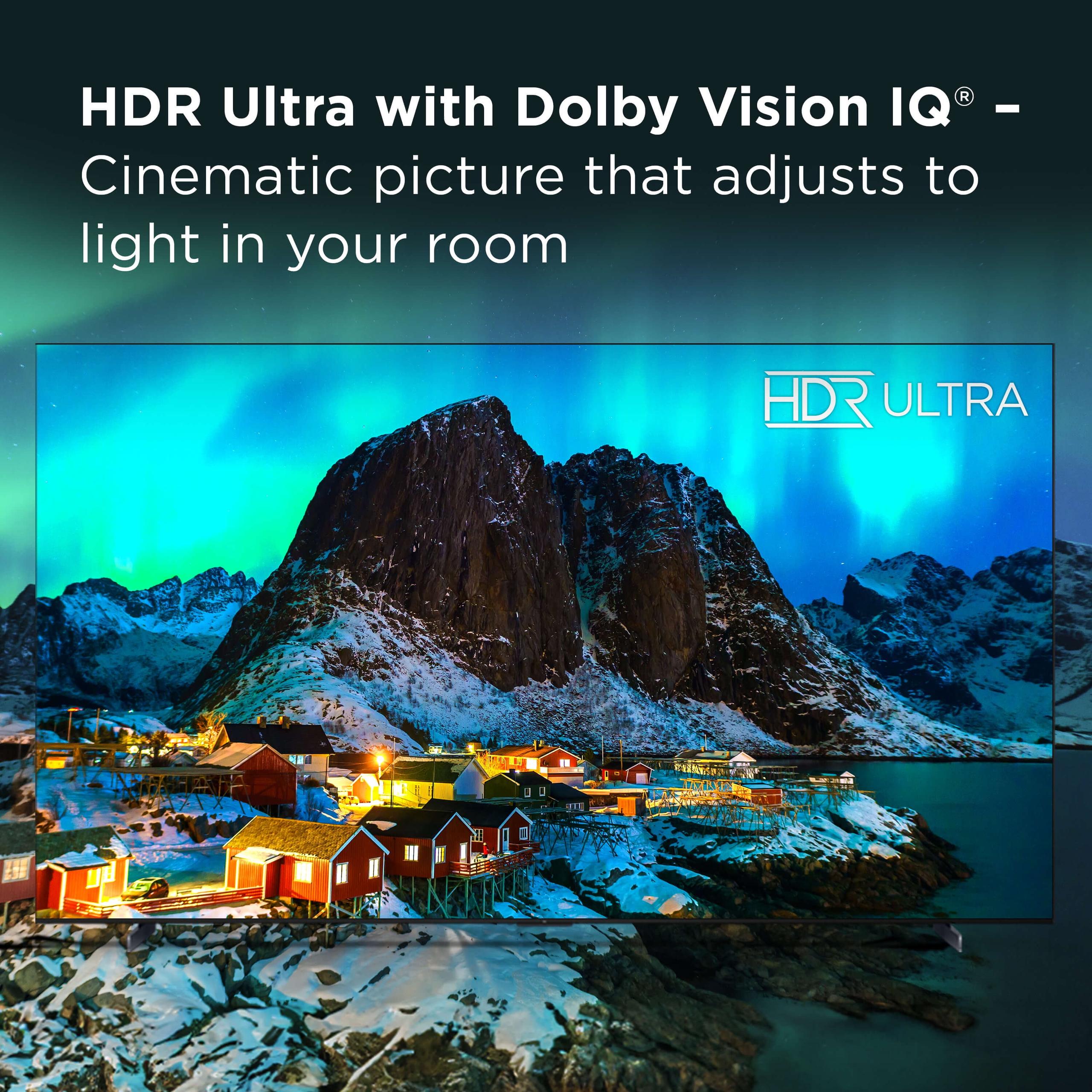
Here's where the TCL QM8 creates a substantial advantage: peak brightness. While the Sony tops out around 2,000 nits (a measure of brightness), the TCL can hit 5,000 nits in HDR content. To put this in perspective, a bright sunny day measures around 100,000 nits, while most indoor lighting ranges from 100-500 nits.
This brightness difference matters enormously for HDR (High Dynamic Range) content, which is designed to show both very bright and very dark elements in the same scene. Think of a movie scene where characters are silhouetted against a bright sky—the TCL can make that sky legitimately bright while keeping the shadows dark, creating a more realistic and impactful image.
The practical benefit extends to room lighting as well. If your TV room has windows or bright overhead lights, the TCL's extra brightness helps maintain image quality even when you can't control ambient lighting perfectly.
Sony's XR processor represents years of development in AI-driven image processing. Rather than applying the same enhancements to every frame, it identifies what type of content you're watching and adjusts accordingly. Watching a nature documentary? It enhances textures and natural colors. Watching a dark thriller? It focuses on shadow detail and contrast.
The upscaling capabilities particularly shine with non-4K content. Since most of what we watch—streaming services, cable TV, older movies—isn't native 4K, the processor's ability to intelligently add detail makes a huge difference in day-to-day viewing. I've noticed that even heavily compressed YouTube videos look surprisingly clean on the Sony BRAVIA 5.
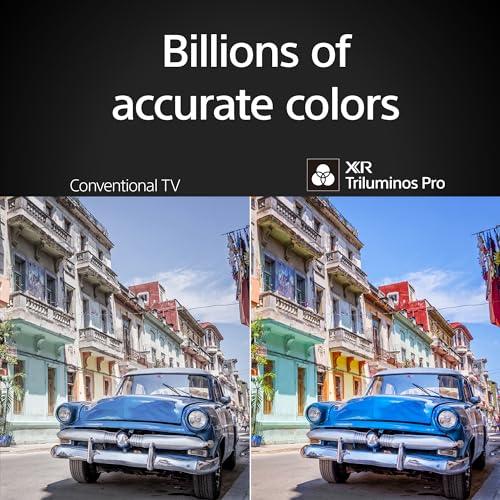
The XR Triluminos Pro color system deserves special mention. Instead of just producing bright, saturated colors, it focuses on accuracy and natural appearance. Skin tones look realistic, and colors appear as the filmmaker intended rather than artificially enhanced.
The TCL QM8 relies more heavily on raw hardware capabilities to deliver impressive images. The Quantum Dot layer acts like a color filter, converting blue LED light into highly pure red and green light, resulting in colors that can appear more vivid than what Sony produces.
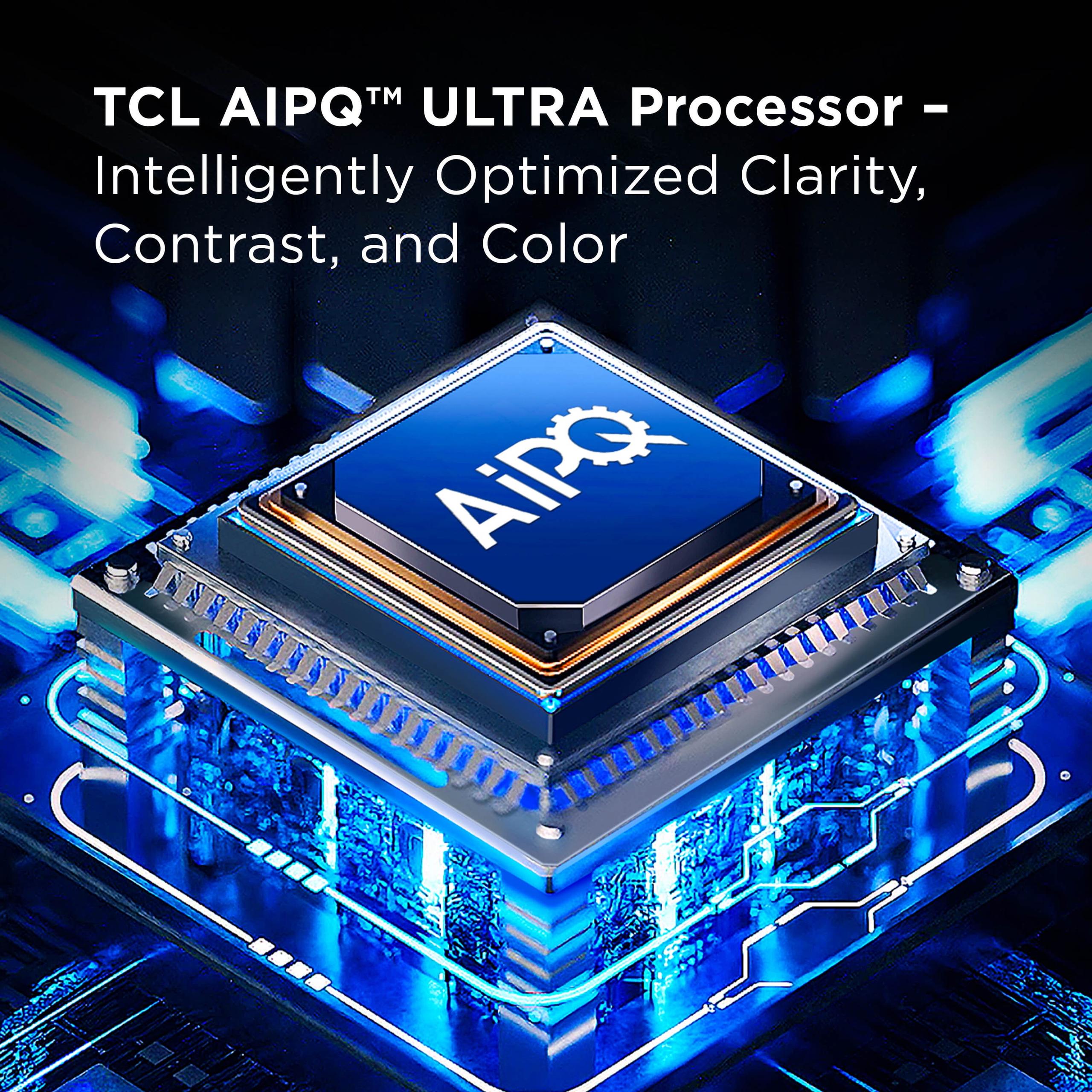
TCL's AIPQ ULTRA processor handles the computational work, but it's generally less sophisticated than Sony's offering. However, when paired with the massive number of dimming zones and extreme brightness, the results can be spectacular with HDR content that's designed to showcase dynamic range.
Where I've noticed TCL's approach works best is with movie content that has dramatic lighting—think Marvel movies with bright energy blasts, or nature documentaries with sunny outdoor scenes. The combination of high brightness and quantum dot color can create genuinely impressive "wow" moments.
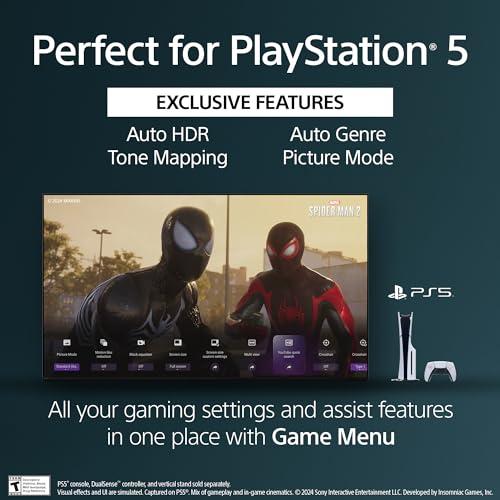
The Sony BRAVIA 5 clearly targets console gamers, particularly PlayStation 5 owners. The TV automatically switches to Game Mode when it detects a PS5, reducing input lag (the delay between pressing a button and seeing the result on screen) to excellent levels.
Sony includes features like Auto HDR Tone Mapping, which ensures games look properly bright and colorful without manual adjustment, and Auto Genre Picture Mode, which applies different visual settings for different game types. The TV supports 4K gaming at 120Hz with Variable Refresh Rate (VRR), which smooths out frame rate fluctuations for more consistent motion.
The integration goes beyond just technical specs—Sony and PlayStation are the same company, so the experience feels seamless rather than just compatible.
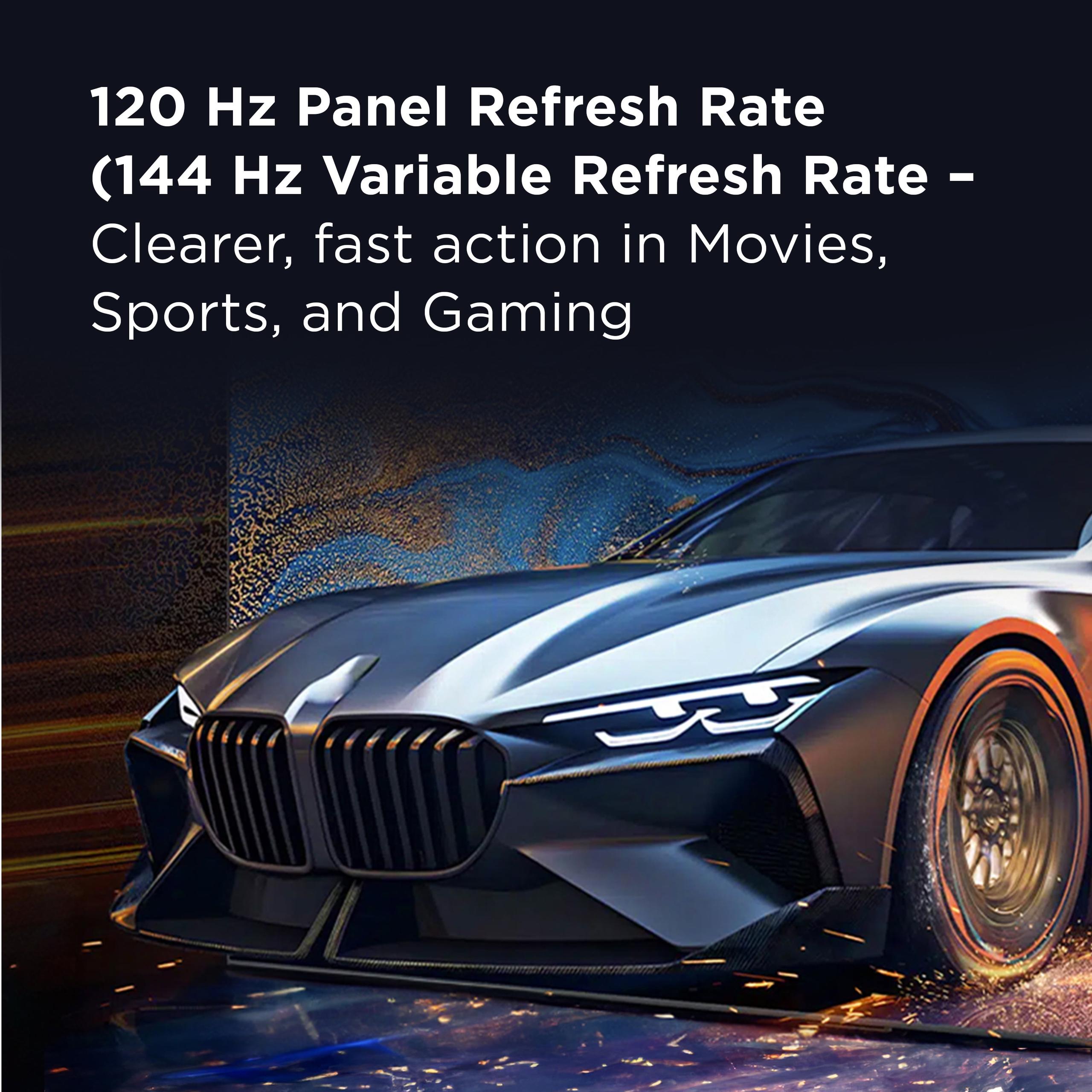
The TCL QM8 takes a different approach, focusing on maximum performance numbers. It supports up to 144Hz Variable Refresh Rate, which benefits PC gamers who can push frame rates higher than console games typically achieve.
The Game Accelerator 240 feature reduces input lag even further than standard game modes, and AMD FreeSync Premium Pro support makes it particularly attractive for PC gaming setups. The higher brightness also helps in competitive gaming where seeing details in dark corners or bright outdoor areas can provide advantages.
However, the gaming experience feels more technical and less integrated than Sony's approach. You'll get excellent performance, but it requires more manual adjustment to optimize settings for different games.
Sony has put considerable effort into making the BRAVIA 5's built-in audio system genuinely useful. The Acoustic Multi-Audio technology positions different sounds across the screen, so explosions appear to come from where they happen visually rather than just from the bottom of the TV.
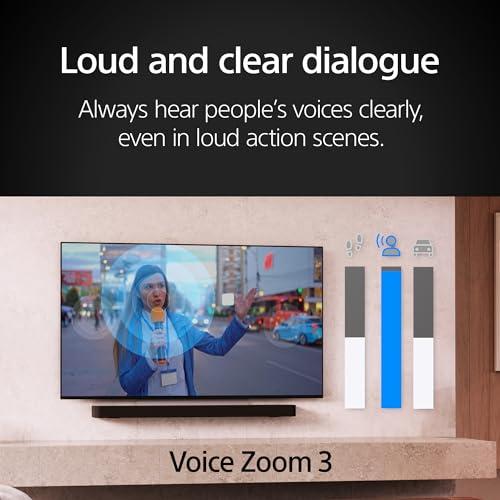
Voice Zoom 3 uses AI to identify and enhance dialogue, which proves invaluable during action scenes where sound effects might otherwise overwhelm speech. Having tested this extensively, it works remarkably well—you can actually follow conversations during loud movie scenes without constantly adjusting volume.
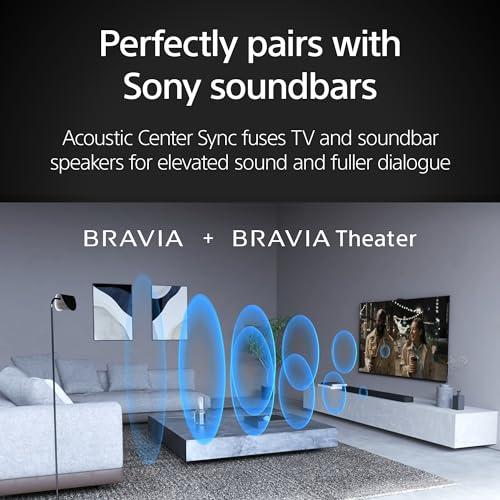
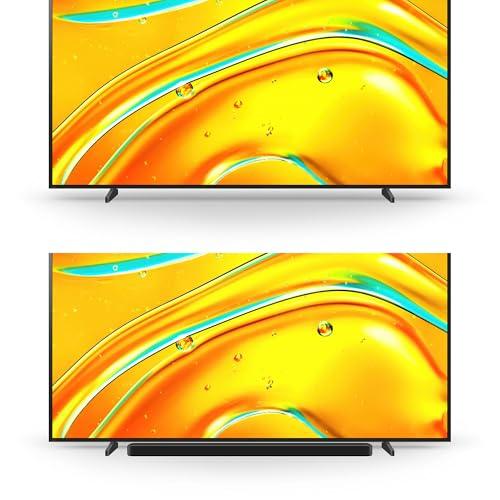
The TV can also serve as a center channel speaker when paired with compatible Sony soundbars or receivers, creating a more immersive surround sound experience without requiring a separate center speaker.
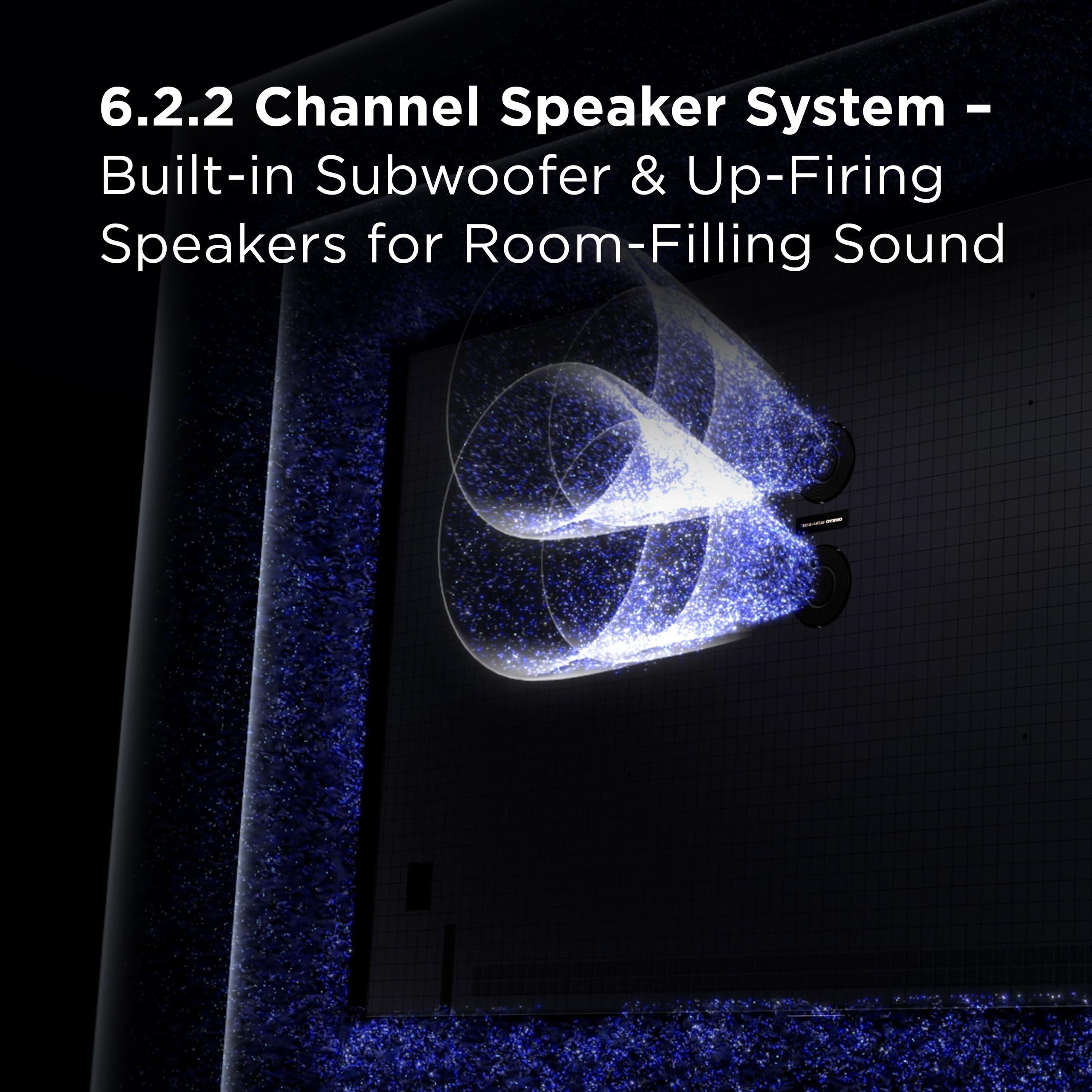
The TCL QM8 features a 120W Onkyo-designed 6.2.2 speaker system with built-in subwoofers and up-firing speakers for Dolby Atmos effects. On paper, this represents significantly more audio hardware than most TVs include.
In practice, the system produces impressive volume and decent surround effects, particularly for users who won't be adding external speakers. The built-in subwoofers provide bass response that most TVs completely lack, making action movies and music more engaging.
However, the audio processing feels less sophisticated than Sony's approach. While it's louder and more powerful, it doesn't demonstrate the same intelligence in optimizing sound for different content types.
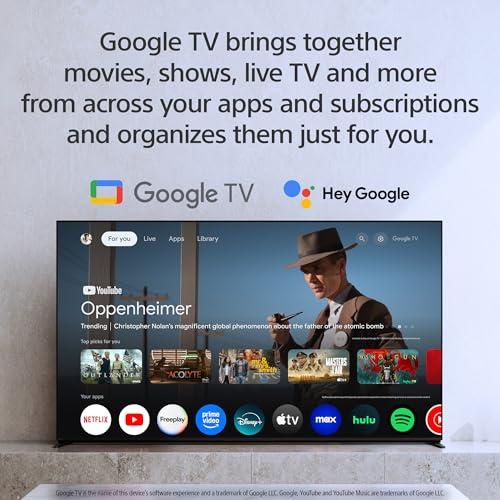
Both TVs run Google TV, but with notably different implementations. The Sony BRAVIA 5 feels more responsive and stable, likely due to more processing power dedicated to the smart TV functions. Menu navigation is smooth, and apps launch quickly without the occasional lag that can plague some smart TV platforms.
Sony's integration with Google Assistant works seamlessly, and the TV supports Apple AirPlay 2 for iPhone and iPad users. The Eco Dashboard feature helps manage power consumption, which becomes important with displays this large.
The TCL QM8 runs the same Google TV platform but occasionally shows performance hiccups in menu navigation. App loading times can be slightly longer, and there's sometimes a brief delay when switching between inputs or adjusting settings.
For dedicated home theater use, both TVs present unique advantages. The Sony BRAVIA 5 works well in controlled lighting environments where you can manage ambient light. Its more natural color reproduction and sophisticated processing make it excellent for movie watching, particularly with varied content types.
The color accuracy means less time spent adjusting picture settings for different movies or shows. Everything tends to look "right" out of the box, which is valuable when your primary goal is enjoying content rather than tweaking settings.
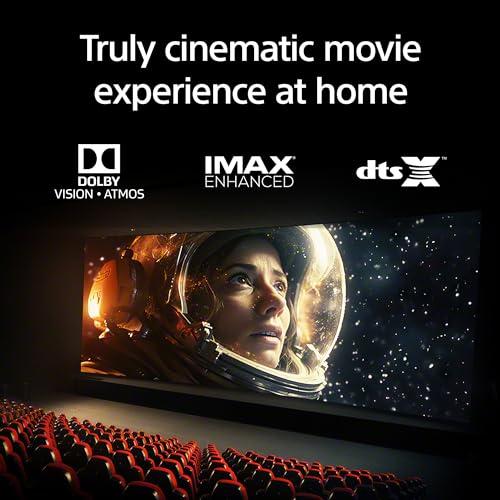
The TCL QM8 excels in home theaters where maximum impact is the goal. The 115" screen size creates a genuinely cinematic experience that's hard to match, and the extreme brightness ensures HDR content delivers the full intended impact.
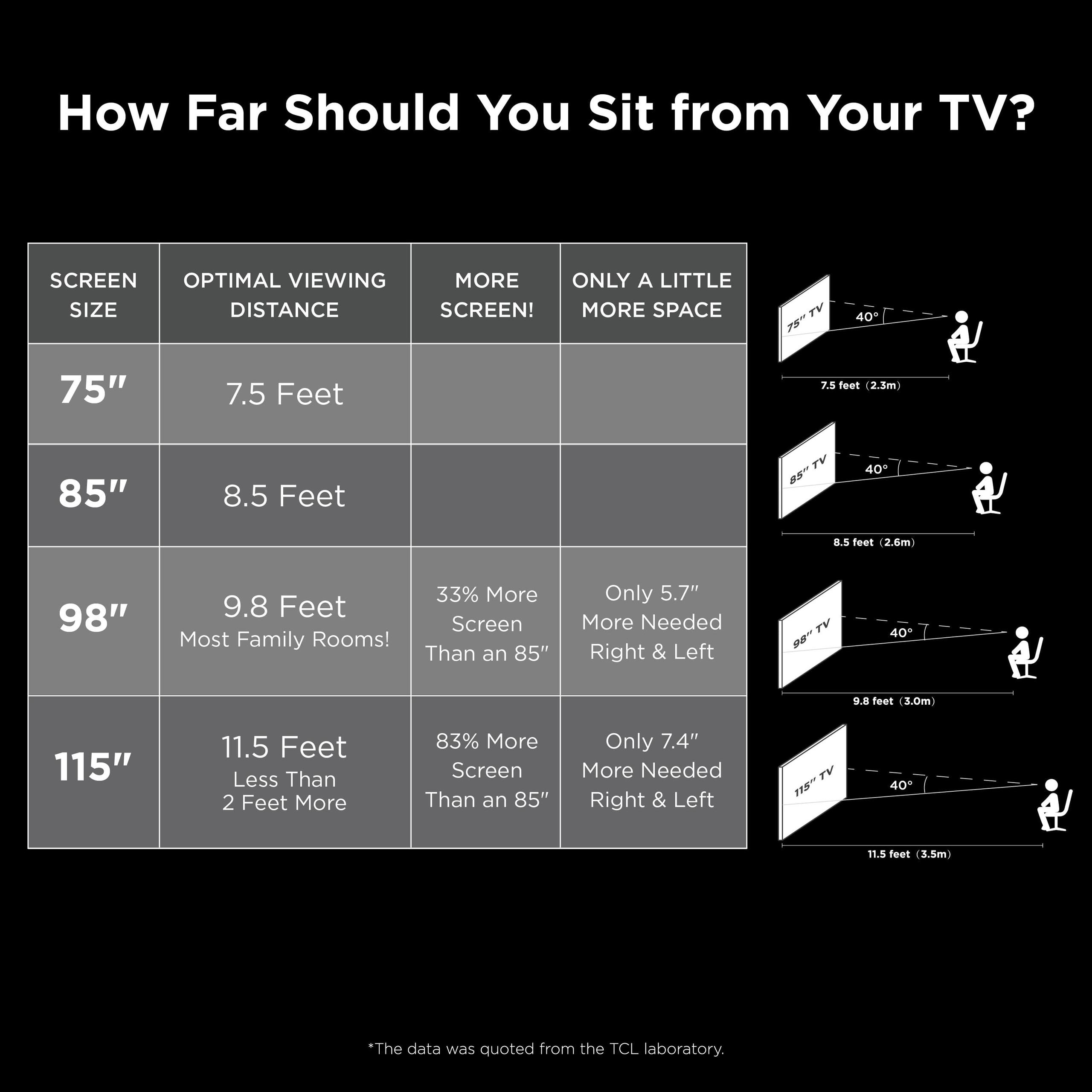
However, the larger size requires more careful room planning. You'll need adequate wall space and viewing distance—sitting too close to a 115" screen can be overwhelming rather than immersive.
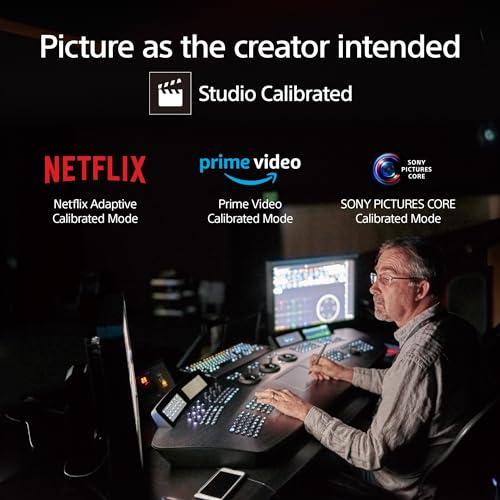
Both TVs benefit from professional calibration, but in different ways. The Sony BRAVIA 5 typically requires minimal adjustment since its out-of-box accuracy is quite good. Professional calibration mainly fine-tunes the already solid foundation.
The TCL QM8 has more calibration potential due to its extensive hardware capabilities, but it may require more significant adjustments to achieve optimal accuracy. The payoff can be substantial—properly calibrated, the combination of high brightness and wide color gamut can produce stunning results.
At $5,999, the Sony BRAVIA 5 represents a more accessible entry into large premium TV territory. The cost per square inch is reasonable, and the sophisticated processing provides value that extends beyond raw specifications.
This TV makes sense if you watch varied content types, value color accuracy over maximum brightness, or prefer a more plug-and-play experience. It's also the better choice if your viewing environment has controlled lighting and you're not specifically seeking maximum screen size.
The TCL QM8's $17,000-20,000 price point places it in ultra-premium territory where it competes based on raw performance and size. The 20,000 dimming zones and 5,000-nit brightness represent current technology peaks that justify the premium for users who want maximum capability.
This TV excels when screen size and HDR impact are primary concerns, when the viewing environment includes significant ambient light, or when building a dedicated home theater where specifications matter more than price.
Choose the Sony BRAVIA 5 98" if your budget is closer to $6,000, you prioritize natural color accuracy and sophisticated processing, your viewing room has controlled lighting, you value brand reliability and software support, or 98" adequately fills your intended space.
Choose the TCL 115" QM8 if you can accommodate the higher price point, your viewing environment has significant ambient light, you want the largest possible screen size, HDR movies and shows represent a major portion of your viewing, or you're building a dedicated home theater where maximum impact is the goal.
The fundamental choice comes down to refined processing and value versus maximum size and raw performance. Both approaches have merit, but they serve different priorities and budgets in the large premium TV market.
| Sony BRAVIA 5 98" Mini LED 4K Google TV 2025 | TCL 115" QM8 Series 4K UHD Smart Google TV |
|---|---|
| Price - Major budget consideration for premium large TVs | |
| $5,999 | $17,000-20,000 |
| Screen Size - Immersion factor and room requirements | |
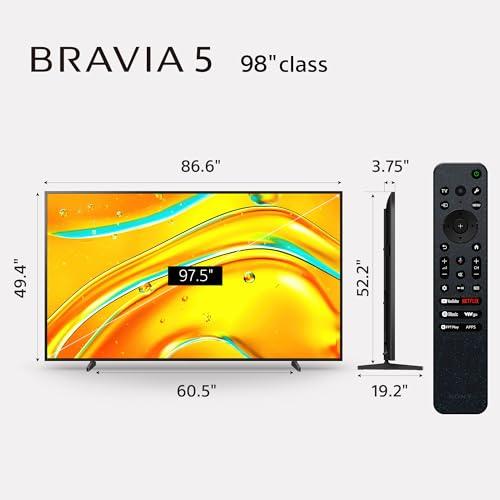
| 98" (excellent for most rooms) | 115" (requires large dedicated space) |
| Display Technology - Core picture quality foundation | |
| Mini LED with XR Backlight Master Drive | QD-Mini LED with 20,000 local dimming zones |
| Peak Brightness - Critical for HDR impact and bright room viewing | |
| ~2,000 nits (good for controlled lighting) | 5,000 nits (excellent for any lighting condition) |
| Local Dimming Zones - Controls contrast and reduces blooming | |
| Thousands of zones (precise but fewer) | 20,000 zones (industry-leading precision) |
| Processing Power - Determines upscaling and picture optimization | |
| XR Cognitive Processor with AI scene analysis | TCL AIPQ ULTRA Processor (less sophisticated) |
| Color Technology - Affects color accuracy and vibrancy | |
| XR Triluminos Pro (natural, accurate colors) | Quantum Dot QLED (wider gamut, more vivid) |
| Gaming Features - Important for console and PC gaming | |
| 4K/120Hz, VRR, PS5 optimization, excellent input lag | 4K/144Hz VRR, Game Accelerator 240, AMD FreeSync Premium Pro |
| Audio System - Built-in sound quality and features | |
| Acoustic Multi-Audio with Voice Zoom 3 AI | 120W Onkyo 6.2.2 system with subwoofers |
| Smart TV Platform - User experience and app performance | |
| Google TV (responsive, stable performance) | Google TV (occasional lag, less optimized) |
| Best Use Case - Who should buy this TV | |
| Mixed content viewing, controlled lighting, budget-conscious premium buyers | Dedicated home theater, bright rooms, maximum size priority |
| Value Proposition - What you get for the money | |
| Superior processing and accuracy at accessible premium price | Maximum size and brightness capabilities at ultra-premium cost |
The Sony BRAVIA 5 98" ($5,999) offers better value for most buyers, providing flagship-level processing and picture quality at a more accessible price point. The TCL 115" QM8 ($17,000-20,000) costs 3x more but delivers maximum screen size and brightness for dedicated home theater setups.
The TCL 115" QM8 has a 17-inch larger screen than the Sony BRAVIA 5 98". While both are massive, the TCL provides significantly more immersive viewing but requires a larger room and greater viewing distance to be comfortable.
The TCL 115" QM8 is much brighter with 5,000 nits peak brightness compared to the Sony BRAVIA 5's ~2,000 nits. This makes the TCL better for bright rooms with windows, while the Sony works well in controlled lighting environments.
The Sony BRAVIA 5 98" has superior picture processing with its XR Cognitive Processor that uses AI to analyze and optimize each scene. This makes non-4K content look better and provides more natural colors compared to the TCL QM8's more basic processing.
Both TVs excel for gaming but in different ways. The Sony BRAVIA 5 is optimized for PlayStation 5 with seamless integration and excellent input lag. The TCL QM8 supports higher 144Hz refresh rates and AMD FreeSync, making it better for PC gaming.
For dedicated home theaters, the TCL 115" QM8 provides maximum cinematic impact with its huge screen and extreme brightness for HDR content. The Sony BRAVIA 5 98" offers more natural colors and better processing, making it ideal for varied content in controlled lighting.
The TCL QM8 has more powerful built-in audio with a 120W Onkyo 6.2.2 system including subwoofers. The Sony BRAVIA 5 has more intelligent audio processing with Acoustic Multi-Audio and Voice Zoom 3 for clearer dialogue, though less raw power.
The TCL 115" QM8 has significantly more local dimming zones at 20,000 compared to the Sony BRAVIA 5's thousands of zones. More zones generally mean better contrast control and reduced blooming around bright objects.
Yes, both the Sony BRAVIA 5 and TCL QM8 run Google TV. However, Sony's implementation tends to be more responsive and stable, while the TCL occasionally experiences menu lag and slower app loading times.
The Sony BRAVIA 5 98" is better for varied movie and streaming content due to its superior upscaling and natural color accuracy. The TCL QM8 excels specifically with HDR movies that can showcase its extreme brightness and contrast capabilities.
The Sony BRAVIA 5 98" needs about 10-12 feet viewing distance, while the TCL 115" QM8 requires 12-15 feet for comfortable viewing. Both need substantial wall space, but the TCL demands a larger dedicated room for optimal experience.
With a $6,000 budget, the Sony BRAVIA 5 98" ($5,999) is your only option between these two, as the TCL QM8 costs significantly more. Fortunately, the Sony offers excellent value with flagship-level features at this price point.
We've done our best to create useful and informative comparisons to help you decide what product to buy. Our research uses advanced automated methods to create this comparison and perfection is not possible - please contact us for corrections or questions. These are the sites we've researched in the creation of this article: tomsguide.com - rtings.com - bestbuy.com - electronics.sony.com - youtube.com - tomsguide.com - youtube.com - avsforum.com - lueckeaudiovideo.com - pro.sony - bestbuy.com - sony.com - pioneertvandappliance.com - youtube.com - valueelectronics.com - heartlandappliance.com - schaeferstv.com - rtings.com - pcrichard.com - valueelectronics.com - cnet.com - youtube.com - rcwilley.com - greentoe.com - tcl.com - ezown.net - kingsgreatbuys.com - romomattressfurniture.com - abt.com

Privacy Policy
Terms and Conditions - Affiliate Policy
Home Security
© Copyright 2008-2026.
11816 Inwood Rd #1211, Dallas, TX 75244