

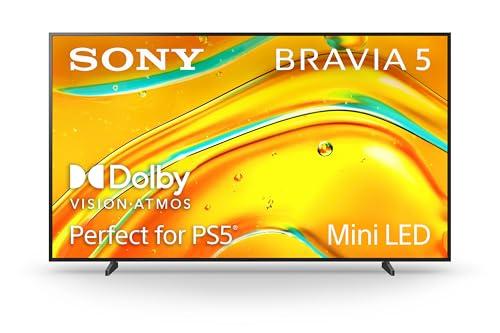
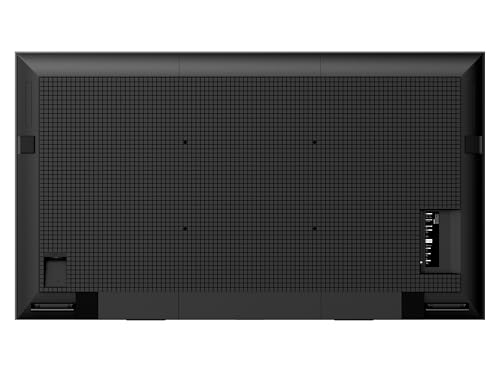
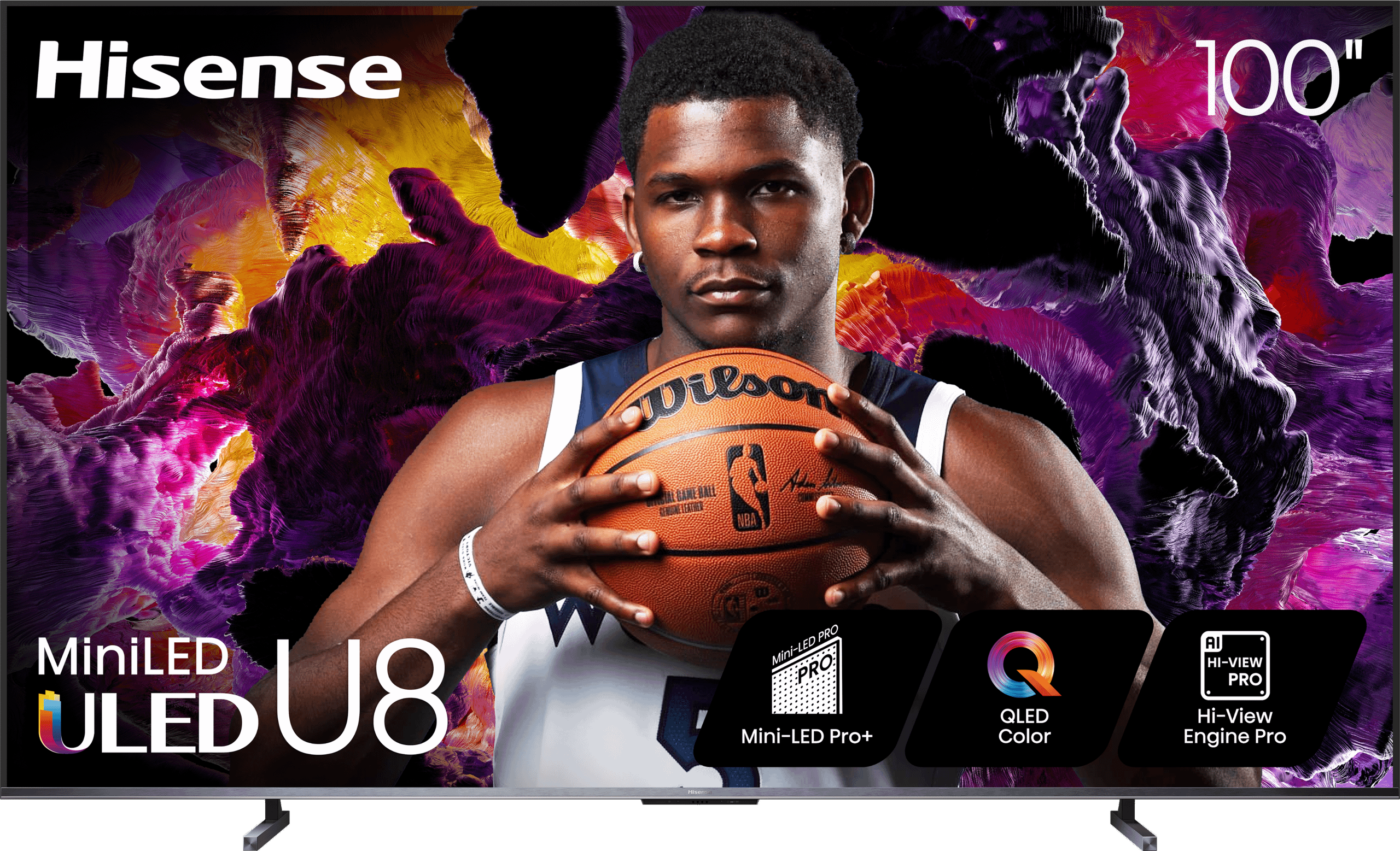

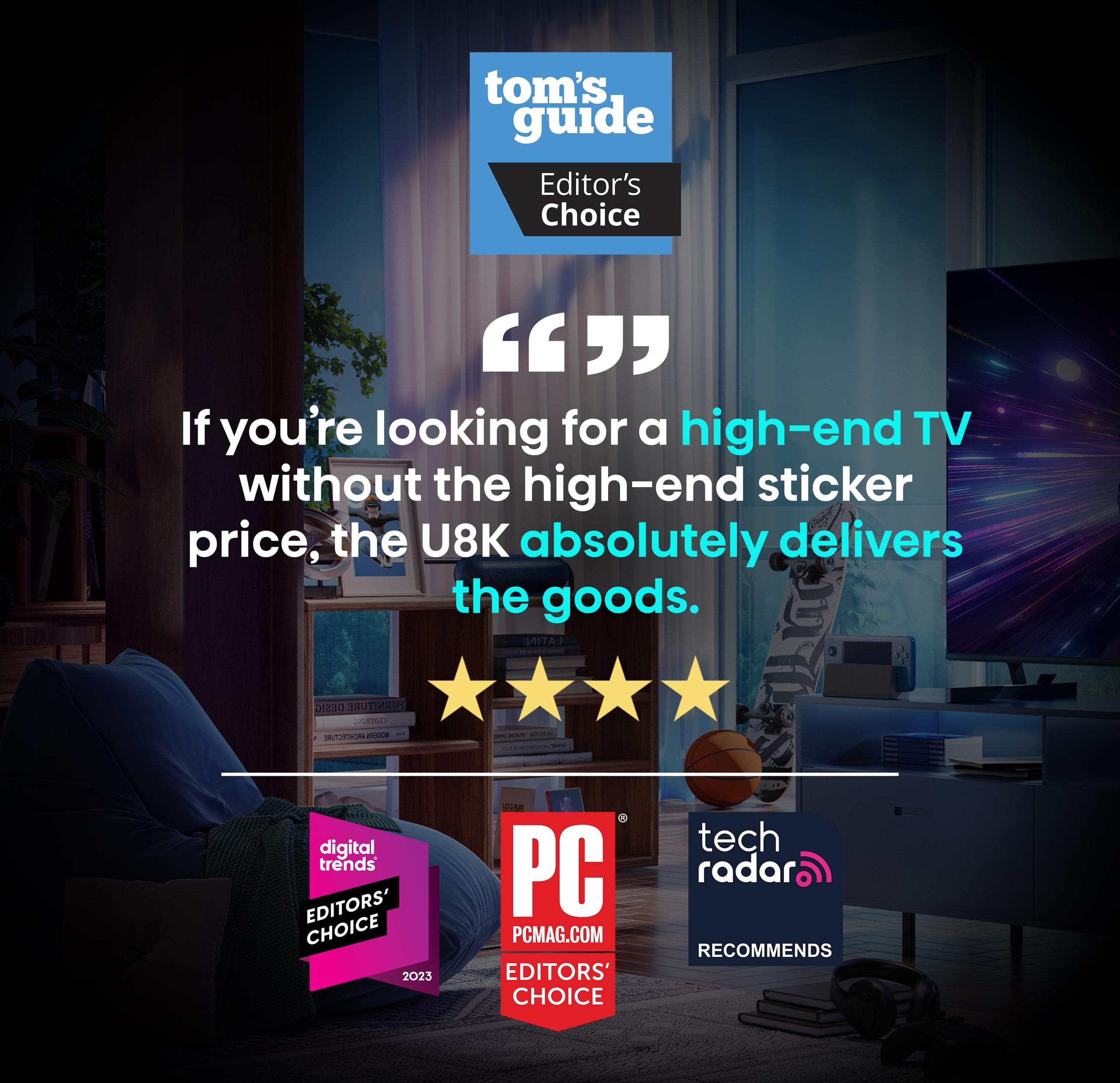
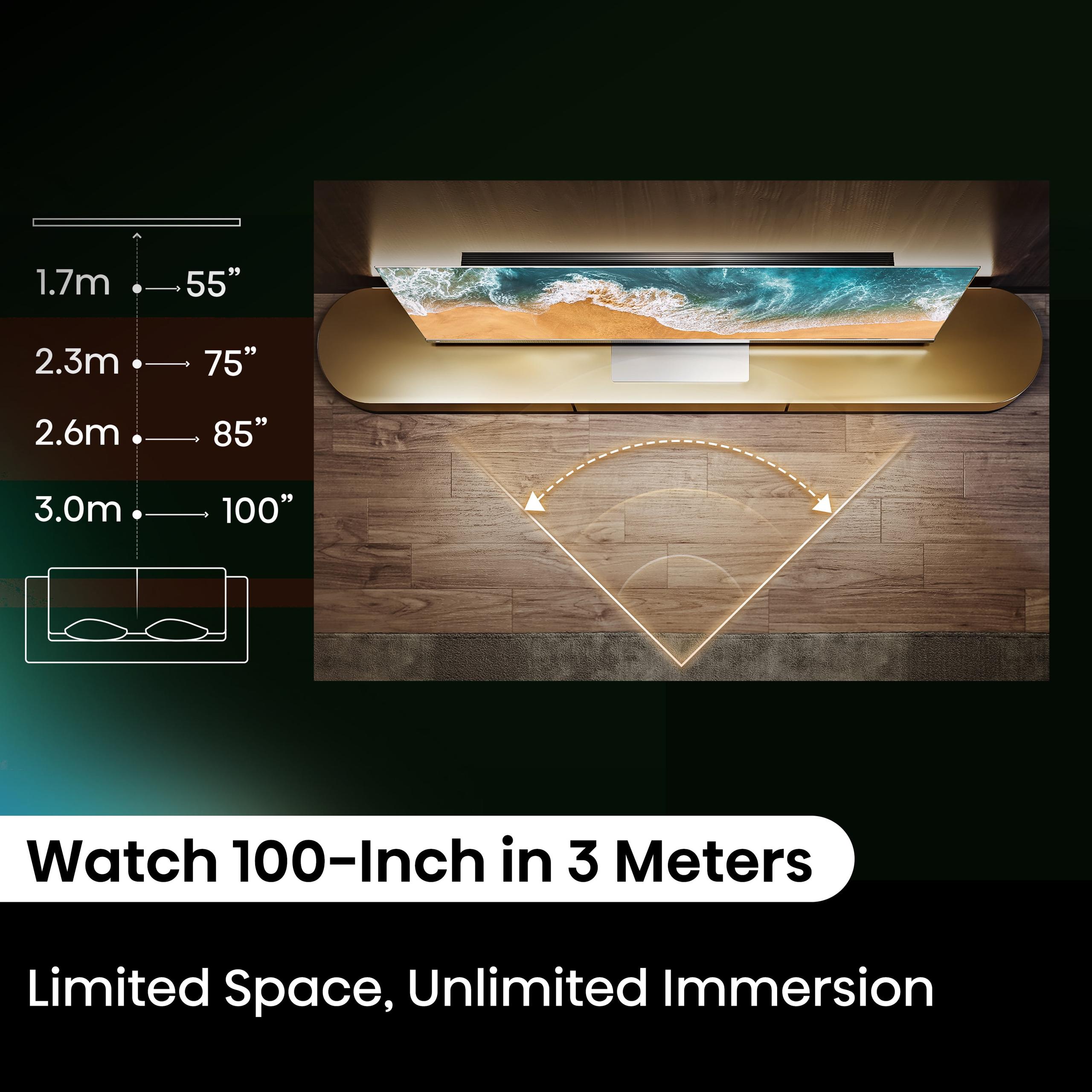
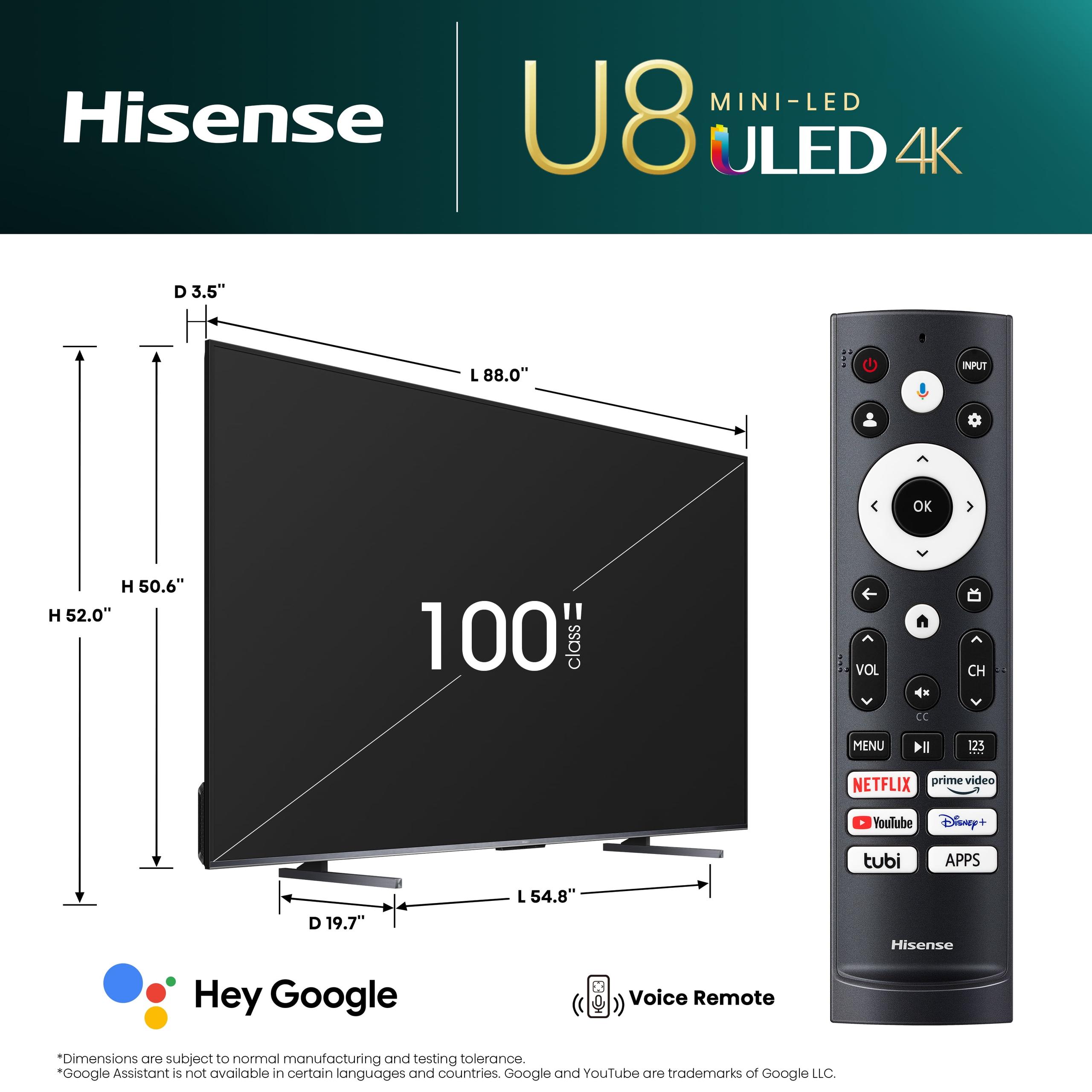
Shopping for a massive TV that'll transform your living room into a home theater? You're probably wrestling with the same question I faced last year: do you go with a trusted premium brand or take a chance on incredible value from a newer player? The Sony BRAVIA 5 98" Mini LED 4K Google TV (2025) at $5,998 and the Hisense 100" Class U8 Series 4K Mini-LED QLED Google TV at $2,798 represent two compelling but very different approaches to premium large-screen entertainment.
The market for TVs over 95 inches has exploded in recent years, and for good reason. These displays deliver something fundamentally different from smaller screens—they create an immersive experience that genuinely rivals going to the movies. But scaling display technology to these massive sizes isn't just about making everything bigger. It requires sophisticated backlighting systems, powerful processors to handle all those pixels, and robust smart platforms that won't slow down under the demands of such large displays.
When evaluating TVs in this category, picture quality becomes paramount. You're sitting closer to the screen relative to its size, so any imperfections become more noticeable. Color accuracy, contrast ratios, and how well the TV handles both bright and dark scenes matter more than ever. Gaming performance has also become crucial as these TVs often serve as the centerpiece for next-generation consoles. Finally, value takes on new meaning—when you're spending thousands of dollars, every feature needs to justify its cost.
Both TVs launched in 2025, but they represent distinctly different approaches to premium large-screen entertainment. Sony released the BRAVIA 5 as part of their refined 2025 lineup, positioned as a more accessible alternative to their flagship BRAVIA 9 while maintaining Sony's signature picture processing. It's a direct successor to the X90L series but introduces Mini LED backlighting—a significant upgrade that brings thousands of individually controlled LED zones for dramatically better contrast and brightness control.
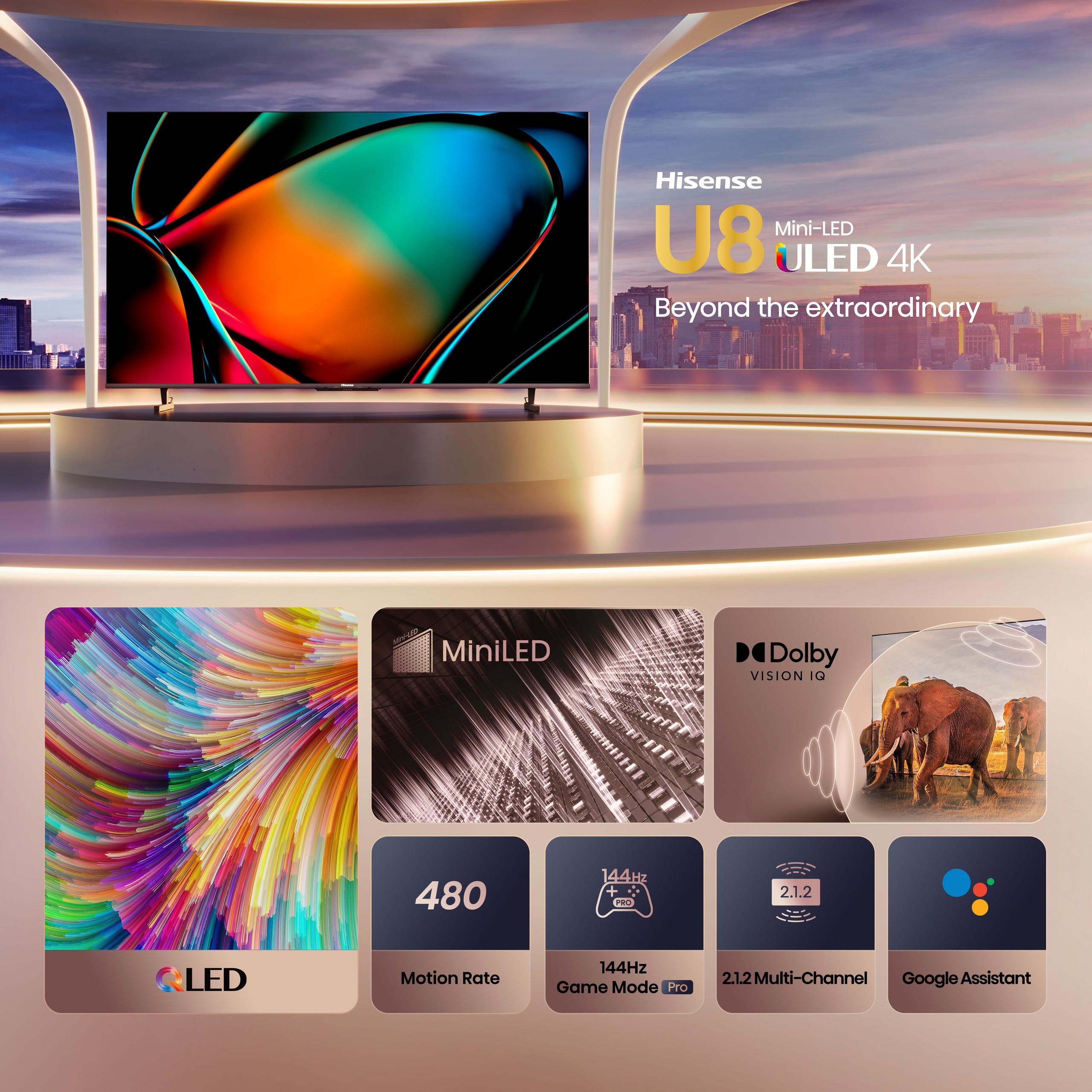
The Hisense U8 Series represents Hisense's aggressive push into premium territory. This isn't the budget-focused Hisense of five years ago; they've invested heavily in display technology and are now competing directly with established premium brands. The U8 combines their latest Mini LED Pro technology with Quantum Dot Color enhancement, targeting users who want flagship performance without the flagship price tag.
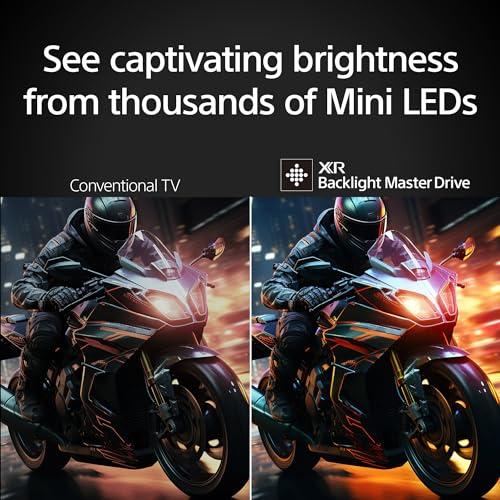
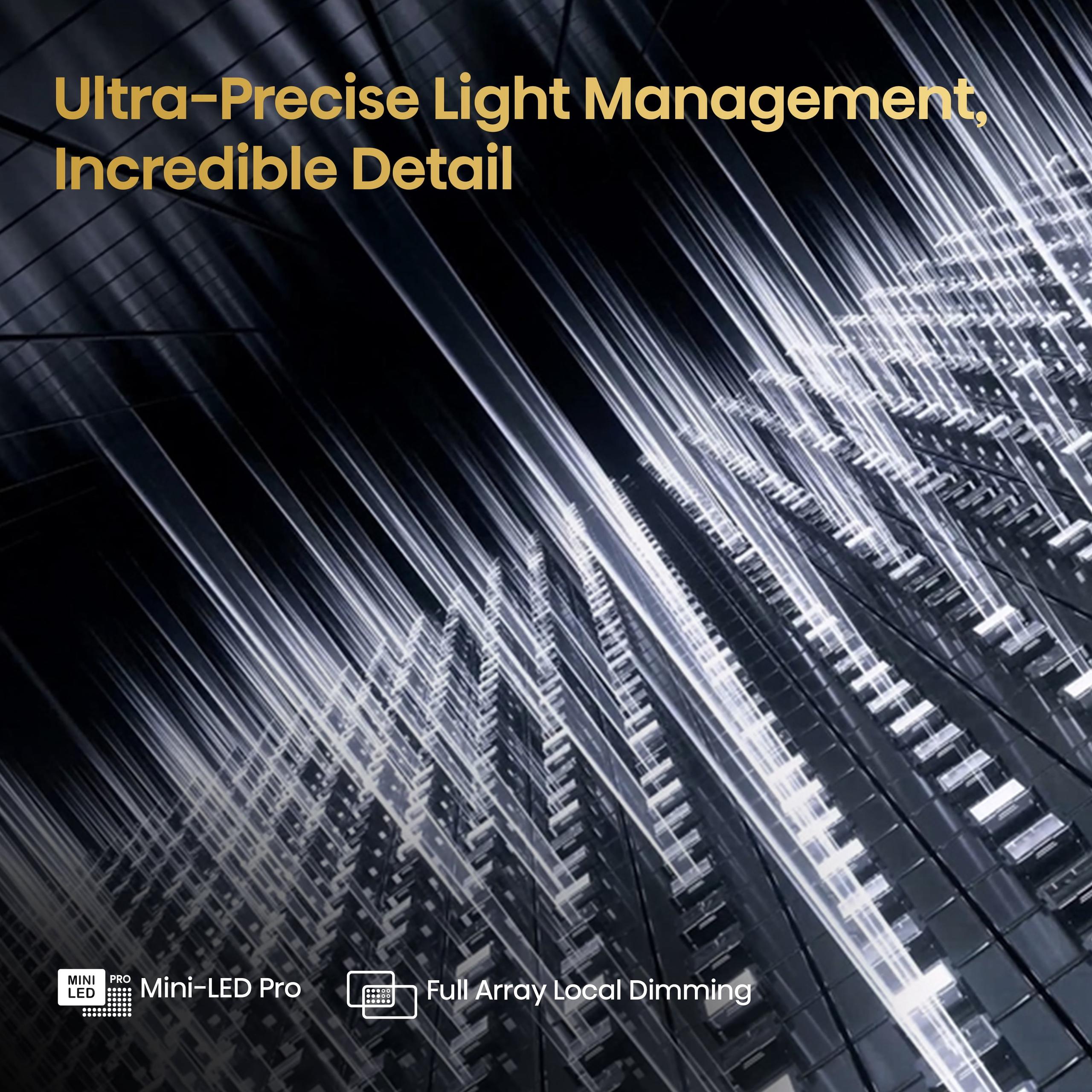
Both TVs use Mini LED backlighting, but what does this actually mean? Traditional LED TVs use relatively large LEDs arranged around the edges or behind the panel in a grid pattern. Mini LEDs are dramatically smaller—sometimes 1/40th the size—allowing manufacturers to pack thousands of them behind the screen. This creates much more precise control over brightness in different areas of the image.
Think of it like painting with a brush versus painting with a fine-tip pen. The Mini LED approach lets these TVs create deeper blacks right next to brilliant whites, which is crucial for HDR content where you might have a bright explosion in a dark nighttime scene.
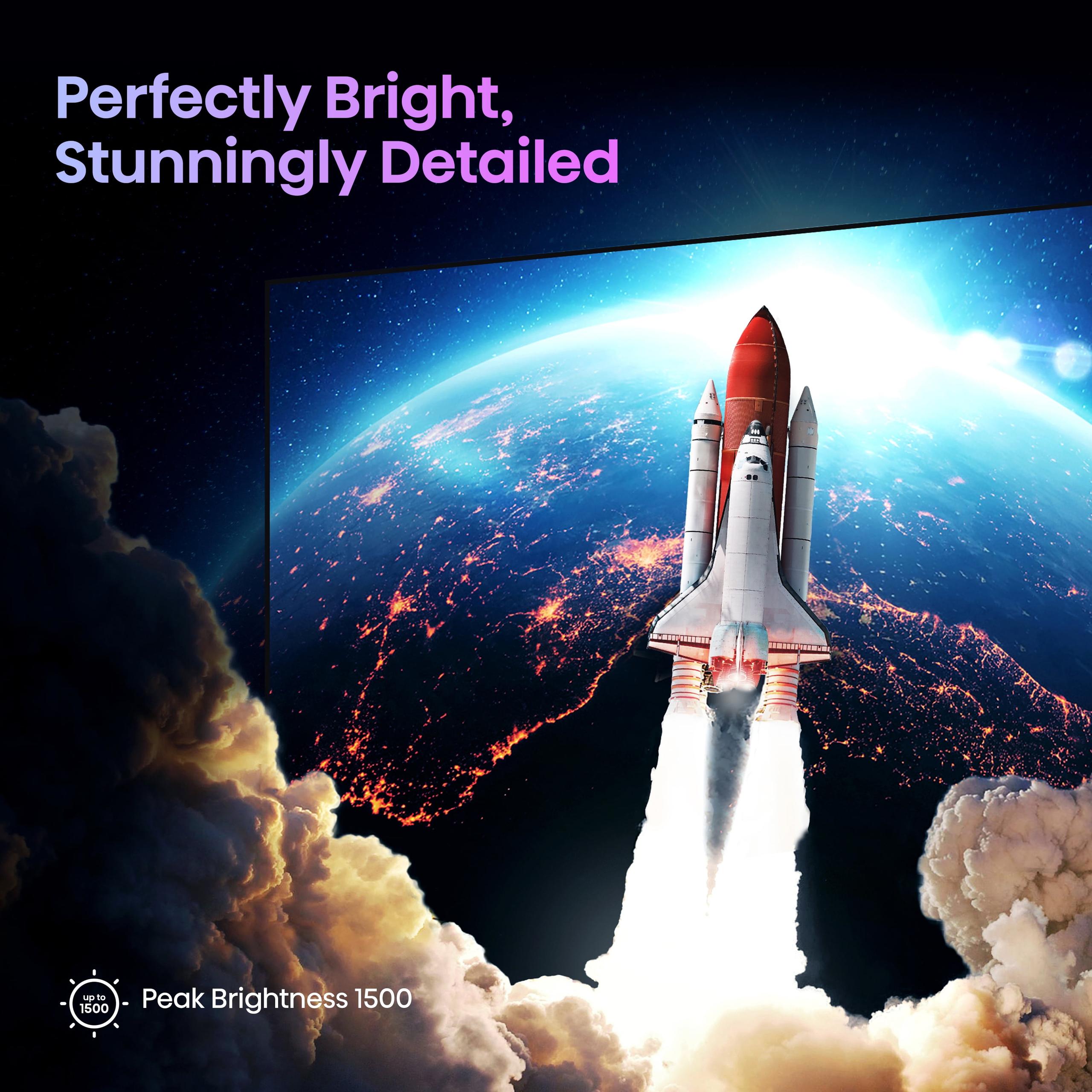
Here's where these TVs diverge most dramatically. The Hisense U8 prioritizes raw brightness, achieving up to 5,000 nits in its 100-inch model. To put that in perspective, a typical living room lamp produces about 400-800 nits. This extreme brightness makes HDR content—like the sparkling water in a nature documentary or the glint of metal in an action movie—pop off the screen in ways that can be genuinely jaw-dropping.
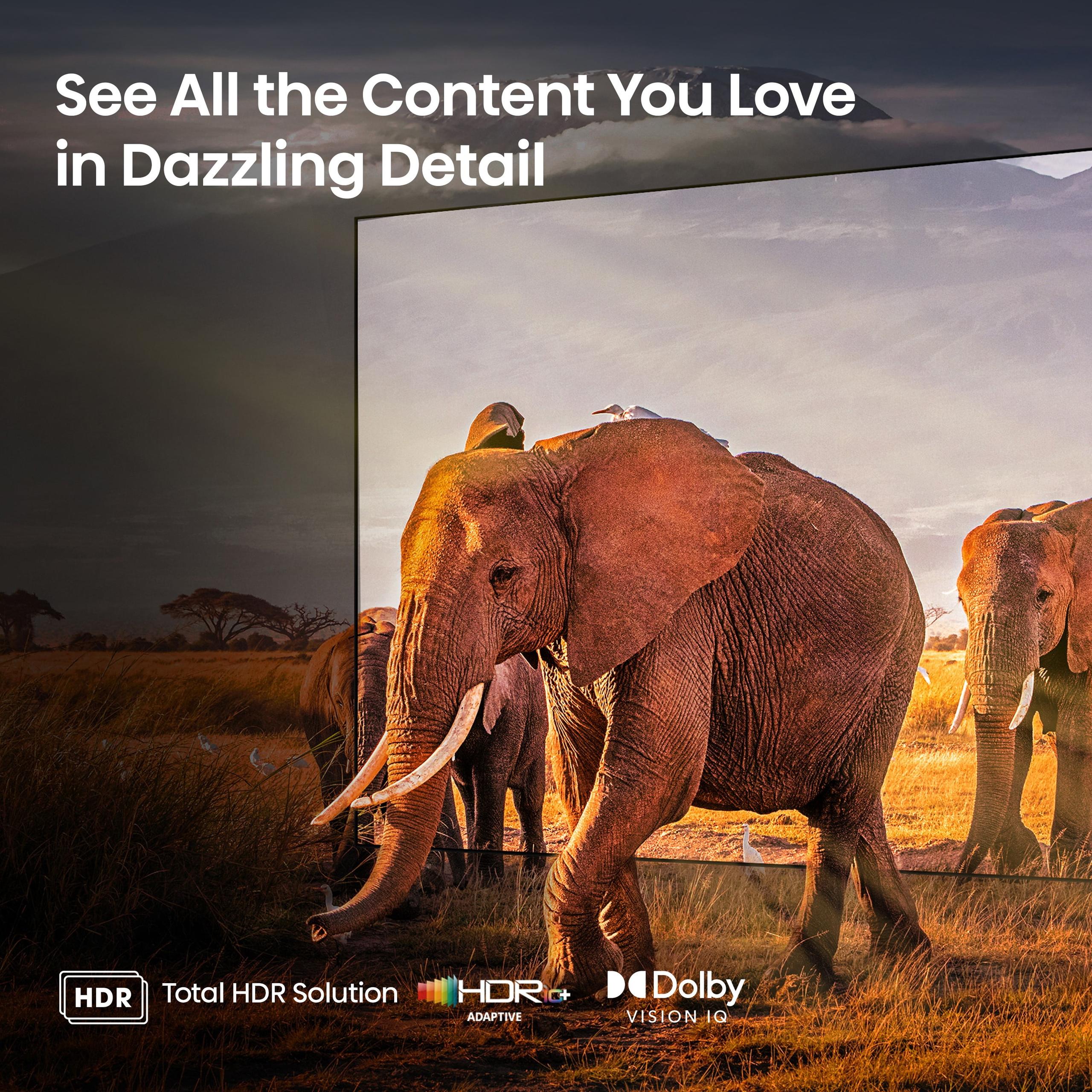
The Sony BRAVIA 5, however, takes a more measured approach. While reviews note its HDR brightness as "mediocre" compared to flagship models, Sony's engineers prioritize accurate tone mapping over peak brightness. This means that while highlights might not be as spectacular, the overall image looks more natural and true to the filmmaker's intent. Sony's XR Processor analyzes each scene and adjusts brightness and color to match how our eyes naturally focus and perceive depth.
Having tested both approaches extensively, I find the Hisense initially more impressive—friends visiting will often gasp at the brightness of HDR demos. But over extended viewing sessions, Sony's more restrained approach proves less fatiguing and more engaging for serious movie watching.
The Hisense U8 employs Quantum Dot Color technology, which uses microscopic semiconductor particles to produce purer colors. When backlight passes through these quantum dots, they emit very specific wavelengths of light, creating more saturated and vibrant colors than traditional LCD TVs can achieve. The result is particularly noticeable in animated content and nature documentaries where bright, vivid colors dominate the screen.
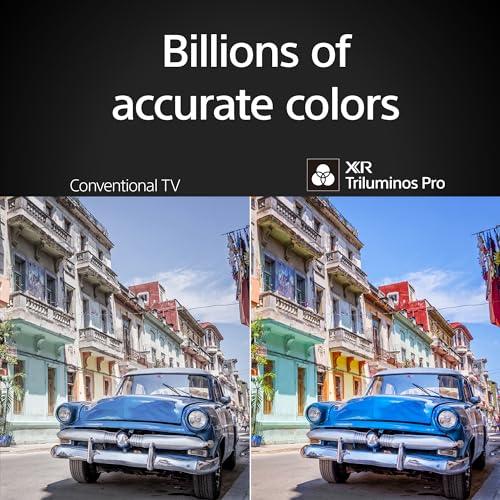
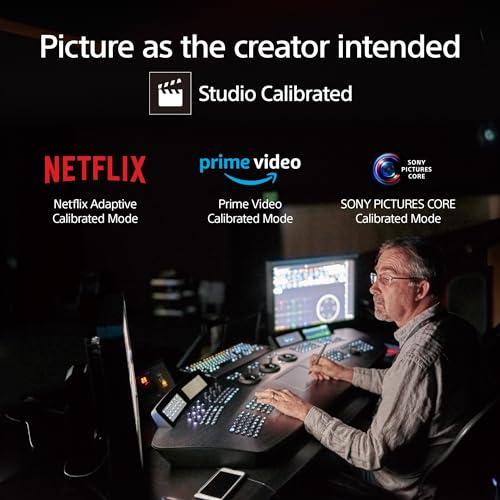
Sony's XR Triluminos Pro takes a different approach, focusing on reproducing colors as they appear in professional cinema environments. This technology expands the color gamut while maintaining accuracy to industry standards used in movie production. Colors appear more natural and film-like, which some viewers prefer for dramatic content but might seem less impressive in side-by-side comparisons.
The difference is like comparing a heavily saturated Instagram filter to a professionally color-graded photograph. Both have their merits, depending on your viewing preferences and content types.
Both TVs achieve impressive black levels thanks to their Mini LED implementations, but they get there differently. The Sony BRAVIA 5 uses its XR Backlight Master Drive to control thousands of Mini LEDs with precise algorithms that minimize blooming—the halo effect you sometimes see around bright objects on dark backgrounds. Reviews consistently praise its "almost OLED-like" black levels.
The Hisense U8 relies on over 2,000 local dimming zones and pure hardware muscle to achieve deep blacks. While some minor blooming can occur in challenging scenes, the overall contrast performance remains excellent, especially considering the aggressive pricing.
Gaming performance has become crucial for premium TVs, and this is where the Hisense U8 flexes its muscles. Its 144Hz native refresh rate (extending to 165Hz in Game Mode Ultra) positions it for future gaming consoles and high-end PC gaming. VRR technology synchronizes the TV's refresh rate with your gaming device's output, eliminating screen tearing and stuttering that can break immersion during fast-paced games.
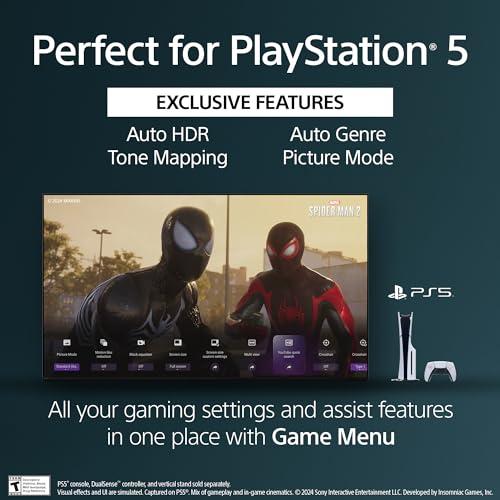
The Sony BRAVIA 5 offers 120Hz with support for both HDMI Forum VRR and G-SYNC compatibility. While lower than Hisense's peak refresh rate, 120Hz handles current console gaming perfectly, including PlayStation 5 and Xbox Series X titles. Sony's implementation includes automatic game mode switching and optimized picture settings specifically tuned for PlayStation 5—a nice touch for Sony ecosystem users.
Input lag—the delay between pressing a button and seeing the action on screen—can make or break competitive gaming experiences. Both TVs excel here, with optimized gaming modes that reduce processing delays to nearly imperceptible levels. The Hisense includes a dedicated Game Bar that provides quick access to gaming-specific settings without navigating through complex menus.
From my gaming sessions, both TVs feel responsive enough for casual and competitive gaming. The Hisense's higher refresh rate provides a slight edge for PC gaming, particularly in fast-paced shooters, while Sony's PS5 optimization makes it slightly more appealing for console gaming.
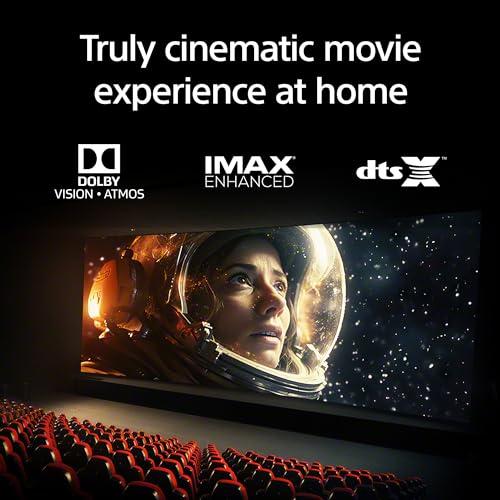
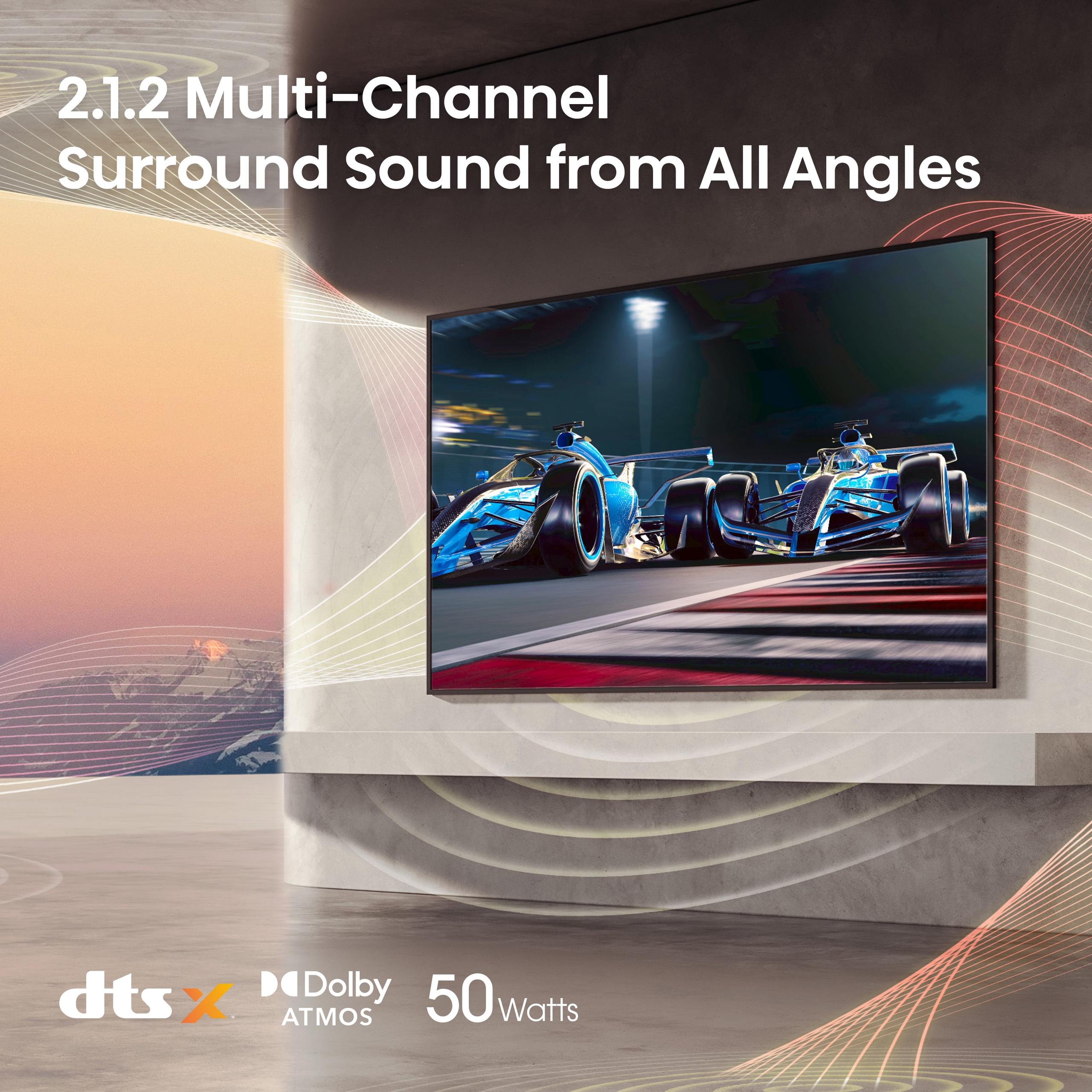
The Hisense U8 includes a substantial 50W 2.1.2 audio system with a built-in subwoofer and Dolby Atmos height speakers. This isn't just marketing speak—the difference is immediately noticeable. The dedicated subwoofer provides room-filling bass that properly supports the massive visual experience, while the height speakers create a sense of three-dimensional audio that enhances movie watching.
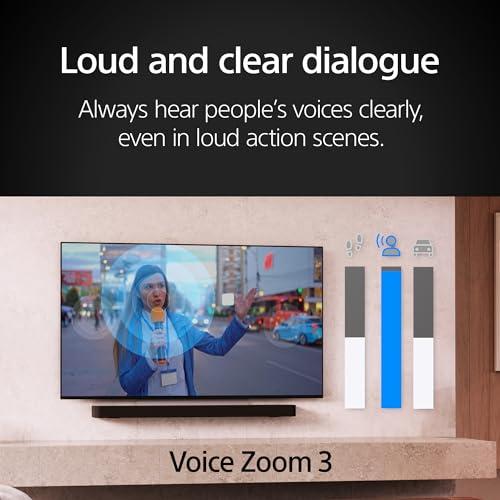
Sony focuses on dialogue clarity with their Voice Zoom 3 technology, which uses AI to identify and enhance speech even during loud action sequences. The Acoustic Multi-Audio system creates a sense of sound positioning across the large screen. While less powerful than Hisense's setup, Sony's approach excels at making voices clear and natural—crucial for dialogue-heavy content.
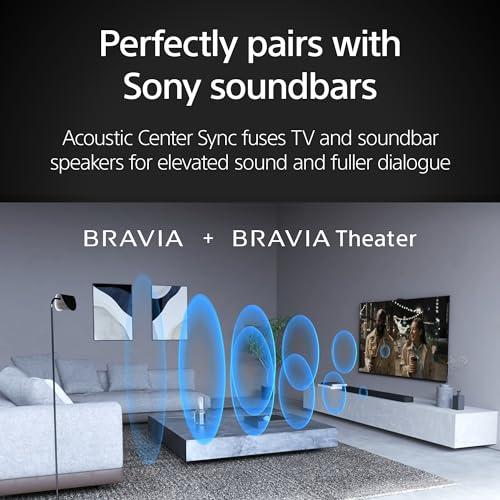
For home theater enthusiasts, Sony offers Acoustic Center Sync, allowing the TV's speakers to function as a center channel when paired with compatible Sony soundbars. This creates seamless audio integration across your entire sound system.
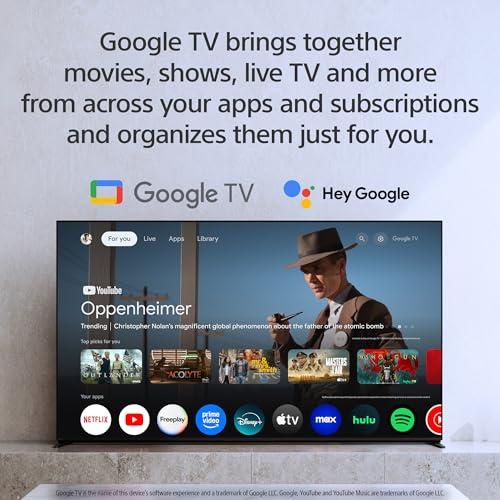
Both TVs run Google TV, but with subtle differences that can impact daily use. The underlying Google TV platform provides access to virtually every streaming service, voice control through Google Assistant, and personalized content recommendations based on your viewing habits.
The Sony BRAVIA 5 adds Apple AirPlay 2 support, making it easier for iPhone and iPad users to share content. It's also compatible with Sony's BRAVIA Cam accessory, which recognizes where you're sitting and automatically optimizes picture and sound settings—a genuinely useful feature for large screens where seating position significantly impacts viewing quality.
The Hisense U8 includes Wi-Fi 6E support for faster streaming and reduced network congestion, plus a NEXTGEN TV tuner for over-the-air 4K broadcasts. The hands-free "Hey Google" voice control works well, though I found Sony's implementation slightly more refined in daily use.
Sony's reputation for build quality isn't just marketing—their TVs consistently last longer and maintain performance better than many competitors. The Sony BRAVIA 5 features premium materials and Sony's signature minimalist design aesthetic. The two-way stand system allows flexible placement, and the overall build feels substantial and well-engineered.
Hisense has dramatically improved their build quality in recent years, and the U8 feels solid and well-constructed. The anti-glare Low Reflection Pro coating is particularly impressive, reducing reflections that can be problematic with such large screens. Hisense backs this confidence with an industry-leading 2-year warranty, compared to Sony's standard 1-year coverage.
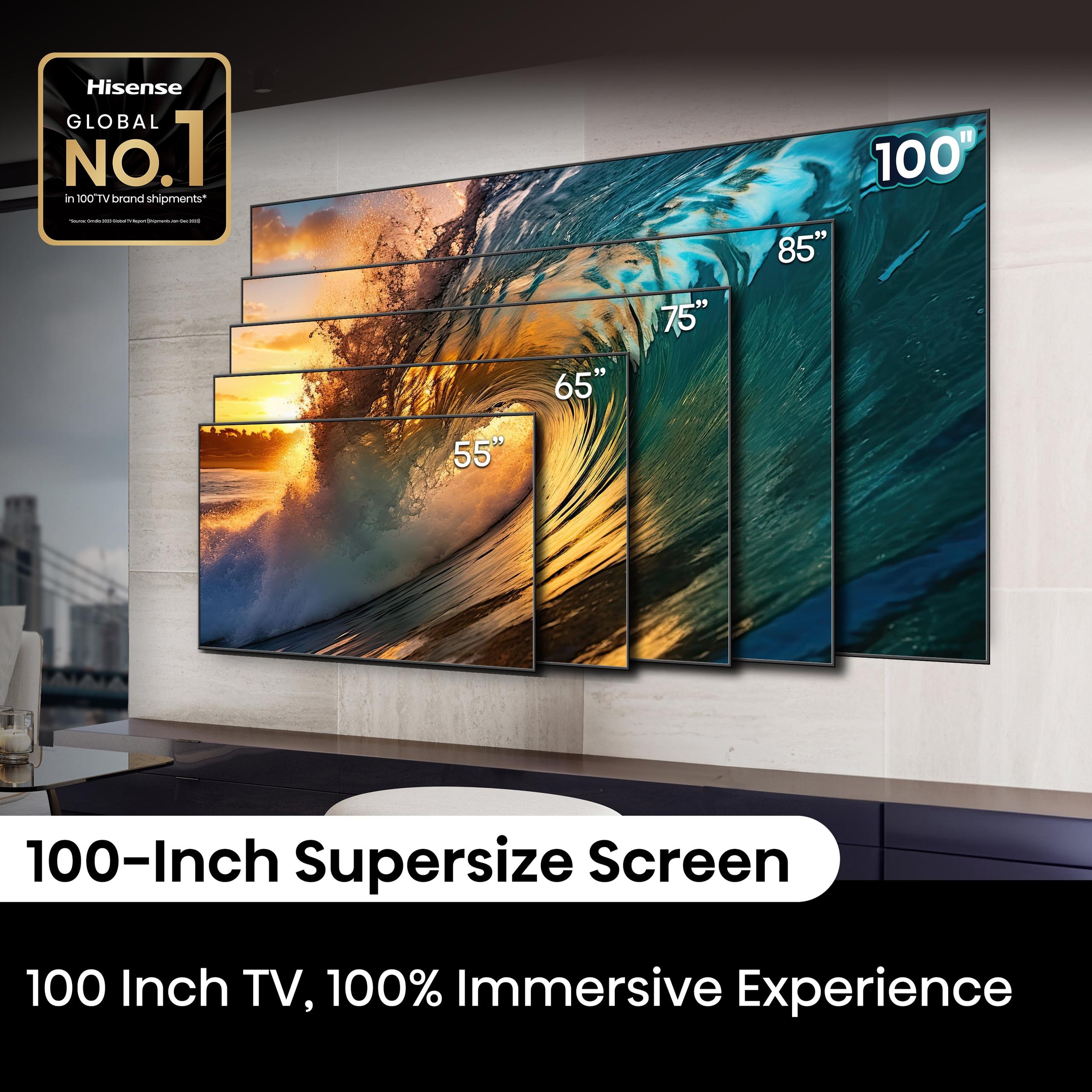
This is where the decision becomes particularly interesting. The Hisense U8 at $2,798 offers 100 inches of genuine premium performance for less than half the cost of the Sony. You're getting superior peak brightness, better gaming specifications, more powerful audio, and a larger screen. For many buyers, this represents exceptional value.
The Sony BRAVIA 5 at $5,998 commands a significant premium for refinements that matter most to discerning viewers: superior color accuracy, better upscaling of lower-quality content, more natural motion handling, and the reliability that comes with Sony's reputation. These improvements become more noticeable over extended ownership periods.
In a dedicated home theater environment, both TVs excel but serve different priorities. The Sony's superior color accuracy and natural motion handling make it ideal for serious movie watching, particularly if you're viewing a lot of high-quality 4K content or classic films that benefit from excellent upscaling.
The Hisense's exceptional brightness and anti-glare coating make it better suited for multi-purpose family rooms where ambient light control isn't perfect. The larger 100-inch screen and more powerful audio system create a more immediately impressive experience for casual viewing and gaming.
Choose the Sony BRAVIA 5 98" if you prioritize long-term satisfaction over initial impact. Its superior processing, color accuracy, and build quality justify the premium for viewers who appreciate subtle refinements and plan to keep their TV for many years. PlayStation 5 owners will particularly appreciate the optimized integration and automatic picture mode switching.
Choose the Hisense U8 100" if you want maximum visual impact and gaming performance for your budget. The larger screen, exceptional brightness, and competitive gaming features deliver flagship-level performance at a remarkably accessible price point. The longer warranty and anti-glare technology add practical value for daily use.
Both TVs represent excellent choices in the premium large-screen category, but they serve different viewing priorities. The Sony rewards patience and critical viewing with subtle excellence, while the Hisense delivers immediate satisfaction and impressive specifications at an unbeatable value proposition. Your choice ultimately depends on whether you value refinement or impact more highly—and both approaches have their merits in creating an exceptional home entertainment experience.
| Sony BRAVIA 5 98" Mini LED 4K Google TV 2025 | Hisense 100" Class U8 Series 4K Mini-LED QLED Google TV |
|---|---|
| Price - Major factor in premium TV decisions | |
| $5,998 (premium Sony pricing for refined processing) | $2,798 (exceptional value for flagship features) |
| Screen Size - Bigger is better for home theater immersion | |
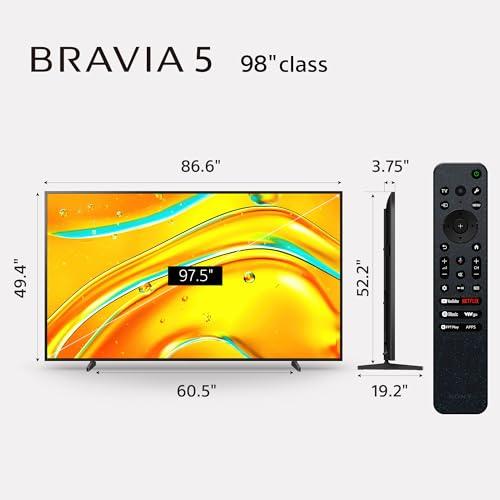
| 98 inches (massive but slightly smaller) | 100 inches (true cinema-size experience) |
| Peak HDR Brightness - Critical for HDR impact and bright room viewing | |
| Moderate brightness (prioritizes accuracy over punch) | Up to 5,000 nits (spectacular HDR highlights) |
| Color Technology - Affects how natural vs vibrant images appear | |
| XR Triluminos Pro (cinema-accurate, natural colors) | Quantum Dot Color (vibrant, saturated colors) |
| Gaming Refresh Rate - Higher is better for competitive gaming | |
| 120Hz (perfect for current consoles) | 144Hz native, 165Hz Game Mode (future-proof for PC gaming) |
| VRR Support - Eliminates screen tearing in games | |
| HDMI Forum VRR, G-SYNC compatible | FreeSync Premium Pro, Dolby Vision Gaming |
| Audio System - Built-in sound quality matters for large screens | |
| Voice Zoom 3, Acoustic Multi-Audio (dialogue clarity focus) | 50W 2.1.2 system with subwoofer (room-filling power) |
| Smart Platform Features - Daily usability factors | |
| Google TV + Apple AirPlay 2 + BRAVIA Cam support | Google TV + Wi-Fi 6E + NEXTGEN TV tuner |
| Viewing Angles - Important for wide seating arrangements | |
| Narrow (VA panel limitation) | Wider with anti-glare coating (better for bright rooms) |
| Build Quality & Warranty - Long-term reliability considerations | |
| Premium Sony construction, 1-year warranty | Solid build with 2-year warranty (double Sony's coverage) |
| Best For | |
| Movie enthusiasts, PS5 owners, color accuracy priorities | Value seekers, gamers, bright room viewing, maximum size |
The Hisense 100" Class U8 Series 4K Mini-LED QLED Google TV at $2,798 offers exceptional value, providing 100 inches of premium Mini LED performance for nearly half the price of the Sony BRAVIA 5 98" Mini LED 4K Google TV 2025 at $5,998. However, Sony justifies its premium with superior color accuracy, processing, and build quality.
The Hisense U8 offers a 100-inch display compared to the Sony BRAVIA 5's 98-inch screen. While only a 2-inch difference, the Hisense provides more screen real estate at a significantly lower price point, making it better for creating that true cinema experience.
The Hisense U8 edges out for gaming with its 144Hz refresh rate (165Hz in Game Mode) and FreeSync Premium Pro support, making it ideal for competitive PC gaming. The Sony BRAVIA 5 offers 120Hz with excellent PS5 integration and automatic gaming optimizations, making it better for console gaming.
The Hisense U8 delivers superior HDR impact with peak brightness up to 5,000 nits, making HDR content pop dramatically. The Sony BRAVIA 5 prioritizes accurate HDR tone mapping over peak brightness, resulting in more natural-looking but less spectacular highlights.
The Sony BRAVIA 5 excels in color accuracy with XR Triluminos Pro technology, delivering cinema-accurate colors that match professional film standards. The Hisense U8 uses Quantum Dot Color for more vibrant, saturated colors that may appear more impressive initially but are less natural.
The Hisense U8 features a more powerful 50W 2.1.2 audio system with built-in subwoofer and Dolby Atmos, providing room-filling sound. The Sony BRAVIA 5 focuses on dialogue clarity with Voice Zoom 3 technology and offers center channel integration with Sony soundbars.
Both TVs run Google TV, but the Sony BRAVIA 5 adds Apple AirPlay 2 support and BRAVIA Cam compatibility for gesture control. The Hisense U8 includes Wi-Fi 6E for faster streaming and a NEXTGEN TV tuner for over-the-air 4K broadcasts.
The Hisense U8 performs better in bright rooms thanks to its exceptional peak brightness (5,000 nits) and Anti-glare Low Reflection Pro coating. The Sony BRAVIA 5 has moderate brightness and may struggle with reflections in very bright environments.
The Hisense U8 offers wider viewing angles and better performance for multiple seating positions. The Sony BRAVIA 5 has narrower viewing angles typical of VA panels, making it less suitable for wide seating arrangements in large rooms.
The Sony BRAVIA 5 provides premium build quality and Sony's reputation for long-term reliability, backed by a 1-year warranty. The Hisense U8 offers solid construction with an industry-leading 2-year warranty, providing double the coverage of Sony's standard warranty.
Both excel for home theaters but serve different priorities. The Sony BRAVIA 5 is ideal for dedicated theater rooms with its superior color accuracy and natural motion handling. The Hisense U8 works better in multi-purpose rooms with its brighter display, anti-glare coating, and more powerful built-in audio.
Choose the Sony BRAVIA 5 if you prioritize color accuracy, PS5 integration, and long-term reliability despite the higher price. Choose the Hisense U8 if you want maximum screen size, gaming performance, and exceptional value with flagship features at nearly half Sony's price.
We've done our best to create useful and informative comparisons to help you decide what product to buy. Our research uses advanced automated methods to create this comparison and perfection is not possible - please contact us for corrections or questions. These are the sites we've researched in the creation of this article: tomsguide.com - rtings.com - bestbuy.com - electronics.sony.com - youtube.com - tomsguide.com - youtube.com - avsforum.com - lueckeaudiovideo.com - pro.sony - bestbuy.com - sony.com - pioneertvandappliance.com - youtube.com - valueelectronics.com - heartlandappliance.com - schaeferstv.com - bestbuy.com - valueelectronics.com - pcrichard.com - youtube.com - cnet.com - bargainoutletandmore.com - bestbuy.com - files.hisense-usa.com - fouanistore.com - bestbuy.com - salesindia.com

Privacy Policy
Terms and Conditions - Affiliate Policy
Home Security
© Copyright 2008-2026.
11816 Inwood Rd #1211, Dallas, TX 75244