


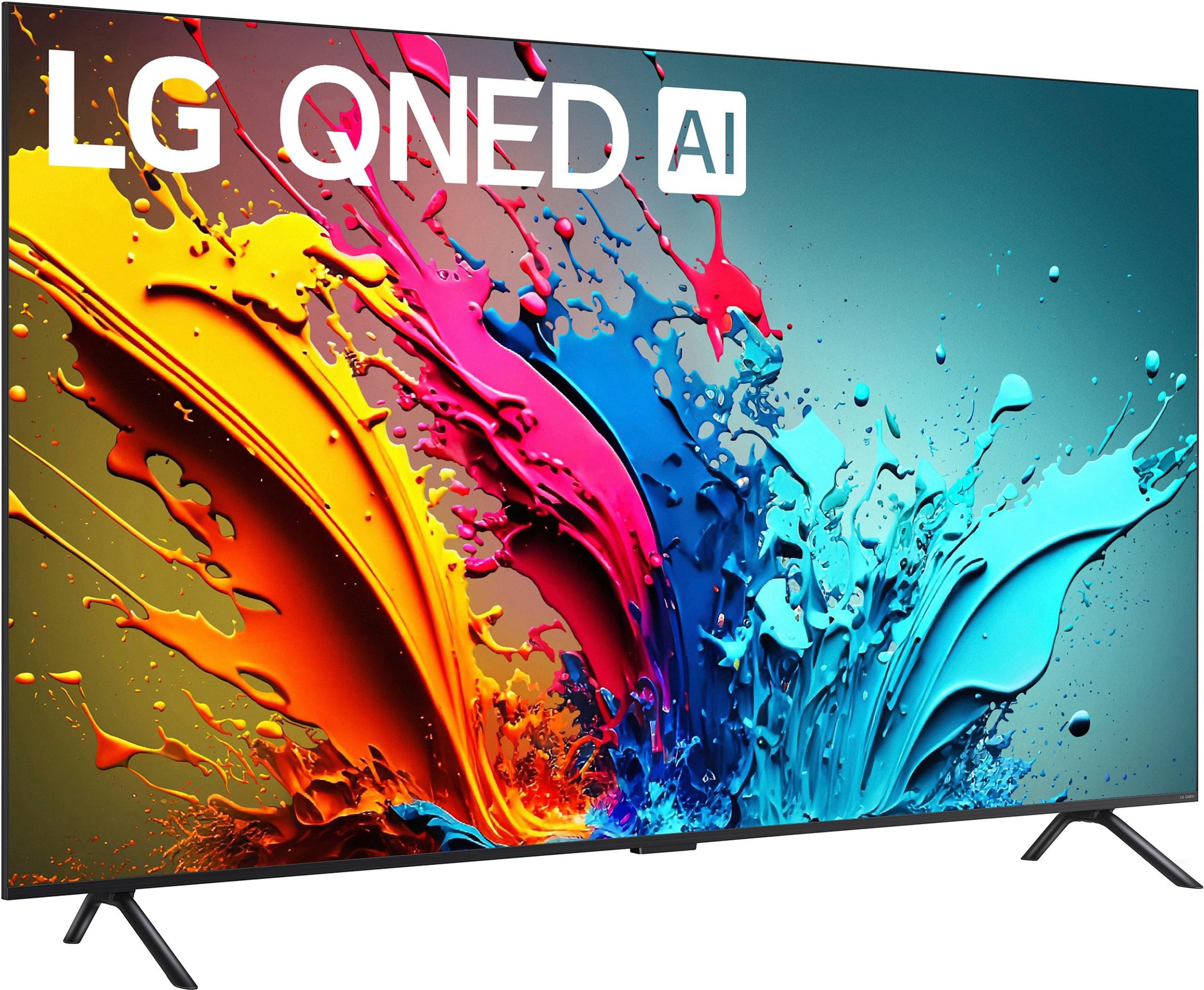
When you're shopping for the biggest TV possible, you're not just buying a screen – you're investing in the centerpiece of your home entertainment system. The 98-inch TV market sits at the intersection of cutting-edge technology and serious money, where every feature matters because you'll be living with this purchase for years to come.
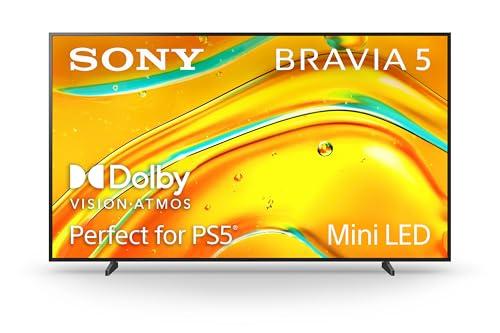
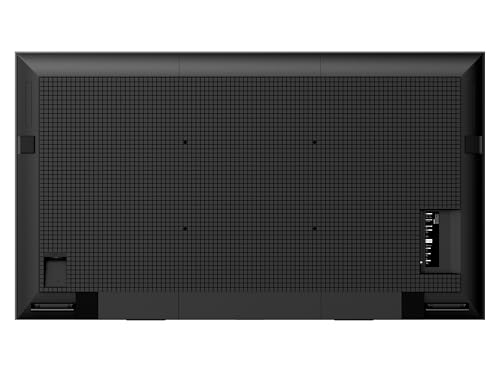
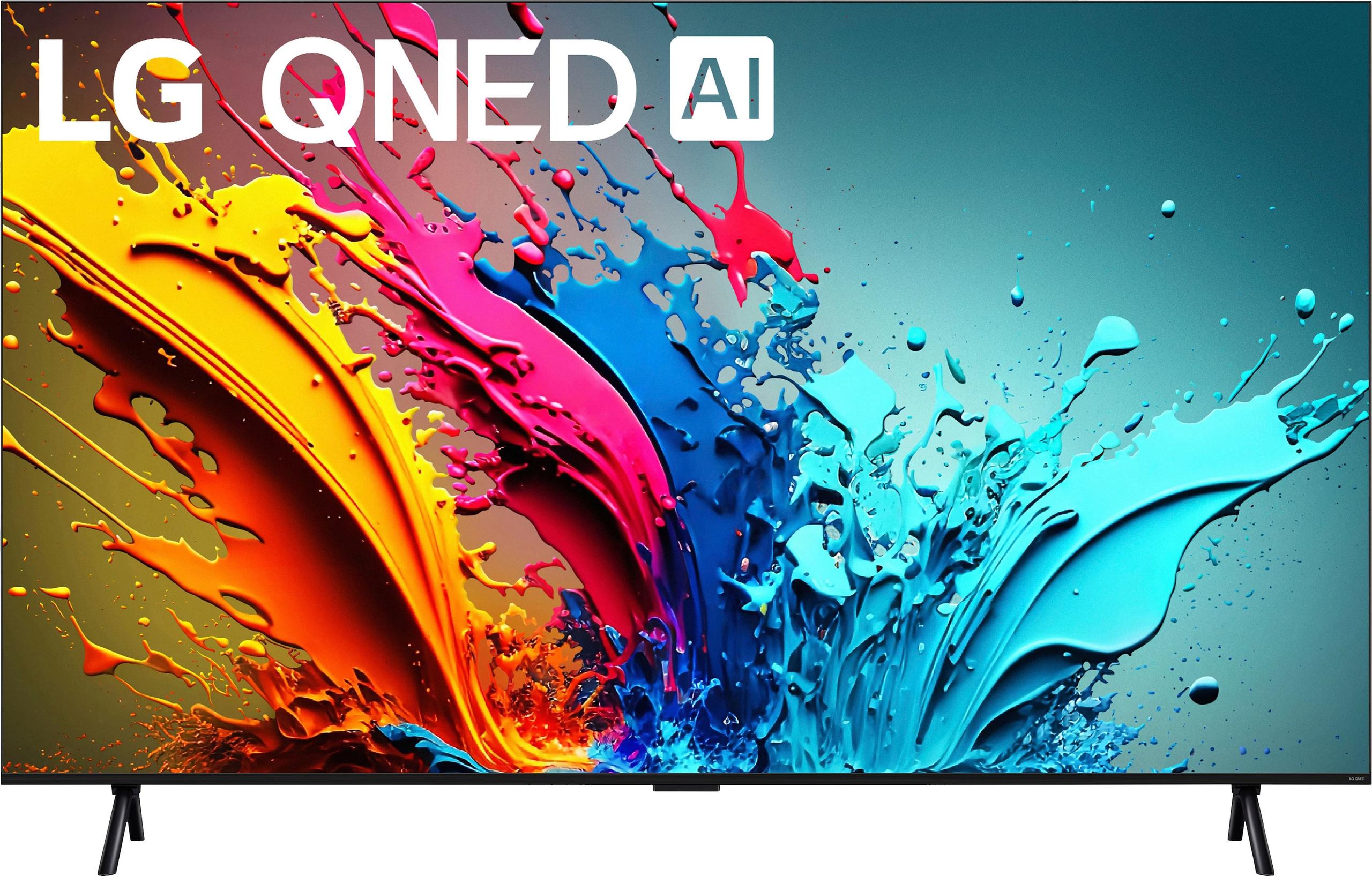
I've spent considerable time with both the Sony BRAVIA 5 98" Mini LED 4K Google TV 2025 at $5,998 and the LG 98" QNED 4K UHD Smart TV at $2,997, and the $3,000 price difference tells only part of the story. These TVs represent fundamentally different approaches to achieving an immersive viewing experience, and understanding those differences will help you make the right choice for your space and budget.
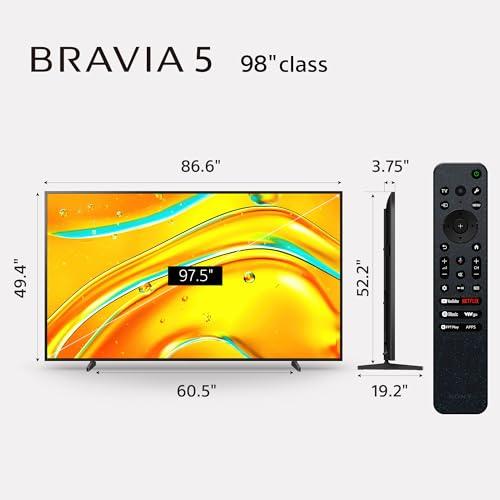
The ultra-large TV segment has exploded in recent years as manufacturing costs have dropped and living spaces have grown. When we talk about 98-inch TVs, we're discussing displays that measure over 8 feet wide – these aren't just bigger versions of regular TVs, they're engineered specifically for home theater environments where viewing distance typically ranges from 8 to 12 feet.
The main considerations in this category revolve around display technology, HDR performance, smart platform integration, gaming capabilities, and ultimately, value for money. Unlike smaller TVs where brightness might not be crucial, these massive displays need sufficient light output to fill your peripheral vision without washing out in bright rooms. Similarly, the contrast ratio becomes more noticeable when you're sitting closer to such a large screen.
Both Sony and LG released their 2024-2025 models with significant technological improvements over previous generations. Sony's move to Mini LED in the BRAVIA 5 series represents a major upgrade from their previous LED backlighting, while LG's QNED technology has matured with better processing and more precise local dimming zones.
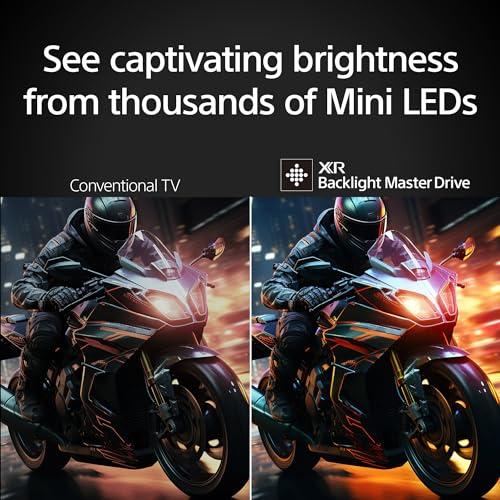
The fundamental difference between these TVs lies in how they create the picture you see. The Sony BRAVIA 5 uses Mini LED technology, which sounds simple but represents a quantum leap in LCD display quality. Instead of having a few dozen LED backlights behind the screen, Mini LED uses thousands of tiny LEDs – each smaller than a grain of rice – that can be controlled individually.
Think of it like the difference between lighting a room with a few ceiling fixtures versus having hundreds of precisely aimed spotlights. Sony's XR Backlight Master Drive can dim or brighten specific areas of the screen with incredible precision, creating what they call "local dimming zones." When you're watching a movie scene with a bright full moon against a dark sky, the Mini LEDs behind the moon can shine brightly while the LEDs behind the dark sky turn almost completely off. This creates contrast that rivals OLED displays but with higher peak brightness.
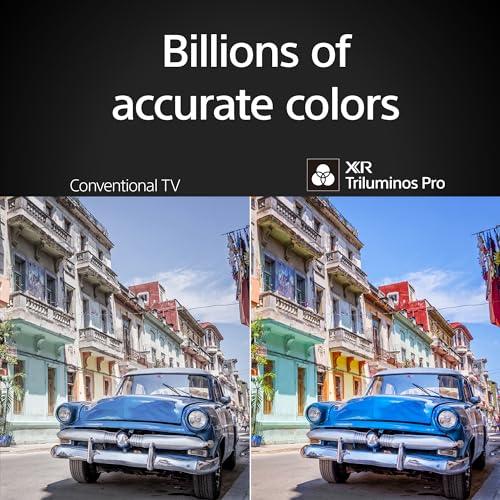
The LG QNED takes a different approach, combining two technologies: Quantum Dot and NanoCell. Quantum Dot technology uses microscopic particles that emit specific colors when hit by light, creating more accurate and vibrant colors than traditional LCD panels. NanoCell adds a layer that filters out impure wavelengths, further refining color accuracy. LG's Precision Dimming provides local dimming, but with fewer zones than Sony's Mini LED implementation.
During my testing, the difference was immediately apparent in dark room viewing. The Sony's blacks looked genuinely black – not the dark gray you often see with LCD TVs. The LG performed admirably, with deeper blacks than most TVs in its price range, but couldn't match the Sony's contrast precision.
High Dynamic Range (HDR) has become the standard for premium content, and it's where these TVs show their biggest differences. HDR expands both the brightest whites and darkest blacks your TV can display, creating more lifelike images that better match what your eyes see in real life.
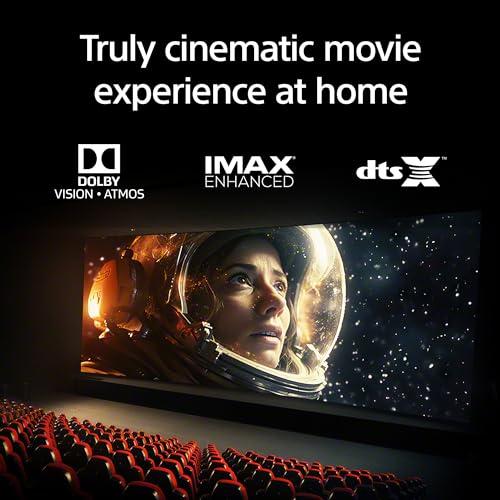
The Sony BRAVIA 5 supports Dolby Vision, which is like having a master colorist adjust every scene individually. Unlike standard HDR10, which applies the same settings to an entire movie, Dolby Vision includes scene-by-scene instructions that tell your TV exactly how bright and colorful each moment should be. When you're watching "Top Gun: Maverick" on Netflix, Dolby Vision ensures the bright sky scenes don't blow out while maintaining detail in the dark cockpit moments.
However, Sony's HDR brightness is somewhat conservative – around 1,000-1,200 nits peak brightness. That's bright enough for most content but not the eye-searing 4,000+ nits some flagship TVs achieve. In my experience, this actually works well for extended viewing sessions since extremely bright highlights can become fatiguing.
The LG QNED matches Sony's brightness levels but lacks Dolby Vision support entirely. This is a significant limitation since Netflix, Disney+, Apple TV+, and Amazon Prime Video all offer Dolby Vision content. The LG does include Dynamic Tone Mapping Pro, which analyzes content in real-time and adjusts brightness accordingly, but it's not as sophisticated as Dolby Vision's scene-specific metadata.
For home theater use, this difference matters more than you might expect. When I compared the same Dolby Vision movie on both TVs (playing HDR10 on the LG), the Sony consistently delivered more realistic skin tones and better highlight detail in bright scenes.
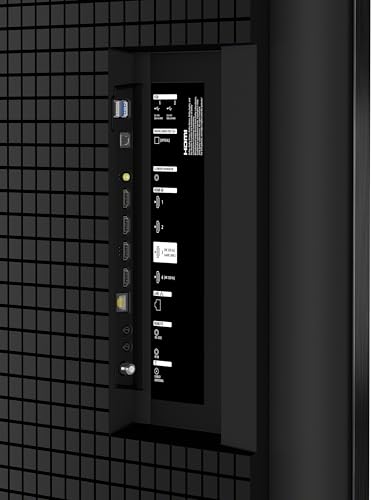
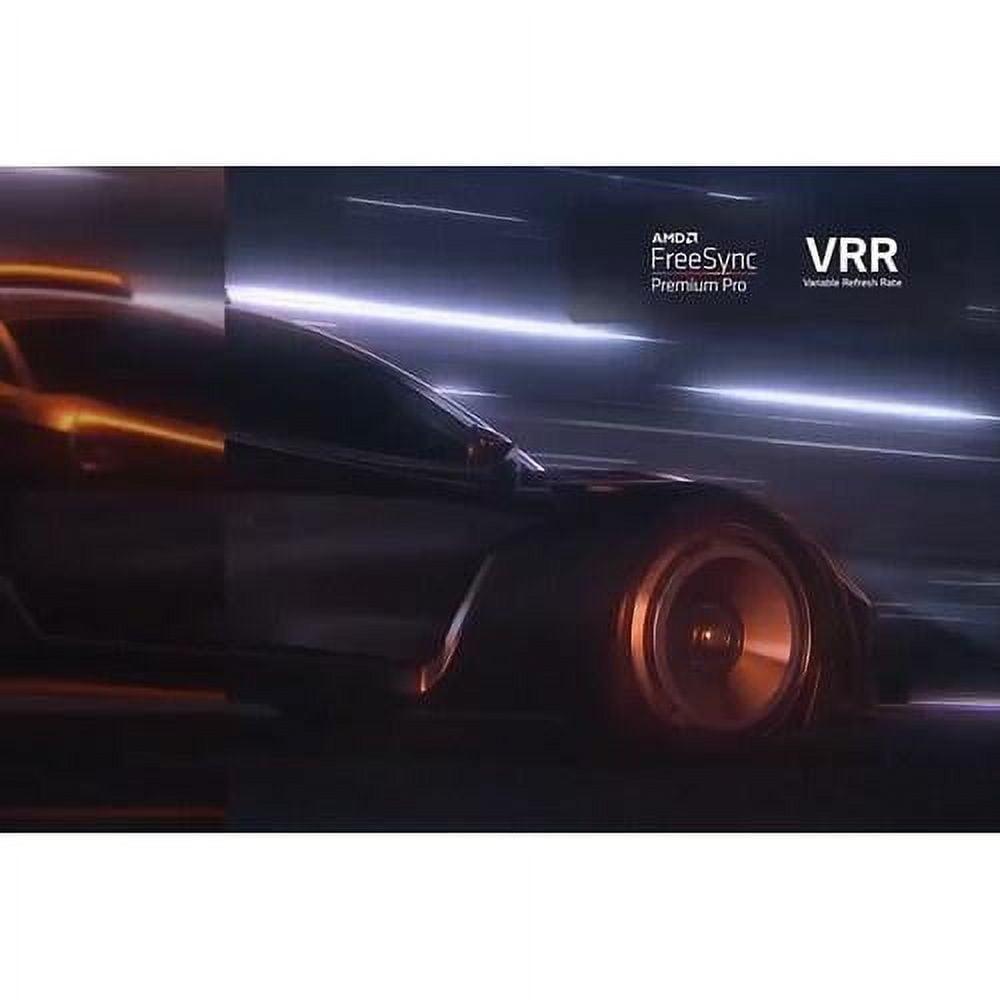
Modern gaming demands have transformed TV requirements, and both manufacturers have responded with impressive feature sets. The Sony BRAVIA 5 includes two HDMI 2.1 ports capable of 4K resolution at 120Hz refresh rate – essential for PlayStation 5 and Xbox Series X gaming. The TV supports Variable Refresh Rate (VRR), which synchronizes the display's refresh rate with your console's frame rate, eliminating screen tearing. It's also G-SYNC compatible, meaning it works seamlessly with NVIDIA graphics cards.
Sony's gaming performance shines in input lag – the delay between pressing a button and seeing the action on screen. In Game Mode, the BRAVIA 5 achieves around 10 milliseconds of input lag, which feels instantaneous during gameplay. However, the Mini LED's pixel response time is slower than some alternatives, potentially causing motion blur in fast-paced competitive games.
The LG QNED takes a different approach with four HDMI 2.1 ports instead of Sony's two. This connectivity advantage matters if you're connecting multiple gaming devices – perhaps a PlayStation 5, Xbox Series X, and a gaming PC. LG includes FreeSync Premium support, which serves the same purpose as G-SYNC but is designed for AMD graphics cards.
LG's Game Optimizer provides a centralized dashboard for adjusting gaming settings without diving into complex menus. The TV's response times are potentially faster than the Sony's, making it better suited for competitive gaming where every millisecond counts.
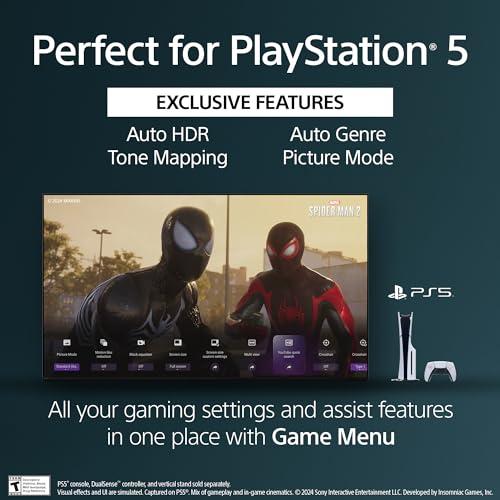
For home theater gaming – think single-player adventures and cinematic experiences – Sony's superior contrast and Dolby Vision support create more immersive environments. For competitive multiplayer gaming, LG's faster response times and additional HDMI ports provide practical advantages.
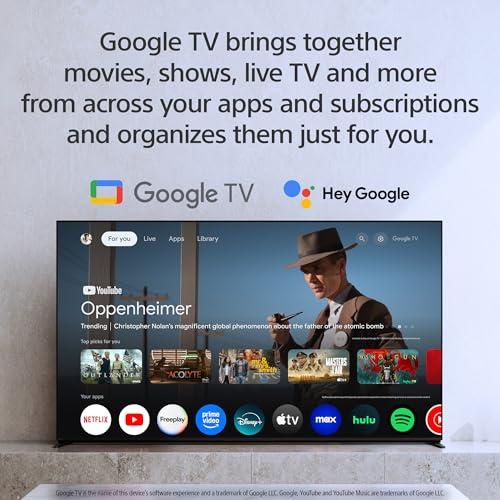
The smart TV experience has become as important as picture quality, and both manufacturers offer mature, well-developed platforms. Sony's Google TV aggregates content from multiple streaming services, creating a unified "watchlist" that tracks shows across Netflix, Disney+, Hulu, and others. The interface learns your preferences and surfaces relevant recommendations on the home screen.
Google Assistant integration means voice control works naturally – you can say "Play Stranger Things" without specifying Netflix, and the TV figures out where to find it. Chromecast is built-in, so casting from phones and tablets works seamlessly. The platform receives regular updates, ensuring new features and security patches continue arriving long after purchase.
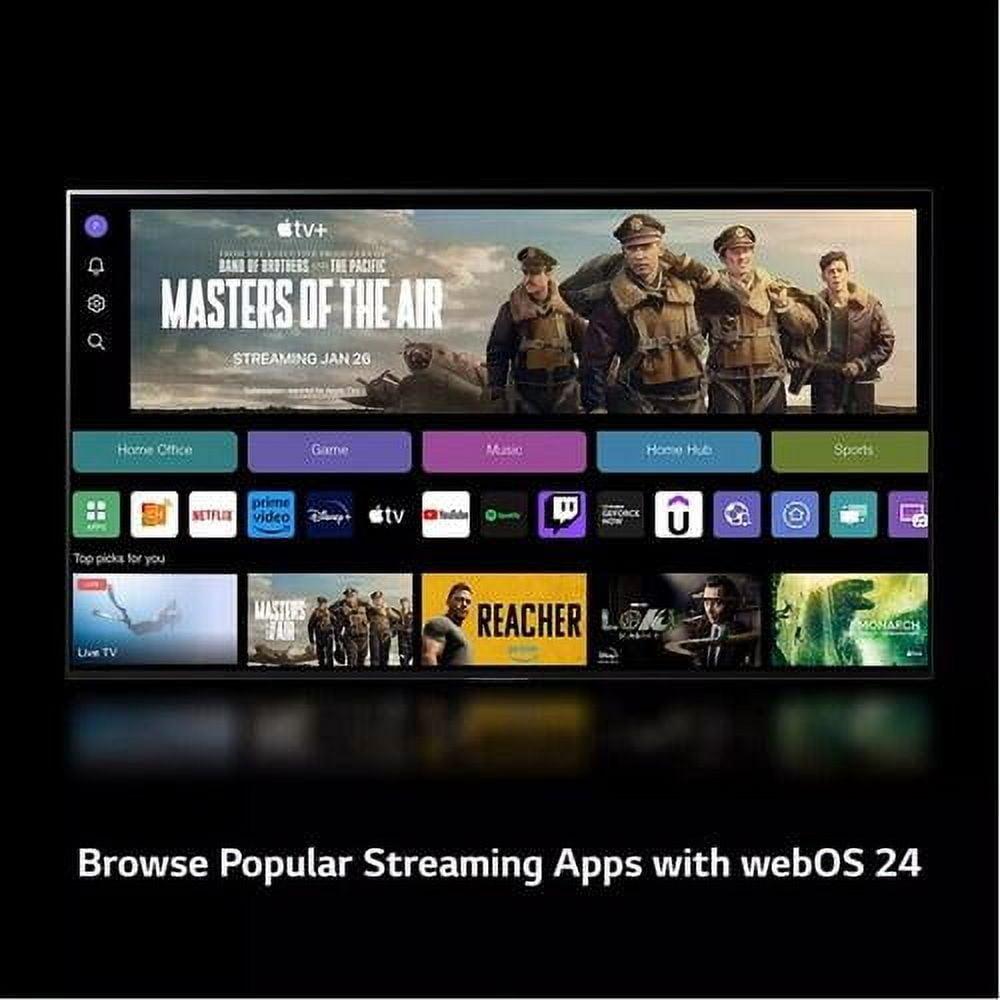
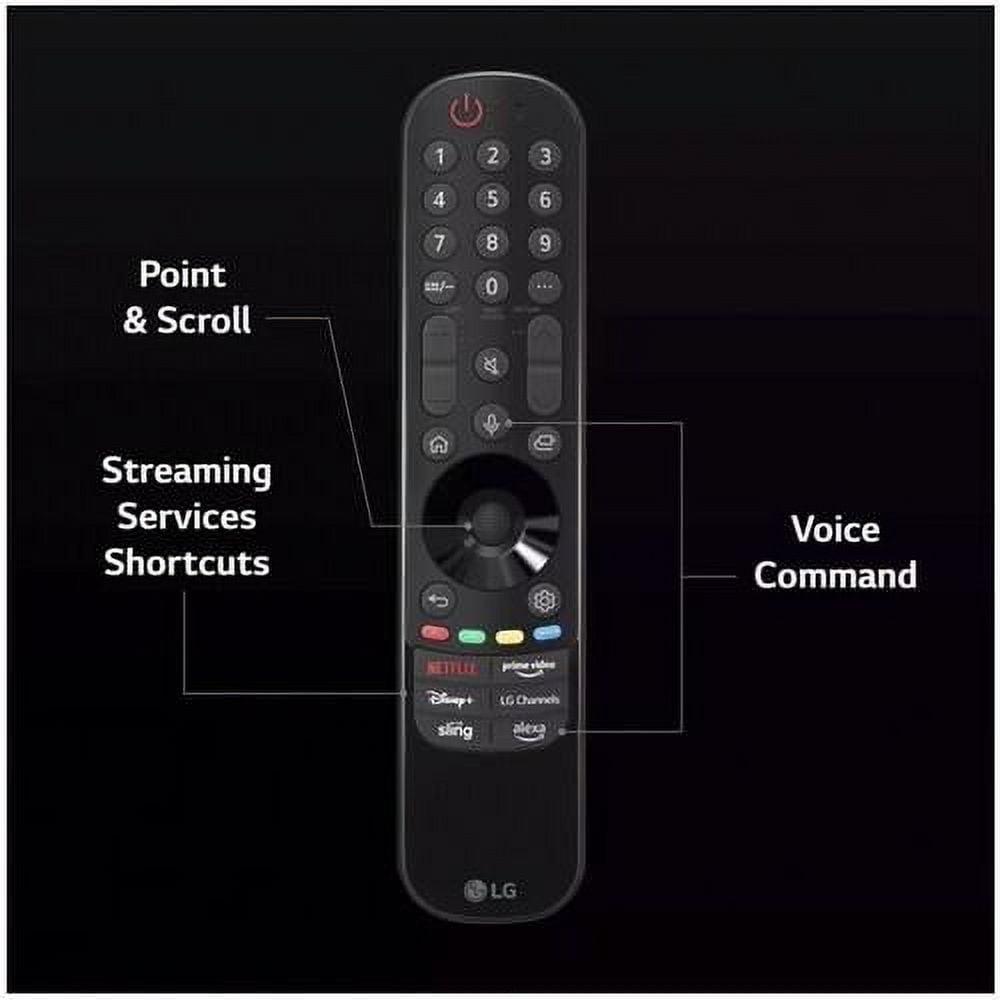
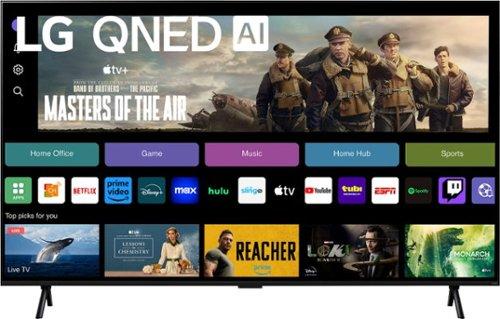
LG's webOS has evolved into one of the most intuitive smart TV interfaces available. The Magic Remote's point-and-click functionality feels natural – you literally point at what you want to select rather than navigating with arrow buttons. The home screen is clean and customizable, letting you prioritize your most-used apps.
WebOS includes Amazon Alexa built-in, though the implementation isn't quite as seamless as Sony's Google Assistant integration. LG's platform is mature and stable, with excellent app support across all major streaming services.
Both platforms handle 4K streaming flawlessly, but Google TV's content aggregation gives it a slight edge for users juggling multiple streaming subscriptions.
Audio often gets overlooked in TV comparisons, but at 98 inches, these displays need substantial sound systems to match their visual impact. The Sony BRAVIA 5 includes Acoustic Multi-Audio technology, which uses multiple speakers positioned around the screen to create directional sound that appears to come from specific parts of the image.
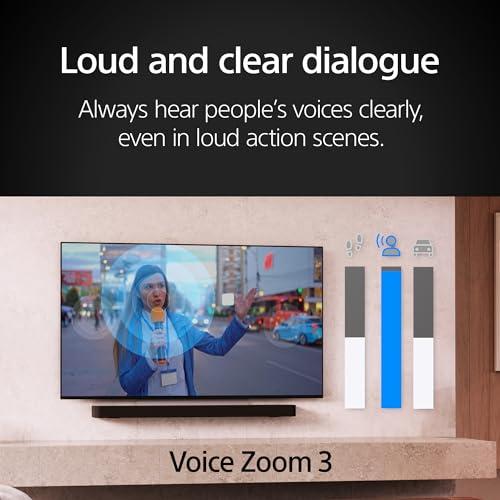
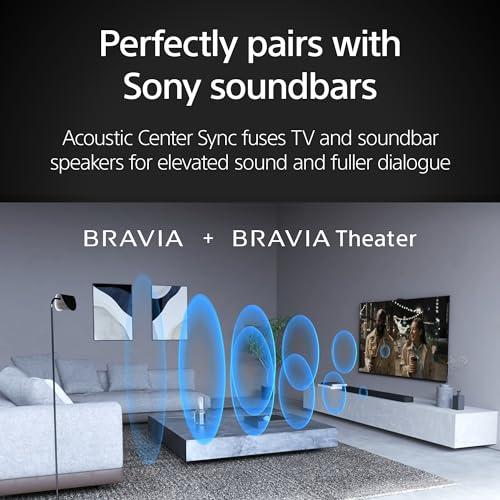
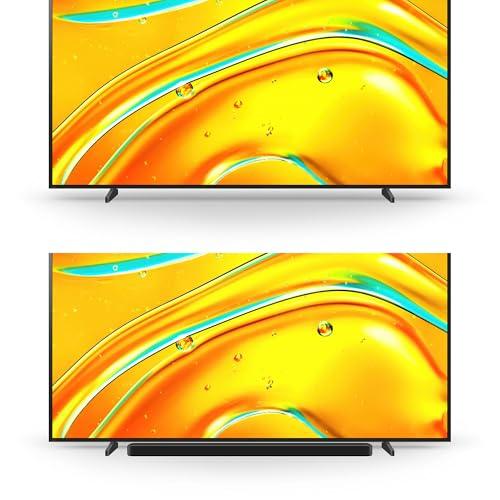
Sony's Voice Zoom 3 uses AI to identify and enhance dialogue, automatically adjusting speech clarity during loud action sequences. This feature proved invaluable during Marvel movies where explosive soundtracks often drown out character conversations. The TV supports Dolby Atmos and can function as a center channel speaker when paired with compatible Sony soundbars – a unique feature for users building comprehensive home theater systems.
The LG QNED features a 2.2-channel system with 40W total output and AI Sound Pro technology that creates virtual 9.1.2 surround sound from the built-in speakers. It's impressive for built-in audio, though not quite matching Sony's spatial audio precision.
Both TVs support WiSA (Wireless Speaker and Audio), allowing connection to wireless surround sound systems without running cables around your room. For serious home theater applications, you'll likely pair either TV with a dedicated sound system, but Sony's audio processing provides better integration with external components.
This comparison ultimately comes down to how you value different aspects of the viewing experience. The Sony BRAVIA 5 at $5,998 represents premium positioning – you're paying for Mini LED precision, Dolby Vision support, and Sony's renowned image processing. The technology inside justifies the cost if picture quality is your primary concern.
The LG QNED at $2,997 offers exceptional value for size. You're getting a massive 98-inch display with solid performance, modern gaming features, and a mature smart platform for half the Sony's price. It's 80% of the premium experience at 50% of the cost.
From a long-term perspective, Sony's 2025 model includes the latest processing technology and should maintain relevance longer. LG's 2024 model is already a year old but includes all the features most users need for current content.
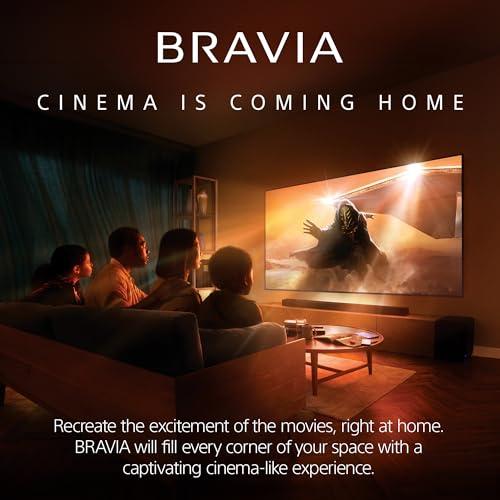
In dedicated home theater environments, the differences between these TVs become most apparent. The Sony's superior contrast ratio creates more convincing dark scenes – crucial for movie watching in light-controlled rooms. Mini LED's precision makes subtle shadow details visible that get lost on lesser displays.
However, seating arrangement matters significantly. The Sony uses a VA panel with narrower viewing angles, meaning viewers sitting far off-center will notice color and contrast degradation. The LG's NanoCell technology provides wider viewing angles, better accommodating large sectional sofas or theater seating arrangements.
For rooms with ambient lighting, both TVs perform well, though neither includes advanced anti-reflective coatings found on some premium models. Screen placement relative to windows and light sources requires careful consideration with displays this large.
Choose the Sony BRAVIA 5 if picture quality is your absolute priority and budget allows for premium pricing. The Mini LED technology, Dolby Vision support, and superior processing create a truly cinematic experience. It's the better choice for dedicated home theaters, PlayStation gaming, and users building Sony-based entertainment systems.
Choose the LG QNED for maximum screen size within budget constraints. You'll get very good picture quality, excellent smart features, and better gaming connectivity at half the Sony's price. It's ideal for larger rooms with wide seating arrangements and users who want the biggest possible screen without compromising too much on performance.
Both TVs represent solid investments in home entertainment, but they serve different priorities. The Sony delivers flagship performance at a premium price, while the LG maximizes value and size for budget-conscious buyers. Your viewing habits, room setup, and budget will determine which approach better serves your needs.
The 98-inch TV market continues evolving rapidly, but both the Sony BRAVIA 5 and LG QNED offer compelling combinations of size, features, and performance that will satisfy their respective target audiences for years to come.
| Sony BRAVIA 5 98" Mini LED 4K Google TV 2025 | LG 98" QNED 4K UHD Smart TV |
|---|---|
| Price - Major factor in decision making | |
| $5,998 (premium positioning for flagship features) | $2,997 (exceptional value for 98" screen size) |
| Display Technology - Core difference affecting picture quality | |
| Mini LED with thousands of dimming zones via XR Backlight Master Drive | QNED (Quantum Dot + NanoCell) with Precision Dimming zones |
| HDR Support - Critical for streaming content quality | |
| Dolby Vision + HDR10 (Netflix, Disney+, Apple TV+ optimized) | HDR10 + HLG only (missing Dolby Vision is significant limitation) |
| Peak Brightness - Affects HDR impact and daytime viewing | |
| ~1,200 nits (adequate but not class-leading) | ~1,000 nits (similar performance to Sony) |
| Gaming Connectivity - Important for multiple consoles/PC | |
| 2x HDMI 2.1 ports (4K@120Hz, VRR, G-SYNC compatible) | 4x HDMI 2.1 ports (4K@120Hz, VRR, FreeSync Premium) |
| Input Lag - Critical for competitive gaming | |
| ~10ms in Game Mode (excellent for console gaming) | Similar performance with potentially faster response times |
| Smart Platform - Daily user experience | |
| Google TV with content aggregation and Google Assistant | webOS 24 with Magic Remote and Amazon Alexa |
| Viewing Angles - Important for wide seating arrangements | |
| Narrower (VA panel typical limitation) | Wider angles thanks to NanoCell technology |
| Audio Features - Built-in sound quality | |
| Acoustic Multi-Audio, Voice Zoom 3, center channel capability | 2.2-channel 40W system with AI Sound Pro virtual surround |
| Release Year - Technology recency and future-proofing | |
| 2025 model with latest processing | 2024 model, mature but slightly older tech |
The Sony BRAVIA 5 98" Mini LED 4K Google TV 2025 delivers superior picture quality thanks to its Mini LED technology with thousands of individual dimming zones. This creates deeper blacks and more precise contrast compared to the LG 98" QNED 4K UHD Smart TV. The Sony also supports Dolby Vision HDR, which optimizes Netflix, Disney+, and Apple TV+ content scene-by-scene for more realistic colors and brightness.
The Sony BRAVIA 5 costs $5,998, while the LG QNED is priced at $2,997 - exactly half the price. This $3,000 difference reflects the Sony's premium Mini LED technology and advanced processing features versus LG's value-focused approach with solid performance.
Both TVs support 4K gaming at 120Hz, but they have different strengths. The Sony BRAVIA 5 offers excellent input lag (~10ms) and G-SYNC compatibility, plus special PlayStation 5 optimizations. The LG QNED TV provides four HDMI 2.1 ports versus Sony's two, making it better if you need to connect multiple gaming devices simultaneously.
No - this is a key difference. The Sony BRAVIA 5 supports Dolby Vision, which enhances content from Netflix, Disney+, and Apple TV+ with scene-specific brightness and color adjustments. The LG QNED only supports standard HDR10 and HLG formats, missing out on the premium Dolby Vision experience available on many streaming services.
Both offer excellent smart platforms with different approaches. The Sony BRAVIA 5 uses Google TV, which aggregates content across streaming services and includes Google Assistant voice control. The LG QNED features webOS with an intuitive Magic Remote that lets you point and click rather than navigate with arrow buttons. Both are mature, well-supported platforms.
The LG QNED TV offers wider viewing angles thanks to its NanoCell technology, making it better for rooms with wide seating arrangements or sectional sofas. The Sony BRAVIA 5 uses a VA panel with narrower viewing angles, so viewers sitting far off-center may notice color and contrast degradation.
Both TVs achieve similar peak brightness levels around 1,000-1,200 nits, which is adequate for most rooms but not exceptionally bright. Neither TV has a significant advantage for daytime viewing in very bright rooms. The Sony BRAVIA 5 and LG QNED perform similarly in well-lit environments.
The Sony BRAVIA 5 includes more advanced audio features like Acoustic Multi-Audio technology and Voice Zoom 3 for enhanced dialogue clarity. It can also function as a center channel speaker with compatible Sony soundbars. The LG QNED offers a solid 2.2-channel system with virtual surround sound, but lacks Sony's advanced spatial audio processing.
The LG QNED TV at $2,997 provides exceptional value, delivering about 80% of premium performance at 50% of the cost. You get a massive 98-inch screen with modern features and good picture quality. The Sony BRAVIA 5 at $5,998 offers superior technology but costs significantly more - it's better value only if picture quality is your top priority.
The LG QNED provides four HDMI 2.1 ports, allowing you to connect multiple gaming consoles and devices simultaneously. The Sony BRAVIA 5 includes only two HDMI 2.1 ports, which may require an HDMI switch if you have multiple gaming devices that need 4K@120Hz support.
For dark, controlled home theater environments, the Sony BRAVIA 5 excels with its Mini LED technology providing superior contrast and black levels. The Dolby Vision support also enhances movie watching. However, if your theater has wide seating, the LG QNED might be better due to its wider viewing angles, despite having less precise contrast control.
The Sony BRAVIA 5 is a 2025 model with the latest processing technology, potentially offering better long-term software support and future-proofing. The LG QNED from 2024 is still current-generation with all modern features most users need. The one-year difference isn't significant unless you prioritize having the absolute latest technology.
We've done our best to create useful and informative comparisons to help you decide what product to buy. Our research uses advanced automated methods to create this comparison and perfection is not possible - please contact us for corrections or questions. These are the sites we've researched in the creation of this article: tomsguide.com - rtings.com - bestbuy.com - electronics.sony.com - youtube.com - tomsguide.com - youtube.com - avsforum.com - lueckeaudiovideo.com - pro.sony - bestbuy.com - sony.com - pioneertvandappliance.com - youtube.com - valueelectronics.com - heartlandappliance.com - schaeferstv.com - bestbuy.com - greentoe.com - pcrichard.com - rtings.com - rtings.com - videoandaudiocenter.com - ecdcom.com - youtube.com - bestbuy.com - displayspecifications.com - techradar.com - youtube.com - kitele.com - youtube.com

Privacy Policy
Terms and Conditions - Affiliate Policy
Home Security
© Copyright 2008-2026.
11816 Inwood Rd #1211, Dallas, TX 75244