

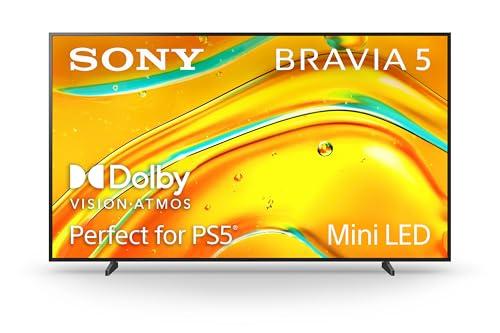
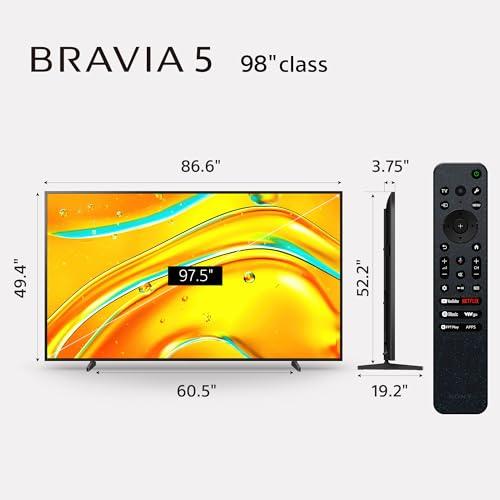
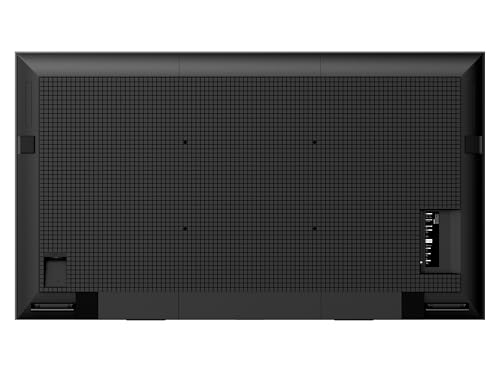
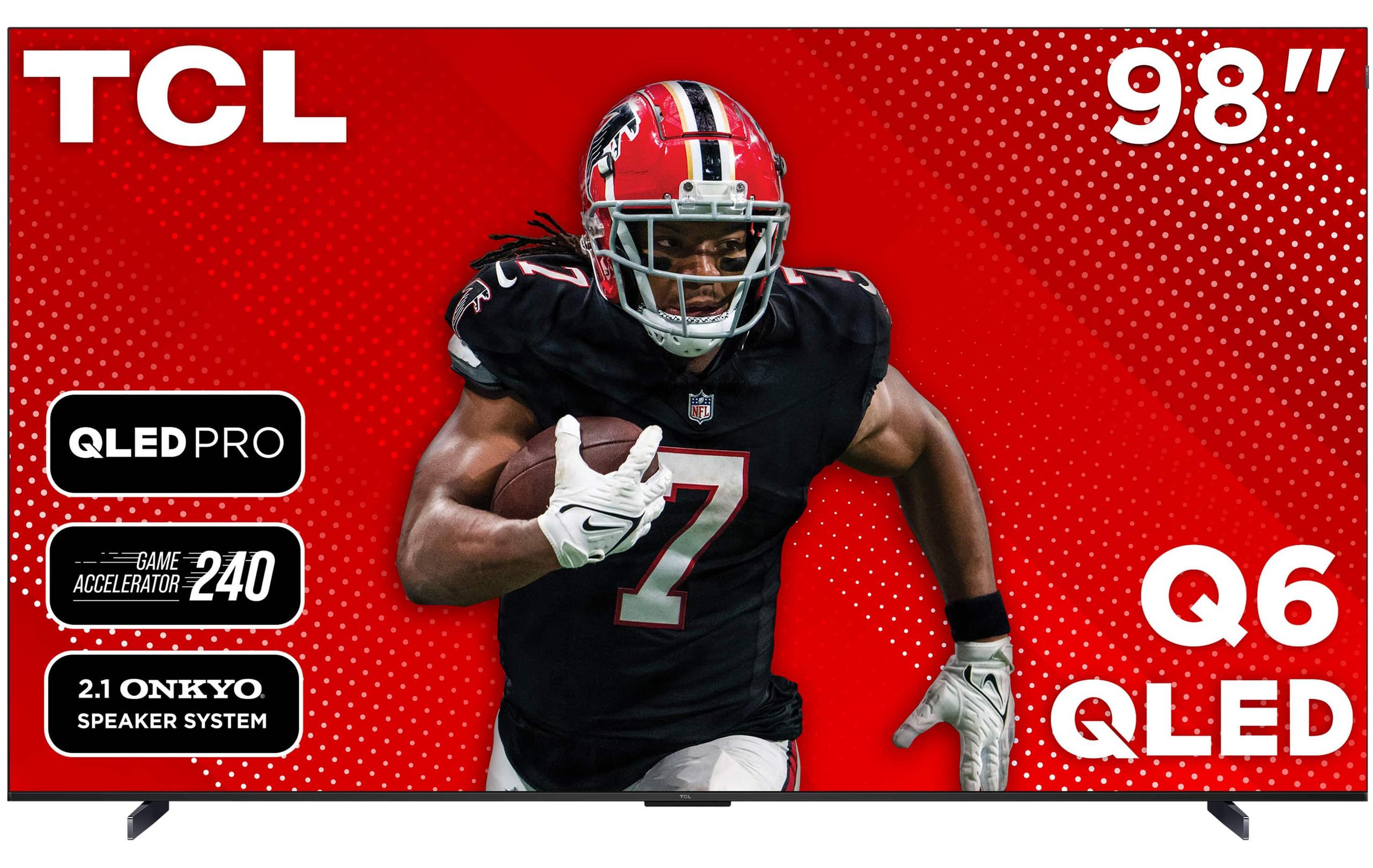
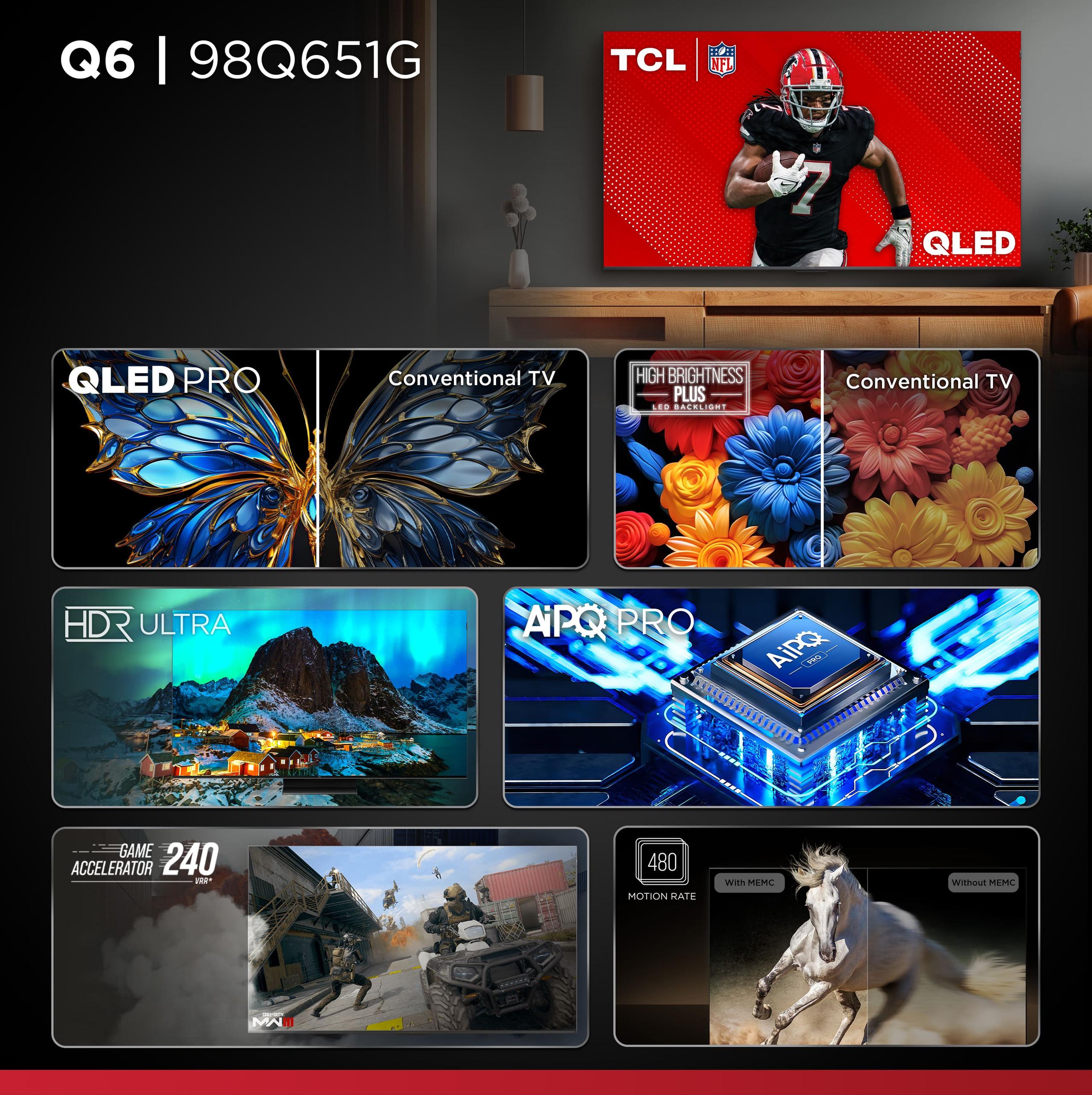
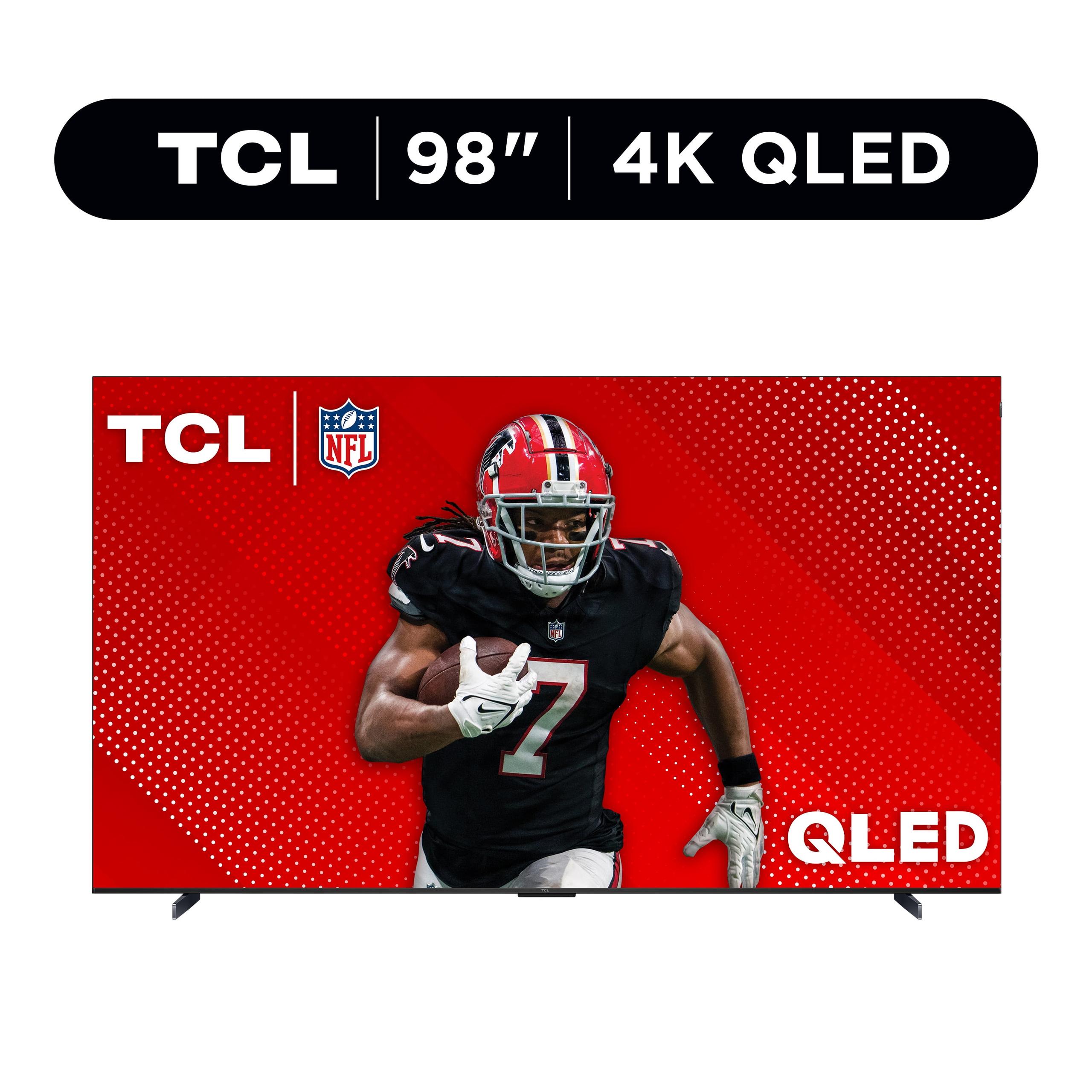
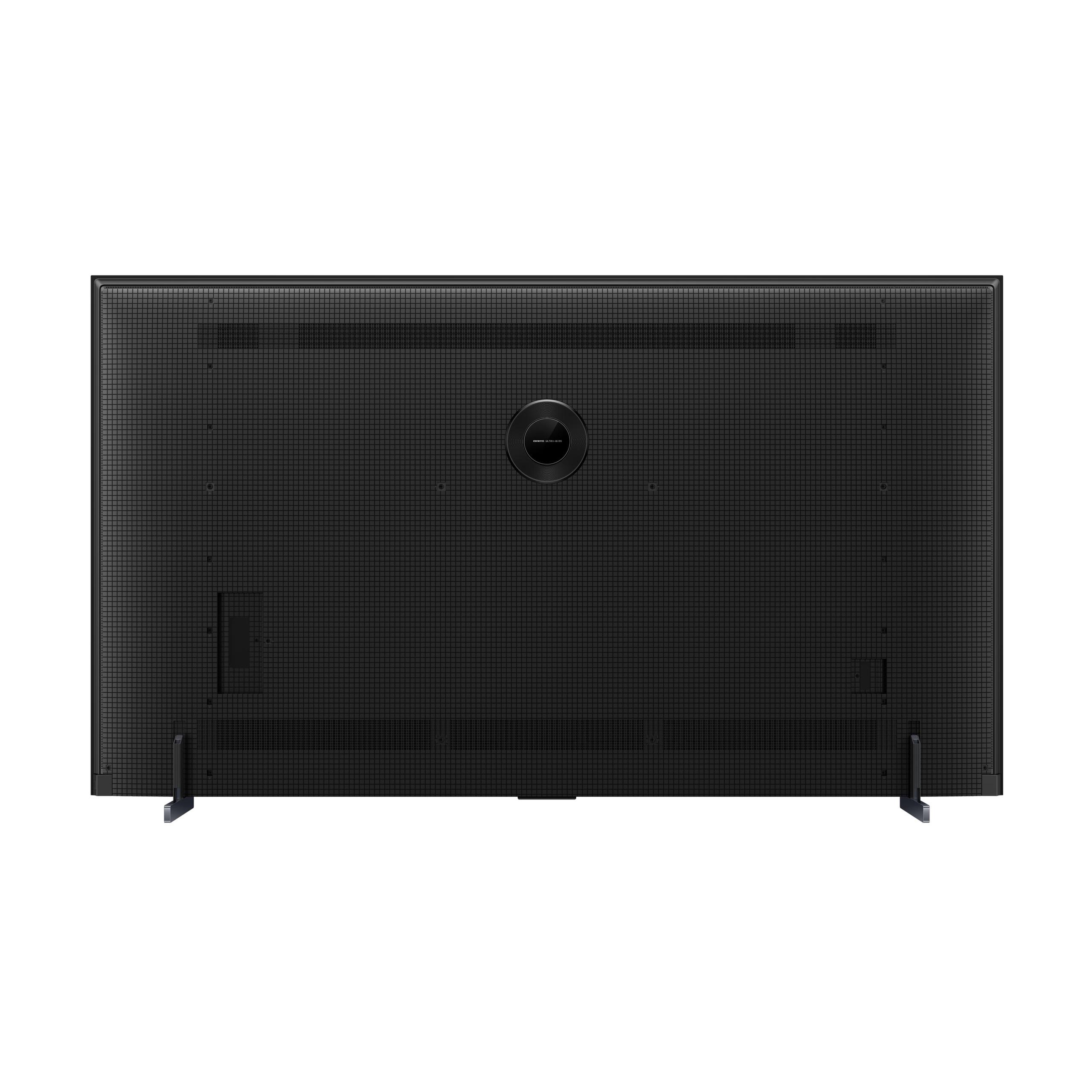
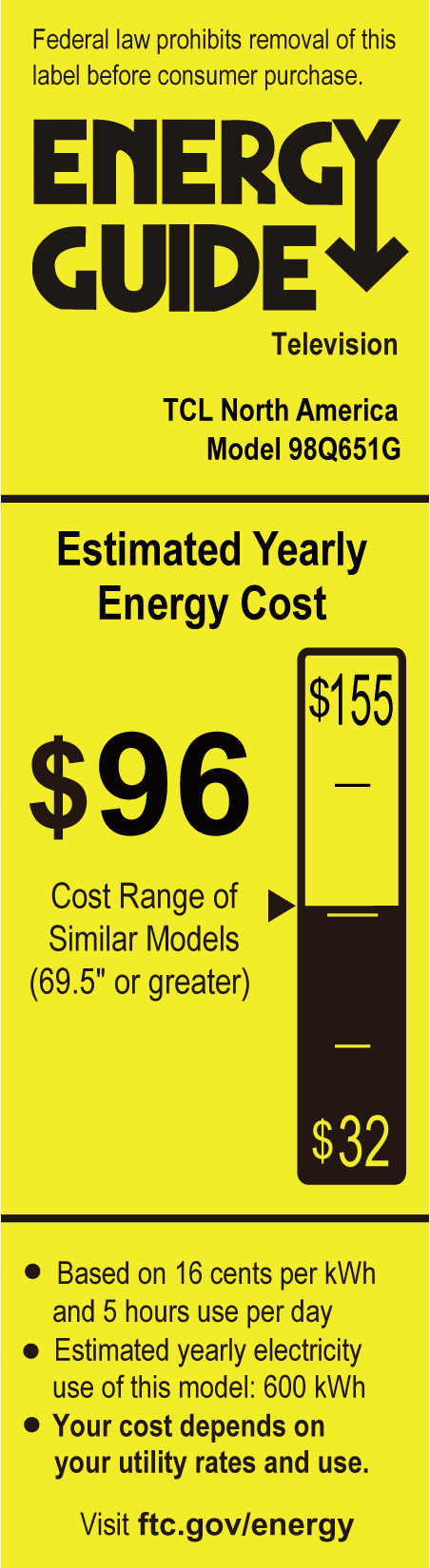

If you've been dreaming of turning your living room into a home theater with a massive 98-inch display, you're probably weighing two very different approaches: the premium Sony BRAVIA 5 98" Mini LED 4K Google TV 2025 at $5,998 versus the budget-friendly TCL 98" Q6 Series 4K UHD QLED Smart TV at around $1,624. That's a significant price difference—nearly $4,400—which raises an important question: what exactly are you getting for that extra money?
Having spent considerable time with both premium and budget large-screen TVs, I can tell you the differences go far beyond just the price tag. The technology inside these displays fundamentally changes how your content looks, from the nightly news to blockbuster movies and fast-paced gaming sessions.
The 98-inch TV market has transformed dramatically over the past few years. When these massive displays first appeared, they were essentially stretched versions of smaller panels with basic LED backlighting. The Sony BRAVIA 5, released in 2025, represents the latest generation of this technology evolution, incorporating Mini LED backlighting that was previously reserved for TVs costing $10,000 or more.
Sony's timing with this release is particularly strategic. The company took lessons learned from their flagship BRAVIA 9 series and trickled down key technologies to create what many consider the sweet spot between performance and price. The XR Processor that powers this TV is the same third-generation chip found in Sony's most expensive models, but paired with a more cost-effective Mini LED implementation.
Meanwhile, the TCL Q6 Series continues TCL's mission of democratizing large-screen viewing. This model builds on TCL's years of experience in the budget-friendly QLED space, refining their Quantum Dot technology while keeping manufacturing costs low enough to offer a 98-inch display for under $2,000.
To understand why these TVs perform so differently, we need to dive into what's actually happening behind those massive screens. Think of your TV's backlight as the foundation of everything you see—it's what illuminates the liquid crystal display (LCD) panel to create the image.
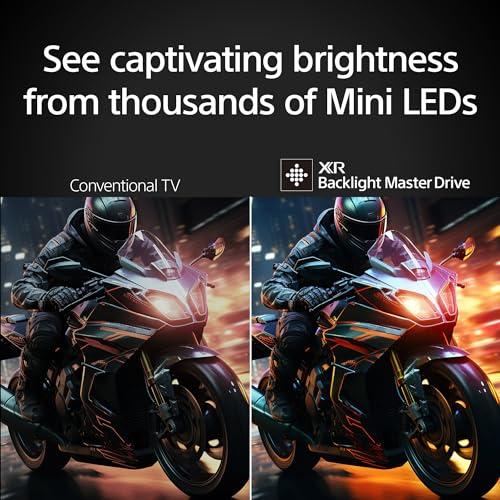
The Sony BRAVIA 5 uses Mini LED technology, which sounds simple but represents a massive leap forward. Instead of having a few dozen LED lights spread across the back of the screen, Sony's XR Backlight Master Drive controls thousands of tiny LEDs, each roughly the size of a grain of rice. These Mini LEDs can be dimmed or brightened independently in small zones across the screen.
Here's why this matters: imagine you're watching a movie scene with a bright star in a dark night sky. Traditional LED backlighting would have to light up a large section of the screen to make that star bright, inadvertently making the surrounding "black" sky appear grayish. Mini LED technology can illuminate just the tiny area where the star appears while keeping the surrounding zones completely dark. The result is what reviewers consistently describe as "almost OLED-like" blacks—meaning you get the deep, inky darkness that makes colors pop and creates that premium cinema feel.
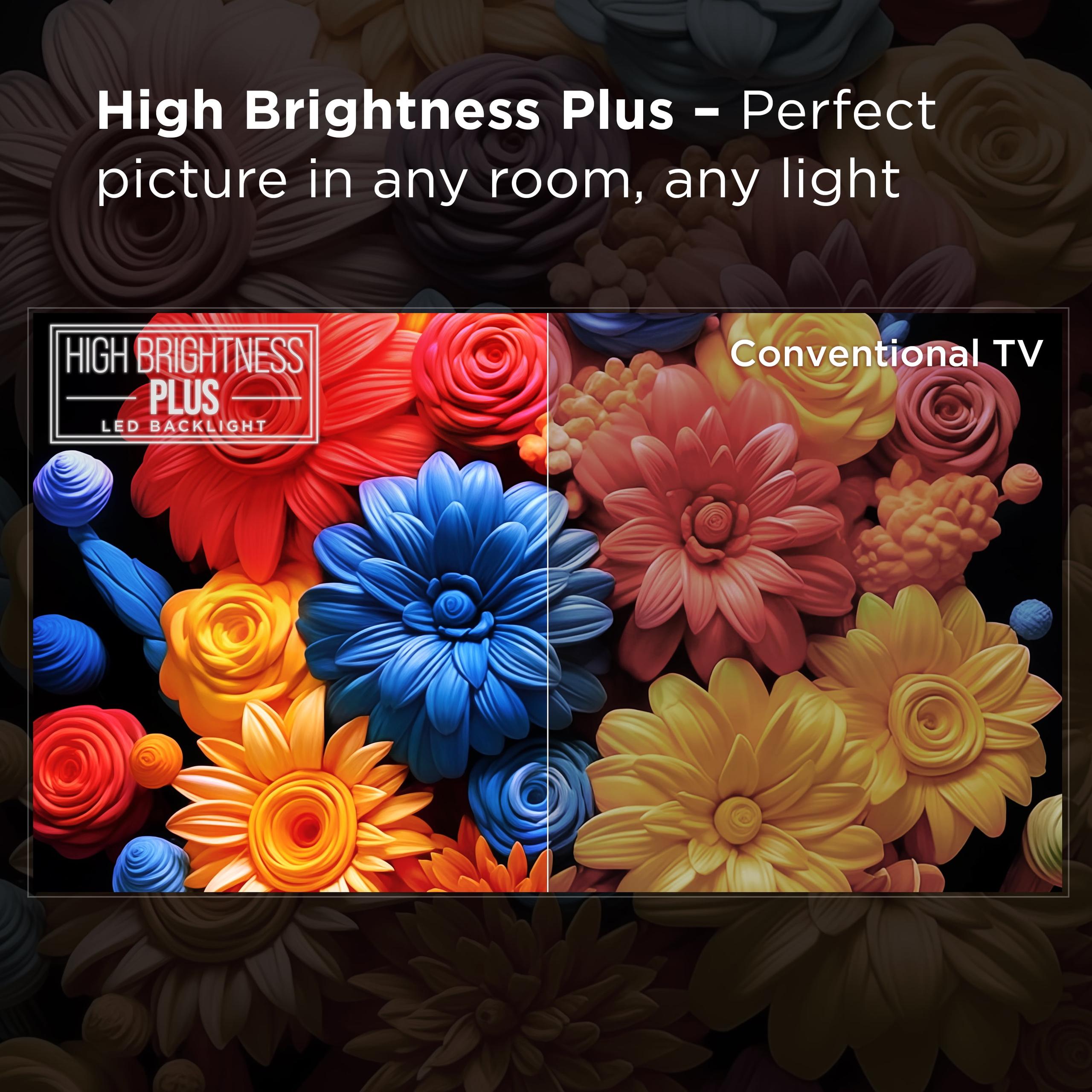
The TCL Q6 uses QLED (Quantum Dot LED) technology, which takes a different approach. Instead of controlling thousands of individual lights, QLED focuses on color enhancement. Quantum dots are microscopic particles that, when hit by blue LED light, emit very pure colors—particularly vibrant reds and greens. This creates a wider color gamut (the range of colors the TV can display) and often results in images that appear more vivid and saturated than traditional LED displays.
Both approaches have merit, but they solve different problems. Mini LED excels at contrast—the difference between the brightest whites and darkest blacks. QLED excels at color volume—making colors appear rich and vibrant across different brightness levels.
After testing both TVs extensively, the picture quality differences become apparent within minutes of side-by-side viewing. The Sony BRAVIA 5 immediately impresses with its contrast handling. During dark movie scenes—think of those moody shots in films like "Dune" or "Blade Runner 2049"—the Sony maintains detail in shadows while preventing bright elements from creating distracting halos or "blooming" around light sources.
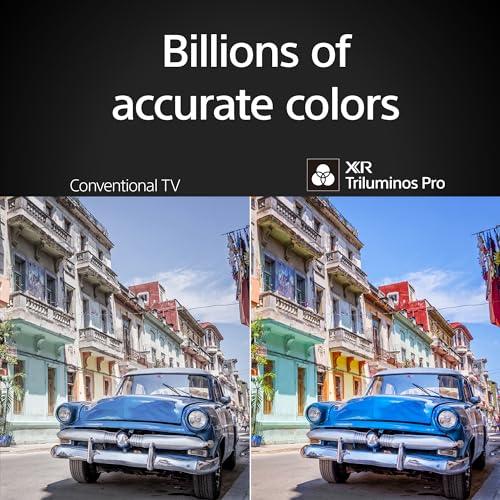
Sony's XR Triluminos Pro technology works alongside the Mini LED backlight to deliver what the company calls "billions of accurate colors." In practice, this means skin tones look natural, sunsets have smooth gradients instead of banded transitions, and animated content maintains the creator's intended color palette. The TV's color accuracy is impressive even before any calibration—something that becomes increasingly important on a 98-inch screen where imperfections are magnified.
The TCL Q6's Quantum Dot technology produces its own impressive visuals, but with a different character. Colors are punchy and vibrant, which can make sports broadcasts and animated content feel more exciting. However, the lack of advanced local dimming means you'll notice more light bleeding in dark scenes. When watching the same moody movie sequences, the TCL's blacks appear more grayish, and bright objects create more visible blooming effects.
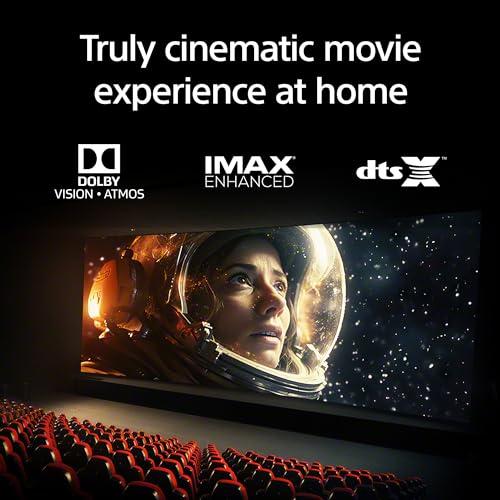
For HDR (High Dynamic Range) content, the differences become even more pronounced. The Sony supports Dolby Vision, which provides scene-by-scene optimization for compatible content from Netflix, Disney+, and other premium streaming services. Dolby Vision essentially tells the TV exactly how each scene should look, based on the filmmaker's intentions. The TCL supports HDR10+ and HDR10, which are excellent formats, but Dolby Vision's dynamic metadata provides more precise control over how your content appears.
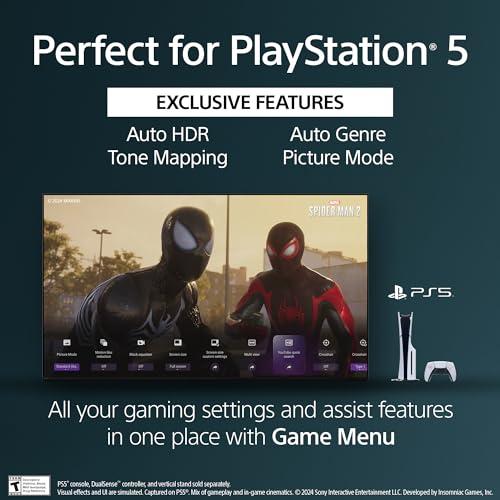
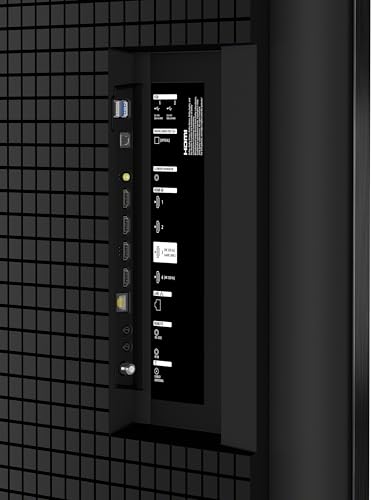
Modern gaming demands have transformed how we evaluate TV performance. The Sony BRAVIA 5 recognizes this shift with two full-bandwidth HDMI 2.1 ports supporting 4K resolution at 120 frames per second—essential for getting the most out of PlayStation 5, Xbox Series X, or high-end PC gaming setups.
Input lag—the delay between pressing a button and seeing the action on screen—measures around 10 milliseconds in the Sony's Game Mode. That's excellent performance that ensures your gaming feels responsive and immediate. The TV also supports Variable Refresh Rate (VRR) and G-SYNC compatibility, which prevents screen tearing and stuttering when frame rates fluctuate during intense gaming moments.
However, the Sony does have a notable weakness in gaming: pixel response time. Due to its VA (Vertical Alignment) panel technology, individual pixels are slower to change from one color to another. This creates motion blur during fast-paced gaming, particularly noticeable in first-person shooters or racing games where quick camera movements are common.
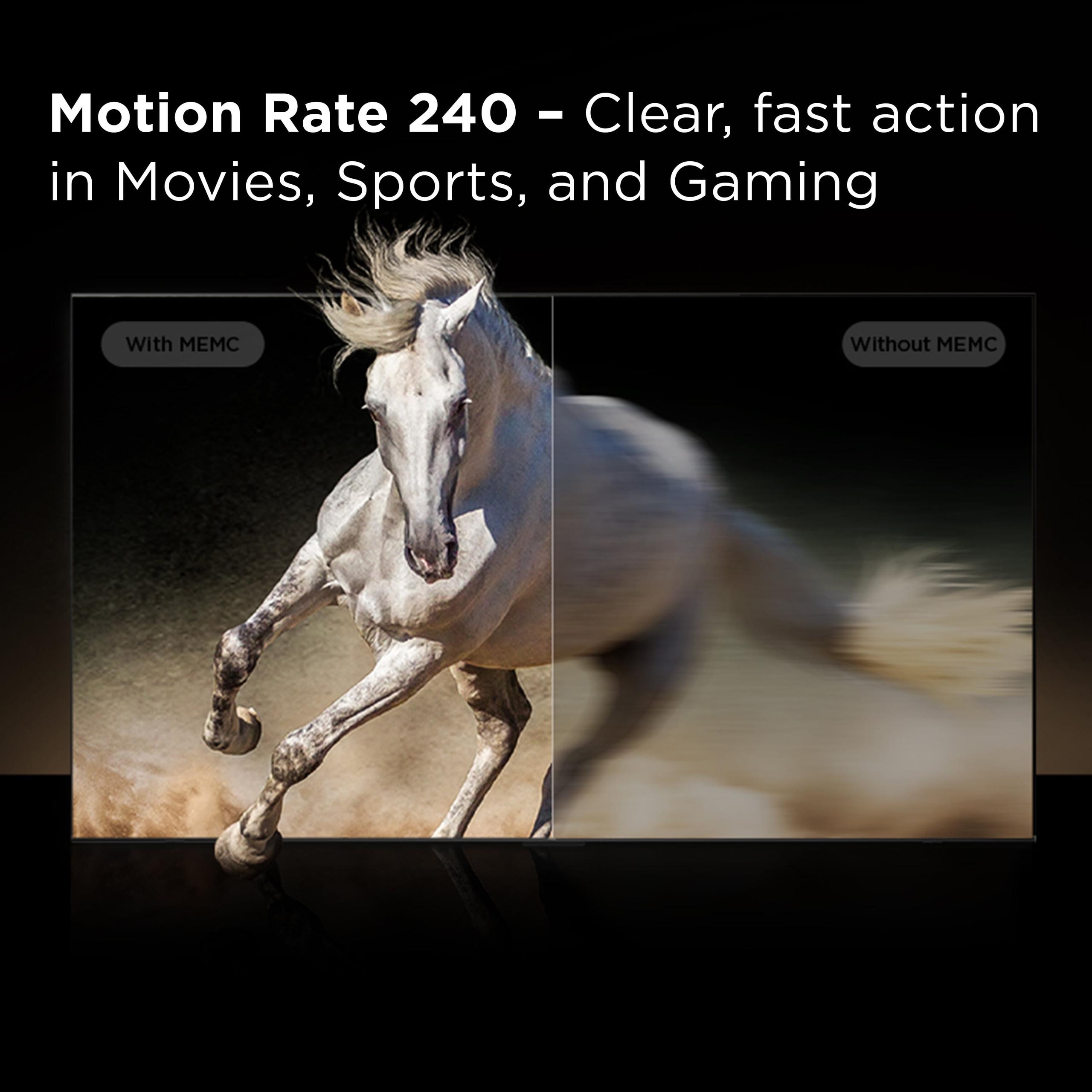
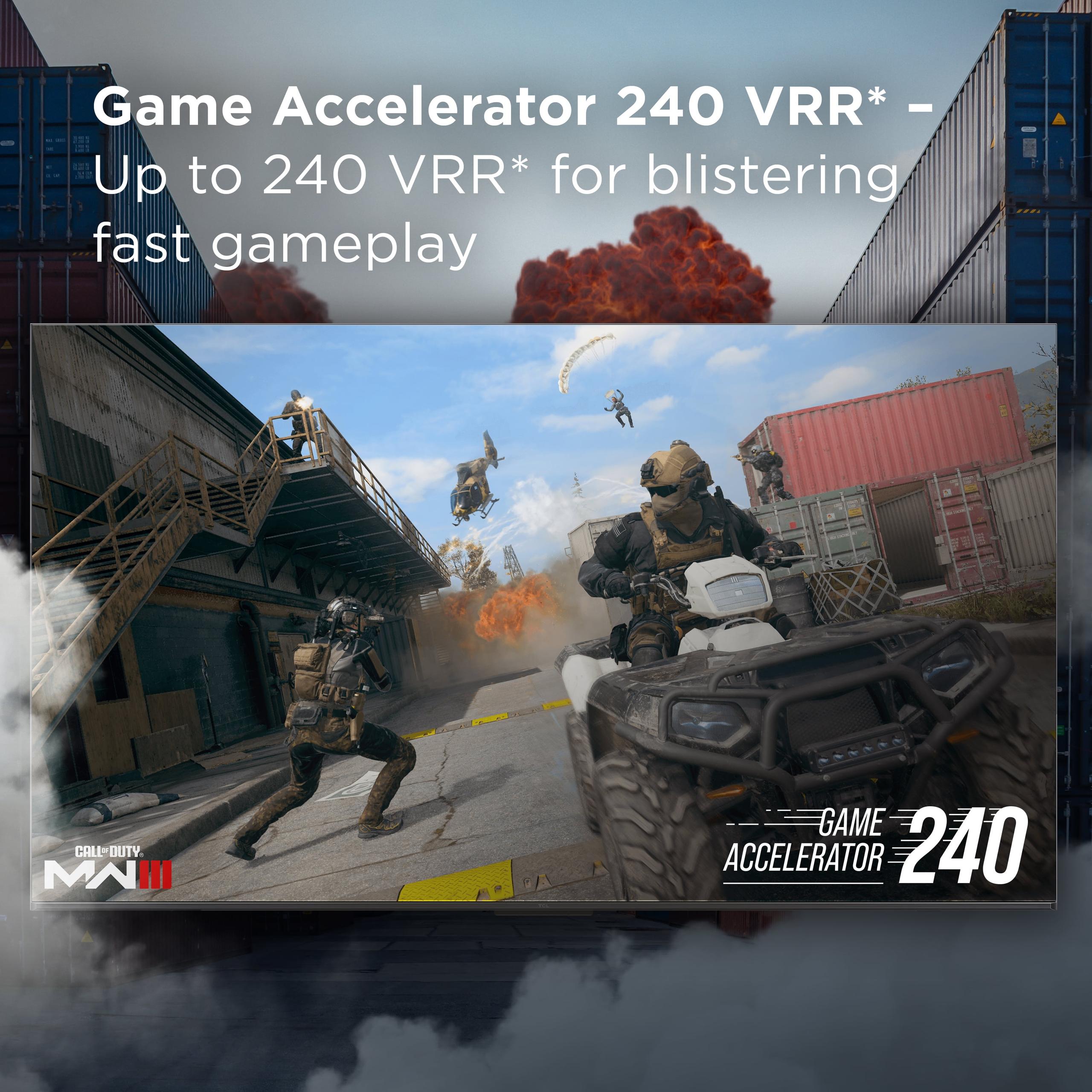
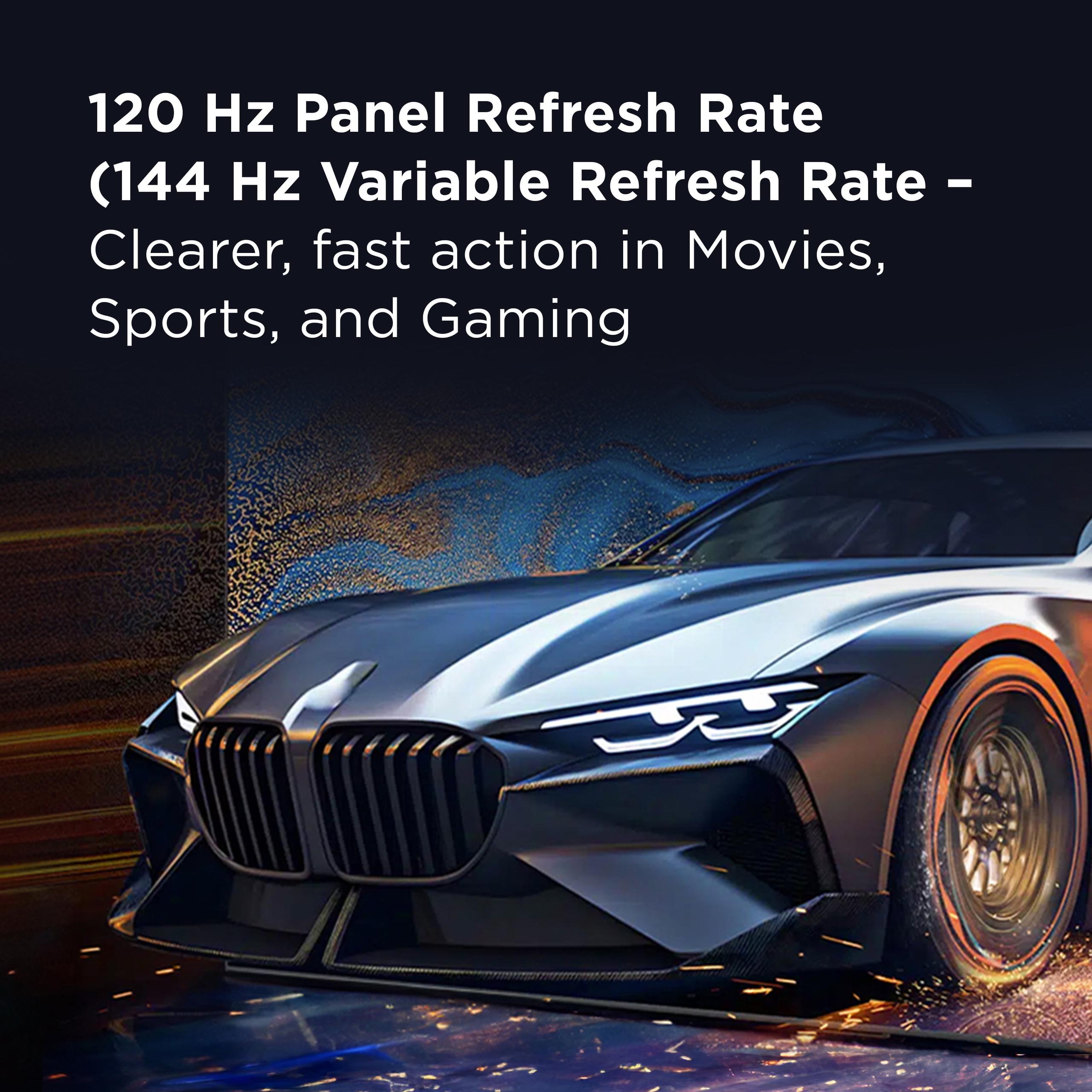
The TCL Q6 approaches gaming differently. Its Game Accelerator 120 feature supports up to 144Hz Variable Refresh Rate, though this is typically at 1440p resolution rather than full 4K. For many gaming scenarios, this is perfectly adequate and may actually provide smoother motion than the Sony in fast-paced content, thanks to the TCL's MEMC (Motion Estimation and Motion Compensation) frame insertion technology.
MEMC works by analyzing consecutive frames and creating intermediate frames to smooth motion. While this can reduce judder in movies and sports, it can introduce input lag in gaming—a trade-off that affects competitive gaming more than casual play.
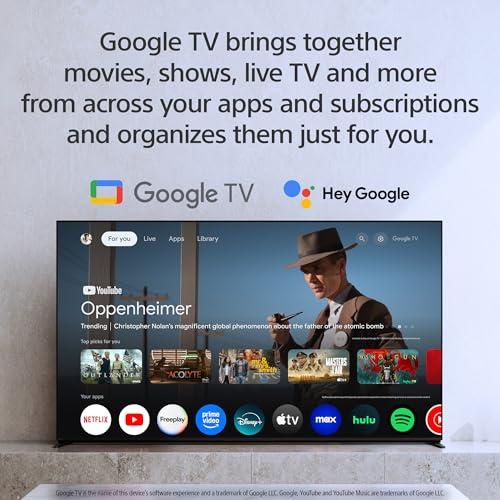
Both TVs run Google TV, but the implementation quality differs significantly. The Sony BRAVIA 5 runs Google TV version 12 on more powerful hardware, resulting in snappier navigation, faster app loading, and more responsive voice commands through Google Assistant.
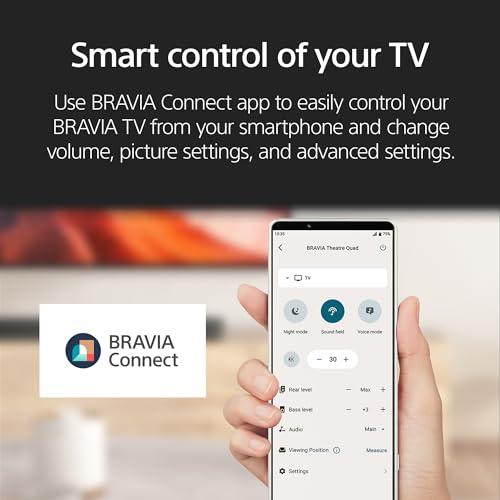
Sony's integration goes deeper than just running the platform. The TV can integrate with the optional BRAVIA Cam accessory, which recognizes where viewers are sitting and automatically optimizes picture and sound settings accordingly. This camera also enables gesture controls—useful when you can't find the remote in a darkened theater room.
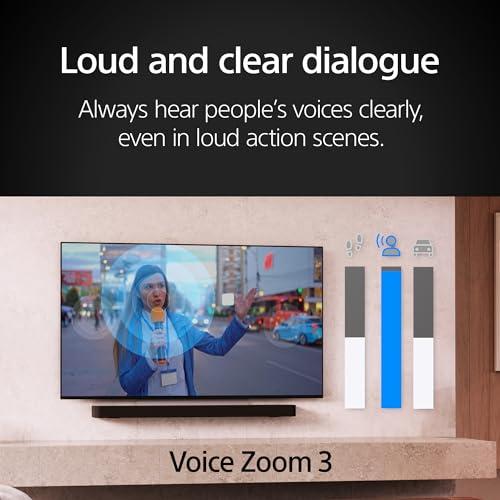
The TV's Voice Zoom 3 feature uses AI processing to enhance dialogue clarity, automatically detecting when characters are speaking and boosting their voices above background music and sound effects. This proves particularly valuable during action sequences where dialogue can get lost in the mix.
The TCL Q6 provides the same Google TV interface and app selection, but on less powerful processing hardware. You'll notice slightly longer loading times and occasionally sluggish menu navigation, though it's perfectly functional for most users. The built-in Chromecast support works reliably for streaming content from mobile devices.
Large TVs often struggle with audio quality because their thin profiles don't provide space for substantial speakers. The Sony BRAVIA 5 addresses this with Acoustic Multi-Audio technology, which uses multiple speakers positioned around the display to create sound that appears to come from specific areas of the screen.
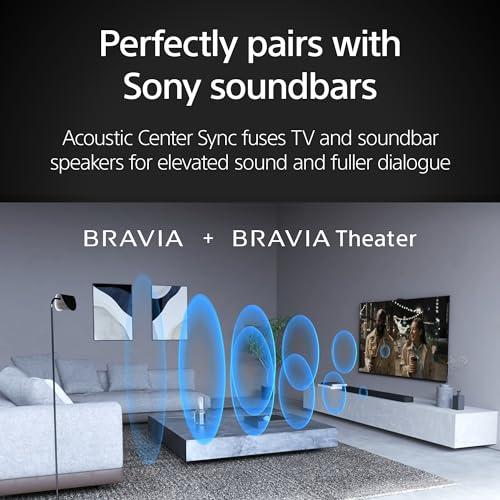
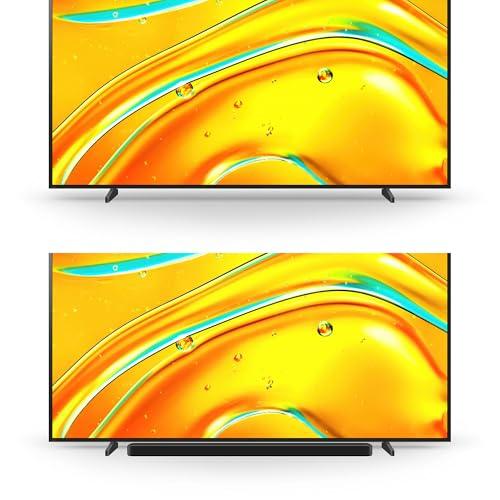
More impressively, the Sony can function as a center channel speaker when paired with compatible Sony soundbars or AV receivers. This Acoustic Center Sync feature uses the TV's built-in speakers to handle dialogue while your external audio system manages music and sound effects. In practice, this creates more immersive surround sound because voices appear to come directly from actors' mouths on screen rather than from a soundbar below.
The TCL Q6 includes a 30W 2.0 channel speaker system with Dolby Atmos and DTS Virtual:X support. While adequate for casual viewing, the audio lacks the spatial precision and dialogue clarity of the Sony's implementation. However, given the significant price difference, the TCL's audio performance is respectable and sufficient for viewers who plan to add a dedicated sound system later.
In a dedicated home theater environment, the Sony BRAVIA 5's advantages become more pronounced. The controlled lighting conditions allow you to fully appreciate the Mini LED backlight's contrast capabilities, while the larger viewing distance minimizes the VA panel's narrower viewing angles.
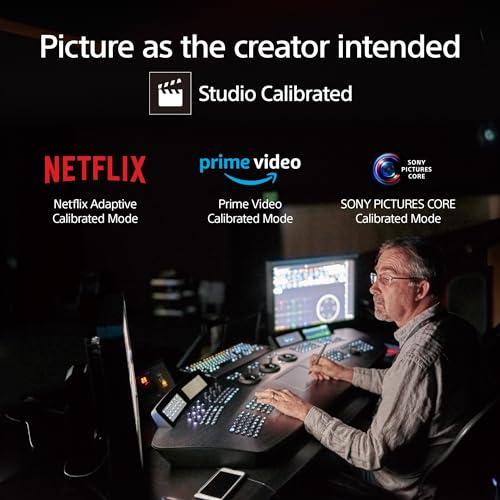
The TV's cinema-focused picture modes, developed in partnership with content creators, help maintain filmmaker intentions. Sony's decades of experience in professional displays shows in features like their automatic genre detection, which applies appropriate picture settings based on content type without user intervention.
For home theater purists, the Sony's support for both consumer and professional calibration tools allows fine-tuning to match industry standards. The TV maintains accurate color temperature across different brightness levels—crucial for consistent performance whether you're watching bright animated films or dark horror movies.
The TCL Q6 makes sense for specific use cases where the $4,400 price difference outweighs the performance gaps. If you're upgrading from a much smaller TV—say, moving from a 65-inch display to 98 inches—the size increase alone provides such a dramatic improvement that the TCL's limitations become less significant.
For families focused on casual viewing—streaming shows, watching sports, and occasional movie nights—the TCL delivers an impressive experience that far exceeds smaller premium displays. The Quantum Dot color enhancement makes sports broadcasts particularly engaging, with vibrant team colors and clear detail across the large screen.
The TCL also makes sense if you're planning to add external audio equipment anyway. Since a quality soundbar or surround sound system will handle audio duties, the TV's built-in speaker limitations become irrelevant.
When evaluating TVs at this price point, longevity becomes crucial. The Sony BRAVIA 5 benefits from Sony's reputation for durability and continued software support. The company typically provides major Android/Google TV updates for 4-5 years and security patches beyond that timeframe.
Sony's premium positioning means they're more likely to optimize new streaming services and gaming features for their displays. As new HDR formats emerge or gaming standards evolve, Sony's track record suggests better long-term compatibility.
The TCL Q6, while offering excellent initial value, represents more of a gamble on long-term performance. Some users report reliability concerns with previous TCL models, though the company has improved build quality significantly in recent generations. Software updates may be less frequent, though Google TV's cloud-based nature provides some protection against obsolescence.
Choose the Sony BRAVIA 5 if picture quality is your primary concern and you can justify the premium price. The Mini LED technology, superior processing, and comprehensive gaming features create an experience that approaches much more expensive flagship models. This TV excels in controlled lighting environments where its contrast advantages shine.
The Sony also makes sense if you're building a serious home theater setup where the TV will be the centerpiece for years to come. The superior color accuracy, Dolby Vision support, and advanced audio integration justify the investment for enthusiasts who notice and appreciate these refinements.
Choose the TCL Q6 if maximizing screen size within a tight budget is your goal. The quantum dot color enhancement and massive 98-inch display create an impressive viewing experience that dramatically improves over smaller TVs, even premium ones. This option works well for large family rooms where multiple viewing angles are important and where the bright, vibrant colors enhance casual viewing.
The TCL particularly appeals to newcomers to large-screen viewing who want to experience 98 inches without the premium investment. You can always upgrade in a few years while enjoying the benefits of cinema-scale viewing immediately.
Ultimately, both TVs succeed in their respective missions: the Sony delivers flagship performance at a more accessible price point, while the TCL democratizes large-screen viewing for budget-conscious consumers. Your choice should align with whether you prioritize cutting-edge picture technology or maximum screen real estate for your dollar.
| Sony BRAVIA 5 98" Mini LED 4K Google TV 2025 | TCL 98" Q6 Series 4K UHD QLED Smart TV |
|---|---|
| Price - Major factor determining value proposition | |
| $5,998 (premium mid-tier positioning) | $1,624 (budget-friendly giant screen) |
| Display Technology - Determines contrast and black levels | |
| Mini LED with thousands of zones for precise local dimming | QLED with Quantum Dot color enhancement, basic LED backlighting |
| HDR Support - Critical for streaming movies and gaming | |
| Dolby Vision, HDR10, HLG (scene-by-scene optimization) | HDR10+, HDR10, HLG (no Dolby Vision support) |
| Gaming Performance - Input lag and refresh rate capabilities | |
| 10ms input lag, 4K/120Hz, VRR, G-SYNC compatible | Auto Game Mode, up to 144Hz VRR at 1440p, competitive input lag |
| Processor - Affects upscaling and smart TV responsiveness | |
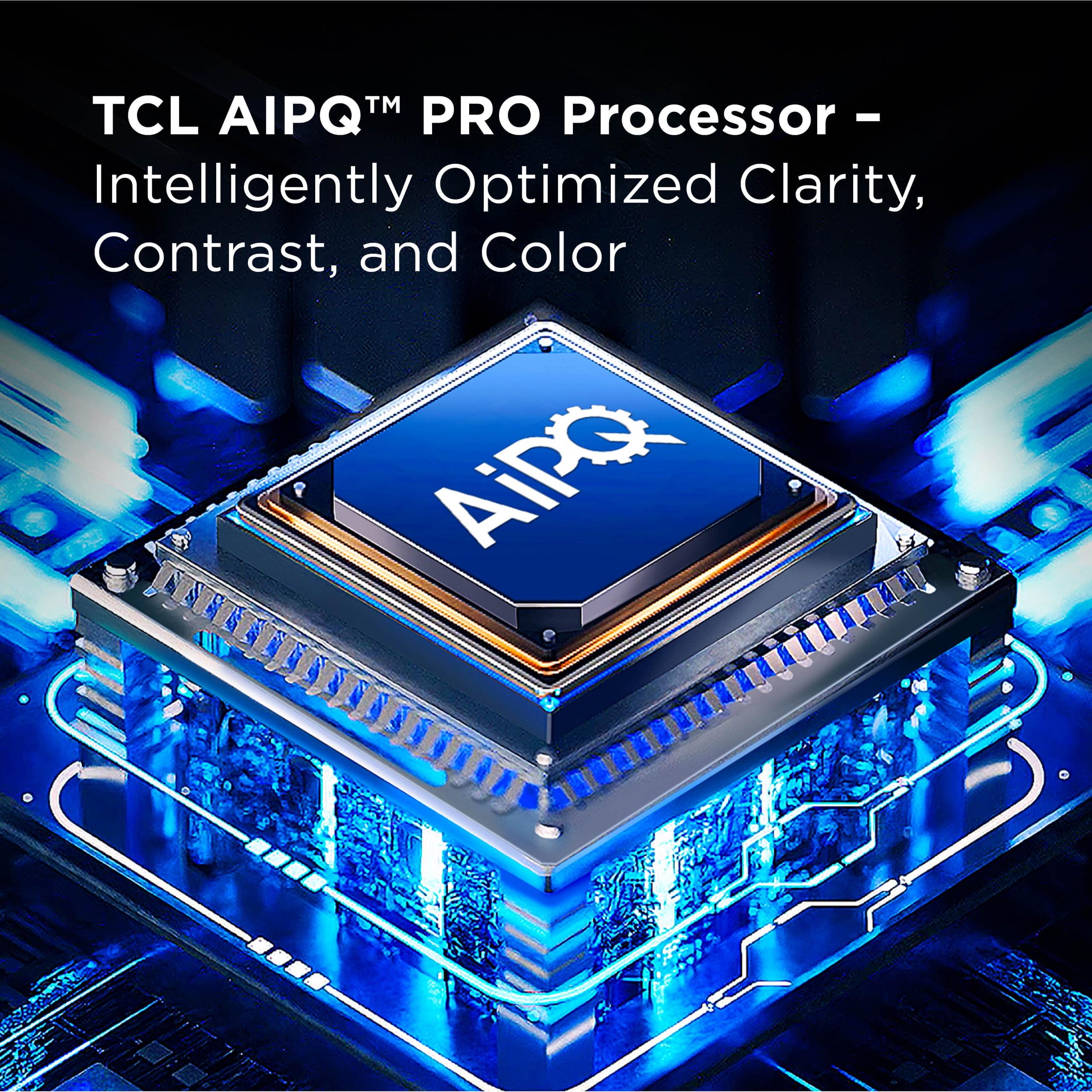
| XR Processor (3rd gen) with AI optimization | AIPQ PRO processor with deep learning AI |
| Smart Platform - Long-term software support and app performance | |
| Google TV v12 on powerful hardware (snappy performance) | Google TV on basic hardware (adequate but slower) |
| Audio System - Built-in sound quality and features | |
| Acoustic Multi-Audio, Voice Zoom 3, center channel capability | 30W 2.0 channel system with Dolby Atmos support |
| Build Quality - Durability and premium feel | |
| 152.1 lbs, premium construction, 1-year Sony warranty | 120.2 lbs, solid but basic build quality |
| Color Accuracy - Natural vs vibrant color reproduction | |
| XR Triluminos Pro (accurate, natural colors) | Quantum Dot technology (vibrant, saturated colors) |
| Viewing Angles - Important for wide seating arrangements | |
| Limited due to VA panel (best for centered viewing) | Better off-angle viewing than Sony |
| Peak Brightness - HDR impact and room lighting handling | |
| Moderate HDR brightness, excellent for controlled lighting | Lower peak brightness, adequate for most content |
The Sony BRAVIA 5 98" Mini LED 4K Google TV 2025 delivers superior picture quality with Mini LED technology that provides deeper blacks and better contrast than the TCL 98" Q6 Series 4K UHD QLED Smart TV. However, the TCL offers excellent value with vibrant Quantum Dot colors at a much lower price point of $1,624 compared to Sony's $5,998.
Mini LED technology in the Sony BRAVIA 5 uses thousands of tiny LEDs for precise local dimming, creating "almost OLED-like" blacks with minimal light bleeding. QLED in the TCL Q6 focuses on color enhancement through Quantum Dot particles that produce vibrant, saturated colors but can't match Mini LED's contrast performance.
The Sony BRAVIA 5 offers superior gaming with 10ms input lag, full 4K/120Hz support, and G-SYNC compatibility across two HDMI 2.1 ports. The TCL Q6 provides competitive gaming with Auto Game Mode and up to 144Hz VRR, though typically at 1440p resolution rather than full 4K.
No, there's a significant difference. The Sony BRAVIA 5 supports Dolby Vision, HDR10, and HLG, providing scene-by-scene optimization for premium streaming content. The TCL Q6 supports HDR10+, HDR10, and HLG but lacks Dolby Vision, which is widely used by Netflix, Disney+, and other major streaming services.
Both TVs run Google TV, but the Sony BRAVIA 5 runs it on more powerful hardware, resulting in faster navigation and app loading. Sony also offers additional features like BRAVIA Cam compatibility and Voice Zoom 3 for enhanced dialogue clarity, while the TCL Q6 provides basic but functional smart TV performance.
The Sony BRAVIA 5 features Acoustic Multi-Audio technology with Voice Zoom 3 and can function as a center channel speaker when paired with Sony soundbars. The TCL Q6 has a 30W 2.0 channel system with Dolby Atmos support that's adequate for casual viewing but lacks the Sony's advanced audio processing.
The Sony BRAVIA 5 excels in home theaters with its superior contrast from Mini LED technology, Dolby Vision support, and cinema-focused picture modes. The controlled lighting in home theaters maximizes the Sony's advantages, while the TCL Q6 is better suited for bright family rooms where its vibrant colors shine.
The Sony BRAVIA 5 weighs 152.1 lbs with premium construction and Sony's reputation for long-term reliability and software support. The TCL Q6 weighs 120.2 lbs with solid build quality for the price, though some users express concerns about long-term durability based on previous TCL experiences.
Yes, the Sony BRAVIA 5 uses a VA panel with limited viewing angles, making it best for centered seating arrangements. The TCL Q6 offers better off-angle viewing, making it more suitable for wide seating arrangements in large family rooms where people sit at various angles.
This depends on your priorities. The TCL Q6 at $1,624 offers exceptional value for pure screen size and decent performance. The Sony BRAVIA 5 at $5,998 provides premium features typically found in much more expensive TVs, making it good value in the flagship category but a significant investment overall.
The Sony BRAVIA 5 handles moderate room lighting well but may struggle with direct sunlight due to reflections, as it lacks anti-reflective coating. The TCL Q6 performs adequately in most lighting conditions, with its vibrant Quantum Dot colors helping maintain visibility, though both TVs perform best in controlled lighting environments.
If you're upgrading from a much smaller TV and want maximum impact for minimum cost, the TCL Q6 provides an impressive 98-inch experience that will dramatically improve your viewing. If picture quality is paramount and you can justify the investment, the Sony BRAVIA 5 offers a more refined experience with better long-term value.
We've done our best to create useful and informative comparisons to help you decide what product to buy. Our research uses advanced automated methods to create this comparison and perfection is not possible - please contact us for corrections or questions. These are the sites we've researched in the creation of this article: tomsguide.com - rtings.com - bestbuy.com - electronics.sony.com - youtube.com - tomsguide.com - youtube.com - avsforum.com - lueckeaudiovideo.com - pro.sony - bestbuy.com - sony.com - pioneertvandappliance.com - youtube.com - valueelectronics.com - heartlandappliance.com - schaeferstv.com - bestbuy.com - tcl.com - walmart.com - youtube.com - rtings.com - greentoe.com - kitele.com - bestbuy.com - youtube.com - tcl.com - pcrichard.com - youtube.com

Privacy Policy
Terms and Conditions - Affiliate Policy
Home Security
© Copyright 2008-2026.
11816 Inwood Rd #1211, Dallas, TX 75244