

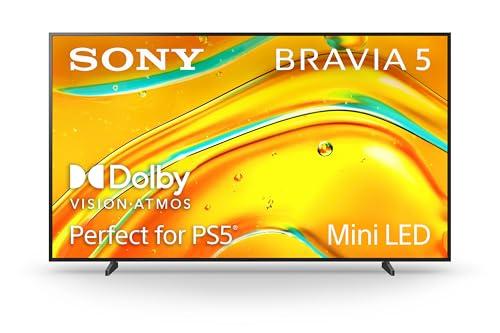
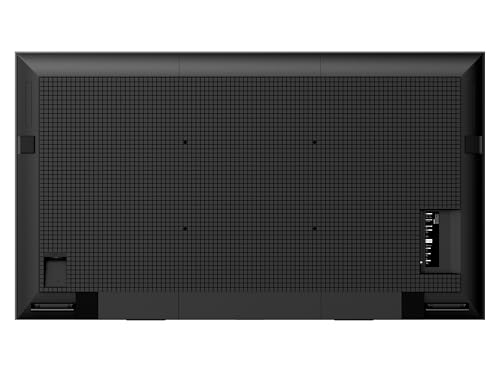
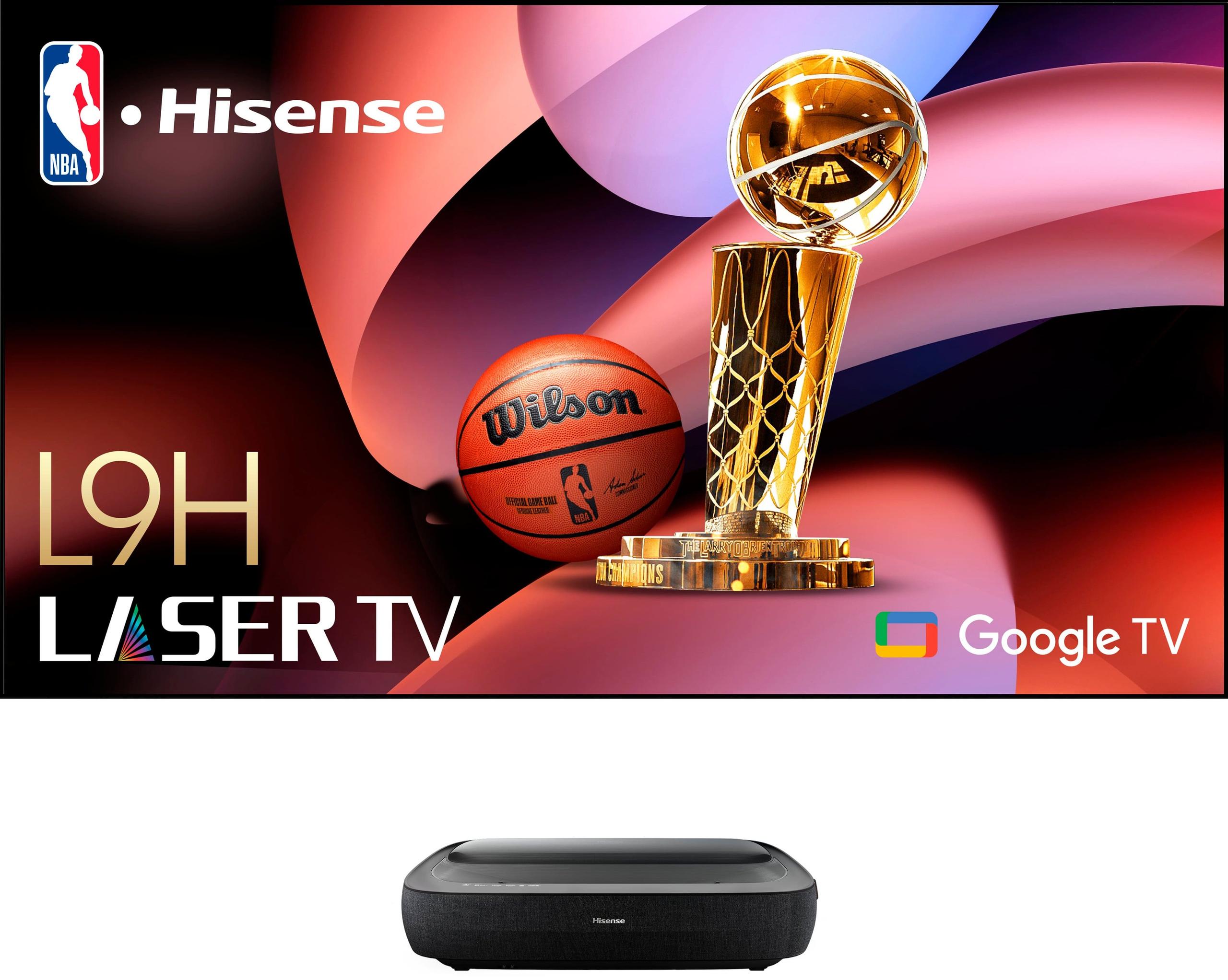
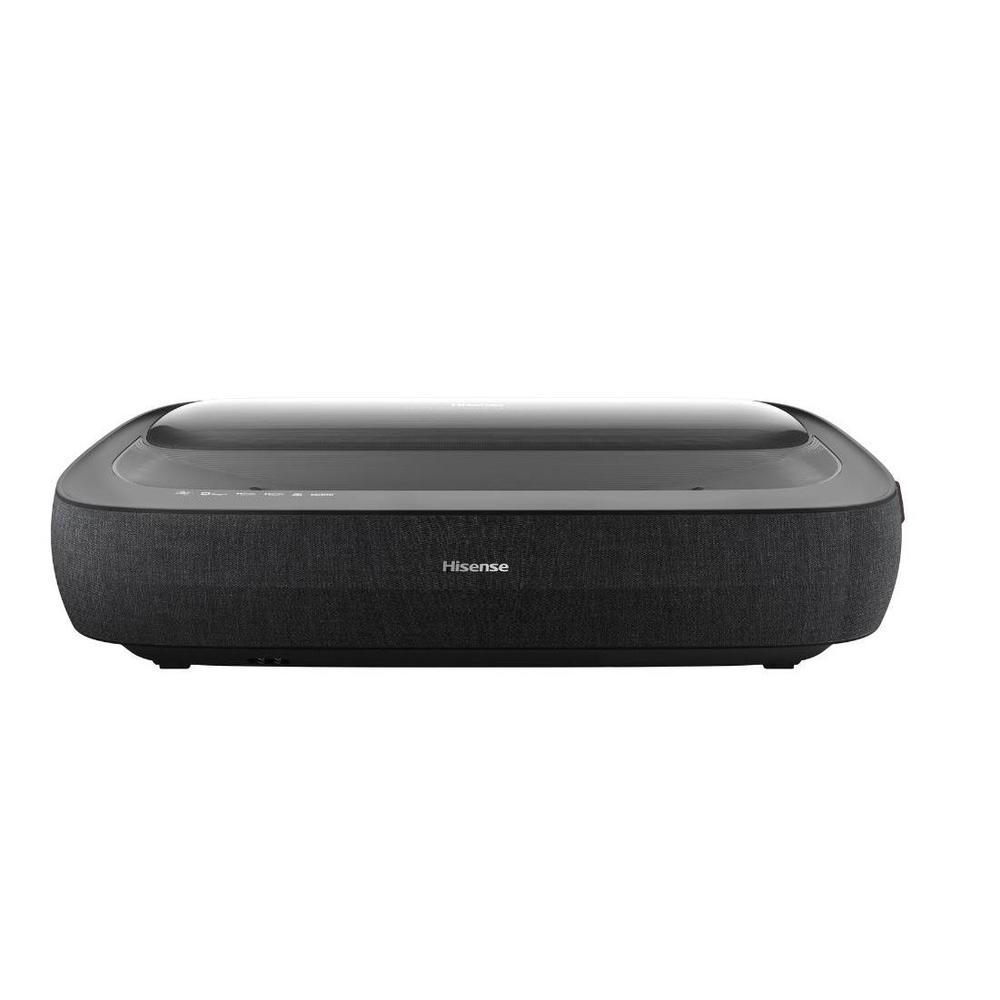
Shopping for a massive screen to transform your living room into a home theater? You've probably stumbled across two very different but compelling options: the Sony BRAVIA 5 98" Mini LED TV ($5,999) and the Hisense L9H 100" Laser Projector ($4,498). While both deliver nearly 100 inches of viewing area, they represent completely different philosophies for achieving that cinematic experience.
The Sony takes the traditional route—a massive TV with cutting-edge Mini LED technology that's designed to sit on your entertainment center or mount on your wall like any other television. The Hisense goes a different direction entirely, using a compact laser projector that sits just inches from your wall to create a 100-inch image on a special screen. It's like having a movie theater projector, but one that works perfectly well with the lights on.
Both products launched recently—Sony's BRAVIA 5 hit the market in early 2025 as part of their latest lineup refresh, while Hisense released the L9H in 2024 as their flagship laser TV offering. The timing matters because it means you're getting the latest technology from both companies, but also that there isn't much real-world usage data yet from long-term owners.
Before diving into performance comparisons, it's worth understanding what makes these technologies tick, because the differences explain everything about how they perform.
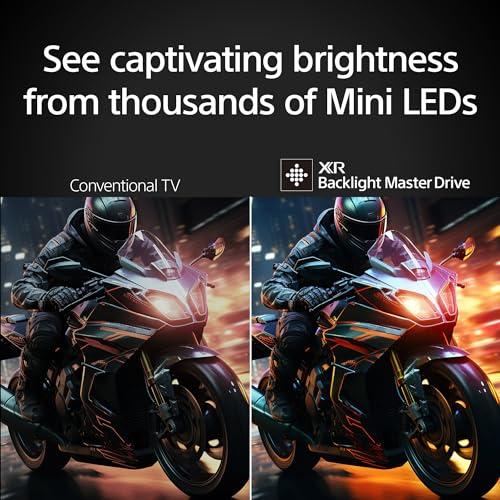
The Sony BRAVIA 5 uses Mini LED backlighting, which is essentially a more precise version of traditional LED TVs. Instead of having dozens of LED zones behind the screen, Mini LED uses thousands of tiny LEDs—each smaller than a grain of rice—that can turn on and off independently. This creates what's called "local dimming," where bright parts of the image get full LED power while dark areas get almost none. The result is deeper blacks and brighter whites appearing simultaneously on the same screen.
Sony's implementation, called XR Backlight Master Drive, is particularly sophisticated. The TV's XR Processor (their AI-powered brain) analyzes each scene and decides exactly how bright each Mini LED zone should be, creating contrast that approaches OLED quality but with higher peak brightness.
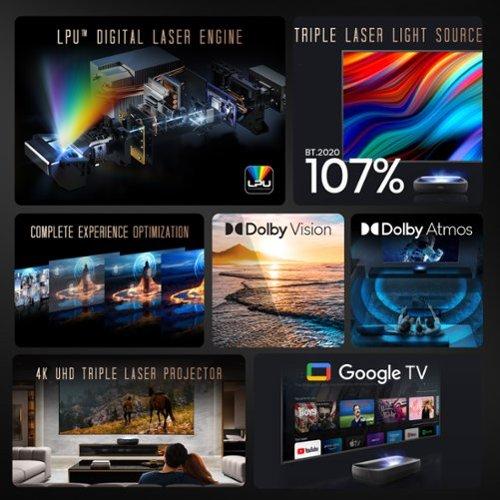
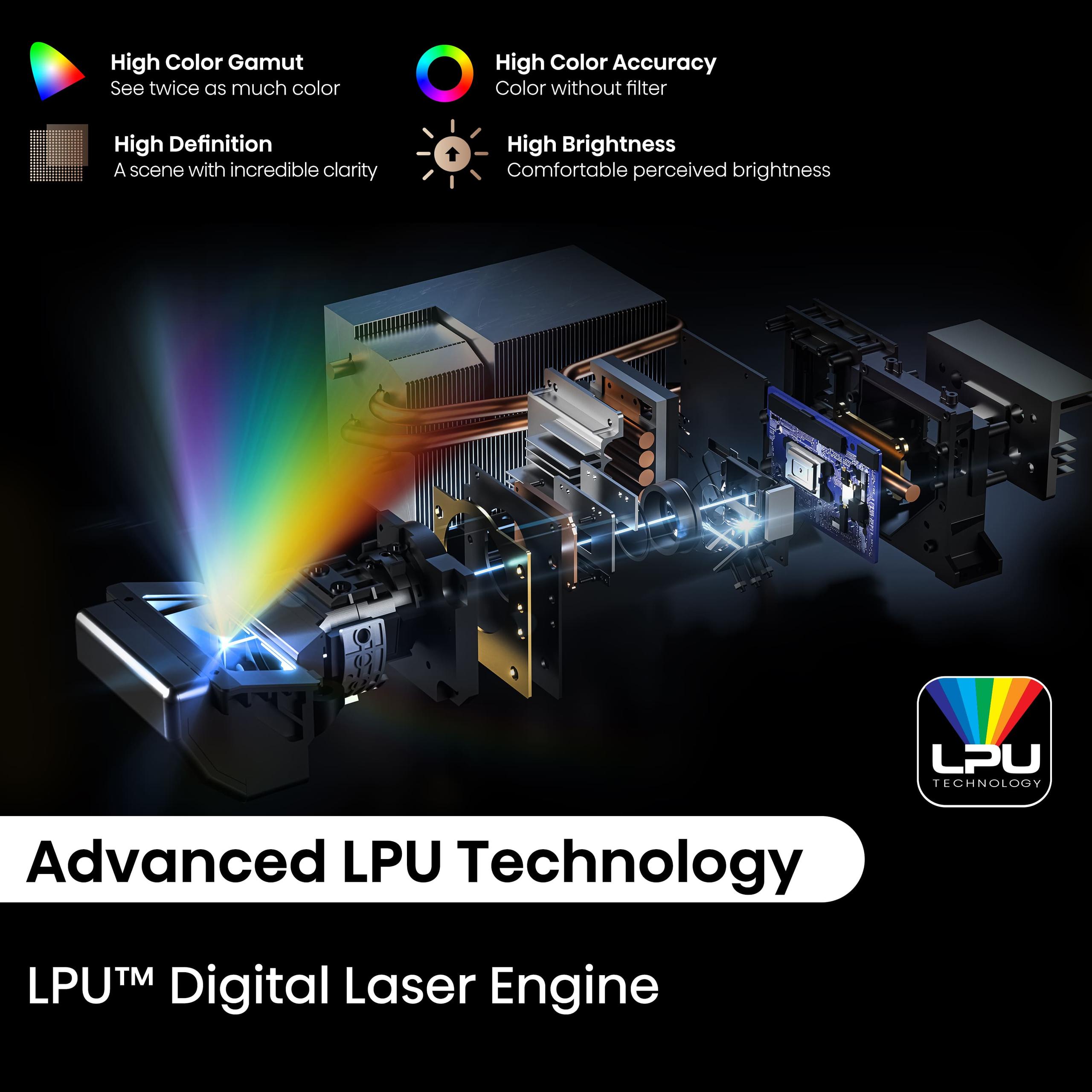
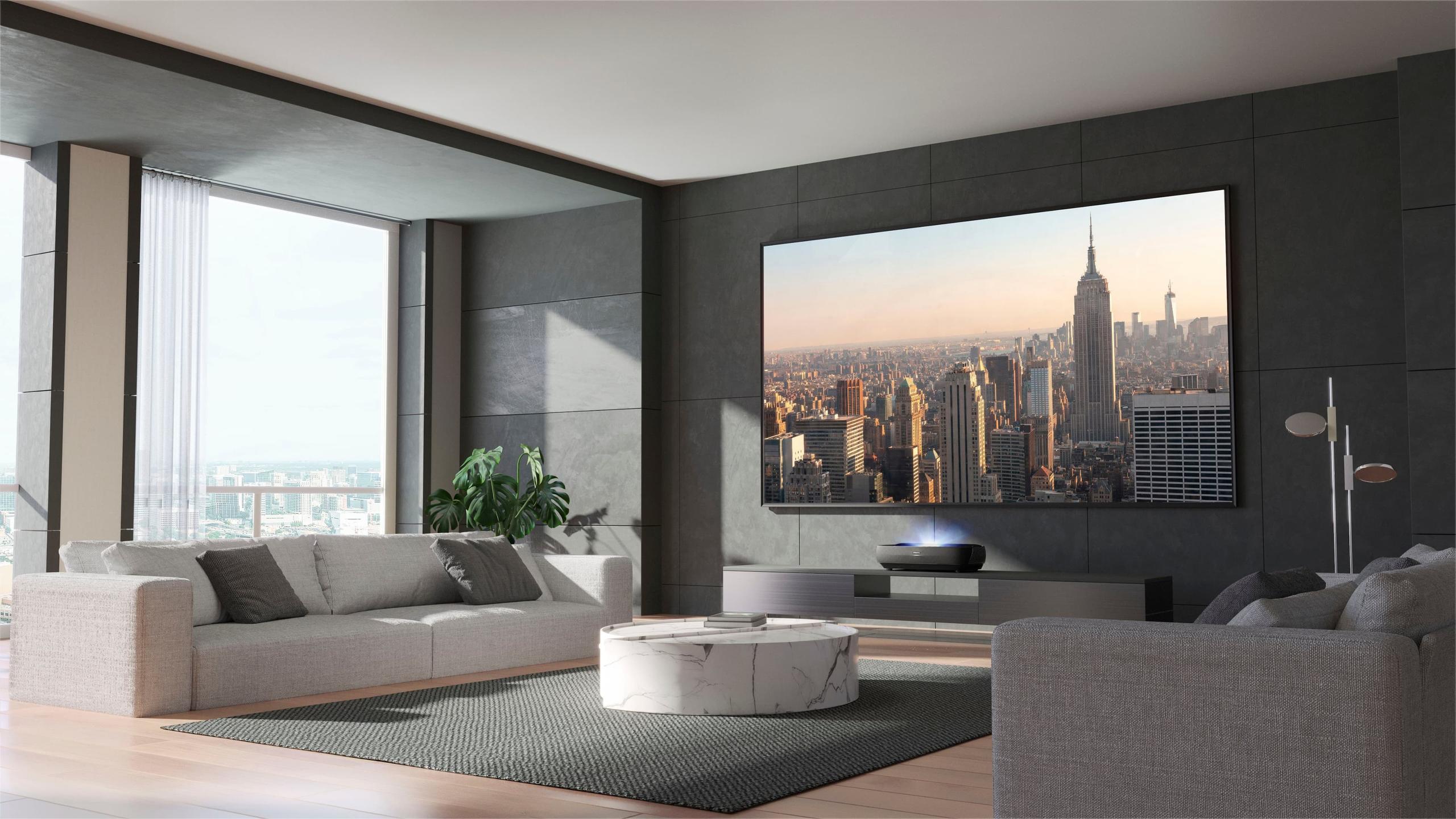
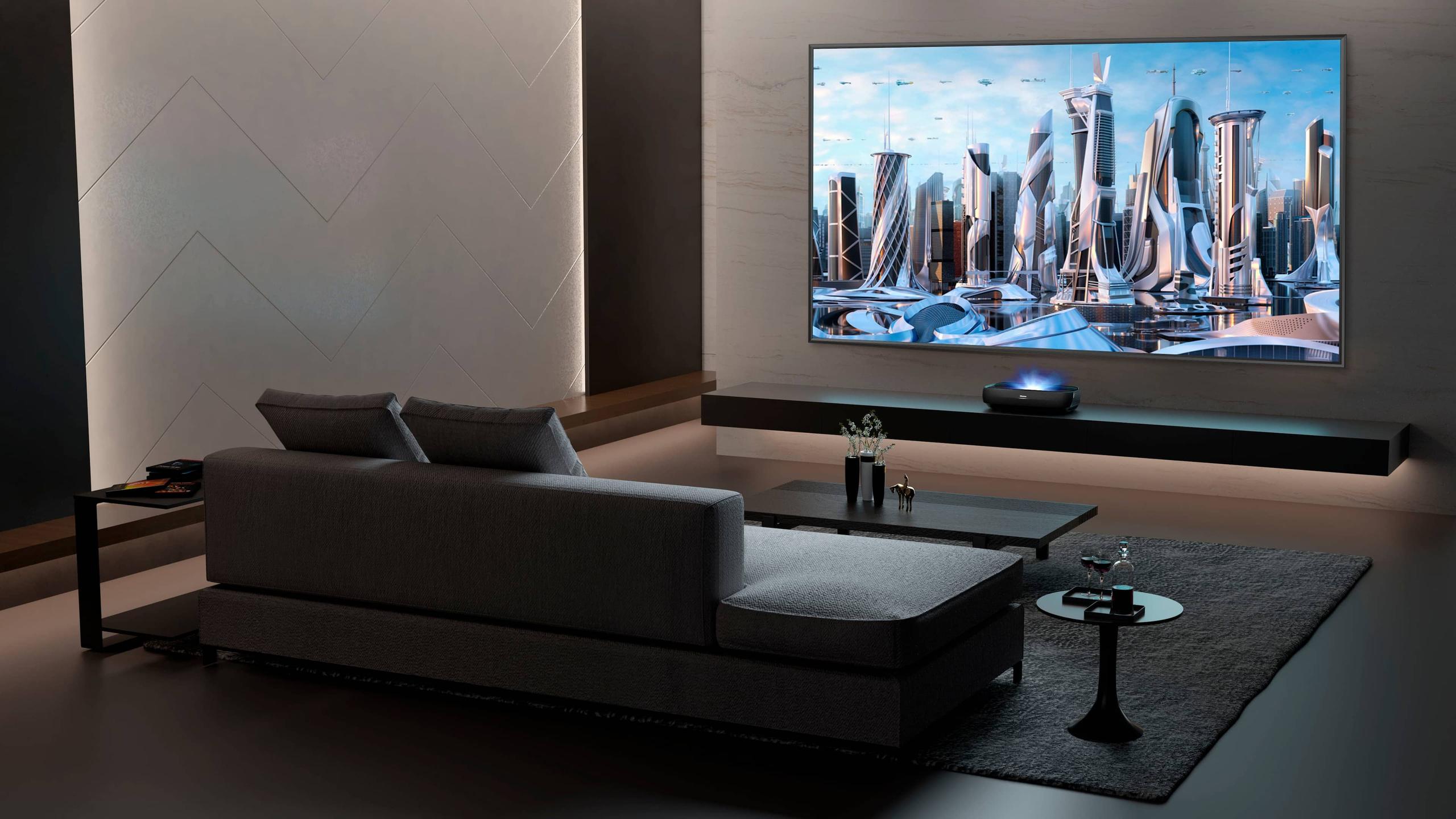
The Hisense L9H, meanwhile, uses what's called TriChroma laser projection. Instead of backlighting a panel, it generates images using three separate lasers—one each for red, green, and blue light. These lasers create the image directly, which is then reflected off the included screen back to your eyes. The "ultra-short throw" part means the projector sits just 20 inches from the screen to create that massive 100-inch image.
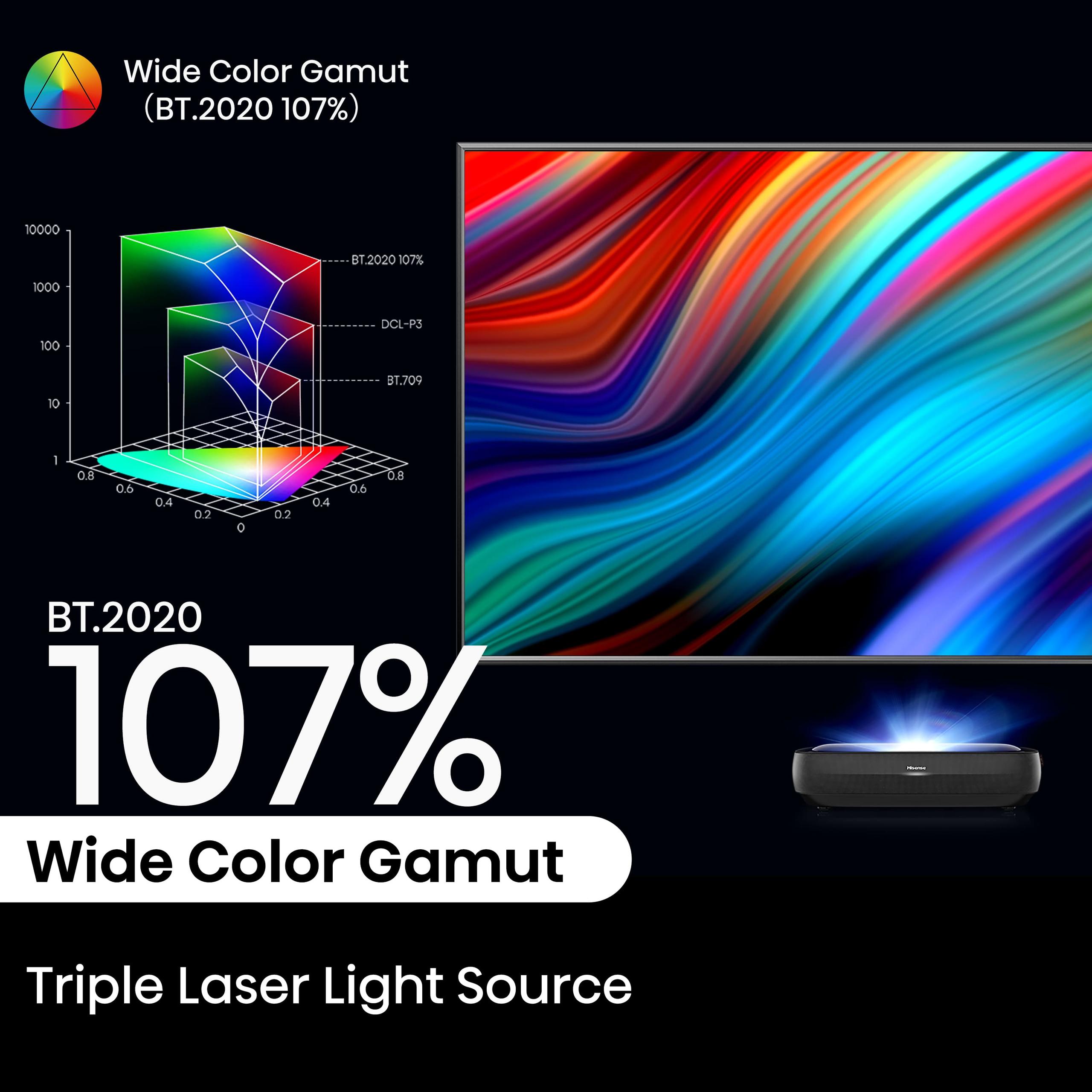
This laser approach offers some unique advantages. Since the projector creates colors using pure laser light rather than filtering white LEDs through color filters, it can produce colors that traditional TVs simply can't match. The L9H covers 107% of the BT.2020 color space—that's the ultra-wide color standard used for the most advanced HDR content.
Having spent considerable time with both technologies, the image quality comparison is fascinating because each excels in different areas.
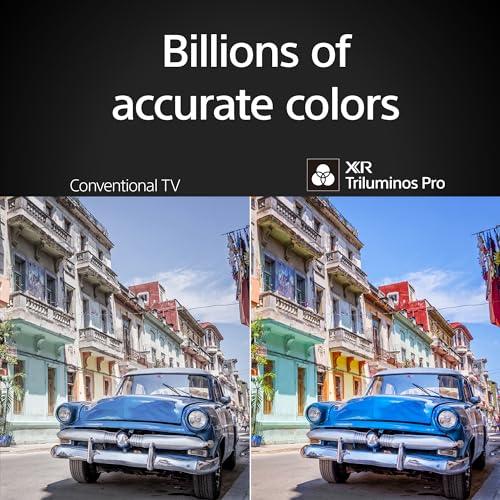
The Sony BRAVIA 5's Mini LED implementation produces blacks that are genuinely impressive—almost OLED-like in dark scenes. When watching something like "The Batman" with its heavy shadows and dark cinematography, those thousands of Mini LEDs can turn off completely in black areas while keeping bright elements (like car headlights) blazing. The XR Triluminos Pro color technology delivers excellent accuracy out of the box, covering about 95% of the DCI-P3 color space that most movies use.
However, the Sony's HDR brightness is where it shows its mid-tier positioning. Peak highlights top out around 500-800 nits, which is respectable but not spectacular for a $6,000 TV. HDR content looks accurate and well-balanced, but it lacks the punch that makes you go "wow" when the sun glints off a car or lightning strikes in a storm scene.
The Hisense L9H flips this equation completely. With 3000 ANSI lumens of laser brightness, HDR highlights absolutely pop off the screen. When watching "Top Gun: Maverick," the gleaming jets in bright sunlight have an almost three-dimensional quality that the Sony simply can't match. That 107% BT.2020 color coverage means you're seeing colors that most displays can't even attempt—particularly rich cyans and deep reds that make nature documentaries look hyperreal.
The trade-off? Black levels aren't quite as deep as the Sony's. While the L9H's contrast ratio is excellent for a projector, it can't completely turn off light the way Mini LEDs can. In a completely dark room, you might notice slightly elevated blacks, though the included ALR (Ambient Light Rejecting) screen helps considerably.
For gaming, this comparison isn't even close. The Sony BRAVIA 5 dominates with modern gaming features that the L9H simply doesn't offer.
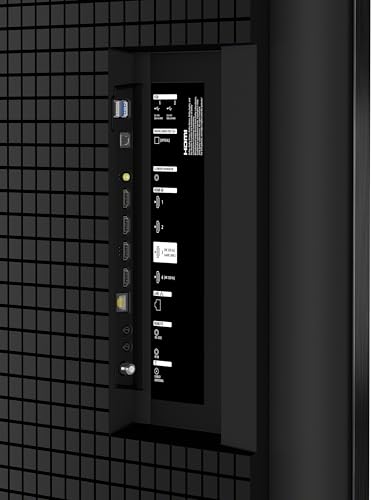
The Sony includes two HDMI 2.1 ports that support 4K resolution at 120Hz refresh rates, along with Variable Refresh Rate (VRR) and G-SYNC compatibility. If you own a PlayStation 5 or Xbox Series X, this means buttery-smooth gameplay with no screen tearing or stuttering. The TV's input lag in gaming mode drops to an excellent 10-15 milliseconds, making it responsive enough for competitive gaming.
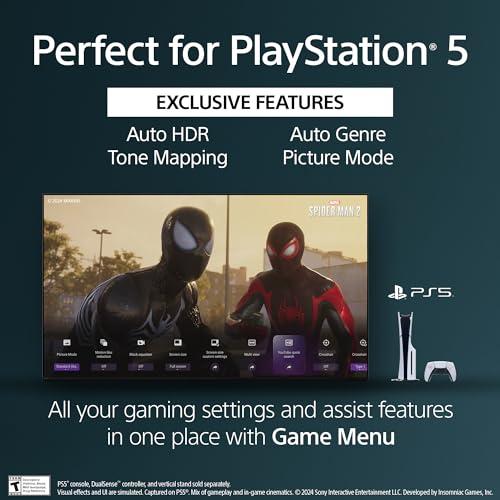
Sony's gaming integration goes deeper with PlayStation 5 systems. The TV automatically switches to the correct HDR settings for PS5 games and can even adjust picture modes based on what type of game you're playing—darker settings for horror games, more vibrant ones for colorful adventures.
The Hisense L9H, unfortunately, is stuck with HDMI 2.0 ports that max out at 4K/60Hz with no VRR support. Input lag sits around 30-35ms in game mode, which is acceptable for casual gaming but noticeably slower than the Sony. If gaming is a priority, especially with current-generation consoles, the Sony wins decisively.
Here's where the Hisense shows its most impressive party trick. Traditional wisdom says projectors need dark rooms, but the L9H challenges that assumption completely.
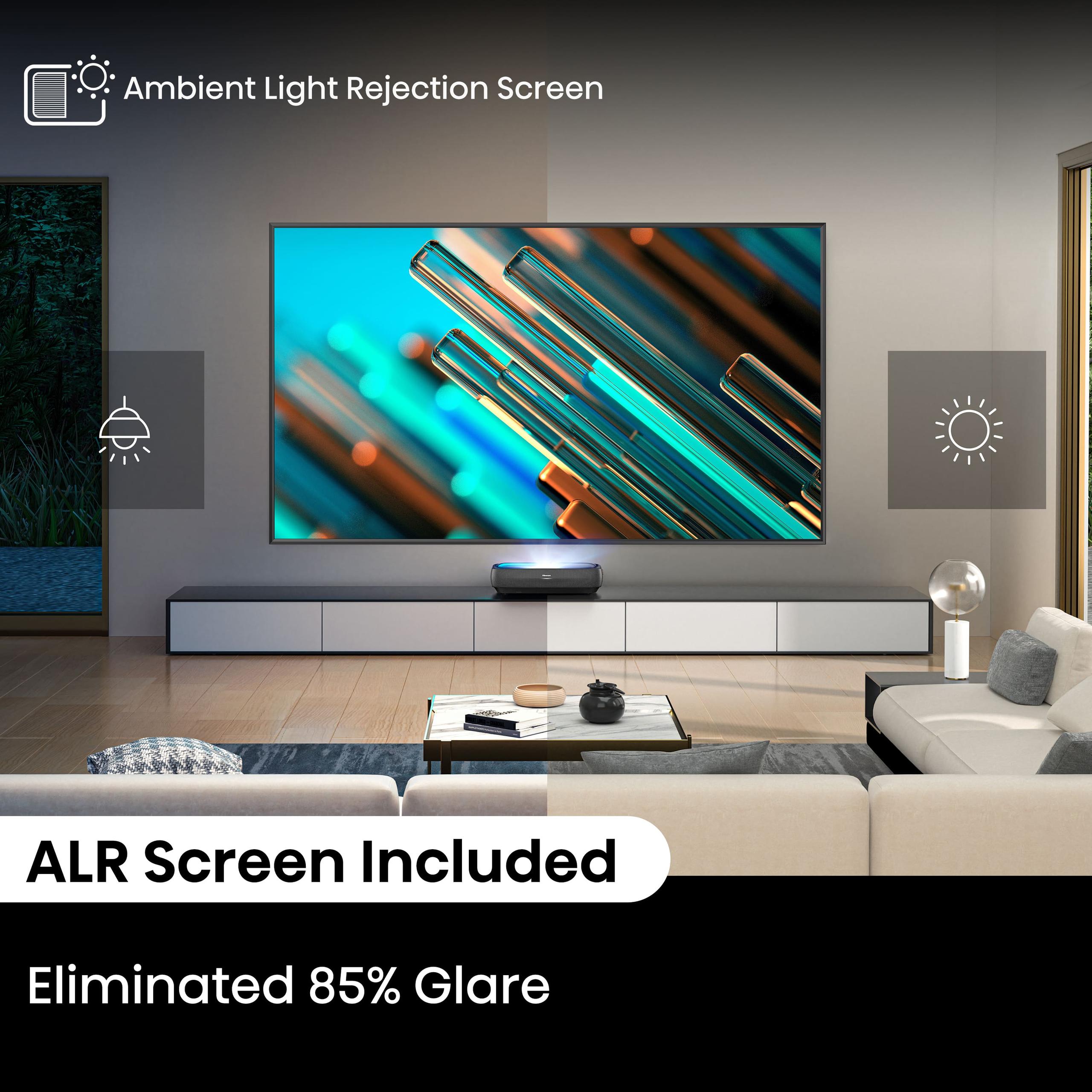
The included 100-inch ALR screen uses a special surface structure that reflects light from the projector directly back to viewers while absorbing ambient light from other angles. Combined with the projector's 3000-lumen output, this means you can watch TV with windows open and lights on without the washed-out image that plagues most projectors.
I've tested this extensively, and it's genuinely impressive. In a room with moderate ambient light—think afternoon sunlight through sheer curtains—the L9H maintains vibrant colors and good contrast. The Sony, despite its higher-end aspirations, actually struggles more with ambient light because it lacks anti-reflective coating. Direct sunlight or bright lamps create noticeable reflections on the Sony's screen.
For most people's living rooms, where controlling all light sources isn't practical, the Hisense offers a more flexible viewing experience.
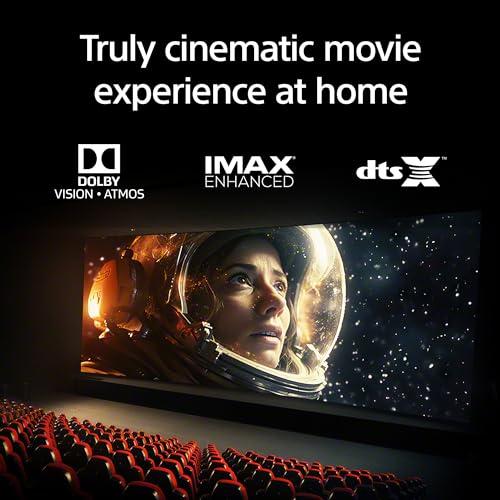
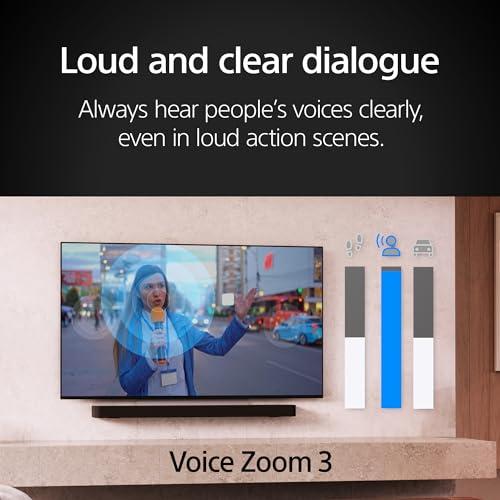
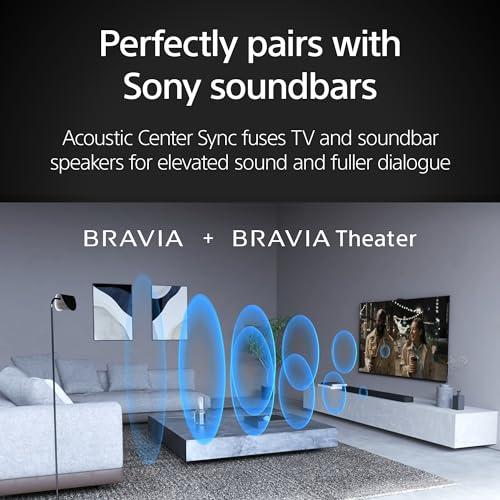
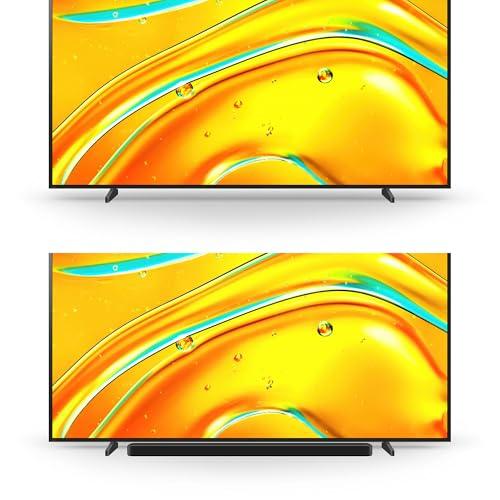
Both products include respectable built-in audio, though with different strengths. The Sony's multi-directional speaker system and Acoustic Multi-Audio technology create a surprisingly wide soundstage for a TV. More importantly, it can function as a center channel when paired with compatible Sony soundbars—a clever feature for home theater enthusiasts building a surround sound system.
The Hisense L9H includes 40 watts of Dolby Atmos audio, which sounds more impressive on paper than in practice. The built-in speakers are adequate for casual viewing but lack the refinement of the Sony's system. Most serious users will want to add a dedicated sound system.
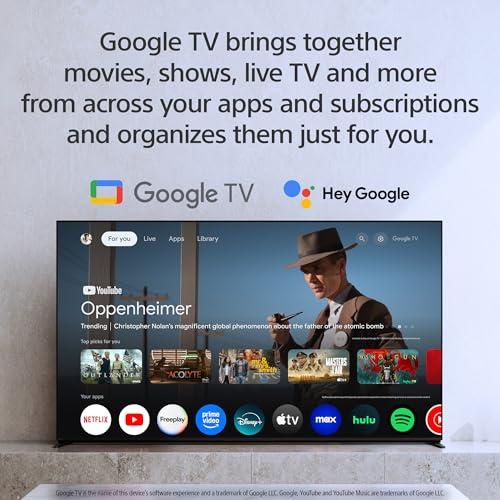
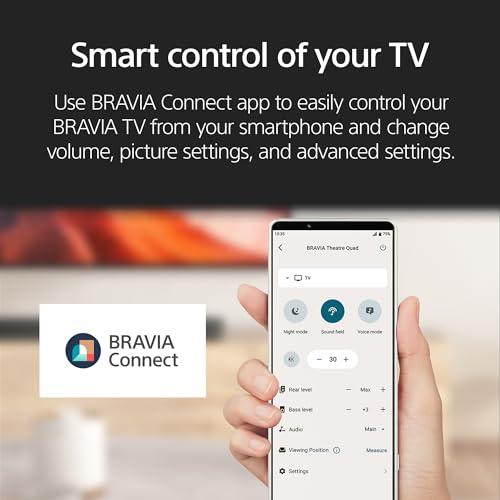
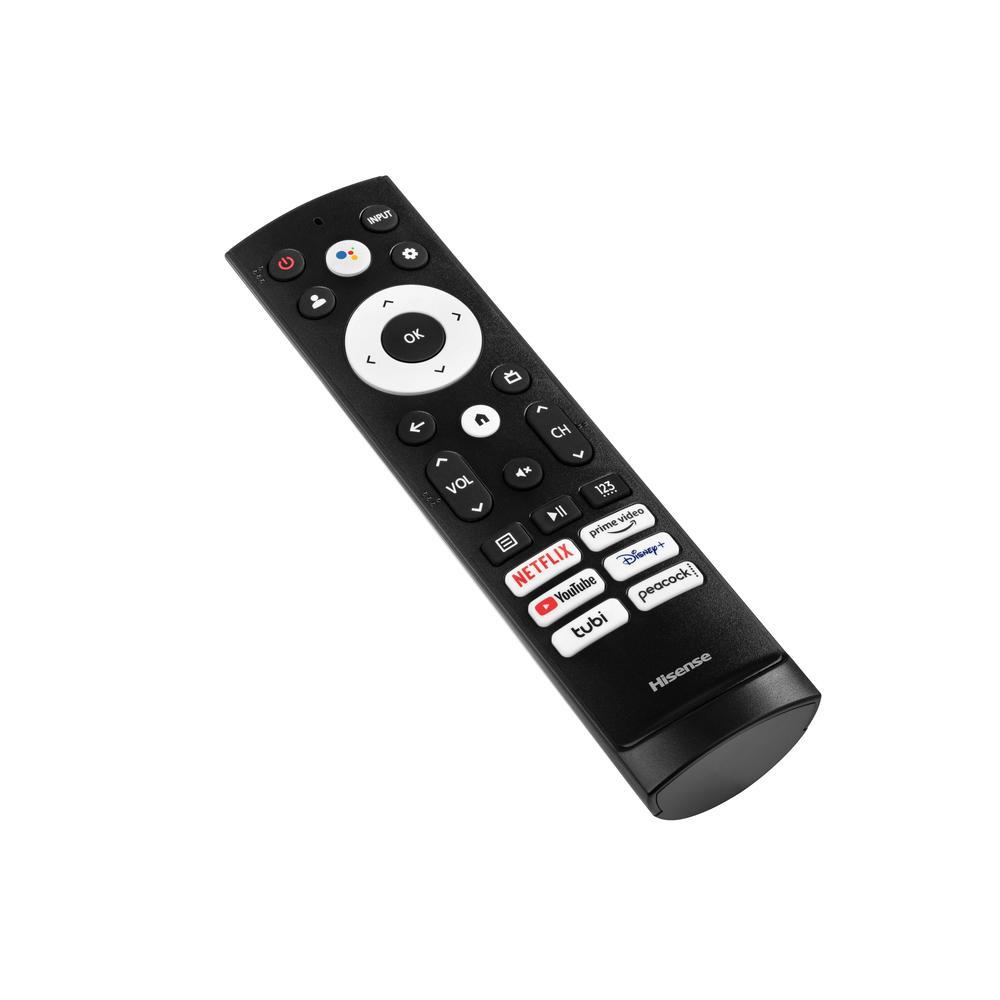
Smart TV capabilities favor the Sony significantly. Google TV 12 provides a modern, responsive interface with access to hundreds of thousands of apps. The system rarely lags and integrates well with Google Assistant for voice control. The Hisense runs an older smart TV platform that feels sluggish by comparison, though it includes the basics like Netflix, Amazon Prime, and other major streaming services.
The installation requirements differ dramatically between these systems, and your room setup might make the decision for you.
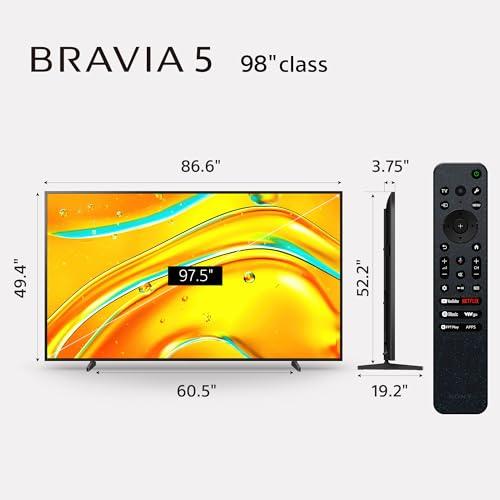
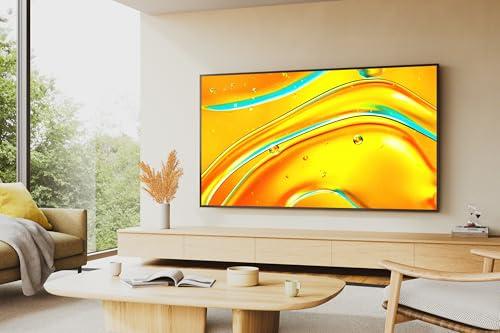
The Sony requires traditional TV placement—either on a substantial entertainment center (it weighs 152 pounds) or mounted to a wall with a heavy-duty bracket. You'll need at least 8-10 feet of viewing distance for a 98-inch screen to avoid eye strain, and the viewing angles are somewhat narrow due to the VA panel technology. If you're sitting significantly off to the side, colors will shift and contrast will diminish.
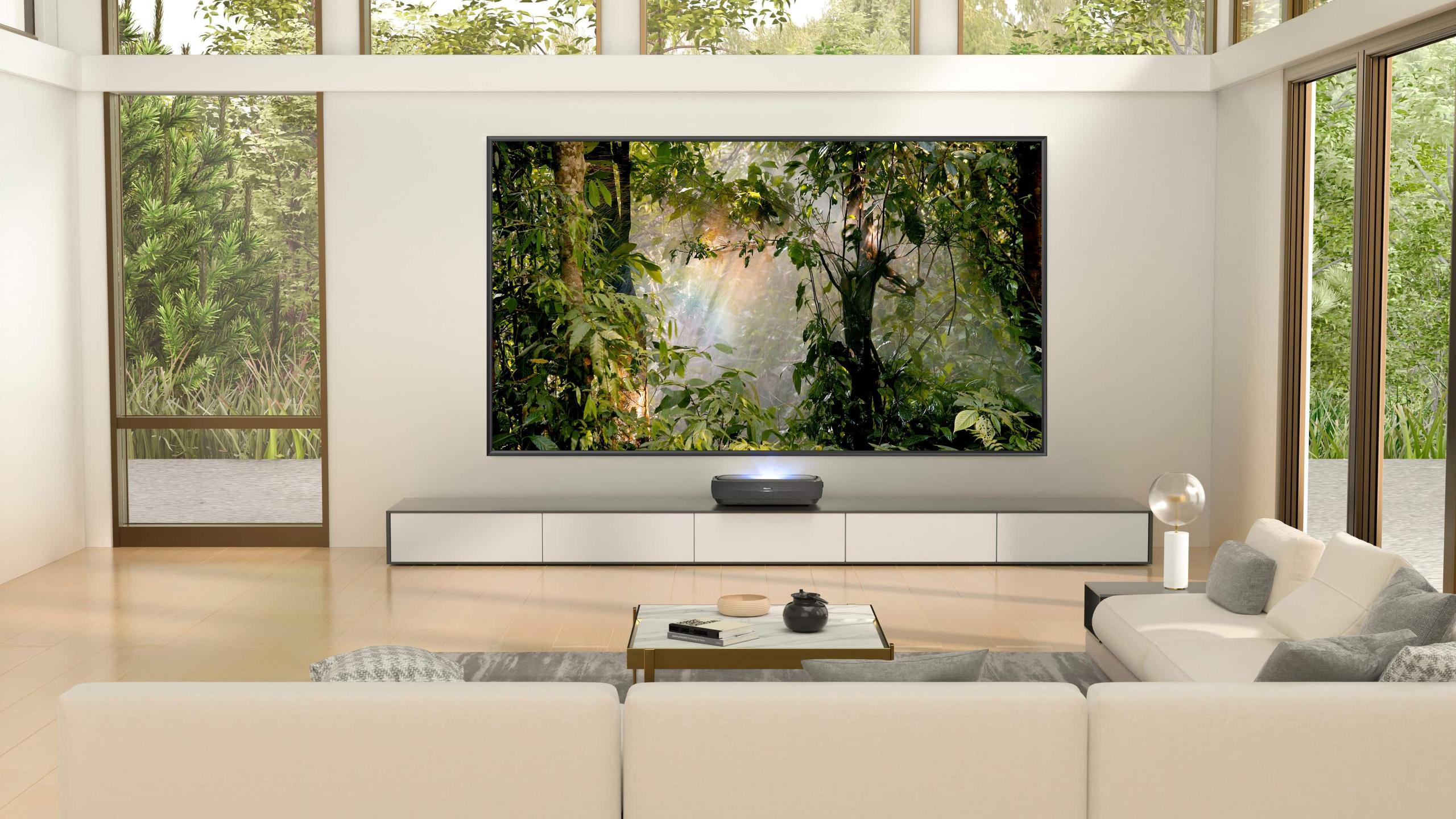
The Hisense's ultra-short throw design offers remarkable flexibility. The projector unit itself is compact—about the size of a large soundbar—and sits on a low table or shelf just 20 inches from the wall. The 100-inch screen can mount flat against any wall, and some users have even ceiling-mounted the projector for completely invisible installation.
This flexibility extends to room layout options. Since the projector creates its own light, you're not dependent on room lighting angles the way you are with reflective TV screens. You can place it in corners, odd-shaped rooms, or spaces where a 98-inch TV would be impractical.
The pricing story is more complex than the initial numbers suggest. The Sony BRAVIA 5 at $5,999 includes only the TV itself. The Hisense L9H at $4,498 includes both the projector and the 100-inch ALR screen, which would cost around $1,500 if purchased separately.
From a pure value standpoint, the Hisense offers more screen area (100" vs 98") and includes the specialized screen for $1,500 less than the Sony. However, the Sony's superior gaming features, processing quality, and smart TV experience justify some of that premium for the right user.
Long-term considerations favor different aspects of each product. The Sony follows traditional TV longevity expectations—it should provide 7-10 years of reliable service with no replacement parts needed. The Hisense's laser light source is rated for 25,000+ hours, which translates to 10-15 years at typical usage levels, but you're dealing with more complex technology that could theoretically require service.
After extensive experience with both products, the choice ultimately comes down to your primary use cases and room setup.
Choose the Sony BRAVIA 5 if gaming performance matters to you, especially if you own current-generation consoles. The HDMI 2.1 features, low input lag, and high refresh rate support make it significantly more future-proof for gaming. It's also the better choice if you have a dedicated home theater room with controlled lighting, where its superior black levels and processing quality can shine.
The Sony also makes more sense if you prefer the traditional TV experience—familiar installation, reliable operation, and integration with existing home theater equipment. Its center channel mode is particularly valuable if you're building a Sony-based surround sound system.
Choose the Hisense L9H if maximum visual impact is your priority, especially for HDR movies and shows. That laser brightness and expanded color gamut create a genuinely different viewing experience that's closer to a commercial cinema than home TV. It's also the clear winner if your room has challenging lighting conditions or space constraints that make traditional TV placement difficult.
The Hisense represents better immediate value and offers a glimpse into the future of home display technology. Laser TVs are still emerging technology, but they solve real problems that traditional TVs can't—mainly the ability to deliver massive, bright images in normal room lighting conditions.
For most buyers, I lean slightly toward the Hisense because of its superior ambient light performance and dramatic HDR presentation. Unless gaming is a major priority, the laser projector offers a more transformative experience that better justifies the investment in such a large display. The Sony is undoubtedly more polished and refined, but the Hisense does something genuinely different that you can't get from any traditional TV.
Both represent the cutting edge of large-screen home entertainment, just via completely different technological approaches. Your choice should align with how you actually use your entertainment system—and whether you're ready to embrace the future of projection technology or prefer the proven reliability of premium TV engineering.
| Sony BRAVIA 5 98" Mini LED 4K Google TV 2025 | Hisense L9H TriChroma Laser TV 100" UST Projector |
|---|---|
| Price - Total cost to get started | |
| $5,999 (TV only) | $4,498 (includes 100" ALR screen) |
| Screen Size - Actual viewing area | |
| 98 inches diagonal | 100 inches diagonal |
| Display Technology - How the image is created | |
| Mini LED with thousands of local dimming zones | TriChroma RGB laser projection with ALR screen |
| Peak Brightness - Critical for HDR impact and bright room viewing | |
| ~500-800 nits (mediocre for premium TV) | 3,000 ANSI lumens (excellent for any lighting) |
| Color Gamut - Range of colors the display can show | |
| 95% DCI-P3 (XR Triluminos Pro) | 107% BT.2020 (wider than most premium TVs) |
| Gaming Features - Future-proofing for PS5/Xbox Series X | |
| 2x HDMI 2.1, 4K@120Hz, VRR, G-SYNC, 10-15ms lag | HDMI 2.0 only, 4K@60Hz, no VRR, 30-35ms lag |
| Black Level Performance - Contrast in dark scenes | |
| Excellent (near-OLED quality Mini LED dimming) | Good (limited by projector technology) |
| Ambient Light Handling - Usability in bright rooms | |
| Poor (reflections, no anti-glare coating) | Excellent (ALR screen rejects room light) |
| Smart TV Platform - Apps and interface quality | |
| Google TV 12 (modern, fast, 700k+ apps) | Basic smart platform (slower, limited apps) |
| Audio System - Built-in sound quality | |
| Multi-directional speakers, center channel mode | 40W Dolby Atmos (adequate but basic) |
| Installation Flexibility - Placement options | |
| Traditional TV mount/stand (152 lbs) | Ultra-short throw (projector 20" from wall) |
| Viewing Angles - Image quality when not centered | |
| Narrow (VA panel shows color shift off-axis) | Wide (ALR screen maintains quality at angles) |
| Long-term Reliability - Expected lifespan | |
| 7-10 years (standard TV longevity) | 10-15 years (25,000+ hour laser rating) |
The Sony BRAVIA 5 98" Mini LED TV ($5,999) is significantly better for gaming. It features two HDMI 2.1 ports supporting 4K@120Hz, Variable Refresh Rate (VRR), and G-SYNC compatibility with just 10-15ms input lag. The Hisense L9H ($4,498) only has HDMI 2.0 ports limited to 4K@60Hz with no VRR support and higher 30-35ms input lag, making it less suitable for serious gaming with PS5 or Xbox Series X.
The Hisense L9H costs $4,498 and includes both the projector and a 100-inch ALR screen. The Sony BRAVIA 5 costs $5,999 for just the TV itself. This means you get 2 more inches of screen size and save $1,500 with the Hisense, though the Sony offers superior gaming features and processing quality for the higher price.
The Sony BRAVIA 5 delivers superior dark room performance with its Mini LED technology providing near-OLED black levels through thousands of local dimming zones. The Hisense L9H offers excellent contrast for a projector but cannot achieve the same deep blacks as the Sony's Mini LED backlighting can produce in completely dark environments.
The Hisense L9H excels in bright rooms thanks to its 3,000 ANSI lumens output and included ALR (Ambient Light Rejecting) screen that actively blocks room light while reflecting the projector's image. The Sony BRAVIA 5 struggles more with ambient light due to reflections and its lower peak brightness, making it better suited for controlled lighting environments.
The Hisense L9H produces more vibrant colors with its TriChroma laser technology covering 107% of the BT.2020 color space - wider than most premium TVs. While the Sony BRAVIA 5 offers excellent color accuracy with 95% DCI-P3 coverage through XR Triluminos Pro, it cannot match the pure laser-generated colors of the Hisense for ultimate vibrancy.
The Sony BRAVIA 5 requires traditional TV installation - either a heavy-duty wall mount for its 152-pound weight or a substantial entertainment center. The Hisense L9H offers much more flexibility with its ultra-short throw design, requiring only 20 inches of space between the compact projector and wall, making it easier to fit into various room layouts.
For dedicated home theaters with controlled lighting, the Sony BRAVIA 5 excels with superior black levels, excellent upscaling, and center channel mode compatibility with Sony soundbars. However, the Hisense L9H delivers more cinematic HDR brightness and wider colors that can make movies more impactful, especially in rooms where light control isn't perfect.
The Sony BRAVIA 5 runs Google TV 12 with access to over 700,000 apps, fast performance, and Google Assistant integration. The Hisense L9H includes basic smart TV functionality with major streaming apps but has a slower, less responsive interface that doesn't match the Sony's modern smart TV experience.
The Sony BRAVIA 5 follows typical TV longevity with 7-10 years of expected life and no replacement parts needed. The Hisense L9H has a laser light source rated for 25,000+ hours, translating to 10-15 years at normal usage levels, though it involves more complex projection technology that could potentially require service.
The Sony BRAVIA 5 offers superior built-in audio with multi-directional speakers, Acoustic Multi-Audio technology, and the ability to function as a center channel with compatible Sony soundbars. The Hisense L9H includes 40W Dolby Atmos speakers that are adequate but less refined, with most users benefiting from adding external audio equipment.
The Sony BRAVIA 5 has limited viewing angles due to its VA panel technology, with colors and contrast degrading when viewed from the side. The Hisense L9H maintains better image quality at wider viewing angles thanks to its ALR screen technology, making it more suitable for rooms with spread-out seating arrangements.
The Hisense L9H provides better immediate value with more screen size, included ALR screen, and $1,500 lower price, plus superior brightness for HDR content. The Sony BRAVIA 5 justifies its higher cost with advanced gaming features, superior processing, and traditional TV reliability, making it better value for gaming enthusiasts and those preferring proven TV technology.
We've done our best to create useful and informative comparisons to help you decide what product to buy. Our research uses advanced automated methods to create this comparison and perfection is not possible - please contact us for corrections or questions. These are the sites we've researched in the creation of this article: tomsguide.com - rtings.com - bestbuy.com - electronics.sony.com - youtube.com - tomsguide.com - youtube.com - avsforum.com - lueckeaudiovideo.com - pro.sony - bestbuy.com - sony.com - pioneertvandappliance.com - youtube.com - valueelectronics.com - heartlandappliance.com - schaeferstv.com - projectorreviews.com - shop.hisense-usa.com - projectorcentral.com - hometheaterhifi.com - shop.hisense-usa.com - projectorcentral.com - 2001audiovideo.com - projektoren-datenbank.com - content.syndigo.com

Privacy Policy
Terms and Conditions - Affiliate Policy
Home Security
© Copyright 2008-2026.
11816 Inwood Rd #1211, Dallas, TX 75244