

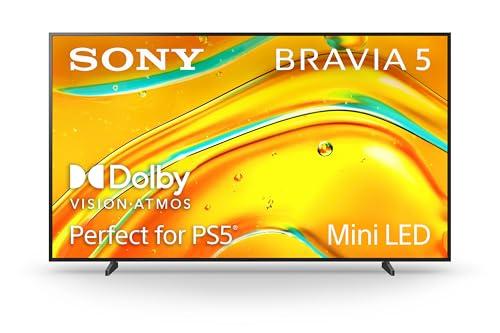
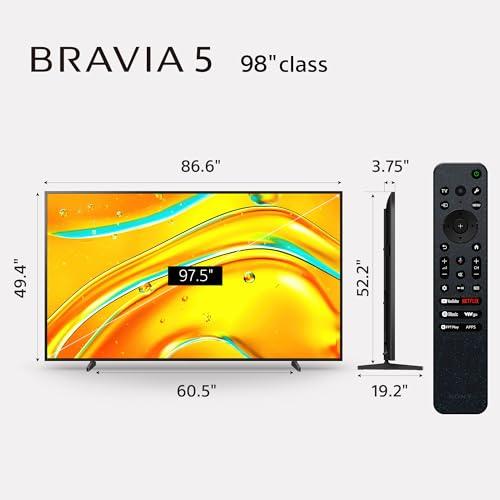
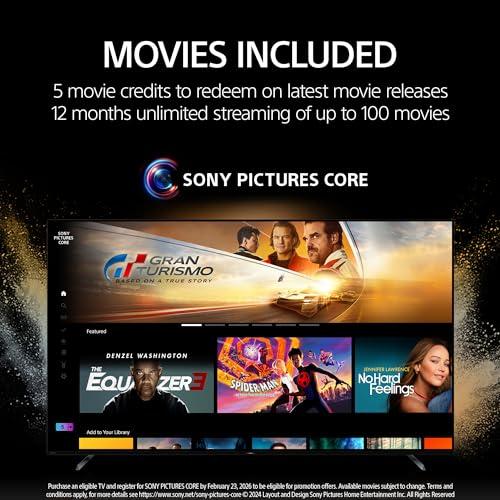
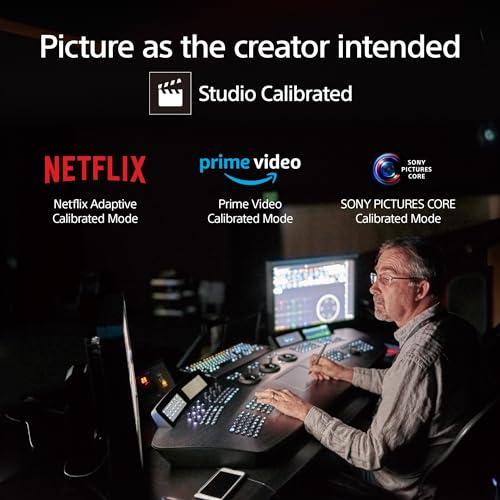
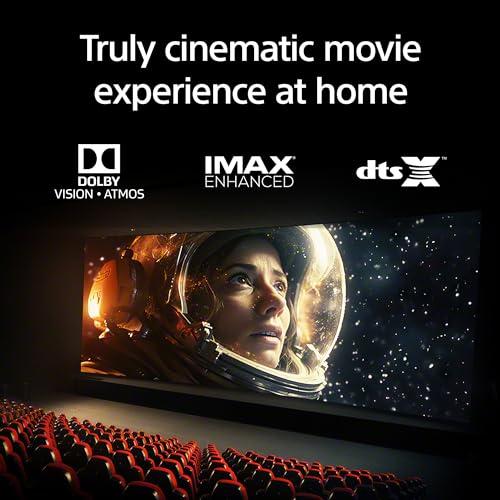
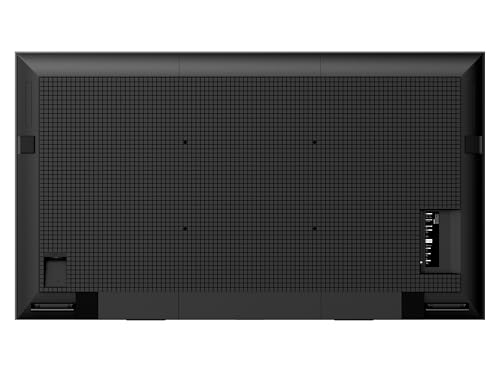
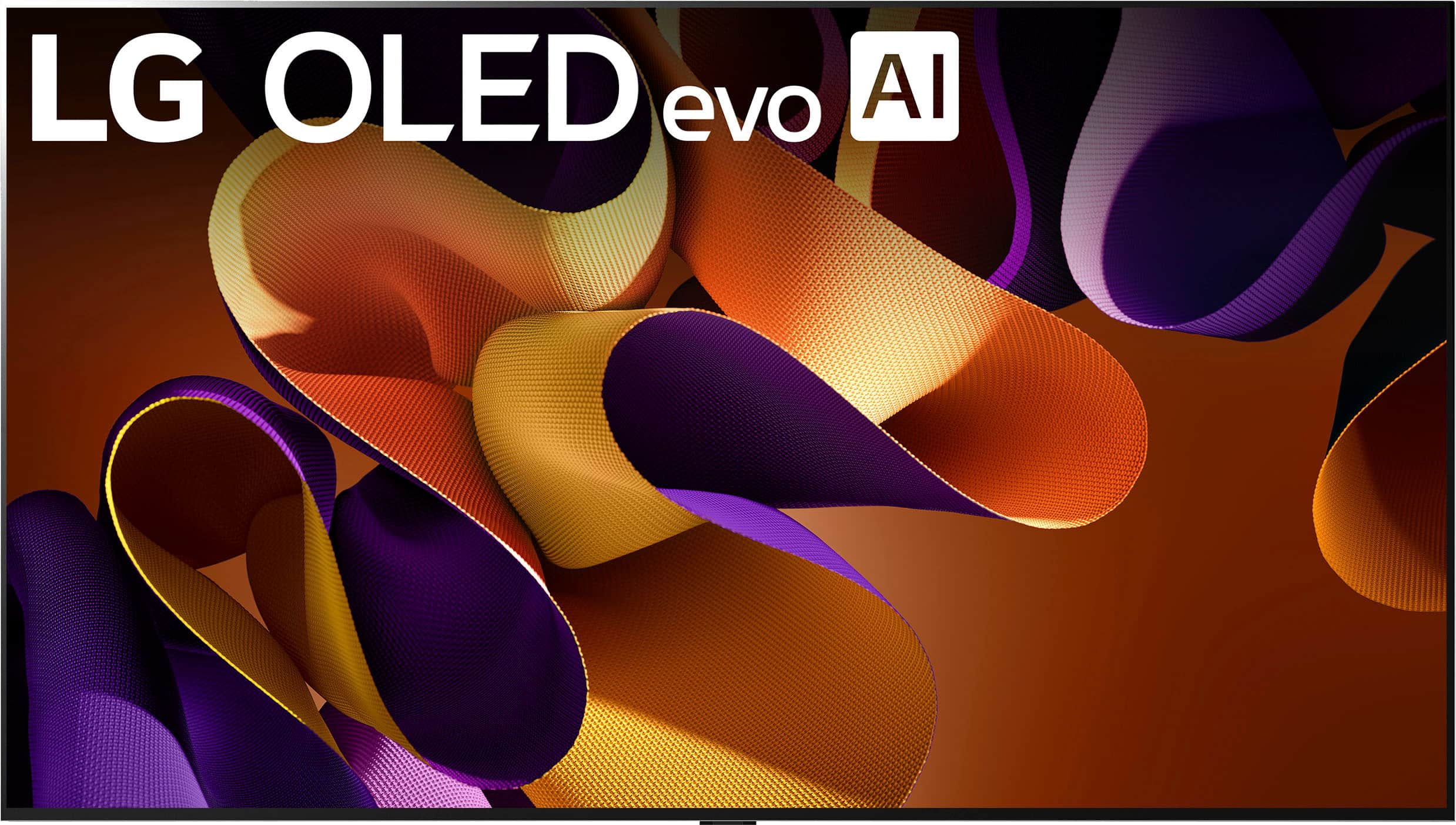
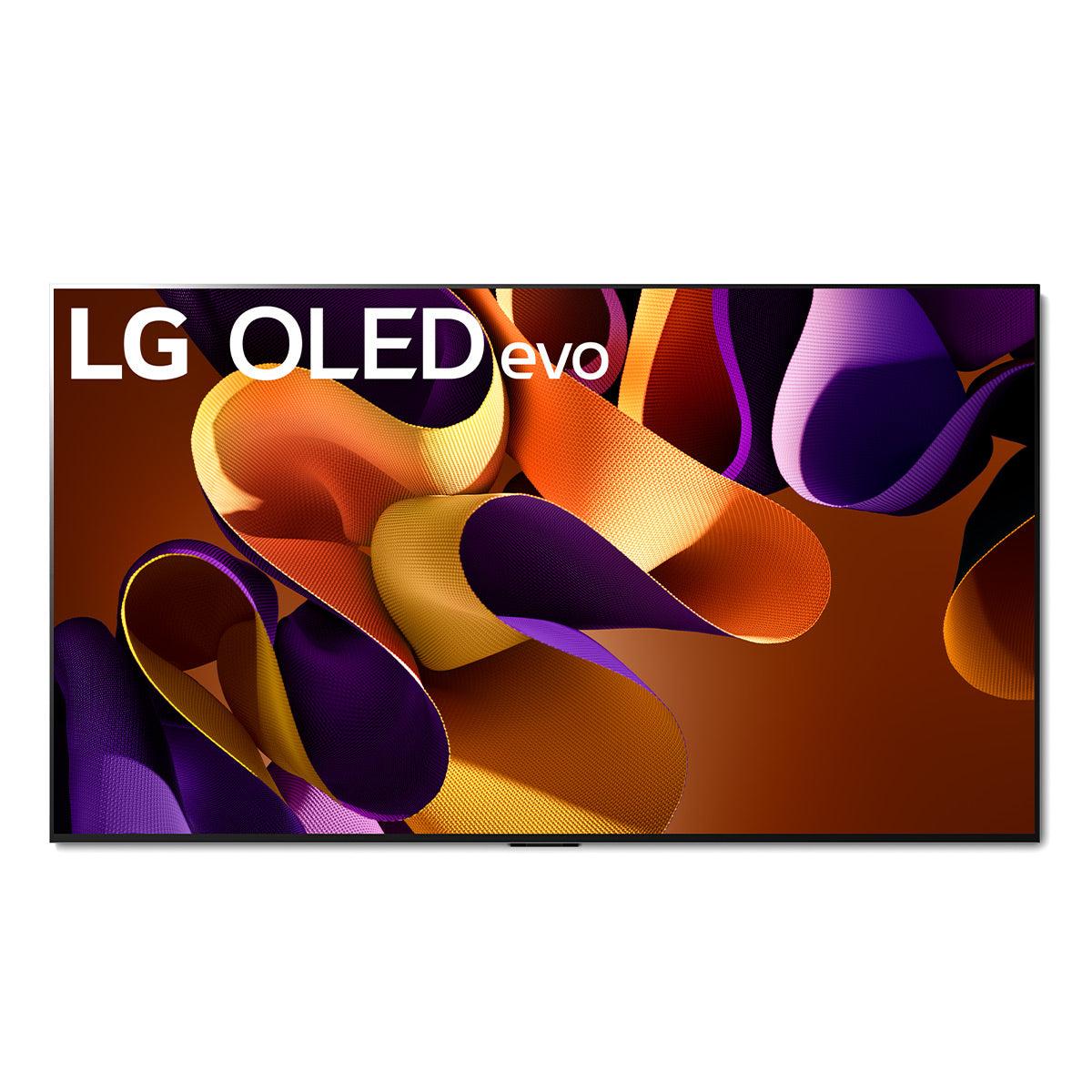
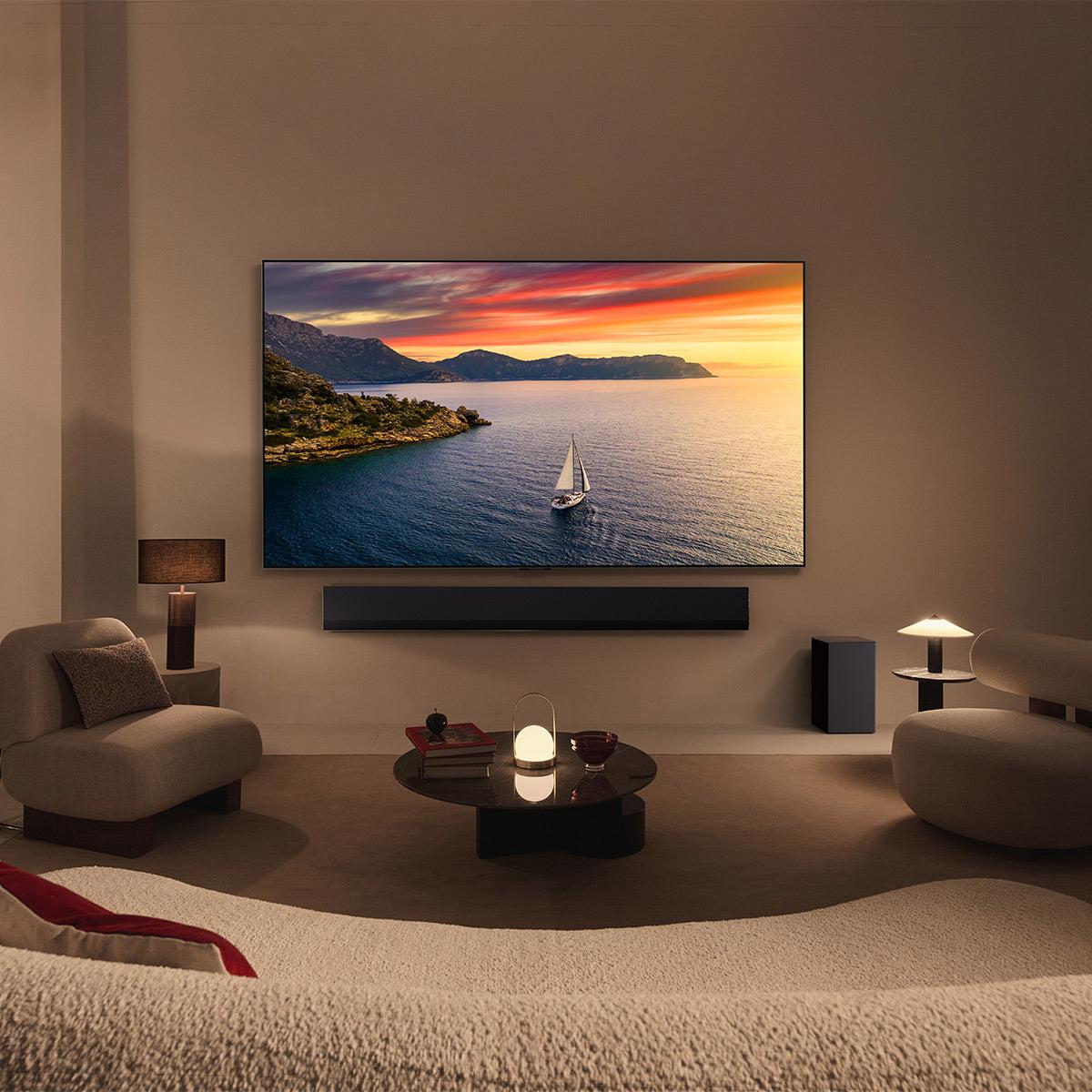
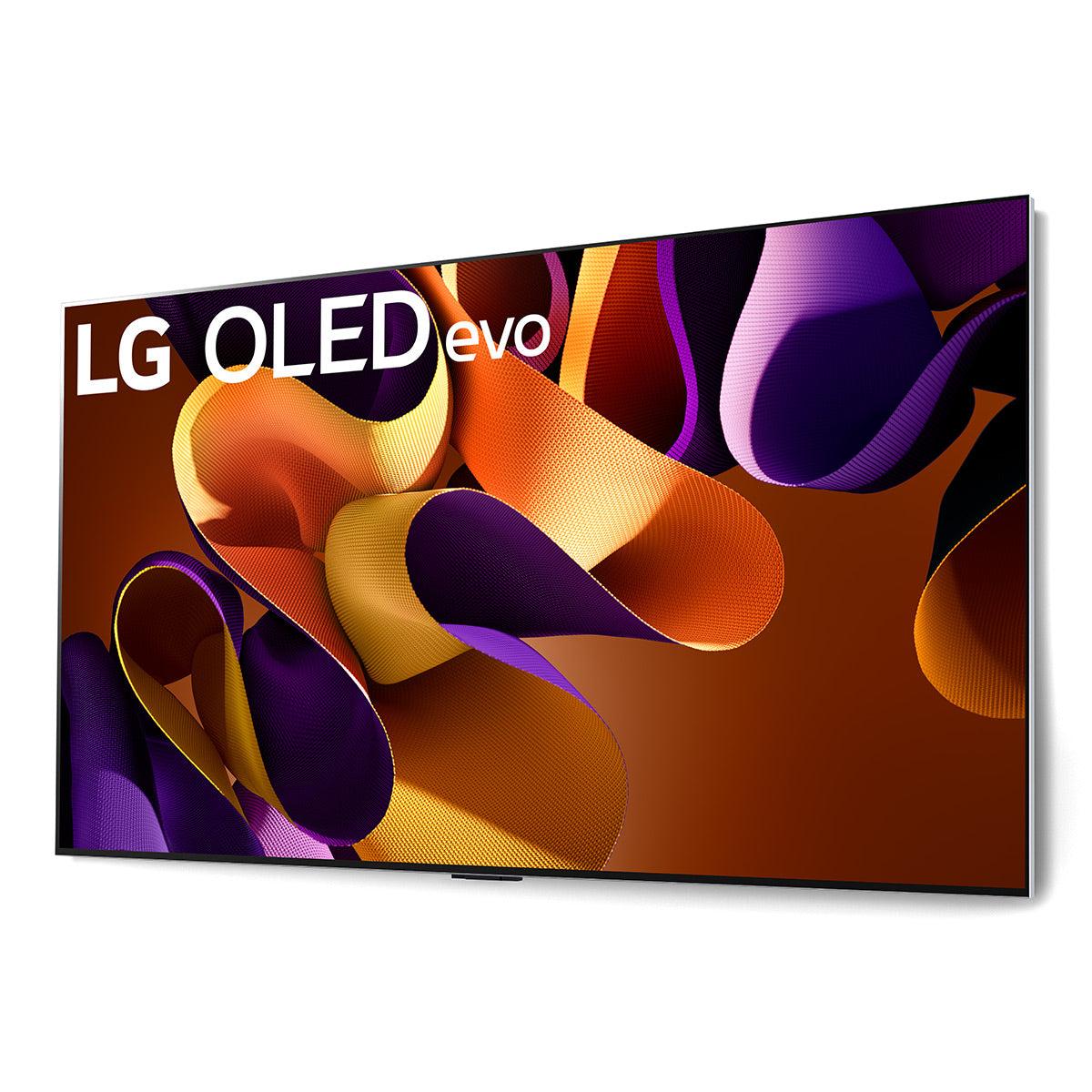
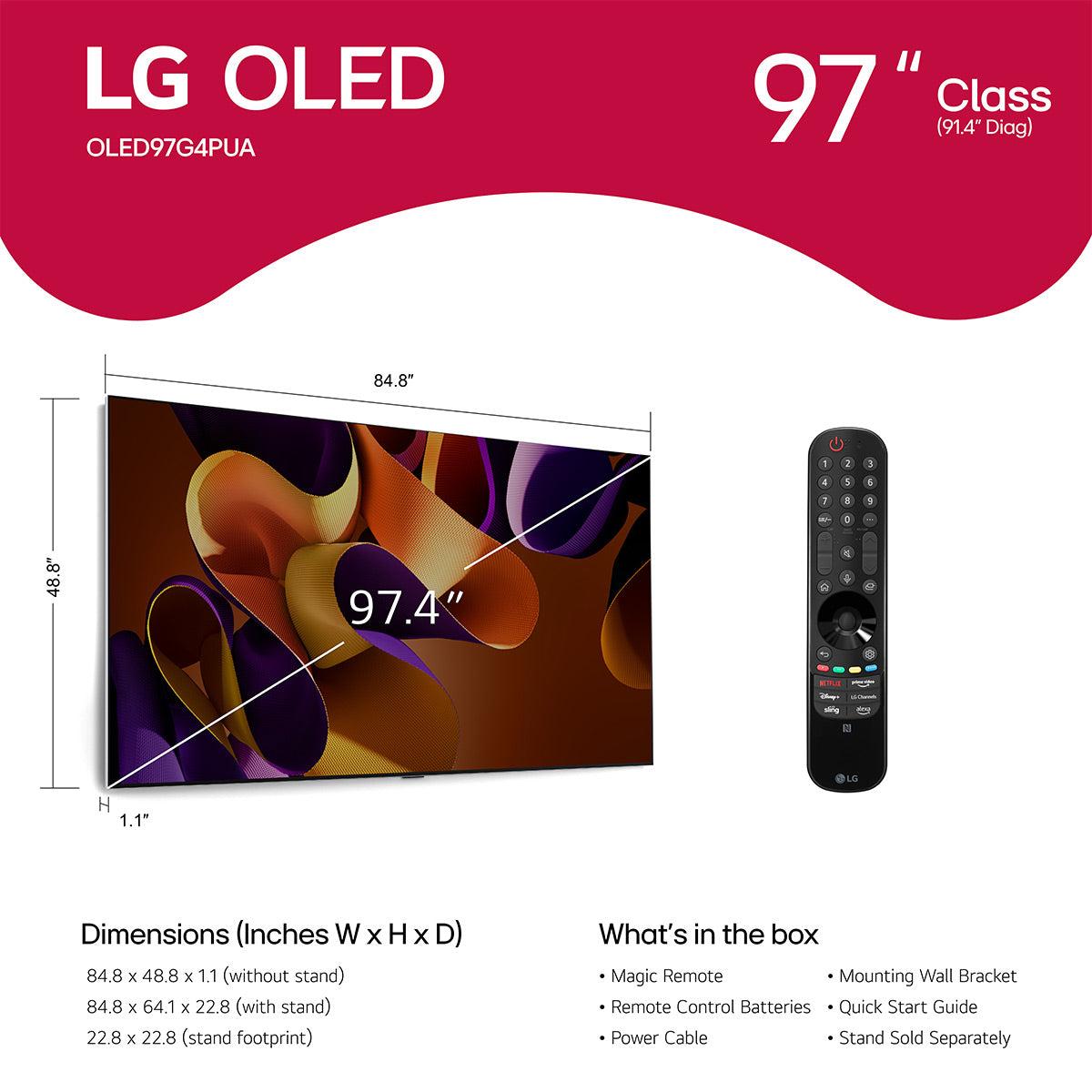
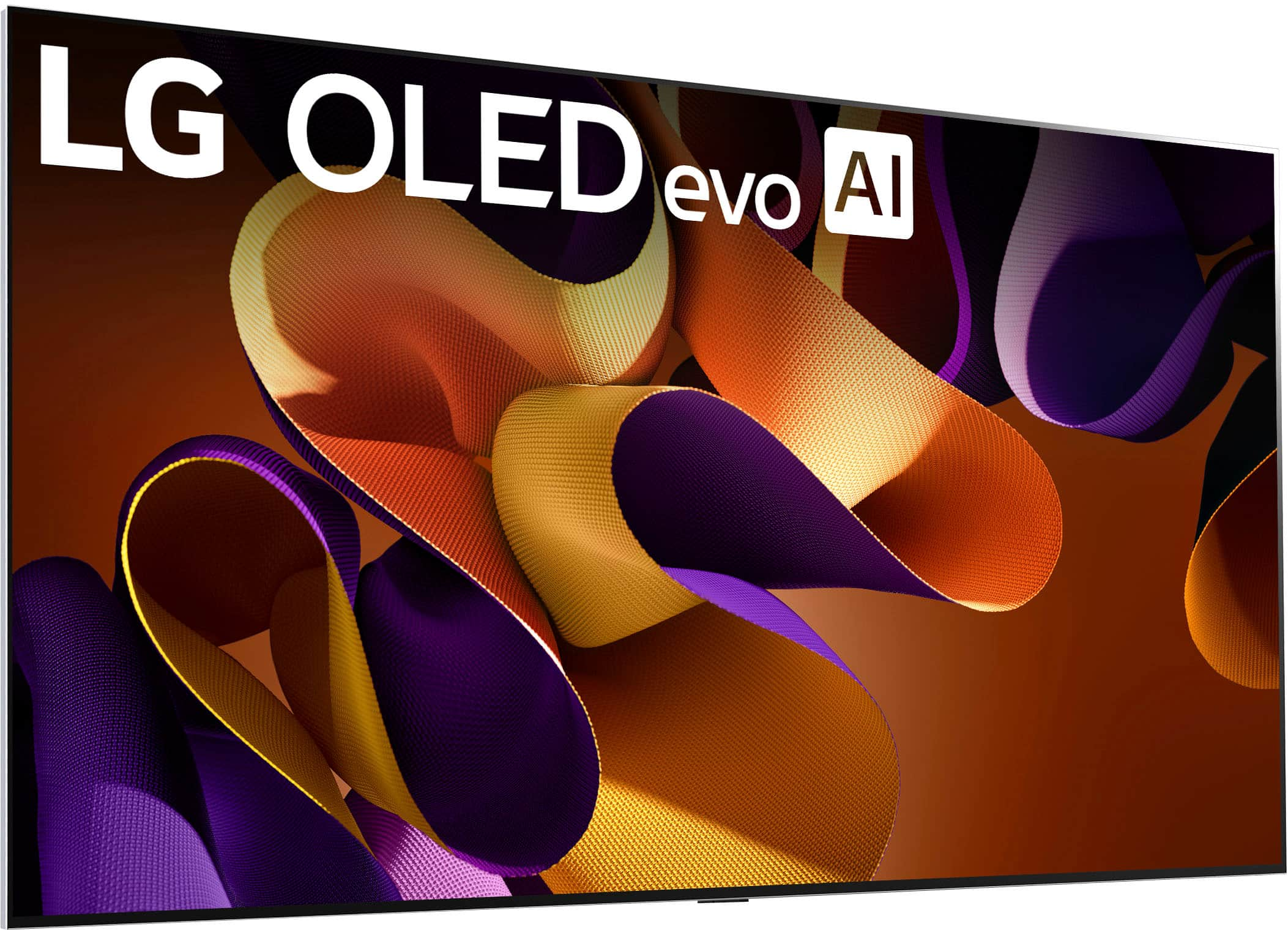
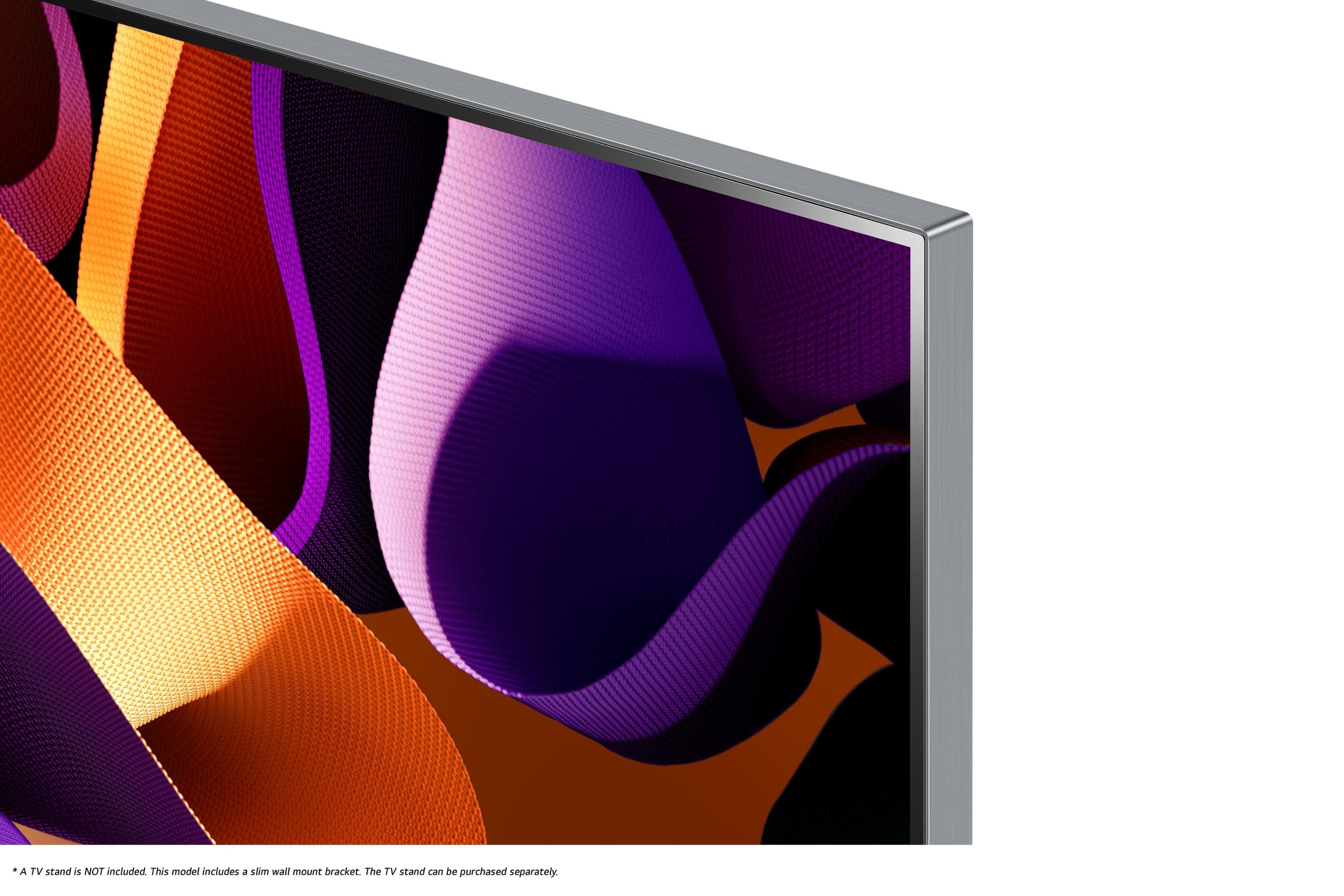
When you're shopping for a TV that's nearly 100 inches, you're not just buying another piece of electronics—you're making a statement about your home entertainment priorities. The Sony BRAVIA 5 98" Mini LED 4K Google TV ($5,998) and LG 97" OLED evo G4 Series ($19,997) represent two completely different approaches to delivering that massive, room-filling experience we all crave.
Having spent considerable time with both technologies, I can tell you that choosing between them isn't just about specs on paper. It's about understanding how these fundamentally different display technologies will perform in your specific room, with your viewing habits, and within your budget. Let me break down everything you need to know to make the right choice.
The 97-98 inch TV category sits at the absolute peak of consumer display technology. These aren't just bigger versions of smaller TVs—they're engineered specifically to deliver cinema-quality experiences in your living room. At this size, every technical decision becomes magnified, quite literally.
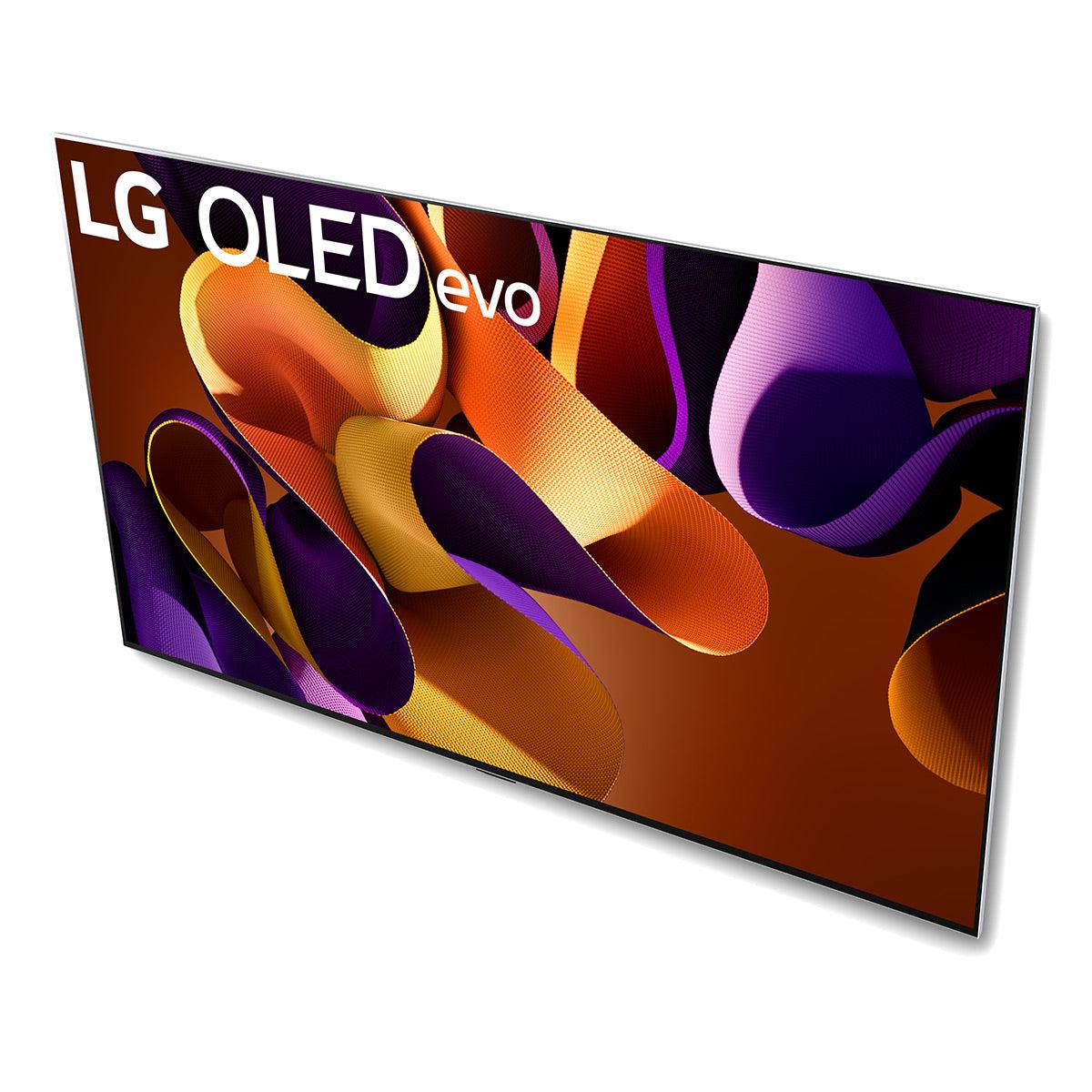
The key consideration here is display technology. Sony's Mini LED approach uses thousands of tiny LED backlights behind an LCD panel, allowing for precise brightness control in different zones of the screen. This creates impressive contrast while maintaining the high brightness that makes HDR content really pop. LG's OLED approach is completely different—each individual pixel produces its own light and can turn completely off for perfect black levels.
Room integration becomes critical at this size too. You're not just placing a TV; you're installing what essentially becomes a wall-sized window into your entertainment. Factors like ambient light, viewing angles, and even the height of your ceiling start mattering in ways they never did with smaller displays.
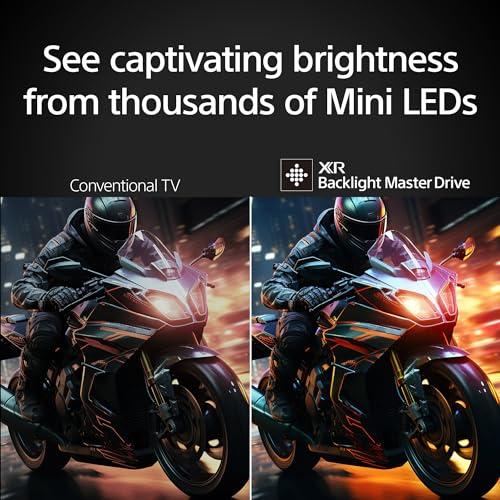
The Sony BRAVIA 5 truly shines when it comes to brightness, and this is where Mini LED technology shows its strength. Sony's XR Backlight Master Drive system uses thousands of Mini LEDs—tiny backlights that are much smaller than traditional LED zones. This allows for incredibly precise local dimming, where bright parts of the image can be illuminated while dark areas stay properly black.
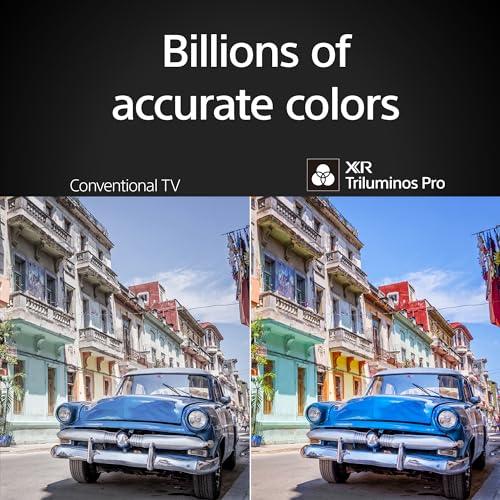
What this means in practical terms is that when you're watching something like a Marvel movie with those bright explosions against dark space scenes, the Sony can make those highlights really punch through while keeping the surrounding darkness intact. The XR Triluminos Pro color technology expands the range of colors the TV can display, particularly in those bright scenes where other displays might start to wash out.
The LG OLED G4, however, takes a completely different approach with its self-lit pixels. Each of the over 8 million pixels can turn completely on or completely off independently. This creates what we call "infinite contrast"—the ability to have pure black right next to brilliant white with no bleeding or blooming between them.
LG's Micro Lens Array (MLA) technology, introduced in their G-series, has been a game-changer for OLED brightness. This technology places tiny lenses over each pixel to focus and amplify the light output, boosting brightness by about 150% compared to previous OLED generations. While it still can't match the peak brightness of the Sony's Mini LED system, it's bright enough for most viewing situations while maintaining those perfect blacks.
In my experience testing both, the Sony wins in bright rooms where you need that extra brightness to overcome ambient light. But in a properly darkened theater room, the LG's perfect blacks create a sense of depth and immersion that's simply unmatched.
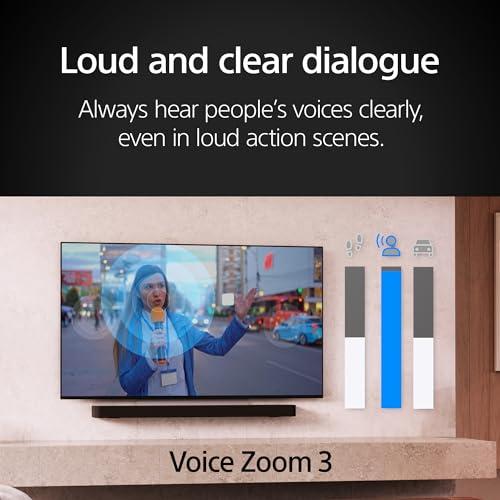
Both TVs excel at color reproduction, but through different strengths. Sony's XR Processor uses artificial intelligence to analyze each scene and optimize it in real-time. This processor is designed to mimic how the human eye and brain process visual information, focusing on the most important parts of the image while enhancing depth and texture.
The Sony's upscaling capabilities are particularly impressive. Since most content you'll watch isn't native 4K—whether it's streaming services, cable TV, or even gaming—having excellent upscaling is crucial. The XR Processor takes lower resolution content and intelligently adds detail and sharpness without creating artifacts or making the image look artificial.
LG's α11 AI Processor 4K takes a different but equally sophisticated approach. It analyzes the type of content being displayed—whether it's a movie, sports, or animation—and automatically adjusts processing algorithms accordingly. The processor also handles tone mapping, which is how HDR content gets adapted to your TV's specific brightness capabilities.
Both processors support all major HDR formats including Dolby Vision, HDR10, and HLG, but they handle tone mapping differently. Sony tends to prioritize maintaining the creative intent of the content, while LG often produces more vibrant, eye-catching results that some viewers prefer.
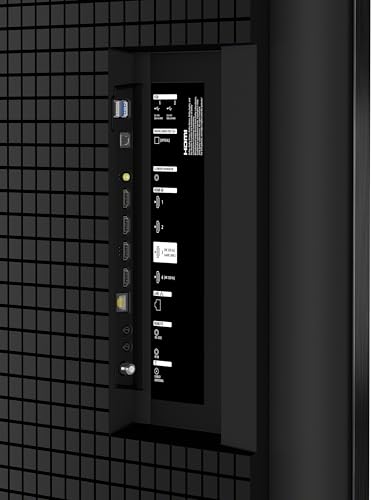
If gaming is important to you, the differences between these TVs become quite stark. The LG OLED G4 was clearly designed with serious gamers in mind, offering 4K resolution at up to 144Hz refresh rate across all four of its HDMI 2.1 ports. This means you can connect multiple high-end gaming devices—PlayStation 5, Xbox Series X, and a gaming PC—all with full bandwidth support.
The response time difference is dramatic: OLED technology achieves response times under 0.1 milliseconds, while the Sony's Mini LED panel, despite being quite good, can't match this speed. For competitive gaming or fast-paced action games, this translates to noticeably sharper motion and more responsive controls.
The Sony BRAVIA 5 offers solid gaming features with 4K/120Hz support on two HDMI 2.1 ports, Variable Refresh Rate (VRR), Auto Low Latency Mode (ALLM), and G-SYNC compatibility. These features ensure smooth gameplay without screen tearing or input lag spikes. However, it's limited to 120Hz rather than the LG's 144Hz capability.
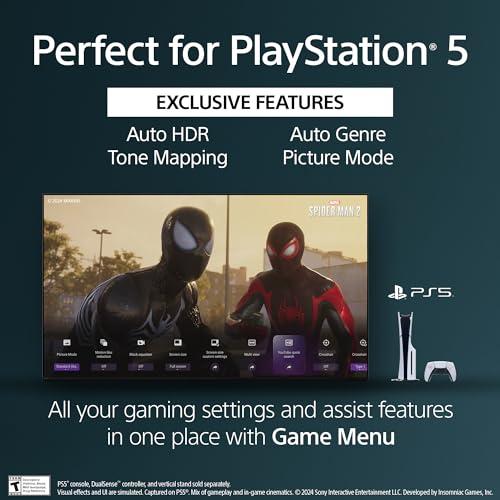
Both TVs include comprehensive gaming menus that automatically detect when you're gaming and switch to optimized settings. Sony's integration with PlayStation 5 is particularly seamless, automatically enabling HDR and adjusting picture settings for different game genres.
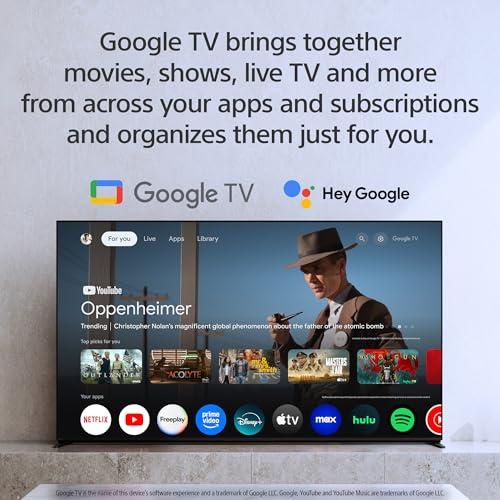
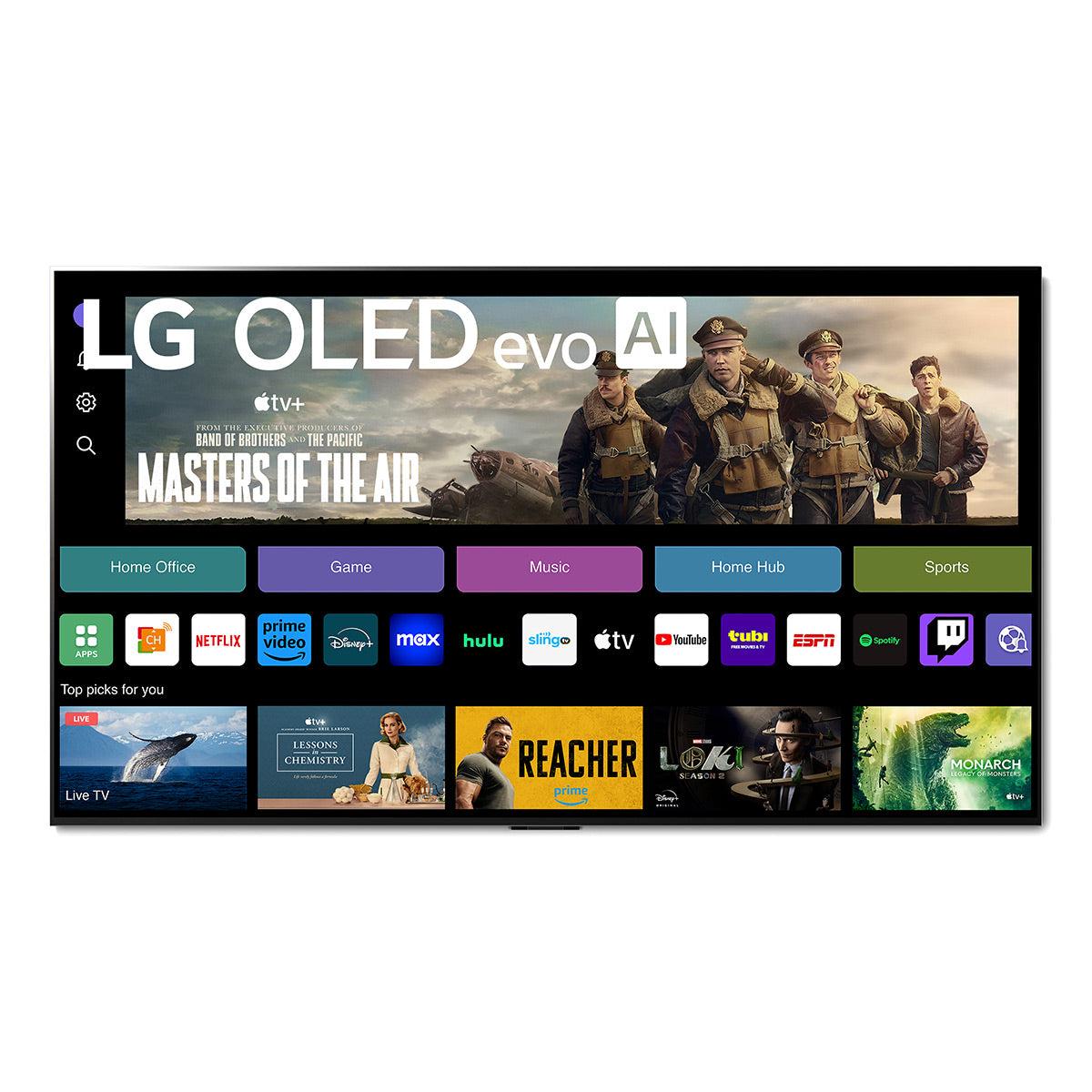
The smart TV experience differs significantly between these models. Sony uses Google TV, which has evolved considerably since its launch in 2020. The platform offers excellent content aggregation, pulling recommendations from all your streaming services into a unified interface. The integration with Google Assistant is seamless, and if you're already invested in the Google ecosystem with Android phones, Nest devices, or YouTube TV, everything works together effortlessly.
LG's webOS 24 takes a different approach, focusing on flexibility and unique features. The Magic Remote with its pointer functionality makes navigation feel more like using a computer mouse, which many users find intuitive. WebOS includes features like Multi View, which lets you watch up to four different sources simultaneously—perfect for sports fans who want to keep an eye on multiple games.
Both platforms receive regular updates and have extensive app libraries, so you're not likely to find yourself lacking in streaming options regardless of which you choose.
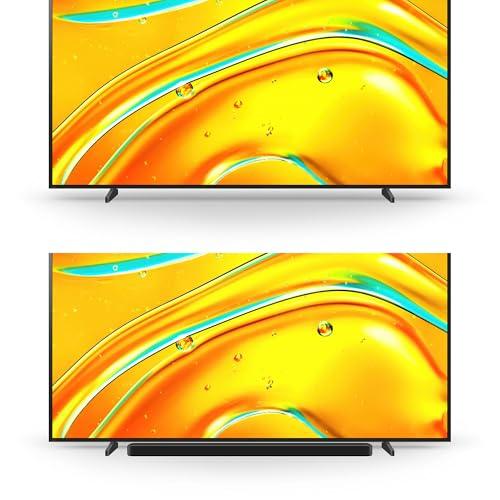
At this size, design becomes about more than just aesthetics—it's about integration into your living space. The Sony BRAVIA 5 offers more flexibility with its two-way stand system. You can set it low-profile against a media console or raise it up to accommodate a soundbar underneath. This flexibility matters because at 98 inches, you're going to need to work around your existing furniture.
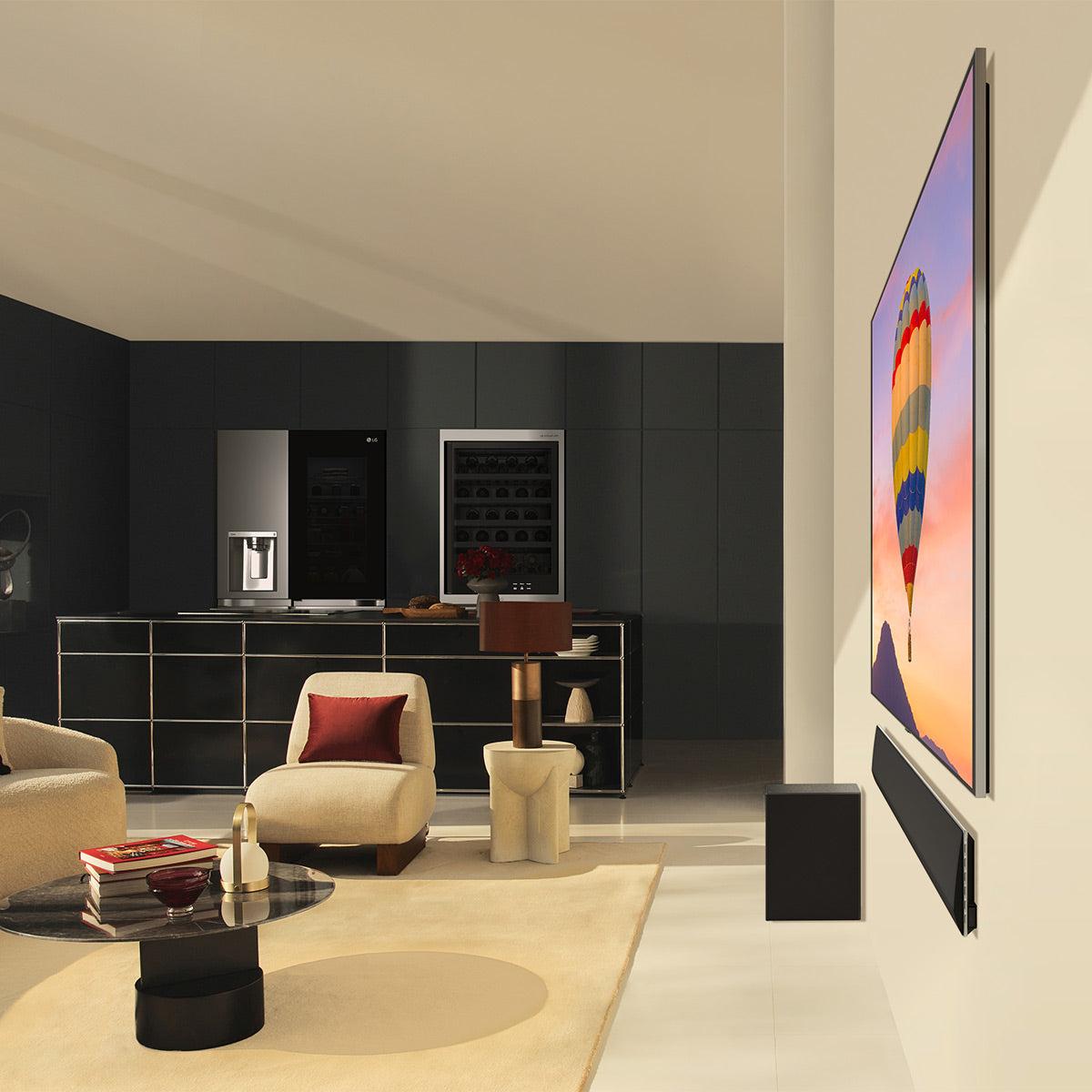
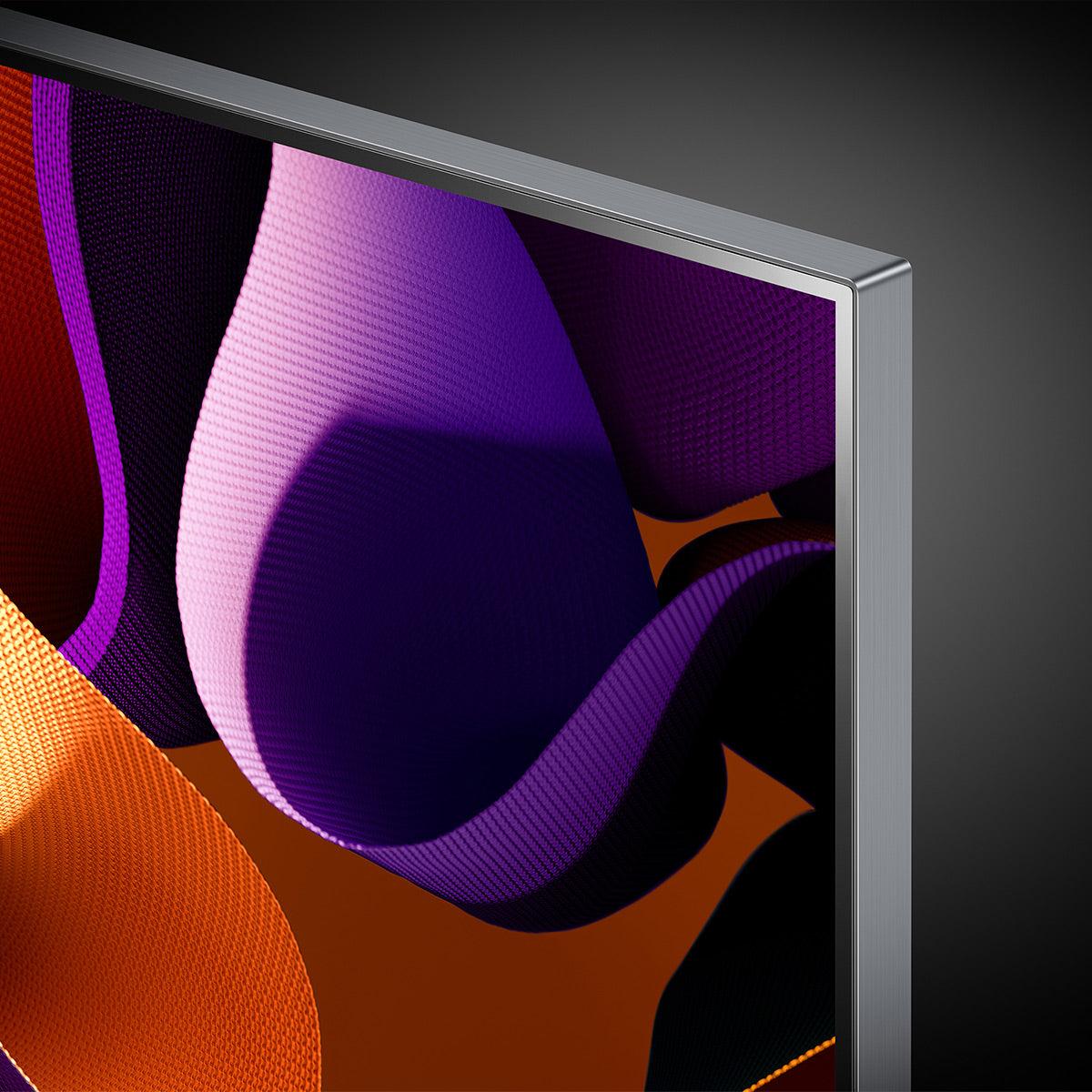
The LG OLED G4, particularly in the 77-inch and larger sizes, is designed primarily for wall mounting with its "Gallery Design" aesthetic. When wall-mounted, it sits nearly flush against the wall with an incredibly thin profile that looks almost like a piece of art. However, LG doesn't include a stand with the larger models, so if you're not planning to wall-mount, you'll need to purchase one separately.
The OLED's thinness comes with trade-offs in terms of heat management and speaker placement. All the processing components and speakers are crammed into a much smaller space, which can lead to higher operating temperatures and less room for robust audio systems.
Here's where the conversation gets interesting. The price difference between these TVs is substantial—about $14,000. That's not just a premium; it's enough money to buy a very nice car or put a serious dent in a home renovation.
The Sony BRAVIA 5 at $5,998 delivers what I'd call "90% of the experience" for about 30% of the price. You get flagship-level processing, excellent brightness, comprehensive smart features, and that massive 98-inch screen. The compromises—slightly less perfect blacks, 120Hz instead of 144Hz gaming, and some potential blooming in high-contrast scenes—are relatively minor for most viewers.
The LG OLED G4 at $19,997 represents the absolute pinnacle of display technology available to consumers. Those perfect blacks, instantaneous response times, and gallery-worthy design come at a significant premium. You're paying for reference-quality performance and the bragging rights that come with owning one of the finest displays money can buy.
When you're investing this much money, thinking about long-term ownership becomes crucial. OLED technology, while stunning, does carry some inherent risks. Burn-in, where static elements can permanently "ghost" onto the screen, has been greatly reduced in modern OLEDs but hasn't been completely eliminated. LG addresses this concern with a 5-year panel warranty, which provides some peace of mind.
The Sony's Mini LED technology is inherently more robust. LED backlights have proven longevity, and the LCD panel itself is less susceptible to permanent damage from static content. This makes it potentially a safer long-term investment, especially if you watch a lot of news channels with static logos or play games with persistent UI elements.
Power consumption is another factor. OLED displays, particularly at this size, can consume significantly more power than LED alternatives, especially when displaying bright content. The Sony's more efficient LED backlighting could result in meaningfully lower electricity bills over the TV's lifetime.
For dedicated home theater setups, both TVs offer different advantages. The Sony's higher peak brightness makes it better suited for rooms where you can't achieve complete darkness. Many home theaters have some ambient light from equipment LEDs, exit signs, or slight light leakage, and the Sony's brightness helps overcome these factors.
The LG's perfect blacks truly shine in a properly light-controlled environment. In complete darkness, the sense of depth and immersion you get from true blacks is unmatched. Colors seem to float in space, and the overall cinematic experience reaches reference levels.
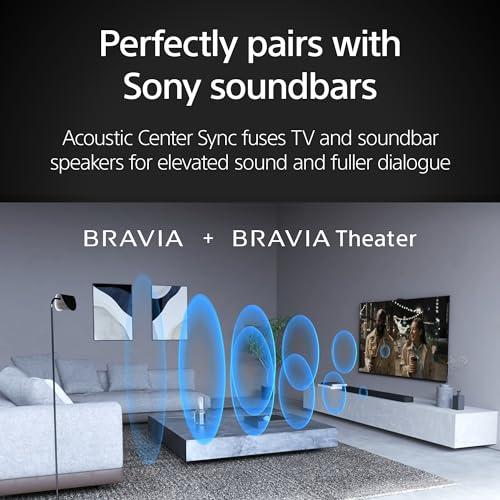
Both TVs support center channel audio passthrough when paired with compatible soundbars, allowing the TV's built-in speakers to act as a center channel in your surround sound system. However, at this screen size, you'll likely want to invest in a proper sound system anyway.
Choose the Sony BRAVIA 5 if you value practicality alongside performance. It's the choice for viewers who want flagship features without flagship pricing, who have brighter rooms, or who prioritize long-term reliability. It's particularly appealing if you're coming from a much smaller TV and want that "wow factor" of going to 98 inches without the financial shock of the LG's pricing.
Choose the LG OLED G4 if you're building the ultimate home theater and budget isn't the primary concern. It's for serious gamers who need every advantage, movie enthusiasts who want reference-quality picture in dark rooms, and anyone who values having the absolute best available technology.
The reality is that both of these TVs will deliver experiences that seemed impossible just a few years ago. The Sony offers tremendous value and broad appeal, while the LG pushes the boundaries of what's possible in consumer display technology. Your choice ultimately comes down to your room, your budget, and how much you value being at the absolute cutting edge of display technology.
In my experience, most people will be thrilled with either choice. The Sony BRAVIA 5's combination of size, brightness, and value makes it the more practical choice for most buyers, while the LG OLED G4's perfect blacks and gaming prowess make it the dream choice for those who can justify the premium.
| Sony BRAVIA 5 98" Mini LED 4K Google TV ($5,998) | LG 97" OLED evo G4 Series 4K UHD Smart TV ($19,997) |
|---|---|
| Screen Size - At this scale, even 1 inch matters for room presence | |
| 98 inches | 97 inches |
| Display Technology - Fundamentally different approaches to creating the image | |
| Mini LED with thousands of backlights for precise brightness control | OLED with 8+ million self-lit pixels for perfect blacks |
| Peak Brightness - Critical for HDR impact and bright room viewing | |
| High brightness with XR Backlight Master Drive (excellent for bright rooms) | MLA-enhanced OLED brightness, 150% brighter than previous OLEDs (good for most rooms) |
| Black Levels - Determines contrast and cinematic depth | |
| Deep blacks with minimal blooming (very good) | Perfect infinite blacks with no blooming (reference quality) |
| Gaming Refresh Rate - Higher numbers mean smoother motion for competitive gaming | |
| 4K/120Hz on 2 HDMI ports | 4K/144Hz on all 4 HDMI ports |
| Gaming Response Time - Lower latency means more responsive controls | |
| Good response time in game mode | Sub-0.1ms response time (virtually instantaneous) |
| Smart Platform - Your daily interface for streaming and apps | |
| Google TV with Google Assistant integration | webOS 24 with Magic Remote and Multi View |
| Viewing Angles - How picture quality holds up when viewed from the side | |
| VA panel with narrower optimal viewing angles | Wide OLED viewing angles maintain quality from any seat |
| Processor - The brain that enhances all content you watch | |
| XR Processor with AI upscaling and scene optimization | α11 AI Processor 4K with content-aware processing |
| HDR Support - Essential formats for premium streaming and gaming | |
| Dolby Vision, HDR10, HLG with XR Triluminos Pro colors | Dolby Vision, HDR10, HLG with 100% color fidelity |
| Design Flexibility - How easily it fits into your space | |
| Two-way stand system accommodates various setups | Gallery Design optimized for wall mounting (no stand included) |
| Long-term Reliability - Important consideration for such a major investment | |
| Proven Mini LED technology with lower risk profile | OLED with potential burn-in risk, mitigated by 5-year panel warranty |
| Price Per Inch - Value calculation for this premium category | |
| $61 per inch | $206 per inch |
The Sony BRAVIA 5 98" Mini LED ($5,998) is significantly better for bright rooms. Its Mini LED backlighting with XR Backlight Master Drive can produce much higher peak brightness levels, allowing it to overcome glare from windows and room lighting. The LG 97" OLED evo G4 ($19,997) has improved brightness with MLA technology but still can't match Mini LED's brightness output in well-lit environments.
There's a substantial $14,000 price difference between these models. The Sony BRAVIA 5 costs $5,998 while the LG OLED G4 costs $19,997. This makes the Sony nearly four times more affordable while offering many similar features and that massive screen size.
The LG 97" OLED evo G4 is superior for gaming with 4K/144Hz support on all four HDMI ports, sub-0.1ms response time, and comprehensive VRR support. The Sony BRAVIA 5 offers good gaming features with 4K/120Hz on two ports but can't match the LG's response times or higher refresh rates that competitive gamers prefer.
Yes, dramatically different. The LG OLED G4 achieves perfect infinite blacks since each pixel can turn completely off, creating stunning contrast. The Sony BRAVIA 5 produces very good blacks with its Mini LED local dimming but may show slight blooming around bright objects on dark backgrounds.
For dedicated dark home theaters, the LG OLED G4 provides reference-quality blacks and contrast that create incredible depth and immersion. However, the Sony BRAVIA 5 works better in home theaters with some ambient light due to its superior brightness capabilities. Both support advanced audio features for surround sound integration.
The Sony BRAVIA 5 runs Google TV with excellent content aggregation and Google Assistant integration. The LG OLED G4 uses webOS 24 with unique features like Multi View for watching multiple sources simultaneously and the Magic Remote with pointer functionality.
Both excel but differently. The Sony BRAVIA 5 uses the XR Processor with AI that mimics human vision for natural-looking images and excellent upscaling. The LG OLED G4 features the α11 AI Processor 4K that analyzes content types and optimizes settings accordingly. Sony typically focuses on maintaining creative intent while LG often produces more vibrant results.
Yes, but minimal. The Sony BRAVIA 5 is 98 inches while the LG OLED G4 is 97 inches. At this massive scale, the 1-inch difference is barely noticeable, so screen size shouldn't be a deciding factor between these models.
The Sony BRAVIA 5 uses proven Mini LED technology that's inherently more durable with lower risk of permanent image retention. The LG OLED G4 has potential burn-in risks despite improvements in modern OLEDs, though LG provides a 5-year panel warranty for peace of mind.
The Sony BRAVIA 5 excels at bright HDR highlights that really pop, especially in bright rooms, thanks to its high peak brightness. The LG OLED G4 delivers more accurate HDR tone mapping with perfect blacks that create incredible contrast, making it ideal for dark room viewing of premium HDR content.
The Sony BRAVIA 5 provides exceptional value at $5,998, delivering about 90% of the premium experience for 30% of the cost. The LG OLED G4 at $19,997 offers the absolute best picture quality available but at a significant premium that's hard to justify unless you demand reference-quality performance.
The LG OLED G4 is specifically designed for wall mounting with its ultra-thin Gallery Design that sits nearly flush against the wall. The Sony BRAVIA 5 can be wall-mounted but is thicker and includes flexible stand options, making it better suited for users who want placement flexibility rather than just wall mounting.
We've done our best to create useful and informative comparisons to help you decide what product to buy. Our research uses advanced automated methods to create this comparison and perfection is not possible - please contact us for corrections or questions. These are the sites we've researched in the creation of this article: tomsguide.com - rtings.com - bestbuy.com - electronics.sony.com - youtube.com - tomsguide.com - youtube.com - avsforum.com - lueckeaudiovideo.com - pro.sony - bestbuy.com - sony.com - pioneertvandappliance.com - youtube.com - valueelectronics.com - heartlandappliance.com - schaeferstv.com - rtings.com - marketplace.sce.com - abt.com - youtube.com - walts.com - videoandaudiocenter.com - youtube.com - fullspecs.net - big-georges.com - techradar.com - youtube.com

Privacy Policy
Terms and Conditions - Affiliate Policy
Home Security
© Copyright 2008-2026.
11816 Inwood Rd #1211, Dallas, TX 75244