


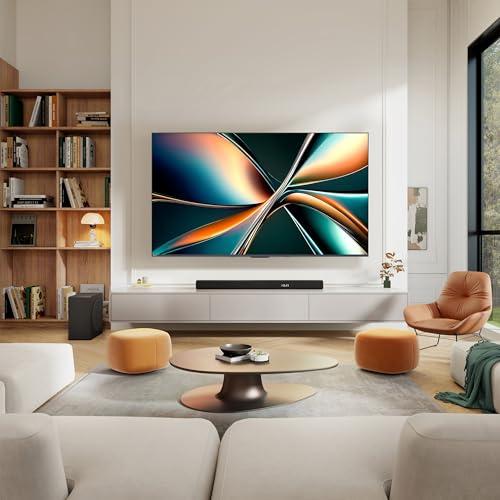
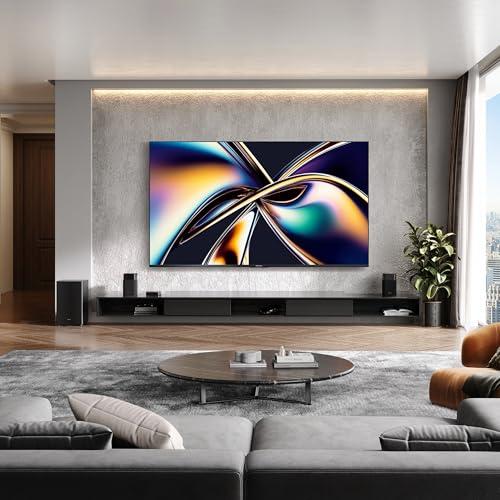
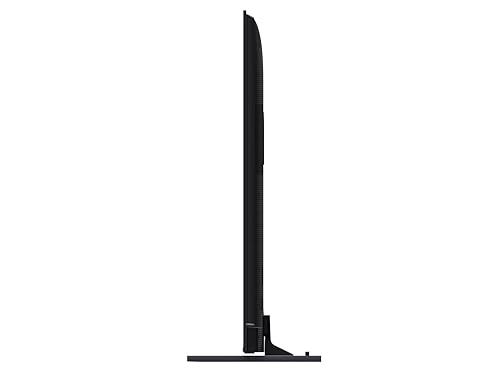
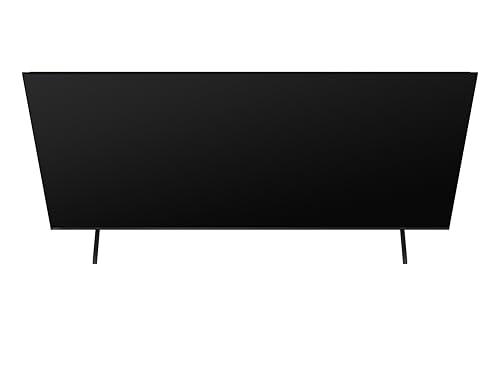
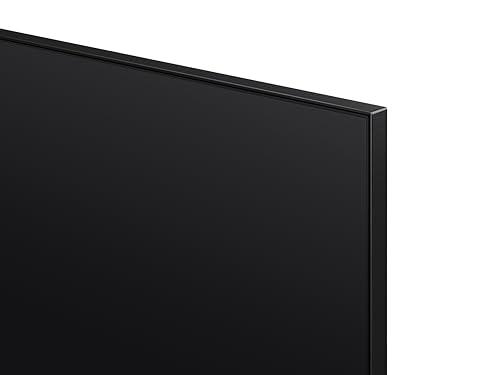
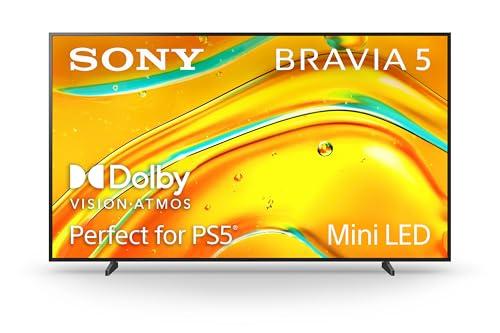
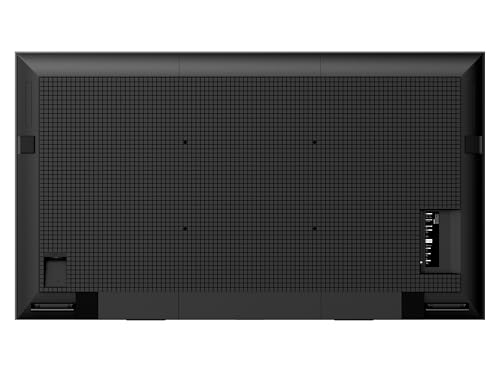
Shopping for a giant TV has never been more exciting—or more confusing. The Hisense 100" U6 Series Mini-LED 4K Fire TV and Sony BRAVIA 5 98" Mini LED 4K Google TV represent two compelling approaches to large-screen entertainment, each with distinct strengths that appeal to different types of viewers.
Both televisions launched in 2025, marking a significant evolution in Mini-LED technology since the first consumer models appeared around 2021. The improvements have been dramatic: today's Mini-LED displays pack thousands more dimming zones, achieve much higher brightness levels, and deliver contrast that rivals OLED panels while maintaining the durability and longevity of traditional LED technology.
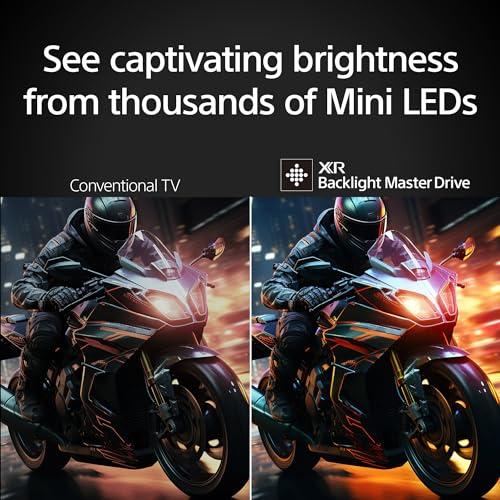
Before diving into the comparison, it's worth understanding what makes Mini-LED special. Traditional LED TVs use a handful of large LED lights behind the screen—maybe 32 to 200 zones that can dim independently. Mini-LED uses thousands of tiny LEDs, each about the size of a pinhead, creating dramatically more precise control over brightness and darkness across the screen.
This precision translates into deeper blacks (areas of the screen can get much darker), brighter highlights (important for HDR content), and less "blooming"—that annoying halo effect you sometimes see around bright objects on dark backgrounds. The Hisense U6 and Sony BRAVIA 5 both leverage this technology, but they implement it differently, leading to distinct viewing experiences.
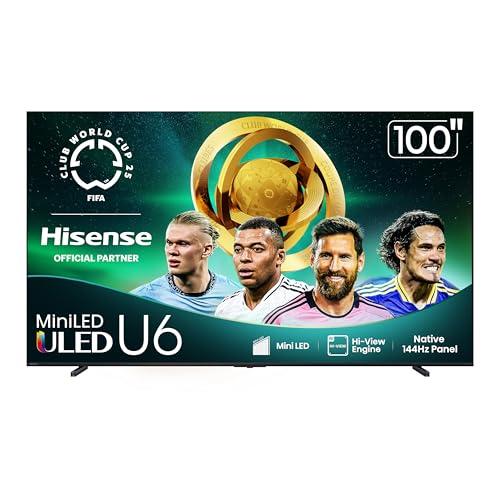
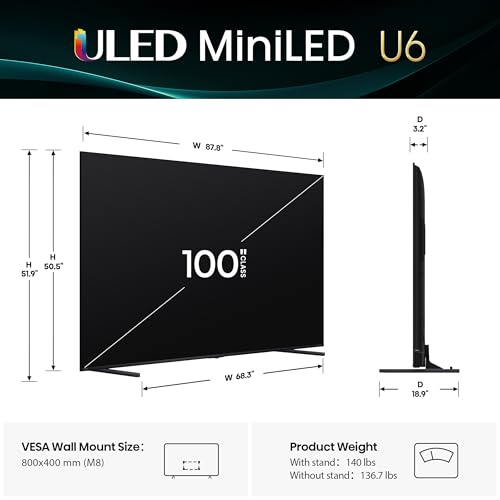
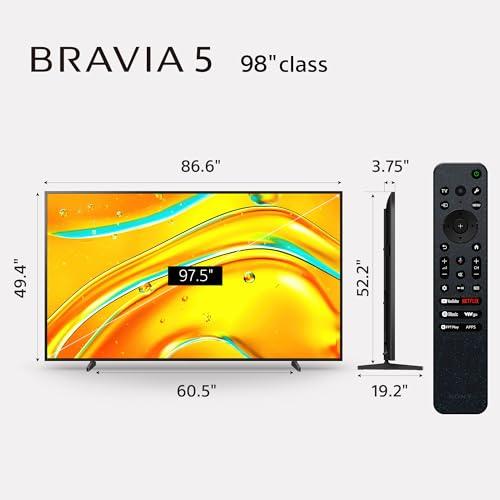
The most obvious difference is screen size. The Hisense measures a full 100 inches diagonally, while the Sony comes in at 98 inches. That might seem trivial, but the math tells a different story—the Hisense actually provides about 8% more viewing area.
In practical terms, both require similar room setups. You'll want at least 12-15 feet of viewing distance for the optimal experience, and both TVs measure over 8 feet wide. The difference becomes noticeable during extended viewing sessions, where that extra immersion factor of the Hisense creates a slightly more enveloping cinema experience.
However, size isn't everything. The Sony makes up for its smaller dimensions with superior engineering and processing, which becomes apparent the moment you start watching content.
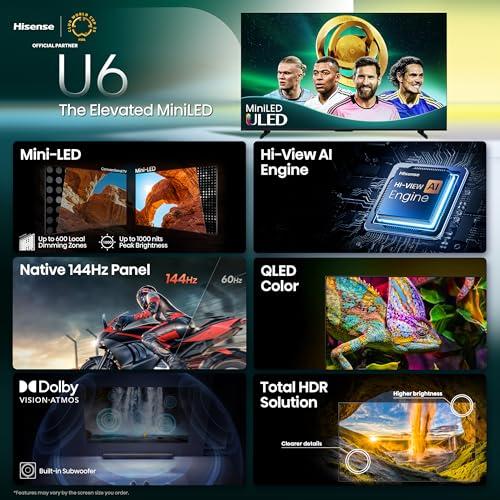
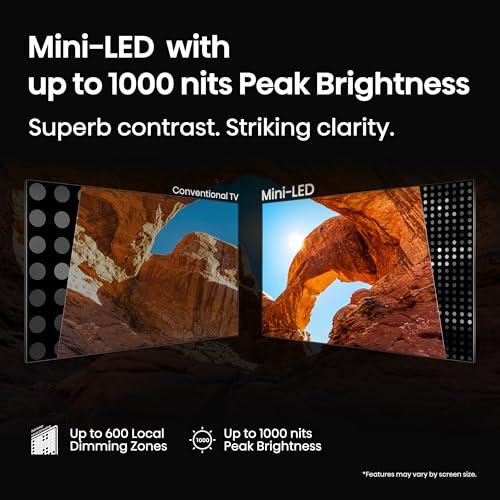
Here's where these TVs reveal their different DNA. The Hisense U6 delivers what I'd call "crowd-pleasing" picture quality—bright, vibrant, and impressive at first glance. It achieves up to 1000 nits of peak brightness, making HDR content pop with authority. HDR, or High Dynamic Range, allows TVs to display much brighter whites and deeper blacks than standard video, creating more realistic and dramatic images.
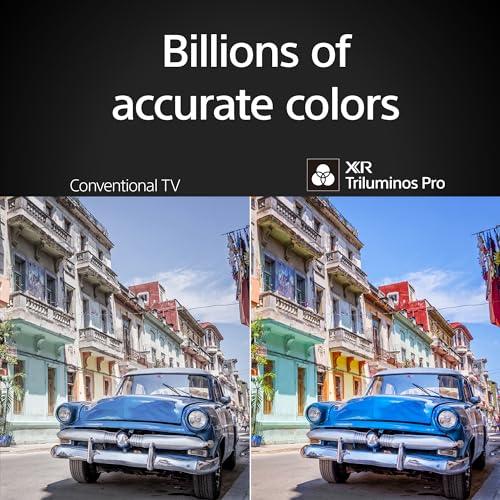
The Sony BRAVIA 5, by contrast, takes what I'd describe as the "reference monitor" approach. Sony has decades of experience making professional displays for movie studios, and that expertise shows. The XR Triluminos Pro technology doesn't just make colors brighter—it makes them more accurate. When you're watching a nature documentary, skin tones look natural rather than overly saturated, and the subtle gradations in a sunset appear smooth rather than stepped.
Sony's Cognitive Processor XR deserves special attention. Unlike traditional processors that analyze video in sections, it processes the entire image simultaneously, mimicking how human vision works. This means the TV can identify where you're most likely to focus—like a person's face in a crowd—and enhance those areas while de-emphasizing less important background details.
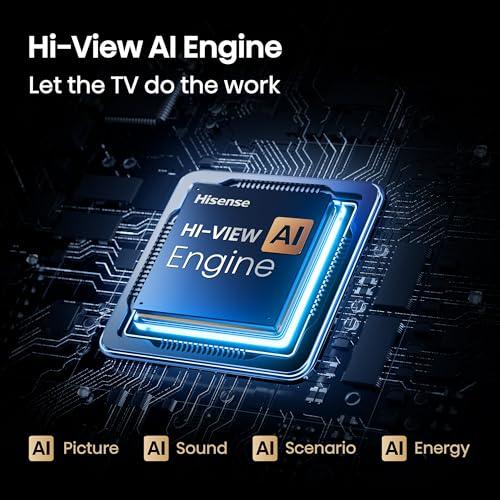
The Hisense, meanwhile, uses its Hi-View Engine with AI processing to upscale lower-quality content effectively. This matters more than you might think, since much of what we watch—from streaming services to live TV—isn't native 4K. Both TVs excel at making older or compressed content look sharper, but the Sony generally produces cleaner results with fewer artifacts.
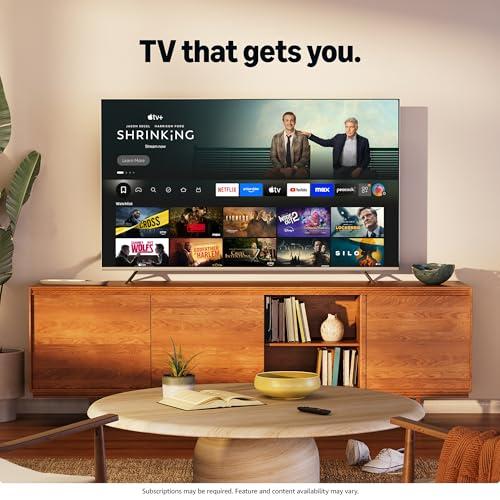
The software experience couldn't be more different. The Hisense U6 runs Fire TV, Amazon's operating system that feels like a natural extension of your Prime Video account. If you're deeply invested in Amazon's ecosystem—Prime Video, Amazon Music, Alexa smart home devices—this integration is seamless and intuitive.
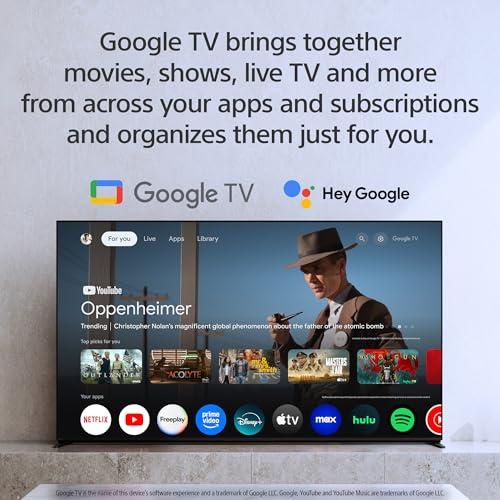
The Sony BRAVIA 5 uses Google TV, which offers a more comprehensive app selection and neutral approach to content recommendations. Google TV doesn't prioritize any particular streaming service, instead learning your viewing habits across all platforms. It also supports Apple AirPlay 2, making it easier to stream content from iPhones and iPads—something the Fire TV platform doesn't offer.
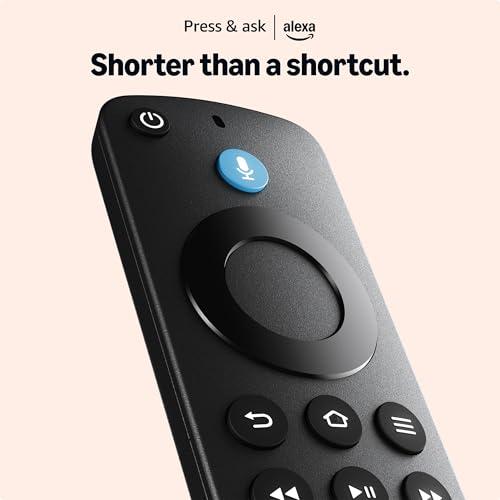
For voice control, both systems work well, but they serve different masters. Alexa on the Hisense excels at smart home integration and shopping, while Google Assistant on the Sony provides better general knowledge answers and works seamlessly with Google services.
Gaming reveals interesting differences in philosophy. The Hisense U6 supports up to 144Hz refresh rate in Game Mode Pro, which is exceptional for PC gaming. A higher refresh rate means smoother motion during fast-paced games—think of it as the difference between watching a choppy slideshow and smooth video.
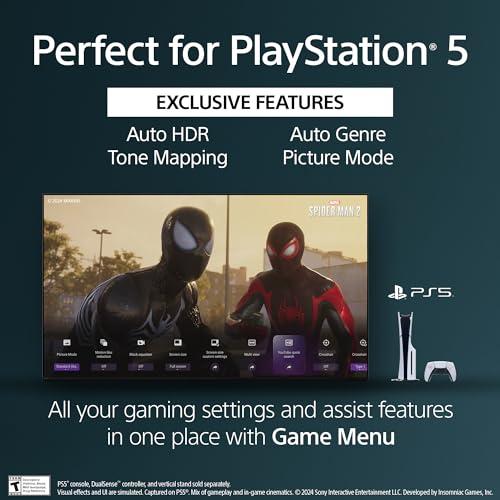
The Sony BRAVIA 5 tops out at 120Hz but offers something more valuable for console gamers: PlayStation 5 optimization. Sony's exclusive features like Auto HDR Tone Mapping and Auto Genre Picture Mode automatically adjust settings based on what you're playing, ensuring optimal visual quality without manual tweaking.
Both TVs support Variable Refresh Rate (VRR), which eliminates screen tearing—that jarring horizontal line that sometimes appears when your console or PC can't keep up with the TV's refresh rate. They also include Auto Low Latency Mode (ALLM), automatically switching to gaming mode when you fire up a console.
However, our research into user experiences reveals that the Sony suffers from slower pixel response times, causing motion blur during fast gaming sequences. This makes the Hisense the better choice for competitive gaming, despite the Sony's console-specific optimizations.
Large TVs traditionally struggle with audio—there's simply not enough internal space for quality speakers. Both models address this challenge differently.
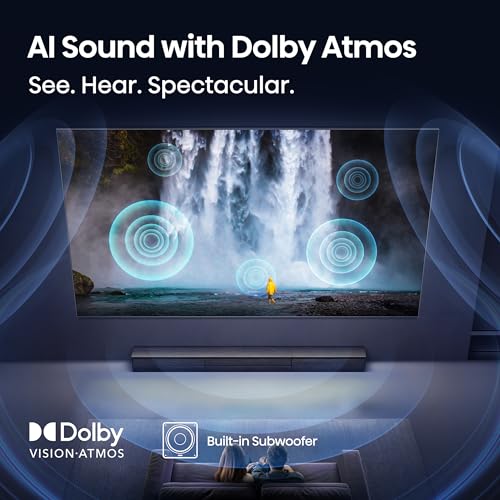
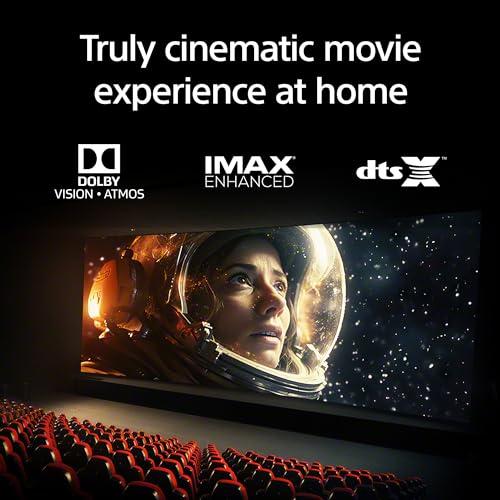
The Hisense U6 includes Dolby Atmos support, which creates a three-dimensional soundscape by bouncing audio off your ceiling and walls. For a TV this size, the built-in audio is surprisingly capable for casual viewing, though it lacks the depth serious movie watching demands.
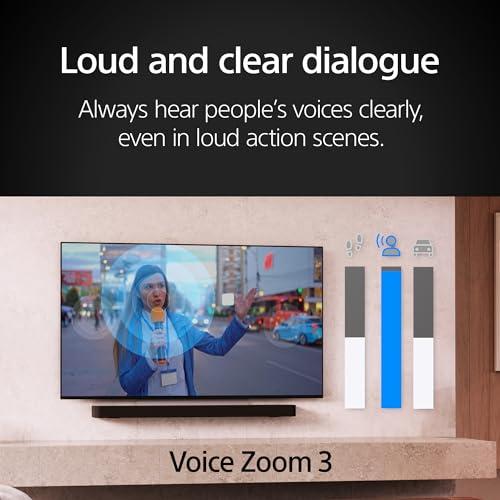
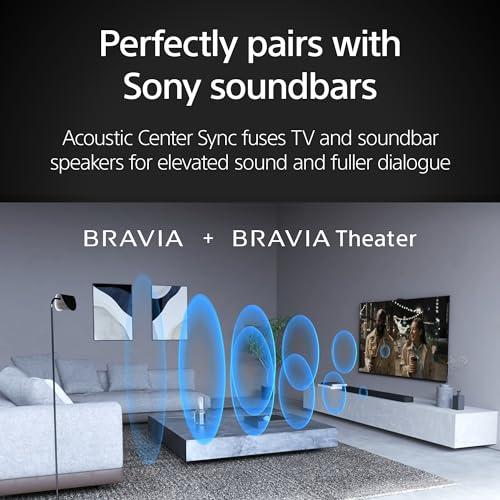
The Sony BRAVIA 5 takes a more sophisticated approach with its Acoustic Multi-Audio system and Voice Zoom 3 technology. Voice Zoom uses AI to identify and enhance dialogue, making conversations clearer even during loud action sequences. More importantly, the Sony can function as a center channel speaker when paired with compatible Sony soundbars—essentially becoming part of a larger audio system rather than requiring complete replacement.
This center channel capability is genuinely useful for home theater enthusiasts who want to gradually build a surround sound system without wasting their TV's built-in speakers.
Room lighting significantly impacts your TV choice. The Hisense U6 reaches higher peak brightness levels, making it more suitable for bright living rooms or spaces with lots of windows. When sunlight streams across the screen, that extra brightness maintains image visibility and HDR impact.
The Sony BRAVIA 5 achieves lower peak brightness but delivers superior contrast accuracy. In darker, more controlled environments—like a dedicated home theater room—this translates to more nuanced shadow detail and better overall image depth. The Sony's processing also maintains color accuracy across different lighting conditions better than the Hisense.
Neither TV includes advanced anti-reflective coatings found on premium OLED displays, so both struggle somewhat with direct light sources. However, the Hisense's higher brightness helps overcome these limitations more effectively.
The construction differences reflect their market positioning. The Hisense U6 emphasizes functional design focused on delivering maximum screen real estate at an accessible price point. The build quality is solid—this isn't a flimsy display—but the materials and finish reflect cost-conscious engineering.
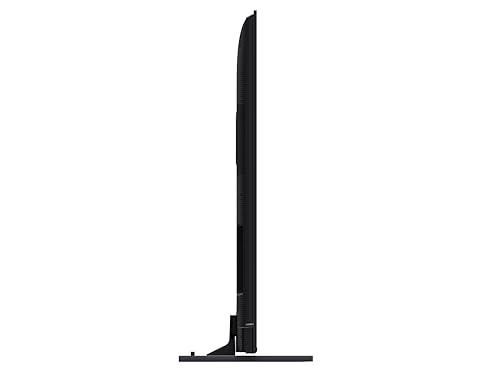
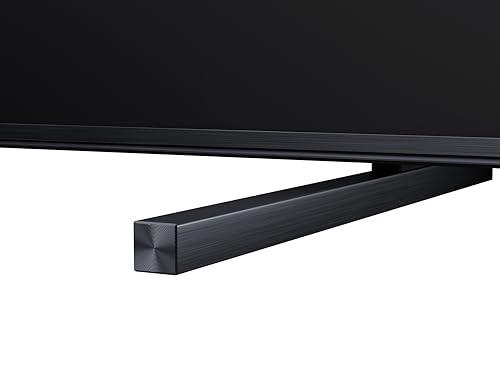
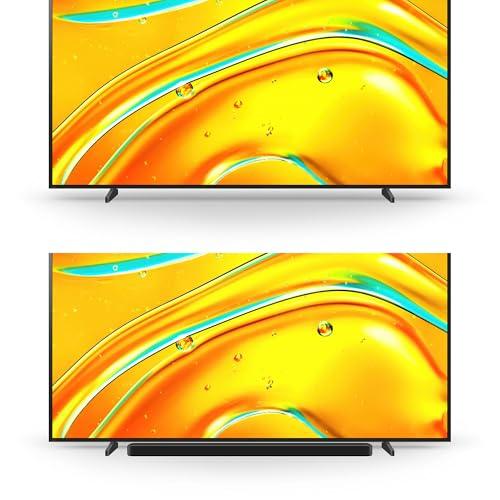
The Sony BRAVIA 5 showcases premium materials including aluminum construction and Sony's minimalist "One Slate" design philosophy. The two-way stand can be positioned low-profile or raised to accommodate a soundbar underneath. These details matter for long-term satisfaction and room aesthetics.
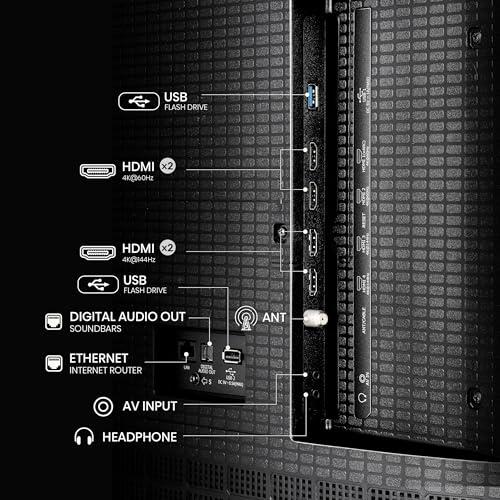
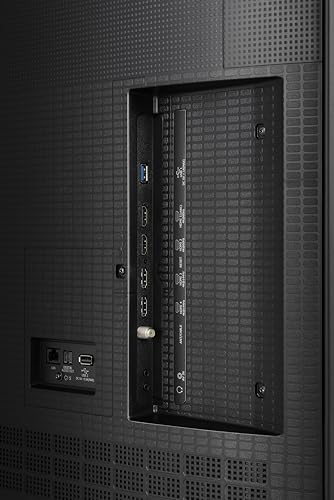
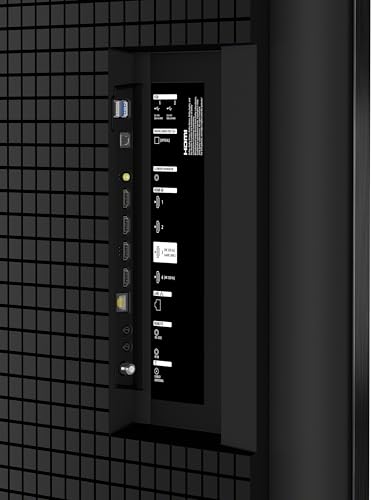
Both TVs include comprehensive connectivity: four HDMI inputs (with two supporting HDMI 2.1's higher bandwidth), USB ports, and wireless capabilities. The Sony adds Apple AirPlay 2 support and compatibility with the optional BRAVIA Cam—a camera that uses AI to optimize picture and sound settings based on where you're sitting.
At the time of writing, the Hisense U6 costs roughly half as much as the Sony BRAVIA 5 while providing a larger screen and matching most technical specifications. From a pure feature-per-dollar perspective, the Hisense offers exceptional value.
The Sony's premium reflects its superior processing, build quality, and brand reputation. It's the difference between getting flagship specifications and getting flagship performance—the Sony consistently delivers more refined results even when both TVs receive identical source material.
This price difference isn't just about brand prestige. Sony's decades of professional display experience translate into better color accuracy, more sophisticated upscaling, and processing that handles edge cases (like poorly mastered content) more gracefully.
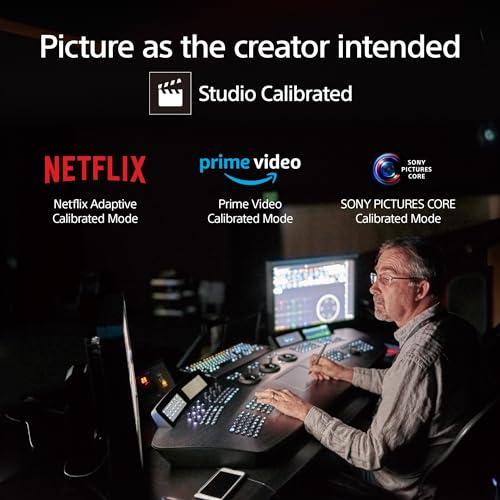
For dedicated home theater installations, several factors become critical. The Sony BRAVIA 5 edges ahead with its reference-grade color accuracy, superior black levels, and Filmmaker Mode that preserves content creators' original vision. Its ability to function as a center channel speaker also provides upgrade flexibility.
The Hisense U6 counters with pure immersion—that extra screen real estate creates a more enveloping experience for action movies and sports. Its higher brightness also helps in larger rooms where ambient light is harder to control.
Both support the major HDR formats including Dolby Vision, which dynamically adjusts brightness and color on a scene-by-scene basis for optimal visual impact. However, the Sony's tone mapping—how it translates HDR information to your specific display—tends to produce more accurate results.
The Hisense 100" U6 Series represents exceptional value for viewers who prioritize maximum screen size and solid performance at an accessible price point. It's ideal for bright living rooms, casual viewing, Amazon ecosystem users, and PC gamers who want that 144Hz ceiling. The Fire TV platform provides a streamlined experience if you're already invested in Amazon services.
Choose the Hisense if you want the biggest screen possible without breaking the bank, watch TV primarily during the day, or game on PC where that extra refresh rate capability matters.
The Sony BRAVIA 5 98" justifies its premium with superior processing, build quality, and long-term satisfaction. It's the better choice for home theater enthusiasts, PlayStation 5 owners, and viewers who prioritize picture quality over pure size. The Google TV platform offers more flexibility and broader app support.
Choose the Sony if you're building a dedicated home theater, own a PlayStation 5, prefer Google services over Amazon's ecosystem, or simply want the most refined viewing experience available.
Both represent excellent choices in the large-format Mini-LED category. The decision ultimately comes down to whether you prioritize maximum value and size (Hisense) or premium performance and refinement (Sony). Either way, you're getting a display that would have been unimaginable at these price points just a few years ago.
| Hisense 100" U6 Series Mini-LED 4K Fire TV | Sony BRAVIA 5 98" Mini LED 4K Google TV 2025 |
|---|---|
| Screen Size - Larger screens provide more immersive viewing but require more space | |
| 100" diagonal (99.5" actual) - Maximum cinema experience | 98" diagonal (97.5" actual) - Still massive but slightly more manageable |
| Peak Brightness - Higher brightness better for bright rooms and HDR impact | |
| Up to 1,000 nits - Excellent for daytime viewing and HDR pop | Moderate HDR brightness - Prioritizes accuracy over maximum impact |
| Mini-LED Local Dimming - More zones mean better contrast and less blooming | |
| Full Array Local Dimming with Mini-LED backlighting | XR Backlight Master Drive with 6x more zones than predecessors |
| Smart TV Platform - Your daily interface and app ecosystem | |
| Fire TV OS with Alexa - Best for Amazon ecosystem users | Google TV OS v12 with Google Assistant - Broader app selection, Apple AirPlay support |
| Gaming Refresh Rate - Higher rates provide smoother motion for gaming | |
| Up to 144Hz in Game Mode Pro - Excellent for PC gaming | 120Hz native - Great for console gaming, slower pixel response |
| Gaming Features - Console-specific optimizations and compatibility | |
| VRR 48-144Hz, ALLM, Game Mode Pro | HDMI 2.1, G-SYNC, PlayStation 5 exclusive optimizations |
| Color Technology - Affects color accuracy and vibrancy | |
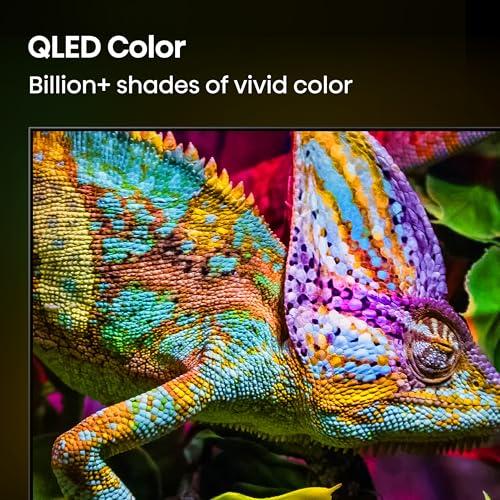
| QLED Quantum Dot - Over 1 billion colors, vibrant presentation | XR Triluminos Pro - Reference-grade color accuracy, professional calibration |
| Processor - Handles upscaling and image enhancement | |
| Hi-View Engine AI with Dynamic Tone Mapping | Cognitive Processor XR - Mimics human vision, superior processing |
| HDR Support - Different formats provide enhanced contrast and color | |
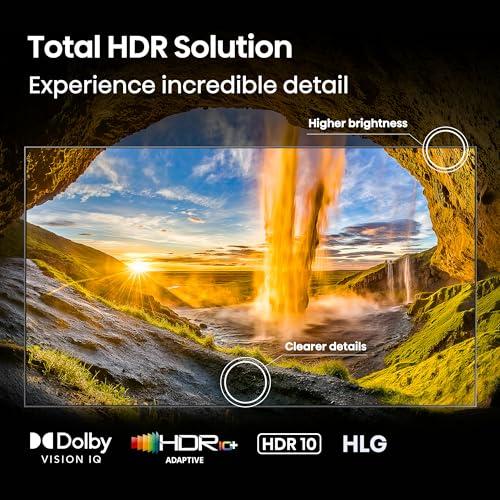
| Dolby Vision IQ, HDR10+, HDR10, HLG | Dolby Vision, HDR10, IMAX Enhanced certification |
| Audio System - Built-in sound quality and features | |
| Dolby Atmos support, solid built-in speakers | Acoustic Multi-Audio, Voice Zoom 3, can function as center channel |
| Build Quality - Materials and long-term durability | |
| Functional design focused on value delivery | Premium aluminum construction, One Slate minimalist design |
| HDMI Connectivity - Ports supporting latest gaming and video standards | |
| 4 HDMI total (2 HDMI 2.1) - Standard gaming connectivity | 4 HDMI total (2 HDMI 2.1) - Plus Apple AirPlay 2 support |
| Viewing Environment - Best suited room conditions | |
| Bright rooms, casual viewing, maximum immersion | Controlled lighting, home theater, reference accuracy |
| Value Proposition - Performance per dollar spent | |
| Exceptional specifications-per-dollar, larger screen | Premium processing and build quality justify higher cost |
The Hisense 100" U6 Series Mini-LED 4K Fire TV has a larger 100-inch screen compared to the Sony BRAVIA 5 98" Mini LED 4K Google TV at 98 inches. While this is only a 2-inch difference in diagonal measurement, the Hisense U6 provides about 8% more total viewing area, making it better for maximum immersion in large rooms.
The Sony BRAVIA 5 delivers more accurate, reference-grade picture quality with superior color accuracy and processing, while the Hisense U6 offers brighter, more vibrant images that pop in well-lit rooms. The Sony excels at upscaling lower-quality content and provides better black levels, while the Hisense reaches higher peak brightness for HDR content.
For PC gaming, the Hisense U6 is superior with its 144Hz refresh rate capability and faster response times. For console gaming, especially PlayStation 5, the Sony BRAVIA 5 offers exclusive optimizations like Auto HDR Tone Mapping. Both support VRR and ALLM, but the Hisense provides better overall gaming performance for most users.
The Hisense U6 runs Fire TV OS with built-in Alexa, making it ideal for Amazon ecosystem users with seamless Prime Video integration. The Sony BRAVIA 5 uses Google TV OS with Google Assistant, offering broader app selection, Apple AirPlay support, and more neutral content recommendations across all streaming services.
The Hisense U6 performs better in bright rooms due to its higher peak brightness of up to 1,000 nits, making it more visible during daytime viewing. The Sony BRAVIA 5 focuses on accuracy over brightness, making it better suited for darker, more controlled viewing environments like dedicated home theaters.
Both TVs offer surprisingly good built-in audio for their size. The Hisense U6 supports Dolby Atmos and provides solid sound for casual viewing. The Sony BRAVIA 5 features more advanced Acoustic Multi-Audio technology with Voice Zoom 3 for enhanced dialogue clarity and can function as a center channel speaker with compatible Sony soundbars.
The Hisense U6 provides exceptional value, offering a larger screen and flagship-level features at roughly half the cost of the Sony BRAVIA 5. The Sony justifies its premium with superior processing, build quality, and more refined performance, making it better value for those prioritizing picture quality over price.
Both are excellent for home theaters. The Sony BRAVIA 5 is better for dedicated theater rooms with its reference-grade color accuracy, superior black levels, and Filmmaker Mode. The Hisense U6 offers maximum immersion with its larger screen and works well in multipurpose rooms with its higher brightness capability.
The Sony BRAVIA 5 features premium aluminum construction with a minimalist One Slate design and adjustable two-way stand. The Hisense U6 offers solid, functional construction focused on delivering maximum value. Both are well-built, but the Sony provides more premium materials and design refinement.
Both support major HDR formats including Dolby Vision. The Hisense U6 delivers more impactful HDR with higher peak brightness, making highlights more dramatic. The Sony BRAVIA 5 provides more accurate HDR tone mapping and better color accuracy, ensuring content appears as creators intended.
Both TVs offer similar connectivity with 4 HDMI ports (2 with HDMI 2.1), USB ports, and wireless capabilities. The Sony BRAVIA 5 adds Apple AirPlay 2 support and compatibility with the optional BRAVIA Cam for enhanced features. The Hisense U6 includes Bluetooth 5.2 and focuses on Amazon ecosystem integration.
Choose the Hisense U6 if you want maximum screen size at the best value, have a bright living room, or are invested in Amazon's ecosystem. Choose the Sony BRAVIA 5 if you prioritize picture quality over size, prefer Google services, own a PlayStation 5, or want premium build quality and processing for the ultimate viewing experience.
We've done our best to create useful and informative comparisons to help you decide what product to buy. Our research uses advanced automated methods to create this comparison and perfection is not possible - please contact us for corrections or questions. These are the sites we've researched in the creation of this article: bestbuy.com - rtings.com - youtube.com - rtings.com - youtube.com - youtube.com - costco.com - pcrichard.com - hisense-usa.com - electronicexpress.com - pcrichard.com - circuitworldonline.com - bestbuy.com - bestbuy.com - premiumincentive.com - hisense-usa.com - hisense-usa.com - pcrichard.com - rtings.com - bestbuy.com - hisense-usa.com - avsforum.com - tomsguide.com - rtings.com - bestbuy.com - electronics.sony.com - youtube.com - tomsguide.com - youtube.com - avsforum.com - lueckeaudiovideo.com - pro.sony - bestbuy.com - sony.com - pioneertvandappliance.com - youtube.com - valueelectronics.com - heartlandappliance.com - schaeferstv.com

Privacy Policy
Terms and Conditions - Affiliate Policy
Home Security
© Copyright 2008-2026.
11816 Inwood Rd #1211, Dallas, TX 75244