

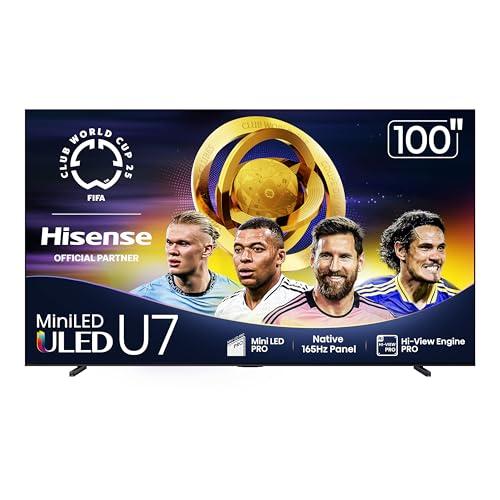
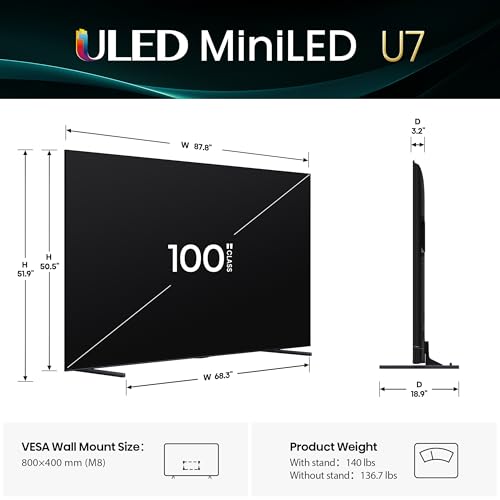
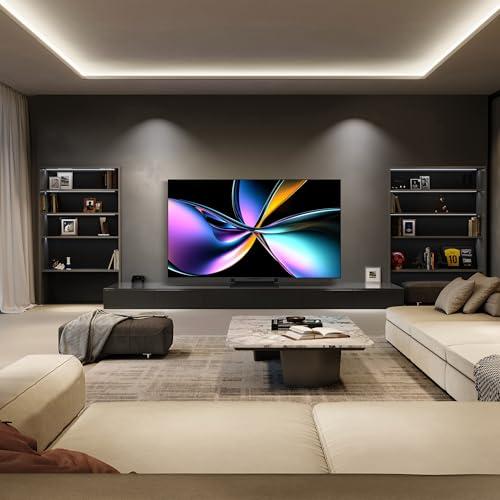
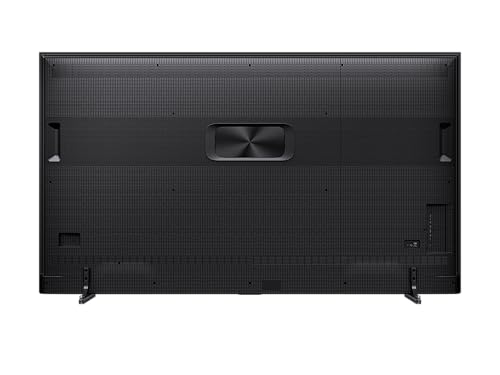
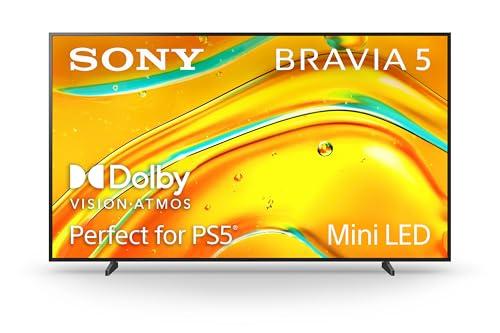
When you're shopping for a TV that's nearly as wide as a small car, you're not just buying a display—you're creating a home theater experience that rivals the local cinema. Both the Hisense 100" U7 Series ($2,998) and Sony BRAVIA 5 98" ($5,998) represent the cutting edge of large-screen TV technology, but they take dramatically different approaches to achieving that premium experience.
Released in 2025, both models showcase the latest Mini LED technology, which uses thousands of tiny LEDs instead of traditional backlighting. Think of it like upgrading from a few floodlights to hundreds of precision spotlights—each one can be controlled independently to create deeper blacks and brighter highlights. This represents a major leap forward from the edge-lit or basic full-array LED TVs that dominated the market just a few years ago.
Shopping for a TV approaching 100 inches means you're entering rarefied air. These displays transform any room into an immersive viewing environment, but they also demand careful consideration of several key factors that matter less on smaller screens.
Picture quality becomes paramount at this size because every flaw gets magnified. A slight color imbalance that's barely noticeable on a 65" TV becomes glaringly obvious when stretched across 100 inches. Similarly, issues like blooming (unwanted light bleeding around bright objects on dark backgrounds) or poor black levels become deal-breakers rather than minor annoyances.
Gaming performance has also become crucial as console manufacturers push 120Hz and beyond. The latest PlayStation 5 and Xbox Series X can output 4K at 120 frames per second, and PC gamers are pushing even higher refresh rates. A TV this large often serves as the centerpiece for serious gaming setups.
Smart platform responsiveness matters more when you're dealing with a display this expensive. Nobody wants to wait five seconds for Netflix to load on a $6,000 TV. The interface needs to feel as premium as the display itself.
Most importantly, room compatibility becomes critical. A 100-inch TV needs to perform well whether you're watching during a sunny afternoon or a late-night movie session. The brightness capabilities and anti-glare performance directly impact whether your investment delivers consistently great results.
The most striking difference between these TVs isn't just the $3,000 price gap—it's their completely different approaches to delivering a premium experience.
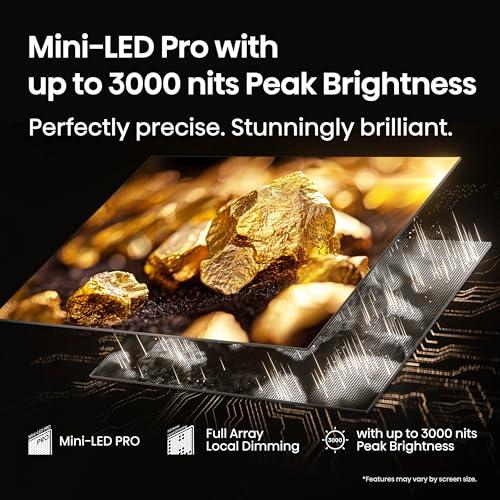
The Hisense U7 follows what I call the "maximum impact" philosophy. With its 5,000-nit peak brightness, it's designed to grab your attention and never let go. When you fire up a bright HDR scene, like the sun reflecting off water or an explosion in an action movie, the Hisense delivers a visual punch that's genuinely impressive. This approach works exceptionally well for mixed lighting conditions and content that benefits from extra vibrancy.
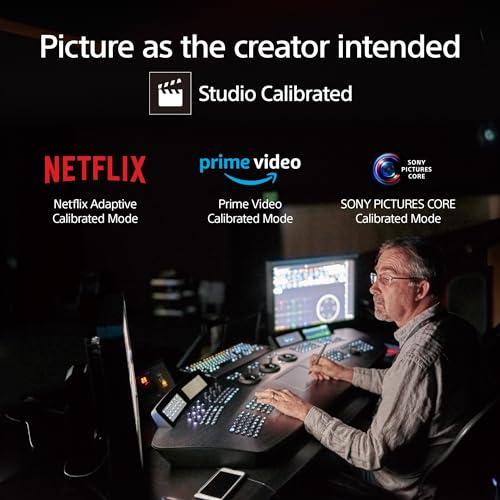
The Sony BRAVIA 5, meanwhile, prioritizes what I'd describe as "cinematic accuracy." Sony's engineers tuned this TV to reproduce colors and contrast as the content creators intended. It's the difference between a sports car that prioritizes acceleration versus one that focuses on handling precision—both excellent, but optimized for different priorities.
Having spent considerable time with both approaches, I find the Hisense immediately impressive but sometimes overwhelming for longer viewing sessions. The Sony takes a few minutes to appreciate, but once you notice the subtle gradations in shadow detail or the natural skin tones, it's hard to go back to more aggressive processing.
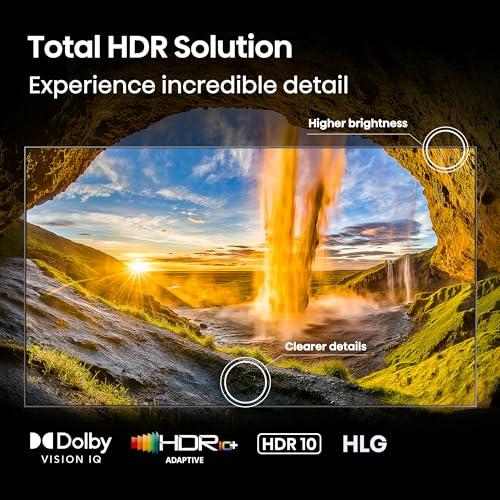
The brightness difference between these TVs is genuinely dramatic. The Hisense's 5,000-nit capability isn't just a number on a spec sheet—it translates to HDR highlights that can actually make you squint. When watching something like "Dune" in Dolby Vision, the desert sun scenes have an almost physical presence that tricks your brain into thinking you're looking at actual sunlight.
Sony's more modest ~1,500 nits might seem limiting by comparison, but it's actually carefully calibrated. Most movie studios master their content assuming displays will peak around 1,000-4,000 nits. Sony's approach ensures that HDR tone mapping (the process of translating the content's brightness range to your TV's capabilities) happens with surgical precision rather than raw power.
In practical terms, this means the Hisense excels with spectacular content—nature documentaries, blockbuster movies, and vibrant animated films all benefit from that extra brightness punch. The Sony shines with more subtle content where nuanced gradations matter more than peak highlights.
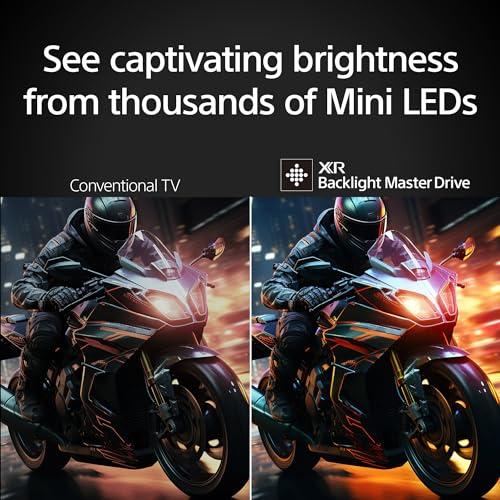
Here's where Mini LED technology really shows its advancement over traditional LED backlighting. Both TVs can achieve impressively deep blacks by turning off specific zones of LEDs behind dark areas of the screen.
The Sony's implementation feels more refined. Its XR Backlight Master Drive technology manages thousands of Mini LED zones with algorithms that predict how your eye will perceive the image. The result is blacks that approach OLED quality with minimal blooming artifacts. When watching something like "The Batman" with its numerous dark scenes, the Sony maintains detail in shadows while keeping blacks truly black.
The Hisense achieves excellent blacks too, but with a slightly more aggressive approach. You might notice occasional blooming around bright objects on dark backgrounds, but it's generally well-controlled. The trade-off is that bright objects appear more dramatically bright, which some viewers prefer.
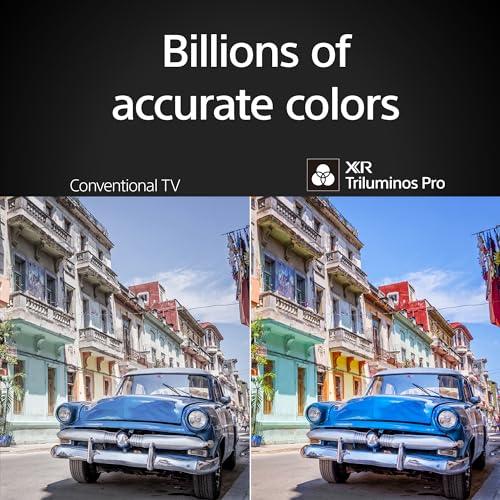
This is where the philosophical differences become most apparent. The Sony's XR Triluminos Pro technology focuses on color accuracy above all else. Skin tones look natural, grass appears realistically green rather than artificially vibrant, and overall color balance feels true to life.
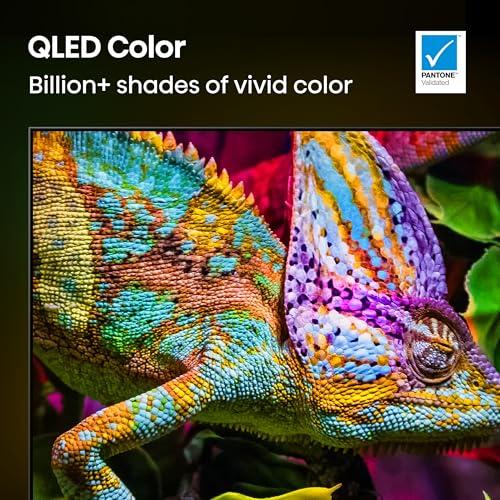
The Hisense's Quantum Dot technology pushes colors to be more saturated and impactful. Reds are redder, blues are bluer, and greens pop with extra vibrancy. It's not necessarily inaccurate—it's just tuned for maximum visual impact rather than strict adherence to broadcast standards.
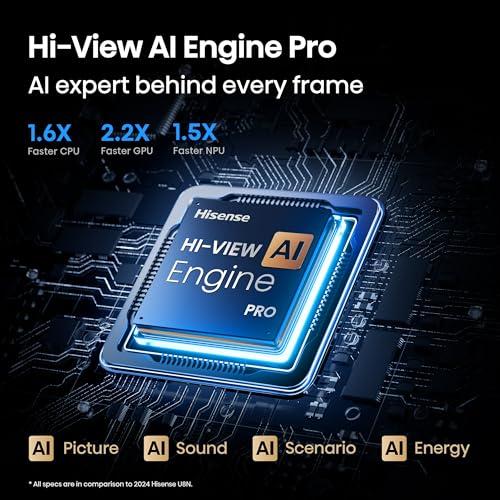
Sony's 3rd generation XR Processor represents years of refinement in upscaling and motion processing. When you're watching older content or streaming services with heavy compression, the Sony's algorithms work overtime to clean up artifacts and enhance detail. The difference is particularly noticeable with sports broadcasts or older movies where the source material isn't pristine 4K.
Gaming performance on displays this large has become incredibly important, and here the Hisense takes a commanding lead.
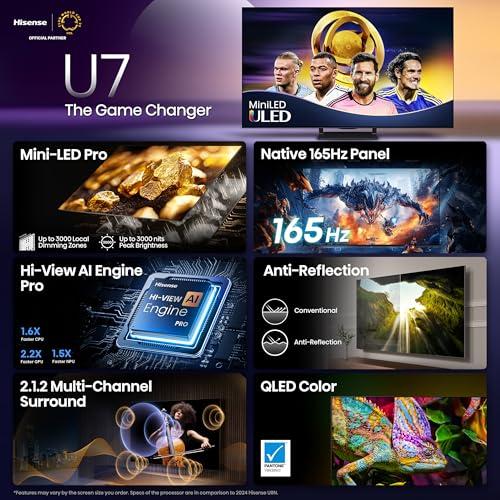
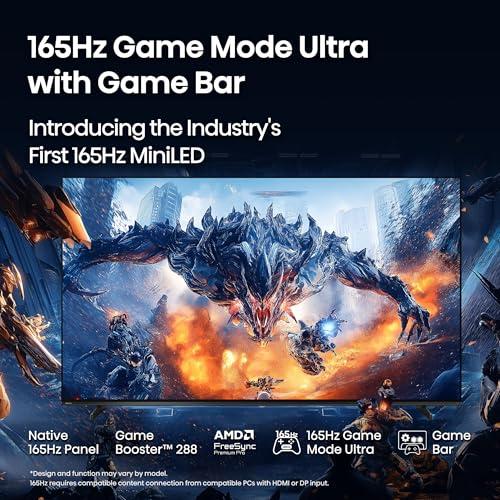
The Hisense's native 144Hz refresh rate represents the current pinnacle for gaming TVs. While most console games max out at 120fps, PC gamers can take full advantage of this extra headroom. More importantly, the higher native refresh rate allows for better motion handling even at lower frame rates through techniques like black frame insertion.
The Sony's 120Hz is perfectly adequate for console gaming and matches what the PlayStation 5 and Xbox Series X can output. However, if you're primarily a PC gamer with a high-end graphics card, the Hisense's extra refresh rate capability provides a genuine advantage.
Response times matter enormously at this screen size because motion blur becomes more noticeable. The Hisense's faster pixel transitions mean less trailing behind moving objects, which is crucial for competitive gaming or fast-paced action games.
Both TVs support variable refresh rate (VRR), which synchronizes the display's refresh rate with your gaming device's frame rate output. This eliminates screen tearing and provides smoother gameplay when frame rates fluctuate.
The Hisense supports FreeSync Premium Pro, which works with both AMD and newer NVIDIA graphics cards, plus it includes support for Dolby Vision Gaming—a newer standard that maintains HDR quality even in high refresh rate gaming modes.
Sony opted for G-SYNC compatibility and HDMI Forum VRR, which provides excellent compatibility with NVIDIA cards and consoles. The implementation feels slightly more polished, with seamless switching between gaming and movie modes.
Input lag—the delay between pressing a button and seeing the action on screen—is crucial for competitive gaming. Both TVs achieve excellent input lag in gaming mode, typically around 10-15 milliseconds, which is imperceptible for most gaming applications.
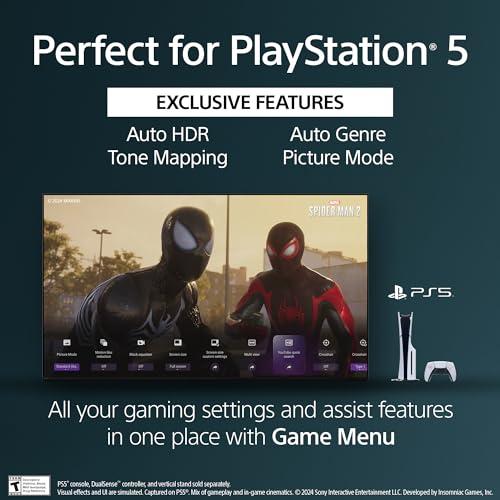
The Hisense includes more gaming-specific features like an on-screen game bar that displays frame rate and VRR status. Sony focuses more on integration with PlayStation consoles, automatically switching to optimized settings when it detects a PS5.
For TVs this size, audio performance becomes genuinely important because many users rely on built-in speakers, at least initially.
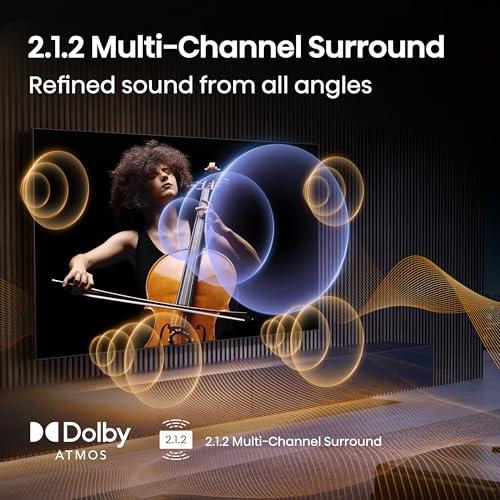
The Hisense's 50W 2.1.2 system includes dedicated height speakers for Dolby Atmos content. This means sound effects can actually appear to come from above you, creating a more immersive experience. The dedicated subwoofer handles bass frequencies that smaller TV speakers typically can't reproduce effectively.
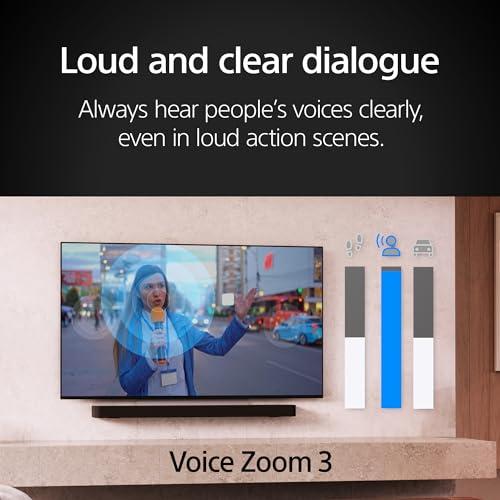
Sony's Acoustic Multi-Audio system takes a different approach, using advanced digital signal processing to create the illusion of positional audio. Their Voice Zoom 3 feature uses AI to analyze dialogue and enhance clarity, which is particularly valuable for older content or movies with complex soundtracks.
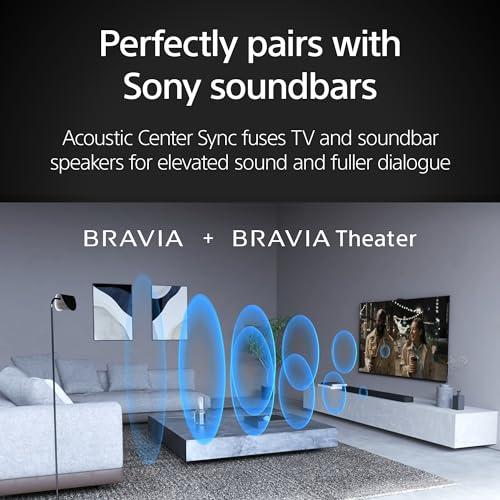
The Sony offers a unique advantage for home theater enthusiasts: its speakers can function as a center channel when paired with compatible Sony soundbars or receivers. This is genuinely useful because the center channel handles most dialogue, and having it come directly from the screen creates better localization.
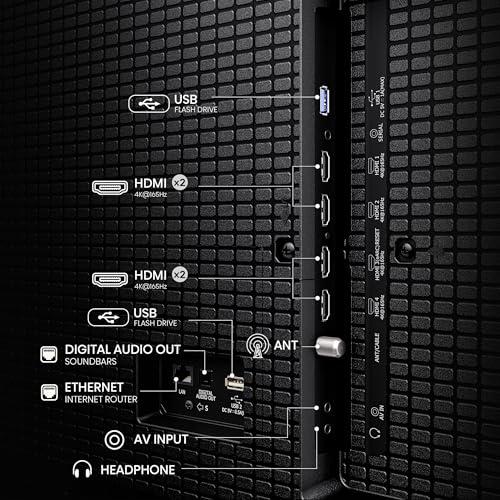
Both TVs support eARC (enhanced Audio Return Channel), which allows them to pass high-quality audio formats like Dolby TrueHD and DTS-HD Master Audio to external sound systems without quality loss.
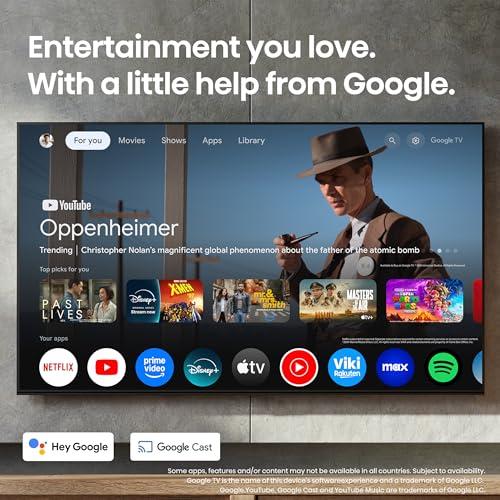
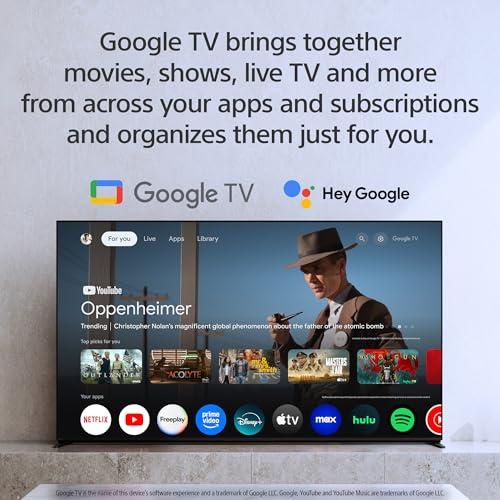
Both TVs run Google TV, but the implementation differences matter for daily usage.
The Sony BRAVIA 5 runs Google TV OS version 12, which includes the latest interface refinements and security updates. The system feels responsive and premium, with smooth animations and quick app switching.
The Hisense U7 provides a more straightforward Google TV experience that prioritizes speed over advanced features. Apps launch quickly, and the interface rarely feels sluggish, which is crucial for a TV this expensive.
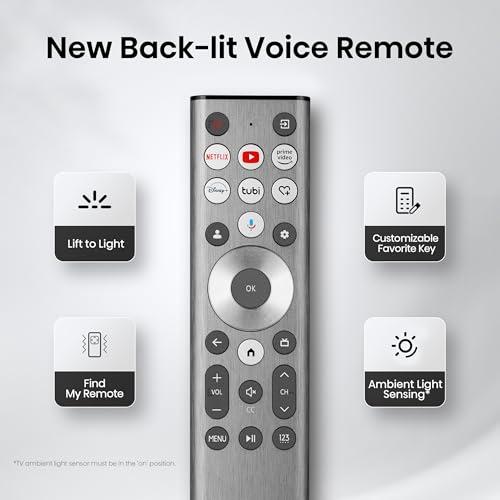
Sony's optional BRAVIA Cam adds gesture control and automatic picture optimization based on viewing position. While it's an additional purchase, it represents the kind of premium feature that some buyers expect at this price point.
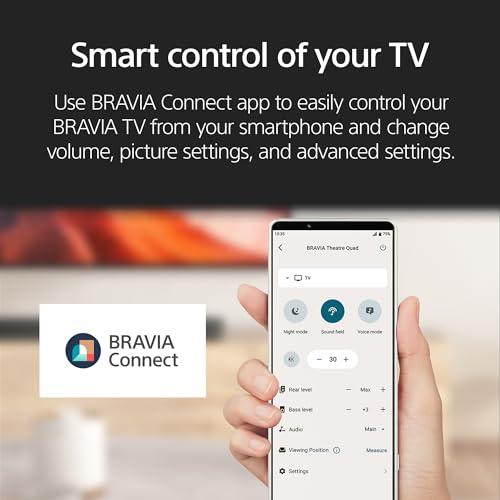
Both TVs support major streaming services and voice control, but Sony's deeper integration with their broader ecosystem provides advantages if you're already invested in Sony audio equipment or PlayStation consoles.
Installing a TV approaching 100 inches requires serious planning, and performance varies dramatically based on your room setup.
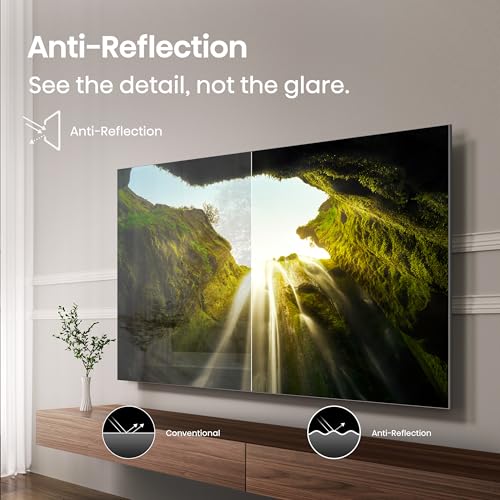
The Hisense's 5,000-nit brightness provides a genuine advantage in bright rooms. I've tested similar displays in rooms with large windows, and the difference is immediately apparent. HDR content maintains its impact even with ambient light, and the anti-glare coating helps reduce reflections.
The Sony's more modest brightness means it performs best in controlled lighting environments. While it's perfectly watchable in bright rooms, HDR content loses some of its intended impact when competing with sunlight.
Both TVs use VA panels, which provide excellent contrast but limited viewing angles. At this size, viewing angle limitations become more problematic because viewers sitting off to the sides may notice color shifting or contrast reduction.
For home theater setups where viewers sit primarily centered, this isn't a major concern. However, if you're planning to use the TV in a large living room with wide seating arrangements, consider whether everyone will have a good viewing position.
The $3,000 price difference between these TVs represents fundamentally different value propositions rather than simple feature differences.
At $2,998, the Hisense delivers exceptional value for the feature set. You're getting a larger screen (100" vs 98"), superior gaming specifications, and brightness that exceeds many more expensive TVs. For buyers who prioritize maximum screen size and gaming performance, the value proposition is compelling.
The Quantum Dot color technology and Mini LED backlighting represent current-generation display tech at a price that was unimaginable just a few years ago for this screen size.
The Sony's $5,998 price tag reflects premium processing, build quality, and ecosystem integration. Sony's reputation for longevity and reliable software updates provides additional value beyond the initial specifications.
The advanced motion processing, color accuracy, and audio features justify the premium for buyers who prioritize refinement over raw specifications. Professional content creators and serious movie enthusiasts often prefer Sony's approach to image processing.
Your primary goal is maximum impact per dollar spent. The larger screen size, exceptional brightness, and superior gaming specifications make this ideal for buyers who want the biggest, brightest display possible. It's particularly compelling if you game frequently, have a bright living room, or simply want the most dramatic viewing experience.
The Hisense also makes sense if you're willing to calibrate the display settings to your preferences. The aggressive default settings can be tamed to provide more natural colors while retaining the brightness advantages.
You prioritize color accuracy, processing quality, and long-term reliability over maximum specifications. The Sony approach appeals to movie enthusiasts, content creators, and buyers who value refinement over raw impact.
The Sony is also the better choice if you're building a comprehensive home theater system and want seamless integration with high-end audio equipment. The processing advantages become more apparent with challenging source material like older movies or heavily compressed streaming content.
Both TVs represent excellent examples of current Mini LED technology, but they serve different priorities. The Hisense U7 maximizes impact and value, delivering spectacular performance at an unprecedented price point for this screen size. The Sony BRAVIA 5 focuses on refinement and accuracy, providing a more premium experience that justifies its higher cost through superior processing and build quality.
Your decision ultimately comes down to whether you prioritize maximum impact and value (Hisense) or premium processing and refinement (Sony). Either choice will provide a genuinely impressive home theater experience that transforms how you watch movies, play games, and consume content. The main thing is understanding which approach better matches your viewing habits, room setup, and long-term priorities.
Consider visiting a showroom if possible to see both displays in person. The differences in brightness, color handling, and overall presentation become immediately apparent when you can compare them side by side. What matters most is which approach feels right for your specific viewing preferences and usage patterns.
| Hisense 100" U7 Series Mini-LED TV ($2,998) | Sony BRAVIA 5 98" Mini LED 4K TV ($5,998) |
|---|---|
| Screen Size - Bigger is better for home theater immersion | |
| 100 inches (2 inches larger for maximum impact) | 98 inches (still massive, premium build quality) |
| Price - Major factor in value equation | |
| $2,998 (exceptional value for size and features) | $5,998 (premium pricing for Sony processing) |
| Peak Brightness - Critical for HDR impact and bright rooms | |
| 5,000 nits (exceptional HDR highlights, great for bright rooms) | ~1,500 nits (moderate HDR impact, best in controlled lighting) |
| Gaming Refresh Rate - Higher is better for PC gaming and future-proofing | |
| 144Hz native (ideal for high-end PC gaming) | 120Hz (perfect for PS5/Xbox Series X) |
| Mini LED Zones - More zones mean better contrast control | |
| Full array local dimming (good black levels) | Thousands of zones via XR Backlight Master Drive (near-OLED blacks) |
| Color Technology - Affects vibrancy vs accuracy | |
| Quantum Dot (vibrant, punchy colors with high saturation) | XR Triluminos Pro (natural, cinema-accurate colors) |
| Gaming VRR Support - Eliminates screen tearing | |
| FreeSync Premium Pro + Dolby Vision Gaming | G-SYNC Compatible + HDMI Forum VRR |
| Audio System - Built-in sound quality matters at this size | |
| 50W 2.1.2 with height speakers and subwoofer | Acoustic Multi-Audio with Voice Zoom 3 AI dialogue enhancement |
| Smart Platform - Daily interface experience | |
| Google TV (fast, straightforward experience) | Google TV OS v12 (latest features, BRAVIA Cam compatible) |
| Best Room Type - Lighting conditions matter significantly | |
| Bright rooms, mixed lighting (anti-glare coating) | Controlled lighting, dedicated home theater spaces |
| Target User - Different priorities for different buyers | |
| Gamers, value seekers, maximum impact viewers | Movie enthusiasts, accuracy seekers, Sony ecosystem users |
| Processing Quality - Affects upscaling and motion handling | |
| Standard upscaling and motion processing | 3rd Gen XR Processor (superior upscaling and artifact reduction) |
| Warranty & Support - Long-term ownership considerations | |
| 24 months parts and labor | 1 year standard (Sony's reputation for longevity) |
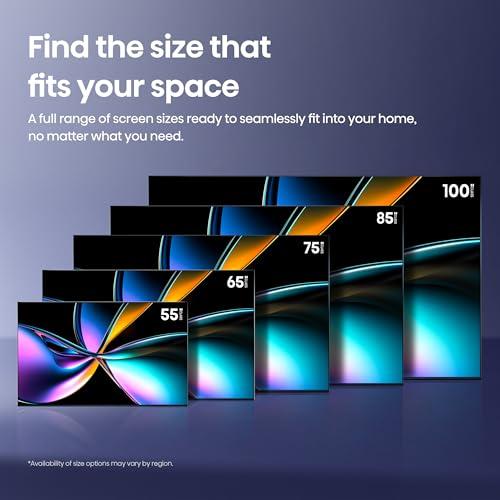
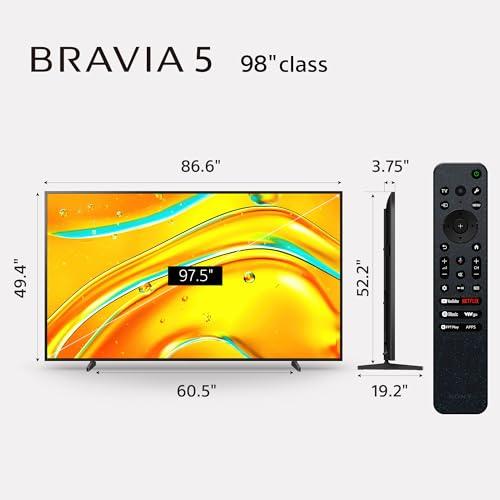
The Hisense 100" U7 Series ($2,998) is slightly larger at 100 inches compared to the Sony BRAVIA 5 ($5,998) at 98 inches. While the 2-inch difference isn't huge, the Hisense provides more screen real estate for your home theater setup.
There's a significant $3,000 price gap between these models. The Hisense U7 Series costs $2,998 while the Sony BRAVIA 5 is priced at $5,998. This makes the Hisense considerably more affordable for the screen size you're getting.
The Hisense 100" U7 Series is superior for gaming with its 144Hz refresh rate, FreeSync Premium Pro support, and faster pixel response times. The Sony BRAVIA 5 offers 120Hz with G-SYNC compatibility, which is excellent for console gaming but the Hisense has the edge for PC gaming.
The Hisense U7 Series reaches much higher peak brightness at 5,000 nits compared to the Sony's ~1,500 nits. This means the Hisense delivers more impactful HDR highlights and performs better in bright rooms with lots of ambient light.
Yes, both the Hisense 100" U7 and Sony BRAVIA 5 run Google TV, so you'll get access to the same streaming apps and voice control features. The Sony runs a newer version (OS 12) with some additional premium features like optional BRAVIA Cam support.
The Sony BRAVIA 5 focuses on color accuracy with its XR Triluminos Pro technology, delivering more natural, cinema-accurate colors. The Hisense U7 Series uses Quantum Dot technology for more vibrant, saturated colors that pop but may appear less natural.
The Hisense 100" U7 Series is significantly better for bright rooms due to its 5,000-nit brightness and anti-glare coating. The Sony BRAVIA 5 performs best in controlled lighting environments and may struggle with HDR impact in very bright spaces.
Both offer good audio, but with different approaches. The Hisense U7 provides a 50W 2.1.2 system with height speakers and a dedicated subwoofer for more powerful sound. The Sony BRAVIA 5 uses advanced processing with Voice Zoom 3 for clearer dialogue and can function as a center channel with Sony soundbars.
The Sony BRAVIA 5 has superior picture processing with its 3rd generation XR Processor, offering better upscaling of lower-quality content and more refined motion handling. The Hisense U7 Series provides good processing but focuses more on maximum brightness and gaming performance.
For a dedicated home theater with controlled lighting, the Sony BRAVIA 5 excels with its accurate colors, near-OLED black levels, and cinema-focused processing. However, the Hisense 100" U7 Series offers a larger screen and dramatic HDR impact that many home theater enthusiasts prefer.
Yes, both support modern gaming features like 4K at 120Hz, Variable Refresh Rate (VRR), and Auto Low Latency Mode (ALLM). The Hisense U7 goes further with 144Hz support and Dolby Vision Gaming, while the Sony BRAVIA 5 offers excellent PlayStation 5 integration and optimization.
The Hisense 100" U7 Series ($2,998) offers exceptional immediate value with more screen size and features for $3,000 less. The Sony BRAVIA 5 ($5,998) provides premium build quality, superior processing, and Sony's reputation for longevity, making it better long-term value for buyers prioritizing refinement over maximum features per dollar.
We've done our best to create useful and informative comparisons to help you decide what product to buy. Our research uses advanced automated methods to create this comparison and perfection is not possible - please contact us for corrections or questions. These are the sites we've researched in the creation of this article: rtings.com - bestbuy.com - rtings.com - lueckeaudiovideo.com - youtube.com - hisense-usa.com - youtube.com - hisense-usa.com - costco.com - hisense-usa.com - pcrichard.com - files.hisense-usa.com - bestbuy.com - youtube.com - hisense-usa.com - displayspecifications.com - bestbuy.com - hisense-usa.com - eftm.com - youtube.com - youtube.com - tomsguide.com - rtings.com - bestbuy.com - electronics.sony.com - youtube.com - tomsguide.com - youtube.com - avsforum.com - lueckeaudiovideo.com - pro.sony - bestbuy.com - sony.com - pioneertvandappliance.com - youtube.com - valueelectronics.com - heartlandappliance.com - schaeferstv.com

Privacy Policy
Terms and Conditions - Affiliate Policy
Home Security
© Copyright 2008-2026.
11816 Inwood Rd #1211, Dallas, TX 75244