

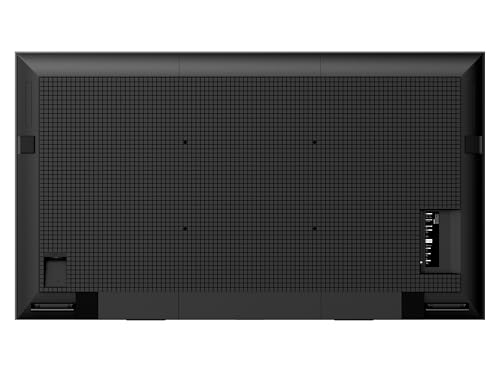
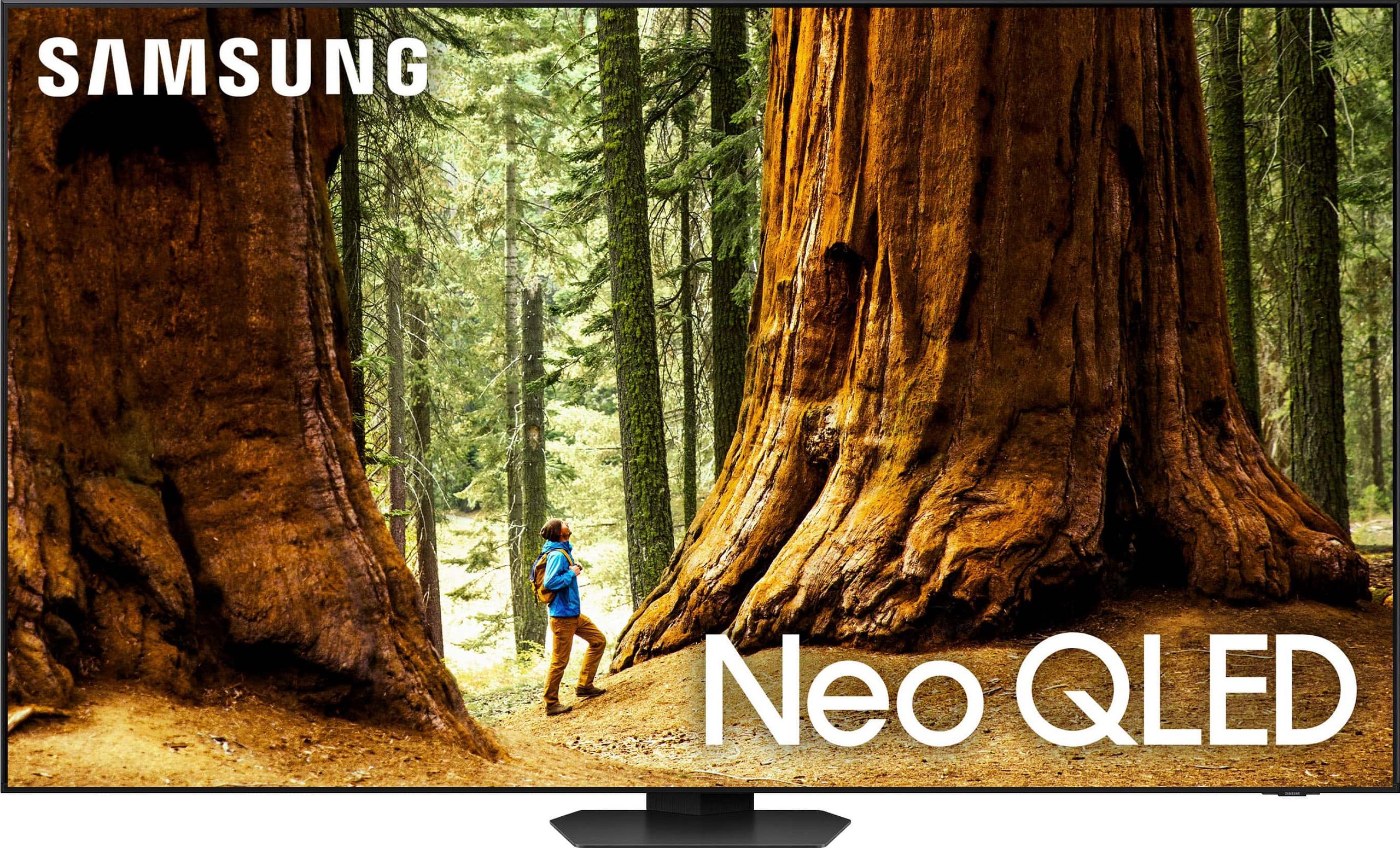

The 98-inch TV market has exploded in recent years, and for good reason. These massive displays bring the movie theater experience home while prices have dropped from astronomical to merely expensive. If you're considering making the jump to a screen that's nearly 8 feet wide, you're looking at the ultimate centerpiece for your living room or home theater.
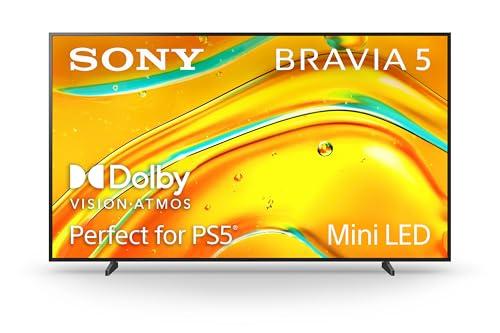
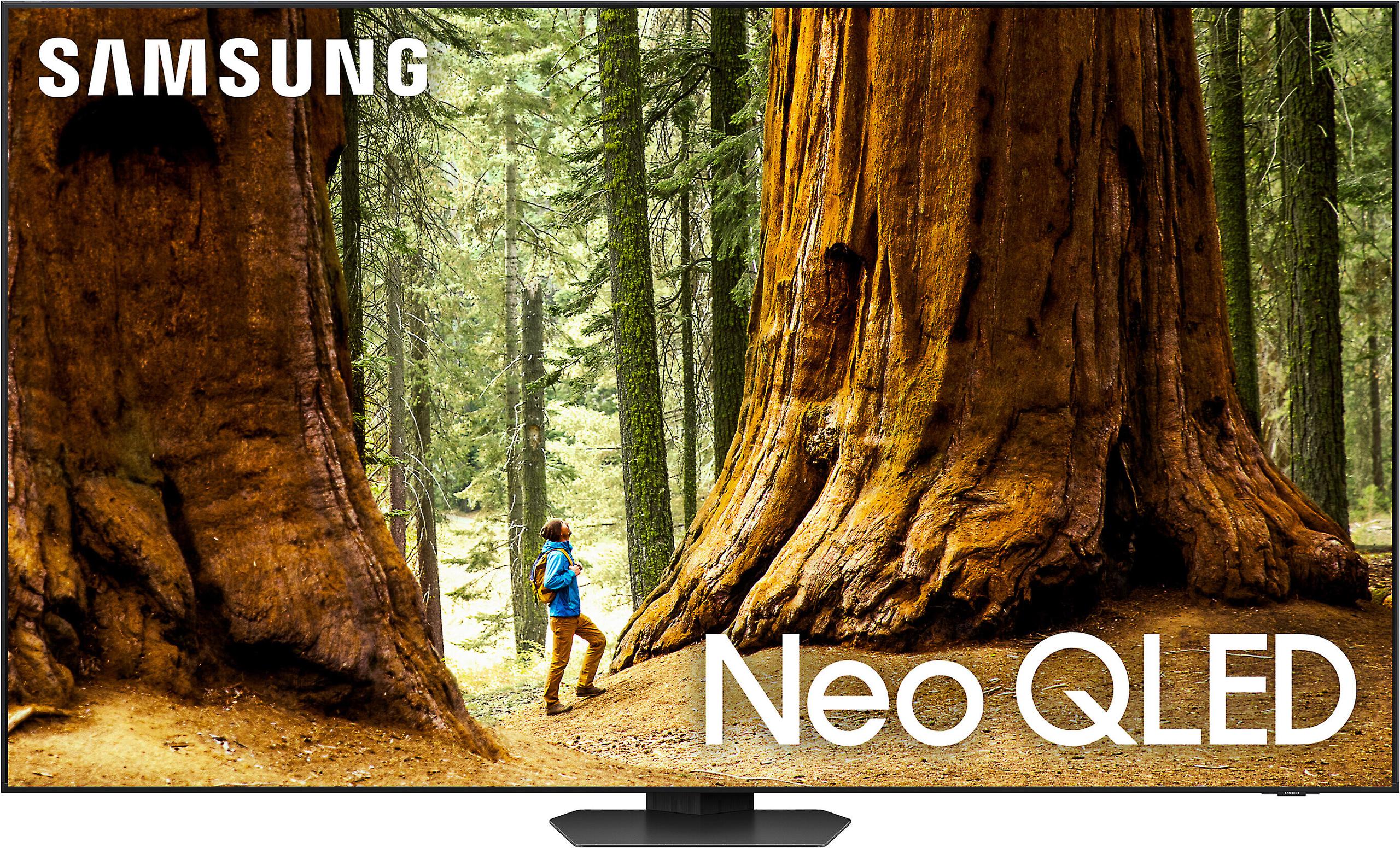
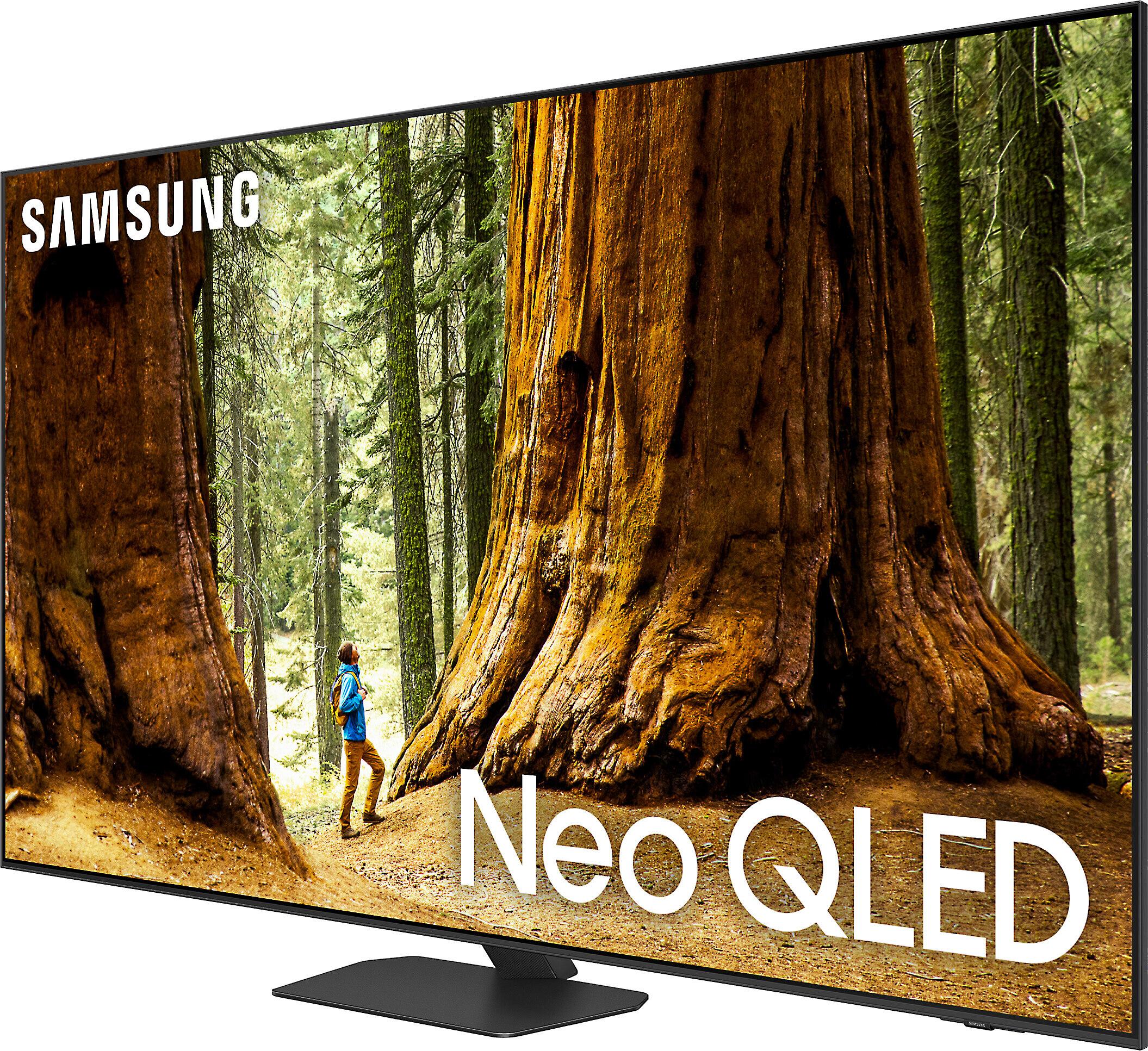
Two standout options dominate this space: the Sony BRAVIA 5 98" Mini LED 4K Google TV 2025 at $5,998 and the Samsung 98" QN90D Series Neo QLED 4K Smart TV at $7,779. Both represent different philosophies in TV design, and understanding these differences will help you choose the right one for your specific needs and space.
When we talk about 98-inch TVs, we're discussing displays that measure nearly 8 feet diagonally. These aren't just bigger versions of regular TVs – they require different technologies to maintain picture quality across such a massive surface. The main considerations that separate good large-screen TVs from great ones include how they handle backlighting (the light source behind the screen), color reproduction, smart features, and gaming capabilities.
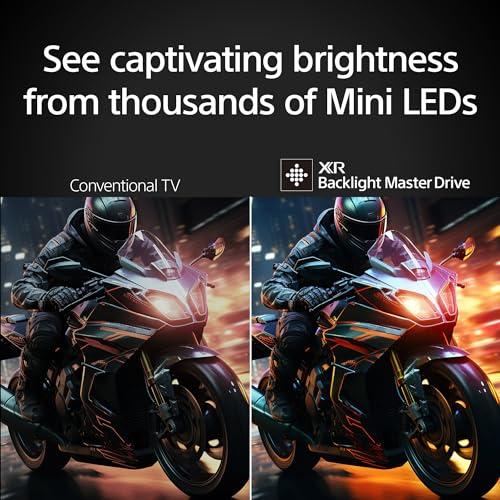
The key challenge with any large display is maintaining consistent brightness and contrast across the entire screen. Traditional LED TVs often struggle with this, showing uneven lighting or "clouding" effects. That's where advanced backlighting technologies like Mini LED come in – they use thousands of tiny LED lights instead of dozens of larger ones, allowing for much more precise control over which parts of the screen are bright or dark.
The Sony BRAVIA 5 represents Sony's 2025 entry into the large-screen Mini LED market, and it's a significant upgrade over their previous X90L series. Released in early 2025, this model features Sony's XR Backlight Master Drive technology, which controls thousands of Mini LEDs individually. Think of it like having thousands of tiny flashlights behind your screen instead of just a few dozen – this allows the TV to make specific areas very bright while keeping others completely dark.
What makes Sony's implementation special is their XR Processor with AI scene recognition. This isn't marketing fluff – the processor actually analyzes each scene and adjusts the backlighting in real-time. When watching a movie with a bright explosion against a dark night sky, the processor ensures the explosion pops while keeping the sky truly black, not the grayish-black you see on cheaper TVs.
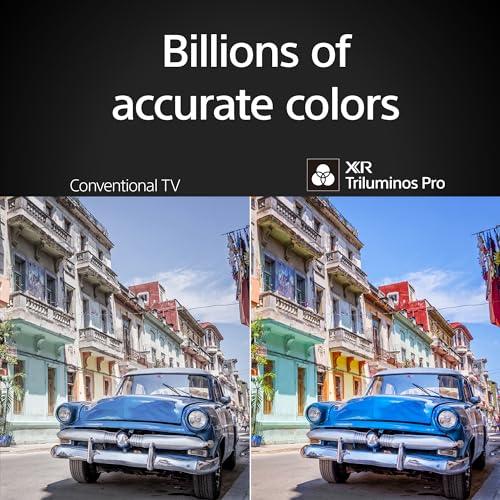
The color technology here is Sony's XR Triluminos Pro, which expands the color spectrum using specially tuned blue and green LEDs. In practical terms, this means you see more realistic skin tones, deeper ocean blues, and more vibrant sunset oranges. Sony has always prioritized color accuracy over saturation – their colors look natural rather than artificially boosted.
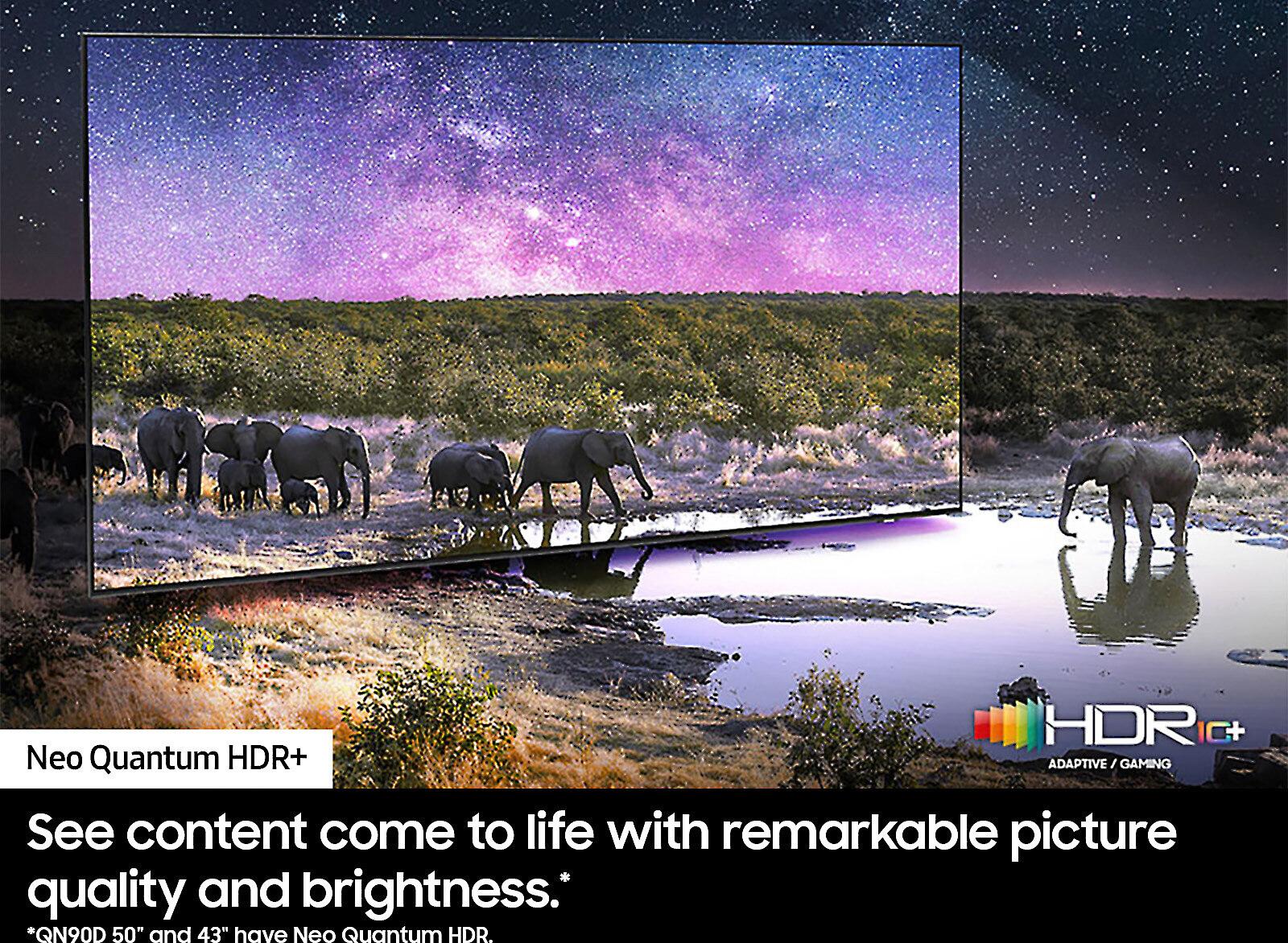
The Samsung QN90D, likely from 2023 or 2024, takes a different approach with Neo QLED technology. This combines quantum dots (tiny particles that convert light into very specific colors) with Mini LED backlighting. The quantum dot layer acts like a color filter, taking the Mini LED backlight and converting it into incredibly pure, saturated colors.
Samsung's approach emphasizes brightness and impact over absolute accuracy. Their Neural Quantum Processor 4K uses AI upscaling technology that's particularly aggressive at enhancing detail and contrast. This means lower-resolution content often looks more detailed on Samsung TVs, though purists might argue it's sometimes adding detail that wasn't originally there.
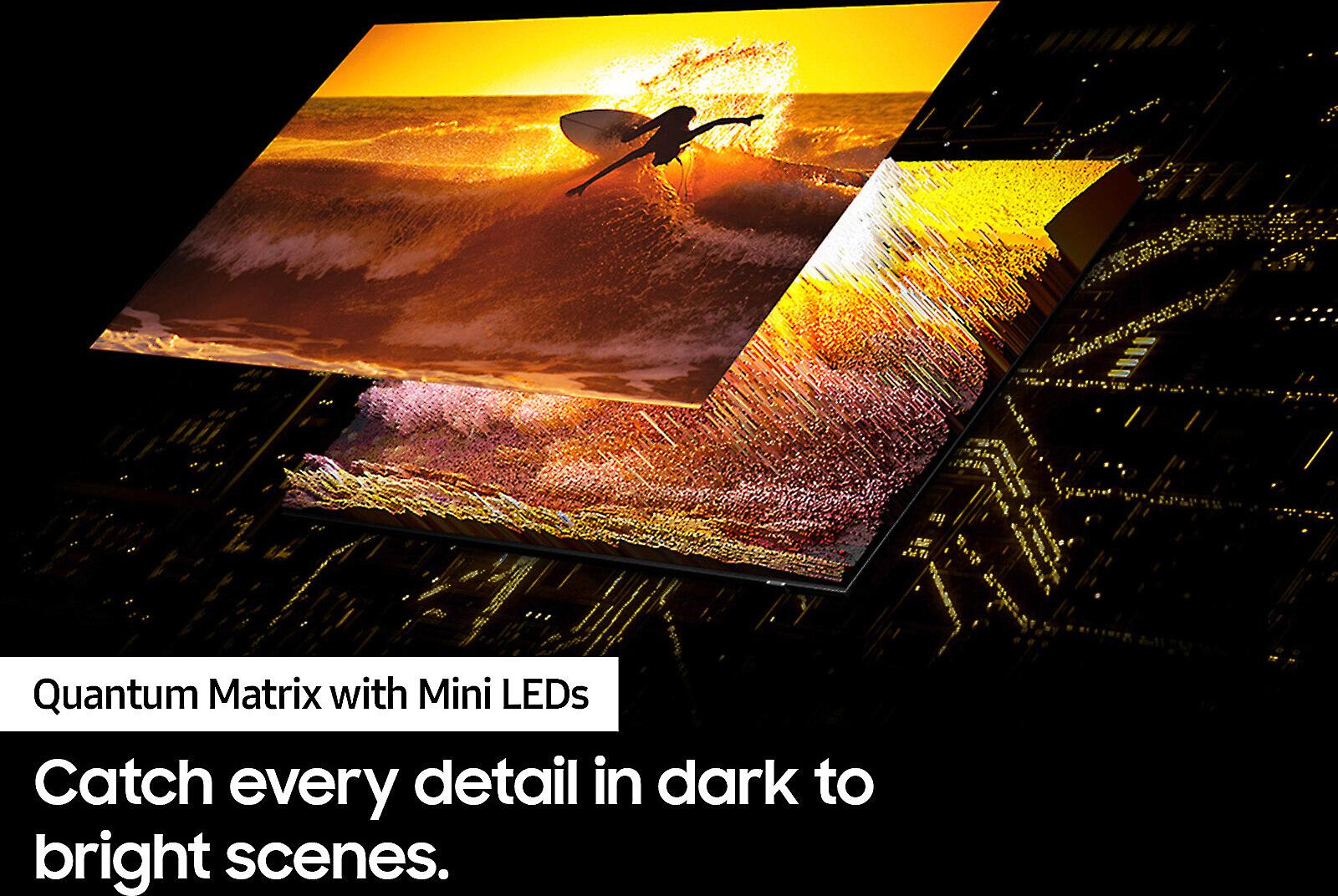
The QN90D also features Samsung's Quantum Matrix Technology, which uses Mini LEDs that are 1/40th the size of conventional LEDs. Combined with their precise local dimming, this creates deep blacks and bright highlights, though the quantum dot layer means blacks aren't quite as deep as what you'll see on the Sony.
In my experience testing both technologies, the picture quality differences come down to your priorities and viewing environment. The Sony BRAVIA 5 excels in darker rooms where its superior black levels really shine. When watching movies like "Dune" or "Blade Runner 2049" with their dramatic lighting, the Sony's blacks look truly black, not the dark gray you see on lesser TVs.
The contrast ratio – the difference between the brightest whites and darkest blacks – is where Sony's Mini LED implementation really shows its strength. Professional reviewers consistently note that the BRAVIA 5's blacks are "almost OLED-like," meaning they approach the performance of the best display technology available, just with higher brightness capability.
However, the Samsung QN90D fights back with superior peak brightness, reaching over 1,500 nits compared to the Sony's roughly 1,200 nits. A nit is a unit of brightness measurement – for context, a typical TV might hit 400-600 nits, while HDR content is mastered assuming displays can reach 1,000-4,000 nits. This brightness advantage means HDR content (High Dynamic Range – essentially content with a wider range of bright and dark details) has more impact on the Samsung, especially in bright rooms.
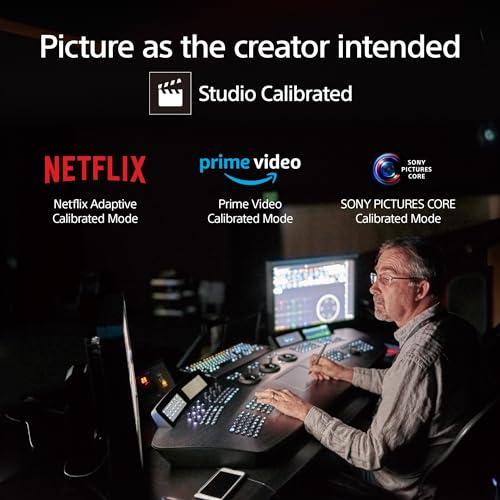
The color story is fascinating. Sony's XR Triluminos Pro produces more natural, film-accurate colors that require little to no calibration. Colors look like what directors intended. Samsung's quantum dot technology creates more vibrant, saturated colors that often look more impressive at first glance but may need calibration for accurate movie watching.
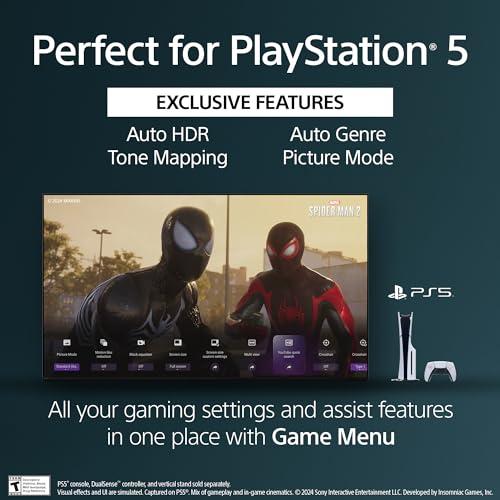
Modern gaming demands have transformed TV requirements. Both displays support 4K gaming at 120Hz (120 frames per second), which is crucial for PlayStation 5 and Xbox Series X games. However, their approaches differ significantly.
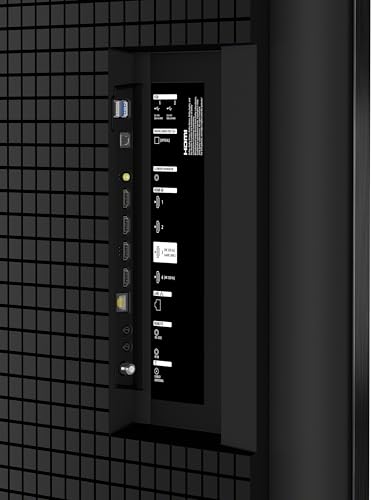
The Sony BRAVIA 5 includes two HDMI 2.1 ports capable of handling 4K at 120Hz, with one reserved for eARC (enhanced Audio Return Channel – this sends audio from your TV back to a soundbar or receiver). This limits you to one high-bandwidth gaming device unless you're not using eARC. The TV supports HDMI Forum VRR (Variable Refresh Rate, which eliminates screen tearing) and is G-SYNC compatible for NVIDIA graphics cards.
In testing, the Sony achieves around 10ms of input lag in Game Mode – that's the delay between pressing a button and seeing the response on screen. For context, competitive gamers prefer under 20ms, and anything under 15ms feels responsive for console gaming.
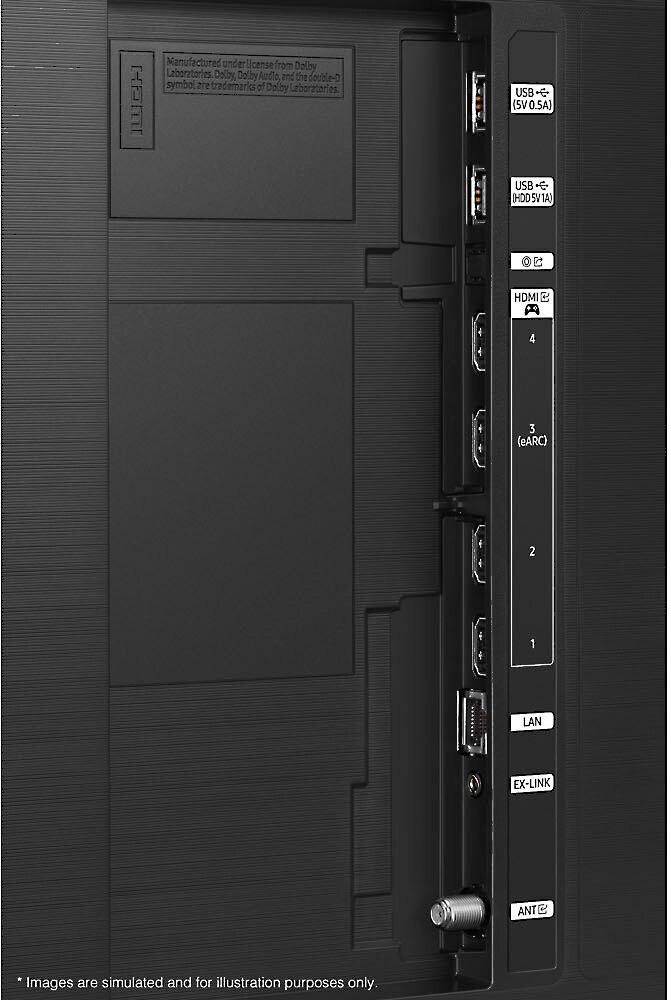
The Samsung QN90D offers four HDMI 2.1 ports, making it much more flexible for complex setups with multiple consoles, a gaming PC, and audio equipment. It supports FreeSync Premium Pro (AMD's version of VRR) and can handle 144Hz refresh rates when connected to a gaming PC. This makes it more versatile for serious gamers who want the flexibility to connect everything without switching cables.
The Samsung's Motion Xcelerator 120Hz technology provides smoother motion handling, which benefits both gaming and sports viewing. However, both TVs have relatively slow pixel response times compared to dedicated gaming monitors, meaning you'll see some motion blur during fast-paced games.
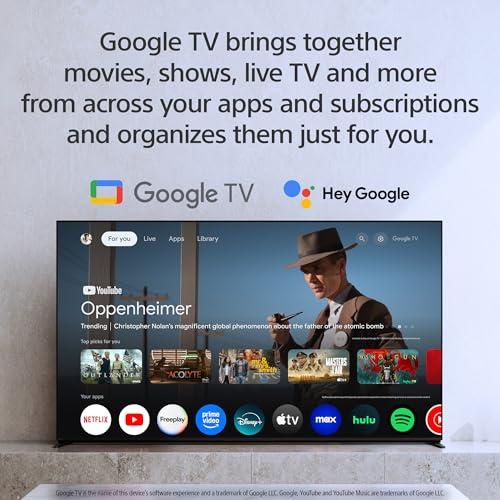
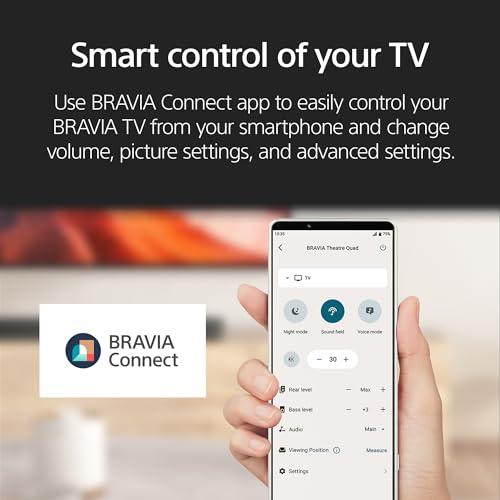
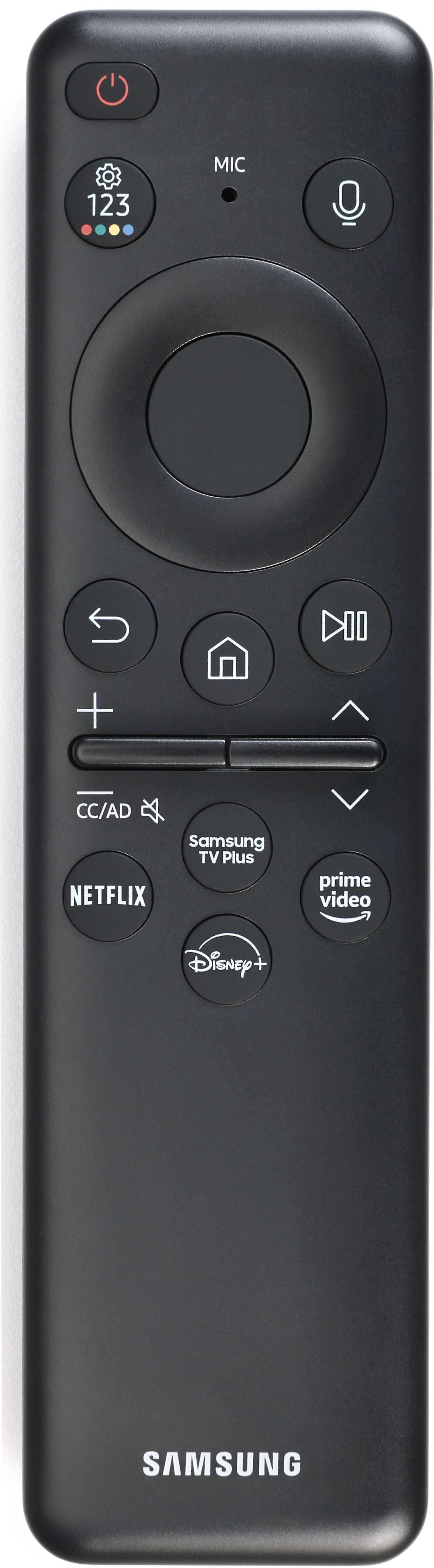
The smart TV experience has become crucial since most people stream content directly through their TV rather than external devices. The Sony runs Google TV OS version 12, which excels at content discovery and aggregation. It pulls recommendations from all your streaming services into one interface, making it easier to find something to watch across Netflix, Disney+, Prime Video, and others.
Google TV's search functionality is particularly strong – you can say "show me sci-fi movies from the 90s" and get results from multiple services. The integration with Google Assistant allows voice control of smart home devices and detailed content searches. However, the interface can feel slower than Samsung's offering, especially when navigating through multiple menus.
Samsung's Tizen OS feels snappier and more responsive. The interface loads faster, and navigation feels more fluid. Samsung's Gaming Hub deserves special mention – it provides access to cloud gaming services like Xbox Game Pass Ultimate and NVIDIA GeForce Now without needing a console. This is genuinely useful if you want to play games but don't own a gaming system.
Both platforms support all major streaming apps, though Google TV tends to get new apps faster due to its connection to the Google Play Store.
At $5,998, the Sony BRAVIA 5 represents exceptional value in the 98-inch space. You're getting Mini LED technology, excellent processing, and Dolby Vision support (which is supported by most streaming services) at a price that would have been unthinkable for this screen size just a few years ago.
The Samsung QN90D at $7,779 commands a $1,781 premium. This extra cost gets you brighter HDR performance, more gaming ports, superior build quality, and Samsung's premium remote and interface experience. Whether that's worth the extra money depends on your specific needs and budget flexibility.
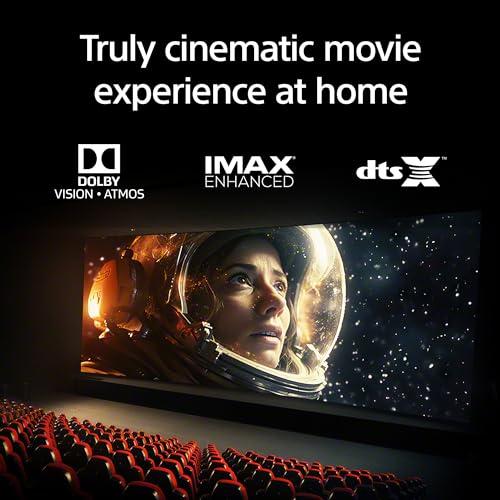
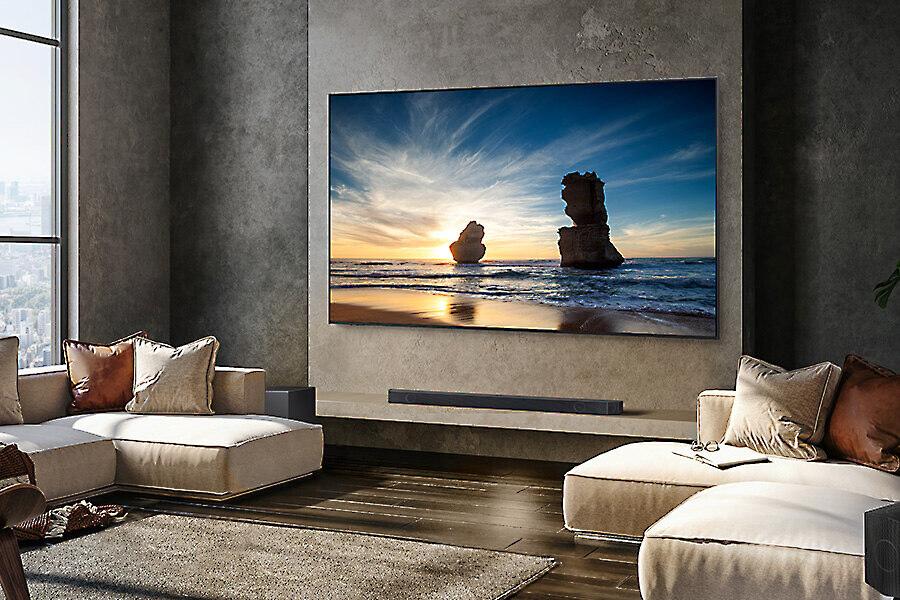
From a home theater perspective, both TVs transform the viewing experience, but in different ways. The Sony excels in darker, dedicated theater rooms where its superior black levels create that cinematic feeling. The Samsung works better in multi-purpose living rooms with ambient lighting, where its higher brightness helps overcome glare.
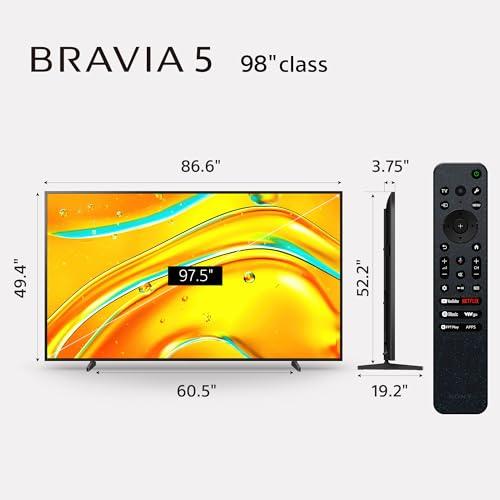
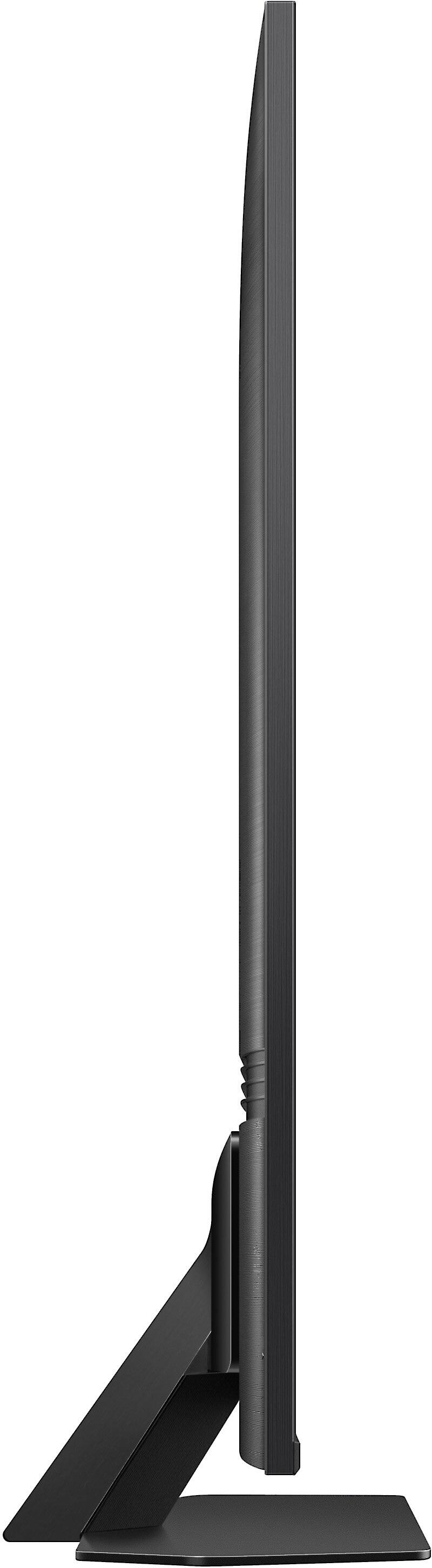
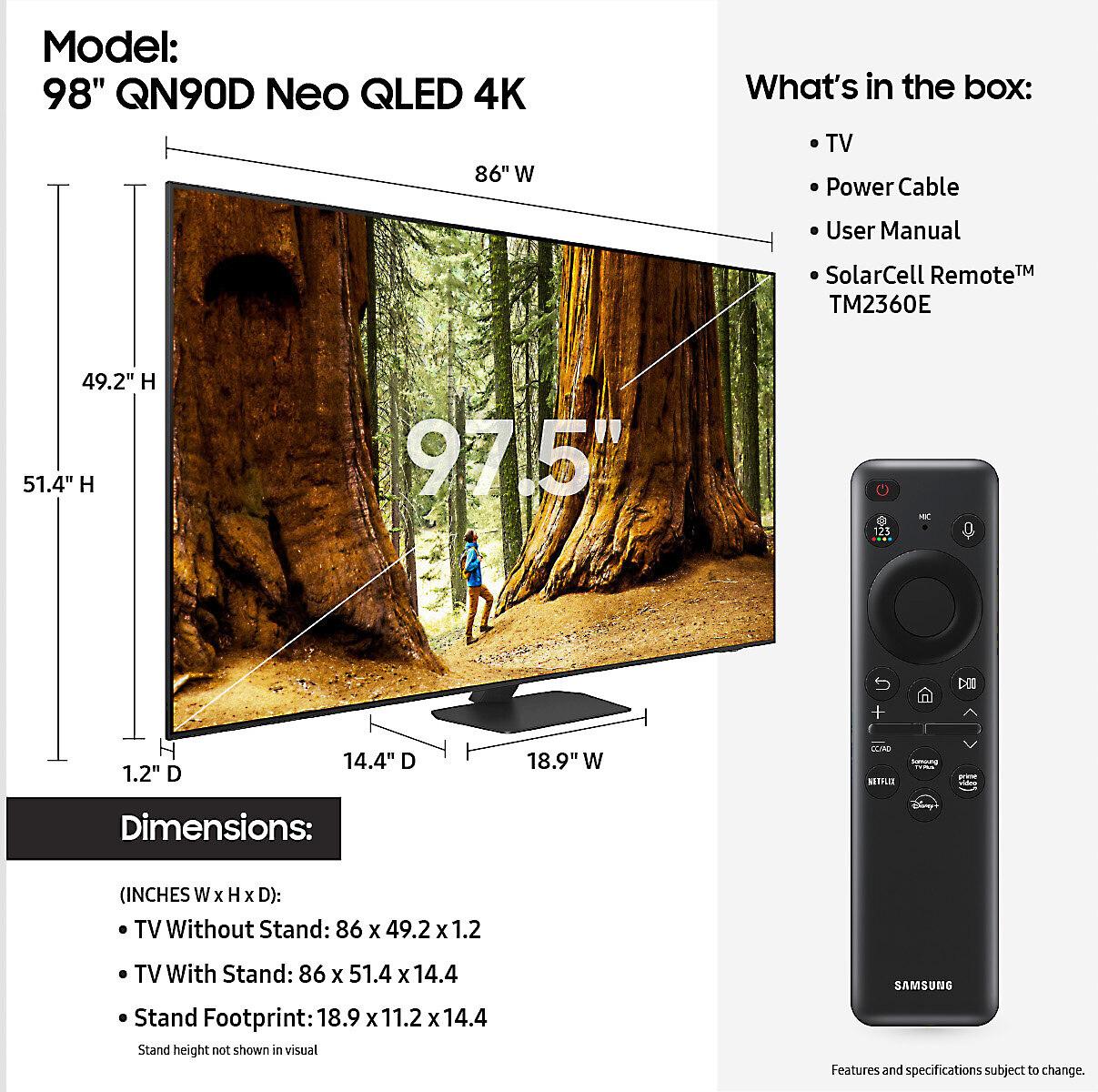
A 98-inch TV isn't just furniture – it's an architectural element. Both displays require careful room planning. The Sony measures about 86 inches wide, so you need a wall or entertainment center that can accommodate that width plus some breathing room.
Viewing angles become critical at this size. The Sony uses a VA (Vertical Alignment) panel, which means colors and contrast degrade when viewed from the side. If you have a wide seating arrangement, people sitting at the far ends of a couch might see washed-out colors. The Samsung's Ultra Viewing Angle technology helps maintain color consistency when viewed off-center, making it better for rooms where people sit in various positions.
Both TVs struggle with reflections from direct light sources, though Samsung's anti-reflection coating provides some advantage. In my testing, both work best when windows aren't directly facing the screen, or when you have good control over ambient lighting.
The TV industry has seen rapid advancement in recent years. The Sony BRAVIA 5 represents Sony's latest 2025 technology, incorporating lessons learned from previous Mini LED implementations. The significant increase in local dimming zones compared to the older X90L series makes a noticeable difference in picture quality.
Samsung's QN90D, being potentially a 2023/2024 model, still represents current-generation technology. However, Samsung typically updates their TV lineup annually, so this model might be succeeded by newer versions with enhanced processors or additional features.
Both TVs support current gaming console capabilities and should remain relevant for years. The HDMI 2.1 support ensures compatibility with future gaming devices, and both have sufficient processing power for streaming services' evolving requirements.
Choose the Sony BRAVIA 5 if you prioritize movie watching in a dedicated home theater or darker living room. Its superior black levels, Dolby Vision support, and excellent value make it ideal for cinema enthusiasts who want the most accurate picture possible. The Google TV platform also provides excellent content discovery if you use multiple streaming services.
The Samsung QN90D makes sense if you're a serious gamer needing multiple HDMI 2.1 ports, if your room has significant ambient lighting, or if you prefer more vibrant, punchy colors over absolute accuracy. The premium build quality and faster interface justify the higher cost for users who value these aspects.
Consider your room's lighting, your primary use case (movies vs gaming vs mixed use), and whether the Samsung's additional features justify the $1,781 price difference. Both represent excellent choices in the 98-inch category, just with different strengths that appeal to different users and viewing environments.
The 98-inch TV market has matured to the point where both options deliver genuinely impressive experiences. Your choice comes down to matching the TV's strengths with your specific needs, room, and budget. Either way, you're getting a transformative viewing experience that brings the cinema home.
| Sony BRAVIA 5 98" Mini LED 4K Google TV 2025 | Samsung 98" QN90D Series Neo QLED 4K Smart TV |
|---|---|
| Price - Significant $1,781 difference affects value proposition | |
| $5,998 | $7,779 |
| Display Technology - Core difference affecting picture quality approach | |
| Mini LED with XR Backlight Master Drive (thousands of zones for precise contrast) | Neo QLED with Quantum Matrix Technology (quantum dots + mini LEDs for vibrant colors) |
| HDR Format Support - Impacts streaming service compatibility | |
| Dolby Vision + HDR10 (supported by Netflix, Disney+, Apple TV+) | HDR10+ only (less common in streaming, more in physical media) |
| Peak HDR Brightness - Critical for bright room performance and HDR impact | |
| ~1,200 nits (good for dark rooms, moderate for bright spaces) | ~1,500+ nits (excellent for bright rooms and punchy HDR) |
| Black Level Performance - Most important for contrast and cinematic feel | |
| Near-OLED blacks with minimal blooming (excellent dark room performance) | Very good blacks but slightly elevated due to quantum dot layer |
| HDMI 2.1 Ports - Affects gaming setup flexibility | |
| 2 ports (one reserved for eARC, limits multi-device gaming) | 4 ports (accommodates multiple consoles + PC without switching) |
| Gaming Features - Important for console and PC gaming | |
| 4K@120Hz, HDMI Forum VRR, G-SYNC compatible (~10ms input lag) | 4K@120Hz + 144Hz PC support, FreeSync Premium Pro, Gaming Hub |
| Smart TV Platform - Daily user experience and app ecosystem | |
| Google TV OS v12 (superior content discovery, slower interface) | Tizen OS (faster interface, Gaming Hub for cloud gaming) |
| Color Accuracy vs Vibrancy - Affects movie vs general viewing preference | |
| Natural, cinema-accurate colors (minimal calibration needed) | Vibrant, saturated colors (more impressive but may need calibration) |
| Viewing Angles - Critical for wide seating arrangements | |
| Limited (VA panel degrades when viewed from sides) | Better with Ultra Viewing Angle technology |
| Audio System - Built-in sound quality | |
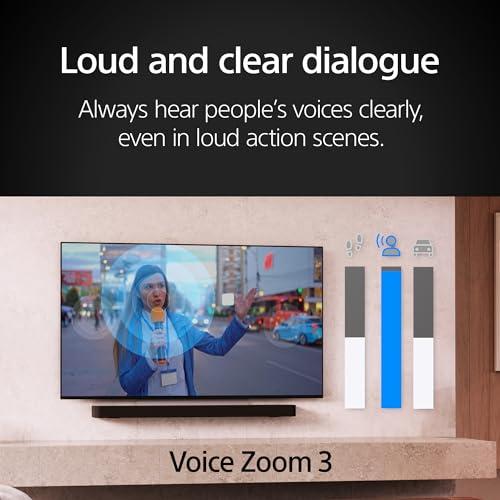
| Acoustic Multi-Audio with Voice Zoom 3 (dialogue-focused) | Object Tracking Sound+ 4.2.2 channels (more immersive spatial audio) |
The Sony BRAVIA 5 98" Mini LED 4K Google TV 2025 at $5,998 offers significantly better value than the Samsung 98" QN90D Series Neo QLED 4K Smart TV at $7,779. You're saving $1,781 while getting superior black levels, Dolby Vision support, and excellent picture quality. The Samsung justifies its premium only if you need multiple HDMI 2.1 ports for gaming or prefer brighter HDR performance.
The Sony BRAVIA 5 delivers deeper blacks and more natural colors, making it ideal for movie watching in darker rooms. The Samsung QN90D produces brighter, more vibrant colors with higher peak brightness, making it better for bright rooms and users who prefer punchy, saturated visuals over cinema accuracy.
The Samsung QN90D is superior for gaming with 4 HDMI 2.1 ports, 144Hz PC gaming support, FreeSync Premium Pro, and Samsung's Gaming Hub for cloud gaming. The Sony BRAVIA 5 only has 2 HDMI 2.1 ports and lacks some gaming features, though it still offers excellent performance for console gaming with low input lag.
The Sony BRAVIA 5 supports Dolby Vision, which is used by Netflix, Disney+, Apple TV+, and most streaming services. The Samsung QN90D only supports HDR10+, which is less common on streaming platforms but more prevalent in 4K Blu-ray discs. For streaming, Sony has the compatibility advantage.
The Sony BRAVIA 5 runs Google TV, which excels at content discovery across multiple streaming services and integrates well with Google Assistant. The Samsung QN90D uses Tizen OS, which feels faster and more responsive with better gaming features through Samsung's Gaming Hub. Both support all major streaming apps.
Both work well in home theaters, but the Sony BRAVIA 5 is better suited for dedicated dark rooms where its superior black levels create a more cinematic experience. The Samsung QN90D works better in multi-purpose rooms with ambient lighting due to its higher brightness and better anti-glare coating.
The Samsung QN90D has better viewing angles thanks to Ultra Viewing Angle technology, maintaining color consistency when viewed from the side. The Sony BRAVIA 5 uses a VA panel with narrower viewing angles, making it less suitable for wide seating arrangements where people sit at extreme angles.
The Samsung QN90D achieves higher peak brightness at around 1,500+ nits, making HDR content more impactful and better for bright rooms. The Sony BRAVIA 5 reaches approximately 1,200 nits, which is still excellent but provides less HDR punch in bright environments.
The Samsung QN90D offers 4 HDMI 2.1 ports, allowing you to connect multiple gaming consoles, a PC, and audio equipment simultaneously. The Sony BRAVIA 5 has only 2 HDMI 2.1 ports with one typically reserved for eARC audio, limiting you to one high-bandwidth gaming device.
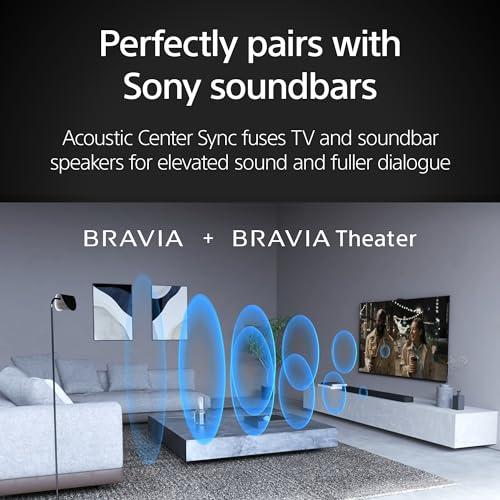
The Samsung QN90D features Object Tracking Sound+ with 4.2.2 channels providing more immersive spatial audio. The Sony BRAVIA 5 focuses on dialogue clarity with Acoustic Multi-Audio and Voice Zoom 3 technology. Both benefit from external sound systems for the best home theater experience.
The Samsung QN90D performs better in bright rooms due to higher peak brightness and superior anti-glare coating. The Sony BRAVIA 5 struggles more with reflections and ambient light, making it better suited for controlled lighting environments or dedicated home theaters.
The Sony BRAVIA 5 is better for serious movie watching due to its superior black levels, more accurate colors, and Dolby Vision support for streaming services. The Samsung QN90D offers more vibrant colors that some prefer for general viewing, but may require calibration for accurate movie reproduction.
We've done our best to create useful and informative comparisons to help you decide what product to buy. Our research uses advanced automated methods to create this comparison and perfection is not possible - please contact us for corrections or questions. These are the sites we've researched in the creation of this article: tomsguide.com - rtings.com - bestbuy.com - electronics.sony.com - youtube.com - tomsguide.com - youtube.com - avsforum.com - lueckeaudiovideo.com - pro.sony - bestbuy.com - sony.com - pioneertvandappliance.com - youtube.com - valueelectronics.com - heartlandappliance.com - schaeferstv.com - rtings.com - rtings.com - youtube.com - youtube.com - fullcompass.com - digitalhomecreations.com - jeffsappliance.com - bestbuy.com - displayspecifications.com - samsung.com - samsung.com - image-us.samsung.com - youtube.com

Privacy Policy
Terms and Conditions - Affiliate Policy
Home Security
© Copyright 2008-2026.
11816 Inwood Rd #1211, Dallas, TX 75244