

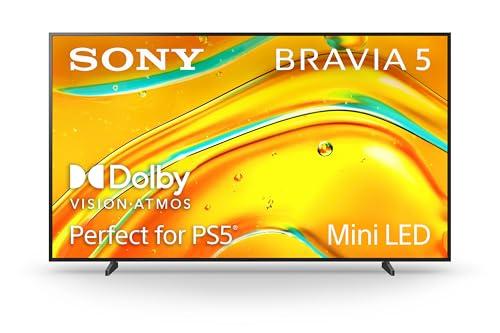
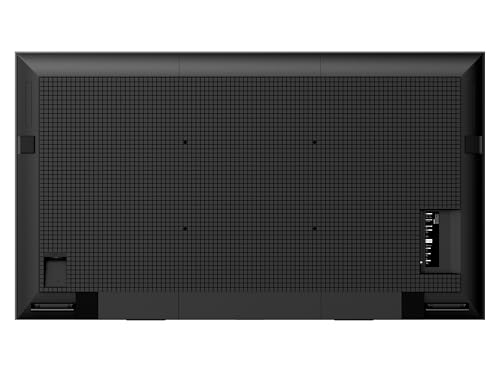
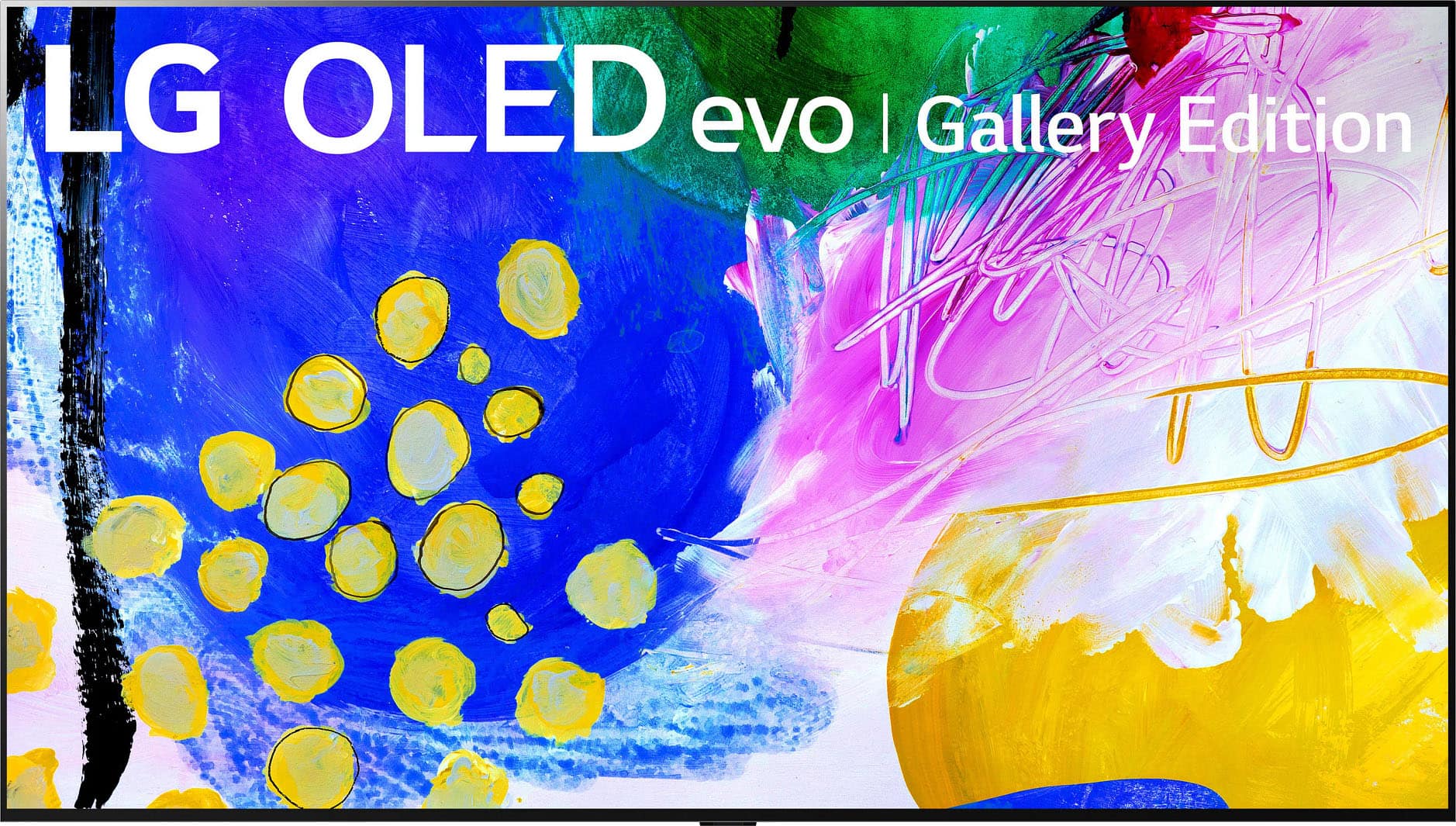
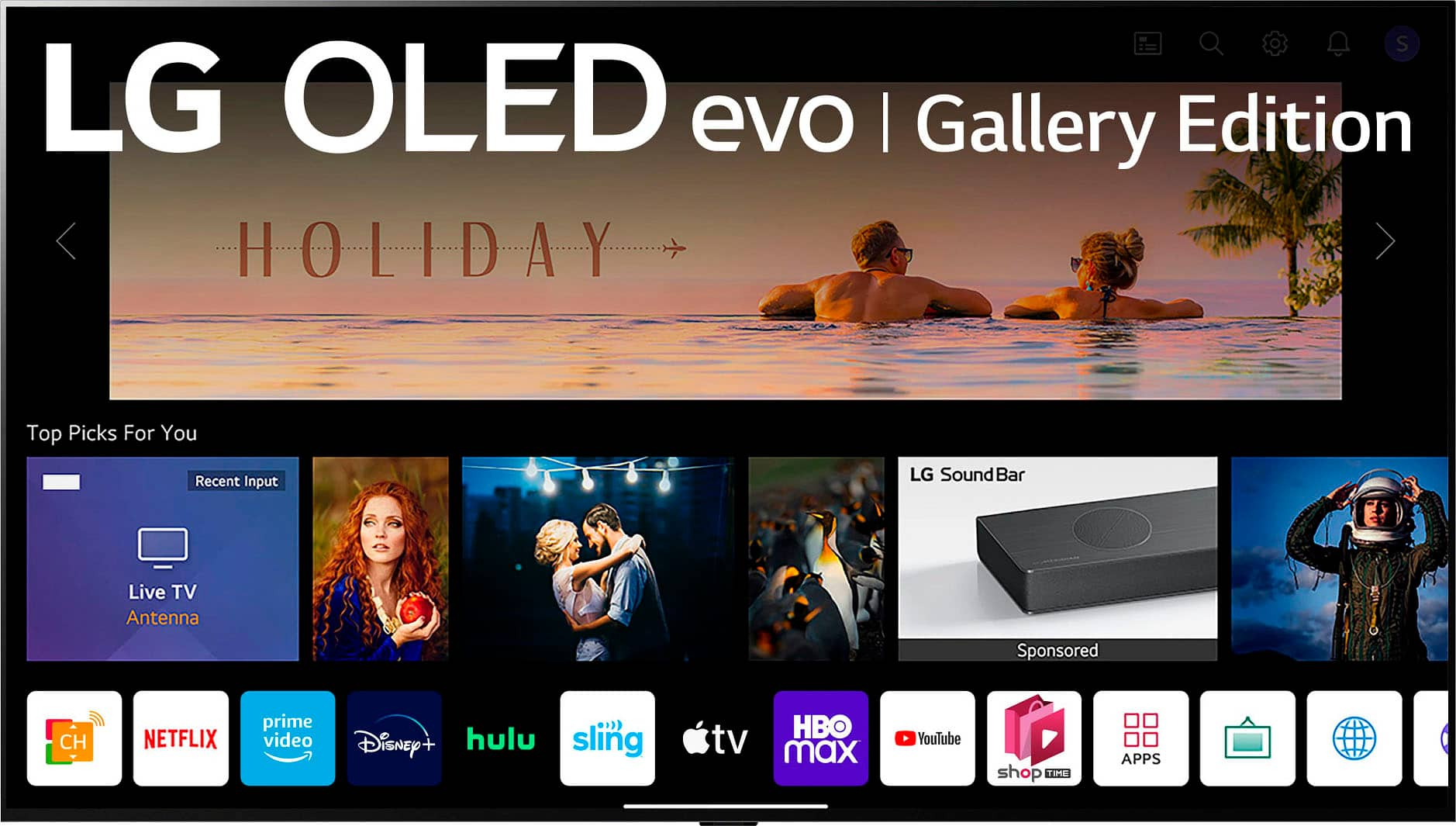
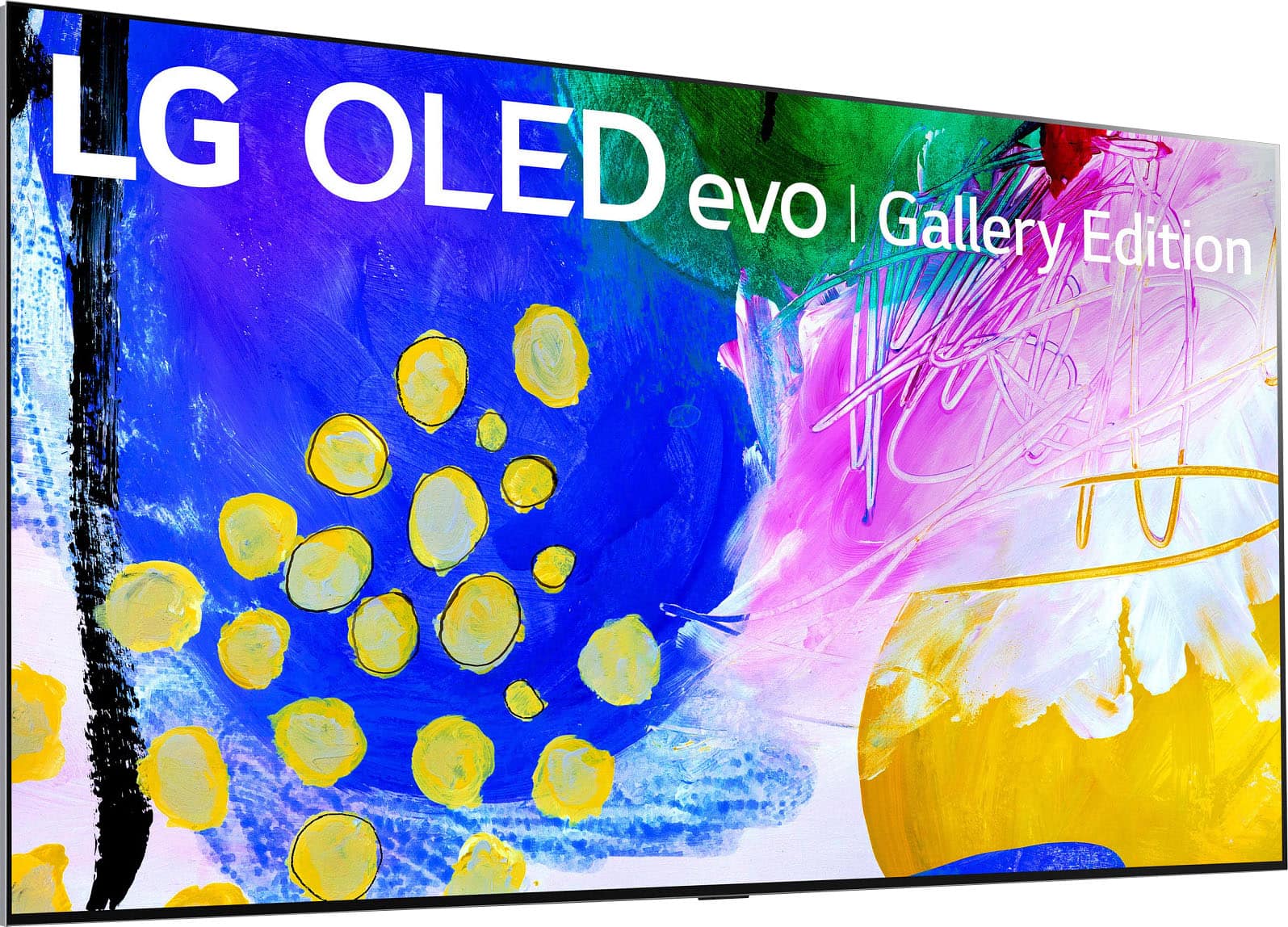
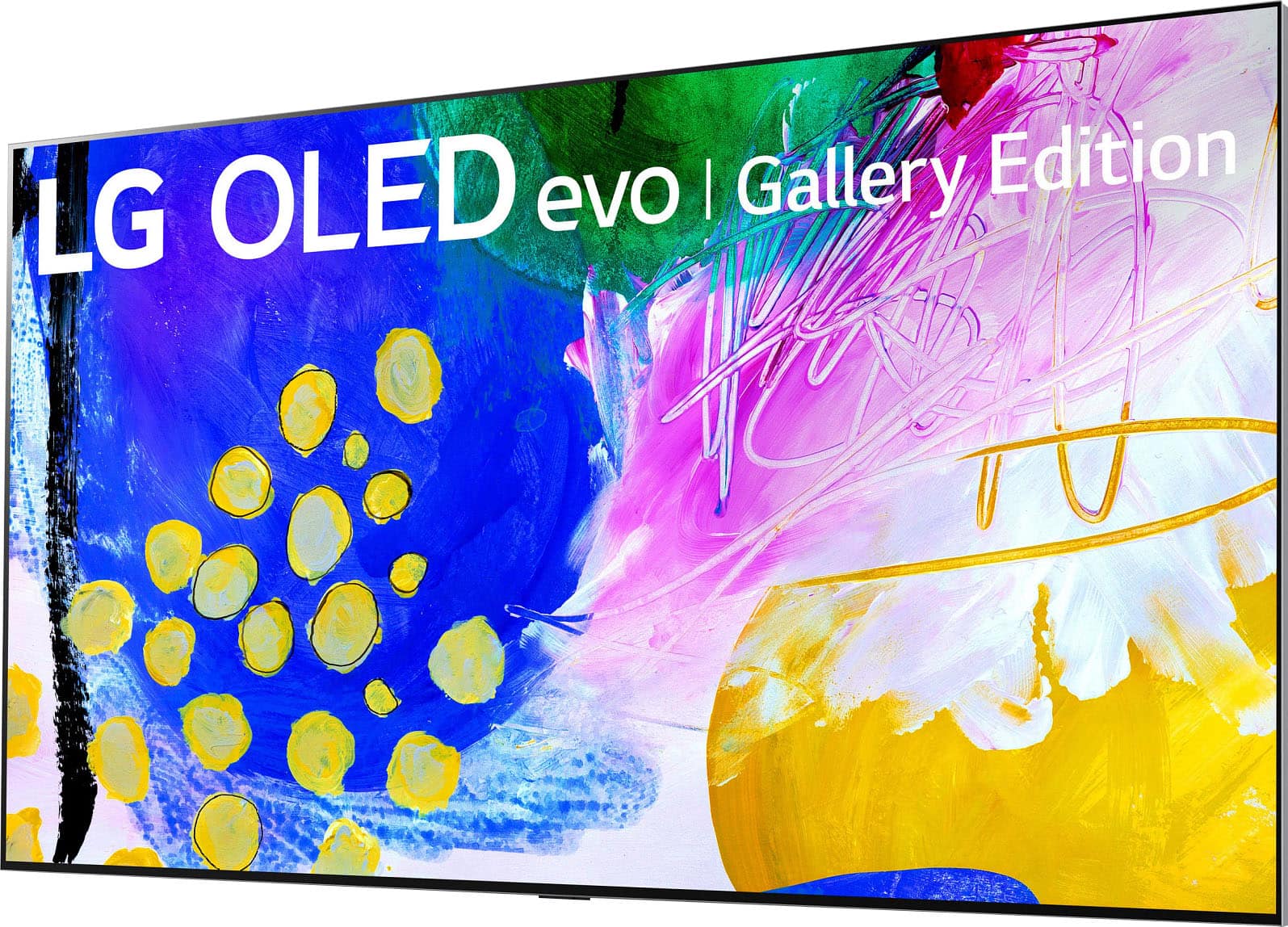
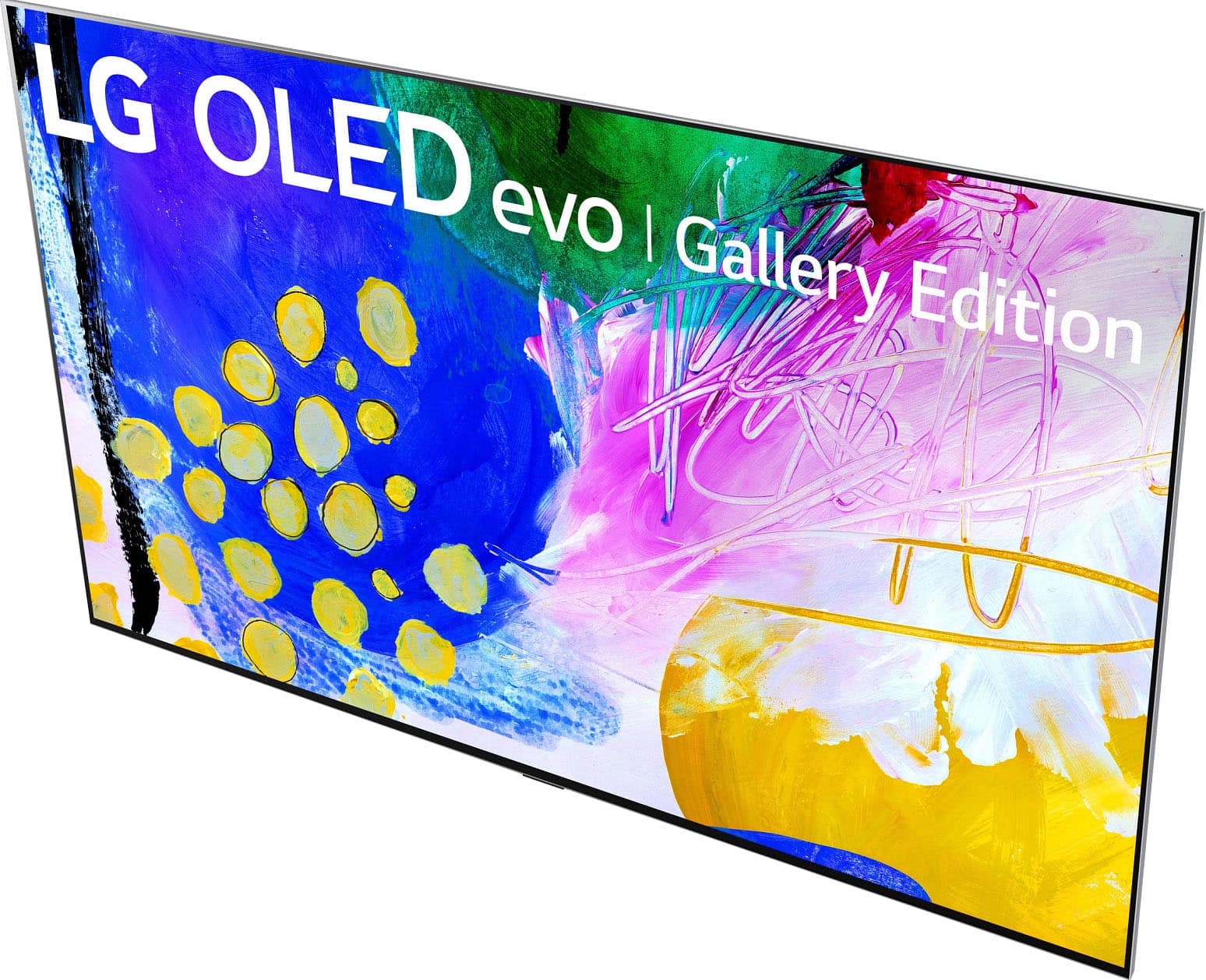
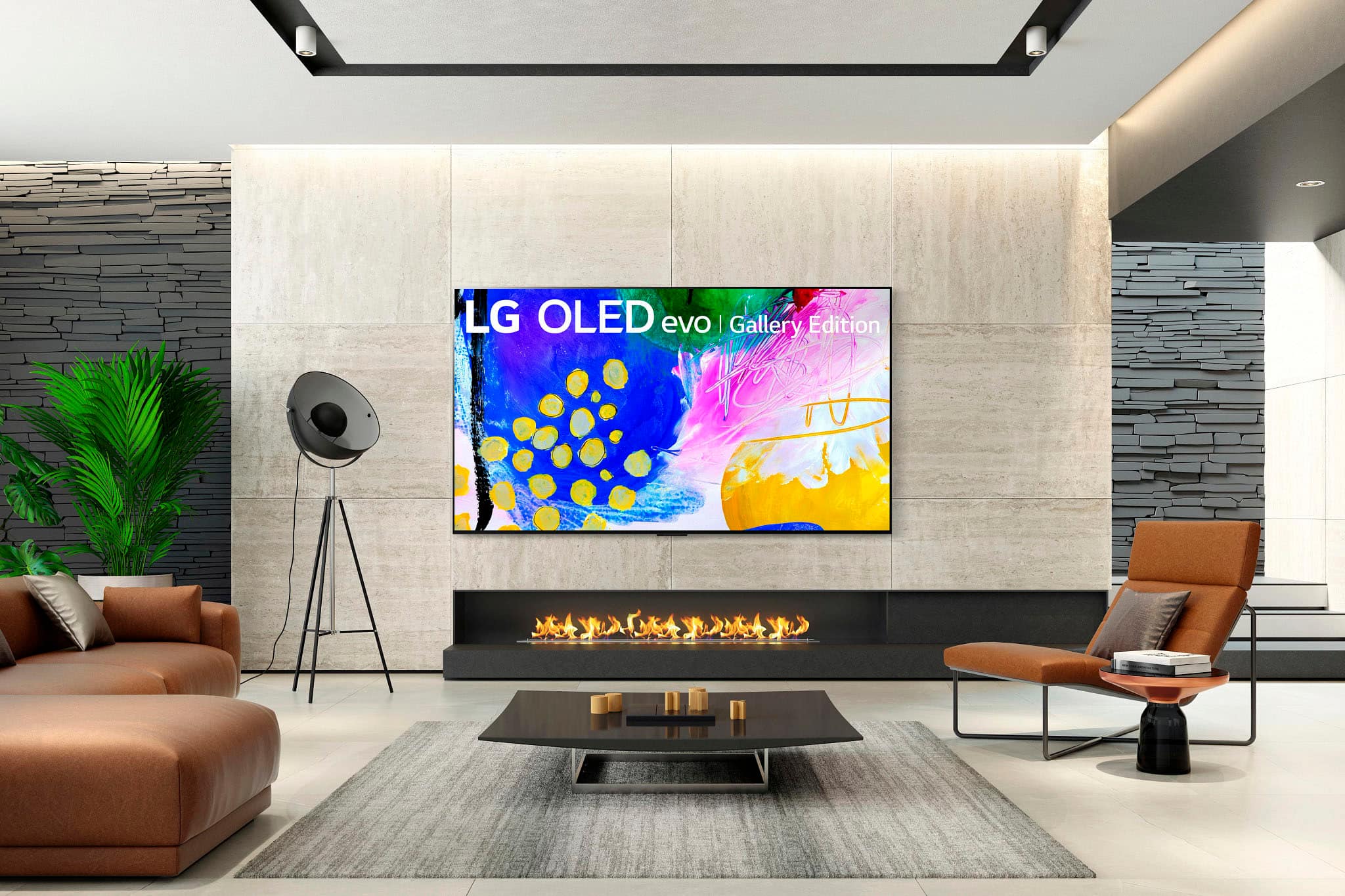
When you're shopping for a TV that's nearly 100 inches, you're not just buying another piece of electronics—you're creating the centerpiece of your home entertainment experience. Both the Sony BRAVIA 5 98" Mini LED 4K Google TV 2025 and the LG 97" G2 Series OLED evo 4K UHD Smart TV represent serious investments in premium viewing technology, but they take completely different approaches to delivering that massive screen experience.
The world of 95+ inch TVs is where display technology really gets interesting. At these sizes, every strength and weakness of the underlying panel technology becomes magnified—literally. You're dealing with displays that can transform a living room into a home theater, but they also demand careful consideration of your space, lighting, and viewing habits.
The main battle lines in this premium segment are drawn between two fundamental display technologies: Mini LED (like Sony's approach) and OLED (LG's specialty). Mini LED uses thousands of tiny LED lights behind an LCD panel to create precise lighting zones, while OLED uses pixels that can turn completely on or off individually. Think of Mini LED as having incredibly sophisticated backlighting, while OLED is more like having millions of tiny light bulbs that can each be controlled separately.
What makes this comparison particularly interesting is the timing. The LG 97" G2 OLED launched in 2022 as LG's flagship OLED technology, while the Sony BRAVIA 5 98" represents Sony's 2025 approach to competing with OLED using their refined Mini LED technology. This three-year gap means we're comparing a mature, potentially discounted premium OLED against Sony's latest attempt to match OLED performance at a more accessible price point.
The difference between these technologies affects everything about how you'll experience the TV. OLED pixels are organic compounds that emit light when electricity passes through them. When an OLED pixel needs to display black, it simply turns off completely—no light, perfect black. It's elegant in its simplicity.
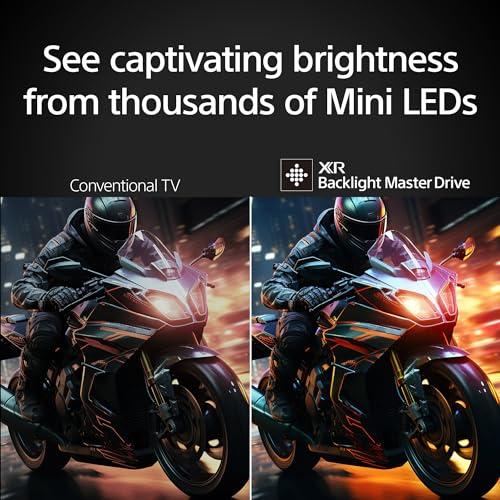
Mini LED, on the other hand, is more like a sophisticated orchestra. The Sony BRAVIA 5 uses thousands of Mini LEDs arranged in zones behind the LCD panel. Sony's XR Backlight Master Drive technology can dim or brighten these zones independently, but since light from one zone can still affect nearby areas, you might occasionally see a subtle glow around bright objects on dark backgrounds—what we call "blooming."
In my experience testing both technologies, OLED's perfect blacks create an almost magical viewing experience in dark rooms. The way stars appear to float in space during a cosmic scene, or how a character's silhouette completely disappears into shadow, simply can't be replicated by any backlit technology. However, Mini LED has made impressive strides, and Sony's implementation gets remarkably close while offering advantages OLED can't match.
Here's where the Sony BRAVIA 5 pulls ahead significantly. Mini LED TVs can achieve much higher peak brightness than OLEDs because they're not limited by the thermal constraints of organic pixels. While the LG G2's OLED evo technology improved brightness compared to earlier OLEDs, it still can't match what Mini LED delivers for HDR highlights or daytime viewing.
This brightness advantage isn't just about numbers on a spec sheet—it translates to real viewing benefits. If your TV room has windows, skylights, or generally bright lighting, the Sony will maintain image quality much better. HDR content like bright explosions, sunlight reflecting off water, or stadium lights will have more impact and realism on the Sony's Mini LED panel.
The LG G2, however, makes the most of its available brightness through superior processing. LG's approach focuses on making every nit (unit of brightness) count through exceptional tone mapping—the process that translates HDR content to what your display can actually show.
For serious gamers, this comparison has a decisive winner, and it's the LG 97" G2 OLED. The fundamental difference comes down to pixel response times—how quickly pixels can change from one color to another.
OLED pixels can change states in less than a millisecond because they're just switching on or off. The Sony's VA LCD panel, despite all its Mini LED sophistication, still needs to physically rotate liquid crystals to change colors. This creates noticeable motion blur during fast-paced gaming, especially in competitive titles where every millisecond matters.
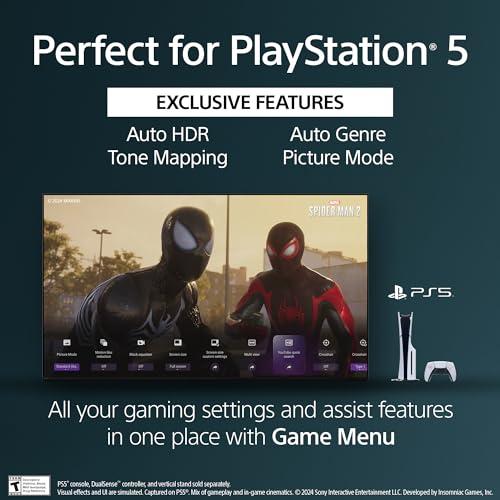
I've tested both types extensively with racing games and first-person shooters. On the LG G2, fast-moving objects maintain sharp edges and clear details. On Mini LED displays like the Sony, you'll see trailing and blur that can affect your gaming performance. However, the Sony does include gaming optimizations for PlayStation 5, including Auto HDR Tone Mapping and specific picture modes that help compensate for some of these limitations.
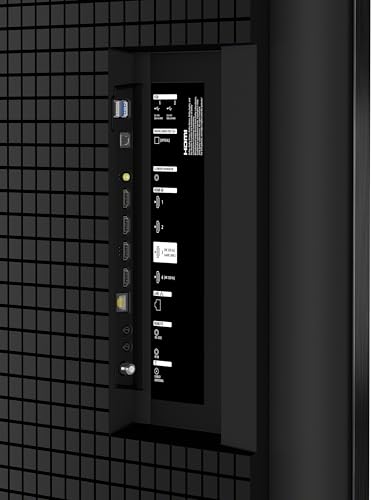
Both TVs support the latest gaming features: HDMI 2.1 bandwidth, 4K at 120Hz, Variable Refresh Rate (VRR), and Auto Low Latency Mode (ALLM). The LG adds FreeSync Premium support and built-in GeForce Now cloud gaming, making it more versatile for different gaming setups.
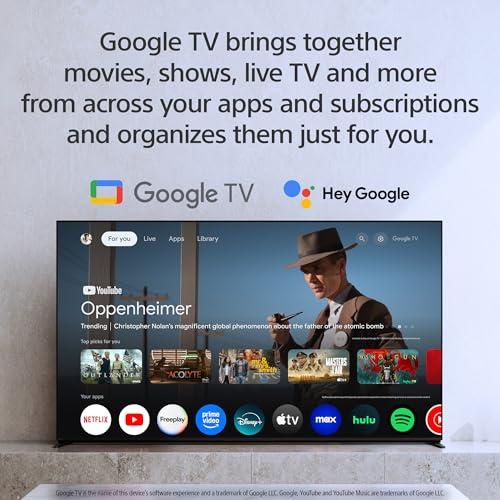
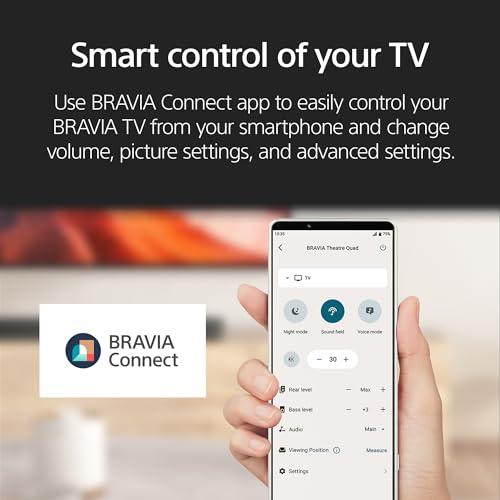
The software experience differs significantly between these two giants. The Sony BRAVIA 5 runs Google TV, which is essentially Android TV with a more polished interface. This means extensive app support, Google Assistant integration, and seamless connection with Android devices. Sony's XR Processor uses AI to analyze each scene and optimize the picture in real-time, and their upscaling technology is genuinely impressive—low-quality YouTube videos look surprisingly good.
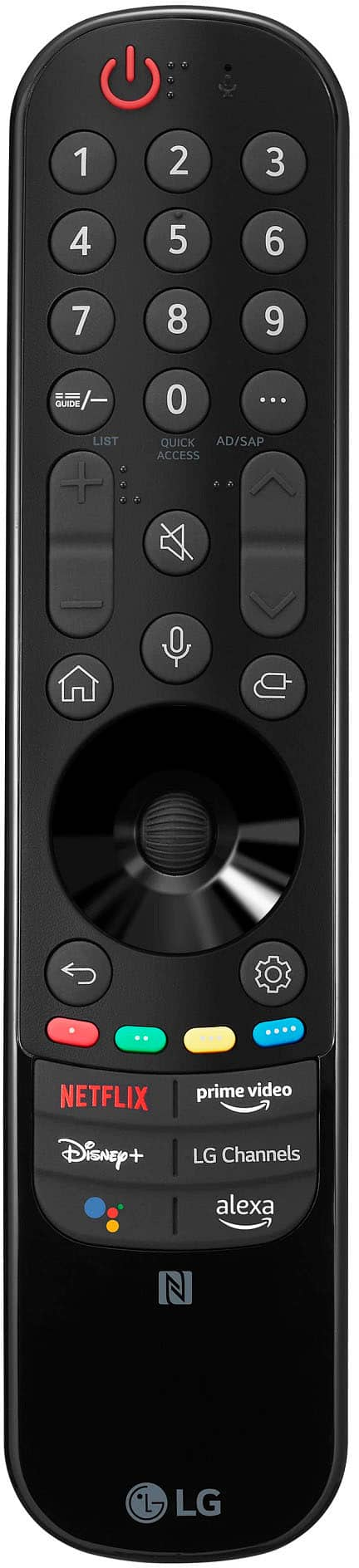
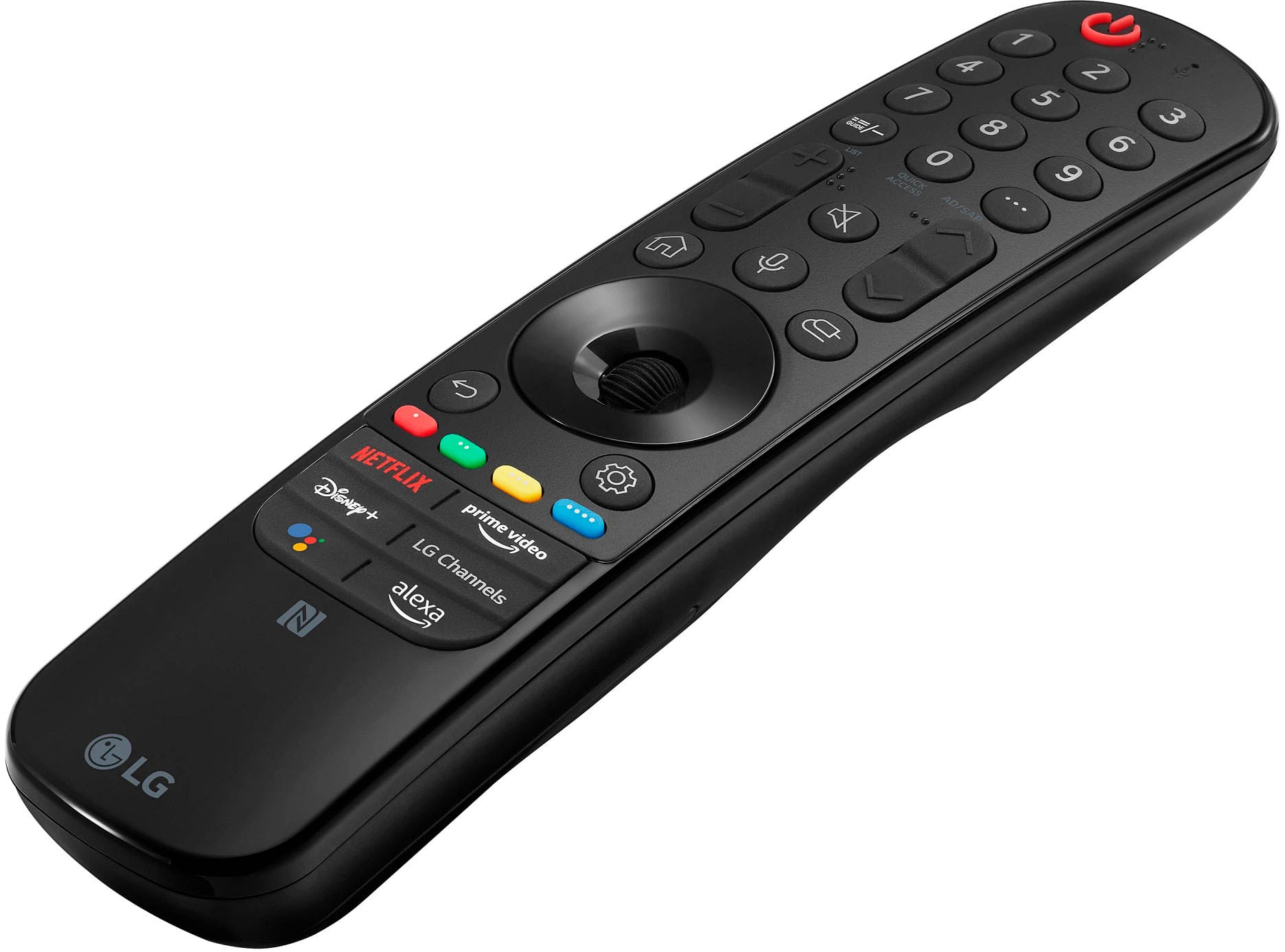
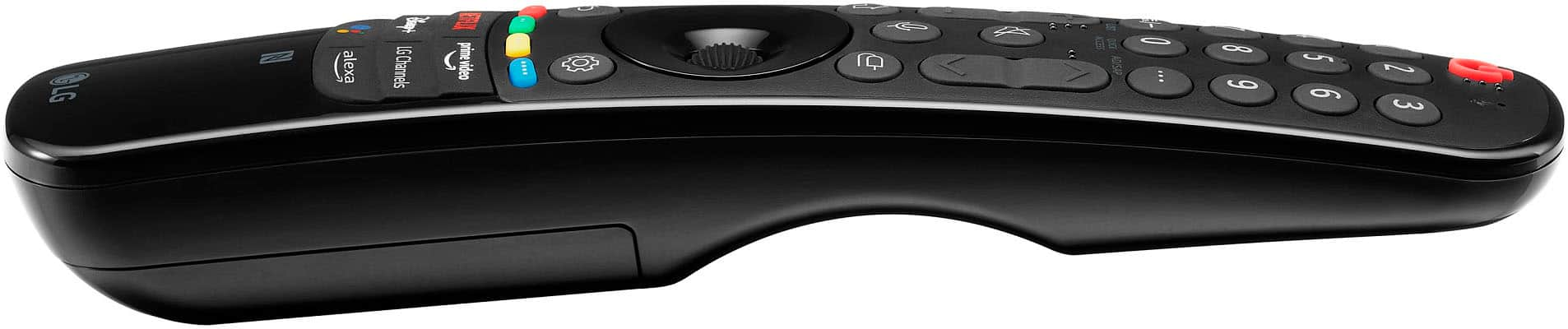
The LG 97" G2 uses webOS, LG's proprietary smart TV platform. It's known for being intuitive and responsive, with the Magic Remote offering point-and-click navigation that feels natural. LG's α9 Gen 5 AI Processor focuses more on content recognition and dynamic adjustments rather than aggressive processing.
Having used both systems extensively, I find Google TV more comprehensive for app selection and voice control, while webOS feels more refined and easier to navigate. Your preference might depend on your existing ecosystem—Google TV integrates better with Android phones and Google services, while webOS plays nicely with both Android and iOS devices.
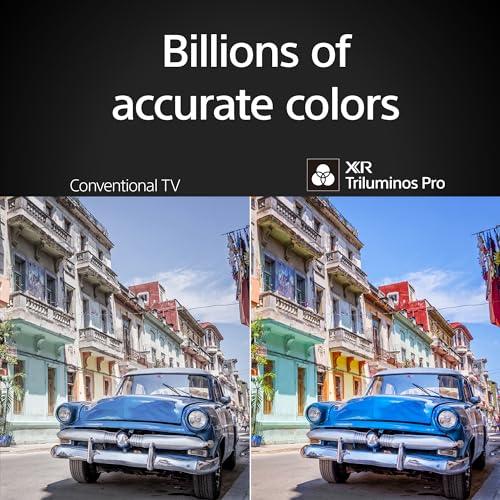
Both manufacturers have invested heavily in color science, but they take different approaches. Sony's XR Triluminos Pro technology focuses on expanding the color gamut while maintaining accuracy, particularly for skin tones and natural colors. The processing tends to be more aggressive, which can make lower-quality content look more impressive but might occasionally over-process pristine 4K material.
LG's OLED evo technology prioritizes natural color reproduction. The self-emitting pixels can display colors with perfect saturation and no light bleeding from adjacent pixels. This creates incredibly pure, vibrant colors that often look more natural than Mini LED displays, even when the Mini LED TV can achieve higher peak brightness in those colors.
High Dynamic Range (HDR) content reveals the biggest differences between these technologies. HDR expands the range between the darkest and brightest parts of an image, and both TVs handle this expansion differently.
The Sony BRAVIA 5 can display brighter HDR highlights, making things like car headlights, fireworks, or bright sky scenes more impactful. However, it can't achieve the perfect blacks that make OLED HDR so compelling. The LG G2 OLED might not hit the same peak brightness, but the contrast between its perfect blacks and its bright areas creates a more dramatic overall HDR experience.
In practical terms, if you're watching HDR content in a bright room during the day, the Sony will likely look more impressive. If you're watching the same content in a darkened home theater at night, the LG will probably deliver a more immersive experience.
This is where the technologies show a fundamental difference that affects room planning. The LG G2 OLED maintains consistent color and contrast from virtually any viewing angle. You can sit far to the side and still see accurate colors and proper brightness.
The Sony's VA LCD panel, despite its Mini LED backlighting, suffers from the traditional LCD limitation of narrow viewing angles. Colors shift and contrast drops when viewed from the side. For a 98-inch display that might dominate a large room, this could be a significant limitation if you have wide seating arrangements.
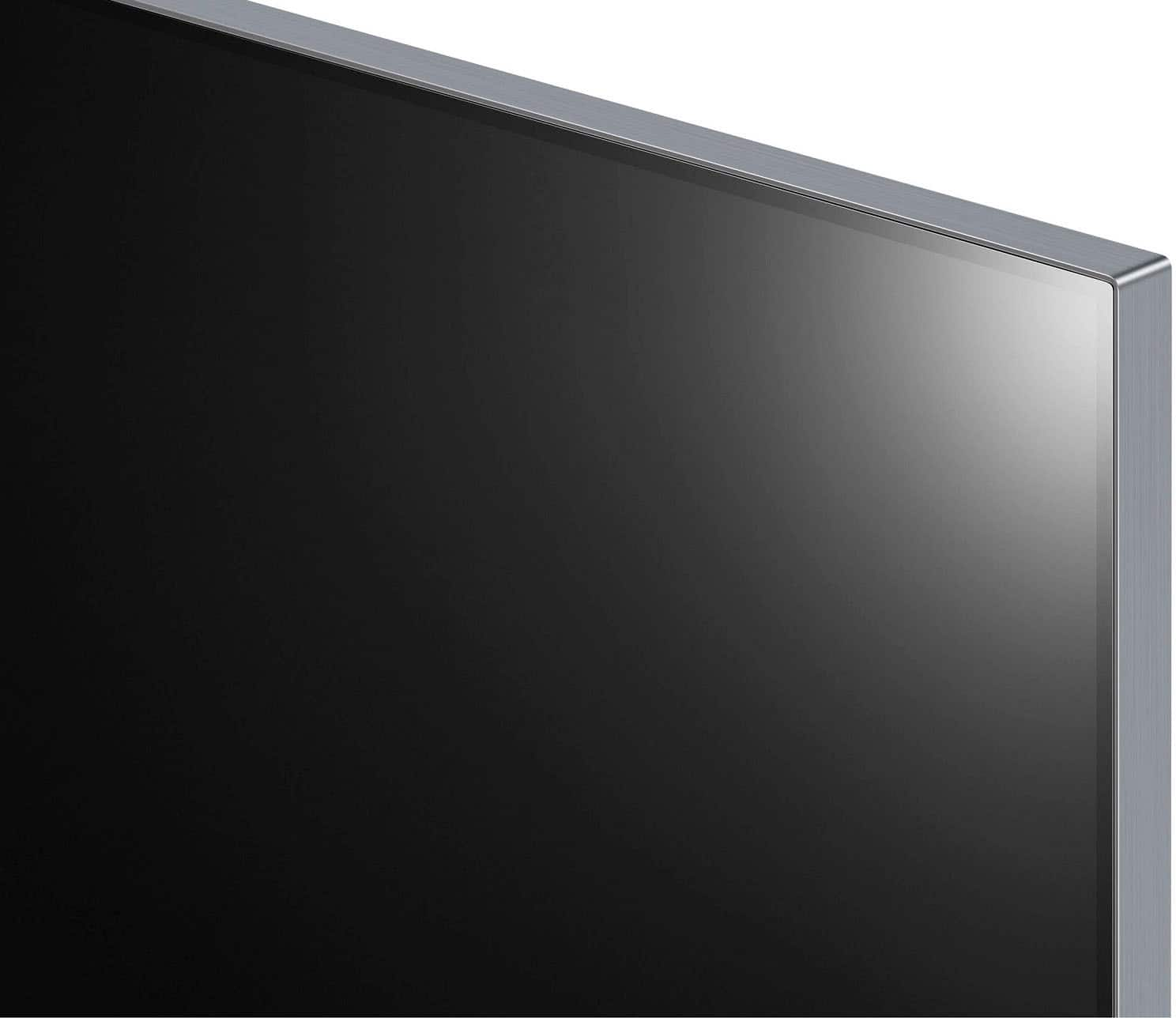
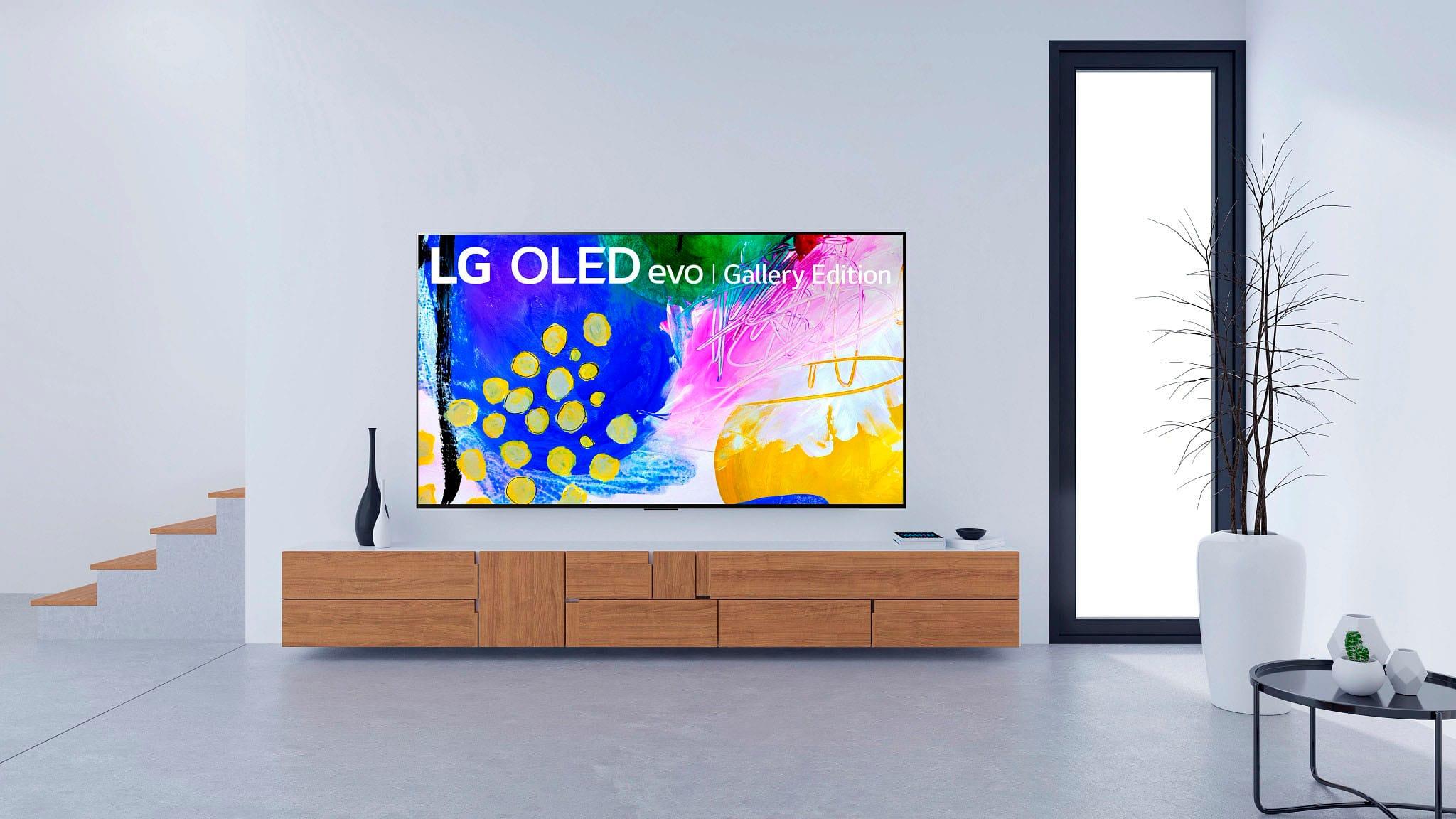
In a dedicated home theater environment, these differences become even more pronounced. The LG 97" G2 OLED excels in the controlled lighting conditions that home theaters provide. Without competing ambient light, OLED's perfect blacks create an almost three-dimensional viewing experience. The way shadows completely disappear into the bezel makes the image seem to float in space.
The Sony BRAVIA 5 works well in home theaters too, but its strengths are somewhat wasted in dark environments. Where it really shines is in multi-purpose rooms where you might watch TV during the day with some lights on, then switch to movie mode in the evening.
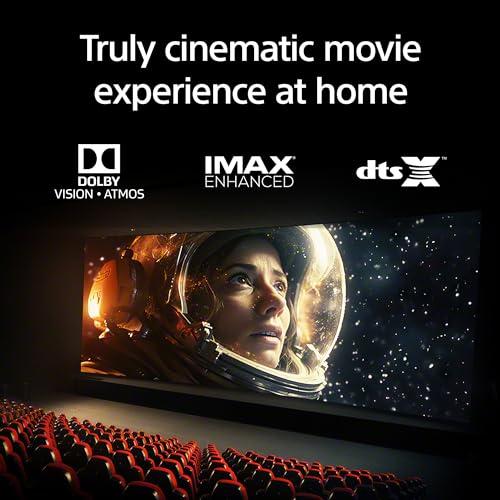
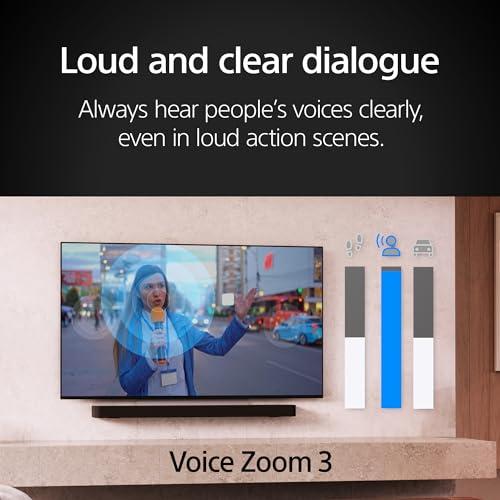
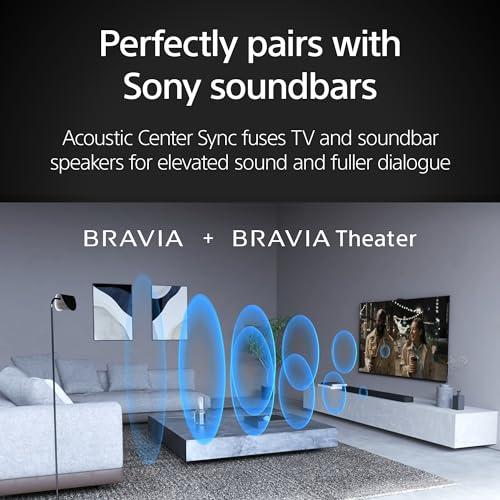
Both TVs support advanced audio features that matter in home theater setups. The Sony can act as a center channel speaker when paired with compatible Sony soundbars, creating a more integrated audio experience. The LG supports high-quality audio passthrough and has processing that optimizes sound based on content type.
The timing of these releases creates an interesting value equation. The LG 97" G2 OLED, being a 2022 model, may be available at significantly reduced prices as retailers clear inventory for newer models. This could make premium OLED technology more accessible than when it first launched.
The Sony BRAVIA 5, as a 2025 model, represents the latest refinements in Mini LED technology and smart TV features. You're paying for cutting-edge processing and the newest Google TV implementation, which should remain current longer.
From a future-proofing perspective, both TVs support current gaming console requirements and streaming standards. The Sony might have a slight edge in longevity due to its newer processor and software, but both should handle whatever content you throw at them for years to come.
After extensive consideration of both technologies, your choice should primarily depend on your viewing environment and priorities.
Choose the Sony BRAVIA 5 98" if you have a bright living room where the TV will be used throughout the day. Its superior brightness will maintain image quality against ambient light, and the extra inch of screen size might be worth it for the ultimate viewing experience. The newer processing and smart TV features also provide better future-proofing.
Choose the LG 97" G2 OLED if you have a dedicated home theater or can control lighting in your viewing room. The perfect blacks and superior gaming performance make it ideal for serious movie watching and gaming. If you can find it at a discounted price, it represents exceptional value for premium OLED technology.
For most people, the decision comes down to room lighting. In my experience, OLED truly shines in dark environments, while Mini LED performs better in bright spaces. Since you're investing in a nearly 100-inch display, consider your primary viewing conditions carefully—this TV will likely be the centerpiece of your entertainment setup for many years to come.
Both represent excellent choices in the premium large-screen category. The Sony BRAVIA 5 offers the latest technology and superior brightness, while the LG G2 OLED provides the ultimate contrast and gaming performance. Your specific needs, room setup, and budget will determine which giant screen TV deserves a place in your home.
| Sony BRAVIA 5 98" Mini LED 4K Google TV 2025 | LG 97" G2 Series OLED evo 4K UHD Smart TV |
|---|---|
| Screen Size - Every inch matters at this premium level | |
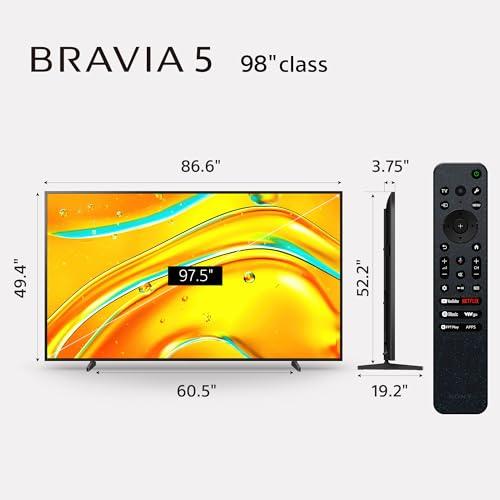
| 98 inches (the largest consumer display available) | 97 inches (still massive, barely noticeable difference) |
| Display Technology - Fundamentally different approaches to picture quality | |
| Mini LED with thousands of local dimming zones | OLED evo with self-lit pixels for perfect blacks |
| Peak Brightness - Critical for HDR impact and bright room viewing | |
| Higher peak brightness, excellent for daytime viewing | Moderate brightness but superior contrast ratio |
| Black Levels - Essential for movie watching and dark scene detail | |
| Near-perfect blacks with minimal blooming | Perfect pixel-level blacks, infinite contrast |
| Gaming Response Time - Crucial for competitive gaming performance | |
| Slower VA panel response, noticeable motion blur | Sub-1ms response time, virtually no motion blur |
| Viewing Angles - Important for large room seating arrangements | |
| Limited viewing angles (VA panel limitation) | Excellent viewing angles with minimal color shift |
| Smart TV Platform - Affects daily usability and app selection | |
| Google TV with Android ecosystem integration | webOS with intuitive Magic Remote navigation |
| Gaming Features - Next-gen console compatibility | |
| HDMI 2.1, VRR, ALLM, G-SYNC compatible, PS5 optimization | HDMI 2.1, VRR, ALLM, FreeSync Premium, GeForce Now |
| Release Year - Impacts price and technology maturity | |
| 2025 model with latest processing and features | 2022 model, potentially available at discounted prices |
| Weight Without Stand - Installation and mounting considerations | |
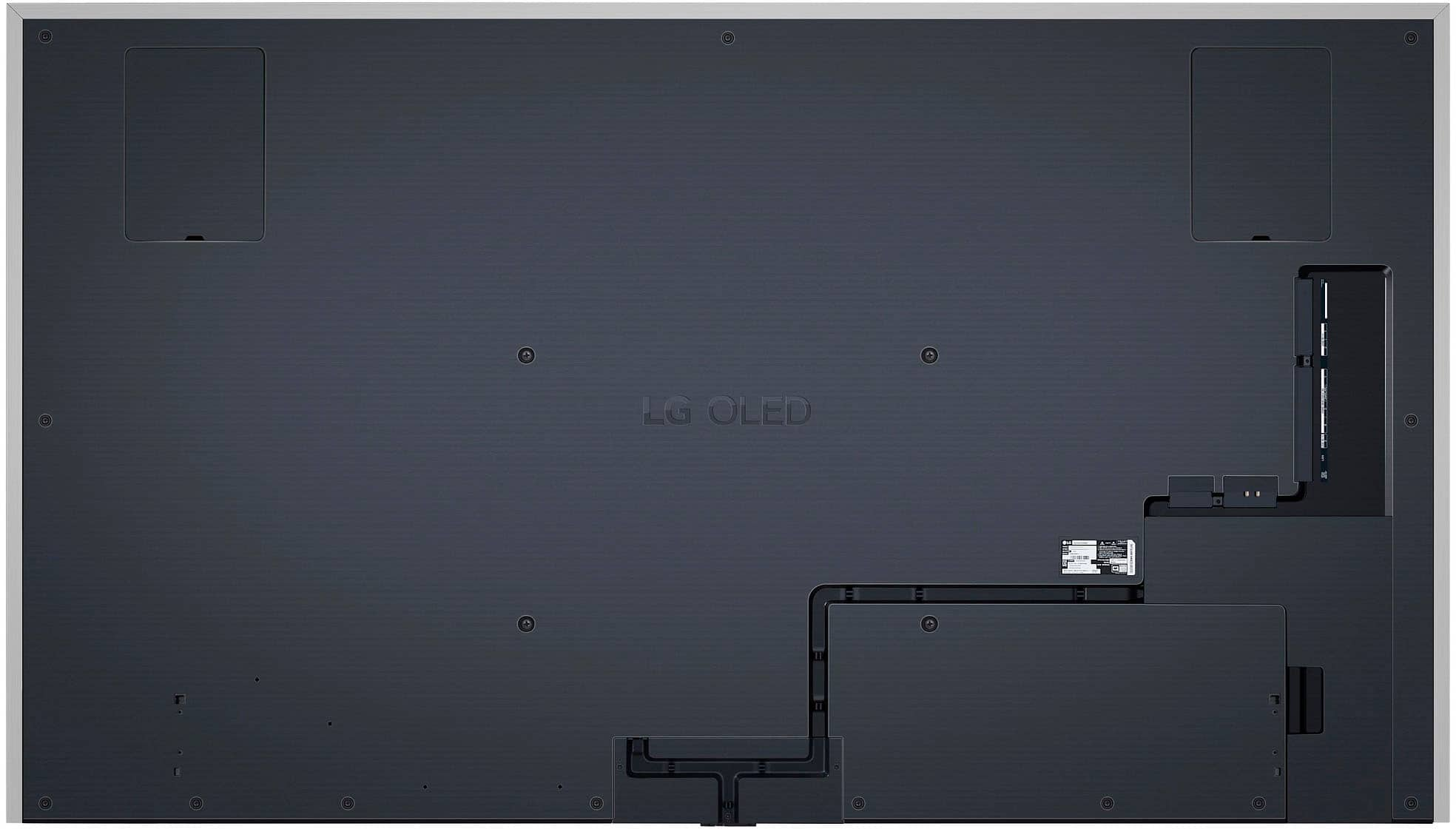
| 152.1 lbs (requires robust wall mounting) | 123.5 lbs (easier installation, premium Gallery design) |
| Power Consumption - Operating cost consideration | |
| 600W typical consumption | 230W typical consumption (significantly more efficient) |
| Best Use Case - Where each TV excels most | |
| Bright living rooms, mixed content, latest features | Dark home theaters, gaming, cinematic viewing |
The Sony BRAVIA 5 98" Mini LED is significantly better for bright rooms due to its higher peak brightness capabilities. Mini LED technology can overcome ambient light much more effectively than OLED, making it the clear choice if your TV room has windows or bright lighting during the day.
The LG 97" G2 Series OLED delivers superior movie picture quality thanks to its perfect black levels and infinite contrast ratio. OLED pixels can turn completely off for true blacks, creating a more cinematic experience that's especially noticeable in dark scenes and home theater environments.
The LG 97" G2 OLED is the better gaming TV with its sub-1ms response time and virtually no motion blur. While both TVs support HDMI 2.1 and gaming features like VRR, the OLED's faster pixel response makes it superior for competitive gaming and fast-paced action.
Mini LED (used in the Sony BRAVIA 5) uses thousands of tiny LED lights behind an LCD panel for precise backlighting, while OLED (in the LG G2) uses pixels that emit their own light. OLED provides perfect blacks but lower brightness, while Mini LED offers higher brightness but can't achieve true black levels.
Both offer excellent smart TV experiences but with different approaches. The Sony BRAVIA 5 uses Google TV with extensive app support and Google Assistant, while the LG G2 OLED features webOS with an intuitive Magic Remote. Choose based on your ecosystem preference - Google TV for Android users, webOS for a more universal approach.
The LG 97" G2 OLED is significantly more energy efficient, consuming 230W compared to the Sony's 600W. OLED technology inherently uses less power since pixels only consume energy when displaying bright content, making it more environmentally friendly and cost-effective to operate.
The difference between the LG's 97" and Sony's 98" is minimal and barely perceptible in real-world viewing. At these massive sizes, the 1-inch difference won't significantly impact your viewing experience, so don't base your decision solely on this small size variation.
The LG 97" G2 OLED excels in dedicated home theater environments where lighting can be controlled. Its perfect blacks and superior contrast create an immersive cinematic experience. However, the Sony BRAVIA 5 works well in multi-purpose rooms that double as home theaters during evening viewing.
Value depends on timing and your needs. The LG G2 OLED, being a 2022 model, may offer better value if found at discounted prices. The Sony BRAVIA 5 provides newer technology and features but at a likely higher price point as a 2025 model.
Yes, both the Sony BRAVIA 5 and LG G2 OLED support 4K gaming at 120Hz through HDMI 2.1 ports. They also include Variable Refresh Rate (VRR) and Auto Low Latency Mode (ALLM) for optimal gaming performance with next-generation consoles.
The LG 97" G2 OLED has significantly better viewing angles, maintaining consistent color and contrast when viewed from the side. The Sony BRAVIA 5 uses a VA LCD panel that shows color shifting and contrast reduction when viewed off-center, which can be limiting in large rooms with wide seating arrangements.
Choose the Sony BRAVIA 5 98" if your living room is bright with lots of natural light and you watch TV throughout the day. Select the LG 97" G2 OLED if you can control lighting, prioritize perfect picture quality for movies and gaming, or have wide seating arrangements that benefit from better viewing angles.
We've done our best to create useful and informative comparisons to help you decide what product to buy. Our research uses advanced automated methods to create this comparison and perfection is not possible - please contact us for corrections or questions. These are the sites we've researched in the creation of this article: tomsguide.com - rtings.com - bestbuy.com - electronics.sony.com - youtube.com - tomsguide.com - youtube.com - avsforum.com - lueckeaudiovideo.com - pro.sony - bestbuy.com - sony.com - pioneertvandappliance.com - youtube.com - valueelectronics.com - heartlandappliance.com - schaeferstv.com - digitaltrends.com - xssentials.com - valueelectronics.com - youtube.com - bestbuy.com - rangsemart.com.bd - woodburyappliance.com - displaymate.com - youtube.com - rtings.com - displayspecifications.com - techradar.com - avsforum.com - lg.com - youtube.com

Privacy Policy
Terms and Conditions - Affiliate Policy
Home Security
© Copyright 2008-2026.
11816 Inwood Rd #1211, Dallas, TX 75244