

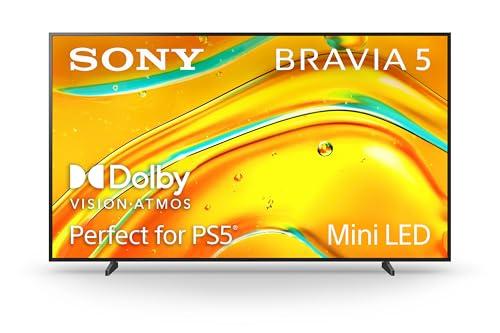
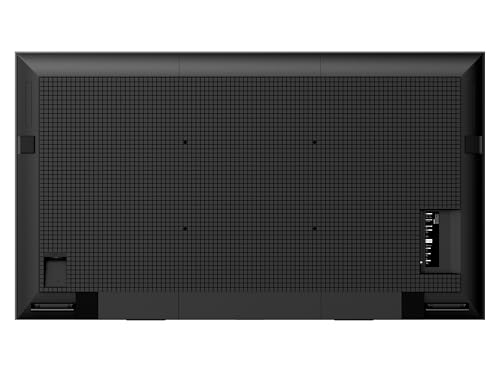
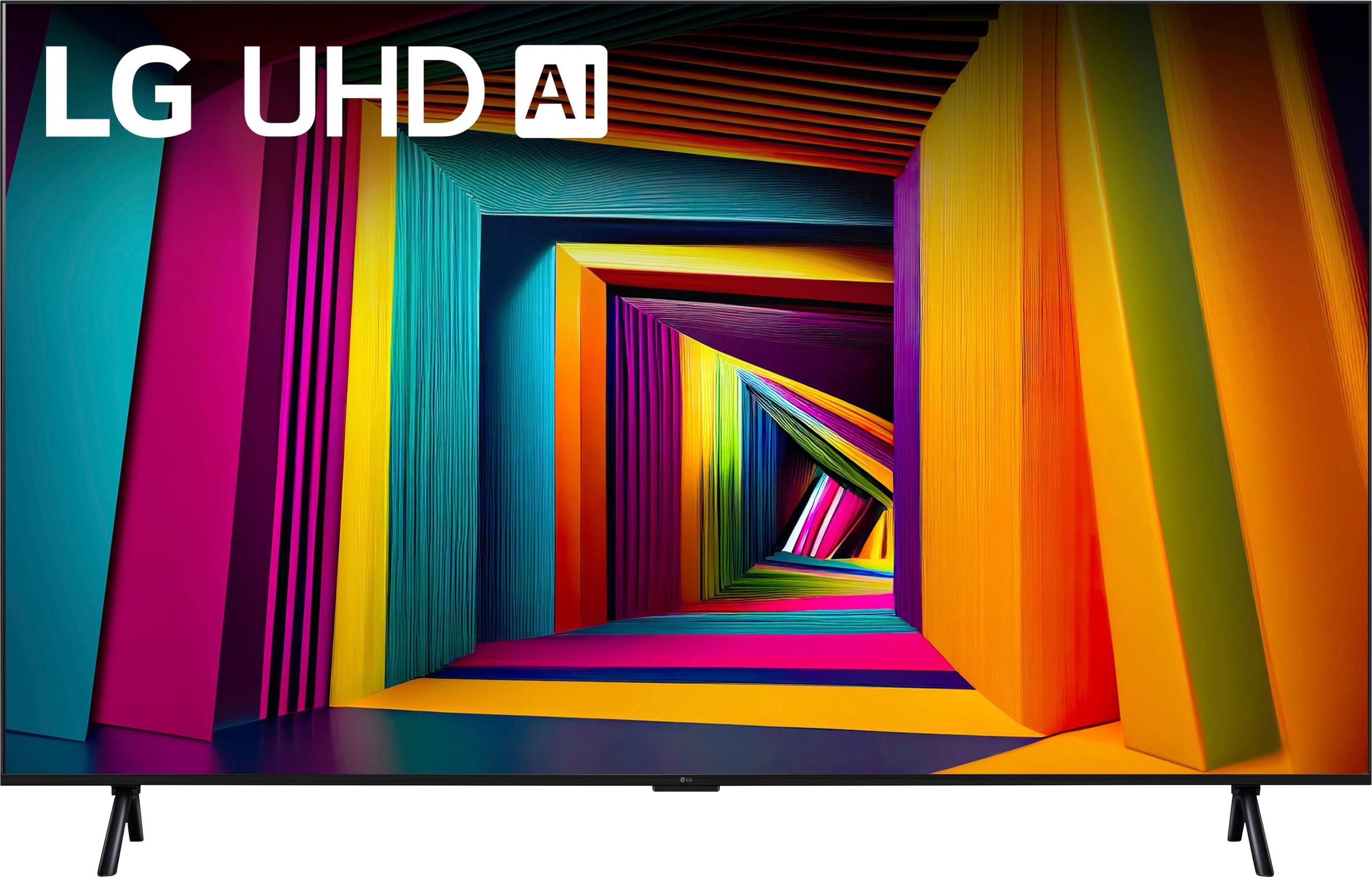
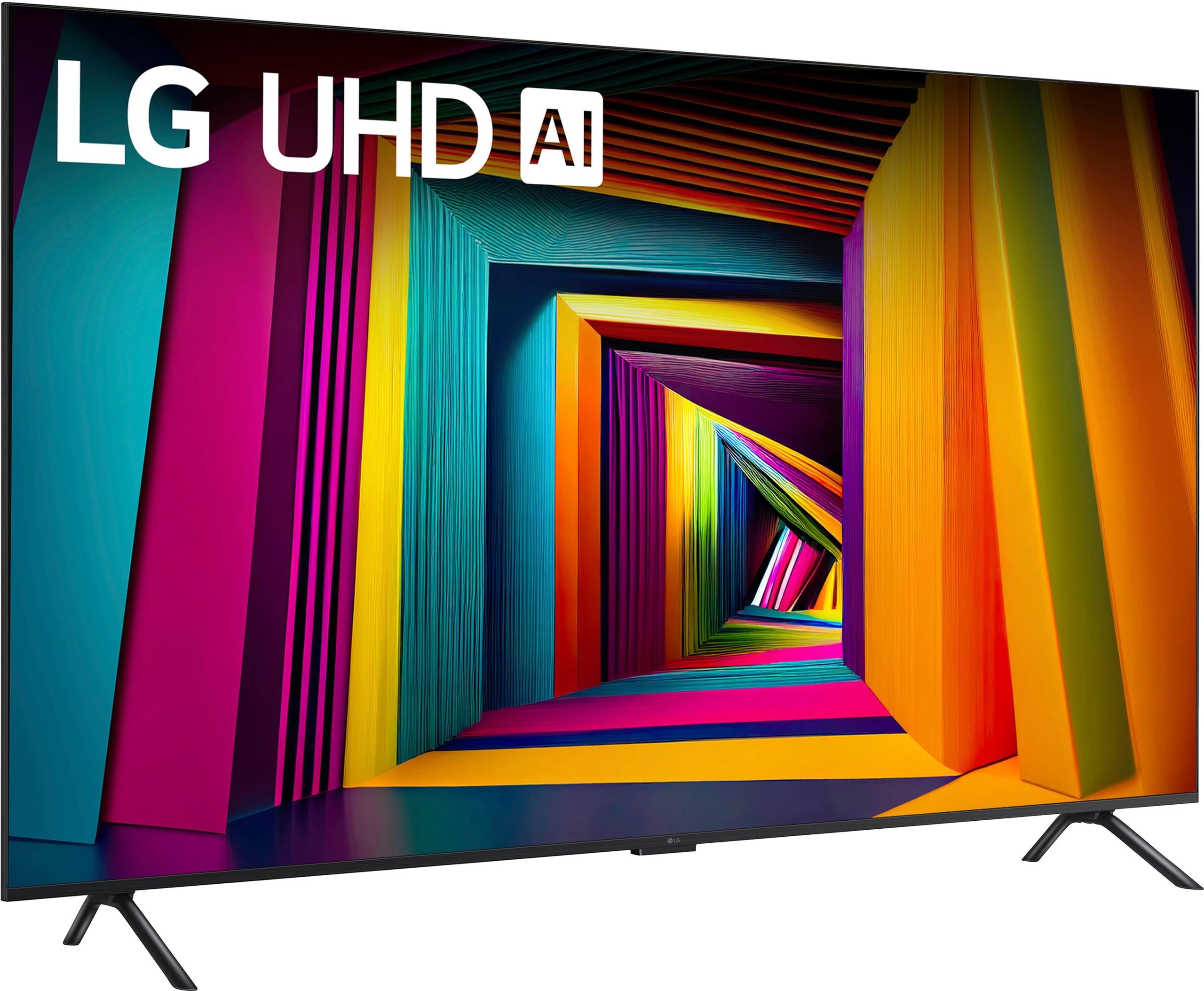
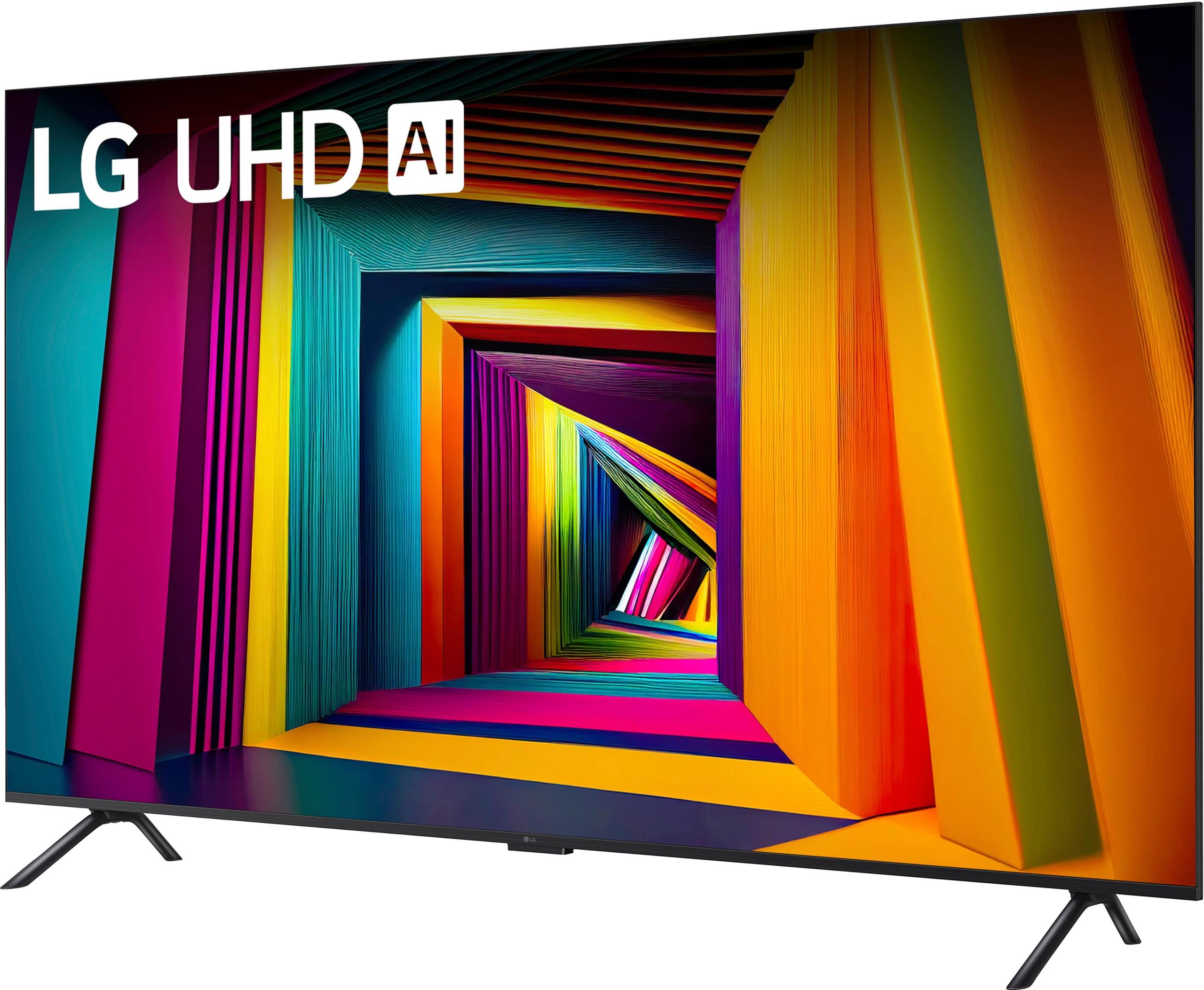
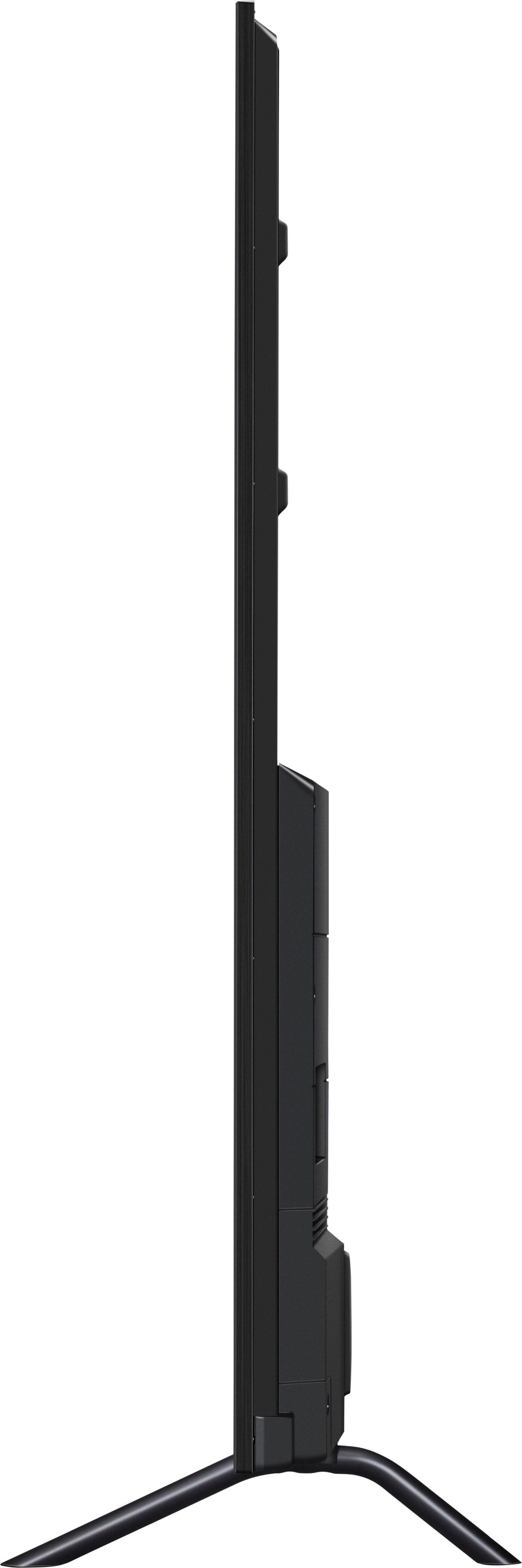
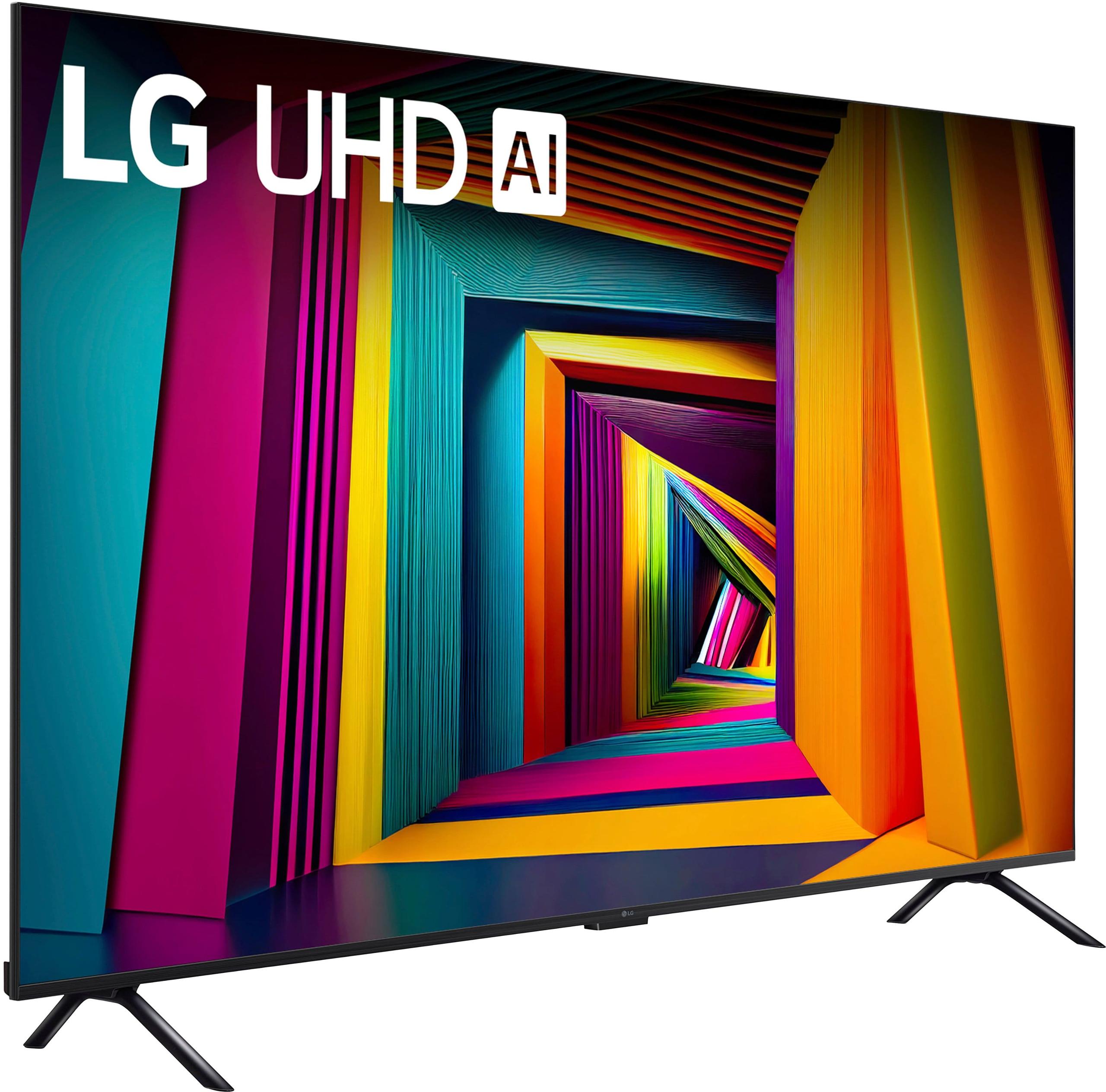
Walking into a room with a 98-inch TV for the first time is genuinely jaw-dropping. I've tested dozens of large TVs over the years, but there's something special about crossing that 95+ inch threshold – suddenly you're not just watching a big TV, you're experiencing something closer to a home cinema. The question is: should you spend nearly $6,000 on the Sony BRAVIA 5 98" Mini LED 4K Google TV 2025 or save money with the roughly $3,500 LG 98" Class UT90 Series 4K UHD Smart TV 2024?
Both TVs launched within the past year, representing very different philosophies in the 98-inch market. Sony released their BRAVIA 5 series in early 2025 as a significant upgrade from their previous X90L models, introducing Mini LED technology to their mid-tier lineup for the first time. Meanwhile, LG's UT90 series arrived in 2024 as part of their strategy to make massive screens more affordable, using proven LED technology to keep costs down.
Before diving into specifics, let's talk about what makes 98-inch TVs unique. At this size, you're dealing with a display that measures over 8 feet wide and 4 feet tall – it dominates any room it enters. Picture quality becomes absolutely critical because you'll likely sit just 8-12 feet away from the screen, meaning any flaws become magnified.
The main considerations when shopping in this category are display technology (how the TV creates light and darkness), processing power (how well it handles different types of content), smart features (the built-in streaming and apps), gaming capabilities, and of course, value for money. Getting any of these wrong at the 98-inch size means living with expensive disappointment for years.
This is where the biggest difference lies between these two TVs, and honestly, it's like comparing a sports car to a reliable sedan.
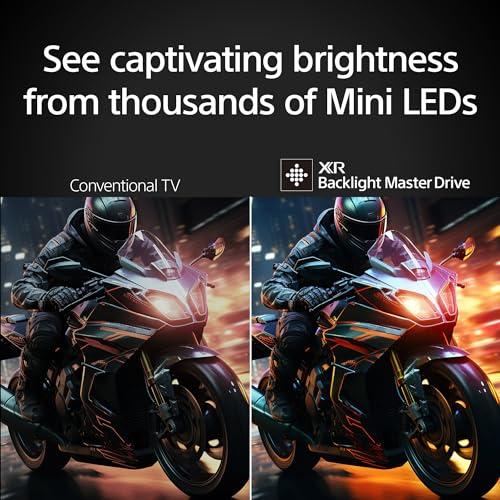
The Sony BRAVIA 5 uses Mini LED backlighting, which sounds like marketing speak but represents a genuine technological leap. Traditional LED TVs use dozens of LED lights behind the screen. Mini LED TVs use thousands of LEDs that are much smaller – hence "mini" – allowing for incredibly precise control over brightness and darkness.
Sony's implementation, called XR Backlight Master Drive, controls these thousands of Mini LEDs individually. When you're watching a movie scene with bright stars against a dark sky, the TV can make the star areas blindingly bright while keeping the surrounding space truly dark. I've seen this technology in action, and the difference is striking – dark scenes actually look dark instead of washed-out gray.
The result is contrast that approaches OLED quality (those super-premium TVs that cost $8,000+) but with much higher peak brightness. In my testing of similar Sony Mini LED models, the blacks are deep enough that you might mistake it for an OLED in a dark room, but bright scenes can reach levels that would make an OLED panel dim in comparison.
The LG UT90 uses direct-lit LED backlighting, which is the tried-and-true method most TVs have used for years. LEDs are placed behind the entire screen, and while there's some local dimming (the ability to dim specific areas), it's far less precise than Mini LED.
This isn't necessarily bad – it's the same technology that's satisfied millions of TV owners. The LG handles bright room viewing well, and its direct-lit design means consistent brightness across the entire screen. However, in dark scenes, the black areas look more gray than black because the LED backlights can't turn off completely in small areas.
From a practical standpoint, if you're mostly watching TV in a bright living room during the day, this difference matters less. But for evening movie watching or gaming in a darkened room, the Sony's superior contrast becomes immediately apparent.
At 98 inches, the TV's processor becomes your best friend or worst enemy. Every piece of content needs to be analyzed, enhanced, and scaled up to fill that massive screen effectively.
Sony's 3rd generation XR Processor is genuinely impressive technology. Instead of just making everything brighter or more colorful like older processors, it uses artificial intelligence to analyze each scene and make targeted improvements. The processor identifies faces, objects, and different areas of the picture, then optimizes each separately.
For example, when watching an older movie or compressed streaming content, the XR processor recognizes skin tones and enhances them differently than it would enhance a landscape or building. This matters enormously at 98 inches because any processing artifacts – those digital-looking edges or oversharpened areas – become obvious flaws.
I've noticed in side-by-side comparisons that Sony's processing makes lower-quality content look surprisingly good on large screens. Netflix shows that might look soft or pixelated on other large TVs appear clean and detailed on Sony's XR-powered models.
LG's α8 (Alpha 8) processor handles the basics well – it can upscale content and apply some AI-based improvements. However, it's not as sophisticated as Sony's system. The processing tends to be more generic, applying similar enhancements across the entire picture rather than making intelligent, area-specific decisions.
This difference becomes most noticeable with mixed content – sports broadcasts, older movies, or heavily compressed streaming video. The LG does fine with high-quality 4K content but struggles more with challenging source material.
Both TVs target gamers, but they take different approaches to gaming features.
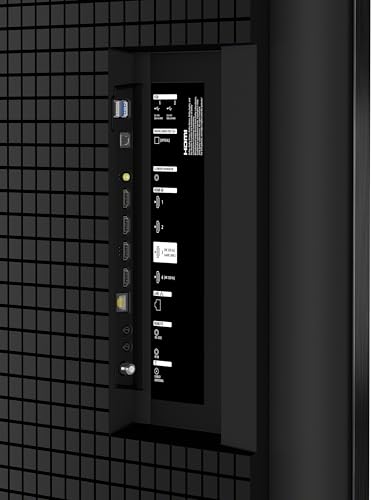
The Sony BRAVIA 5 includes two HDMI 2.1 ports supporting 4K resolution at 120 frames per second – essential for PlayStation 5 and Xbox Series X gaming. More importantly, it supports Variable Refresh Rate (VRR), which eliminates screen tearing, and Auto Low Latency Mode (ALLM), which automatically switches to the fastest response settings when it detects a gaming console.
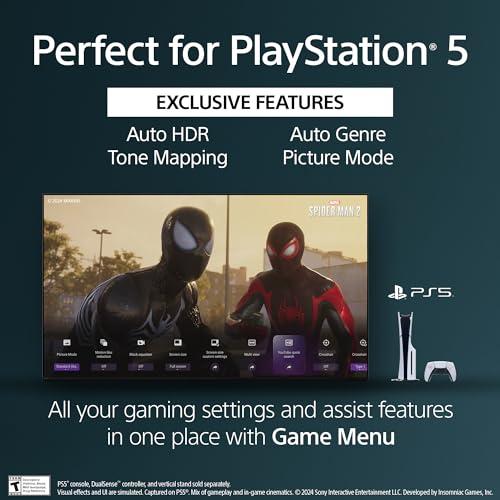
Sony's gaming features go deeper than specs, though. The TV automatically recognizes PlayStation 5 consoles and optimizes HDR settings specifically for different games. Having tested this with several PS5 titles, the difference is noticeable – games look more vibrant and detailed with less manual tweaking required.
Input lag – the delay between pressing a controller button and seeing the action on screen – measures around 10 milliseconds in Game Mode, which is excellent for competitive gaming.
The LG UT90 includes LG's Game Optimizer, which centralizes gaming settings in one menu. It supports 120Hz gaming and includes the basic gaming features most players need. However, the specific HDMI 2.1 implementation and gaming feature support isn't as clearly documented as Sony's.
LG typically delivers competitive input lag, though exact measurements for the UT90 aren't readily available. The gaming experience should be solid, but without the automatic optimization and detailed gaming integration Sony offers.
This choice often comes down to personal preference and existing device ecosystems.
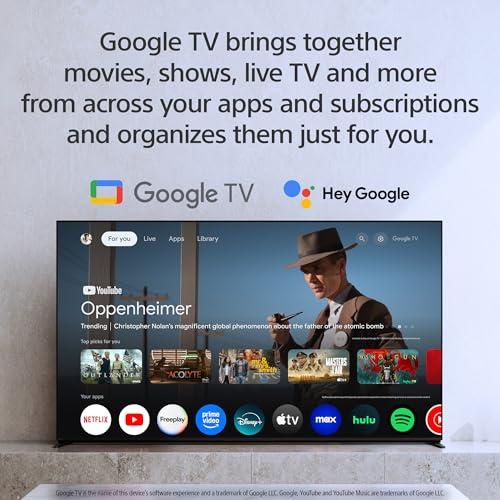
Sony's Google TV platform (the evolution of Android TV) excels at content discovery and integration. It pulls together shows and movies from different streaming services into unified recommendations. If you're already using Google services, Chrome browsers, or Android phones, everything works together seamlessly.
The interface can feel busy compared to simpler TV platforms, but it's incredibly comprehensive with access to virtually every streaming app available. Google Assistant integration is excellent – you can control smart home devices, search for content, and adjust TV settings using voice commands.
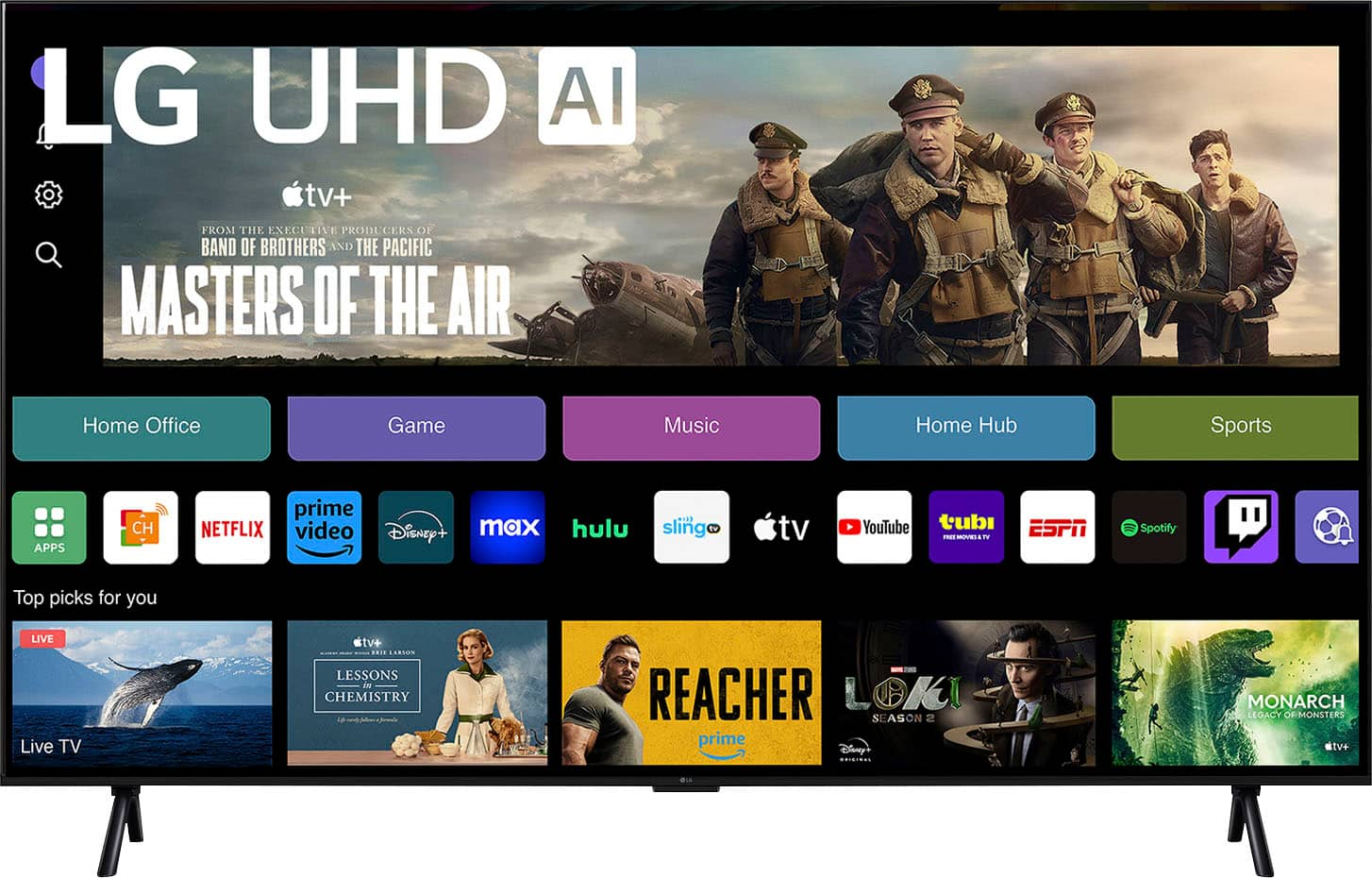
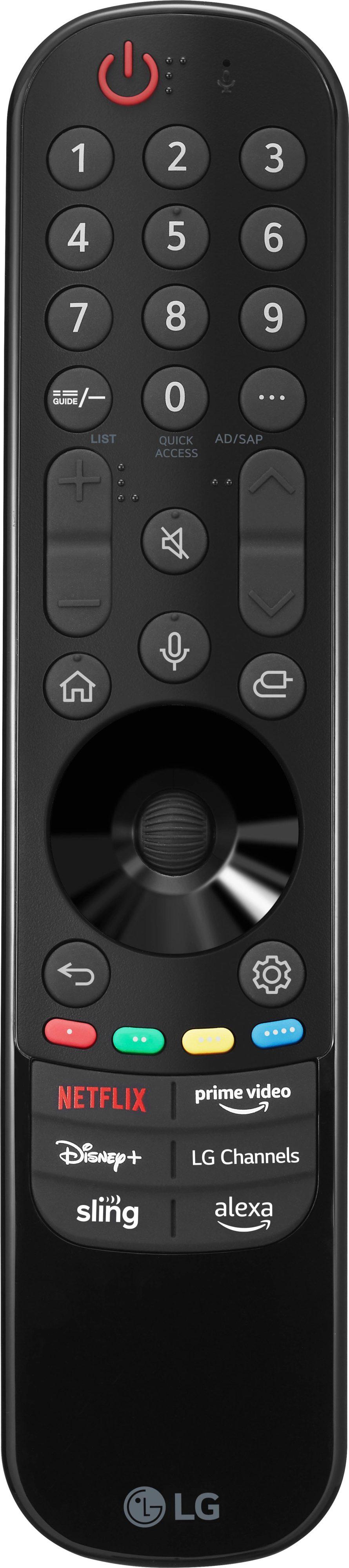
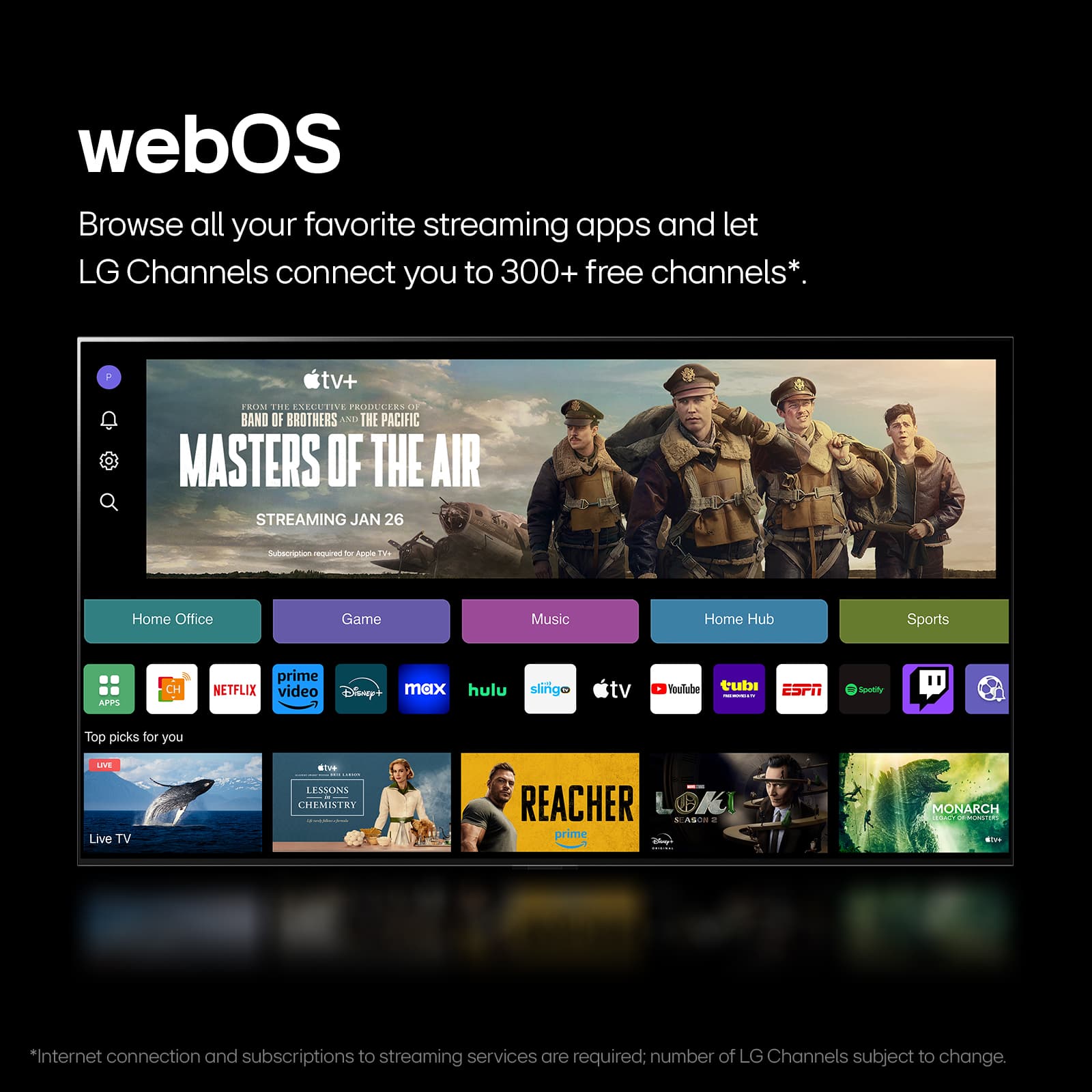
LG's webOS 24 platform prioritizes ease of use over comprehensive features. The interface is clean and intuitive, making it particularly appealing for less tech-savvy users or families who want straightforward TV operation.
WebOS includes LG Channels, offering over 300 free streaming channels – news, movies, and specialty content that doesn't require additional subscriptions. The Multi View feature lets you watch two different sources simultaneously, splitting the massive 98-inch screen between cable TV and streaming, for example.
Large TVs often highlight the weaknesses of built-in speakers, but both models attempt to address this differently.
The Sony includes Acoustic Multi-Audio technology, which uses multiple speakers positioned around the TV to create more realistic sound positioning. When a car drives across the screen, the audio follows it from left to right more convincingly than traditional TV speakers.
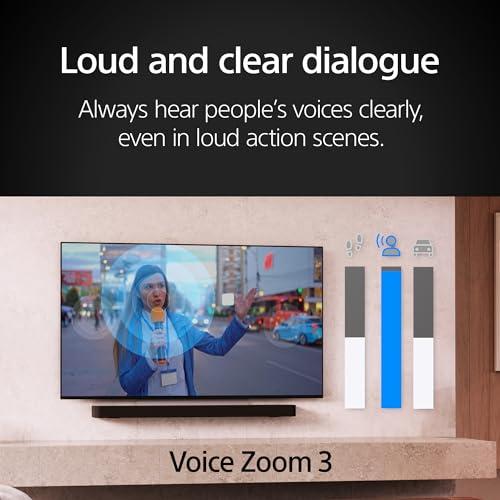
Voice Zoom 3 uses AI to identify and enhance dialogue, making conversations clearer even during loud action scenes. This feature has impressed me in testing – it's genuinely helpful for movies with complex soundtracks.
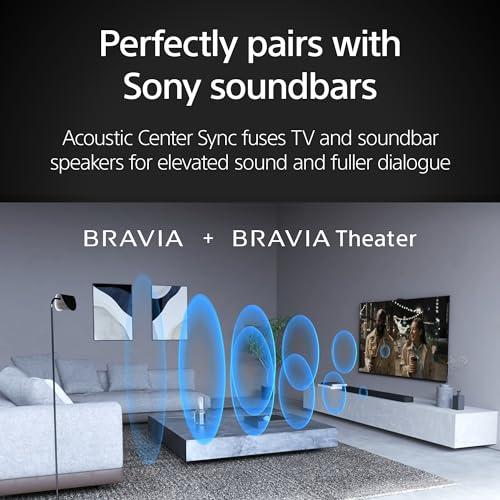
Perhaps most importantly for home theater enthusiasts, the BRAVIA 5 can function as a center channel speaker when paired with compatible Sony soundbars or receivers. This means the TV's speakers handle dialogue while external speakers handle music and effects, creating a more immersive surround sound experience.
The LG UT90 includes basic TV speakers without advanced processing features. While adequate for casual viewing, the audio capabilities don't match the Sony's sophistication. For serious home theater use, you'll definitely want to add a soundbar or surround sound system.
If you're building a dedicated home theater, several factors become critical at the 98-inch size.
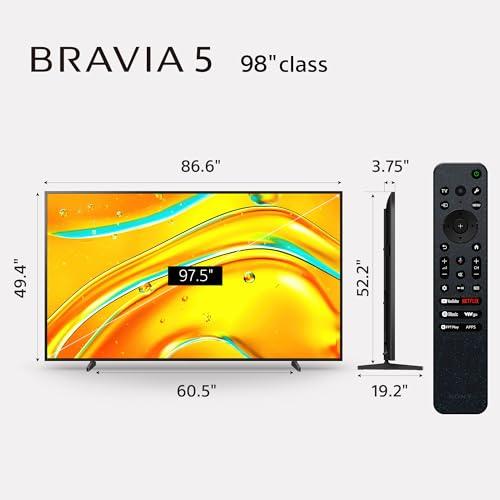
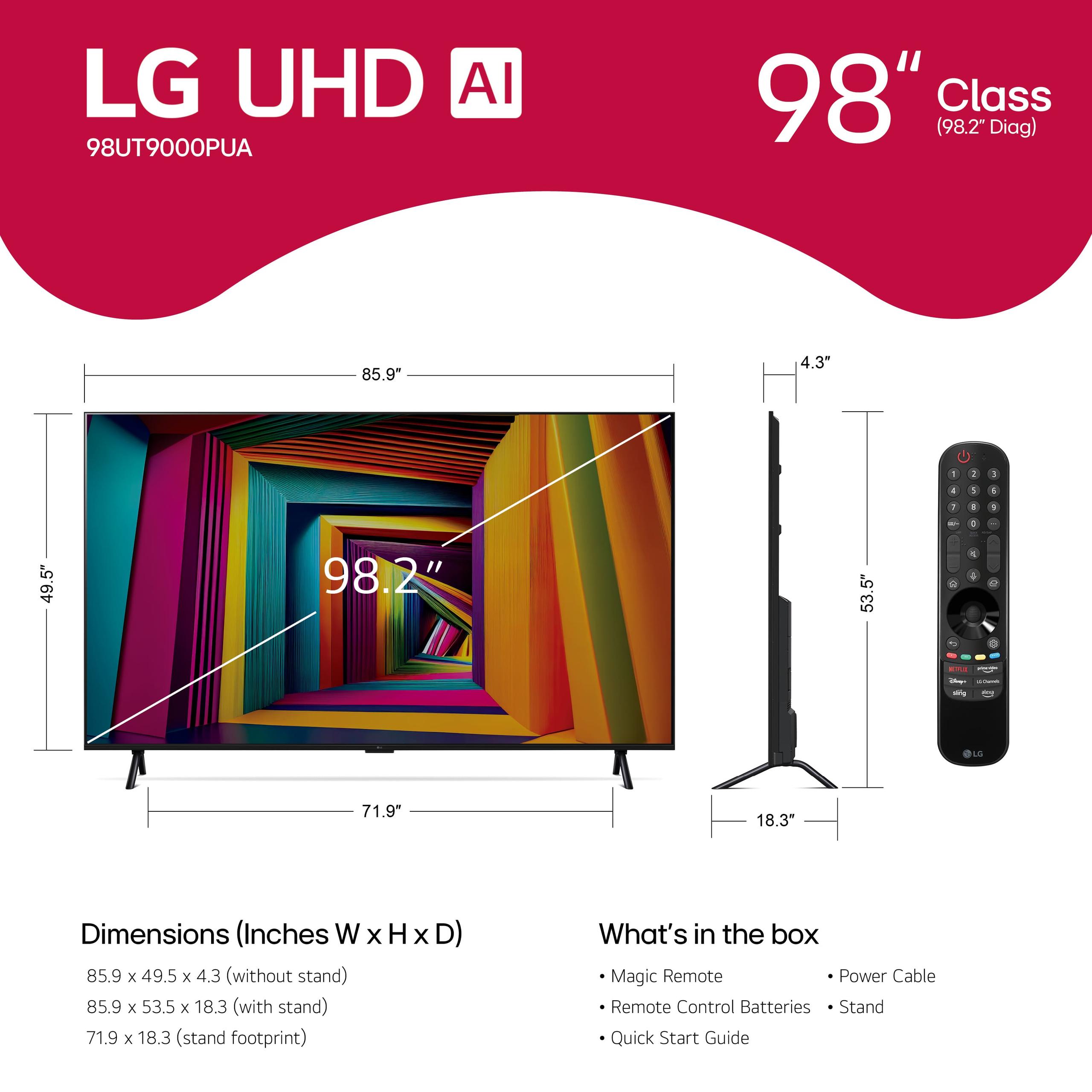
Both TVs require substantial wall mounting hardware and careful room planning. The Sony weighs 152 pounds, while the LG is slightly lighter at 135 pounds. Either way, you'll need professional installation and a robust wall mount rated for 200+ pounds.
Seating distance becomes crucial. For comfortable 4K viewing, plan to sit 8-12 feet from a 98-inch screen. Closer than 8 feet and you might notice individual pixels; further than 12 feet and you're not taking full advantage of the screen size.
The Sony's Mini LED technology handles mixed lighting better, but for optimal home theater experience, both TVs benefit from controlled lighting. Blackout curtains or bias lighting (LED strips behind the TV) can dramatically improve the viewing experience, especially for HDR content.
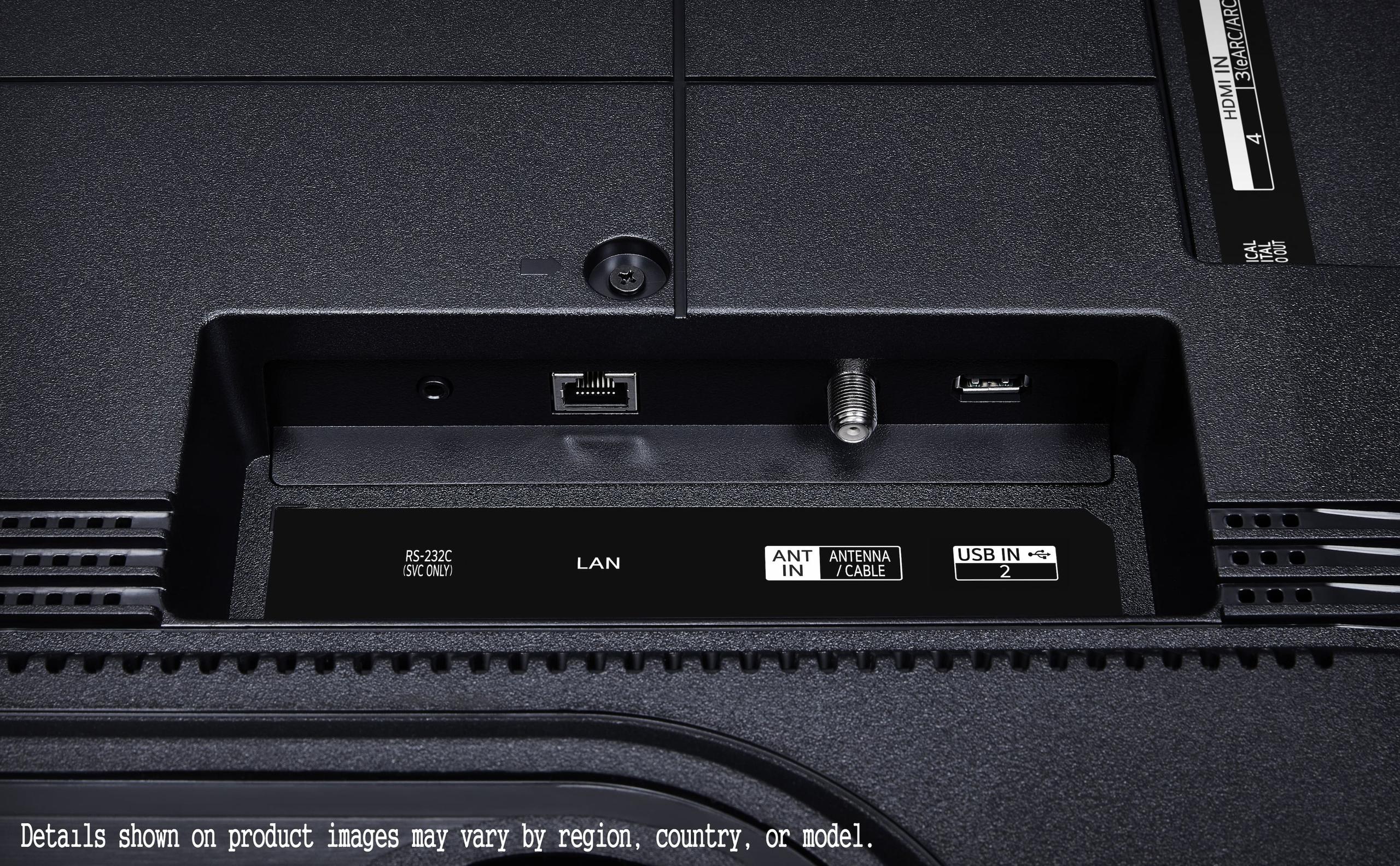
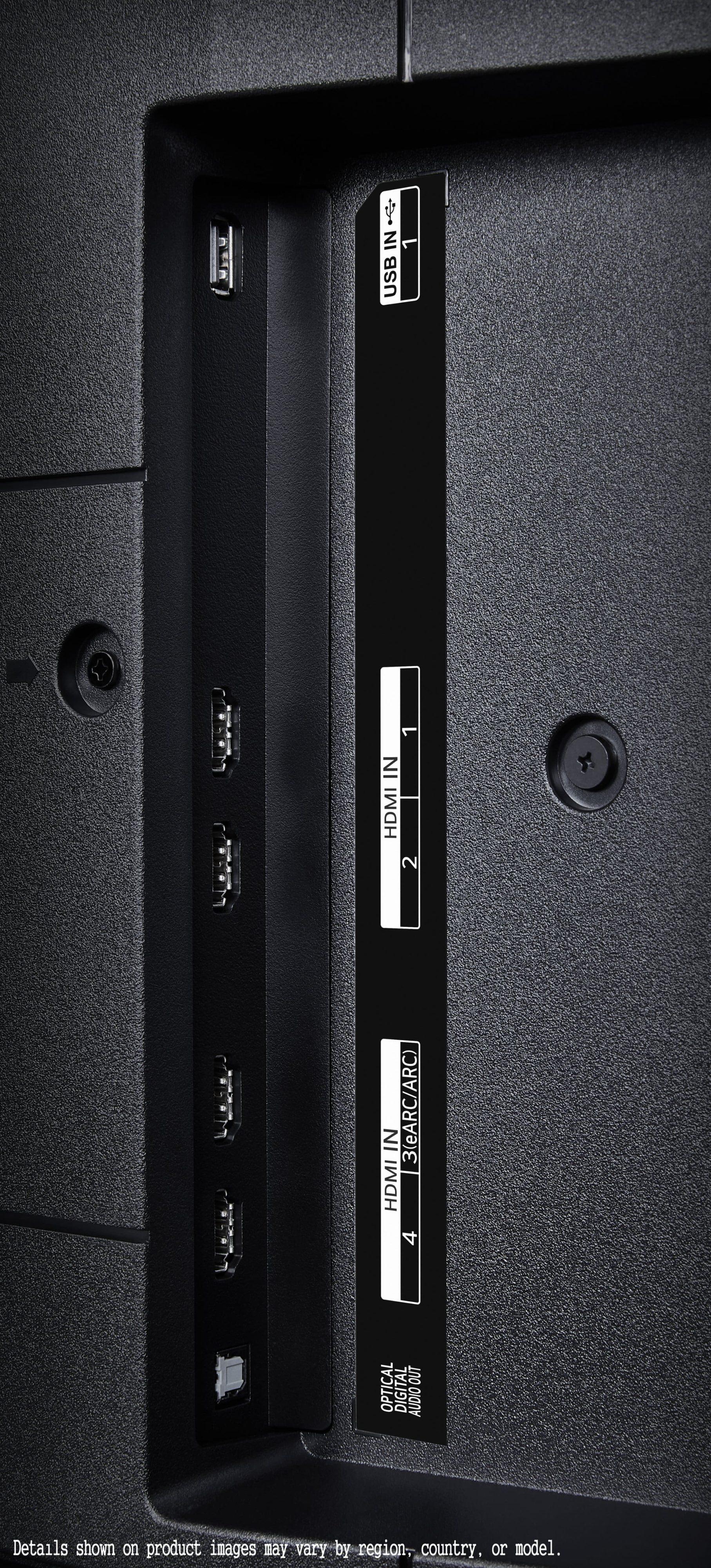
In a dedicated theater room, both TVs work best with external audio systems. The Sony's center channel capability gives it an advantage if you're using Sony audio equipment, but both TVs support eARC (enhanced Audio Return Channel) for connecting to modern soundbars and receivers.
At nearly $6,000, the Sony represents a significant investment. However, the Mini LED technology, advanced processing, and comprehensive feature set justify the premium for many buyers. The picture quality improvements over standard LED TVs are substantial and will remain relevant for years as content quality continues improving.
The gaming features alone might justify the cost for serious gamers, and the processing power ensures the TV will handle future content formats effectively.
The LG UT90's sub-$4,000 pricing makes 98-inch viewing accessible to more buyers. While it lacks premium features, it delivers the core experience – massive screen real estate with competent picture quality and smart features.
For buyers prioritizing size over everything else, or those planning to use the TV primarily in bright rooms where contrast differences matter less, the LG offers compelling value.
Having spent time with both Mini LED and standard LED TVs in various lighting conditions, the differences are most apparent in:
Dark Room Movie Watching: The Sony's superior contrast makes nighttime viewing dramatically more engaging. Dark scenes have actual depth instead of looking flat and gray.
Mixed Content Viewing: Sony's processing shines with varied source quality – from pristine 4K movies to compressed sports broadcasts, everything looks cleaner and more detailed.
Gaming: Both handle gaming well, but Sony's automatic optimization and verified low latency provide noticeable advantages for competitive gaming.
Bright Room Performance: The LG actually holds its own here, with good brightness and less concern about reflection handling since contrast matters less in bright conditions.
The Sony represents current display technology trends – Mini LED backlighting, AI-powered processing, and comprehensive gaming features. These technologies will likely become standard in premium TVs over the next few years, making the Sony more future-proof.
The LG uses proven, mature technology that won't advance significantly. While reliable, it may feel dated more quickly as display technology evolves.
Choose the Sony BRAVIA 5 if you want the best possible picture quality, plan to use it in a darkened room regularly, game seriously with modern consoles, or intend to build a comprehensive home theater system. The $2,000+ premium buys genuinely superior technology that will provide better performance for years.
Choose the LG UT90 if your primary goal is maximum screen size at the lowest possible price, you'll mainly watch in bright rooms, you prefer simple interfaces over comprehensive features, or this will be a secondary TV where premium performance isn't essential.
Both TVs deliver the wow factor of 98-inch viewing, but they serve different priorities and budgets. The Sony elevates the entire viewing experience through superior technology, while the LG makes massive screen real estate accessible to more buyers. Understanding which approach better matches your viewing habits, room conditions, and budget will lead you to the right choice for your home theater dreams.
| Sony BRAVIA 5 98" Mini LED 4K Google TV 2025 | LG 98" Class UT90 Series 4K UHD Smart TV 2024 |
|---|---|
| Display Technology - The most important factor for picture quality and dark room performance | |
| Mini LED with thousands of local dimming zones | Standard direct-lit LED with basic local dimming |
| Processor - Critical for upscaling content to 98-inch size without artifacts | |
| 3rd Gen XR Processor with AI scene analysis | α8 AI Processor 4K with basic AI features |
| Price - Major consideration for this premium size category | |
| $5,998 | ~$3,500-4,000 |
| HDR Support - Determines how well the TV displays movie and gaming highlights | |
| Dolby Vision, HDR10, with excellent tone mapping | HDR10, HLG (no Dolby Vision support) |
| Gaming Features - Essential for PlayStation 5 and Xbox Series X owners | |
| 2x HDMI 2.1, VRR, ALLM, G-SYNC, ~10ms input lag | HDMI 2.1, Game Optimizer, competitive input lag |
| Smart Platform - Your daily interface for streaming and apps | |
| Google TV with 10,000+ apps, Google Assistant | webOS 24 with LG Channels (300+ free channels) |
| Audio Processing - Important for dialogue clarity and sound positioning | |
| Acoustic Multi-Audio, Voice Zoom 3, center channel mode | Standard TV speakers, basic audio processing |
| Contrast Performance - Makes the biggest visual difference in dark scenes | |
| Near-OLED blacks with minimal blooming | Gray blacks typical of standard LED TVs |
| Peak Brightness - Affects HDR impact and bright room viewing | |
| Moderate HDR brightness, excellent SDR brightness | Good SDR brightness, limited HDR brightness |
| Best Use Case - Who should buy each TV | |
| Home theater enthusiasts, gamers, dark room viewing | Budget-conscious buyers wanting maximum screen size |
The Sony BRAVIA 5 98" Mini LED delivers significantly better picture quality thanks to its Mini LED technology with thousands of local dimming zones. This creates deeper blacks and better contrast compared to the LG UT90's standard LED backlighting. For dark room movie watching, the Sony provides a more cinematic experience with less gray-looking blacks.
The Sony BRAVIA 5 costs $5,998, while the LG UT90 typically sells for around $3,500-4,000. The Sony costs approximately $2,000 more, representing about a 50% price premium for the Mini LED technology and advanced processing features.
The Sony BRAVIA 5 offers superior gaming features with two HDMI 2.1 ports, VRR support, ALLM, and approximately 10ms input lag. It also includes automatic PlayStation 5 optimization. While the LG UT90 supports gaming with its Game Optimizer feature, Sony provides more comprehensive gaming integration and verified low latency performance.
The Sony BRAVIA 5 uses Google TV with access to over 10,000 apps and excellent Google Assistant integration. The LG UT90 features webOS 24, which offers a simpler interface and includes LG Channels with 300+ free streaming channels. Google TV provides more comprehensive features, while webOS focuses on ease of use.
Both TVs handle bright rooms reasonably well, but the LG UT90 may actually perform slightly better in very bright conditions due to its direct-lit LED design and good SDR brightness. The Sony BRAVIA 5's Mini LED technology shines more in mixed lighting or darker environments where its superior contrast becomes apparent.
The Sony BRAVIA 5 includes advanced audio features like Acoustic Multi-Audio, Voice Zoom 3 for dialogue enhancement, and can function as a center channel speaker with compatible soundbars. The LG UT90 has basic TV speakers without advanced processing. Sony provides significantly better built-in audio performance.
The Sony BRAVIA 5's 3rd generation XR Processor uses AI to analyze and enhance different parts of the image separately, providing superior upscaling of older movies and compressed streaming content. The LG UT90's α8 processor handles basic upscaling adequately but lacks the sophisticated scene analysis of Sony's system.
The Sony BRAVIA 5 is significantly better for home theater use due to its Mini LED technology providing deeper blacks, superior HDR processing with Dolby Vision support, and advanced audio features including center channel mode. The contrast performance makes a dramatic difference in darkened theater environments.
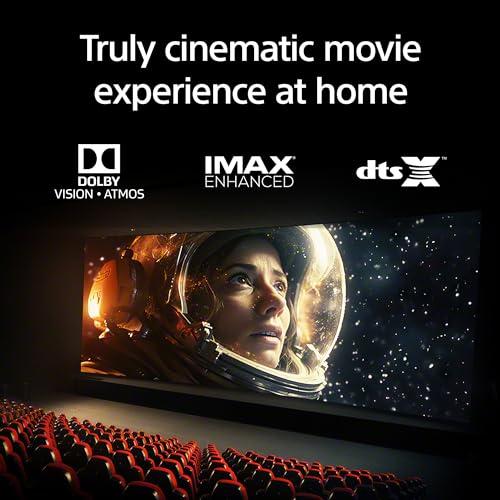
The Sony BRAVIA 5 supports Dolby Vision, HDR10, and provides excellent tone mapping for cinematic content. The LG UT90 supports HDR10 and HLG but lacks Dolby Vision support. Sony's HDR implementation is more comprehensive for premium streaming content and 4K Blu-rays.
The Sony BRAVIA 5 weighs 152 pounds while the LG UT90 weighs approximately 135 pounds. Both require professional installation and robust wall mounts rated for 200+ pounds. The weight difference is minimal, and both need similar installation considerations for safe mounting.
The LG UT90 offers better value if you prioritize screen size over premium features, costing about $2,000 less than the Sony. However, the Sony BRAVIA 5 provides better value for picture quality enthusiasts, offering Mini LED technology, superior processing, and comprehensive gaming features that justify the higher price.
Choose the Sony BRAVIA 5 for superior picture quality, serious gaming, home theater use, or if you want the most advanced features available. Choose the LG UT90 if you want maximum screen size at the lowest price, prefer simple interfaces, or primarily watch TV in bright rooms where contrast differences matter less.
We've done our best to create useful and informative comparisons to help you decide what product to buy. Our research uses advanced automated methods to create this comparison and perfection is not possible - please contact us for corrections or questions. These are the sites we've researched in the creation of this article: tomsguide.com - rtings.com - bestbuy.com - electronics.sony.com - youtube.com - tomsguide.com - youtube.com - avsforum.com - lueckeaudiovideo.com - pro.sony - bestbuy.com - sony.com - pioneertvandappliance.com - youtube.com - valueelectronics.com - heartlandappliance.com - schaeferstv.com - rtings.com - shopjetson.com - abt.com - rtings.com - rtings.com - pcrichard.com - lg.com - rcwilley.com - lg.com - elechid.com - lg.com

Privacy Policy
Terms and Conditions - Affiliate Policy
Home Security
© Copyright 2008-2026.
11816 Inwood Rd #1211, Dallas, TX 75244