

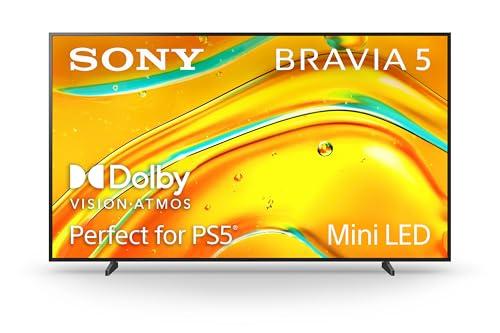
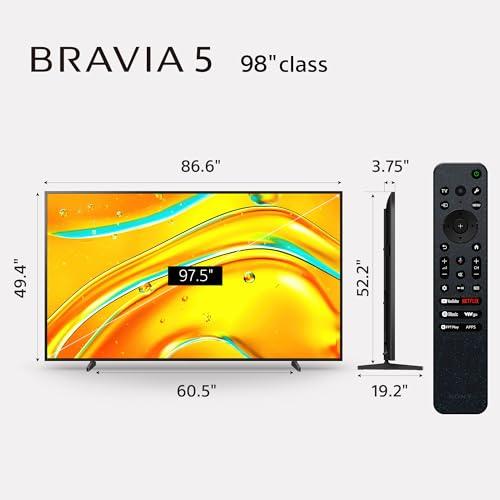
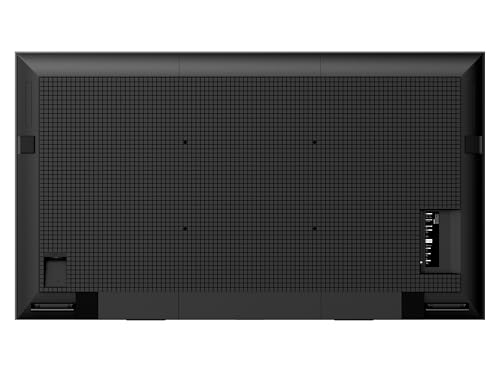
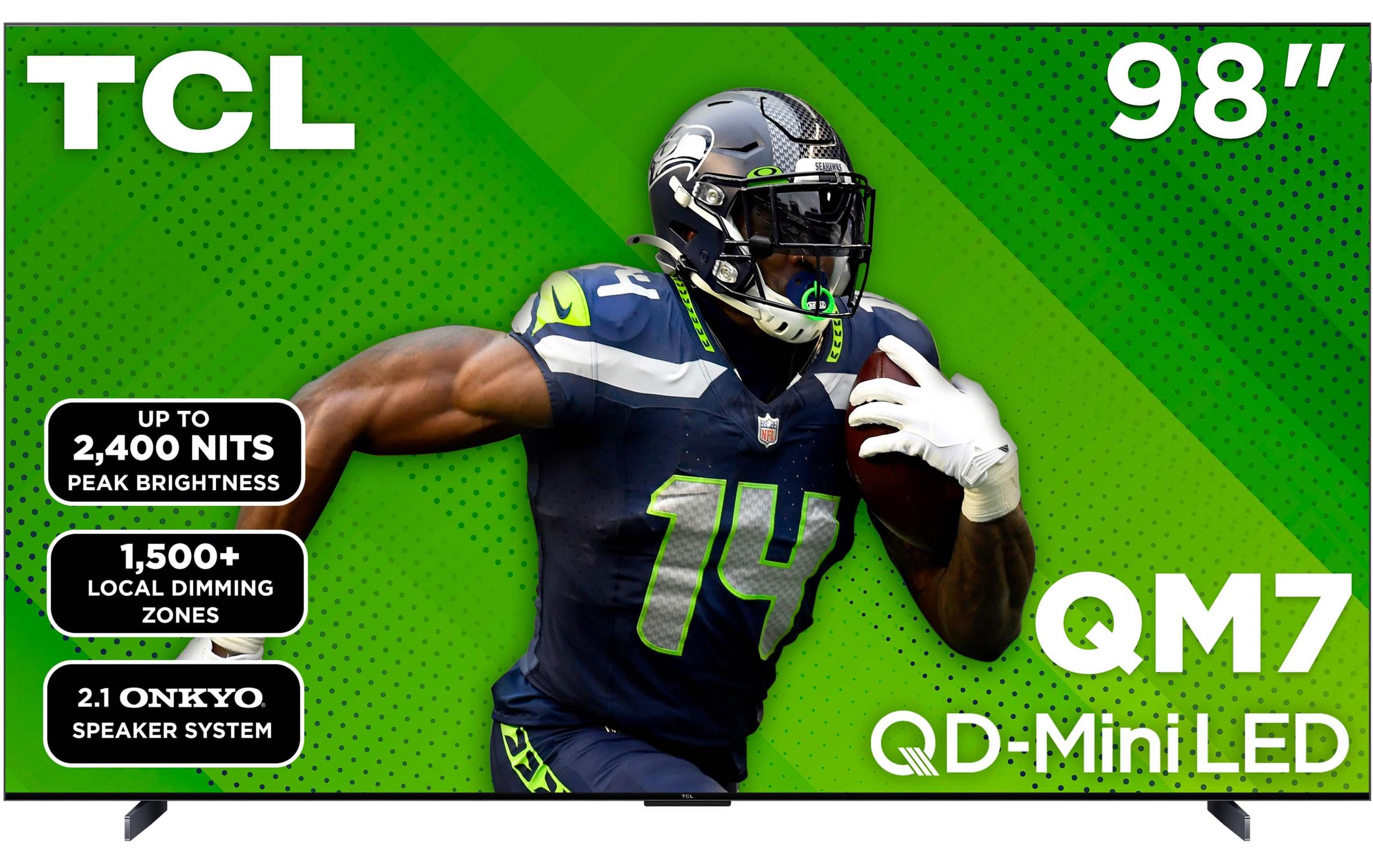

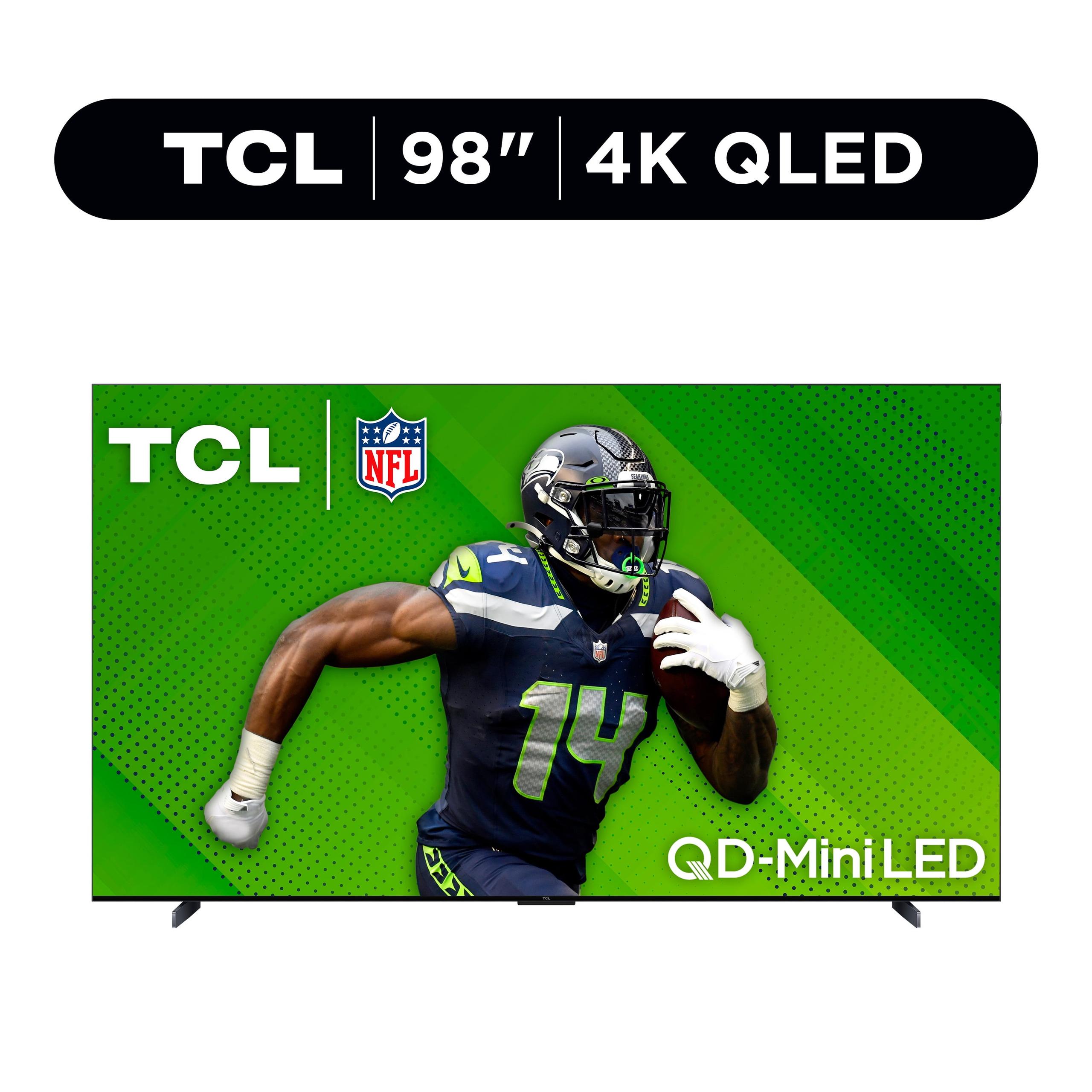
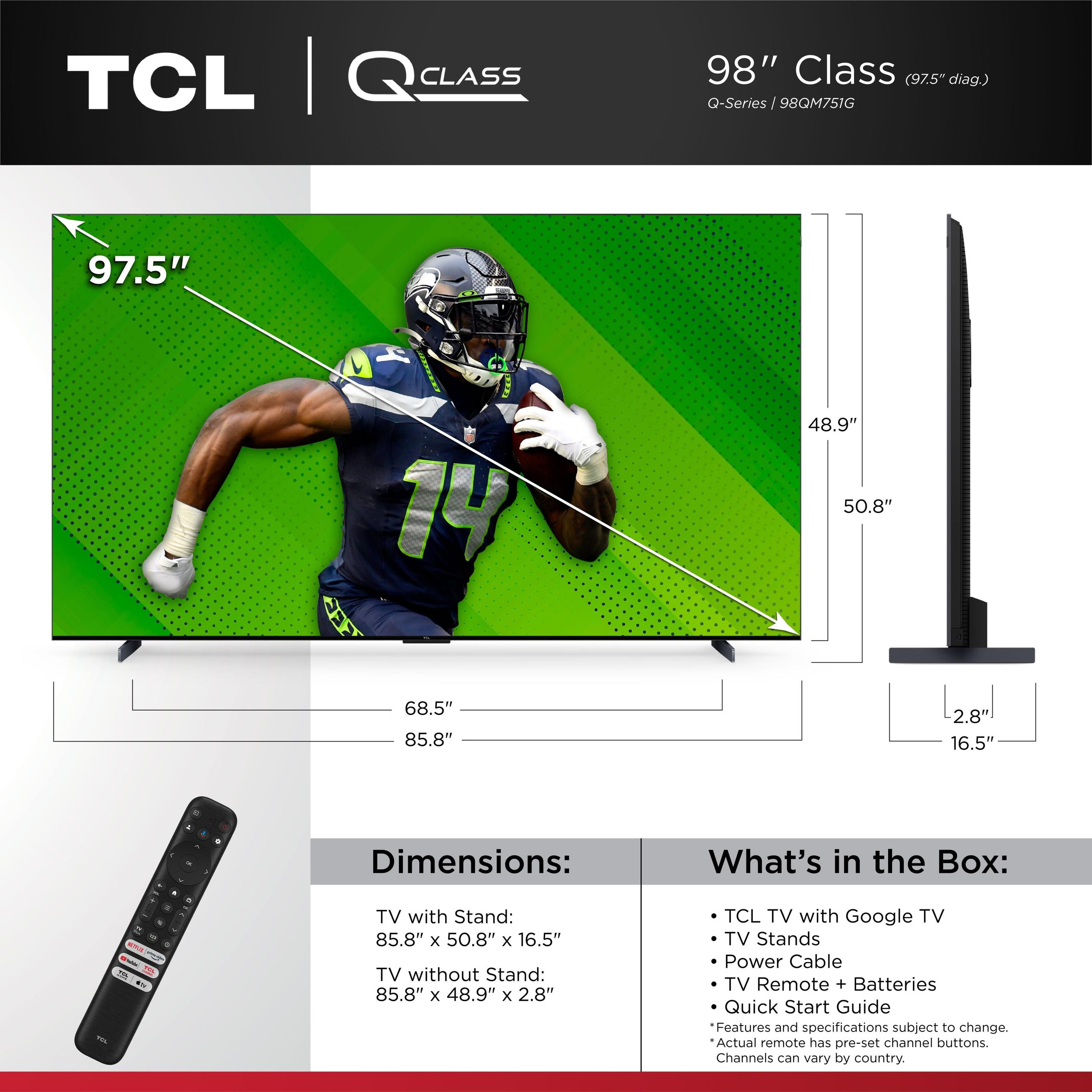





If you're considering upgrading to a massive 98-inch TV, you're probably torn between premium quality and getting the most features for your money. Two standout options have emerged in 2025: the Sony BRAVIA 5 98" Mini LED 4K Google TV ($5,998) and the TCL 98" QM7 Series 4K UHD Smart TV ($2,199). While both deliver impressive large-screen experiences, they take fundamentally different approaches to getting there.
The 98-inch TV category has exploded in recent years as manufacturing costs have dropped and living rooms have grown larger. These displays essentially replace the need for a projector setup while offering the reliability and convenience of a traditional TV. When you're spending this much money on a display that will dominate your living space, several key factors become critical.
Picture quality sits at the top of most buyers' priority lists. This isn't just about resolution—both TVs deliver crisp 4K—but about how well they handle contrast, color accuracy, and brightness. Then there's gaming performance, which has become increasingly important as consoles like the PlayStation 5 and Xbox Series X push higher frame rates and resolutions. Smart TV capabilities, build quality, and long-term value round out the major considerations.
Both Sony and TCL released their 2025 models early in the year, building on lessons learned from their 2024 predecessors. Sony's BRAVIA 5 represents the company's continued push toward premium Mini LED technology, while TCL's QM7 series demonstrates how competitive the value-focused segment has become.
The most significant difference between these TVs lies in their approach to picture quality. The Sony BRAVIA 5 focuses on accuracy and refinement, while the TCL QM7 prioritizes maximum visual impact.
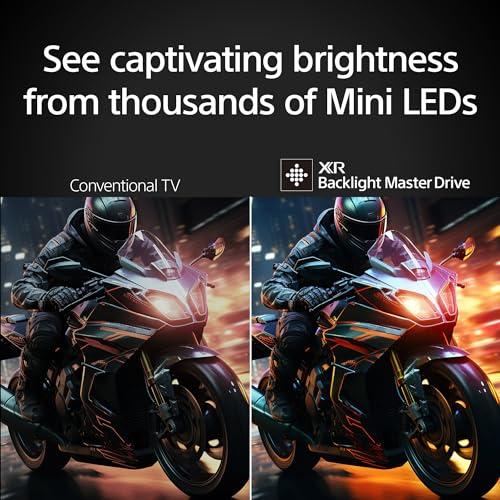
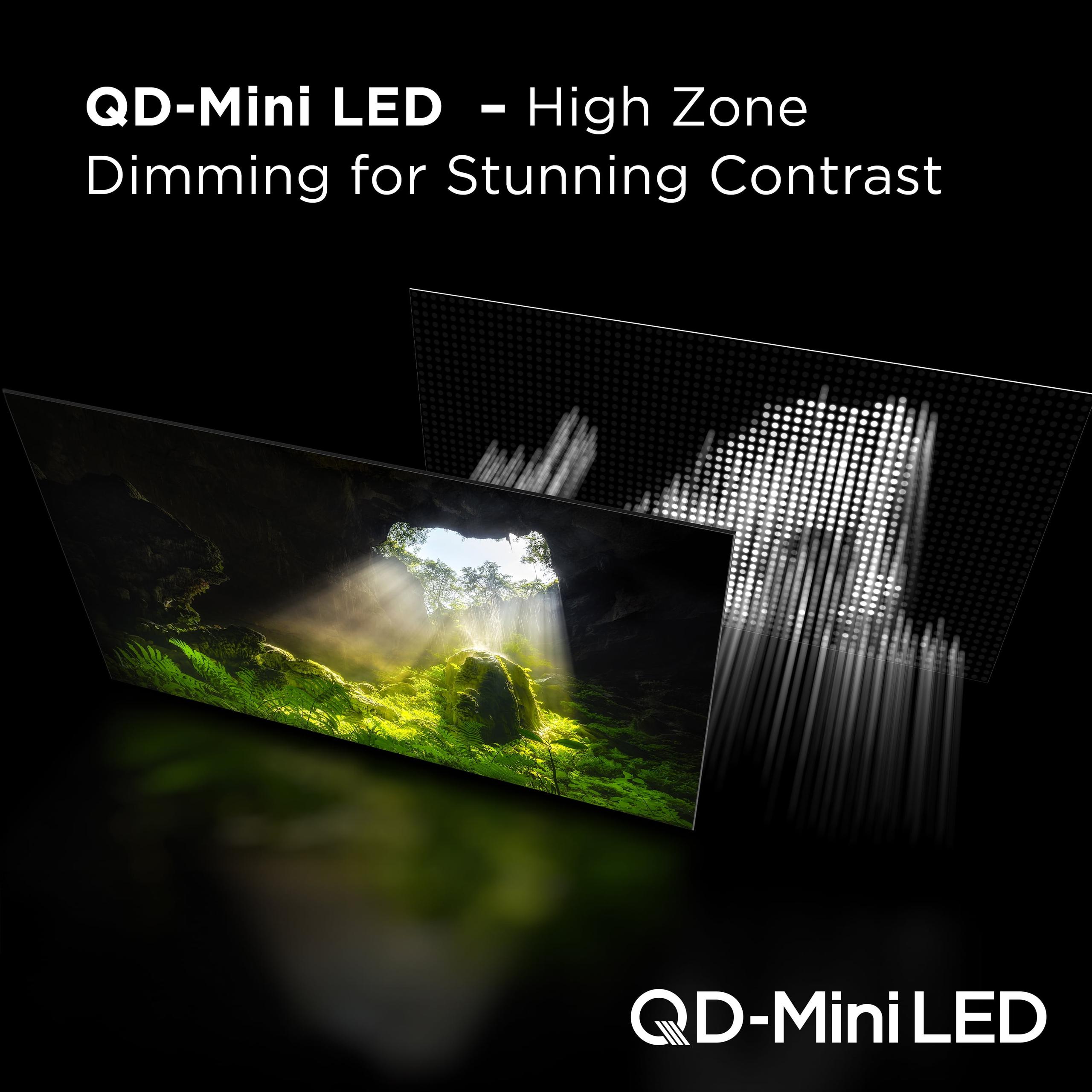
Sony's Mini LED implementation with XR Backlight Master Drive technology represents years of refinement in local dimming. Local dimming is essentially the TV's ability to brighten or darken specific areas of the screen independently, creating better contrast between bright and dark elements in the same scene. The BRAVIA 5 uses thousands of Mini LEDs—much smaller than traditional LED backlights—arranged behind the screen to achieve this effect.
What sets Sony apart is their XR Processor, which uses artificial intelligence to analyze each scene and determine how the human eye would naturally focus on it. This isn't just marketing speak; you can actually see the difference in how the TV handles complex scenes. When watching a movie with someone's face illuminated by candlelight against a dark background, the Sony maintains natural skin tones while keeping the shadows truly black, without the "blooming" effect where bright objects create halos in dark areas.
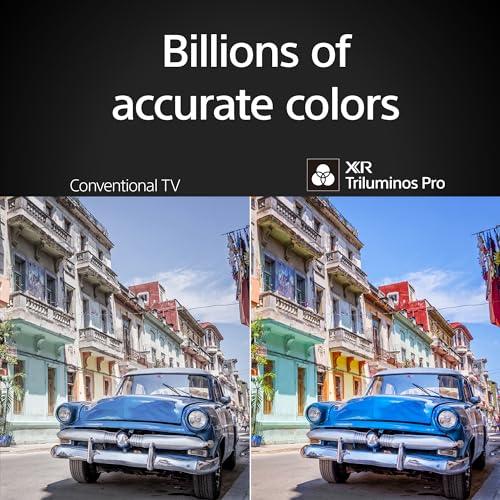
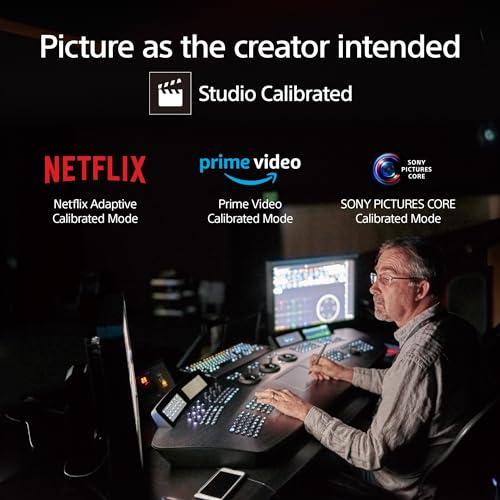
The XR Triluminos Pro color technology expands the range of colors the TV can display, but Sony's philosophy leans toward accuracy rather than oversaturation. Colors look natural and realistic, which is particularly noticeable in scenes with grass, sky, or human faces. This approach makes the Sony ideal for movie enthusiasts who want to see content as the director intended.
However, the BRAVIA 5's peak brightness of around 800 nits in HDR mode is relatively modest for a premium Mini LED TV. HDR, or High Dynamic Range, allows TVs to display much brighter highlights and darker shadows than standard content. While 800 nits is sufficient for most content, it means that really bright scenes—like sunlight reflecting off water or explosions in action movies—won't have quite the same impact as on brighter displays.
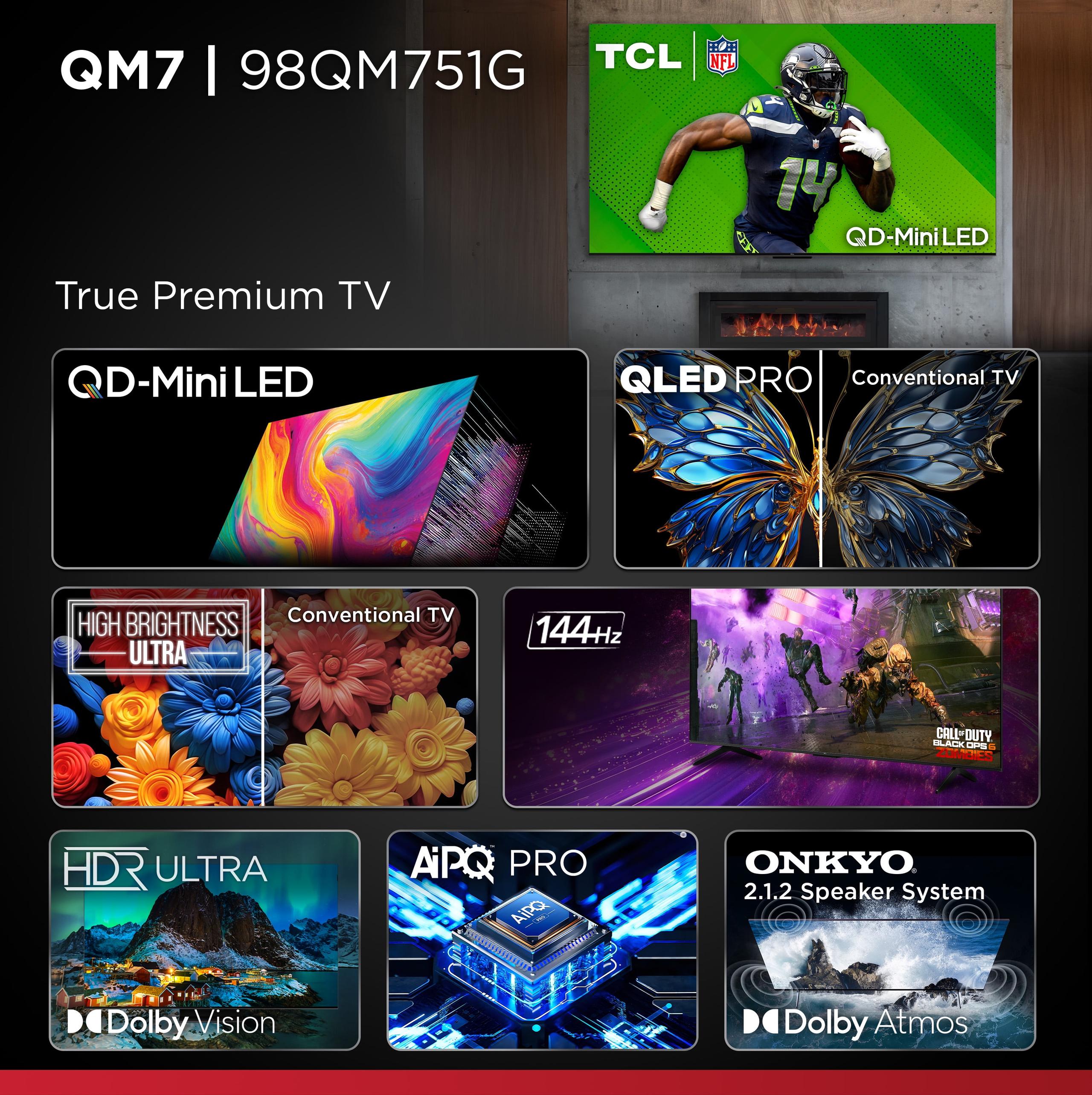
The TCL QM7 takes a completely different approach with its QD-Mini LED technology. The "QD" stands for Quantum Dot, which is a layer of microscopic particles that can produce purer, more saturated colors when hit by light. Combined with Mini LED backlighting and up to 1,500 local dimming zones, this creates a display that prioritizes visual punch.
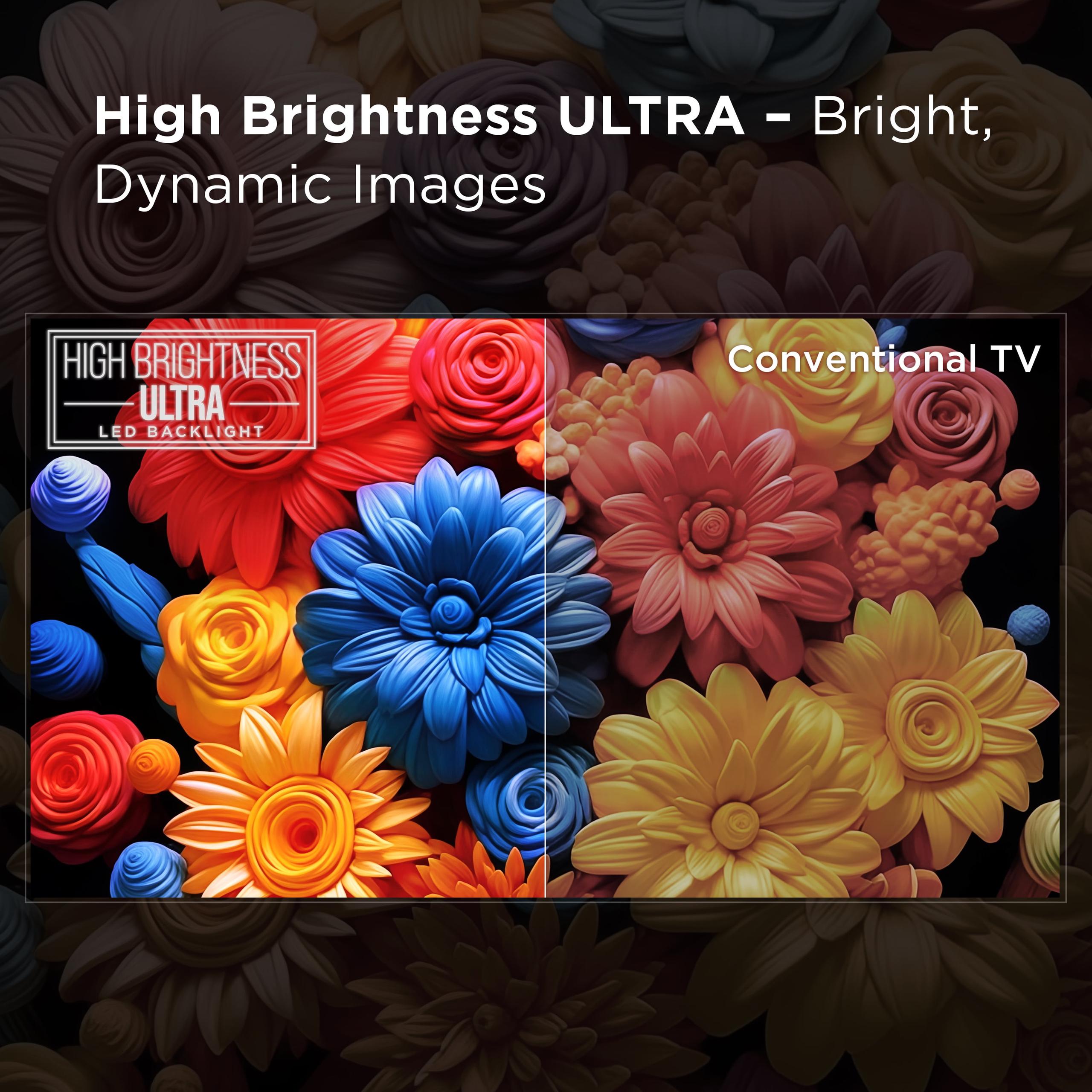
The standout specification here is the 3,000-nit peak brightness capability. To put this in perspective, that's nearly four times brighter than the Sony and approaching the brightness of actual sunlight on a cloudy day. This extreme brightness makes HDR content incredibly impactful—when a lightsaber ignites in Star Wars or lightning strikes in a storm scene, the effect is genuinely startling.
This high brightness also makes the TCL much more suitable for bright rooms. If your TV room has large windows or you often watch during the day, the Sony's more modest brightness can struggle to overcome ambient light. The TCL maintains vivid, punchy colors even with significant room lighting.
The trade-off is color accuracy. While the Quantum Dot technology produces incredibly saturated colors, they're not always natural-looking. Skin tones can appear slightly oversaturated, and some colors may look more vivid than they would in real life. For casual viewing, this often looks impressive, but movie purists might find it distracting.
Gaming has become a crucial differentiator in premium TVs, and these two models serve different gaming audiences effectively.
The Sony BRAVIA 5 clearly targets console gamers, particularly PlayStation 5 owners. It supports 4K resolution at 120Hz refresh rate, which means games can display 120 frames per second at full 4K resolution—assuming the game and console can deliver that performance. The TV also supports G-SYNC technology, which synchronizes the display's refresh rate with the graphics output to eliminate screen tearing and stuttering.
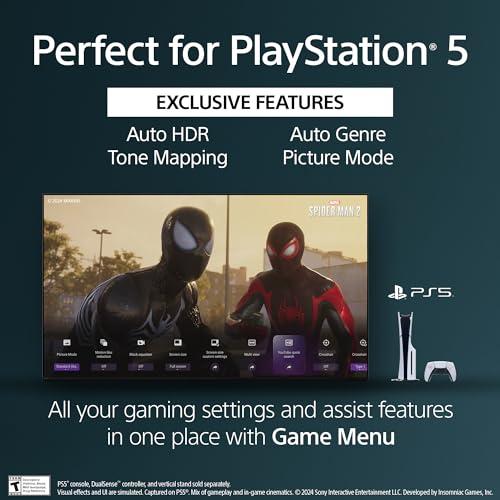
Input lag—the delay between pressing a button and seeing the result on screen—measures around 10 milliseconds in Game Mode. This is excellent for competitive gaming and feels responsive for any type of game. Sony has also implemented special features for PlayStation 5 users, including automatic HDR tone mapping and picture mode switching that optimizes settings based on what type of game you're playing.
What the Sony doesn't offer is support for refresh rates higher than 120Hz. For console gaming, this isn't a limitation since current consoles max out at 120fps. But for PC gamers with high-end graphics cards, it leaves performance on the table.
The TCL QM7 goes significantly further for gaming enthusiasts. It supports 4K at 144Hz and variable refresh rates up to 288Hz—though you'd need an extremely powerful PC to actually achieve those frame rates at 4K resolution. More practically, it excels at 1440p resolution gaming at very high refresh rates.
The TV includes AMD FreeSync Premium Pro support, which works with both AMD and many NVIDIA graphics cards to provide smooth, tear-free gaming. The "Game Accelerator 240" mode optimizes the display for the fastest possible response times, making it genuinely competitive for esports gaming on a massive screen.
For fighting games, first-person shooters, or any game where split-second reactions matter, the TCL's higher refresh rate capabilities provide a real advantage. The experience of playing competitive games on a 98-inch screen with 144Hz+ refresh rates is uniquely immersive.
Both TVs support Auto Low Latency Mode (ALLM), which automatically switches to the fastest gaming settings when it detects a gaming signal, so you don't need to manually change settings when switching between watching movies and playing games.
Audio performance reveals another philosophical difference between these manufacturers.
The Sony BRAVIA 5 includes decent built-in speakers with some clever features, but it's clearly designed to work with external audio systems. The Acoustic Multi-Audio technology spreads sound across multiple drivers behind the screen to create better sound positioning—voices seem to come from characters' mouths rather than from below the screen.
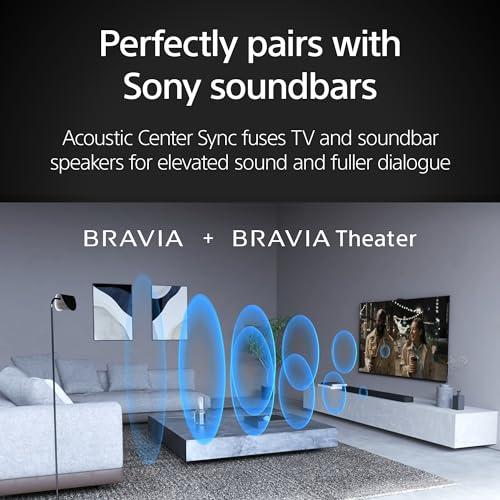
The standout feature is Acoustic Center Sync, which lets the TV's speakers work as a center channel when paired with compatible Sony soundbars or receivers. This creates a more immersive surround sound experience while using the TV's speakers for dialogue, which often sounds more natural since voices appear to come from the screen itself.
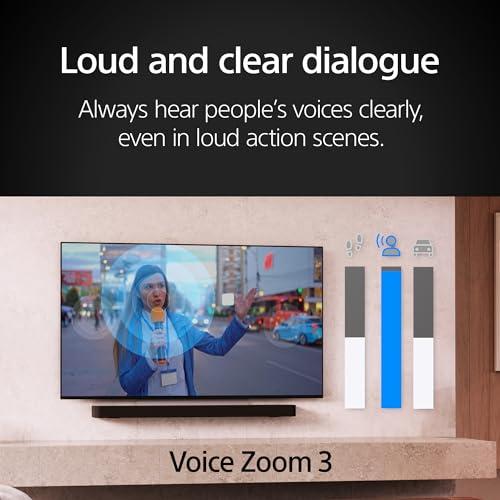
Voice Zoom 3 uses AI processing to enhance dialogue clarity, making it easier to understand conversations even during loud action scenes. This feature works well, though it's not a substitute for a good sound system in a large room.
The TCL QM7 takes a more aggressive approach with its built-in audio. The 100-watt Onkyo 4.2.2 system includes eight speakers arranged to create a pseudo-surround sound experience. This system is tuned by Bang & Olufsen and genuinely sounds impressive for built-in TV audio.
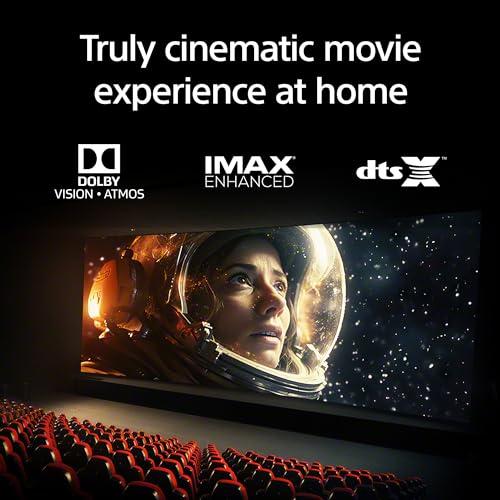
The ".2" in 4.2.2 refers to upward-firing speakers that bounce sound off the ceiling to create height effects for Dolby Atmos content. While it can't match a dedicated surround sound system, it's surprisingly effective and may eliminate the need for additional audio equipment for many users.
For a 98-inch TV, having capable built-in audio is particularly valuable since many people buying displays this large want to minimize additional components and wiring.
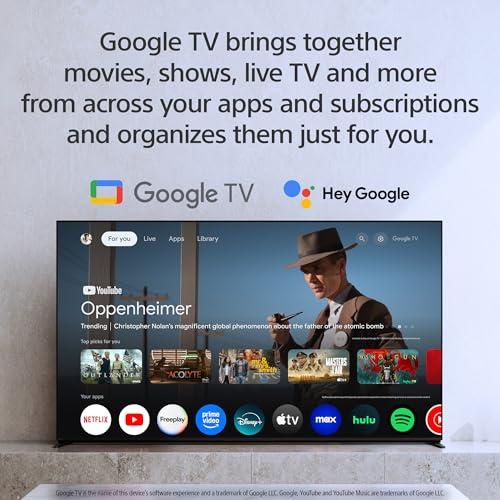
Both TVs run Google TV, which provides an identical smart TV experience with access to all major streaming apps, voice control through Google Assistant, and personalized content recommendations. The interface is clean, responsive, and regularly updated with new features.
However, there's an important distinction in long-term support. Sony typically provides software updates for longer periods and has better customer service infrastructure. The Sony BRAVIA 5 will likely receive Android TV updates for 4-5 years, while the TCL QM7 may have a shorter support window of 2-3 years.
This matters more for TVs in this price range since you're likely keeping them for many years. Streaming service apps change frequently, and TVs that don't receive updates can lose compatibility with newer features or services.
Your room setup significantly impacts which TV will work better for you.
The Sony BRAVIA 5 performs best in a dedicated media room or living room with controlled lighting. Its more modest brightness means it can struggle in very bright rooms, but in darker environments, the superior black levels and color accuracy really shine.
The optimal viewing distance for a 98-inch 4K TV is typically 10-13 feet. At this distance, the Sony's refined picture processing becomes more apparent. Fine details in textures, smooth motion handling, and natural color gradations are more noticeable when you're not sitting too close.
The TCL QM7 handles bright rooms much better thanks to its extreme brightness capability. However, this brightness can actually be overwhelming in small rooms or when sitting too close. The ideal viewing distance extends to 13-15 feet, which requires a fairly large room to implement properly.
The higher brightness also means the TV can look impressive in showrooms or brightly lit electronics stores, but the same settings that look good under store lighting might be too intense for comfortable evening viewing at home.
The price difference between these TVs is substantial—nearly $3,800—which fundamentally changes the value calculation.
At $5,998, the Sony BRAVIA 5 represents a significant investment, but you're paying for Sony's decades of display technology refinement, superior processing, and longer-term reliability. The build quality is noticeably better, with premium materials and more robust construction.
If you're building a dedicated home theater or replacing a high-end display, the Sony's accuracy and refinement justify the premium for many buyers. The superior upscaling also means older content and broadcast TV look significantly better, which matters if you watch a variety of content sources.
The TCL QM7 at $2,199 offers remarkable value, delivering performance that would have cost $8,000+ just a few years ago. You get higher brightness, better gaming features, and superior built-in audio for significantly less money.
The savings could fund a complete sound system, streaming device upgrades, or simply leave more budget for other home theater components. For many buyers, the TCL's minor compromises in color accuracy are easily offset by the dramatic cost savings and superior brightness.
Choose the Sony BRAVIA 5 if you prioritize cinematic accuracy, have a controlled lighting environment, and view this as a long-term investment in premium home entertainment. It's the better choice for movie enthusiasts who want to see content as creators intended, and for buyers who value brand reputation and long-term support.
Choose the TCL QM7 if you want maximum features for your money, have a bright room, or prioritize gaming performance. It's also the smarter choice if the $3,800 price difference would strain your budget or could be better spent on other home theater components.
Both represent excellent options in the 98-inch category, just serving different priorities and budgets. The Sony refines the premium TV experience, while the TCL democratizes large-screen luxury with impressive performance at an accessible price point.
| Sony BRAVIA 5 98" Mini LED 4K Google TV 2025 | TCL 98" QM7 Series 4K UHD Smart TV |
|---|---|
| Price - Major factor in 98-inch TV decision | |
| $5,998 (premium positioning with refined features) | $2,199 (exceptional value for large screen luxury) |
| Peak HDR Brightness - Critical for bright rooms and HDR impact | |
| ~800 nits (good for dark rooms, may struggle in bright spaces) | 3,000 nits (excellent for any lighting condition, dramatic HDR) |
| Display Technology - Affects picture quality and longevity | |
| Mini LED with XR Backlight Master Drive (cinema-accurate colors) | QD-Mini LED with 1,500+ zones (vibrant Quantum Dot colors) |
| Gaming Performance - Important for console and PC gaming | |
| 4K@120Hz, G-SYNC, ~10ms lag (optimized for console gaming) | 4K@144Hz, 288Hz VRR, FreeSync Pro (superior for PC gaming) |
| Color Accuracy - Matters for movie enthusiasts | |
| XR Triluminos Pro (natural, cinema-accurate reproduction) | Quantum Dot enhanced (vivid but less natural colors) |
| Smart TV Platform - Affects long-term usability | |
| Google TV with 4-5 years expected support | Google TV with 2-3 years typical support |
| Built-in Audio - Important for avoiding additional purchases | |
| Acoustic Multi-Audio, center channel sync capability | 100W Onkyo 4.2.2 system with 8 speakers (much more powerful) |
| Local Dimming - Controls contrast and black levels | |
| Thousands of Mini LEDs with advanced processing | Up to 1,500 zones with good blooming control |
| HDR Format Support - Compatibility with streaming content | |
| Dolby Vision, HDR10, HLG (standard premium support) | Dolby Vision IQ, HDR10+, HDR10, HLG (broader format support) |
| Build Quality - Affects durability and premium feel | |
| Premium materials, superior construction, longer warranty | Good build quality but more budget-focused materials |
The TCL QM7 ($2,199) offers significantly better value, costing $3,800 less than the Sony BRAVIA 5 ($5,998) while delivering competitive performance. The TCL provides higher brightness, better gaming features, and superior built-in audio at nearly half the price, making it the clear winner for budget-conscious buyers.
The TCL QM7 delivers up to 3,000 nits peak brightness, nearly four times brighter than the Sony BRAVIA 5's ~800 nits. This makes the TCL much better for bright rooms and delivers more impactful HDR content, while the Sony works best in controlled lighting environments.
The TCL QM7 offers superior gaming with 4K@144Hz, 288Hz VRR, and AMD FreeSync Premium Pro support. While the Sony BRAVIA 5 provides excellent 4K@120Hz gaming with G-SYNC, the TCL's higher refresh rates and advanced gaming features make it better for both console and PC gaming.
Yes, both the Sony BRAVIA 5 and TCL QM7 run Google TV with identical app selection and features. However, Sony typically provides longer software support (4-5 years) compared to TCL's shorter update cycle (2-3 years), which matters for long-term usability.
The Sony BRAVIA 5 excels in dedicated home theaters with its superior color accuracy, natural picture processing, and cinema-grade calibration. The TCL QM7 works better in multi-purpose rooms due to its higher brightness, but the Sony delivers the authentic cinematic experience that home theater enthusiasts prefer.
The TCL QM7 has significantly better built-in audio with its 100W Onkyo 4.2.2 system featuring 8 speakers and Dolby Atmos support. The Sony BRAVIA 5 has decent speakers but focuses on integration with external sound systems through features like Acoustic Center Sync.
Picture quality depends on priorities: the Sony BRAVIA 5 delivers more accurate, natural colors ideal for movies, while the TCL QM7 provides more vibrant, punchy visuals with superior HDR brightness. Sony wins for accuracy, TCL wins for visual impact and bright room performance.
The Sony BRAVIA 5 works well at 10-13 feet viewing distance, while the TCL QM7's higher brightness requires 13-15 feet to avoid eye strain. Both need large rooms, but the TCL's extreme brightness demands more space for comfortable long-term viewing.
The Sony BRAVIA 5 typically offers better long-term reliability with premium build quality, longer warranty support, and extended software updates. While the TCL QM7 has good build quality, Sony's reputation for durability and customer service gives it an advantage for long-term ownership.
Both TVs support Dolby Vision and HDR10. The TCL QM7 additionally supports HDR10+ and Dolby Vision IQ for broader format compatibility. However, the Sony BRAVIA 5's superior processing often delivers better HDR performance despite supporting fewer formats.
The TCL QM7 is significantly better for bright rooms with its 3,000-nit peak brightness that easily overcomes ambient light. The Sony BRAVIA 5's ~800-nit brightness struggles with reflections and washed-out colors in well-lit spaces, making it better suited for controlled lighting environments.
Choose the TCL QM7 ($2,199) if you want maximum features, brightness, and value for money, especially in bright spaces. Choose the Sony BRAVIA 5 ($5,998) if you prioritize color accuracy, long-term reliability, and have the budget for premium refinement in a controlled lighting environment.
We've done our best to create useful and informative comparisons to help you decide what product to buy. Our research uses advanced automated methods to create this comparison and perfection is not possible - please contact us for corrections or questions. These are the sites we've researched in the creation of this article: tomsguide.com - rtings.com - bestbuy.com - electronics.sony.com - youtube.com - tomsguide.com - youtube.com - avsforum.com - lueckeaudiovideo.com - pro.sony - bestbuy.com - sony.com - pioneertvandappliance.com - youtube.com - valueelectronics.com - heartlandappliance.com - schaeferstv.com - bestbuy.com - youtube.com - business.walmart.com - avsforum.com - tcl.com - circuitworldonline.com - tcl.com - bestbuy.com - rtings.com - bestbuy.com - displayspecifications.com - tcl.com

Privacy Policy
Terms and Conditions - Affiliate Policy
Home Security
© Copyright 2008-2026.
11816 Inwood Rd #1211, Dallas, TX 75244