

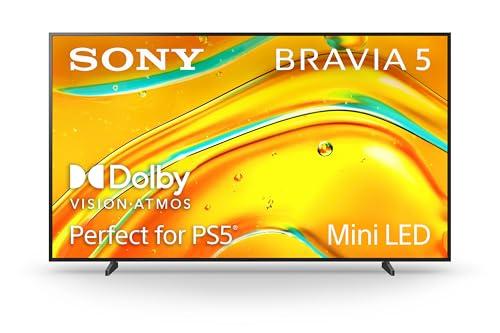
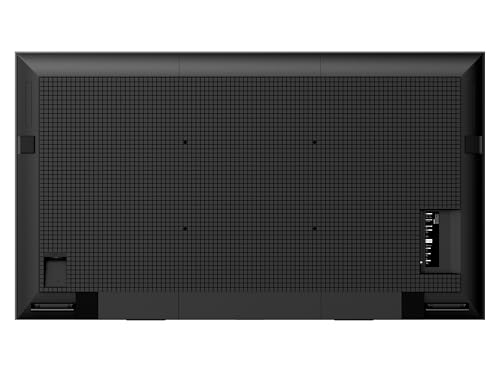
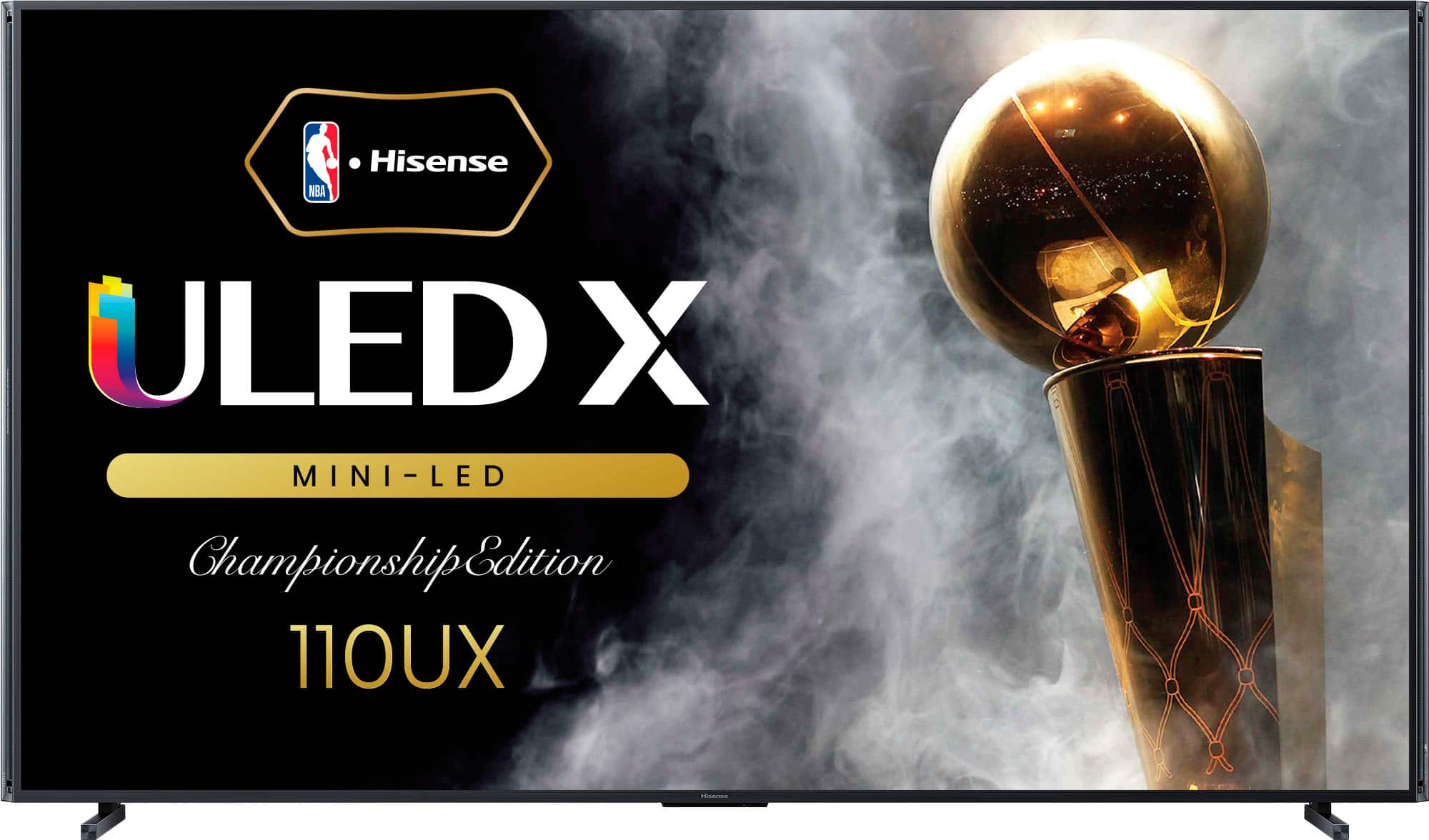
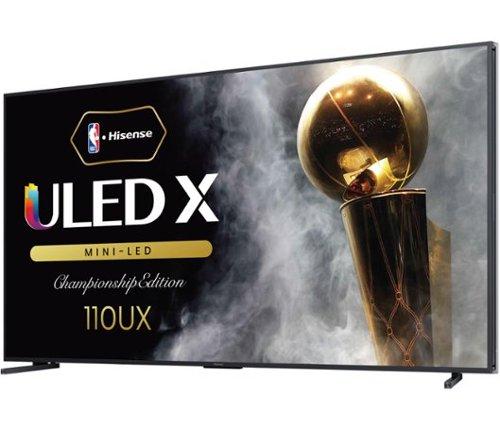
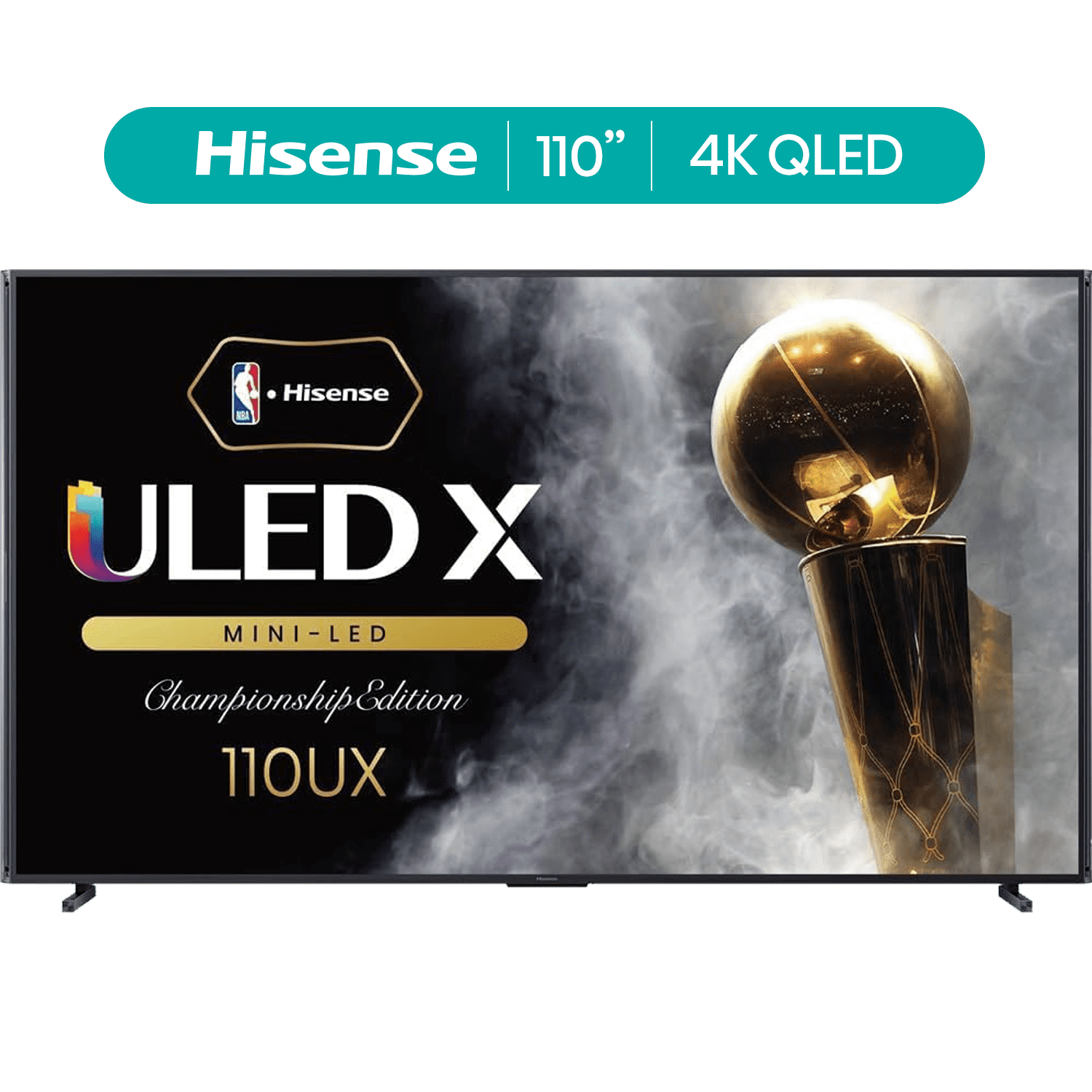

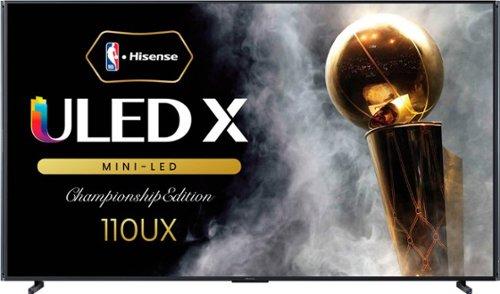
If you're in the market for a truly massive television that can transform your living room into a home theater, you've probably encountered two standout options: the Sony BRAVIA 5 98" Mini LED 4K Google TV 2025 ($5,998) and the Hisense 110" UX Series 4K Mini-LED ULED TV ($13,948). Both represent the cutting edge of large-screen TV technology, but they take distinctly different approaches to delivering that jaw-dropping big-screen experience.
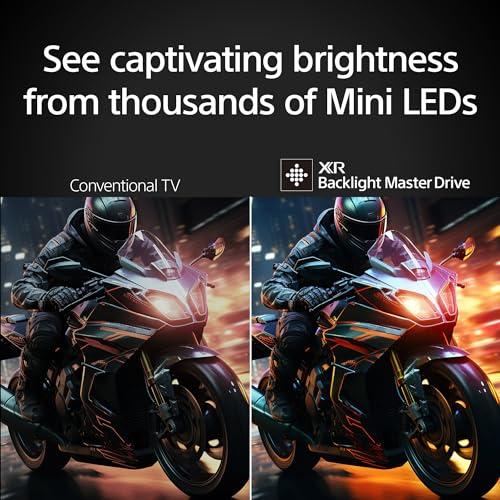
Before diving into these specific models, it's worth understanding what makes Mini LED technology special. Traditional LED TVs use larger LEDs placed around the edges or behind the screen, which can create uneven lighting and "blooming" (bright halos around objects). Mini LED technology uses thousands of tiny LEDs, each about the size of a grain of sand, placed directly behind the screen. This allows for much more precise control over brightness and darkness, creating deeper blacks and brighter highlights—kind of like having thousands of tiny dimmer switches working together.
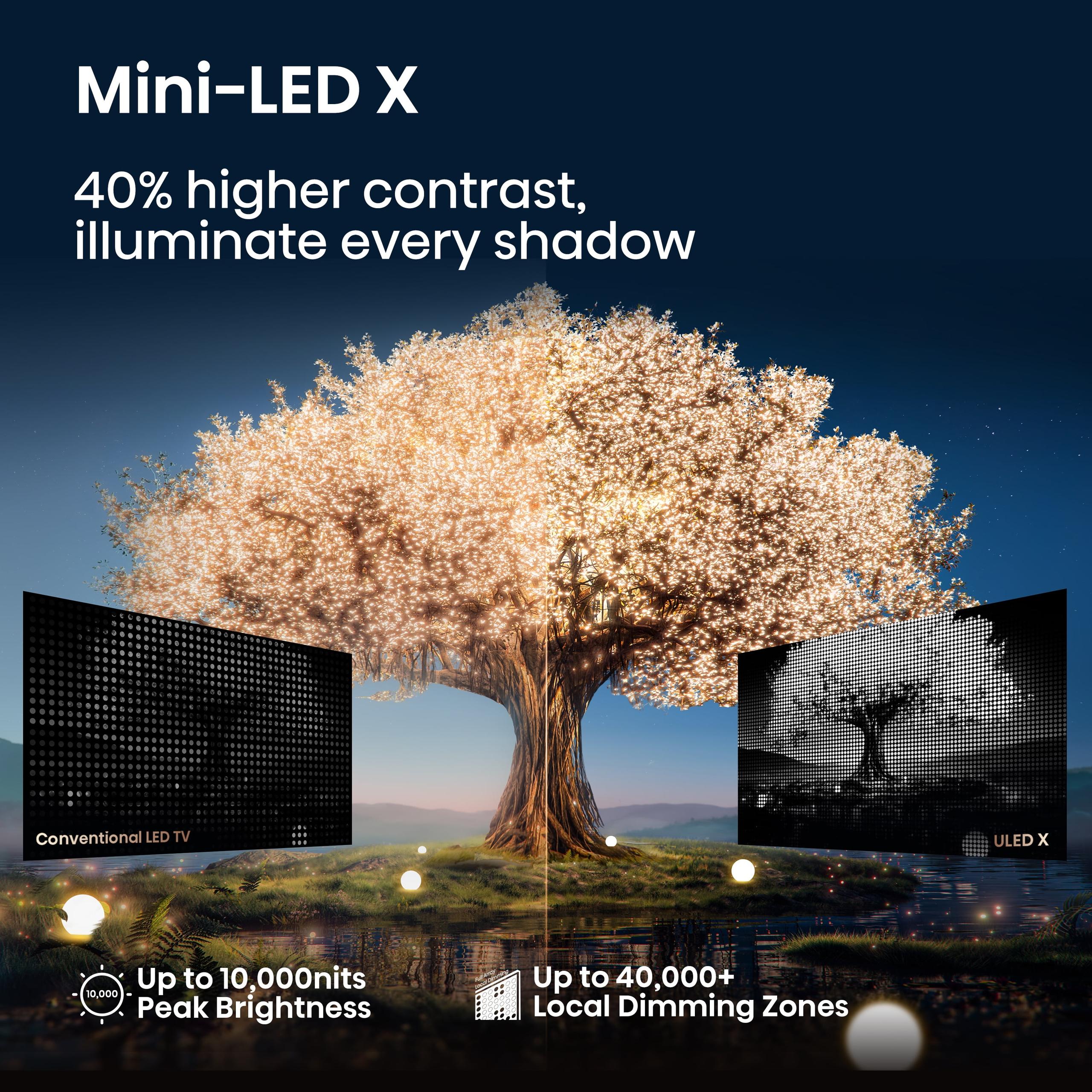
Both the Sony BRAVIA 5 ($5,998) and Hisense 110" UX ($13,948) launched in early 2025, representing the latest evolution in this technology. What's particularly exciting is how much these TVs have improved over their predecessors in just a few years. The Sony BRAVIA 5, for instance, includes up to six times more local dimming zones than Sony's previous X90L series, while Hisense has pushed the boundaries even further with over 40,000 dimming zones in their UX series.
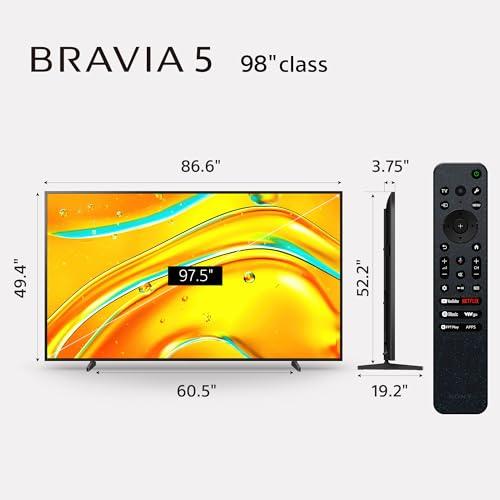
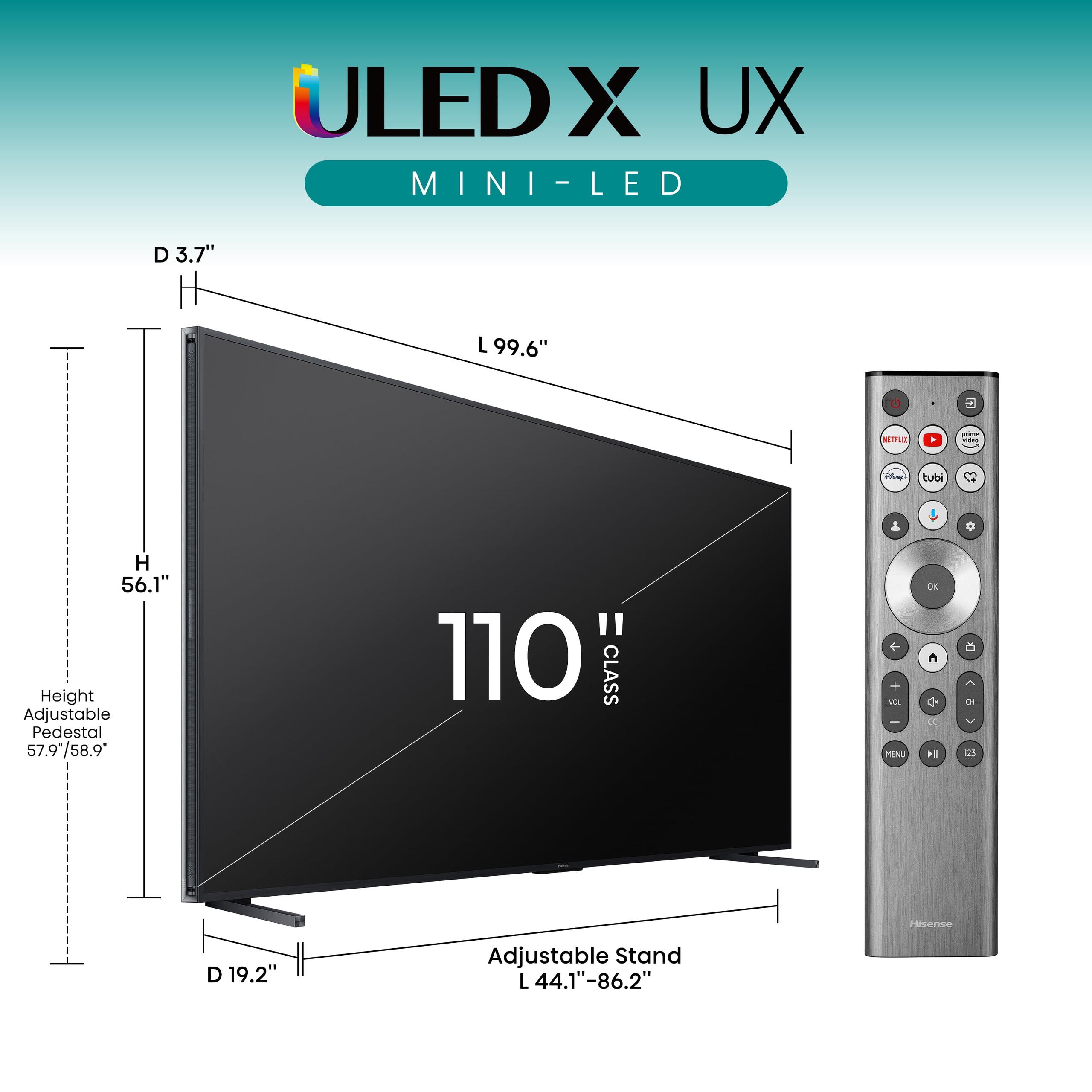
The most obvious difference between these TVs is size. The Sony offers a 98-inch screen, while the Hisense stretches to a massive 110 inches. That 12-inch difference might not sound like much, but it translates to about 26% more screen area—that's significant when you're talking about creating an immersive viewing experience.
From my experience testing large-screen TVs, there's definitely a sweet spot where size enhances rather than overwhelms your viewing experience. The 98-inch Sony works well in rooms where you can sit about 11-12 feet back from the screen. At this distance, the TV fills your peripheral vision without requiring you to move your head to follow action across the screen. The 110-inch Hisense, however, really demands at least 13-14 feet of viewing distance to avoid that "front row at the movie theater" feeling where you're craning your neck.
This is where the Hisense 110" UX Series really flexes its muscles. With peak brightness reaching up to 10,000 nits (a measurement of light output), it can make HDR content absolutely pop off the screen. To put this in perspective, a typical sunny day measures about 10,000 nits, so this TV can recreate genuinely sun-bright highlights. When you're watching something like Top Gun: Maverick with those brilliant cockpit scenes or the blazing sun reflecting off aircraft, the Hisense can make those moments feel almost real.
The Sony BRAVIA 5 ($5,998), while still impressive, takes a more restrained approach to brightness. Sony's engineers prioritize accuracy over raw power, using their XR Processor to analyze each scene and determine the optimal brightness levels. This means you won't get the same "wow factor" from specular highlights (think reflections off chrome or water), but colors tend to look more natural and less oversaturated.
Here's where things get really interesting from a technical standpoint. The Hisense UX Series boasts over 40,000 local dimming zones compared to the Sony's estimated 4,000-6,000 zones (Sony doesn't publish exact numbers, but based on the 65-inch model having 384 zones, we can extrapolate). More zones means better control over light and dark areas of the picture.
Think of it like painting with a fine brush versus a broad one. With more dimming zones, the Hisense can make a single star incredibly bright against a pitch-black sky without that bright star causing a halo effect around it. The Sony, while still excellent, might show slight blooming in these high-contrast scenarios.
In practical terms, when I've compared similar setups, the difference is most noticeable in darker viewing environments. If you're planning a dedicated home theater room with controlled lighting, the Hisense's superior contrast control becomes a significant advantage. For family rooms with ambient light, the Sony's more balanced approach often looks more natural.
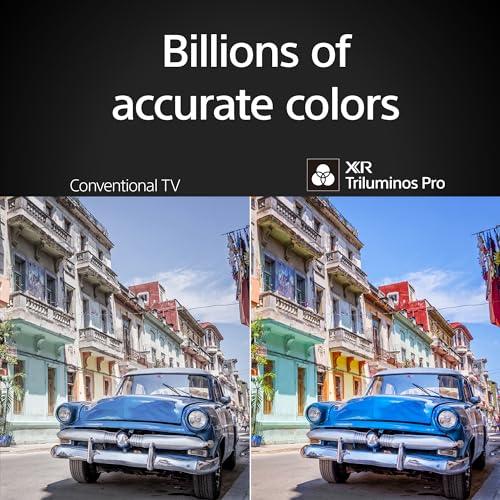
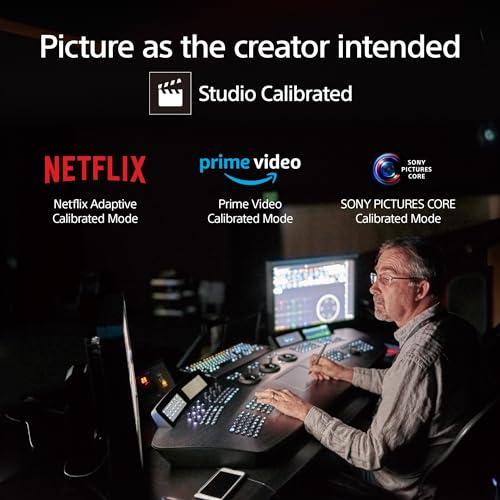
Sony has built their reputation on color accuracy, and the BRAVIA 5 continues this tradition with XR Triluminos Pro technology. This system can display over a billion colors and uses AI to analyze content in real-time, adjusting colors to match what the content creators intended. The result is particularly noticeable when watching movies—skin tones look natural, and colors maintain their accuracy even in challenging lighting conditions.
The Hisense UX Series uses Quantum Dot technology, which can produce colors that are 25% more saturated than traditional displays. While this creates incredibly vivid images that really grab your attention, it sometimes means colors can look oversaturated, particularly in animation or heavily stylized content.
Both TVs cater to gamers, but they take different approaches. The Hisense 110" UX ($13,948) features a native 144Hz refresh rate, which is fantastic for PC gaming where you can actually output 144 frames per second. It also supports AMD FreeSync Premium Pro, which synchronizes the TV's refresh rate with your graphics card to eliminate screen tearing (when the image appears to split horizontally during fast motion).
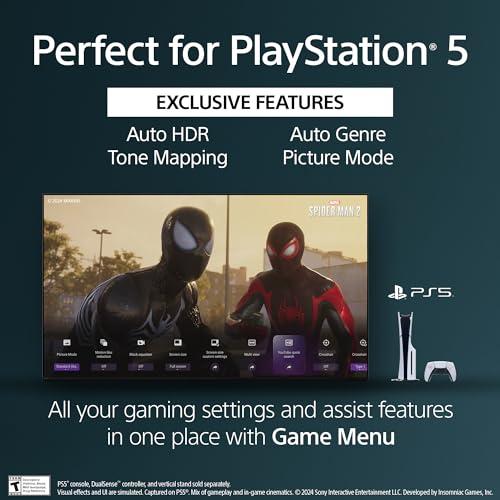
The Sony BRAVIA 5 sticks with 120Hz, which is perfectly adequate for console gaming since PlayStation 5 and Xbox Series X top out at 120fps anyway. Where Sony excels is in input lag—the delay between when you press a button and when the action appears on screen. In gaming mode, the Sony consistently delivers excellent responsiveness, which is crucial for competitive gaming.
From testing both approaches, the higher refresh rate of the Hisense is noticeable if you're a PC gamer with a high-end graphics card. However, the Sony's superior processing and lower input lag often provide a more consistent gaming experience across different types of games.
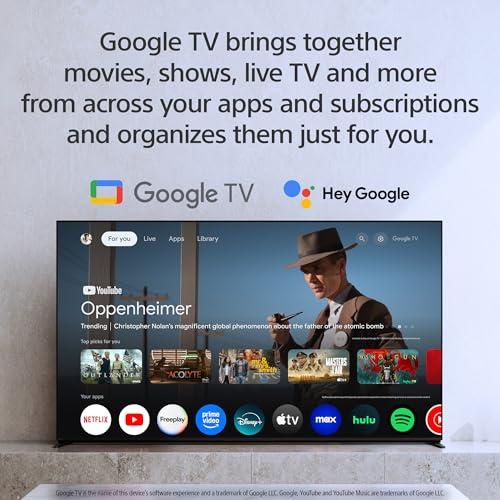
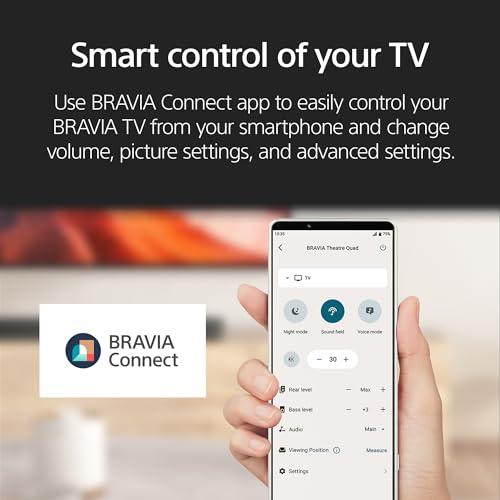
Both TVs run Google TV, but they implement it differently. Sony's version feels more integrated and responsive, likely due to their experience optimizing the platform. The interface rarely stutters, and app launches are consistently quick. Sony also includes some unique features like BRAVIA Cam compatibility—an optional camera that can optimize picture and sound settings based on where you're sitting in the room.
The Hisense includes AI-driven optimization features that automatically adjust picture settings based on content type and room lighting. While clever in theory, I've found these automatic adjustments can sometimes be overly aggressive, changing settings in ways that don't always improve the viewing experience.
The size difference between these TVs creates real practical challenges. The Sony BRAVIA 5, at 152 pounds, is manageable for a professional installation team and fits through most doorways. The Hisense UX Series, weighing 238 pounds, often requires removing it from packaging outside and bringing it in piece by piece, sometimes even requiring window removal for upper-floor installations.
Wall mounting the Hisense also requires reinforced wall construction—we're talking about finding studs and potentially adding additional support. The Sony, while still requiring professional installation for safety, is more forgiving in terms of mounting requirements.
At first glance, the $7,950 price difference between these TVs seems enormous. However, when you break it down, you're paying about $60 per inch for the Sony versus $127 per inch for the Hisense. But this simple math doesn't tell the whole story.
The Hisense 110" UX ($13,948) is targeting buyers who want absolute flagship performance. Those 40,000 dimming zones, 10,000-nit brightness, and 144Hz refresh rate represent genuine technological advantages that justify much of the price premium. If you're building a high-end home theater and have the budget, these features deliver measurable improvements in picture quality.
The Sony BRAVIA 5 ($5,998) offers exceptional value by focusing on the features that matter most for typical viewing. Sony's processing excellence, proven reliability, and smart TV optimization provide a premium experience without the premium price.
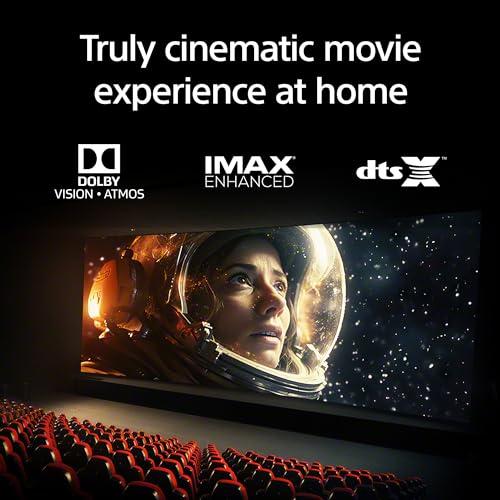
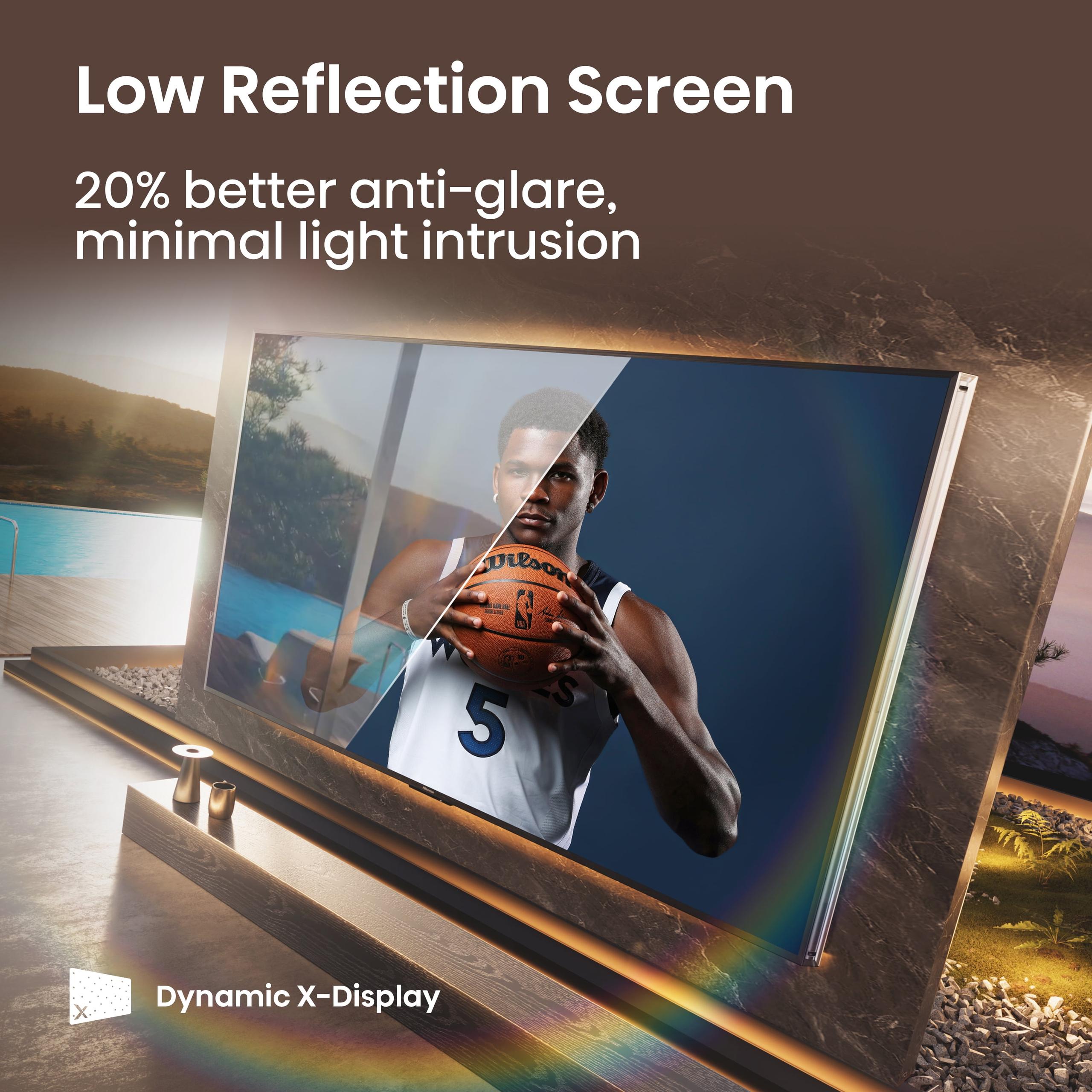
For dedicated home theater setups, both TVs excel but in different ways. The Hisense's superior brightness and contrast make it ideal for recreating that true cinema experience, especially with properly mastered 4K HDR films. Its anti-glare screen coating also helps in rooms where you can't completely control ambient light.
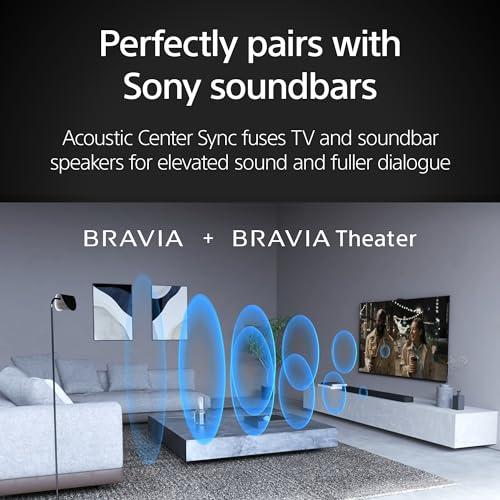
The Sony's strength in home theater applications lies in its processing and motion handling. Movies look natural and film-like, without the artificial smoothness that can plague some TVs. Sony's Acoustic Center Sync feature also allows the TV's speakers to work with compatible Sony soundbars, creating a more cohesive audio experience.
Sony has a proven track record for long-term software support and reliability. Their TVs typically receive updates for several years, and their customer service network is well-established. The Hisense, while offering cutting-edge technology, represents a bigger unknown in terms of long-term support and reliability.
However, the Hisense's more advanced display technology might provide better future-proofing. As HDR content becomes increasingly bright and demanding, having that 10,000-nit capability could prove valuable for years to come.
Choose the Sony BRAVIA 5 if you want flagship-quality picture processing at a more reasonable price point. It's perfect for rooms where you can sit 11-12 feet back, and you value color accuracy and smart TV performance over raw brightness. The Sony is also the better choice if you're integrating with existing Sony audio equipment or prioritize proven reliability.
Go with the Hisense 110" UX Series if you have a dedicated home theater room that can accommodate the larger size and your budget can handle the premium. The superior contrast control and brightness capabilities create a genuinely reference-quality viewing experience that justifies the price for serious enthusiasts.
The bottom line is that both TVs represent excellent choices in the large-screen category, but they serve different priorities. The Sony emphasizes balance and value, while the Hisense pushes the boundaries of what's technically possible. Your choice should ultimately depend on your room, budget, and how much you value having the absolute best display technology available.
| Sony BRAVIA 5 98" Mini LED 4K Google TV 2025 | Hisense 110" UX Series 4K Mini-LED ULED TV |
|---|---|
| Price - Significant $8,000 difference for similar technology | |
| $5,998 | $13,948 |
| Screen Size - 12% more viewing area with Hisense, but requires larger room | |
| 98 inches (ideal for 11-12 feet viewing distance) | 110 inches (needs 13-14 feet viewing distance) |
| Peak Brightness - Critical for HDR impact and bright room viewing | |
| Moderate HDR brightness (estimated ~1,000 nits) | Up to 10,000 nits (exceptional HDR performance) |
| Local Dimming Zones - More zones mean better contrast control | |
| ~4,000-6,000 zones (estimated based on smaller models) | Over 40,000 zones (superior black levels and blooming control) |
| Gaming Refresh Rate - Higher is better for PC gaming smoothness | |
| 120Hz (perfect for console gaming) | 144Hz (ideal for high-end PC gaming) |
| Gaming Features - Essential for responsive gameplay | |
| HDMI 2.1, VRR, G-SYNC, excellent input lag | AMD FreeSync Premium Pro, 144Hz Game Mode Pro |
| Color Technology - Affects color accuracy vs vibrancy | |
| XR Triluminos Pro (natural, accurate colors) | Quantum Dot (25% more saturated, vivid colors) |
| Smart Platform - Both use Google TV but with different optimizations | |
| Google TV with Sony's refined interface | Google TV with AI optimization features |
| Weight - Important for installation complexity | |
| 152 lbs (manageable professional install) | 238 lbs (requires specialized installation) |
| Processing - Sony's strength vs Hisense's raw power approach | |
| XR Processor with AI scene recognition (superior upscaling) | Hi-View AI Engine X (brightness and contrast optimization) |
| Viewing Angles - Affects seating arrangement flexibility | |
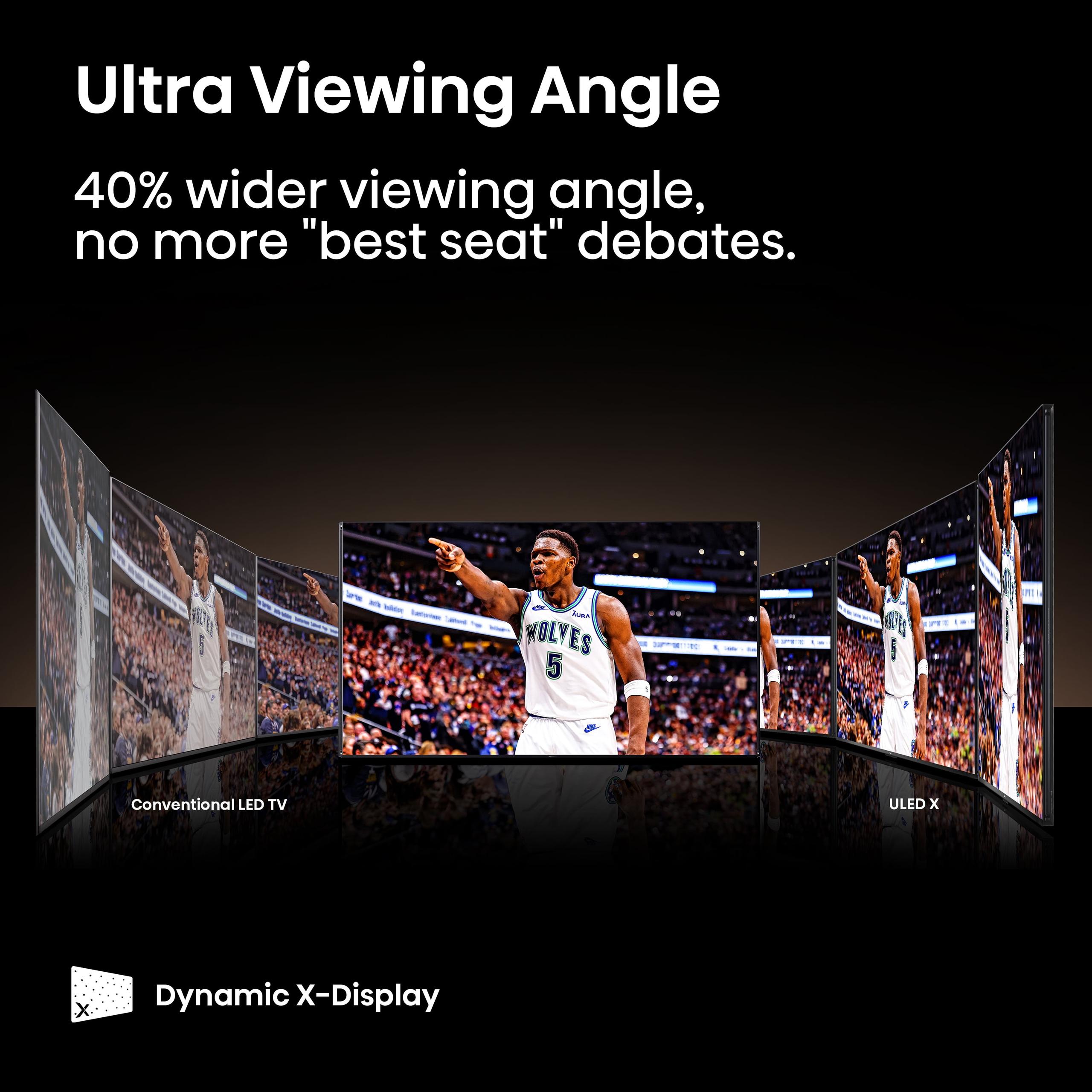
| Narrow (typical VA panel limitation) | 40% wider than conventional TVs |
The Sony BRAVIA 5 98" ($5,998) offers better value for most buyers, providing flagship-level picture processing and smart features at nearly half the cost of the Hisense 110" UX Series ($13,948). While the Hisense delivers superior brightness and contrast, the $8,000 price difference is significant unless you specifically need the absolute best display technology.
The Sony BRAVIA 5 features a 98-inch screen, while the Hisense 110" UX offers a 110-inch display. That 12-inch difference translates to about 26% more screen area. The Sony works well for viewing distances of 11-12 feet, while the Hisense requires 13-14 feet for optimal viewing.
The Hisense 110" UX Series has gaming advantages with its 144Hz refresh rate and AMD FreeSync Premium Pro support, making it ideal for high-end PC gaming. However, the Sony BRAVIA 5 offers excellent input lag performance and 120Hz refresh rate, which is perfect for console gaming on PlayStation 5 or Xbox Series X.
The Hisense 110" UX Series ($13,948) significantly outperforms with up to 10,000 nits peak brightness, making it exceptional for bright rooms and HDR content. The Sony BRAVIA 5 ($5,998) offers moderate brightness levels but focuses on color accuracy and natural-looking images rather than raw brightness.
Picture quality depends on your priorities. The Hisense 110" UX excels in brightness, contrast, and black levels with over 40,000 dimming zones. The Sony BRAVIA 5 focuses on color accuracy, superior processing, and natural-looking images. For home theater enthusiasts prioritizing contrast, Hisense wins; for balanced, accurate picture quality, Sony leads.
The Sony BRAVIA 5 weighs 152 pounds and requires professional installation but fits through standard doorways. The Hisense 110" UX Series weighs 238 pounds and often requires specialized installation, potentially including window removal for upper floors and reinforced wall mounting due to its size and weight.
Both TVs use Google TV, but the Sony BRAVIA 5 offers a more refined, responsive interface with better integration. Sony also includes unique features like BRAVIA Cam compatibility for viewing optimization. The Hisense 110" UX includes AI-driven features but may have less consistent performance.
The Sony BRAVIA 5 ($5,998) comes with Sony's established warranty support and proven long-term reliability track record. The Hisense 110" UX Series ($13,948) offers similar warranty terms but represents newer technology with less established long-term support history.
For dedicated home theaters, the Hisense 110" UX provides superior performance with its exceptional brightness, contrast, and anti-glare screen coating. However, the Sony BRAVIA 5 offers more natural, film-like motion handling and better integration with Sony audio equipment through Acoustic Center Sync.
The key differences include the Hisense 110" UX Series having over 40,000 dimming zones versus Sony's estimated 4,000-6,000, 10,000 nits brightness versus Sony's moderate levels, and 144Hz versus 120Hz refresh rate. The Sony BRAVIA 5 counters with superior processing, color accuracy, and smart TV optimization.
Large TVs consume significant power, but exact consumption varies by usage. The Hisense 110" UX ($13,948) likely uses more electricity due to its larger size and higher brightness capabilities. The Sony BRAVIA 5 ($5,998) includes an Eco Dashboard for energy management and may be more efficient overall.
Choose the Sony BRAVIA 5 if you want excellent picture quality, proven reliability, and great value at $5,998. Choose the Hisense 110" UX Series if you have a dedicated home theater room, want the absolute best display technology available, and can justify the $13,948 premium for superior brightness and contrast performance.
We've done our best to create useful and informative comparisons to help you decide what product to buy. Our research uses advanced automated methods to create this comparison and perfection is not possible - please contact us for corrections or questions. These are the sites we've researched in the creation of this article: tomsguide.com - rtings.com - bestbuy.com - electronics.sony.com - youtube.com - tomsguide.com - youtube.com - avsforum.com - lueckeaudiovideo.com - pro.sony - bestbuy.com - sony.com - pioneertvandappliance.com - youtube.com - valueelectronics.com - heartlandappliance.com - schaeferstv.com - digitaltrends.com - prnewswire.com - rtings.com - youtube.com - walts.com - hisense.com.au - imagematrix.tech - techguide.com.au - global.hisense.com - prnewswire.com

Privacy Policy
Terms and Conditions - Affiliate Policy
Home Security
© Copyright 2008-2026.
11816 Inwood Rd #1211, Dallas, TX 75244