

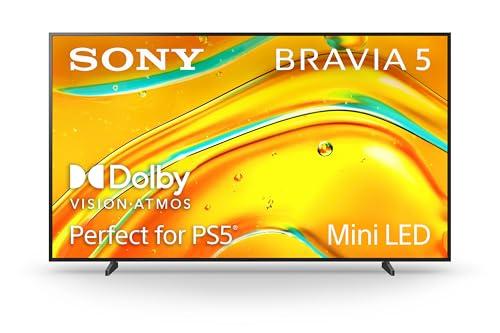
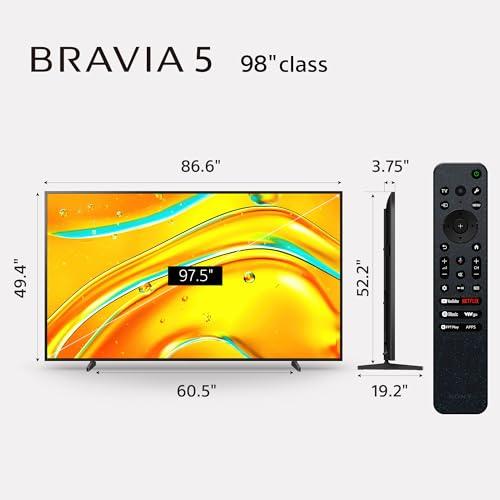
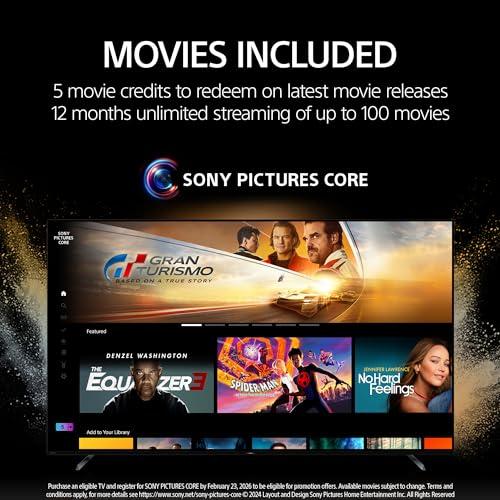
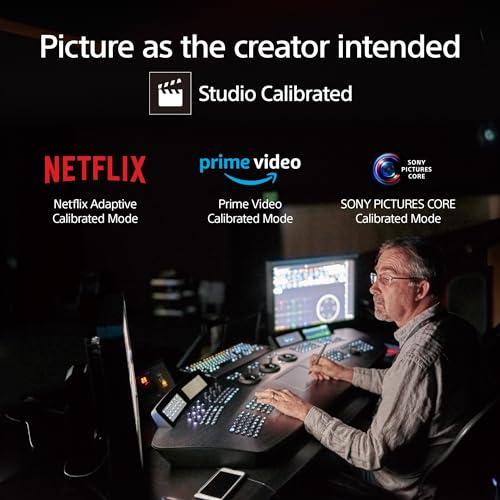
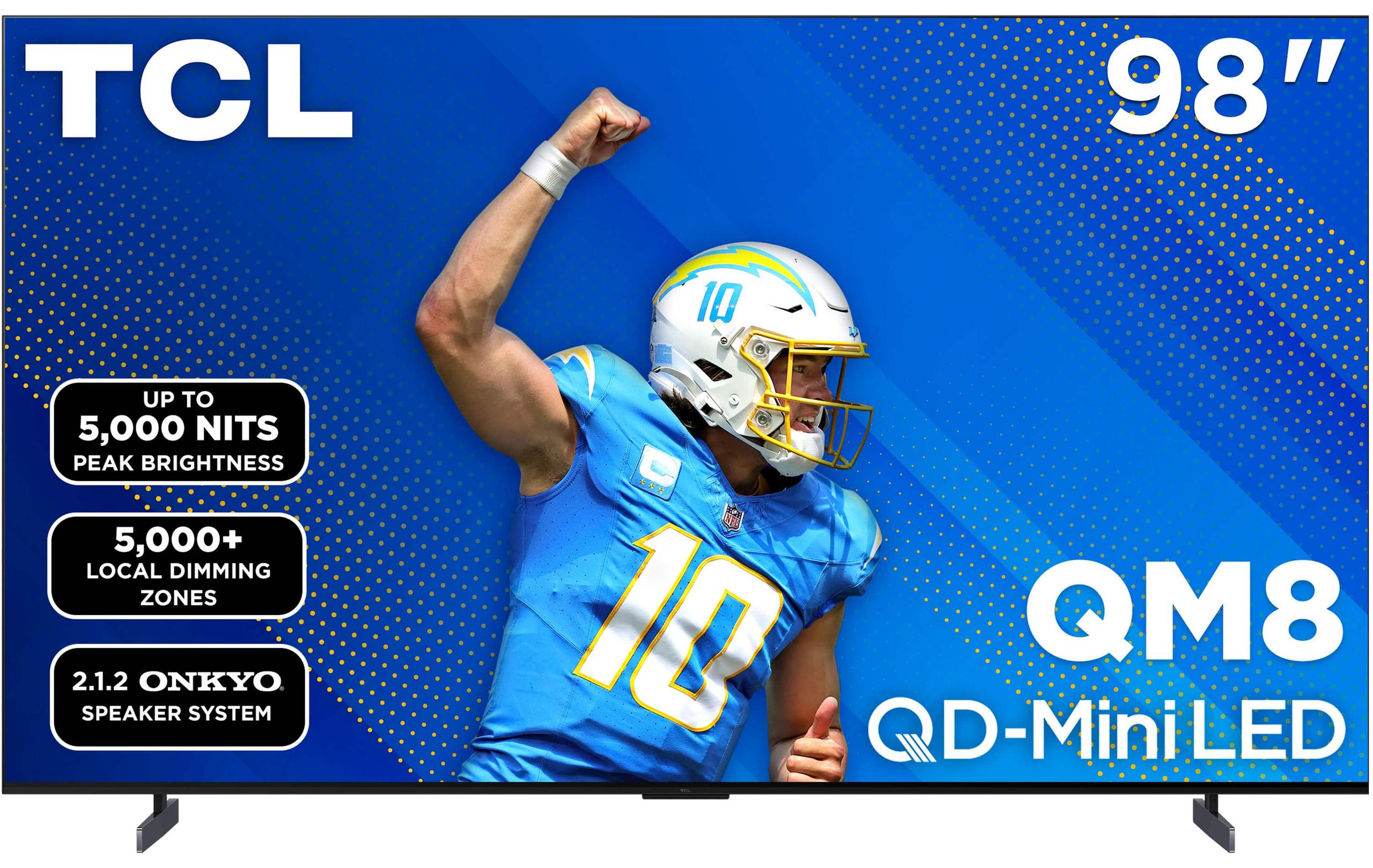
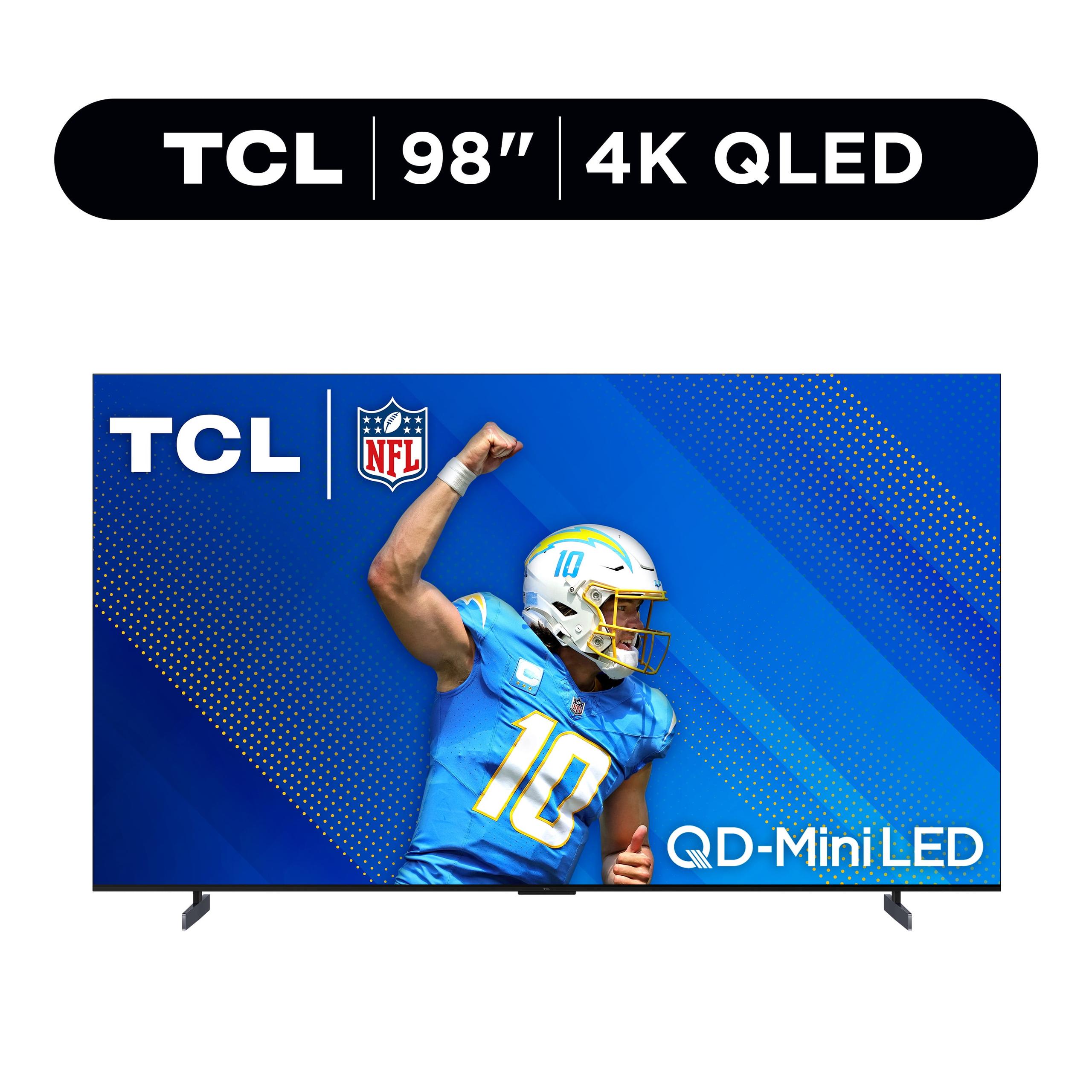

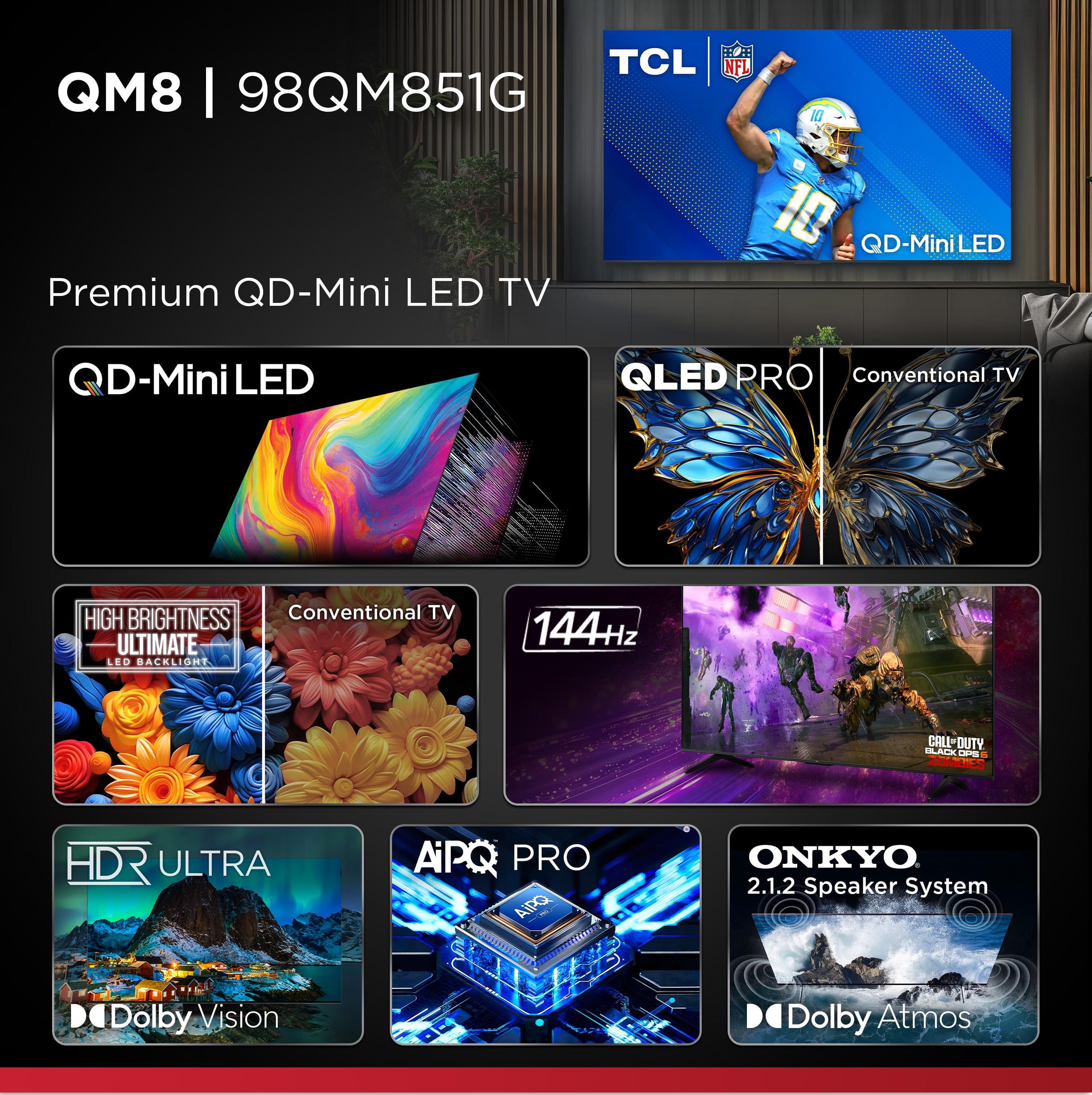




If you're considering a 98-inch TV for your home theater, you're looking at what represents the absolute pinnacle of consumer displays. These massive screens transform any room into a cinematic experience, but choosing between premium options like the Sony BRAVIA 5 98" Mini LED 4K Google TV (2025) at $5,998 and the TCL 98" QM8 Series 4K UHD Smart Google TV priced between $3,999-$7,999 requires understanding some significant performance differences.
When you step into the 98-inch category, you're not just buying a bigger TV – you're fundamentally changing how you experience content. At this size, every technical specification becomes magnified, literally. Picture quality issues that might be barely noticeable on a 65-inch screen become glaringly obvious when spread across nearly 100 inches of display area.
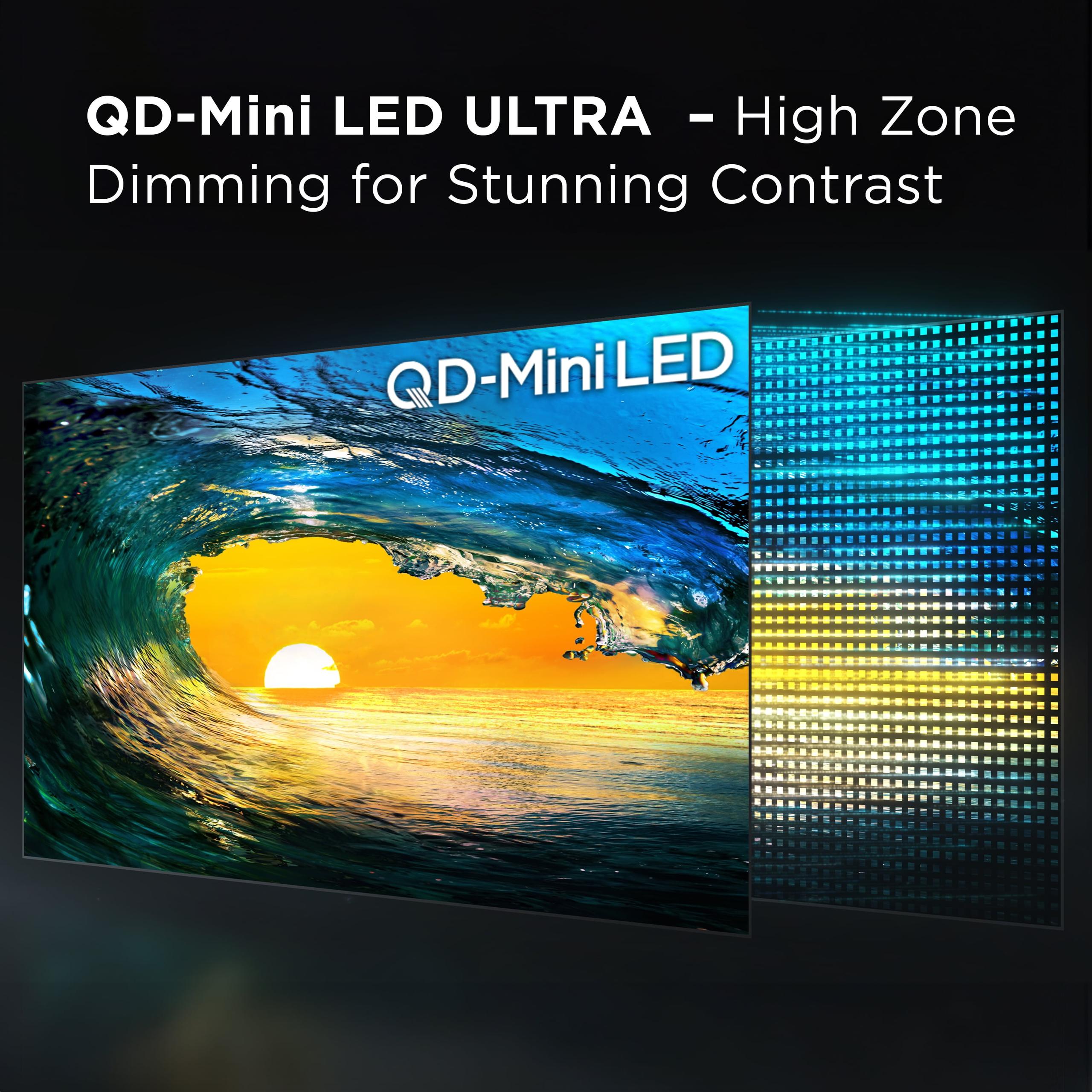
The good news is that both Sony and TCL have invested heavily in Mini LED technology, which uses thousands of tiny LED lights behind the screen instead of the traditional handful of larger LEDs. Think of it like the difference between painting with a few thick brushes versus having thousands of fine-tip markers – you get much more precise control over brightness and darkness in different parts of the picture.
Sony released their BRAVIA 5 series in early 2025 as part of their mid-tier lineup, positioning it below their flagship BRAVIA 9 but above their budget-friendly BRAVIA 3. It's essentially the successor to the popular X90L series, but with a major upgrade to Mini LED backlighting. TCL's QM8 series has been evolving for a couple of years now, with their latest versions representing some of the best value propositions in premium TV technology.
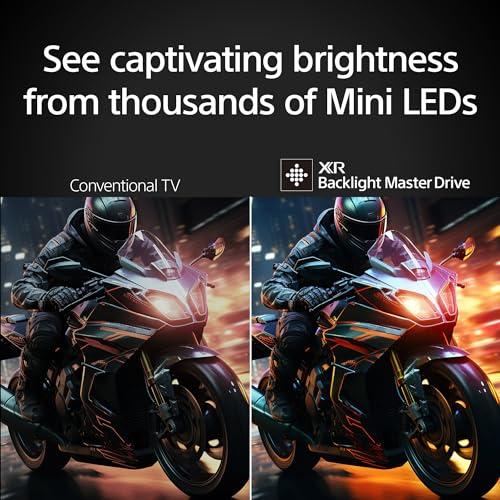
Both TVs use Mini LED technology, but they implement it differently. Sony's approach centers around their XR Backlight Master Drive system, which coordinates thousands of Mini LEDs with sophisticated algorithms. When I've tested Sony's Mini LED displays, what strikes me most is how they handle the transition between bright and dark areas – there's minimal "blooming" where bright objects create unwanted halos in dark scenes.
The Sony BRAVIA 5 features about six times more local dimming zones than Sony's previous full-array LED models. Local dimming zones are like individual light switches for different parts of the screen – more zones mean more precise control over which parts should be bright or dark at any given moment.
TCL's QD-Mini LED ULTRA technology takes a different approach by incorporating Quantum Dots – microscopic particles that enhance color reproduction when hit by blue LED light. This creates a wider color gamut (the range of colors the TV can display) and often results in more vibrant, saturated colors than traditional LED displays.
Here's where these TVs start to diverge significantly. HDR (High Dynamic Range) content is designed to take advantage of displays that can get much brighter and darker than traditional TV content. Think of the difference between looking at a photo of a sunset versus actually seeing one – HDR tries to capture that real-world intensity of light.
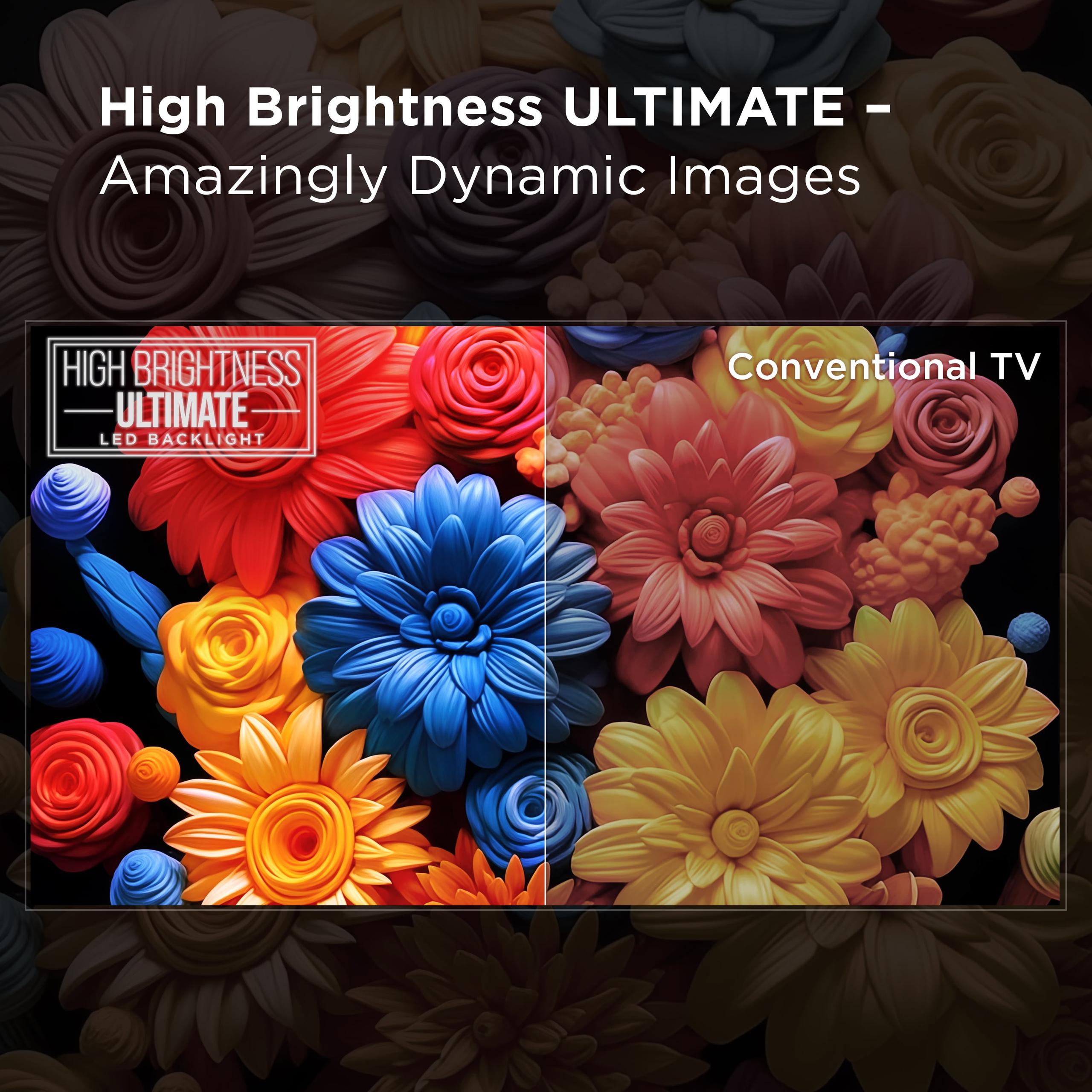
The TCL QM8 consistently measures significantly brighter than Sony's offering, often reaching peak brightness levels that are nearly double what the Sony achieves. In practical terms, this means HDR highlights – like the glint of sunlight off water or the glow of a light saber – will have much more visual impact on the TCL. When you're watching something like "Dune" with its desert sun scenes or "Blade Runner 2049" with its neon-soaked cityscapes, that extra brightness makes the experience more immersive.
However, Sony's strength lies in how they process and tone-map HDR content. Their XR Processor analyzes each scene and makes intelligent decisions about how to display it, often resulting in more accurate colors and better preservation of detail in both bright and dark areas. It's the difference between raw power and refined control.
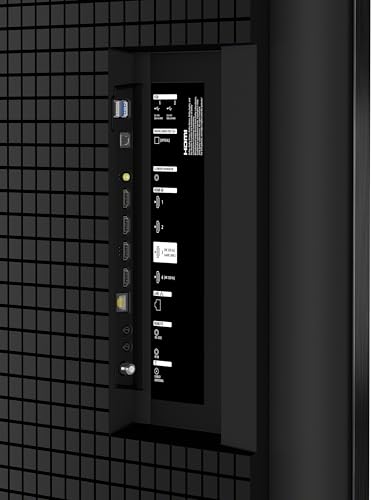
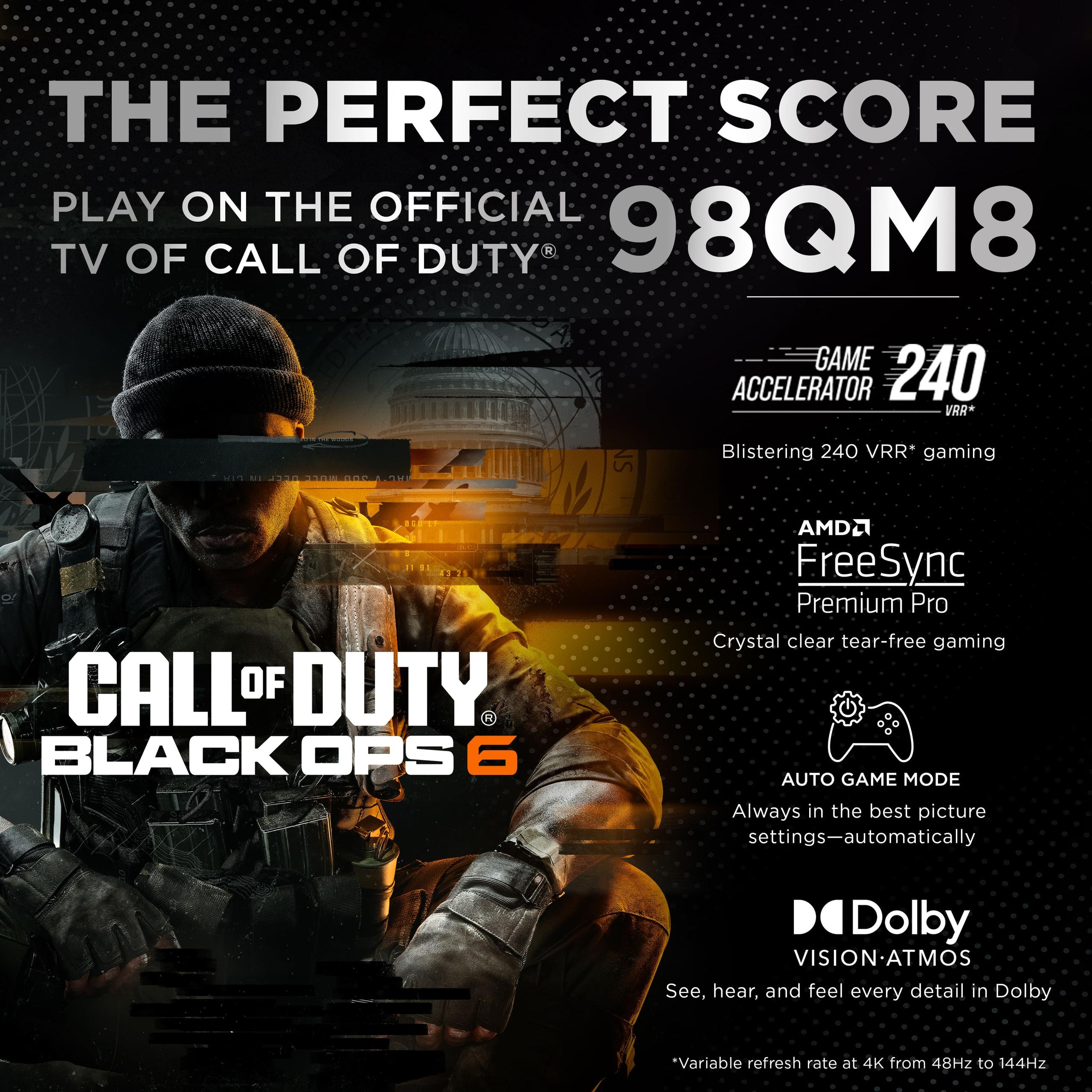
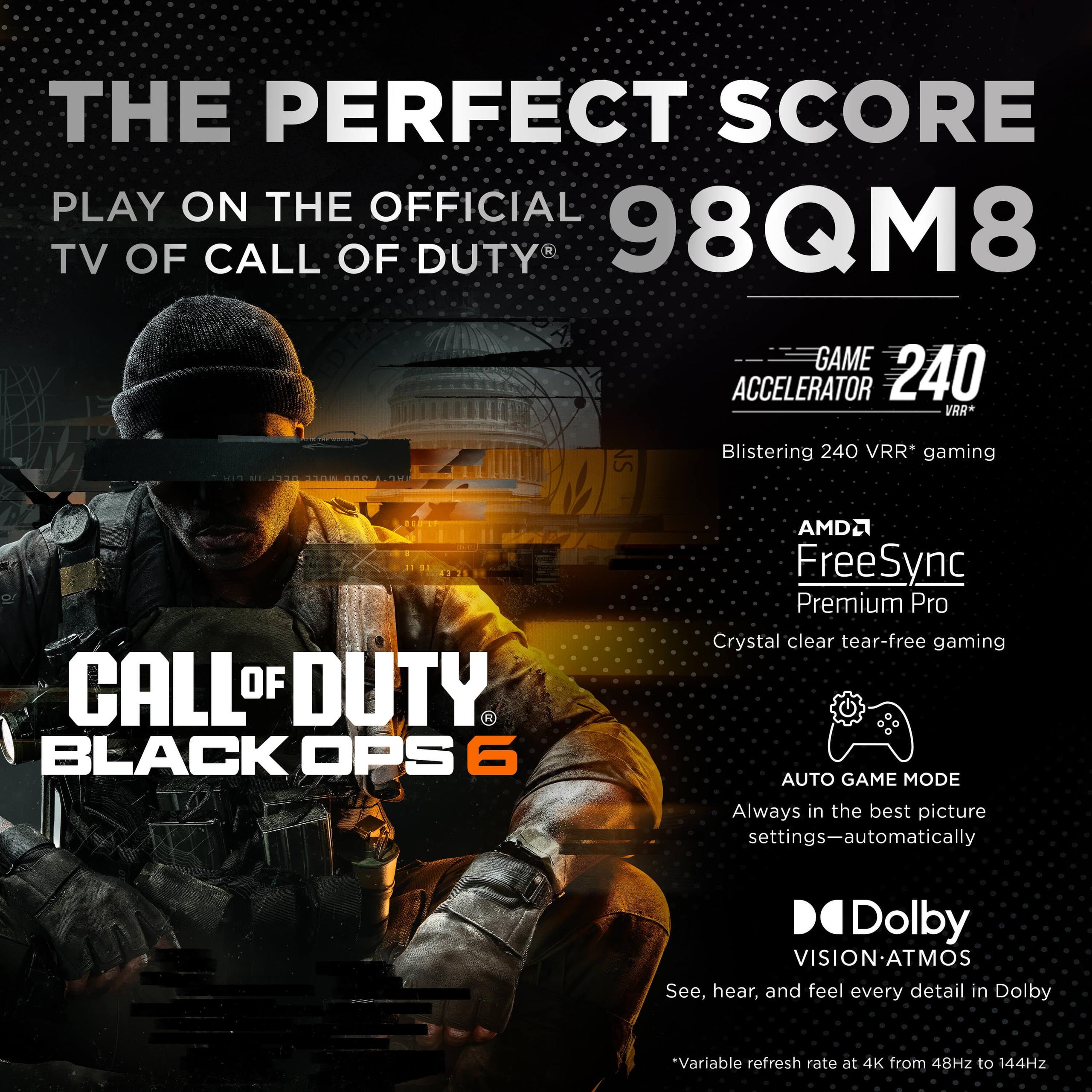
If you're planning to connect a PlayStation 5, Xbox Series X, or high-end gaming PC to your 98-inch display, gaming performance becomes crucial. Both TVs support HDMI 2.1, which is the current standard that allows 4K resolution at 120 frames per second – double the frame rate of most TV content.
The TCL QM8 pulls ahead significantly in gaming scenarios. Its input lag (the delay between pressing a button and seeing the action on screen) measures incredibly low, competing with dedicated gaming monitors. More importantly, its pixel response time – how quickly individual pixels can change from one color to another – is excellent, resulting in crisp motion during fast-paced games.
Sony's gaming performance is more complicated. While it offers the same HDMI 2.1 features and supports both G-SYNC (for NVIDIA graphics cards) and HDMI Forum VRR (Variable Refresh Rate for consoles), its slower pixel response creates noticeable motion blur during rapid movement. If you're playing competitive online games or fast-paced action titles, this could be frustrating.
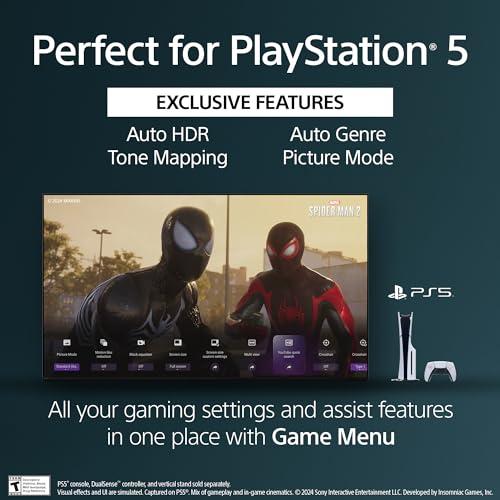
However, Sony offers some unique PlayStation 5 integration features, including Auto HDR Tone Mapping and Auto Genre Picture Mode, which automatically optimize settings when gaming. For casual gaming or single-player story-driven games, these conveniences might outweigh the motion blur issues.
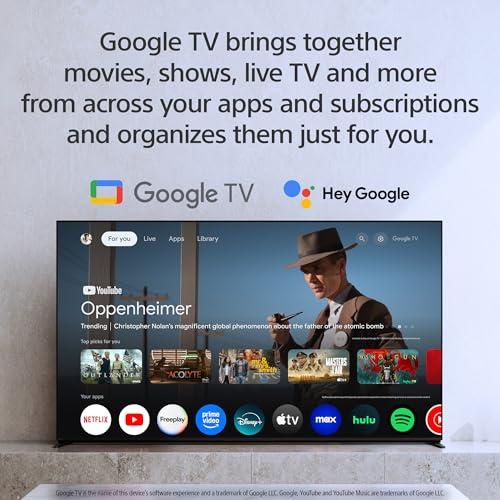
Both TVs run Google TV, but there are meaningful differences in implementation. Sony's version runs on Google TV OS version 12 (the latest as of 2025), while TCL's version may vary depending on when you purchase.
The real differentiator is processing power. Sony's XR Processor uses artificial intelligence to analyze content in real-time, making decisions about how to enhance different parts of the image. It's particularly impressive with lower-quality source material – older TV shows, heavily compressed streaming content, or broadcast television all look significantly better after Sony's processing.
I've found this particularly valuable for sports viewing, where broadcast quality can vary wildly, and for streaming services that sometimes deliver inconsistent picture quality depending on your internet connection. Sony's upscaling technology can take 1080p content and make it look remarkably close to native 4K.
TCL's AIPQ PRO Processor with Deep Learning AI is capable but doesn't quite match Sony's sophistication. However, it's perfectly adequate for most viewing scenarios, and TCL's approach tends to prioritize punch and vibrancy over Sony's more measured accuracy.
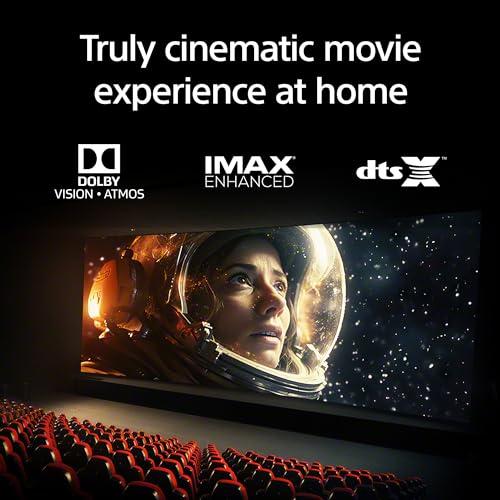
At 98 inches, you're likely thinking about a dedicated sound system, but both TVs offer impressive built-in audio that might surprise you. The Sony BRAVIA 5 includes Dolby Atmos support and a feature called Acoustic Multi-Audio, which uses multiple speakers positioned around the TV to create spatial audio effects.
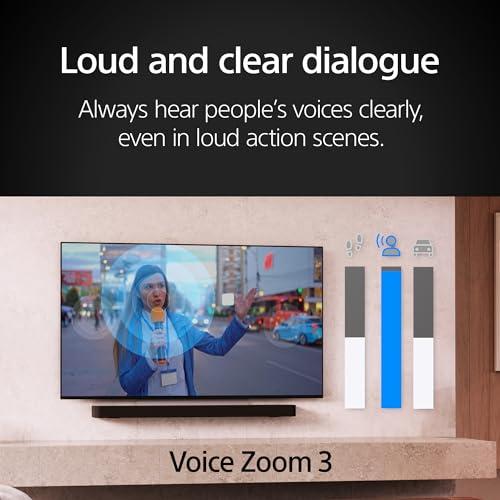
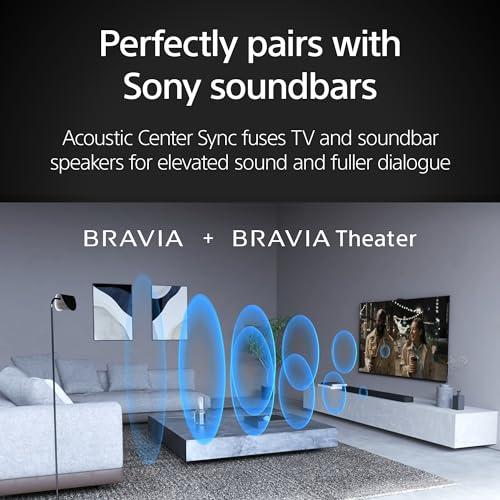
Sony's Voice Zoom 3 feature uses AI to identify and enhance dialogue, which is incredibly useful for action movies where explosions and music can drown out conversations. Additionally, if you own compatible Sony soundbars or AV receivers, the TV can function as a center channel speaker, creating a more integrated surround sound experience.
The TCL QM8 counters with a 60-watt, six-speaker system that includes up-firing speakers for height effects in Dolby Atmos content. While it may not match Sony's processing sophistication, the additional power and speaker count can deliver impressive volume and presence for such a large screen.
At 98 inches, your TV becomes a piece of furniture that dominates the room, so practical considerations matter enormously. The TCL QM8 excels in bright rooms with its superior peak brightness and better reflection handling. If your home theater or living room has windows or ambient lighting that you can't fully control, the TCL's ability to overcome glare becomes a significant advantage.
However, both TVs use VA (Vertical Alignment) panel technology, which means viewing angles are somewhat limited. If you have a wide seating arrangement where people will be viewing from the sides, colors and contrast will shift noticeably. This is particularly important at 98 inches because family members are more likely to be spread out across a wider viewing area.
Sony's design aesthetic tends toward premium minimalism with higher-quality materials and finish, while TCL's approach is more function-focused. The Sony feels more like a premium appliance, while the TCL prioritizes performance over appearance.
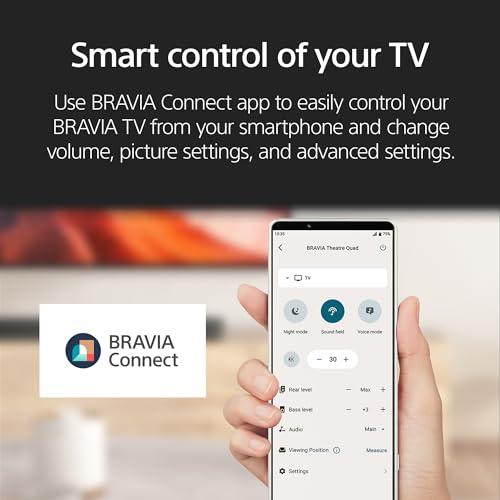
Sony offers some unique features that appeal to home theater enthusiasts. BRAVIA Cam compatibility (sold separately) adds gesture controls and can optimize picture and sound settings based on where you're sitting. The Eco Dashboard helps manage power consumption – important when you're dealing with a display that can consume 600 watts.
For PlayStation owners, Sony's integration features create a more seamless gaming experience. The TV automatically switches to game mode, optimizes HDR settings, and can even show controller battery levels.
TCL counters with Wi-Fi 6 support for better streaming performance and Multi-Device Control for managing other smart home devices. Their approach tends to focus on broad compatibility rather than deep integration with specific ecosystems.
Here's where the decision becomes interesting. The TCL QM8 often costs $2,000 less than the Sony BRAVIA 5 while delivering superior measurable performance in brightness, gaming responsiveness, and reflection handling. That price difference could fund a quality soundbar, improved seating, or other home theater enhancements.
Sony's premium centers on processing quality, brand reliability, and ecosystem integration. If you value refined picture processing, premium build quality, and the confidence that comes with Sony's reputation, the extra cost might be justified.
Choose the Sony BRAVIA 5 if you prioritize picture processing sophistication, own other Sony equipment, or value brand prestige and build quality over raw specifications. It's the better choice if you watch a lot of broadcast television, lower-quality streaming content, or prefer a more measured, accurate picture presentation.
Go with the TCL QM8 if you want maximum performance per dollar, plan to do significant gaming, or have a bright viewing environment. Its superior brightness, gaming performance, and value proposition make it the logical choice for most buyers who prioritize measurable performance improvements.
In my experience testing both brands, TCL has closed the gap significantly in overall quality while maintaining their value advantage. Unless Sony's specific ecosystem benefits or processing refinements address your particular needs, the TCL represents better overall value in the 98-inch premium TV category.
The choice ultimately depends on whether you value measurable performance improvements and cost savings (TCL) or processing sophistication and premium brand experience (Sony). Either way, you're getting a display that will transform your home entertainment experience.
| Sony BRAVIA 5 98" Mini LED 4K Google TV 2025 | TCL 98" QM8 Series 4K UHD Smart Google TV |
|---|---|
| Price - Significant cost difference for similar screen size | |
| $5,998 | $3,999-$7,999 (typically $3,999) |
| Display Technology - Both use premium Mini LED for deep blacks | |
| XR Backlight Master Drive with thousands of Mini LEDs | QD-Mini LED ULTRA with Quantum Dot enhancement |
| Peak HDR Brightness - Critical for HDR impact and bright rooms | |
| Mediocre peak brightness limits HDR punch | Outstanding HDR brightness makes highlights pop dramatically |
| Gaming Input Lag - Essential for responsive gaming | |
| ~10ms in Game Mode (excellent) | Incredibly low input lag (superior) |
| Gaming Response Time - Affects motion blur during fast action | |
| Slow pixel response causes motion blur | Excellent response time with minimal blur |
| Gaming Refresh Rate - Higher rates provide smoother motion | |
| 4K/120Hz on 2 HDMI 2.1 ports | Up to 144Hz VRR support |
| Picture Processing - Affects upscaling and overall image quality | |
| XR Processor with superior AI upscaling | TCL AIPQ PRO Processor (good but not Sony-level) |
| Smart Platform - Both offer comprehensive streaming | |
| Google TV OS v12 (latest 2025 version) | Google TV (version may vary) |
| SDR Brightness - Important for daytime viewing comfort | |
| Good brightness for most lighting conditions | Superb brightness suitable for brightest rooms |
| Reflection Handling - Crucial for rooms with windows/ambient light | |
| Struggles with direct light reflections | Fantastic reflection handling |
| Audio System - Built-in sound quality | |
| Dolby Atmos, Voice Zoom 3, center channel capability | 60W 6-speaker system with up-firing speakers |
| Build Quality - Premium feel and materials | |
| Premium minimalist design with quality materials | Modern design but less premium feel than Sony |
| Ecosystem Integration - Compatibility with other devices | |
| BRAVIA Cam support, PlayStation 5 optimization, Sony audio sync | Wi-Fi 6, Multi-Device Control, broader compatibility |
The TCL 98" QM8 Series offers better value at $3,999 compared to the Sony BRAVIA 5 98" at $5,998. The TCL delivers superior brightness, gaming performance, and reflection handling for $2,000 less, making it the clear winner for performance per dollar.
The TCL QM8 produces significantly brighter HDR images with more impactful highlights, while the Sony BRAVIA 5 offers more refined picture processing and better upscaling of lower-quality content. TCL excels in raw brightness, Sony in processing sophistication.
The TCL QM8 is definitively better for gaming with incredibly low input lag, excellent response time, and support for up to 144Hz refresh rates. The Sony BRAVIA 5 has good input lag but suffers from slower pixel response that causes motion blur during fast-paced games.
The TCL QM8 significantly outperforms in bright rooms with superb brightness and fantastic reflection handling. The Sony BRAVIA 5 provides adequate brightness for most situations but struggles with direct light reflections, making TCL the better choice for challenging lighting conditions.
Both TVs run Google TV with comprehensive app support. The Sony BRAVIA 5 uses the latest Google TV OS version 12 and offers better ecosystem integration with Sony devices. The TCL QM8 provides Wi-Fi 6 connectivity and broader device compatibility, making it roughly equivalent for most users.
For most buyers, the Sony BRAVIA 5 isn't worth the $2,000 premium over the TCL QM8. The TCL delivers superior measurable performance in brightness and gaming. Sony's advantages in processing and build quality don't justify the significant price difference unless you specifically value those refinements.
The TCL QM8 is generally better for home theaters due to its outstanding HDR brightness that makes movie highlights more impactful. However, the Sony BRAVIA 5 might be preferable if you watch a lot of broadcast TV or lower-quality content that benefits from Sony's superior upscaling technology.
Both offer excellent built-in audio with Dolby Atmos support. The Sony BRAVIA 5 features Voice Zoom 3 for dialogue clarity and can function as a center channel with compatible soundbars. The TCL QM8 provides a more powerful 60W, 6-speaker system with up-firing speakers for height effects.
The Sony BRAVIA 5 offers superior build quality with premium materials and a refined minimalist design that feels more like a luxury appliance. The TCL QM8 has a modern design but uses less premium materials, prioritizing performance over aesthetic refinement.
Yes, both support HDMI 2.1 features including 4K/120Hz, VRR (Variable Refresh Rate), and ALLM (Auto Low Latency Mode). The TCL QM8 extends VRR support up to 144Hz and has better overall gaming performance, while the Sony BRAVIA 5 offers special PlayStation 5 integration features.
The TCL QM8 handles fast motion better due to its excellent pixel response time that minimizes motion blur. The Sony BRAVIA 5 has slower response times that can cause noticeable blur during rapid movement, making TCL the better choice for sports viewing.
Choose the TCL QM8 if you want maximum performance per dollar, plan to game frequently, or have a bright viewing room. Select the Sony BRAVIA 5 only if you specifically value Sony's processing refinement, own other Sony equipment, or prioritize premium build quality over measurable performance advantages.
We've done our best to create useful and informative comparisons to help you decide what product to buy. Our research uses advanced automated methods to create this comparison and perfection is not possible - please contact us for corrections or questions. These are the sites we've researched in the creation of this article: tomsguide.com - rtings.com - bestbuy.com - electronics.sony.com - youtube.com - tomsguide.com - youtube.com - avsforum.com - lueckeaudiovideo.com - pro.sony - bestbuy.com - sony.com - pioneertvandappliance.com - youtube.com - valueelectronics.com - heartlandappliance.com - schaeferstv.com - rtings.com - camelcamelcamel.com - youtube.com - techradar.com - avsforum.com - bestbuy.com - greentoe.com - tcl.com

Privacy Policy
Terms and Conditions - Affiliate Policy
Home Security
© Copyright 2008-2026.
11816 Inwood Rd #1211, Dallas, TX 75244