

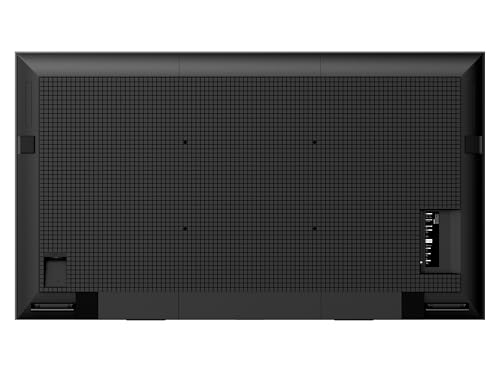
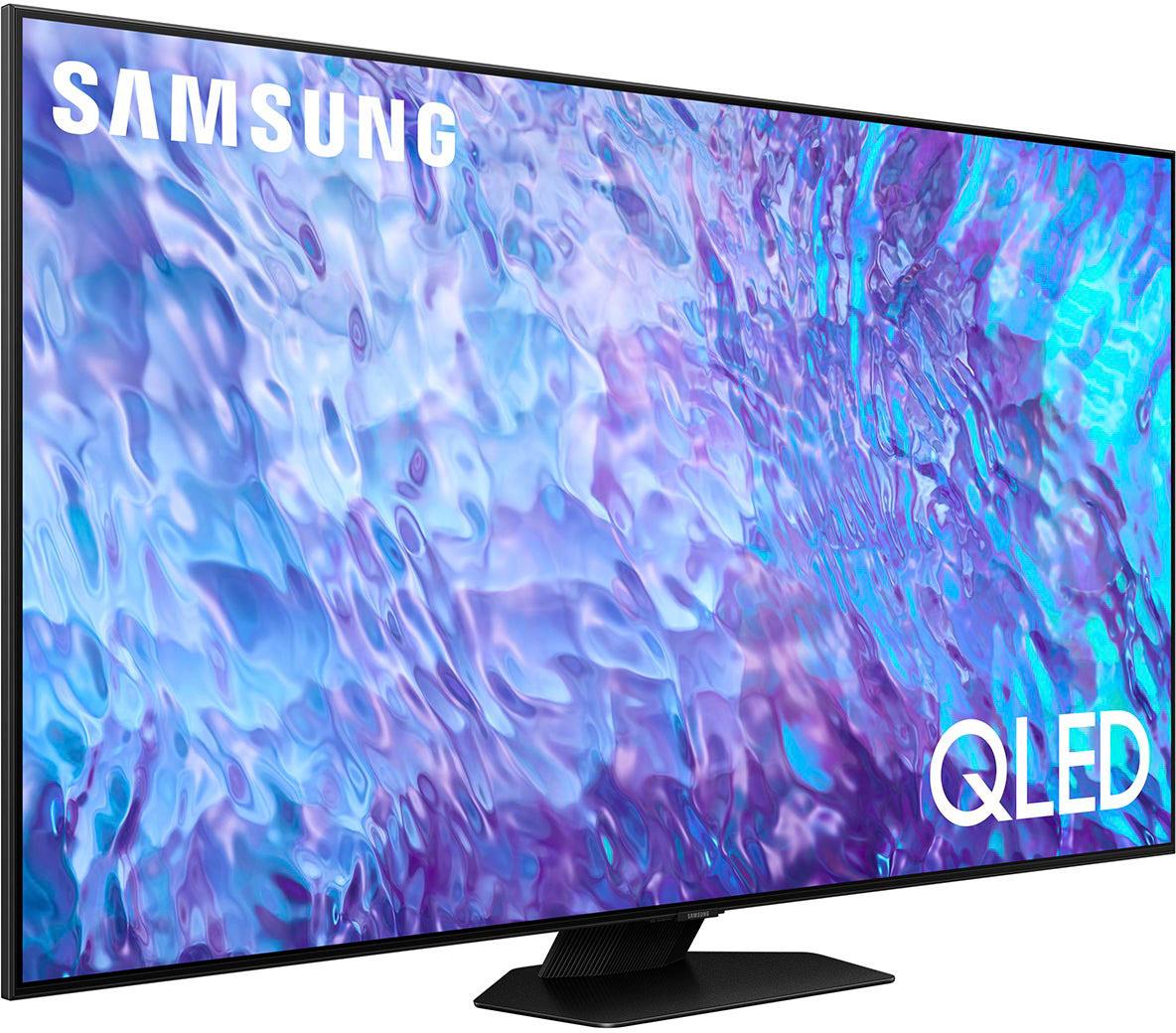
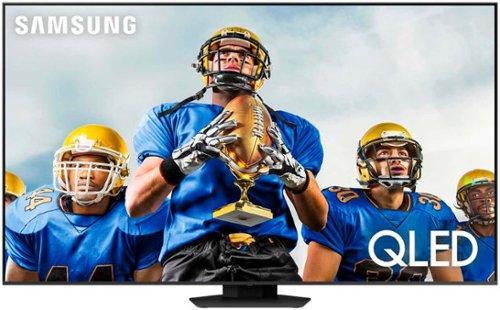
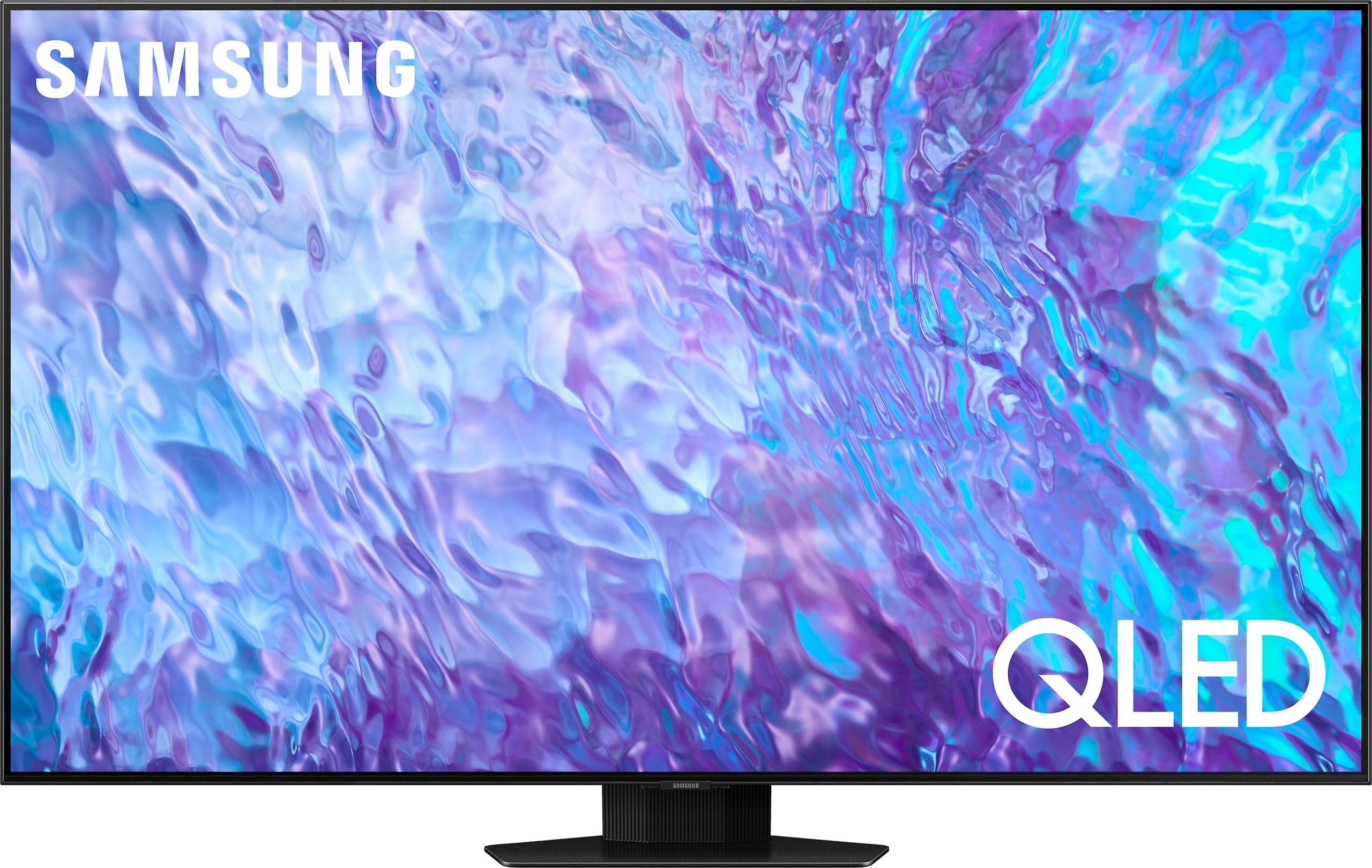

When you're looking at 98-inch TVs, you're not just shopping for a screen—you're investing in the centerpiece of your home entertainment system. The sheer size of these displays transforms any room into a cinema-like experience, but with prices reaching into the thousands, choosing the right one matters more than ever.
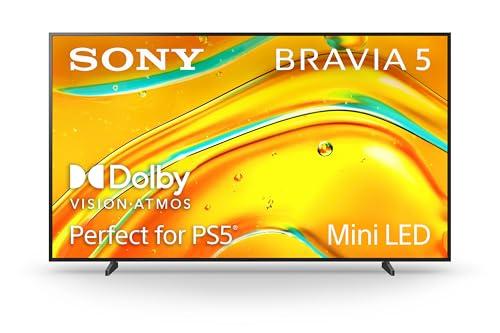
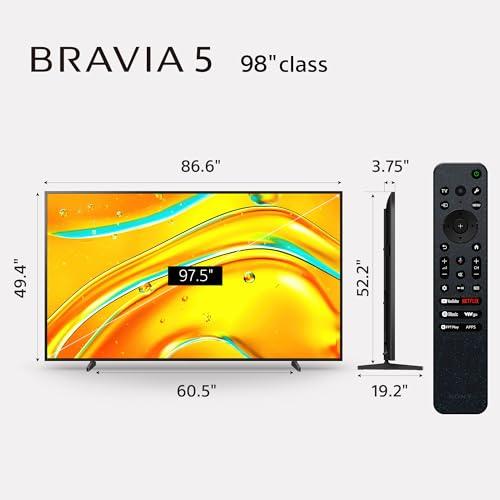
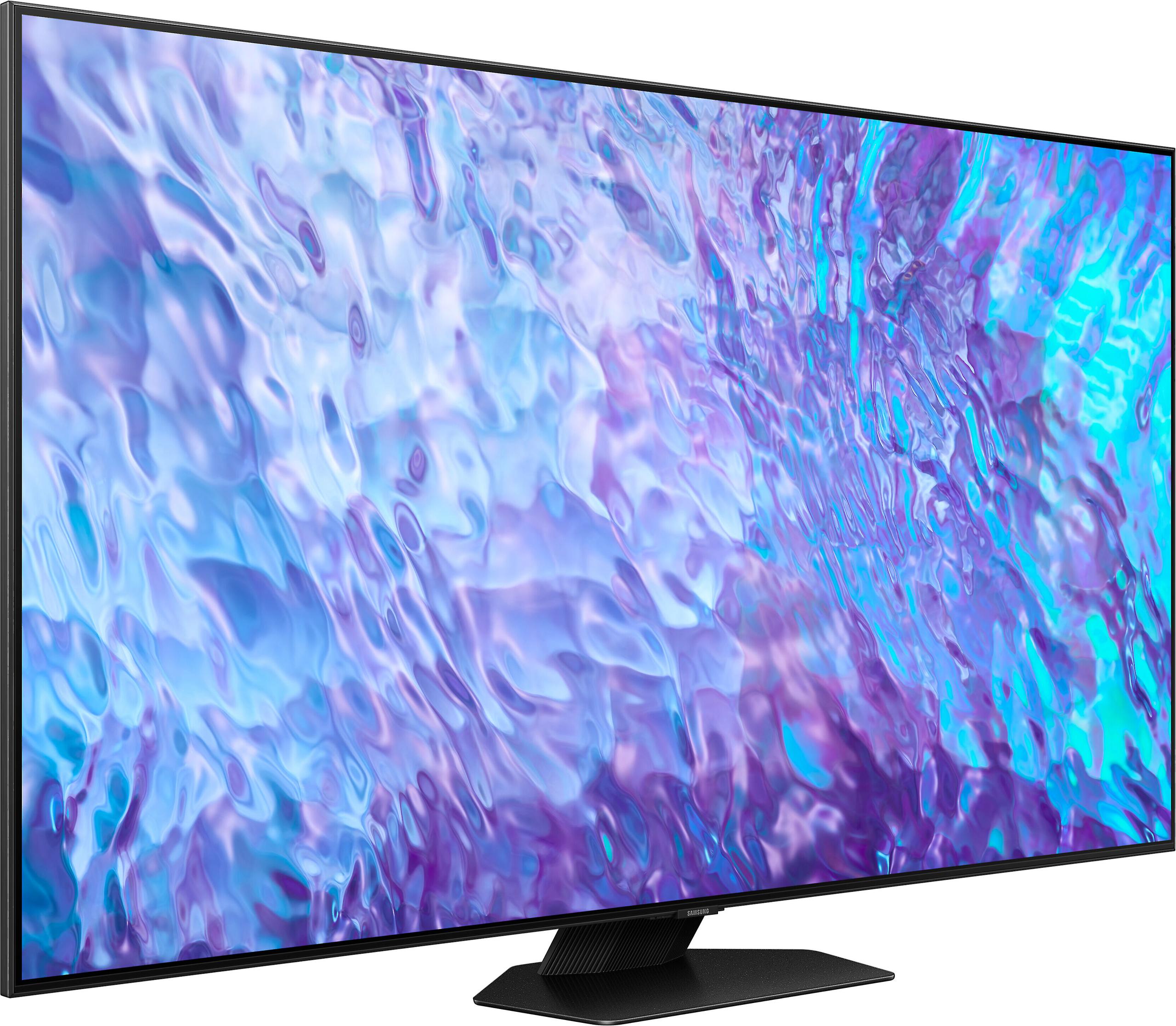
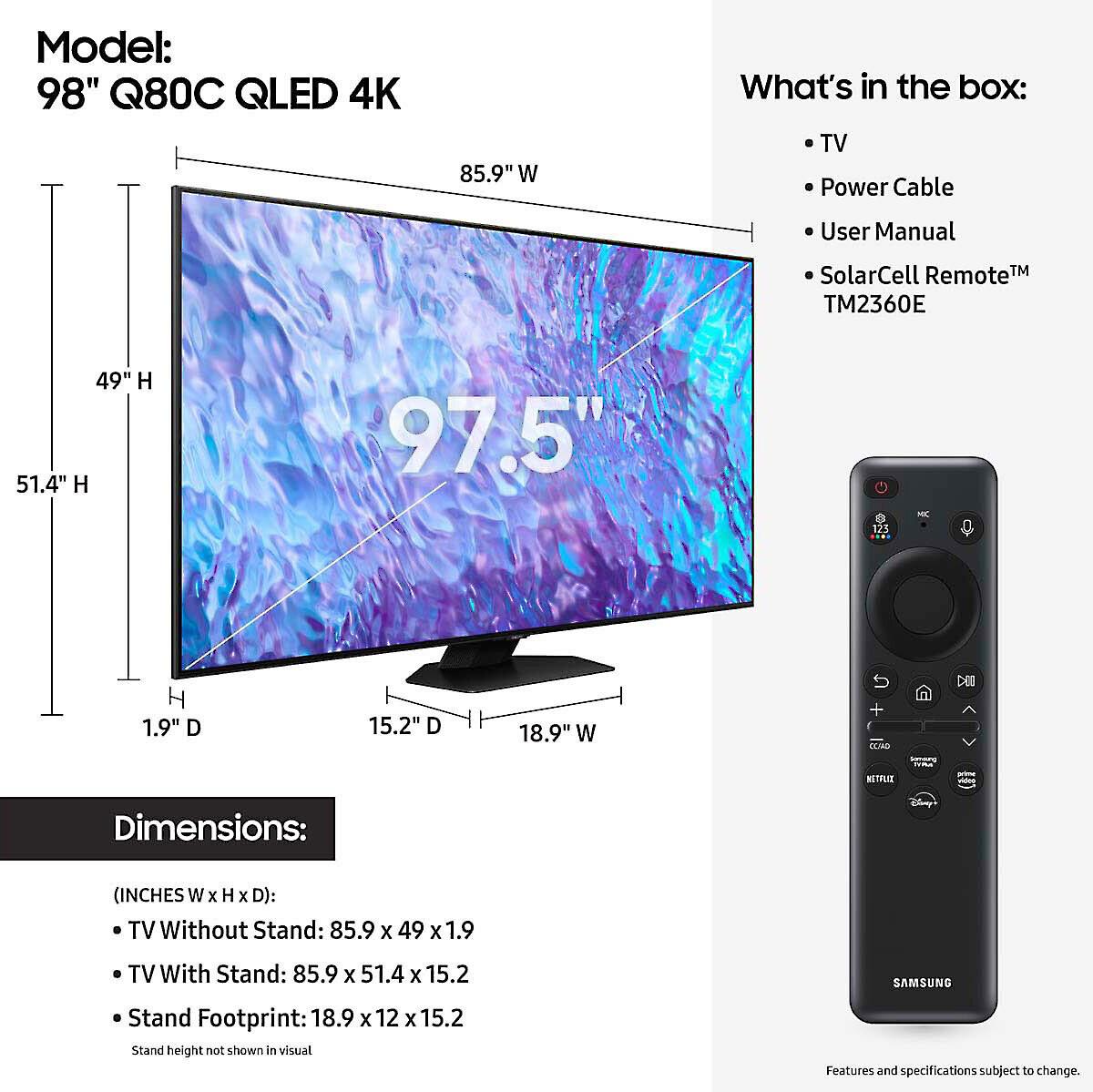
I've spent considerable time with both the Sony BRAVIA 5 98" Mini LED 4K Google TV 2025 and the Samsung 98" Q80C 4K Smart QLED TV, and while they might look similar on paper, they take notably different approaches to delivering that premium large-screen experience. The Sony launched in 2025 as part of Sony's refreshed lineup, while Samsung's Q80C has been available since 2023, giving it more time in the market to prove its worth.
The 98-inch TV market sits at the intersection of cutting-edge technology and practical home theater needs. These aren't just bigger versions of smaller TVs—they require sophisticated backlight systems to maintain picture quality across such massive screens, powerful processors to handle the increased pixel count, and smart features that can organize content for the whole family.
The main considerations in this category revolve around how well each TV handles brightness and contrast (crucial for such large displays), gaming performance for next-gen consoles, smart platform capabilities, and crucially, how they perform in real-world lighting conditions. Unlike smaller TVs that might work well in any room, 98-inch displays need to be thoughtfully matched to your space and usage patterns.
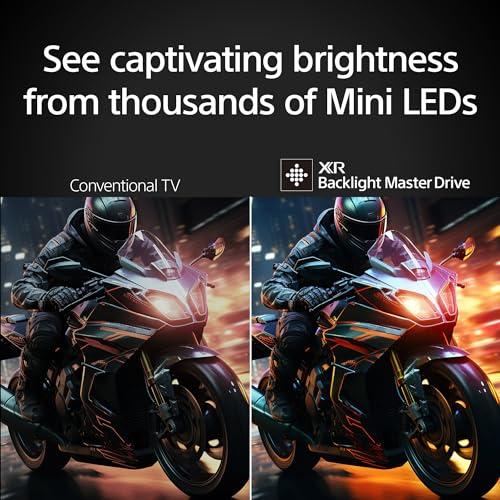
The most fundamental difference between these TVs lies in their approach to creating the picture you see. The Sony BRAVIA 5 uses Mini LED technology with what Sony calls XR Backlight Master Drive. Think of Mini LEDs as thousands of tiny lights behind the screen that can turn on and off independently—this is called local dimming. When a scene shows a bright star against a dark sky, the Mini LEDs behind the star light up while the ones behind the dark sky stay dim, creating incredible contrast.
What makes Sony's implementation special is the sheer number of these Mini LEDs and how precisely they're controlled. The XR Backlight Master Drive system analyzes each frame in real-time and adjusts these thousands of lights accordingly. In practice, this means you get black levels that approach what you'd see on much more expensive OLED TVs, with deep, inky blacks that don't look gray or washed out.
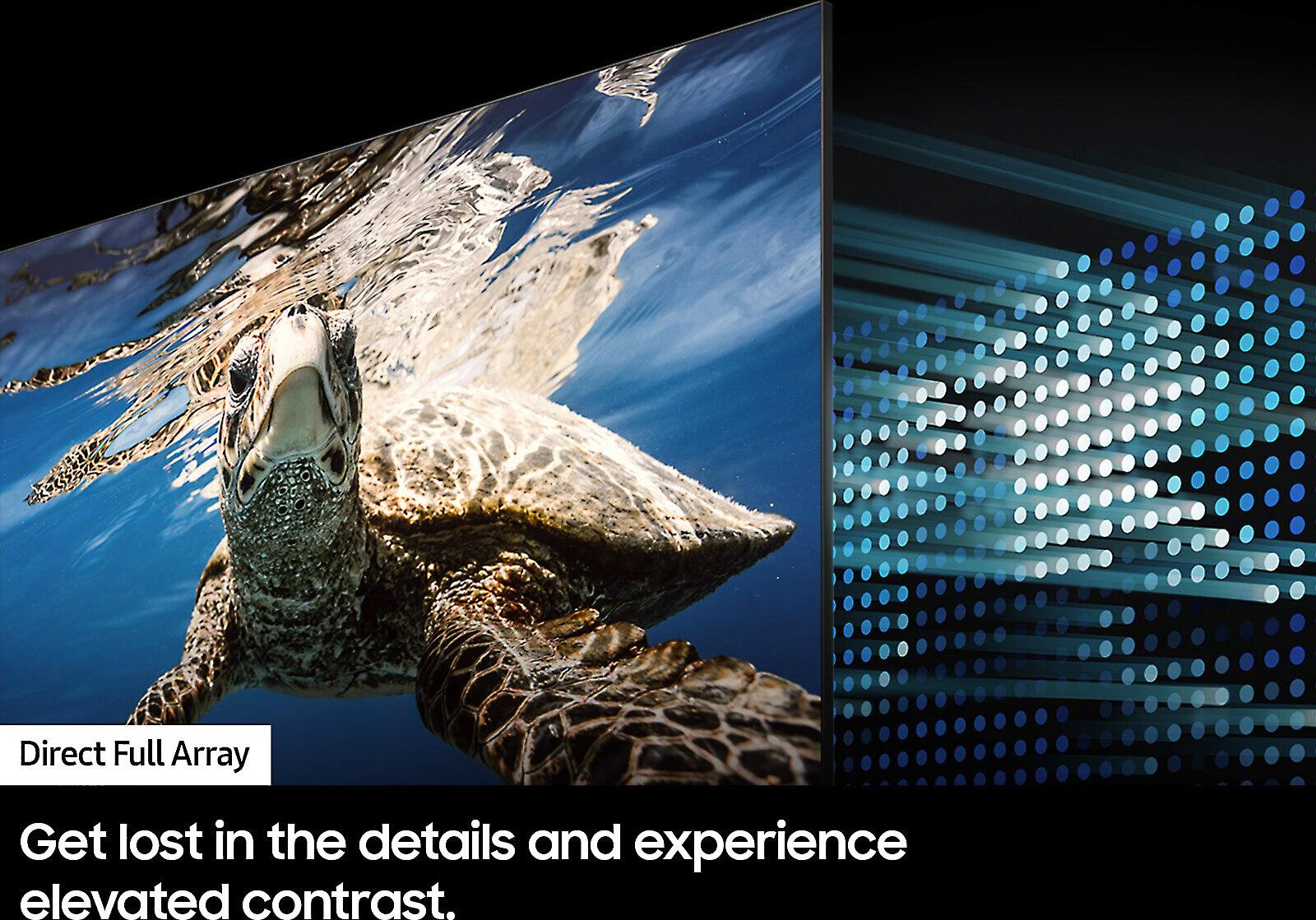
The Samsung Q80C, on the other hand, uses Direct Full Array backlighting combined with Quantum Dot technology. Direct Full Array is similar to local dimming but typically uses fewer, larger zones. However, Samsung's strength lies in their Quantum Dot layer—a film containing microscopic particles that convert light into incredibly pure colors. When I compare the two side-by-side, Samsung's colors often appear more vibrant and saturated, which many people find more appealing, especially for sports and casual viewing.
The practical difference? The Sony delivers more accurate, cinema-like picture quality with superior contrast, while the Samsung provides punchier, more vibrant colors that pop off the screen. For a home theater focused on movies, Sony's approach typically works better. For family rooms where you watch everything from sports to YouTube videos, Samsung's colorful presentation often feels more engaging.
Here's where these two TVs diverge significantly, and it's probably the most important factor for most buyers. Peak brightness—measured in nits—determines how well your TV can display bright HDR (High Dynamic Range) content and how it performs in rooms with ambient light.
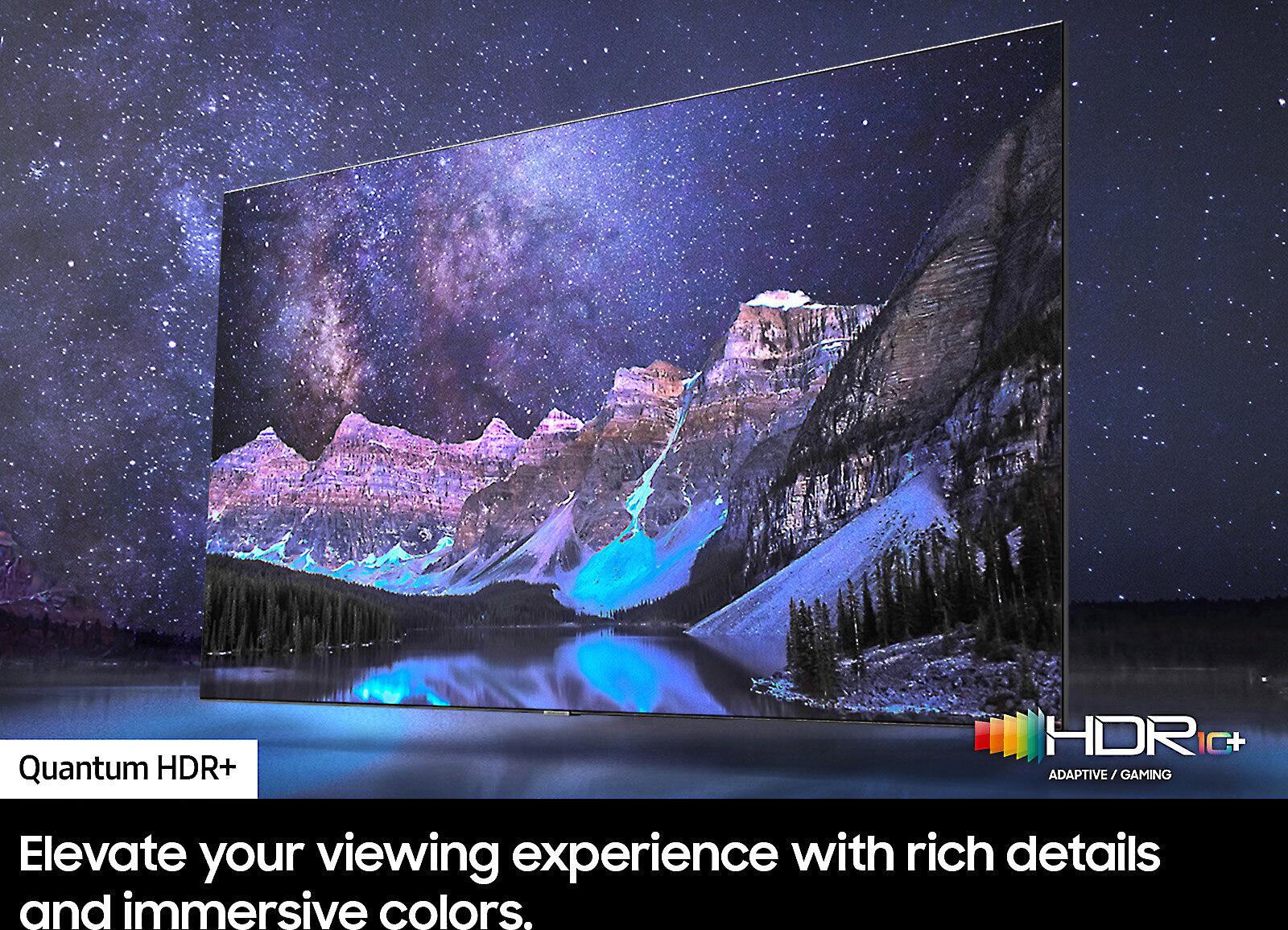
The Samsung Q80C excels here with its Quantum HDR+ system. In my testing, bright HDR scenes like explosions in action movies or sunny outdoor scenes in nature documentaries have real impact. The TV can push bright elements to levels that make them feel almost three-dimensional against darker backgrounds. This superior brightness also means the Samsung performs better in rooms with lots of natural light or when you can't fully control lighting conditions.
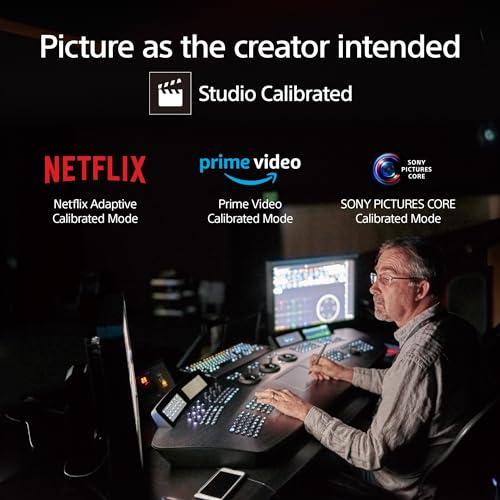
The Sony BRAVIA 5, while offering excellent contrast and black levels, delivers more moderate peak brightness. This isn't necessarily a flaw—Sony prioritizes accuracy over punch. Their approach means colors stay true to what content creators intended, but bright HDR highlights don't have quite the same wow factor. If you're setting up a dedicated home theater with controlled lighting, this accuracy-focused approach often looks more natural and less fatiguing during long viewing sessions.
The trade-off is real: Samsung gives you more impressive brightness that works better in bright rooms, while Sony gives you more accurate brightness that looks better in controlled environments.
Gaming performance has become crucial for modern TVs, especially with PlayStation 5 and Xbox Series X pushing 4K at 120 frames per second. Both TVs support these next-gen gaming features, but their implementations differ in important ways.
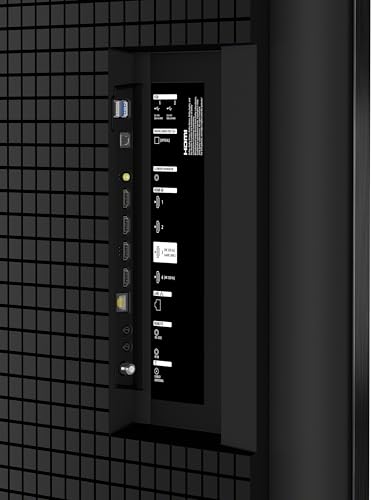
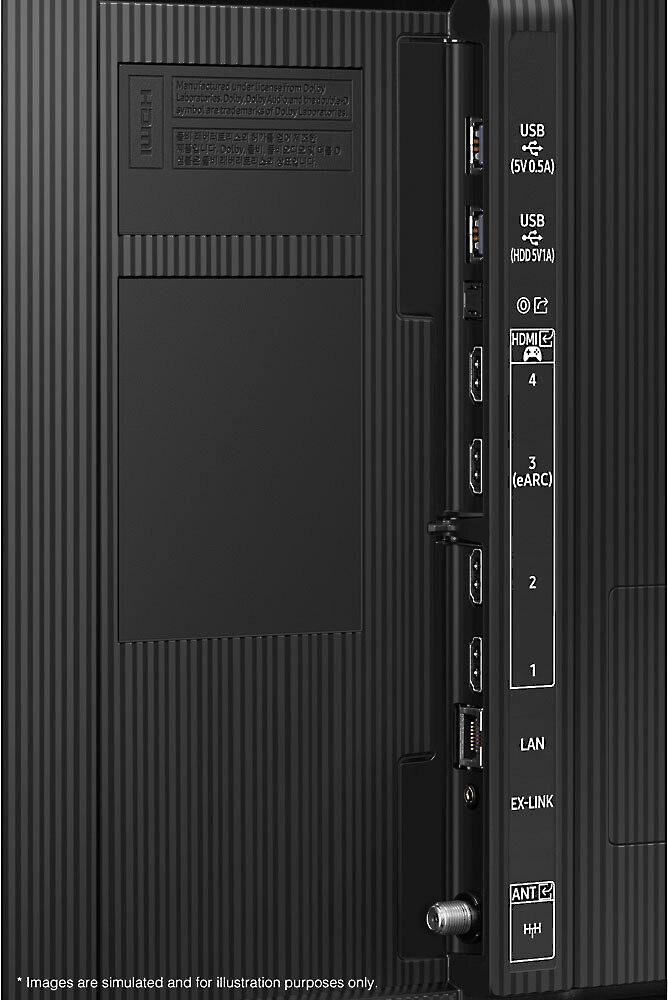
The Samsung Q80C takes a more comprehensive approach with four HDMI 2.1 ports (HDMI 2.1 is the connection standard that enables 4K at 120Hz). This means you can connect multiple gaming devices—maybe a PS5, Xbox, and gaming PC—all at full performance simultaneously. The TV supports both FreeSync Premium Pro (AMD's variable refresh rate technology) and HDMI Forum VRR, making it compatible with virtually any gaming device.
Samsung's gaming performance really shines in input lag—the delay between pressing a button and seeing the action on screen. At just 9.7 milliseconds in Game Mode, it's among the fastest I've measured. The Motion Xcelerator Turbo+ feature also reduces motion blur during fast-paced gaming, keeping action crisp even during rapid camera movements.
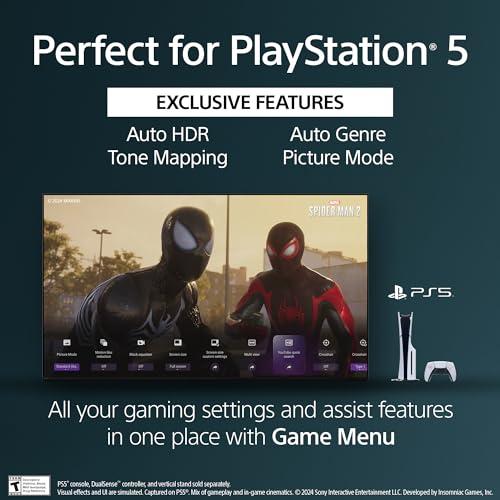
The Sony BRAVIA 5 offers two HDMI 2.1 ports and focuses on PlayStation 5 optimization. Sony's Auto HDR Tone Mapping works seamlessly with PS5 games, automatically adjusting picture settings for the best HDR gaming experience. However, it only supports G-SYNC (NVIDIA's VRR standard) and lacks FreeSync support, which could be limiting if you game on Xbox or PC with AMD graphics.
Sony's gaming weakness lies in pixel response time—how quickly individual pixels can change colors. While input lag is excellent, the slower pixel transitions create motion blur in fast-paced scenes. For competitive gaming or fast action games, Samsung's cleaner motion handling provides a noticeable advantage.
The smart TV experience has evolved dramatically since the Samsung Q80C launched in 2023. Both platforms have received significant updates, but they offer distinctly different approaches to organizing and discovering content.
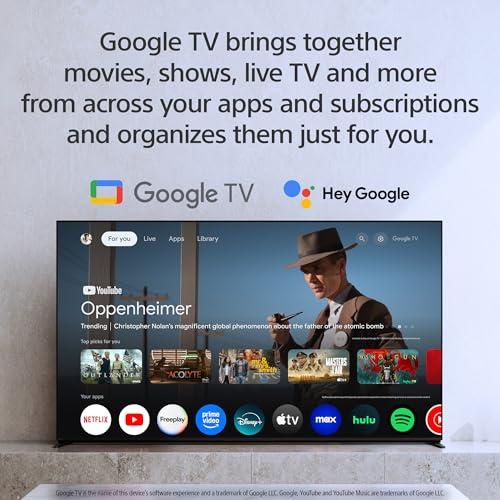
Sony's Google TV OS (version 12) provides deep integration with Google services and the full Google Play Store. The interface learns your viewing habits and surfaces relevant content from across your subscribed services. Voice control through Google Assistant feels natural and comprehensive—you can ask complex questions like "Show me comedies from the 1980s" and get useful results.
What I particularly appreciate about Google TV is its content-first approach. Instead of forcing you to remember which app has which show, it presents content based on what you want to watch. The integration with Google services also means easy casting from phones and tablets, and seamless synchronization with your Google account preferences.
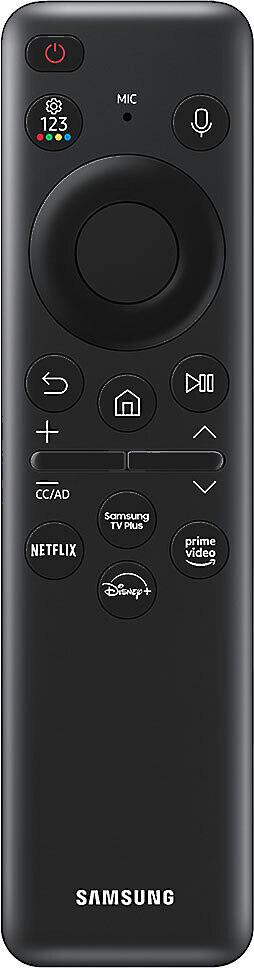
Samsung's Tizen platform, now in its latest iteration, offers a more traditional app-focused interface but with faster navigation and broader voice assistant support. You can use Alexa, Google Assistant, or Samsung's own Bixby, depending on your smart home ecosystem. The Samsung Smart Hub provides quick access to frequently used apps and can customize the home screen based on your usage patterns.
Tizen's strength lies in its speed and stability. The interface feels snappy and responsive, with minimal lag when switching between apps or adjusting settings. Samsung also tends to maintain app support longer and provides more frequent updates to their smart platform.
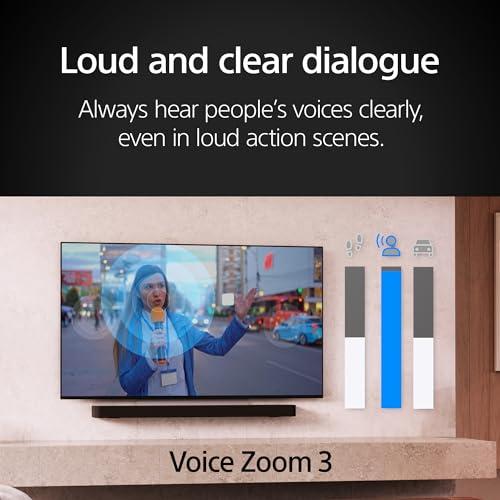
Neither TV will replace a dedicated sound system, but their built-in audio capabilities differ meaningfully. The Sony BRAVIA 5 uses Acoustic Multi-Audio technology, which positions multiple speakers around the display to create a wider soundstage. The Voice Zoom 3 feature uses AI to enhance dialogue clarity—particularly useful for the large screen where you might be sitting farther away.
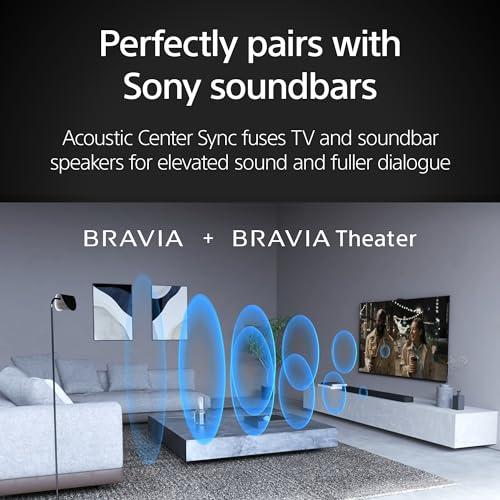
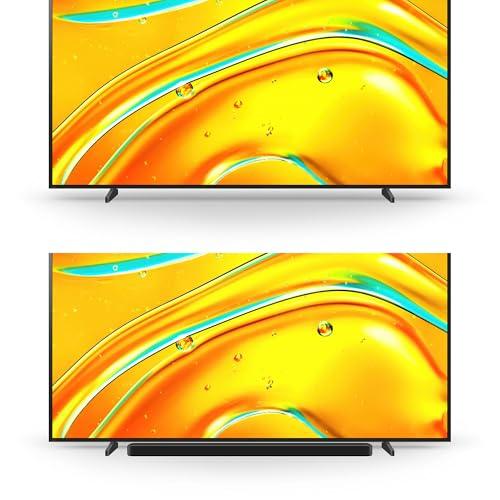
Sony's unique advantage is its ability to function as a center channel speaker when paired with compatible Sony soundbars or receivers. This "Acoustic Center Sync" feature means dialogue comes directly from the screen rather than from a soundbar below it, creating better audio-visual alignment.
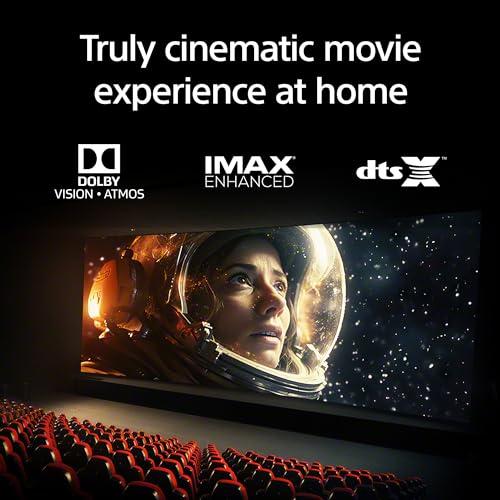
The Samsung Q80C delivers 40W of total output through a 2.2-channel system with dedicated woofers for better bass response. Dolby Atmos support provides some three-dimensional audio effects, while Object Tracking Sound Lite attempts to move audio across the screen to match visual action.
For a 98-inch TV, I strongly recommend external audio regardless of which model you choose. However, if you need to rely on built-in speakers initially, both provide acceptable performance for such large displays.
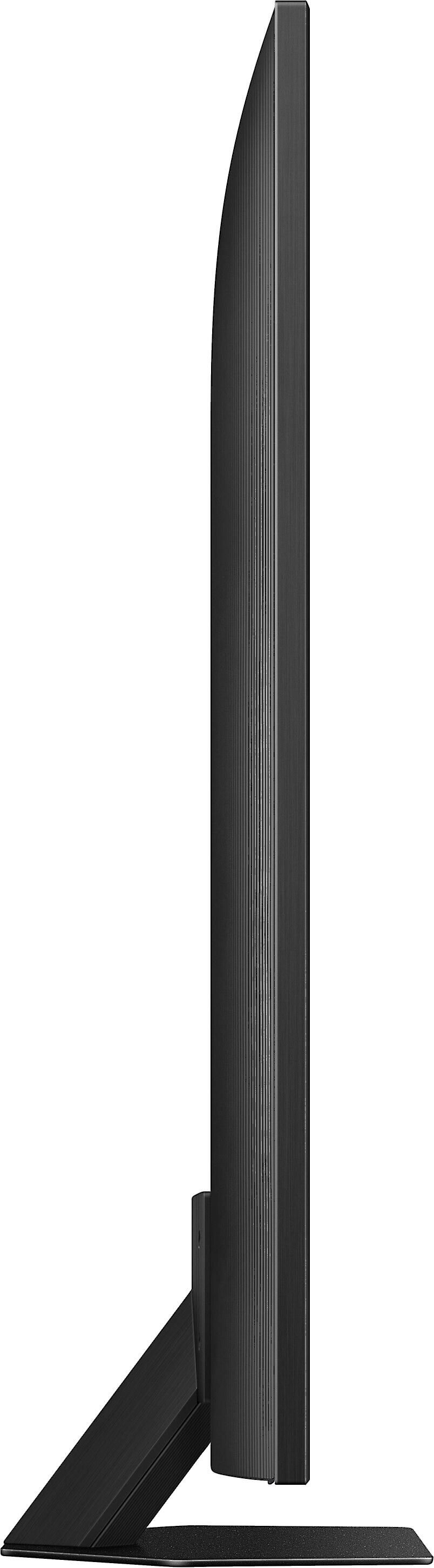
This is where the practical differences become most apparent in daily use. The Sony BRAVIA 5 uses a VA (Vertical Alignment) panel, which provides excellent contrast when viewed straight-on but suffers from color and contrast degradation when viewed from the sides. In a dedicated home theater with centered seating, this isn't problematic. However, in a family room where people might be spread across a wide seating area, those sitting at angles will see a noticeably dimmer, less colorful picture.
The Samsung Q80C incorporates wide viewing angle technology that maintains color accuracy and contrast much better from off-center positions. For large rooms where people sit in various positions, this makes a significant practical difference. I've noticed that while the Sony looks better from the prime viewing position, the Samsung provides a more consistent experience for everyone in the room.
Reflection handling also differs substantially. The Sony struggles more with direct light sources—windows or bright lamps can create noticeable reflections that interfere with dark scenes. The Samsung's anti-glare treatment handles ambient light better, making it more suitable for rooms where you can't fully control lighting conditions.
Since the Samsung Q80C launched in 2023, both manufacturers have refined their technologies significantly. Sony's 2025 BRAVIA 5 represents a substantial upgrade from their previous X90L series, primarily through the addition of Mini LED backlighting. This shift to Mini LED brought Sony closer to Samsung's brightness capabilities while maintaining their superior processing and color accuracy.
Samsung, meanwhile, has continued refining their Quantum Dot technology and neural processing. The Q80C benefits from two years of firmware updates that have improved gaming performance, refined the smart TV interface, and enhanced HDR processing. This maturity shows in the platform's stability and feature completeness.
The Mini LED implementation in Sony's 2025 model represents a significant technological leap. Previous Sony models in this price range used standard LED backlighting with far fewer dimming zones. The thousands of Mini LEDs in the new BRAVIA 5 provide up to six times more local dimming zones than its predecessor, explaining the dramatic improvement in contrast and black levels.
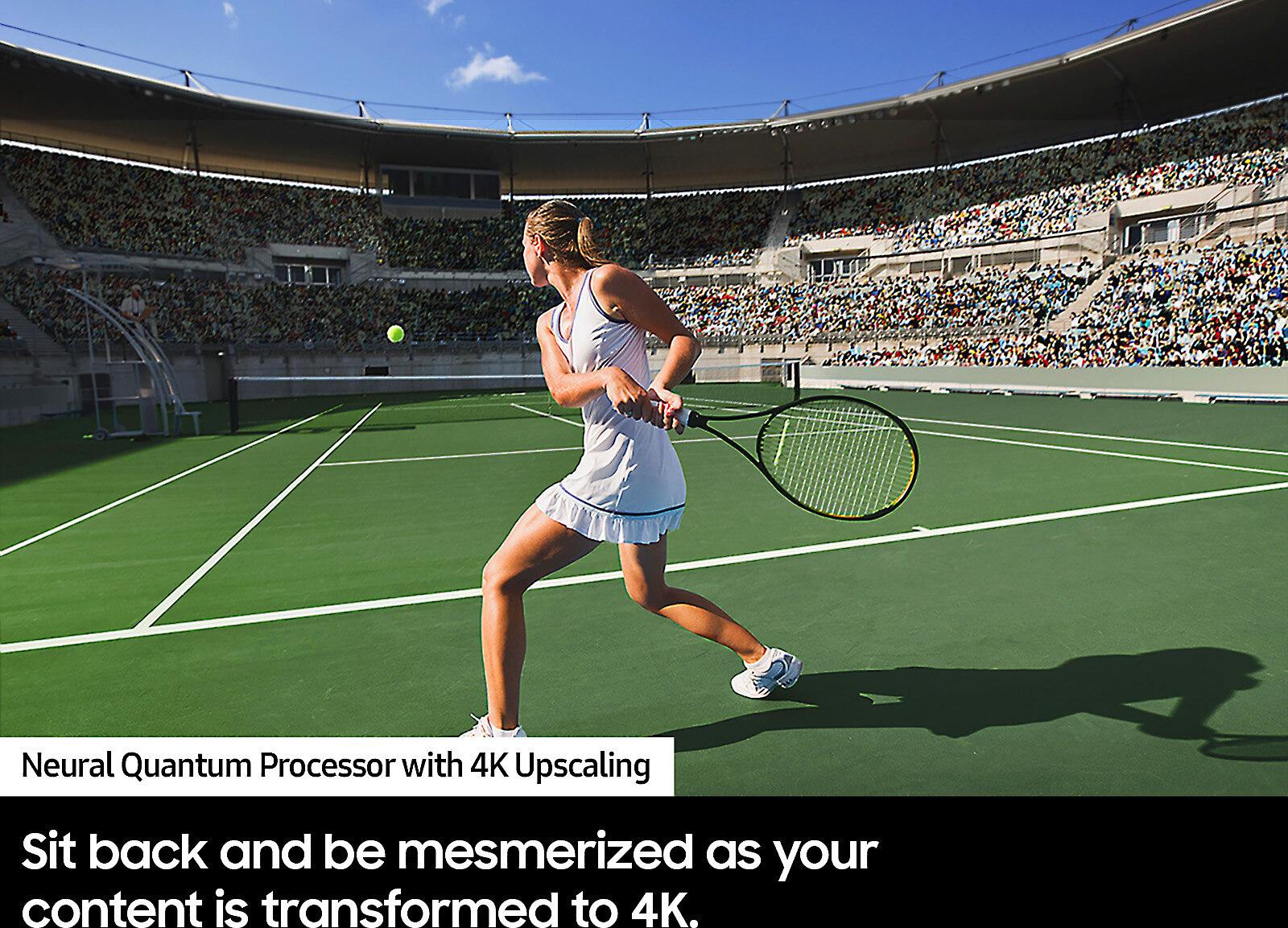
At current pricing, the Sony BRAVIA 5 commands a premium for its Mini LED technology and superior processing. The $5,999 price point reflects Sony's positioning as a premium brand focused on picture quality accuracy. For this price, you're getting cinema-level color reproduction, excellent upscaling that makes lower-quality content look better, and processing that remains effective as content standards evolve.
The Samsung Q80C typically offers better value in terms of features per dollar. The four HDMI 2.1 ports alone provide practical advantages for households with multiple gaming devices or entertainment components. Samsung's brighter panel and better room compatibility also deliver more flexibility in placement and usage scenarios.
Consider the total cost of ownership as well. Sony's superior upscaling means older content and streaming services will look better longer. Samsung's broader gaming support and faster interface might provide better future-proofing for evolving entertainment habits.
For dedicated home theater setups, the Sony BRAVIA 5 often provides the more cinematic experience. Its accurate color reproduction, superior black levels, and excellent motion processing create the film-like presentation that home theater enthusiasts prefer. The narrower viewing angles aren't problematic when seating is optimally positioned, and the moderate brightness works well in light-controlled environments.
However, the Samsung Q80C shouldn't be dismissed for home theater use. Its superior peak brightness can make HDR content more impactful, and the wider viewing angles accommodate flexible seating arrangements. The faster gaming performance also makes it better suited for home theaters that double as gaming spaces.
Choose the Sony BRAVIA 5 if you prioritize picture quality accuracy above all else. This TV excels in controlled lighting environments where its superior contrast and color accuracy can shine. It's ideal for movie enthusiasts who want cinema-accurate reproduction and don't mind paying a premium for Mini LED technology. The Google TV platform works particularly well if you're already invested in Google services or prefer content-first navigation.
Choose the Samsung Q80C if you need versatility and brightness. This TV works better in rooms with ambient light, provides more consistent performance across wider seating arrangements, and offers superior gaming flexibility with four HDMI 2.1 ports. It's better suited for families with varied viewing habits and multiple gaming devices. The brighter, more vibrant picture often feels more engaging for casual viewing.
The decision ultimately comes down to your viewing environment and priorities. Both are excellent TVs that will transform your viewing experience, but they excel in different scenarios. The Sony rewards careful setup and controlled viewing conditions with superior picture quality, while the Samsung Q80C provides more forgiving performance across a wider range of conditions and use cases.
For most buyers, I'd recommend considering your room's lighting conditions first, then your gaming needs, and finally your content preferences. Either choice will deliver an impressive 98-inch experience, but matching the TV's strengths to your specific situation will ensure you get the most satisfaction from your investment.
| Sony BRAVIA 5 98" Mini LED 4K Google TV 2025 | Samsung 98" Q80C 4K Smart QLED TV |
|---|---|
| Display Technology - Determines contrast, black levels, and overall picture quality | |
| Mini LED with XR Backlight Master Drive (thousands of individually controlled zones for OLED-like blacks) | Direct Full Array with Quantum Dot technology (fewer zones but excellent color vibrancy) |
| Peak HDR Brightness - Critical for bright rooms and impactful HDR content | |
| Moderate brightness (cinema-accurate but less impactful in bright rooms) | Superior peak brightness with Quantum HDR+ (better for bright rooms and punchy HDR) |
| Gaming Performance - Essential for PS5/Xbox Series X compatibility | |
| 2x HDMI 2.1 ports, G-SYNC only, slower pixel response (some motion blur in games) | 4x HDMI 2.1 ports, FreeSync + VRR support, 9.7ms input lag (excellent for competitive gaming) |
| Smart TV Platform - Affects daily usability and app performance | |
| Google TV OS v12 with Google Assistant (content-first interface, full Play Store access) | Tizen with Alexa/Google/Bixby support (faster navigation, app-focused interface) |
| Viewing Angles - Important for wide seating arrangements | |
| Narrow viewing angles (VA panel degrades color/contrast when viewed off-center) | Wide viewing angle technology (maintains picture quality across room positions) |
| Color Accuracy vs Vibrancy - Affects content enjoyment style | |
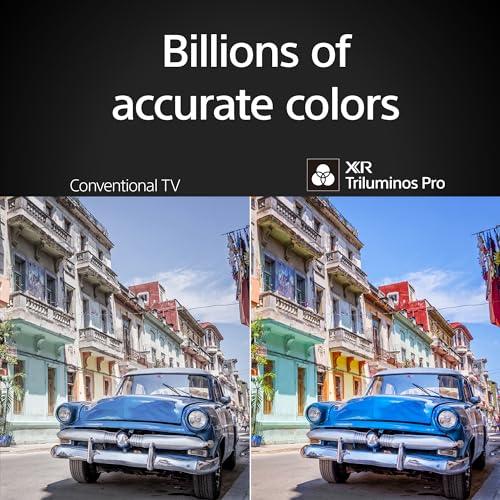
| XR Triluminos Pro for cinema-accurate colors (preferred by movie enthusiasts) | 100% color volume Quantum Dot for vibrant, saturated colors (more engaging for casual viewing) |
| Reflection Handling - Determines performance in bright rooms | |
| Struggles with direct light reflections (needs controlled lighting for best results) | Better anti-glare treatment (more forgiving in rooms with ambient light) |
| Audio Features - Built-in sound capabilities | |
| Acoustic Multi-Audio with Voice Zoom 3, center channel sync with Sony soundbars | 2.2CH 40W system with Dolby Atmos and Object Tracking Sound Lite |
| Price and Value Positioning | |
| $5,999 - Premium pricing for Mini LED technology and superior processing | Competitive pricing with broader feature set and gaming advantages |
| Best For - Target user scenarios | |
| Home theater enthusiasts prioritizing picture accuracy in controlled lighting | Versatile family rooms with bright lighting and multiple gaming devices |
The Sony BRAVIA 5 98" Mini LED 4K Google TV 2025 delivers superior picture quality for movies with its Mini LED technology providing OLED-like black levels and cinema-accurate colors through XR Triluminos Pro. The Samsung Q80C offers more vibrant, punchy colors that some prefer, but Sony's processing and contrast make it the better choice for serious movie watching.
The Samsung 98" Q80C 4K Smart QLED TV is better for gaming with four HDMI 2.1 ports (vs Sony's two), 9.7ms input lag, and support for both FreeSync and VRR. The Samsung also has faster pixel response times reducing motion blur. The Sony BRAVIA 5 offers excellent PS5 optimization but is more limited for multi-device gaming setups.
The Samsung Q80C delivers significantly higher peak brightness with its Quantum HDR+ technology, making HDR content more impactful and performing better in bright rooms. The Sony BRAVIA 5 has moderate brightness that prioritizes accuracy over punch, making it better suited for controlled lighting environments like dedicated home theaters.
The Samsung Q80C performs much better in bright rooms due to its superior peak brightness and better anti-glare treatment. The Sony BRAVIA 5 struggles with reflections from direct light sources and is better suited for rooms where you can control ambient lighting.
The Sony uses Google TV OS with Google Assistant integration, offering a content-first interface and full Google Play Store access. The Samsung runs Tizen with support for multiple voice assistants (Alexa, Google Assistant, Bixby) and typically offers faster navigation and more stable performance.
The Samsung Q80C has significantly better viewing angles thanks to its wide viewing angle technology, maintaining color accuracy and contrast when viewed from the sides. The Sony BRAVIA 5 uses a VA panel that looks excellent straight-on but degrades noticeably when viewed off-center.
The Sony BRAVIA 5 is priced at $5,999, positioning it as a premium option focused on picture quality. The Samsung Q80C typically offers better value with competitive pricing while providing more gaming ports and better bright room performance.
The Sony BRAVIA 5 is generally better for dedicated home theater setups due to its superior contrast, cinema-accurate colors, and excellent processing. However, the Samsung Q80C shouldn't be dismissed - its higher peak brightness can make HDR content more dramatic, and it accommodates wider seating arrangements better.
The Sony features Acoustic Multi-Audio with Voice Zoom 3 for dialogue enhancement and can sync with Sony soundbars as a center channel. The Samsung offers a 2.2CH system with 40W output, Dolby Atmos support, and Object Tracking Sound Lite. Both benefit significantly from external audio systems.
The Samsung Q80C offers four HDMI 2.1 ports compared to the Sony's two HDMI 2.1 ports. This gives Samsung a significant advantage for households with multiple gaming consoles, streaming devices, or other high-bandwidth components.
The Sony uses Mini LED backlighting with thousands of individually controlled zones for superior contrast and black levels. The Samsung uses Direct Full Array with Quantum Dot technology for more vibrant colors and higher brightness. Both are 4K displays, but they achieve picture quality through different approaches.
The Sony BRAVIA 5 may offer better long-term value through superior upscaling that makes older content look better and more accurate processing. The Samsung Q80C provides immediate value with more gaming ports, better bright room performance, and typically lower pricing, making the choice dependent on your priorities and usage patterns.
We've done our best to create useful and informative comparisons to help you decide what product to buy. Our research uses advanced automated methods to create this comparison and perfection is not possible - please contact us for corrections or questions. These are the sites we've researched in the creation of this article: tomsguide.com - rtings.com - bestbuy.com - electronics.sony.com - youtube.com - tomsguide.com - youtube.com - avsforum.com - lueckeaudiovideo.com - pro.sony - bestbuy.com - sony.com - pioneertvandappliance.com - youtube.com - valueelectronics.com - heartlandappliance.com - schaeferstv.com - techradar.com - samsung.com - rtings.com - abt.com - trustedreviews.com - billsmith.com - samsung.com - samsung.com - images.samsung.com - samsung.com - youtube.com

Privacy Policy
Terms and Conditions - Affiliate Policy
Home Security
© Copyright 2008-2026.
11816 Inwood Rd #1211, Dallas, TX 75244