

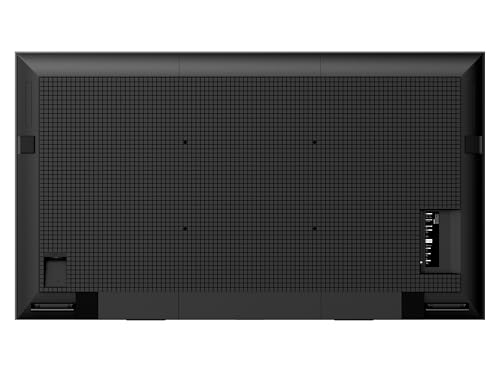
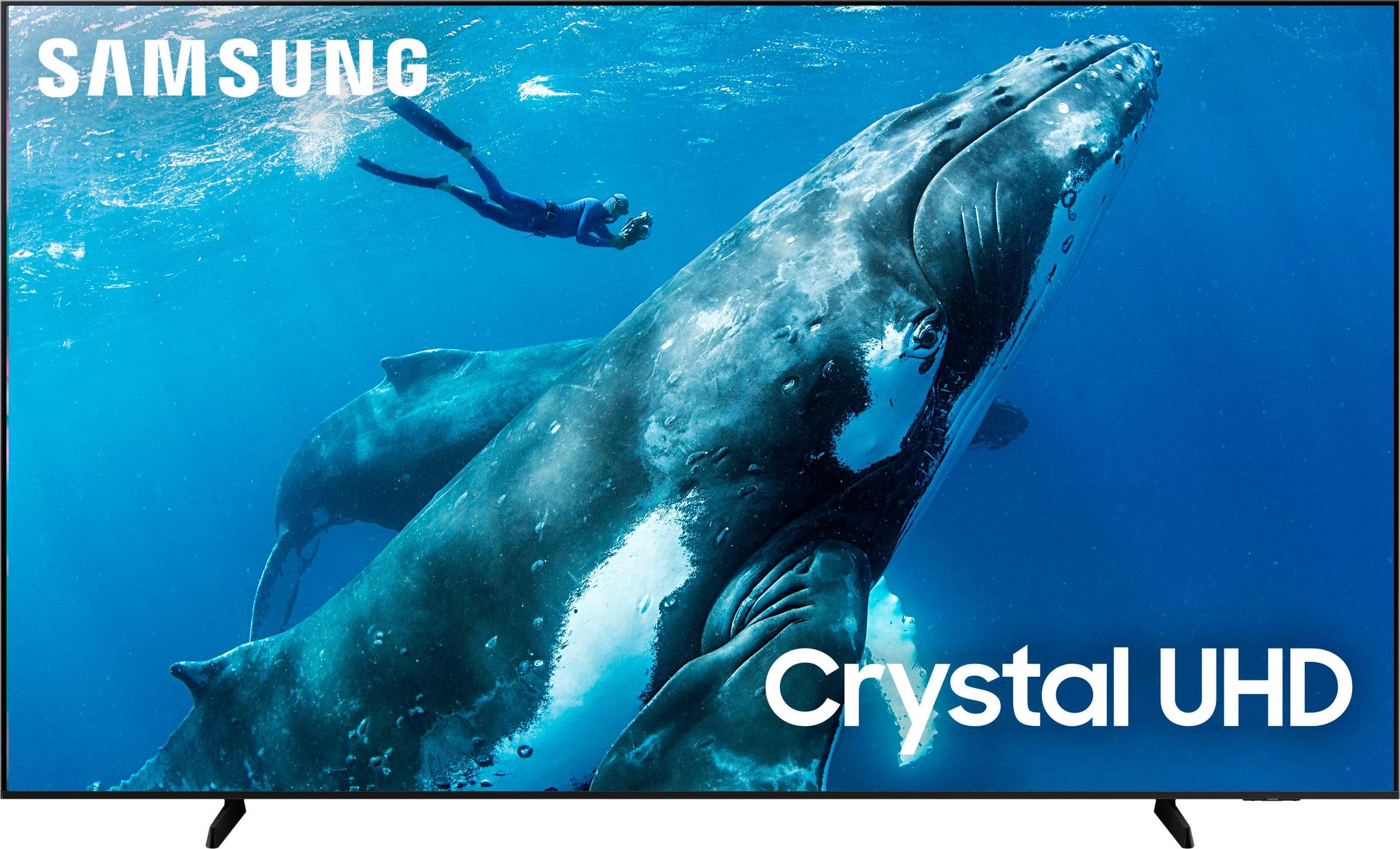
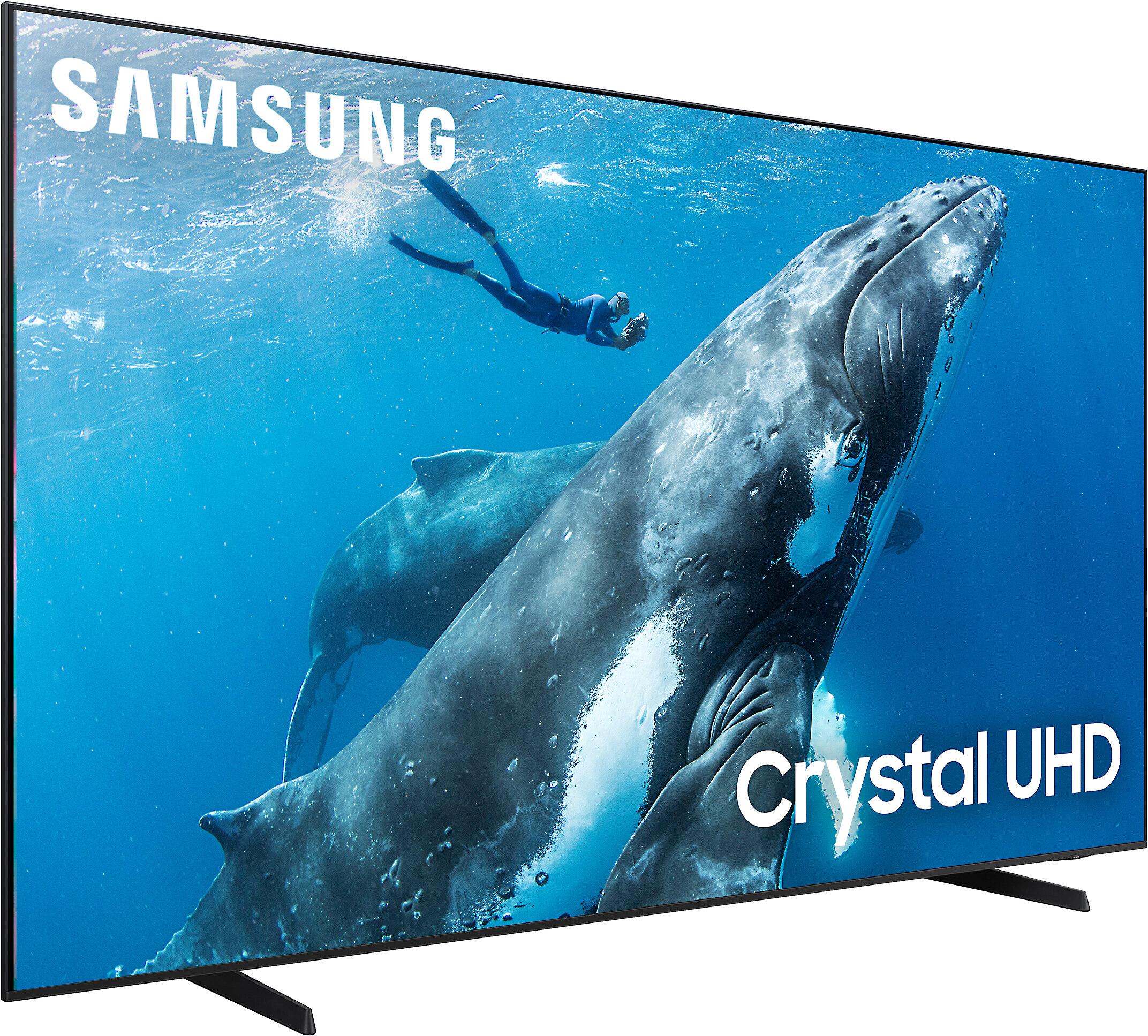
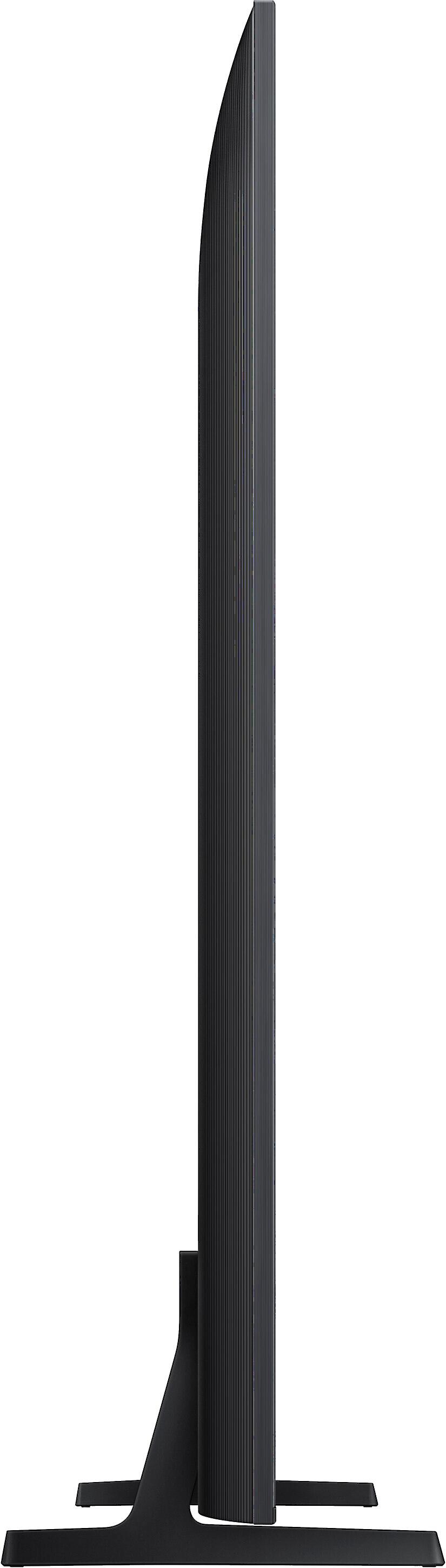


When you're shopping for a 98-inch TV, you're not just buying a television—you're creating the centerpiece of your home entertainment system. These massive screens can transform any room into a personal movie theater, but they represent two completely different philosophies about what makes a great big-screen experience.
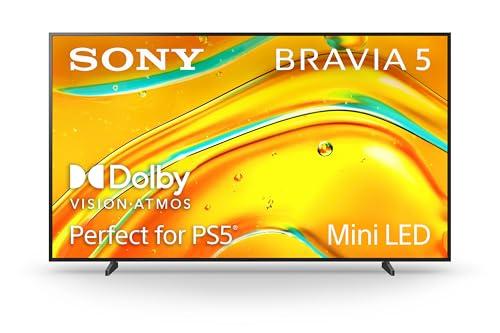
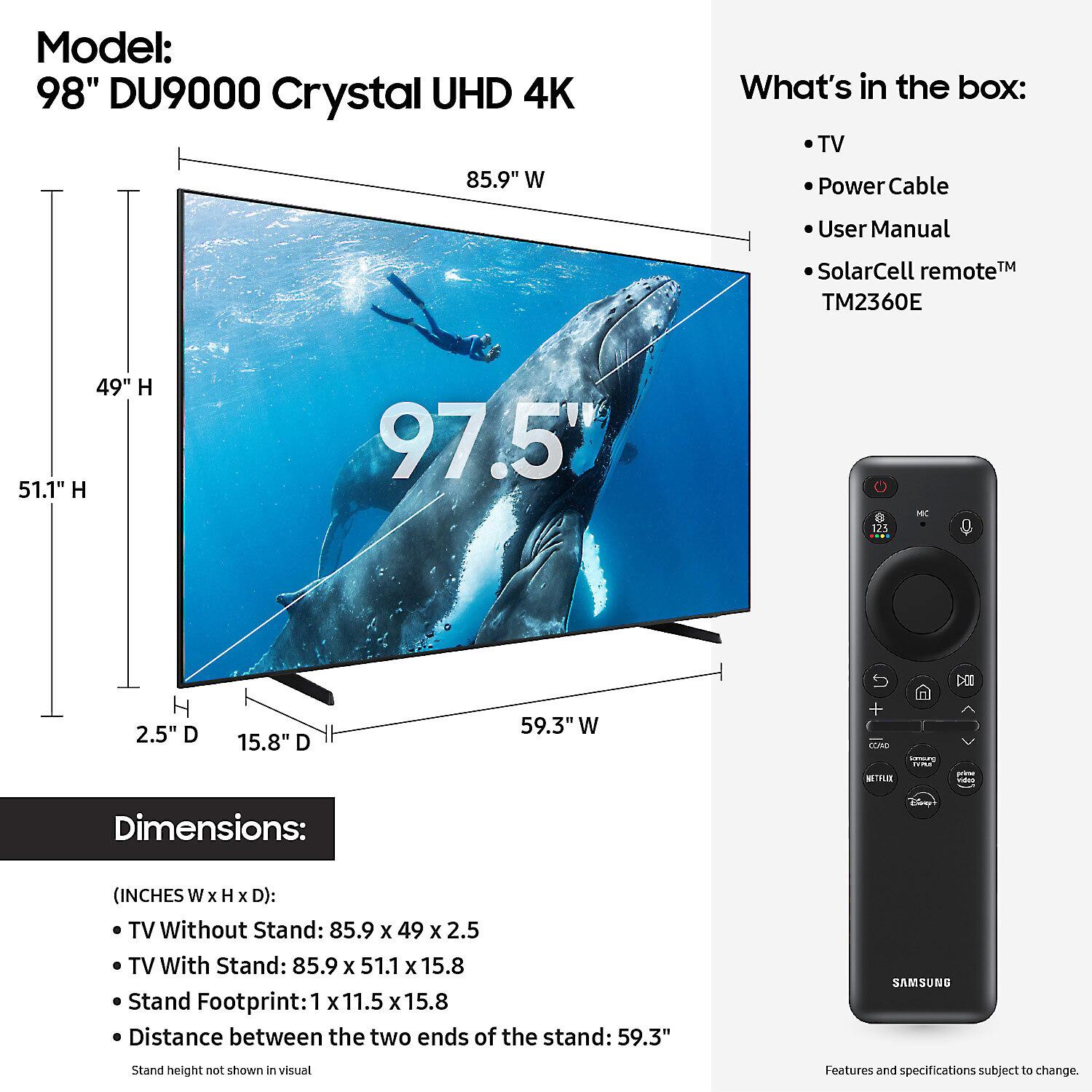
Today we're comparing the Sony BRAVIA 5 98" Mini LED 4K Google TV ($5,998) against the Samsung 98" DU9000 Series Crystal UHD Smart TV ($898). While both deliver that jaw-dropping 98-inch screen size, they take radically different approaches to get there—and their $5,100 price difference tells only part of the story.
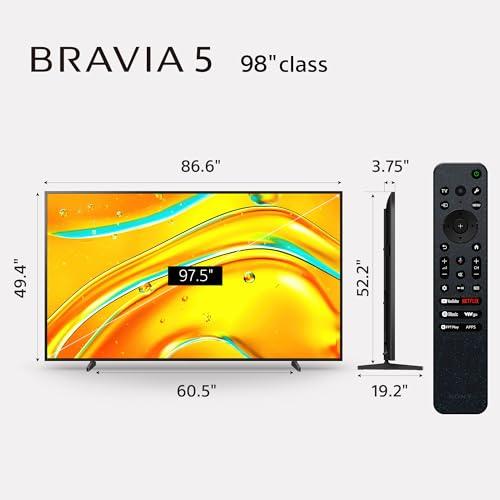
The ultra-large TV market has exploded in recent years as manufacturing costs have dropped and living rooms have gotten bigger. A 98-inch TV delivers about four times the screen area of a 49-inch model, creating an immersive experience that can make you feel like you're sitting in the front row of a movie theater.
But size alone doesn't determine viewing quality. The key considerations for any 98-inch TV include display technology (how the backlight creates the picture), processing power (how well it handles different types of content), smart features (apps and connectivity), and gaming capabilities. Most importantly, you need to consider your viewing environment—these TVs work best when you can sit 8-12 feet away and control ambient lighting.
The Sony BRAVIA 5 represents Sony's 2025 mid-tier flagship, launched earlier this year with cutting-edge Mini LED technology that was previously reserved for their most expensive models. Meanwhile, the Samsung DU9000 sits in Samsung's budget-friendly Crystal UHD lineup, focusing on delivering maximum screen size at minimum cost.
The biggest difference between these TVs lies in their backlighting technology. The Sony BRAVIA 5 uses Mini LED backlighting, which sounds like marketing speak but represents a genuine technological leap forward.
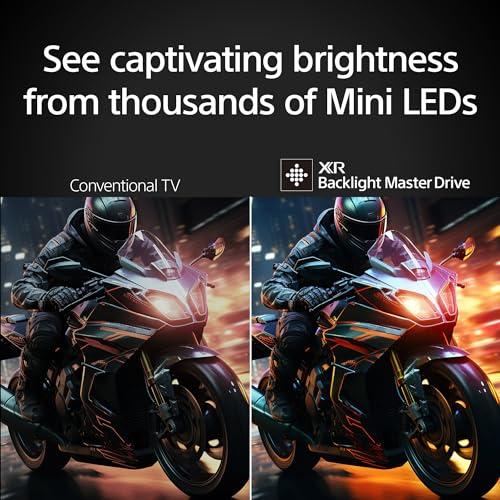
Traditional LED TVs use dozens of larger LEDs arranged around the edges or behind the screen. Mini LED technology uses thousands of tiny LEDs—each about 1/10th the size of traditional LEDs—that can be controlled individually. Think of it like the difference between painting with a house-painting brush versus a fine artist's brush. The Sony can precisely control brightness in specific screen areas, creating deeper blacks and brighter whites without affecting neighboring areas.
This precision comes from Sony's XR Backlight Master Drive system, which uses artificial intelligence to analyze each scene and adjust the Mini LEDs accordingly. When you're watching a movie with a bright explosion against a dark night sky, the Sony can make the explosion brilliantly bright while keeping the surrounding darkness truly black. This creates what Sony calls "OLED-like" blacks—referring to the premium display technology that naturally produces perfect blacks but typically costs much more.
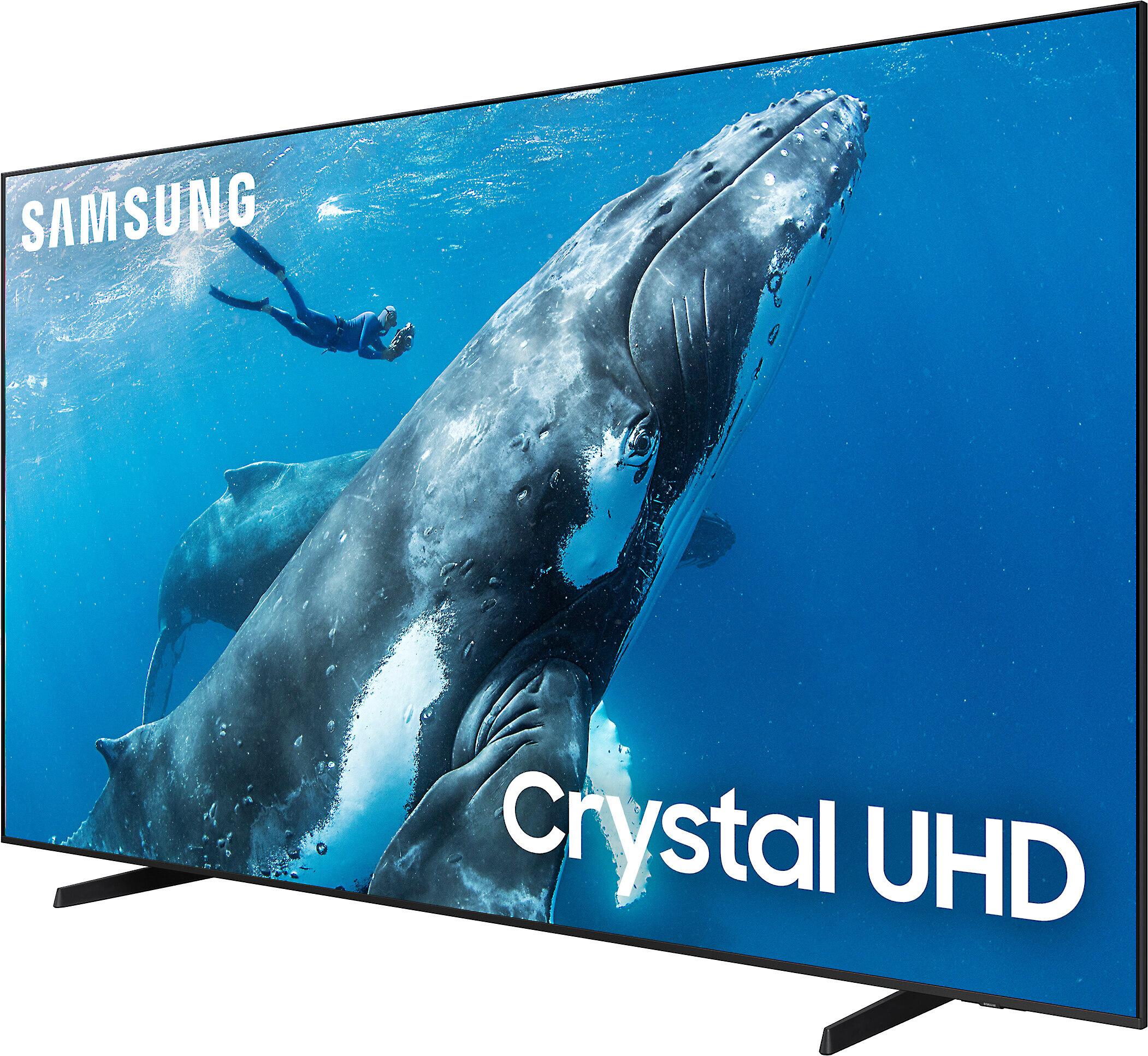
The Samsung DU9000 uses Samsung's Crystal UHD display technology, which is essentially a refined version of traditional LED backlighting. Instead of thousands of individually controlled zones, it uses edge-lighting or a limited number of dimming zones across the entire screen.
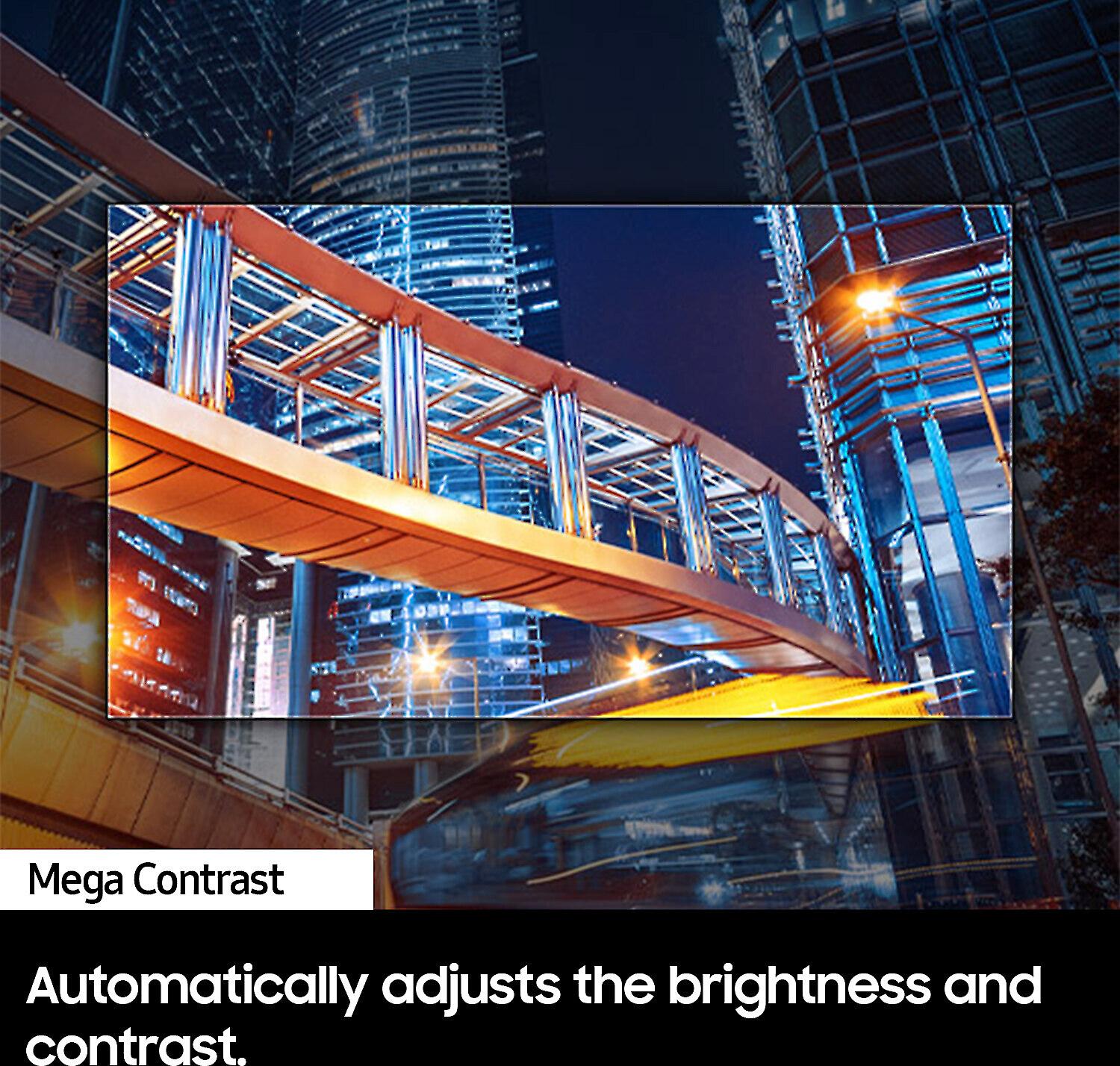
This means when the TV wants to show a bright object, it has to brighten a much larger area around it. Going back to our painting analogy, it's like trying to create fine details with that house-painting brush—you can get the general shape right, but you lose precision. The result is less dramatic contrast and what's called "blooming," where bright objects seem to glow into dark areas around them.
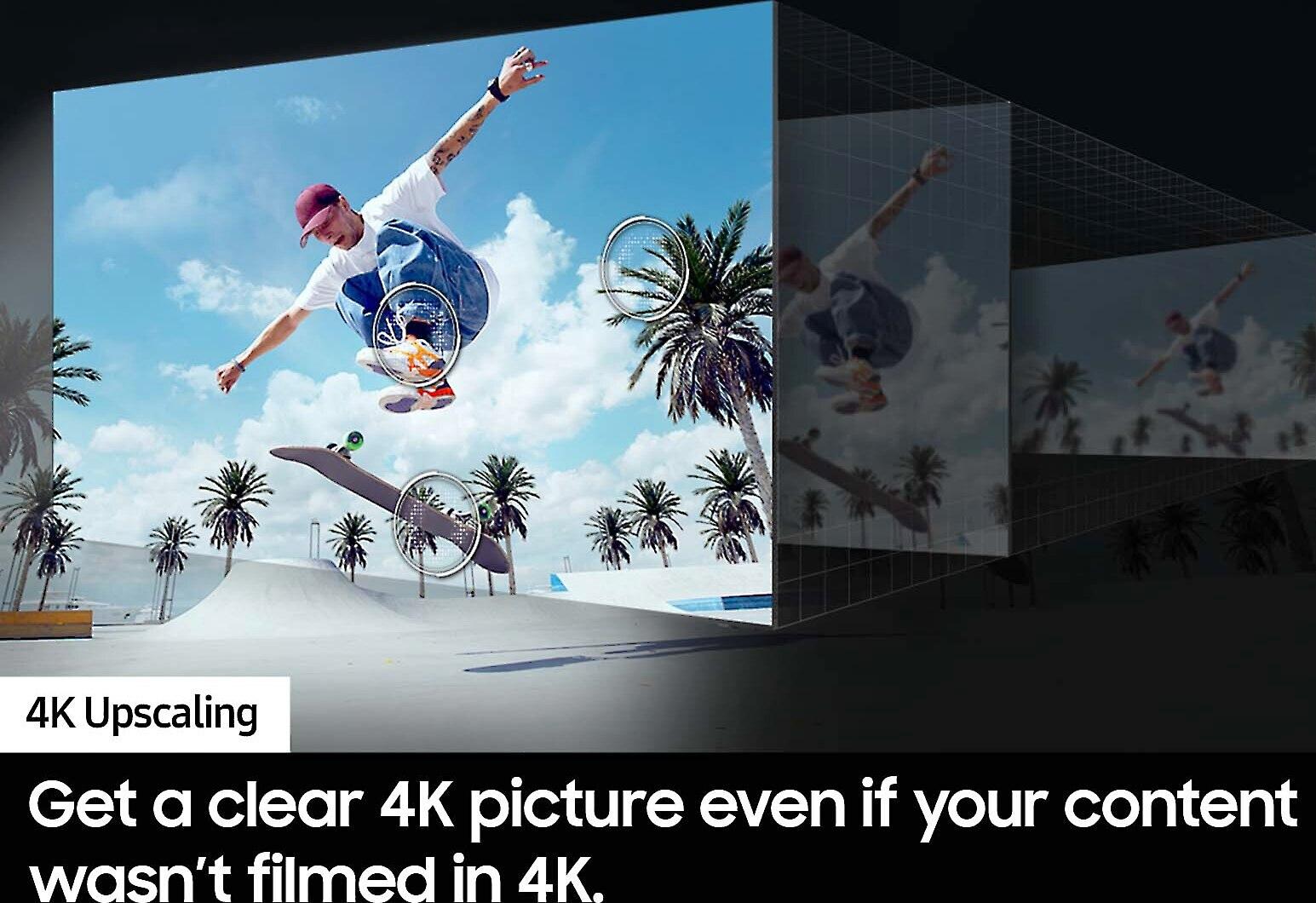
That said, Samsung's Crystal Processor 4K does an admirable job upscaling lower-resolution content to 4K, and the overall picture quality is perfectly acceptable for most viewing. The colors are vibrant thanks to Samsung's PurColor technology, which enhances the color gamut to display millions of different shades.
In practice, these differences matter most when watching HDR (High Dynamic Range) content—movies and shows specifically mastered to take advantage of brighter highlights and deeper shadows. The Sony BRAVIA 5 can hit peak brightness levels around 800 nits, which makes HDR highlights pop while maintaining detail in dark areas. You'll notice this particularly in scenes like a sunset over water or car headlights on a dark street.
The Samsung DU9000 handles standard dynamic range content well, but HDR scenes lack the same impact. The differences become more apparent in a dark room where the Sony's superior black levels create a more cinematic experience.
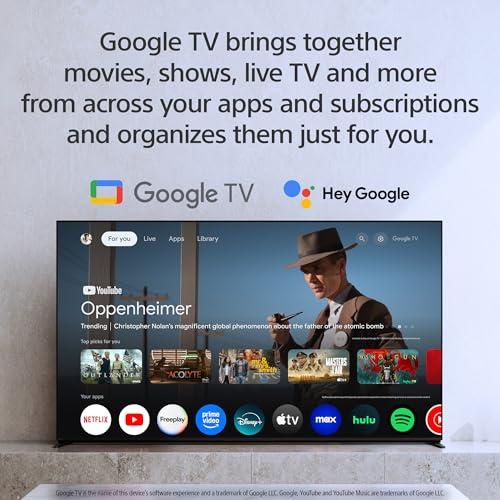
Both TVs offer comprehensive smart TV experiences, but they use different operating systems that affect daily use. The Sony BRAVIA 5 runs Google TV, which launched in 2020 as Google's evolution of Android TV. It organizes content from different streaming services into a unified interface, so you might see recommendations for Netflix shows alongside YouTube videos and movies you can rent from Google Play.
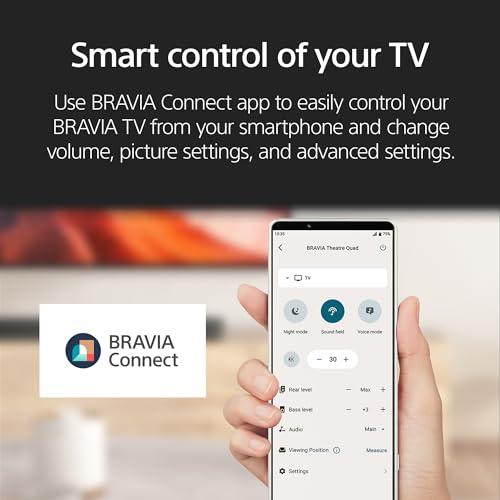
Google TV's strength lies in its integration with the broader Google ecosystem. If you use Google services, Chrome browser bookmarks, or have a Google Home setup, everything works together seamlessly. The built-in Google Assistant responds to voice commands for content search, smart home control, and general questions.
The Samsung DU9000 uses Samsung's Tizen OS, which has been refined over nearly a decade. Tizen feels more traditional—apps are arranged in a grid, and navigation is straightforward. Samsung TV Plus provides free ad-supported streaming channels, which can be valuable for cord-cutters. The SmartThings integration allows control of compatible smart home devices directly from the TV.
Both platforms support all major streaming services (Netflix, Disney+, Amazon Prime Video, etc.), so your viewing options won't be limited either way. The choice often comes down to which ecosystem you're already invested in.
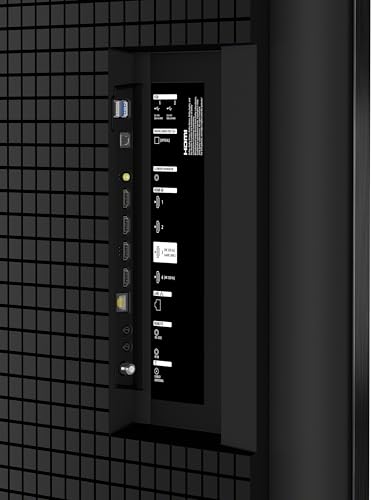
Gaming represents one of the clearest differences between these TVs. The Sony BRAVIA 5 includes two HDMI 2.1 ports that support 4K resolution at 120Hz refresh rate—crucial for PlayStation 5 and Xbox Series X gaming. HDMI 2.1 also enables Variable Refresh Rate (VRR), which synchronizes the TV's refresh rate with the console's frame rate to eliminate screen tearing, and Auto Low Latency Mode (ALLM), which automatically switches to the TV's fastest response mode when it detects a gaming signal.
The Sony's input lag measures around 10 milliseconds in Game Mode, which is excellent for competitive gaming. Input lag is the delay between pressing a button on your controller and seeing the action on screen—anything under 20ms is considered good for gaming.
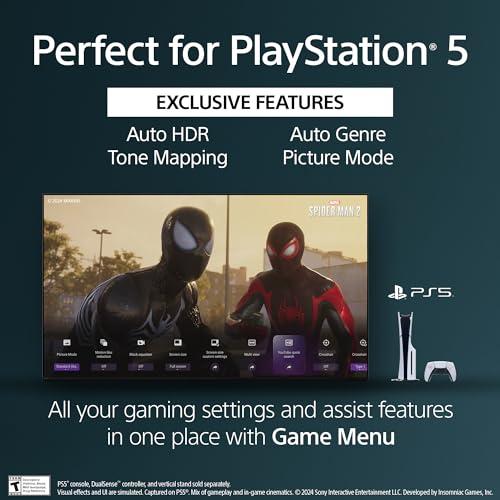
Sony has also optimized the TV specifically for PlayStation 5, with features like Auto HDR Tone Mapping that automatically adjusts HDR settings for each game, and Auto Genre Picture Mode that recognizes different game types and adjusts picture settings accordingly.
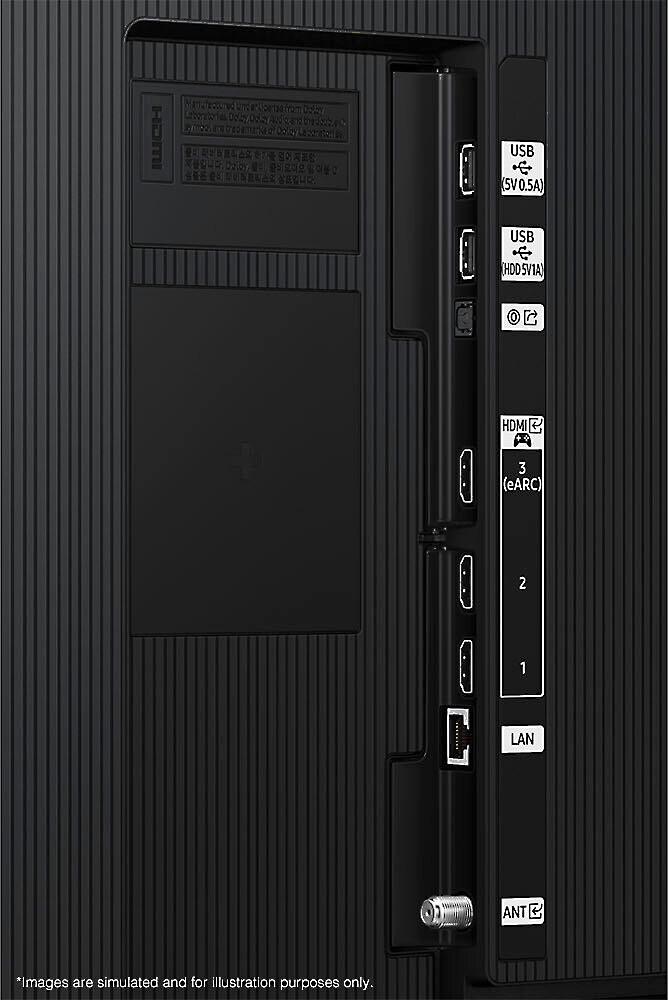
The Samsung DU9000 includes Motion Xcelerator 120Hz and Auto Game Mode, but lacks the comprehensive HDMI 2.1 feature set. You can still play next-gen console games, but you won't get the full 4K/120Hz experience, and features like VRR aren't supported. For casual gaming, this might not matter, but serious gamers will notice the difference in fast-paced games.
Samsung does include their Gaming Hub, which provides access to cloud gaming services like Xbox Game Pass and NVIDIA GeForce Now, allowing you to play games without a console. However, this requires a fast internet connection and introduces additional input lag.
The Sony BRAVIA 5 features Acoustic Multi-Audio technology, which positions speakers strategically around the TV to create more immersive sound. The system tracks audio objects and tries to position sounds where they appear on screen—dialogue from the center, explosions from across the soundstage.
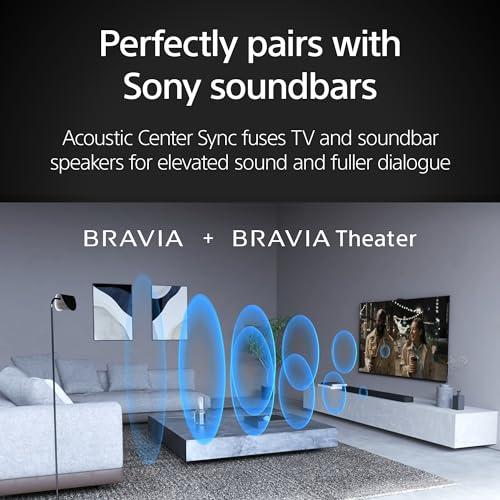
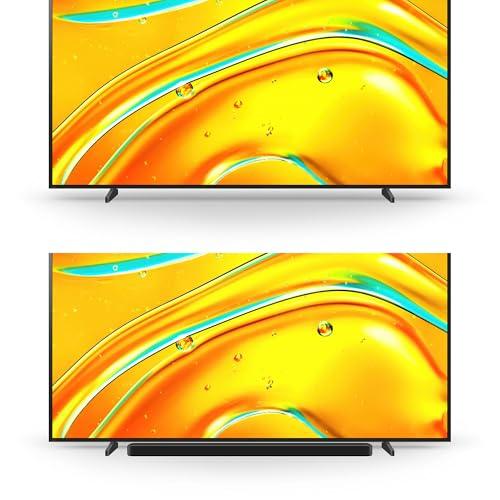
A standout feature is Acoustic Center Sync, which allows the TV's built-in speakers to work as a center channel when paired with compatible Sony soundbars. This creates a more cohesive surround sound experience since dialogue comes directly from the screen rather than from a soundbar below it.
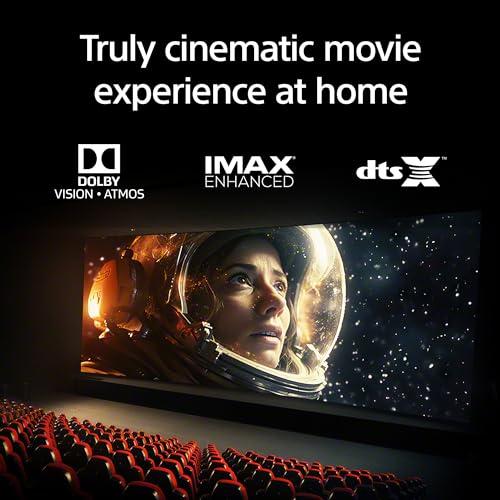
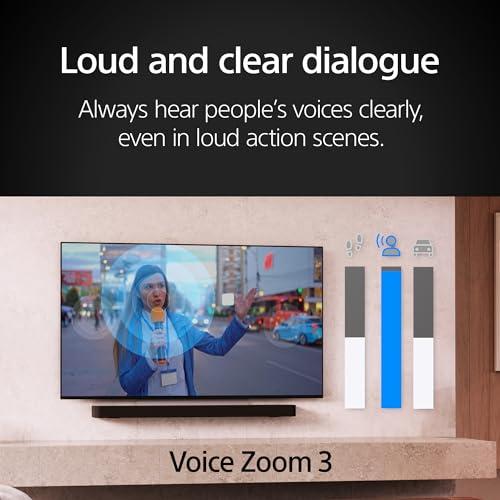
Voice Zoom 3 uses AI to analyze audio and boost dialogue clarity, which is particularly helpful during action scenes where music and effects might overpower speech. The system can also pass through advanced audio formats like DTS:X to external sound systems.
The Samsung DU9000 includes Object Tracking Sound Lite, which simulates surround sound using the built-in speakers. While not as sophisticated as Sony's system, it does create a wider soundstage than traditional TV speakers.
Q-Symphony allows the TV to work with Samsung soundbars, combining their speakers for enhanced audio. Adaptive Sound analyzes the content and room acoustics to optimize audio settings automatically.
Both TVs benefit significantly from external sound systems, but the Sony offers more sophisticated integration options.
The $5,100 price difference between these TVs reflects fundamentally different design philosophies. The Sony BRAVIA 5 uses expensive Mini LED technology, advanced processing chips, and premium components throughout. You're paying for cutting-edge display technology that was unavailable at any price just a few years ago.
The Samsung DU9000 achieves its low price through efficient manufacturing, simpler backlighting technology, and fewer premium features. Samsung can spread development costs across millions of units in their Crystal UHD lineup, keeping prices low while still delivering reliable performance.
Premium TVs typically hold their value better and receive software updates longer. The Sony BRAVIA 5 will likely receive Google TV updates for 5-7 years, maintaining compatibility with new streaming services and features. The Mini LED backlight is also more durable than edge-lit systems, potentially lasting longer before brightness degrades.
The Samsung DU9000 represents excellent short-term value but may feel outdated sooner as streaming services adopt more advanced HDR formats and gaming requirements evolve.
For dedicated home theater setups, the Sony BRAVIA 5 is the clear choice. Its superior contrast ratio and HDR performance create a more cinematic experience, especially in controlled lighting environments. The Mini LED technology reduces the need to perfectly blackout the room, as it can overcome moderate ambient light while maintaining deep blacks.
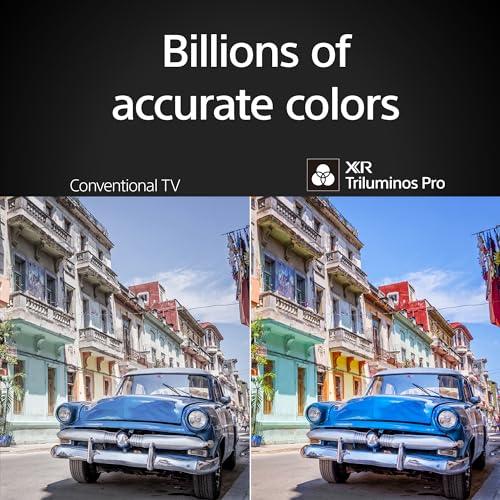
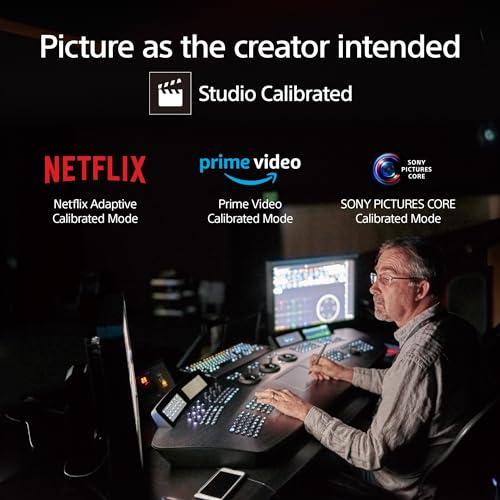
The TV's color accuracy and processing make it suitable for enthusiasts who care about filmmaker intent. Movies will look closer to how directors intended, with accurate color reproduction and proper shadow detail.
In family living rooms with ambient light, both TVs perform well for casual viewing. The Samsung DU9000 provides an impressive big-screen experience for everyday TV watching, sports, and streaming content. The price savings could fund a quality sound system, which often provides more noticeable improvement than display technology for casual viewing.
The TV industry has evolved rapidly over the past few years. Mini LED technology, like that in the Sony BRAVIA 5, emerged as a bridge between traditional LED and expensive OLED displays. When Sony released this model in 2025, they brought Mini LED technology down from their flagship tier, making it more accessible while maintaining premium performance.
HDMI 2.1 has become crucial as gaming consoles and streaming devices push higher frame rates and resolutions. The Sony's comprehensive HDMI 2.1 implementation ensures compatibility with future gaming and media developments.
Samsung's Crystal UHD technology in the DU9000 represents the maturation of traditional LED displays. While not cutting-edge, it's a proven, reliable technology that delivers consistent performance at an accessible price point.
Your budget allows for the premium, and you prioritize picture quality above all else. You're building a dedicated home theater, own next-gen gaming consoles, or frequently watch HDR content from premium streaming services. The Mini LED technology and advanced processing will provide a noticeably superior experience, especially in darker viewing environments.
You want maximum screen size at minimum cost, primarily watch standard streaming content, or need a TV for a casual viewing environment. The picture quality is perfectly adequate for most content, and the price savings are substantial. It's an excellent choice for families who want the "wow factor" of a 98-inch screen without premium pricing.
The Sony BRAVIA 5 ($5,998) delivers a premium home theater experience with technology that justifies its higher cost for serious enthusiasts. The Samsung DU9000 ($898) provides exceptional value, making ultra-large screen viewing accessible to mainstream budgets with solid performance for everyday use.
Ultimately, both TVs will transform your viewing experience with their massive 98-inch screens. Your choice depends on whether you prioritize cutting-edge display technology and future-proofing, or maximum value and immediate gratification from that jaw-dropping screen size.
| Sony BRAVIA 5 98" Mini LED 4K Google TV 2025 | Samsung 98" DU9000 Series Crystal UHD Smart TV |
|---|---|
| Price - Major budget consideration for 98" TVs | |
| $5,998 | $898 |
| Display Technology - Biggest factor affecting picture quality | |
| Mini LED with thousands of dimming zones for OLED-like blacks | Crystal UHD with traditional LED backlighting |
| Peak Brightness - Critical for HDR content and bright rooms | |
| ~800 nits (excellent HDR performance) | ~400 nits (adequate for standard content) |
| Local Dimming Zones - Controls contrast and blooming | |
| Thousands of Mini LED zones with XR Backlight Master Drive | Limited edge-lit or basic zone dimming |
| Processor - Affects upscaling and motion handling | |
| XR Processor with AI scene optimization | Crystal Processor 4K with standard upscaling |
| Gaming Features - Essential for PS5/Xbox Series X owners | |
| 2x HDMI 2.1 ports, 4K@120Hz, VRR, ALLM, G-SYNC compatible | Motion Xcelerator 120Hz, Auto Game Mode, limited HDMI 2.1 |
| Input Lag - Critical for competitive gaming | |
| ~10ms in Game Mode (excellent) | ~15-20ms (good for casual gaming) |
| Smart TV Platform - Affects app selection and updates | |
| Google TV with 400,000+ titles and Google Assistant | Samsung Tizen OS with SmartThings integration |
| Audio System - Built-in sound quality | |
| Acoustic Multi-Audio with Center Sync capability | Object Tracking Sound Lite with Q-Symphony |
| HDR Support - Important for premium streaming content | |
| Dolby Vision, HDR10, HLG with excellent tone mapping | HDR10, HLG (no Dolby Vision support) |
| Build Quality - Affects longevity and reliability | |
| Premium materials with 2-way stand design | Standard construction with basic stand |
| Best For - Target buyer profile | |
| Home theater enthusiasts prioritizing picture quality | Budget-conscious buyers wanting maximum screen size |
The Sony BRAVIA 5 98" Mini LED 4K Google TV 2025 delivers significantly better picture quality thanks to its Mini LED technology with thousands of individually controlled dimming zones. This creates deeper blacks and brighter highlights compared to the Samsung 98" DU9000 Series Crystal UHD Smart TV, which uses traditional LED backlighting with limited local dimming.
The Sony BRAVIA 5 costs $5,998 while the Samsung DU9000 is priced at $898, making the Samsung option about $5,100 less expensive. This represents a 7x price difference, with the Sony targeting premium buyers and the Samsung focusing on budget-conscious consumers.
The Sony BRAVIA 5 is excellent for next-gen gaming with two HDMI 2.1 ports supporting 4K@120Hz, VRR, and ALLM features. The Samsung DU9000 offers basic gaming features like Auto Game Mode but lacks comprehensive HDMI 2.1 support, making it less ideal for serious console gaming.
For dedicated home theater setups, the Sony BRAVIA 5 is the clear winner due to its superior contrast ratio, Mini LED backlighting, and support for Dolby Vision HDR. The enhanced black levels and brightness control create a more cinematic experience in controlled lighting environments.
Yes, both the Sony BRAVIA 5 running Google TV and the Samsung DU9000 with Tizen OS support all major streaming services including Netflix, Disney+, Amazon Prime Video, Apple TV+, and YouTube. App availability won't be a deciding factor between these models.
The Sony BRAVIA 5 achieves higher peak brightness at around 800 nits, making it better suited for bright rooms with ambient light. The Samsung DU9000 reaches approximately 400 nits, which is adequate for most lighting conditions but may struggle in very bright environments.
The Sony BRAVIA 5 uses Google TV with AI-powered recommendations and Google Assistant integration, while the Samsung DU9000 runs Tizen OS with SmartThings hub functionality and Samsung TV Plus free channels. Both offer comprehensive smart features but different ecosystems.
The Sony BRAVIA 5 features Acoustic Multi-Audio technology with center channel sync capability when paired with Sony soundbars. The Samsung DU9000 includes Object Tracking Sound Lite and Q-Symphony for Samsung soundbar integration. Both benefit from external sound systems for optimal audio.
The Sony BRAVIA 5 typically offers better long-term value due to premium components, longer software support, and more durable Mini LED backlighting. The Samsung DU9000 provides excellent short-term value but may feel outdated sooner as technology advances.
The Samsung DU9000 lacks Mini LED backlighting, comprehensive HDMI 2.1 gaming features, Dolby Vision HDR support, and advanced AI processing found in the Sony BRAVIA 5. However, it includes all essential smart TV functions and 4K upscaling for everyday viewing.
For casual viewing like sports and cable TV, both TVs perform well, but the Samsung DU9000 offers exceptional value for this use case. The Sony BRAVIA 5 provides superior motion handling and upscaling, but the price premium may not be justified for standard content viewing.
Choose the Samsung DU9000 if you want maximum screen size at minimum cost and primarily watch standard content. Select the Sony BRAVIA 5 if picture quality is your priority, you have a dedicated home theater, or you're a serious gamer willing to invest in premium display technology.
We've done our best to create useful and informative comparisons to help you decide what product to buy. Our research uses advanced automated methods to create this comparison and perfection is not possible - please contact us for corrections or questions. These are the sites we've researched in the creation of this article: tomsguide.com - rtings.com - bestbuy.com - electronics.sony.com - youtube.com - tomsguide.com - youtube.com - avsforum.com - lueckeaudiovideo.com - pro.sony - bestbuy.com - sony.com - pioneertvandappliance.com - youtube.com - valueelectronics.com - heartlandappliance.com - schaeferstv.com - bestbuy.com - thebigscreenstore.com - samsung.com - samsung.com - rtings.com - assetserver.net - associatedappliance.com - insight.com - nfm.com - videoandaudiocenter.com - blog.rentacenter.com - samsung.com - merlinstv.com - samsung.com

Privacy Policy
Terms and Conditions - Affiliate Policy
Home Security
© Copyright 2008-2026.
11816 Inwood Rd #1211, Dallas, TX 75244