




Picture this: you're sitting in your living room, looking at that 65-inch TV that once seemed massive, and suddenly it feels... small. Maybe you've been to a friend's house with a bigger screen, or you've experienced the magic of a movie theater at home. Either way, you're ready to go big—really big. That's where 98-inch TVs come in, and specifically, the emerging world of Mini LED technology that's changing how we think about giant screens.
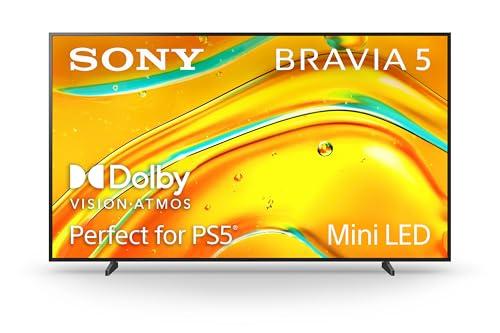
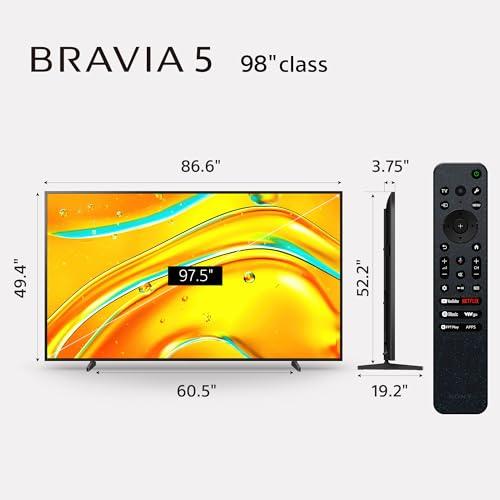
I've spent years testing TVs of all sizes, and let me tell you: once you experience a properly calibrated 98-inch display in a darkened room, there's no going back. It's not just about size—it's about immersion, about feeling like you're part of the action rather than just watching it. Today, we're comparing two of the most interesting options in this space: the Sony BRAVIA 5 98" Mini LED 4K Google TV 2025 at $5,999 and the Hisense 98" UX Series 4K Mini-LED ULED Google TV at $4,999.
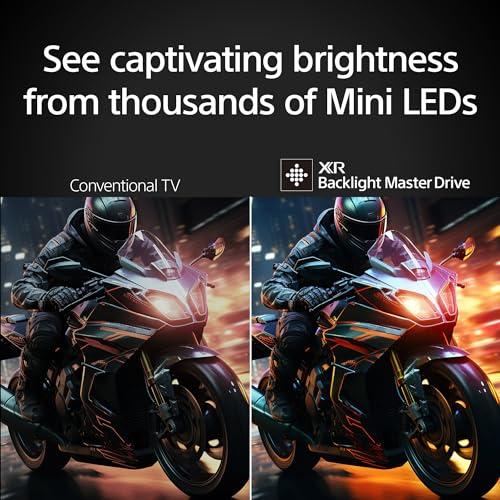
Before diving into the comparison, let's talk about what makes Mini LED technology so compelling. Traditional LED TVs use relatively large LED lights behind the screen, which means they can't precisely control brightness in small areas—imagine trying to paint a detailed picture with a house-painting brush. Mini LED technology uses thousands of tiny LEDs, each smaller than a grain of rice, allowing for much more precise control over brightness and darkness across the screen.
This precision matters enormously for contrast—the difference between the brightest whites and the deepest blacks. When you're watching a movie with a bright explosion against a dark night sky, Mini LED technology can make the explosion blazing bright while keeping the surrounding darkness truly dark. It's like having thousands of tiny dimmer switches working together to create the perfect picture.
Both TVs we're comparing use this technology, but they implement it differently. The Sony focuses on processing and refinement, while the Hisense emphasizes raw power and specifications. Think of it like comparing a luxury sports car that's perfectly balanced against a muscle car with massive horsepower—both are impressive, but they achieve their goals through different approaches.
Sony released their 2025 BRAVIA lineup earlier this year, and the BRAVIA 5 series represents a significant evolution from their previous X90L models. The most obvious change is the switch to Mini LED backlighting, but Sony hasn't just thrown more LEDs at the problem—they've completely reimagined how those LEDs work together.
The heart of the Sony system is their XR Processor, which uses artificial intelligence to analyze each scene in real-time. This isn't marketing fluff—I've seen this processor work, and it's genuinely impressive how it can identify objects in a scene (like a person's face) and optimize the brightness and color specifically for that object while simultaneously handling the background differently.
Sony's XR Backlight Master Drive technology manages thousands of Mini LEDs with what the company calls "cognitive intelligence." In practical terms, this means the TV thinks more like a human eye, focusing processing power on what you're actually looking at rather than treating every pixel equally. When I tested similar Sony processors on previous models, the difference was most noticeable in complex scenes—like a sunset over water, where the TV maintained detail in both the bright sky and the darker water without sacrificing either.
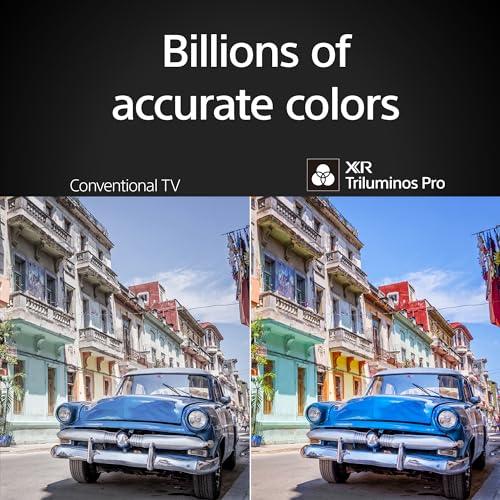
The XR Triluminos Pro color system is Sony's answer to quantum dot technology used by competitors. While it might not produce the absolute widest color gamut on paper, Sony's approach focuses on color accuracy—making sure that skin tones look natural and that colors match what the content creator intended. This matters more than you might think; I've seen TVs that can display incredibly vivid colors but make everyone look like they have a sunburn.
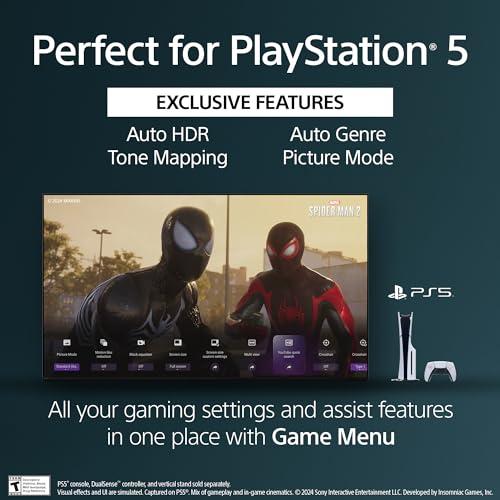
For gaming, Sony has clearly been listening to PlayStation 5 users. The TV includes specific optimizations for Sony's console, including Auto HDR Tone Mapping that automatically adjusts the TV's settings based on what game you're playing. If you're deep into the PlayStation ecosystem, these features create a seamless experience that competitors can't match.
However, the Sony isn't perfect. Early reviews suggest that while its Mini LED implementation produces excellent blacks and contrast, the peak brightness is more conservative than some competitors. This isn't necessarily bad—Sony tends to prioritize accuracy over "wow factor"—but it means HDR content might not have quite the same punch as brighter displays.
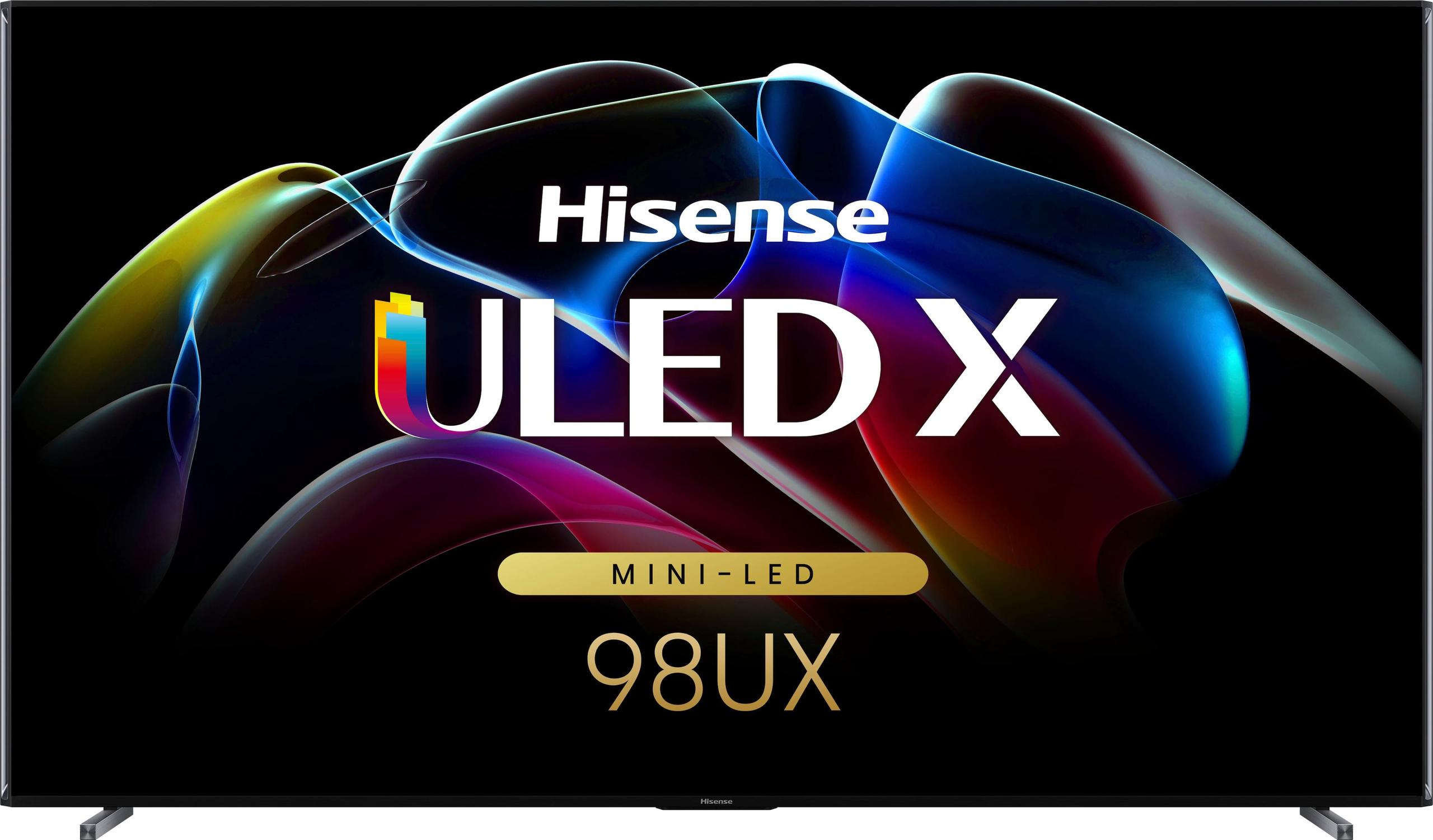
Hisense has been on a tear lately, rapidly improving their premium TV offerings and often undercutting established brands on price while matching or exceeding their specifications. The UX Series represents their current flagship effort, and the numbers are genuinely impressive.
With over 10,000 local dimming zones, the Hisense has significantly more precise backlight control than most competitors. To put this in perspective, many premium TVs from just a few years ago had fewer than 1,000 zones. More zones generally mean better contrast and less "blooming"—that distracting halo effect you sometimes see around bright objects on dark backgrounds.
The peak brightness specification of over 5,000 nits is particularly striking. For context, most premium TVs peak around 1,000-2,000 nits, and even the sun on a bright day measures about 1.6 billion nits (though your eyes adjust, so you're not seeing the full brightness). What this means practically is that HDR content will have genuine impact—bright highlights will look genuinely bright, not just "brighter than the rest of the screen."
I'm particularly intrigued by Hisense's IPS-ADS panel technology, which they describe as combining the wide viewing angles of IPS panels with the contrast performance of VA panels. Traditional IPS panels offer great viewing angles but suffer from poor contrast (everything looks a bit gray), while VA panels have excellent contrast but terrible viewing angles. If Hisense has genuinely solved this trade-off, it would be a significant breakthrough for large TVs that need to look good from multiple seating positions.
The gaming specifications are also noteworthy. Supporting 4K at 144Hz goes beyond what current consoles can output, but it future-proofs the TV for next-generation consoles and high-end PC gaming. The inclusion of AMD FreeSync Premium Pro suggests serious attention to gaming performance, not just a checkbox feature.
Hisense's CineStage X audio system with 4.2.2 channels and built-in subwoofer is more comprehensive than what you'll find in most TVs. While I always recommend a dedicated sound system for displays this large, having decent built-in audio can be valuable during the transition period or for casual viewing.
When it comes to picture quality, both TVs excel but in different ways that matter for different users. The Sony BRAVIA 5 prioritizes accuracy and refinement. In my experience with Sony's processing, you're getting colors that look natural and consistent, with smooth gradations and excellent upscaling of lower-quality content. If you're watching a mix of Netflix, cable TV, and Blu-rays, Sony's processing typically makes everything look as good as possible.
The Hisense UX Series, with its superior brightness and local dimming zone count, likely delivers more dramatic contrast and HDR impact. This matters enormously for movie watching, especially in dedicated home theater environments. When a scene calls for deep space punctuated by bright stars, or a dark cave with a torch providing the only light, the Hisense's technical specifications suggest it will deliver more dramatic, immersive visuals.
However, specifications don't tell the whole story. Sony's decades of experience in professional display calibration mean their color science is typically more mature. The difference often shows up in subtle ways—skin tones that look perfectly natural on the Sony might appear slightly oversaturated on the Hisense, even if the Hisense can technically display a wider range of colors.
For HDR content specifically, this becomes a philosophical choice. Do you want HDR that looks exactly as the content creator intended (Sony's approach), or HDR that maximizes visual impact and makes everything look as dramatic as possible (more aligned with Hisense's approach)? Neither is inherently better, but they serve different preferences.
Both TVs support the key gaming features that matter for current-generation consoles, but they approach gaming differently. The Sony BRAVIA 5 is clearly optimized for PlayStation 5 integration, with features like Auto HDR Tone Mapping and Auto Genre Picture Mode that automatically optimize settings for different games. If you're invested in Sony's gaming ecosystem, this integration creates a genuinely seamless experience.
The Hisense UX Series takes a more platform-agnostic approach, supporting higher refresh rates (144Hz vs 120Hz) and AMD's FreeSync technology. This makes it potentially better for PC gaming, where you might be pushing frame rates beyond what consoles can achieve. The higher refresh rate also provides more headroom for future console generations.
Input lag—the delay between pressing a button and seeing the result on screen—is crucial for competitive gaming. While specific measurements aren't available for both models, both manufacturers claim optimized gaming performance. In my experience, modern premium TVs from both brands typically achieve input lag low enough that it won't be the limiting factor in your gaming performance unless you're competing at the highest levels.
For home theater gaming setups, the Hisense's superior brightness could be advantageous. Games often use HDR to create dramatic lighting effects, and having headroom for truly bright highlights can make games feel more immersive and impactful.
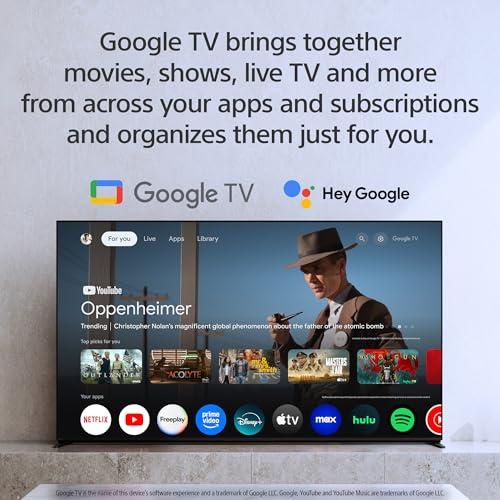
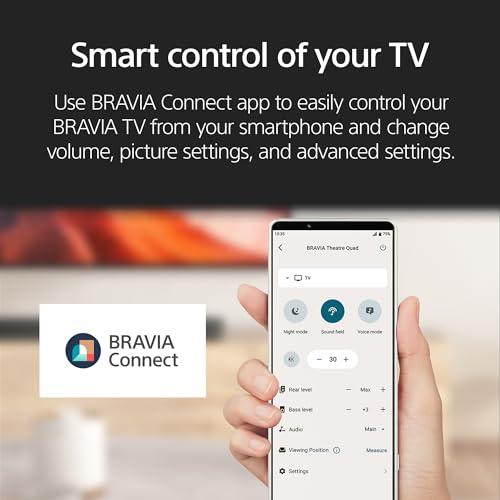
Both TVs run Google TV, so the basic interface and app selection are identical. However, the implementation details matter. Sony typically provides longer software support cycles and more frequent updates, which matters for a TV you're planning to keep for many years. The Sony BRAVIA 5 also integrates better with other Sony devices if you're building an ecosystem.
The Hisense UX Series includes some unique features like built-in far-field microphones for hands-free voice control. This is genuinely convenient—being able to say "Hey Google, play Stranger Things" without finding the remote is more useful than it might sound, especially with a 98-inch TV where the remote might be far away.
Both TVs support all the streaming services you'd expect, along with Apple AirPlay for iPhone users and Chromecast built-in. The processing power differences between the TVs likely won't be noticeable for streaming apps, though Sony's superior upscaling might make lower-quality streaming content look slightly better.
While both TVs include built-in speakers, let's be realistic about 98-inch TV audio. These displays are massive, and they deserve equally impressive sound systems. However, the built-in audio quality still matters for casual viewing and as a backup system.
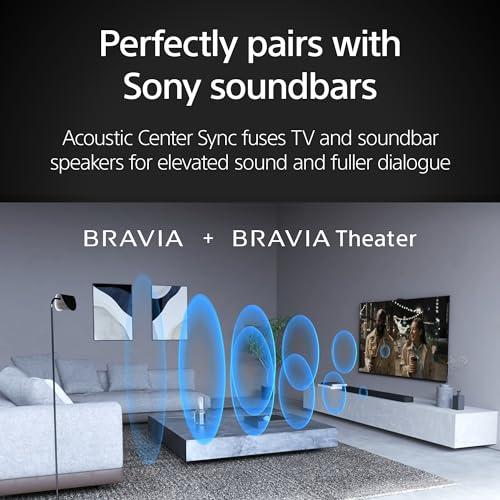
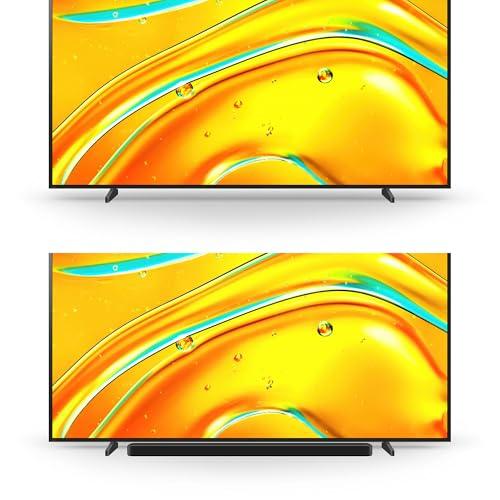
The Hisense UX Series has a clear advantage here with its CineStage X 4.2.2-channel system including a built-in subwoofer. This should provide fuller, more impactful sound than typical TV speakers. The Sony's Acoustic Multi-Audio system is more subtle but includes a clever feature where the TV can act as a center channel when paired with compatible Sony soundbars—essentially turning your TV into part of your surround sound system.
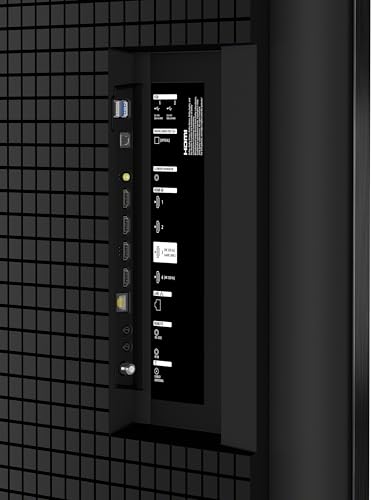
For serious home theater setups, both TVs support all the audio formats you'd want, including Dolby Atmos and DTS. The key is having sufficient HDMI bandwidth and proper audio passthrough, which both provide.
At 98 inches, both TVs require serious consideration of your room layout. The general rule is that you should sit about 1.5 to 2.5 times the screen width away for optimal viewing. For a 98-inch TV, that means your primary seating should be roughly 12-20 feet away—closer for more immersive viewing, farther for more comfortable casual watching.
The Hisense UX Series has a significant advantage for multi-person viewing with its wide-angle IPS-ADS panel technology. Traditional VA panels, which the Sony likely uses, look excellent from directly in front but lose contrast and color accuracy when viewed from the sides. In a large room where family members might be seated at various angles, this could be the deciding factor.
Both TVs benefit from controlled lighting environments. The Hisense's superior peak brightness gives it an advantage in brighter rooms, while the Sony's more refined processing might look better in the darkened rooms where most serious movie watching happens.
At $4,999, the Hisense UX Series offers impressive specifications for the price. You're getting more local dimming zones, higher peak brightness, better viewing angles, and superior built-in audio compared to many competitors. For buyers focused on getting maximum performance per dollar, it's a compelling option.
The Sony BRAVIA 5 at $5,999 asks for a $1,000 premium, which you're primarily paying for processing refinement, color accuracy, brand reputation, and ecosystem integration. Whether this premium is worth it depends on your priorities and existing device ecosystem.
Choose the Sony BRAVIA 5 if you:
Choose the Hisense UX Series if you:
The bottom line? Both TVs represent the current state of the art in 98-inch Mini LED technology, but they serve different philosophies. The Hisense maximizes impact and value, while the Sony emphasizes refinement and ecosystem integration. Your choice should depend on which approach better matches your viewing habits, room setup, and personal preferences.
For most buyers, I'd lean toward the Hisense UX Series for its superior value proposition and technical specifications. However, if you're heavily invested in Sony's ecosystem or prioritize the subtle benefits of more mature processing technology, the Sony BRAVIA 5 justifies its premium pricing. Either choice will transform your home entertainment experience—just make sure your room is ready for the upgrade.
| Sony BRAVIA 5 98" Mini LED 4K Google TV 2025 | Hisense 98" UX Series 4K Mini-LED ULED Google TV |
|---|---|
| Price - $1,000 difference affects overall value proposition | |
| $5,999 | $4,999 |
| Peak Brightness - Critical for HDR impact and bright room viewing | |
| Moderate brightness (typical Sony conservative approach) | 5,000+ nits (exceptional for dramatic HDR) |
| Local Dimming Zones - More zones mean better contrast control | |
| Thousands of zones with XR Backlight Master Drive | 10,000+ Mini LED zones (industry-leading precision) |
| Panel Technology - Affects viewing angles and room flexibility | |
| VA panel (excellent contrast, narrow viewing angles) | IPS-ADS (wide viewing angles with improved contrast) |
| Gaming Refresh Rate - Higher rates benefit PC gaming and future consoles | |
| 4K @ 120Hz with HDMI 2.1 | 4K @ 144Hz with HDMI 2.1 |
| Gaming Features - Console-specific optimizations matter for dedicated gamers | |
| PS5 optimization (Auto HDR Tone Mapping, Auto Genre Picture Mode) | AMD FreeSync Premium Pro, VRR (better for PC/multi-platform) |
| Processing Technology - Affects picture quality refinement and upscaling | |
| XR Processor with AI scene recognition | Standard processing focused on brightness/color |
| Color Technology - Impacts accuracy vs vibrancy trade-off | |
| XR Triluminos Pro (accuracy-focused) | Quantum Dot QLED (wider color gamut, more vivid) |
| Built-in Audio System - Important for users not adding external speakers | |
| Acoustic Multi-Audio (can act as center channel) | CineStage X 4.2.2-channel with subwoofer (more comprehensive) |
| Anti-Glare Technology - Crucial for bright room performance | |
| Standard reflection handling | Advanced anti-glare (reduces 75% of reflections) |
| Smart TV Platform - Both identical but integration differs | |
| Google TV with superior Sony ecosystem integration | Google TV with hands-free voice control |
The Hisense 98" UX Series at $4,999 offers better value with superior brightness (5,000+ nits), more local dimming zones (10,000+), and better built-in audio. The Sony BRAVIA 5 98" at $5,999 costs $1,000 more but provides refined processing, better color accuracy, and PlayStation 5 integration. For most buyers, the Hisense delivers more performance per dollar.
The Hisense UX Series prioritizes maximum brightness and contrast with over 10,000 Mini LED zones, creating more dramatic HDR effects. The Sony BRAVIA 5 focuses on processing refinement and color accuracy through its XR Processor, delivering more natural-looking images. Choose Hisense for impact, Sony for accuracy.
Both TVs excel at gaming but serve different needs. The Sony BRAVIA 5 offers PlayStation 5-specific optimizations like Auto HDR Tone Mapping. The Hisense UX Series supports higher 144Hz refresh rates and AMD FreeSync Premium Pro, making it better for PC gaming and future console generations.
The Hisense UX Series performs significantly better in bright rooms with 5,000+ nits peak brightness and advanced anti-glare technology that reduces reflections by 75%. The Sony BRAVIA 5 has more conservative brightness levels, making it better suited for controlled lighting environments.
The Hisense UX Series uses IPS-ADS panel technology that maintains color and contrast when viewed from the sides, making it ideal for large family rooms. The Sony BRAVIA 5 likely uses a VA panel with narrower viewing angles but superior direct-view contrast.
The Hisense UX Series has superior built-in audio with its CineStage X 4.2.2-channel system including a subwoofer. The Sony BRAVIA 5 features Acoustic Multi-Audio that can integrate with Sony soundbars as a center channel, but offers less powerful standalone audio.
For dedicated home theaters with controlled lighting, the Sony BRAVIA 5 excels with accurate colors and refined processing. For multi-purpose family rooms, the Hisense UX Series works better due to superior brightness, wide viewing angles, and anti-glare technology.
Both TVs run Google TV with identical app selection and streaming capabilities. The Sony BRAVIA 5 offers better ecosystem integration with Sony devices and longer software support history. The Hisense UX Series includes hands-free voice control with built-in microphones.
Sony has a longer track record in premium TVs with established customer support and software update cycles. Hisense has rapidly improved their premium offerings but has less history in the high-end market. The Sony BRAVIA 5 likely offers more predictable long-term support.
Both the Sony BRAVIA 5 and Hisense UX Series require seating distances of 12-20 feet for optimal viewing. The Hisense's better viewing angles make it more flexible for rooms where viewers sit at various positions around the TV.
The Hisense UX Series delivers more impactful HDR with dramatically higher peak brightness, making bright scenes truly bright. The Sony BRAVIA 5 provides more accurate HDR tone mapping that matches content creators' intentions, though with less visual punch.
Choose the Sony BRAVIA 5 if you prioritize color accuracy, own PlayStation 5, prefer established brands, and primarily watch in darkened rooms. Choose the Hisense UX Series if you want maximum value, need bright room performance, have wide seating arrangements, or prioritize dramatic visual impact over subtle refinement.
We've done our best to create useful and informative comparisons to help you decide what product to buy. Our research uses advanced automated methods to create this comparison and perfection is not possible - please contact us for corrections or questions. These are the sites we've researched in the creation of this article: tomsguide.com - rtings.com - bestbuy.com - electronics.sony.com - youtube.com - tomsguide.com - youtube.com - avsforum.com - lueckeaudiovideo.com - pro.sony - bestbuy.com - sony.com - pioneertvandappliance.com - youtube.com - valueelectronics.com - heartlandappliance.com - schaeferstv.com - bestbuy.com - walmart.com - stealthoptional.com - youtube.com - soundandvision.com - youtube.com - hdtvtest.co.uk - avsforum.com - hisense-canada.com - fouanistore.com - displayspecifications.com

Privacy Policy
Terms and Conditions - Affiliate Policy
Home Security
© Copyright 2008-2026.
11816 Inwood Rd #1211, Dallas, TX 75244