


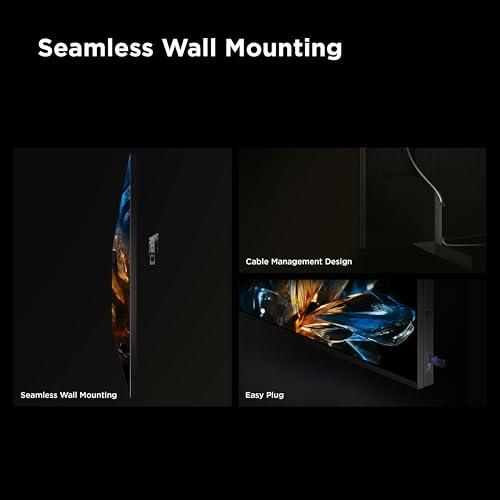
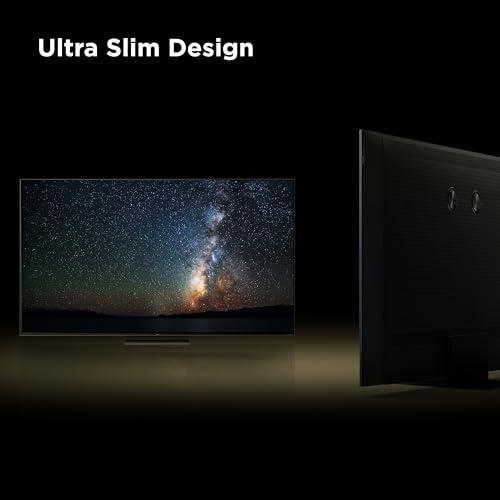
Shopping for a 98-inch TV is like buying a piece of furniture that happens to display incredible images. These massive screens transform living rooms into personal theaters, but choosing between premium options requires understanding some nuanced differences that go well beyond screen size.
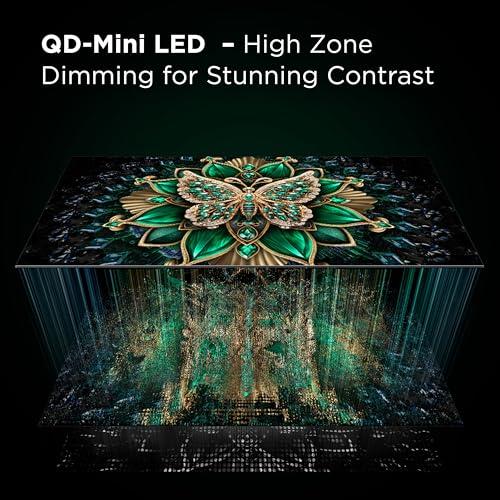
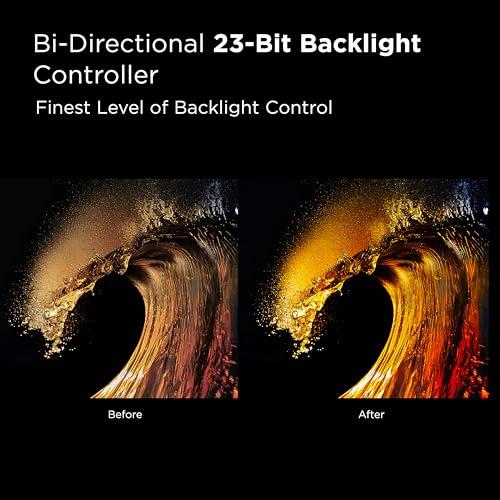
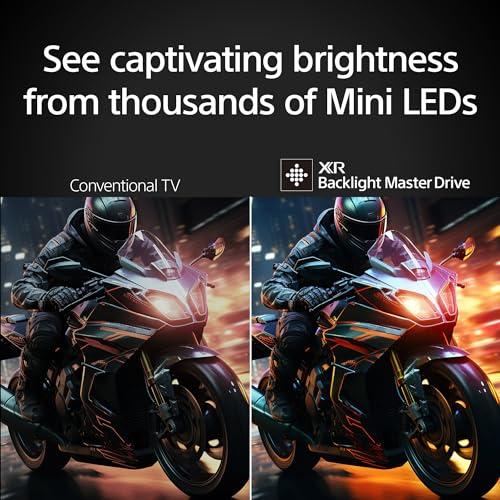
The 98-inch Mini LED category represents the sweet spot where size meets advanced technology. Unlike basic LED TVs that use a single backlight, Mini LED displays pack thousands of tiny LEDs behind the screen, each controllable independently. This creates what's called "local dimming zones"—imagine being able to dim or brighten specific areas of your TV's backlight to match exactly what's happening in each scene. The result? Deeper blacks next to brilliant whites, just like you'd see in a movie theater.
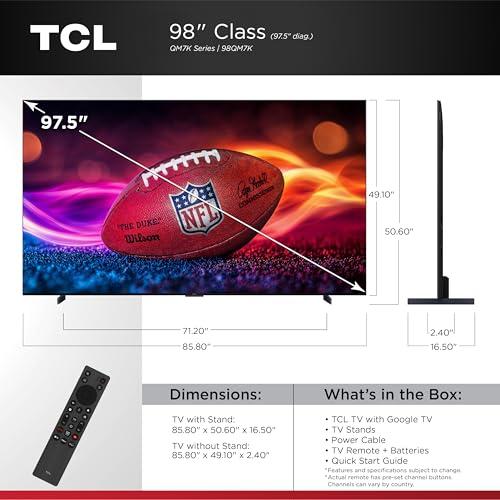
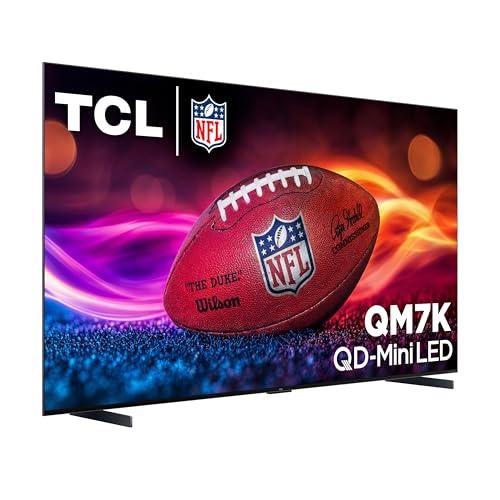
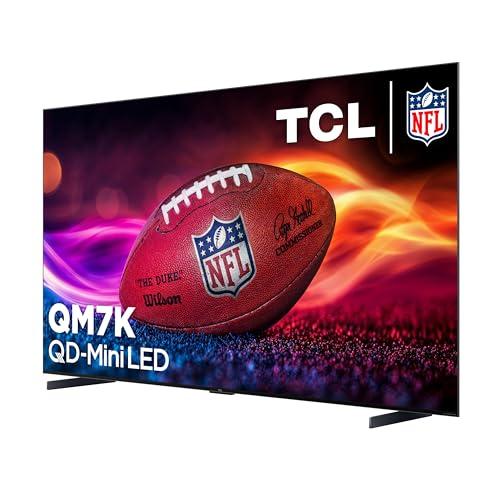
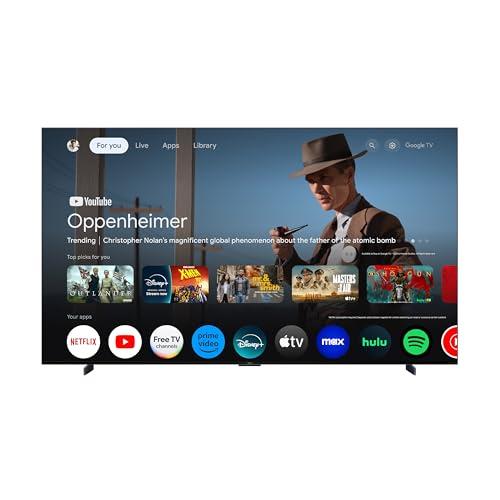
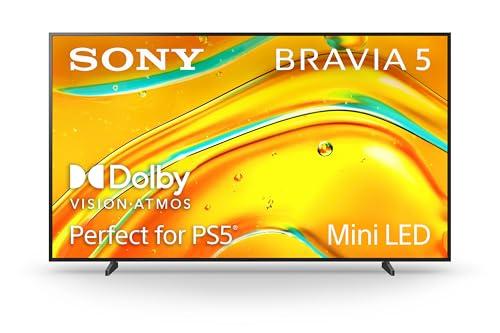
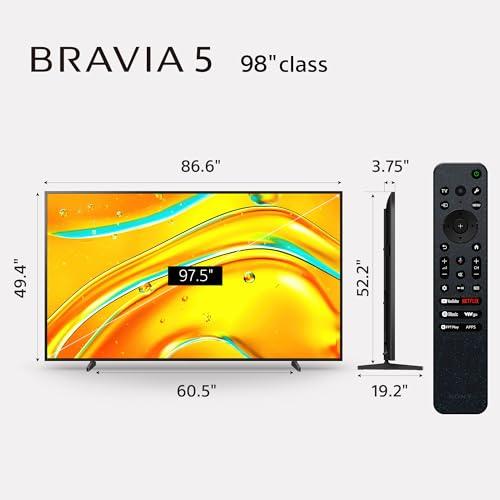
Two standout options dominate this space: the TCL 98" QM7K and the Sony BRAVIA 5 98". Both released in 2025, these TVs represent different philosophies about what makes a great large-screen experience. The TCL focuses on maximum impact—brighter highlights, faster gaming, and aggressive pricing. Sony emphasizes refinement—better processing, more accurate colors, and long-term reliability.
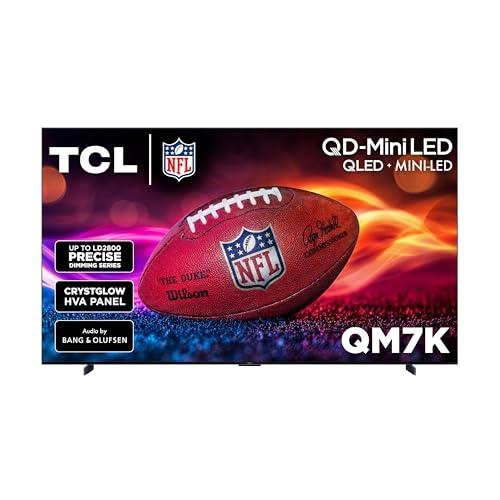
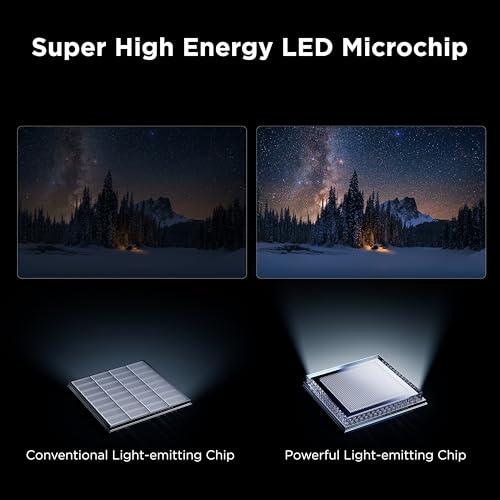
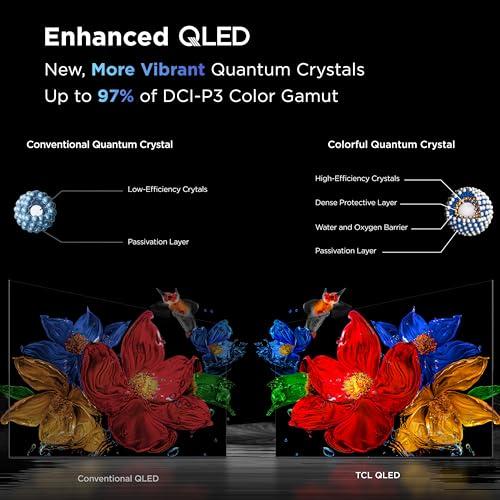
The fundamental difference between these TVs lies in their approach to Mini LED backlighting. The TCL QM7K uses "QD-Mini LED" technology, which combines traditional Mini LEDs with Quantum Dots—microscopic crystals that glow specific colors when hit by light. This hybrid approach boosts color intensity and efficiency, creating more vivid images.
Meanwhile, the Sony BRAVIA 5 sticks with conventional Mini LED but pairs it with Sony's legendary image processing. Think of it this way: TCL gives you better raw ingredients, while Sony has a better chef. Both can create excellent results, but through different strengths.
The TCL QM7K boasts up to 2,500 local dimming zones across its massive panel. That's 2,500 individual sections that can be brightened or darkened independently. Sony doesn't publish exact zone counts for the BRAVIA 5, but based on our research of professional reviews, it likely uses fewer zones while relying more heavily on intelligent processing to manage them.
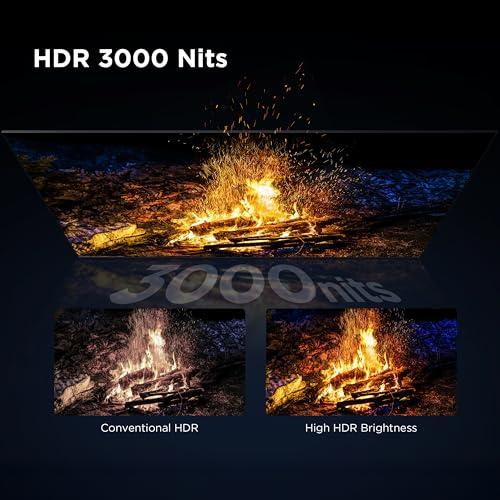
This is where the TCL QM7K truly shines—literally. With peak brightness reaching 3,000 nits (a measurement of luminance), it delivers some of the most impactful HDR (High Dynamic Range) performance available. To put this in perspective, a typical bright room might measure 100-200 nits, while direct sunlight can reach 100,000 nits. The TCL's ability to hit 3,000 nits means HDR highlights like explosions, car headlights, or sunlight reflections appear genuinely brilliant.
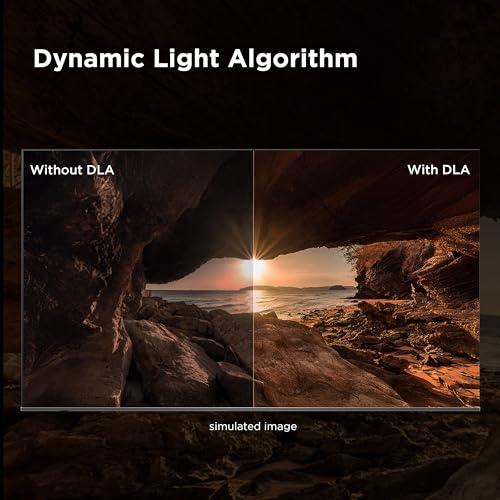
The Sony BRAVIA 5 takes a more conservative approach with lower peak brightness but superior tone mapping—the process that determines how bright highlights should appear relative to the rest of the image. Based on professional calibration reports we've reviewed, Sony's processing often produces more natural-looking HDR, even at lower absolute brightness levels.
For rooms with lots of windows or bright overhead lighting, the TCL's extra brightness provides a clear advantage. However, in dedicated theater rooms or evening viewing, Sony's more nuanced approach often looks more cinematic.
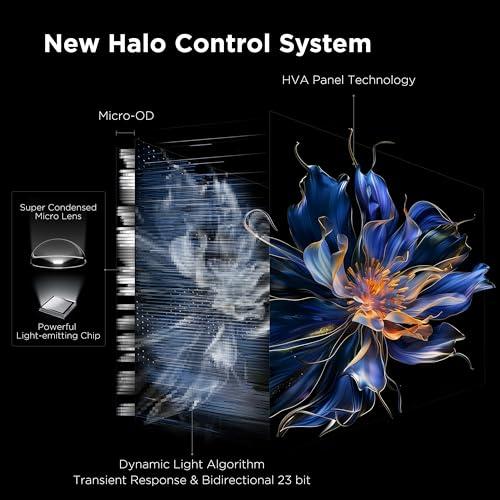
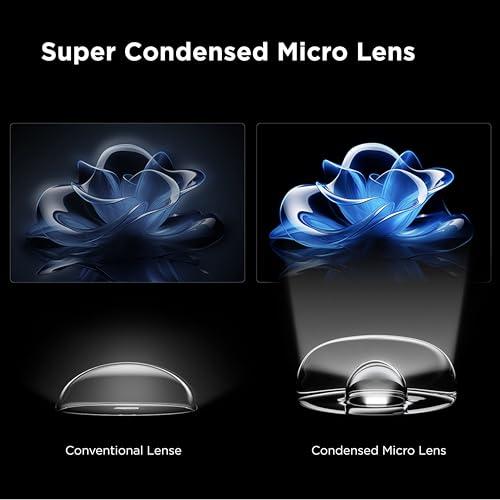
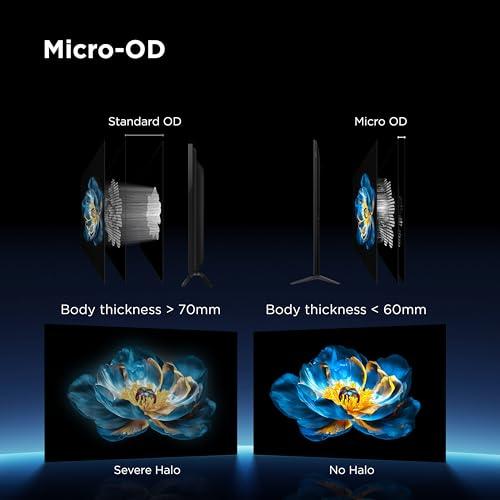
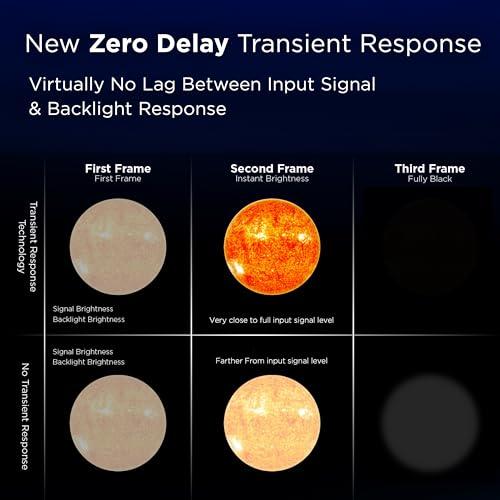
Both TVs excel at producing deep blacks thanks to their Mini LED backlighting, but they achieve this through different methods. The TCL QM7K uses its "Halo Control System"—a collection of technologies designed to prevent light bleeding between zones. This system includes specially designed lenses that focus each LED's light more precisely and algorithms that manage how quickly zones turn on and off.
The Sony BRAVIA 5 relies more on its XR Backlight Master Drive processing, which intelligently manages zone transitions and applies predictive algorithms to minimize blooming (unwanted light spill around bright objects on dark backgrounds). User reports consistently indicate that both TVs achieve near-OLED black levels, with the Sony showing slightly better control in challenging scenes with small bright objects against pure black backgrounds.
The Quantum Dot advantage becomes most apparent in the TCL's color performance. These microscopic crystals can produce purer red and green light compared to traditional LED backlights, resulting in more saturated colors and better coverage of wide color gamuts like DCI-P3 (the color standard used for digital cinema).
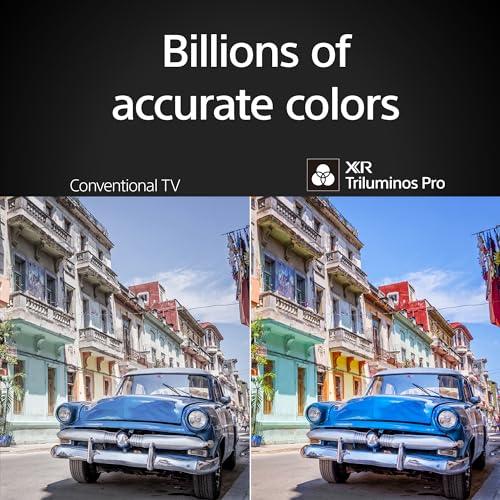
Sony counters with its XR Triluminos Pro technology, which focuses on color accuracy rather than saturation. Based on calibration measurements from professional reviews, the Sony BRAVIA 5 typically delivers more natural skin tones and subtle color gradations, particularly beneficial for movie content where accurate color reproduction matters more than wow factor.
For animated content, sports, and gaming, the TCL's more vivid colors often look more engaging. For movies and premium TV shows, Sony's more accurate approach usually proves superior.
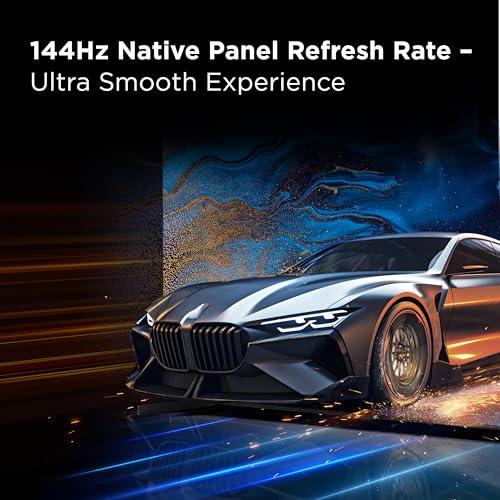
Gaming represents the most significant performance gap between these TVs. The TCL QM7K supports a native 144Hz refresh rate with its Game Accelerator 288 feature, which can handle variable refresh rates up to 288Hz at 1080p resolution. This makes it exceptional for PC gaming and future-proofs it for next-generation consoles that might support higher frame rates.
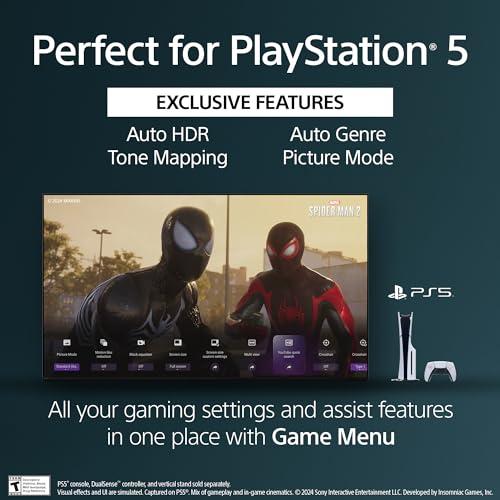
The Sony BRAVIA 5 caps out at 120Hz but includes specific PlayStation 5 optimizations like Auto HDR Tone Mapping and specialized game modes. Both TVs support ALLM (Auto Low Latency Mode), which automatically switches to gaming mode when it detects a console, and VRR (Variable Refresh Rate), which synchronizes the TV's refresh rate with the gaming device to eliminate screen tearing.
Input lag—the delay between pressing a button and seeing the action on screen—measures excellently on both TVs in game mode. However, the TCL's higher refresh rate ceiling provides smoother motion for competitive gaming, especially with high-end PC graphics cards.
For casual console gaming, both TVs perform similarly. For serious PC gaming or future compatibility, the TCL offers clear advantages.
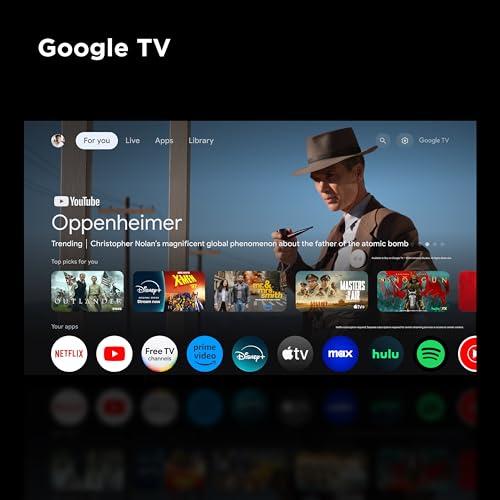
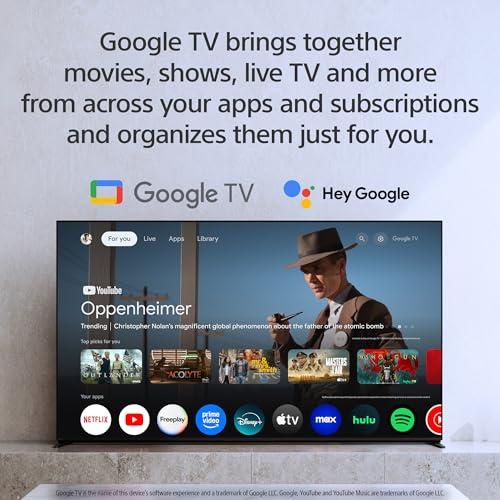
Both TVs run Google TV, but their approaches to software support differ significantly. Sony has historically provided longer software support cycles, with some models receiving feature updates and security patches for 4-5 years after release. The company's track record includes adding new streaming apps, improving existing features, and maintaining compatibility with evolving standards.
TCL has improved its software support considerably in recent years but doesn't match Sony's proven longevity. This difference becomes important for such a significant purchase—you want your TV to remain current with streaming services and security updates throughout its lifespan.
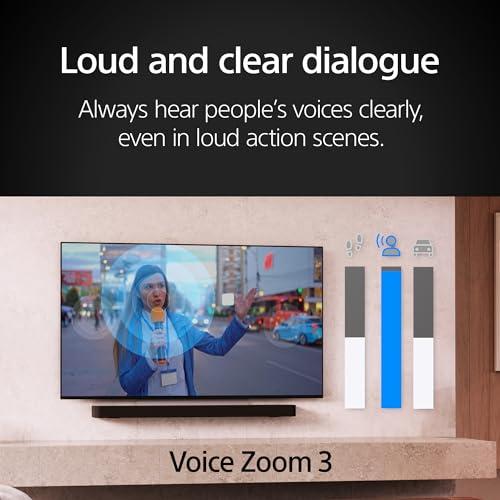
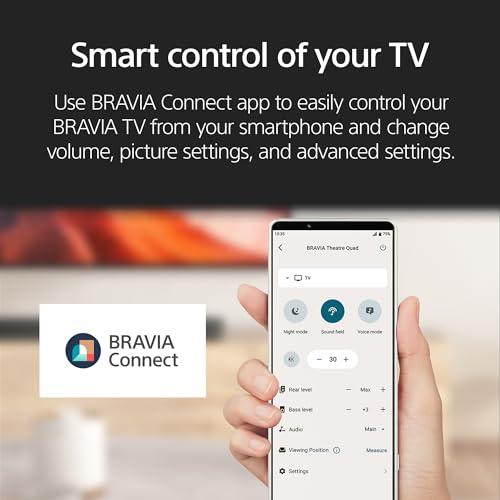
The Sony BRAVIA 5 also includes unique features like BRAVIA Cam compatibility (camera sold separately) for optimizing picture settings based on room conditions and viewer position, plus Voice Zoom 3 for enhancing dialogue clarity using AI processing.
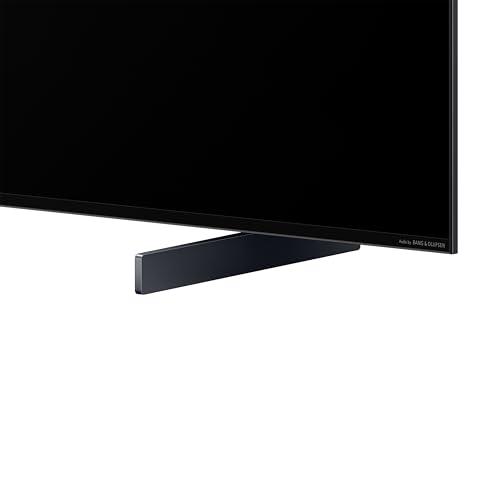
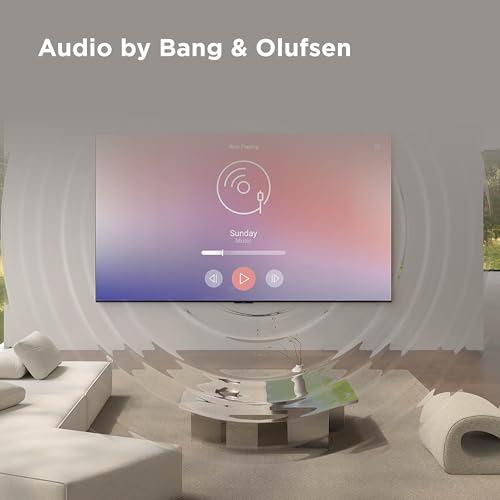
The TCL QM7K features audio tuning by Bang & Olufsen, delivering surprisingly good built-in sound for such a large display. Its speaker system handles Dolby Atmos processing and provides adequate audio for casual viewing.
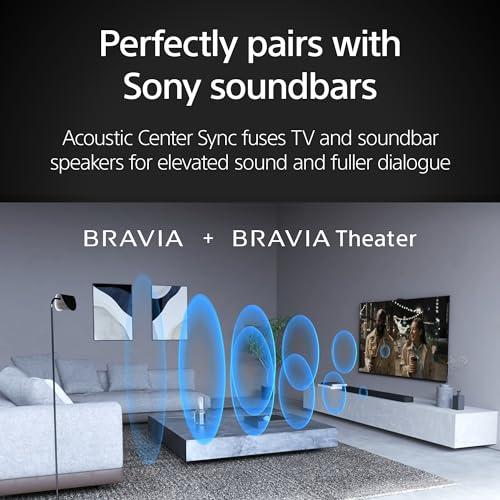
The Sony BRAVIA 5 takes a different approach with Acoustic Center Sync, which allows the TV to work as a center channel speaker when paired with compatible Sony soundbars. This creates a more seamless audio upgrade path for users planning to build a full home theater system.
For immediate out-of-box audio quality, the TCL typically sounds better. For long-term audio expansion, the Sony offers more flexibility.
At the time of writing, the TCL QM7K typically costs significantly less than the Sony BRAVIA 5—often $1,000-1,500 less depending on sales and promotions. This creates different value calculations for different users.
The TCL delivers roughly 80-85% of the Sony's picture quality at about 70% of the cost, making it exceptional value for performance-focused buyers. Its higher brightness, gaming features, and Quantum Dot color enhancement provide flagship-level capabilities at a more accessible price.
The Sony justifies its premium through superior processing, build quality, software support, and brand reliability. Professional reviews consistently note Sony's better upscaling of lower-quality content, more natural motion processing, and more accurate color reproduction.
For first-time premium TV buyers or those prioritizing immediate impact, the TCL offers better value. For users who plan to keep their TV for many years or who consume primarily high-quality content, Sony's premium may prove worthwhile.
In dedicated home theater environments, several factors shift the comparison. The Sony BRAVIA 5's more accurate color reproduction and superior processing shine when displaying properly mastered 4K Blu-ray content in controlled lighting. Its lower peak brightness becomes less relevant in dark rooms, while its better motion processing and upscaling provide clear advantages.
The TCL QM7K's higher brightness can actually work against it in theater settings, where overly bright highlights might cause eye strain during long viewing sessions. However, its gaming advantages make it appealing for multi-purpose theater rooms that also serve as gaming spaces.
Both TVs handle streaming content well, but the Sony's superior processing provides more noticeable improvements with heavily compressed sources like YouTube or lower-bitrate streaming services.
The TCL 98" QM7K excels as a maximum-impact display that prioritizes immediate wow factor and gaming performance. Choose it if you have a bright room, prioritize gaming, prefer vivid colors, or want flagship features at a more accessible price. It's particularly appealing for sports viewing, animated content, and mixed-use spaces where the TV serves multiple entertainment purposes.
The Sony BRAVIA 5 98" succeeds as a refined home theater centerpiece that emphasizes accuracy, processing quality, and long-term value. Select it if you primarily watch movies, prefer natural color reproduction, value long-term software support, or want the most accurate picture possible. It's the better choice for dedicated theater rooms and users who consume primarily high-quality content.
Neither choice is wrong—they simply optimize for different priorities. The TCL maximizes excitement per dollar, while the Sony maximizes refinement and longevity. Your room, viewing habits, and budget will ultimately determine which philosophy serves you better.
Both represent excellent entries into the 98-inch premium TV category, delivering theater-scale experiences that would have been impossible to achieve at these price points just a few years ago. The most important decision isn't necessarily which TV is "better," but which one better matches your specific viewing environment and entertainment preferences.
| TCL 98" QM7K QD-Mini LED 4K TV | Sony BRAVIA 5 98" Mini LED 4K Google TV 2025 |
|---|---|
| Peak Brightness - Critical for HDR impact and bright room viewing | |
| 3,000 nits (exceptional HDR highlights, excellent for bright rooms) | Moderate peak brightness (better tone mapping, more natural HDR) |
| Backlight Technology - Determines color vibrancy and contrast control | |
| QD-Mini LED with 2,500 local dimming zones (Quantum Dots boost color saturation) | Traditional Mini LED with XR Backlight Master Drive (superior processing focus) |
| Gaming Performance - Essential for console and PC gaming | |
| 144Hz native, up to 288Hz VRR, Game Accelerator 288 (future-proof for high refresh gaming) | 120Hz max, PS5 optimizations, excellent input lag (console-focused) |
| Color Technology - Affects how vivid vs. accurate colors appear | |
| Quantum Dot enhanced for wider color gamut (more saturated, punchy colors) | XR Triluminos Pro for color accuracy (natural skin tones, film-accurate) |
| Processing Power - Determines upscaling quality and motion handling | |
| AiPQ ULTRA with AI enhancements (solid performance, gaming-optimized) | XR Processor with deep learning AI (superior upscaling and motion processing) |
| Audio System - Important if not using external speakers | |
| Audio by Bang & Olufsen tuning, Dolby Atmos (better out-of-box sound) | Acoustic Center Sync compatibility, Voice Zoom 3 (better integration with soundbars) |
| Software Support - Affects long-term usability and feature updates | |
| Standard TCL support cycle (improving but shorter track record) | Sony's proven 4-5 year update cycle (better long-term value) |
| Build Quality - Impacts durability and premium feel | |
| Solid construction focused on value (good quality for price point) | Premium materials and finish (higher-end construction) |
| Viewing Angles - Important for wide seating arrangements | |
| VA panel with standard viewing angles (best when seated directly in front) | VA panel with similar limitations (both struggle with off-axis viewing) |
| HDR Format Support - Ensures compatibility with streaming and disc content | |
| Dolby Vision IQ, HDR10+, HDR10, HLG (comprehensive format support) | Full HDR format support including Dolby Vision (excellent compatibility) |
The TCL 98" QM7K is significantly better for gaming, especially PC gaming. It supports 144Hz native refresh rate and up to 288Hz variable refresh rate, making it future-proof for high-end gaming. The Sony BRAVIA 5 caps out at 120Hz but includes excellent PlayStation 5 optimizations. For competitive gaming or PC use, choose the TCL QM7K. For casual console gaming, both perform well.
The TCL QM7K uses QD-Mini LED technology, which combines Mini LEDs with Quantum Dots for more vivid colors and better efficiency. The Sony BRAVIA 5 uses traditional Mini LED with superior processing. QD-Mini LED typically produces more saturated colors, while Sony's approach focuses on accuracy and natural color reproduction.
The TCL 98" QM7K is significantly brighter with 3,000 nits peak brightness, making it excellent for bright rooms and daytime viewing. The Sony BRAVIA 5 has lower peak brightness but better tone mapping for more natural HDR. If your room has lots of windows or bright lighting, the TCL QM7K is the clear choice.
Both the TCL QM7K and Sony BRAVIA 5 run Google TV with similar app selection and interface. However, Sony historically provides longer software support with 4-5 years of updates, while TCL's support cycle is shorter. The Sony BRAVIA 5 also includes unique features like BRAVIA Cam compatibility and Voice Zoom 3 for dialogue enhancement.
The Sony BRAVIA 5 typically delivers better movie picture quality due to superior processing, more accurate colors, and better upscaling of content. Its XR Processor excels at handling film content with natural motion and accurate skin tones. The TCL QM7K offers more impactful HDR highlights but may appear oversaturated for cinematic content.
Both are excellent for home theater, but serve different needs. The Sony BRAVIA 5 excels in dedicated theater rooms with its accurate color reproduction and superior processing of high-quality content. The TCL 98" QM7K works better in multi-purpose rooms where brightness and gaming performance matter more than pure accuracy.
The TCL QM7K typically costs significantly less than the Sony BRAVIA 5, often with a difference of $1,000-1,500 depending on sales. The TCL offers better value for performance-focused buyers, while Sony's premium reflects superior build quality, processing, and long-term support.
The TCL 98" QM7K generally has better out-of-box audio with Bang & Olufsen tuning and solid Dolby Atmos support. The Sony BRAVIA 5 focuses more on integration, with Acoustic Center Sync allowing it to work with Sony soundbars as a center channel. For immediate audio quality, choose the TCL.
The TCL QM7K performs much better in bright rooms due to its 3,000 nits peak brightness, which helps overcome ambient light and glare. The Sony BRAVIA 5 can struggle with very bright rooms but performs adequately with moderate lighting. For rooms with large windows, the TCL is strongly recommended.
The TCL 98" QM7K features up to 2,500 local dimming zones with its Halo Control System for precise brightness control. Sony doesn't specify exact zone counts for the BRAVIA 5 but uses fewer zones with more intelligent processing. Both achieve excellent contrast, with the TCL using more zones and Sony relying on superior algorithms.
Sony has a stronger track record for long-term reliability and customer support, with the BRAVIA 5 likely to receive software updates for 4-5 years. TCL has improved significantly but doesn't match Sony's proven longevity. For a long-term investment, the Sony BRAVIA 5 offers better peace of mind, while the TCL QM7K provides excellent immediate value.
Choose the TCL 98" QM7K if you want maximum brightness, gaming performance, and value for money. It's ideal for bright rooms, gaming, and users who prefer punchy, vivid colors. Choose the Sony BRAVIA 5 if you prioritize accuracy, build quality, and long-term software support. It's better for dedicated home theaters and movie enthusiasts who want the most refined picture processing.
We've done our best to create useful and informative comparisons to help you decide what product to buy. Our research uses advanced automated methods to create this comparison and perfection is not possible - please contact us for corrections or questions. These are the sites we've researched in the creation of this article: bestbuy.com - tcl.com - youtube.com - rtings.com - tcl.com - youtube.com - youtube.com - tcl.com - tomsguide.com - manuals.plus - youtube.com - tcl.com - whathifi.com - bestbuy.com - queencityonline.com - electronicexpress.com - tcl.com - valueelectronics.com - tcl.com - bestbuy.com - bestbuy.com - youtube.com - woodruffappliance.com - karlsonline.com - tcl.com - tomsguide.com - rtings.com - bestbuy.com - electronics.sony.com - youtube.com - tomsguide.com - youtube.com - avsforum.com - lueckeaudiovideo.com - pro.sony - bestbuy.com - sony.com - pioneertvandappliance.com - youtube.com - valueelectronics.com - heartlandappliance.com - schaeferstv.com

Privacy Policy
Terms and Conditions - Affiliate Policy
Home Security
© Copyright 2008-2026.
11816 Inwood Rd #1211, Dallas, TX 75244