

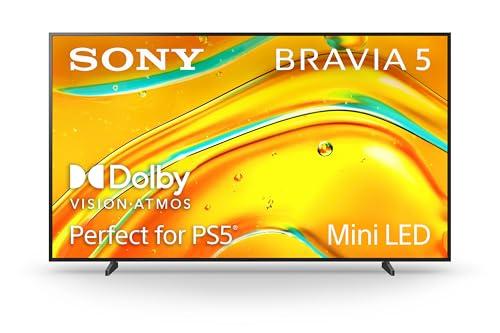

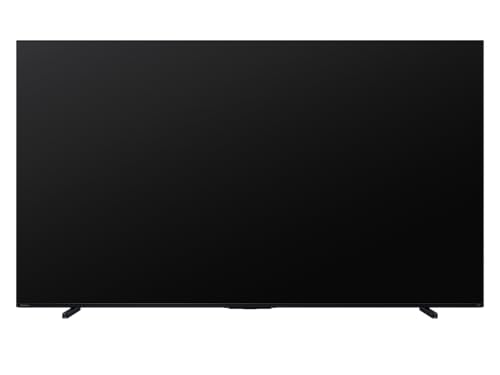
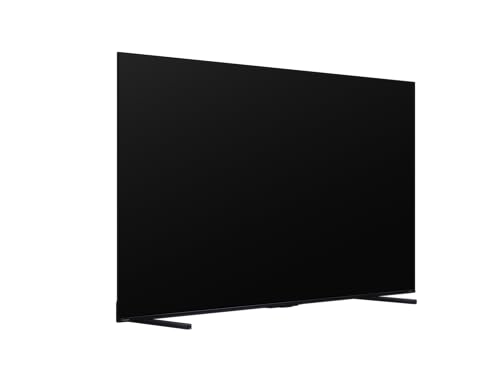
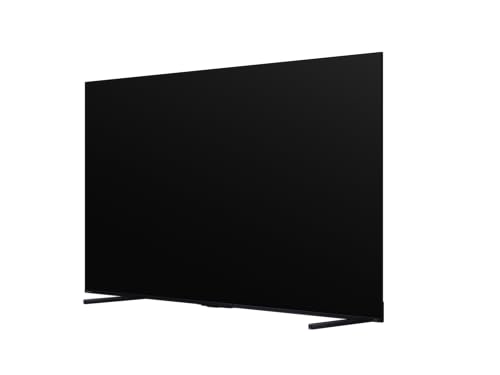
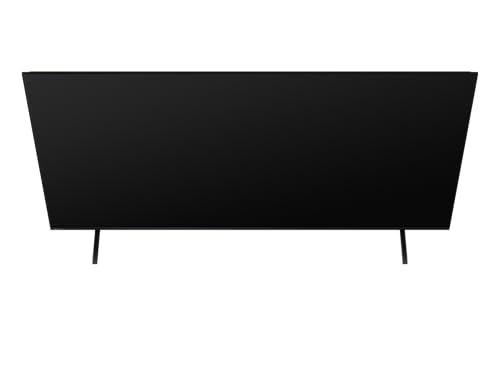
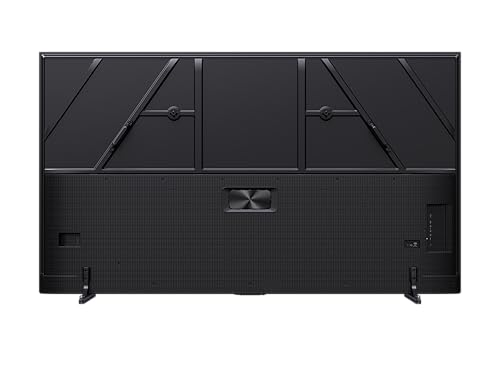
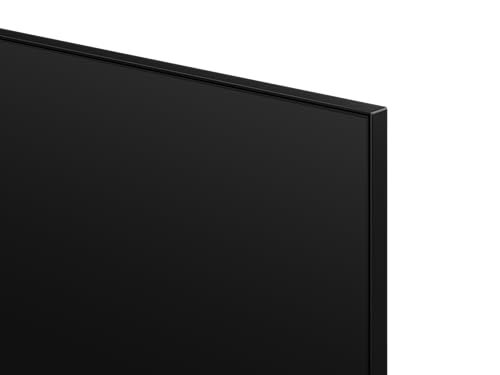
Picture this: you're standing in your living room, looking at the wall where your 65-inch TV used to feel massive. Now it seems... quaint. If you're considering making the leap to a truly cinematic experience at home, you've probably stumbled across two compelling options that represent very different approaches to giant-screen entertainment: the Sony BRAVIA 5 98" Mini LED 4K Google TV 2025 and the Hisense 100-Inch QD7 Series Mini-LED 4K Smart TV.
Both of these televisions belong to what I like to call the "holy grail" category of home entertainment – screens so large they fundamentally change how you experience movies, sports, and gaming. But here's the thing: despite their similar size and Mini-LED technology, they couldn't be more different in their approach to delivering that experience.
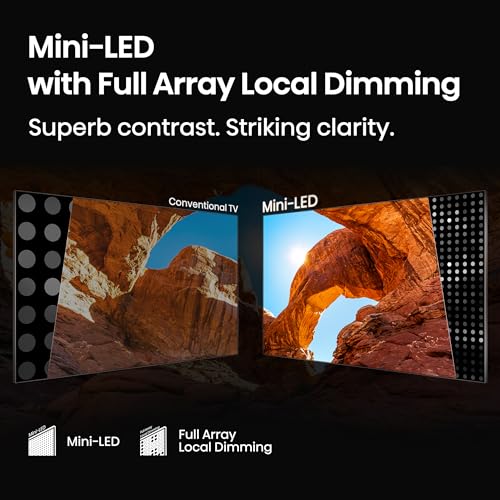
Before we dig into what makes these TVs tick, let's talk about what you're actually getting into with displays this size. Both the Sony and Hisense use Mini-LED backlighting, which is essentially thousands of tiny LEDs placed behind the LCD panel. Think of it like having thousands of tiny flashlights that can dim or brighten independently to create better contrast – brighter whites and deeper blacks than traditional LED TVs can manage.
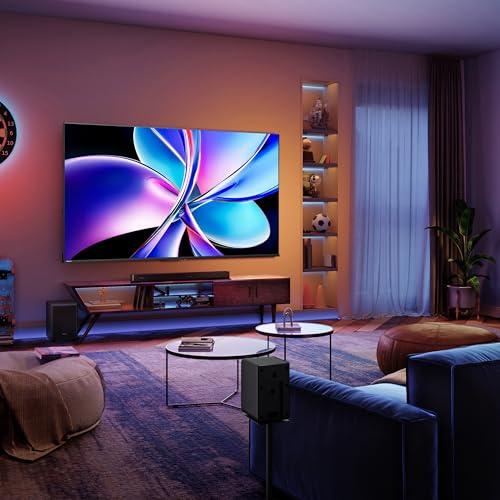
The key considerations when you're shopping in this category aren't just about picture quality. You need to think about whether your room can actually handle a screen this massive (spoiler alert: you'll need at least 12-15 feet of viewing distance), whether your wall or entertainment center can support the weight, and honestly, whether you're ready for the psychological impact of having what amounts to a small movie theater in your living room.
Both televisions were released in 2025, representing the latest thinking in Mini-LED technology. The Sony BRAVIA 5 comes in at $5,998, positioning itself as a premium offering with Sony's renowned processing technology. The Hisense QD7, meanwhile, costs just $2,199 – nearly three times less expensive for actually more screen real estate.
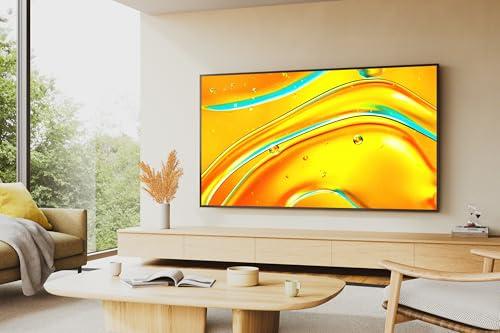
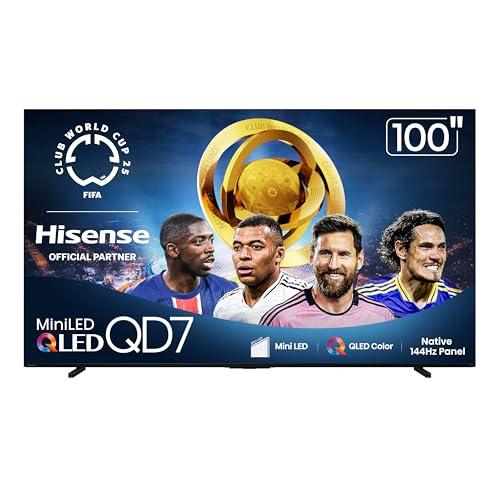
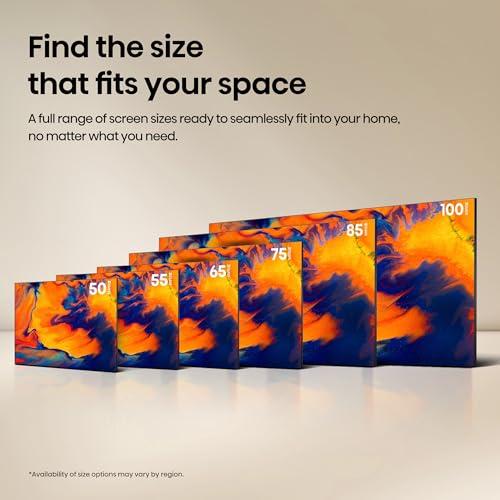
Let's address the elephant in the room first: the size difference. The Hisense gives you 2 additional inches diagonally, which translates to about 4% more screen area. In practical terms, you'd be hard-pressed to notice this difference from your couch. Both screens are absolutely massive and will dominate any room they're placed in.
What's more interesting is the psychological factor. There's something about crossing that 100-inch threshold that feels significant, even if the actual viewing experience is nearly identical. I've found that people react differently when you tell them you have a "100-inch TV" versus a "98-inch TV" – it's that round number effect in action.
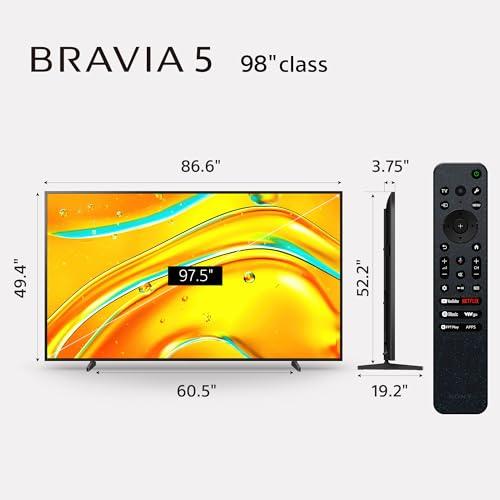
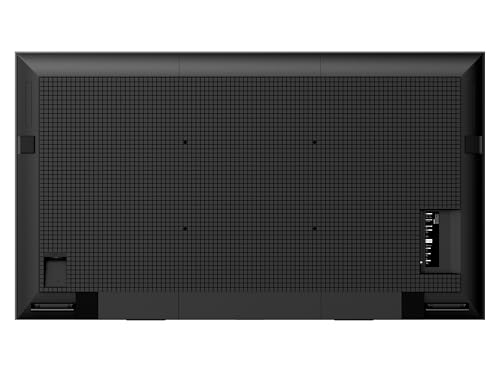
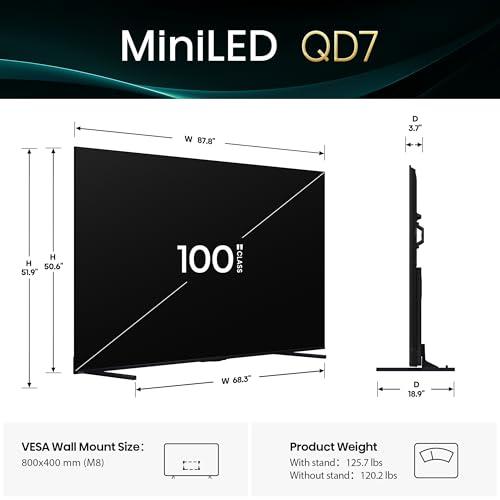
From an installation perspective, both require serious planning. The Sony measures about 86.6 inches wide and weighs over 150 pounds, while the Hisense is slightly larger at 87.8 inches wide but actually lighter at around 125 pounds. Either way, you're looking at professional installation unless you have a very capable crew of friends and the right equipment.
This is where things get really interesting, and where the price difference starts to make sense. Both TVs use Mini-LED backlighting, but they implement it very differently.
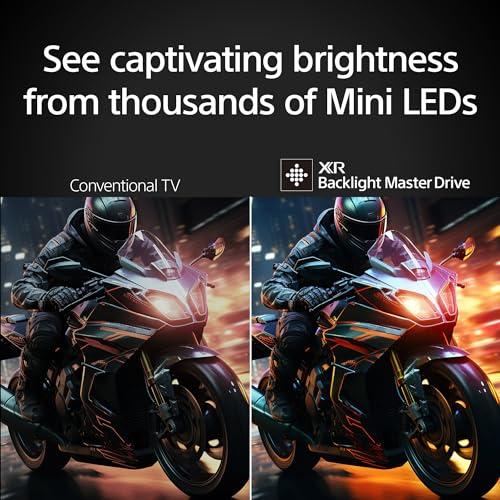
The Sony BRAVIA 5 uses what Sony calls the XR Backlight Master Drive system. This isn't just marketing speak – it's a sophisticated approach to controlling those thousands of Mini LEDs. The system can analyze each scene in real-time and adjust not just brightness, but also coordinate the backlight with the color and contrast processing to minimize issues like "blooming" (when bright objects create halos of light around them on dark backgrounds).
Sony's XR Cognitive Processor is doing something pretty remarkable here. Instead of just processing the image in a traditional way, it's trying to mimic how human vision works. Our eyes don't see everything in a scene equally – we focus on specific areas while our peripheral vision handles the rest. The Sony processor identifies what it thinks you should be looking at and optimizes that area while still maintaining quality everywhere else.
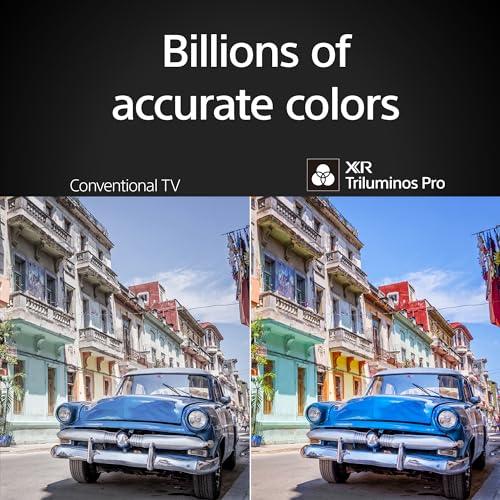
The XR Triluminos Pro color system focuses on accuracy over wow-factor. When you're watching a sunset scene, Sony wants you to see the sunset as the filmmaker intended, not as an oversaturated Instagram filter version. This approach really shines with high-quality content like 4K Blu-rays or well-mastered streaming content.
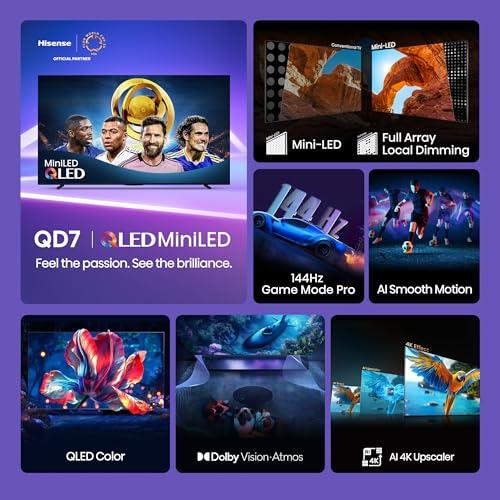
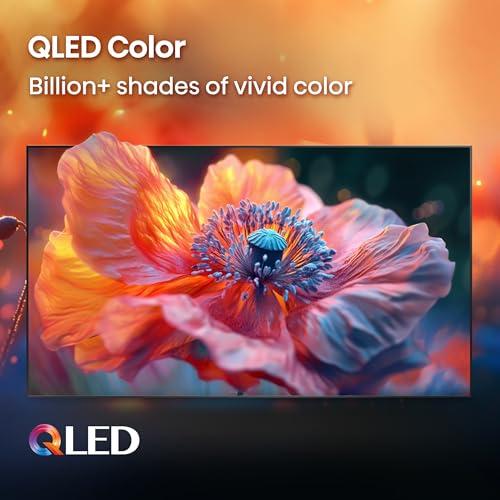
The Hisense QD7 takes a different approach with its QLED Quantum Dot technology. Quantum dots are essentially nano-crystals that can produce very pure colors when hit with light. The result is a color palette that's incredibly vibrant and saturated – the kind of picture that makes you go "wow" when you first see it.
The Full Array Local Dimming on the Hisense is effective but less sophisticated than Sony's implementation. You'll still get good contrast and decent black levels, but you might notice more blooming in challenging scenes with bright objects on dark backgrounds. That said, for most content, especially sports and vibrant movies, this difference might not bother you at all.
Where the Hisense really excels is in making everything look more colorful and punchy than real life. If you're the type of person who cranks up the saturation settings on your current TV, you'll probably love what the QD7 does naturally.
Here's where things get particularly interesting, and where your gaming preferences will heavily influence which TV makes more sense for you.
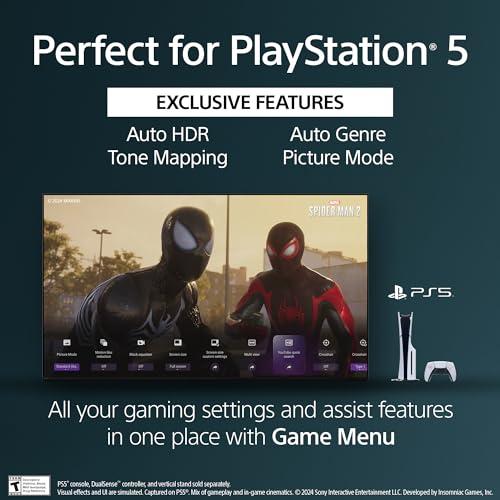
The Sony BRAVIA 5 features deep integration with PlayStation 5, which makes sense given they're made by the same company. When you connect a PS5, the TV automatically switches to optimized gaming modes, adjusts HDR settings, and even changes picture presets based on the type of game you're playing. Action games get different treatment than RPGs, for example.
The 120Hz refresh rate with Sony's XR Motion Clarity technology does an excellent job of reducing motion blur during fast-paced gaming. I've noticed this particularly in racing games and first-person shooters where tracking moving objects smoothly can give you a competitive edge.
Sony also supports G-SYNC Compatible variable refresh rate, which helps eliminate screen tearing when your console's frame rate doesn't perfectly match the display's refresh rate. The result is smoother, more consistent gameplay.
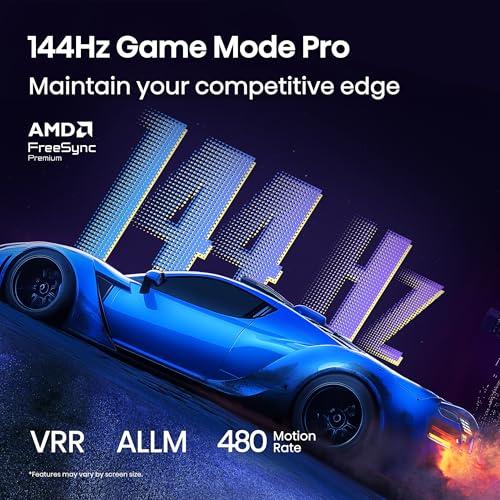
The Hisense QD7 counters with a native 144Hz refresh rate, which is actually quite rare in TVs this size. Most large TVs top out at 120Hz, so having that extra headroom can be valuable if you're gaming on a high-end PC that can push frame rates above 120fps.
The AMD FreeSync Premium Pro support is particularly beneficial for PC gamers using AMD graphics cards, providing smooth variable refresh rate performance across a wide range of frame rates (48-144Hz). The Game Mode Pro also includes features like a real-time game bar that shows your current frame rate and other performance metrics.
Input lag – the delay between when you press a button and when you see the result on screen – is excellent on both TVs, but the Hisense has a slight edge in raw responsiveness, particularly important for competitive gaming.
Both platforms are quite capable, but they represent different philosophies about how you should interact with your TV.
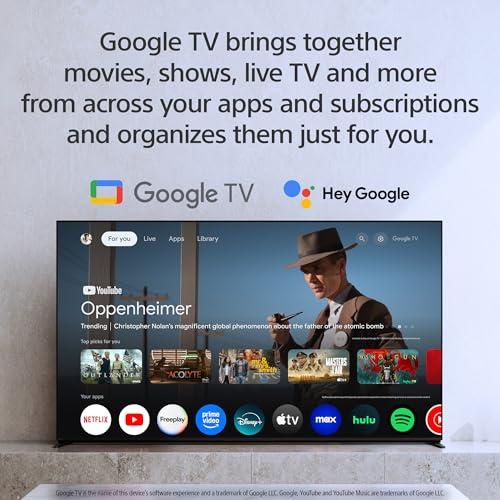
The Sony runs Google TV, which I find to be one of the most intuitive smart TV platforms available. The interface learns your viewing habits and makes surprisingly good recommendations. The integration with Google services is seamless if you're already in that ecosystem, and the voice remote works reliably for searches and basic controls.
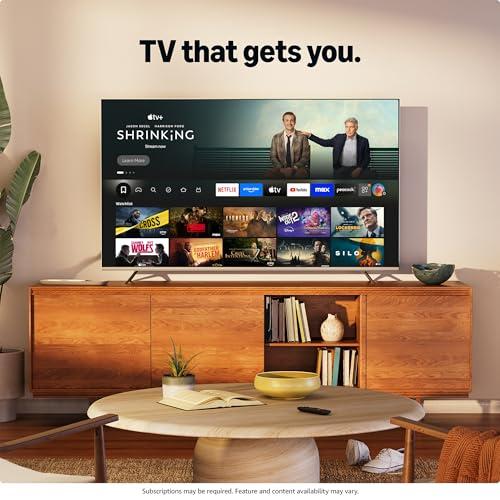
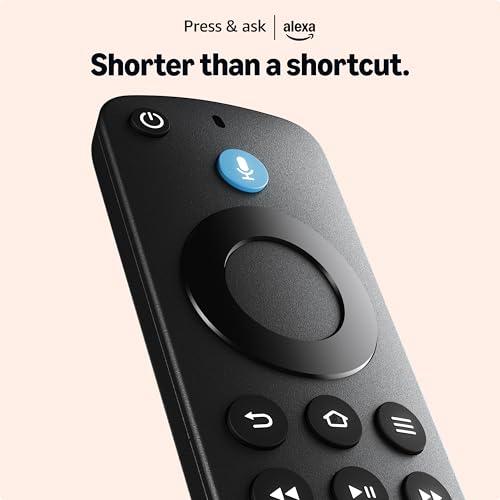
The Hisense uses Amazon's Fire TV platform, which is equally capable but feels more focused on pushing Amazon's content and services. If you're a Prime Video subscriber and use Alexa devices throughout your home, this integration can be quite convenient. The interface is snappy and reliable, though I find the content discovery slightly less sophisticated than Google TV's approach.
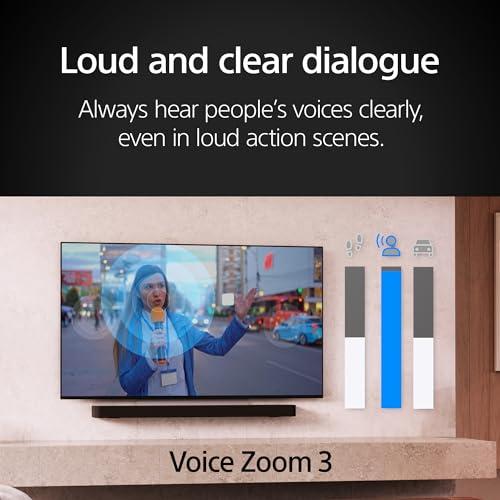
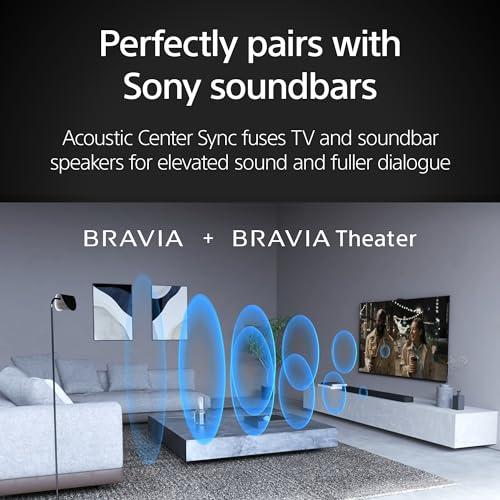
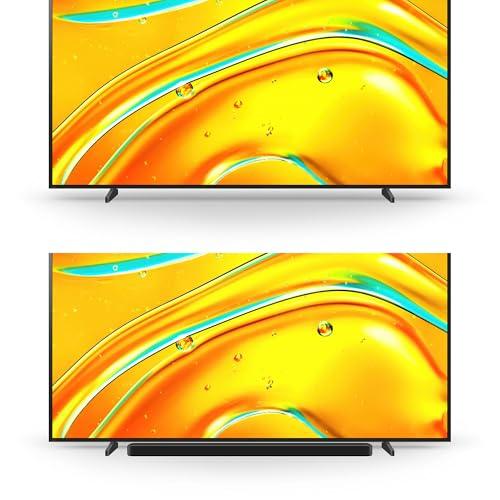
This is an area where the size of these displays creates both opportunities and challenges. The Sony BRAVIA 5 includes some genuinely impressive audio technology for a TV. The Acoustic Multi-Audio system uses multiple speakers positioned around the display to create a more immersive soundfield. Voice Zoom 3 is particularly clever – it uses AI to identify and enhance dialogue, making conversations clearer even during loud action sequences.
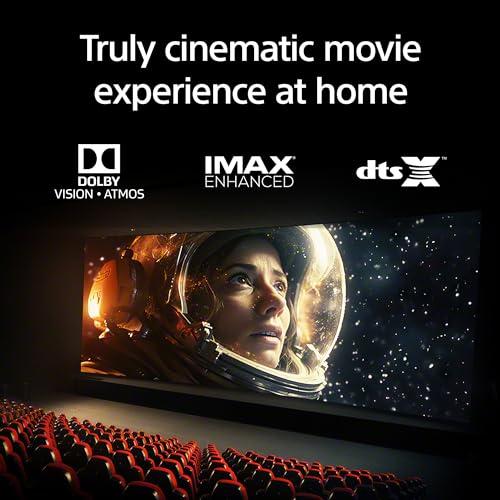
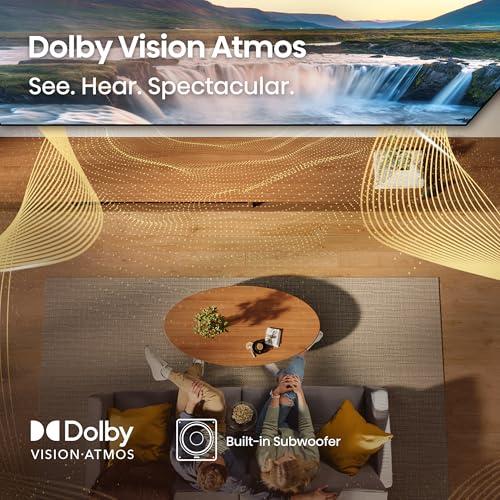
The Dolby Atmos implementation on the Sony actually works quite well for TV speakers, creating a sense of height and space that smaller TVs simply can't achieve. That said, with a screen this large, you're really doing yourself a disservice if you don't pair it with a proper sound system.
The Hisense has decent built-in audio with Dolby Atmos support, but it's clearly not where the company focused their engineering efforts. The speakers are adequate for casual viewing, but they lack the refinement and power that a screen this size deserves.
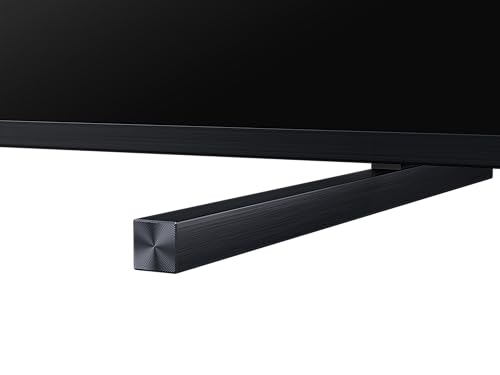
The difference in build quality becomes apparent the moment these TVs are unboxed. The Sony BRAVIA 5 feels like a premium product – the materials, the finish, even the way the stand attaches all communicate quality and attention to detail. The viewing angles are notably better than the Hisense, which matters when you have a screen this large and potentially multiple seating positions.
The backlit remote control might seem like a small thing, but when you're dealing with a TV this size in a darkened room, being able to see the buttons without turning on lights becomes genuinely useful.
The Hisense QD7 has perfectly adequate build quality, but it's clearly built to a price point. The materials feel less premium, and the viewing angles are more limited due to the VA panel technology used. If you're sitting directly in front of the TV, this won't matter, but if you have a wide seating arrangement, people on the sides will notice some color shift and contrast reduction.
Both of these TVs are really designed for home theater use, but they handle the role differently.
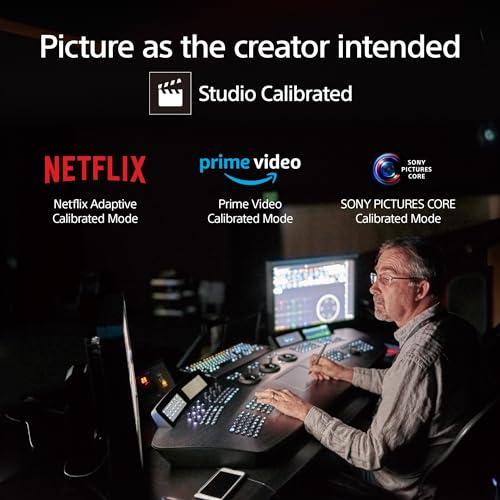
The Sony approach feels more like bringing a commercial cinema experience home. The processing is designed to present content as the creators intended, the color accuracy is exceptional, and the overall experience prioritizes fidelity over flash. If you're serious about movies and have a collection of 4K Blu-rays, the Sony will showcase them beautifully.
The motion handling deserves special mention – Sony's real-time processing does an excellent job with the 24fps content that most movies are shot in, avoiding the dreaded "soap opera effect" that can make films look like cheap TV productions.
The Hisense takes a more consumer-friendly approach that emphasizes immediate visual impact. Colors pop, brightness is impressive, and everything looks vibrant and engaging. For most people watching most content, this approach might actually be more enjoyable, even if it's less technically accurate.
Here's where personal priorities really come into play. The Sony BRAVIA 5 at $5,998 is asking you to pay a significant premium for refinement, processing quality, and brand reputation. You're getting measurably better picture processing, superior build quality, and features that enhance the viewing experience in subtle but meaningful ways.
The Hisense QD7 at $2,199 represents something remarkable – a 100-inch Mini-LED TV for less than what many 75-inch premium TVs cost. You're giving up some refinement and processing sophistication, but you're getting an enormous, capable display that will transform your viewing experience.
The $3,800 price difference could easily fund a high-quality sound system, professional installation, and still leave money left over. That's not an insignificant consideration when building a complete home theater experience.
Choose the Sony BRAVIA 5 98" if:
You're building a serious home theater where picture quality is paramount. The superior processing really shows with mixed content – everything from streaming to Blu-rays to lower-quality sources benefits from Sony's sophisticated upscaling and enhancement. If you're primarily a PlayStation gamer, the console integration features are genuinely useful and enhance the gaming experience.
The Sony makes sense if you watch a lot of movies and want them to look as the filmmakers intended. The color accuracy and motion processing create a more cinema-like experience, especially in a properly darkened room.
Choose the Hisense QD7 100" if:
Your primary goal is maximum screen size for your budget. The visual impact of crossing that 100-inch threshold cannot be overstated – it genuinely changes how you experience content. If you're a PC gamer who can take advantage of the 144Hz refresh rate, that's a compelling technical advantage.
The Hisense also makes sense if you prefer vibrant, punchy colors over absolute accuracy, or if you're new to giant-screen TVs and want to experience the format without the premium investment.
Both televisions will fundamentally transform your viewing experience in ways that are difficult to convey until you've lived with a screen this size. The Sony offers a more refined, premium experience that justifies its higher price through superior processing, build quality, and attention to detail. The Hisense democratizes the giant-screen experience, making it accessible to a much broader audience while still delivering impressive performance.
Your choice ultimately comes down to whether you prioritize technical refinement and are willing to pay for it, or whether maximum value and screen size are your primary concerns. Either way, you're getting a viewing experience that will make your old TV seem like a postage stamp – and that's a pretty wonderful problem to have.
| Sony BRAVIA 5 98" Mini LED 4K Google TV 2025 | Hisense 100-Inch QD7 Series Mini-LED 4K Smart TV |
|---|---|
| Price - Major factor in value equation for giant screens | |
| $5,998 (premium pricing for Sony's processing tech) | $2,199 (exceptional value, nearly 3x less expensive) |
| Screen Size - Impacts viewing immersion and room requirements | |
| 98 inches (massive cinematic presence) | 100 inches (crosses psychological 100" threshold, 4% more area) |
| Backlight Technology - Controls contrast and black levels | |
| XR Backlight Master Drive with thousands of Mini LEDs, advanced local dimming | Full Array Local Dimming with Mini LEDs, fewer zones than Sony |
| Picture Processor - Determines image quality and upscaling performance | |
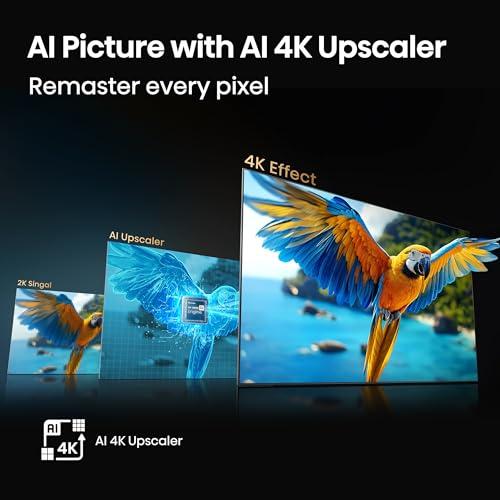
| XR Cognitive Processor with AI scene recognition, mimics human vision | Standard AI 4K Upscaler without advanced scene analysis |
| Color Technology - Affects vibrancy vs accuracy | |
| XR Triluminos Pro for natural, accurate color reproduction | QLED Quantum Dot for vibrant, saturated colors |
| Refresh Rate - Critical for gaming and sports viewing | |
| 120Hz with XR Motion Clarity (optimized for console gaming) | 144Hz native (rare advantage for PC gaming) |
| Gaming Features - Important for next-gen console and PC gaming | |
| PlayStation 5 optimization, Auto HDR Tone Mapping, G-SYNC compatible | Game Mode Pro, AMD FreeSync Premium Pro, lower input lag |
| HDR Support - Enhances dynamic range in compatible content | |
| Dolby Vision, HDR10, HLG with studio-calibrated modes | HDR10+, Dolby Vision, HLG with standard processing |
| Smart Platform - Affects daily usability and app performance | |
| Google TV with superior content discovery and integration | Fire TV with Alexa integration and Amazon services focus |
| Audio System - Built-in sound quality for large screen viewing | |
| Acoustic Multi-Audio, Voice Zoom 3, advanced Dolby Atmos | Basic speakers with standard Dolby Atmos support |
| Build Quality - Impacts durability and viewing angles | |
| Premium materials, better viewing angles, backlit remote | Functional design, limited viewing angles, standard remote |
| Weight - Installation and mounting considerations | |
| 152.1 lbs (heavier, more robust construction) | 125.7 lbs (lighter, easier installation) |
The Hisense 100-Inch QD7 Series Mini-LED 4K Smart TV at $2,199 offers exceptional value, costing nearly three times less than the Sony BRAVIA 5 98" Mini LED 4K Google TV 2025 at $5,998. While Sony provides superior processing and build quality, Hisense delivers more screen size for significantly less money, making it the clear winner for budget-conscious buyers seeking maximum impact.
The Sony BRAVIA 5 delivers more accurate, cinema-like picture quality with its XR Cognitive Processor and XR Triluminos Pro color technology, focusing on natural color reproduction. The Hisense QD7 emphasizes vibrant, punchy colors through QLED Quantum Dot technology that makes everything look more colorful than real life. Sony excels in accuracy while Hisense prioritizes visual impact.
It depends on your gaming platform. The Sony BRAVIA 5 is optimized for PlayStation 5 with automatic HDR adjustment and game mode switching, plus 120Hz refresh rate. The Hisense QD7 offers 144Hz refresh rate and AMD FreeSync Premium Pro, making it better for PC gaming. Console gamers should choose Sony, while PC gamers will benefit from Hisense's higher refresh rate.
The Sony BRAVIA 5 runs Google TV, which offers superior content discovery, learning your viewing habits for better recommendations, and seamless integration with Google services. The Hisense QD7 uses Fire TV, which works well with Amazon services and Alexa devices but focuses more on promoting Amazon content. Both platforms are capable, so choose based on your existing ecosystem.
The Sony BRAVIA 5 significantly outperforms the Hisense QD7 in audio quality. Sony features Acoustic Multi-Audio with advanced speaker positioning, Voice Zoom 3 for dialogue enhancement, and sophisticated Dolby Atmos processing. Hisense has basic built-in speakers with standard Dolby Atmos support. However, both TVs benefit greatly from external sound systems given their massive screen size.
The Hisense QD7 at 100 inches is slightly larger than the Sony BRAVIA 5 at 98 inches, but the difference is minimal in practice (about 4% more screen area). Both require 12-15 feet minimum viewing distance and substantial wall or stand support. The psychological impact of owning a "100-inch TV" may favor Hisense, but both deliver equally transformative viewing experiences.
The Sony BRAVIA 5 is superior for dedicated home theater setups due to its cinema-accurate color reproduction, advanced motion processing for 24fps movie content, and studio-calibrated modes for streaming services. The processing technology presents content as filmmakers intended. The Hisense QD7 works well for casual home theater use but prioritizes visual pop over accuracy.
The Sony BRAVIA 5 uses XR Backlight Master Drive with more sophisticated local dimming control and better blooming reduction in high-contrast scenes. The Hisense QD7 features Full Array Local Dimming that's effective but less refined, with potentially more noticeable blooming around bright objects on dark backgrounds. Sony's implementation is more advanced but both provide good contrast compared to standard LED TVs.
The Sony BRAVIA 5 offers premium build quality with better materials, superior viewing angles, and a backlit remote control. It weighs 152 lbs compared to the Hisense QD7's 125 lbs, reflecting more robust construction. Hisense has adequate build quality for its price point but uses less premium materials and has more limited viewing angles due to its VA panel technology.
Both TVs support major HDR formats, but with different approaches. The Sony BRAVIA 5 supports Dolby Vision, HDR10, and HLG with studio-calibrated modes for accurate reproduction. The Hisense QD7 supports HDR10+, Dolby Vision, and HLG with standard processing. Sony's implementation focuses on accuracy while Hisense emphasizes visual impact.
The Hisense QD7 is somewhat easier to install due to its lighter weight (125 lbs vs 152 lbs), but both require professional installation given their massive size. Both TVs need substantial wall reinforcement or very large stands. The Sony BRAVIA 5 may require more careful handling due to its premium construction, but both demand similar installation considerations and viewing distance requirements.
For your first giant screen experience, the Hisense QD7 makes more sense due to its lower price point and immediate visual impact. You can experience the transformative nature of 100-inch viewing without the premium investment, leaving budget for sound systems or future upgrades. Choose the Sony BRAVIA 5 if you're committed to premium picture quality and have experience with high-end displays that helps you appreciate the processing differences.
We've done our best to create useful and informative comparisons to help you decide what product to buy. Our research uses advanced automated methods to create this comparison and perfection is not possible - please contact us for corrections or questions. These are the sites we've researched in the creation of this article: tomsguide.com - rtings.com - bestbuy.com - electronics.sony.com - youtube.com - tomsguide.com - youtube.com - avsforum.com - lueckeaudiovideo.com - pro.sony - bestbuy.com - sony.com - pioneertvandappliance.com - youtube.com - valueelectronics.com - heartlandappliance.com - schaeferstv.com - hometechnologyreview.com - hypermicro.com - bestbuy.com - bestbuy.com - youtube.com - hisense-usa.com - bestbuy.com - pcrichard.com - tvsbook.com - hisense-usa.com - pcrichard.com - nfm.com - bestbuy.com - hisense-canada.com - rtings.com - hisense-usa.com - bestbuy.com - hisense-usa.com - hometechnologyreview.com - youtube.com - youtube.com - hometechnologyreview.com - costco.com - custrevs.com

Privacy Policy
Terms and Conditions - Affiliate Policy
Home Security
© Copyright 2008-2026.
11816 Inwood Rd #1211, Dallas, TX 75244