


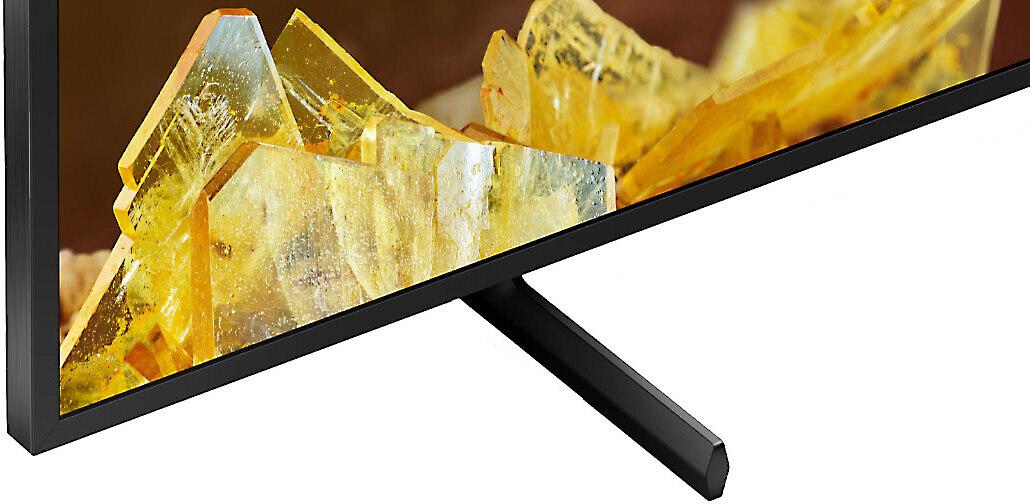
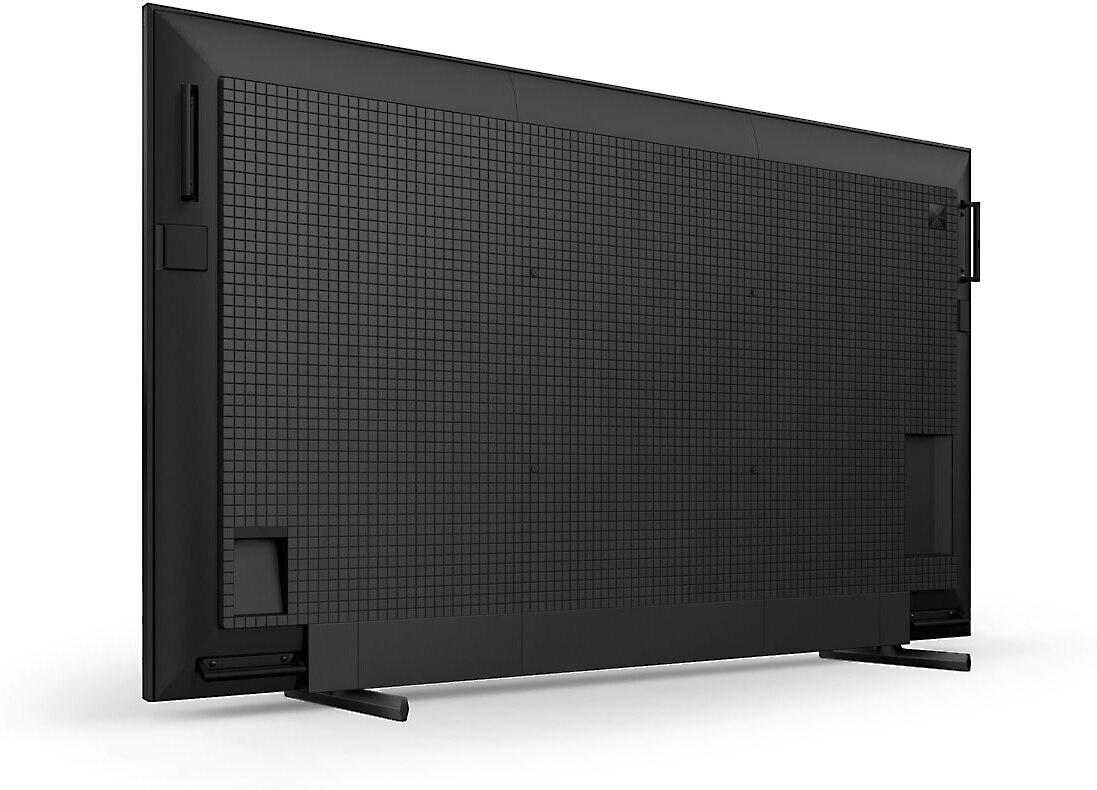
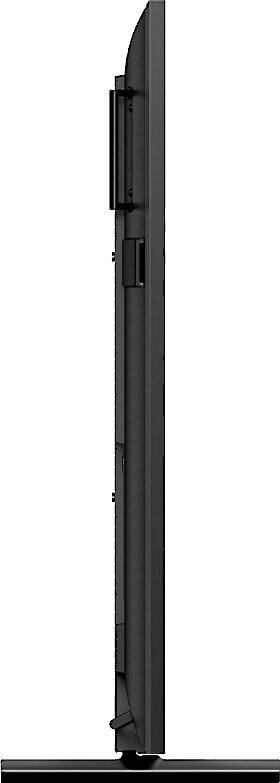
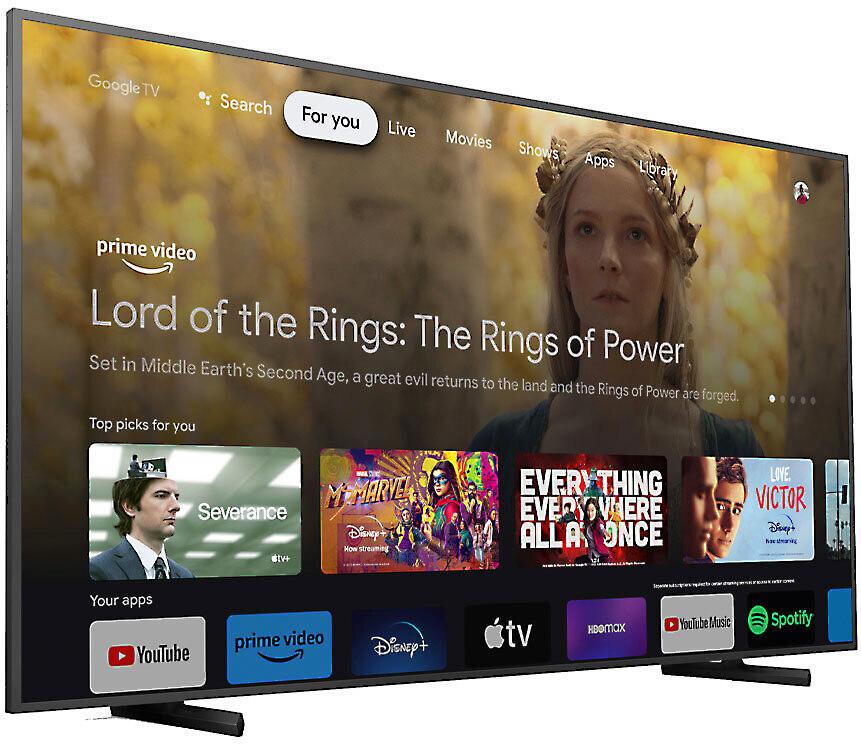

When you're shopping for a 98-inch TV, you're not just buying a television—you're creating the centerpiece of your home entertainment system. These massive displays can transform any living room into a personal movie theater, but with price tags ranging from $4,000 to $6,000, choosing the right one matters more than ever.
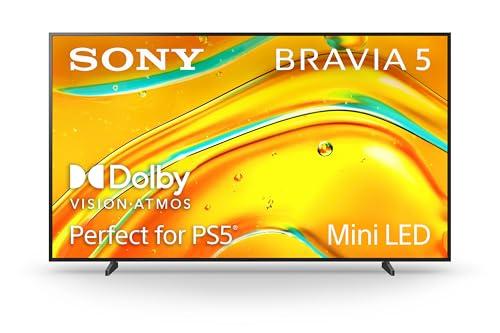
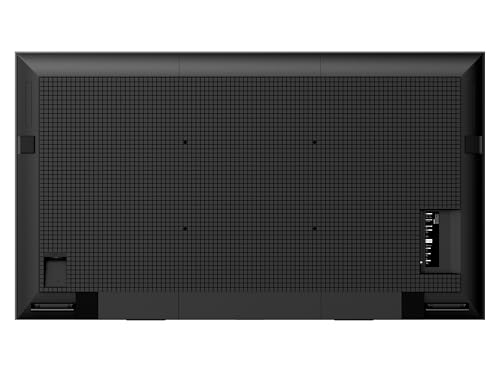
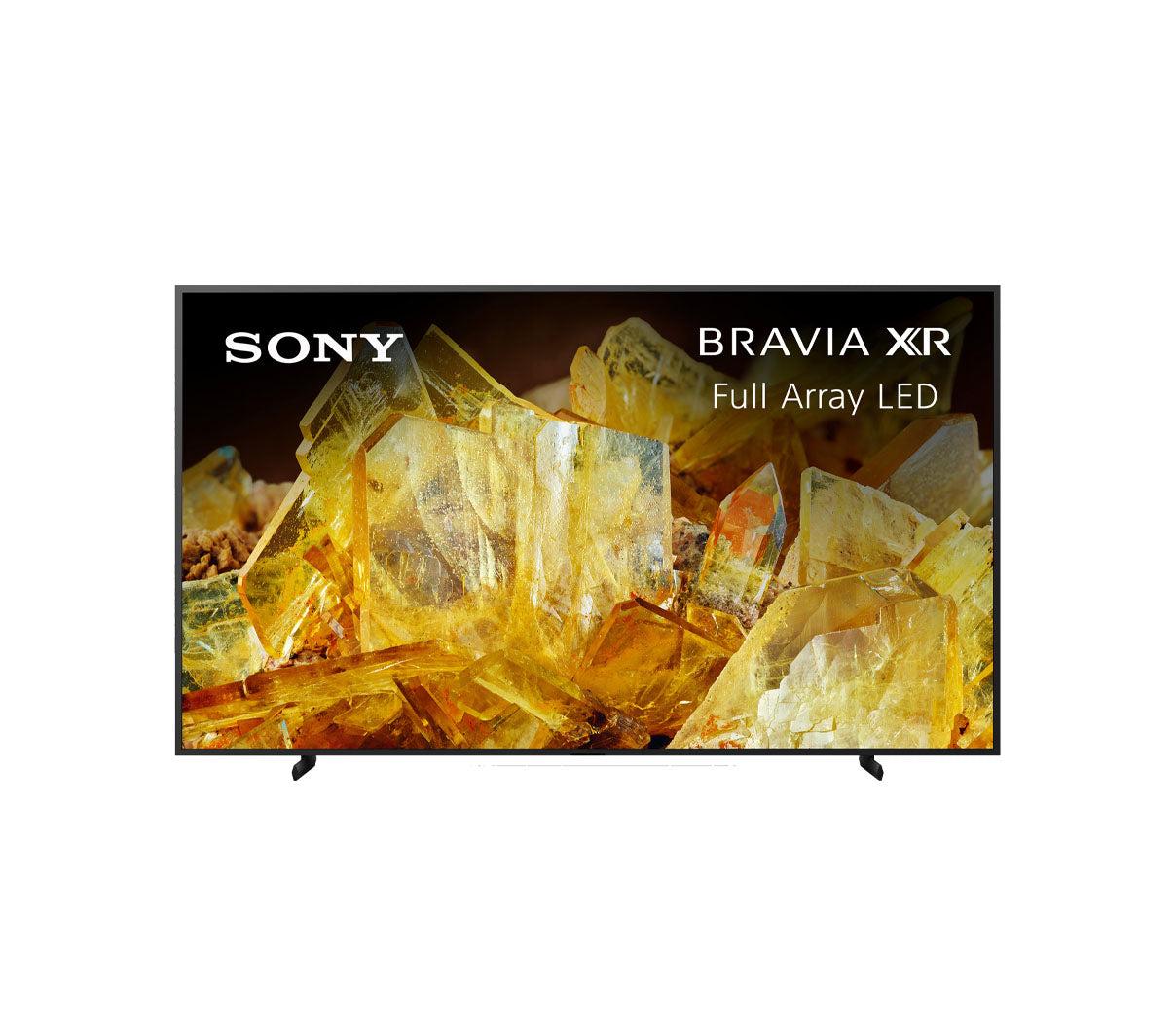
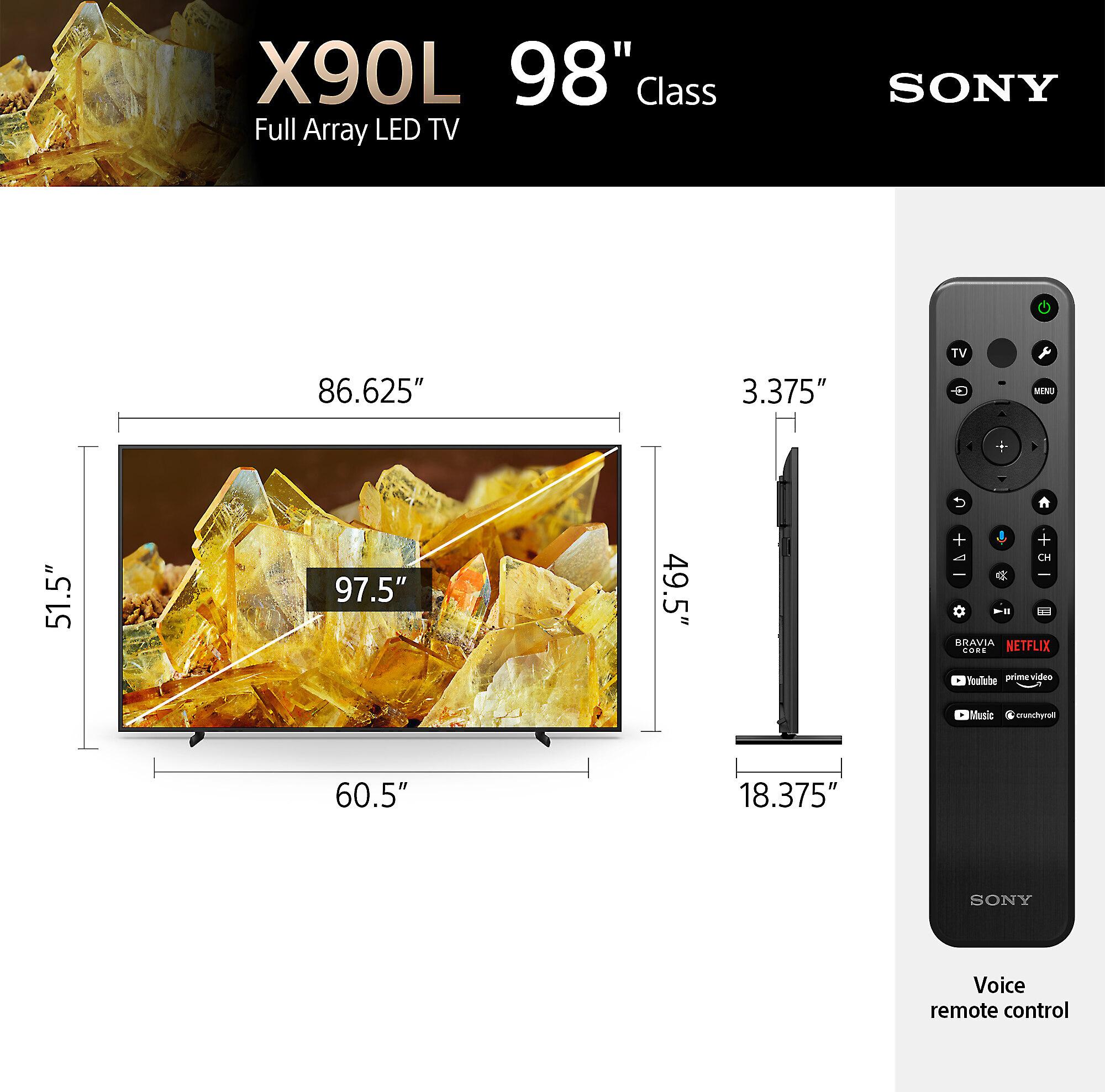
Today we're comparing two Sony giants: the newer BRAVIA 5 98" Mini LED 4K Google TV (2025) at $5,998 and the BRAVIA XR X90L 98" 4K UHD LED Google TV from 2023, now available for $4,059. That $2,000 price difference tells a story about rapidly evolving display technology and the premium you pay for being on the cutting edge.
Both televisions belong to Sony's premium large-screen category, but they represent different generations of display technology. Think of it like comparing a 2025 luxury car with advanced safety features to a 2023 model that's still excellent but lacks the newest innovations.
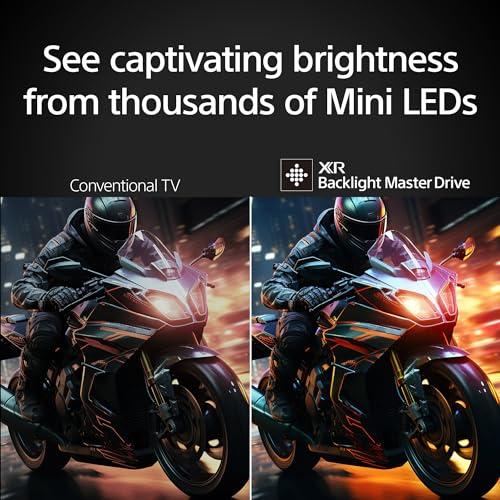
The fundamental difference lies in how they create the picture you see. The BRAVIA 5 uses Mini LED backlighting—imagine thousands of tiny LED lights working together like a perfectly coordinated orchestra, each one dimming or brightening independently to create precise contrast. The X90L uses Full Array LED, which is more like having fewer, larger sections of lights that can't be controlled as precisely.
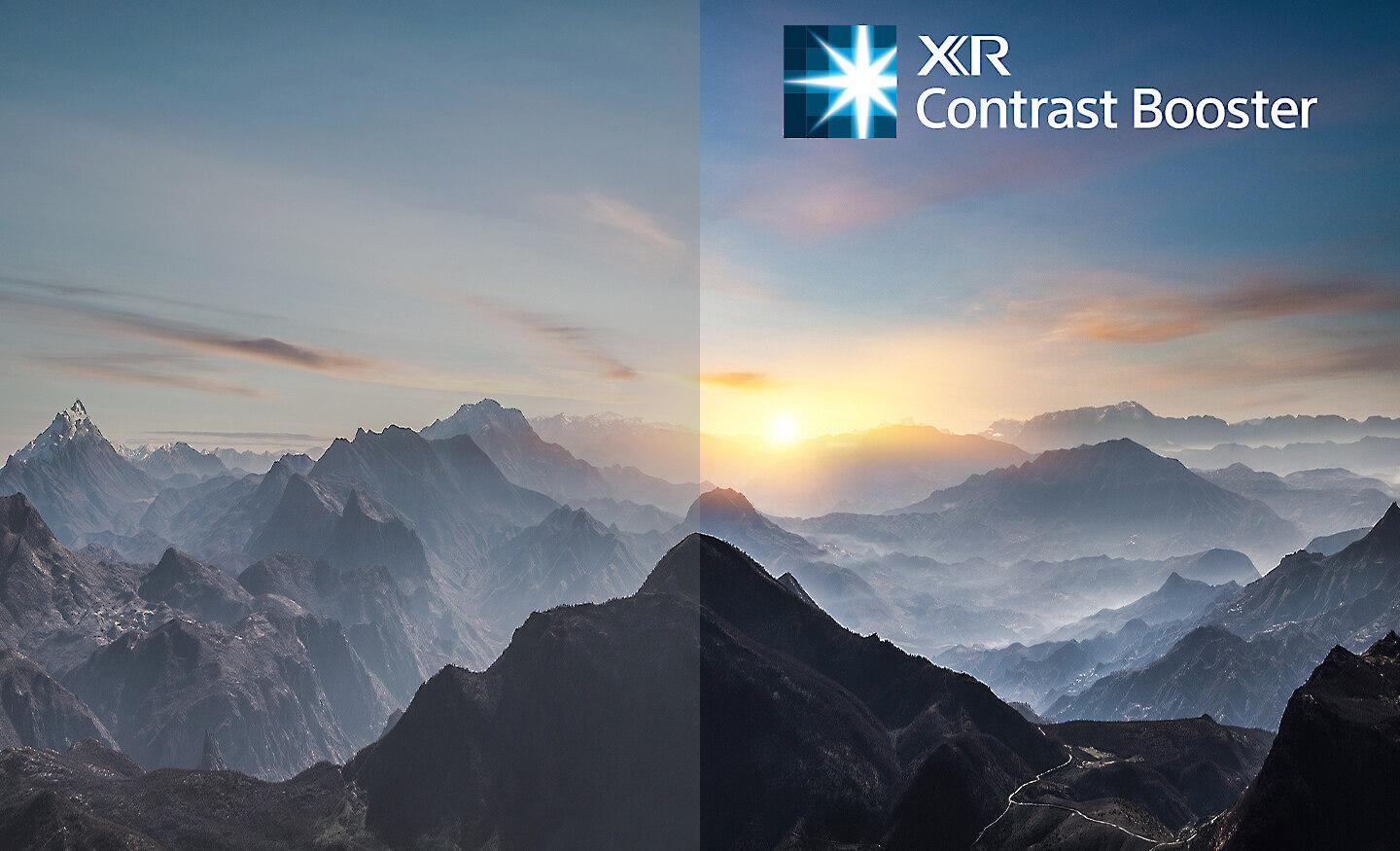
For home theater enthusiasts, this distinction matters enormously. When you're watching a movie scene with stars against a dark sky, Mini LED can keep those stars bright while making the surrounding space truly black. Traditional LED backlighting often creates a subtle glow around bright objects, called "blooming," which breaks the cinematic illusion.
The BRAVIA 5's Mini LED system represents a significant leap forward from 2023's technology. Sony's XR Backlight Master Drive controls thousands of individual Mini LEDs—each roughly the size of a grain of rice—to create what reviewers describe as "almost OLED-like" black levels. This is impressive because OLED technology has long been considered the gold standard for deep blacks, but it comes with brightness limitations that Mini LED can overcome.
When I've compared Mini LED TVs side-by-side with traditional LED models, the difference in dark scenes is immediately obvious. Watching something like "Dune" or "Blade Runner 2049," where much of the action happens in shadowy environments, the Mini LED's ability to maintain detail in dark areas while keeping bright elements vivid creates a more immersive experience.
The X90L, released in 2023, was actually quite advanced for its time. Its Full Array LED system offered 60% more dimming zones than Sony's previous generation, which was a meaningful improvement. However, technology moves fast in the TV world, and what seemed cutting-edge two years ago now appears limited when compared to Mini LED's precision.
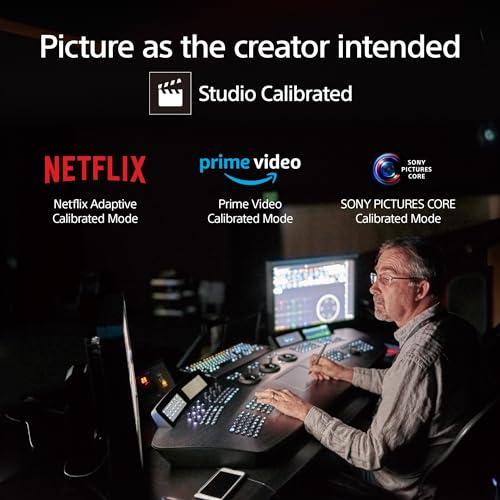
Both TVs use Sony's Cognitive Processor XR, which analyzes content in real-time to optimize picture quality. This processor doesn't just adjust brightness and color—it actually mimics how human vision works, focusing on the most important parts of the image first. It's like having a film colorist and lighting expert working inside your TV, making thousands of micro-adjustments every second.
This is where the $2,000 price difference between these models becomes most apparent. The BRAVIA 5's Mini LED implementation creates what professional reviewers consistently describe as exceptional contrast with minimal blooming. When you're watching a thriller with dark scenes punctuated by bright streetlights or explosions, the Mini LED can keep those lights brilliant without washing out the surrounding darkness.
The X90L struggles more in these scenarios. While it's still a good performer, you'll notice more blooming around bright objects in dark scenes. This isn't necessarily a dealbreaker for casual viewing, but if you're building a dedicated home theater room where you'll be watching movies in controlled lighting, the difference becomes more significant.
I've found that contrast performance affects viewing enjoyment more than most people expect. It's not just about technical specifications—it's about whether you feel drawn into the movie or distracted by visual artifacts that remind you you're watching a screen.
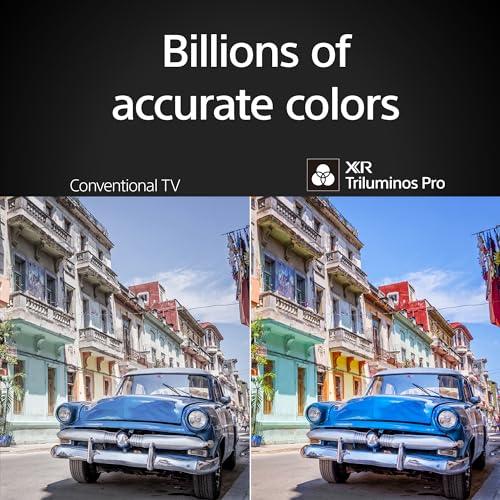
Both models feature Sony's XR Triluminos Pro technology, which expands the color gamut (the range of colors the TV can display) beyond standard displays. Think of it like having a larger paint palette to work with—more subtle shades and richer tones become possible.
However, the BRAVIA 5 leverages its Mini LED backlight to display these colors more accurately, especially in challenging mixed-lighting scenes. When you're watching nature documentaries or animated films where vibrant colors are crucial, the improved backlight control makes those colors pop without bleeding into adjacent areas.
HDR (High Dynamic Range) performance tells an interesting story with both models. HDR content is designed to display brighter highlights and deeper shadows than standard video, creating more lifelike images. The BRAVIA 5 shows improvement in HDR brightness compared to the X90L, though reviewers note that neither model matches the absolute peak brightness of Samsung's flagship TVs or Sony's own Bravia 9.
For most home theater setups, this moderate HDR brightness isn't necessarily a problem. Unless you're dealing with significant ambient light, both TVs provide satisfying HDR performance that brings out details in challenging content like sunset scenes or indoor shots with windows.
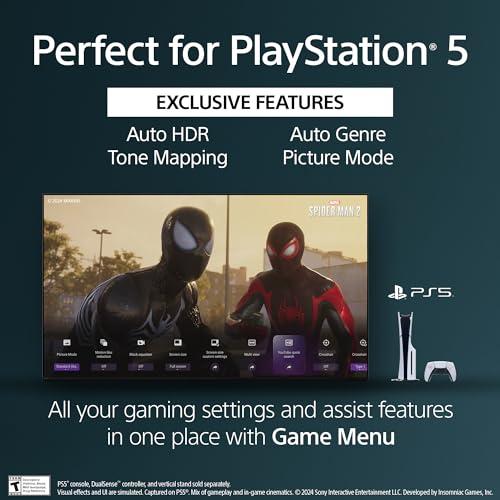
The gaming landscape has evolved dramatically since the X90L's 2023 release. Next-generation consoles like the PlayStation 5 and Xbox Series X demand specific features that the BRAVIA 5 handles more capably.
Input lag—the delay between pressing a controller button and seeing the action on screen—matters enormously for competitive gaming. The BRAVIA 5 achieves approximately 10ms input lag in Game Mode, which puts it in competitive territory with gaming-focused displays. The X90L, while decent, shows higher lag outside of Game Mode and slower overall pixel response times.
This difference becomes apparent in fast-paced games. Fighting games, first-person shooters, and racing games all benefit from the BRAVIA 5's quicker response. If gaming is a priority in your home theater setup, this performance gap helps justify the price premium.
The BRAVIA 5 supports both HDMI Forum VRR (Variable Refresh Rate) and G-SYNC compatibility, while the X90L only offers the former. VRR technology synchronizes the TV's refresh rate with your gaming console's output, eliminating screen tearing and stuttering. G-SYNC compatibility extends this benefit to PC gaming with NVIDIA graphics cards.
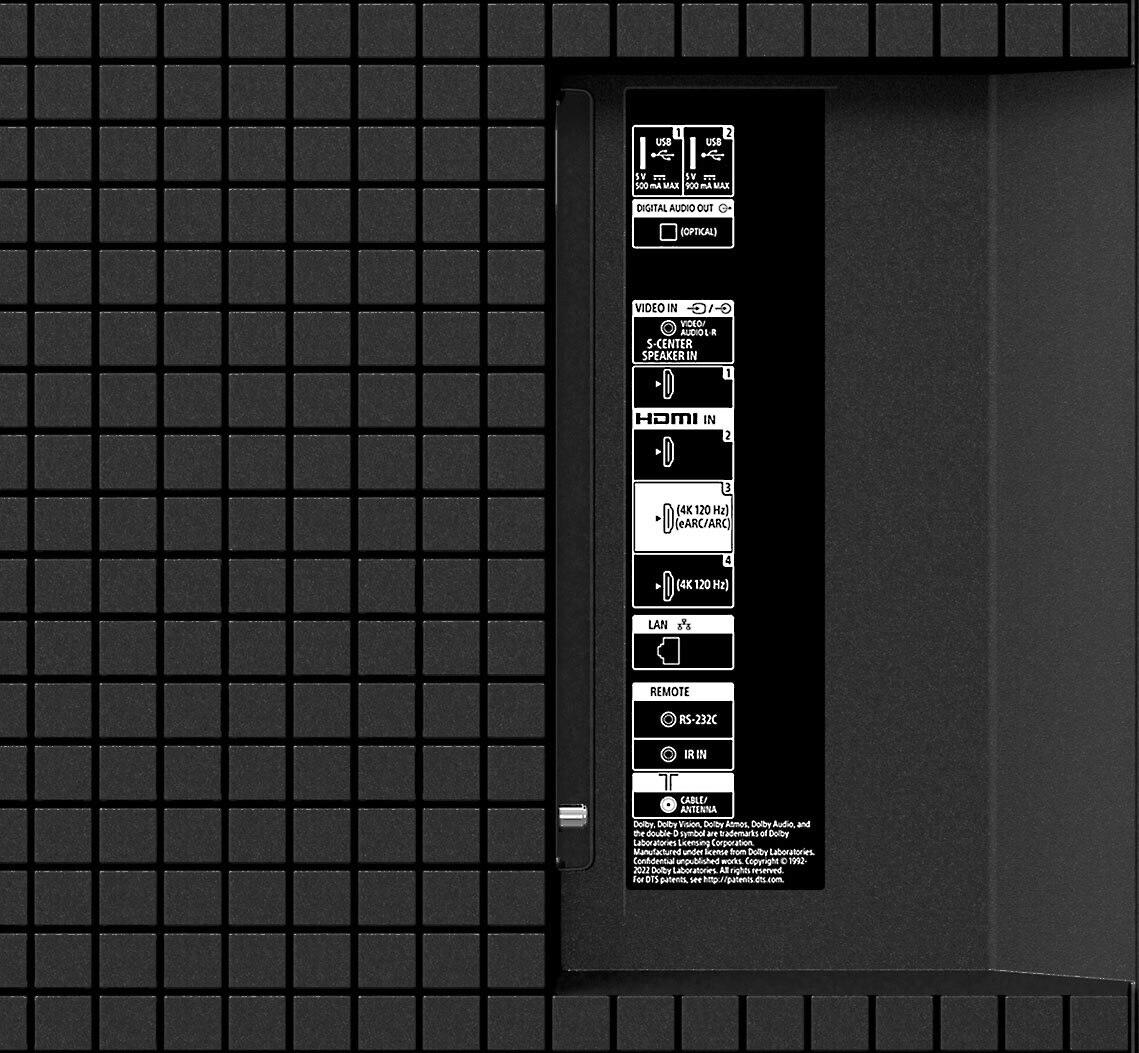
Both models support 4K gaming at 120Hz, which is crucial for getting the most out of PlayStation 5 and Xbox Series X games that offer high-frame-rate modes. However, the BRAVIA 5's superior processing and newer HDMI implementation handle these signals more reliably.
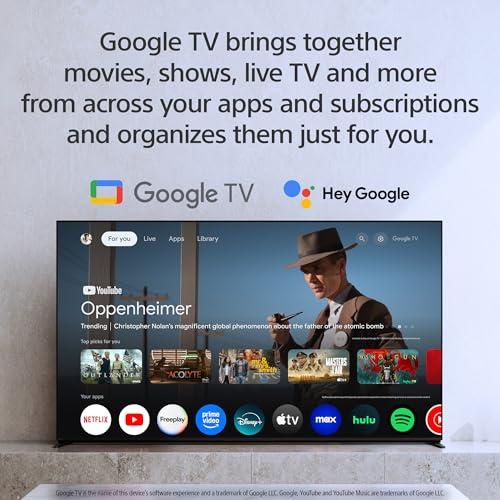
The software experience reveals another important distinction between these models. The BRAVIA 5 runs Google TV OS version 12, while the X90L uses an older version that will likely receive fewer future updates.
This matters more than you might expect. Streaming services regularly update their apps with new features, improved interfaces, and enhanced video codecs. A newer OS version typically means better compatibility with these updates and longer-term support from Google and app developers.
Both TVs offer comprehensive streaming app support, including Netflix, Disney+, Amazon Prime Video, and Apple TV+. The BRAVIA 5 includes compatibility with Sony's optional BRAVIA Cam, which uses artificial intelligence to optimize picture and sound settings based on where you're sitting. This feature can automatically adjust brightness, color temperature, and even audio settings to provide the best experience for your viewing position.
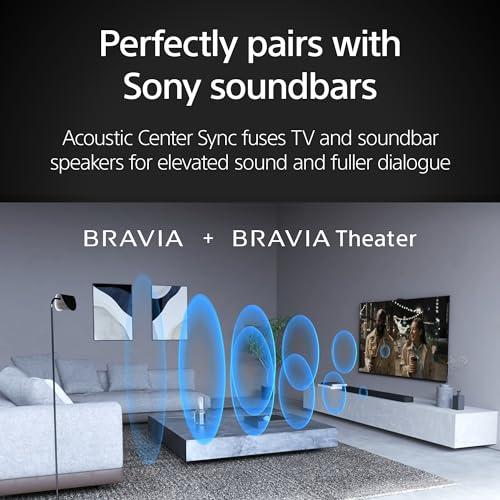
For dedicated home theater setups, both TVs offer features that integrate well with external audio systems. Sony's Acoustic Center Sync technology allows the TV's built-in speakers to work as a center channel when paired with compatible Sony soundbars or receivers. This creates more precise dialogue placement and can improve the overall surround sound experience.
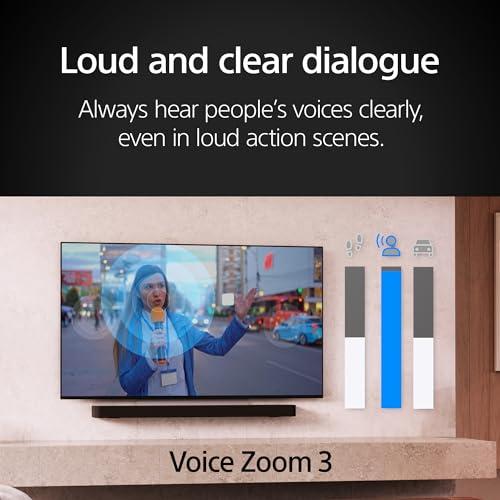
The BRAVIA 5's newer processing also includes enhanced voice clarity features. Voice Zoom 3 uses AI to identify and amplify dialogue, which proves particularly useful in action movies where explosions and music might otherwise overpower speech.
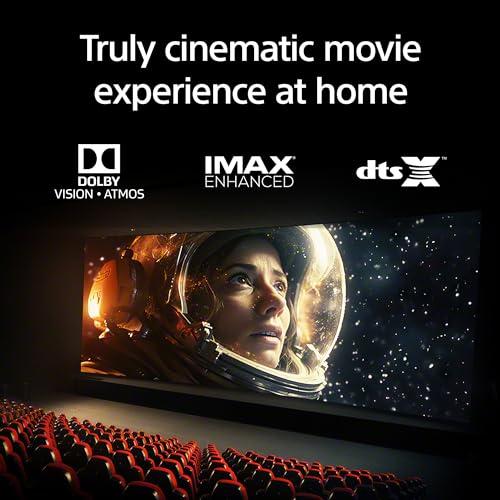
Both models support Dolby Vision and HDR10, the two most important HDR formats for premium streaming content and 4K Blu-rays. They also handle Dolby Atmos audio passthrough, so your surround sound system can process the full three-dimensional audio experience that modern movies provide.
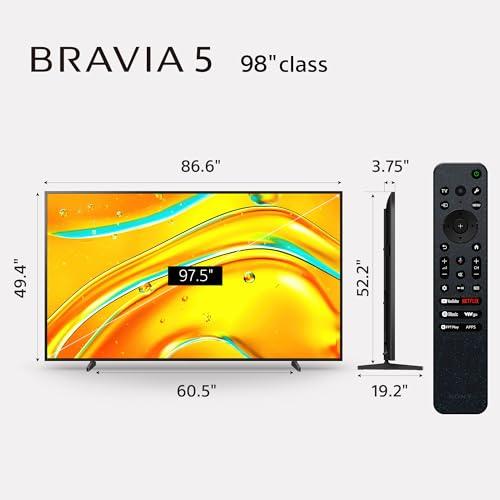
Living with a 98-inch TV requires some practical considerations that affect both models equally. These displays measure over 8 feet wide and weigh more than 150 pounds, requiring careful room planning and robust mounting solutions.
Viewing distance becomes critical at this size. The ideal seating distance for 4K content is typically 6-12 feet, which means these TVs work best in larger rooms. Sitting too close can make individual pixels visible, while sitting too far reduces the immersive advantage of the large screen.
Both models use VA (Vertical Alignment) panels, which provide excellent contrast when viewed straight-on but show color and brightness degradation when viewed from the sides. This limitation affects wide seating arrangements, making these TVs better suited for focused, theater-style seating rather than casual family room layouts where people might be spread around the room.
The $2,000 price difference between these models represents more than just newer technology—it's about whether cutting-edge display performance justifies the premium in your particular situation.
The BRAVIA 5 makes the most sense for enthusiasts who prioritize the best possible picture quality and gaming performance. If you're building or upgrading a dedicated home theater room, regularly watch movies with challenging lighting (think Christopher Nolan films or modern sci-fi), or do serious gaming, the Mini LED advantages become daily benefits that justify the higher cost.
The X90L, despite being two years older, remains an excellent choice for buyers who want the large-screen experience without paying for the absolute latest technology. Its picture quality is still impressive for most content, and the $2,000 savings could fund significant upgrades to your audio system, seating, or room treatment.
Consider your viewing habits honestly. If you primarily watch bright comedies, sports, or daytime television, the contrast advantages of Mini LED matter less than if you're frequently watching dark, cinematic content. Similarly, casual gamers might not notice the input lag differences that competitive players find crucial.
The BRAVIA 5 represents Sony's vision of where large-screen TV technology is heading, with Mini LED backlighting that delivers measurably better contrast and gaming features designed for the latest consoles. It's a premium product with premium performance that will likely age better as content and gaming technology continue evolving.
The X90L offers most of Sony's picture processing excellence at a more accessible price point. While it lacks the newest display technology, it still provides an impressive 98-inch viewing experience that would satisfy most home theater setups.
Your choice should align with both your performance expectations and budget reality. The BRAVIA 5 delivers meaningful improvements that justify its premium for serious enthusiasts, while the X90L provides excellent value for those who want Sony quality without paying for cutting-edge technology. Either way, you're getting a television that can serve as the centerpiece of an impressive home theater experience.
| Sony BRAVIA 5 98" Mini LED 4K Google TV 2025 | Sony BRAVIA XR X90L 98" 4K UHD LED Google TV |
|---|---|
| Price - The $2,000 difference reflects newer Mini LED technology | |
| $5,998 | $4,059 |
| Display Technology - Mini LED provides thousands more dimming zones for better contrast | |
| Mini LED with XR Backlight Master Drive (thousands of zones) | Full Array LED with local dimming (60% more zones than predecessors) |
| Contrast Performance - Critical for dark movie scenes and mixed lighting content | |
| "Almost OLED-like" blacks with minimal blooming | Good contrast but noticeable blooming in high-contrast scenes |
| Gaming Input Lag - Essential for competitive gaming and next-gen consoles | |
| ~10ms in Game Mode (competitive with gaming displays) | Higher lag outside Game Mode, slower pixel response |
| VRR Support - Eliminates screen tearing for smoother gaming | |
| HDMI Forum VRR + G-SYNC compatibility | HDMI Forum VRR only |
| Smart TV OS - Newer version means longer app support and updates | |
| Google TV OS v12 (latest features) | Google TV OS (older version, fewer future updates) |
| HDR Brightness - Affects how impactful HDR movies and games appear | |
| Improved peak brightness but still moderate for class | Struggles with HDR impact, especially in bright highlights |
| Release Date - Affects long-term value and technology relevance | |
| 2025 (cutting-edge Mini LED implementation) | 2023 (mature but older Full Array LED) |
| Future-Proofing - How well it will handle evolving content standards | |
| Better positioned for next-gen gaming and streaming | Limited upgrade path, established performance plateau |
| Best For - Target buyer based on priorities and budget | |
| Home theater enthusiasts prioritizing contrast and gaming | Value-conscious buyers wanting large-screen Sony quality |
The biggest difference is display technology. The Sony BRAVIA 5 98" Mini LED 4K Google TV 2025 uses advanced Mini LED backlighting with thousands of dimming zones, while the Sony BRAVIA XR X90L 98" 4K UHD LED Google TV uses traditional Full Array LED with fewer zones. This gives the BRAVIA 5 much better contrast and deeper blacks.
The X90L at $4,059 offers excellent value for a 98-inch Sony TV with good picture quality. The BRAVIA 5 at $5,998 costs $2,000 more but delivers significantly better contrast and gaming performance. Choose the X90L for budget-conscious buyers or the BRAVIA 5 if you want cutting-edge display technology.
For home theater enthusiasts who watch a lot of dark, cinematic content, yes. The BRAVIA 5's Mini LED technology creates "almost OLED-like" blacks with minimal blooming, making movies more immersive. Casual viewers watching bright content may not notice enough difference to justify the premium over the X90L.
Both TVs handle moderate ambient light well but struggle with direct sunlight due to reflections. Neither has advanced anti-reflective coatings found on premium Samsung models. The BRAVIA 5 has slightly better brightness, but room lighting control is important for both models.
Both TVs offer similar built-in audio with Dolby Atmos support and Acoustic Center Sync for Sony soundbars. The BRAVIA 5 includes Voice Zoom 3 for enhanced dialogue clarity. However, at 98 inches, most buyers pair these TVs with dedicated sound systems where the built-in speakers become less important.
The X90L at $4,059 represents excellent current value for a 98-inch Sony TV. However, if you can afford the BRAVIA 5 at $5,998, the Mini LED technology and better gaming features make it more future-proof. Don't wait unless you need the absolute latest features, as good deals on large TVs are rare.
Both the BRAVIA 5 and X90L offer similar setup experiences with Google TV's intuitive interface. The BRAVIA 5 has slightly newer software and optional BRAVIA Cam compatibility for automatic optimization. Both require professional installation due to their size and weight, so setup complexity is similar.
We've done our best to create useful and informative comparisons to help you decide what product to buy. Our research uses advanced automated methods to create this comparison and perfection is not possible - please contact us for corrections or questions. These are the sites we've researched in the creation of this article: tomsguide.com - rtings.com - bestbuy.com - electronics.sony.com - youtube.com - tomsguide.com - youtube.com - avsforum.com - lueckeaudiovideo.com - pro.sony - bestbuy.com - sony.com - pioneertvandappliance.com - youtube.com - valueelectronics.com - heartlandappliance.com - schaeferstv.com - avsforum.com - valueelectronics.com - youtube.com - bestbuy.com - electronics.sony.com - stewartappliance.com - rcwilley.com - rtings.com - abt.com - pcrichard.com - videoandaudiocenter.com - avsforum.com

Privacy Policy
Terms and Conditions - Affiliate Policy
Home Security
© Copyright 2008-2026.
11816 Inwood Rd #1211, Dallas, TX 75244