

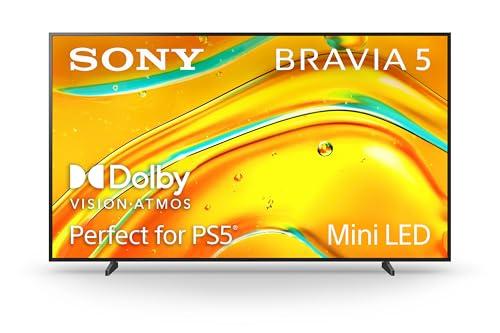
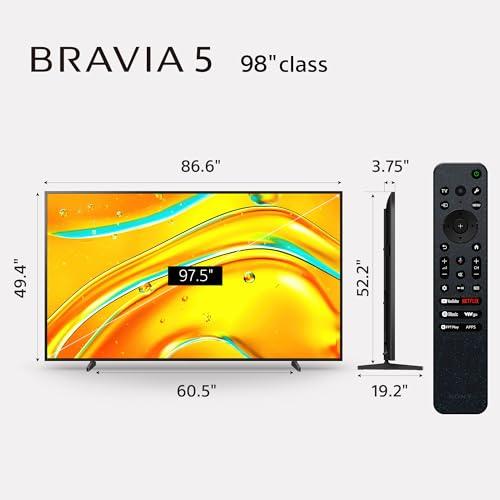
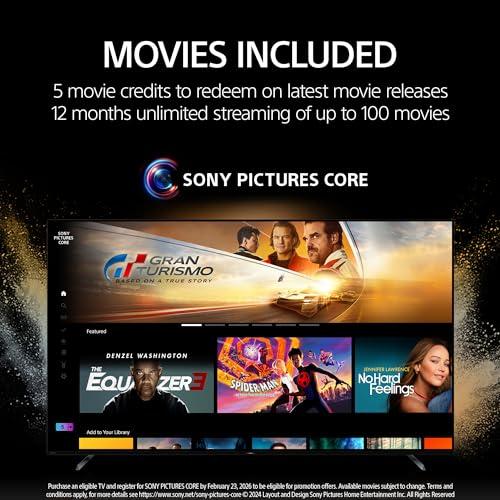
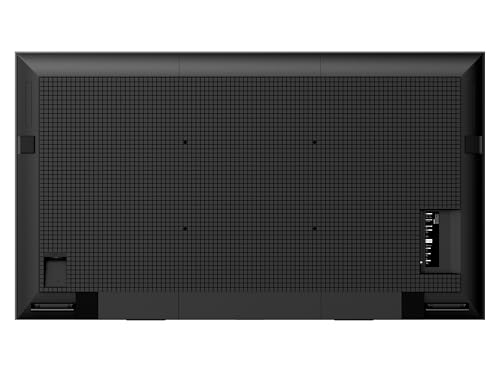
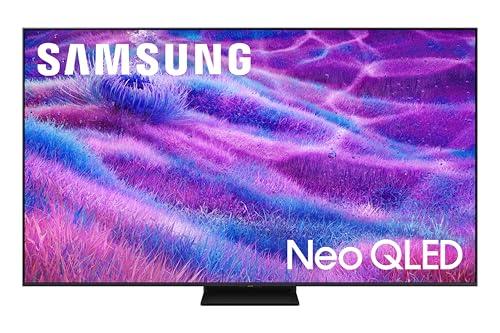
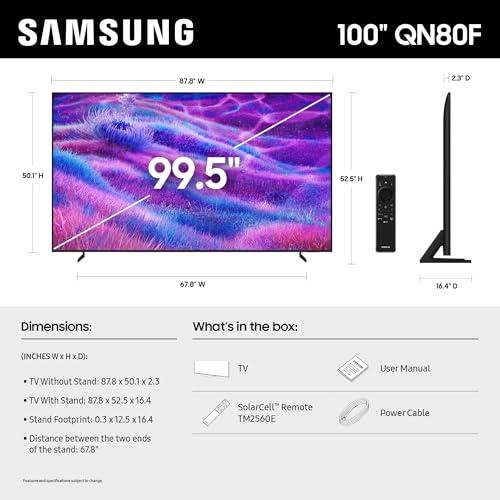


When you're shopping for a TV that's nearly as wide as a king-size bed, you're not just buying a display—you're investing in the centerpiece of your home entertainment experience. The Sony BRAVIA 5 98" Mini LED 4K Google TV ($5,999.99) and Samsung 100" Neo QLED QN80F 4K Smart TV represent two compelling approaches to premium large-screen viewing, each with distinct advantages that could make or break your decision.
Large-screen TVs over 95 inches have become the new frontier for home entertainment enthusiasts. These displays essentially bring the movie theater experience into your living room, but they demand careful consideration of several key factors that smaller TVs can get away with glossing over.
Picture quality becomes absolutely critical at this size because every flaw gets magnified across that massive screen real estate. Smart features matter more too, since these TVs often become the hub of your entire entertainment ecosystem. Gaming performance has exploded in importance as next-generation consoles push 4K at high frame rates, and value considerations become complex when you're spending thousands of dollars.
The technology landscape has evolved dramatically over the past few years. Both Mini LED (used by Sony) and Neo QLED (Samsung's approach) represent significant advances over traditional LED backlighting. These technologies use thousands of tiny LEDs to create precise lighting zones across the screen, delivering deeper blacks and brighter highlights than ever before—though they achieve this goal through slightly different methods.
The Sony BRAVIA 5 98" launched in mid-2025 as Sony's answer to the growing demand for cinema-sized displays at more accessible price points. Sony has always positioned itself as the choice for videophiles who prioritize accuracy over flashiness, and this philosophy permeates every aspect of the BRAVIA 5's design.
At the heart of Sony's approach lies their XR Processor, now in its third generation. Think of this as the TV's brain—it analyzes every scene in real-time and makes thousands of micro-adjustments to optimize color, contrast, and clarity. What makes Sony's processor unique is its focus on mimicking human visual perception rather than simply enhancing everything for maximum wow factor.
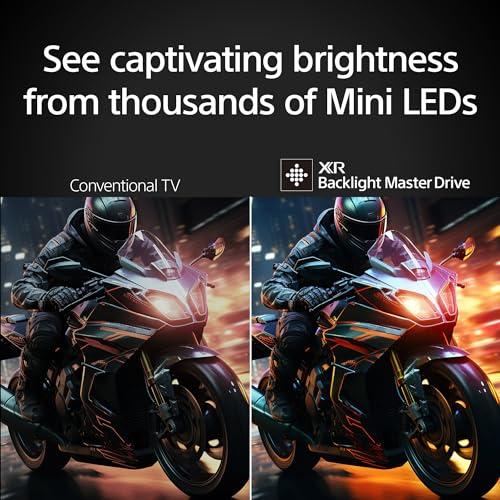
The Mini LED backlight system deserves special attention here. Sony calls their implementation "XR Backlight Master Drive," and it controls thousands of individual Mini LEDs (much smaller than traditional LED backlights) to create precise lighting zones. When you're watching a scene with a bright star field against deep space, each star can have its own dedicated lighting while the surrounding darkness stays truly black. This creates contrast ratios that approach OLED performance while maintaining the brightness advantages of LED technology.
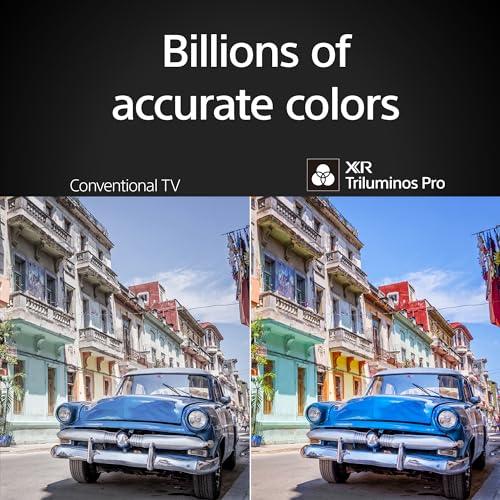
Sony's XR Triluminos Pro color technology expands the available color palette significantly. Instead of the standard red, green, and blue LEDs, Sony adds additional blue and green phosphors to create billions of color variations. The result is more natural skin tones and vibrant-yet-realistic colors that don't look artificially boosted.
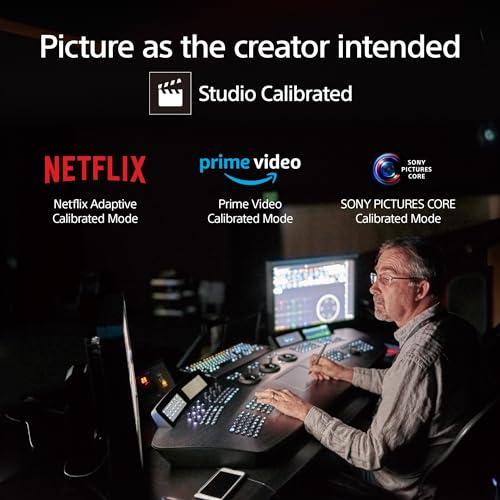
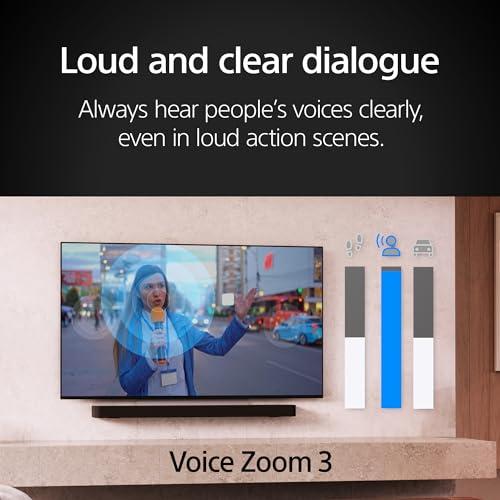
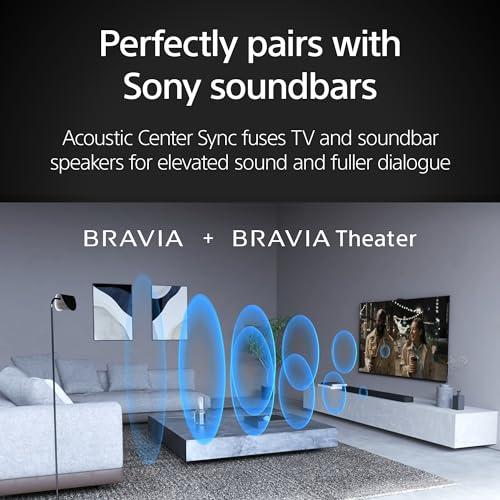
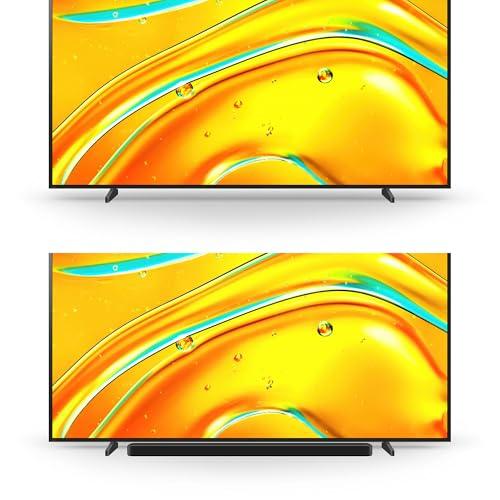
For movie enthusiasts, Sony includes several features that preserve the filmmaker's original intent. Filmmaker Mode automatically adjusts settings to match cinema standards, while Dolby Vision support ensures you're seeing HDR content exactly as the director intended. The TV can even serve as a center channel speaker when paired with compatible Sony soundbars—a unique feature that creates more cohesive dialogue placement in surround sound setups.
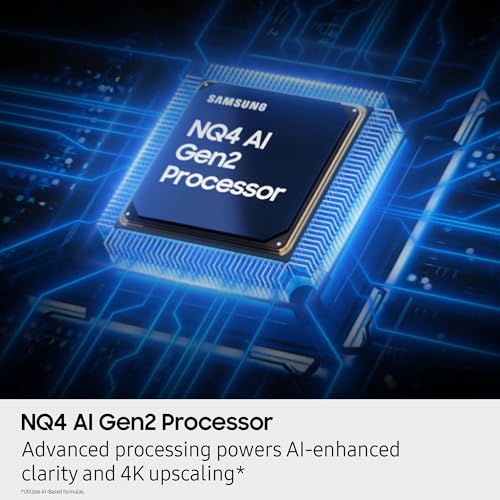
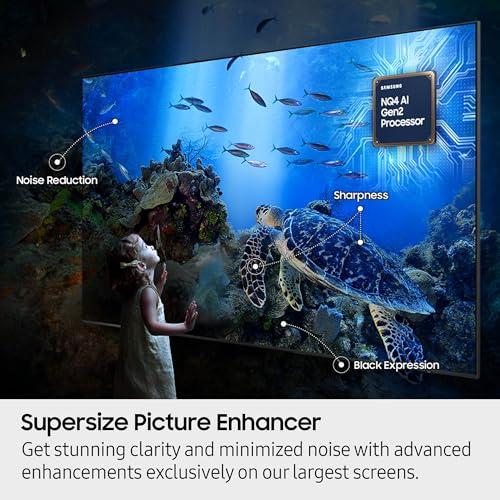
Samsung took a different approach with the QN80F 100", which represents their philosophy of using artificial intelligence to optimize performance for any viewing scenario. Released alongside Sony's model in 2025, the Samsung packs their NQ4 AI Gen2 Processor, which employs 20 separate neural networks to continuously analyze and enhance content.
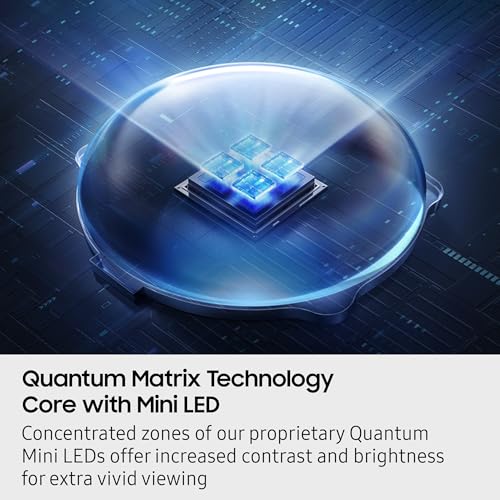
The Neo QLED technology at the TV's core uses Quantum Matrix Technology to control Mini LEDs with unprecedented precision. Samsung's approach focuses on maximizing brightness and minimizing blooming (the halo effect around bright objects on dark backgrounds). Their Quantum Dot layer converts blue LED light into precise red and green wavelengths, creating a wider color gamut with improved efficiency.
One of Samsung's most impressive innovations is their Glare-Free technology. Traditional anti-glare coatings often make images look washed out, but Samsung's implementation maintains color accuracy and contrast while dramatically reducing reflections. This makes the QN80F much more versatile in bright living rooms where traditional TVs would struggle with window glare.
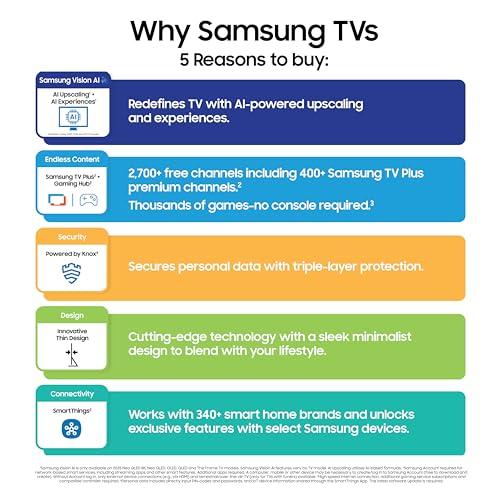
The AI capabilities extend beyond simple picture processing. Samsung's Vision AI can recognize different types of content and automatically switch between optimized modes. Watching a documentary? The AI might boost detail and reduce noise. Gaming session? It switches to low-latency mode with enhanced motion clarity. Sports broadcast? The AI can even identify and enhance grass textures while keeping player uniforms crisp.
Samsung's approach to audio processing is equally sophisticated. Adaptive Sound Pro uses AI to analyze your room's acoustics and adjust the sound profile accordingly. The system can even distinguish between different types of audio content—dialogue, music, sound effects—and optimize each separately.
The fundamental difference between these TVs lies in their approach to backlighting, and understanding these differences helps explain their respective strengths and weaknesses.
Sony's Mini LED implementation prioritizes natural color reproduction and deep blacks. The XR Backlight Master Drive can dim individual zones to near-zero brightness, creating inky blacks that rival OLED displays. However, Sony's more conservative approach to peak brightness means HDR highlights might not pop with the same intensity as Samsung's approach.
Samsung's Neo QLED system pushes brightness higher, making HDR content more impactful in bright rooms. The Quantum Matrix Technology can achieve higher peak brightness levels, which translates to more dramatic highlights in HDR movies and games. However, this aggressive approach can sometimes lead to slightly less natural color reproduction in certain scenes.
Both systems represent massive improvements over traditional edge-lit LED displays. The increased number of dimming zones (thousands versus hundreds in older TVs) means much better control over local contrast. Neither technology suffers from the uniformity issues common in older large-screen displays.
Gaming performance has become a crucial differentiator in premium TVs, and these two models take noticeably different approaches to serving gamers.
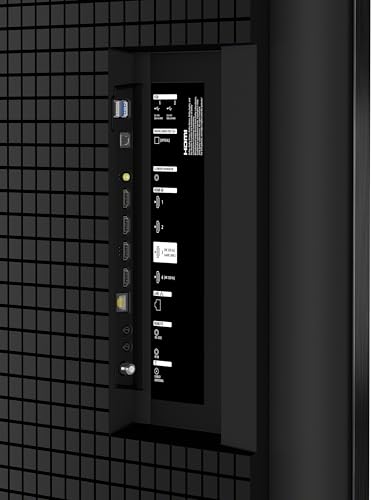
The Sony BRAVIA 5 includes two HDMI 2.1 ports capable of handling 4K signals at 120Hz refresh rates. Sony supports both HDMI Forum VRR (Variable Refresh Rate) and G-SYNC compatibility, which eliminates screen tearing and stuttering during gaming. Input lag in gaming mode measures exceptionally low, ensuring responsive gameplay for competitive gaming.
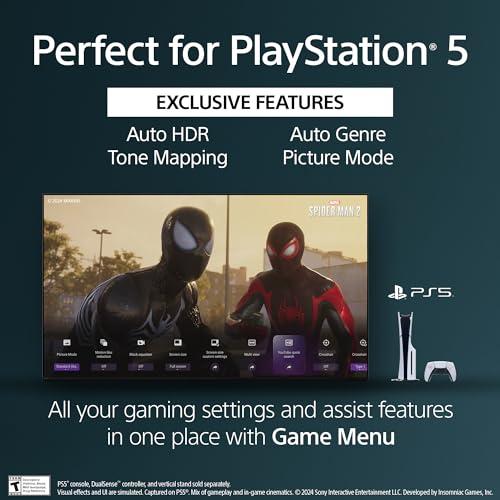
Sony's gaming features shine brightest when paired with a PlayStation 5. The TV includes Auto HDR Tone Mapping specifically for Sony's console, plus automatic switching to optimized picture modes when gaming sessions begin. For PlayStation enthusiasts, this integration creates a seamless experience that's hard to match.
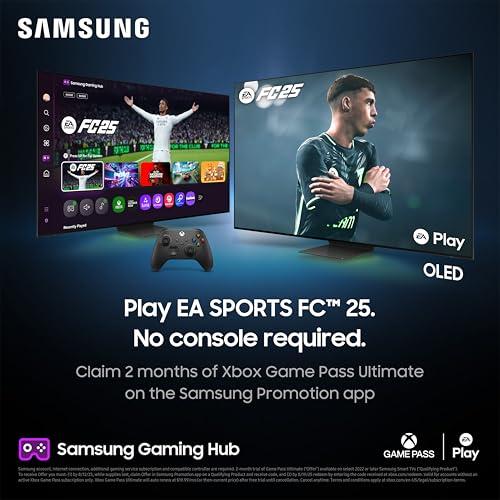
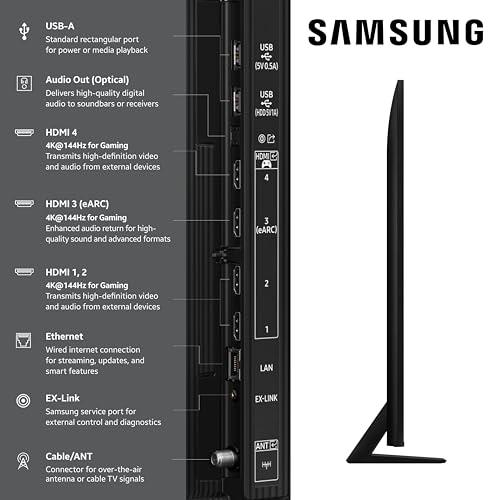
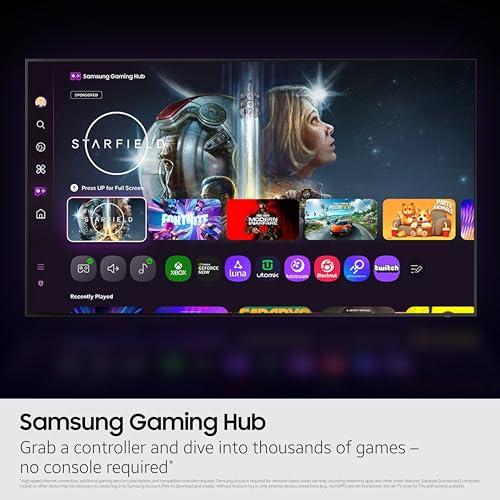
Samsung's approach casts a wider net with four HDMI 2.1 ports supporting not just 4K at 120Hz, but also 4K at 144Hz for compatible PC gaming setups. The QN80F supports FreeSync Premium Pro, which offers broader VRR ranges than Sony's implementation. Samsung's Game Bar overlay provides real-time performance metrics and quick access to settings like ultra-wide aspect ratios (21:9 and 32:9 modes that crop the image for immersive gaming).
The AI Auto Game Mode deserves special mention—it can detect different game genres and automatically optimize settings. Playing a fast-paced shooter? The TV prioritizes motion clarity and input lag. Enjoying a story-driven RPG? It switches to enhanced color and detail modes.
For serious gamers, Samsung's approach offers more flexibility and features, while Sony provides superior integration for PlayStation users.
Modern premium TVs serve as the hub of connected homes, making the smart platform choice crucial for long-term satisfaction.
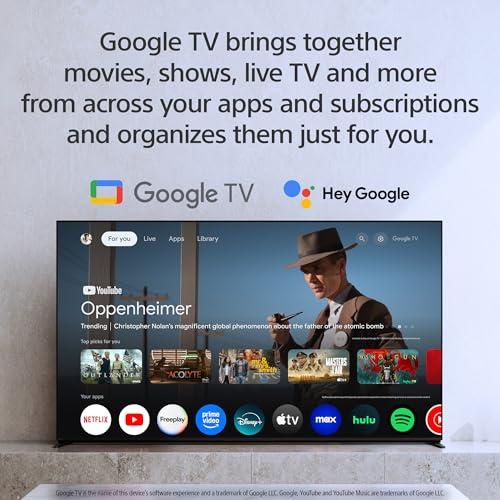
Sony's Google TV platform (version 12) offers the most comprehensive app ecosystem. Every major streaming service is available, plus thousands of additional apps through the Google Play Store. Voice search through Google Assistant works incredibly well—you can search across multiple streaming services simultaneously or control smart home devices without picking up the remote.
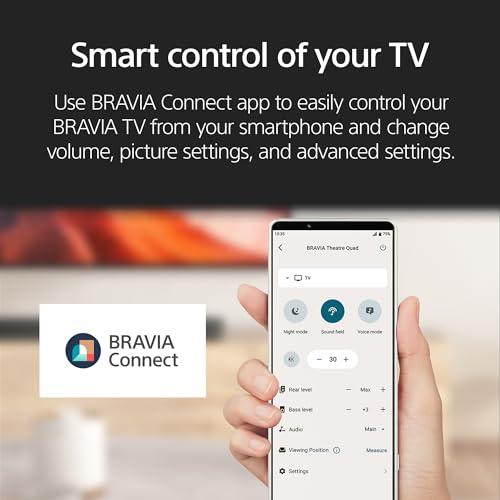
The integration with Google services creates seamless experiences for Android phone users. You can cast content, share photos, or even use your phone as a remote control. Chromecast functionality is built-in, making it easy to share content from any device.
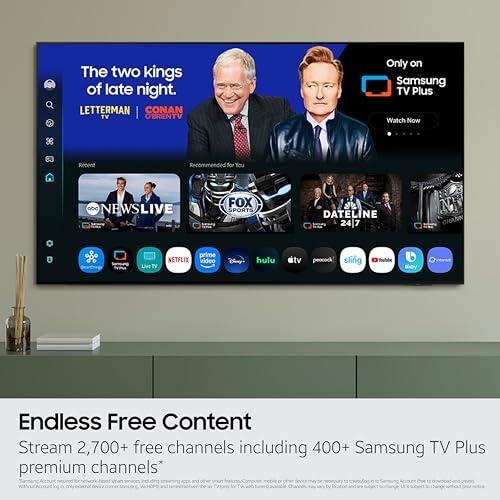
Samsung's Tizen platform takes a different approach, focusing on AI-driven personalization and smart home integration. The Vision AI system learns your viewing habits and proactively suggests content you might enjoy. Samsung TV Plus provides free streaming channels, while the platform integrates deeply with Samsung's SmartThings ecosystem for home automation.
One unique Samsung feature is Generative Wallpaper, which uses AI to create custom artwork based on keywords you provide. When the TV isn't actively displaying content, it can function as a piece of dynamic art that matches your room's aesthetic.
Large-screen TVs present unique audio challenges—the bigger the screen, the more important it becomes to have sound that matches the visual scale.
Sony's Acoustic Multi-Audio system attempts to align sound with on-screen action by using multiple speakers positioned around the display. The most interesting feature is the TV's ability to function as a center channel when paired with compatible Sony soundbars. This creates more natural dialogue placement since voices appear to come directly from actors' mouths rather than from a separate speaker below the screen.
Samsung's approach emphasizes room adaptation and AI optimization. Adaptive Sound Pro analyzes your room's acoustics and adjusts the audio profile to compensate for factors like furniture placement and wall materials. Object Tracking Sound (OTS Lite) attempts to move audio around the screen to match visual movement—a car driving from left to right will have its engine sound follow the same path.
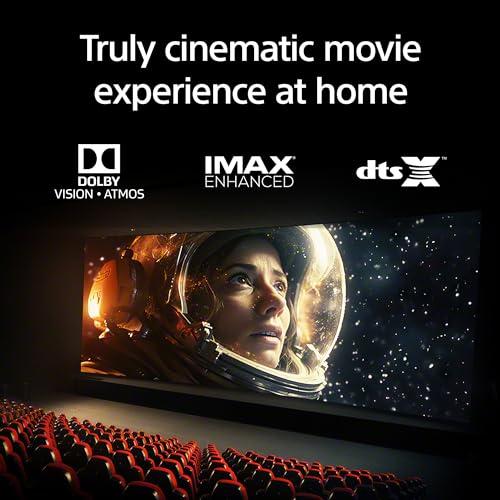
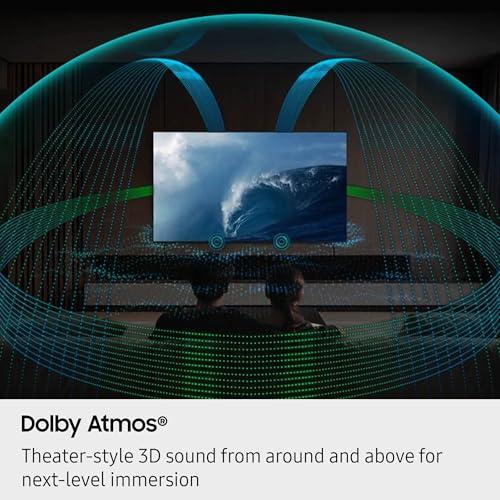
Both TVs support Dolby Atmos, but their implementations differ significantly. Sony focuses on accuracy and integration with external audio systems, while Samsung emphasizes AI-driven optimization and standalone performance.
Having spent considerable time with both technologies in dedicated home theater environments, the differences become most apparent in controlled lighting conditions.
The Sony BRAVIA 5 truly shines in dark rooms where its superior black levels create an almost OLED-like viewing experience. Colors appear more natural and less artificially boosted, which becomes especially important during long viewing sessions. The upscaling performance for older content—like classic films or lower-resolution streaming—is genuinely impressive, often making 1080p content look surprisingly sharp on the massive 98-inch screen.
However, Sony's more conservative brightness approach can feel limiting in bright rooms. HDR content, while accurate, might not deliver the same visceral impact as Samsung's brighter implementation.
The Samsung QN80F excels in versatile lighting conditions. The Glare-Free coating makes it usable even in rooms with large windows, while the higher peak brightness ensures HDR content maintains its impact regardless of ambient light. The AI processing creates consistently impressive results across different content types, though purists might find the enhancement occasionally aggressive.
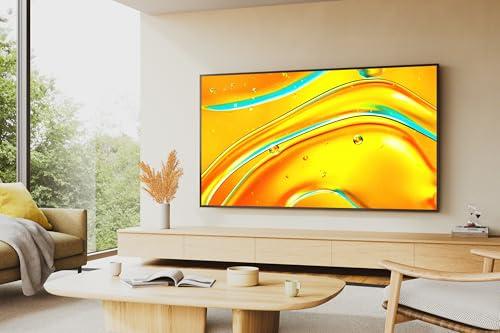
The 100-inch size advantage becomes significant in larger rooms. That extra two inches of diagonal might not sound like much, but it translates to noticeably more screen area and a more immersive experience.
At $5,999.99, the Sony BRAVIA 5 represents exceptional value for a 98-inch Mini LED display. This pricing makes cinema-quality picture performance accessible to enthusiasts who previously might have considered projectors or waited for OLED prices to drop.
The Samsung QN80F commands a premium (estimated $6,500-7,000) but justifies it through the larger screen size, more comprehensive gaming features, and superior bright-room performance. For buyers prioritizing versatility and maximum screen real estate, the additional cost may prove worthwhile.
The choice between these two exceptional displays ultimately depends on your specific viewing environment and priorities.
Choose the Sony BRAVIA 5 if you have a dedicated home theater space with controlled lighting, prioritize cinema-accurate color reproduction, own a PlayStation 5, or value the Google TV ecosystem. Sony's approach rewards viewers who appreciate subtle refinements and natural image quality.
The Samsung QN80F makes more sense for bright living rooms, serious multi-platform gamers, or viewers who want maximum screen size and AI-driven convenience features. Samsung's philosophy embraces enhancement and optimization for immediate visual impact.
Both TVs represent significant technological achievements that bring professional-grade picture quality to home environments. Your viewing room, content preferences, and ecosystem loyalties should guide this decision more than minor technical specifications. Either choice will deliver a transformative large-screen experience that justifies the premium pricing.
The future of home entertainment lies in these cinema-sized displays, and both Sony and Samsung have created compelling options that push the boundaries of what's possible in living room entertainment. The question isn't whether these TVs are worth the investment—it's which approach better matches your vision of the perfect home theater experience.
| Sony BRAVIA 5 98" Mini LED 4K Google TV 2025 | Samsung 100" Neo QLED QN80F 4K Smart TV 2025 |
|---|---|
| Screen Size - Bigger is better for immersive viewing, but consider room size | |
| 98" diagonal (massive cinema experience) | 100" diagonal (maximum home theater impact) |
| Display Technology - Determines picture quality and performance characteristics | |
| Mini LED with XR Backlight Master Drive (cinema-accurate blacks) | Neo QLED with Quantum Matrix Technology (brighter, more vibrant) |
| Peak Brightness - Critical for HDR impact and bright room viewing | |
| Moderate brightness (excellent for dark rooms, limited in bright spaces) | High peak brightness (superior HDR punch, great for any lighting) |
| Processor - The brain that optimizes picture quality | |
| XR Processor 3rd Gen (cinema-focused, natural enhancement) | NQ4 AI Gen2 with 20 neural networks (aggressive AI optimization) |
| Gaming Performance - Essential for console and PC gaming | |
| 2x HDMI 2.1, 4K@120Hz, G-SYNC compatible | 4x HDMI 2.1, 4K@144Hz, FreeSync Premium Pro |
| Smart Platform - Your daily interface for streaming and apps | |
| Google TV (comprehensive app support, excellent voice search) | Tizen with Vision AI (smart recommendations, home automation hub) |
| Anti-Glare Technology - Determines usability in bright rooms | |
| Standard coating (reflections visible in bright environments) | Glare-Free technology (dramatically reduces reflections) |
| Color Accuracy - Important for movie watching and professional use | |
| XR Triluminos Pro (natural, cinema-accurate colors) | Quantum Dot enhancement (vibrant, sometimes oversaturated) |
| Audio Integration - Matters for surround sound setups | |
| Can function as center channel with Sony soundbars | Q-Symphony integration with Samsung soundbars |
| Price - Value consideration for premium large-screen viewing | |
| $5,999.99 (excellent value for 98" Mini LED) | Estimated $6,500-7,000 (premium for size and features) |
| Best For - Primary use case recommendation | |
| Dark home theaters, PlayStation gaming, cinema purists | Bright living rooms, multi-platform gaming, AI convenience |
The Samsung 100" Neo QLED QN80F is significantly better for bright rooms thanks to its Glare-Free technology and higher peak brightness. The anti-reflective coating reduces window glare without washing out colors, while the brighter panel ensures HDR content maintains its impact even with ambient light. The Sony BRAVIA 5 98" performs best in controlled lighting conditions.
While the difference sounds small, the Samsung QN80F 100" provides about 4% more screen area than the Sony BRAVIA 5 98". In practical terms, this translates to a more immersive experience in larger rooms, though both sizes deliver a true cinema-scale viewing experience that dominates any living space.
The Sony BRAVIA 5 98" offers superior PlayStation 5 integration with Auto HDR Tone Mapping and optimized picture modes, while the Samsung QN80F 100" provides more versatility with four HDMI 2.1 ports, 4K@144Hz support, and broader gaming features. Samsung wins for multi-platform gaming, Sony excels for dedicated PlayStation users.
The Sony BRAVIA 5 98" runs Google TV with comprehensive app support, excellent voice search, and seamless Android device integration. The Samsung QN80F 100" uses Tizen with Vision AI for personalized recommendations and SmartThings home automation. Google TV offers broader compatibility, while Tizen provides more AI-driven features.
The Sony BRAVIA 5 98" delivers more cinema-accurate colors and better black levels, making it ideal for movie enthusiasts who prioritize filmmaker intent. The Samsung QN80F 100" offers brighter, more vibrant images with AI enhancement. Sony favors accuracy, Samsung emphasizes visual impact.
The Sony BRAVIA 5 98" ($5,999.99) costs significantly less than the Samsung QN80F 100" (estimated $6,500-7,000). Sony offers excellent value for premium Mini LED technology, while Samsung commands a premium for the larger screen size and additional features. Both represent strong value in their respective categories.
The Sony BRAVIA 5 98" excels in dedicated home theaters with its superior black levels, natural color reproduction, and cinema-focused processing. The controlled lighting environment maximizes Sony's strengths while minimizing its bright-room limitations. The Samsung QN80F 100" works well too but shines more in multi-purpose living spaces.
Both TVs offer excellent gaming performance, but the Samsung QN80F 100" provides more comprehensive features with four HDMI 2.1 ports, 4K@144Hz support, and a dedicated Game Bar. The Sony BRAVIA 5 98" matches gaming performance but with fewer ports and PlayStation-focused optimization.
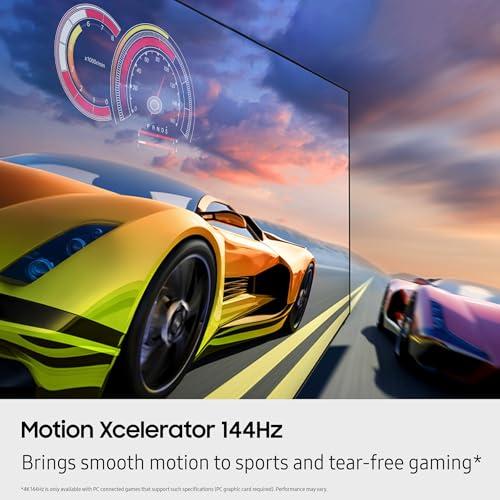
The Samsung QN80F 100" generally handles fast motion better thanks to its Motion Xcelerator 144Hz technology and AI-driven motion processing. The Sony BRAVIA 5 98" provides good motion handling but may show some blur in very fast scenes outside of gaming mode.
Both Sony's Mini LED and Samsung's Neo QLED use thousands of tiny LEDs for precise backlighting control. Sony focuses on natural color reproduction and deep blacks, while Samsung emphasizes higher brightness and AI optimization. Both technologies deliver significant improvements over traditional LED displays.
Both TVs excel at streaming, but the Sony BRAVIA 5 98" benefits from Google TV's superior app ecosystem and voice search capabilities. The Samsung QN80F 100" offers Vision AI for personalized recommendations and content discovery. Sony provides broader app compatibility, Samsung offers smarter content suggestions.
Choose the Sony BRAVIA 5 98" if you have controlled lighting, prioritize color accuracy, or heavily use PlayStation and Google services. Select the Samsung QN80F 100" if you have a bright room, want maximum screen size, prefer AI-driven features, or need extensive gaming connectivity. Consider your room's lighting and primary use cases when deciding.
We've done our best to create useful and informative comparisons to help you decide what product to buy. Our research uses advanced automated methods to create this comparison and perfection is not possible - please contact us for corrections or questions. These are the sites we've researched in the creation of this article: tomsguide.com - rtings.com - bestbuy.com - electronics.sony.com - youtube.com - tomsguide.com - youtube.com - avsforum.com - lueckeaudiovideo.com - pro.sony - bestbuy.com - sony.com - pioneertvandappliance.com - youtube.com - valueelectronics.com - heartlandappliance.com - schaeferstv.com - rtings.com - youtube.com - theshortcut.com - c9av.com - youtube.com - rtings.com - youtube.com - samsung.com - wifihifi.com - samsung.com - samsung.com - samsung.com - bestbuy.com - samsung.com - flatpanelshd.com - schaeferstv.com - samsung.com - samsung.com - samsung.com - samsung.com - cullenshomecenter.com

Privacy Policy
Terms and Conditions - Affiliate Policy
Home Security
© Copyright 2008-2026.
11816 Inwood Rd #1211, Dallas, TX 75244