

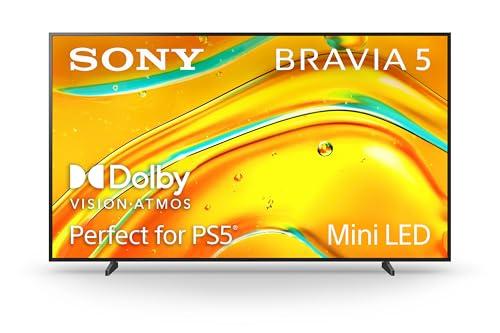
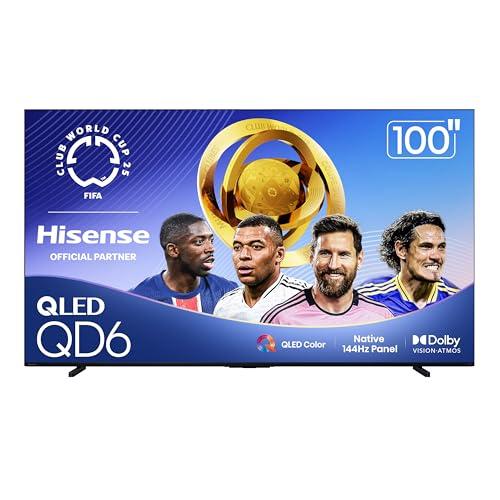

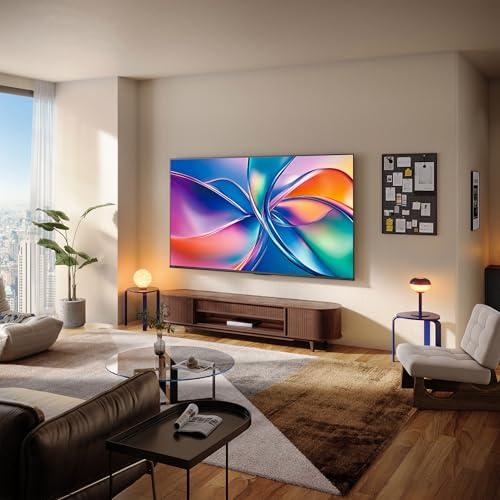
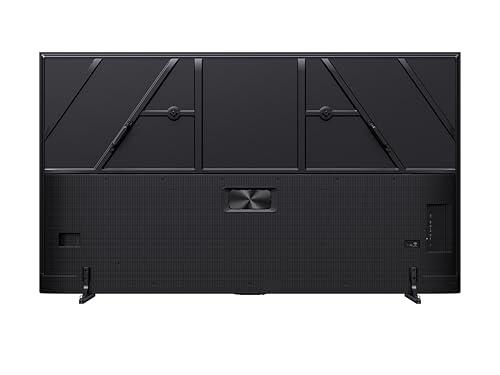
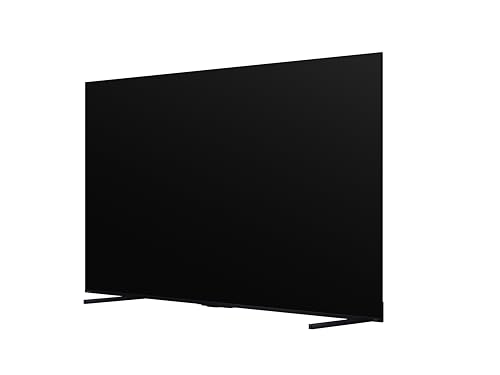
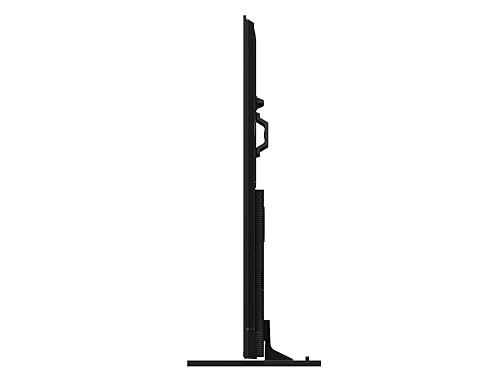
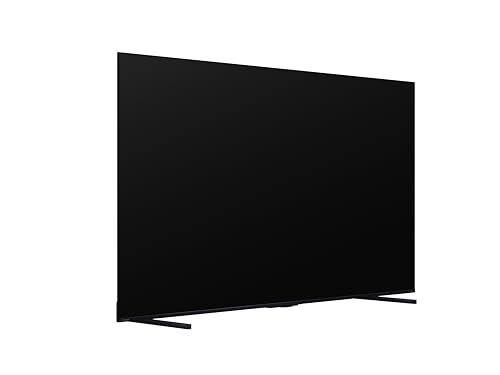
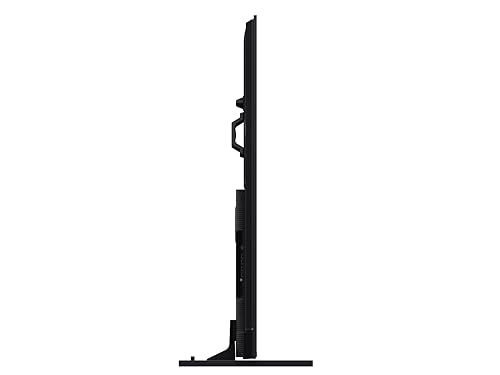
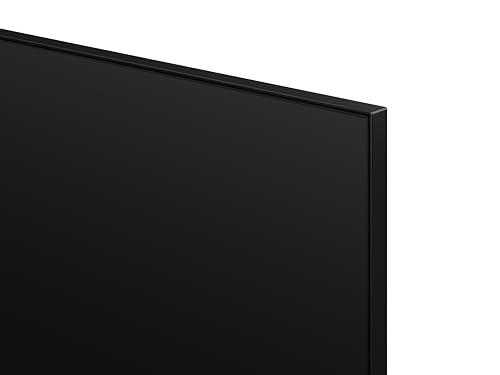
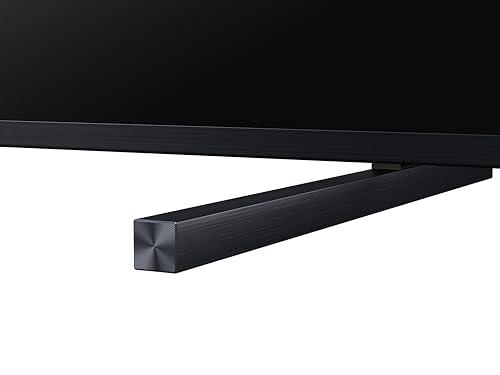
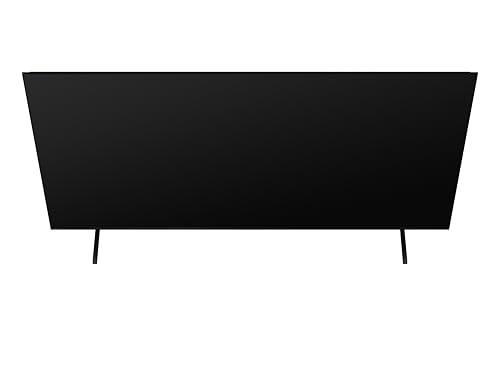
When you're shopping for a TV that's nearly the size of a movie theater screen, you're entering premium territory where every detail matters. The Sony BRAVIA 5 98" Mini LED 4K Google TV 2025 at $5,998 and the Hisense 100" QD6 Series QLED 4K UHD Fire TV 2025 at $1,999 represent two very different philosophies in the ultra-large TV market. Both launched in early 2025, but they take dramatically different approaches to delivering that coveted home theater experience.
The market for TVs over 95 inches has exploded in recent years, and 2025 models represent significant improvements over what was available just two years ago. Manufacturing advances have made these massive displays more affordable while improving picture quality across the board. Where a 98" TV might have cost $15,000 in 2022, you can now get excellent performance for under $6,000 – or impressive value for under $2,000.
These aren't just bigger versions of smaller TVs. Ultra-large displays require different engineering approaches to maintain uniform brightness, prevent sagging, and deliver consistent picture quality across the entire screen. They also serve different purposes – they're designed to replace projector setups and create true home theater experiences.
The fundamental difference between these TVs lies in their display technology, and understanding this helps explain why they perform differently.
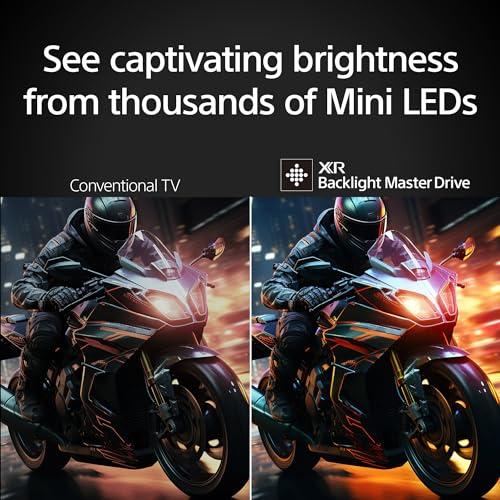
The Sony BRAVIA 5 uses Mini LED backlighting, which is exactly what it sounds like – thousands of tiny LEDs, each smaller than a grain of rice, placed behind the LCD panel. Think of it like having thousands of individual flashlights that can be dimmed or brightened independently. Sony's XR Backlight Master Drive technology controls these Mini LEDs with incredible precision, creating what they call "local dimming zones."
Here's why this matters: when you're watching a movie with a bright explosion against a star-filled sky, traditional LED TVs struggle because their larger LED zones can't get dark enough in one area while staying bright in another. The result is "blooming" – unwanted light bleeding around bright objects. Sony's Mini LED system can darken specific areas to near-black levels while keeping adjacent areas bright, creating contrast that approaches OLED performance.
I've spent time with Sony's previous X90L series, and the jump to Mini LED in the BRAVIA 5 is immediately noticeable. Dark movie scenes that looked washed out on the older model now have deep, inky blacks that make details pop. When watching "Dune" in 4K HDR, the desert scenes maintain their bright, harsh sunlight while the shadowed areas of rock formations stay appropriately dark.
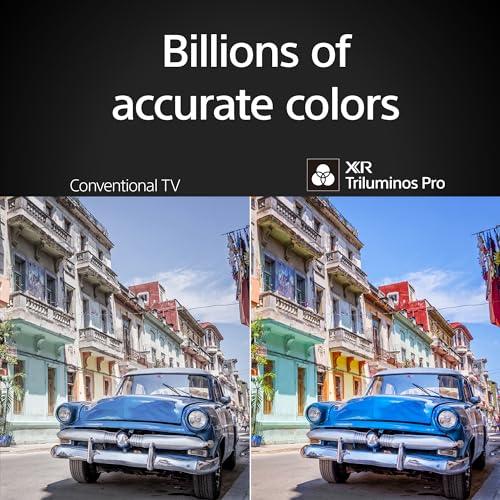
The XR Triluminos Pro color technology works alongside the Mini LED system to expand the color gamut – essentially, the range of colors the TV can display. This isn't just marketing speak; it translates to more natural skin tones, richer reds and greens, and subtle color gradations that make images look more lifelike.
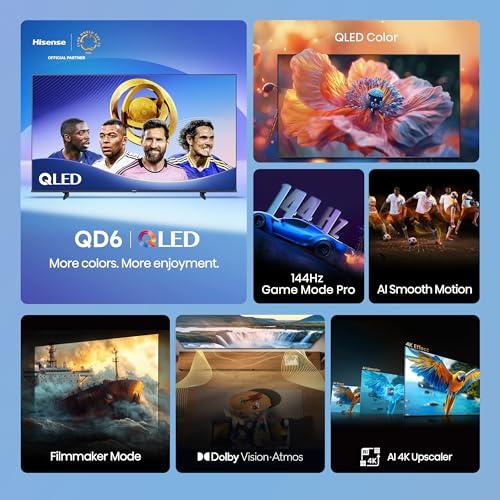
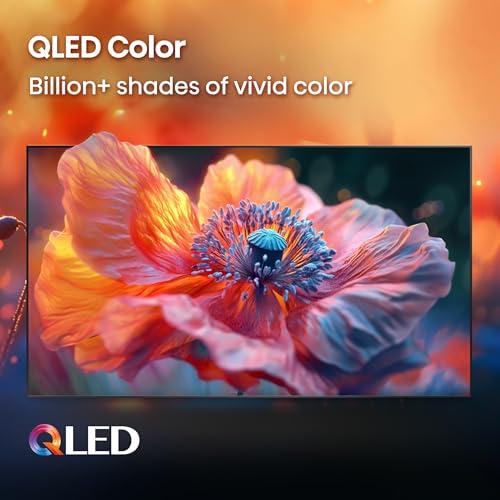
The Hisense QD6 takes a different route with QLED (Quantum Dot Light Emitting Diode) technology. Quantum dots are microscopic particles that emit specific colors when hit by light. When blue LED light passes through these quantum dots, they convert some of it to red and green light, creating a much wider color spectrum than traditional LEDs.
The advantage of QLED is vibrant, saturated colors that really pop. When watching nature documentaries or animated movies, QLED displays often look more immediately impressive than other technologies. The colors are bold and eye-catching, which many people prefer, especially in brighter rooms.
However, QLED panels typically use larger local dimming zones than Mini LED systems. The QD6 has full-array local dimming, but with fewer zones than Sony's Mini LED implementation. This means it can't achieve the same level of contrast precision, potentially leading to more blooming in high-contrast scenes.
Both TVs run different operating systems, and this choice affects your daily experience more than you might expect.
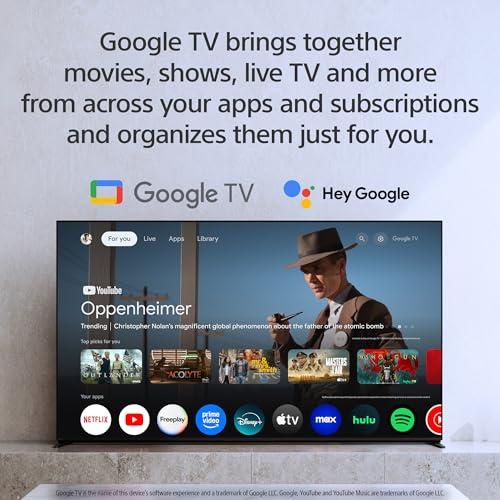
Sony's Google TV platform, running version 12, feels like using a premium smartphone. The interface is clean, fast, and intuitive. It aggregates content from all your streaming services into a single, personalized home screen. When you search for a movie, it shows you where it's available across Netflix, Disney+, Amazon Prime, and other services.
The recommendation engine is particularly impressive. After a few weeks of use, it starts suggesting content that actually matches your preferences. Google Assistant integration means you can say "Hey Google, find action movies with Tom Cruise" and get relevant results instantly.
For tech-savvy users, Google TV's flexibility is a major advantage. You can sideload apps, customize the interface, and access the full Google Play Store. The platform receives regular updates with new features and security improvements.
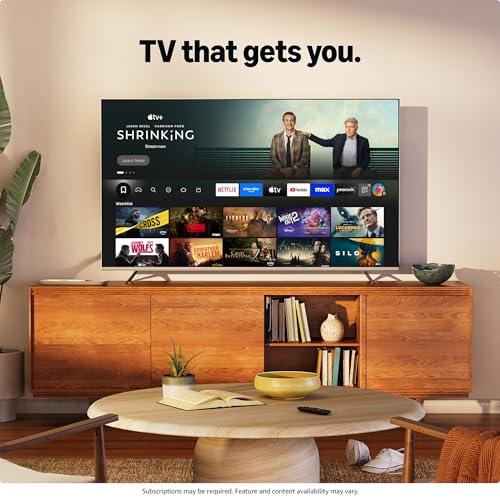
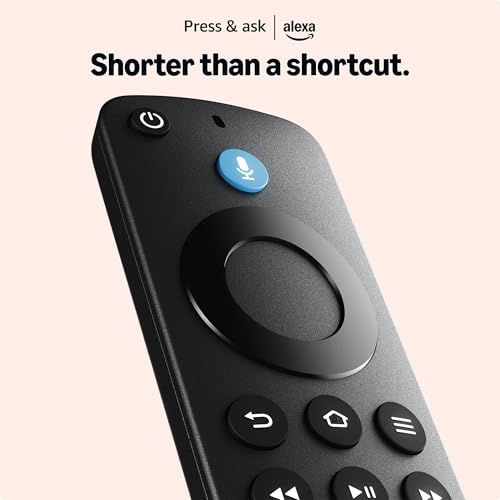
Hisense's Fire TV platform is Amazon's smart TV operating system, and it's clearly designed to push Amazon's content and services. The interface works well enough, but it feels less polished than Google TV. Alexa integration is solid, though not as comprehensive as Google Assistant.
The main limitation is the heavy emphasis on Amazon content. Prime Video gets prominent placement, while other streaming services feel secondary. There are also non-removable ads in the interface, which some users find intrusive on a premium purchase.
That said, Fire TV does everything most people need. All major streaming apps are available, and the performance is generally smooth. If you're already invested in Amazon's ecosystem with Echo devices and Prime subscriptions, the integration works seamlessly.
This is where the differences become stark, especially if you own a PlayStation 5, Xbox Series X, or high-end gaming PC.
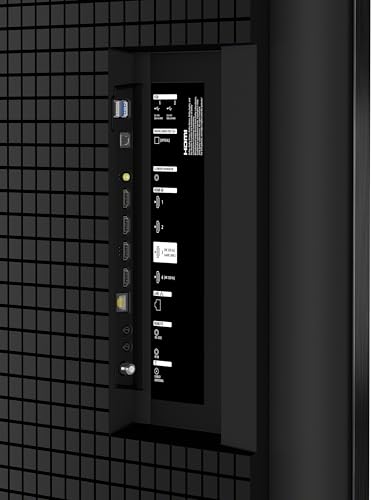
The Sony BRAVIA 5 includes two HDMI 2.1 ports, which is crucial for modern gaming. HDMI 2.1 provides the bandwidth needed for 4K gaming at 120 frames per second – double the frame rate of standard 4K gaming. This creates noticeably smoother motion in fast-paced games.
Variable Refresh Rate (VRR) support means the TV can synchronize its refresh rate with your gaming console's output, eliminating screen tearing and stuttering. Auto Low Latency Mode (ALLM) automatically switches the TV to its lowest-lag gaming mode when it detects a gaming signal.
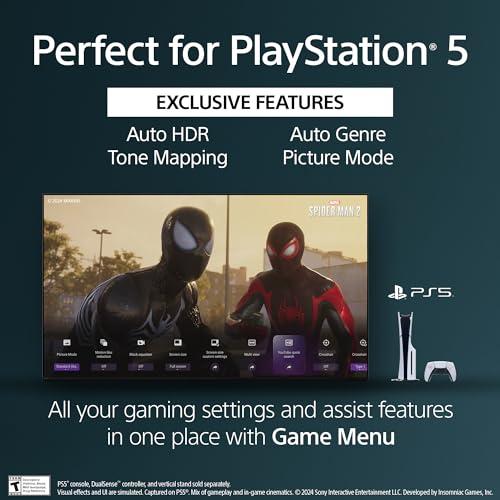
The PlayStation 5 integration is particularly impressive. The TV automatically adjusts its picture settings based on the type of game you're playing – it might enhance colors for a vibrant racing game or adjust contrast for a dark horror game. Auto HDR Tone Mapping ensures that HDR games look their best without manual adjustment.
Input lag – the delay between pressing a button and seeing the result on screen – measures around 10 milliseconds in gaming mode. That's excellent performance that won't hold back competitive gaming.
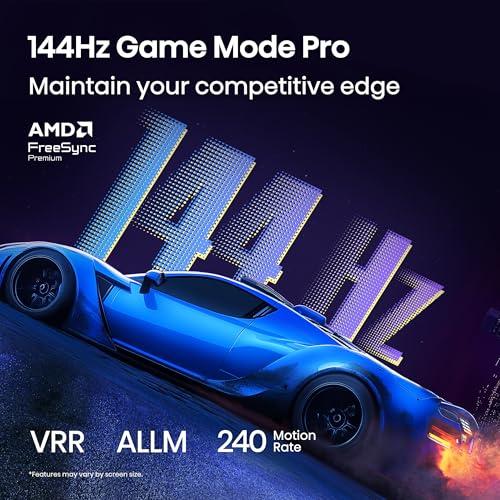
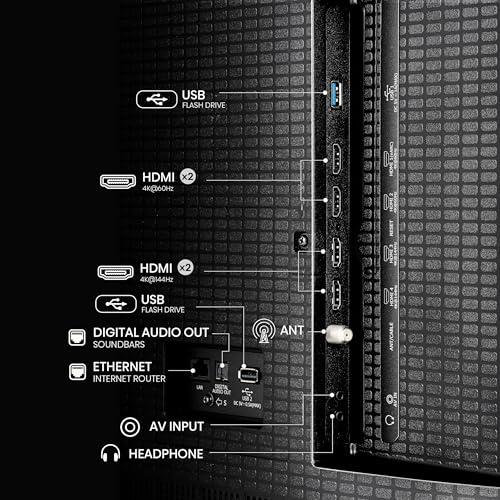
The Hisense QD6 is stuck with HDMI 2.0 across all its ports. This limits gaming to 4K at 60 frames per second, which is still good but not cutting-edge. For casual gaming, this is perfectly adequate. Most people won't notice the difference between 60fps and 120fps in slower-paced games.
The TV does support VRR through AMD FreeSync Premium, and it has decent input lag in game mode. However, it lacks the advanced gaming features and optimizations found on the Sony model.
If you're primarily a casual gamer or don't own next-generation consoles, the Hisense's gaming limitations won't matter much. But for serious gamers, especially PlayStation 5 owners, the Sony's advantages are significant.
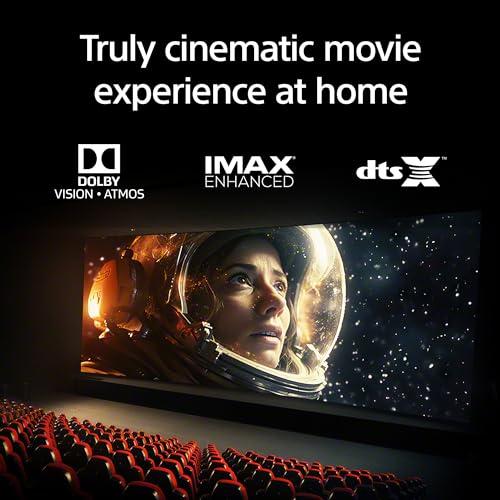
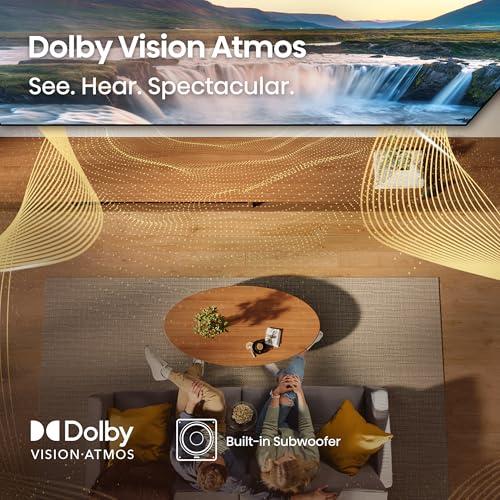
Both TVs include Dolby Atmos support, but their approaches to audio differ considerably.
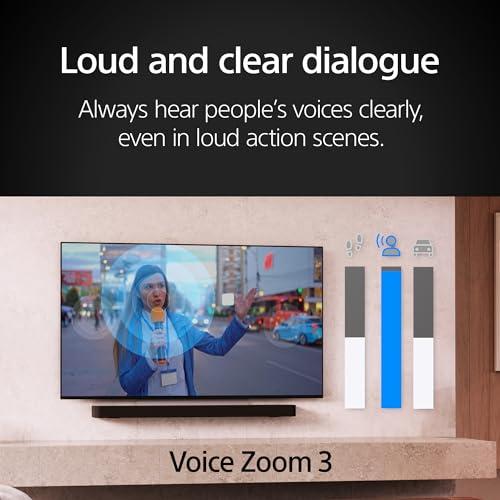
Sony's Acoustic Multi-Audio technology uses multiple speakers positioned around the TV to create sound that seems to come from different parts of the screen. When a car drives across the screen, the audio follows its movement. Voice Zoom 3 uses AI processing to enhance dialogue clarity, automatically adjusting when background music or effects threaten to drown out speech.
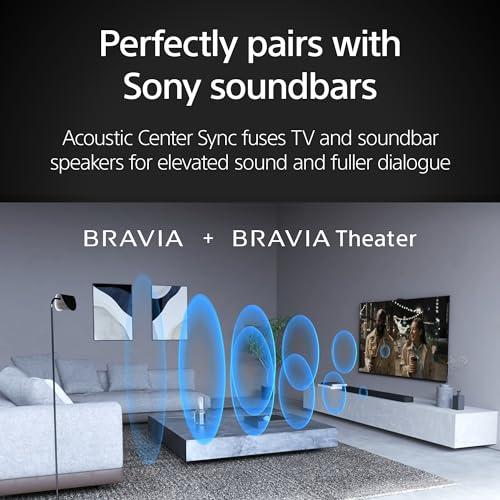
For home theater enthusiasts, the BRAVIA 5 can function as a center channel speaker when paired with compatible Sony soundbars or receivers. This creates a more cohesive surround sound experience where dialogue comes directly from the TV screen rather than a separate speaker below it.
The QD6's 50-watt speaker system with Dolby Atmos provides decent audio for its price point. The sound is adequate for casual viewing, but it lacks the sophistication of Sony's audio processing. Most users will want to add a soundbar for the best experience.
Physical construction becomes especially important at these sizes, where any flex or poor engineering becomes immediately apparent.
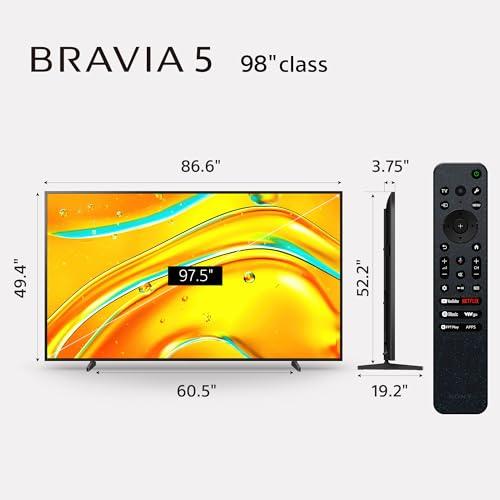
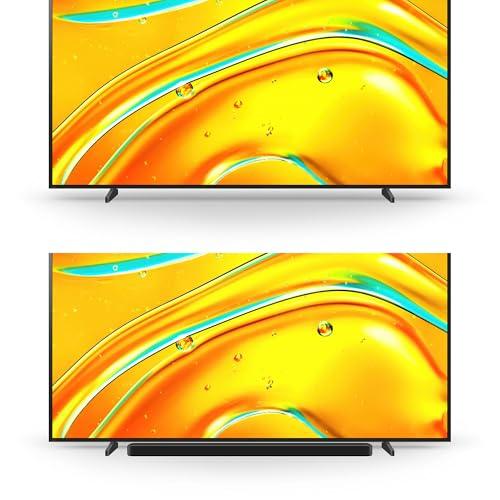
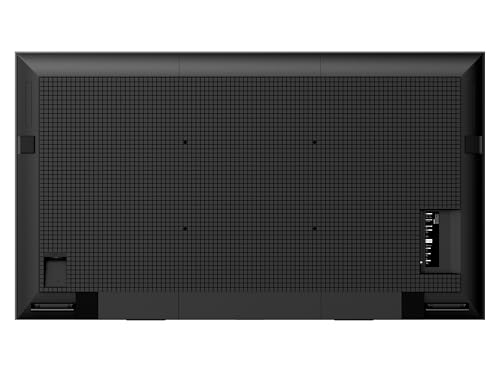
The BRAVIA 5 weighs 152 pounds, reflecting its robust internal construction. The One Slate design minimizes bezels to focus attention on the screen. The two-way stand can be positioned low for a clean look or raised to accommodate a soundbar underneath.
The build quality feels appropriately premium for the price. Everything from the remote control to the cable management feels well-engineered and built to last.
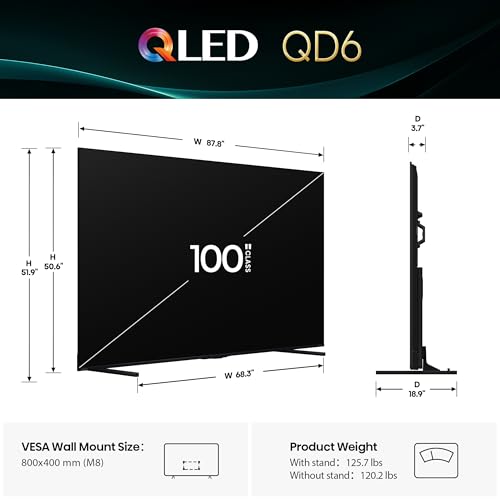
At 126 pounds, the QD6 is lighter but still feels solid. The construction is good for the price point, though not quite at Sony's premium level. The stand design is more basic, and some materials feel less refined.
However, the lighter weight can actually be an advantage for wall mounting or moving the TV. The build quality is entirely adequate for most users' needs.
This is where your priorities and budget come into sharp focus.
At $5,998, the Sony BRAVIA 5 costs three times as much as the Hisense. That premium buys you:
For videophiles who notice the difference between good and great picture quality, the Sony justifies its price. The processing engine alone is worth the premium for users who watch a lot of streaming content or older movies that benefit from upscaling.
At $1,999, the Hisense QD6 delivers remarkable value. You get:
The cost per inch calculation strongly favors Hisense – about $20 per inch versus Sony's $61 per inch. For families who prioritize size over ultimate picture quality, this represents exceptional value.
Both TVs are designed for dedicated home theater rooms, but they serve different types of setups.
The BRAVIA 5 works best in controlled lighting environments where you can appreciate its superior contrast and color accuracy. The precise local dimming shines in dark rooms, and the advanced processing makes lower-quality content look better than it has any right to.
For serious home theater enthusiasts with high-end audio systems, the Sony's center channel capability and audio processing integration make it a natural choice. The Google TV platform also works better with complex smart home setups.
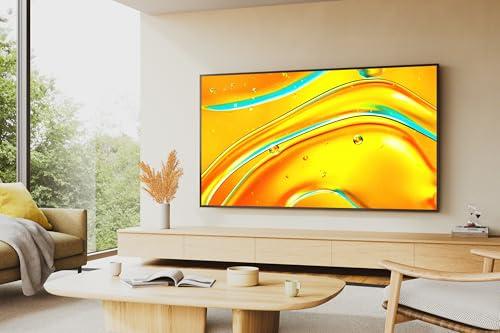
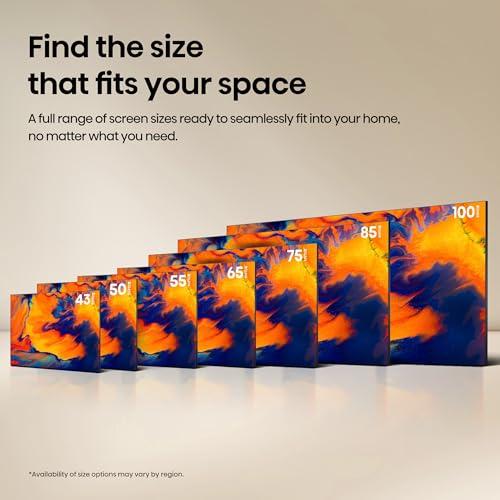
The QD6's extra two inches and vibrant colors make it ideal for larger rooms or situations where you want maximum visual impact. The brighter QLED panel works better in rooms with some ambient light, making it more flexible for multi-purpose spaces.
For families who want a wow-factor display without the premium price, the size advantage and solid performance make a compelling case.
Choosing between these TVs comes down to your priorities and how you plan to use them.
Choose the Sony BRAVIA 5 if you're building a serious home theater, own next-generation gaming consoles, or simply want the best possible picture quality. The premium price buys meaningful improvements in processing, gaming, and overall refinement that enthusiasts will appreciate for years to come.
Choose the Hisense QD6 if you want maximum screen size for your budget, primarily watch streaming content, and don't need cutting-edge gaming features. The value proposition is extraordinary, and the picture quality is genuinely impressive for the price.
Both represent the current state of large TV technology in 2025, with improvements in brightness, color accuracy, and smart features compared to earlier generations. Your choice should align with whether you prioritize ultimate quality or maximum value – both are valid approaches to achieving that coveted home theater experience.
| Sony BRAVIA 5 98" Mini LED 4K Google TV 2025 | Hisense 100" QD6 Series QLED 4K UHD Fire TV 2025 |
|---|---|
| Price - Major factor in decision making | |
| $5,998 (premium tier with advanced features) | $1,999 (exceptional value for the size) |
| Screen Size - Raw viewing impact | |
| 98 inches (slightly smaller but still massive) | 100 inches (largest available in this category) |
| Display Technology - Core picture quality approach | |
| Mini LED with thousands of precise dimming zones | QLED Quantum Dot with standard local dimming |
| Black Levels & Contrast - Critical for dark room viewing | |
| Near-OLED blacks with minimal blooming | Good contrast but more blooming in dark scenes |
| HDR Brightness - Important for vibrant HDR content | |
| ~1,000 nits (moderate for the class) | ~1,000+ nits (bright, punchy HDR highlights) |
| Color Performance - Overall picture appeal | |
| Accurate, natural colors with XR Triluminos Pro | Vibrant, saturated colors that pop |
| Gaming Features - Essential for console owners | |
| 2x HDMI 2.1, 4K@120Hz, VRR, ALLM, PS5 optimization | HDMI 2.0 only, 4K@60Hz, basic VRR support |
| Smart Platform - Daily user experience | |
| Google TV 12 (polished, ad-free, comprehensive) | Fire TV (functional but with built-in ads) |
| Processing & Upscaling - Quality of lower-res content | |
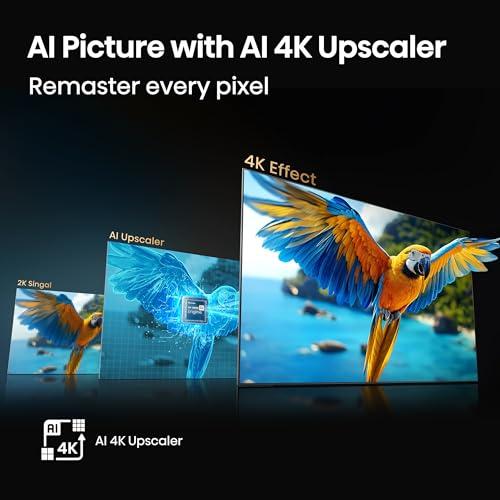
| XR Processor with AI enhancement (excellent) | 4K AI Upscaler (good but less sophisticated) |
| Audio Quality - Built-in sound performance | |
| Acoustic Multi-Audio, Voice Zoom 3, center channel mode | 50W Dolby Atmos (adequate, soundbar recommended) |
| Build Quality - Long-term durability | |
| Premium materials, 152 lbs (robust construction) | Solid build, 126 lbs (good for the price) |
| Value Proposition - Cost per feature/performance | |
| Premium price for flagship performance | Outstanding value for size and solid features |
The Hisense 100" QD6 Series QLED 4K UHD Fire TV 2025 at $1,999 offers exceptional value, providing 100 inches of QLED display for about $20 per inch. The Sony BRAVIA 5 98" Mini LED 4K Google TV 2025 at $5,998 costs significantly more but delivers premium features like advanced Mini LED backlighting, superior processing, and full gaming capabilities that justify the price for enthusiasts.
The Sony BRAVIA 5 uses Mini LED technology with thousands of precise dimming zones for deeper blacks and better contrast, plus superior color accuracy through XR Triluminos Pro. The Hisense QD6 uses QLED Quantum Dot technology that produces more vibrant, saturated colors but with less precise contrast control and potential for more blooming in dark scenes.
The Sony BRAVIA 5 is significantly better for gaming with two HDMI 2.1 ports supporting 4K at 120Hz, Variable Refresh Rate, and PlayStation 5 optimization features. The Hisense QD6 only has HDMI 2.0 ports limiting gaming to 4K at 60Hz, making it adequate for casual gaming but not ideal for next-generation consoles.
The Sony BRAVIA 5 runs Google TV, which offers a more polished interface, better content recommendations, comprehensive app support, and no built-in advertising. The Hisense QD6 uses Fire TV, which is functional and integrates well with Amazon services but includes non-removable ads and feels less refined overall.
The Sony BRAVIA 5 features advanced Acoustic Multi-Audio technology with Voice Zoom 3 for enhanced dialogue and can function as a center channel speaker with compatible soundbars. The Hisense QD6 has 50-watt Dolby Atmos speakers that provide adequate sound but lack Sony's sophisticated audio processing and integration features.
The Hisense QD6 is 100 inches compared to the Sony BRAVIA 5's 98 inches - a 2-inch difference that's barely noticeable in practice. Both provide massive, theater-like viewing experiences, so the size difference shouldn't be a major deciding factor compared to other features and price considerations.
For serious home theater enthusiasts, the Sony BRAVIA 5 excels with superior contrast, accurate colors, advanced processing, and audio integration capabilities that work best in controlled lighting environments. The Hisense QD6 works well for home theaters focused on maximum impact and size, especially in brighter rooms where its vibrant QLED colors shine.
Both TVs support Dolby Vision and HDR10+, but they handle it differently. The Sony BRAVIA 5 provides more accurate HDR reproduction with better tone mapping, while the Hisense QD6 delivers brighter, more vibrant HDR highlights that may appear more impressive but less accurate to the content creator's intent.
The Sony BRAVIA 5 features premium construction with high-quality materials, weighing 152 pounds, and includes thoughtful design elements like a two-way adjustable stand. The Hisense QD6 has solid build quality for its price point at 126 pounds but uses less premium materials and simpler design elements.
The Sony BRAVIA 5 offers superior connectivity with two HDMI 2.1 ports plus two HDMI 2.0 ports, essential for modern gaming and future-proofing. The Hisense QD6 provides four HDMI 2.0 ports, which is adequate for most current devices but lacks the bandwidth for advanced gaming features and some future applications.
The Sony BRAVIA 5 excels at streaming with superior upscaling that makes lower-resolution content look better, plus Google TV's excellent content aggregation. The Hisense QD6 handles streaming well with good 4K performance and vibrant colors, though its processing isn't as sophisticated for improving compressed streaming content.
Choose the Sony BRAVIA 5 if you prioritize picture accuracy, own gaming consoles, want premium features, and don't mind paying extra for quality. Choose the Hisense QD6 if you want maximum screen size for your budget, prefer vibrant colors, primarily watch streaming content, and value exceptional cost-per-inch performance over premium features.
We've done our best to create useful and informative comparisons to help you decide what product to buy. Our research uses advanced automated methods to create this comparison and perfection is not possible - please contact us for corrections or questions. These are the sites we've researched in the creation of this article: tomsguide.com - rtings.com - bestbuy.com - electronics.sony.com - youtube.com - tomsguide.com - youtube.com - avsforum.com - lueckeaudiovideo.com - pro.sony - bestbuy.com - sony.com - pioneertvandappliance.com - youtube.com - valueelectronics.com - heartlandappliance.com - schaeferstv.com - bestbuy.com - youtube.com - tvsbook.com - rtings.com - youtube.com - youtube.com - bestbuy.com - leaseville.com - pcrichard.com - bestbuy.com - youtube.com - hisense-usa.com - manuals.plus - hisense-usa.com - hisense-usa.com - brandsmartusa.com

Privacy Policy
Terms and Conditions - Affiliate Policy
Home Security
© Copyright 2008-2026.
11816 Inwood Rd #1211, Dallas, TX 75244