

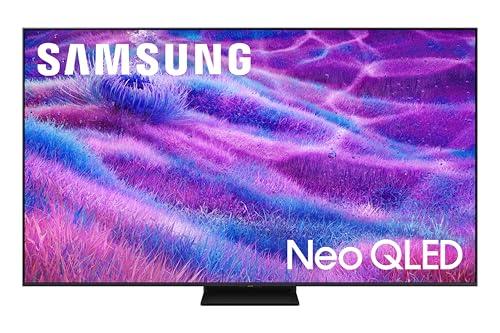
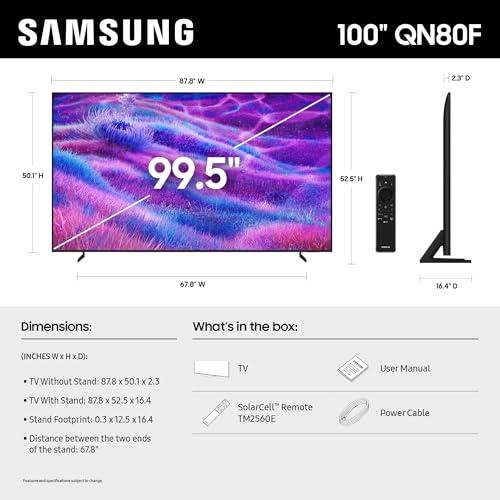

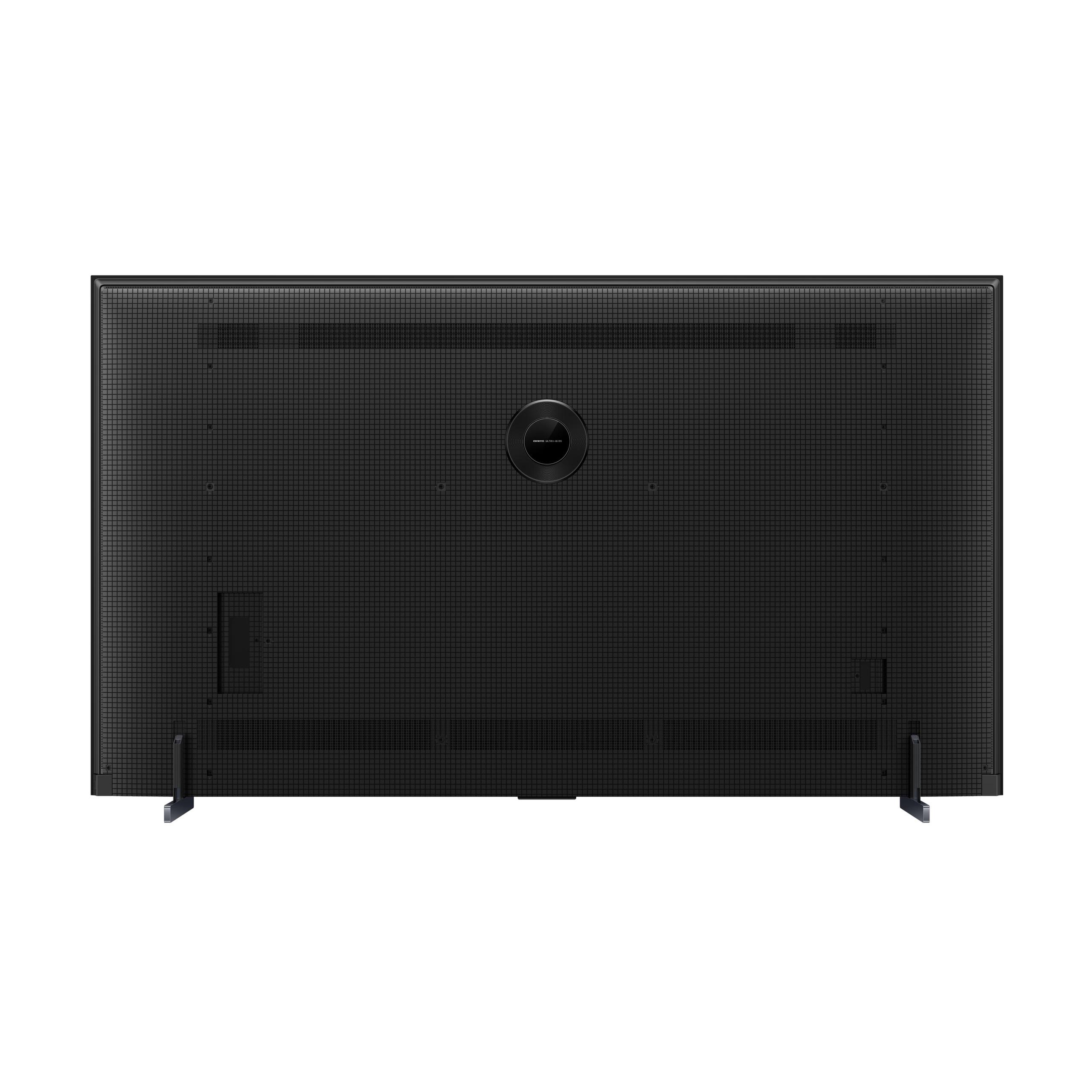

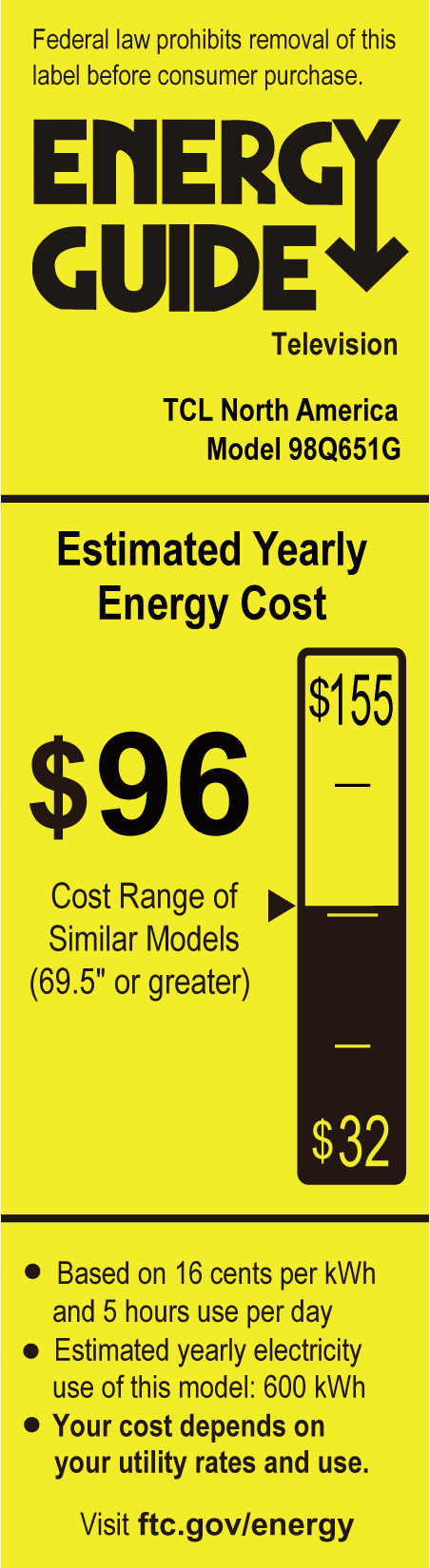

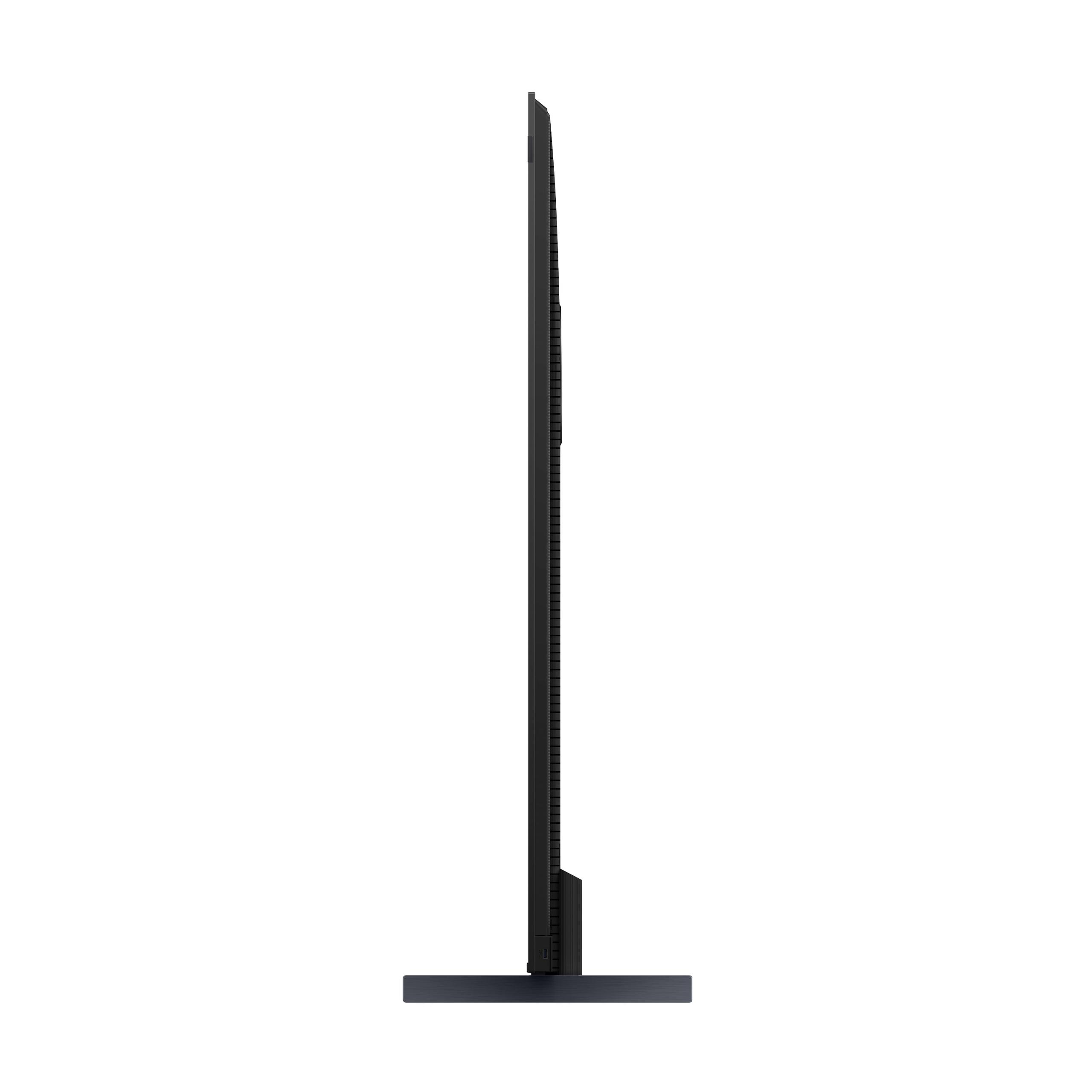
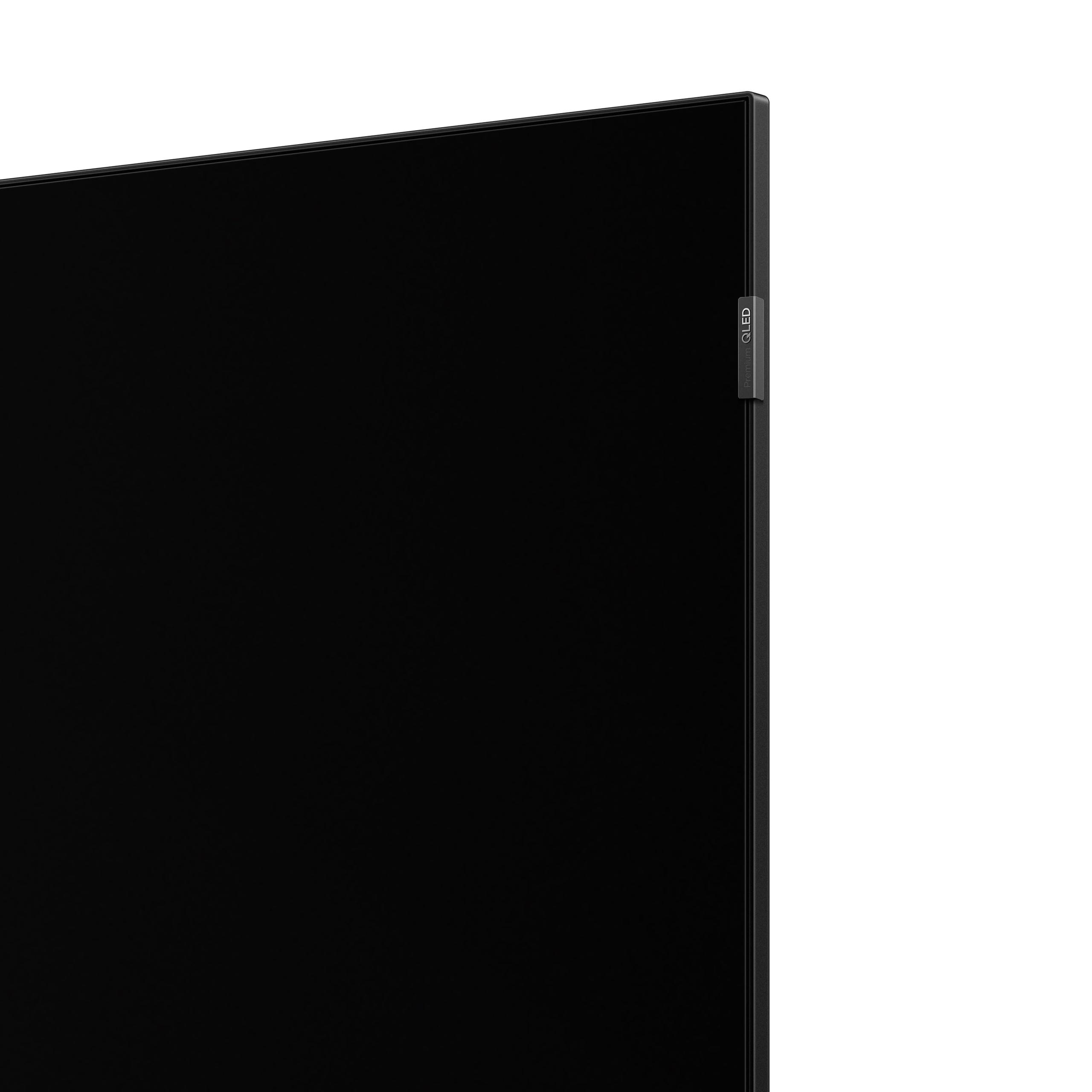
If you've been dreaming of transforming your living room into a personal cinema, you're probably considering one of the massive TVs that have taken over the market lately. Two standouts in the super-sized category are the Samsung 100" Neo QLED QN80F ($5,997) and the TCL 98" Q6 Series ($1,598). While they're both enormous by any standard, they represent completely different philosophies about what makes a great large-screen TV.
Large-screen TVs have exploded in popularity over the past few years, and it's easy to see why. These displays offer something that was once only available in dedicated home theaters – that immersive, cinema-like experience where you feel completely absorbed in what you're watching. Whether you're gaming on a PlayStation 5, binge-watching the latest Netflix series, or hosting friends for the big game, these massive screens change how you experience entertainment.
But here's where it gets tricky: not all large TVs are created equal. The technology behind that massive screen matters enormously, especially when you're talking about displays this size. Think of it like buying a car – you could get a basic model that gets you from point A to point B, or you could invest in something with advanced features that transforms the entire driving experience. The same principle applies to these TVs.
When shopping for displays this large, you need to consider several key factors. Display technology determines how bright, colorful, and detailed your picture will be. Processing power becomes crucial because upscaling lower-resolution content to fill a 100-inch screen requires serious computational muscle. Gaming capabilities matter if you own modern consoles, since features like variable refresh rate (VRR) can make the difference between smooth gameplay and stuttery disappointment. The smart platform affects your daily experience, and audio quality becomes critical since you need sound that can fill a large room effectively.
The Samsung QN80F launched in March 2025 as part of Samsung's latest Neo QLED lineup, representing the company's continued push into Mini-LED technology. This isn't Samsung's flagship 4K model – that would be the QN90F – but it's positioned as a premium mid-tier option that brings most of the advanced features down to a more accessible price point. Well, "accessible" being relative when we're talking about a $6,000 TV.
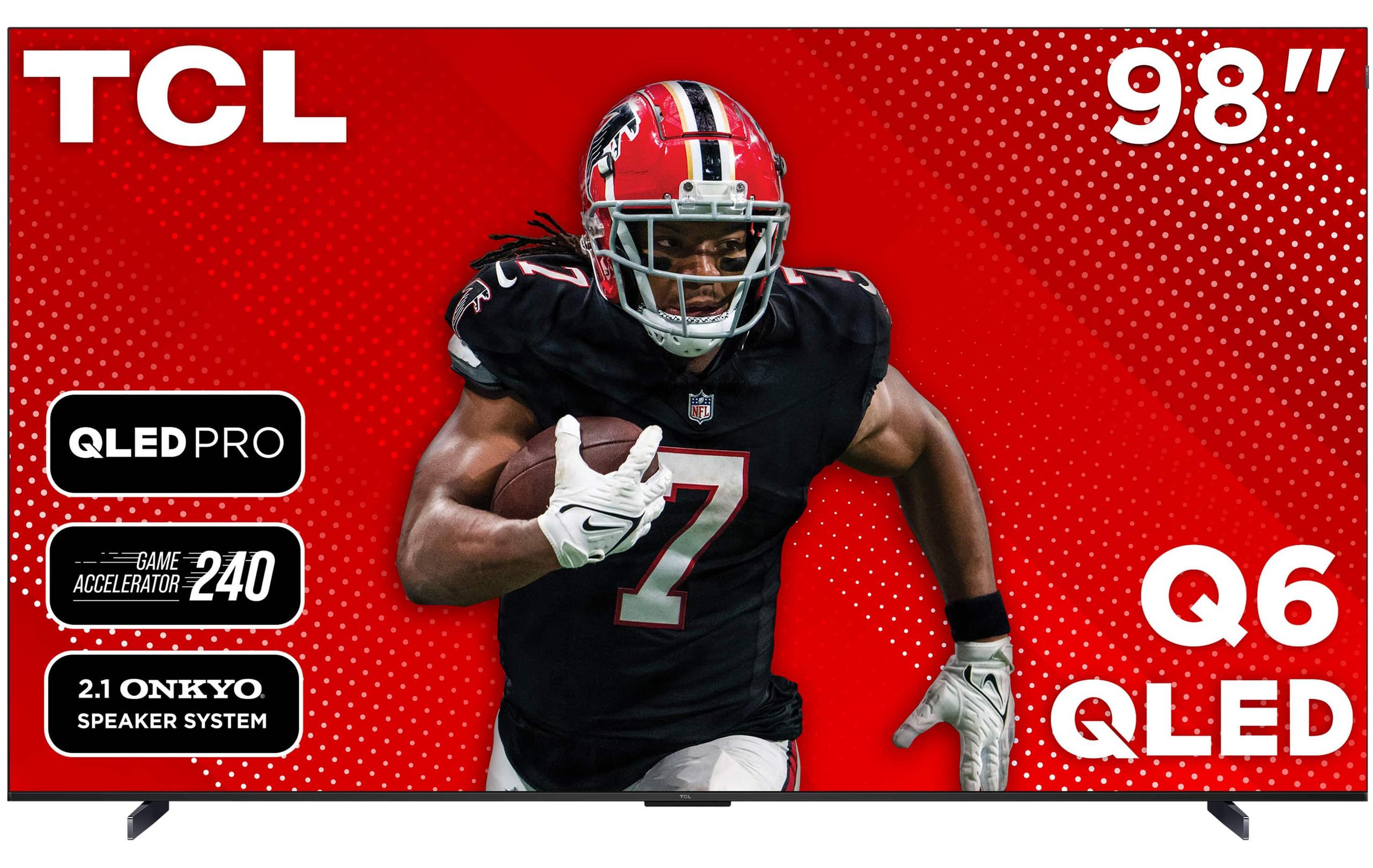
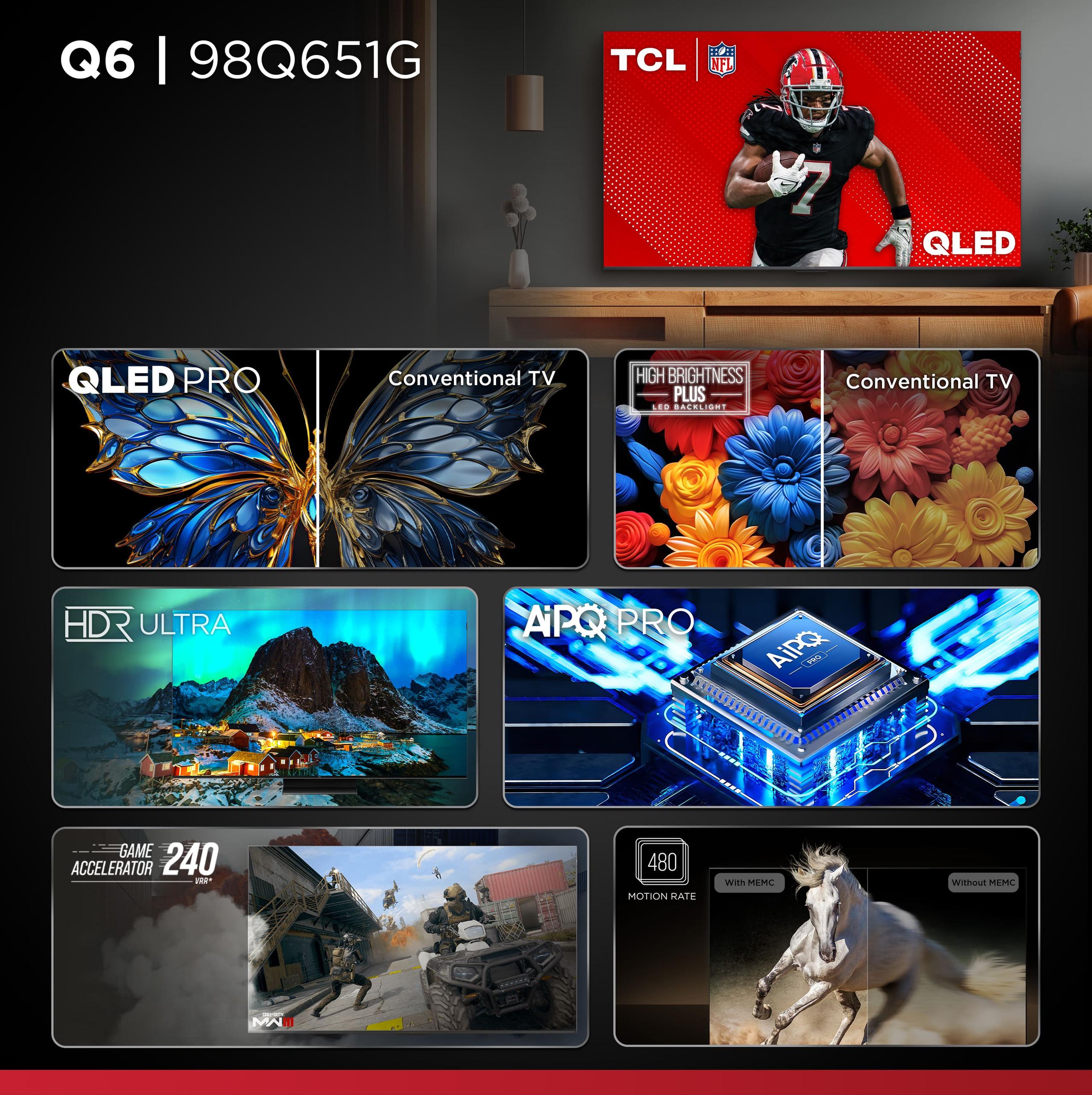
Meanwhile, the TCL Q6 Series represents the company's strategy of offering maximum screen size at minimum cost. TCL has been aggressively pursuing the value market, and this 98-inch model exemplifies their approach: give people the biggest possible screen while keeping the price as low as possible, even if that means making compromises on advanced features.
The price difference tells the story immediately – we're looking at nearly a 4x price gap between these two options. That's not just Samsung charging a premium for their brand name; it reflects fundamental differences in the technology inside these displays.
Let's start with the most important difference: how these TVs actually create the picture you see. The Samsung QN80F uses what's called Mini-LED backlighting with Quantum Matrix Technology Core. I know that sounds like marketing speak, but bear with me because this technology makes a real difference.
Traditional TVs use a backlight behind the screen to illuminate the pixels. Most budget TVs, including the TCL, use edge-lighting, where LEDs around the edges of the screen try to light up the entire display. This creates problems – the edges are often brighter than the center, and you can't control specific areas independently. It's like trying to light a room with flashlights pointed at the walls from the corners.
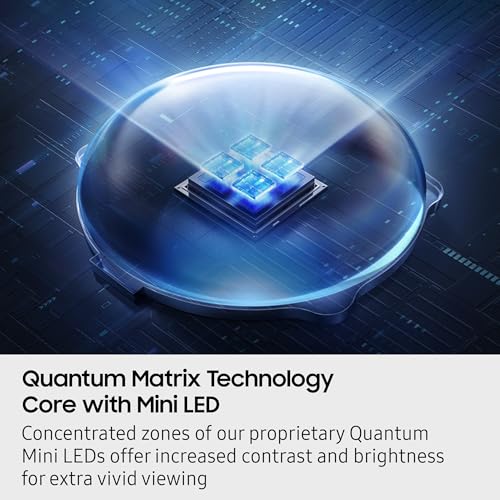
Mini-LED technology, which Samsung uses in the QN80F, works differently. Instead of a few large LEDs around the edges, it uses thousands of tiny LEDs spread across the back of the screen, organized into dimming zones. Each zone can be controlled independently, so when you're watching a movie with a dark night scene punctuated by bright headlights, the TV can keep the dark areas truly dark while making the headlights blazingly bright. This creates what we call local dimming, and it's one of the most important factors in picture quality.
The Samsung's Quantum Matrix Technology Core takes this a step further by using more precise control algorithms to manage these dimming zones. In practical terms, this means better contrast – darker blacks, brighter whites, and less of the "blooming" effect where bright objects seem to glow into dark areas around them.
The TCL Q6 Series, being an entry-level model, uses standard edge-lit LED backlighting without local dimming. This means the entire screen shares the same backlight level, resulting in what we call "milky blacks" – dark scenes that look gray rather than truly black. For a TV this size, this limitation becomes more noticeable because any uniformity issues are magnified across that massive screen.
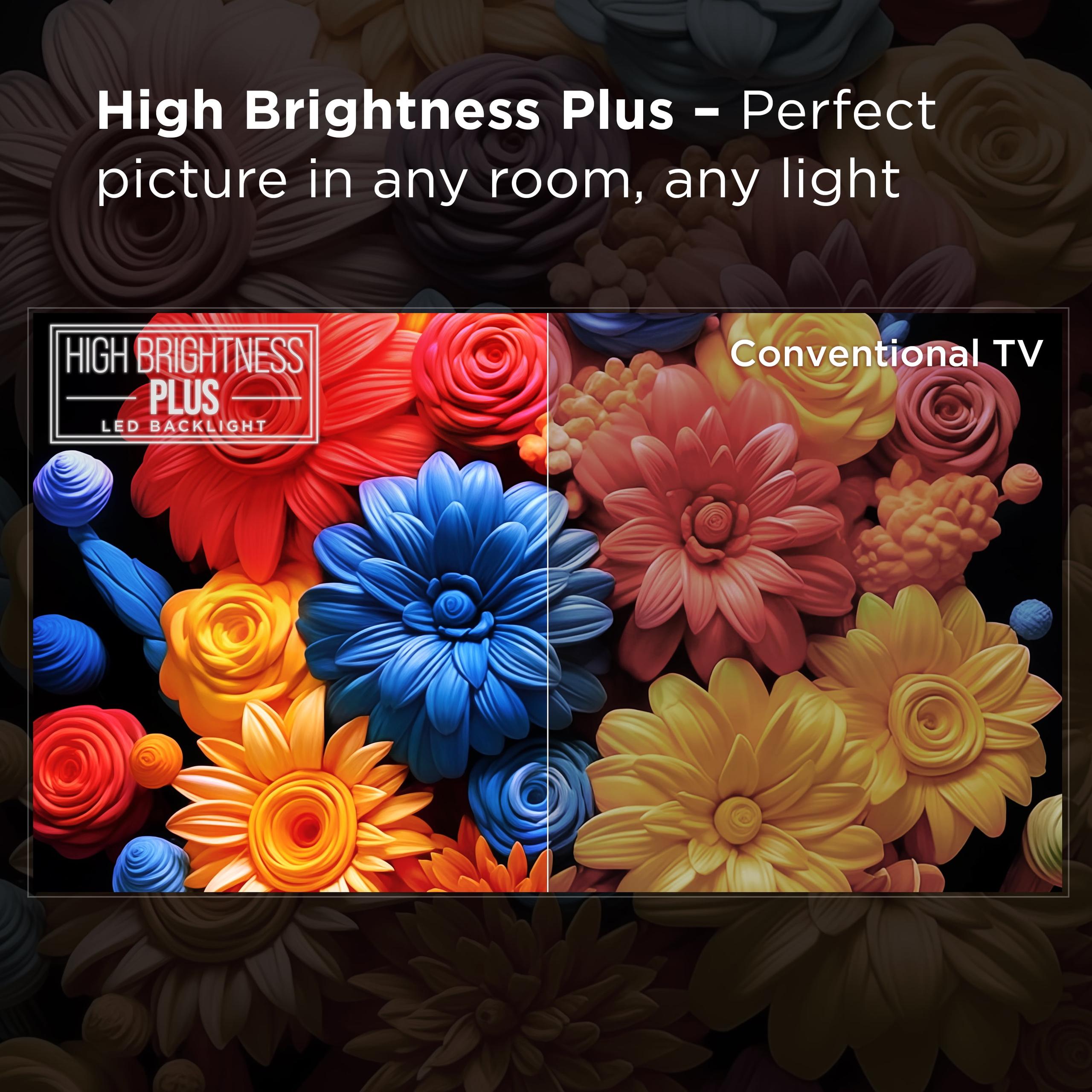
Peak brightness is another crucial difference. The Samsung can reach over 1,500 nits in HDR content, which is bright enough to create those eye-popping highlights that make HDR worthwhile. The TCL tops out around 500 nits, which is adequate for SDR content but leaves HDR looking relatively flat.
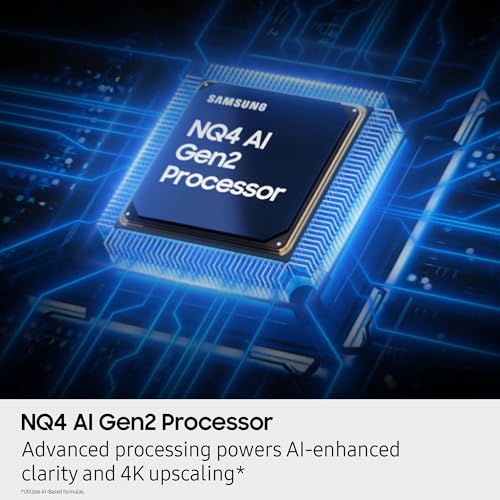
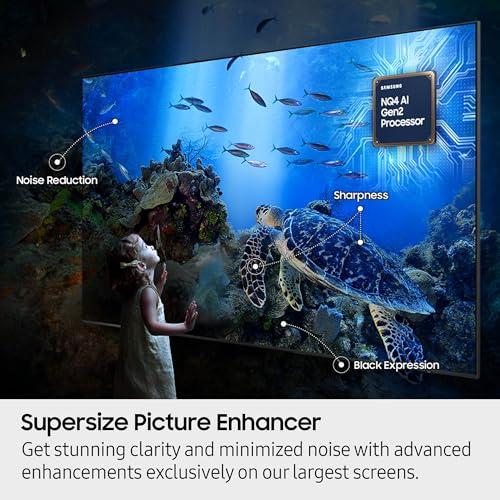
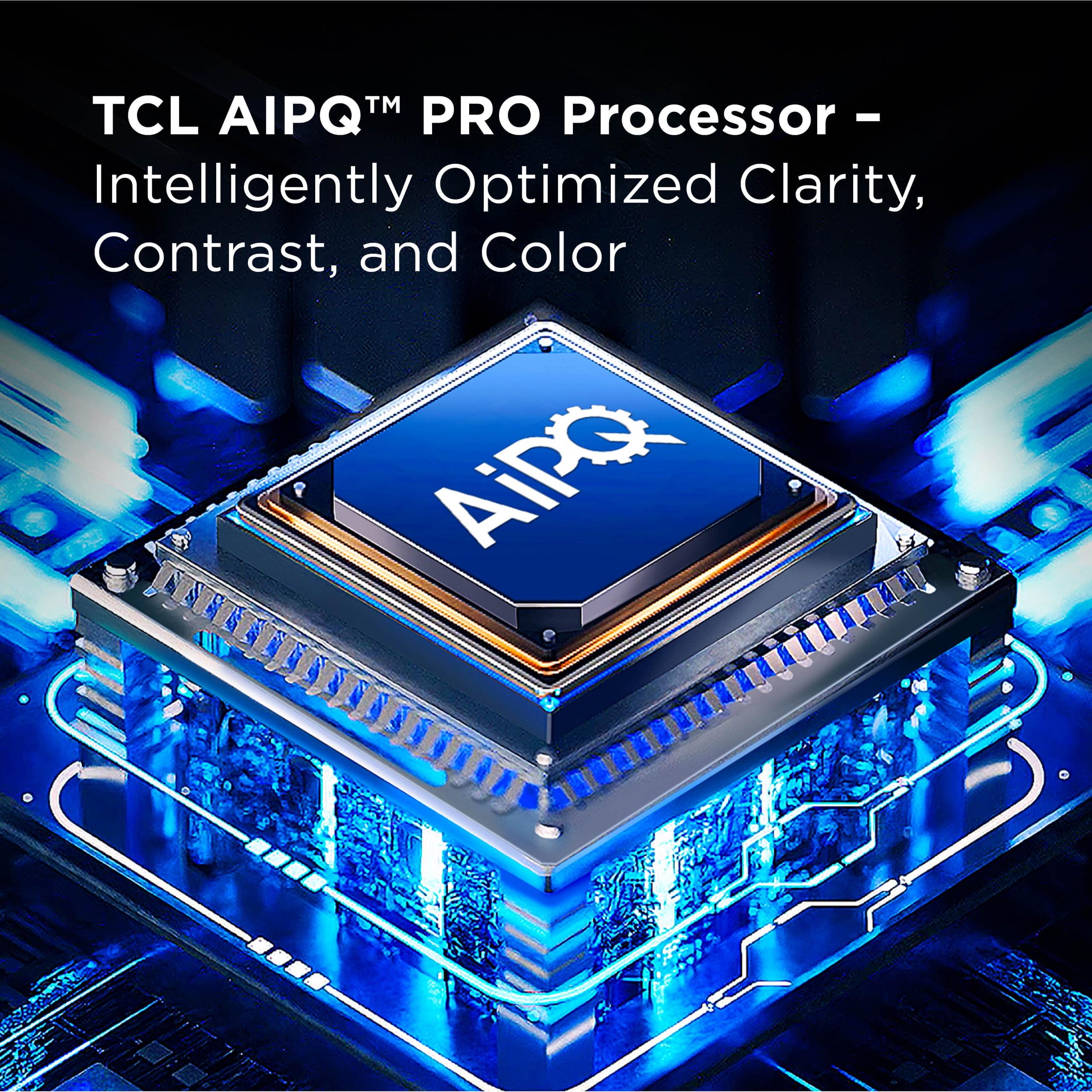
Here's where the Samsung QN80F really flexes its premium positioning. The NQ4 AI Gen2 processor inside uses 20 neural networks – essentially 20 different AI algorithms – working together to optimize the picture in real time. This isn't just marketing fluff; when you're dealing with a 100-inch screen, the demands on processing power increase dramatically.
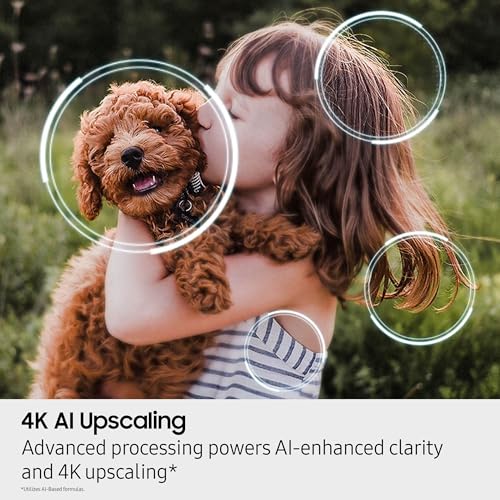
Think about it this way: if you're watching a 1080p movie on a 55-inch TV, the upscaling requirements are manageable. But blow that same content up to 100 inches, and suddenly every flaw becomes magnified. The Samsung's AI upscaling analyzes the content frame by frame, identifying objects, textures, and scenes to intelligently enhance detail and reduce artifacts.
The processor also handles what Samsung calls Supersize Picture Enhancer, which is specifically designed for these massive screens. It helps maintain sharpness and prevents the pixelated look that can plague large displays when showing lower-resolution content.
In contrast, the TCL Q6 Series uses a basic image processor without AI enhancement. While it can display 4K content just fine, upscaling performance is noticeably weaker. Having tested both approaches, I can tell you that the difference is most apparent when watching streaming content, which is often compressed and benefits significantly from intelligent processing.
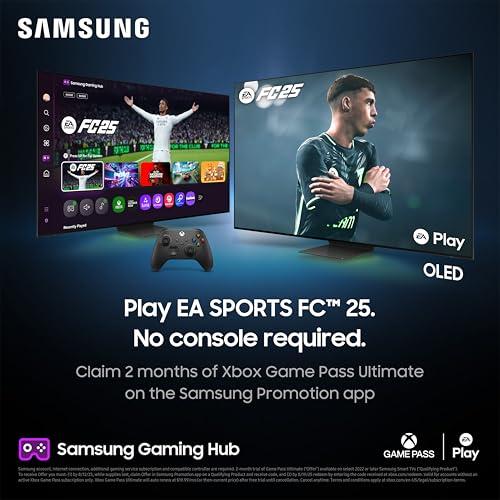
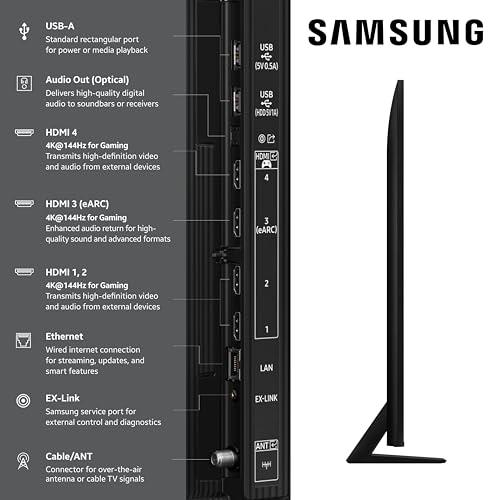
If gaming is important to you, the differences between these TVs become even more pronounced. The Samsung QN80F was clearly designed with modern gaming in mind. All four HDMI ports support HDMI 2.1, which is essential for getting the full capabilities out of PlayStation 5 and Xbox Series X consoles.
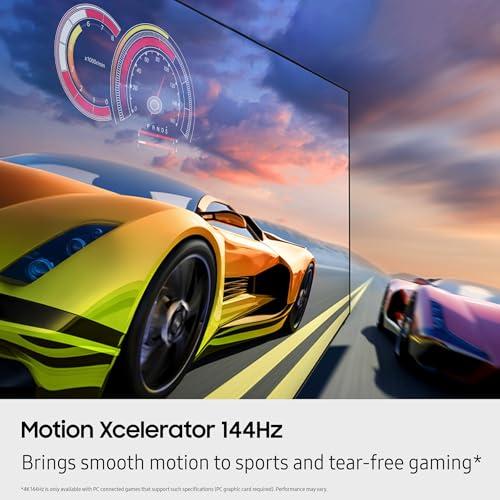
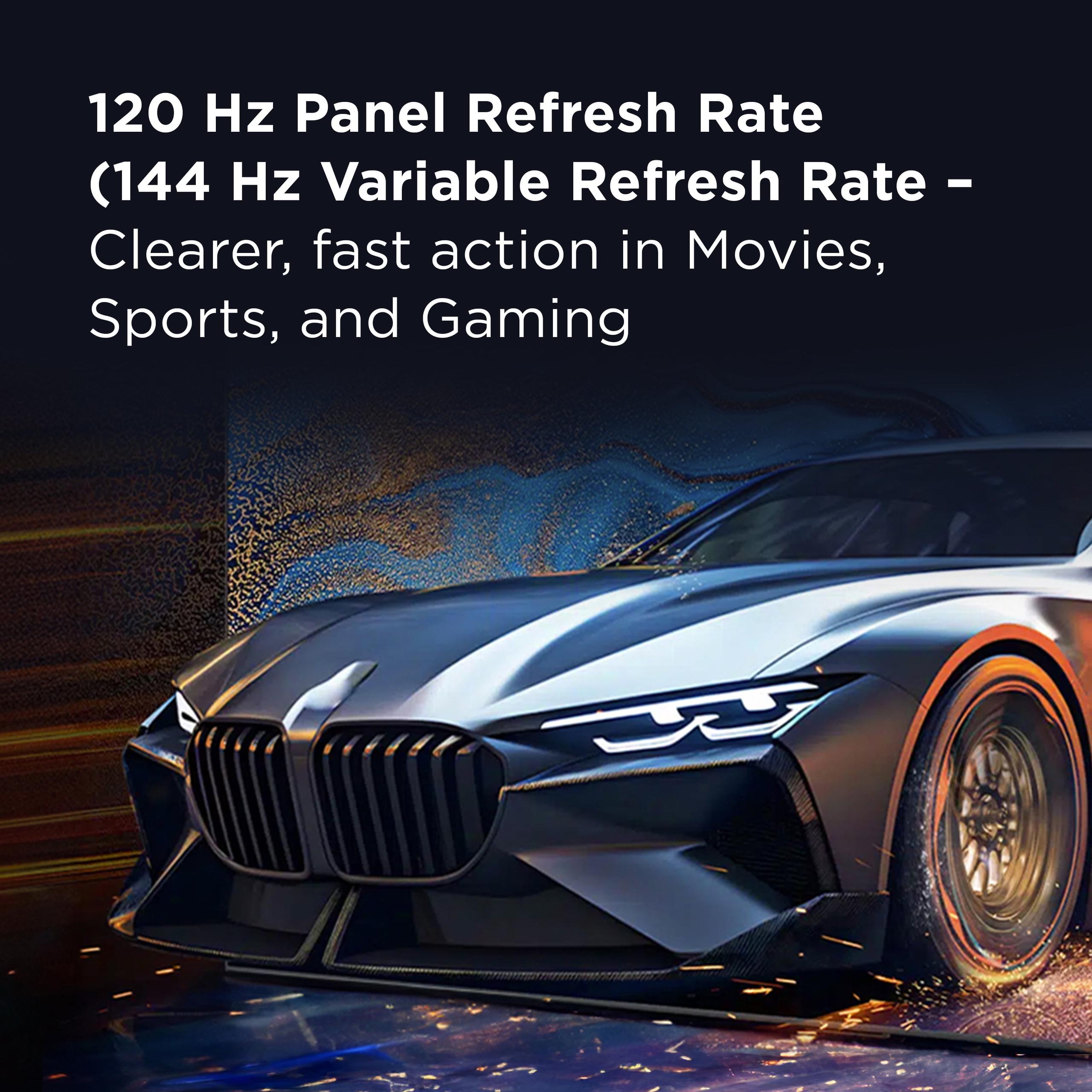
The TV supports 4K resolution at up to 144Hz refresh rate, which means incredibly smooth motion in fast-paced games. Variable Refresh Rate (VRR) synchronizes the TV's refresh rate with your console's output, eliminating screen tearing – those horizontal lines that can appear during rapid movement. The Samsung also supports FreeSync Premium Pro, which is AMD's version of VRR technology.
Perhaps most importantly, the TV features genuinely low input lag – the delay between when you press a button and when the action appears on screen. For competitive gaming, this can make the difference between landing that crucial headshot and watching your character get eliminated.
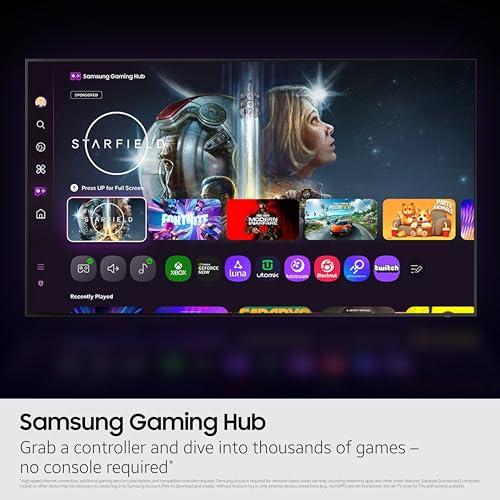
The Samsung's Game Bar is a nice touch that pops up when you connect a gaming console, giving you quick access to gaming-specific settings. You can switch between different aspect ratios (including ultra-wide 21:9 and super-wide 32:9 modes), adjust VRR settings, and monitor real-time gaming performance metrics.
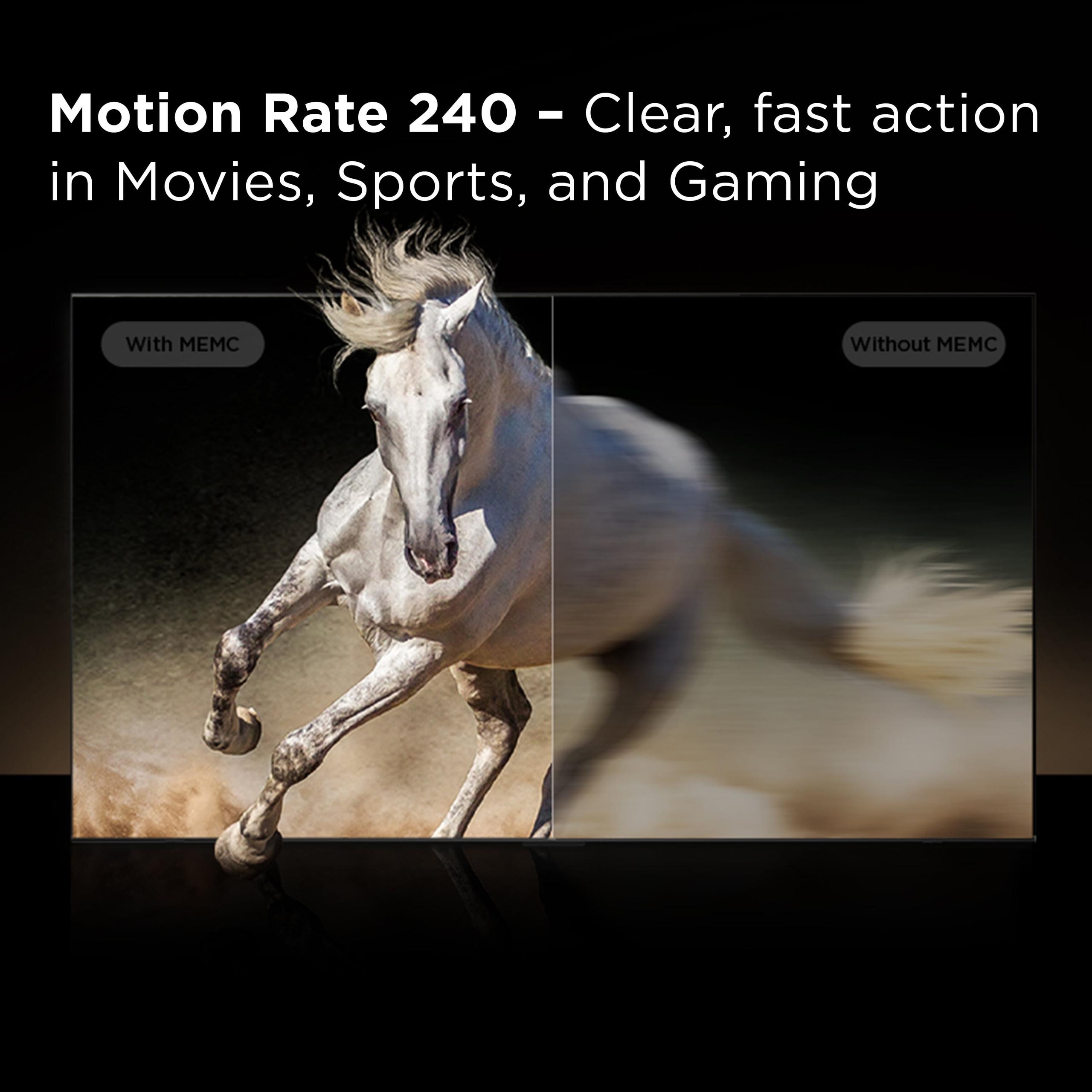
The TCL Q6 Series, unfortunately, is stuck with HDMI 2.0 ports and a 60Hz panel. This means you're limited to 4K at 60 frames per second with no VRR support. For casual gaming, this might be acceptable, but if you've invested in a next-gen console, you're not getting the full experience you paid for.
Audio becomes critically important with displays this large because you need sound that can properly fill the space and match the scale of what you're seeing. The Samsung QN80F includes several advanced audio technologies that make a real difference in practice.
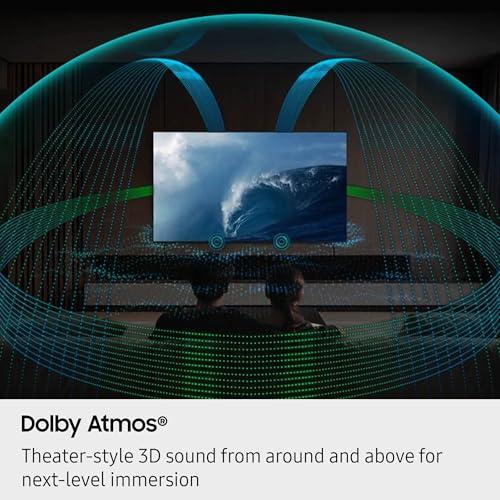
Dolby Atmos support creates three-dimensional sound that can place audio objects in specific locations around you. Combined with Object Tracking Sound Lite (OTS Lite), the TV can make sound appear to move across the screen – so when a car drives from left to right in a movie, the audio follows along. It's subtle but effective for creating immersion.
The Adaptive Sound Pro feature uses AI to analyze both the content you're watching and your room's acoustics, then adjusts the audio processing accordingly. Dialogue gets enhanced during quiet scenes, while action sequences get more dynamic range. The 4-channel, 30W speaker system includes Q-Symphony compatibility, meaning if you add a Samsung soundbar later, both the TV speakers and soundbar work together rather than one replacing the other.
The TCL Q6 Series takes a much more basic approach with a 2-channel, 30W speaker system. While the power rating sounds similar, the lack of advanced processing means dialogue can get muddy, and there's no spatial audio enhancement. For a screen this large, you'll likely want to budget for a separate sound system.
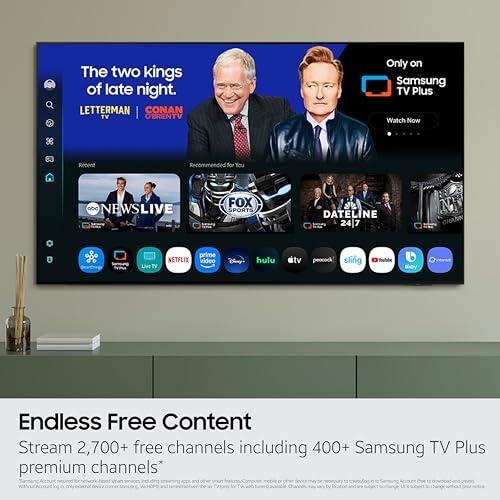
The smart TV platform affects how you interact with your display every single day, so it's worth considering carefully. The Samsung QN80F runs Samsung's Tizen operating system with their One UI interface, which has evolved significantly over the years. The interface is responsive and well-organized, with a comprehensive app ecosystem covering all major streaming services.
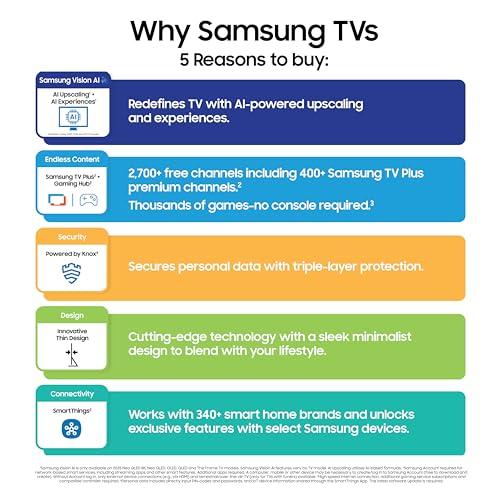
What sets Samsung apart are the AI-driven features. Vision AI powers several unique capabilities, including Generative Wallpaper that creates custom artwork based on keywords you provide. It sounds gimmicky, but having your TV display beautiful, personalized art when not in use transforms it from a black rectangle into an attractive part of your room's decor.
The Pet Care mode is genuinely useful if you have dogs or cats – it can automatically play calming content when it detects your pets are stressed. Voice control through Bixby, Alexa, or Google Assistant works reliably, and the far-field microphones mean you don't need to hunt for the remote for basic commands.
The TCL Q6 Series uses Google TV, which is clean and functional. The interface is straightforward with good recommendations, and all the major streaming apps are available. However, you're missing the advanced AI features and customization options that Samsung provides.
If you're setting up a dedicated home theater, several factors become especially important. The Samsung QN80F's Mini-LED backlighting really shines in light-controlled environments where you can appreciate the superior contrast ratio. The anti-glare coating helps if you can't achieve complete darkness, though for the ultimate theater experience, you want as little ambient light as possible.
The TV's Filmmaker Mode preserves the director's intended aspect ratio, color temperature, and frame rate, which is important for cinematic accuracy. Combined with the excellent HDR performance, movies look spectacular on this display.
However, there are some limitations to consider. The Samsung doesn't support Dolby Vision, which is increasingly common in premium streaming content and 4K Blu-rays. It does support HDR10+ Adaptive, but Dolby Vision is generally considered the superior HDR format.
The TCL Q6 Series can work in a home theater setting, particularly if you keep the room dark to minimize the edge-lighting limitations. The lower peak brightness actually becomes less of an issue in dark rooms, though you'll still notice the lack of true blacks in dark scenes.
After spending time with both displays, the choice comes down to your priorities and budget. The Samsung QN80F ($5,997) is unquestionably the better TV from a technical standpoint. The Mini-LED backlighting, AI processing, gaming features, and advanced audio make it a comprehensive entertainment system that will serve you well for years.
Choose the Samsung if you have the budget for a premium display and want features that will remain relevant as content and gaming continue to evolve. The HDMI 2.1 ports and 144Hz support future-proof your investment, while the AI processing ensures older content continues to look good on that massive screen.
The TCL Q6 Series ($1,598) makes sense if your primary goal is getting the biggest possible screen for your money. While it lacks the advanced features of the Samsung, it still delivers a genuine big-screen experience that will dramatically upgrade your viewing compared to smaller TVs.
For most people, I'd recommend the TCL if you're coming from a 65-inch or smaller TV and want to experience large-screen viewing without a huge investment. However, if you're serious about gaming, have a proper home theater setup, or plan to keep this TV for many years, the Samsung's additional capabilities justify the higher price.
The reality is that both TVs will transform your viewing experience – just in different ways. The Samsung delivers premium performance across every metric, while the TCL delivers maximum impact for minimum investment. Choose based on whether you prioritize technical excellence or sheer size, and either way, you'll have a display that makes every movie night feel like an event.
| Samsung 100" Neo QLED QN80F ($5,997) | TCL 98" Q6 Series ($1,598) |
|---|---|
| Display Technology - The foundation of picture quality | |
| Neo QLED Mini-LED with Quantum Matrix Technology Core (precise local dimming zones) | Standard QLED with edge-lit LED (no local dimming) |
| Peak Brightness - Critical for HDR impact and bright room viewing | |
| 1,500+ nits (excellent HDR highlights) | ~500 nits (limited HDR performance) |
| Processor - Essential for upscaling content to massive screens | |
| NQ4 AI Gen2 with 20 neural networks (4K AI upscaling) | Basic image processor (no AI enhancement) |
| Gaming Performance - Future-proofing for next-gen consoles | |
| 4x HDMI 2.1, 4K@144Hz, VRR, FreeSync Premium Pro | HDMI 2.0 only, 4K@60Hz, no VRR |
| Refresh Rate - Smoothness for sports and action content | |
| 120Hz native (up to 144Hz with Motion Xcelerator) | 60Hz only |
| HDR Support - Enhanced contrast and color range | |
| Neo Quantum HDR, HDR10+ Adaptive/Gaming | HDR10, HLG (no advanced HDR formats) |
| Audio System - Room-filling sound for large displays | |
| Dolby Atmos, 30W 4-channel, Object Tracking Sound Lite | Basic stereo, 30W 2-channel |
| Smart Platform - Daily user experience | |
| Tizen OS with Vision AI (Generative Wallpaper, Pet Care) | Google TV (clean interface, basic features) |
| Screen Size - Maximum viewing impact | |
| 100" diagonal | 98" diagonal |
| Release Date - Latest technology and features | |
| March 2025 (newest Mini-LED tech) | Early 2025 (refreshed budget model) |
| Value Proposition - What you get for the money | |
| Premium performance with future-proof features | Maximum screen size at entry-level pricing |
The Samsung 100" Neo QLED QN80F ($5,997) delivers significantly better picture quality with Mini-LED backlighting, local dimming zones, and 1,500+ nits peak brightness. The TCL 98" Q6 Series ($1,598) uses basic edge-lit LED technology with limited brightness and contrast. While Samsung costs nearly 4x more, it provides premium display technology that justifies the price difference for quality-focused buyers.
The Samsung QN80F excels for gaming with 4x HDMI 2.1 ports supporting 4K@144Hz, Variable Refresh Rate (VRR), and FreeSync Premium Pro - perfect for PlayStation 5 and Xbox Series X. The TCL Q6 Series is limited to HDMI 2.0 with 4K@60Hz and no VRR support, making it less suitable for next-gen console gaming.
For dedicated home theater use, the Samsung 100" Neo QLED QN80F is superior with Mini-LED contrast, Dolby Atmos audio, and Filmmaker Mode for cinematic accuracy. The deeper blacks and higher peak brightness create a more immersive theater experience. The TCL 98" Q6 Series can work in dark rooms but lacks the contrast and audio quality expected in premium home theaters.
The Samsung QN80F runs Tizen OS with advanced Vision AI features like Generative Wallpaper and Pet Care mode, plus comprehensive voice control. The TCL Q6 Series uses Google TV with a clean interface and good app selection, but lacks Samsung's AI-driven smart features and customization options.
The difference between 100" (Samsung) and 98" (TCL) is minimal in real-world viewing - less than 1 inch on each side. Both provide massive, cinema-like experiences. The Samsung QN80F and TCL Q6 Series are essentially equivalent in screen size impact, so other factors like picture quality and features should drive your decision.
The Samsung 100" Neo QLED QN80F excels at HDR with Neo Quantum HDR technology, HDR10+ support, and 1,500+ nits brightness for vivid highlights. The TCL 98" Q6 Series supports basic HDR10 but limited to ~500 nits brightness, resulting in less impactful HDR performance with muted highlights and reduced color range.
The Samsung QN80F includes Dolby Atmos, Object Tracking Sound, and Adaptive Sound Pro that provide good built-in audio for large rooms. The TCL Q6 Series has basic stereo speakers that may require a soundbar upgrade for optimal audio quality matching the massive screen size.
Value depends on priorities: the TCL 98" Q6 Series ($1,598) maximizes screen size per dollar for budget-conscious buyers wanting basic 4K performance. The Samsung QN80F ($5,997) provides premium features, future-proofing, and superior performance that justify the higher cost for enthusiasts seeking long-term quality.
The Samsung 100" Neo QLED QN80F handles bright rooms excellently with 1,500+ nits peak brightness and anti-glare coating technology. The TCL 98" Q6 Series struggles in bright environments due to limited 500-nit brightness and lack of anti-glare features, performing better in darker viewing conditions.
Both handle streaming well, but the Samsung QN80F provides superior upscaling with its NQ4 AI Gen2 processor, making compressed streaming content look sharper on the massive screen. The TCL Q6 Series displays 4K streaming adequately but lacks advanced processing for optimizing lower-quality content.
The Samsung 100" Neo QLED QN80F typically offers longer lifespan with premium components, regular software updates, and established service network. The TCL 98" Q6 Series provides good initial reliability but may have shorter support lifecycles and fewer long-term software updates as a budget-focused model.
For first-time large TV buyers, the TCL 98" Q6 Series ($1,598) offers an affordable entry into massive screen viewing with solid basic performance. However, if budget allows, the Samsung QN80F ($5,997) provides a more complete premium experience with advanced features that will remain relevant longer, making it worth the investment for serious entertainment enthusiasts.
We've done our best to create useful and informative comparisons to help you decide what product to buy. Our research uses advanced automated methods to create this comparison and perfection is not possible - please contact us for corrections or questions. These are the sites we've researched in the creation of this article: rtings.com - youtube.com - theshortcut.com - c9av.com - youtube.com - rtings.com - youtube.com - samsung.com - wifihifi.com - samsung.com - samsung.com - samsung.com - bestbuy.com - samsung.com - flatpanelshd.com - schaeferstv.com - samsung.com - samsung.com - samsung.com - samsung.com - cullenshomecenter.com - bestbuy.com - tcl.com - walmart.com - youtube.com - rtings.com - greentoe.com - kitele.com - bestbuy.com - youtube.com - tcl.com - pcrichard.com - youtube.com

Privacy Policy
Terms and Conditions - Affiliate Policy
Home Security
© Copyright 2008-2026.
11816 Inwood Rd #1211, Dallas, TX 75244