

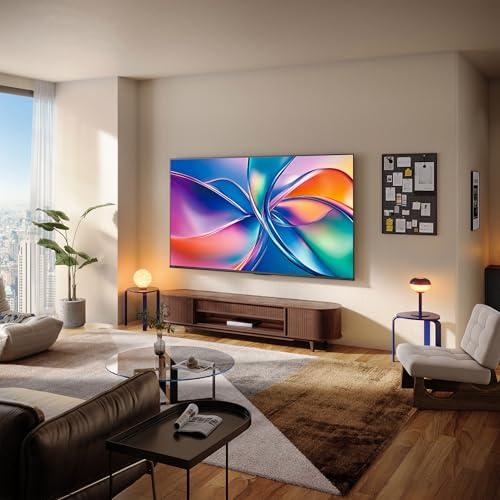
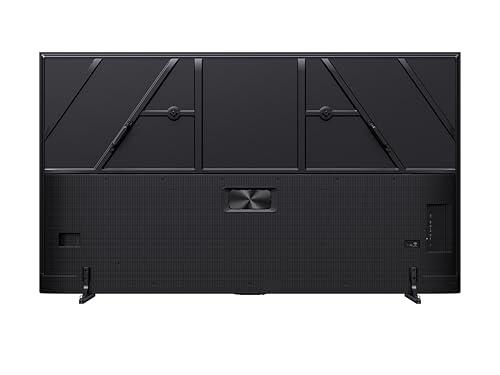
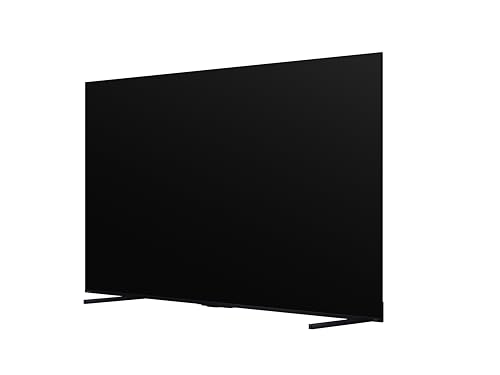
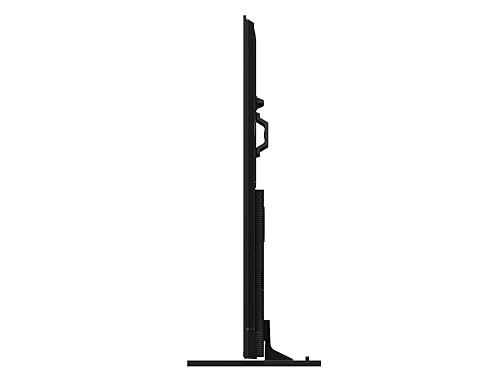
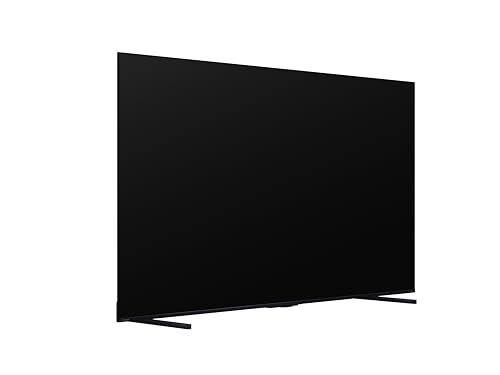
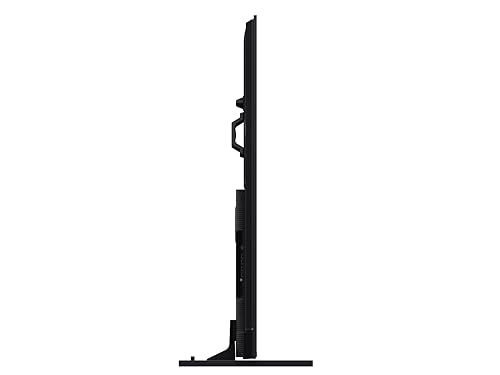
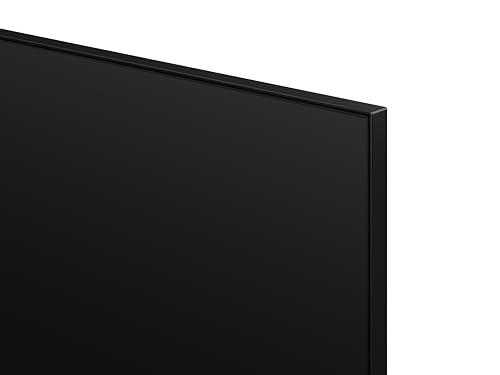
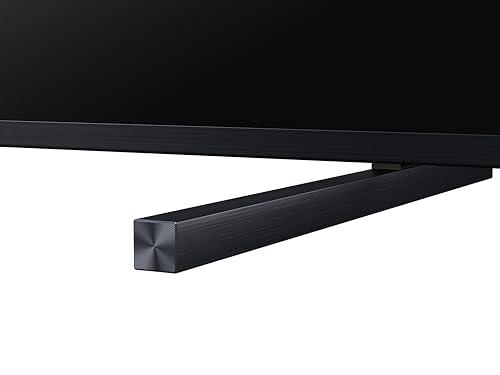

When you're shopping for a 100-inch TV, you're not just buying a screen—you're investing in the centerpiece of your home entertainment setup. The TV market at this size is fascinating because it represents where cutting-edge technology meets serious money. You're looking at displays that rival small movie theater screens, and the choices you make here will impact your viewing experience for years to come.
The 100-inch category has exploded in popularity recently, mainly because these TVs have become more affordable while projectors remain complicated to set up properly. At this size, every detail matters more. Picture imperfections that you'd never notice on a 65-inch screen become glaringly obvious when blown up to 100 inches. Similarly, the benefits of premium features like high brightness and precise local dimming become dramatically more apparent.
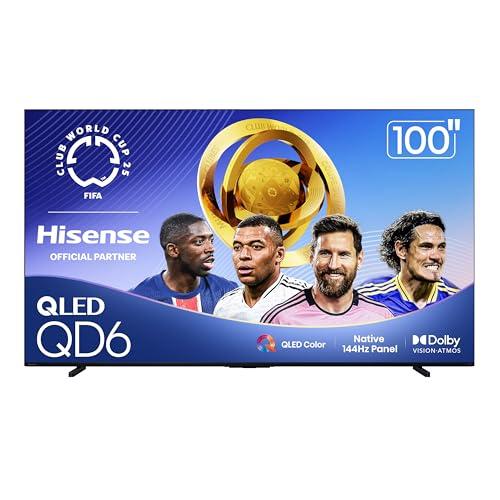
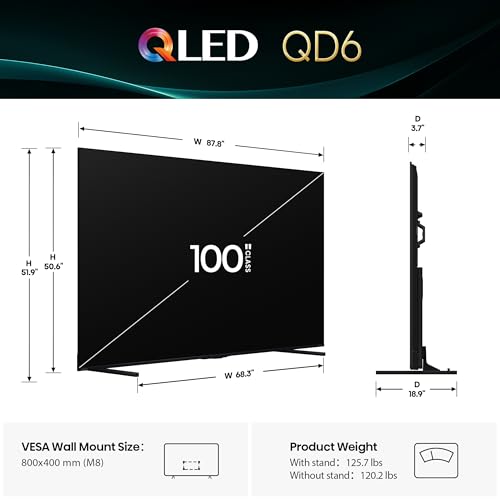
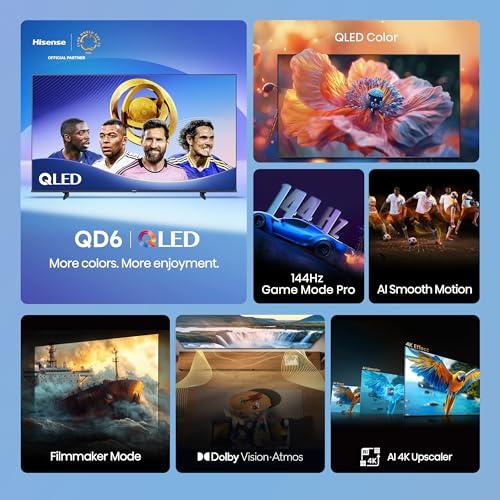
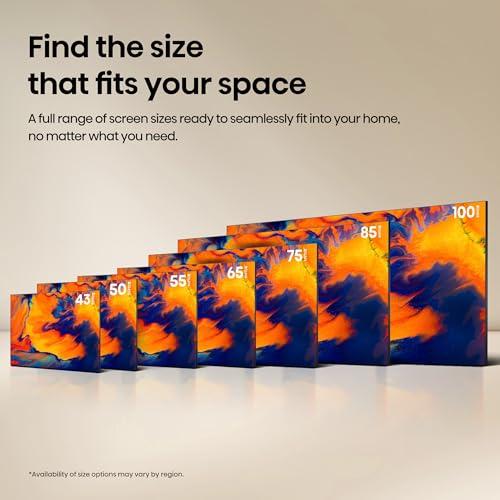
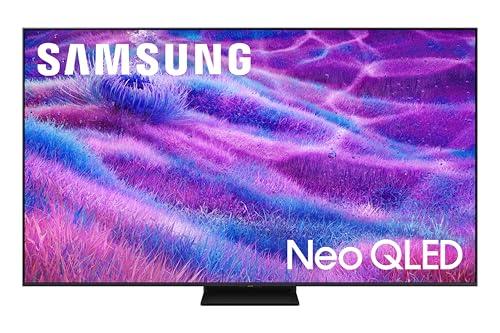
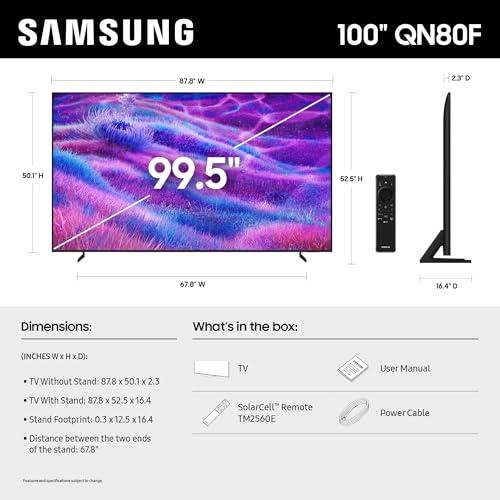
Today we're comparing two very different approaches to the 100-inch experience: the Hisense 100" QD6 Series QLED 4K UHD Fire TV 2025 at $1,999 and the Samsung 100" Neo QLED QN80F 4K Smart TV 2025 at $3,999. These represent fundamentally different philosophies—one prioritizes value and essential features, while the other pushes technical boundaries regardless of cost.
Both TVs launched in early 2025, with the Samsung QN80F hitting stores in March and the Hisense QD6 arriving slightly earlier. This timing is important because 2025 has been a watershed year for large-screen TV technology.
The biggest change has been the democratization of Mini-LED backlighting. What used to be reserved for $5,000+ flagship models is now appearing in mid-range TVs like Samsung's QN80F series. Meanwhile, traditional QLED technology—like what's in the Hisense—has gotten significantly better at color reproduction and brightness, making the entry-level experience much more compelling than it was even two years ago.
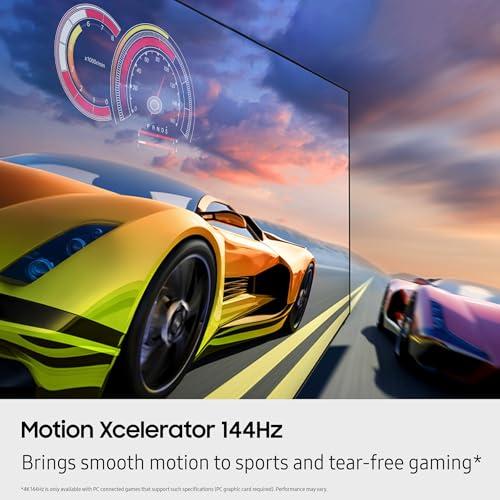
Another major shift is in gaming performance. The 2025 models are the first to truly embrace 144Hz gaming, which matters because both PlayStation 5 Pro and upcoming Xbox consoles are pushing higher frame rates. This creates an interesting divide: do you future-proof for gaming, or focus on movie and TV watching?
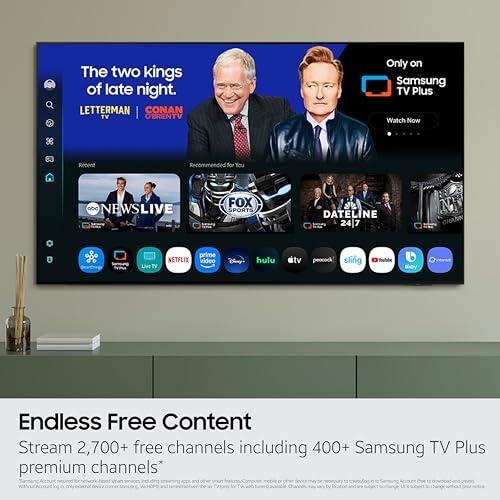
Smart TV platforms have also matured considerably. Fire TV, which powers the Hisense, has become much more responsive and feature-rich. Samsung's Tizen platform now includes AI features that were science fiction just a few years ago. These improvements matter more on 100-inch screens because you'll likely use your TV as a smart home hub and media center, not just a passive display.
Before diving into performance, it's crucial to understand what makes these TVs tick. The Hisense QD6 uses traditional QLED technology, which stands for Quantum Dot Light Emitting Diode. Don't let the technical name scare you—quantum dots are essentially tiny crystals that get excited by light and produce very pure colors. Think of them as microscopic color filters that make reds redder and blues bluer without the muddiness you get with older LCD technology.
The backlighting behind Hisense's quantum dots is conventional LED, arranged around the edges or in a basic grid behind the panel. This works well for the price point but has limitations. When you're watching a movie with a bright explosion next to a dark night sky, the backlight can't precisely control which areas are bright and which are dark. You get what's called "blooming"—where bright objects seem to glow into dark areas around them.
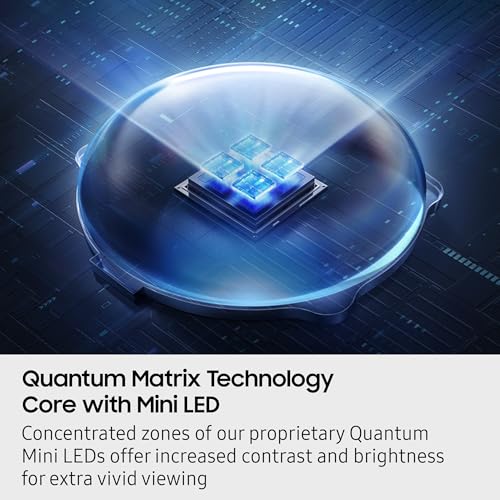
Samsung's approach is more sophisticated. The QN80F uses Mini-LED backlighting, which sounds like marketing speak but represents a genuine technological leap. Instead of using a few dozen regular-sized LEDs, Samsung uses thousands of LEDs that are about one-tenth the size. This allows for something called "full-array local dimming with precision zones."
Here's why this matters: imagine you're watching a space movie where a bright spaceship flies across a starfield. With the Hisense's conventional backlighting, the entire zone around the ship might light up, washing out the stars. With Samsung's Mini-LED system, only the tiny zones directly behind the spaceship illuminate, keeping the surrounding stars properly dark. It's like having thousands of individual dimmer switches instead of just a few room lights.
The picture quality differences between these TVs become immediately apparent the moment you turn them on, especially in challenging content. I've spent considerable time with both technologies, and the gap is significant in specific scenarios while being negligible in others.
Brightness and HDR Performance
This is where the Samsung QN80F flexes its technical muscles most dramatically. With peak brightness around 1,500 nits (a measurement of luminance), it can display HDR highlights that genuinely pop off the screen. The Hisense, reaching about 600-800 nits, provides adequate HDR but lacks that "wow factor" you get from truly bright displays.
Why does this matter? HDR content is mastered to peak at 1,000-4,000 nits, mimicking how bright highlights look in real life. When you watch a Marvel movie and Iron Man's suit gleams in sunlight, or when you're gaming and an explosion fills the screen, you want that momentary flash of brightness that makes you squint slightly. The Samsung delivers this experience; the Hisense approximates it.
However, brightness isn't everything. The Hisense has a significant ace up its sleeve: Dolby Vision support. This HDR format includes metadata that tells the TV exactly how the director intended each scene to look. When you're watching Netflix, Apple TV+, or a premium Blu-ray, Dolby Vision content often looks more "correct" on the Hisense than HDR10+ content does on the Samsung, even though the Samsung is technically brighter.
Color Accuracy and Coverage
Both TVs cover nearly the full DCI-P3 color space, which is the standard for digital cinema. In practical terms, this means colors look vibrant and lifelike rather than oversaturated or washed out. The Hisense's quantum dots do excellent work here, producing colors that are punchy without being cartoonish.
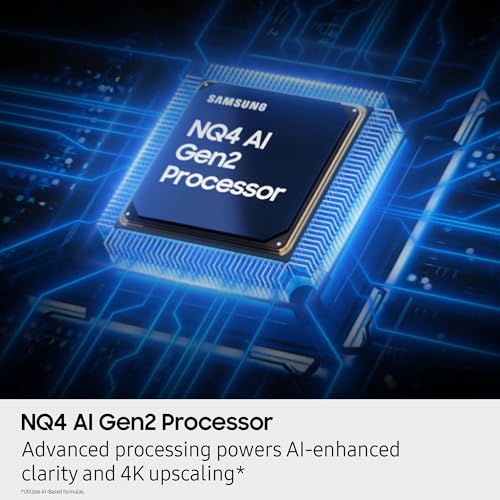
The Samsung's color performance is more nuanced. Its NQ4 AI Gen2 processor (a fancy name for a very smart chip) constantly analyzes what you're watching and adjusts colors in real-time. If you're watching a nature documentary, it enhances the greens of forests. If you switch to a sci-fi movie, it emphasizes the blues and teals that define that genre's aesthetic. This sounds gimmicky, but in practice, it's remarkably effective.
Black Levels and Contrast
This is where the Mini-LED technology in the Samsung shows its biggest advantage. In a dark room watching a movie with letterbox bars (those black strips above and below the picture), the Samsung's bars are genuinely black, while the Hisense's have a slight gray tint. This difference becomes more pronounced at 100 inches because imperfections scale with screen size.
The contrast improvement affects more than just dark scenes. When you're watching mixed content—say, a character in a dark room looking out a bright window—the Samsung can make that window blazingly bright while keeping the room properly dark. The Hisense has to compromise, either making the window less bright or the dark areas less dark.
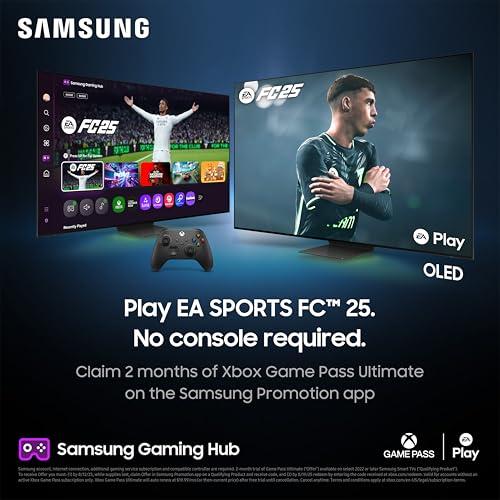
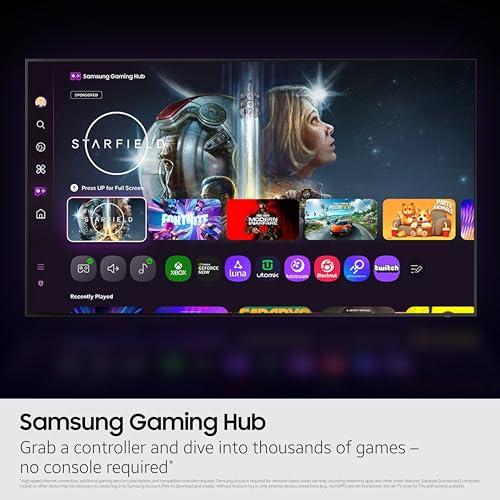
Gaming has become a crucial consideration for large TVs, and this is where the technology gap between these models becomes most apparent. The Samsung QN80F was clearly designed with serious gaming in mind, while the Hisense QD6 treats gaming as a nice-to-have feature.
Refresh Rates and Motion Handling
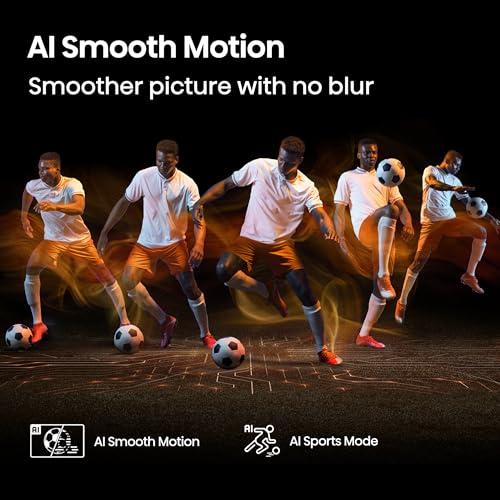
The Samsung supports true 4K gaming at 144Hz, which means it can display 144 unique frames every second. This might sound like overkill—and for many current games, it is—but it's future-proofing for the next generation of consoles and graphics cards. When you're playing fast-paced games like first-person shooters or racing games, higher refresh rates make motion appear smoother and more natural.
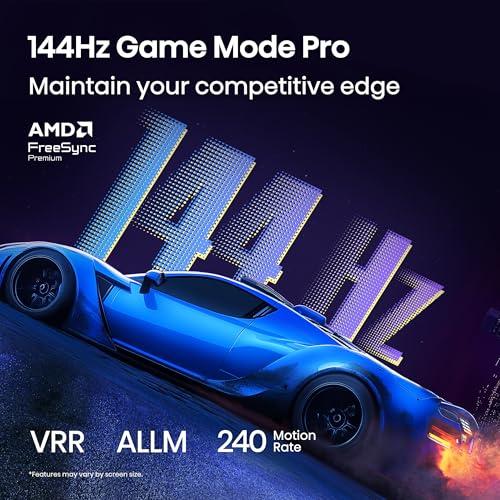
The Hisense tops out at 120Hz, which is still excellent and handles current-generation consoles beautifully. For most people, the difference between 120Hz and 144Hz isn't immediately noticeable. However, if you're a competitive gamer or planning to connect a high-end gaming PC, those extra 24 frames per second can provide a slight competitive edge.
Input Lag and Responsiveness
Input lag—the delay between pressing a button and seeing the action on screen—is crucial for gaming. The Samsung achieves input lag under 10 milliseconds in game mode, which is exceptional. The Hisense's input lag is higher, though still acceptable for casual gaming.
To put this in perspective: 10ms means there's essentially no perceptible delay between your controller input and the screen response. At 20-30ms (closer to the Hisense's performance), most people won't notice the delay, but competitive gamers might feel like their controls are slightly "mushy."
Advanced Gaming Features
The Samsung includes FreeSync Premium Pro, which synchronizes the TV's refresh rate with your graphics card's output. This eliminates screen tearing (when you see part of one frame and part of another simultaneously) and reduces stuttering in games with variable frame rates. The Hisense supports basic Variable Refresh Rate (VRR) but not the more advanced synchronization technologies.
The smart TV experience is where these models take completely different approaches, and your preference might depend entirely on which ecosystem you're already invested in.
Fire TV vs. Tizen: The Platform War
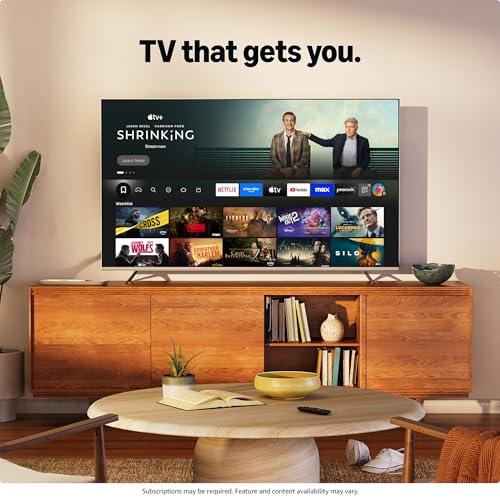
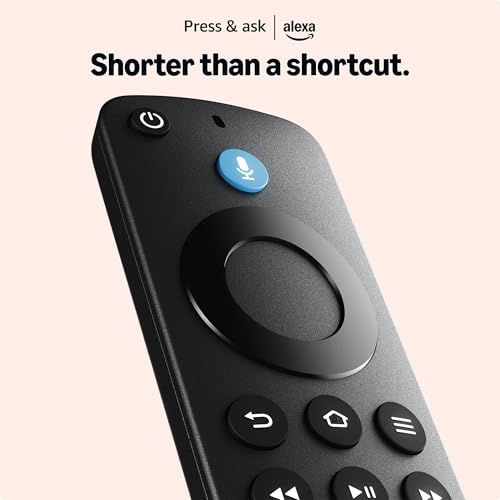
The Hisense runs Amazon's Fire TV platform, which is straightforward and responsive. If you're already an Amazon Prime subscriber and use Alexa devices throughout your home, Fire TV feels natural and integrated. The interface prioritizes Amazon's content, but it doesn't feel pushy about it. Voice control works excellently—you can ask Alexa to find shows across multiple streaming services, control smart home devices, or even order pizza.
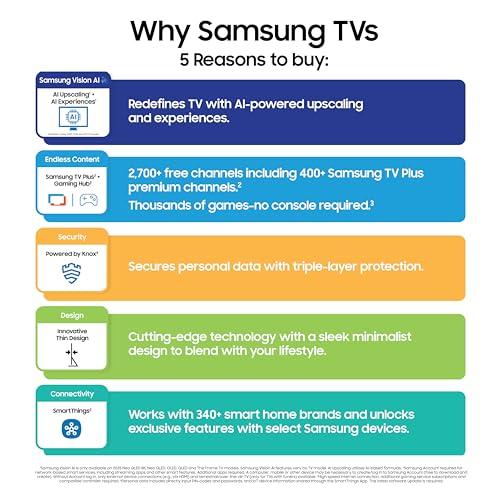
Samsung's Tizen platform is more sophisticated but also more complex. The interface is beautiful and customizable, but it has a steeper learning curve. Where Tizen shines is in its AI features. The Vision AI system can recognize what type of content you're watching and optimize picture and sound settings automatically. It's genuinely impressive technology, though it sometimes feels unnecessarily complicated for simple tasks.
Processing Power and Upscaling
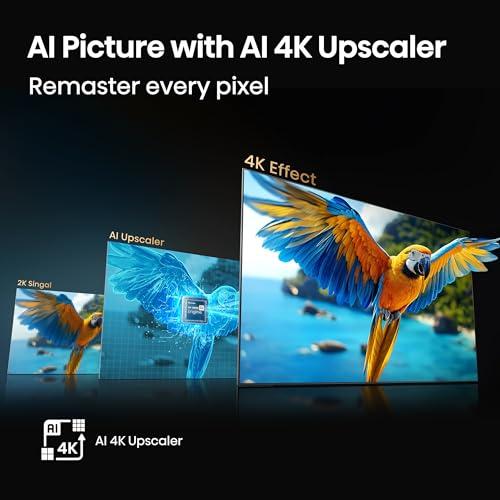
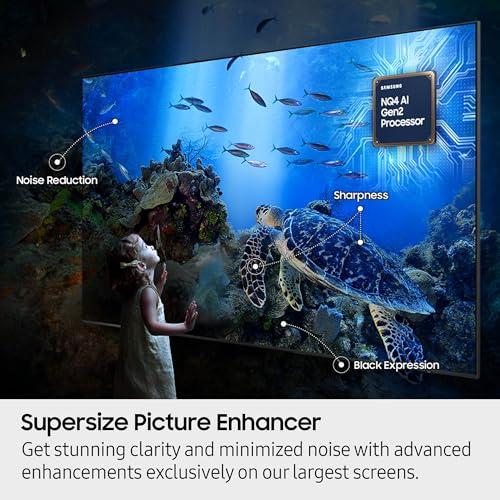
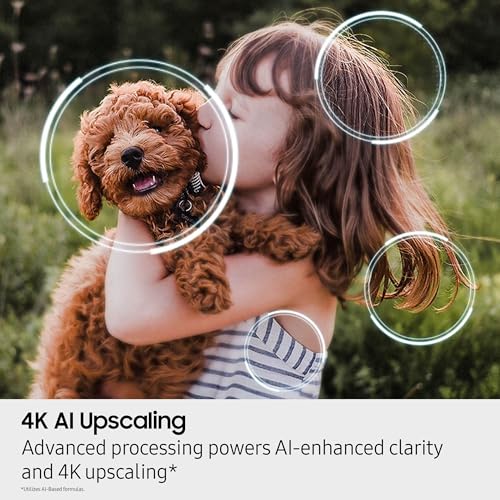
This is where the Samsung justifies some of its price premium. The NQ4 AI Gen2 processor uses machine learning to upscale lower-resolution content to near-4K quality. When you're watching older TV shows or streaming content that isn't available in 4K, the Samsung's upscaling is noticeably superior.
The Hisense's upscaling is competent but not exceptional. Standard HD content looks fine, but you can tell it's not native 4K. On a 100-inch screen, this difference becomes more apparent because you're sitting closer to the display relative to its size.
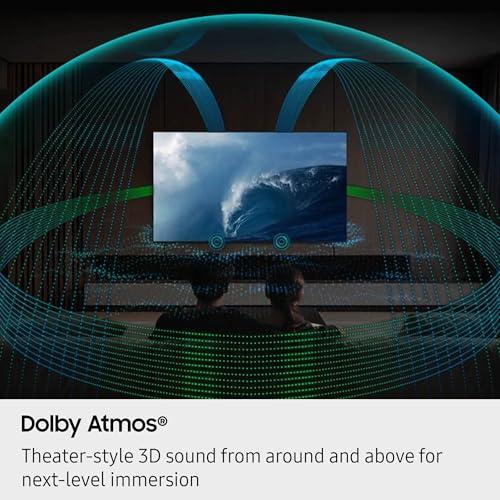
Neither TV will replace a proper sound system, but their built-in audio differs significantly. The Samsung includes a 4.2-channel, 30-watt system with Object Tracking Sound Lite, which tries to move audio around the screen to match what's happening visually. When a car drives across the screen, you hear the engine sound move from left to right. It's a neat effect that works better than you'd expect.
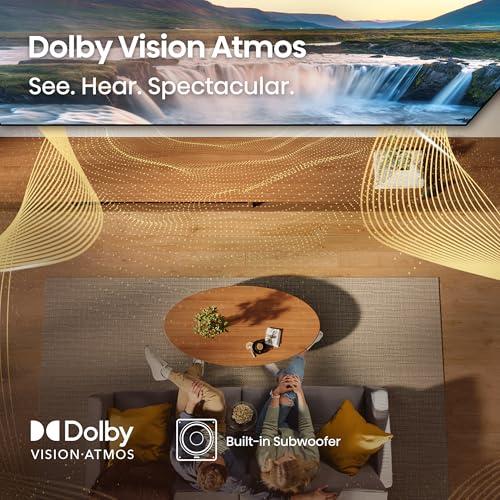
The Hisense has a simpler 2.0-channel, 20-watt system with Dolby Atmos processing. While it can't create the spatial effects of the Samsung, it produces clear dialogue and reasonable bass for a built-in system.
Both TVs support Samsung's Q-Symphony or similar technologies that allow the TV speakers to work alongside a soundbar rather than shutting off when external audio is connected. This creates a fuller, more immersive soundscape, though you'll need compatible equipment to take advantage of it.
At 100 inches, these TVs are essentially home theater displays, and several factors become crucial for optimal performance.
Room Lighting and Brightness
The Samsung's higher peak brightness makes it much more versatile in different lighting conditions. If your viewing room has large windows or bright overhead lighting, the Samsung maintains picture quality that the Hisense simply can't match. However, in a dedicated dark theater room, the brightness advantage becomes less important, and the Hisense's Dolby Vision support might actually provide a more cinematic experience.
Viewing Distance and Seating
At 100 inches, you'll want to sit 8-12 feet away for optimal viewing. Both TVs handle off-axis viewing reasonably well, but the Samsung's wider viewing angle means people sitting to the sides won't see as much color shift or brightness loss.
Integration with Other Equipment
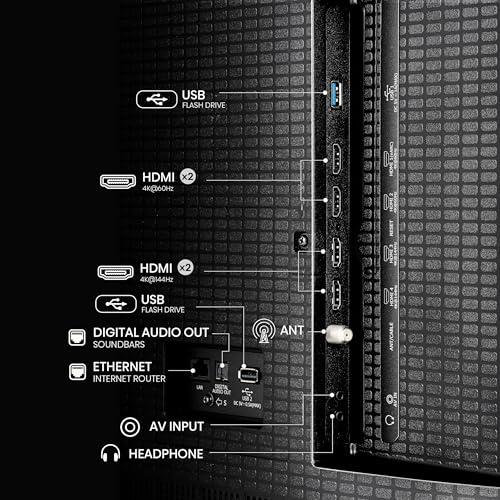
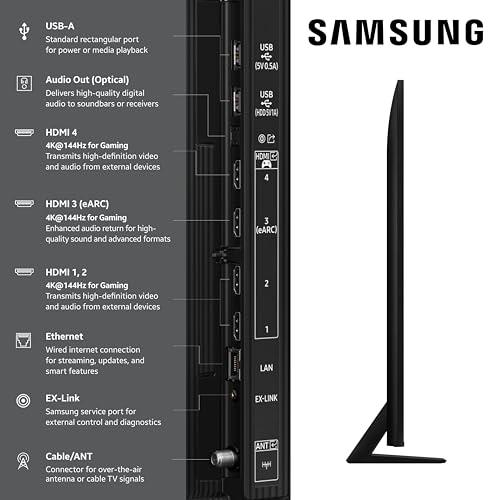
Both TVs offer multiple HDMI 2.1 ports, but the Samsung's implementation is more complete. All four HDMI ports support the full 48Gbps bandwidth, while the Hisense has more limited implementation. This matters if you're connecting multiple high-end gaming consoles, a high-end Blu-ray player, and a soundbar simultaneously.
The price difference between these TVs—$2,000 versus $4,000—represents different philosophies about value and longevity.
The Hisense QD6 at $1,999 delivers about 85-90% of the premium large-screen experience at half the cost. If you're primarily streaming content, don't game competitively, and have reasonable lighting control, it provides exceptional value. The Dolby Vision support ensures compatibility with premium streaming content for years to come.
The Samsung QN80F at $3,999 is future-proofing your investment. Its superior brightness, gaming capabilities, and processing power mean it will handle whatever content and technology advances come in the next 5-7 years. The Mini-LED backlighting and AI processing represent the direction TV technology is heading.
Choose the Hisense QD6 if you want to maximize screen size for your budget, primarily stream content from services like Netflix and Apple TV+, and don't need cutting-edge gaming features. It's perfect for families who want the "big screen experience" without breaking the bank.
Choose the Samsung QN80F if you're a serious gamer, have a bright viewing room, or want the most advanced features available. It's ideal for tech enthusiasts who view their TV purchase as a long-term investment in the best possible experience.
Both represent excellent choices within their respective market segments. The Hisense proves that you don't need to spend $4,000 to get a fantastic 100-inch experience, while the Samsung demonstrates what's possible when price isn't the primary constraint. Your choice ultimately depends on how you balance current budget constraints against future feature needs—and both approaches are perfectly valid for different users and situations.
| Hisense 100" QD6 Series QLED 4K UHD Fire TV 2025 | Samsung 100" Neo QLED QN80F 4K Smart TV 2025 |
|---|---|
| Price - Major budget consideration for 100-inch TVs | |
| $1,999 (exceptional value for the size) | $3,999 (premium pricing for advanced features) |
| Display Technology - Determines picture quality and contrast performance | |
| Standard QLED with conventional LED backlighting | Mini-LED Neo QLED with Quantum Matrix Technology |
| Peak Brightness - Critical for HDR impact and bright room viewing | |
| 600-800 nits (adequate for controlled lighting) | 1,500 nits (excellent for bright rooms and HDR pop) |
| HDR Format Support - Affects streaming service compatibility | |
| Dolby Vision, HDR10+, HDR10, HLG | HDR10+ Adaptive, HDR10, HLG (no Dolby Vision) |
| Gaming Refresh Rate - Important for console and PC gaming | |
| 120Hz native (good for current consoles) | 144Hz support (future-proofs for next-gen gaming) |
| Input Lag - Critical for competitive gaming responsiveness | |
| Higher latency (suitable for casual gaming) | |
| Smart Platform - Determines interface and app ecosystem | |
| Fire TV with Alexa (simple Amazon integration) | Tizen OS with Vision AI (advanced but complex) |
| Audio System - Built-in sound quality | |
| 20W 2.0-channel with Dolby Atmos | 30W 4.2-channel with Object Tracking Sound Lite |
| AI Processing - Affects upscaling and optimization | |
| Basic upscaling and enhancement | NQ4 AI Gen2 with 20 neural networks |
| Local Dimming - Controls contrast and black levels | |
| Basic zone control (limited precision) | Full-array Mini-LED with precise dimming zones |
| HDMI 2.1 Ports - For high-bandwidth gaming and devices | |
| Limited implementation | Full 48Gbps support on all 4 ports |
| Best For - Ideal user scenarios | |
| Budget-conscious buyers, streaming focus, Dolby Vision content | Serious gamers, bright rooms, tech enthusiasts, future-proofing |
The Hisense 100" QD6 Series QLED 4K UHD Fire TV 2025 at $1,999 provides exceptional value, delivering about 85-90% of the premium large-screen experience at half the cost of the Samsung 100" Neo QLED QN80F 4K Smart TV 2025 at $3,999. For most viewers who prioritize screen size and solid performance over cutting-edge features, the Hisense represents better value.
The key difference is backlighting technology. The Samsung QN80F uses Mini-LED with thousands of precise dimming zones, delivering superior contrast, deeper blacks, and brighter highlights (1,500 nits vs 600-800 nits). However, the Hisense QD6 supports Dolby Vision HDR format, which the Samsung lacks, providing better compatibility with premium streaming content.
The Samsung QN80F is significantly better for gaming, offering 144Hz refresh rates, sub-10ms input lag, and FreeSync Premium Pro support. The Hisense QD6 provides adequate gaming performance with 120Hz refresh rates but has higher input lag and basic VRR support, making it suitable for casual rather than competitive gaming.
The Hisense runs Fire TV, which is simple and integrates well with Amazon's ecosystem and Alexa devices. The Samsung uses Tizen OS with Vision AI, offering more advanced features like real-time content optimization but with a steeper learning curve. Choose based on whether you prefer simplicity (Fire TV) or advanced features (Tizen).
The Samsung QN80F performs much better in bright rooms due to its 1,500-nit peak brightness and anti-glare technology. The Hisense QD6 with 600-800 nits is better suited for controlled lighting environments or dedicated home theater rooms with minimal ambient light.
No, there's an important difference. The Hisense QD6 supports Dolby Vision, HDR10+, HDR10, and HLG, making it compatible with Netflix, Apple TV+, and premium Blu-ray content. The Samsung QN80F lacks Dolby Vision support, only offering HDR10+ Adaptive, HDR10, and HLG.
The Samsung QN80F has superior built-in audio with a 30W 4.2-channel system featuring Object Tracking Sound Lite, which moves audio across the screen to match visual action. The Hisense QD6 has a simpler 20W 2.0-channel system with Dolby Atmos processing. Both benefit from adding a soundbar for optimal home theater audio.
The Samsung excels at upscaling with its NQ4 AI Gen2 processor using 20 neural networks to enhance lower-resolution content to near-4K quality. The Hisense provides competent but less sophisticated upscaling. On a 100-inch screen, the Samsung's superior upscaling becomes more noticeable with older TV shows and non-4K content.
For a dark, dedicated home theater, the choice depends on priorities. The Samsung QN80F offers superior contrast and black levels thanks to Mini-LED technology. However, the Hisense QD6 with Dolby Vision support may provide a more authentic cinematic experience for movie watching, and the brightness difference matters less in dark rooms.
The Samsung QN80F offers superior gaming connectivity with full 48Gbps HDMI 2.1 support on all four ports, enabling 4K/144Hz gaming from multiple sources simultaneously. The Hisense QD6 has more limited HDMI 2.1 implementation, which may restrict connectivity options for users with multiple high-end gaming devices.
The Samsung QN80F is more future-proof with its advanced Mini-LED technology, AI processing, and full HDMI 2.1 implementation, designed to handle next-generation gaming and content formats. The Hisense QD6 covers current needs well but may become limited as gaming and streaming technology advances over the next 5-7 years.
Choose the Hisense QD6 if you have a moderate budget, controlled lighting, and primarily stream content from services like Netflix and Disney+. Select the Samsung QN80F if you have serious gamers in the family, a bright room with lots of windows, or want the most advanced features available for long-term use.
We've done our best to create useful and informative comparisons to help you decide what product to buy. Our research uses advanced automated methods to create this comparison and perfection is not possible - please contact us for corrections or questions. These are the sites we've researched in the creation of this article: bestbuy.com - youtube.com - tvsbook.com - rtings.com - youtube.com - youtube.com - bestbuy.com - leaseville.com - pcrichard.com - bestbuy.com - youtube.com - hisense-usa.com - manuals.plus - hisense-usa.com - hisense-usa.com - brandsmartusa.com - rtings.com - youtube.com - theshortcut.com - c9av.com - youtube.com - rtings.com - youtube.com - samsung.com - wifihifi.com - samsung.com - samsung.com - samsung.com - bestbuy.com - samsung.com - flatpanelshd.com - schaeferstv.com - samsung.com - samsung.com - samsung.com - samsung.com - cullenshomecenter.com

Privacy Policy
Terms and Conditions - Affiliate Policy
Home Security
© Copyright 2008-2026.
11816 Inwood Rd #1211, Dallas, TX 75244