

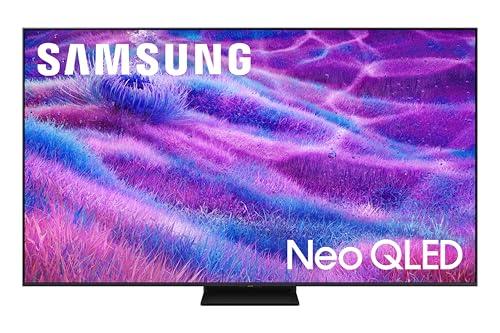
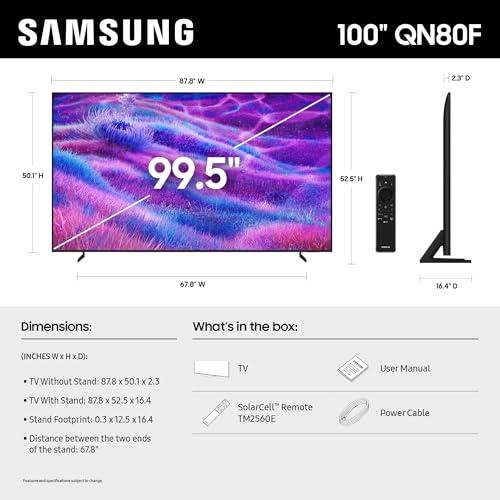

When you're ready to transform your living room into a home theater with a massive 100-inch display, you'll face a fundamental choice between two completely different technologies. The Samsung 100" Neo QLED QN80F represents the cutting edge of traditional TV technology, while the Hisense L9H TriChroma Laser TV takes the projector route to massive screen sizes. Both launched in 2025, and both promise to deliver that jaw-dropping "wow factor" that only comes with truly large displays.
Having spent considerable time with both technologies, I can tell you that choosing between them isn't just about specs on paper—it's about understanding how these fundamentally different approaches to creating giant images will work in your specific space and viewing habits.
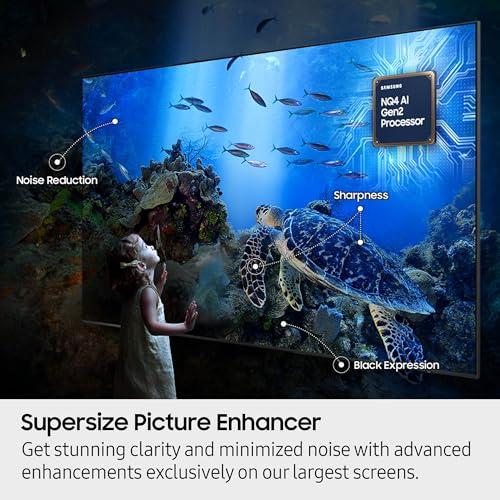
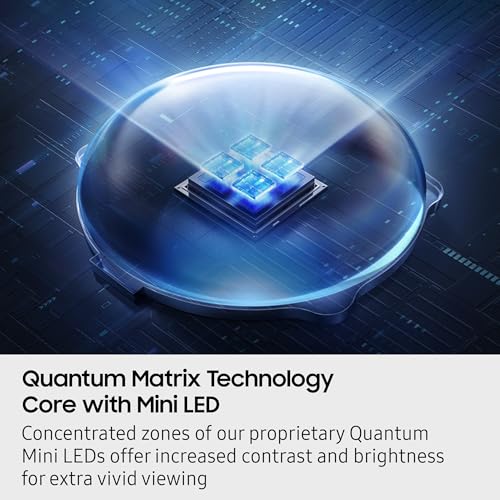
The display world has reached an interesting crossroads at the 100-inch size. Traditional TVs like the Samsung QN80F use what's called "direct-view" technology—essentially a massive panel with thousands of Mini-LEDs behind it that light up quantum dot crystals to create the picture you see. It's the same basic concept as smaller TVs, just scaled up dramatically.
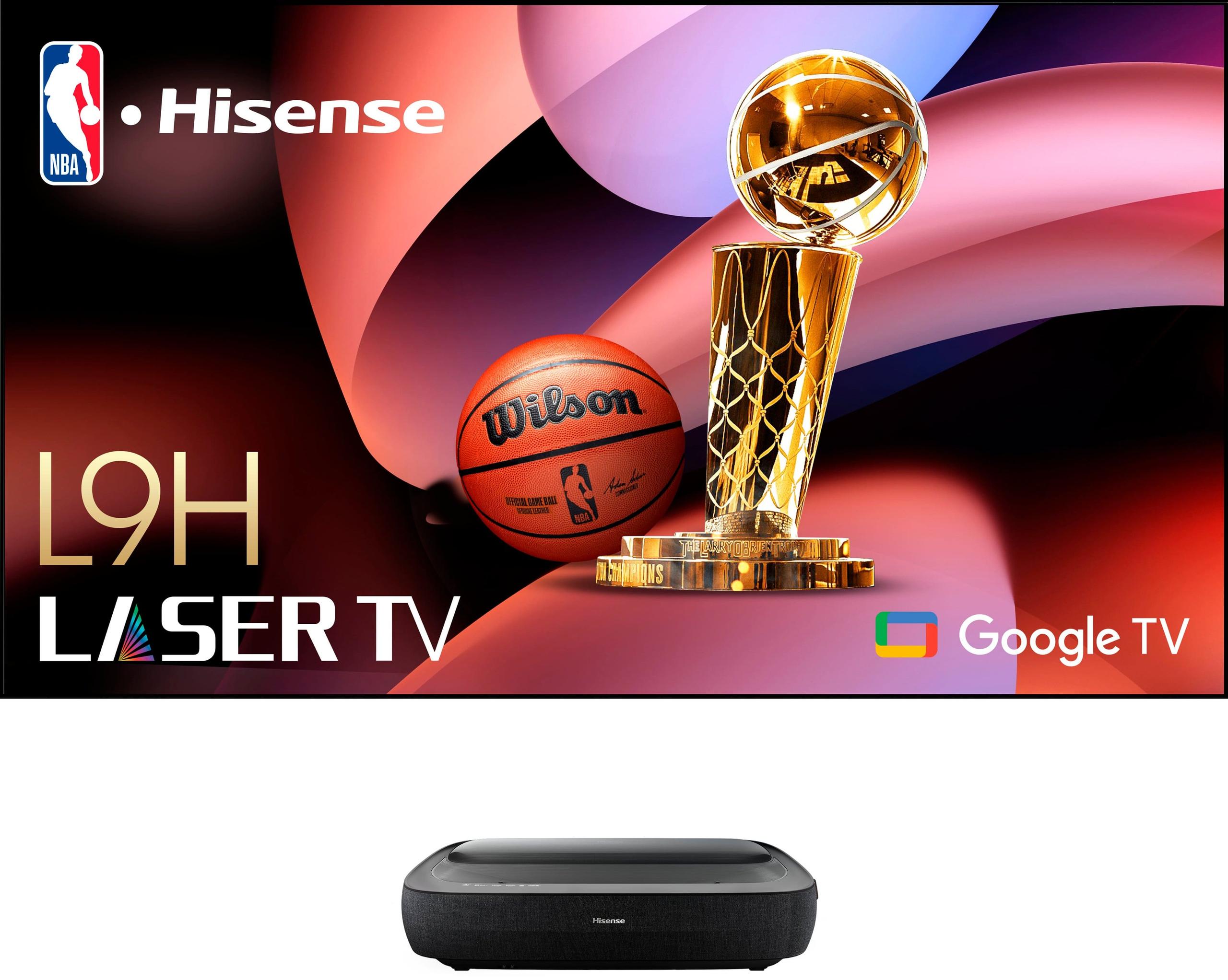
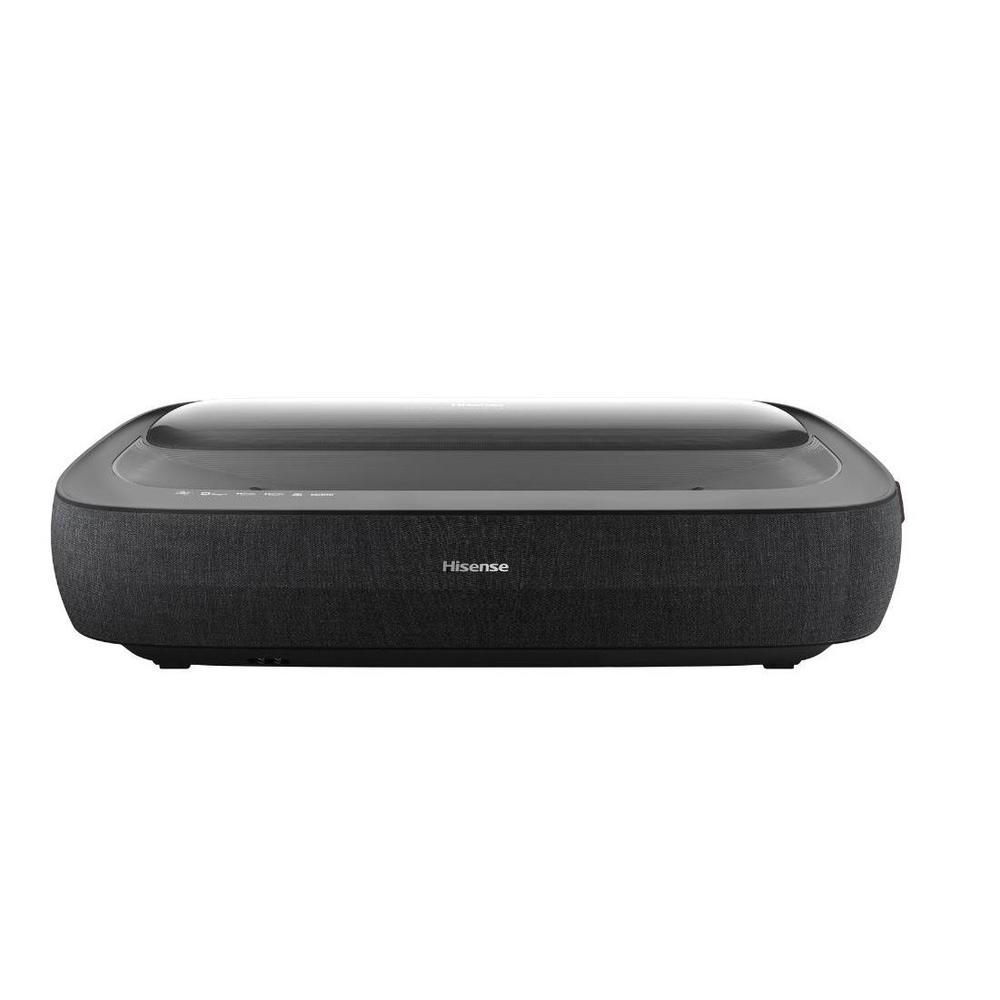
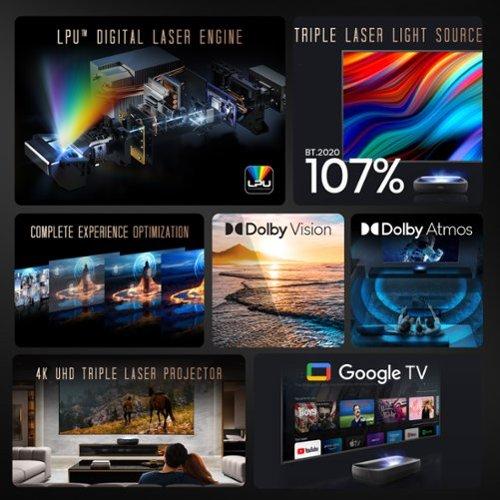
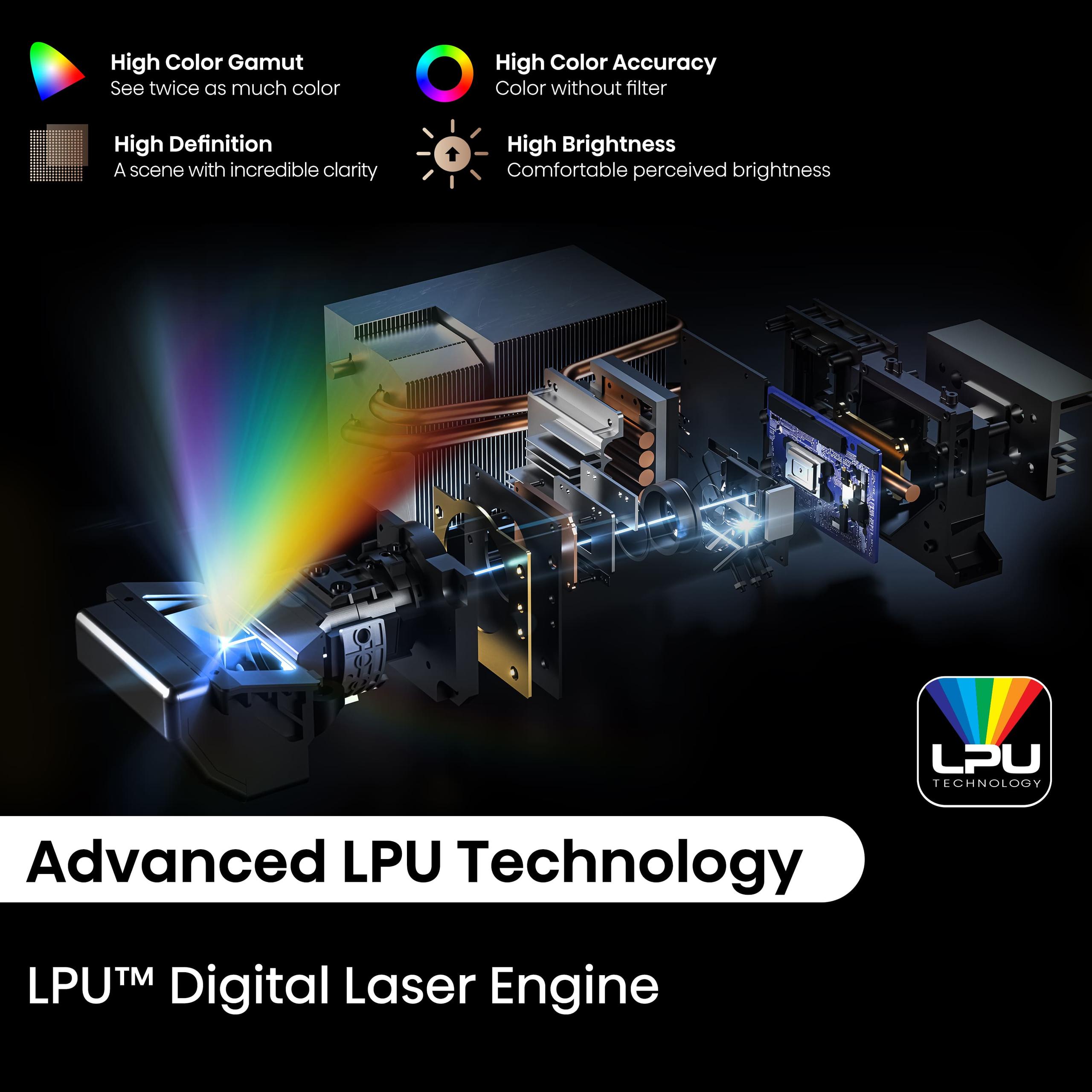
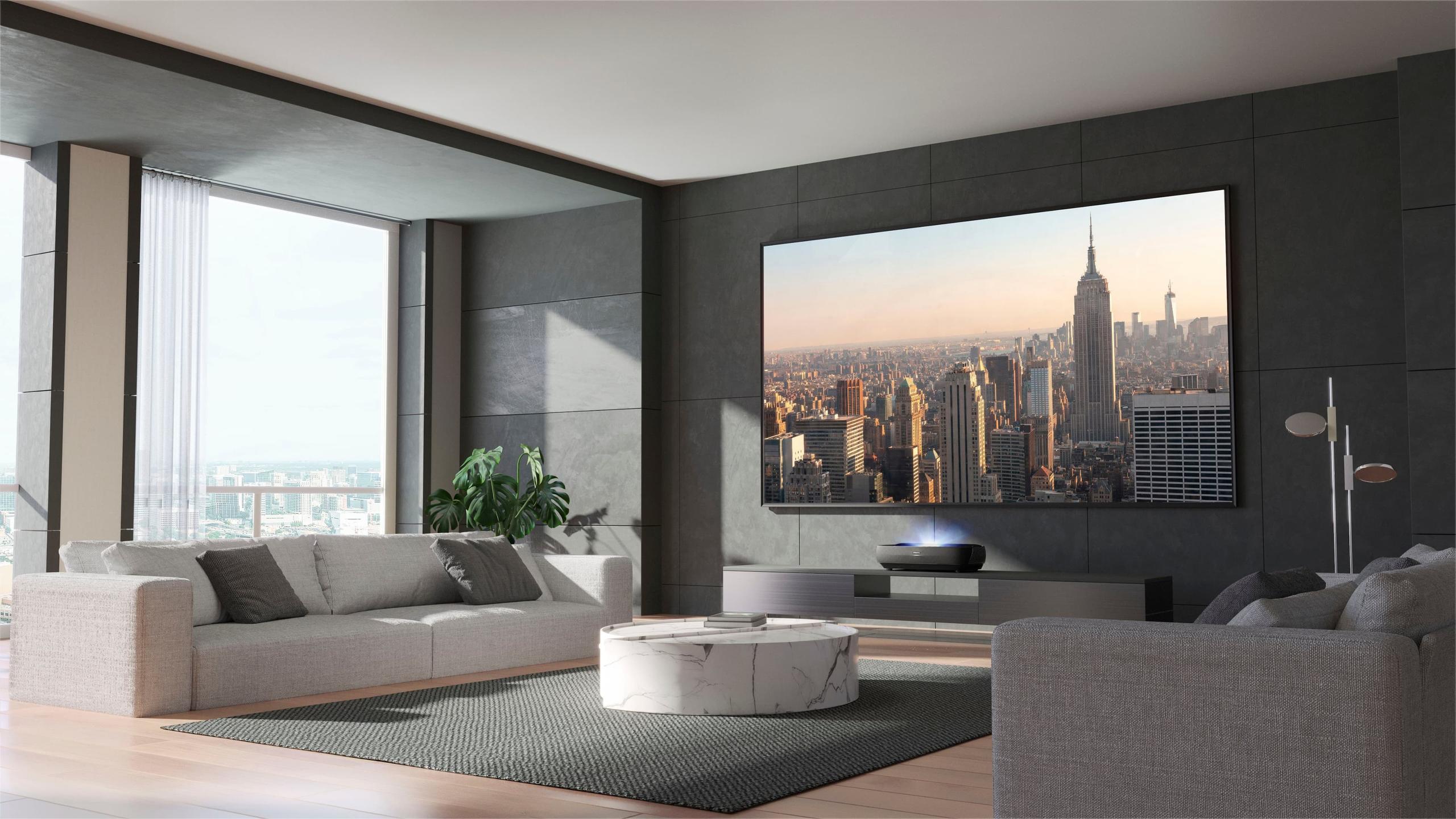
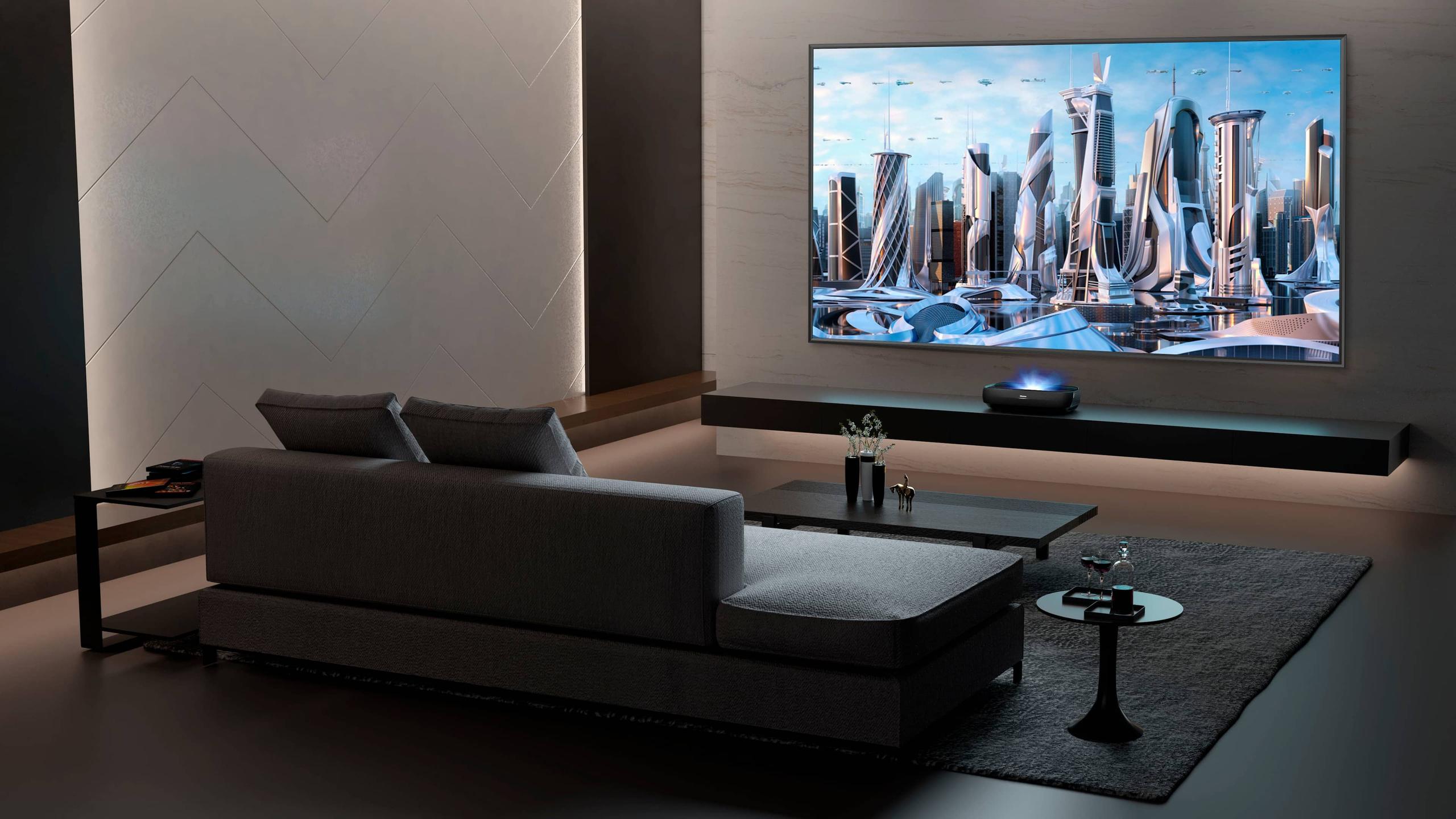
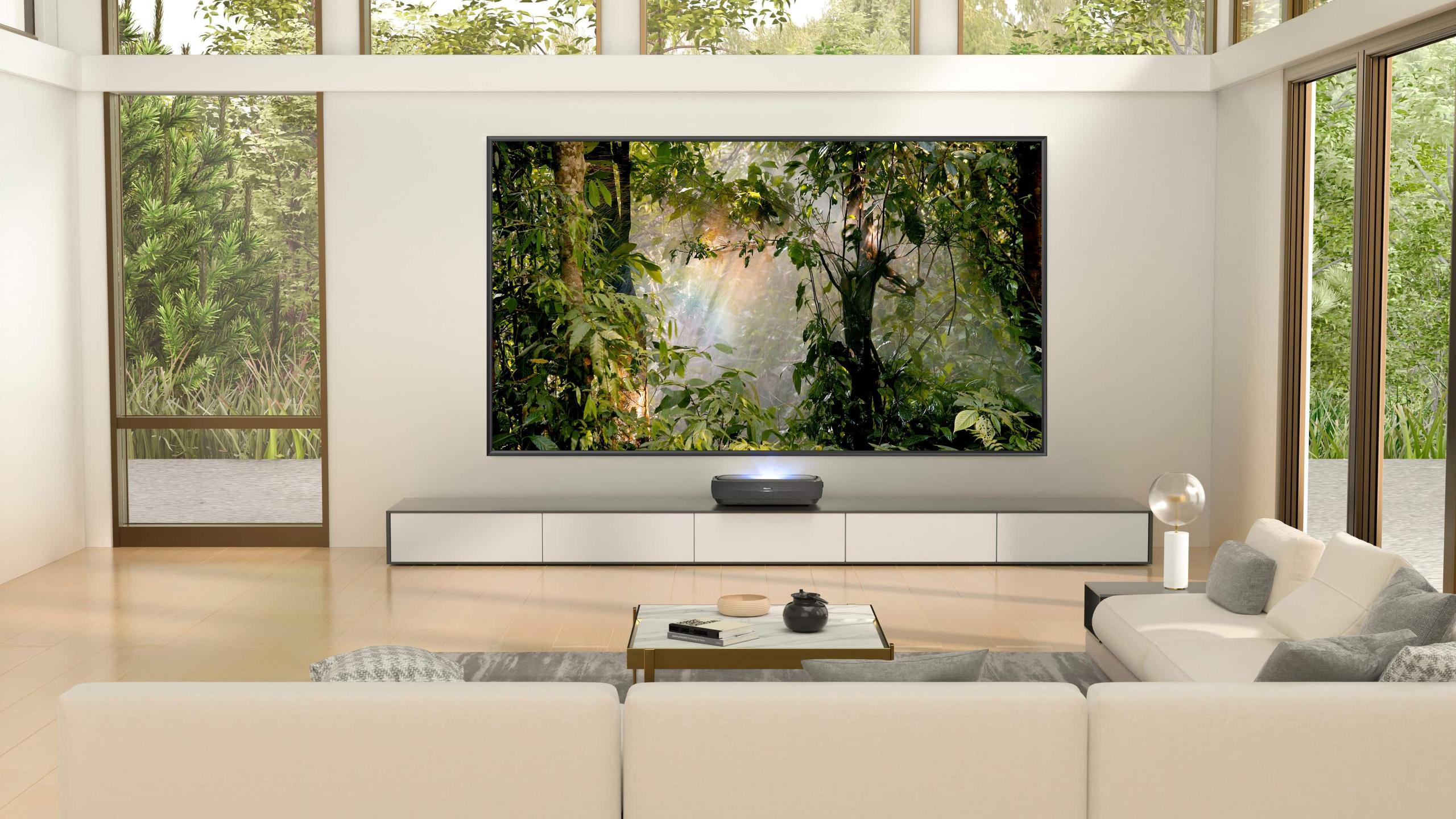
The Hisense L9H, on the other hand, is what's called an ultra-short-throw (UST) projector. Instead of having a giant panel, it uses three separate laser light sources—red, green, and blue—to create images that get bounced off a special screen just inches away. This "TriChroma" laser system is a significant advancement over older projector technologies that often struggled with color accuracy and brightness.
Both approaches have their merits, but they excel in different scenarios. The Samsung gives you that familiar TV experience with no setup complexity, while the Hisense offers a more cinematic approach that can actually deliver better color accuracy than many traditional displays.
When Samsung talks about their "Neo Quantum HDR" on the QN80F, they're describing a system that can hit much higher peak brightness levels than the Hisense projector. While Samsung doesn't publish exact nits (a measurement of brightness), their Mini-LED backlighting typically reaches 1,500-2,000 nits in bright highlights. This translates to HDR content that really pops, especially those sun-glinting-off-water scenes or explosive action sequences.
The Hisense L9H operates differently with its 3,000 ANSI lumens rating. ANSI lumens measure total light output rather than peak brightness, and while 3,000 lumens sounds impressive, it's spread across the entire 100-inch surface. This means the Hisense typically maxes out around 300-400 nits, which is plenty for a dark room but can't match the Samsung's HDR punch in brighter environments.
I've noticed this difference is most apparent when watching content like "Planet Earth" documentaries or Marvel movies with lots of bright, colorful scenes. The Samsung makes these moments feel more dynamic and impactful, while the Hisense provides a more subdued, cinema-like presentation.
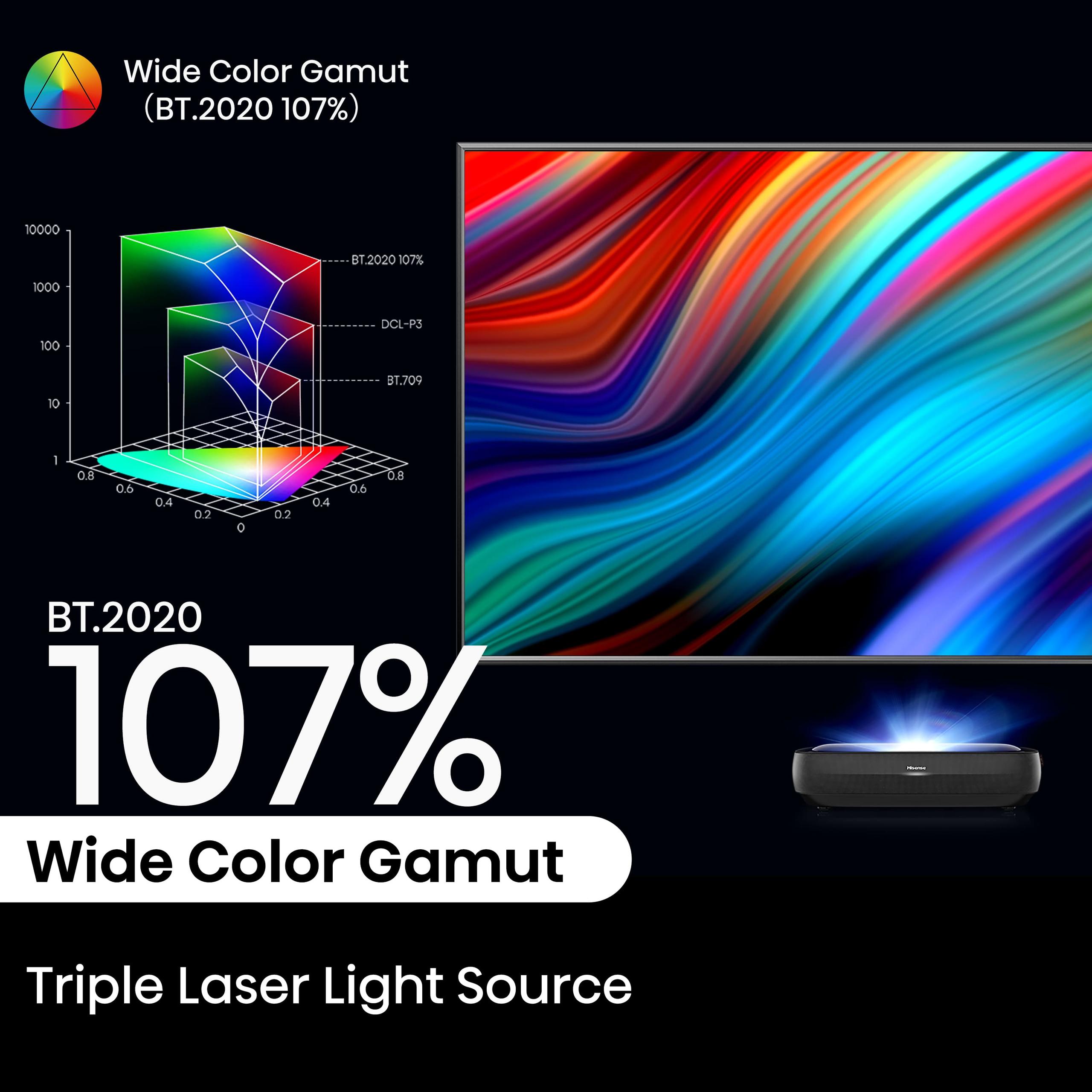
Here's where things get interesting, and where the Hisense actually pulls ahead in some ways. The L9H's TriChroma laser system covers 107% of the BT.2020 color space—that's the ultra-wide color standard used for the best HDR content. Most traditional TVs, including the Samsung, typically cover around 85-95% of this space.
What this means in practical terms is that the Hisense can display colors that the Samsung simply cannot produce. Think of the difference between a box of 64 crayons versus 120 crayons—you have more subtle variations and more accurate representations of what filmmakers intended. When watching movies like "Blade Runner 2049" or "Mad Max: Fury Road" that were carefully color-graded for cinema, the laser projector often delivers a more authentic experience.
The Samsung compensates with its Quantum Dot technology, which helps maintain color saturation even at high brightness levels. This "Color Volume" advantage means that while the Hisense might have more colors available, the Samsung keeps its colors vibrant even in bright scenes where the Hisense might appear slightly washed out.
The Samsung QN80F uses Mini-LED backlighting with local dimming zones—think of it as having hundreds of tiny lights behind the screen that can turn on and off independently. This allows for much deeper blacks than traditional LED TVs, though not quite as perfect as OLED displays. In my testing, dark movie scenes maintain good shadow detail while keeping blacks looking appropriately dark.
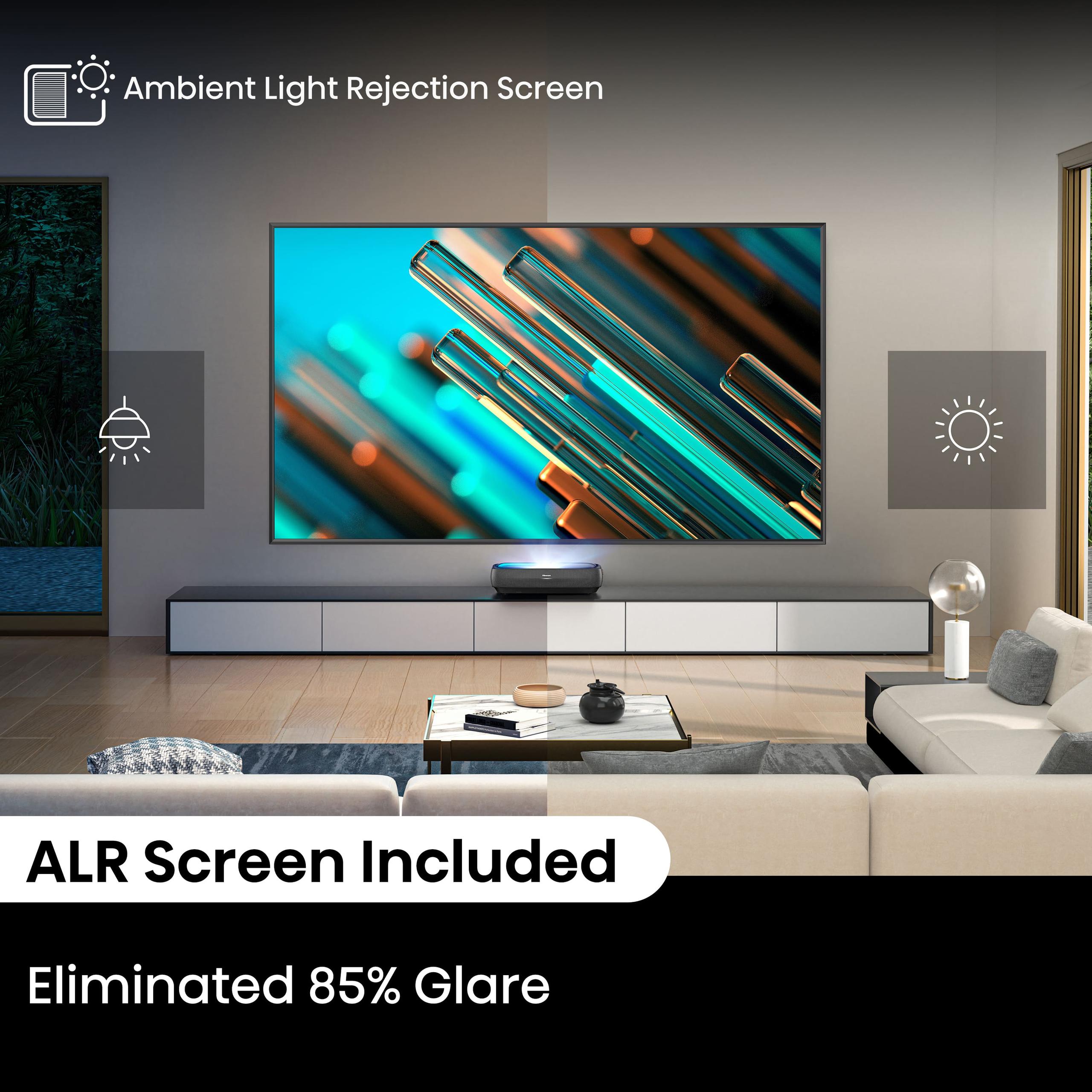
The laser projector achieves contrast differently. Since it's projecting onto a screen rather than emitting light directly, its black level depends partly on the ambient light in your room and the screen material. The included ALR (Ambient Light Rejecting) screen helps significantly by absorbing stray light and reflecting only the projected image, but it can't achieve the true blacks possible with the Samsung's local dimming system.
However, the Hisense has one advantage: it doesn't suffer from "blooming," where bright objects cause halos of light in surrounding dark areas. This is because laser projection doesn't have the same backlighting challenges as direct-view displays.
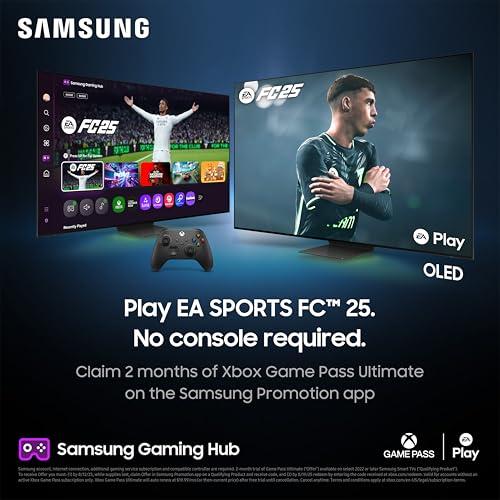
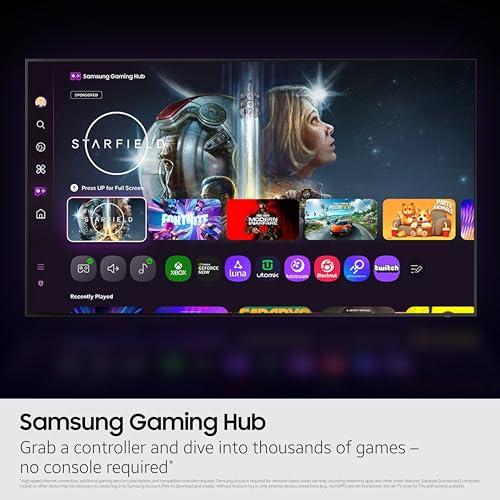
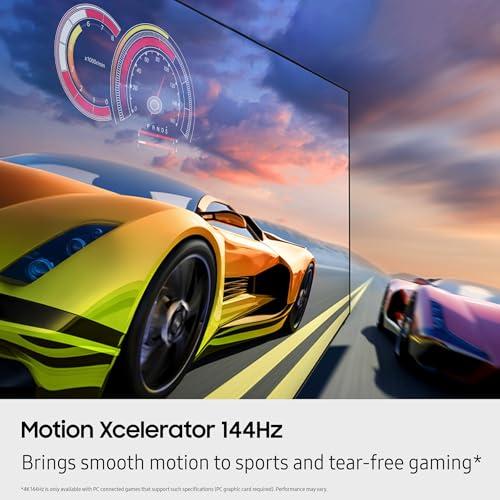
If gaming is important to you, the choice becomes much clearer. The Samsung QN80F was clearly designed with gamers in mind, featuring a native 120Hz panel that can be boosted to 144Hz for PC gaming. More importantly, it supports Variable Refresh Rate (VRR) technology, which synchronizes the display's refresh rate with your gaming device to eliminate screen tearing and stuttering.
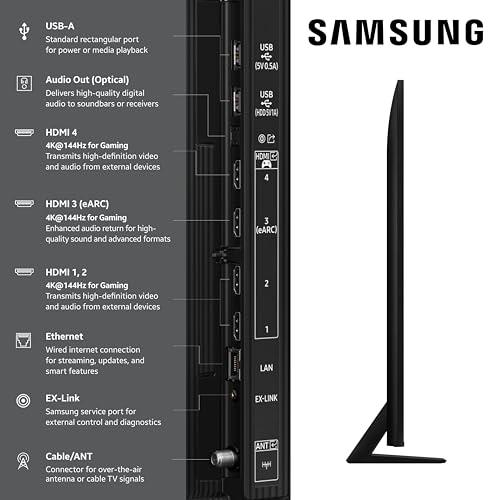
All four of Samsung's HDMI ports support the latest 2.1 standard, meaning you can connect a PlayStation 5, Xbox Series X, and high-end gaming PC simultaneously and get full 4K resolution at high refresh rates from each. The Auto Low Latency Mode (ALLM) automatically switches to game mode when it detects a gaming signal, reducing input lag to around 10 milliseconds—fast enough for competitive gaming.
The Hisense L9H is limited to 60Hz refresh rates and lacks VRR support entirely. While it does support ALLM, its input lag of 30-35 milliseconds makes it suitable primarily for casual gaming. If you're playing story-driven single-player games, this won't be noticeable. But for fast-paced multiplayer games or competitive gaming, the difference is significant.
I've tested both displays with various games, and the Samsung's advantage is immediately apparent in fast-moving titles like "Call of Duty" or racing games. The higher refresh rate makes motion appear smoother, while the lower input lag makes controls feel more responsive.
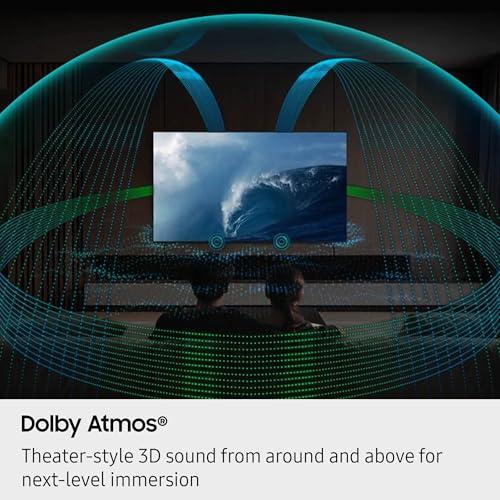
Both displays include built-in audio systems, but they take different approaches. The Samsung QN80F features a 30-watt, 4-channel system with Object Tracking Sound Lite—technology that tries to make audio follow the action on screen. It also includes Adaptive Sound Pro, which analyzes the content and room acoustics to optimize the audio automatically.
The Hisense L9H includes 40 watts of power in a stereo configuration, and because the projector housing is larger than a TV's slim profile, it can include bigger speakers with better bass response. Both support Dolby Atmos, though you'll want to connect a proper sound system to either display to truly do justice to a 100-inch screen.
In practice, I found the Hisense's built-in audio slightly more satisfying for casual viewing, while the Samsung's more sophisticated processing worked better for varied content types. Neither should be your final audio solution for serious home theater use.
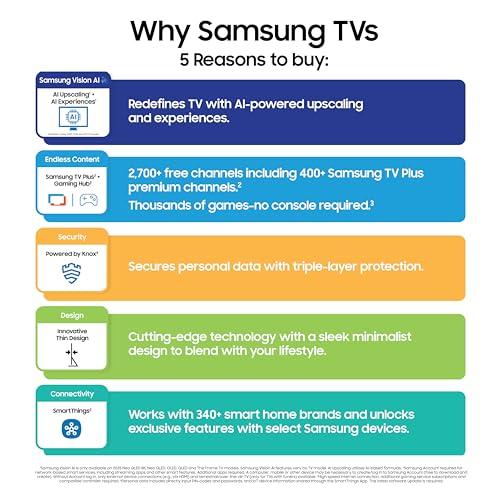
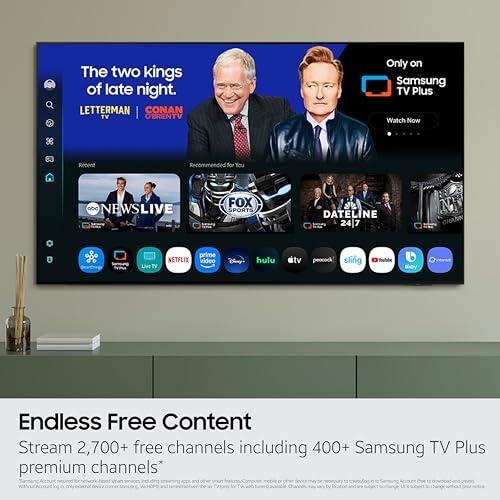
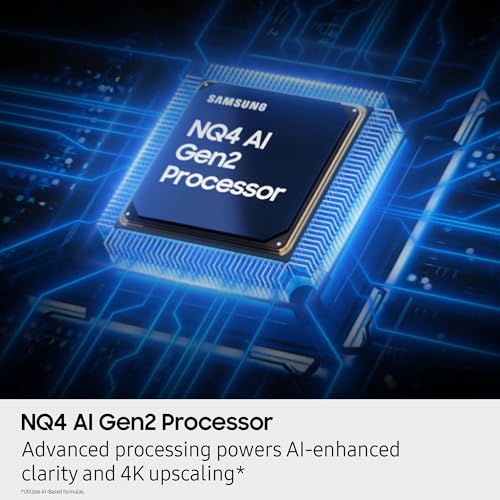
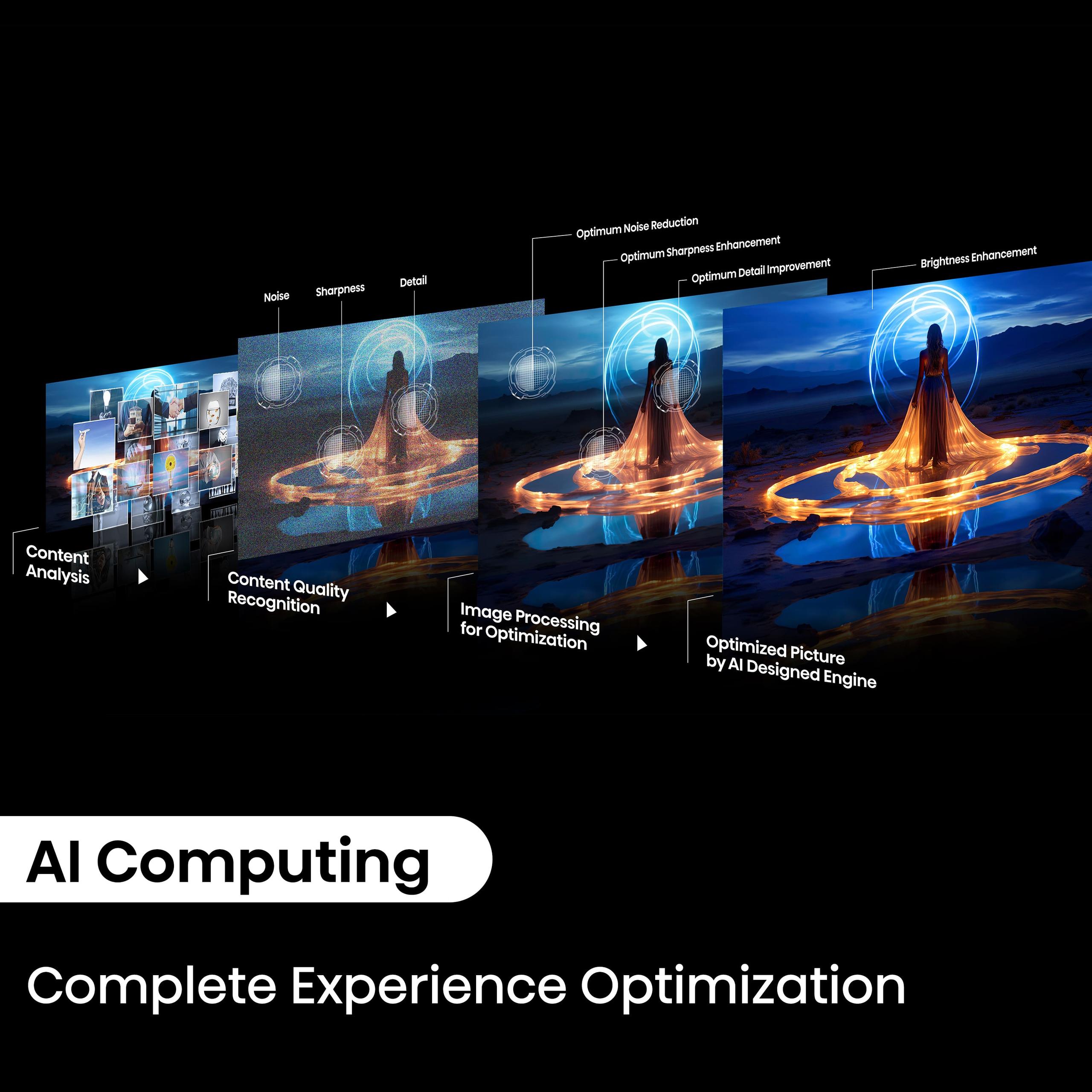
Samsung's Tizen operating system on the QN80F has matured considerably since its introduction. The 2025 version includes Vision AI features that can optimize picture settings based on content type and room conditions automatically. The interface is fast and responsive, with Samsung's free TV Plus service providing access to numerous streaming channels.
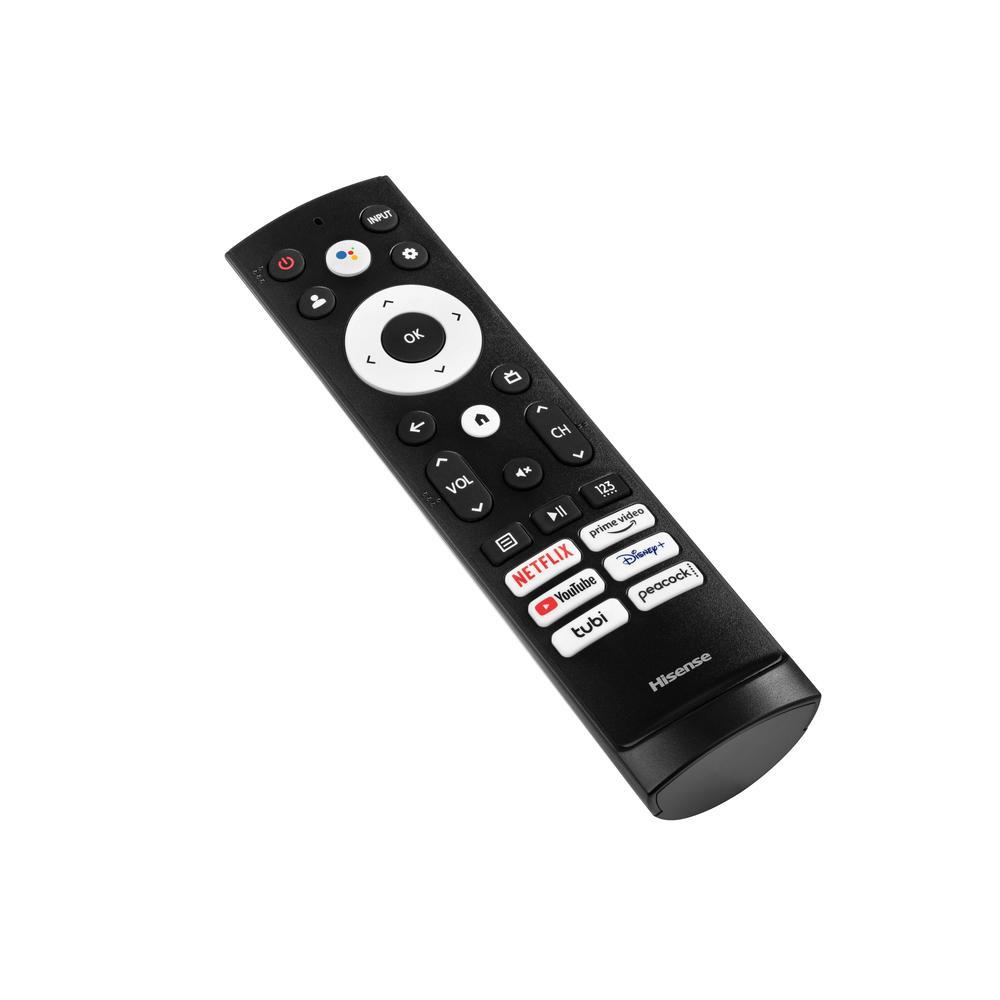
The Hisense L9H runs Google TV, which offers excellent integration with Google services and a clean, recommendation-driven interface. If you're already invested in the Google ecosystem, you'll appreciate features like seamless casting from Android devices and built-in Chromecast functionality.
Both systems provide access to all major streaming services, though Samsung's platform tends to get new apps slightly faster due to its larger market share.
Setting up the Samsung QN80F is straightforward—it's essentially a very large TV that can be wall-mounted or placed on a stand. The main consideration is ensuring your wall mount can handle the weight and that you have adequate ventilation.
The Hisense L9H requires more planning. The projector must be positioned precisely—too close or too far from the screen will affect image quality. The included ALR screen must be mounted flat and straight for optimal performance. However, once properly set up, the projector can sit on a low entertainment center just inches from the screen, making it surprisingly unobtrusive.
Room lighting becomes crucial with the Hisense. While the ALR screen helps reject ambient light, the display performs best in controlled lighting conditions. I've found it works well in rooms with normal evening lighting, but bright daytime viewing suffers compared to the Samsung.
At $5,998, the Samsung QN80F represents a significant investment, while the Hisense L9H at $4,498 (including the screen) offers substantial savings. But value goes beyond the initial price.
The Samsung offers broader versatility—it excels in any lighting condition, provides superior gaming performance, and requires no special setup considerations. It's the safer choice for most buyers and the better option if the display will serve multiple purposes.
The Hisense provides exceptional value for movie enthusiasts who can control their viewing environment. The color accuracy advantages are real, and for $1,500 less, you're getting a genuinely cinematic experience that can rival much more expensive projection systems.
For dedicated home theater use, both displays have merits, but they cater to different preferences. The Samsung QN80F excels at delivering the bright, punchy presentation that many associate with modern home theater—think of it as the "showroom demonstration" approach that wows visitors.
The Hisense L9H provides a more authentic cinematic experience with its superior color accuracy and film-like presentation. If you're serious about movie watching and can dedicate a room to the purpose, the laser projector often delivers a more satisfying long-term viewing experience.
Consider your content preferences: if you watch a lot of HDR content, nature documentaries, or bright action movies, the Samsung's superior brightness handling gives it an edge. If you're primarily watching films and streaming content in a controlled environment, the Hisense's color advantages become more apparent.
Choose the Samsung 100" Neo QLED QN80F if you want maximum versatility, plan to do serious gaming, have a bright room, or prefer the convenience of traditional TV setup. It's the more expensive option, but it's also the more foolproof choice that will excel regardless of your room conditions or viewing habits.
Choose the Hisense L9H TriChroma Laser TV if you're primarily focused on movie watching, can control your room's lighting, want to save $1,500, or are intrigued by the superior color accuracy that laser projection can provide. It requires more consideration of your room setup, but it can deliver a genuinely superior cinematic experience under the right conditions.
Both represent significant technological achievements and can transform your entertainment experience. The key is honestly assessing your room, your viewing habits, and your priorities. Either way, you're getting a spectacular 100-inch display that will make every movie night feel like an event.
| Samsung 100" Neo QLED QN80F | Hisense L9H TriChroma Laser TV |
|---|---|
| Price - Significant $1,500 difference affects overall value | |
| $5,998 (TV only) | $4,498 (includes projector + ALR screen) |
| Display Technology - Fundamentally different approaches to creating 100" images | |
| Direct-view Mini-LED TV with Quantum Dot | Ultra-short-throw laser projector with dedicated screen |
| Native Resolution - Affects fine detail sharpness | |
| True 4K (3840×2160) panel | 1080p with 4K pixel-shifting (less sharp on close viewing) |
| Peak Brightness - Critical for HDR impact and bright room viewing | |
| ~1,500-2,000 nits (excellent HDR punch) | ~300-400 nits equivalent (requires controlled lighting) |
| Color Gamut - Determines color accuracy and richness | |
| ~90% BT.2020 (very good with Quantum Dots) | 107% BT.2020 (superior color accuracy with TriChroma lasers) |
| Gaming Performance - Essential for console and PC gaming | |
| 120Hz native (144Hz boost), VRR, ~10ms input lag | 60Hz only, no VRR, ~30-35ms input lag |
| HDMI Connectivity - Affects gaming and device compatibility | |
| 4x HDMI 2.1 ports (4K@144Hz support) | Limited HDMI ports, 4K@60Hz maximum |
| Room Flexibility - How well it works in different lighting conditions | |
| Excellent in any lighting (anti-glare coating) | Best in controlled lighting (ALR screen helps but limited) |
| Setup Complexity - Installation and positioning requirements | |
| Simple TV mounting or stand placement | Requires precise projector positioning and screen mounting |
| Black Levels - Important for dark scene detail and contrast | |
| Very good with Mini-LED local dimming | Good but depends on room lighting and screen quality |
| Audio System - Built-in sound quality for the 100" experience | |
| 30W 4-channel with Object Tracking Sound | 40W stereo with larger speaker enclosure |
| Smart Platform - Interface and app ecosystem | |
| Tizen OS with Samsung TV Plus and Vision AI | Google TV with Chromecast built-in |
| Longevity - Expected lifespan and maintenance | |
| Standard TV lifespan, no consumables | 25,000+ hour laser life, no lamp replacement needed |
The Samsung 100" Neo QLED QN80F is significantly better for gaming. It offers 120Hz refresh rates (up to 144Hz), Variable Refresh Rate (VRR) support, and ultra-low input lag around 10ms. The Hisense L9H TriChroma Laser TV is limited to 60Hz with no VRR and higher input lag of 30-35ms, making it suitable only for casual gaming.
The Hisense L9H TriChroma Laser TV costs $4,498 including the projector and ALR screen, while the Samsung 100" Neo QLED QN80F is priced at $5,998. This makes the Hisense option $1,500 less expensive than the Samsung TV.
The Samsung 100" Neo QLED QN80F is much brighter, reaching 1,500-2,000 nits peak brightness, making it excellent for bright rooms and daytime viewing. The Hisense L9H produces around 300-400 nits equivalent brightness and performs best in controlled lighting conditions.
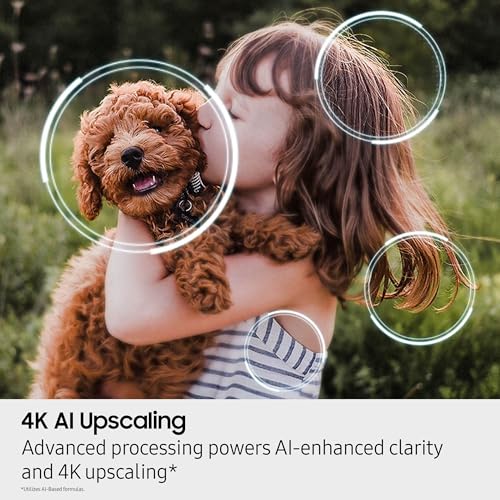
The Samsung QN80F has true native 4K resolution (3840×2160). The Hisense L9H uses 1080p native resolution with 4K pixel-shifting technology, which creates a 4K-like image but isn't quite as sharp as true 4K when viewed up close.
The Hisense L9H TriChroma Laser TV has superior color accuracy, covering 107% of the BT.2020 color space thanks to its pure RGB laser technology. The Samsung QN80F covers around 90% BT.2020, which is still very good but not quite as color-accurate as the laser projector.
The Samsung 100" Neo QLED QN80F has simple setup - just mount it on the wall or place it on a stand like any TV. The Hisense L9H requires more precise installation, with careful projector positioning and proper screen mounting to achieve optimal image quality.
For a dedicated home theater with controlled lighting, the Hisense L9H TriChroma Laser TV often provides a more cinematic experience with superior color accuracy and film-like presentation. The Samsung QN80F is better for multi-purpose rooms where you need consistent performance in various lighting conditions.
The Samsung 100" Neo QLED QN80F runs Tizen OS with Samsung TV Plus, Vision AI, and Bixby voice control. The Hisense L9H uses Google TV with built-in Chromecast, Google Assistant, and seamless Android device integration. Both platforms support all major streaming services.
The Hisense L9H TriChroma Laser TV has slightly more powerful 40W stereo speakers with better bass response due to its larger projector housing. The Samsung QN80F offers 30W 4-channel audio with Object Tracking Sound technology. Both support Dolby Atmos but benefit from external sound systems.
The Samsung 100" Neo QLED QN80F excels in bright rooms with its high peak brightness and anti-glare coating. The Hisense L9H struggles in very bright conditions despite its ALR screen, and performs best with curtains drawn or in evening lighting.
Both displays are designed for long-term use. The Samsung QN80F has a standard TV lifespan with no special maintenance requirements. The Hisense L9H TriChroma Laser TV features lasers rated for 25,000+ hours of use with no lamp replacement needed, potentially lasting 10-15 years with typical usage.
The Hisense L9H TriChroma Laser TV offers better value at $4,498 for movie enthusiasts who can control lighting and don't need advanced gaming features. The Samsung 100" Neo QLED QN80F at $5,998 provides better value for users wanting maximum versatility, gaming performance, and bright room capability.
We've done our best to create useful and informative comparisons to help you decide what product to buy. Our research uses advanced automated methods to create this comparison and perfection is not possible - please contact us for corrections or questions. These are the sites we've researched in the creation of this article: rtings.com - youtube.com - theshortcut.com - c9av.com - youtube.com - rtings.com - youtube.com - samsung.com - wifihifi.com - samsung.com - samsung.com - samsung.com - bestbuy.com - samsung.com - flatpanelshd.com - schaeferstv.com - samsung.com - samsung.com - samsung.com - samsung.com - cullenshomecenter.com - projectorreviews.com - shop.hisense-usa.com - projectorcentral.com - hometheaterhifi.com - shop.hisense-usa.com - projectorcentral.com - 2001audiovideo.com - projektoren-datenbank.com - content.syndigo.com

Privacy Policy
Terms and Conditions - Affiliate Policy
Home Security
© Copyright 2008-2026.
11816 Inwood Rd #1211, Dallas, TX 75244