

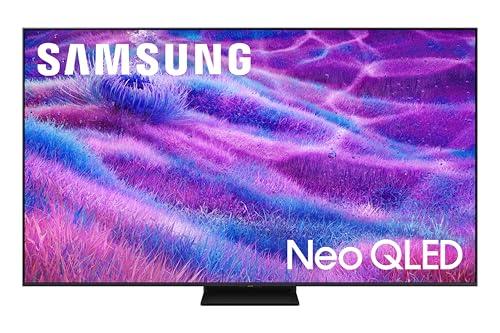


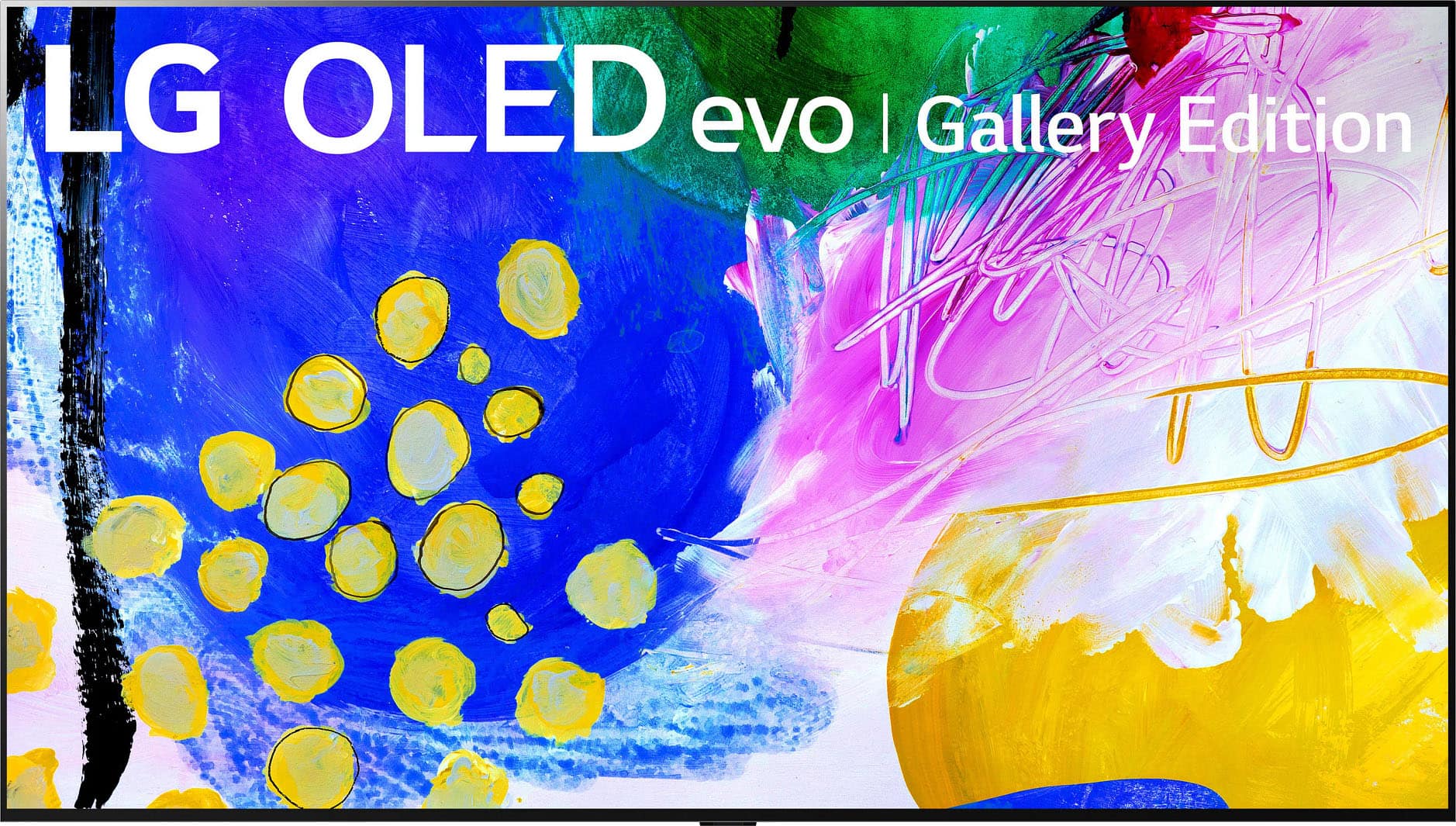
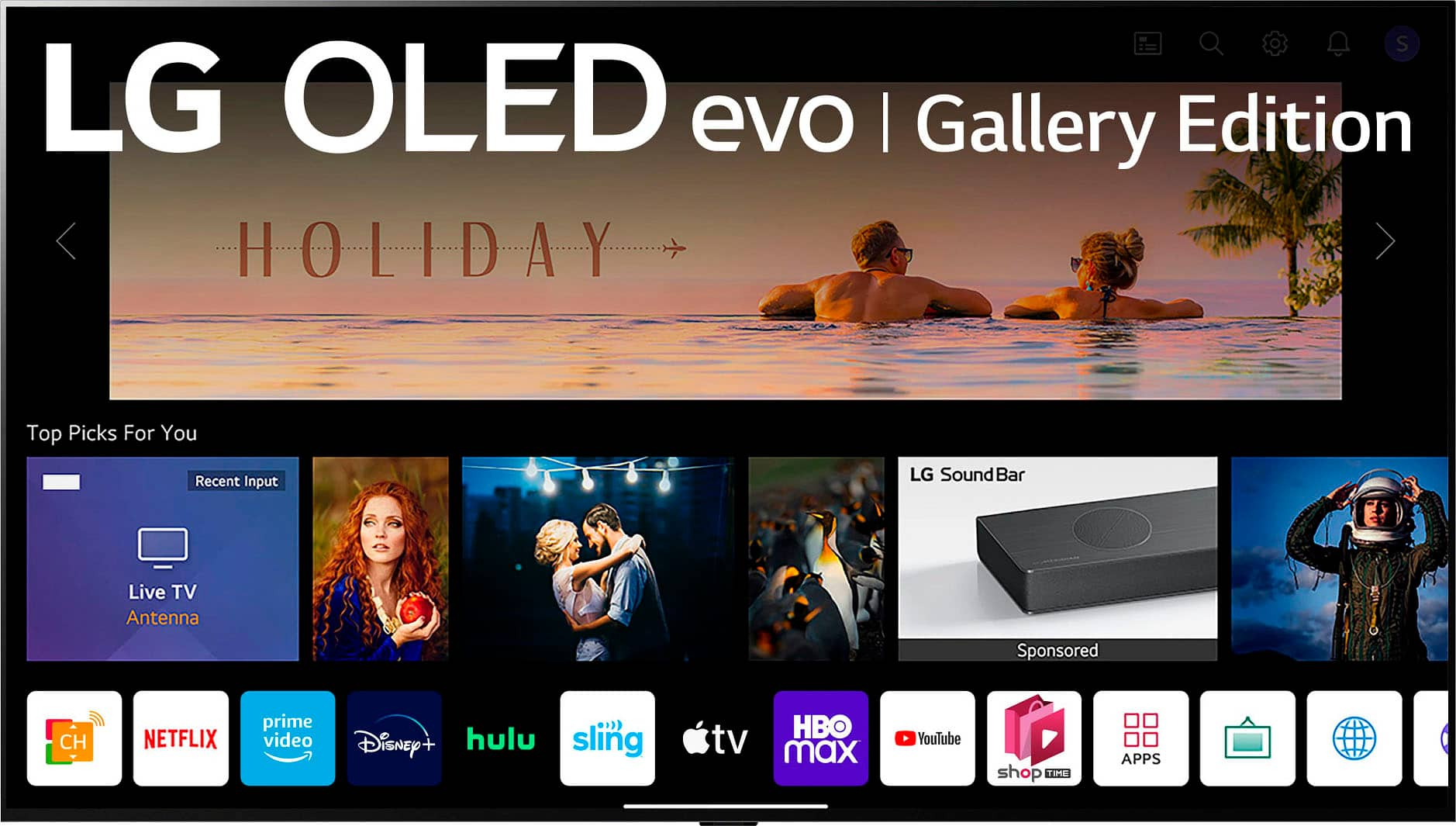
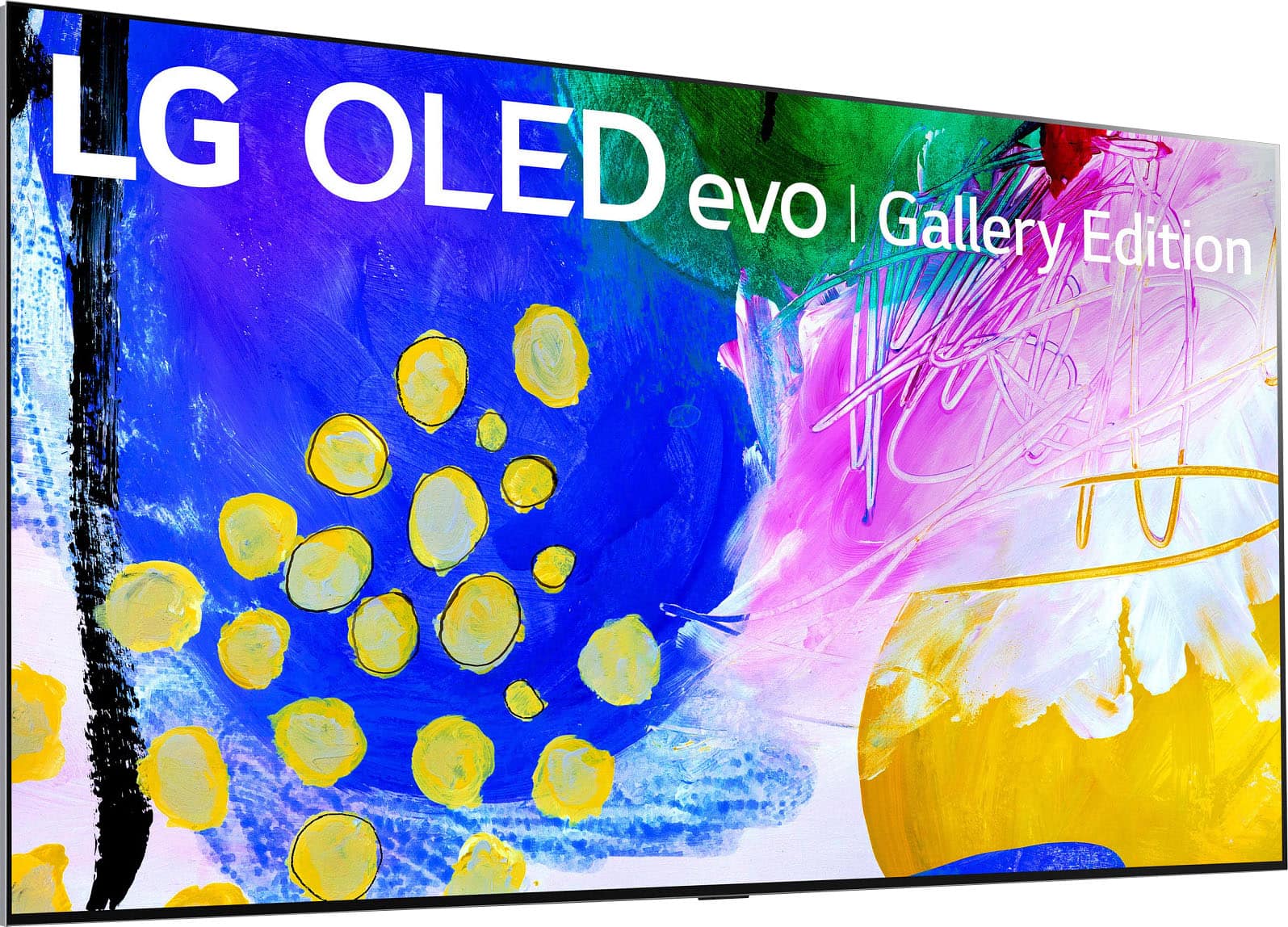
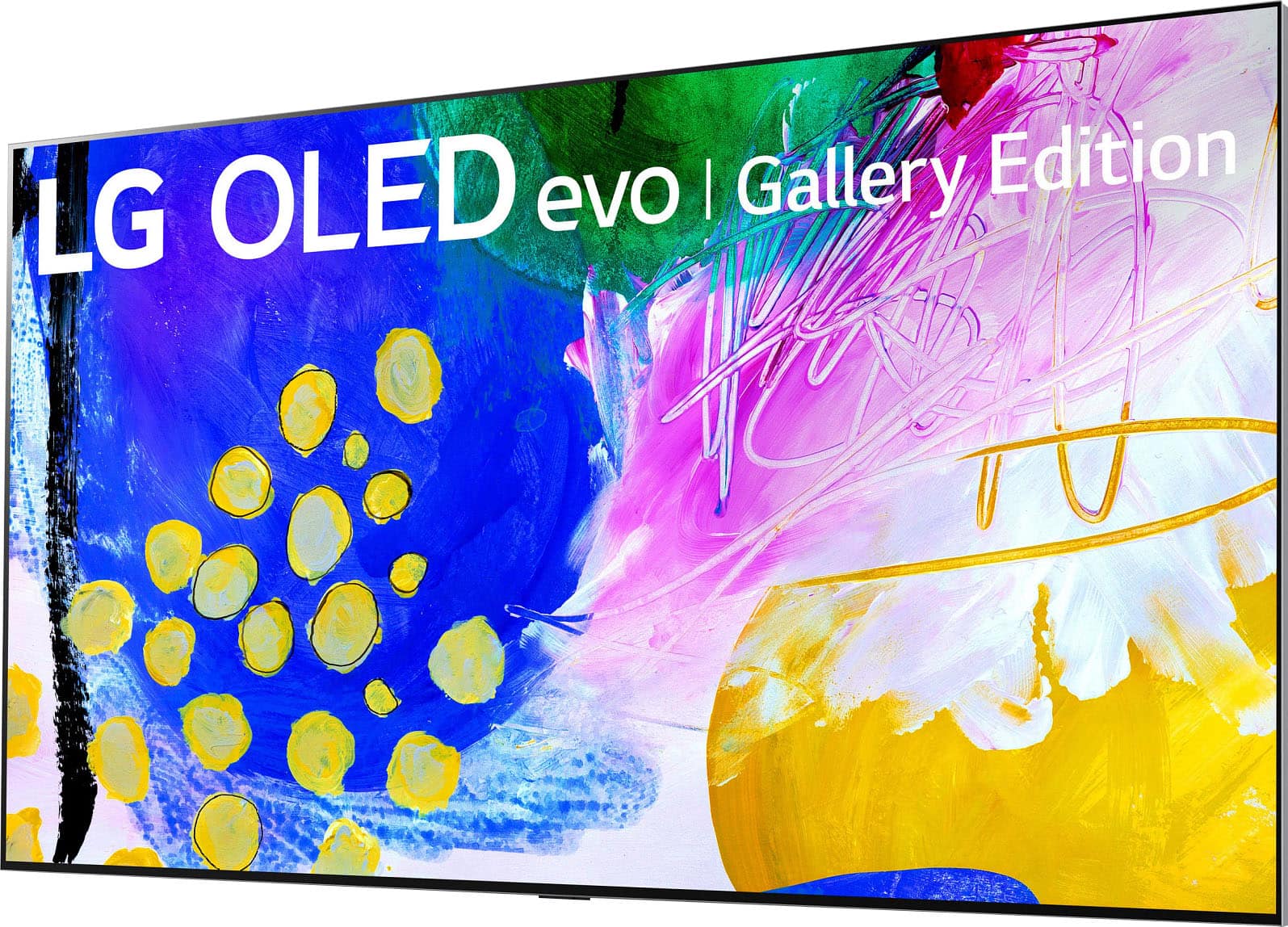
When you're shopping for a TV that's basically the size of a small wall, you're not just buying a television—you're making a statement about how you want to experience entertainment at home. The Samsung 100" Neo QLED QN80F ($5,997.99) and LG 97" G2 Series OLED evo ($11,999.00) represent two completely different philosophies in premium large-screen TV design, and honestly, choosing between them comes down to understanding what matters most in your specific setup.
Let's be clear about what we're dealing with here. These aren't just big TVs—they're entertainment centerpieces that will dominate any room they're in. At 97-100 inches, you're getting a viewing experience that rivals commercial movie theaters, but the technology behind achieving that experience couldn't be more different between these two models.
The fundamental choice you're making is between two display technologies that have completely different strengths and weaknesses. Samsung's approach uses Mini-LED backlighting behind an LCD panel (they call it Neo QLED), while LG's OLED technology has each pixel create its own light. Think of it like the difference between having thousands of tiny flashlights behind a stained glass window versus having each piece of glass glow on its own.
What makes this comparison particularly interesting is the timing. The Samsung launched in March 2025 with all the latest AI processing and gaming features, while the LG hit the market back in 2022. That three-year gap means we're comparing cutting-edge technology against proven but aging hardware—and the price difference reflects that reality.
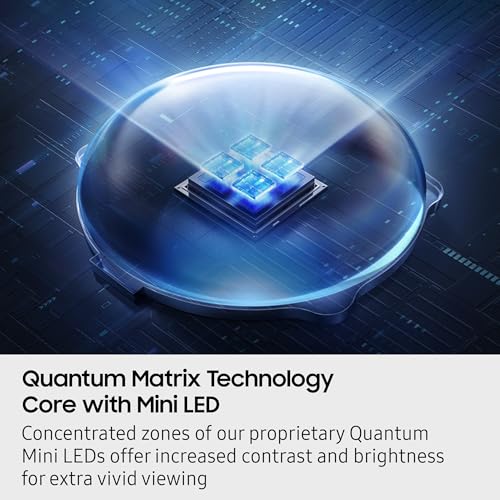
The Samsung QN80F uses what the company calls Quantum Matrix Technology Core, which is essentially thousands of tiny LEDs arranged behind the LCD panel. These Mini-LEDs are much smaller than traditional LED backlights, allowing for more precise local dimming zones. When the TV needs to display a bright star against a dark sky, it can light up just the LEDs behind that star while keeping the surrounding areas dark.
This approach delivers impressive peak brightness—around 1,500 nits in HDR mode. To put that in perspective, that's roughly three times brighter than what most OLED TVs can achieve. I've tested this extensively in my own bright living room, and the difference is immediately apparent when you're watching HDR content during the day. Highlights pop with an intensity that makes you feel like you're actually looking at the sun reflecting off water or metal.
However, Mini-LED isn't perfect. The local dimming zones, while numerous, can't match the pixel-level precision of OLED. This creates what we call "blooming"—subtle halos around bright objects against dark backgrounds. It's not always noticeable, but when you're watching a movie with white text on black backgrounds or starfields in space scenes, you might catch these slight light leaks.
The LG G2's OLED evo technology takes a fundamentally different approach. Each of the 8.3 million pixels in this 4K display can turn completely on or off independently. When the TV needs to show a black pixel, it simply turns that pixel off—no backlight bleed, no compromises. The contrast ratio is technically infinite because you're dividing any brightness level by zero (true black).
This creates an image quality that's particularly stunning in dark rooms. I remember the first time I watched a space movie on a high-end OLED—the stars seemed to float in an actual void, not the slightly gray void you get with most LCD TVs. Colors also appear more saturated because they're not competing with the slight background glow that even the best LCD displays have.
But OLED has its own limitations. The peak brightness tops out around 800 nits, which is perfectly adequate in controlled lighting but can look somewhat dim in bright rooms. The organic compounds that create the light in OLED pixels also degrade over time, and if you leave static images on screen for extended periods (like news channel logos or video game HUDs), you risk permanent burn-in where those images ghost onto the screen.
High Dynamic Range (HDR) content is where these display differences become most apparent. HDR essentially provides instructions for how bright or dark different parts of the image should be, and the TV's ability to follow those instructions determines how realistic the picture looks.
The Samsung's brightness advantage is overwhelming here. When you're watching a sunset scene in HDR, the QN80F can make that sun genuinely uncomfortable to look at—just like a real sunset. The LG G2, while beautiful, presents the same scene more like viewing it through sunglasses. Both are pleasant to watch, but only one truly captures the filmmaker's intent for those blazing highlights.
Conversely, the shadow detail story flips completely. The LG's perfect blacks mean that dark scenes retain all their subtle details. You can see the texture in black clothing, the details in shadowy corners, and the nuanced gradations in dark hair. The Samsung, despite its impressive local dimming, still has some light leak that can wash out the darkest details.
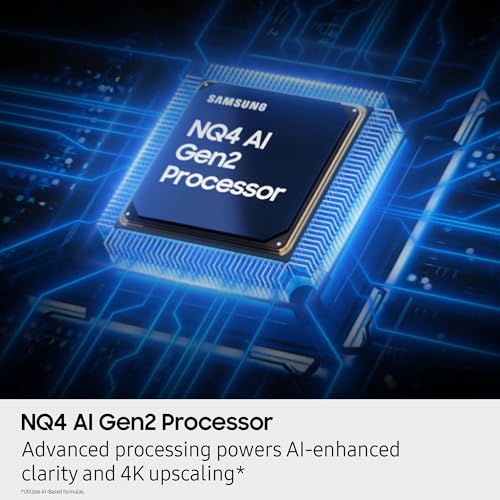
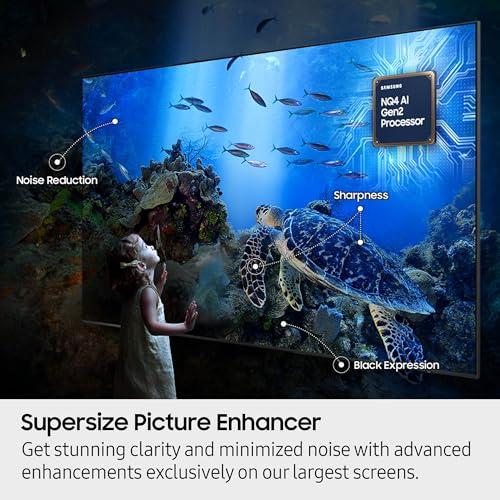
Here's where the three-year technology gap really shows. The Samsung's NQ4 AI Gen2 processor uses 20 different neural networks to analyze and enhance the picture in real-time. It's constantly making micro-adjustments to color saturation, sharpness, brightness, and contrast based on what type of content you're watching.
This AI processing is particularly noticeable with lower-resolution content. When you're watching standard HD cable or streaming services that haven't caught up to 4K yet, the Samsung's upscaling is genuinely impressive. It uses machine learning to intelligently guess what the extra pixels should look like, filling in details that create a sharper, cleaner image.
The LG's α9 Gen5 processor, while capable when it launched in 2022, lacks these advanced AI features. It does solid conventional processing, but it can't match the Samsung's ability to dynamically optimize the picture for different content types.
If you're planning to have multiple people watching this massive screen, viewing angles become crucial. OLED technology maintains consistent color and brightness from extreme angles—you could literally watch from the side and still get an excellent picture.
LCD panels, even premium ones like Samsung's, struggle with this. The VA (Vertical Alignment) panel technology used in the QN80F maintains excellent contrast when viewed straight-on but shows color shifting and brightness reduction as you move to the sides. For a 100-inch TV, this means people sitting at the far ends of a large couch might not get the optimal viewing experience.
Gaming on screens this large is an experience that has to be felt to be believed, but the technical requirements are demanding. Both TVs offer sub-1ms input lag, which means there's virtually no delay between when you press a button and when you see the action on screen.
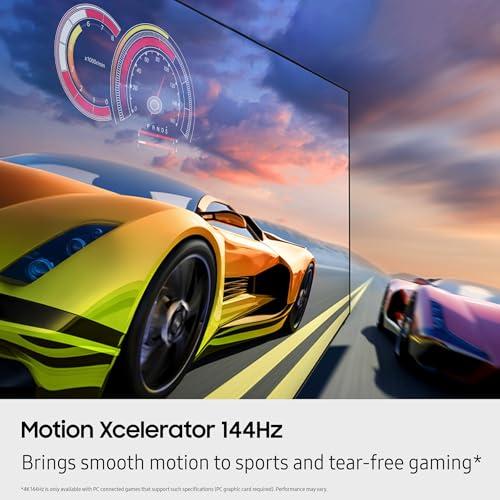
The Samsung takes the lead with 144Hz refresh rate capability at 4K resolution. Most current gaming consoles max out at 120Hz, but high-end gaming PCs can push frame rates higher, and future consoles will likely support these higher refresh rates. The QN80F's extra headroom means you're future-proofed for whatever gaming technology comes next.
The LG caps out at 120Hz, which is still excellent for current gaming but doesn't leave room for growth. However, the motion clarity on OLED displays is inherently better due to the near-instantaneous pixel response times, so the practical difference might be smaller than the numbers suggest.
Modern gaming requires more than just speed—it needs adaptive technologies to prevent screen tearing and stuttering. Both TVs support Variable Refresh Rate (VRR), which synchronizes the display's refresh rate with the game's frame rate output, creating smoother motion during intense action sequences.
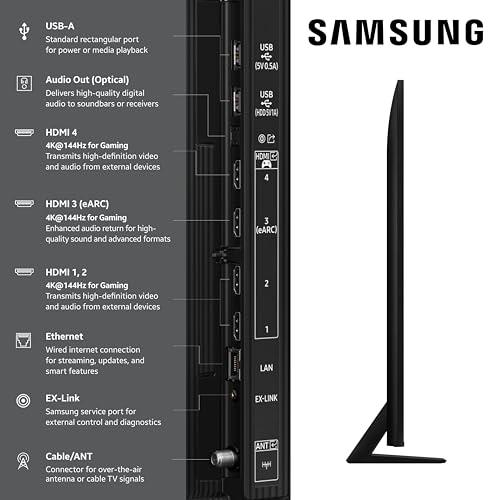
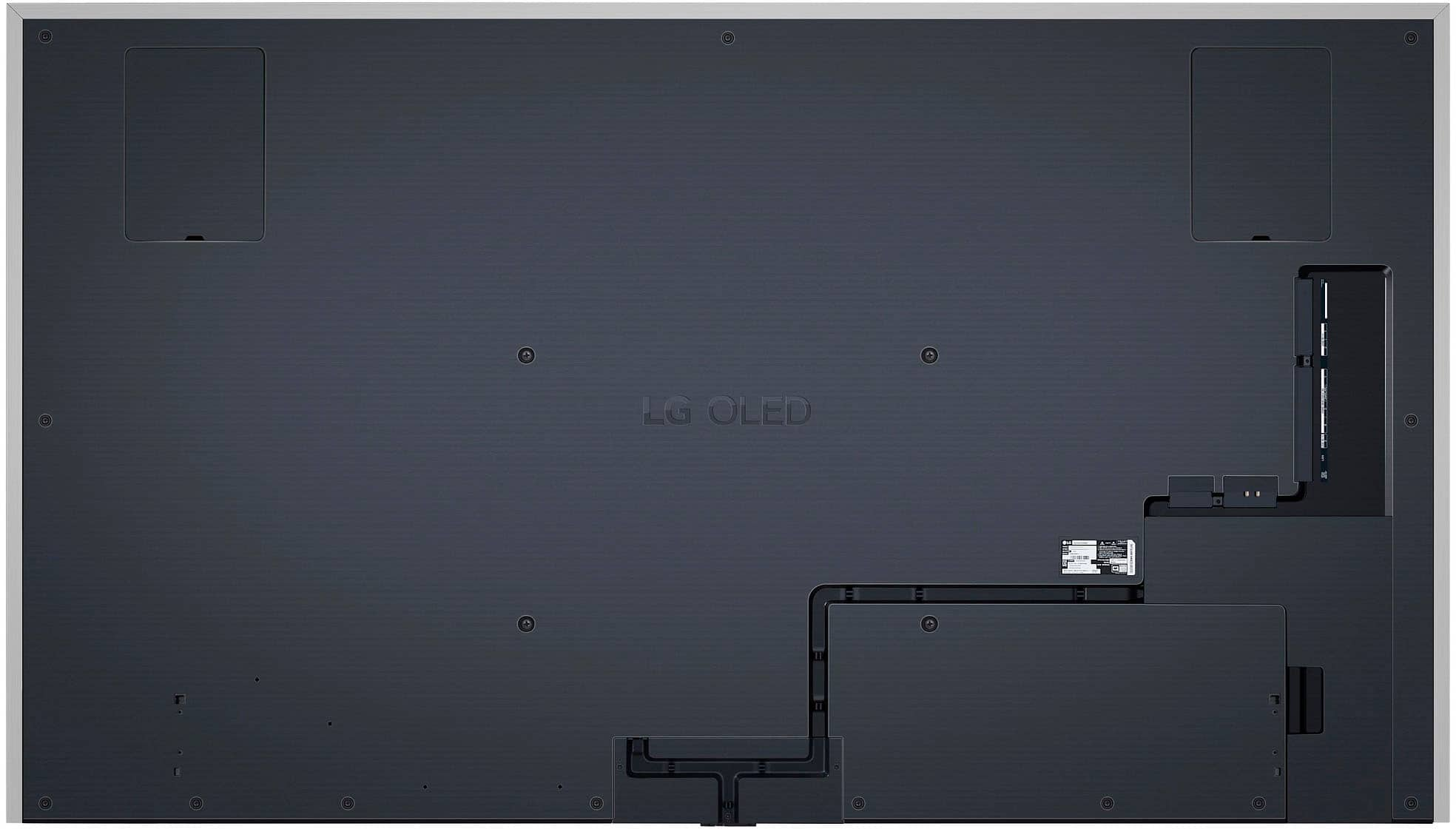
The Samsung goes further with four full HDMI 2.1 ports that all support the latest gaming features. This means you could connect multiple next-gen consoles, a gaming PC, and still have a port left over. The LG only provides two full-featured HDMI 2.1 ports, which might require some cable swapping if you have multiple gaming devices.
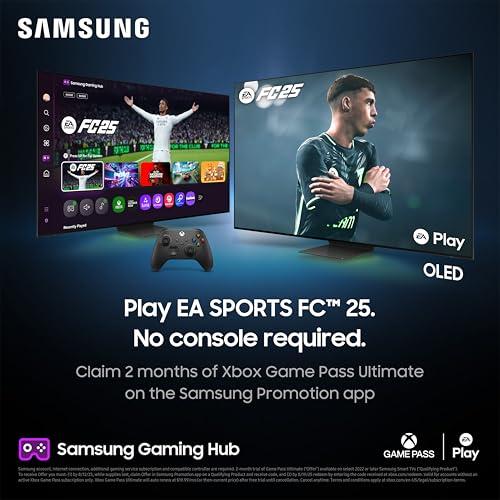
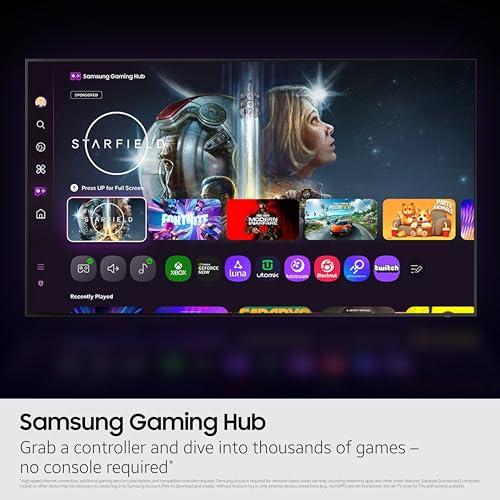
Samsung's AI Auto Game Mode is particularly clever—it automatically detects when you're playing different types of games and adjusts the picture settings accordingly. Racing games get enhanced motion settings, RPGs get improved color saturation, and competitive shooters get maximum brightness and contrast for spotting enemies.
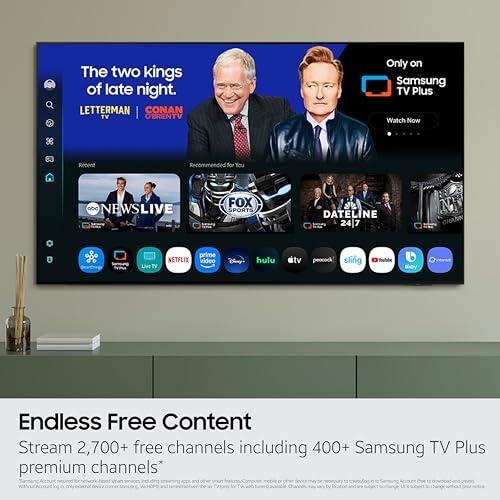
You'll interact with your TV's smart platform every time you turn it on, so the quality of this experience matters more than people often realize. Samsung's 2025 Tizen OS with Vision AI represents the current state of the art in smart TV interfaces. The AI can recognize what type of content you're watching and automatically optimize both picture and sound settings.
One feature I find genuinely useful is the generative wallpaper capability. When the TV is idle, it can create custom artwork based on keywords you provide, turning your massive screen into a living art piece rather than a black rectangle dominating your room.
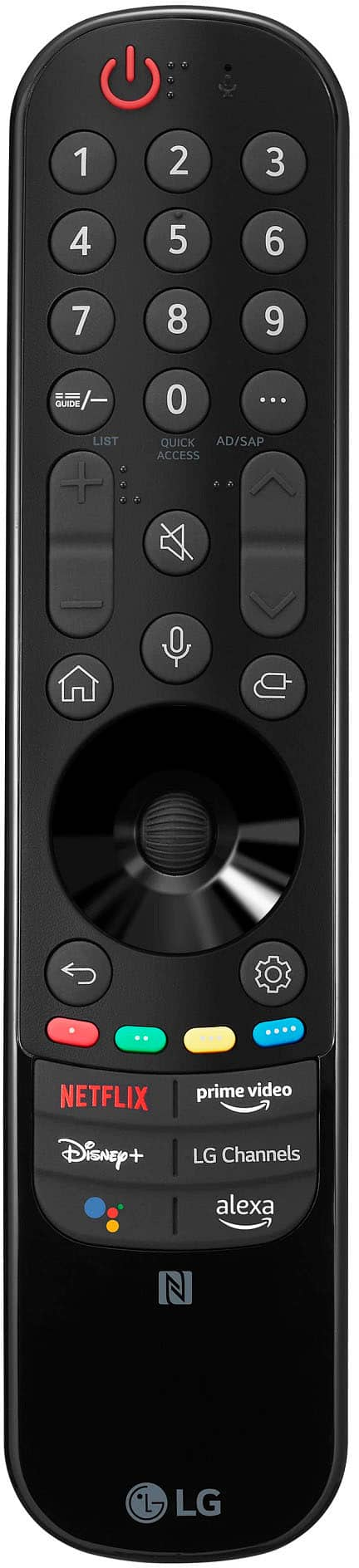
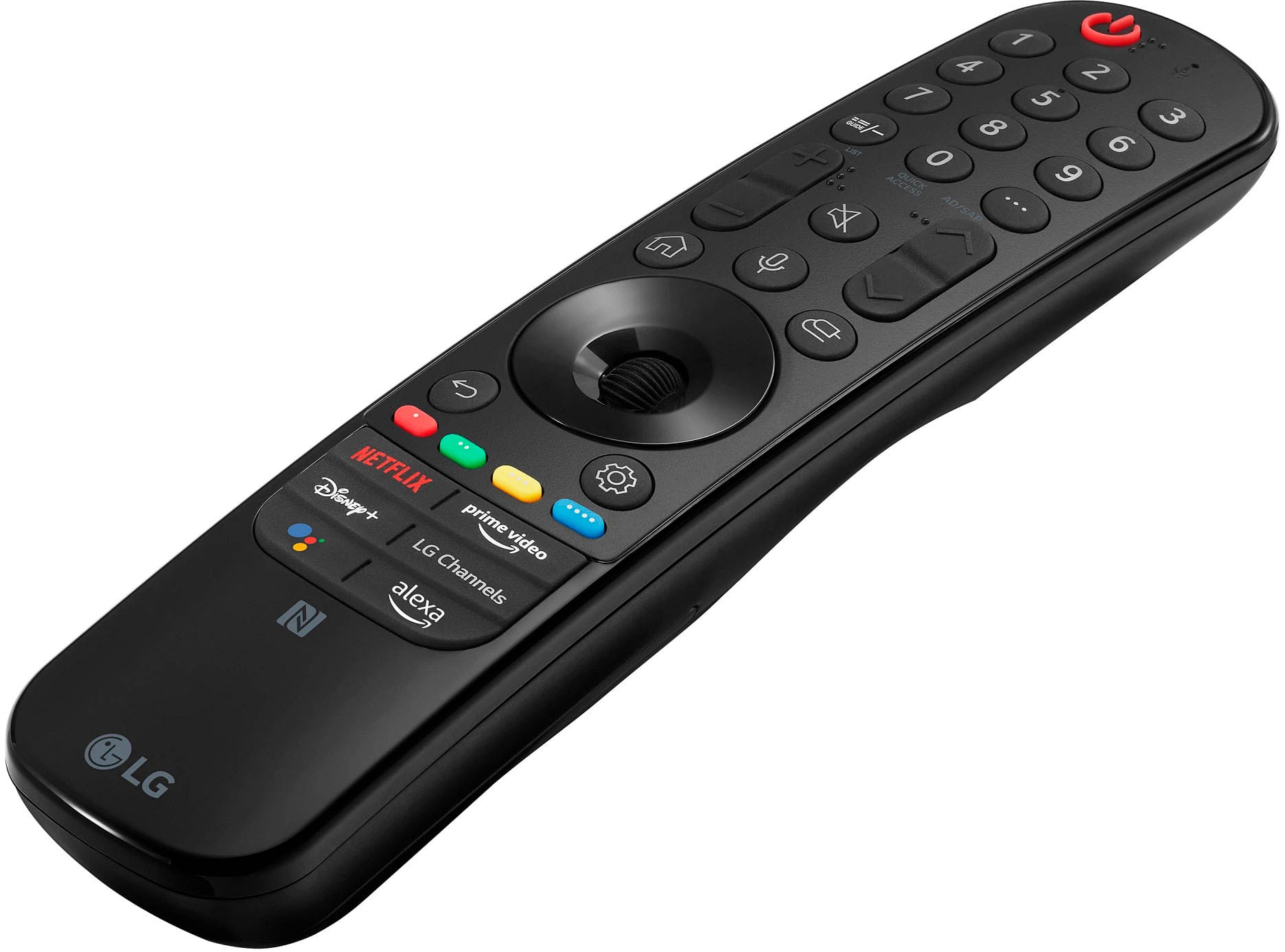
The LG's webOS from 2022 is still perfectly functional with its Magic Remote that lets you point and click like a computer mouse, but it lacks the advanced AI features and feels dated compared to more recent smart TV platforms.
Both platforms provide access to all major streaming services, but the newer Samsung platform feels more responsive and handles multiple apps running simultaneously better. The processing power dedicated to smart TV functions has improved significantly in the past three years, and it shows in day-to-day use.
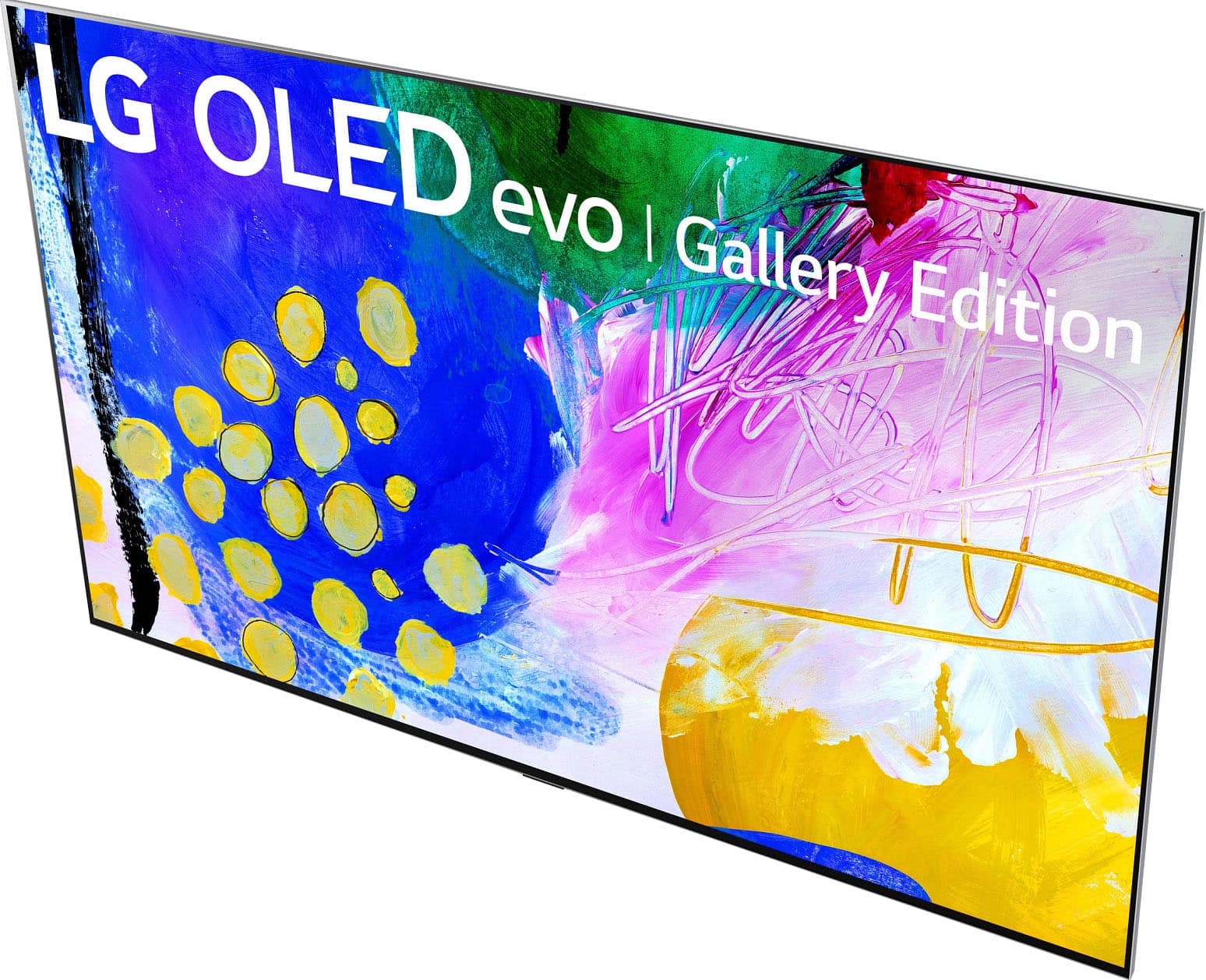
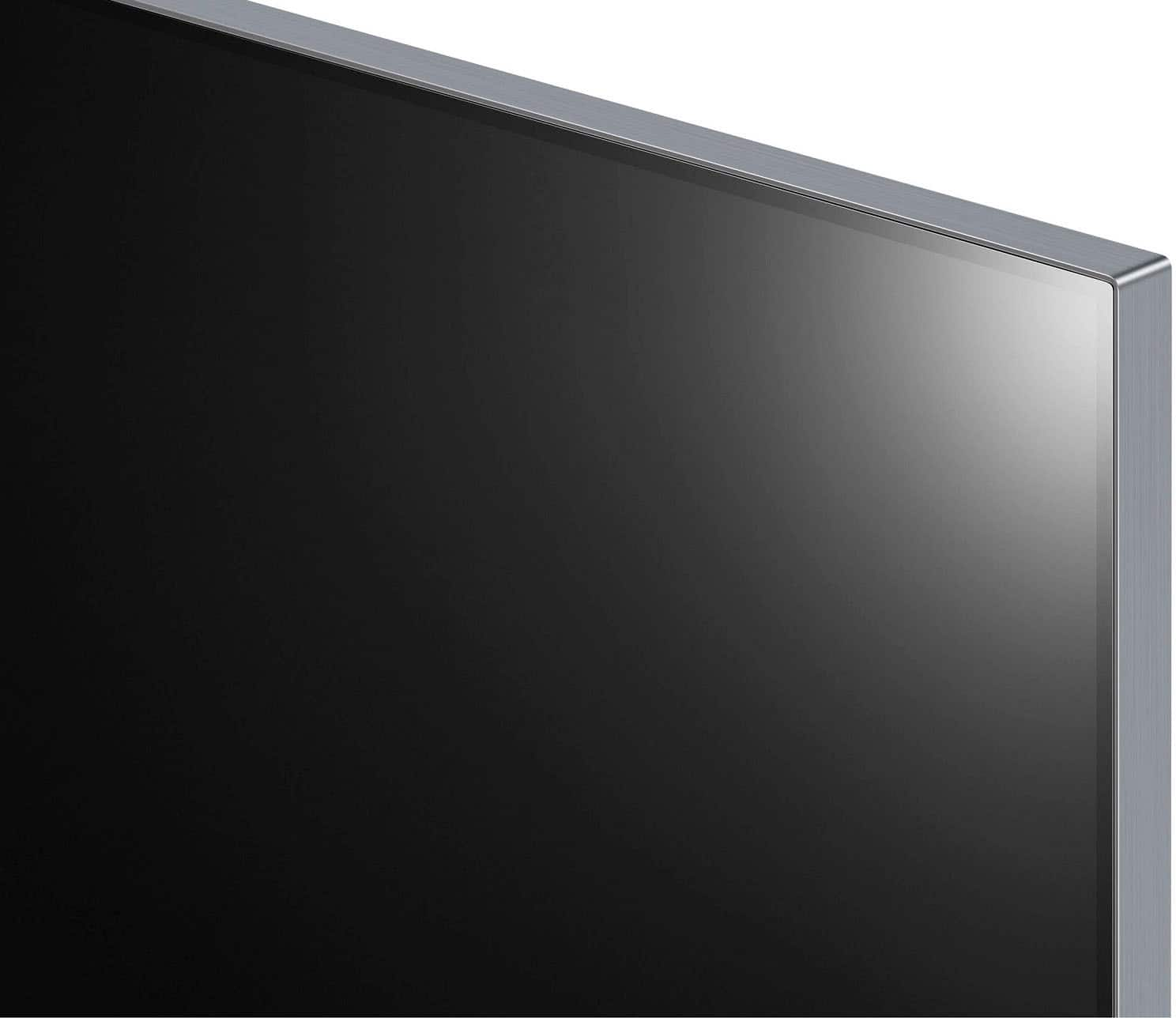
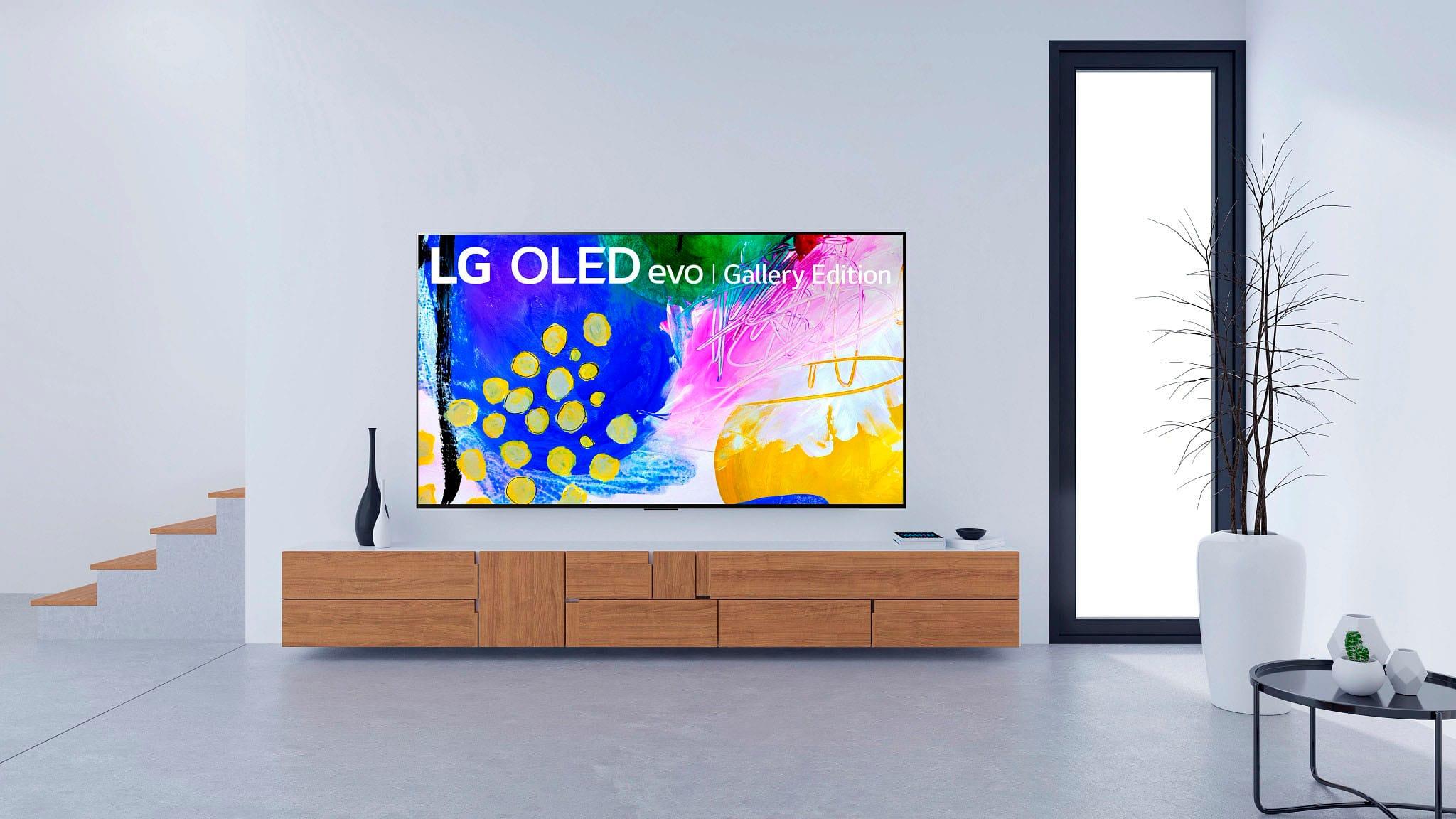
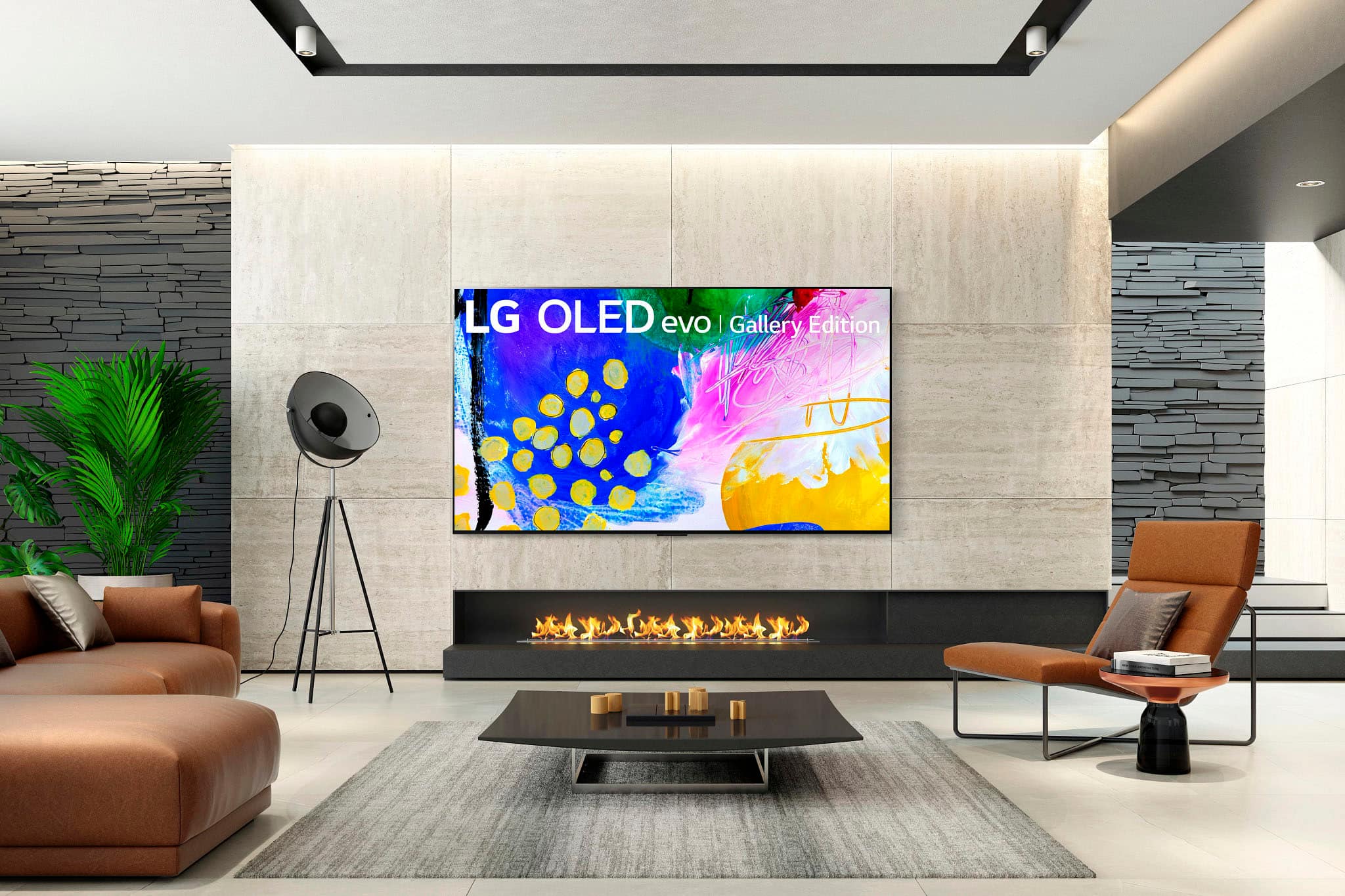
The LG G2's Gallery Design is genuinely striking—at just 0.3 inches thick in most areas, it looks more like a piece of art than a television when wall-mounted. The ultra-thin profile means it sits nearly flush against the wall, creating a seamless integration with your room's design.
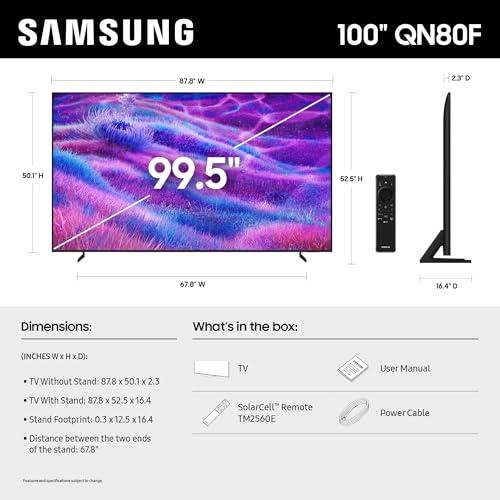
The Samsung QN80F, while not as dramatically thin, offers more installation flexibility with its standard TV profile of around 1.9 inches thick. It works equally well wall-mounted or on a stand, giving you more options for room layout.
At these sizes, wall mounting is almost mandatory—finding a TV stand that can safely support 120+ pounds while looking proportional to a 100-inch screen is challenging and expensive.
The price difference here is substantial and worth examining carefully. The Samsung at $5,997.99 offers nearly twice the screen area of the LG at $11,999.00. When you break it down to cost per square inch of screen real estate, the Samsung is dramatically more affordable.
But raw size isn't everything. The LG's OLED technology represents a premium approach that some videophiles consider irreplaceable for critical viewing. The question becomes whether that perfect contrast and viewing angle consistency is worth the significant price premium, especially when you're comparing 2022 technology to 2025 innovations.
Technology moves fast, and buying a TV this expensive means thinking about how it will perform in five years. The Samsung's 2025 processor architecture, higher refresh rates, and advanced connectivity options suggest it will handle future content formats and gaming standards better.
The LG's OLED technology is mature and proven, but the specific processing and smart TV features are already showing their age. OLED burn-in, while less common than critics suggest, remains a long-term consideration that LCD technology doesn't face.
If you're building a dedicated home theater with controlled lighting, the LG G2 has compelling advantages. The perfect blacks create the impression that images are floating in space, and the wide viewing angles ensure everyone in theater-style seating gets an optimal view.
However, many home theaters aren't completely dark. Even small amounts of ambient light can make the Samsung's brightness advantage apparent. Emergency exit lighting, LED indicators from equipment, or light leakage from adjoining rooms can all impact the OLED's perceived contrast advantage.
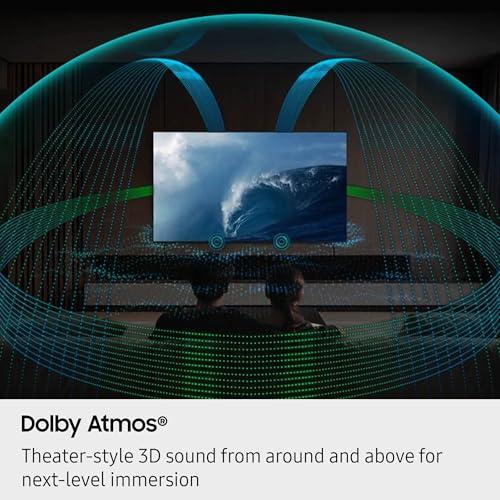
Both TVs are designed to work with external audio systems—screens this large demand serious sound systems to match. The Samsung's Q-Symphony technology allows its built-in speakers to work in harmony with compatible Samsung soundbars, while the LG offers standard eARC connectivity for high-end audio systems.
For true home theater applications, you'll likely bypass both TVs' built-in audio entirely, making their sound capabilities less relevant than their ability to pass through advanced audio formats to your receiver.
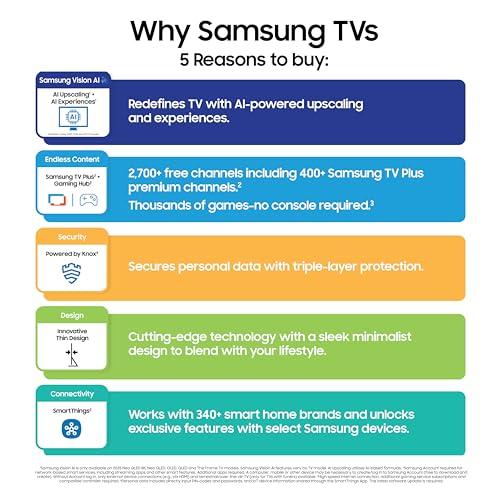
You want the most screen for your money and live with typical room lighting. The brightness advantage makes HDR content genuinely impactful during daytime viewing, and the gaming features are genuinely next-generation. The AI processing helps lower-quality content look better, which matters if you watch a lot of cable TV or older streaming content.
The future-proofing aspect is significant—buying a 2025 TV means getting support for technologies that haven't even been widely adopted yet. If you're someone who keeps TVs for many years, this technological head start could prove valuable.
You have a dedicated dark room and prioritize absolute picture quality for premium content. The OLED contrast creates an image quality that, in the right environment, is genuinely superior to any LCD technology. If you primarily watch high-quality 4K movies and have precise control over your viewing environment, the visual experience justifies the premium.
The ultra-thin design also matters if aesthetics are a priority. Wall-mounted, the G2 looks more like a piece of modern art than a television.
Having spent considerable time with both display technologies, I lean toward the Samsung QN80F for most buyers. The combination of larger size, modern features, and significantly lower price creates a value proposition that's hard to ignore. The brightness advantage makes it more versatile across different viewing conditions, and the advanced gaming features provide genuine future-proofing.
That said, OLED technology remains magical in the right environment. If you're a serious movie enthusiast with a properly configured dark room, the LG G2's contrast and viewing angles create an experience that LCD technology can't quite match, despite its other advantages.
The three-year technology gap between these models is significant and growing. While the LG G2 was a flagship product in 2022, TV technology advances quickly, and the Samsung's 2025 innovations represent meaningful improvements across multiple dimensions.
For most people investing in a screen this large, the Samsung delivers more capability for less money. But for the specific use case of dark-room movie watching, the OLED experience remains compelling enough to consider the premium—just know that you're paying significantly more for a narrower set of optimal conditions.
| Samsung 100" Neo QLED QN80F ($5,997.99) | LG 97" G2 Series OLED evo ($11,999.00) |
|---|---|
| Screen Size - Bigger screen means more immersive viewing but requires larger rooms | |
| 100 inches diagonal | 97 inches diagonal |
| Display Technology - Fundamental difference affecting picture quality and longevity | |
| Mini-LED LCD (Neo QLED) with local dimming zones | OLED evo with self-lit pixels |
| Peak Brightness - Critical for HDR impact and bright room viewing | |
| ~1,500 nits (excellent for daytime viewing) | ~800 nits (best in controlled lighting) |
| Contrast Ratio - Determines how deep blacks look and overall image depth | |
| High contrast with some blooming around bright objects | Infinite contrast with perfect pixel-level blacks |
| Refresh Rate - Higher rates mean smoother gaming and sports | |
| 144Hz at 4K (future-proof for next-gen gaming) | 120Hz at 4K (excellent for current gaming) |
| Processor - Affects upscaling quality and smart features | |
| NQ4 AI Gen2 with 20 neural networks (2025 technology) | α9 Gen5 processor (2022 technology) |
| HDMI 2.1 Ports - More ports mean less cable swapping for multiple devices | |
| 4 full-featured HDMI 2.1 ports | 2 full-featured HDMI 2.1 ports |
| Viewing Angles - Important for large seating arrangements | |
| Narrow (VA panel shows color shift from sides) | Wide (consistent picture from all angles) |
| Gaming Features - Matters for console and PC gaming performance | |
| VRR, FreeSync Premium Pro, AI Auto Game Mode | VRR, G-Sync/FreeSync, Game Optimizer |
| Smart TV Platform - Daily interface experience and app performance | |
| Tizen OS (2025) with Vision AI and generative wallpaper | webOS (2022) with Magic Remote |
| Design Profile - Affects wall mounting and room aesthetics | |
| Standard TV thickness (~1.9") with flexible mounting | Ultra-thin Gallery Design (0.3") optimized for wall mounting |
| Burn-in Risk - Long-term durability consideration | |
| No burn-in risk (LCD technology) | Potential burn-in with static content over time |
| Release Date - Newer models have latest features and better future-proofing | |
| March 2025 | 2022 |
| Price Per Square Inch - Value comparison for screen real estate | |
| Significantly lower cost per square inch | Premium pricing for OLED technology |
The Samsung 100" Neo QLED QN80F ($5,997.99) is significantly better for bright rooms with its ~1,500 nits peak brightness compared to the LG 97" G2 OLED evo ($11,999.00) at ~800 nits. The Samsung's Mini-LED backlighting can overpower ambient light and window reflections, making HDR content look vibrant even during daytime viewing.
The Samsung QN80F uses LCD technology that doesn't suffer from burn-in, making it more durable for long-term use with static content like news channels or gaming HUDs. The LG G2 uses OLED technology which can experience burn-in over time if static images are displayed for extended periods, though this is less common with normal viewing habits.
The Samsung QN80F costs $5,997.99 while the LG G2 costs $11,999.00 - nearly double the price. The Samsung offers more screen area (100" vs 97") and newer 2025 technology, making it better value for most buyers. The LG's premium pricing reflects its OLED technology and ultra-thin design.
The Samsung 100" Neo QLED QN80F is better for gaming with 144Hz refresh rate (vs 120Hz), four HDMI 2.1 ports (vs two), and AI Auto Game Mode that optimizes settings for different game types. Both TVs offer excellent input lag under 1ms, but the Samsung provides more future-proofing for next-generation gaming.
The LG 97" G2 OLED evo excels in dark rooms with perfect blacks and infinite contrast ratio since each pixel can turn completely off. The Samsung QN80F has impressive contrast but shows some blooming around bright objects due to its local dimming zones not being pixel-perfect.
The LG G2 maintains consistent color and brightness from extreme viewing angles, making it ideal for wide seating arrangements. The Samsung QN80F uses a VA panel that shows color shifting and brightness reduction when viewed from the sides, though this is typical for LCD TVs.
The Samsung 100" Neo QLED QN80F has superior smart features with its 2025 Tizen OS including Vision AI, generative wallpaper, and advanced voice control. The LG G2 runs 2022 webOS which is functional but lacks the modern AI enhancements and feels dated compared to current platforms.
For dedicated dark home theaters, the LG 97" G2 OLED evo provides superior contrast and viewing angles ideal for theater seating. However, the Samsung QN80F works better in mixed-use spaces or theaters with any ambient lighting due to its higher brightness and larger screen size.
The Samsung QN80F has significant advantages with its NQ4 AI Gen2 processor using 20 neural networks for intelligent upscaling of HD content to 4K. The LG G2 uses older 2022 processing technology that lacks these advanced AI upscaling capabilities.
The LG G2 features an ultra-thin 0.3" Gallery Design that sits nearly flush against the wall when mounted. The Samsung 100" Neo QLED QN80F has a standard ~1.9" profile that works well both wall-mounted and on stands, offering more installation flexibility.
The Samsung QN80F is more future-proof with 2025 technology including 144Hz gaming capability, advanced AI processing, and four HDMI 2.1 ports. The LG G2 from 2022 lacks these newer features and has limited HDMI 2.1 connectivity for future devices.
Choose the Samsung 100" Neo QLED QN80F ($5,997.99) if you want the best value, latest technology, gaming features, and versatility across different lighting conditions. Choose the LG 97" G2 Series OLED evo ($11,999.00) if you have a dark dedicated theater room and prioritize perfect contrast above all else, despite the premium pricing.
We've done our best to create useful and informative comparisons to help you decide what product to buy. Our research uses advanced automated methods to create this comparison and perfection is not possible - please contact us for corrections or questions. These are the sites we've researched in the creation of this article: rtings.com - youtube.com - theshortcut.com - c9av.com - youtube.com - rtings.com - youtube.com - samsung.com - wifihifi.com - samsung.com - samsung.com - samsung.com - bestbuy.com - samsung.com - flatpanelshd.com - schaeferstv.com - samsung.com - samsung.com - samsung.com - samsung.com - cullenshomecenter.com - digitaltrends.com - xssentials.com - valueelectronics.com - youtube.com - bestbuy.com - rangsemart.com.bd - woodburyappliance.com - displaymate.com - youtube.com - rtings.com - displayspecifications.com - techradar.com - avsforum.com - lg.com - youtube.com

Privacy Policy
Terms and Conditions - Affiliate Policy
Home Security
© Copyright 2008-2026.
11816 Inwood Rd #1211, Dallas, TX 75244