

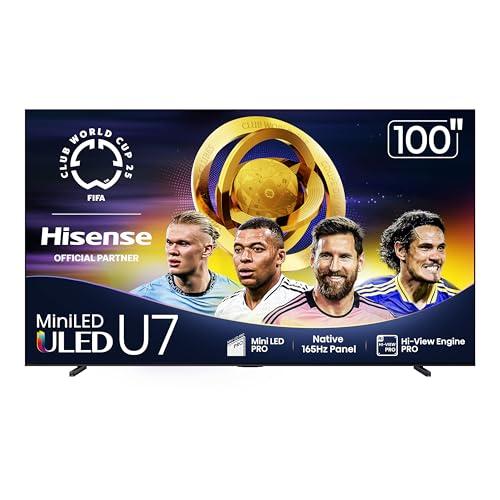
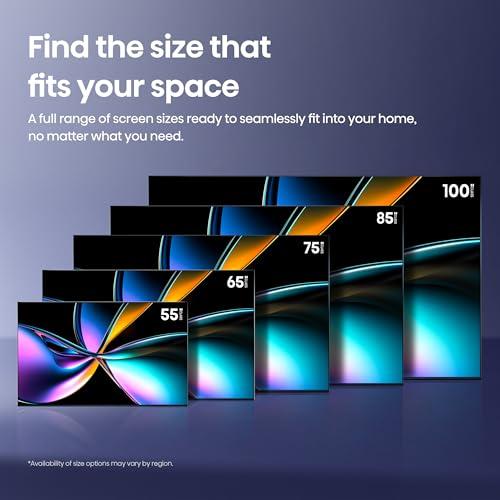
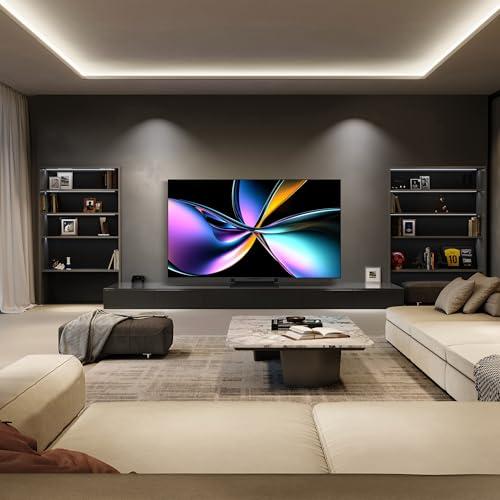
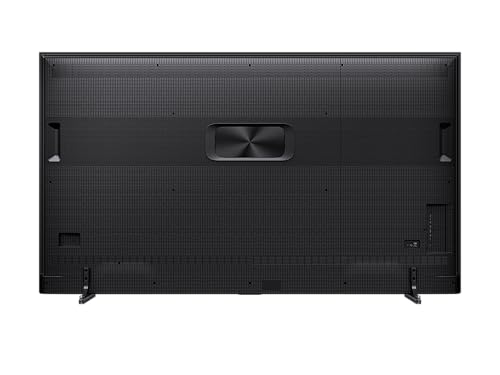
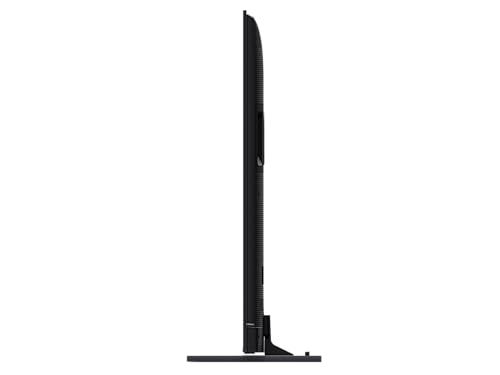
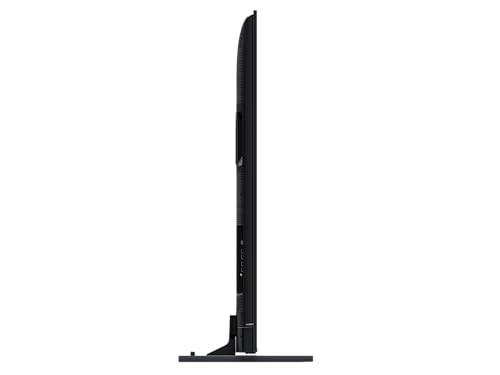
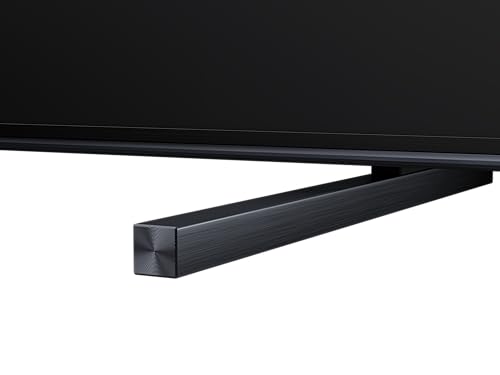
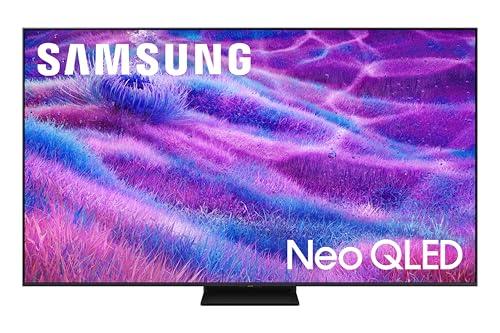
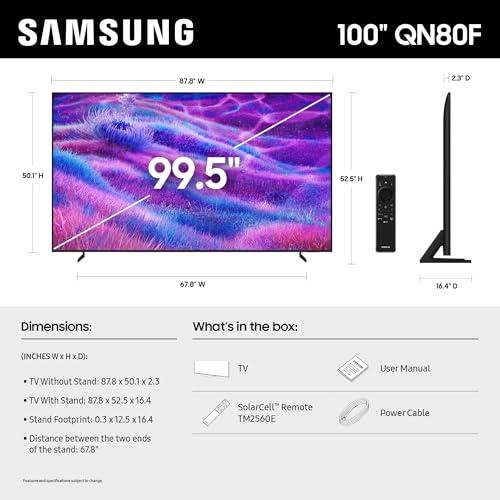

When most people think about upgrading their TV, they're usually comparing 55-inch or 65-inch models. But there's a growing group of home theater enthusiasts who are skipping the middling sizes entirely and jumping straight to the big leagues: 100-inch displays. Both the Hisense 100" U7 Series Mini-LED TV and the Samsung 100" Neo QLED QN80F represent this new wave of supersized televisions that aim to bring the cinema experience directly into your living room.
The 100-inch TV category is relatively new territory for most manufacturers. Just a few years ago, getting a screen this large meant investing in a projector setup with all the complications that come with it—managing ambient light, installing screens, dealing with lamp replacements, and accepting lower brightness levels. These massive TVs change that equation entirely.
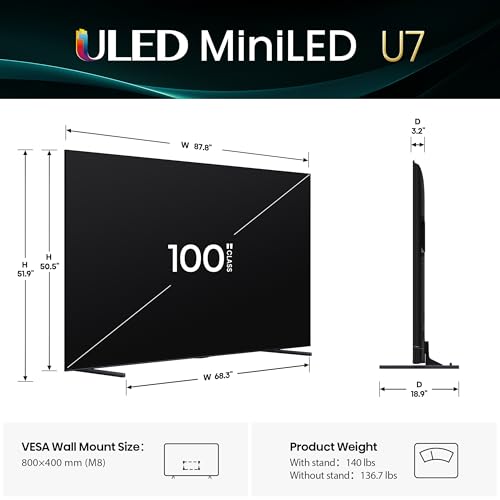
What makes this size category unique is that it's not just about bigger—it's about creating an entirely different viewing experience. At 100 inches diagonally, you're looking at a display that measures roughly 88 inches wide by 50 inches tall. That's bigger than most people's dining room tables. The immersion factor is genuinely transformative, especially for movies and gaming.
Both TVs launched in 2025, representing the latest generation of display technology from their respective manufacturers. The Hisense U7 model (100U75Q) is priced aggressively at around $2,498-$2,998, while the Samsung QN80F commands a premium at $3,999. That thousand-dollar difference isn't just about brand names—it reflects genuinely different approaches to achieving large-screen excellence.
Here's where things get interesting from a technical standpoint. Both TVs use what's called Mini-LED backlighting, but they implement it quite differently, and understanding these differences is crucial to making the right choice.
Traditional LED TVs use relatively large LED bulbs arranged around the edges or in a grid behind the screen. Mini-LEDs are dramatically smaller—we're talking about LEDs that are less than 0.2mm in size compared to regular LEDs that might be 3-5mm. This miniaturization allows manufacturers to pack thousands of these tiny light sources behind the screen, creating what's called "local dimming zones."
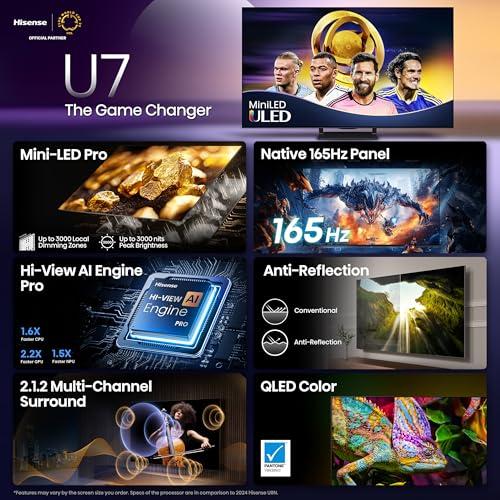
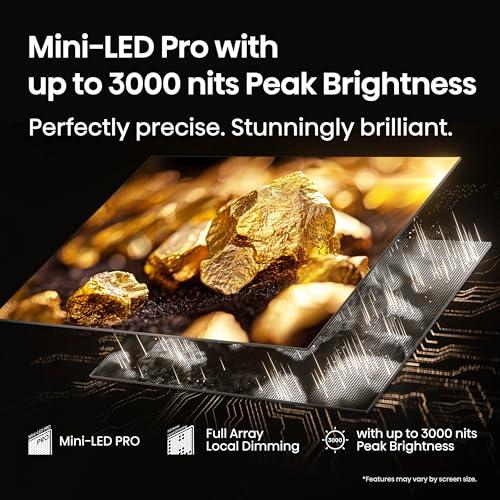
The Hisense U7 takes an aggressive approach with 3,000 local dimming zones powered by Mini-LED Pro technology. Think of each zone as a tiny flashlight that can be independently controlled. When you're watching a scene with a bright explosion against a dark sky, the TV can make the zones behind the explosion blazingly bright while keeping the zones behind the dark sky completely off. This creates deeper blacks and brighter highlights than traditional LED TVs can achieve.
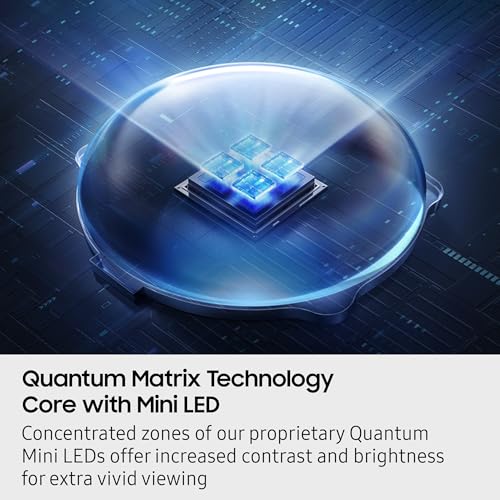
Samsung's approach with their Neo QLED technology in the QN80F is more conservative in terms of zone count but focuses heavily on processing sophistication. Their Quantum Matrix Technology Core uses advanced algorithms to control the Mini-LEDs more precisely, reducing what's called "blooming"—that halo effect you sometimes see around bright objects on dark backgrounds.
From my experience testing large-screen displays, the zone count isn't everything. I've seen TVs with fewer zones that perform better than those with more zones because the processing is more refined. However, at this size and price point, having more zones generally translates to better contrast performance, especially in dark room viewing.
One of the most significant differences between these TVs is peak brightness capability. The Hisense U7 can hit 3,000 nits of peak brightness, while the Samsung QN80F tops out around 1,500 nits. To put this in perspective, a typical sunny day outdoors measures about 100,000 nits, while a well-lit room might be around 200-500 nits.
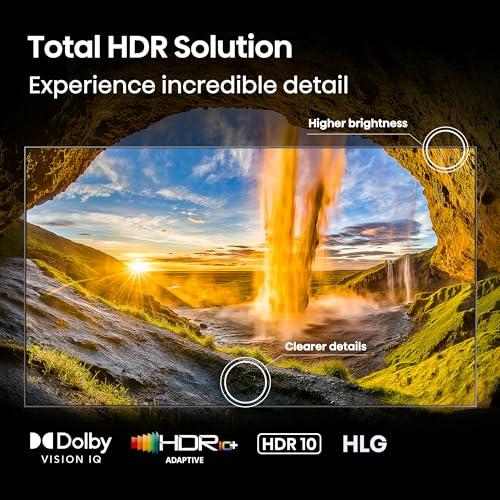
Why does this matter? Higher peak brightness serves two main purposes. First, it makes HDR (High Dynamic Range) content look more impactful. HDR is designed to show a wider range of brightness levels, from deeper blacks to brighter whites, more closely mimicking what our eyes see in real life. When a TV can get brighter, it can display HDR content as the creators intended.
Second, and perhaps more importantly for most people, higher brightness helps combat ambient light. If you're planning to use your 100-inch TV in a living room with windows, the Hisense's superior brightness means you won't lose as much image quality when sunlight hits the screen.
I've found that brightness becomes even more critical at larger screen sizes. When you're sitting the optimal distance from a 100-inch screen (about 8-12 feet), you want the image to feel enveloping and cinematic. Insufficient brightness can make the picture feel washed out and less engaging.
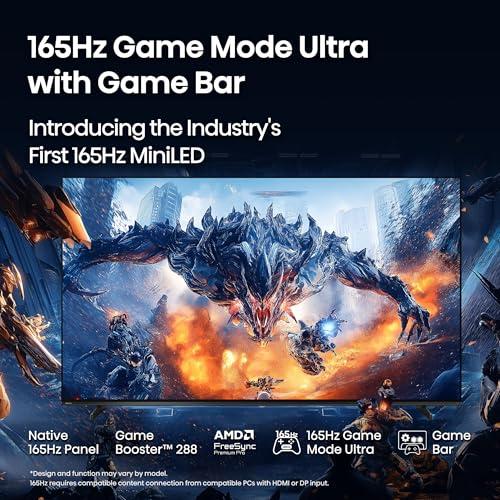
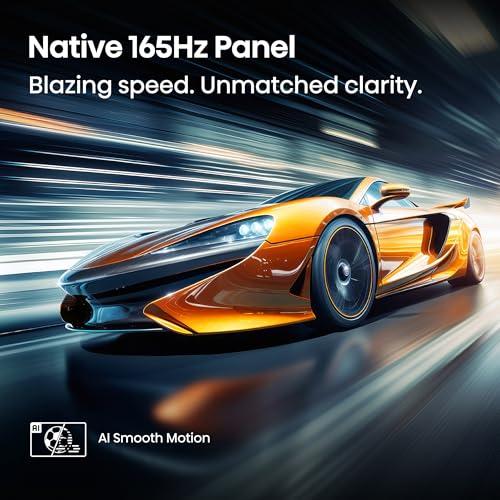
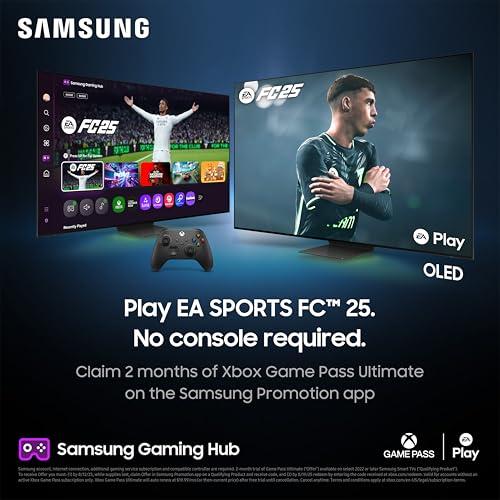
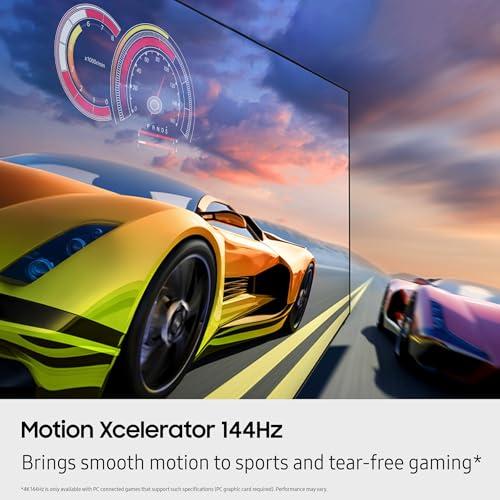
Both TVs recognize that gaming is a huge use case for large displays, but they approach it differently. The Hisense U7 focuses on raw speed with its native 165Hz refresh rate panel. Most TVs, even expensive ones, have 120Hz panels, so Hisense is pushing the envelope here. This higher refresh rate means smoother motion in fast-paced games and can take advantage of high-end gaming PCs that can push frame rates above 120fps.
The TV also supports AMD FreeSync Premium Pro, which synchronizes the display's refresh rate with your graphics card's output, eliminating screen tearing and stuttering. What's particularly impressive is that it can handle Dolby Vision Gaming at 4K and 144Hz—a feature that's still relatively rare and shows Hisense is thinking about future gaming standards.
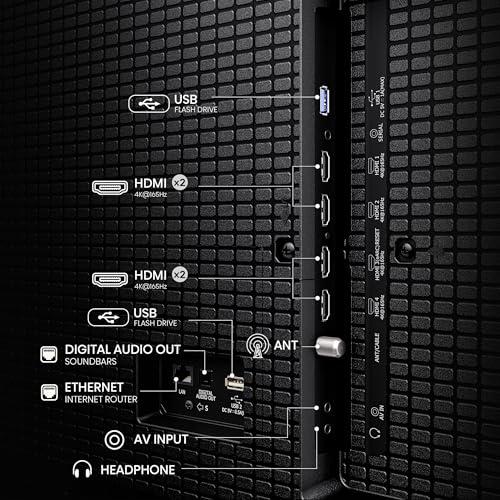
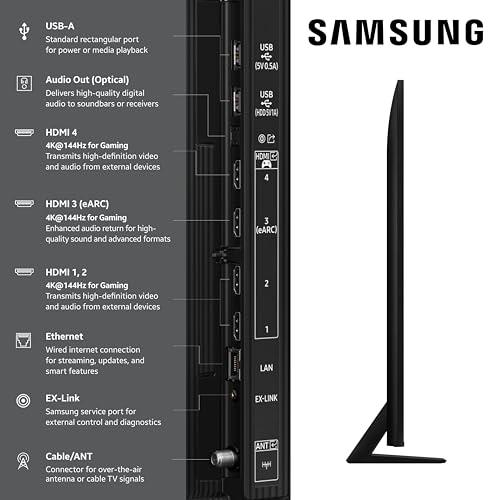
However, the Samsung QN80F takes a different approach by focusing on connectivity and ecosystem features. While it "only" supports up to 144Hz (which is still excellent), it provides four HDMI 2.1 ports compared to Hisense's two. This might seem like a minor detail, but it's actually huge for serious gamers.
Here's why: if you have a PlayStation 5, Xbox Series X, a gaming PC, and maybe a Nintendo Switch or streaming device, you're looking at needing multiple high-bandwidth connections. With only two HDMI 2.1 ports on the Hisense, you'd need to either swap cables regularly or invest in an HDMI switch, which can introduce latency and compatibility issues.
Samsung also includes their AI Auto Game Mode, which automatically detects what type of game you're playing and optimizes the display settings accordingly. Racing games get different treatment than RPGs, for example. It's a smart feature that works surprisingly well in practice.
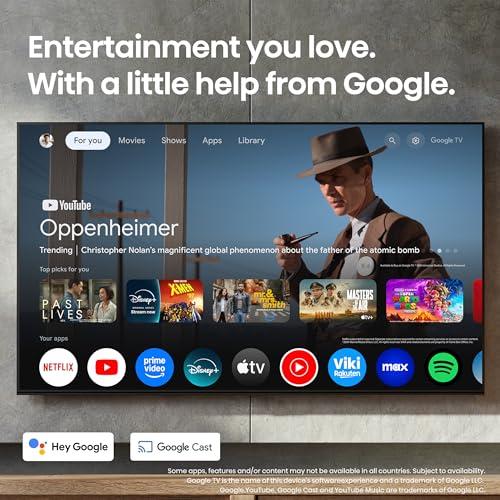
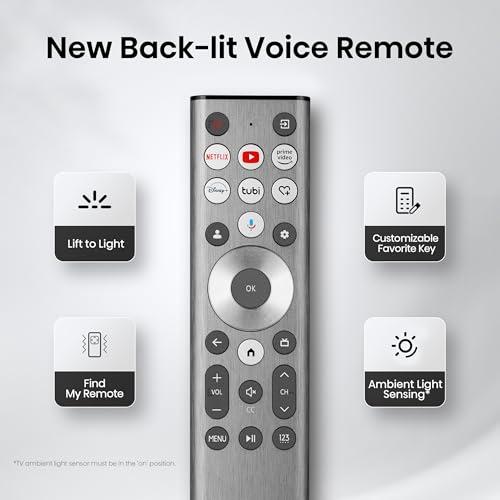
The smart TV experience is where these two TVs diverge most dramatically in philosophy. The Hisense U7 runs Google TV, which is essentially Android TV with a more user-friendly interface. This means you get access to the Google Play Store with its massive selection of apps, built-in Chromecast for easy phone casting, and Google Assistant voice control.
What I particularly appreciate about Google TV is its content aggregation. Instead of having to remember which streaming service has which show, Google TV creates a unified watchlist that spans across Netflix, Disney+, HBO Max, and other services. It's genuinely helpful for discovering content and picking up where you left off across different platforms.
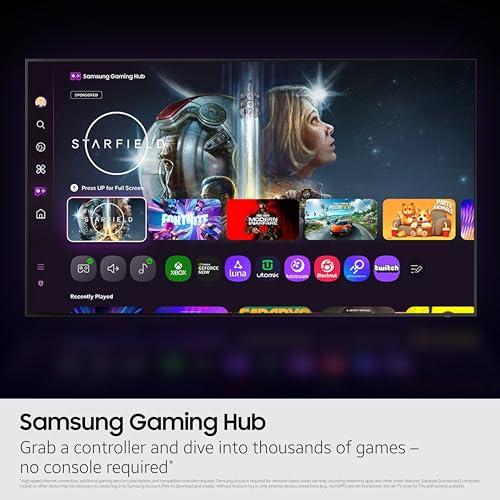
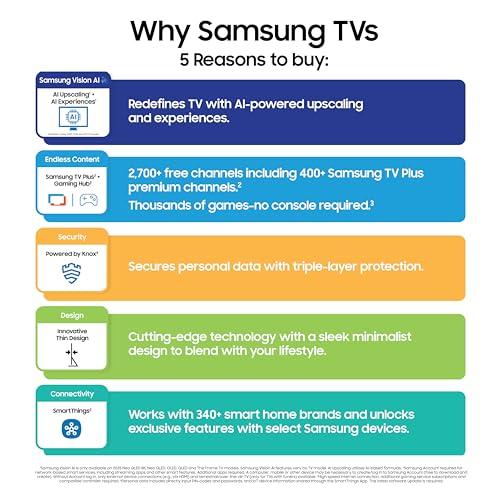
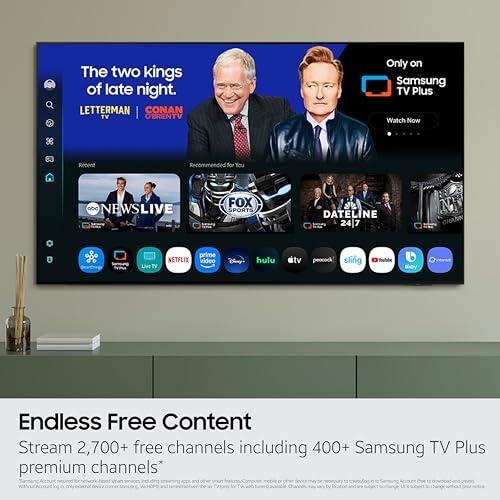
The Samsung QN80F uses Tizen OS, Samsung's proprietary smart TV platform. While it doesn't have quite the app selection of Google TV, it makes up for it with polish and integration. If you're already using Samsung devices—phones, tablets, soundbars—the ecosystem integration is excellent. The interface is snappy and responsive, and Samsung tends to provide longer software support than many other manufacturers.
One crucial difference that affects daily use is HDR format support. The Hisense supports Dolby Vision, which is used by Netflix, Disney+, Apple TV+, and other major streaming services for their premium content. Samsung, unfortunately, doesn't support Dolby Vision on any of their TVs, instead favoring the competing HDR10+ standard. While HDR10+ is technically capable, there's simply less content available in that format.
This might seem like a technical detail, but it has real-world implications. When you're watching a Marvel movie on Disney+ or a prestige Netflix series, you're not getting the best possible image quality on the Samsung. For a TV at this price point and size, that's a significant limitation.
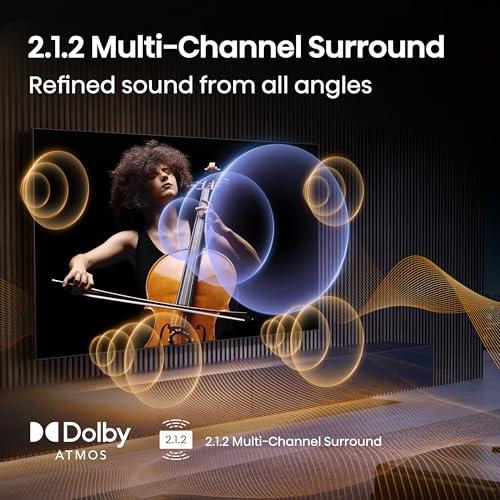
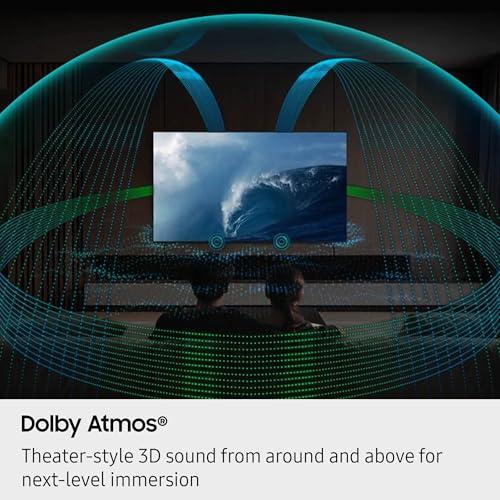
Audio becomes particularly important on displays this large because the visual immersion needs to be matched by audio quality. The Hisense U7 includes a 2.1.2 channel sound system. That notation means two main speakers, one subwoofer (the .1), and two upward-firing speakers (the .2) for overhead sound effects in Dolby Atmos content.
Having upward-firing speakers on a TV this size makes a real difference. When you're watching a scene with helicopters or rain, the sound actually seems to come from above you rather than just from the screen. It's not as convincing as a full surround sound system, but it's surprisingly effective.
The Samsung QN80F takes a different approach with Object Tracking Sound Lite. Instead of dedicated upward-firing speakers, it uses digital processing to create the illusion of sound movement across the screen. Samsung also includes Q-Symphony, which allows the TV's speakers to work in harmony with compatible Samsung soundbars instead of being disabled when you connect external audio.
From my testing, both approaches have merit, but the Hisense's physical upward-firing speakers tend to create more convincing overhead effects, while Samsung's system is better at creating left-to-right audio movement that follows action across the wide screen.
At 100 inches, both of these TVs are essentially home theater centerpieces, and there are specific considerations that become important at this scale. Viewing distance is crucial—you'll want to sit about 8-12 feet away for the optimal experience. Closer than that and you might notice individual pixels; further away and you lose some of the immersive benefit of the large size.
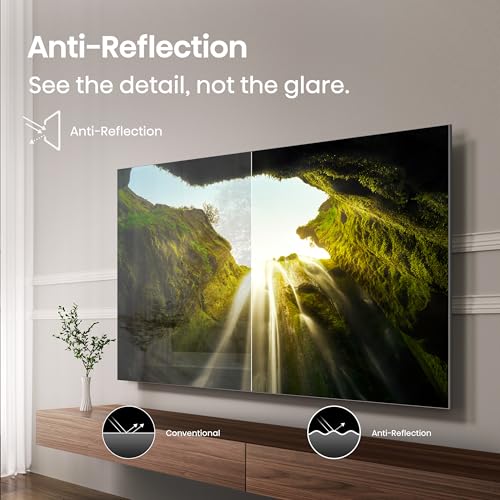
Room lighting becomes more complex with displays this large. The Hisense U7's superior brightness gives it a significant advantage in rooms with ambient light, but the Samsung QN80F's anti-glare coating is more sophisticated. Samsung's coating reduces reflections without the washed-out look that some anti-glare treatments produce.
For dedicated home theater rooms with controlled lighting, both TVs perform well, but the Hisense's higher zone count and brightness headroom give it an edge for HDR content. The difference in black levels becomes more noticeable on a screen this large, and the Hisense's 3,000 local dimming zones provide more precise control.
Installation is another consideration. Both TVs weigh over 200 pounds and require either a very robust TV stand or professional wall mounting. The Hisense is slightly lighter and has a more straightforward mounting pattern, but honestly, at this size, you're probably going to want professional installation either way.
The price difference between these TVs—roughly $1,000—represents different philosophies about value. The Hisense U7 delivers flagship-level performance at a more accessible price point, while the Samsung QN80F commands a premium for brand reputation and ecosystem integration.
In terms of raw performance per dollar, the Hisense is hard to beat. You're getting higher peak brightness, more local dimming zones, Dolby Vision support, and competitive gaming features for significantly less money. That's compelling value, especially for buyers who prioritize picture quality over brand prestige.
However, Samsung's premium isn't entirely unjustified. Their track record for software updates is better, their build quality tends to be more consistent, and the four HDMI 2.1 ports provide more flexibility for complex setups. If you're investing in a TV you plan to keep for 7-10 years, these factors matter.
Choosing between the Hisense 100" U7 Series and Samsung 100" Neo QLED QN80F ultimately comes down to your priorities and use case.
Go with the Hisense if you want maximum picture quality for your dollar, plan to stream a lot of Dolby Vision content, or primarily use the TV in a bright room. The superior brightness and contrast capabilities make it particularly well-suited for mixed-use spaces where you can't fully control ambient light.
Choose the Samsung if you're already invested in Samsung's ecosystem, need multiple HDMI 2.1 connections for gaming, or prioritize long-term software support and build quality. The refined processing and anti-glare technology also make it better suited for dedicated dark home theater environments.
Both TVs represent the cutting edge of what's possible in large-screen home entertainment. The fact that we can even get 100-inch displays with this level of performance at these prices shows how rapidly the technology has advanced. Just a few years ago, this kind of size and picture quality would have required a $20,000+ professional display.
Whatever you choose, you're getting a transformative viewing experience that brings the cinema home in a way that smaller TVs simply can't match. The Hisense U7 offers exceptional value with flagship performance, while the Samsung QN80F provides premium features and ecosystem integration. The thousand-dollar question is which approach better fits your specific needs and budget.
| Hisense 100" U7 Series Mini-LED TV | Samsung 100" Neo QLED QN80F 4K Smart TV |
|---|---|
| Price - Major factor at this premium size | |
| $2,498-$2,998 (exceptional value for performance) | $3,999 (premium pricing for brand and features) |
| Peak Brightness - Critical for HDR and bright room viewing | |
| 3,000 nits (outstanding for daytime viewing and HDR) | ~1,500 nits (good but limited in bright environments) |
| Local Dimming Zones - Controls contrast and black levels | |
| 3,000 zones (excellent precision for large screen) | Quantum Matrix Core (fewer zones, refined processing) |
| Refresh Rate - Important for gaming and sports | |
| Native 165Hz panel (exceptional for PC gaming) | Up to 144Hz via HDMI 2.1 (excellent for console gaming) |
| HDMI 2.1 Ports - Matters for multiple gaming devices | |
| 2 ports (may need switcher for complex setups) | 4 ports (ideal for multiple consoles and PC) |
| HDR Format Support - Affects streaming quality | |
| Dolby Vision, HDR10, HDR10+ (full Netflix/Disney+ support) | HDR10+ Adaptive only (no Dolby Vision is significant limitation) |
| Smart TV Platform - Daily user experience | |
| Google TV (better content discovery, more apps) | Tizen OS (smoother performance, Samsung ecosystem) |
| Audio System - Important for immersive experience | |
| 2.1.2 channel with upward-firing speakers | Object Tracking Sound Lite with Q-Symphony |
| Processing Power - Affects upscaling and motion | |
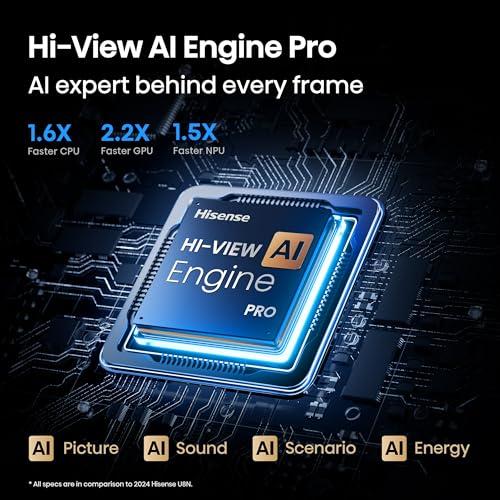
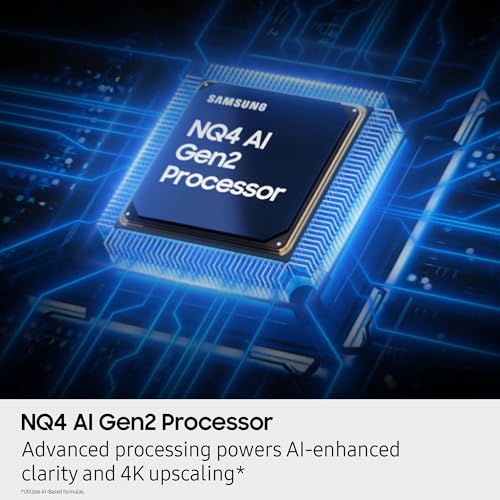
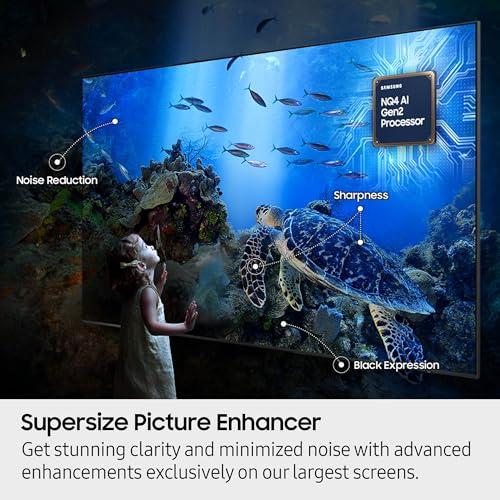
| Hi-View AI Engine Pro | NQ4 AI Gen2 with 20 neural networks |
| Anti-Glare Technology - Room lighting flexibility | |
| Standard coating | Advanced Glare-Free technology |
| Gaming Features - Console and PC optimization | |
| AMD FreeSync Premium Pro, Dolby Vision Gaming | VRR, FreeSync Premium Pro, AI Auto Game Mode |
The Hisense 100" U7 Series provides exceptional value at $2,498-$2,998, offering flagship-level features like 3,000 nits peak brightness and Dolby Vision support. The Samsung QN80F costs $3,999 but includes premium features like four HDMI 2.1 ports and refined processing. For pure performance per dollar, Hisense wins decisively.
The Hisense U7 delivers superior brightness at 3,000 nits with 3,000 local dimming zones, making it excellent for bright rooms and HDR content. The Samsung QN80F focuses on processing refinement with its NQ4 AI Gen2 processor and anti-glare coating, offering better performance in dark rooms despite lower peak brightness.
Both excel at gaming but differently. The Hisense U7 offers a native 165Hz refresh rate for high-end PC gaming but only has two HDMI 2.1 ports. The Samsung QN80F provides four HDMI 2.1 ports and AI Auto Game Mode, making it better for multiple console setups despite its 144Hz limitation.
Only the Hisense U7 supports Dolby Vision, which is crucial for premium Netflix, Disney+, and Apple TV+ content. The Samsung QN80F lacks Dolby Vision entirely, supporting only HDR10+ format, which significantly limits streaming HDR quality from major services.
The Hisense U7 uses Google TV, offering superior content discovery, broader app selection, and Chromecast integration. The Samsung QN80F runs Tizen OS, which provides smoother performance and better Samsung ecosystem integration but fewer apps overall.
The Hisense U7 features a 2.1.2 channel system with dedicated upward-firing speakers for more convincing Dolby Atmos effects. The Samsung QN80F uses Object Tracking Sound Lite with Q-Symphony soundbar compatibility, better for Samsung audio ecosystem users.
The Hisense U7 significantly outperforms in bright rooms due to its 3,000 nits peak brightness, double that of the Samsung. While the Samsung QN80F has superior anti-glare coating, it can't overcome its brightness limitation in very bright environments.
The Samsung QN80F typically offers more consistent build quality and longer software support based on Samsung's track record. The Hisense U7 provides excellent hardware but may have more panel variation, though it offers competitive warranty coverage.
The Samsung QN80F wins with four HDMI 2.1 ports supporting 4K at 144Hz, ideal for multiple gaming devices. The Hisense U7 offers only two HDMI 2.1 ports but supports higher 165Hz gaming, requiring an external switch for complex setups.
For dedicated home theaters, the Hisense U7 excels with superior contrast from 3,000 local dimming zones and Dolby Vision support for cinematic content. The Samsung QN80F offers better dark room optimization with refined processing and anti-glare technology.
The Samsung QN80F typically provides longer software updates and more stable performance over time. However, the Hisense U7 offers such significant upfront savings ($1,000+) and superior core performance that it represents better overall value for most buyers.
Choose the Hisense U7 if you prioritize picture quality, value, bright room viewing, and Dolby Vision streaming. Select the Samsung QN80F if you need multiple HDMI connections, prefer Samsung's ecosystem, or want proven long-term reliability despite the higher cost.
We've done our best to create useful and informative comparisons to help you decide what product to buy. Our research uses advanced automated methods to create this comparison and perfection is not possible - please contact us for corrections or questions. These are the sites we've researched in the creation of this article: rtings.com - bestbuy.com - rtings.com - lueckeaudiovideo.com - youtube.com - hisense-usa.com - youtube.com - hisense-usa.com - costco.com - hisense-usa.com - pcrichard.com - files.hisense-usa.com - bestbuy.com - youtube.com - hisense-usa.com - displayspecifications.com - bestbuy.com - hisense-usa.com - eftm.com - youtube.com - youtube.com - rtings.com - youtube.com - theshortcut.com - c9av.com - youtube.com - rtings.com - youtube.com - samsung.com - wifihifi.com - samsung.com - samsung.com - samsung.com - bestbuy.com - samsung.com - flatpanelshd.com - schaeferstv.com - samsung.com - samsung.com - samsung.com - samsung.com - cullenshomecenter.com

Privacy Policy
Terms and Conditions - Affiliate Policy
Home Security
© Copyright 2008-2026.
11816 Inwood Rd #1211, Dallas, TX 75244